
CA Family Beach Vacations: A Pro's Planning Guide

TrekGuider @trekguider
Staring at a map of California's 840-mile coastline can feel overwhelming. You're searching for one perfect stretch of sand that pleases everyone—from toddlers who need calm water to teens who crave adventure. The fear of choosing wrong is real: a trip ruined by unsafe surf, zero parking, or the dreaded "I'm bored" can turn a dream vacation into a stressful ordeal.
This guide is your antidote to that analysis paralysis. We'll give you a clear framework for picking the right beach for your family's unique needs, ensuring your trip is filled with golden-hour memories, not logistical nightmares.
Choosing the right destination is the first step in planning an amazing trip, a core principle we cover in our comprehensive guide to Family Travel Ideas: The 2026 Guide to Unforgettable Trips. This playbook will give you the California-specific details you need to make the perfect choice.

First, Define Your Perfect Beach: A 4-Point Framework for California
California's coastline is stunningly diverse. The secret to a successful trip is finding a beach that suits your family's needs. Before looking at a map, use this framework to determine your family's “beach DNA” and find the perfect option.
Type 1: Calm & Shallow Waters (Best for Toddlers & Cautious Swimmers)
Let's be honest—when you're traveling with toddlers, 'safety' isn't just a priority; it's the entire game. You need waters that are less 'crashing surf' and more 'gentle bathwater.' These beaches are characterized by gentle, lapping waves, shallow entry points, and natural protections like coves or bays.
Top California Picks: La Jolla Shores (San Diego), Coronado Central Beach (San Diego), Avila Beach (Central Coast).
Type 2: Active & Adventurous Shores (Best for Kids & Teens)
If your crew gets restless just sitting on the sand, you need a destination with built-in action. These are the hubs for boogie boarding, learning to surf, pier fishing, and boardwalk cycling. The energy here is palpable, and there's always something to do.
Top California Picks: Huntington Beach ("Surf City USA"), Santa Monica State Beach (Los Angeles), Pismo Beach (Central Coast).
Type 3: Full-Service & Amenity-Rich (For Maximum Convenience)
These are the beaches for families who want everything at their fingertips. Think easy parking, clean restrooms, on-duty lifeguards, nearby playgrounds, and plenty of places to grab a snack or rent equipment. They are designed to minimize friction and maximize relaxation.
Top California Picks: Moonlight State Beach (Encinitas), Main Beach (Laguna Beach), Carmel Beach (Carmel-by-the-Sea).
Type 4: Natural & Unspoiled Coasts (For Exploration & Wildlife)
For families who want to escape the crowds and connect with nature, these beaches offer tide pools teeming with life, scenic hiking trails, and the chance to spot wildlife, from barking sea lions to migrating whales.
Top California Picks: Leo Carrillo State Park (Malibu), Point Dume State Beach (Malibu), Stinson Beach (Marin County).

Southern California (SoCal): A Deep Dive into Family Beach Vacations
SoCal is the classic choice for family beach vacations for a reason: it delivers iconic sunshine, relatively warm water, and an unmatched density of attractions. From San Diego to Malibu, this region packs in a staggering variety of coastal experiences.

San Diego County: America's Finest Family Beaches
Often considered the gold standard, San Diego offers a perfect equilibrium between pristine beaches and world-class attractions.
La Jolla Shores: This is arguably the best beach in California for families with toddlers. A mile-long sandy expanse with some of the gentlest waves on the West Coast, it's perfect for splashing and sandcastle construction. The adjacent Kellogg Park has a fantastic playground.
Don't Miss: Book a guided kayak tour to paddle over the La Jolla Underwater Park—you'll see sea lions, bright orange Garibaldi fish, and (harmless) leopard sharks swimming right below you. It's an unforgettable experience for kids ages 6 and up.
Coronado Central Beach: Famous for its iconic Hotel del Coronado backdrop and shimmering, mica-infused sand, Coronado is wide, flat, and impeccably clean. The surf is typically gentle, and the sheer size means you can always find your own space.
Insider Tip: At low tide, fantastic tide pools emerge at the southernmost end of the beach, offering a great, free activity for curious kids.
Moonlight State Beach (Encinitas): For the family that values pure, unadulterated convenience, this beach in the surf town of Encinitas is your holy grail. It features a large, dedicated parking lot, clean restrooms, a snack bar, and a great playground right on the sand.
Insider Tip: The beach is situated in a natural bowl, which keeps it somewhat protected from the wind, making it a comfortable spot to spend the entire day.
Orange County: From "Surf City" to Art Coves
The OC offers a more polished, upscale beach experience, with beautifully maintained towns and legendary surf breaks.
Huntington Beach: Known globally as "Surf City USA," this is the place for an active family. The energy is infectious.
Don't Miss: Beyond surf lessons, rent a multi-person surrey bike and cruise the 10-mile paved beach path. At night, grab a fire pit (first-come, first-served) for the ultimate s'mores experience.
Newport Beach: Centered around the Balboa Peninsula, Newport offers two distinct experiences. The ocean side has bigger waves perfect for boogie boarding, while the bay side (at the Balboa Fun Zone) offers calm waters, boat rentals, and a classic Ferris wheel.
Insider Tip: Take the historic Balboa Island Ferry for a charming, scenic trip across the harbor. Kids love it, and it’s a budget-friendly thrill.
Main Beach (Laguna Beach): Nestled in a charming, artsy town, Main Beach has a "Coke commercial" vibe with its central lifeguard tower and boardwalk.
Don't Miss: The real magic of Laguna lies in its many small coves. A short walk south brings you to Treasure Island Beach, which has some of the most accessible and vibrant tide pools in all of SoCal.

Los Angeles County: Iconic Piers and Urban Shores
LA's beaches are vibrant and full of character, offering everything from entertainment hubs to quiet, natural retreats.
Santa Monica State Beach: The Santa Monica Pier, with its amusement park and aquarium, makes this a can't-miss destination. The beach itself is massive, providing ample room for everyone.
Don't Miss: Renting bikes and riding south to the Venice Beach Boardwalk is a quintessential LA family experience, filled with street performers and unique sights.
Leo Carrillo State Park (Malibu): For a completely different vibe, head north to Leo Carrillo. This stunning beach is famous for its sea caves and fascinating tide pools. It's a place for exploration, where kids can hunt for sea stars, crabs, and anemones.
Insider Tip: Check the tide charts before you go. The sea caves are only accessible and safe to explore during low tide.
Pro-Tip: Southern California experiences a weather pattern known as "May Gray" and "June Gloom," where a persistent marine layer can keep the coast cloudy and cool until the early afternoon. If you're planning a trip during these months, schedule other activities for the morning and plan for your main beach time after lunch when the sun typically breaks through.
When to Go: A Seasonal Guide to the California Coast
Choosing the right time to visit can make or break your trip. Here’s a breakdown:
Summer (June-August): The classic choice with the warmest weather and water temperatures. Pros: Everything is open, and the vibe is energetic. Cons: Massive crowds and peak pricing for flights and lodging.
Fall (September-October): This is the locals' secret. Pros: The best weather of the year, with warm, sunny days and far fewer crowds. Water is still warm from the summer. Cons: Kids are back in school, making it tougher for families.
Winter (November-February): A great time for a different kind of beach trip. Pros: Lowest prices and no crowds. It's also the best time for whale watching. Cons: Water is too cold for swimming without a wetsuit, and you might get some rain.
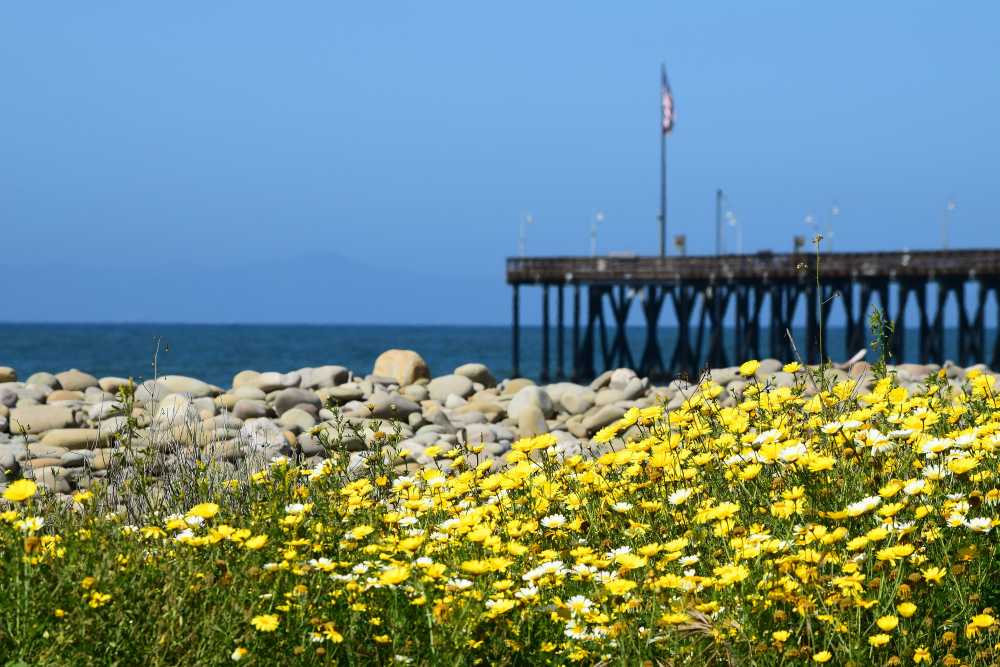
Spring (March-May): A mixed bag. Pros: Beautiful wildflowers, pleasant weather for non-swimming activities. Cons: The weather can be unpredictable, and the water is still very cold. "June Gloom" can start as early as May.
Central Coast & Northern California: Unspoiled Beauty
For families seeking a more tranquil and nature-focused trip, the coasts north of LA offer dramatic scenery, charming small towns, and a welcome escape from the crowds.

The Central Coast: A Slower Pace of Life
Pismo Beach: A classic California beach town, Pismo is famous for its long fishing pier and being the "Clam Capital of the World."
Don't Miss: It's one of the few places where you can legally drive on the beach (in designated areas), making it a hub for ATV rentals and a unique family adventure.
Avila Beach: Tucked into a sunny cove, Avila is often warmer and less windy than its neighbors. The calm waters of the bay are perfect for paddleboarding and kayaking.
Insider Tip: Walk to the end of the Harford Pier to see sea lions lounging and barking up close.
The Bay Area & North: Boardwalks and Rugged Coastlines
Santa Cruz Main Beach: Home to the West Coast's oldest seaside amusement park, the Santa Cruz Beach Boardwalk is a paradise for kids and teens. The combination of classic roller coasters, arcade games, and a wide sandy beach is unbeatable.
Insider Tip: Buy your ride tickets online in advance to save money and skip the ticket lines.
Stinson Beach (Marin County): Just a spectacular drive from the Golden Gate Bridge, Stinson is a vast expanse of white sand with relatively calm water for a NorCal beach. It feels like a world away from the city.
Insider Tip: The drive on Highway 1 to get there is gorgeous but winding. If anyone in your family is prone to car sickness, be prepared. It's a key part of what we cover in The Sanity-Saving System for Your Next Family Road Trip.
Explore California's Iconic Coastline
Planning to drive the dramatic coast around Big Sur? Don't leave it to chance. Download our free Big Sur Map & Itinerary for a curated route, must-see stops, and insider tips to make the most of this unforgettable drive.
Your California Beach Trip Playbook
A great plan is what separates a stressful trip from a relaxing one. Here’s how to manage the practical side of your California family beach vacation. For a deeper dive into simplifying the entire process, check out our guide on How to Make Family Travel Planning Actually Easy.
Step 1: Budgeting for the Golden State
Lodging: Vacation rentals are often more cost-effective than hotels for families. Book 3-6 months in advance.
Food: Pack a cooler for your beach days. This can save you $50-$100 per day.
Parking: Beach parking can range from $10-$30. Look for free residential parking a few blocks away.
Activities: Focus on free fun! Sandcastle building, tide pooling, and pier strolling cost nothing.
Sample 5-Day SoCal Budget (Family of 4)
Step 2: The Essential California Beach Packing List

The key is layers. Coastal weather can change in an instant.
Sun Protection: High-SPF sunscreen (reef-safe), wide-brimmed hats, sunglasses, and a rash guard for each child.
The Layers: In addition to swimsuits, everyone needs a sweatshirt or fleece.
Beach Gear: A lightweight beach tent or umbrella, sand toys, boogie boards, and a good cooler.
Footwear: Flip-flops and comfortable walking shoes.
First-Aid Kit: Include bandages, antiseptic wipes, pain reliever, and aloe vera gel.
Pro-Tip: For notoriously difficult parking areas like Santa Monica or Laguna Beach, use an app like SpotHero or ParkWhiz to reserve a parking spot in a nearby garage ahead of time. It can save you an immense amount of stress.
Frequently Asked Questions
What is the best month for a California family beach vacation?
September and October are often considered the best months. You'll enjoy warm, sunny weather and ocean temperatures held over from summer, but with significantly fewer crowds. While summer is classic, it brings peak prices and packed beaches.
Which California beach is the absolute best for toddlers?
La Jolla Shores in San Diego is widely considered the top choice for families with toddlers. Its waves are exceptionally gentle, the sandy shoreline has a very gradual slope, and the adjacent Kellogg Park offers a convenient playground.
Is it better to stay in San Diego or Orange County for a family trip?
It depends on your priorities. San Diego is ideal for families with younger kids, offering calmer beaches like La Jolla and world-class attractions. Orange County offers a more polished experience and is great for active families with older kids or teens, with hubs like Huntington Beach for surfing.
Besides swimsuits, what is one essential item to pack for a California beach day?
Layers, specifically a sweatshirt or fleece for everyone in the family. California's coastal weather can change quickly, with cool marine fog in the morning and breezy afternoons. Having a warm layer ensures you'll be comfortable all day long.
Conclusion
A successful California family beach vacation isn't about finding a secret spot—it's about matching the right beach to your family's unique travel style. Whether you need the gentle bays of San Diego for a toddler's first splash or the vibrant energy of Santa Cruz for your teens, the Golden State has the perfect patch of sand waiting for you.
You now have the framework and destination intelligence to move from planning to action. With this playbook, you're ready to choose your spot, pack your bags, and make this the trip that actually happens. To help you with the bigger picture, see our guide on How to Plan a US Family Vacation That Actually Happens.
Read the full guide: Family Travel Ideas: The 2026 Guide to Unforgettable Trips
Don't Miss Out! Subscribe for Exclusive Content
Subscribe



Comments 0
No comments yet
Be the first to share your experience!
Dont Miss Out! Subscribe for Exclusive Content

Ultimate USA Holidays Guide: Top Picks


FTC Affiliate Disclosure Essentials: Stay Compliant as a Travel Creator

Essential Affiliate Tools: From Tracking to Full Optimization

Booking.com Affiliate Program Review: Pros, Cons, and Earnings Potential

Decoding Affiliate Commission Rates: Benchmarks for Travel Creators

Amazon Associates for Travel: Strategies to Maximize Commissions
10 Must-Read Solo Travel Blogs for 2026
TrekGuider @trekguider
You're dreaming of a solo trip. You can practically feel the freedom of setting your own itinerary, the electric thrill of navigating a new city, and the profound experience of discovering the world—and yourself—on your own terms. But then, the static of doubt creeps in. Is it safe? Can I afford it? Where do I even begin? The internet is a firehose of generic advice, leaving you feeling more overwhelmed than empowered. You see the perfectly curated Instagram feeds, but what you crave are the real stories, the hard-won lessons, and the practical safety tips from people who have actually walked the path you’re about to take. You don’t just need inspiration; you need a roadmap and reassurance from trusted voices who truly get it.
This is where the right solo travel blogs become the most valuable tool in your travel planning arsenal. Forget endless, aimless scrolling. We’ve done the heavy lifting, applying a rigorous, data-driven vetting process to identify the absolute best, most authoritative solo travel experts to guide you. This isn’t just another list; it’s a curated collection of mentors designed to help you conquer your doubts and plan the adventure of a lifetime. As we cover in our comprehensive guide to The Best Travel Blogs to Follow in 2026, finding a niche expert is the key to unlocking truly valuable advice. This handpicked list is your first step toward transforming your solo travel dream into a well-planned, confident reality.
How We Vetted the Best: Our Data-Driven Approach
To build this definitive list, we moved beyond superficial vanity metrics. A huge follower count can be misleading; true authority is built on a foundation of expertise, trust, and genuine community. We applied a dual-factor framework, combining hard data with the human element of excellence.
Quantitative Authority Signals: We started with the data layer. We analyzed each blog’s Domain Rating (DR) using tools like Ahrefs, which measures a site's backlink profile to estimate its authority in the eyes of search engines. But we didn't stop there. We also dove into their social media, prioritizing engagement rate over raw follower counts. After all, a smaller, highly engaged community is far more valuable than a large, passive one. We used a standard industry formula to see who was truly connecting with their audience:
Engagement Rate=Follower Count(Likes+Comments+Shares+Saves)×100
This metric served as a powerful proxy for brand loyalty and content that genuinely resonates.
Qualitative Excellence: Data only tells part of the story. The blogs that made this final cut excel in the areas that matter most: exceptional writing and originality, deep niche expertise, a professional and user-friendly site design, and a real, tangible connection with their community. They are transparent, authentic, and have earned the trust of their readers through years of high-quality, reliable content.
This rigorous process ensures that every blog recommended below is a trusted resource you can count on not just for inspiration, but for actionable advice.

The Best Solo Female Travel Blogs (For Safety & Empowerment)
For many women, the biggest barrier to solo travel isn't cost or logistics—it's safety. These bloggers tackle that concern head-on, providing the practical advice and empowering stories you need to explore the world with confidence.

1. Adventurous Kate
Website: adventurouskate.com
A true pioneer in the industry, Kate McCulley has been traveling the world solo since 2010. Kate’s blog isn’t just a resource; it’s the gold standard for solo female travel safety. She methodically covers everything from granular, destination-specific safety guides to the often-overlooked internal challenges, like managing anxiety on the road. It’s this kind of on-the-ground intelligence that pairs perfectly with a comprehensive resource like our own Spain Travel Guide—one of the many expert-written guides you can find on the TrekGuider marketplace.
2. Be My Travel Muse
Website: bemytravelmuse.com
If your vision of solo travel involves more than just big cities and popular landmarks, Kristin Addis is your guide. She specializes in off-the-beaten-path, adventurous solo travel for women. Her content is for the woman who wants to hike in Patagonia, dive in the Philippines, or road trip through Namibia alone. She provides the logistical details and courage needed to tackle less conventional destinations with confidence.
3. GRRRLTRAVELER
Website: grrrltraveler.com
Christine Kaaloa offers a unique and highly valuable perspective, blending solo travel advice with her expertise as a video creator. What sets GRRRLTRAVELER apart is its laser focus on "street smart" safety. Christine provides incredibly practical, subtle tips that go beyond the basics, like her guide to the " She empowers her readers by teaching them how to be resilient, resourceful, and aware, no matter where they are.
Your Ultimate Safety Toolkit
Feeling inspired? The expert advice from these bloggers is invaluable. But reading tips is one thing; internalizing them is another. To help you consolidate these life-saving strategies into one place, we’ve created an actionable checklist that you can use for every trip you plan.
Download our free Solo Female Travel Safety Guide now! This comprehensive guide distills wisdom from top experts and government sources into a step-by-step checklist to help you prepare for a safe and incredible solo adventure.
The Best Budget Solo Travel Blogs (For Making Your Dream a Reality)
After safety, the next big question for many aspiring solo travelers is: "How can I possibly afford this?" These blogs demystify the finances of travel, proving that you don't need a massive trust fund to see the world—you just need a smart strategy.

4. Nomadic Matt
Website: nomadicmatt.com
Matt Kepnes is a titan of the budget travel world, and his blog is an essential starting point for anyone looking to travel more for less. While his advice applies to all travelers, his extensive library of content is particularly valuable for solo travelers who bear the full financial burden of a trip. His post, "," is a masterclass in shifting your mindset from "I can't afford it" to "How can I afford it?"
5. The Broke Backpacker
Website: thebrokebackpacker.com
Will Hatton is all about shoestring travel and long-term adventures. His blog is for the aspiring nomad who wants to truly immerse themselves in the backpacker lifestyle. He offers raw, unfiltered advice on everything from finding work on the road to surviving in hostels. His philosophical and practical posts, like " ," provide both the inspiration and the practical plan for making long-term solo travel a reality.
6. Never Ending Footsteps
Website: neverendingfootsteps.com
Lauren Juliff’s blog is a powerful resource that combines practical budget travel advice with an honest and open discussion of overcoming travel anxiety. For many first-time solo travelers, fear and anxiety are major hurdles. Lauren’s journey of traveling for over a decade despite her anxiety is incredibly reassuring. She provides detailed budget breakdowns from her travels, proving that a life of adventure is attainable and manageable.
But what if your travel dreams are less about stretching a dollar and more about stretching your comfort zone? For those who equate travel with adrenaline, the next set of blogs are your essential reading.
The Best Adventure Solo Travel Blogs (For the Thrill-Seekers)
If your idea of travel involves breathtaking landscapes, physical challenges, and a healthy dose of adrenaline, these are the solo travel blogs you need to follow. They cater to the outdoor enthusiast and prove that the world’s greatest adventures are accessible to the solo explorer.

7. Expert Vagabond
Website: expertvagabond.com
Matthew Karsten is an adventure travel photographer and writer who has been exploring the world for over a decade. His blog is a treasure trove of stunning photography and gripping stories from some of the world's most remote corners. For the solo traveler with an appetite for true adventure, his detailed guides on experiences like "" offer both the inspiration to dream big and the practical information needed to follow in his footsteps.
8. The Planet D
Website: theplanetd.com
While Dave and Deb are a travel couple, their motto, "Adventure is for Everyone," makes their blog an essential resource for solo travelers. They have tackled some of the most epic adventures imaginable, from kayaking in Antarctica to cycling the continent of Africa. Their blog is brilliantly organized by destination and activity, making it an incredible resource for a solo traveler planning an ambitious, adventure-focused itinerary.
9. Nomadasaurus
Website: nomadasaurus.com
Alesha and Jarryd are masters of overland and trekking adventures. Their blog has evolved over the years, but its core has always been a passion for sustainable adventure travel. For the solo traveler looking to plan a multi-day hike or an extensive overland journey, their incredibly detailed guides, like "," are second to none. They provide the nitty-gritty logistical details that are crucial for a successful and safe solo adventure.
The Must-Follow New Voice in Solo Travel
10. Travel Off Script
Website: traveloffscript.com
Quincy Morris represents the new generation of solo travelers. Her blog, Travel Off Script, focuses on empowering women to travel solo through curated guides and practical tips. She blends luxury, adventure, and culture, offering a fresh perspective on what solo travel can be. Her content, such as "" is perfect for the modern woman looking for sophisticated and empowering travel experiences.
Frequently Asked Questions About Solo Travel
You've got the inspiration, now let's tackle some of the lingering questions. We've compiled answers to the most common queries from aspiring solo travelers.

1. Is it safe to travel solo as a woman?
Yes, with the right preparation and awareness. Safety is a primary concern, but it's manageable. The key is proactive planning. Before you go, thoroughly research your destination's cultural norms, especially regarding dress codes. Consult U.S. State Department advisories for reliable safety information. While traveling, maintain situational awareness, trust your intuition, avoid disclosing that you're alone, and use digital tools like location-sharing apps with a trusted contact back home.
Pro-Tip: A widely recommended tactic from veteran solo travelers is to avoid disclosing to strangers that you are traveling alone. According to safety experts, if questioned, it’s often safer to mention you’re meeting a friend, partner, or group later.
2. How do I choose my first solo travel destination?
For a first trip, choose a destination known for its safety, good tourism infrastructure, and ease of navigation. Countries in Western Europe (like Portugal or Ireland), Southeast Asia (like Thailand or Vietnam), and destinations like New Zealand or Costa Rica are popular choices for a reason. Pick a place where you feel a genuine pull of interest, as your enthusiasm will help you overcome any first-timer nerves.
3. What's the biggest mistake first-time solo travelers make?
Over-scheduling. The beauty of solo travel is the freedom to be spontaneous. Many first-timers pack their itinerary so tightly they leave no room for serendipity—the unexpected detours, the long coffee shop conversations, or the decision to spend an entire afternoon in a park. Plan your key activities, but leave plenty of unstructured time to simply wander and explore.
4. How do I deal with loneliness or meet people on the road?
Loneliness can happen, but it's often fleeting. Staying in social accommodations like hostels is the easiest way to meet fellow travelers. Joining a small group day tour, taking a local cooking class, or even just sitting at a communal table or bar can spark conversations. Remember, many other people are in the same boat. A simple "hello" can go a long way.
Your Journey Starts Now
The path to a life-changing solo trip begins with a single step: gathering the right information from people you trust. The journey from dream to destination can feel daunting, but you are now armed with a list of expert mentors who have paved the way. These incredible solo travel blogs provide the proof that traveling alone is not only possible but is one of the most empowering and rewarding experiences you can have. Dive into their stories, absorb their advice, and start planning your own chapter. The world is waiting for you.
Meta Data Suggestions:
SEO Meta Title (57 characters): 10 Must-Read Solo Travel Blogs for 2026 | TrekGuider
URL Slug: solo-travel-blogs
SEO Meta Description (154 characters): Planning a solo trip? Discover the 10 best solo travel blogs of 2026. Get expert safety tips, budget advice, and answers to your top solo travel questions.
Don't Miss Out! Subscribe for Exclusive Content
SubscribeComments 0
No comments yet
Be the first to share your experience!
Dont Miss Out! Subscribe for Exclusive Content
FTC Affiliate Disclosure Essentials: Stay Compliant as a Travel Creator
Essential Affiliate Tools: From Tracking to Full Optimization

Avoid These 5 Affiliate Landing Page Mistakes for Better Conversions

Affiliate Keyword Research Mastery for Travel Blogs
Booking.com Affiliate Program Review: Pros, Cons, and Earnings Potential
Decoding Affiliate Commission Rates: Benchmarks for Travel Creators
The 7 Solo Female Travel Safety Rules You Can't Ignore
TrekGuider @trekguider
You feel the magnetic pull of the world, a deep-seated desire to explore ancient cities, wander through breathtaking landscapes, and discover it all on your own terms. The dream of solo travel is vibrant and powerful. But for so many women, that dream is shadowed by a persistent and paralyzing question: "But will I be safe?"
This isn't just a fleeting thought; it's a formidable barrier. It’s a shared, valid concern that echoes across the travel community. A staggering 66% of women who travel solo report worrying about their personal safety, and for the 59% of women who have yet to start their first independent journey, these concerns are the second-largest obstacle holding them back. The fear is real, and it is robbing you of what could be the most transformative experience of your life. But what if you could systematically dismantle that fear, replacing it with an unshakable foundation of competence?
This guide is your tactical blueprint to do exactly that. We are moving beyond vague reassurances and diving into the essential, non-negotiable rules of solo female travel safety. This isn't about seeing the world through a lens of paranoia; it's about equipping yourself with the knowledge to navigate it intelligently. For a complete overview of the journey, start with our comprehensive pillar guide, The Ultimate Guide to Solo Female Travel (15 Essential Tips). These seven rules, however, are the bedrock—the field-tested strategies that will transform you from a worrier into a prepared and confident global explorer.
Rule 1: Build a "Lifeline Home" Before You Leave
The single most important phase of your safety strategy happens before you ever pack a bag. Creating a strong communication and information bridge between you and a trusted emergency contact back home is non-negotiable. This "mission control" is your ultimate safety net, ensuring that if you are ever unreachable, someone you trust has every critical detail needed to help.
Your "lifeline" packet should be a comprehensive dossier containing both physical and digital copies of the following, based on recommendations from the U.S. Department of State:
A Complete Itinerary: Detail your trip on a day-by-day basis, including flight numbers, train schedules, and the names, addresses, and phone numbers of all booked accommodations.
Copies of All Important Documents: Include the photo page of your passport, any necessary visas, your driver's license, and a full copy of your travel insurance policy, complete with the policy number and the 24/7 emergency assistance phone number.
Financial Information: Provide photocopies of the front and back of every credit and debit card you are carrying. The international toll-free numbers on the back are essential for canceling them if they are lost or stolen.
A Pre-Arranged Communication Plan: Establish a clear plan for when you will check in (e.g., a quick text upon arrival in a new city). Crucially, agree on a protocol for what your contact should do if you miss a check-in (e.g., wait 12 hours, then contact your hotel, then contact the nearest embassy).

Pro-Tip: The single most effective safety action you can take in under five minutes is to enroll your trip with the U.S. Department of State’s free Smart Traveler Enrollment Program (STEP). This provides the nearest U.S. Embassy or Consulate with your itinerary, creating a three-way digital bridge connecting you, your emergency contact, and the State Department for a coordinated response in a worst-case scenario.
Rule 2: Master Your Sanctuary with an Unbreakable Arrival Protocol
Think of your accommodation as more than just a place to sleep. It’s your secure base of operations, your private sanctuary to rest and recharge. Ensuring its integrity from the moment you arrive is a critical habit that provides profound peace of mind. Adopt this methodical security check and perform it automatically every single time you enter a new room.
Prop the Door Open. Before you fully enter, use your main piece of luggage to prop the door open. This simple action prevents the door from closing and locking behind you, guaranteeing an immediate escape route should the room not be empty.
Conduct a Full Room Sweep. With the door still open, perform a quick but thorough physical search. Check under the bed, behind all curtains, inside closets, and in the bathroom, including behind the shower curtain.
Verify All Locks. Once the room is confirmed to be empty, close the door and immediately test all locking mechanisms. Engage the deadbolt, chain lock, or security latch. Go to every window and any balcony doors to ensure they lock securely.
Deploy Your Personal Security. Your own devices provide a layer of protection entirely within your control. Immediately place a rubber wedge doorstop alarm under the main door or install a portable door lock like an Addalock. These inexpensive, lightweight devices are highly effective at preventing unauthorized entry, even from someone with a key card.
Locate and Map Emergency Exits. Find the fire exit map on the back of the door. Identify the two nearest exits, then physically walk the route to each one, counting the doors you pass. This mental map is invaluable for navigating in darkness or smoke.
Perform a Hidden Camera Scan. In an age of miniaturized electronics, a quick scan for hidden cameras is a prudent measure. Use your phone's flashlight to look for the tell-tale glint of a tiny lens in unexpected places like smoke detectors, alarm clocks, and USB wall chargers. In the dark, use your phone's front-facing camera (which is more sensitive to infrared light) to scan the space. Look for the small, often blinking, IR lights used by night-vision cameras that are invisible to the naked eye.
Adopt a "Verify, Then Open" Door Policy. Make it your strict policy to never open your door to an unsolicited knock. If someone claims to be from housekeeping, call the front desk using the room phone to verify they sent a staff member to your room.

YOUR ULTIMATE SAFETY TOOLKIT
Mastering your environment is the first step to confident travel. True preparedness means having the right tools for every situation. Our free, downloadable Solo Female Travel Safety Guide is the perfect companion to these rules. It's a comprehensive checklist and resource guide covering everything from what to pack to what to do in an emergency.
Rule 3: Take Absolute Control of Your Ground Transportation
Moving through an unfamiliar city can be a point of high vulnerability. Whether you’re using a ride-sharing app or a local taxi, you must shift from being a passive passenger to an active participant in your own safety. Adhere to this strict set of protocols for every single ride.
The "Match, Name, Share" Protocol for Ride-Shares
Match: Before you get in, carefully match the vehicle's make, model, and license plate number with the information in the app. Check that the driver's appearance matches their profile photo. If anything is off, do not get in the car.
Name: This is a critical verification step. Do not approach a vehicle and ask, "Are you here for Jane?" This gives a potential imposter the information they need. Instead, from a safe position on the curb, ask the driver, "Who are you here for?" A legitimate driver will be able to state your name correctly.
Share: Before your ride begins, use the app's built-in "Share Trip Status" feature. This sends a live map of your journey to a trusted contact, allowing them to track your progress in real-time.
Universal Rules for Every Ride
The Backseat Protocol: As a solo traveler, always sit in the back seat on the side opposite the driver. This creates crucial physical distance and gives you access to two separate exits.
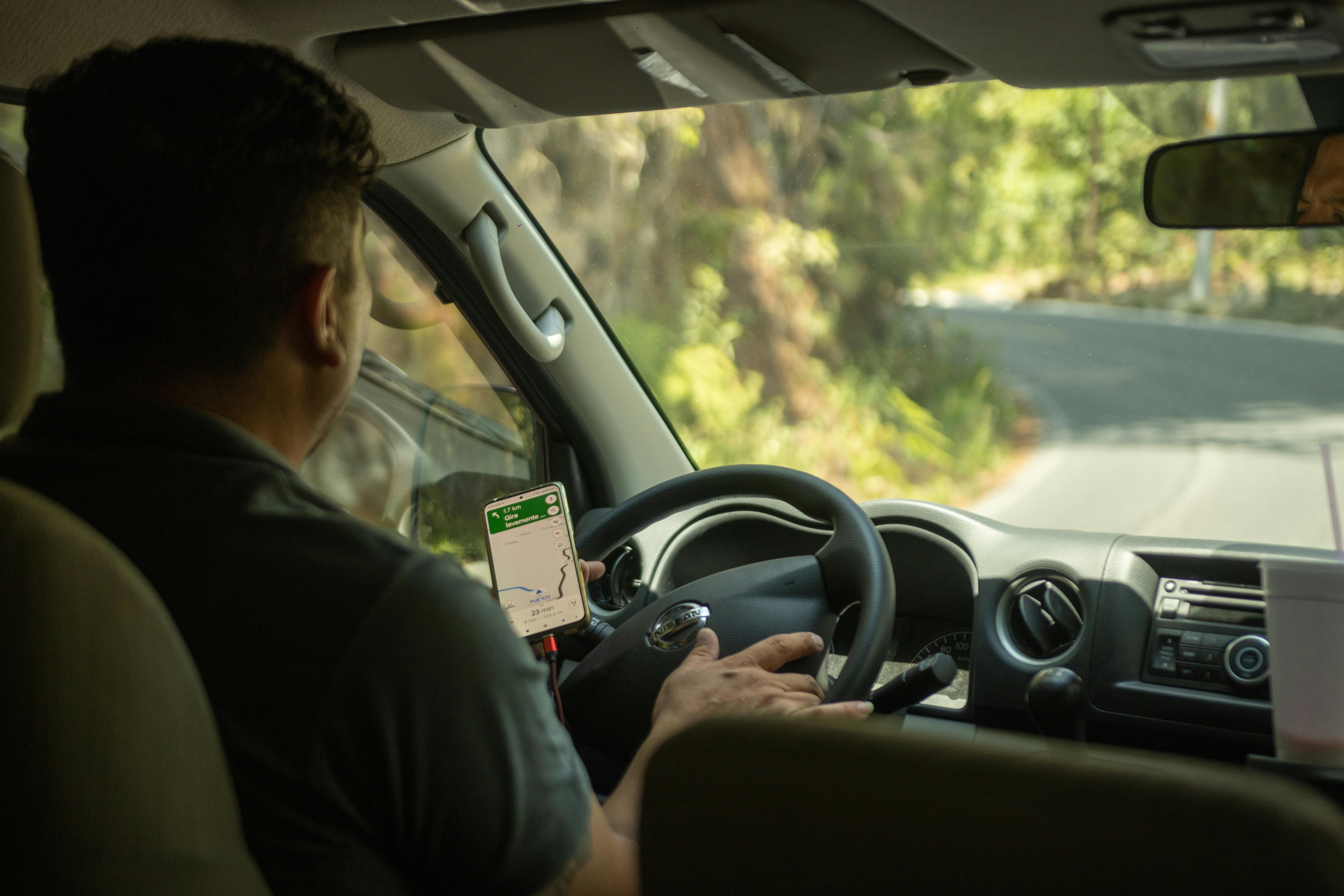
The Route Protocol: Keep your own mapping application, like Google Maps, open on your phone throughout the journey. If the driver takes a significant, unexplained detour, you are empowered to question it. If the response makes you uncomfortable, end the ride in a safe, well-lit public area.

Rule 4: Create Layers of Personal and Digital Security
Your solo female travel safety strategy should be built on layers and redundancy. This means pairing smart practices with an effective toolkit of personal security devices and ensuring your digital lifelines are always active.
Your Personal Security Toolkit
Personal Safety Alarm: This is arguably the most valuable device for a solo traveler. An alarm like the She's Birdie emits an extremely loud siren (130+ decibels) and a flashing strobe light to startle an attacker and attract immediate attention. They are small, legal everywhere, and attach to a keychain for instant access.
Anti-Theft Bag: Invest in a bag with features like RFID-blocking pockets (to protect from electronic skimming), slash-proof fabric, and lockable zippers. A crossbody style worn in front of your body offers the most security.
Portable Door Lock / Alarm: As mentioned in Rule 2, carrying your own lock gives you absolute control over the security of your room, ensuring your sanctuary remains impenetrable.
Your Digital Security Layer
Your phone is your map, translator, and lifeline. A solar-powered power bank adds a critical layer of resilience to a standard one, ensuring you can maintain a charge even during power outages or on multi-day treks.
Rule 5: Project Confidence and Practice Proactive Situational Awareness
How you carry yourself has a profound impact on how you are perceived. Projecting confidence—even when you're feeling uncertain—is a powerful deterrent. Walk with purpose, keep your head up, and make brief eye contact. This signals that you are aware of your surroundings, not an easy target.
This confidence is fueled by situational awareness. It's not about being paranoid; it's about being present.
Understand the Local Landscape: Before arriving, research common tourist scams. A 2024 report noted that 29% of solo female travelers had experienced a theft or attempted scam. Knowing the playbook for ploys like the "friendship bracelet" or "spilled drink" allows you to disengage before you become a victim.
Trust Your Intuition: Your intuition is your most finely tuned security equipment. If a person, place, or situation feels "off," it probably is. You do not need a logical reason. Honor it. Cross the street, leave the bar, get in a different train car. Acting on your intuition is not rude; it is intelligent.
Manage Your Inputs: Be mindful of your alcohol consumption. Your awareness is your primary defense, and anything that dulls it increases your vulnerability.

Rule 6: Embrace That Safety Anxiety Decreases with Experience
It's crucial to understand the psychology of solo travel fear. The data reveals a powerful truth: the act of traveling solo is the most effective antidote to the fear of it.
Among women who have taken fewer than six solo trips, 77% report worrying about safety. That number drops dramatically to just 55% for those who have traveled solo more than ten times. This establishes a direct, negative correlation between experience and anxiety.
Every time you successfully navigate a new city and overcome a challenge, you are collecting real-world evidence of your own competence. This direct experience systematically replaces abstract, media-fueled fear with managed, situational awareness. You learn that while vigilance is essential, you are far more capable than you imagined. The goal of your first trip is to break this cycle of fear and begin the empowering loop of experience.
Rule 7: Never Outsource Your Safety to Chance—The Travel Insurance Mandate
For a solo traveler, travel insurance isn't an optional add-on; it is a foundational pillar of your financial security. A cheap policy is not a good deal if it doesn't have the right coverage. When evaluating policies, ensure the plan includes strong coverage in these key areas:
Emergency Medical Coverage: A policy should offer a minimum of $250,000 in benefits.
Emergency Medical Evacuation: This covers the potentially astronomical cost of transporting you to a hospital with adequate facilities or back home.
Emergency Medical Reunion (Companion Coverage): This is vital for solo travelers. If you are hospitalized, this coverage pays for a family member's transportation and accommodation to be at your bedside, providing invaluable logistical and emotional support.
Trip Interruption and Cancellation: This reimburses your non-refundable trip costs if you have to cancel or cut your trip short for a covered reason.
Frequently Asked Questions About Solo Female Travel Safety
What's the single most important safety device I should buy?
A personal safety alarm. While a doorstop and anti-theft bag are excellent, a loud, attention-grabbing alarm is the most versatile tool for deterring a potential threat in any public situation, day or night.
I'm nervous about nightlife. Should I just avoid going out after dark?
Not at all! The key is to be strategic. Have your transportation planned in advance—know exactly how you're getting home. Nurse your drink and never leave it unattended. Stick to well-lit, reputable areas and consider starting with a structured activity, like a group tour or a show, rather than just wandering.
How do I handle street harassment without escalating the situation?
The most effective strategy is confident disengagement. Do not respond or make prolonged eye contact. Project purpose and keep walking. In many cases, a reaction is what the harasser is seeking. If you feel you are being followed, walk into a busy, open shop or restaurant immediately.
Are group tours a good option for a safety-conscious first-timer?
Absolutely. An estimated 75% of women who have never traveled alone would be more likely to do so on a group tour. They provide a "scaffolded" entry into the world of solo travel. You can find tours vetted and reviewed by other solo female travelers on platforms like TrekGuider, which is a great way to build foundational confidence.
Your Journey to Confident Exploration Starts Now
The narrative around solo female travel safety is too often dominated by fear. But the data tells a different, more empowering story of capability and resilience. These seven rules are your framework—a practical system for managing risk and moving through the world with intelligent confidence. By internalizing these strategies, you build a foundation of competence from which you can freely and bravely explore.
Now that you have the safety blueprint, the truly exciting part can begin. Explore our collection of expert-written Travel Guide resources to find your perfect destination, and remember to download the essential Solo Female Travel Safety Guide. The world is waiting for you to discover it—and yourself.
Meta Data Suggestions:
SEO Meta Title (59 characters): The 7 Essential Solo Female Travel Safety Rules for 2026
URL Slug: solo-female-travel-safety-rules
SEO Meta Description (154 characters): From accommodation security to transport protocols, these 7 non-negotiable solo female travel safety rules will empower you to explore the world with confidence.
Don't Miss Out! Subscribe for Exclusive Content
SubscribeComments 0
No comments yet
Be the first to share your experience!
Dont Miss Out! Subscribe for Exclusive Content

How to Avoid Travel Scams: A Global Guide

Is Public WiFi Safe? How to Protect Your Data Abroad

A Woman's Guide to Safe Travel: 10 Critical Tips

7 Hotel Safety & Security Tips for Peace of Mind

9 Beach Safety Tips That Could Save Your Life
