
Solo Travel in the USA: 10 Incredible Itinerary Ideas

TrekGuider @trekguider
The sheer scale of the United States is both its greatest allure and its most intimidating feature. You see the photos and feel the pull—the sun-drenched coast of California, the majestic canyons of Zion, the vibrant rhythm of New Orleans. The dream of a great American adventure is powerful, but it’s often followed by a wave of logistical anxiety. How do you even begin to plan a trip across a country with such staggering diversity? You worry about the complexities of a solo road trip, the safety of hiking alone in vast national parks, and the overwhelming number of choices. The dream feels big, but the planning feels bigger, turning wanderlust into a source of stress.

This guide is your solution—the antidote to overwhelm. It’s a strategic blueprint designed to transform your dream of solo female travel USA into a confident, actionable plan. We’re moving beyond general advice to give you ten distinct, road-tested itinerary ideas, each packed with US-specific logistical tips to empower your journey. This isn't just about seeing the USA; it's about discovering its landscapes, its cultures, and your own boundless capability along the way. While this guide dives deep into American itineraries, your journey to becoming a confident globetrotter starts with the essentials we cover in our comprehensive pillar article, The Ultimate Guide to Solo Female Travel (15 Essential Tips).
The Call of the Open Road: Mastering USA Solo Trip Logistics
Before you pick a destination, it’s crucial to understand the unique challenges and opportunities of a US-based solo trip. Unlike Europe with its dense train networks, much of America is built around the automobile. Mastering a few key logistics is the first step to a smooth, safe, and stress-free adventure.
Navigating the Car Rental Maze
A solo road trip is an iconic journey of freedom, but it comes with specific hurdles.
One-Way Fees: Renting a car in one city and dropping it off in another almost always incurs a "drop charge." This fee can add hundreds of dollars to your cost. The most effective strategy is to plan your road trips as loops that begin and end in the same city. If a one-way trip is unavoidable, compare prices across multiple agencies and book as far in advance as possible.
Insurance Coverage: Car rental insurance is a common point of confusion. Before your trip, call both your personal auto insurance provider and your credit card company to get a clear, written explanation of your existing coverage. Many credit cards offer secondary rental car insurance, but understanding its limitations is key to avoiding the expensive Collision Damage Waiver (CDW) offered at the counter.
Finding Your Safe Haven: A Solo Traveler's Guide to Lodging
For a solo road tripper, finding lodging that is not only affordable but also safe matters most, especially when arriving in an unfamiliar town after dark.
Vet the Location Digitally: Before booking, use Google Maps and its Street View feature to visually inspect the hotel's neighborhood. Look for well-lit streets, a well-maintained area, and proximity to main roads. Be wary of motels with exterior-facing room doors in poorly lit areas.
Leverage Solo Traveler Reviews: On booking platforms, use the review filters to see feedback specifically from "solo travelers." Their comments often directly address feelings of safety and the suitability of the location for a person traveling alone.
Prioritize Interior Corridors: For roadside lodging, hotels with rooms that open onto an interior hallway are generally more secure than motels where every room door opens directly to the parking lot.
Book Your Next Stop in Advance: One of the biggest safety risks is arriving in a new town late at night with no reservation. Always book at least the next night's accommodation before you start your day's drive to avoid a stressful search in the dark.
Once you have your lodging strategy locked down, you can turn your attention from the nation’s highways to its wild heart: the National Parks. These breathtaking landscapes are central to many of the best solo female travel USA itineraries, but they demand a unique approach to safety.

Wild and Safe: Essential Protocols for National Park Adventures
Many of the best itineraries for solo female travel USA involve our stunning national parks. These wild spaces offer unparalleled solitude and beauty but require specific preparation distinct from urban travel.
Establish a Redundant Communication & Navigation Plan: Cell service in most national parks is unreliable at best and completely non-existent in most backcountry areas. Before you go, download offline maps of the entire region onto your phone using an app like Google Maps or AllTrails. As a critical backup, always carry a physical, waterproof map of the park and a compass, and know how to use them. For any remote travel, a satellite messaging device (like a Garmin inReach) is an essential piece of gear, allowing you to send "I'm okay" messages or trigger an SOS alert in a true emergency.
Inform a Ranger and a Friend of Your Itinerary: Leave a detailed copy of your itinerary with a trusted friend. Upon arriving at the park, make your first stop the visitor center. Speak with a ranger about your plans. They can provide invaluable, up-to-the-minute information on trail conditions, weather, and recent wildlife activity.
Adhere to Strict Wildlife Protocol: In bear country, carrying bear spray and knowing how to deploy it is non-negotiable. It's not a suggestion; it's essential safety equipment. Make consistent noise while hiking solo to avoid surprising an animal—talk aloud to yourself, sing, or attach a bear bell to your pack. Never store food or any scented items (including toiletries) in your tent; use designated bear-proof food lockers at campsites or a proper bear canister.
Your Ultimate Park Planning Tool
Ready to hit the trails with confidence? A solid plan is the key to a safe and unforgettable adventure in America's wild spaces. Our checklist covers everything from gear essentials to wildlife safety protocols, ensuring you're prepared for the trail ahead.
Download Your Free National Park Road Trip Checklist Here
10 Incredible Itineraries for Your Solo Female Travel USA Adventure
With the core logistics covered, it's time for the fun part: choosing your adventure. Each of these itineraries is designed with a solo traveler in mind, offering a perfect mix of exploration, safety, and unforgettable moments.

1. The Classic California Dream: Pacific Coast Highway
Best for: Scenery, Adventure, Photography
Duration: 5-7 Days
Route: San Francisco -> Carmel-by-the-Sea -> Big Sur -> Santa Barbara -> Los Angeles
This is the quintessential American road trip. Fly into San Francisco, rent a car (a convertible is worth the splurge!), and wind your way south on the dramatic coastal Highway 1. The drive itself is the destination, with countless turnoffs for breathtaking photos. As a solo traveler, you have the ultimate freedom to stop whenever a view strikes you. The route is well-traveled and has reliable cell service for most of its length, making it a very manageable and safe first solo road trip.
2. The New England Historical Tour
Best for: History, Culture, Walkability
Duration: 4-5 Days
Route: Boston with day trips to Salem and Concord/Lexington
For the history buff who’d rather trace Paul Revere’s ride on foot than battle Boston traffic, this car-free itinerary is a dream come true. Base yourself in Boston and spend a few days exploring the city's Freedom Trail and world-class museums. The city is compact and safe to navigate. Then, use the efficient and easy-to-use commuter rail for day trips. You can explore the infamous witch trials history in Salem or stand on the very ground where the American Revolution began in Concord and Lexington, all without the stress of driving or parking.
3. The Southern Culinary & Music Trail
Best for: Food, Music, Culture
Duration: 7 Days
Route: Nashville -> Memphis -> New Orleans
This road trip is a feast for the senses. Start in Nashville, the heart of country music, for live shows and legendary hot chicken. Drive to Memphis to experience the raw, soulful blues on Beale Street and pay homage to The King at Graceland. End your journey in New Orleans, where the air is thick with the sounds of jazz and the scent of Creole cuisine. These cities are incredibly welcoming, and sitting alone at a bar to listen to music is a common and celebrated activity.
4. The Southwest National Parks Loop
Best for: Nature, Hiking, Epic Landscapes
Duration: 7-10 Days
Route: Las Vegas -> Zion National Park -> Bryce Canyon National Park -> Grand Canyon -> Las Vegas
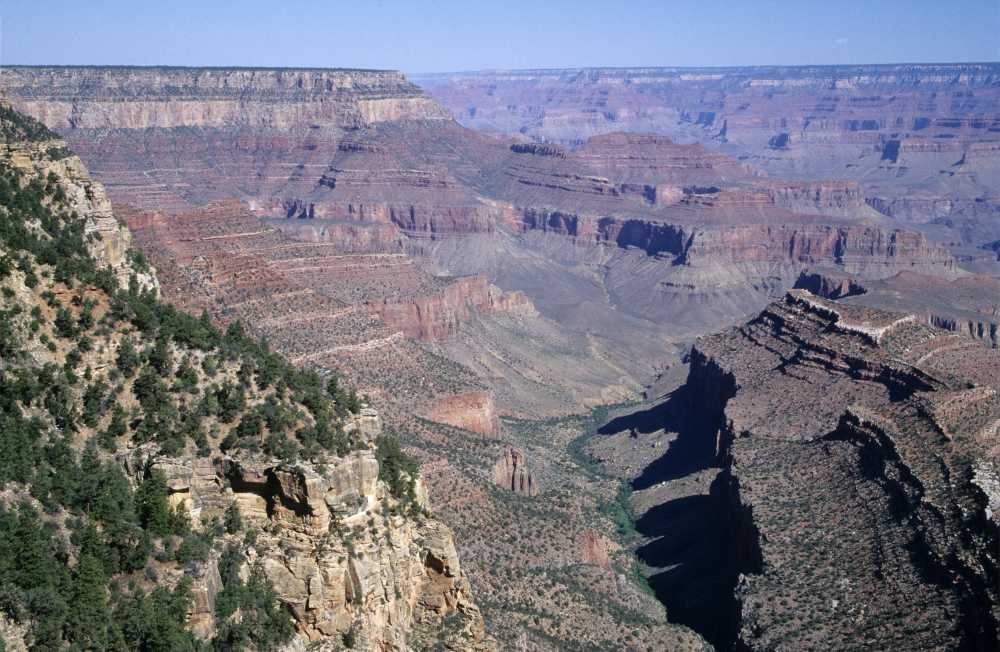
This is an epic loop for the avid hiker. Fly into Las Vegas (a cheap flight hub), rent a car, and prepare to be awestruck. The proximity of these three iconic parks makes for a visually stunning and logistically manageable itinerary. From the majestic canyon hikes in Zion to the otherworldly hoodoos of Bryce Canyon and the sheer scale of the Grand Canyon, this trip offers profound moments of solitude in nature.
Pro-Tip: National Park lodging books up almost a year in advance. If you can't get a room inside the park, look for accommodations in nearby gateway towns like Springdale (for Zion) or Tusayan (for the Grand Canyon).
5. The Rocky Mountain High
Best for: Outdoor Adventure, Wellness
Duration: 4-5 Days
Route: Base in Boulder, Colorado, with a day trip to Rocky Mountain National Park
Combine a vibrant, safe, and progressive city with majestic mountain scenery. Base yourself in Boulder, a city known for its wellness culture and pedestrian-friendly Pearl Street Mall. Spend your days hiking the iconic Flatirons that form the city's backdrop. Then, take an easy and scenic day trip into the heart of the Rockies to drive the Trail Ridge Road (in summer) and spot wildlife in Rocky Mountain National Park.
6. The Florida Keys Escape
Best for: Relaxation, Beaches, Scenery
Duration: 5 Days
Route: Miami -> Key Largo -> Islamorada -> Key West
For a laid-back trip focused on decompressing, this is paradise. Fly into Miami, rent that convertible, and drive the scenic Overseas Highway down to the continental USA's southernmost point. The journey is the experience, with endless opportunities to stop for snorkeling in Key Largo, fresh seafood in Islamorada, and a slice of key lime pie anywhere you can find it. The Keys have a unique, relaxed, and safe culture perfect for unwinding solo.
7. The Pacific Northwest Vibe
Best for: Urban Exploration, Nature, Food
Duration: 6 Days
Route: Portland, Oregon -> Seattle, Washington
Experience two of America's most unique cities in one car-free trip. Start in Portland, exploring its incredible food cart scene, wandering through Powell's City of Books, and soaking in its quirky, independent vibe. Then, take a scenic and comfortable 3-hour Amtrak train ride to Seattle. Explore the famous Pike Place Market, the original Starbucks, and the beautiful waterfront. Both cities are surrounded by nature, offering easy escapes for a hike.
8. The Charleston & Savannah Southern Charm
Best for: Architecture, Food, History
Duration: 5-6 Days
Route: Charleston, South Carolina -> Savannah, Georgia
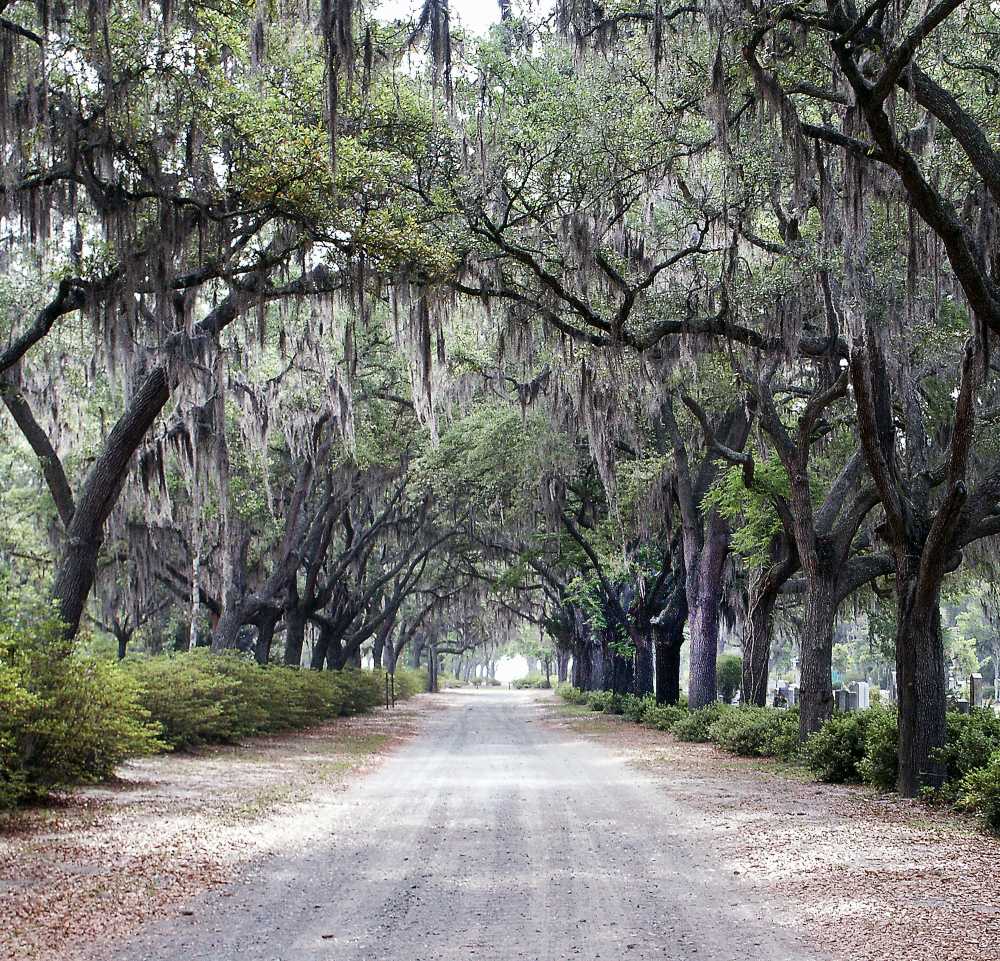
Immerse yourself in the beauty and history of the Old South. Start in Charleston, exploring its acclaimed culinary scene, fine art galleries, and historic cobblestone streets. Then take a short 2-hour drive to Savannah to wander its famous, moss-draped squares and explore the historic riverfront. Both cities are incredibly walkable and renowned for their hospitality, making them a comfortable and enchanting solo trip.
Pro-Tip: The best way to get your bearings and learn the rich history of these cities is by joining a walking tour on your first day. It's also a low-pressure way to chat with other travelers.
9. The Arizona Wellness & Spirituality Retreat
Best for: Wellness, Scenery, Relaxation
Duration: 4 Days
Route: Base in Sedona, Arizona
This itinerary is less about doing and more about being. Sedona is world-renowned for its stunning red rock landscapes, which many believe are centers of spiritual energy called vortexes. This trip is focused on rejuvenation. Plan for spa treatments, gentle hikes among the red rocks, yoga classes, and exploring the town's vibrant new-age community. It's the perfect destination to reconnect with yourself in a serene and stunningly beautiful environment.
10. The Chicago Architectural Immersion
Best for: Urban Exploration, Arts, Architecture
Duration: 4 Days
Route: Base in Chicago, Illinois
For the city lover, this is a deep dive into one of America's greatest urban centers. This itinerary is built around Chicago's world-class architecture. An absolute must-do is the Chicago Architecture Center River Cruise. Spend your days visiting Frank Lloyd Wright's homes, exploring Millennium Park, and visiting world-class museums like the Art Institute of Chicago. In the evenings, you can catch a show in the Theater District or listen to live music at a legendary blues club.
Frequently Asked Questions for a USA Solo Trip
Even the most prepared traveler has questions. Here are answers to some of the most common concerns for a solo trip in the States.
What's the best way to stay safe on a solo US road trip?
Safety is about preparation and awareness. Always share your detailed itinerary with a friend. For your car, have a roadside emergency kit and know your rental company's assistance number. When driving, stick to main highways and well-lit gas stations, especially at night. In your lodging, always use the deadbolt and chain lock. Above all, trust your intuition—if a place or situation feels wrong, leave immediately.
Is it expensive to travel solo in the USA?
It can be, but it doesn't have to be. The biggest costs are lodging and transportation. Save money by planning loop road trips to avoid one-way car rental fees, staying in well-reviewed budget hotels or private rooms in hostels, and preparing your own meals. Visiting national parks is very affordable; an annual "America the Beautiful" pass is just $80 and grants access to all of them. To get an idea of real-world costs, check out the itineraries and guides published by other solo travelers on the TrekGuider platform for real-world budget examples.
How do I handle long, lonely driving days?
Embrace the solitude! This is your time. Create an epic playlist or download a queue of fascinating podcasts and audiobooks. Plan interesting stops along your route—a quirky roadside attraction, a scenic overlook, a local diner—to break up the drive. A long driving day is less about endurance and more about curating a perfect personal experience.
Are there good alternatives to driving for solo travel in the US?
Yes! While not as comprehensive as in Europe, the US has options. Amtrak train routes offer scenic journeys, especially on routes like the California Zephyr (Chicago to San Francisco) or the Pacific Surfliner. For travel between major cities on the East Coast (e.g., Boston, NYC, D.C.), the train is often faster and more convenient than flying. For long distances, combining flights with ride-shares in your destination city is also a great car-free strategy.
Your Journey Awaits
The United States offers a vast and rewarding landscape for the solo female traveler. It’s a country built for the open road, for discovery, and for the kind of freedom that can only be found when you are the sole captain of your journey. With these ten incredible itinerary ideas and the logistical know-how to tackle them, your dream of a great American adventure is no longer an intimidating fantasy—it’s a plan waiting to be executed. The confidence and self-reliance you build on a solo female travel USA trip will last a lifetime. The open road is calling.
For even more detailed planning on destinations around the globe, explore our collection of expert-written Travel Guide resources.
Meta Data Suggestions:
SEO Meta Title (58 characters): Solo Travel USA: 10 Epic Itinerary Ideas for 2026
URL Slug: solo-female-travel-usa-itinerary-ideas
SEO Meta Description (154 characters): Planning a solo female travel USA adventure? Discover 10 incredible, safe, and unforgettable itinerary ideas, from epic national park road trips to city escapes.
Don't Miss Out! Subscribe for Exclusive Content
Subscribe



Comments 0
No comments yet
Be the first to share your experience!
Dont Miss Out! Subscribe for Exclusive Content

San Francisco Cherry Blossoms: A Local's Guide to the Blooms


Halloween SF: Haunts Without Horrors

SF Festivals: 7 Must-See Lineups

Christmas SF: Lights & Wharf Wonders

SF Pride: 6 Route & Party Hacks

Chinese New Year SF: Parade Essentials
Chicago Festivals: 8 Hidden Gems
TrekGuider @trekguider
You’ve seen the postcard shots: a sea of faces roaring at Lollapalooza, a river glowing an impossible, surreal green. Chicago is a city of grand gestures and epic celebrations, and its world-famous events deservedly draw millions. But you’re not here for the postcard. You’re digging for the city’s authentic pulse, the local rituals and hard-won secrets that exist just beyond the main stage and the barricaded parade routes. You want to experience the real Chicago.
The problem? Most travel guides are stuck on a loop, recycling the same five headliners. This leaves you with a generic itinerary that thousands of others are clutching, leading you straight into the jaws of the crowd. You risk a trip that’s memorable for all the wrong reasons—the endless lines, the sardine-packed trains, the nagging feeling that you only saw the spectacle, not the soul.
This guide is the antidote. We’re pulling back the curtain on eight hidden gems within the city’s vibrant festival scene. These aren’t obscure events; they are the insider angles, the local traditions, and the pro-level hacks that transform a popular celebration into a deeply personal, unforgettable memory. Forget just seeing the sights; we’re here to help you feel the stories behind them. This is your key to unlocking the authentic spirit of Chicago’s festivals, ensuring you go home with stories no one else has. For a panoramic view of the city's year-round celebrations before you dive into these secrets, our definitive guide to Chicago Holidays: Windy City Thrills is the perfect place to start your planning.
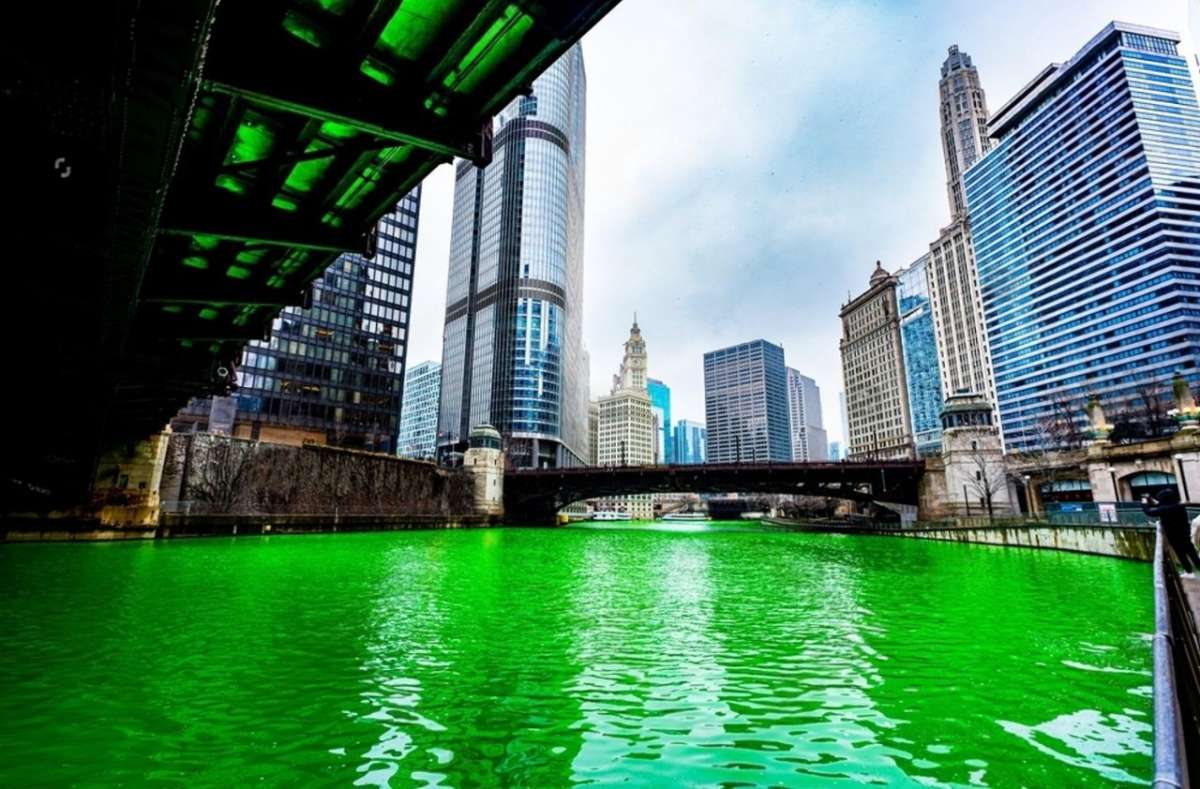
1. The Secret Science Behind the St. Patrick’s Day River Dye
Every March, the world watches as the Chicago River sheds its murky complexion for a shimmering, emerald green. While millions line the banks to witness the spectacle, the true hidden gem is understanding the fascinating history and precise science behind it. This isn't some century-old ritual; it was born in 1962 out of pure, blue-collar ingenuity. Local plumbers, using a dye to trace leaks, noticed it turned the water a brilliant green. An idea sparked, and today, that 'well-oiled machine' is a cherished tradition, still run by the Journeymen Plumbers Local Union 130.
Here’s the insider secret that makes it all happen: the substance is a vegetable-based, eco-friendly orange powder. The magic is in the chemistry. On the Saturday before St. Patrick's Day (the Saturday before St. Patrick's Day), a lead boat dumps 40 to 60 pounds of this powder, which streaks the surface in a vibrant orange. A smaller chase boat then zips behind, churning the water to catalyze the reaction, transforming the entire river into a shocking shade of green. The color is fleeting, lasting only about five to six hours, making the viewing a truly special, time-sensitive event.

How to Experience It Like a Local:
Time It Perfectly: The dyeing starts promptly at 10:00 AM. The most iconic viewing spots are the east side of the Michigan Avenue bridge or the west side of the Columbus Drive bridge. Get there by 9:00 AM to claim your space.
Get a Higher Perspective: For a less chaotic but equally stunning view, find a spot on an upper floor of a building overlooking the river. The contrast of the green water against the city’s iconic architecture is a photographer’s dream.
Follow the Action: The boats begin their work at Columbus Drive and head west toward the Wrigley Building. Position yourself near the start to witness the transformation from the very first moment.
2. Beyond the Headliners: A Pro’s Guide to Lollapalooza
Lollapalooza is a global music behemoth, drawing hundreds of thousands to Grant Park for a four-day sonic feast. Set for July 31 - the final day of the festival, the festival is a marathon of music. While the 2026 lineup is stacked with global megastars—think Olivia Rodrigo, Tyler the Creator, Sabrina Carpenter, Rüfüs du Sol, and even legends like Korn—the real hidden gem isn’t a secret band; it’s the art of navigating the festival with the calm confidence of a seasoned pro.
The average festival-goer shows up late, gets lost between stages, wilts from dehydration, and misses half the acts on their list. The pro, however, treats it like a strategic mission. The key is leveraging the tools at your disposal.

Your Pro-Level Survival Guide:
The App is Your Bible: The official Lollapalooza app is your single most important tool. Before you leave your hotel, download it, study the map, and build your custom schedule. It’s your source for real-time updates, surprise guest alerts, and life-saving emergency notifications.
Hydration is a Religion: Chicago in August is no joke. Lollapalooza provides free water stations throughout the park. The pro move is to bring your own empty hydration pack and make refilling it a constant ritual. Dehydration is the number one fun-killer.
Explore the Undercard: While the masses swarm the main stages, some of the most electric and memorable performances unfold on the smaller, more intimate side stages. Use your app to explore genres outside your usual rotation. This is where you’ll discover your next favorite artist before they blow up.
Master Your Exit Strategy: The festival wraps around 10 PM daily, and the ensuing stampede for the CTA trains is legendary. Either duck out 15 minutes before the final encore to beat the surge or linger in the park for a half-hour after the music stops to let the human tide recede.
Pro-Tip: Pack a poncho. Even if the forecast is clear, a sudden summer shower can roll in off Lake Michigan. A cheap poncho takes up no space and can be the difference between a minor inconvenience and a soggy, miserable evening.
3. The Authentic German Soul of Christkindlmarket
When winter’s chill settles over Chicago, Daley Plaza transforms into a magical, open-air European village. The Christkindlmarket is a beloved holiday tradition, but too many visitors treat it as a mere photo op. The hidden gem is immersing yourself in its authentic German heritage, a tradition modeled directly after the 16th-century Christkindlesmarkt in Nuremberg, Germany.
This isn’t just a holiday-themed market; it’s a slice of living history. The wooden stalls, the traditional food, and the artisan crafts are all part of a rich cultural mix.

How to Find the Authenticity:
Drink from the Boot: Skip the standard hot chocolate and go straight for the Glühwein, a traditional hot spiced wine served in a collectible boot-shaped mug. It’s the official taste of the market. For a non-alcoholic version, the Kinderglühwein is just as festive.
Eat Beyond the Pretzel: The giant pretzels are tempting, but your mission is to find more traditional fare. Seek out vendors selling sizzling Bratwurst, savory Leberkäse (a German meatloaf), tangy Sauerkraut, and crispy Kartoffelpuffer (potato pancakes).
Shop for Heirlooms, Not Souvenirs: Many vendors fly in directly from Germany and Austria. Look for hand-blown glass ornaments, complex wooden nutcrackers, and authentic cuckoo clocks. These are artisanal heirlooms. Ask the vendors about their craft—their stories are part of the purchase.
Pro-Tip: Visit the Christkindlmarket on a weekday afternoon. The crowds are significantly thinner, giving you the space to browse the stalls, chat with the artisans, and soak in the atmosphere without feeling rushed.
4. Rooftop Revelry: The Local’s View of July 4th Fireworks
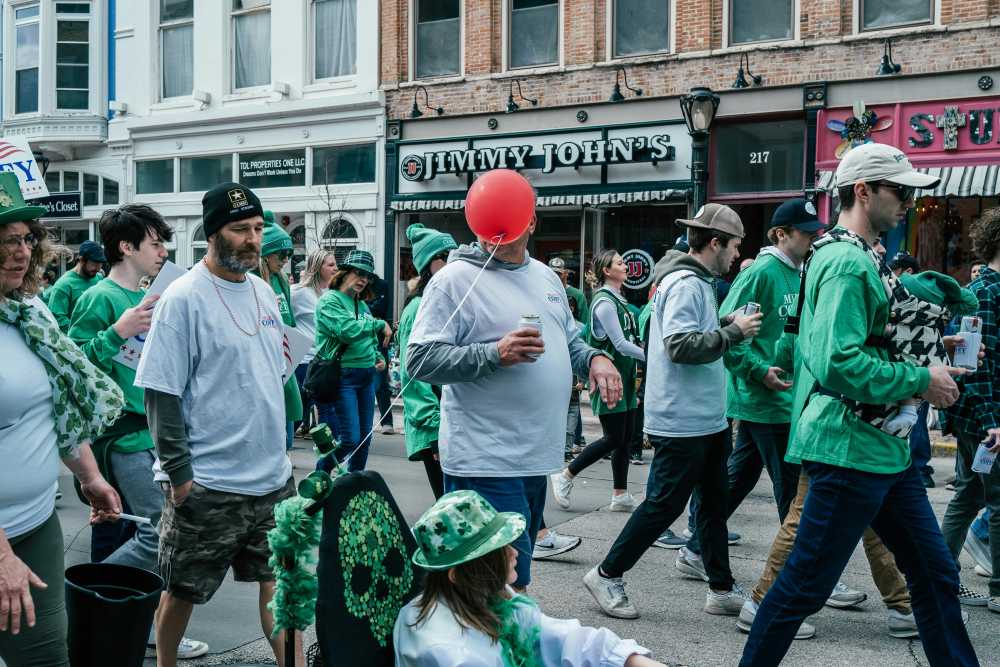
On Independence Day, a massive human tide flows toward Navy Pier for its spectacular fireworks display. Fighting for a patch of concrete on the pier itself is a stressful, hours-long commitment. The true hidden gem, and the preferred method for savvy Chicagoans, is to watch the show from above. The city’s skyline is brimming with rooftop bars that offer a far more civilized and breathtaking vantage point.
Watching the fireworks explode over Lake Michigan with the glittering city as your backdrop is an experience the crowds on the ground simply can’t replicate. You trade the crush of humanity for a comfortable chair, a craft cocktail, and an unparalleled view.
How to Secure Your Spot in the Sky:
Book Yesterday: Rooftop bars with a view of Navy Pier are the hottest tickets in town on July 4th. Many require reservations or sell tickets for viewing parties weeks, if not months, in advance. Start your search in May, not July.
Expand Your Radius: While rooftops in Streeterville are closest, consider bars in Lincoln Park or the South Loop. They offer a slightly more distant but equally stunning panoramic view, often with a more relaxed vibe.
The Ultimate Private Party: If you’re visiting, booking a hotel room with a direct lake view can be your own private skybox for the show.
Just as capturing the perfect firework photo requires the right angle, so does capturing the essence of any great city. For travelers whose journey continues east, our Best NYC Photo Spots Map offers similar insider secrets for iconic shots.
5. Neighborhood Suds: Exploring Chicago’s Hyper-Local Beer Festivals
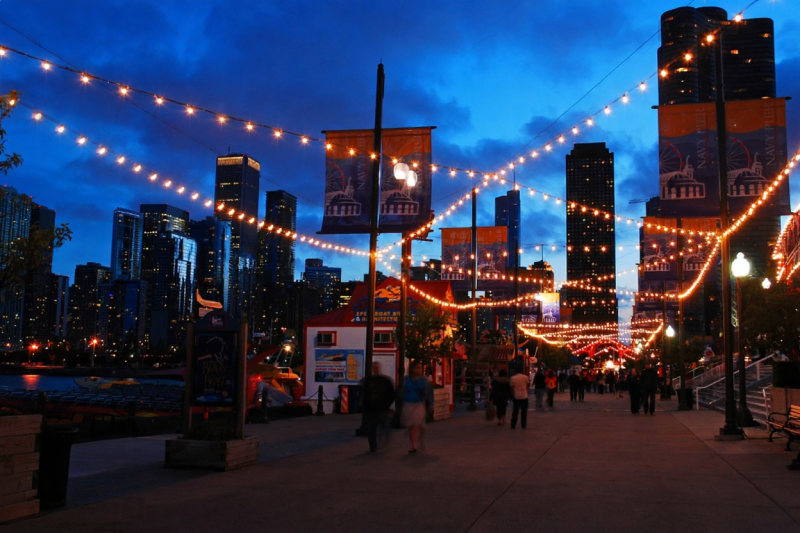
Chicago boasts a world-class craft beer scene, and the city hosts numerous beer festivals year-round. While the larger events are fun, the hidden gem is found in the smaller, neighborhood-focused fests that celebrate local breweries. These offer a more intimate and authentic taste of Chicago’s brewing culture.
Instead of a massive, impersonal convention hall, these fests feel like a community block party. You’ll chat with the brewers themselves, learn about their passion projects, and sample unique, experimental batches you won’t find anywhere else. They often feature local food trucks and bands, creating a holistic celebration of neighborhood pride.
How to Find the Best Local Brews:
Follow the Source: The best way to discover these smaller festivals is to follow your favorite Chicago breweries on social media. They’ll always promote the local events they’re pouring at.
Explore Malt Row: Keep an eye on neighborhood associations in areas like Ravenswood (home to the famous "Malt Row"), Logan Square, and the West Loop, as they often host their own craft beer showcases.
Seek a Theme: Go beyond the generic "beer fest" and look for events with a specific focus, like a Stout Fest in the winter or a Fresh Hop Festival in the fall, to taste the best of the season.
6. The Community Heartbeat of a Cinco de Mayo Parade
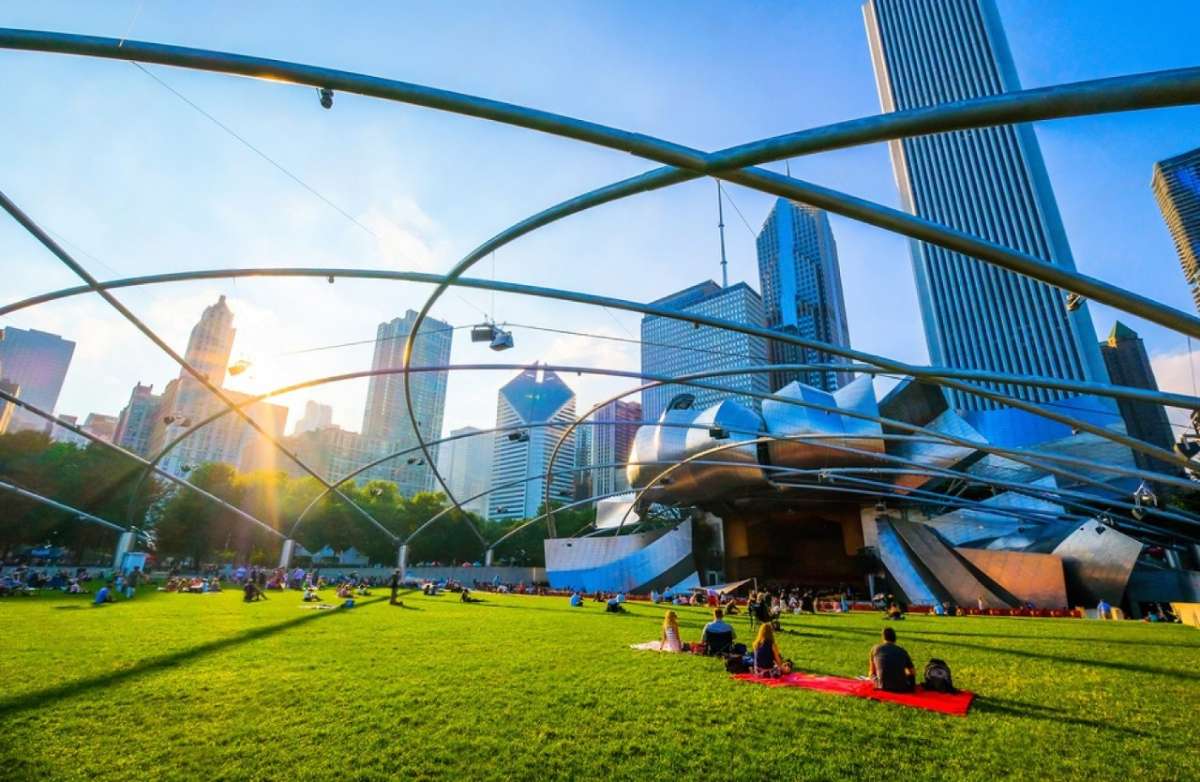
Across the U.S., Cinco de Mayo is often misunderstood and reduced to a marketing gimmick. The hidden gem of Chicago’s celebration is found in the vibrant, culturally rich parade in the Little Village neighborhood. Here, the holiday is observed as it was intended: a powerful celebration of Mexican-American heritage and a commemoration of the Mexican Army's unlikely victory at the Battle of Puebla in 1862.
The Little Village parade is a dazzling display of community pride. You’ll see folkloric dancers in brilliant traditional dress, hear the powerful sounds of mariachi bands, and watch as floats decorated by local families and businesses roll by. It’s a deeply authentic experience that showcases the soul of Chicago’s Mexican-American community.
How to Experience It Respectfully:
Go to 26th Street: The main parade route is along 26th Street in the heart of Little Village. Arrive early to find a good spot and soak in the infectious, family-friendly atmosphere.
Support Local: After the parade, explore the neighborhood. Grab a fantastic meal at a family-owned restaurant or browse the local shops. This is the best way to thank the community that puts on this incredible event.
Listen to the Story: The parade often includes speakers who discuss the holiday's historical significance. Take a moment to listen and gain a deeper appreciation for the culture you’re celebrating.
7. A Day of Service: The True Meaning of MLK Day in Chicago
Martin Luther King Jr. Day is a federal holiday, but in Chicago, it holds a profound significance. The city was instrumental in the civil rights movement, and a 1973 state bill championed by Harold Washington helped pave the way for the national holiday. The hidden gem of this day is to move beyond passive observance and engage with its intended spirit: community action. In 1994, it was designated a National Day of Service, a "day on, not a day off."
Thousands of Chicagoans honor Dr. King’s legacy by participating in volunteer projects, marches, and educational events.

How to Participate:
Find a Service Project: Organizations across the city host volunteer events, from packing meals at the Greater Chicago Food Depository to neighborhood clean-ups.
Visit the DuSable: The DuSable Museum of African American History hosts special exhibitions, speeches, and family activities that provide powerful context on the civil rights movement.
Join the Conversation: Attend a community-led march or rally. These events are not just commemorative; they are active continuations of the push for social justice and equality.
8. The Pre-Parade Rituals of St. Patrick’s Day
We’ve covered the river, but the St. Patrick’s Day parade that follows is an institution dating back to 1843. Kicking off at 12:15 PM, it marches down Columbus Drive through Grant Park. The hidden gem here isn’t the parade itself, but the electric, city-wide buzz and local rituals in the hours leading up to it.
For many Chicagoans, the day starts early. The energy in the Loop is palpable as a river of green-clad people converges downtown.
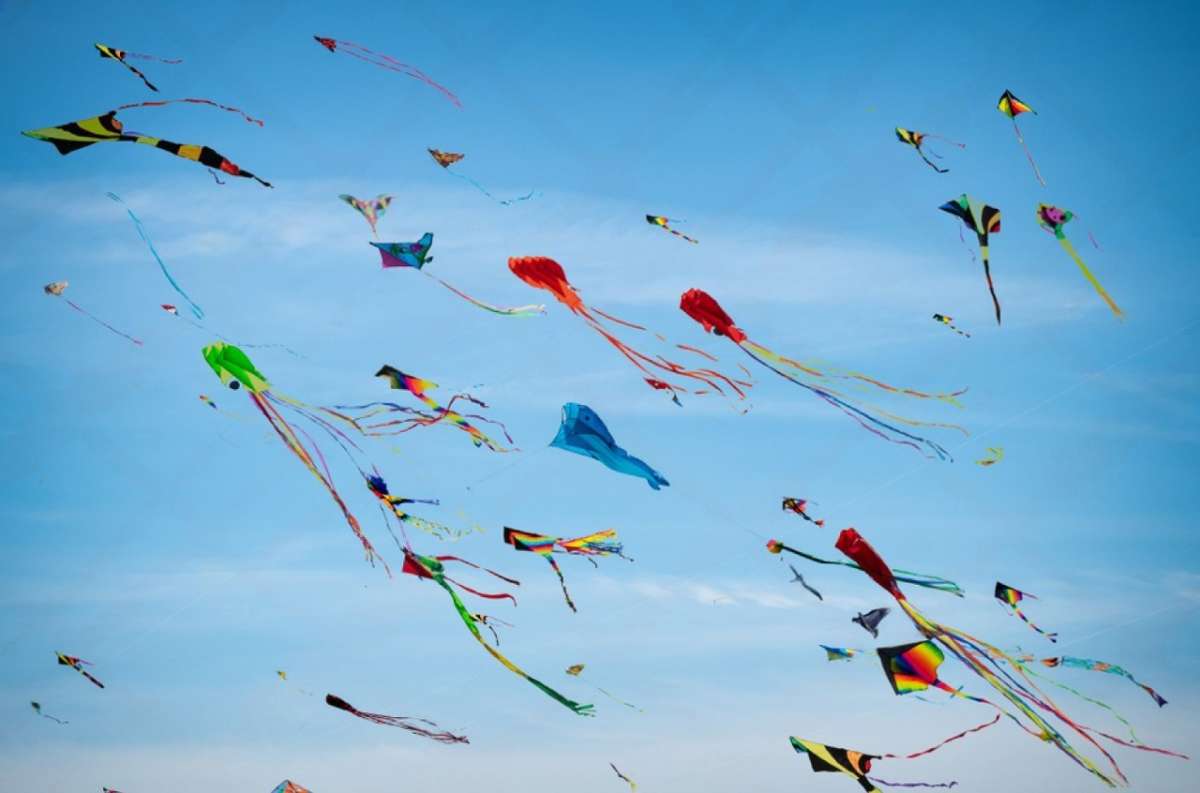
How to Capture the Pre-Parade Vibe:
Start at the Start: The parade begins at Columbus and Balbo Drive. Position yourself near the starting line to see the performers—from the solemn bagpipe bands to the energetic Irish dancers—when their excitement is at its absolute peak.
Follow the Music: Long before the parade steps off, you’ll hear the haunting sound of bagpipes warming up. Follow the sound to find different pipe and drum corps practicing in nearby parks, offering an impromptu, intimate performance.
Witness a Family Tradition: The parade is a multi-generational affair for thousands. Take a moment to notice the families gathered together, sharing a piece of their heritage. It’s a heartwarming display of community that is the true soul of the celebration.
Your Adventure into Authentic Chicago Awaits
Chicago’s festival scene is a rich mix woven with threads far more complex than its famous headliners. The city’s true spirit lives in the details: the science behind a green river, the taste of a German pastry in a bustling market, the pride in a neighborhood parade, and the quiet awe of watching fireworks from a rooftop high above the fray. By seeking out these hidden gems, you transform from a tourist into an active participant in the city’s vibrant culture. This is how you truly experience the best festivals in Chicago.

Now that you have the insider’s playbook, you’re ready to plan a trip that goes deeper. To build out the rest of your itinerary with expert advice on where to stay, what to eat, and what to see, our comprehensive Travel Guide is packed with everything you need to explore Chicago and beyond like a pro.
Meta Data Suggestions:
SEO Meta Title: Chicago Festivals: 8 Hidden Gems You Can't Miss
URL Slug: /chicago-festivals-hidden-gems
SEO Meta Description: Skip the crowds and discover the real Chicago. Our guide reveals 8 hidden gems and insider secrets for experiencing the best festivals in Chicago like a local.
Don't Miss Out! Subscribe for Exclusive Content
SubscribeComments 0
No comments yet
Be the first to share your experience!
Dont Miss Out! Subscribe for Exclusive Content
San Francisco Cherry Blossoms: A Local's Guide to the Blooms
Halloween SF: Haunts Without Horrors
SF Festivals: 7 Must-See Lineups
Christmas SF: Lights & Wharf Wonders
SF Pride: 6 Route & Party Hacks
Chinese New Year SF: Parade Essentials
How to Stay Safe While Hiking: A Hiker's Safety Guide
TrekGuider @trekguider
The call of the trail is a powerful one. It promises sweeping vistas, the quiet solitude of the forest, and the profound satisfaction of reaching a summit under your own power. But for all its beauty, the wilderness is impartial and unforgiving. The same trail that offers bliss on a sunny morning can present serious danger when the weather turns, a wrong turn is made, or an ankle is twisted. This is the problem every hiker faces: the gap between the adventure we dream of and the preparation it demands.
That gap is often filled with anxiety. A flicker of doubt about reading the map, a worry about the approaching clouds, or a sudden fear of what that noise was in the undergrowth can rob an incredible experience of its joy. Too often, hikers—both novice and experienced—find themselves in serious trouble simply by underestimating the trail and overestimating their preparedness. According to Search and Rescue (SAR) teams, most emergencies are the result of small, preventable mistakes. This guide is your definitive playbook for closing that gap for good. We’re providing the essential, expert-backed hiking safety tips you need to move through the backcountry with unwavering confidence. This isn't about fear; it's about empowerment. By mastering these skills, you’re ensuring every hike is a safe one, a core pillar of the responsible adventurer’s mindset we explore in our definitive The Ultimate Guide to Travel Safety: A 2026 Playbook. Let’s gear up, get smart, and get you ready to hit the trail.

This journey from novice to self-sufficient hiker begins not on the trail itself, but with a simple, powerful philosophy of preparedness that has been tested and refined by generations of mountaineers and wilderness experts. It all starts with your pack.
The Foundation of Safety: The 10 Essentials System
Long before your boots touch the dirt, your safety on the trail has already been decided by one thing: what’s inside your pack. Endorsed by the National Park Service and outdoor organizations like REI, the "10 Essentials" is not just a packing list; it's a systematic approach to preparedness. It ensures you have the tools to handle common problems and survive an unexpected night outdoors. Think of these not as ten individual items, but as ten crucial systems.
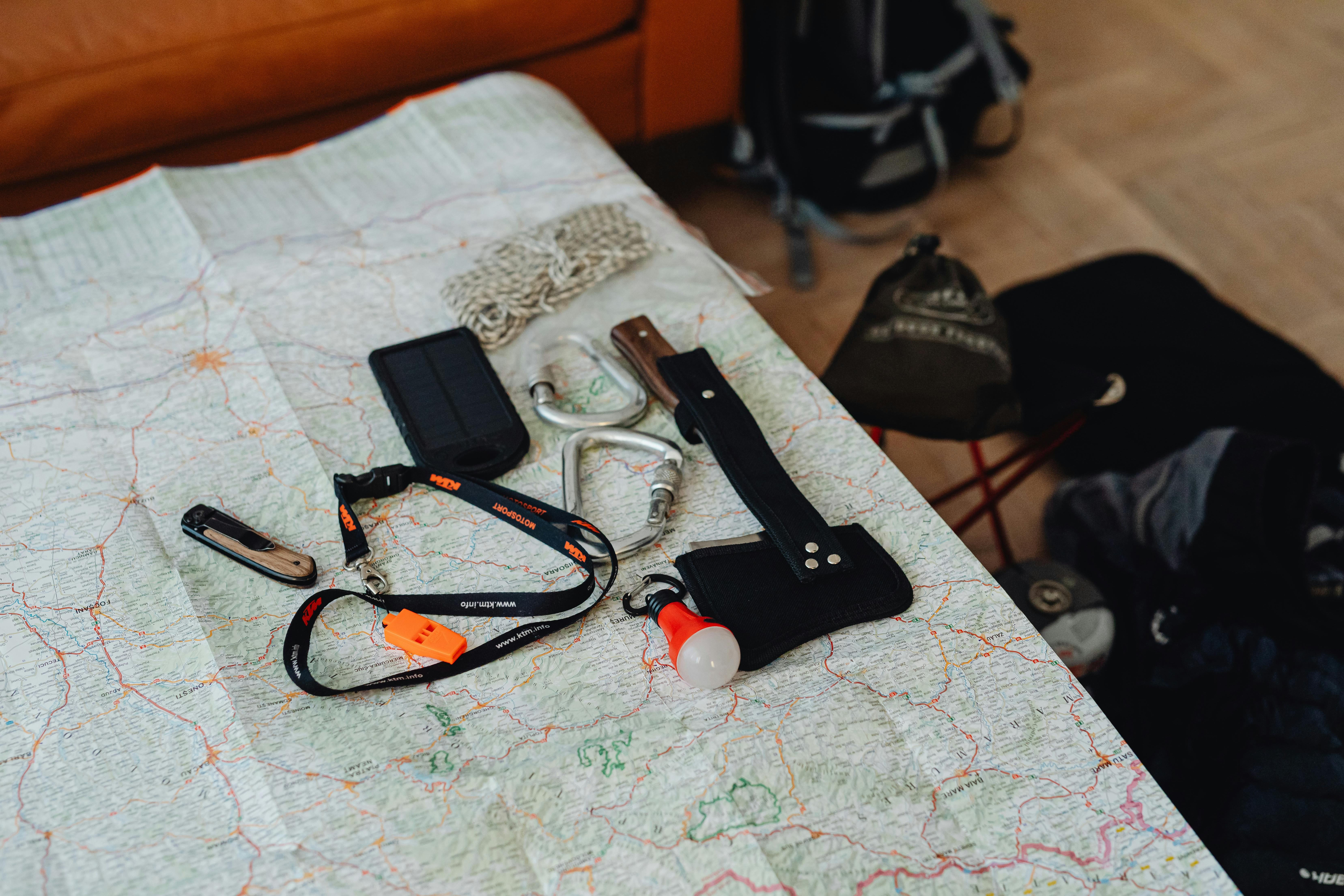
Navigation: Your primary system for knowing where you are and where you’re going. This must include a physical topographic map of the area and a compass. A GPS device or a smartphone with downloaded offline maps is a great tool, but electronics can fail. A map and compass are your foolproof backup.
Illumination: You need to be able to see in the dark, period. Carry a headlamp or flashlight with a full charge, and always pack extra batteries. A headlamp is superior as it keeps your hands free for other tasks.
Sun Protection: Sunburn and sunstroke can be serious dangers on the trail. This system includes sunglasses, broad-spectrum sunscreen (SPF 30+), and a wide-brimmed hat. Sun-protective clothing can also be a game-changer.
First-Aid Supplies: You must have the ability to treat common trail injuries. Your kit should be equipped to handle blisters, cuts, scrapes, and sprains. A basic kit is good; a custom-built one is better.
Repair Kit and Tools: Gear can break. A multi-tool or knife is invaluable, and a small roll of duct tape can repair everything from a torn jacket to a broken tent pole.
Fire: In an emergency, fire provides warmth, a way to purify water, and a powerful psychological boost. Carry waterproof matches, a reliable lighter, and a dedicated fire starter like dryer lint or a commercial fire-starting block.
Insulation: Weather can change in an instant, especially at elevation. You must carry an extra layer of clothing beyond what you start the hike in, regardless of the forecast. This should be a moisture-wicking layer, like a fleece jacket or thermal top—never cotton, which loses all insulating properties when wet.
Nutrition: Always pack more food than you think you’ll need. An extra day’s worth of non-perishable, high-energy food is the standard. Items like protein bars, nuts, and dried fruit are perfect.
Hydration: Carry more water than you expect to need and have a way to purify more. This means carrying a water filter or purification tablets to safely treat water from streams or lakes in an emergency.
Emergency Shelter: If you’re forced to spend an unplanned night out, protection from the elements is critical to preventing hypothermia. This doesn't mean a tent. A lightweight, packable emergency space blanket or bivy sack is all you need.
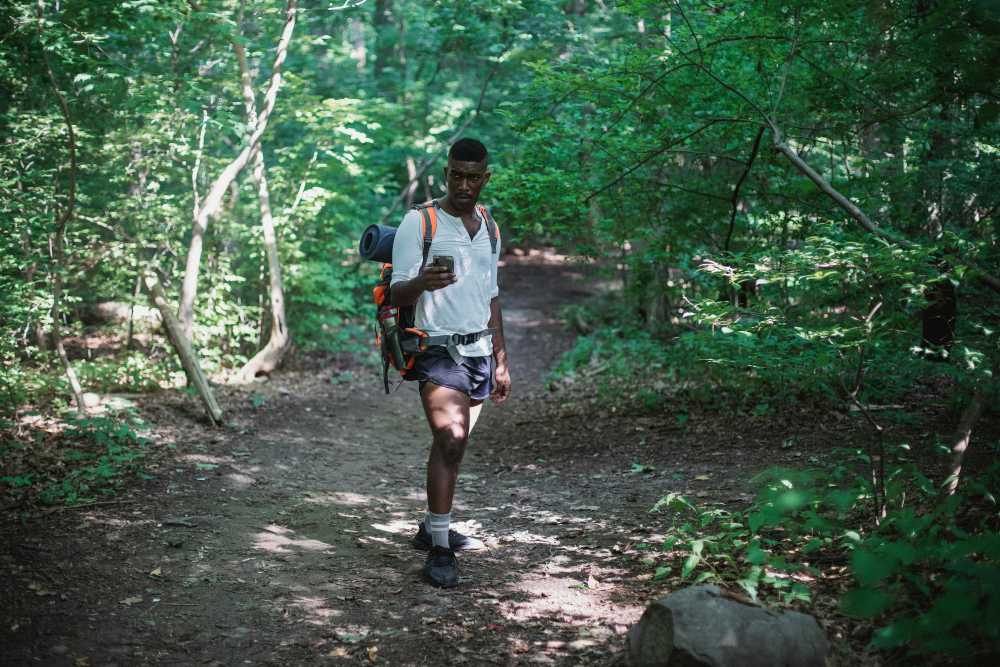
For expert-vetted gear lists and detailed trail guides from seasoned creators, the TrekGuider Marketplace is an invaluable resource for taking your preparation to the next level.
"Never Get Lost Again": Mastering Trail Navigation
Of all the potential hiking dangers, getting lost is one of the most common and terrifying. A recent study of SAR missions revealed that "error in judgment" was a leading cause of hikers needing rescue, and a huge part of that is poor navigation. Relying solely on your phone’s GPS is one of the biggest hiking safety tips to ignore—service is unreliable in the backcountry, and batteries die. True navigational confidence comes from time-tested skills.
How to Use a Map and Compass
This fundamental skill is easier than you think and is your most reliable tool.
Place the Compass on the Map: Lay your map flat. Identify your current location and your destination. Place your compass so the long edge of its baseplate creates a line connecting the two points, with the "Direction of Travel" arrow on the compass pointing toward your destination.
Set the Compass Bezel: Keeping the baseplate still, rotate the round bezel (the dial) until the orienting lines inside it are parallel with the map's north-south grid lines. Make sure the "N" on the bezel is pointing to North on the map. The number on the bezel aligned with the Direction of Travel arrow is now your bearing.
Follow the Bearing: Lift the compass off the map and hold it level in front of you. Turn your body until the red magnetic needle is "in the shed"—that is, perfectly inside the red orienting arrow on the bezel. The Direction of Travel arrow now points precisely to your destination. Pick a landmark in that direction, walk to it, and repeat the process.
Pro-Tip: The difference between "true north" (on your map) and "magnetic north" (where your compass points) is called declination. For precise navigation, you must adjust your compass for the local declination, which will be printed on your map.

Wildlife on the Trail: A Guide to Safe Encounters
Seeing wildlife is a thrilling part of hiking, but it’s crucial to remember that you are a visitor in their home. The core principles of every encounter are to maintain a safe distance, never feed wildlife, and know how to react to avoid escalating a situation.
Bear Encounters (Black vs. Grizzly)
Making noise while you hike (talking, clapping) is the best way to avoid surprising a bear. If you do encounter one, your reaction depends on the species.
If a Black Bear Approaches: Never run. Make yourself look as large as possible by raising your arms and opening your jacket. Yell, clap, and make loud noises. If it attacks, fight back aggressively. Target the bear's face and nose with anything you have—rocks, trekking poles, your fists. Do not play dead.
If a Grizzly Bear Approaches/Charges: Do not run and do not make direct eye contact. Speak in a calm, low voice to show you are not a threat. If it charges, stand your ground and use bear spray when it is within 30 feet. If it makes contact, play dead. Lie flat on your stomach, protect the back of your neck with your hands, and use your pack as a shield.
Mountain Lion (Cougar) Encounters
These predators are ambush hunters, so an encounter is rare. If you see one, it has likely been watching you.
Protocol: Do not run, as this triggers their chase instinct. Make direct eye contact. Make yourself appear larger by raising your arms and opening your jacket. Speak in a loud, firm voice. Slowly back away, giving the cat an escape route.
If Attacked: Fight back with everything you've got. Use rocks, sticks, or your hands to target the animal's eyes and face.
Venomous Snake Encounters
Snakes have no interest in humans and will only strike if they feel threatened.
Protocol: If you see a snake, freeze. Do not make any sudden movements. Once you've located the snake, slowly back away and give it a wide berth to move on. Be careful where you step and place your hands, especially when scrambling over rocks or logs.
If Bitten: The priority is to stay calm to slow the spread of venom. Limit physical activity and get to a hospital as quickly and safely as possible for evaluation and potential antivenom treatment.
Handling Trail Emergencies: What to Do When Things Go Wrong
Even with perfect preparation, accidents can happen. A twisted ankle, a sudden illness, or getting turned around can escalate quickly. Your ability to stay calm and make rational decisions is your most valuable asset. If you find yourself in trouble, remember the acronym S.T.O.P.
Stop: The moment you realize you are in trouble, stop moving. Sit down.
Think: Assess your situation calmly. What went wrong? What resources do you have?
Observe: Look around you. Where is the sun? Can you see any landmarks? Is there a source of water or shelter nearby?
Plan: Formulate a simple, logical plan. Don't make panicked decisions.
First Aid on the Trail
Your first-aid kit from the 10 Essentials is your go-to tool for injuries. Here's how to handle the most common trail ailments:
Blisters: The moment you feel a "hot spot" on your foot, stop and address it. Clean the area and apply moleskin or a blister-specific pad. Don't wait for it to become a full-blown blister.
Sprains: For a twisted ankle or knee, use an elastic wrap bandage from your kit to provide compression and support. Loosen it if you feel any numbness or tingling. Elevate the joint when you rest, and use a trekking pole or sturdy branch as a crutch if needed.
Cuts and Scrapes: Control any bleeding with direct pressure using a sterile gauze pad. Once it stops, clean the wound thoroughly with an antiseptic wipe and apply antibiotic ointment before covering it with a bandage.
A well-stocked daypack is crucial, but so is a plan for the whole trip. Before you head out to explore our incredible national parks, make sure your vehicle and supplies are just as prepared as your hiking gear.
Your Ultimate Adventure Blueprint
Ready to hit the road? Don't leave home without our expert-vetted National Park Road Trip Checklist. This free guide covers everything from vehicle prep and essential gear to can't-miss stops, ensuring your adventure is seamless from start to finish. Download it for free now!
Hiking Safety FAQs
A prepared mind anticipates questions. Here are expert answers to common concerns.
1. What's the right way to signal for help?
If you determine you cannot get yourself out of a situation safely, you need to signal for help. The universal distress signal is three of anything: three whistle blasts, three flashes of a headlamp, or three piles of rocks. A whistle is a must-have item that uses far less energy and carries further than shouting. For serious backcountry travel, consider investing in a personal locator beacon (PLB) or satellite messenger, which can send an SOS signal with your exact location to emergency services.
2. Is it safe to hike alone?
Solo hiking can be an incredibly rewarding experience, but it requires a higher level of preparation and self-sufficiency. All the rules in this guide become even more critical. It is absolutely essential that you leave a detailed itinerary with a trusted friend or family member. Include your planned route, your start and end times, and a "panic time"—the specific time they should call for help if they haven't heard from you.
3. What do I do if the weather turns bad unexpectedly?
Your first priority is to get below the treeline if you're in an exposed area to reduce the risk of lightning strikes. Put on your extra insulating layer and your rain gear before you get wet and cold. Assess your map and your situation. It is often safer to turn back, even if you're close to your destination, than to push on into deteriorating conditions.
Pro-Tip: Always tell someone your plan. Before every hike, leave a detailed itinerary with a trusted friend or family member. This is the single most important safety net you have.
Your Adventure, Empowered by Preparation
The goal of these hiking safety tips is not to fill you with fear, but to arm you with confidence. Every piece of gear you pack and every skill you learn is a key that unlocks a new level of freedom on the trail. Preparation allows you to push your boundaries, explore wilder places, and immerse yourself in the beauty of nature without the nagging whisper of anxiety. By respecting the wilderness and committing to self-sufficiency, you transform from a simple visitor into a capable, confident adventurer.
Now that you have the skills for a safe hike, you can integrate that adventure into a larger, perfectly planned journey. For a complete master plan covering everything from budgeting and logistics to finding the best trails and tours, our all-encompassing Travel Guide is the only resource you'll ever need.
Don't Miss Out! Subscribe for Exclusive Content
SubscribeComments 0
No comments yet
Be the first to share your experience!
Dont Miss Out! Subscribe for Exclusive Content

How to Avoid Travel Scams: A Global Guide

Is Public WiFi Safe? How to Protect Your Data Abroad

A Woman's Guide to Safe Travel: 10 Critical Tips

7 Hotel Safety & Security Tips for Peace of Mind

9 Beach Safety Tips That Could Save Your Life
