The Complete Guide to Solo Road Trips: Planning, Safety & Vehicle Prep

TrekGuider @trekguider
You see the pictures, you hear the stories—the ultimate solo road trip, a journey of pure freedom on the open road. But when you actually start to think about it, a wave of very real questions hits hard: What if I get a flat tire in the middle of nowhere? How do I stay safe alone at a motel? Can I really handle all the planning, driving, and navigating by myself?
That initial thrill can quickly turn to anxiety, paralyzing you before you even check your tire pressure. Without a rock-solid plan, a dream trip can easily become a stressful, expensive, or even dangerous ordeal. The difference between a life-changing experience and a cautionary tale lies in preparation. While the logistics of solo travel are unique, the core principles of smart preparation are universal—a foundation just as crucial when mapping out Family Travel Ideas: The 2026 Guide to Unforgettable Trips as it is for hitting the road alone.
This guide is your solution. It is the definitive roadmap designed to systematically dismantle every fear and answer every question. We will replace uncertainty with a comprehensive, step-by-step framework covering everything from strategic planning and budgeting to critical safety protocols and vehicle preparation. After reading this, you will not only feel capable but completely empowered to pack your bags, turn the key, and confidently hit the road for one of the great solo road trips you've always imagined.

Why a Solo Trip is a Powerful Investment in Yourself
Before we dive into logistics, let's anchor ourselves in the why. A solo road trip is more than a change of scenery; it’s an active opportunity to disconnect from the demands of daily life and reconnect with the one person you can sometimes lose track of: yourself.
Absolute Freedom: You decide when to start, where to stop, and how long to linger. There are no compromises on the itinerary, the music, or the choice between a greasy-spoon diner and a scenic picnic. Every decision is yours alone.
Radical Self-Reliance: Successfully navigating hundreds of miles on your own is a profound confidence builder. You’ll learn to solve problems on the fly, trust your judgment, and discover a deep well of resilience you never knew you had.
The Luxury of Headspace: The long stretches of highway provide the mental space for deep thought and reflection. It’s a chance to process, dream, and learn what truly energizes you without the noise of external influence.
The Blueprint: Strategic Planning for the Open Road
While the soul of a road trip lives in its moments of spontaneity, its backbone is forged in smart preparation. This isn't about creating a rigid, fun-killing schedule; it's about building the strong framework that enables true freedom and removes decision fatigue when it matters most.
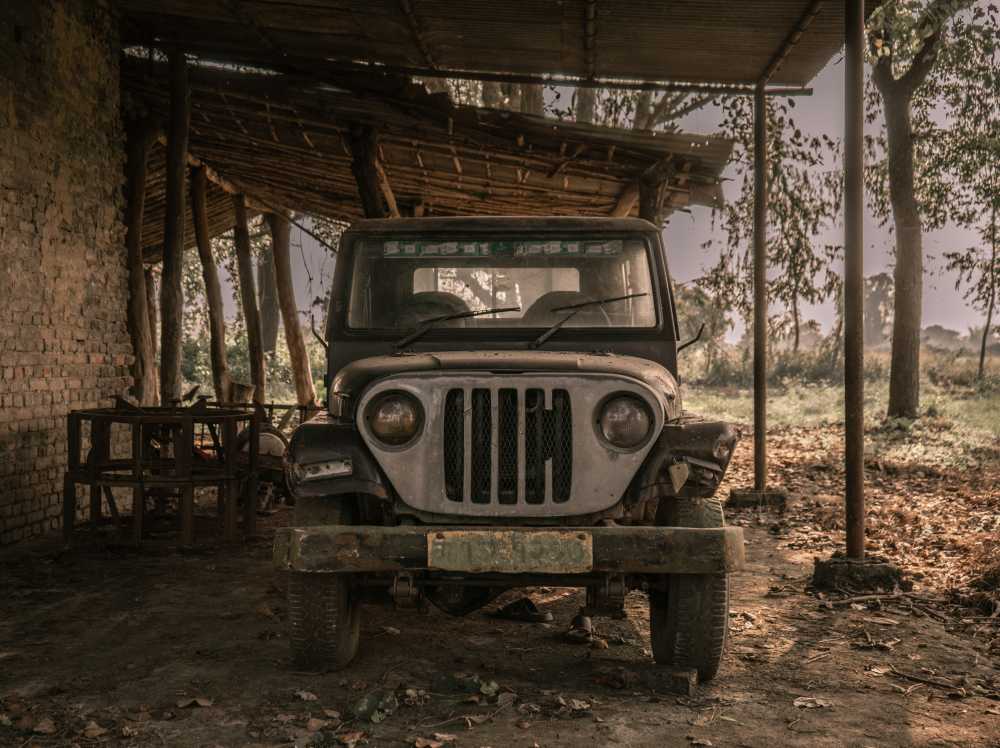
Define Your Mission: Destination & Purpose
First things first: What kind of journey are you craving? Your answer will be the compass for your entire plan. Are you seeking:
Rejuvenation? Picture a scenic drive along Oregon's coast, with stops in quiet towns and fog-laced forests.
High Adventure? A route looping through Utah's "Mighty 5" national parks, filled with challenging hikes and epic vistas. Planning a park-centric journey is a classic for a reason, and our National Park Road Trip Checklist can be an invaluable tool.
Cultural Discovery? A trip winding through the historic backroads of New England or the music-rich towns of the Mississippi Delta.
Your "why" dictates your route. The iconic Pacific Coast Highway delivers on coastal drama, while a journey along Route 66 is a nostalgic dive into Americana. Use tools like Google Maps, Roadtrippers, and travel blogs to map a general path, but also search for terms like "scenic byways in California" (or whichever state you're exploring) to uncover less-traveled gems.
The Art of the Flexible Itinerary
A rigid, minute-by-minute schedule is the enemy of a great road trip. The goal is to create a structured yet pliable plan.
Respect Your Driving Limits: This is the golden rule. Aim for no more than 4-6 hours of actual driving per day. This prevents burnout, gives you ample time to explore your stops, and, crucially, ensures you can arrive at your lodging before dark.
Anchor Your Journey: Always pre-book your accommodation for the first night and the last night of your trip. This brackets your journey, removing the stress of finding a place to stay when you’re either buzzing with first-day energy or exhausted from the final leg.
Identify Key "Pillars": Pinpoint the 2-3 must-see sights, cities, or parks on your route. These are your pillars. Plan your overnight stays around them, giving yourself enough time to explore them properly.
Embrace the In-Between: For the days between your pillars, keep your plans loose. This is where the magic happens. It allows you to follow a sign for a quirky roadside museum, spend an extra two hours at a breathtaking viewpoint, or explore a town that just feels right.
Budgeting: Your Financial Freedom Fund
A clear budget isn't a leash; it’s the tool that frees you from financial stress on the road.
Fuel: Use an app like GasBuddy to estimate total fuel costs based on your car's MPG and planned mileage. Be conservative and round up.
Lodging: Research average costs for hotels, motels, or campgrounds in your target areas. Prices can fluctuate wildly by season and local events.
Food & Drink: Set a daily food budget. Packing a cooler with drinks, snacks, and breakfast items is a pro move that drastically cuts costs.
Activities: Account for national park passes (an "America the Beautiful" annual pass is often a great value), museum tickets, and tours.
The "Uh-Oh" Fund: This is non-negotiable. Set aside 15-20% of your total budget as a contingency. This fund is for the flat tire, the surprise concert ticket, or the necessary hotel upgrade after a rough day.
Pro-Tip: Before you go, call your bank and credit card companies to notify them of your travel plans. This prevents them from freezing your account due to "unusual activity" when you're buying gas 500 miles from home.
Mastering Solo Road Trips with Confidence
Your personal safety matters most. A proactive, systematic approach doesn't create fear; it builds the confidence you need to explore freely.

Personal Safety
Think of your awareness as your most critical travel companion—the one piece of gear that should never be packed away. It's your built-in radar for navigating the world with confidence.
Share Your Battle Plan: Leave a detailed copy of your itinerary with at least two trusted friends or family members. Include hotel names, addresses, and phone numbers.
The Daily Check-In: Establish a simple system. A quick "Made it to Flagstaff! All good." text each evening provides peace of mind for everyone.
Daylight is Your Ally: Plan your driving to end well before sunset. Navigating unfamiliar roads and finding your hotel is infinitely easier and safer in the light.
Trust Your Gut Instinct: Your intuition is a highly evolved threat-detection system. If a gas station, rest stop, or situation feels wrong, it is wrong for you. Leave immediately. Don't second-guess it.
Walk with Purpose: Project confidence. Be aware of your surroundings. Avoid looking lost or glued to your phone. If you need to check a map, step inside a coffee shop or store.
Social Media Lag Time: Share your amazing photos after you've left a location. Posting your real-time whereabouts can broadcast your solo status to the wrong people.
A DEEPER DIVE ON SAFETY
For many independent travelers, safety is the number one concern. We've compiled a comprehensive resource filled with actionable strategies and expert advice specifically for navigating the world on your own.
Download our free Solo Female Travel Safety Guide to build unshakeable confidence for your next adventure.
The Solo Mindset: From Loneliness to Solitude
Let’s address the elephant in the room: loneliness. It's a valid concern, but it's crucial to differentiate it from solitude. Loneliness is a lack; solitude is a presence—the presence of yourself.
Embrace Dinners for One: Bring a book or a journal. Use the time to people-watch and savor your meal without distraction.
Strike Up Casual Conversations: Chat with the barista, the park ranger, or the shopkeeper. These small interactions can provide a welcome dose of human connection without any obligation.
Schedule Calls Home: Plan a few calls with friends or family during your trip. Hearing a familiar voice can be a great reset if you're feeling isolated.
Your Co-Pilot Check
On a solo trip, your car isn't just transportation; it's your partner. Ensuring it's in peak condition is the single most important thing you can do before you leave.

The Pre-Flight Mechanical Inspection
At least one week before you depart, have your vehicle inspected by a trusted mechanic, or do it yourself if you're knowledgeable.
Tires (The Four You See and The One You Don't): Check the pressure on all four tires plus the spare. Inspect the tread depth using the "penny test." If the tread doesn't cover Lincoln's head, you need new tires.
Fluids: Check your oil, coolant, brake fluid, and windshield washer fluid. Get an oil change if you're within 1,000 miles of your next service interval.
Brakes: Listen for squealing. Feel for any vibration when braking. Don't compromise here; get them checked if there's any doubt.
Battery: Look for corrosion (a white, powdery substance) on the terminals. If your battery is over three years old, have it load-tested at an auto parts store (it's often free).
Lights & Wipers: Test all lights. Replace wiper blades if they're cracked or leave streaks. A sudden downpour is a terrible time to discover they're useless.
Building the Ultimate Roadside Emergency Kit
A well-stocked kit can turn a trip-ending crisis into a manageable inconvenience. Having a comprehensive checklist is key. A great starting point for any major is our International Travel Checklist, which you can adapt for a domestic journey.
Jumper cables and a portable jump starter
Tire pressure gauge and a portable 12V air compressor
A complete first-aid kit
A powerful LED flashlight or headlamp (with extra batteries)
Basic toolkit (multi-tool, adjustable wrench, screwdrivers, gloves)
Duct tape and zip ties
Reflective warning triangles
A warm blanket, emergency rain poncho
High-energy, non-perishable snacks (protein bars, nuts)
At least one gallon of water
Pro-Tip: A portable jump starter (a small lithium-ion battery pack) is the best safety device a solo traveler can buy. It allows you to jump-start your own car without the need for another vehicle or the risk of asking a stranger for help.
Frequently Asked Questions
How much should I budget for a solo road trip?
Your main costs will be fuel, lodging, and food. A good starting point for a domestic US trip is to budget $150-$250 per day. This can be much lower if you're camping and cooking your own meals, or higher if you prefer nicer hotels and restaurants. Always add a 15-20% contingency fund for unexpected costs.
What's the best way to stay safe at rest stops or gas stations?
Choose busy, well-lit locations whenever possible. Before you get out of the car, take a moment to observe your surroundings. Stay off your phone, be aware of who is around you, and trust your gut instinct. If a place feels unsafe, leave and find the next one.
Is it better to book all my accommodations in advance for a solo trip?
We recommend a hybrid approach. Book your first and last nights in advance to reduce stress. For the nights in between, having flexibility is great, but it's wise to book your next night's stay at least 24 hours in advance, especially in popular areas, so you're not left scrambling at dusk.
Turn the Key: Your Adventure Begins Now
The journey of a thousand miles begins not with a single step, but with a decision—the decision to prepare. By now, the idea of a solo adventure should feel less like a daunting challenge and more like an exciting, achievable reality. You have the framework for careful planning, the knowledge to build a strong safety net, and the checklist to ensure your vehicle is a reliable partner.
You are equipped to handle the road with confidence and embrace the unparalleled freedom that only solo road trips can offer. The open road is not just a path to a new destination; it’s a path to a more capable and self-aware version of yourself. The planning is part of the adventure. The preparation is part of the empowerment. Now, it's time to put it all into action. Go create a story that is entirely your own.

Don't Miss Out! Subscribe for Exclusive Content
Subscribe



Comments 0
No comments yet
Be the first to share your experience!
Dont Miss Out! Subscribe for Exclusive Content

San Francisco Cherry Blossoms: A Local's Guide to the Blooms


Halloween SF: Haunts Without Horrors

SF Festivals: 7 Must-See Lineups

Christmas SF: Lights & Wharf Wonders

SF Pride: 6 Route & Party Hacks

Chinese New Year SF: Parade Essentials
How to Avoid Travel Scams: A Global Guide
TrekGuider @trekguider
There’s a unique sickness that can ruin a perfect trip, and it has nothing to do with food poisoning. It’s the bitter sting of being scammed—the feeling of being played for a fool that can sour the memory of an entire vacation. You plan for months, dreaming of ancient ruins and bustling markets, only to have that excitement hijacked by a single moment of deception. The financial loss is frustrating, but the emotional toll is worse. It can leave you feeling cynical, embarrassed, and distrustful, robbing you of the open-hearted curiosity that makes travel so transformative.
This is the universal problem every traveler faces, an invisible tax on our sense of adventure. In a world of unfamiliar customs and currencies, we are at an inherent disadvantage—and scammers don't just know this; they bank on it. They are masters of psychological manipulation, running sophisticated plays that exploit your politeness, your confusion, and your inherent trust in others. They don’t just target the naive; they target the kind. But you don’t have to be a victim. This guide is your shield. By understanding their tactics, you can spot the con from a mile away and disengage with unshakeable confidence. This is your "know your enemy" playbook for the world's most common travel scams, a critical component of the holistic preparedness we cover in our definitive The Ultimate Guide to Travel Safety: A 2026 Playbook. Let's dismantle their script, so you can stick to writing your own.

The Psychology of the Scam: Why Their Tricks Work
To truly become scam-proof, you don't just need to know what they do; you need to understand why it works. Scammers aren't just lucky; they are leveraging predictable patterns of human behavior that can trip up even the most seasoned traveler.
The Reciprocity Principle: Many scams begin with a "gift"—a friendship bracelet, a sprig of rosemary, or unsolicited "help." This is a tactic designed to create a subconscious social obligation in you, the victim. Because they have given you something of perceived value, it becomes psychologically much harder for you to refuse their subsequent, and often aggressive, demand for payment.
Exploiting Greed: Some scams, like the infamous "found ring" ploy, don't rely on your kindness but on your own potential greed. By offering you something that appears incredibly valuable for a low price, the scammer tempts you into thinking you're the one getting the better end of the deal. The reality is, if an offer seems too good to be true, it is, and your desire for a windfall is the bait.
Manufactured Urgency and Confusion: Scammers thrive in chaos. They will often create a high-pressure situation—a supposed "spill" on your jacket, a crowded petition board, or a complex currency exchange—to distract and confuse you. In that moment of disorientation, your brain's threat-assessment capabilities are overloaded, your guard is down, and their accomplice strikes.
By recognizing these underlying tactics, you can spot the setup long before the punchline.
The Top 10 Travel Scams and How to Disengage
Your best defense is knowing their playbook. Here is a breakdown of the ten most common travel scams you'll encounter globally, complete with a description of the con and a direct, scripted response you can use to shut it down instantly.
1. The Transportation Scam ('Broken Meter' / 'Hotel is Closed')
This is often the first scam you'll encounter, right outside the airport. The taxi or tuk-tuk driver will claim their meter is broken to negotiate a wildly inflated flat fee. A more insidious version involves the driver insisting your chosen hotel or attraction is "closed for a holiday" to divert you to a friend's guesthouse or shop where they get a hefty commission.
How to Disengage: Your defense starts before you even get in the vehicle.
Your Script: Point directly to the meter and say clearly, "Meter, please?" If the driver refuses or claims it's broken, simply say, "No, thank you," and find another taxi. If they insist your destination is closed, be a broken record: "Please take me to the address. I have a reservation." Do not engage in a debate.
2. The Distraction Theft ('The Spiller' / 'The Petitioner')
This classic scam relies on teamwork and manufactured chaos. One person will create a diversion to occupy your attention while an accomplice pickpockets you or snags your bag. Common tactics include someone "accidentally" spilling a drink or condiment on you and offering to help clean it up, or a group of people swarming you with a clipboard asking you to sign a petition. While you're flustered or focused on the petition, your valuables disappear.
How to Disengage: The moment the diversion happens, your only priority is to secure your belongings.
Your Script: Immediately clutch your bag, moving it to the front of your body, and put a hand on your wallet and phone. Create physical distance from the person and say loudly and clearly, "No, thank you. I'm fine." Do not accept their "help." Keep moving and walk away.
3. The 'Free' Gift Scam ('Friendship Bracelet' / 'Rosemary Sprig')
This scam preys on the reciprocity principle. A friendly person will approach you and place an item on your person—tying a "friendship" bracelet on your wrist or putting a sprig of rosemary in your hand for "good luck." They'll call it a gift. The moment it's on you, their demeanor changes, and they begin to aggressively demand payment, often causing a public scene to embarrass you into paying.
How to Disengage: The key is to prevent physical contact from the start.
Your Script: As they approach, hold up a hand in a clear "stop" gesture and say a firm, "No, thank you," while walking away without breaking your stride. If they manage to place an item on you, immediately take it off, place it on the ground, and walk away without looking back. Do not hand it back to them, as this re-engages the interaction.
4. The 'Found Ring' Scam
This play targets your potential greed. A scammer will pretend to find a valuable-looking gold ring on the ground near you and ask if you dropped it. When you say no, they will inspect it, claim it must be real gold, and offer to sell it to you for a "good price" because they need the cash. The ring is, of course, a worthless brass fake.
How to Disengage: Your reaction should be one of complete disinterest.
Your Script: Without stopping or even slowing down, simply say, "It's not mine," and continue walking. Any hesitation, curiosity, or engagement signals that you are a potential mark.

5. The Overpriced Service Invitation ('Tea Ceremony' / 'Local Bar')
A friendly and often attractive local strikes up a conversation, building rapport before inviting you to a "special" cultural experience, like a traditional tea ceremony or a local bar that tourists don't know about. After you've accepted the service, you are presented with a massively inflated bill, and intimidating staff may block the exit until you pay up.
How to Disengage: The rule is simple: never follow a stranger to a second, private location.
Your Script: Decline the invitation politely but firmly: "Thank you for the kind invitation, but I have other plans." Repeat it as necessary and do not offer any further explanation.
Pro-Tip: Your smartphone is a powerful anti-scam tool. If a taxi driver is taking you on a suspicious route, open a mapping app with the volume up. The audible turn-by-turn directions signal that you are tracking the route and know where you are going.
6. The Damaged Rental Scam
This scam is most common with motorbike or jet ski rentals in tourist hotspots. You are often required to leave your passport as collateral. When you return the vehicle, the owner points out pre-existing damage—scratches and dents you didn't cause—and accuses you of causing it. They then demand an exorbitant fee for repairs, holding your passport hostage until you pay.
How to Disengage: This scam is defeated with preventative action.
Your Script (Preventative): Before taking the vehicle, pull out your phone in front of the owner and say, "I'm just going to take a quick video of the vehicle's condition." Slowly and clearly film every part of the vehicle, zooming in on any existing scratches and dents while narrating what you see. This creates undeniable proof. If they demand your passport, respond, "I cannot leave my passport, but I can provide a cash deposit or a credit card authorization."
7. The Wrong Change / Note Switch Scam
This simple but effective scam relies on your unfamiliarity with the local currency. A cashier, vendor, or taxi driver will give you the incorrect change, hoping you won't notice. A common variation is the "note switch." You pay with a large bill, and the cashier deftly swaps it for a smaller one while you're not looking, then insists you didn't pay enough.
How to Disengage: Be present and deliberate during every cash transaction.
Your Script: As you hand over a large bill, state its value clearly out loud: "Paying with a 50." Count your change slowly and carefully at the counter before you walk away. If it is incorrect, state calmly, "Excuse me, I believe there's a mistake with the change."
8. The Fake Police Scam
Scammers impersonating plainclothes police officers will approach you and accuse you of a minor, often fabricated, offense (like dropping a cigarette butt or not having a specific permit). They will then demand you pay an immediate "fine" in cash to avoid being taken to the station. They may also ask to inspect your wallet for "counterfeit money," stealing some of it during the inspection.
How to Disengage: Real police do not demand on-the-spot cash fines. Call their bluff.
Your Script: Remain calm and polite, but firm. Never hand over your wallet or passport. Say, "I understand. I am happy to go with you to the official police station to handle this." This will almost always cause them to vanish.

Your Ultimate Solo Travel Playbook
Navigating the world alone requires an extra layer of awareness. Scammers often target solo travelers, but with the right strategies, you can project unshakable confidence. Our specialized guide is the ultimate resource for any woman dreaming of exploring the world on her own terms.
Download your free Solo Female Travel Safety Guide now!
9. The ATM / Card Skimming Scam
This is a high-tech scam with two common variations. Criminals may install a "skimming" device over the card slot of an ATM to copy your card's magnetic stripe data, while a tiny hidden camera records you entering your PIN. Alternatively, a "helpful" local might approach you at an ATM, offering to help you avoid foreign transaction fees, but is actually using a handheld skimmer to steal your card information.
How to Disengage: Be protective of your physical card and your PIN.
Your Script: If a stranger approaches you at an ATM offering help, immediately cover the keypad with your other hand, take your card, and say, "No, thank you, I'm fine." Cancel the transaction and leave. It is always safer to use ATMs located inside a bank during business hours. Before inserting your card, physically jiggle the card reader and keypad. If anything feels loose, it may have been tampered with.
10. The Fake Ticket / Accommodation Scam
Scammers set up professional-looking but fake websites or post fraudulent ads on legitimate booking sites offering heavily discounted airline tickets, event passes, or holiday rentals. You pay in advance, often via a non-refundable bank transfer, only to discover upon arrival that your ticket is fake or the beautiful apartment you booked doesn't exist.
How to Disengage: This scam is prevented by diligent booking practices.
Your Script (Preventative): If an offer seems too good to be true, it is. A safe response when dealing with any third-party seller is, "I only book through official websites or with a credit card." Credit card payments offer a layer of fraud protection that bank transfers do not. One of the best ways to check out independent guides is to use a reliable platform. For example, on TrekGuider Marketplace, you can find products from verified travel creators, which will add an extra level of security and accountability to your plans.
Travel Scams FAQ: Your Questions Answered
A prepared mind anticipates the next question. Here are expert answers to common concerns about navigating travel scams.
1. What should I do if I realize I've been scammed?
First, don't blame yourself. These are professionals. Your immediate priorities are to mitigate the damage and ensure your safety. If credit cards were stolen or compromised, call your bank immediately to cancel them. If your passport was taken, contact your country's nearest embassy or consulate. File a report with the local tourist police; while recovery is unlikely, the report can be essential for travel insurance claims. Most importantly, try not to let it ruin your trip. View it as a hard-earned lesson in travel wisdom.
2. Are some destinations worse for scams than others?
While scams can happen anywhere, they are more prevalent in major global tourist hubs where large crowds, language barriers, and a general sense of disorientation create the perfect hunting ground. Cities like Paris, Rome, Barcelona, and Bangkok are famous for their attractions, but also for specific, localized scams. The key isn't to avoid these incredible places, but to go into them with heightened awareness of the specific cons you are most likely to encounter there.
3. What's the most sophisticated scam I should be aware of?
A frighteningly sophisticated evolution of the classic "family-in-need" scam involves the use of Artificial Intelligence. Scammers can use AI to create "deepfakes"—convincingly altered audio recordings that perfectly mimic a traveler's voice. They can use this to call a family member back home with a fabricated emergency, making a desperate plea for money sound terrifyingly real. The best defense is to pre-arrange a "duress code" or a secret question with your family that only you would know the answer to, which can instantly verify your identity in a real emergency.

Travel With Confidence, Not Fear
The world is not the scary, dangerous place that these scams make it seem. The vast majority of people you meet on your travels will be kind, honest, and welcoming. The goal of this guide is not to make you paranoid but to make you prepared. Knowledge is your armor. By understanding the psychology and the mechanics of these common travel scams, you take away their power. You are no longer an easy mark; you are an informed, savvy traveler who can navigate the world with an open heart, backed by a prepared mind.
Now that you're equipped to handle the cons, you can focus on the bigger picture of planning a flawless trip. For a complete master guide covering everything from health and digital security to packing and logistics, our all-encompassing Travel Guide is the only resource you'll ever need.

SEO Meta Title (Under 60 characters):
How to Avoid the Top 10 Travel Scams (A Global Guide)
URL Slug:
how-to-avoid-travel-scams
SEO Meta Description (Under 155 characters):
Worried about travel scams? Our global guide reveals the top 10 tourist cons and gives you the exact scripts to disengage safely and travel with confidence.
Don't Miss Out! Subscribe for Exclusive Content
SubscribeComments 0
No comments yet
Be the first to share your experience!
Dont Miss Out! Subscribe for Exclusive Content

Ultimate USA Holidays Guide: Top Picks

FTC Affiliate Disclosure Essentials: Stay Compliant as a Travel Creator

Essential Affiliate Tools: From Tracking to Full Optimization

Booking.com Affiliate Program Review: Pros, Cons, and Earnings Potential

Decoding Affiliate Commission Rates: Benchmarks for Travel Creators

Top 11 High-Paying Affiliate Programs for Travel Bloggers
How to Travel Europe Alone: A 2026 First-Timer's Guide
TrekGuider @trekguider
You see the photos and you feel the pull. The ancient stones of the Colosseum bathed in golden light, the staggering peaks of the Swiss Alps, the charming canals of Amsterdam—a European adventure calls to you. But a shadow of apprehension quickly follows. The thought of navigating this vast, diverse continent entirely on your own feels overwhelming, even paralyzing. How do you even begin to compare a Eurail pass to a budget flight? How do you stay safe from the sophisticated tourist scams you’ve heard about in crowded piazzas? The logistical and safety concerns can feel like an insurmountable mountain, turning a lifelong dream into a source of anxiety.

This guide is your step-by-step plan to conquer that mountain. It is the definitive, practical blueprint for your first solo female travel Europe adventure, designed to replace abstract fear with concrete knowledge and confident action. This isn't just about seeing Europe; it's about discovering your own capability. For a complete overview of a solo traveler's journey, be sure to read our comprehensive pillar article, The Ultimate Guide to Solo Female Travel (15 Essential Tips).
Why Europe is the Perfect Stage for Your First Solo Trip
Before we dive into the logistics, let's establish why Europe is arguably the best destination on earth for a first-time solo traveler. Think about it: where else on Earth can you find such an unparalleled density of cultures, languages, and histories packed into a single, navigable continent? You can have breakfast with Belgian waffles in Brussels, lunch beneath the Eiffel Tower in Paris, and a late-night pasta in Lyon—all in a single day, if you’re ambitious.
More importantly, the tourist infrastructure is second to none. Reliable and extensive public transportation, a wide range of accommodation from social hostels to private hotels, and the widespread use of English in major hubs significantly lower the barrier to entry. Furthermore, numerous European countries consistently rank among the safest and most peaceful in the world. The 2026 Global Peace Index, for instance, lists countries like Iceland, Ireland, Portugal, and Slovenia in its top tiers, making them outstanding choices for building your solo travel confidence.

Conquering the Continent: A First-Timer's Guide to European Transport
Your biggest logistical decision will be how to move between cities and countries. Europe offers a fantastic array of options, each with a distinct balance of cost, speed, and experience. Your choice will define the rhythm of your trip.
Pro-Tip: Don't commit to a single mode of transport for your entire trip. The savviest travelers use a hybrid approach. Use budget airlines for long-haul jumps across the continent, scenic trains for shorter regional travel where the journey is the destination, and buses for budget-friendly hops between nearby cities.
Nailing your transportation strategy is the first step to unlocking the continent. Now, let’s talk about the fuel for your adventure: your budget. For a solo traveler, who bears the full cost of every room and ride, this is where savvy planning truly pays off.
Smart Budgeting for Solo Female Travel Europe: West vs. East
The single most important factor influencing your budget in Europe is geography. A week in Western Europe can easily cost double what you’d spend in the East, and understanding this allows you to craft an itinerary that matches your bank account.
The Paris vs. Prague Paradigm: A Tale of Two Budgets
To understand this disparity, let’s compare the approximate daily costs for a "Budget Soloist" in two iconic capitals, based on data synthesized from cost-of-living aggregator sites.
Accommodation: This is the biggest driver of cost. A bed in a well-rated hostel dorm in Prague might cost you €25. In Paris, a similar dorm will likely start at €50.
Food: A hearty, traditional sit-down dinner in Prague can be found for €10-€15. A comparable meal in a Parisian bistro could easily be €25-€35.
Daily Total: When you add in local transport and activities, a budget-conscious solo traveler could comfortably explore Prague on around €65 per day. To maintain a similar travel style in Paris, you would need to budget at least €115 per day.
This doesn't mean you should skip Western Europe. It means you should plan for it. You can balance your overall trip budget by spending more time in affordable countries like Poland, Hungary, and the Czech Republic, and shorter, more focused time in more expensive destinations like France, Switzerland, and the UK.
Your Pre-Departure Blueprint
Feeling organized is the first step to feeling confident. A detailed checklist ensures you don't miss a single crucial step, from visa applications to travel insurance. Download our free, comprehensive International Travel Checklist to start your planning process with total clarity.
Your Tactical Safety Guide to Europe

While Europe is generally very safe, its popular tourist hubs are magnets for petty crime and sophisticated scams. Your best defense is awareness. While a significant 66% of women who travel solo report worrying about their personal safety, data from recent surveys paints a more empowering picture. While 25% have found themselves in a situation they perceived as dangerous, a mere 1% were the victim of a crime. This shows that women are overwhelmingly successful at navigating the world safely. The key is trading abstract fear for concrete knowledge. This is the core of safe solo female travel Europe.
Recognizing and Dodging Common Tourist Scams
Scammers rely on distraction, confusion, and your natural inclination to be polite. By knowing their playbook, you can recognize the performance and walk away before you become a part of it.
The Friendship Bracelet/Rose Scam: Found near major landmarks, a person will approach, grab your wrist, and quickly weave a "friendship bracelet" onto it, or thrust a "free" rose into your hand. Once the item is attached or accepted, they aggressively demand payment. Defense: Keep your hands in your pockets in these areas. Do not stop walking. Use a firm, clear "No" and pull away if contact is made.
The Petition Scam: Common in cities like Paris and Berlin, a person shoves a clipboard at you for a signature. While you’re distracted, an accomplice pickpocket's you. Defense: Legitimate charities rarely operate this way. Never stop for street petitions. Ignore the person and keep moving.
The "Found Gold Ring" Scam: Someone "finds" a gold-colored ring on the ground in front of you and asks if you dropped it. They'll then offer to sell you the worthless brass ring for a "good price." Defense: Recognize it's a performance. Do not engage; simply shake your head and walk away.
The Spilled Drink/Fake Bird Poop Scam: Someone "accidentally" spills a substance on you. They will be profusely apologetic and immediately start "helping" you clean up, using the distraction to steal your wallet or phone. Defense: If a stranger spills something on you, your first move is to clutch your bag and secure your valuables. Create physical distance, firmly state, "I'm fine," and walk away to a safe place.
The Broken Taxi Meter Scam: A driver claims the meter is broken after the ride has started, then demands an exorbitant fare. Defense: Whenever possible, use reputable ride-sharing apps. With local taxis, use official stands and confirm they will use the meter before you get in.
The Secure Sanctuary: Your Hotel Room Safety Checklist
Your accommodation is your safe haven. Performing this consistent security check upon arrival provides critical peace of mind.
Prop the Door: Before entering, use your luggage to prop the main door open. This ensures an escape route if the room is unexpectedly occupied.
Sweep the Room: Do a quick but thorough search of the entire space—under the bed, in closets, behind the shower curtain.
Test All Locks: Once clear, close the door and immediately test the deadbolt, chain lock, and any other security latches. Check that all windows and balcony doors lock securely.
Deploy a Portable Lock: Use your own device, like a rubber doorstop alarm or a portable metal lock, to provide a layer of security that is entirely within your control.
Perform a Hidden Camera Scan: Use your phone's flashlight to scan for the glint of a tiny camera lens in unusual places like smoke detectors, clocks, and USB chargers. In the dark, your phone's front-facing camera is more sensitive to the small IR lights used by night-vision cameras.
Map Your Exits: Find the fire escape map on the back of the door and physically walk the route to the two nearest exits.
Pro-Tip: Your intuition is your most advanced piece of security gear. If a person, place, or situation feels "off," it probably is. Don't hesitate to leave a street or enter a different train car. You don’t need to justify this feeling; just honor it and act on it.
Crafting Your Perfect First-Time Itinerary

With your transport, budget, and safety strategies in place, the fun begins: deciding where to go! For a first-timer, the best destinations are those with excellent infrastructure, low crime rates, and an easy-to-navigate environment. Countries like Portugal, Ireland, and Slovenia are fantastic choices. They offer stunning scenery, friendly locals, and a well-trodden tourist path that makes independent travel feel seamless and secure.
For a destination that perfectly blends history, sunshine, and an incredible solo-friendly infrastructure, Spain is an incredible choice. From the energetic tapas bars of Madrid to the fantastical architecture of Barcelona, it's a country that feels made for independent exploration. Our comprehensive travel guides to Spain and Portugal contain detailed itineraries and local secrets that will make your trip unforgettable.
Frequently Asked Questions for a First-Time Solo Trip to Europe
Even with a plan, questions will pop up. Here are answers to the most common anxieties first-timers face.
Is it weird to eat alone in Europe?
Absolutely not. Dining solo is common across the continent. To feel more comfortable, choose a seat at the bar or a counter, which are natural spots for single diners. Bringing a book or a travel journal also gives you a purposeful focus.
How do I handle language barriers?
In most major tourist destinations, English is widely spoken in hotels, restaurants, and attractions. However, learning a few key phrases in the local language ("Hello," "Please," "Thank you," "Do you speak English?") is a sign of respect that goes a long way. Download the Google Translate app and pre-download the language pack for your destination for offline use.
What's the best way to meet other people?
Stay in a modern hostel (even in a private room) to access social common areas and events. Joining a free walking tour on your first day in a new city is a classic and effective strategy. Small group activities like a local cooking class or a day tour also create a natural environment for connection.
Do I really need travel insurance?
Yes. It is non-negotiable. For a solo traveler, it's your financial and logistical safety net for everything from a medical emergency to lost luggage or a canceled flight. Look for policies with strong emergency medical and evacuation coverage.

Your European Adventure Awaits
The dream of a European adventure doesn't have to remain a distant fantasy. It is an achievable, empowering, and profoundly rewarding journey that is more accessible to you now than ever before. By breaking down the process into manageable steps, you can conquer the logistics of transport and budgeting. By arming yourself with tactical safety knowledge, you can move through the world with confidence and awareness. This guide has given you the blueprint for your first solo female travel Europe adventure, transforming overwhelming questions into a clear, actionable plan.
The personal growth, resilience, and radical self-reliance you will discover on this journey will become a permanent part of who you are. The world is waiting.
Don't Miss Out! Subscribe for Exclusive Content
SubscribeComments 0
No comments yet
Be the first to share your experience!
Dont Miss Out! Subscribe for Exclusive Content

A Woman's Guide to Safe Travel: 10 Critical Tips

7 Hotel Safety & Security Tips for Peace of Mind

11 Essential Solo Travel Safety Tips You Need to Know

The Ultimate Guide to Travel Safety: A 2026 Playbook

How to Meet People While Traveling Solo (Without Being Awkward)