
The Ultimate Solo Travel Packing List: A Modular Checklist

TrekGuider @trekguider
Staring at an empty suitcase can be overwhelming. This is not another generic article; this is your definitive, actionable solo travel packing list. It’s a methodical system designed to transform packing from a chore into an act of empowerment. We’ve built this checklist on a "Core + Modules" framework: a non-negotiable foundation of essentials, plus optional modules you can add for specific types of travel.
This tactical checklist is your "what." Before you dive into the specific items, we highly recommend reading our guide to to understand the minimalist systems and philosophy that make this list so powerful. Understanding the "why" will make packing the "what" intuitive and stress-free.
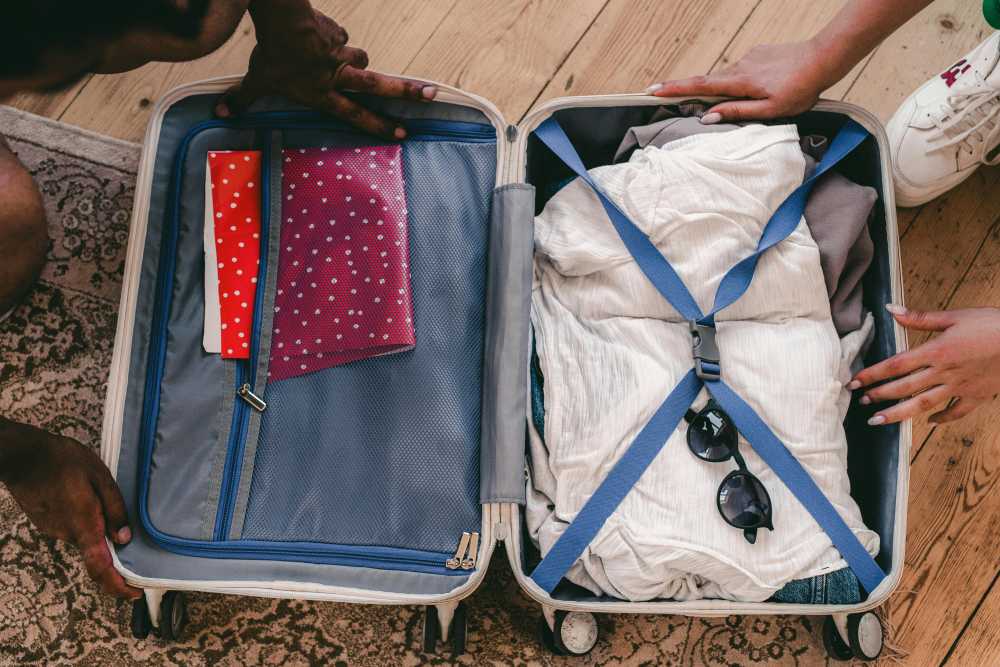
Your Core Essentials
Every trip, regardless of destination or duration, starts here. These are the non-negotiable items that form the base of any smart solo travel plan. Do not leave home without them.
Your Access to Everything
Your ability to move, transact, and prove your identity matters most. Build redundancy into your document strategy.
Passport/Visa: Check that your passport has at least six months of validity from your planned return date.
Digital & Physical Copies: Store a physical photocopy of your passport and driver's license in a separate bag from the originals. Keep high-quality photos of them in a secure cloud service (Google Drive, Dropbox) and in your email.
Travel Insurance Details: Carry a printed copy of your policy and save a PDF to your phone for offline access.
Multiple Bank Cards: Pack at least two different credit cards and one debit card. Store them in separate locations (e.g., one in your wallet, one in your daypack).
Emergency Cash: Hide $100-$200 USD deep within your main bag as a final safety net.
Bank Travel Notifications: Log into your banking apps and set a travel notice for your specific destinations and dates. This five-minute task prevents your accounts from being frozen for suspected fraud.
Your On-the-Go Wellness Kit
Stay healthy and comfortable on the road. The goal is a compact, leak-proof, and comprehensive kit.
Prescription Medications: Pack enough for your entire trip in their original, labeled containers. Bring a copy of the prescription itself.
Mini First-Aid Kit:
Pain relievers (Ibuprofen/Acetaminophen)
Assorted adhesive bandages
Antiseptic wipes
Blister treatment (e.g., Compeed)
Anti-diarrhea medication (e.g., Imodium)
Solid Toiletries: The ultimate packing hack. Eliminates liquid restrictions, prevents leaks, and lasts longer.
Solid shampoo bar
Solid conditioner bar
Solid soap bar
The Basics:
Toothbrush
Solid toothpaste tablets
Deodorant
Your Digital Lifeline
Your smartphone is your navigator, translator, and connection to the world. Keeping it powered is mission-critical.
Smartphone: Your all-in-one command center. Download offline maps for your destination.
Portable Power Bank: A non-negotiable safety item. Choose a 10,000mAh+ model from a reliable brand like Anker to guarantee 2-3 full phone charges. Keep it charged.
Universal Power Adapter: Invest in one high-quality universal adapter with multiple USB ports. This allows you to charge all your devices from a single outlet.
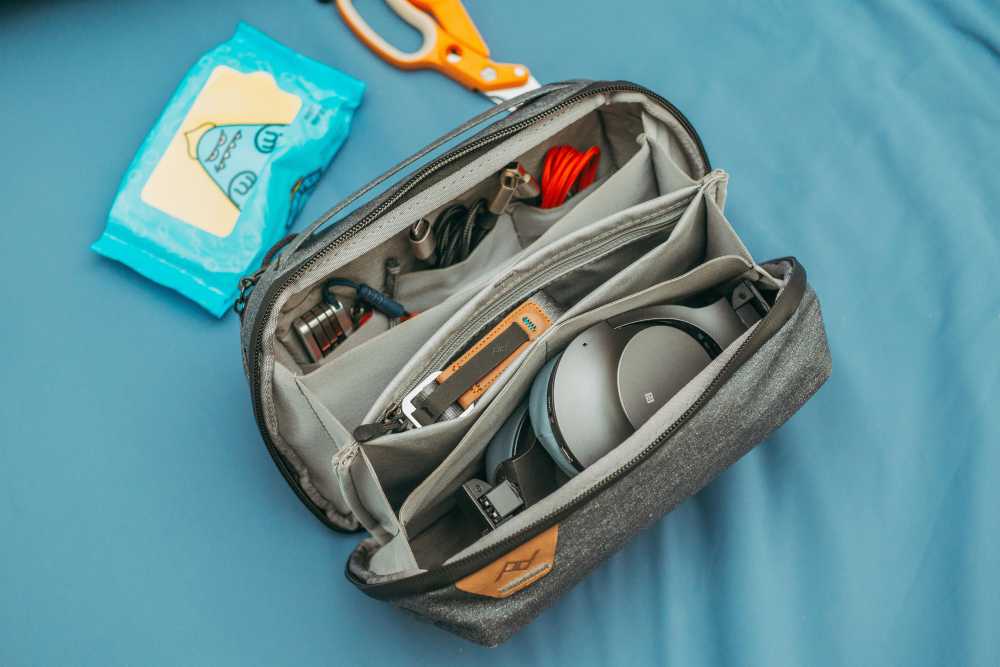
Noise-Canceling Headphones: Essential for focus and peace on loud flights, trains, or in shared hostel rooms.

Essential Solo Travel Safety Gear
This module proactively addresses the "what-if" scenarios, allowing you to explore with confidence and sleep soundly. The gear here is your first line of defense, but true confidence comes from preparation. For a complete guide to situational awareness and navigating new environments securely, our comprehensive article, Anxious to Adventurous: Solo Travel Tips for Confidence, is required reading.
For Your Accommodation
Portable Door Lock (e.g., Addalock): A small, lightweight device that braces your door from the inside, making it impossible to open even with a key.
Door Stop Alarm: A wedge that slides under your door. If opened, it physically blocks the door while emitting a piercingly loud alarm.
For When You're Out & About
Anti-Theft Daypack (e.g., Pacsafe, Travelon): Choose a crossbody bag or backpack with slash-proof straps, lockable zippers, and RFID-blocking pockets.
Personal Safety Alarm: A keychain device that emits an ear-splitting siren and flashing strobe light to attract attention and disorient an attacker.
RFID-Blocking Wallet: Protects your passport and credit cards from electronic "skimming."
The 5-4-3-2-1 Formula
Pack less and wear more with a strategic, versatile wardrobe built on mix-and-match essentials. Choose a neutral color palette (black, gray, navy) for core items.
The 5-4-3-2-1 Formula (1-Week Framework)
5 Tops: Focus on wrinkle-resistant, odor-resistant fabrics. At least one should be merino wool—the ultimate travel fabric for temperature regulation and multi-day wear.
4 Bottoms: A typical mix includes one pair of comfortable travel pants, one pair of jeans or chinos, and one skirt or pair of shorts.
3 Accessories: A lightweight scarf or sarong is incredibly versatile (fashion, beach cover-up, towel, head covering).
2 Pairs of Shoes:
Pair 1: Supremely comfortable, broken-in walking shoes.
Pair 2: A versatile, slightly dressier option (flats, loafers, clean leather sneakers).
1 Jacket: A waterproof, windproof outer shell. Layer with a fleece or sweater for warmth as needed.
Climate Sub-Modules (Choose One)
Cold Climate Add-ons: One set of thermal base layers (top and bottom), a warm hat, gloves, and wool socks.
Tropical Climate Add-ons: A swimsuit, a quick-dry microfiber towel, a wide-brimmed sun hat, and sunglasses.
Digital Nomad's Checklist
This module is for anyone working on the road. It focuses on creating an efficient, ergonomic, and connected remote workstation.

Lightweight Laptop: An ultrabook (e.g., MacBook Air) offers the best balance of power and portability.
Portable Laptop Stand (e.g., Roost, Nexstand): The single best way to prevent neck and back pain.
Ergonomic Peripherals: A slim, portable keyboard (e.g., Logitech K380) and a portable mouse (e.g., Logitech MX Anywhere).
High-Quality Headphones with Mic: Essential for calls and focus in noisy environments.
eSIM: Use an app like Airalo to purchase and install a digital SIM card before you leave. Get connected the moment you land.
High-Capacity "PD" Power Bank: Ensure your power bank is "Power Delivery" rated and has enough capacity to charge your laptop, not just your phone.
What NOT to Pack
Knowing what to leave behind is as important as knowing what to bring.

Expensive or Sentimental Jewelry: Don't bring anything you would be devastated to lose.
Full-Sized Towel: Most accommodations provide them. If needed, a quick-dry travel towel is a superior option.
Multiple "Good" Outfits: Stick to versatile pieces that can be dressed up or down.
Physical Books: An e-reader provides an entire library at a fraction of the weight.
"Just in Case" Items: Unless you're traveling to a very remote location, you can buy most basic items at your destination.
Your Questions Answered
What should a solo female traveler add? Many add a versatile sarong (for modesty at religious sites), a silicone doorstop for extra security, and some opt for a fake wedding ring to deter unwanted attention.
How do I pack for a long-term trip in a carry-on? Commit to doing laundry. Pack one week's worth of clothing using the capsule method and plan to do laundry every 7-10 days.
What are the best shoes for solo travel? The ones you can walk in comfortably for 8+ hours. Never bring new, unbroken-in shoes on a trip.
By starting with the Core Essentials and adding modules tailored to your journey, you have now built the perfect solo travel packing list. This system eliminates guesswork, ensures you are prepared for your adventure, and empowers you to travel with the confidence of a pro.
Read the full guide: Anxious to Adventurous: The Ultimate Guide to Solo Travel Confidence
Don't Miss Out! Subscribe for Exclusive Content
Subscribe



Comments 0
No comments yet
Be the first to share your experience!
Dont Miss Out! Subscribe for Exclusive Content

Ultimate USA Holidays Guide: Top Picks


FTC Affiliate Disclosure Essentials: Stay Compliant as a Travel Creator

Essential Affiliate Tools: From Tracking to Full Optimization

Booking.com Affiliate Program Review: Pros, Cons, and Earnings Potential

Decoding Affiliate Commission Rates: Benchmarks for Travel Creators

Amazon Associates for Travel: Strategies to Maximize Commissions
A Midwest Family Road Trip That Actually Wows Kids
TrekGuider @trekguider
Planning a family road trip through the Midwest can feel like a gamble. You're dreaming of open roads and unforgettable memories, but you're worried about endless stretches of flat highway, the inevitable chorus of "Are we there yet?", and the challenge of keeping everyone—from toddlers to teens—genuinely engaged. The real challenge isn't just finding a destination; it's crafting an adventure that truly feels exciting.
That anxiety can paralyze your planning. You want to create cherished memories, but you're afraid a Midwest trip will fall flat, leaving the kids glued to their screens and you feeling like you wasted precious vacation time.
What if we told you that the Midwest is hiding some of the country’s most spectacular scenic drives, unique adventures, and family-friendly destinations? This is your complete playbook for unlocking that magic. It’s a step-by-step guide to transforming apprehension into anticipation. Using these strategies alongside our comprehensive Family Travel Ideas: The 2026 Guide to Unforgettable Trips will empower you to plan a journey your family will not only survive but truly love.

Why a Midwest Family Road Trip is America’s Best-Kept Secret
While coastal destinations and sprawling national parks out west get much of the attention, a Midwest family road trip offers a unique combination of advantages that are hard to beat.
Let's be honest: the Midwest is the unsung hero of American travel. It’s where your travel budget breathes a sigh of relief and where genuine discovery replaces battling crowds for the same old photo op.
Your Budget Goes Further: This is the most significant advantage. Gas, food, lodging, and attraction prices are often considerably lower than in other popular tourist regions. This allows your travel budget to stretch, meaning you can do more, see more, and stress less about every little expense.
Fewer Crowds, More Discovery: Forget waiting in long lines or jockeying for a photo op. Many of the Midwest’s most beautiful spots, from stunning lakeshores to dramatic canyons, feel like your own private discovery. This creates a more relaxed and immersive experience where your family can connect with the place, and each other.
Authentic Americana at Its Best: The Midwest is the heartland for a reason. A road trip here is a journey through charming small towns, historic river ports, and quirky roadside attractions that feel like a step back in time. It’s an opportunity to connect with a different pace of life and create genuine memories.
A Surprisingly Diverse Landscape: The stereotype of a flat, boring landscape couldn't be more wrong. The Midwest is home to towering sand dunes, lush forests filled with waterfalls, dramatic rock formations carved by ancient glaciers, and the majestic, ocean-like Great Lakes. The natural diversity is astounding and offers a perfect playground for families who love the outdoors.

Convinced? Good. Now, let's trade theory for asphalt. We’ve mapped out four distinct, battle-tested blueprints for a Midwest family road trip that delivers on that promise of adventure and charm.
Curated Midwest Family Road Trip Itineraries
Forget aimless driving. These routes are packed with compelling stops, stunning scenery, and activities for all ages. They are proven blueprints for a successful Midwest family road trip.
1. The Great River Road: A Journey Along the Mississippi
Following the course of the mighty Mississippi River, this National Scenic Byway offers a captivating journey through the heart of America. While the full route is immense, the stretches through Wisconsin, Iowa, and Illinois are particularly rich for a family adventure.
Route Snapshot: Start in Red Wing, Minnesota, and wind your way south to Hannibal, Missouri. This 300-mile segment can be comfortably enjoyed over 3-5 days.
Can't-Miss Stops:
National Eagle Center (Wabasha, MN): Get an up-close look at resident bald and golden eagles and learn about their importance to the river's ecosystem.
Pikes Peak State Park (McGregor, IA): Offering one of the most iconic views of the Mississippi River Valley, this park features easy, family-friendly hiking trails to stunning overlooks.
Galena, Illinois: This beautifully preserved 19th-century town is a treasure. Stroll the historic Main Street and take a trolley tour to learn about its rich history.
Mark Twain Boyhood Home & Museum (Hannibal, MO): Step directly into the world of Tom Sawyer and Huckleberry Finn. It’s a magical experience for kids and adults alike.

2. Michigan's Gold Coast: Lake Michigan Circle Tour
The eastern shore of Lake Michigan boasts some of the most beautiful freshwater coastline in the world, with towering sand dunes, charming beach towns, and impossibly blue water. The iconic M-22 scenic highway is the star of this show.
Route Snapshot: A 4-7 day trip starting from Traverse City, heading south along the coast to Saugatuck.
Sample 5-Day Itinerary:
Day 1: Traverse City: Arrive in the "Cherry Capital of the World." Explore downtown and relax on the beaches of Grand Traverse Bay.
Day 2: Sleeping Bear Dunes National Lakeshore: Dedicate a full day to this natural wonder. The Dune Climb is a rite of passage with a rewarding view.
Day 3: M-22 South: Slowly make your way down the coast, stopping in idyllic towns like Frankfort and Manistee.
Day 4: Silver Lake Sand Dunes: For a dose of adrenaline, rent a dune buggy or take a guided tour across the massive dunes.
Day 5: Saugatuck/Douglas: End your trip in these charming sister art towns. Browse galleries and enjoy a final sunset over Lake Michigan.
Pro-Tip: Pack a cooler with lunch and snacks before driving the Pierce Stocking Scenic Drive in Sleeping Bear Dunes. The pull-offs and picnic areas offer million-dollar views, making for a much more memorable and affordable lunch.

3. The Black Hills & Badlands Loop, South Dakota
This route packs an incredible amount of iconic American landmarks and otherworldly landscapes into a manageable loop. It’s an epic adventure that feels worlds away from the everyday and is one of our favorite 4 Unforgettable National Park Family Travel Ideas.
Route Snapshot: A 4-6 day loop starting and ending in Rapid City, South Dakota.
Must-Do Experiences:
Badlands National Park: Drive the Badlands Loop Road (Highway 240), stopping at the overlooks to marvel at the surreal, eroded buttes.
Custer State Park: Drive the Wildlife Loop Road for near-guaranteed sightings of massive bison herds, pronghorn, and cheeky prairie dogs.
Mount Rushmore National Memorial: See the iconic monument and walk the Presidential Trail for different perspectives. The evening lighting ceremony is a must.
Wall Drug Store: No trip is complete without stopping at this world-famous roadside attraction. It’s a kitschy, fun-filled labyrinth that kids will absolutely love.

4. Ohio's Hocking Hills Scenic Byway
For families who love to hike, this corner of southeastern Ohio is a paradise. The Hocking Hills Scenic Byway connects a series of state parks renowned for their stunning gorges, recessed caves, and beautiful waterfalls.
Route Snapshot: Perfect for a long weekend (2-4 days), based out of the towns of Logan or Nelsonville.
Key Hiking & Activity Hubs:
Old Man's Cave: The most popular area, featuring a spectacular gorge with multiple waterfalls and a fantastic 1-2 hour hiking loop.
Ash Cave: The largest recess cave in the state, accessible via an easy, flat, and wheelchair/stroller-friendly trail.
Cedar Falls: A powerful waterfall in a wild, scenic gorge with a beautiful hiking trail.
Rock House: The only true cave in the park, this tunnel-like corridor is an adventurous spot for kids to explore.

Stay Organized on the Open Road
Feeling inspired by these National Park adventures? Don't let the planning details slow you down. Our free National Park Road Trip Checklist is the perfect tool to ensure you have everything you need, from the right gear to the must-have snacks, for a smooth and memorable journey.
The Ultimate Midwest Road Trip Planning Toolkit
A great itinerary is only half the battle. Flawless execution comes from smart planning.
Budgeting for Your Midwest Adventure
Your money goes further in the Midwest. Maximize your budget with these tips:
Picnic Power: Pack a cooler. Many scenic drives, state parks, and roadside stops have beautiful picnic areas. Eating one meal a day this way can save a family of four $50-$80 daily.
State Park Perks: Annual passes for state parks can offer incredible value if you plan to visit multiple parks within one state.
Look for Free Attractions: From hiking trails to small-town museums, the Midwest is full of free, enriching experiences.
Packing Smart for Four-Season Weather
Midwest weather is famously unpredictable. The key is layering.
The Holy Trinity: Always pack a lightweight rain jacket, a fleece or sweatshirt, and a mix of short and long-sleeved shirts for everyone, regardless of the season.
Footwear is Key: Pack comfortable, broken-in walking shoes. Include waterproof hiking shoes if you plan to visit places like Hocking Hills.
The Analog & Digital Car Kit: Don't forget a first-aid kit, jumper cables, a portable phone charger, and a physical road atlas. Download maps and playlists for offline use.

Pro-Tip: Create a "Go-Box" for the car. Use a plastic bin and stock it with essentials: paper towels, wet wipes, hand sanitizer, sunscreen, bug spray, and trash bags. Keeping it all in one place prevents frantic searching.
The Commander’s Guide to In-Car Harmony
The real challenge of a road trip isn't the driving; it's managing the tiny humans in the back seat. Check out The Sanity-Saving System for Your Next Family Road Trip for our full strategy.
Set the Terms of Engagement: Before you leave, have a family meeting. Discuss the route, set expectations for driving time, and agree on rules for screen time and snacks.
Embrace the Surprise Stop: The best memories often come from unplanned detours. Build buffer time into your schedule to explore that quirky museum or scenic overlook.
The Snack Bag is Sacred: Do not underestimate the power of snacks. Pack a mix of healthy options and special "road trip only" treats to diffuse budding meltdowns.
Frequently Asked Questions
What is the best time of year for a Midwest road trip?
The ideal time is from late spring to early fall (May through October). This window offers the most pleasant weather for hiking and outdoor activities, with fall providing the added bonus of spectacular foliage, especially in Michigan and along the Mississippi River.
Is the Midwest really just flat cornfields?
Absolutely not! This is the biggest misconception about the region. As this guide shows, the Midwest is home to incredibly diverse landscapes, including the towering sand dunes of Lake Michigan, the dramatic cliffs of Pictured Rocks, the otherworldly Badlands of South Dakota, and the lush, waterfall-filled gorges of Hocking Hills, Ohio.
How much should I budget for a Midwest family road trip?
One of the Midwest's biggest advantages is its affordability. Compared to popular coastal destinations, you can expect to spend significantly less on lodging, food, and attractions. A family of four can often travel comfortably on $150-$250 per day, especially when using tips like picnicking.
What are some can't-miss states for a Midwest family road trip?
Based on the variety of attractions, Michigan is fantastic for its stunning coastline and dunes. South Dakota offers iconic national parks and monuments. Ohio's Hocking Hills region is a paradise for hikers, and the states along the Great River Road (like Wisconsin and Iowa) are rich in history and scenic beauty.
Your Midwest Adventure Awaits
The Midwest is not "flyover" country; it’s "drive-through" country in the best possible way. It’s a region of surprising beauty, authentic charm, and boundless opportunities for family connection. This guide has given you the blueprints and the tools to move from dreaming to doing.
A successful trip isn’t about a perfect, problem-free journey; it’s about creating a shared story of discovery and laughter on the open road. Pick a route, start planning, and get ready to create a treasure trove of memories your family will cherish for years to come.
Read the full guide: Family Travel Ideas: The 2026 Guide to Unforgettable Trips
Don't Miss Out! Subscribe for Exclusive Content
SubscribeComments 0
No comments yet
Be the first to share your experience!
Dont Miss Out! Subscribe for Exclusive Content

San Francisco Cherry Blossoms: A Local's Guide to the Blooms

Halloween SF: Haunts Without Horrors

SF Festivals: 7 Must-See Lineups

Christmas SF: Lights & Wharf Wonders

SF Pride: 6 Route & Party Hacks

Chinese New Year SF: Parade Essentials
The 7 Solo Female Travel Safety Rules You Can't Ignore
TrekGuider @trekguider
You feel the magnetic pull of the world, a deep-seated desire to explore ancient cities, wander through breathtaking landscapes, and discover it all on your own terms. The dream of solo travel is vibrant and powerful. But for so many women, that dream is shadowed by a persistent and paralyzing question: "But will I be safe?"
This isn't just a fleeting thought; it's a formidable barrier. It’s a shared, valid concern that echoes across the travel community. A staggering 66% of women who travel solo report worrying about their personal safety, and for the 59% of women who have yet to start their first independent journey, these concerns are the second-largest obstacle holding them back. The fear is real, and it is robbing you of what could be the most transformative experience of your life. But what if you could systematically dismantle that fear, replacing it with an unshakable foundation of competence?
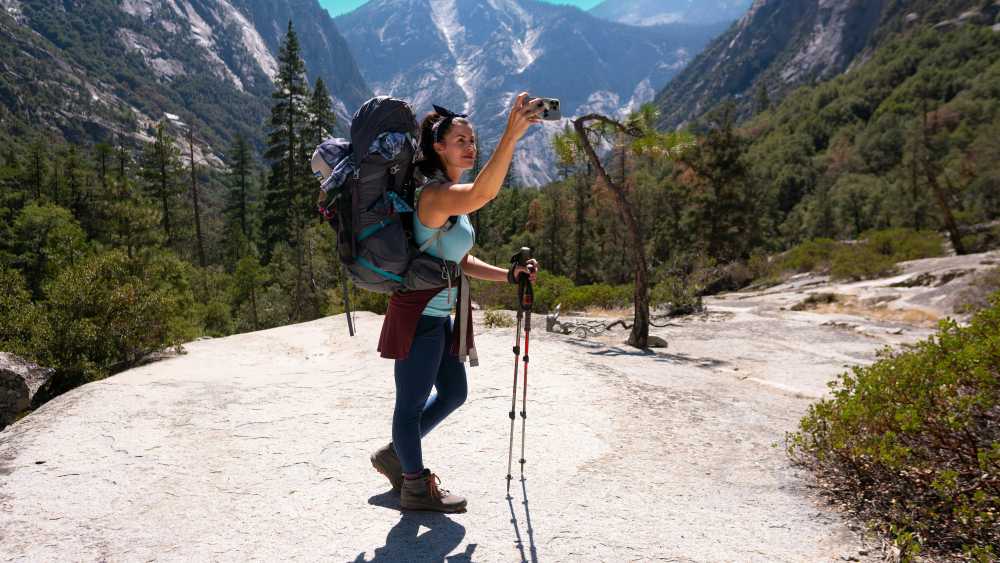
This guide is your tactical blueprint to do exactly that. We are moving beyond vague reassurances and diving into the essential, non-negotiable rules of solo female travel safety. This isn't about seeing the world through a lens of paranoia; it's about equipping yourself with the knowledge to navigate it intelligently. For a complete overview of the journey, start with our comprehensive pillar guide, The Ultimate Guide to Solo Female Travel (15 Essential Tips). These seven rules, however, are the bedrock—the field-tested strategies that will transform you from a worrier into a prepared and confident global explorer.
Rule 1: Build a "Lifeline Home" Before You Leave
The single most important phase of your safety strategy happens before you ever pack a bag. Creating a strong communication and information bridge between you and a trusted emergency contact back home is non-negotiable. This "mission control" is your ultimate safety net, ensuring that if you are ever unreachable, someone you trust has every critical detail needed to help.
Your "lifeline" packet should be a comprehensive dossier containing both physical and digital copies of the following, based on recommendations from the U.S. Department of State:
A Complete Itinerary: Detail your trip on a day-by-day basis, including flight numbers, train schedules, and the names, addresses, and phone numbers of all booked accommodations.
Copies of All Important Documents: Include the photo page of your passport, any necessary visas, your driver's license, and a full copy of your travel insurance policy, complete with the policy number and the 24/7 emergency assistance phone number.
Financial Information: Provide photocopies of the front and back of every credit and debit card you are carrying. The international toll-free numbers on the back are essential for canceling them if they are lost or stolen.
A Pre-Arranged Communication Plan: Establish a clear plan for when you will check in (e.g., a quick text upon arrival in a new city). Crucially, agree on a protocol for what your contact should do if you miss a check-in (e.g., wait 12 hours, then contact your hotel, then contact the nearest embassy).

Pro-Tip: The single most effective safety action you can take in under five minutes is to enroll your trip with the U.S. Department of State’s free Smart Traveler Enrollment Program (STEP). This provides the nearest U.S. Embassy or Consulate with your itinerary, creating a three-way digital bridge connecting you, your emergency contact, and the State Department for a coordinated response in a worst-case scenario.
Rule 2: Master Your Sanctuary with an Unbreakable Arrival Protocol
Think of your accommodation as more than just a place to sleep. It’s your secure base of operations, your private sanctuary to rest and recharge. Ensuring its integrity from the moment you arrive is a critical habit that provides profound peace of mind. Adopt this methodical security check and perform it automatically every single time you enter a new room.
Prop the Door Open. Before you fully enter, use your main piece of luggage to prop the door open. This simple action prevents the door from closing and locking behind you, guaranteeing an immediate escape route should the room not be empty.
Conduct a Full Room Sweep. With the door still open, perform a quick but thorough physical search. Check under the bed, behind all curtains, inside closets, and in the bathroom, including behind the shower curtain.
Verify All Locks. Once the room is confirmed to be empty, close the door and immediately test all locking mechanisms. Engage the deadbolt, chain lock, or security latch. Go to every window and any balcony doors to ensure they lock securely.
Deploy Your Personal Security. Your own devices provide a layer of protection entirely within your control. Immediately place a rubber wedge doorstop alarm under the main door or install a portable door lock like an Addalock. These inexpensive, lightweight devices are highly effective at preventing unauthorized entry, even from someone with a key card.
Locate and Map Emergency Exits. Find the fire exit map on the back of the door. Identify the two nearest exits, then physically walk the route to each one, counting the doors you pass. This mental map is invaluable for navigating in darkness or smoke.
Perform a Hidden Camera Scan. In an age of miniaturized electronics, a quick scan for hidden cameras is a prudent measure. Use your phone's flashlight to look for the tell-tale glint of a tiny lens in unexpected places like smoke detectors, alarm clocks, and USB wall chargers. In the dark, use your phone's front-facing camera (which is more sensitive to infrared light) to scan the space. Look for the small, often blinking, IR lights used by night-vision cameras that are invisible to the naked eye.
Adopt a "Verify, Then Open" Door Policy. Make it your strict policy to never open your door to an unsolicited knock. If someone claims to be from housekeeping, call the front desk using the room phone to verify they sent a staff member to your room.

YOUR ULTIMATE SAFETY TOOLKIT
Mastering your environment is the first step to confident travel. True preparedness means having the right tools for every situation. Our free, downloadable Solo Female Travel Safety Guide is the perfect companion to these rules. It's a comprehensive checklist and resource guide covering everything from what to pack to what to do in an emergency.
Rule 3: Take Absolute Control of Your Ground Transportation
Moving through an unfamiliar city can be a point of high vulnerability. Whether you’re using a ride-sharing app or a local taxi, you must shift from being a passive passenger to an active participant in your own safety. Adhere to this strict set of protocols for every single ride.
The "Match, Name, Share" Protocol for Ride-Shares
Match: Before you get in, carefully match the vehicle's make, model, and license plate number with the information in the app. Check that the driver's appearance matches their profile photo. If anything is off, do not get in the car.
Name: This is a critical verification step. Do not approach a vehicle and ask, "Are you here for Jane?" This gives a potential imposter the information they need. Instead, from a safe position on the curb, ask the driver, "Who are you here for?" A legitimate driver will be able to state your name correctly.
Share: Before your ride begins, use the app's built-in "Share Trip Status" feature. This sends a live map of your journey to a trusted contact, allowing them to track your progress in real-time.
Universal Rules for Every Ride
The Backseat Protocol: As a solo traveler, always sit in the back seat on the side opposite the driver. This creates crucial physical distance and gives you access to two separate exits.
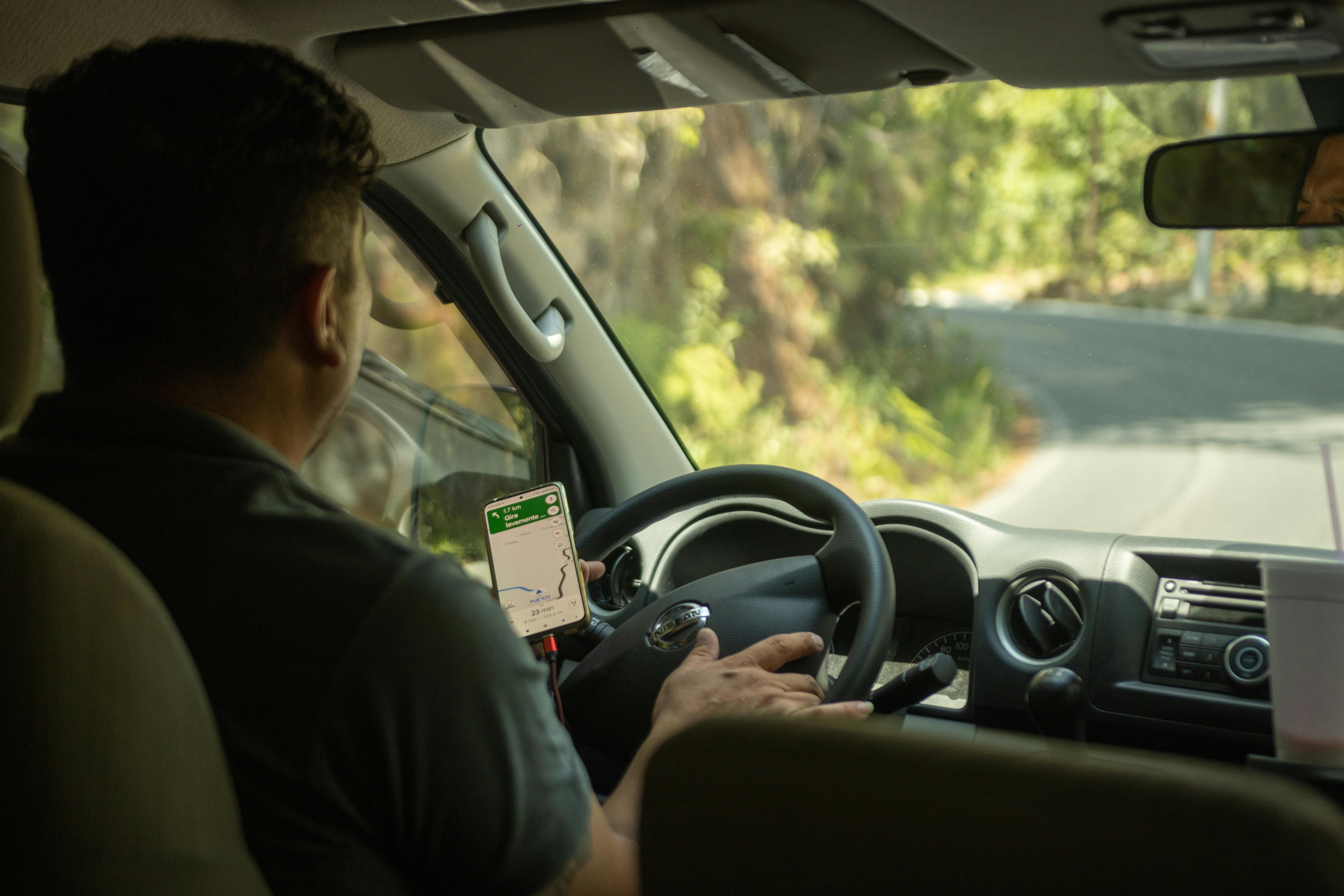
The Route Protocol: Keep your own mapping application, like Google Maps, open on your phone throughout the journey. If the driver takes a significant, unexplained detour, you are empowered to question it. If the response makes you uncomfortable, end the ride in a safe, well-lit public area.

Rule 4: Create Layers of Personal and Digital Security
Your solo female travel safety strategy should be built on layers and redundancy. This means pairing smart practices with an effective toolkit of personal security devices and ensuring your digital lifelines are always active.
Your Personal Security Toolkit
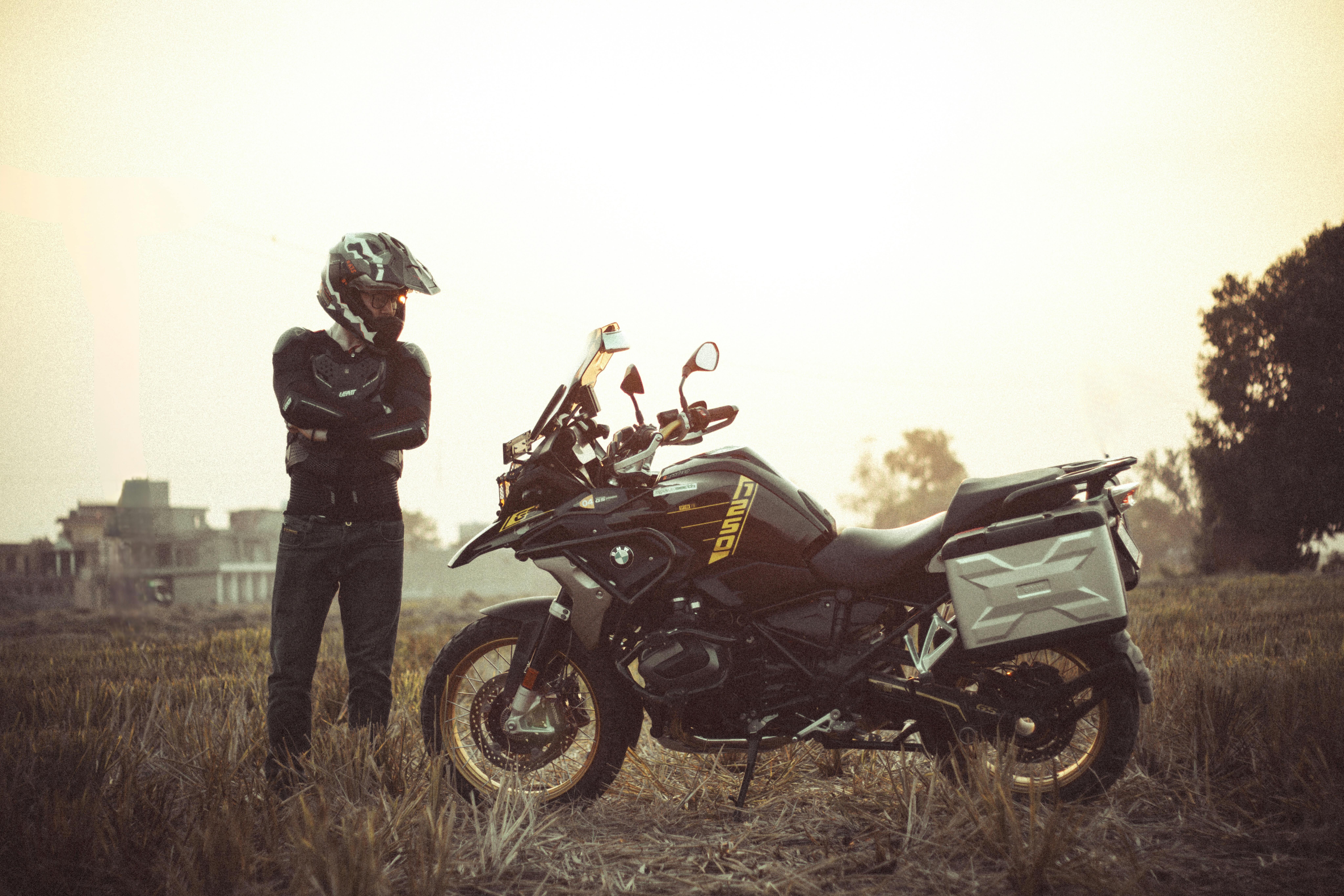
Personal Safety Alarm: This is arguably the most valuable device for a solo traveler. An alarm like the She's Birdie emits an extremely loud siren (130+ decibels) and a flashing strobe light to startle an attacker and attract immediate attention. They are small, legal everywhere, and attach to a keychain for instant access.
Anti-Theft Bag: Invest in a bag with features like RFID-blocking pockets (to protect from electronic skimming), slash-proof fabric, and lockable zippers. A crossbody style worn in front of your body offers the most security.
Portable Door Lock / Alarm: As mentioned in Rule 2, carrying your own lock gives you absolute control over the security of your room, ensuring your sanctuary remains impenetrable.
Your Digital Security Layer
Your phone is your map, translator, and lifeline. A solar-powered power bank adds a critical layer of resilience to a standard one, ensuring you can maintain a charge even during power outages or on multi-day treks.
Rule 5: Project Confidence and Practice Proactive Situational Awareness
How you carry yourself has a profound impact on how you are perceived. Projecting confidence—even when you're feeling uncertain—is a powerful deterrent. Walk with purpose, keep your head up, and make brief eye contact. This signals that you are aware of your surroundings, not an easy target.
This confidence is fueled by situational awareness. It's not about being paranoid; it's about being present.
Understand the Local Landscape: Before arriving, research common tourist scams. A 2024 report noted that 29% of solo female travelers had experienced a theft or attempted scam. Knowing the playbook for ploys like the "friendship bracelet" or "spilled drink" allows you to disengage before you become a victim.
Trust Your Intuition: Your intuition is your most finely tuned security equipment. If a person, place, or situation feels "off," it probably is. You do not need a logical reason. Honor it. Cross the street, leave the bar, get in a different train car. Acting on your intuition is not rude; it is intelligent.
Manage Your Inputs: Be mindful of your alcohol consumption. Your awareness is your primary defense, and anything that dulls it increases your vulnerability.

Rule 6: Embrace That Safety Anxiety Decreases with Experience
It's crucial to understand the psychology of solo travel fear. The data reveals a powerful truth: the act of traveling solo is the most effective antidote to the fear of it.
Among women who have taken fewer than six solo trips, 77% report worrying about safety. That number drops dramatically to just 55% for those who have traveled solo more than ten times. This establishes a direct, negative correlation between experience and anxiety.
Every time you successfully navigate a new city and overcome a challenge, you are collecting real-world evidence of your own competence. This direct experience systematically replaces abstract, media-fueled fear with managed, situational awareness. You learn that while vigilance is essential, you are far more capable than you imagined. The goal of your first trip is to break this cycle of fear and begin the empowering loop of experience.
Rule 7: Never Outsource Your Safety to Chance—The Travel Insurance Mandate
For a solo traveler, travel insurance isn't an optional add-on; it is a foundational pillar of your financial security. A cheap policy is not a good deal if it doesn't have the right coverage. When evaluating policies, ensure the plan includes strong coverage in these key areas:
Emergency Medical Coverage: A policy should offer a minimum of $250,000 in benefits.
Emergency Medical Evacuation: This covers the potentially astronomical cost of transporting you to a hospital with adequate facilities or back home.
Emergency Medical Reunion (Companion Coverage): This is vital for solo travelers. If you are hospitalized, this coverage pays for a family member's transportation and accommodation to be at your bedside, providing invaluable logistical and emotional support.
Trip Interruption and Cancellation: This reimburses your non-refundable trip costs if you have to cancel or cut your trip short for a covered reason.
Frequently Asked Questions About Solo Female Travel Safety
What's the single most important safety device I should buy?
A personal safety alarm. While a doorstop and anti-theft bag are excellent, a loud, attention-grabbing alarm is the most versatile tool for deterring a potential threat in any public situation, day or night.
I'm nervous about nightlife. Should I just avoid going out after dark?
Not at all! The key is to be strategic. Have your transportation planned in advance—know exactly how you're getting home. Nurse your drink and never leave it unattended. Stick to well-lit, reputable areas and consider starting with a structured activity, like a group tour or a show, rather than just wandering.
How do I handle street harassment without escalating the situation?
The most effective strategy is confident disengagement. Do not respond or make prolonged eye contact. Project purpose and keep walking. In many cases, a reaction is what the harasser is seeking. If you feel you are being followed, walk into a busy, open shop or restaurant immediately.
Are group tours a good option for a safety-conscious first-timer?
Absolutely. An estimated 75% of women who have never traveled alone would be more likely to do so on a group tour. They provide a "scaffolded" entry into the world of solo travel. You can find tours vetted and reviewed by other solo female travelers on platforms like TrekGuider, which is a great way to build foundational confidence.
Your Journey to Confident Exploration Starts Now
The narrative around solo female travel safety is too often dominated by fear. But the data tells a different, more empowering story of capability and resilience. These seven rules are your framework—a practical system for managing risk and moving through the world with intelligent confidence. By internalizing these strategies, you build a foundation of competence from which you can freely and bravely explore.
Now that you have the safety blueprint, the truly exciting part can begin. Explore our collection of expert-written Travel Guide resources to find your perfect destination, and remember to download the essential Solo Female Travel Safety Guide. The world is waiting for you to discover it—and yourself.
Meta Data Suggestions:
SEO Meta Title (59 characters): The 7 Essential Solo Female Travel Safety Rules for 2026
URL Slug: solo-female-travel-safety-rules
SEO Meta Description (154 characters): From accommodation security to transport protocols, these 7 non-negotiable solo female travel safety rules will empower you to explore the world with confidence.
Don't Miss Out! Subscribe for Exclusive Content
SubscribeComments 0
No comments yet
Be the first to share your experience!
Dont Miss Out! Subscribe for Exclusive Content

How to Avoid Travel Scams: A Global Guide

Is Public WiFi Safe? How to Protect Your Data Abroad

A Woman's Guide to Safe Travel: 10 Critical Tips

7 Hotel Safety & Security Tips for Peace of Mind

9 Beach Safety Tips That Could Save Your Life
