
The Ultimate Solo Travel Packing List: A Modular Checklist

TrekGuider @trekguider
Staring at an empty suitcase can be overwhelming. This is not another generic article; this is your definitive, actionable solo travel packing list. It’s a methodical system designed to transform packing from a chore into an act of empowerment. We’ve built this checklist on a "Core + Modules" framework: a non-negotiable foundation of essentials, plus optional modules you can add for specific types of travel.
This tactical checklist is your "what." Before you dive into the specific items, we highly recommend reading our guide to to understand the minimalist systems and philosophy that make this list so powerful. Understanding the "why" will make packing the "what" intuitive and stress-free.
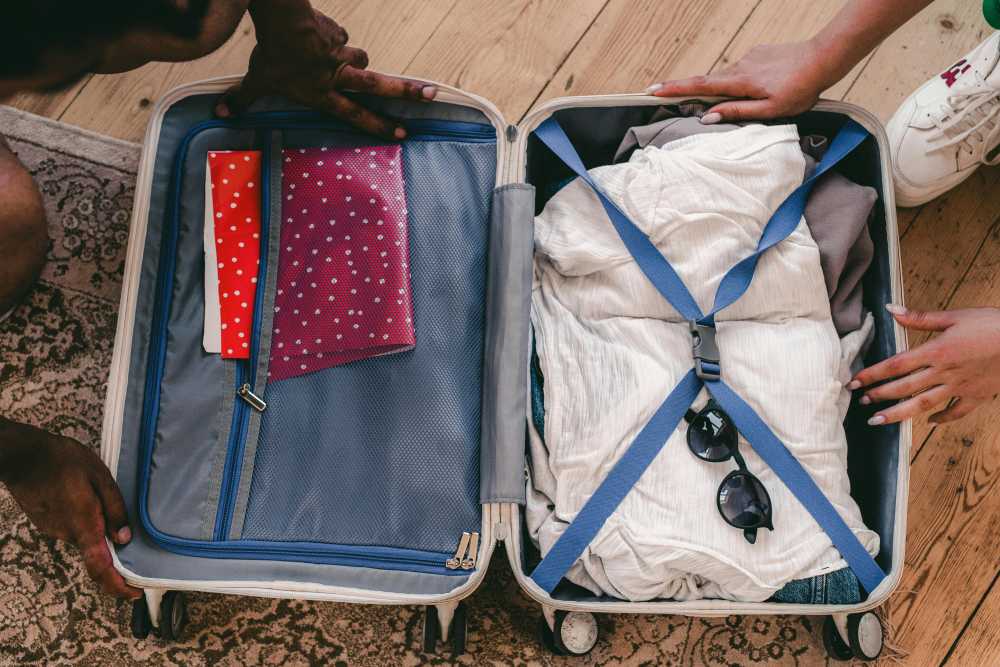
Your Core Essentials
Every trip, regardless of destination or duration, starts here. These are the non-negotiable items that form the base of any smart solo travel plan. Do not leave home without them.
Your Access to Everything
Your ability to move, transact, and prove your identity matters most. Build redundancy into your document strategy.
Passport/Visa: Check that your passport has at least six months of validity from your planned return date.
Digital & Physical Copies: Store a physical photocopy of your passport and driver's license in a separate bag from the originals. Keep high-quality photos of them in a secure cloud service (Google Drive, Dropbox) and in your email.
Travel Insurance Details: Carry a printed copy of your policy and save a PDF to your phone for offline access.
Multiple Bank Cards: Pack at least two different credit cards and one debit card. Store them in separate locations (e.g., one in your wallet, one in your daypack).
Emergency Cash: Hide $100-$200 USD deep within your main bag as a final safety net.
Bank Travel Notifications: Log into your banking apps and set a travel notice for your specific destinations and dates. This five-minute task prevents your accounts from being frozen for suspected fraud.
Your On-the-Go Wellness Kit
Stay healthy and comfortable on the road. The goal is a compact, leak-proof, and comprehensive kit.
Prescription Medications: Pack enough for your entire trip in their original, labeled containers. Bring a copy of the prescription itself.
Mini First-Aid Kit:
Pain relievers (Ibuprofen/Acetaminophen)
Assorted adhesive bandages
Antiseptic wipes
Blister treatment (e.g., Compeed)
Anti-diarrhea medication (e.g., Imodium)
Solid Toiletries: The ultimate packing hack. Eliminates liquid restrictions, prevents leaks, and lasts longer.
Solid shampoo bar
Solid conditioner bar
Solid soap bar
The Basics:
Toothbrush
Solid toothpaste tablets
Deodorant
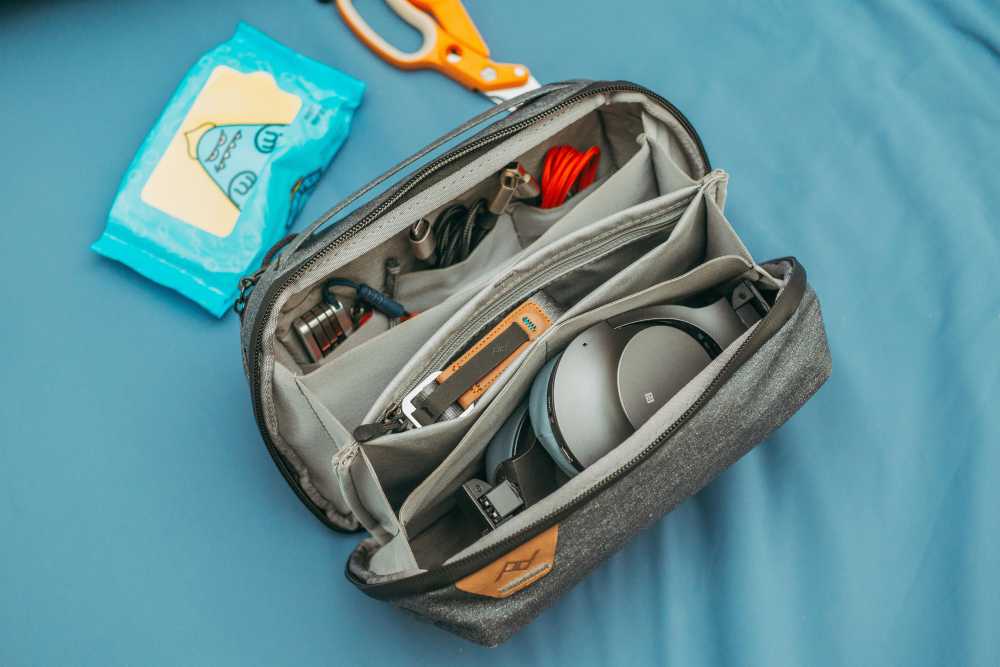
Your Digital Lifeline
Your smartphone is your navigator, translator, and connection to the world. Keeping it powered is mission-critical.
Smartphone: Your all-in-one command center. Download offline maps for your destination.
Portable Power Bank: A non-negotiable safety item. Choose a 10,000mAh+ model from a reliable brand like Anker to guarantee 2-3 full phone charges. Keep it charged.
Universal Power Adapter: Invest in one high-quality universal adapter with multiple USB ports. This allows you to charge all your devices from a single outlet.
Noise-Canceling Headphones: Essential for focus and peace on loud flights, trains, or in shared hostel rooms.

Essential Solo Travel Safety Gear
This module proactively addresses the "what-if" scenarios, allowing you to explore with confidence and sleep soundly. The gear here is your first line of defense, but true confidence comes from preparation. For a complete guide to situational awareness and navigating new environments securely, our comprehensive article, Anxious to Adventurous: Solo Travel Tips for Confidence, is required reading.
For Your Accommodation
Portable Door Lock (e.g., Addalock): A small, lightweight device that braces your door from the inside, making it impossible to open even with a key.
Door Stop Alarm: A wedge that slides under your door. If opened, it physically blocks the door while emitting a piercingly loud alarm.
For When You're Out & About
Anti-Theft Daypack (e.g., Pacsafe, Travelon): Choose a crossbody bag or backpack with slash-proof straps, lockable zippers, and RFID-blocking pockets.
Personal Safety Alarm: A keychain device that emits an ear-splitting siren and flashing strobe light to attract attention and disorient an attacker.
RFID-Blocking Wallet: Protects your passport and credit cards from electronic "skimming."
The 5-4-3-2-1 Formula
Pack less and wear more with a strategic, versatile wardrobe built on mix-and-match essentials. Choose a neutral color palette (black, gray, navy) for core items.
The 5-4-3-2-1 Formula (1-Week Framework)
5 Tops: Focus on wrinkle-resistant, odor-resistant fabrics. At least one should be merino wool—the ultimate travel fabric for temperature regulation and multi-day wear.
4 Bottoms: A typical mix includes one pair of comfortable travel pants, one pair of jeans or chinos, and one skirt or pair of shorts.
3 Accessories: A lightweight scarf or sarong is incredibly versatile (fashion, beach cover-up, towel, head covering).
2 Pairs of Shoes:
Pair 1: Supremely comfortable, broken-in walking shoes.
Pair 2: A versatile, slightly dressier option (flats, loafers, clean leather sneakers).
1 Jacket: A waterproof, windproof outer shell. Layer with a fleece or sweater for warmth as needed.
Climate Sub-Modules (Choose One)
Cold Climate Add-ons: One set of thermal base layers (top and bottom), a warm hat, gloves, and wool socks.
Tropical Climate Add-ons: A swimsuit, a quick-dry microfiber towel, a wide-brimmed sun hat, and sunglasses.
Digital Nomad's Checklist
This module is for anyone working on the road. It focuses on creating an efficient, ergonomic, and connected remote workstation.

Lightweight Laptop: An ultrabook (e.g., MacBook Air) offers the best balance of power and portability.
Portable Laptop Stand (e.g., Roost, Nexstand): The single best way to prevent neck and back pain.
Ergonomic Peripherals: A slim, portable keyboard (e.g., Logitech K380) and a portable mouse (e.g., Logitech MX Anywhere).
High-Quality Headphones with Mic: Essential for calls and focus in noisy environments.
eSIM: Use an app like Airalo to purchase and install a digital SIM card before you leave. Get connected the moment you land.
High-Capacity "PD" Power Bank: Ensure your power bank is "Power Delivery" rated and has enough capacity to charge your laptop, not just your phone.
What NOT to Pack
Knowing what to leave behind is as important as knowing what to bring.

Expensive or Sentimental Jewelry: Don't bring anything you would be devastated to lose.
Full-Sized Towel: Most accommodations provide them. If needed, a quick-dry travel towel is a superior option.
Multiple "Good" Outfits: Stick to versatile pieces that can be dressed up or down.
Physical Books: An e-reader provides an entire library at a fraction of the weight.
"Just in Case" Items: Unless you're traveling to a very remote location, you can buy most basic items at your destination.
Your Questions Answered
What should a solo female traveler add? Many add a versatile sarong (for modesty at religious sites), a silicone doorstop for extra security, and some opt for a fake wedding ring to deter unwanted attention.
How do I pack for a long-term trip in a carry-on? Commit to doing laundry. Pack one week's worth of clothing using the capsule method and plan to do laundry every 7-10 days.
What are the best shoes for solo travel? The ones you can walk in comfortably for 8+ hours. Never bring new, unbroken-in shoes on a trip.

By starting with the Core Essentials and adding modules tailored to your journey, you have now built the perfect solo travel packing list. This system eliminates guesswork, ensures you are prepared for your adventure, and empowers you to travel with the confidence of a pro.
Read the full guide: Anxious to Adventurous: The Ultimate Guide to Solo Travel Confidence
Don't Miss Out! Subscribe for Exclusive Content
Subscribe



Comments 0
No comments yet
Be the first to share your experience!
Dont Miss Out! Subscribe for Exclusive Content

Ultimate USA Holidays Guide: Top Picks


FTC Affiliate Disclosure Essentials: Stay Compliant as a Travel Creator

Essential Affiliate Tools: From Tracking to Full Optimization

Booking.com Affiliate Program Review: Pros, Cons, and Earnings Potential

Decoding Affiliate Commission Rates: Benchmarks for Travel Creators

Amazon Associates for Travel: Strategies to Maximize Commissions
7 Hotel Safety & Security Tips for Peace of Mind
TrekGuider @trekguider
You’ve finally made it. After a long day of navigating airports, taxis, and unfamiliar streets, you slide the key card into your hotel room door and a wave of relief washes over you. This is your sanctuary, your home base for the adventures ahead. But as you drop your bags, another feeling can creep in, spoiling the moment. Let’s be honest: that sterile, anonymous hotel room doesn't feel as secure as your own home. It’s a vulnerability that can cast a shadow over an entire trip, a persistent whisper of "what if" that prevents you from ever truly relaxing.

The good news is that safety isn't a matter of luck; it's a repeatable skill. This guide is your new ritual, a systematic playbook for transforming any hotel room into a personal fortress. We’ve synthesized advice from former hotel security personnel and fire safety experts to bring you seven essential hotel safety tips. This isn’t about paranoia; it's about empowerment. By making these simple checks a habit, you can ensure your peace of mind is the most valuable thing you pack. These strategies are a critical part of the accommodation-specific awareness we cover in our comprehensive guide to The Ultimate Guide to Travel Safety: A 2026 Playbook.
The 60-Second Security Sweep: Your First Check-In Ritual
Your first minute inside a new hotel room is the most important. This is your window to verify, secure, and orient yourself before you get distracted by unpacking or collapsing on the bed. By turning the following steps into an unbreakable habit, you proactively eliminate the most common security and safety risks. Think of it as a professional-grade inspection that takes less time than it does to check your email.
Tip 1: Secure the Door and Verify the Room is Empty
Before you do anything else, take control of your entry point. A common mistake is to walk in, close the door, and immediately turn your back to it while dealing with luggage. This makes you vulnerable. Instead, follow this security-conscious procedure.
Prop the Door: As you enter, use your luggage to prop the door open so it can't be closed behind you.
Conduct a Visual Clear: From the doorway, quickly scan the room to ensure it is empty. This includes a glance behind the curtains, in the closet, under the bed, and inside the shower.
Close and Lock: Once you've confirmed the room is unoccupied, remove your luggage from the entryway, close the door, and immediately test every single locking mechanism. This includes the primary deadbolt and any secondary security devices like a security chain or a flip latch. Ensure they are all functional and engage smoothly. Don't assume they work; physically test them.
Tip 2: Check Your Communication and Safety Gear
Now that the room is secure, your next step is to verify your lifelines. You need to know that the room’s built-in safety equipment is present and functional.
Test the Phone: Pick up the in-room phone and confirm there’s a dial tone or call the front desk for a quick "hello." This ensures you have a reliable way to call for help if your cell phone has no service or the battery dies.
Locate Safety Devices: Visually identify the smoke detector and fire alarm sprinkler heads. It’s also wise to check for a carbon monoxide detector, especially in hotels with in-room fireplaces or those attached to large parking garages. If one isn't present and you have concerns, report it to the front desk.
Tip 3: Create a Mental Fire Escape Map
This is one of the most critical hotel safety tips, yet it's the one most often ignored. In the event of a fire, heavy smoke can reduce visibility to absolute zero. The evacuation map on the back of your door is not decoration; it's your key to survival.

According to fire safety experts, you must identify three key things:
Your Primary and Secondary Exits: The map will show the nearest emergency exit stairwell. Crucially, you must also identify an alternative, secondary exit in case your primary route is blocked by fire or smoke. Remember, elevators must never be used in a fire.
The Door Count: This is the most important part. Physically walk out into the hallway and count the number of doors between your room and the nearest emergency exit. Memorize this number. In a dark, smoke-filled hallway, this knowledge will allow you to feel your way along the wall to safety, counting the doors as you go.
Location of Safety Equipment: As you identify your route, note the location of fire alarm pull stations and fire extinguishers in the hallway.
Tip 4: Fortify Your Privacy
Your final step in the initial sweep is to ensure your room is a truly private space.
Check Windows and Connecting Doors: Go to every window and make sure it is locked securely. If your room has a connecting door to an adjacent room, verify that it is locked from your side. A good practice is to slide a chair or your luggage in front of a connecting door as an extra physical and audible barrier.
Close the Curtains: Fully close the curtains to ensure privacy from the outside, especially in ground-floor rooms or those that face other buildings.
Scan for Oddities: While rare, hidden cameras are a modern concern. Conduct a quick visual scan for any electronics or objects that seem out of place. Pay attention to smoke detectors, alarm clocks, and USB wall outlets, looking for unusual pinholes or lenses.
Beyond the Locks: Advanced Hotel Safety Tips
Okay, the room is secure. But a locked door is just the first line of defense. Now it’s time to think like a pro and protect your belongings with the kind of savvy that separates seasoned travelers from the rest.
Tip 5: Outsmart a Thief: How to Hide Your Valuables
The in-room safe should always be your first choice for storing passports, extra cash, and small electronics. However, if a safe is unavailable, broken, or you simply don't trust it, you need a smart hiding strategy. The key is to avoid the first places a thief would look: in drawers, under the mattress, and inside your suitcase.

Security consultants recommend using non-obvious, "high-friction" hiding spots that take time and effort to find.
Taped in an Inconspicuous Location: Use a small amount of duct tape to secure an envelope containing cash or cards to a surface that is out of sight. Think creatively: the underside of a heavy desk, the back panel of a chest of drawers, or high up on a closet shelf.
Inside a Common, Uninteresting Object: Hide valuables in plain sight by placing them inside items a thief would ignore. A popular tactic is to place cash inside a bag of dirty laundry, as it's highly unlikely to be searched. You can also slip flat items like cash or cards inside the hotel room's bible or another book on a shelf.
Within the Room's Fixtures: Some parts of a hotel room offer clever nooks. For a laptop, a surprisingly effective tactic is to hide it inside a pillowcase on the bed, then pile the other pillows on top to disguise its shape.
Pro-Tip: When hiding cash or cards in an envelope, tape it flat against a surface and choose a dark color for the envelope (e.g., black or brown) to prevent it from being seen through any gaps.
Tip 6: Bring Your Own Security: Portable Safety Devices
For the ultimate peace of mind, especially when staying in older hotels, budget accommodations, or short-term rentals, consider investing in a portable security device. These lightweight gadgets are designed to provide an extra layer of defense against unauthorized entry.
Portable Door Locks: These devices brace against the door frame from the inside, making it physically impossible for the door to be opened from the outside, even with a key.
Door Stop Alarms: These are simple, wedge-shaped door stops that you place under your door from the inside. If the door is pushed open, it triggers a piercingly loud alarm, startling the intruder and alerting you and others to the breach.
The Final Layer of Protection: Personal Habits
Your physical security measures are only half the battle. The other half is cultivating smart habits and maintaining a high level of situational awareness throughout your stay.
Tip 7: Practice Smart "Hotel Habits"
Small, consistent habits can significantly reduce your risk profile.
Sanitize High-Touch Surfaces: Upon arrival, use a disinfectant wipe to clean the objects that are most frequently handled but often overlooked by cleaning staff: the TV remote, light switches, doorknobs, and the phone.
Be Discreet with Your Room Number: When checking in, if the front desk clerk announces your room number out loud, politely ask for a different room and for them to write it down for you instead. Never leave your key card sleeve, which often has the room number written on it, lying around in public areas.
Use the "Do Not Disturb" Sign: When you are in your room, hang the "Do Not Disturb" sign on the outside of your door. This is a clear signal that the room is occupied and can deter someone from trying to enter, whether by mistake or with ill intent.
Verify All Visitors: Never blindly open your door. If someone knocks claiming to be hotel staff, call the front desk to verify that they sent someone to your room before opening the door.
Pro-Tip: If you order room service or have hotel staff coming to your room, call the front desk to verify the person's identity before opening the door. It's a simple step that confirms the visitor is legitimate.
A secure hotel stay is at the heart of a well-planned trip. To ensure every other aspect of your journey is just as prepared, from packing lists to financial planning, a comprehensive resource is essential. The right Travel Guide can be the difference between a good trip and a flawless one.
Your Pre-Trip Master Plan
A secure hotel room is just one piece of your travel safety puzzle. To ensure you don't overlook a single essential item—from documents and finances to clothing and gear—a master checklist is your most powerful tool. Our comprehensive, free checklist has you covered for every stage of your trip.

Download Your Free International Travel Checklist Now!
Hotel Safety FAQs
A prepared mind anticipates questions. Here are expert answers to common concerns.
1. Is an in-room safe really the most secure option?
For the vast majority of travelers, yes. Modern electronic safes are quite secure against opportunistic theft. However, hotel management does have a master key or code for emergencies. The greatest risk often comes from user error (choosing an obvious code like 1234) or a dishonest staff member (which is rare in reputable hotels). For irreplaceable items, using a smart hiding spot in addition to the safe, or keeping them on your person, can provide an extra layer of security.
2. Are short-term rentals (like an Airbnb) more or less secure than hotels?
It varies dramatically. A professionally managed rental in a secure building can be safer than a budget motel. However, rentals lack the 24/7 staff, multiple security cameras, and controlled access points of a hotel. When booking a rental, read reviews carefully for any mention of safety concerns, check the lock quality upon arrival, and consider bringing your own portable door lock.
3. What should I do if hotel staff need to enter my room while I'm out?
If you have requested maintenance or housekeeping, you have a reasonable expectation they will enter. Secure all valuables in the safe or hide them before you leave. If you are concerned, you can request that these services only be performed while you are present in the room. Always leave the "Do Not Disturb" sign on your door when you leave if you do not want anyone entering.
Travel with True Peace of Mind
Your hotel room should be a sanctuary—a place where you can recharge after a day of exploration and sleep soundly through the night. It shouldn't be a source of anxiety. By incorporating these seven hotel safety tips into your check-in routine, you are taking active control of your environment. You are replacing uncertainty with a plan and vulnerability with empowerment. This simple, 60-second ritual does more than just secure a room; it secures your peace of mind, freeing you to focus on the real purpose of your journey: the adventure that awaits outside your door.

Meta Data Suggestions:
SEO Meta Title (Under 60 characters):
7 Essential Hotel Safety Tips for Travelers
URL Slug:
hotel-safety-security-tips
SEO Meta Description (Under 155 characters):
Sleep soundly on your next trip. Our expert-backed hotel safety tips cover room security, hiding valuables, fire safety, and more for total peace of mind.
Don't Miss Out! Subscribe for Exclusive Content
SubscribeComments 0
No comments yet
Be the first to share your experience!
Dont Miss Out! Subscribe for Exclusive Content
Ultimate USA Holidays Guide: Top Picks
FTC Affiliate Disclosure Essentials: Stay Compliant as a Travel Creator
Essential Affiliate Tools: From Tracking to Full Optimization
Booking.com Affiliate Program Review: Pros, Cons, and Earnings Potential
Decoding Affiliate Commission Rates: Benchmarks for Travel Creators
Amazon Associates for Travel: Strategies to Maximize Commissions
Affiliate Keyword Research Mastery for Travel Blogs
TrekGuider @trekguider
You’re doing everything right. Your destination guides are insightful, your photos are stunning, and your packing lists are careful. You’ve joined the affiliate programs, placed the links, and then... crickets. It’s the silent frustration that burns out thousands of talented travel creators.
You see the industry reports, like the one stating the average monthly income for travel affiliates is a staggering $13,847, and it feels like it’s happening in another universe. The chasm between the effort you pour into your work and the revenue trickling into your bank account isn't a reflection of your talent—it's a reflection of your strategy.
The solution is to stop writing into the void and start targeting your content with the precision of a sniper. The secret, the absolute bedrock of every successful affiliate business, is mastering affiliate keyword research. This isn't about SEO wizardry or gaming the system; it's about deeply understanding the language of your audience at the exact moment they are ready to buy. This guide is your definitive, step-by-step masterclass in finding the profitable keywords that will transform your travel blog from a passion project into a revenue-generating powerhouse. For a complete command of the entire affiliate landscape, our definitive pillar page, Travel Affiliate Programs: The 2026 Ultimate Guide, is your essential command center.

The Mindset Shift: From "What to Write" to "What to Target"
The most common mistake in content creation is brainstorming ideas in a vacuum. A creator thinks, "I'll write a post about my amazing trip to Rome." They produce a beautiful, engaging travelogue, sprinkle in a few links to hotels and tours, and then wonder why it doesn't make a dime.
But the highest-earning creators? They flip this model on its head. Their entire content strategy starts not with an idea, but with a question: "What are people who are ready to spend money on a trip to Rome searching for on Google?"
This is the critical difference between informational intent and commercial investigation intent.
Informational Intent: The user is in learning mode. They're searching for things like "what to do in Rome," "history of the Colosseum," or "how to pack a carry-on." This content is fantastic for building an audience, but it rarely leads directly to a sale.
Commercial Investigation Intent: The user has their wallet out. They are actively researching a purchase, comparing options, and looking for an expert to validate their final decision. This is where the money is.
Mastering affiliate keyword research is the disciplined process of finding these "commercial investigation" keywords and building your content around them. When you do this, you stop hoping for random sales and start attracting a steady stream of visitors who arrive on your blog primed to convert.
The Anatomy of a Money-Making Keyword
To find these golden-nugget keywords, you first need to know what they look like. Commercial investigation keywords typically fall into three high-value categories. If you build your content calendar around these formats, you are building a business designed for profit.
1. "Best Of" Keywords
This is the quintessential affiliate keyword. The user is overwhelmed with options and is looking for a trusted expert (you) to curate a list of the top choices.
Travel Examples:
"best carry-on luggage for international travel"
"best travel insurance for digital nomads"
"best hiking boots for rocky trails"
"best all-inclusive resorts in Mexico for families"
2. Comparison & "Vs" Keywords
These keywords are pure gold. The user has already done their initial research and has narrowed their options down to two or three contenders. They are at the final stage of their decision-making process.
Travel Examples:
"Viator vs GetYourGuide"
"SafetyWing vs World Nomads"
"Osprey Farpoint vs Porter"
"Booking.com vs Expedia"
3. Review Keywords
Here, the user is looking for a detailed, real-world verdict on a single product, tour, or service. They are one step away from clicking "buy" and are seeking that final piece of social proof and expert validation.
Travel Examples:
"G Adventures Peru tour review"
"Away Bigger Carry-On review"
"Nomatic travel pack review"
"SafetyWing insurance review"

The Affiliate Keyword Research Workflow: A Step-by-Step Tutorial
Theory is great, but execution is everything. Here is a simple, repeatable process for finding high-value affiliate keywords using a standard SEO tool like Ahrefs or Semrush.
Step 1: Brainstorm Your "Seed" Keywords
Begin by listing the broad topics, products, and services that are central to your niche. Don't filter yourself. If your niche is "luxury eco-tourism in Costa Rica," your seed keywords might include:
eco-lodge
Costa Rica tours
sustainable travel
adventure travel
bird watching gear
waterproof backpack
These terms are too broad to target on their own, but they are the seeds from which your entire profitable content strategy will grow.
Step 2: Use Commercial Modifiers to Find Gold
Now, take your seed keywords and plug them into your SEO tool's "Keywords Explorer." This is where you transform broad topics into specific, monetizable content ideas. Use the tool's filters to find phrases that contain your seed keyword plus a commercial modifier.
Commercial modifiers are the words that signal buying intent. Your core list should include:
best
review
vs
alternative
top
cheap
affordable
comparison
For example, using the seed keyword "eco-lodge," your research might uncover:
"best eco-lodges in Costa Rica"
"Pacuare Lodge Costa Rica review"
"Lapa Rios Lodge vs Pacuare Lodge"
"alternatives to luxury resorts in Costa Rica"
This single step will generate a treasure map of content ideas, each one pointing directly to a user with commercial intent.
Step 3: Analyze the SERP (Search Engine Results Page)
A keyword can look perfect in your SEO tool, but the real test is analyzing the live competition on Google. Before you commit to writing a single word, search for your target keyword and scrutinize the top 10 results.
Confirm the Intent: Are the top-ranking pages other blog posts, reviews, and listicles? That's a green light. If the page is dominated by the homepages of major brands or e-commerce category pages, it's a signal that Google doesn't think a blog post is the right answer, and it will be much harder to rank.
Scope Out the Competition: Are the top spots held by media behemoths like Forbes or Condé Nast Traveler? Or do you see other independent travel blogs like yours? If other creators are ranking, it's definitive proof that you can, too.
Find the "10x Content" Opportunity: Look for weaknesses in the current top-ranking articles. Are they outdated? Thin on detail? Lacking personal experience or high-quality photos? Your mission is to create a piece of content that is so much more thorough, helpful, and engaging that it's undeniably the best result for that search.
Step 4: Balance Keyword Difficulty (KD) and Search Volume
Your SEO tool will give you two final, crucial metrics:
Search Volume: An estimate of how many times a month people search for this term.
Keyword Difficulty (KD): A score (usually from 0-100) that estimates how hard it will be to rank on the first page of Google.
For a newer blog, the sweet spot is a keyword with a KD score under 30. Don't be put off by lower search volumes (e.g., 50-250 searches/month). These keywords are often far less competitive, and the traffic they bring is hyper-targeted and converts at a much higher rate.
Pro-Tip: Don't ignore long-tail keywords. These are longer, highly specific phrases like "best waterproof travel backpack for Southeast Asia monsoon season." They have low search volume, but the user searching for this knows exactly what they need. Ranking for these terms can be incredibly profitable.

Beyond Products: Keyword Research for Next-Level Opportunities
A truly sophisticated affiliate strategy evolves. Once you've mastered promoting products, you can apply the same affiliate keyword research principles to higher-margin opportunities like referral programs. This means shifting your focus from targeting consumers to targeting your peers: other creators.
The goal is to find what other creators are searching for when they're trying to grow their own businesses.
For example, the TrekGuider Seller Platform is built for travel creators to sell their own digital products—itineraries, guides, presets, and more. To attract other creators to the platform using your unique referral link, you would target keywords they are searching for:
"how to sell travel itineraries online"
"best platform for travel creators"
"make money as a travel blogger 2026"
"digital product ideas for travel creators"
"alternatives to Gumroad for travel guides"
By creating genuinely helpful content that solves these business-level problems, you can introduce your peers to a valuable tool and, through a referral program, earn a recurring revenue share from their success. This adds a powerful, diversified income stream that isn't dependent on one-off product sales.
Pro-Tip: The rise of video means your keyword research shouldn't be confined to your blog. According to industry projections, video will account for 55% of all affiliate traffic by 2026. The same keywords you find for your blog posts—"Away Bigger Carry-On review," "Best Hostels in Bangkok"—are the exact titles you should be using for your YouTube videos and TikToks to capture high-intent search traffic on those platforms as well.
The Travel Creator's Toolkit
Feeling ready to build your keyword strategy? Mastering affiliate keyword research is the first step. To help you organize your findings and build a complete, professional affiliate marketing system, we've created the ultimate resource bundle. It includes checklists, content templates, and keyword tracking sheets designed to accelerate your journey from beginner to pro.
Download Your Free Bundle: The Travel Creator's Toolkit

Frequently Asked Questions (FAQ)
1. What if two of my articles start ranking for the same keyword? Is that bad? This is called "keyword cannibalization," and yes, it can be a problem. It confuses Google about which page is the most important, potentially hurting the rankings of both. The best way to avoid this is to assign one primary target keyword to each article and ensure your content is distinct.
2. Should I ignore keywords with very low search volume (e.g., under 50 searches/month)? Absolutely not! These low-volume, long-tail keywords are often a goldmine. The competition is usually non-existent, and the user searching for such a specific phrase is often highly motivated and ready to buy. A page that gets only 20 visits a month but converts at 25% is a huge asset.
3. How long does it take to rank for a new keyword? For a newer blog, it can take 6-12 months for Google to fully trust your site and grant you authoritative rankings for competitive keywords. This is why consistency is key. The work you do on affiliate keyword research today is building a business asset that will pay you dividends for years to come.
Your Blueprint for a Profitable Content Strategy
You now possess the single most valuable skill for building a profitable travel blog. Affiliate keyword research is the foundation upon which every successful affiliate business is built. It elevates your content strategy from a game of chance into a predictable system for generating revenue.
By shifting your focus from simply "creating content" to "targeting commercial intent," you align your hard work directly with an audience that is actively looking for your expert guidance. You are no longer just a travel writer; you are a strategic business owner. You have the knowledge and the step-by-step process to find the keywords that will attract high-value traffic and drive consistent affiliate sales.
The path is clear. Stop writing into the void. Start targeting with precision. Your journey to becoming a top-earning travel creator begins with the very next keyword you choose.
Meta Data Suggestions:
SEO Meta Title (59 characters): Affiliate Keyword Research: A Masterclass for Travel Blogs
URL Slug: /affiliate-keyword-research-travel-blogs
SEO Meta Description (154 characters): Learn how to find profitable keywords with our step-by-step affiliate keyword research tutorial. Drive more sales and grow your travel blog's income today.
Read the full guide: The Travel Blogger's Playbook to Affiliate Marketing Mastery
Don't Miss Out! Subscribe for Exclusive Content
SubscribeComments 0
No comments yet
Be the first to share your experience!
Dont Miss Out! Subscribe for Exclusive Content
FTC Affiliate Disclosure Essentials: Stay Compliant as a Travel Creator
Essential Affiliate Tools: From Tracking to Full Optimization

Avoid These 5 Affiliate Landing Page Mistakes for Better Conversions
Booking.com Affiliate Program Review: Pros, Cons, and Earnings Potential
Decoding Affiliate Commission Rates: Benchmarks for Travel Creators
