
Miami Beach Holidays: Festive Escapes

TrekGuider @trekguider
Dreaming of a holiday getaway but utterly bored by the usual cold-weather clichés? You’re craving that festive spirit, but you want it served with a side of sunshine, warm sand, and an energy that feels electric. The problem is, finding a destination that genuinely blends holiday magic with a true beach escape often feels like a fool's errand.
You find yourself stuck in a familiar loop: either bundle up for another chilly winter market or settle for a generic beach trip that’s completely devoid of seasonal sparkle. The agitation builds as you picture navigating icy streets or, just as bad, missing out on that special holiday feeling while lounging on the sand. How do you possibly create a trip that delivers both the deep relaxation of a seaside retreat and the thrilling atmosphere of a major holiday? How do you plan the perfect beach holidays in Miami without falling into tourist traps or feeling like you’ve compromised on either the "beach" or the "holiday"?
The solution is simpler and far more spectacular than you imagine: Miami Beach. This is where traditional holidays are brilliantly reimagined under sunny skies and among palm trees wrapped in twinkling lights. It’s where the new year is welcomed with world-class fireworks over the ocean and patriotic celebrations happen with your toes buried in the sand. This guide is your definitive blueprint for crafting that ultimate festive escape. We’ll dive deep into how to experience Miami’s most iconic holidays with a unique coastal twist, transforming your vacation from a simple trip into a sun-drenched celebration you’ll never forget.
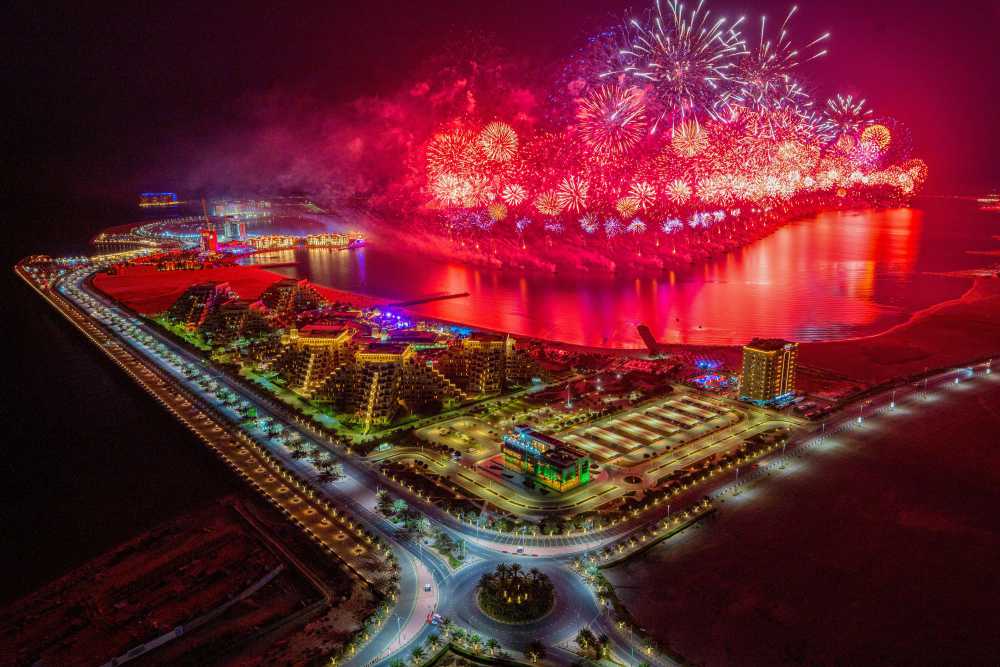
Why Miami Beach is the Ultimate Holiday Destination
Let's be honest: most holiday destinations force a choice between festive magic and beachside bliss. Miami throws that choice out the window. Here, the holiday season isn't defined by snow and scarves but by endless sunshine and turquoise water, all supercharged with a cultural energy that gives every celebration a unique pulse. This is the core of what makes beach holidays in Miami so magnetic—the ability to swap a white Christmas for a white-sand Christmas without losing an ounce of the magic.
The city’s approach to holidays is a spectacle in itself. Imagine watching a parade of multi-million-dollar yachts, decked out in elaborate Christmas lights, gliding across Biscayne Bay. Picture yourself counting down to midnight on New Year's Eve at a glamorous rooftop party overlooking the Atlantic. This fusion of festive tradition and tropical paradise is the core of Miami's appeal, a theme we explore from a bird's-eye view in our comprehensive guide to [Miami Holidays: 8 Beach Fest Vibes]. Miami offers a holiday experience that feels both exhilaratingly different and wonderfully familiar, allowing you to create entirely new traditions under the sun.

Mastering the Art of a Tropical Christmas
Forget everything you thought you knew about a traditional Christmas. In Miami, the holiday season is a brilliant, sun-kissed affair that trades snow flurries for gentle sea breezes and roaring fireplaces for the warm, golden glow of a beachside sunset.
Witness the Spectacle of Holiday Boat Parades
The quintessential Miami Christmas experience is, without a doubt, the holiday boat parade. Instead of floats rolling down a street, you’ll see dozens of vessels—from sleek sailboats to jaw-dropping yachts—illuminated with thousands of festive lights as they cruise along Biscayne Bay. These floating spectacles often feature live music, costumed characters, and breathtakingly creative displays that could only happen here. It’s a magical tradition that perfectly captures the city's nautical culture and festive spirit. The best parades can be viewed from several waterfront parks, but arriving early is non-negotiable if you want a good spot.
Discover Dazzling Light Displays with a Coastal Twist
While Miami may lack snow-covered pines, it more than compensates with its stunning and unique light displays. Palm trees lining iconic streets like Ocean Drive and Collins Avenue are wrapped in twinkling lights, creating a surreal and beautiful holiday landscape. For a truly immersive experience that’s perfect for families, a visit to the Christmas Wonderland at Tropical Park is a must. This sprawling event features miles of drive-thru light displays, classic carnival rides, and festive treats, offering a complete holiday experience with a distinctly Miami flavor.
Planning Your Tropical Christmas Experience:
Check Parade Schedules: Boat parade dates and routes are typically announced in early November. Check the official city and county tourism websites for the most up-to-date information to plan your viewing strategy.
Book Waterfront Dining: Many restaurants along the bay and the Intracoastal Waterway offer special holiday menus with prime, front-row views of the boat parades. Reservations are absolutely essential and should be made weeks, if not months, in advance.
Explore Neighborhood Lights: Beyond the main tourist hubs, wander through neighborhoods like Coral Gables and Coconut Grove, which also boast beautiful residential light displays perfect for a festive evening drive or stroll.
Pro-Tip: For a truly unforgettable view of the holiday boat parades, consider booking a spot on a public viewing cruise. You get the full festive atmosphere and an unbeatable vantage point without having to battle the massive crowds in the main parks.

Ringing in the New Year: Miami Beach Style
New Year's Eve in Miami is a world-renowned spectacle, famous for its explosive energy, celebrity sightings, and, of course, spectacular fireworks. Whether you're looking for a free, family-friendly block party or an ultra-exclusive VIP gala, the city offers a countdown for every style and budget.
The Epicenter of the Celebration: Bayfront Park
The heart of Miami's public NYE celebration is at Bayfront Park in Downtown Miami, just a short ride across the causeway from Miami Beach. This massive, free event features live music from chart-topping artists and culminates with the rise of "The Big Orange"—Miami's quirky answer to the Times Square Ball—up the side of the InterContinental Hotel. As the clock strikes midnight, a breathtaking fireworks display erupts over Biscayne Bay, illuminating the entire city skyline.
For a beach-centric view, find a spot on the eastern edge of South Pointe Park. You can see the downtown fireworks from a distance with the soothing sound of the waves as your personal soundtrack.
Glamorous Parties and Exclusive Events
For those seeking a more luxurious and high-octane celebration, South Beach is the undisputed playground.
High-End Clubs: For the ultimate splurge, world-famous nightclubs like LIV and Fontainebleau host legendary parties with A-list performers, though tickets regularly start at $200 and climb steeply.
Accessible Vibes: For a more accessible but still electric vibe, the bars in Coconut Grove offer vibrant street parties with cover charges hovering around a more manageable $50.
Unique Cruises: For a truly unique perspective, book a New-Year's-Eve cruise on Biscayne Bay; for around $150+, you get dinner, drinks, and an unbeatable, crowd-free view of the fireworks.

Patriotic Parties: Your Guide to Beach Holidays in Miami for July 4th
Independence Day in Miami is a classic American celebration with a distinct coastal identity. The day is all about sun, sand, and sizzling barbecues, followed by an evening of spectacular fireworks exploding over the water. It’s the perfect holiday to embrace the laid-back beach lifestyle while enjoying patriotic festivities.
The Main Event: Fireworks Over Biscayne Bay
While many smaller displays happen up and down the coast, the region's premier Independence Day celebration is hosted at Bayfront Park in Downtown Miami. This massive event draws huge crowds for a day of live music, food vendors, and family-friendly activities, all leading up to the main event: a dazzling, high-powered fireworks show over the bay.
The true pro move for experiencing this is to watch from the water. Chartering a boat or joining a group cruise provides an unparalleled, unobstructed view of the fireworks, far from the packed crowds on land. You can feel the boom of the explosions reverberate across the water as the vibrant colors reflect on the surface, creating a 360-degree spectacle you won't soon forget.
A Beach-Goer's Guide to the Fourth:
Claim Your Spot Early: If you plan to spend the day on the sand, arrive no later than mid-morning. The most popular spots on South Beach fill up quickly with families and groups setting up for a full day of fun.
Pack Smart: Bring plenty of water, high-SPF sunscreen, and shade (like an umbrella or tent). A portable grill can elevate your beach barbecue, but be sure to check and follow all local regulations regarding open flames.
Stay for the Local Show: Many local municipalities along the coast, from South Beach to North Beach, host their own smaller fireworks displays. Find a comfortable spot on the sand after sunset and enjoy a more intimate show with the sound of the ocean in the background.

Planning Your Perfect Festive Escape: A Practical Guide
A successful festive escape to Miami Beach is all about smart, proactive planning. Navigating the holiday crowds, packing appropriately for the unique climate, and knowing how to find moments of tranquility are key to a stress-free and memorable trip.
What to Pack for a Festive Beach Holiday
Packing for a Miami holiday requires a strategic blend of beach casual and festive chic. Your suitcase should be a versatile mix that can take you from a sunny day on the sand to a glamorous New Year's Eve party without missing a beat.
Daytime Essentials: Lightweight, breathable clothing is a must. Pack multiple swimsuits, cover-ups, shorts, and tees. A wide-brimmed hat, powerful sunscreen, and polarized sunglasses are non-negotiable.
Evening Attire: Miami's nightlife and holiday events call for something more stylish. Pack a few dressier outfits—a cocktail dress, a sharp jumpsuit, or linen trousers with a crisp shirt.
Footwear: Include comfortable sandals for the beach, good walking shoes for exploring, and a pair of dressier shoes for evenings out.
Festive Touches: Don't forget a fun, festive accessory, like a Santa hat for a Christmas beach day or something sparkly for New Year's Eve.
Mastering the art of packing everything you need without overstuffing your luggage is a traveler's holy grail. For expert strategies on maximizing space and minimizing weight, our [How to Pack Light Guide] is an indispensable resource, filled with pro tips that will revolutionize how you prepare for any trip.
Navigating Crowds and Transportation
Holiday seasons are peak tourist times in Miami. To navigate the city like a pro:
Use Public Transit & Rideshares: Parking is notoriously difficult and expensive, especially in South Beach. Use the free Miami Beach Trolley to get around the island. For trips to the mainland for events at Bayfront Park, the elevated Metromover is a fantastic and free option. Rideshares are plentiful but expect significant surge pricing during major events.
Book Everything in Advance: This cannot be overstated. Accommodations, flights, rental cars, and tickets for special events should be booked months ahead to secure better prices and guarantee availability.
Embrace the Walk: South Beach is incredibly walkable. Staying in a central location will allow you to explore many attractions on foot, saving you time, money, and transportation headaches.
Pro-Tip: To escape the intense holiday crowds on South Beach, head north to Mid-Beach or North Beach. The vibe is more relaxed, the sands are just as beautiful, and you can still easily access the main event areas via a short rideshare or the free trolley.
Elevate Your Trip from Great to Unforgettable
You now have the insider knowledge to plan an incredible holiday escape to Miami Beach. You know where to find the best views for the fireworks, what to pack for a tropical Christmas, and how to navigate the city like a local. But planning is only half the battle. The real magic happens when every detail of your trip falls perfectly into place, allowing you to immerse yourself fully in the experience without an ounce of stress.
A truly unforgettable journey is built on a foundation of expert planning and deep, local insights. To transform this trip—and all your future travels—from simply great to absolutely seamless, you need a resource that goes beyond a single destination. Our comprehensive [Travel Guide] is the ultimate toolkit for the serious traveler. It’s packed with detailed U.S. itineraries, insider secrets for every major city, and practical advice that empowers you to travel smarter, not harder. Consider it your master key to unlocking the very best of the USA.

Your Sun-Drenched Holiday Awaits
Miami Beach offers a holiday experience unlike any other—a place where cherished festive traditions are celebrated under the warm embrace of the Florida sun. It’s a destination that proves you don’t have to choose between a relaxing beach vacation and a vibrant holiday celebration. You can, and should, have both. You now have the blueprint to design a trip that perfectly balances serene, sun-soaked days with dazzling, high-energy nights. Your dream of the perfect beach holidays in Miami is no longer just a fantasy; it’s a plan waiting to be executed. So pack your bags, leave the winter coat behind, and get ready to create a whole new set of holiday memories on the sand.
SEO Meta Title (Under 60 characters): Miami Beach Holidays: Your Guide to Festive Sun & Fun
URL Slug: miami-beach-holidays
SEO Meta Description (Under 155 characters): Swap snow for sand! Discover how to celebrate Christmas, NYE, and July 4th in Miami with our guide to tropical lights, beach parties, and festive escapes.
Don't Miss Out! Subscribe for Exclusive Content
Subscribe



Comments 0
No comments yet
Be the first to share your experience!
Dont Miss Out! Subscribe for Exclusive Content

San Francisco Cherry Blossoms: A Local's Guide to the Blooms


Halloween SF: Haunts Without Horrors

SF Festivals: 7 Must-See Lineups

Christmas SF: Lights & Wharf Wonders

SF Pride: 6 Route & Party Hacks

Chinese New Year SF: Parade Essentials
How to Start a Travel Blog in 2026 (For Profit)
TrekGuider @trekguider
Do you find yourself endlessly scrolling through travel photos, dreaming of turning your own adventures into something more? The idea of starting a travel blog is captivating—a path to sharing your stories, connecting with a global community, and building a life of freedom. But that initial spark is often extinguished by a wave of overwhelm. The market seems impossibly crowded, the technical steps feel like learning a new language, and the road from passion project to profitable business is shrouded in mystery.
You see other creators living the dream, and you know you have the stories and the drive. But the fear of pouring your heart, time, and savings into a simple online diary that never earns a dime is paralyzing. You're not looking to build a hobby; you're looking to build a real asset, a brand, a business. You need more than just another checklist—you need a battle-tested business plan.
This is that plan. Forget the outdated advice. This is your comprehensive, step-by-step playbook on how to start a travel blog that is engineered for profit from day one. We’ll move beyond the basics of setting up a website and dive deep into the strategy of building a modern media brand. The goal isn't just to get you a byline; it's to get you paid. Before you can join the ranks of [The Best Travel Blogs to Follow in 2026], you need a rock-solid foundation, and that’s exactly what we’re going to build—right now.
Why Start a Travel Blog in 2026? The Shift to Media Entrepreneur
Let's address the elephant in the room: is travel blogging still a viable business? The answer is an emphatic yes, but the game has fundamentally changed. The global travel blogging market, valued at an impressive $4.5 billion in 2026, is projected to double to $9 billion by 2032. That growth isn't for hobbyists; it's for savvy creators who understand the key market shift.

Success is no longer about simply documenting your trips. The most successful bloggers are evolving from content creators into media entrepreneurs. They are building focused, niche brands that serve a specific audience with unparalleled expertise. They understand that their blog is not the final product; it is the marketing engine for their actual products. This guide is built on that modern, profitable philosophy.
Phase 1: Building Your Brand Foundation (Before You Touch a Computer)
The single biggest mistake new bloggers make is rushing the technical setup. In 2026, the strategic barriers to success are significantly higher than the technical ones. Dedicate 80% of your initial effort to this phase, and you’ll be miles ahead of the competition.

Step 1: Niche Down to Stand Out
The era of the generalist travel blog is over. To succeed, you cannot be everything to everyone. You must become the undisputed, go-to expert for a specific audience. This is called "niching down," and frankly, it’s the most critical strategic decision you'll make. A narrow focus allows you to build deep expertise, attract a loyal and targeted audience, and charge premium prices for your knowledge.
Based on current market trends, here are five sub-niches with significant growth and commercial potential for 2026:
Accessible Travel: This historically underserved market caters to travelers with disabilities, offering content on wheelchair-friendly destinations and sensory-friendly experiences.
National Parks for Families: This niche combines the booming interest in outdoor, domestic travel with the evergreen family market, providing guides on kid-friendly hikes and lodging.
Vegan Food Travel: A highly specific subset of the food travel niche, this area serves a passionate and growing demographic with guides to plant-based restaurants and cooking classes worldwide.
Digital Nomad & Remote Work Lifestyle: With the explosion of remote work, this niche focuses on the logistics of the lifestyle—managing visas, finding reliable WiFi, and balancing work with travel.
Sustainable & Eco-Tourism: Driven by a powerful wave of consumer consciousness, this niche highlights eco-friendly accommodations, low-impact tours, and tips for responsible travel.
Step 2: Define Your Ideal Reader
Once you have your niche, get granular. Create a detailed profile of your ideal reader. Don't just think about demographics; think about psychographics.
What are their biggest travel-related frustrations?
What does their dream trip look like, and what's stopping them from taking it?
What kind of budget are they working with?
What questions do they type into Google at 11 PM while trip planning?
Understanding their pain points is the key to creating content and products they will feel were made just for them.
Step 3: Choose a Brandable Blog Name
Your blog name is a critical piece of your brand identity. It should be memorable, easy to spell, and hint at what your blog is about. Follow this practical framework to find the perfect name:
Keyword Brainstorming: List words associated with your niche, tone, and audience. For a "Sustainable & Eco-Tourism" blog, you might list: Green, Conscious, Atlas, Compass, Earth, Kind, Trek, Journey, Collective.
Apply Naming Formulas: Experiment with common conventions using your keywords.
Niche-Specific: The Vegan Voyager, The Frugal Flier
Alliteration: Roaming Roads, Compass Chronicles
Evocative & Abstract: The Saffron Trail, Velvet Atlas
Modern & Simple: The Travel Edit, Trip Theory
Verify Availability: This is non-negotiable. Your chosen name must be available as a .com domain. A ".com" is the universal standard and signals professionalism. Simultaneously, check if the name is available as a consistent handle on your primary social media platforms (Instagram, TikTok, Pinterest, etc.).
Conduct Conflict Avoidance: Do a quick Google search to ensure the name isn't already heavily associated with another major brand.
Pro-Tip: Your blog name is your brand's first impression. A short, memorable, and easily pronounceable name with an available .com domain is the gold standard for building a serious online business.
Step 4: Secure Your Digital Real Estate
Found a name that's available? Don't wait. Immediately purchase the .com domain and create the social media accounts. This secures your brand identity across the web, even if you don't plan to use all the platforms right away.
Phase 2: The Smart Launchpad — Build Your Business, Not Just a Website
With your brand strategy set, it's time to build your blog's home. For years, this meant wrestling with web hosting, WordPress installations, themes, and a dozen plugins before you could even write a word. This was the slow, expensive, and technically frustrating path.
In 2026, the smartest creators are skipping that entire phase. Instead of building a house from scratch on an empty plot of land, they're launching their business from a penthouse suite in a bustling city. They are plugging directly into a marketplace ecosystem like TrekGuider, which is designed specifically for travel entrepreneurs. This approach lets you bypass the technical headaches and focus on what actually drives your business forward: creating high-value content and selling digital products.

Step 5: Launch Your Professional Creator Page in Minutes
Instead of buying a domain and hosting, your first step is to set up your professional creator page on the TrekGuider marketplace. This is your new home base, a beautiful, pre-built landing page that establishes your brand's credibility from day one—no coding or design skills required. Within minutes, you can have:
A professional bio and profile photo that tells your story.
A showcase for your digital products, front and center.
A feed of your latest articles published on the platform.
Direct links to all your social media channels.
A built-in donation feature for your audience to support you directly.
Step 6: Upload Your Digital Products and Start Selling
The old way involved researching and configuring complex e-commerce plugins. The TrekGuider way is to simply upload your digital products. Whether you've created a custom map, an in-depth city guide, a PDF itinerary, or an e-book, our platform is built to handle the sale and delivery. You can start monetizing your expertise immediately by listing your products in our catalog, where they're discoverable by a global audience of travelers ready to buy.
Step 7: Publish Your First Articles and Tap into a New Audience
Forget worrying about SEO plugins and site speed. Your blog now lives within our Articles and News section. You can publish your high-quality, long-form content directly onto the platform. Every article you publish is automatically featured on your creator page and becomes discoverable to the entire TrekGuider community. You're not just writing for your existing audience; you're tapping into a built-in stream of traffic from day one, dramatically accelerating your growth.
Step 8: Focus on Creation, Not Maintenance
By building your presence on our marketplace, you eliminate the hidden work that plagues self-hosted bloggers: website security, plugin updates, theme compatibility issues, and performance optimization. We handle the entire technical infrastructure. Your time is freed up to focus on the only two things that will grow your income: creating exceptional content that helps travelers and developing valuable digital products they want to buy. This is the ultimate accelerator for building a travel blog for profit.
Phase 3: Content Strategy & Launching for Profit
With your brand strategy in place and your website built, you're ready to focus on the two things that will actually grow your business: creating world-class content and intelligent monetization.
Step 9: Develop Your Foundational Content Strategy
Before you write a single word, plan your first 10-20 "pillar" articles. These are in-depth, foundational posts that cover the core topics of your niche. A solid content strategy ensures you are purposefully creating assets that will attract your ideal reader and rank in search engines. This is the real secret behind how to start a travel blog that gets traffic. For example, if your niche is "National Parks for Families," your pillar posts might be "The Ultimate Guide to Visiting Yellowstone with Kids" and "10 Best Toddler-Friendly Hikes in Zion National Park."
Step 10: Writing and Publishing Your First Posts
With your content plan in place, it's time to create. Focus on producing the highest quality content possible. Your goal is to be so incredibly helpful that your readers feel like they've struck gold. Write in-depth, solve their problems, and let your unique personality shine through. Publish at least 5-10 of your pillar articles before you officially "launch" your blog to the world.
Step 11: Monetization: Planning for Profit from Day One
A profitable blog diversifies its income. While there are five primary monetization models, one stands far above the rest for long-term, scalable profit.
The future is selling your own digital products.
While display ads seem like the easiest path, they are the least profitable. To make a significant income, you need massive traffic. Digital products, on the other hand, allow you to generate substantial revenue with a much smaller, more engaged audience. The data is clear: recent blogger surveys show the average revenue per 1,000 visitors (RPM) for digital products can be as high as $283.64, compared to just $33.80 for ads.

A simple calculation shows that if just 0.2% of 50,000 monthly visitors (100 people) buy your $30 digital product, you earn $3,000. That same traffic might only generate $1,000-$2,000 from ads. This is the core of the modern travel creator's business model. Instead of earning pennies from ads, you build valuable assets that solve your audience's problems directly.
A few examples of high-value digital products include:
A hyper-detailed "7-Day Off-the-Beaten-Path Itinerary for Kyoto."
A Lightroom "Tropical Blues & Greens" preset pack.
A comprehensive travel planning template for Notion or Google Sheets.
An e-book like "The Ultimate Guide to Travel Hacking."
And when you're ready to sell your own itineraries, templates, or photo presets, a platform like the [TrekGuider Platform] gives you the tools to build your own digital storefront, connect directly with your customers, and build a sustainable business you control.
Frequently Asked Questions
How much does it really cost to start a travel blog?
While you can start for a very low cost, plan for a realistic initial investment of $150-$200 for your first year. This covers three years of quality hosting (like Hostinger, to lock in low rates), your domain name, and a premium theme. Think of it as the startup cost for your business.
How long does it take to make money travel blogging?
Treat it like a business, not a get-rich-quick scheme. It typically takes 6-12 months of consistent, high-quality content creation and promotion before you start seeing meaningful traffic from search engines. Most bloggers start earning their first significant income in the 12-24 month range.
Do I need to be traveling full-time to have a travel blog?
Absolutely not. Some of the most successful blogs are run by people with full-time jobs who are experts on a specific destination or travel style (e.g., weekend trips, maximizing vacation days). Your expertise and the value you provide are far more important than being a full-time nomad.
Your Journey as a Creator Starts Now
Starting a travel blog in 2026 is less about being a writer and more about being an entrepreneur. It's about building a focused brand, serving a specific audience with undeniable value, and creating assets that generate income long after you've hit "publish." You are no longer just a traveler; you are the CEO of your own media company.
The path from dreamer to doer is paved with strategic action. You now have the complete playbook for how to start a travel blog for profit in 2026. The overwhelm is gone, replaced by a clear, step-by-step plan.
Your journey starts now. Take the first step, choose your niche, and start building the travel media brand of your dreams.
Meta Data Suggestions:
SEO Meta Title (59 characters): How to Start a Travel Blog in 2026 (For Profit)
URL Slug: how-to-start-a-travel-blog
SEO Meta Description (154 characters): A step-by-step business playbook for aspiring creators. Learn how to start a travel blog for profit, from niche selection and tech setup to monetization.
Don't Miss Out! Subscribe for Exclusive Content
SubscribeComments 0
No comments yet
Be the first to share your experience!
Dont Miss Out! Subscribe for Exclusive Content

FTC Affiliate Disclosure Essentials: Stay Compliant as a Travel Creator

Essential Affiliate Tools: From Tracking to Full Optimization

Avoid These 5 Affiliate Landing Page Mistakes for Better Conversions

Affiliate Keyword Research Mastery for Travel Blogs

Booking.com Affiliate Program Review: Pros, Cons, and Earnings Potential

Decoding Affiliate Commission Rates: Benchmarks for Travel Creators
7 Digital Products That Sell Themselves for Travelers
TrekGuider @trekguider
The creator grind is real. You’re pouring your soul into a travel blog, publishing brilliant content and stunning photos. But the income trickles in, a frustrating mismatch for the mountain of effort you're putting out. Relying on display ads and the occasional affiliate sale feels like a slow, unpredictable climb, leaving you on an income plateau that barely covers your costs, let alone your travel dreams.
You see other creators achieving a level of financial freedom that feels out of reach, and you’re left wondering what secret they know. The path forward is a confusing fog of conflicting advice, and the constant content creation treadmill is exhausting. You’re trading your valuable time and expertise for pennies, leaving you burnt out and questioning if this can ever become a real, sustainable business.
It’s time to stop trading hours for dollars and start building assets. The solution is to ascend the "Monetization Ladder," transforming from a content creator into a true digital entrepreneur by learning how to sell digital products online.
This guide is your playbook. We are breaking down seven proven, high-margin digital product ideas designed specifically for the travel niche—your first step in building a scalable business that works for you, even when you’re not. This is a crucial piece of the puzzle we explore in our ultimate guide to [How to Make Money Online: A Creator's Guide for 2026].

Why You Must Sell Digital Products Online
Before diving into what to create, it's critical to understand why this is the single most powerful strategic move for your business. While ads and affiliate marketing have their place, they are fundamentally limited. Digital products, by contrast, offer a level of control and scalability that other models simply can't match. This is the fundamental shift away from the active-income trap of freelance work—where you're constantly trading time for money—to building a portfolio of passive-income assets that work for you around the clock.
The advantages are transformative:
Infinite Scalability: Digital products operate on a "create once, sell forever" model. Whether you sell 10 copies or 10,000, your workload remains the same. There is no inventory to manage and no shipping to worry about.
Exceptionally High Profit Margins: With no manufacturing or distribution costs, the profit margins are extraordinary. Once you recoup your initial time investment, nearly every sale is pure profit.
Full Ownership and Control: When you sell digital products online, you own the entire process. You control the product, the pricing, the marketing, and the customer relationship. You are no longer dependent on an affiliate partner’s commission rates or an ad network's traffic requirements.
Authority and Trust: Creating and selling a high-quality product instantly positions you as an expert. It builds deep trust with your audience, as you are no longer just recommending other people's stuff—you are standing behind your own valuable creation.
The market reflects this opportunity. The e-learning sector alone, a huge component of the digital product world, is projected to surge to an incredible $848 billion by 2030. This isn't a fleeting trend; it's a fundamental shift in how creators build profitable, resilient businesses.

7 High-Margin Digital Products for Travel Creators
But where do you start? The best digital products aren't just random ideas; they are targeted solutions to the most persistent problems your audience faces. Think less about what you can create and more about what your readers desperately need.
Here are seven field-tested ideas that consistently deliver immense value for travelers.
1. The Hyper-Niche eBook Guide
Forget a generic guide to "Italy." The market for successful eBooks is in hyper-specificity. Think "A First-Timer's Foodie Guide to Mexico City" or "A Hiker's 7-Day Guide to the Scottish Highlands." These focused guides solve a precise problem for a well-defined audience, making them an easy purchase. Your first-hand experience is the unique selling proposition that no one else can replicate.
Why it Works: Travelers are drowning in generic information. A curated, expert guide from someone they trust is a valuable shortcut that saves them dozens of hours of stressful research.
Pro-Tip: Include a "digital bonus" to increase perceived value. This could be a printable packing checklist, a list of useful phrases in the local language, or a custom Google Map with all your recommended spots pinned.
2. Customizable Itinerary Templates
One of the biggest pain points for travelers is the planning process itself. Offer a beautifully designed, plug-and-play solution. These aren't just static lists; they are structured planning documents that users can adapt for their own trips. Create them in user-friendly formats like Notion, Trello, Google Sheets, or as a printable PDF.
Why it Works: You are selling organization and peace of mind. A template with built-in budget trackers, booking checklists, and daily planning sheets is an indispensable tool for overwhelmed planners.
Pro-Tip: Create tiered packages. Offer a template for a 3-day weekend, a 7-day week, and a 14-day trip, each at a different price point, to cater to different traveler needs.
3. Interactive Digital Maps
This is one of the easiest and most valuable products to create. Use Google's "My Maps" feature to build a custom map of a city or region, pinning your curated locations: your favorite cafes, hidden-gem restaurants, secret photo spots, and must-see attractions. You then sell access to the map link.
Why it Works: This product is intensely practical. A traveler can open it on their phone in-destination and instantly have your expert recommendations at their fingertips, ready for navigation. It's a perfect, low-cost impulse buy.
Pro-Tip: Bundle your map with a short companion PDF guide that gives a one-paragraph description of why each pinned spot is worth visiting. This adds context and value with minimal extra effort.
4. Lightroom Photo Presets
If you have a distinct photographic style that your audience loves, you can package your editing settings into "presets." These are one-click filters that allow your followers to achieve a similar aesthetic in their own travel photos.
Why it Works: You are selling an aspirational outcome. Your audience wants their photos to look as beautiful as yours, and presets offer an instant, easy way to do that. They are highly scalable and perfect for visually-driven platforms like Instagram.
Pro-Tip: Sell presets in themed bundles. Create a "Moody Mountains" pack, a "Tropical Beaches" pack, or a "European Cities" pack. This allows you to appeal to different types of photographers and increases the average order value.
5. Niche Stock Photo & Video Packs
As a travel creator, your hard drive is filled with thousands of high-quality photos and video clips. These are valuable assets. Curate them into themed bundles and sell them to other creators, small businesses, or marketers who need authentic, royalty-free visual content.
Why it Works: You are saving other professionals time and money. Sourcing authentic, non-generic stock imagery is a constant challenge. A pack of "20 Vertical Videos from Bali" or "50 Photos of Tuscan Sunsets" is a ready-made solution.
Pro-Tip: Focus on a specific visual niche. Instead of generic landscapes, offer packs that capture a certain mood (e.g., "Wanderlust & Adventure") or a specific subject (e.g., "Overhead Food Shots from Around the World").
6. Printable Travel Planners & Journals
While similar to itinerary templates, this product focuses more on the documentation and mindfulness aspect of travel. Create a beautifully designed PDF pack that users can print at home. This can include packing checklists, budget trackers, daily planning sheets, and guided journal prompts.
Why it Works: This appeals to the highly organized traveler who loves the tactile experience of planning and journaling on paper. It helps build anticipation before a trip and serves as a wonderful keepsake after.
Pro-Tip: Market it as part of a "mindful travel" bundle. Include journal prompts that encourage reflection, gratitude, and being present during their travels.
7. Self-Guided Audio Tours
Use your voice and storytelling skills to create a downloadable audio tour. You act as a virtual guide, leading listeners on a walking tour of a specific neighborhood or historical site. The audio file can guide them from point to point, sharing stories, history, and insider tips along the way.
Why it Works: This offers the value of a guided tour with the flexibility for users to go at their own pace. It's a unique and immersive way to experience a destination, guided by a voice they already trust.
Pro-Tip: Partner with a local expert or historian for an interview segment to include in the audio tour. This adds a layer of unique expertise and credibility that makes your product stand out.

From Idea to Income: Your Digital Product Creation Playbook
Having a great idea is only the first step. Creating a high-quality product that people will love involves a structured, multi-phase process.
Step 1: Validate Your Idea (Before You Build Anything)
The biggest mistake new creators make is spending months creating a product no one wants to buy. Validation is non-negotiable.
Listen to Your Audience: Analyze your blog comments, email replies, and social media questions. What destinations do people constantly ask about? What part of the planning process do they find most frustrating? Their questions are your product ideas.
Conduct Keyword Research: Use an SEO tool to check the search volume for terms related to your idea. High search volume for "7-day Japan itinerary" is a strong data signal that a market exists for a guide on that topic.
Analyze Competitors: Find 3-5 similar products. See what they're charging, what they include, and read their reviews. Your goal isn't to copy them, but to identify a gap in the market that your unique expertise can fill.
Step 2: Create Your Content Like a Pro
With a validated idea, it's time to build.
Create a Detailed Outline: A good product flows intuitively. Develop a logical table of contents before you write a single word. This will be your roadmap and ensure you don't miss any crucial information.
Gather Your Unique Assets: Compile your personal notes, journal entries, and high-quality photographs. Your first-hand experience is your most valuable asset and your primary competitive advantage.
Write with Personality: Go beyond just listing facts. Write in your authentic voice. Share anecdotes, insider tips ("skip the line by going at this time"), and vivid descriptions that bring the destination to life. The content must be both inspirational and intensely practical.
Step 3: Design for the Real World (On a Mobile Device)
Your digital guide will almost certainly be used on a smartphone in-destination. A mobile-first design isn't an option; it's essential for the product to be useful.
Prioritize Legibility: Use a clean, simple font of at least 11 points and ensure high contrast between your text and background. Your customer shouldn't have to pinch and zoom to read.
Simplify Navigation: The single most important design element is a hyperlinked Table of Contents at the beginning of the document. This allows users to instantly jump to the section they need with a single tap.
Use the Right Tool: For non-designers, a template-based tool like Canva is the perfect choice. It's built specifically to help you create professional-looking visual documents quickly and efficiently, without the steep learning curve of complex software like Figma or Adobe Illustrator.
Step 4: Price Your Product for Profit
Pricing is one of the most challenging decisions. The most effective strategy for knowledge-based products is value-based pricing. Price your product based on the transformation it provides. If your guide saves a user 20 hours of research, its value is far greater than the software used to create it.
A great starting point is to research comparable products to establish a market range, then price your product based on its unique value. For a first-time, high-quality travel eBook or template bundle, a price point between $19 and $49 is a strong position that communicates value without creating sticker shock.

Your All-in-One Hub for Creation and Commerce
Creating a brilliant product is half the battle; the other half is building a business around it. What if you had a single platform designed not just to sell your products, but to amplify your entire brand as a travel expert?
Welcome to TrekGuider, the ultimate marketplace and ecosystem built for travel creators like you. We handle the complex tech so you can focus on what you do best: creating.
Sell Everything in One Place: List all your digital creations—guides, maps, templates, eBooks, and more—with flexible options for one-time purchases or recurring subscriptions.
Publish and Profit: Don't just sell—build your authority. Publish articles directly on the marketplace to boost your SEO, attract new buyers, and establish yourself as a go-to expert.
Your Personal Creator Page: Claim your customizable landing page—a professional hub to showcase your bio, link your social networks, feature your articles, and display your entire product catalog.
Engage Your Community: With built-in features for donations and subscriptions, your most loyal followers can support your work directly, creating a predictable income stream.
TrekGuider is more than a storefront; it’s a launchpad for your creator business. Join a community of travel experts and unlock the tools you need to grow.
Claim Your Creator Page and Start Selling Today
The Tech & Tools to Sell Digital Products Online
Once your product is created, the next question is distribution. While using a simple e-commerce tool on your own blog is a great start, the real opportunity lies in joining an ecosystem designed to put your work in front of motivated buyers.
This is where a dedicated marketplace like TrekGuider becomes your most powerful asset. Instead of relying solely on your own traffic, you gain access to a platform where passionate travelers are already searching for high-quality guides, maps, and itineraries. It’s a powerful, ready-made sales channel that amplifies your reach from day one. By combining product sales with article publishing, you create a feedback loop: your articles attract new readers, and your creator page converts those readers into customers.

Frequently Asked Questions
1. Why use a marketplace instead of just selling on my own blog?
You should do both! Selling on your blog is great for your existing audience. Listing your products on a marketplace like TrekGuider exposes your work to a brand-new audience of travelers who may not have found your blog otherwise. It's about diversifying your sales channels.
2. How do I build my brand on the TrekGuider platform?
Your personal creator page is your brand's home base. You can customize it with your photo, bio, social media links, and even links to your personal website. More importantly, by publishing high-quality articles on travel topics, you demonstrate your expertise and drive traffic directly to your products and profile.
3. What kind of support is available for creators?
The platform is built on a secure and reliable foundation (using Stripe Connect) to handle all payment processing and digital delivery. As the platform grows, creators can look forward to an expanding set of tools, including advanced analytics, newsletters, and even opportunities for sharing in advertising revenue.
4. Can I sell more than just guides and maps?
Absolutely. The platform is designed for a wide range of digital travel products. In the future, the vision is to expand to include services, event tickets, and even tours, making it a comprehensive solution for the modern travel entrepreneur.
Your Journey to Entrepreneurship Starts Now
Transitioning from a content creator to a business owner is the most empowering step you can take. The path to building a truly profitable and sustainable online business is paved with assets that you own and control. You now have seven concrete ideas and a step-by-step framework to get started. You have the blueprint to sell digital products online and move beyond trading your time for money.
The freedom and scalability you've been dreaming of are not a secret reserved for a select few. They are the direct result of a strategic shift in focus. Choose one idea from this list, start the validation process today, and take the first step toward building a business that funds your life of travel.
Meta Data Suggestions:
SEO Meta Title (58 characters):
7 Digital Products for Travelers That Sell Themselves in 2026
URL Slug:
digital-products-for-travelers
SEO Meta Description (154 characters):
Ready to sell digital products online? Discover 7 high-margin ideas for travel creators, from itinerary templates to photo presets, and start building passive income.
Don't Miss Out! Subscribe for Exclusive Content
SubscribeComments 0
No comments yet
Be the first to share your experience!
Dont Miss Out! Subscribe for Exclusive Content
FTC Affiliate Disclosure Essentials: Stay Compliant as a Travel Creator
Essential Affiliate Tools: From Tracking to Full Optimization
Avoid These 5 Affiliate Landing Page Mistakes for Better Conversions
Affiliate Keyword Research Mastery for Travel Blogs
Booking.com Affiliate Program Review: Pros, Cons, and Earnings Potential