
10 Best International Destinations for Digital Nomads

TrekGuider @trekguider
The dream of working from anywhere is powerful, but the reality of choosing where to plant your laptop is a daunting, high-stakes decision. You’ve seen the polished photos, but behind that image lies a complex web of visa regulations, tax laws, and the non-negotiable need for blazing-fast internet. The web is flooded with generic listicles that tout beautiful scenery but gloss over the critical details that can make or break your experience. Choosing wrong means legal headaches, financial strain, and a level of frustration that will have you booking a ticket straight back home.
Forget the superficial listicles. This is your definitive, data-driven playbook for the 10 best international destinations for digital nomads in 2026, built for the savvy American remote worker who demands more than just pretty pictures. We cut through the noise to focus on the pillars that truly matter, empowering you to make a strategic, confident decision about your next chapter. After all, succeeding as a nomad isn't just about picking a spot on the map; it requires a foundation of confidence, and our guide on essential is the perfect place to start building it.

The Four Pillars of a Perfect Nomad Base
Before we jet off, let's establish the framework. A world-class nomad destination is a careful balance of four key factors.
Cost of Living: This isn't about surviving; it's about thriving. We analyze the monthly budget for a comfortable lifestyle, including a modern apartment, a mix of dining out and cooking, and co-working space access.
Digital Infrastructure: High-speed, reliable internet is your lifeline. We look at average broadband speeds and the general stability of the connection in key cities.
Visa Accessibility: This is often the biggest hurdle. We assess the ease of securing legal long-term residency through official digital nomad visas, weighing income requirements against long-term benefits.
Quality of Life: This is the magic ingredient. It’s a measure of community, safety, culture, and the overall vibe that makes a place feel like home.
The Gold Standard: 5 Destinations That Get Everything Right
These locations represent the top tier, offering a world-class balance of all four pillars. They boast mature infrastructure, welcoming communities, and clear legal pathways for American remote workers.
1. Lisbon, Portugal: Europe’s Magnetic West Coast Hub

Lisbon has cemented its status as the quintessential European hub for digital nomads. It's a magical blend of old-world charm, with its rattling trams and historic Alfama district, and a buzzing modern tech scene. Its coastal location, incredible food, and established international community make it an almost perfect entry point for living and working in Europe.
The Data Breakdown:
Cost of Living: Expect a monthly budget of $2,500 - $3,900 for a comfortable lifestyle. While it’s one of the more affordable Western European capitals, its popularity has driven up prices.
Internet Speed: Excellent. With widespread fiber-optic coverage, you can expect reliable average speeds of 150 Mbps.
Visa Situation: Portugal offers the D8 Digital Nomad Visa, requiring a monthly income of around $3,480. Critically, this visa provides a clear pathway to permanent residency after five years—a massive long-term benefit.
Quality of Life: Superb. Lisbon is safe, walkable, and packed with world-class restaurants and cafes. The large, active nomad community means you’ll never struggle to find your tribe.
On-the-Ground Intel: Popular neighborhoods include the historic Alfama and the trendy, central Chiado. Co-working spaces like Second Home and LACS are central hubs for networking and deep work.
2. Mexico City, Mexico: The North American Nearshore Favorite
For Americans, Mexico City is an unbeatable combination of affordability, cultural richness, and logistical ease. Its position in a North American time zone is a massive advantage for collaborating with US-based teams. It's a sprawling, dynamic metropolis with a world-class culinary scene and a cost of living that feels like a dream.
The Data Breakdown:
Cost of Living: A fantastic value. A comfortable monthly budget falls between $1,500 - $2,100.
Internet Speed: Good, but diligence is required. Average speeds are around 60 Mbps, which is sufficient for most work, but can be inconsistent. Always confirm the internet speed with your Airbnb host or landlord before committing.
Visa Situation: This is evolving. The reliable, long-term solution is the Temporary Residence Visa, which requires proving financial solvency and should be obtained from a Mexican consulate before you go.
Quality of Life: Exceptional. The energy of CDMX is infectious. The neighborhoods of Condesa and Roma are nomad epicenters, filled with beautiful parks, Art Deco architecture, and some of the best cafes on the planet.
On-the-Ground Intel: Base yourself in Condesa or Roma for the quintessential nomad experience. Public transportation is extensive, and Uber is cheap and reliable for getting around this massive city.
3. Chiang Mai, Thailand: The Original Budget-Friendly Haven

Chiang Mai is the legendary cradle of the digital nomad movement. It continues to offer an almost impossibly low cost of living without sacrificing quality of life. Surrounded by lush mountains, filled with ancient temples, and home to an incredible food culture, it provides a relaxed base with one of the most established nomad communities on the planet.
The Data Breakdown:
Cost of Living: Astonishingly low. You can live a very comfortable life for $1,000 - $1,300 per month.
Internet Speed: Surprisingly fast. Fiber-optic is common, delivering average speeds of 100 Mbps.
Visa Situation: Thailand has recently introduced the Destination Thailand Visa (DTV), a 5-year visa for remote workers that is a game-changer, replacing the old, precarious system of "visa runs."
Quality of Life: Excellent. The pace of life is slower, the people are famously friendly, and the food alone is worth the trip.
On-the-Ground Intel: The Nimman neighborhood is the modern heart of the nomad scene, packed with trendy cafes and co-working spaces like Punspace. Renting a scooter is the most common and enjoyable way to get around.
Pro-Tip: When looking for monthly accommodation, book a hotel or Airbnb for your first 1-2 weeks. Use that time to explore neighborhoods in person and connect with local Facebook groups for digital nomads. The best and most affordable deals are almost always found on the ground, not online.
4. Tbilisi, Georgia: The Undiscovered Gem with an Unbeatable Visa
For those seeking an off-the-beaten-path destination with a stunningly simple visa policy, Tbilisi is a revelation. The capital of Georgia is a city of dramatic contrasts, where ancient churches sit next to futuristic architecture. It's incredibly affordable, with a unique culture and cuisine that will captivate adventurous nomads.
The Data Breakdown:
Cost of Living: Very affordable, ranging from $1,000 - $2,200 a month.
Internet Speed: The main drawback. Speeds average a slower 15 Mbps. It's workable, but not ideal for data-heavy professions.
Visa Situation: Unbeatable. Georgia offers a 1-year visa-free policy for Americans on arrival, making it the easiest place in the world to set up a long-term base with zero bureaucracy.
Quality of Life: High for the price. Tbilisi is a city with deep history, a burgeoning wine scene, and a dramatic landscape. The community is smaller but growing and tight-knit.
On-the-Ground Intel: The Vake and Vera neighborhoods are popular with expats for their green spaces and modern amenities. The city is compact and walkable, and Georgian hospitality is legendary.
5. Budapest, Hungary: Old-World Grandeur, New-World Speeds
Budapest offers the quintessential grand European capital experience at a fraction of the price. Straddling the Danube River, the "Pearl of the Danube" is famous for its stunning architecture, historic thermal baths, and eclectic ruin bars. For nomads, its biggest selling point is world-class internet in a beautiful, central European setting.
The Data Breakdown:
Cost of Living: Very reasonable for a major European city, at $1,100 - $1,300 per month.
Internet Speed: Blazing fast. With average speeds of 220 Mbps, it's one of the most reliable cities on this list.
Visa Situation: Hungary offers a digital nomad visa (called the "White Card") with an income requirement of around €2,000 per month.
Quality of Life: Fantastic. It's a city with endless things to do, from exploring castles to relaxing in centuries-old spas. It’s a great base for exploring the rest of Central Europe.
On-the-Ground Intel: Most nomads live on the bustling Pest side, particularly in the lively Jewish Quarter (District VII), which is the heart of the city's nightlife and creative scene.
5 More World-Class Contenders for Your Shortlist
These locations are fantastic options that excel in specific areas, making them perfect for nomads with particular priorities.
Medellín, Colombia: Known as the "City of Eternal Spring" for its perfect climate, Medellín has become a thriving, innovative hub for nomads.
Bali, Indonesia: The ultimate destination for wellness, surfing, and spirituality. The town of Canggu is the epicenter of a massive and vibrant community.
Buenos Aires, Argentina: Crave a European feel with a Latin American passion? This city of grand boulevards, tango, and incredible steak is for you, though economic instability can be a challenge.
Valencia, Spain: A fantastic quality of life with beautiful beaches, a stunning park, and a more relaxed vibe than Madrid or Barcelona. Its new digital nomad visa is very popular.
Kuala Lumpur, Malaysia: A modern, multicultural Asian metropolis that serves as a fantastic and affordable hub for exploring Southeast Asia with top-notch infrastructure.
The Visa Game: Your Guide to Staying Legal Long-Term

Understanding the legal landscape matters most. The world is shifting away from the gray area of tourist visas towards official international destinations for digital nomads visas.
Tourist Visas: The "old way" involved "visa runs" (leaving and re-entering to reset the clock). This strategy is risky, increasingly unreliable, and provides no legal right to work.
Digital Nomad Visas (DNVs): These are official residency permits designed for remote workers. They provide a legal, long-term basis to live and work in a country, but come with bureaucracy and high minimum income requirements (typically $2,500-$3,500+ per month).
Pro-Tip: Taxes are the most complex part of nomad life. As a US citizen, you are taxed on worldwide income regardless of where you live. Rules like the Foreign Earned Income Exclusion can help, but this is not a DIY situation. Always consult a tax professional specializing in US expat taxes before you leave.
The Nomad Reality Check: Answering Your Toughest Questions

How do you build community and avoid loneliness?
Be proactive. Choose a destination with an established community. Join co-working spaces. Use apps like Meetup.com. Prioritize "slow travel"—staying in one place for 3-6 months to build deeper connections.
What are the essential items to pack?
Less than you think. Aim for carry-on only. Pack versatile clothing (merino wool is king), a solid power bank, a universal travel adapter, and noise-canceling headphones. Almost anything you forget can be bought abroad.
Is the digital nomad lifestyle a permanent vacation?
Absolutely not. This is a common and dangerous myth. A sustainable nomad lifestyle is about living your normal life—with work deadlines, budgets, and chores—in a different location. It requires immense self-discipline.
Choosing from the many amazing international destinations for digital nomads is a deeply personal decision. The "best" place isn't a rank on a list; it's the location where the delicate balance of cost, connectivity, community, and culture aligns perfectly with your personal and professional needs. This guide has given you the data-driven framework and on-the-ground intelligence to make that strategic choice. You have the tools to move beyond the dream and build a real, sustainable life of freedom and adventure abroad. The world is waiting.
Read the full guide: Anxious to Adventurous: The Ultimate Guide to Solo Travel Confidence
Don't Miss Out! Subscribe for Exclusive Content
Subscribe



Comments 0
No comments yet
Be the first to share your experience!
Dont Miss Out! Subscribe for Exclusive Content

Is Public WiFi Safe? How to Protect Your Data Abroad


A Woman's Guide to Safe Travel: 10 Critical Tips

7 Hotel Safety & Security Tips for Peace of Mind

11 Essential Solo Travel Safety Tips You Need to Know

The Ultimate Guide to Travel Safety: A 2026 Playbook

How to Meet People While Traveling Solo (Without Being Awkward)
Top 7 Luxury Travel Blogs Redefining Style
TrekGuider @trekguider
Does the phrase “luxury travel” conjure images of gold-plated hotel suites and sterile, all-inclusive resorts? For years, opulence was measured in thread counts and champagne brands—a spectacle of wealth that often felt disconnected from the destination itself. You’re searching for inspiration, but the typical lists of luxury travel blogs feel stuck in the past, showcasing a kind of travel that’s more about extravagance for its own sake than genuine, enriching experiences. You know there has to be something more, a deeper, more meaningful way to explore the world in style, but finding the right guides for this new era of travel feels impossible.
You’re in the right place. The definition of luxury is undergoing a seismic shift. It's no longer just about what you spend, but about what you experience, learn, and feel. The new luxury is personal, conscious, and transformative. To help you navigate this exciting new landscape, we’ve curated a list of the creators at the forefront of this movement. These aren't just blogs; they are blueprints for a more intentional way of seeing the world. For a complete look at the best voices across all travel styles, be sure to explore our definitive guide to The Best Travel Blogs to Follow in 2026.

The New Definition: What is "Luxury Travel" in 2026?
Analysis of 2026 industry reports from leading authorities like Skift and Virtuoso reveals a clear evolution in high-end travel. The market is pivoting away from conspicuous consumption and toward more meaningful, personalized, and conscious journeys. This isn't just a trend; it's a response to a global re-evaluation of personal values. The most influential luxury travel blogs are no longer just catalogs of expensive hotels; they are chronicles of profound experiences.
Modern luxury is now defined by five core pillars:
Experiential & Transformational Travel: The focus has shifted from material opulence to access to unique, meaningful experiences. High-net-worth travelers are now prioritizing authenticity and activities that foster personal growth over traditional five-star amenities.
Wellness & Longevity: Going far "beyond the spa," this pillar encompasses digital detoxes, silent meditation retreats, and journeys designed for mental and physical rejuvenation in the world’s most serene locations.
"Coolcations" & Conscious Travel: Climate change is now a direct driver of destination choice, with a documented surge in travel to cooler climates like Antarctica and Iceland. This is intrinsically linked to a demand for sustainable and regenerative tourism, where travelers actively seek to leave a destination better than they found it.
Hyper-Personalization: Bespoke itineraries are no longer a perk but an expectation. Accelerated by AI, trip planning is becoming more tailored than ever, creating once-in-a-lifetime journeys based on in-credibly specific individual preferences.
Solo Luxury Travel: There is a significant and growing movement of solo travelers within the luxury segment, largely led by women. These "Wander Women," as a 2026 Virtuoso report calls them, are seeking independence and security; many are now opting for expedition, ocean, and river cruises, which provide a unique combination of independence, security, and social opportunities.

So, what does this philosophy look like in practice? The seven blogs below are the standard-bearers for this new movement, each championing a unique facet of modern luxury. They are the creators setting the agenda for the future of high-end travel.
The 7 Best Luxury Travel Blogs Leading the Charge
1. The Blonde Abroad: The Champion of Eco-Conscious Luxury
Kiersten Rich of The Blonde Abroad has masterfully evolved her brand from a solo female travel blog into a powerhouse that sits at the intersection of style, adventure, and sustainability. She proves, compellingly, that you don’t have to sacrifice comfort to travel responsibly.
Kiersten doesn't just list "green" hotels; she provides a blueprint for a conscious travel lifestyle. Her features on properties deeply woven into the fabric of their local environments are a masterclass in responsible luxury. Her guide to "," for instance, showcases resorts that are leaders in conservation and community empowerment. This aligns perfectly with the growing trend of conscious travel, where affluent travelers actively seek opportunities to contribute positively to the destinations they visit. For the traveler who wants their journey to have a positive impact, The Blonde Abroad is indispensable.
2. Black Tomato: The Architects of Transformational Experiences
While technically a luxury travel company, Black Tomato's online content operates as one of the most forward-thinking luxury travel blogs on the web. They are the undisputed masters of experiential travel, building their entire philosophy on the belief that a journey should be a powerful force for personal growth.
They excel at creating narratives around rare and inaccessible experiences—from tracking snow leopards in the Himalayas to undertaking a private archaeological dig in Egypt. Their content, as seen in "," is proof of the idea that modern luxury is about what you do, not just where you stay. This directly caters to the high-net-worth traveler who, according to industry data, is increasingly prioritizing personal connection over passive opulence. Black Tomato’s blog is pure, high-octane inspiration for those who believe the greatest luxury is a life-changing story.

3. The Luxury Travel Expert: The Oracle of Five-Star Excellence
For the traveler who still appreciates the timeless allure of a world-class hotel or an impeccable first-class flight, The Luxury Travel Expert is the definitive authority. The anonymous blogger behind the site provides some of the most detailed, discerning, and trusted reviews in the industry. What sets this blog apart is its unwavering commitment to quality and its almost scientific approach to vetting luxury experiences.
The content is a masterclass in detail, from video tours of hotel suites to in-depth comparisons of airline seats. A post like " " doesn’t just show you pretty pictures; it breaks down every element of the experience, giving readers the confidence to make informed, high-value decisions. While rooted in classic luxury, the blog has evolved to embrace the modern, often featuring properties that excel in both service and sustainability.
Pro-Tip: When vetting luxury reviews, look for the level of detail. The best luxury travel bloggers go beyond surface-level descriptions and provide specific, subtle feedback on everything from the service and dining to the architecture and ambiance. This depth is a key indicator of true expertise.
4. World of Wanderlust: The Voice of Aspirational Solo Style
Brooke Saward of World of Wanderlust was one of the original pioneers of the solo female travel movement, and she has since carved out a unique niche in the luxury space. Her content is the epitome of aspirational travel, blending high fashion, beautiful photography, and five-star experiences into a dreamy, yet surprisingly accessible, narrative.
World of Wanderlust excels at showcasing how to experience iconic luxury destinations from a solo perspective. Posts like " " cater directly to the traveler who wants that perfect, Instagram-able moment but also desires a trip that feels personal and curated. Her work taps into the trends of hyper-personalization and solo luxury travel, demonstrating that you don't need a partner to indulge in the world's finest experiences. She empowers her readers to design their own dream trips, making her a key voice for the independent, style-conscious traveler.
5. A Luxury Travel Blog: The Encyclopedia of Global High Society
With a legacy spanning over a decade, A Luxury Travel Blog is one of the most established and respected voices in the digital space. Run by Dr. Paul Johnson, the blog operates more like a high-end travel magazine, featuring contributions from a global network of luxury experts. Its sheer breadth and depth of content are unparalleled.
This blog’s unique strength lies in its comprehensive coverage of the entire luxury ecosystem. One day you might find a "," and the next, a guide to the latest Michelin-starred restaurant in Tokyo. It defines luxury in the broadest sense, covering not just hotels and flights but also food, fashion, and unique experiences. It serves as a trusted filter for the affluent traveler, consistently answering the question: "What is the best of the best?"

An Editor's Tip for Flawless Travel
Feeling inspired? The key to a truly luxurious trip lies in careful, stress-free planning. Knowing what to pack, what documents to prepare, and what to expect can transform your travel experience from chaotic to serene.
Download our free International Travel Checklist now! This is the same comprehensive guide our own editors use to cover everything you need before you go, ensuring you can focus on what truly matters: the experience.
6. Adventurous Kate: The Pioneer of Safe and Smart Solo Luxury
Adventurous Kate, run by Kate McCulley, is proof of the power of niche expertise. She built her platform by championing the cause of solo female travel, and as her audience has grown, so has her focus to include the more luxurious side of independent journeys. She is the embodiment of the "Wander Woman" trend, proving that solo travel can be safe, empowering, and incredibly stylish.
What makes her an essential read is her practical, no-nonsense approach to luxury. She seeks out high-end experiences but always with an undercurrent of value and safety. A post like " " provides both aspirational hotel recommendations and crucial, on-the-ground safety tips. She understands that for a solo traveler, the ultimate luxury is peace of mind. By blending premium experiences with actionable advice, she serves a vital and growing segment of the market that other luxury travel blogs often overlook.
7. The Solo Travel in Style Blog: The Curated Guide to Chic Exploration
Rounding out our list, The Solo Travel in Style Blog, created by Jennifer O'Brien, perfectly captures the intersection of fashion, culture, and high-end solo travel. This blog is for the traveler whose aesthetic is just as important as their itinerary. It operates as a curated guide to the world's most stylish destinations, with a distinctly sophisticated and independent perspective.
The blog’s strength lies in its tight, curated focus. Content like the "" offers a complete playbook for a chic city break, combining boutique hotel reviews with recommendations for art galleries, bespoke shopping, and exclusive dining experiences. It speaks directly to the traveler who sees their journey as an extension of their personal style. This blog doesn't just show you where to go; it shows you how to experience it with elegance and confidence.
Pro-Tip: Use these blogs to build a "mood board" for your trip on a platform like Pinterest. Saving images and ideas will help you identify the specific elements of "new luxury" that resonate most, allowing you to craft a more fulfilling itinerary. Many of the high-value digital products these creators sell—from hyper-detailed itineraries to custom city maps—are exactly the kind of expert-level resources you can find on the TrekGuider Platform.
Frequently Asked Questions About Modern Luxury Travel
What is the biggest difference between traditional and modern luxury travel?
The primary difference is a shift in focus from expense to experience. Traditional luxury often emphasized material opulence—the most expensive suite, the fanciest champagne. Modern luxury prioritizes unique, transformational experiences, personal growth, and authentic connection with a destination, which may or not come with a high price tag.
How can I find truly sustainable or eco-friendly luxury hotels?
Look beyond marketing claims. The best eco-luxury properties, often featured on blogs like The Blonde Abroad, are transparent about their practices. Look for official certifications (like B Corp or LEED), detailed information on their conservation and community projects, and a focus on locally sourced food and materials.
Is luxury travel only for the super-rich?
Not anymore. While high-end travel can be expensive, the modern definition focuses on value and maximizing the quality of your experience. It's about strategic splurging—saving on a flight to afford a once-in-a-lifetime meal or a unique guided tour. Many luxury travel blogs are excellent at showing how to get the most value from your travel budget.
Why are so many top luxury blogs focused on solo travel?
This reflects a major market trend. As detailed in industry reports, there's been a significant increase in solo travel, particularly among women, in the luxury segment. These travelers are independent, confident, and seeking secure yet enriching experiences. Creators like Adventurous Kate have become authorities by expertly catering to this large and influential demographic.

Your Journey into the New Era of Luxury Awaits
The world of high-end travel is more exciting and meaningful than ever. As we've seen, the most inspiring luxury travel blogs are no longer just showcasing expense; they are celebrating experience, consciousness, and personal transformation. These seven creators are your guides to this new world, offering the inspiration and practical advice you need to design a journey that is truly your own. They prove that the ultimate luxury isn't about escaping your life, but about enriching it.
When you're ready to turn that inspiration into a reality, consider a destination that has perfected the art of living beautifully. For a journey that combines iconic history, world-class cuisine, and unparalleled style, explore our France Travel Guide. It’s the perfect first step on your path to redefining what luxury means to you.
Meta Data Suggestions:
SEO Meta Title (59 chars): 7 Top Luxury Travel Blogs Redefining Style for 2026
URL Slug: /luxury-travel-blogs-redefining-style
SEO Meta Description (154 chars): Forget old-school opulence. Discover 7 top luxury travel blogs that showcase the new era of travel: experiential, sustainable, and deeply personal. Get inspired.
Don't Miss Out! Subscribe for Exclusive Content
SubscribeComments 0
No comments yet
Be the first to share your experience!
Dont Miss Out! Subscribe for Exclusive Content

Ultimate USA Holidays Guide: Top Picks

FTC Affiliate Disclosure Essentials: Stay Compliant as a Travel Creator

Essential Affiliate Tools: From Tracking to Full Optimization

Avoid These 5 Affiliate Landing Page Mistakes for Better Conversions

Affiliate Keyword Research Mastery for Travel Blogs

Booking.com Affiliate Program Review: Pros, Cons, and Earnings Potential
Budget Solo Travel: A Proven System for Trips Under $1000
TrekGuider @trekguider
Planning a solo trip should be thrilling. But for many, one question hangs in the air, casting a shadow of stress and analysis paralysis over the entire process: "How much will this actually cost?" You’ve scrolled through the endless, generic "tips," but you’re still left without a real plan, haunted by the specter of hidden fees, unexpected expenses, and the daunting idea that a trip under $1000 is pure fantasy.
This is not another list. This is your financial playbook. It’s a proven, three-phase system designed to dismantle uncertainty and empower you to plan an incredible adventure with total confidence. This guide to budget solo travel will give you the framework and the tools to build a realistic budget you can actually trust. A successful trip, however, involves more than just money. For a complete masterclass covering everything from safety to packing and meeting people, be sure to read our ultimate guide to .
The Strategic Foundation—The Decisions That Save the Most
The secret to a truly affordable solo trip isn't about pinching every penny until it screams. It’s about making a few smart, high-impact decisions long before you even think about packing. These foundational choices have the biggest impact on your bottom line and set the stage for a stress-free adventure.
Choose Your Playground Wisely
This is the single most important decision you will make. Your destination dictates the cost of everything else. A week in Zurich will cost exponentially more than a month in Hanoi, no matter how frugal you are. To keep your trip under $1000, you must focus on regions where your home currency has heavyweight buying power.
Southeast Asia (The Budget Gold Standard): Countries like Vietnam, Thailand, Cambodia, and Indonesia are legendary for a reason. You can feast on world-class street food for a couple of dollars, secure a clean, private guesthouse room for $20-$30, and witness breathtaking landscapes that cost absolutely nothing to enjoy.
Eastern Europe (Culture Without the Cost): Forget the well-trodden paths of Paris and Rome. Cities like Budapest (Hungary), Prague (Czech Republic), Krakow (Poland), and Lisbon (Portugal) offer centuries of history, stunning architecture, and vibrant culture at a price that feels like a pleasant time warp.
Latin America (Adventure Capital): For raw adventure and rich culture, destinations like Mexico, Colombia, Bolivia, and Guatemala provide unparalleled value. You can explore ancient Mayan ruins, hike active volcanoes, and immerse yourself in dynamic local life, all on a remarkably modest budget.

Master the Calendar
Timing isn't just important; it's everything. Every destination has three travel seasons, and knowing the difference is like having a cheat code.
High Season: Peak tourist time with postcard-perfect weather, but also the biggest crowds and eye-watering prices.
Low Season: The off-season, often with challenging weather, fewer open attractions, and rock-bottom prices.
Shoulder Season: The magic window. Nestled between the high and low seasons (typically April-May and September-October in the northern hemisphere), this is the budget traveler's sweet spot.
Traveling during the shoulder season means you get the best of both worlds: pleasant weather, far fewer tourists cluttering your photos, and dramatic drops in the cost of flights and accommodations. Visiting the Greek Islands in May instead of July, for instance, can easily cut your two biggest expenses by 30-50%.
Build Your Budget Blueprint
Let’s reframe the word "budget." It isn't a restriction; it's a permission slip. A well-crafted budget doesn't tell you what you can't do; it gives you the freedom to do what you want to do, without the guilt or anxiety. Here’s how to build one you can rely on.
Set Your Ceiling: Before anything else, define your absolute maximum trip cost. For this playbook, we're targeting a complete trip under $1000.
Become a Researcher: Open a spreadsheet and start plugging in real numbers. Use sites like Kayak, Booking.com, and detailed travel blogs to estimate average costs for your chosen destination. Be thorough.
Flights/Major Transport: Your biggest single purchase.
Accommodation: Your largest daily expense.
Food & Drink: A realistic mix of meals out, street food, and groceries.
Activities & Tours: Museum entries, day trips, cooking classes.
Local Transport: Subways, buses, and the occasional ride-share.
Travel Insurance: Non-negotiable. Don't even consider leaving home without it.
Build a Financial Safety Net: This is the pro move. Once you have your total estimated cost, add a 15-20% "contingency fund." This isn't for overspending; it’s for the unexpected. It’s the money that lets you say "yes" to a spontaneous adventure or handle a missed train without a panic attack. It’s the key to true peace of mind.

With that blueprint in hand, it’s time to move from strategy to action.
The Booking Engine—Locking in Value on Your Biggest Expenses
This is where the rubber meets the road. With your strategic plan in place, you can now book the core components of your trip with surgical precision, ensuring you get the absolute best value for every dollar spent.
Accommodation Strategy
For a solo traveler, a standard hotel room is almost always the least imaginative and most expensive option. The world of alternative accommodations is where you’ll find incredible value and far more interesting experiences.
Hostels (The Social Hub): The undisputed champion of budget solo travel. They offer dorm beds for incredibly low prices and have a built-in social atmosphere that’s perfect for meeting other travelers. If dorms aren’t your scene, a private room in a quality hostel gives you the perfect blend of privacy and community at a price well below a hotel.
Guesthouses & Local Inns: These smaller, often family-run establishments offer a direct line to the local culture. They're typically much cheaper than large hotel chains and infinitely more charming.
Apartment Rentals (with a Kitchen): For stays of three days or more, sites like Airbnb can be fantastic value. The real secret weapon here is the kitchen. Being able to prepare your own breakfast and the occasional dinner will slash your daily food costs.

How to Slay the Single Supplement Dragon
The "single supplement" is an infuriating fee that tour companies and cruise lines charge solo travelers to cover the perceived loss of a second person in a double-occupancy room. It’s a penalty for your independence, and you should refuse to pay it. Here’s how:
Seek Out Solo-Friendly Companies: Tour operators like Intrepid Travel, G Adventures, and Overseas Adventure Travel are built for travelers like you. They’ll match you with a same-sex roommate to eliminate the fee entirely.
Use the Calendar to Your Advantage: Companies are far more likely to waive the fee during the shoulder season when they have more empty spots to fill.
Become a Last-Minute opportunist: If your schedule is flexible, call companies a week or two before a tour's departure. They may be desperate to fill a final spot and will gladly waive the fee to make a sale.
Don't Be Afraid to Ask: If a solo option isn't listed online, pick up the phone. A friendly, direct request can often work wonders.
Transportation Hacks
Getting from Point A to Point B is a major budget item. A few smart moves here can free up hundreds of dollars for more exciting things.
Pack Light, Win Big: Master the art of carry-on-only travel. Checked baggage fees are a massive profit center for airlines, especially budget carriers. A well-packed carry-on is free, keeps you nimble, and prevents the nightmare of lost luggage.
Make Your Travel Day Your Hotel Night: For longer overland journeys, an overnight train or bus is a brilliant two-for-one hack. It combines your transportation and accommodation costs into a single ticket, saving you a night's expense and a full day of travel time.
Be a Flexible Flier: Use flight aggregators like Google Flights and Skyscanner like a pro. Their "price graph" and "entire month" views are your best friends, instantly showing you the cheapest days to fly. Always search in an incognito browser to prevent price hikes based on your search history.
Pro-Tip: When comparing flight prices, always factor in the "hidden" cost of airport transfers. A flight that looks $50 cheaper might land at a remote airport where a $70 taxi ride is your only option, completely negating your savings.
The Execution Playbook—Living Smart on the Ground
You’ve arrived. Your careful planning has paid off. Now, it's all about execution. Your daily habits and micro-decisions will determine your budget's success. This is where you shift your mindset from "tourist" to "savvy local."
The Food Budget
You don’t have to survive on protein bars to eat affordably. The key is a "High-Low" hybrid approach that lets you experience the best of the local food scene without blowing your budget.
Make Lunch the Main Event: In many cultures, lunch is the biggest meal of the day. Look for a "menu of the day" (or menu del día) where you can get a multi-course, high-quality meal for a fantastic price. Have a lighter, cheaper dinner.
Go on a Supermarket Safari: Your local grocery store is more than just a place for supplies; it’s a cultural institution. It’s perfect for grabbing breakfast items, picnic lunches, and local snacks.
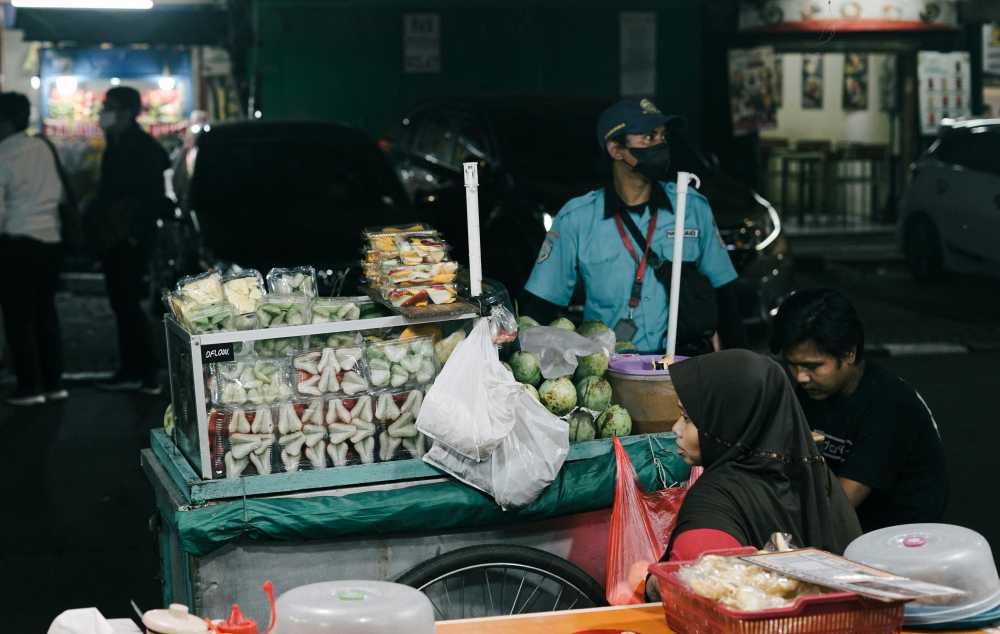
Trust the Streets: In many destinations, especially in Asia and Latin America, the best, most authentic food is found at bustling street food stalls for a dollar or two. It’s a delicious, ultra-affordable way to dive deep into the local cuisine.
Maximize Your Experience, Not Your Spending
The most memorable travel moments are rarely the most expensive. Every city is overflowing with incredible, zero-cost experiences for those who know where to look.
Take a Free Walking Tour (On Day One): This should be your first activity in any new city. It’s a crash course in history, layout, and local culture. You’ll get your bearings and receive priceless insider tips from your guide. Just be sure to tip them what you feel the tour was worth.
Explore Public Parks and Spaces: From the lush gardens of Paris to the sprawling beaches of Rio, a city's public spaces are its soul. They cost nothing to enjoy and are perfect for people-watching.
Hunt for Free Museum Days: Nearly every major museum offers free admission on certain days of the month or evenings of the week. A quick Google search can save you a significant amount on entry fees.
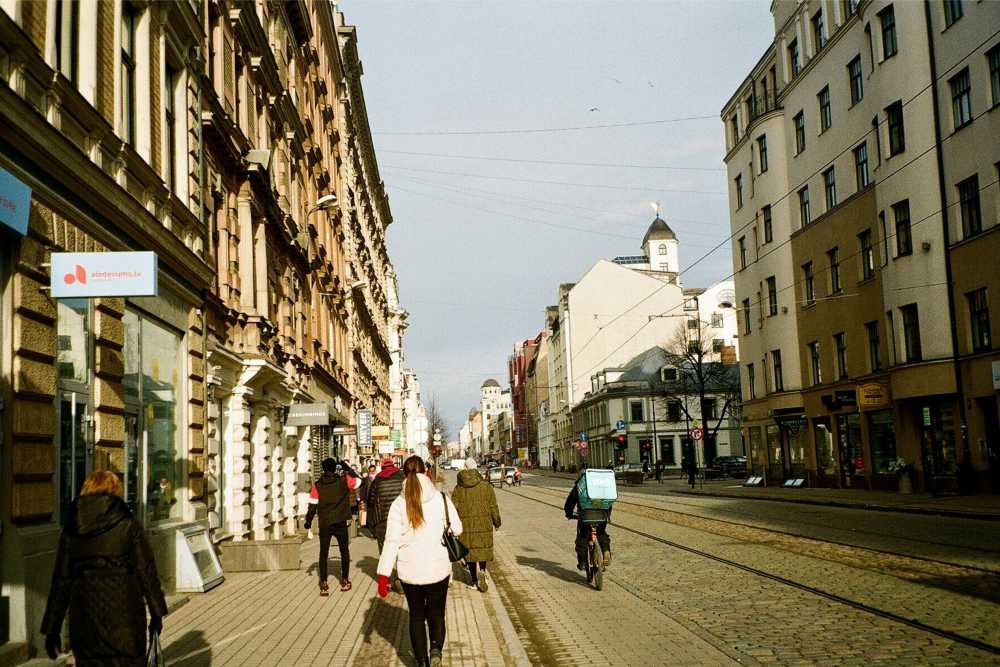
Embrace the Art of Wandering: The single best way to discover a city's hidden courtyards, charming side streets, and authentic local life is to put away the map and simply wander.

Your Blueprint for Affordable Adventure
This isn't just a collection of tips; it's a mindset. You now understand that successful budget solo travel is not a competition to spend the least amount of money possible. It's about the strategic allocation of your resources to maximize experience, discovery, and joy. It's the difference between being cheap and being smart.
Avoid the trap of "false economies"—like booking a hotel far outside the city to save $10, only to spend $15 and two hours on transport each day. But also, know when to embrace the "strategic splurge"—that one incredible meal, cooking class, or guided tour that will become the key element memory of your entire trip. You have the playbook. You have the system. You have the confidence to reject the anxiety of the unknown and step into the incredible freedom of solo travel. The world is not as expensive as you think.
Frequently Asked Questions (FAQ)
How much money do I really need for a trip under $1000?
Excluding your main international flight, a budget of $1000 can comfortably last for 2-4 weeks in high-value regions like Southeast Asia or parts of Eastern Europe. For a one-week trip including flights from the US, you’ll need to target shoulder-season deals to nearby destinations like Mexico and Central America, or watch for flash sales to Europe.
Is it cheaper to stay in a hostel or an Airbnb when solo?
A hostel dorm bed will almost always be your cheapest nightly option. A private room in a hostel is often comparable in price to a basic room in an Airbnb. An entire Airbnb apartment only becomes cost-effective if you stay long enough and use the kitchen religiously to offset the higher upfront cost.
What are the best apps for budget solo travel?
Skyscanner/Google Flights: For finding the cheapest flight dates.
Hostelworld/Booking.com: For finding and booking affordable accommodation.
Rome2rio: For figuring out the cheapest way to get between cities.
Trail Wallet/TravelSpend: For tracking every penny of your expenses in real-time.
How do I handle currency conversion and ATM fees abroad?
First, get a debit card from a bank that charges zero foreign transaction fees and reimburses ATM fees (Charles Schwab Bank is excellent for this). Always decline the "dynamic currency conversion" offered by ATMs and card machines—it's a scam with a terrible exchange rate. Always choose to be charged in the local currency.
Read the full guide: Anxious to Adventurous: The Ultimate Guide to Solo Travel Confidence
Don't Miss Out! Subscribe for Exclusive Content
SubscribeComments 0
No comments yet
Be the first to share your experience!
Dont Miss Out! Subscribe for Exclusive Content
Ultimate USA Holidays Guide: Top Picks
FTC Affiliate Disclosure Essentials: Stay Compliant as a Travel Creator
Essential Affiliate Tools: From Tracking to Full Optimization
Booking.com Affiliate Program Review: Pros, Cons, and Earnings Potential

Decoding Affiliate Commission Rates: Benchmarks for Travel Creators
