
5 Things to Never Do When Traveling Alone

TrekGuider @trekguider
Let’s be honest: society tells women two conflicting stories about traveling alone. On one hand, you have the romanticized, 'Eat, Pray, Love' fantasy of a life-changing journey of self-discovery. On the other, you have a much darker, fear-based narrative—a constant, insidious whisper of warnings about dark alleys and stranger danger. This conflict creates a paralyzing anxiety, trapping would-be adventurers between a deep desire for freedom and a legitimate concern for their well-being. The constant worry about solo travel women safety can feel so overwhelming that the dream of an independent trip starts to feel reckless or irresponsible.

But what if that choice—between being adventurous and being safe—is a false one? What if safety isn't the opposite of adventure, but the very foundation that makes true adventure possible? Confident and secure solo travel is not about eliminating risk; it’s about mastering it. It requires transforming abstract fear into a series of manageable, concrete challenges that you can systematically overcome with the right knowledge and preparation. This guide is your strategic playbook. Bridging the gap between fear and freedom, it combines official expert advice with the hard-won wisdom of experienced travelers. For the bigger picture on planning your first independent journey, explore . This article, however, is your deep dive into the specific art of navigating the world as a strong, savvy, and secure solo female traveler.
Your Pre-Flight Mission: Master Your Destination Before You Go
Incredible journeys are born from careful preparation. The most impactful steps you take to ensure your safety happen long before you ever pack your bag. This proactive phase is the single greatest antidote to travel anxiety, systematically dismantling worries by replacing them with a robust, well-researched plan.
Step 1: Research is Your First and Best Line of Defense
Knowledge is power, and in the context of solo travel, it is your primary shield. A multi-pronged research strategy empowers you to make informed decisions, transforming the unknown into the familiar.
Official Advisories: Your first, non-negotiable stop is the U.S. Department of State's travel advisories. Understand their four-level system (Level 1: Exercise Normal Precautions, Level 2: Exercise Increased Caution, Level 3: Reconsider Travel, Level 4: Do Not Travel). This provides the official, high-level safety assessment for any country you plan to visit.
Cultural Norms: Go beyond government warnings and dig into local customs. Researching appropriate dress codes and social etiquette is not just a sign of respect; it's a key safety strategy. Blending in helps you avoid unwanted attention and navigate social interactions more smoothly.
Location-Specific Vetting: Don't stop at the country level. True safety planning is granular. You must research specific cities and, even more importantly, individual neighborhoods. A city can be generally safe, but have pockets of high crime.
Pro-Tip: Adopt this three-tier research process for total clarity.
Macro-Level (The Official View): Start with the U.S. State Department for the non-negotiable baseline.
Meso-Level (The Community View): Move to community sources like the Solo Female Travelers Club forums or trusted travel blogs for recent, on-the-ground experiences.
Micro-Level (The Street View): Finally, get hyper-local. Use Google Maps Street View to virtually "walk" around a potential hotel. Check local news sites for recent incidents and browse local subreddits for candid discussions about neighborhood safety.

Step 2: Choosing Your Safe Haven: A Masterclass in Vetting Accommodations
Your accommodation is more than just a place to sleep; it’s your secure base of operations. Treat its selection with the seriousness it deserves. While it can be tempting to book the cheapest option, a slight increase in your budget can yield a massive return in safety and peace of mind. Prioritize properties with 24-hour reception, a critical feature for late-night arrivals or if you find yourself in an emergency and need immediate assistance.
When analyzing reviews, learn to read between the lines. Use the search function to look for keywords like "solo female," "safe at night," "helpful staff," and "secure lockers." These comments provide invaluable insights from travelers who share your priorities.
Finally, protect your privacy during the check-in process. When registering, use only your first initial and last name. Avoid titles like "Ms." or "Mrs." that advertise your gender and marital status. It's a small, simple step that prevents staff or other guests from making assumptions about you being alone.
Step 3: Your At-Home Support Network: The Lifeline You Set Up in Advance
Traveling solo never means being completely isolated. A pre-planned, strong communication strategy is a crucial safety net that provides peace of mind for both you and your loved ones back home.
The Itinerary Share: Before you leave, share a comprehensive copy of your itinerary with a trusted friend or family member. This should include flight numbers, hotel names, addresses, and phone numbers, and a general outline of your plans.
The Power of Live Location: Leverage modern technology for an added layer of security. Apps like Apple's "Find My" or the location-sharing feature in WhatsApp allow you to share your real-time GPS location with a trusted contact for the duration of your trip.
Official Registration: Enroll in the U.S. Department of State's free Smart Traveler Enrollment Program (STEP). This service allows the local U.S. embassy to send you security alerts and helps them locate you in an emergency. It's the official, government-backed component of your support network.
Street Smarts on the Ground
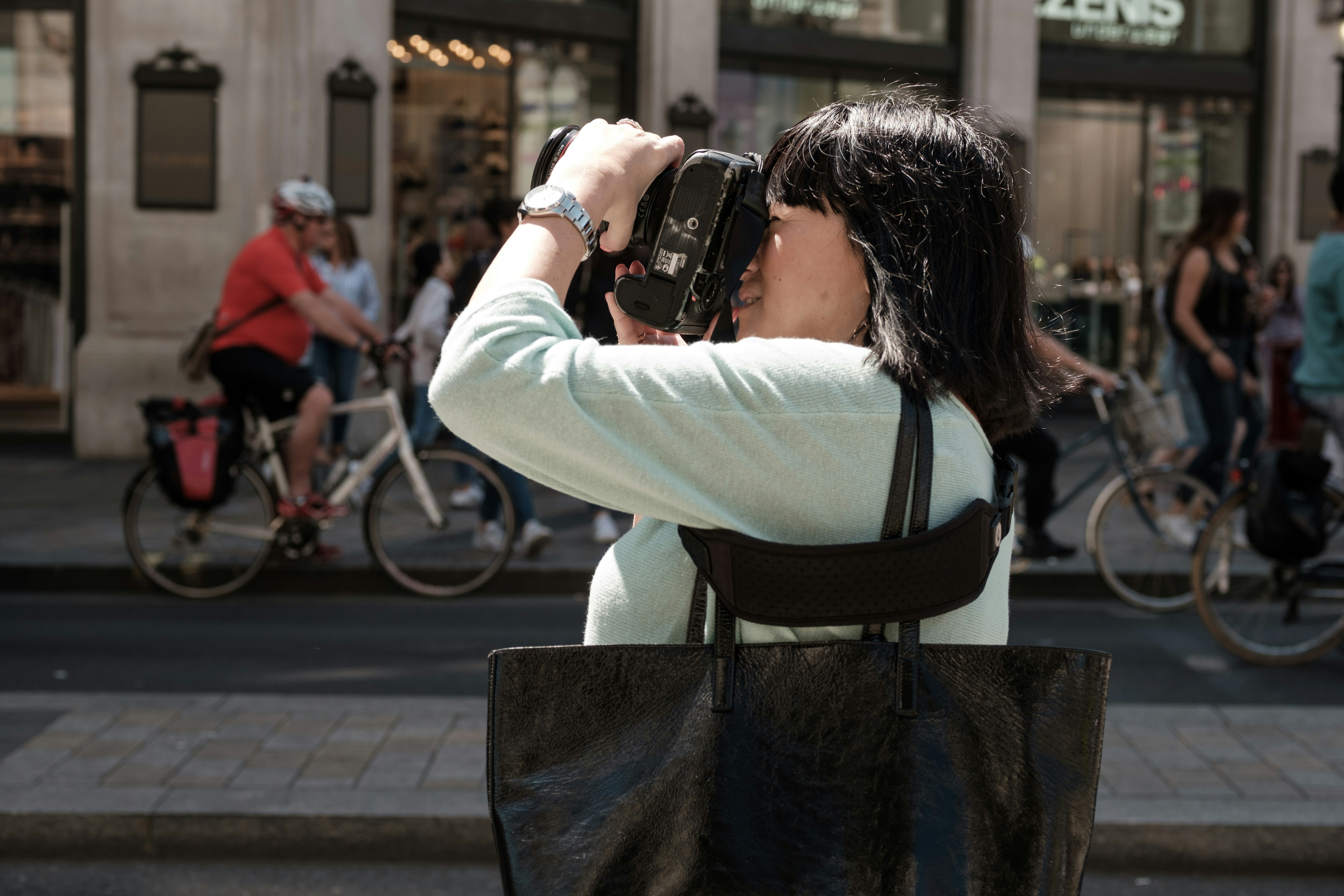
Once your trip begins, safety becomes an active practice. It's about conscious behavior, unwavering situational awareness, and projecting a quiet confidence that makes you a less appealing target for opportunistic individuals.
The Golden Rules of Solo Travel Women Safety: 5 Things to Never Do
This is your non-negotiable list of on-the-ground rules, learned from the collective wisdom of thousands of experienced solo female travelers.
NEVER Advertise You're Alone: Master the art of the "white lie." If a stranger's questions make you uncomfortable, mentioning a husband who is "meeting you shortly" or a friend who is "waiting at the hotel" is a highly effective way to shut down unwanted advances. It’s not about shame; it’s about smart information management.
NEVER Bury Your Head in Your Phone: Project confidence, even if you don't feel it. Walk with your head up, shoulders back, and make brief, deliberate eye contact. If you need to check a map, step into a shop or cafe rather than stopping in the middle of a busy sidewalk, which marks you as a lost and distracted tourist.
NEVER Let Politeness Override Your Instincts: This is the most critical rule. Women are often socialized to be polite, but your safety is far more important than a stranger's feelings. If someone or something feels wrong, it is wrong. Trust that gut feeling. Use a firm voice, direct language ("Leave me alone"), and remove yourself from the situation immediately. Being safe is more important than being polite.
NEVER Be Out of Touch: Your communication plan isn't a one-time setup; it's a daily practice. A quick "Goodnight" text or email to your at-home contact maintains that vital link and ensures someone knows you're safe at the end of each day.
NEVER Do Abroad What You Wouldn't Do at Home: This is a simple but powerful gut-check. If you wouldn't walk down a dark, unfamiliar alley alone at 3 AM in your own city, don't do it in Rome or Bangkok. Your common sense is one of your most valuable travel companions.
Mastering Movement: Transportation Safety for the Solo Traveler
How you get from point A to point B is a frequent point of vulnerability. Understanding the hierarchy of safe options is key.
The Gold Standard (App-Based Ride-Shares): Services like Uber and Lyft offer unparalleled safety features. The digital record of the ride, driver identification, PIN verification, and real-time trip sharing create a powerful digital paper trail that deters bad behavior.
Official Taxis: If using a taxi, ensure it is a licensed, reputable one. Look for official markings and a visible meter. Be especially wary of unlicensed "fake taxis," a common scam at airports.
Public Transit: While often practical, public transport requires heightened awareness. Avoid completely empty train cars, which increase isolation, as well as overly crowded ones, which are ideal for pickpockets.
The Hard No: There is no ambiguity here. Do not hitchhike. Ever.
Socializing and Nightlife: How to Stay Safe While Having Fun
Experiencing local culture often includes nightlife, but it demands extra vigilance. One of the biggest concerns is drink spiking. Follow these steps without fail: never accept a drink from a stranger, always watch your drink being made, and physically cover the top of your glass with your hand when you're not sipping it.
Above all, continue to trust your gut. If you get a strange vibe from a new acquaintance, that's all the reason you need to politely excuse yourself and leave. If you ever start to feel strange or unwell in a way that seems inconsistent with your alcohol consumption, immediately inform a trusted person (like a bartender), call for local emergency help, and, if abroad, contact the nearest U.S. embassy.
A Nuanced Guide to Solo Travel Women Safety in the USA
One of the biggest mistakes in travel planning is treating the United States as a single, homogenous entity. Safety in the USA varies dramatically by region, state, city, and even by neighborhood. As one traveler wisely noted, "Do research on specific neighborhoods/towns you want to visit rather than the country as a whole."
The USA is Not a Monolith: A Framework for Regional Risk Assessment
Understanding the context of your environment is critical. The risks in a major city are different from those in a remote national park.
Urban vs. Rural vs. Wilderness: Major cities like New York or Chicago present higher risks of theft and scams, but offer the "safety in numbers" of bustling streets. Rural or wilderness areas, like national parks, involve risks of isolation, wildlife encounters, and the need for self-sufficiency.
State-by-State Variation: Safety metrics can vary wildly. States like Vermont and Maine consistently rank as among the safest, while certain neighborhoods within large cities require a much higher degree of caution, especially after dark.
Pro-Tip: Use this four-step USA Location Vetting Checklist for any domestic trip. 1) Check City-Level Crime Statistics: Look up official data on city police department websites or the FBI's crime data explorer. 2) Use Neighborhood-Specific Tools: Websites like NeighborhoodScout offer detailed local data. Also, use the local knowledge on forums like Reddit (e.g., asking about a specific block on r/AskNYC). 3) Read Local News: A quick Google News search for the neighborhood can reveal any recent patterns of crime. 4) Analyze Accommodation Reviews: Look for reviews that specifically mention feeling safe walking in the immediate area at night.
Practical Scenarios: City Streets, National Parks, and Road Trips
Major Cities (e.g., New York, San Francisco): Understand the rhythm of the city. Subways are generally safe during the day but require more caution late at night. Be aware of common urban scams, like someone trying to "help" you with a broken ATM.
National Parks: The primary risks here are environmental. Always check the weather forecast, carry more water than you think you'll need, be aware of local wildlife, and inform a park ranger or friend of your hiking plans and expected return time.
The Great American Road Trip: Secure your vehicle. Never leave valuables in plain sight, especially at trailheads or in busy city centers. Be cautious at remote, unlit rest stops at night; well-lit, busy truck stops are often a safer choice.

Your Emergency Action Plan & Toolkit
Planning for the worst isn't about fear; it's about building resilience. Knowing exactly what to do in a crisis reduces panic and leads to better outcomes.
Your Step-by-Step Emergency Response Plan
If you are in immediate physical danger, follow these steps in order:
Attract Attention: Get loud. Yell, scream, blow a whistle, or use a personal safety alarm. Creating a disturbance is your best defense.
Contact Local Authorities: In the United States, the emergency number is 911. In Europe, it's 112, and in the UK, it's 999. Save the correct number in your phone.
Contact the U.S. Embassy: If you are abroad, the nearest U.S. embassy or consulate is a critical resource for American citizens who are victims of crime.
Seek Medical Attention: In the event of an assault, seeking immediate medical care is crucial. This is vital for your health and for the collection of potential evidence.
Contact Support Networks: Organizations like the Rape, Abuse, and Incest National Network (RAINN) have 24/7 hotlines and offer confidential support, no matter where you are.

At-a-Glance Emergency Resource Directory
The World is Ready For You. Are You?
Safe solo travel women safety is not about living in a bubble of fear. It is the exact opposite. It's about having the confidence and competence to step out of your comfort zone, armed with the knowledge that you are prepared, aware, and fully capable of handling whatever comes your way. Through diligent research, unwavering trust in your instincts, and a commitment to smart, conscious decision-making, you transform yourself from a potential target into a savvy, empowered world traveler. The world is vast and beautiful, and it is waiting for you to explore it—safely, and on your own terms.
We encourage you to build this community of empowered travelers. Share your own hard-won safety tips in the comments below, and please, share this article with any woman in your life who dreams of a solo adventure.
Don't Miss Out! Subscribe for Exclusive Content
Subscribe



Comments 0
No comments yet
Be the first to share your experience!
Dont Miss Out! Subscribe for Exclusive Content

How to Avoid Travel Scams: A Global Guide


Is Public WiFi Safe? How to Protect Your Data Abroad

A Woman's Guide to Safe Travel: 10 Critical Tips

7 Hotel Safety & Security Tips for Peace of Mind

9 Beach Safety Tips That Could Save Your Life

How to Stay Safe While Hiking: A Hiker's Safety Guide
The Travel Blogger's Playbook to Affiliate Marketing Mastery
TrekGuider @trekguider
Most articles about affiliate marketing for bloggers give you a list. This is not one of those articles. A list won't teach you that the difference between earning $50 a month and $5,000 a month isn't the number of programs you join—it's the business strategy you deploy. The top 1% of travel bloggers don't just 'add links'; they build sophisticated affiliate marketing engines that run on audience trust, strategic content, and diversified revenue streams. This guide is the blueprint to that engine. We'll cover the programs, yes, but more importantly, we'll give you the complete practical plan to turn your passion into a predictable, profitable business.

At its core, affiliate marketing is beautifully simple: you earn a commission for recommending products and services you already use, love, and trust. When a reader clicks your unique referral link and makes a purchase, the brand pays you a percentage as a thank you. It's the most organic and authentic way for travel content creators to monetize their work, weaving recommendations seamlessly into the stories and advice they’re already sharing. This isn't about plastering your site with blinking, irrelevant banner ads; it's about monetizing the trust you’ve worked so hard to build.
The Foundation: Why Most Bloggers Fail at Affiliate Marketing (And How You'll Succeed)
Before we even mention a single program, let's address the hard truth: most bloggers who try affiliate marketing fail to earn anything meaningful. They treat it like a lottery, scattering links across their site and hoping for a lucky sale. This tactical, hope-based approach is doomed to fail.
Sustainable success in this field isn't about tactics; it's about strategy. It's about building a business system where affiliate income is the natural, inevitable byproduct of the immense value you provide. By understanding the common pitfalls from the outset, you can sidestep the mistakes 99% of bloggers make and architect a monetization engine built for long-term, predictable success.
It's a Business, Not a Tactic

Let’s start with the single most important mental shift you need to make: you are not just a blogger. You are the founder of a media company. Your blog is its flagship publication, and affiliate marketing for bloggers is your first—and most important—revenue division.
A tactical blogger asks, "Where can I put this link?" A strategic business owner asks, "What problem does my audience have, and which product is the absolute best solution I can recommend to solve it?" This subtle reframing changes everything. It shifts your focus from selling to serving. Your content transforms from a sales pitch into an indispensable resource, and your affiliate links become helpful signposts on your reader's journey, not distracting billboards. Master this mindset, and you've already won half the battle.
The Triangle of Trust: Niche, Audience, Authenticity
High affiliate conversion rates are a direct result of one thing: audience trust. You can have the most beautiful website and the cleverest link placements, but if your readers don't truly trust your recommendations, you will not make a single sale. In our experience, unshakable trust is built on three inseparable pillars:

A Well-Defined Niche: You cannot be everything to everyone. A laser-focused niche (e.g., "solo female travel in Southeast Asia," "luxury family travel in Europe," "budget backpacking in South America") allows you to become a true expert. This perceived expertise is the bedrock of authority and trust. If you're just getting started, our guide on is a crucial first step.
Deep Audience Understanding: Once you have your niche, you must become obsessed with understanding the people within it. What are their biggest fears about booking a trip? What are their most pressing, unanswered questions? What specific problems can you solve for them? When you understand your audience on this level, you can create content that speaks directly to their needs, making your affiliate recommendations feel less like an advertisement and more like a personal, can't-miss suggestion from a trusted friend.
Unshakeable Authenticity: This is the glue that holds it all together. Only recommend hotels, tours, gear, and services that you have used yourself and genuinely believe in. Your audience is savvy; they can spot a phony, profit-driven recommendation from a mile away. Had a bad experience with a popular tour? Say so. Found a hotel to be overrated? Share that, too. This radical honesty—even when it means forgoing a commission—builds immense long-term credibility that will pay dividends for years to come.
Why a Small, Engaged Audience is More Valuable Than a Large, Passive One
One of the most pervasive and damaging myths in the blogging world is that you need hundreds of thousands of page views to earn significant affiliate income. This is demonstrably false. While traffic is a component of the equation, it is far from the most important one. Engagement and intent matter infinitely more.
Consider two of our creators:
Blogger A has 100,000 monthly visitors to a generic "cheap travel deals" blog. Their audience is broad, unengaged, and looking for quick transactions. Their affiliate conversion rate is a dismal 0.1%.
Blogger B has just 5,000 monthly visitors to their niche blog about "scuba diving for beginners." Their audience is highly targeted, deeply engaged, and actively seeking expert advice. Their conversion rate on dive gear and course recommendations is a healthy 3%.
Despite having 20 times less traffic, Blogger B will earn significantly more affiliate income. Their audience isn't just passing by; they are leaning in, listening, and ready to act on trusted advice. The lesson is clear: do not wait for massive traffic to begin. Focus first on building a small, loyal, and highly engaged community. The income will follow.
Affiliate Networks vs. Direct Programs

Once you’ve built your foundation of trust, it’s time to understand the operational machinery of the affiliate world. There are two primary ways to partner with the brands you love: through large affiliate networks or by establishing direct, one-on-one partnerships. Making a deliberate choice here is a critical structural decision for your business, as we explore in our deep dive into .
What are Affiliate Networks? The Pros and Cons of Centralization
Affiliate networks like Travelpayouts, CJ Affiliate, or ShareASale act as massive marketplaces. They are the intermediaries connecting thousands of bloggers (publishers) with thousands of companies (brands). You join the network, and from one central dashboard, you can apply to the individual programs of countless brands, from hotel chains to tour operators.
The Pros of Affiliate Networks:
Radical Efficiency: This is the headline benefit. You get one login, one dashboard to track all your performance metrics, and one consolidated monthly payment. This dramatically simplifies the administrative side of your business.
A World of Variety: Networks give you instant access to a huge catalog of potential partners, making it easy to find and test programs that perfectly fit your niche.
Effortless Discovery: They are an excellent tool for discovering new and relevant brands you might not have found otherwise.
The Cons of Affiliate Networks:
Program Volatility: This is the biggest risk. A brand can leave a network at any time. If a major hotel chain you promote heavily switches networks, you could face the monumental task of finding and updating hundreds of links across your site.
A Middleman's Margin: Networks need to get paid, too. That often means the commission rate you see on a network is slightly lower than what you could get by negotiating a direct deal, as the network skims a percentage off the top for their services.
Impersonal Relationships: Communication is often filtered through the network, making it harder to build a strong, personal relationship with a brand's affiliate manager that could lead to special opportunities.
The Pros and Cons of Individual Partnerships
The alternative is to bypass the networks and apply directly to a brand's in-house affiliate program. Many of the world's top travel companies, from airlines to gear manufacturers, run their own programs for this very reason.
The Pros of Going Direct:
Higher Earning Potential: By cutting out the middleman, you can often secure higher commission rates. Over time, that extra 1-2% on your top partners adds up to significant income.
Powerful Relationships: A direct partnership allows you to build a real relationship with the affiliate manager. This can lead to exclusive coupon codes for your audience, co-branded marketing campaigns, and world-class support.
Fortress-Like Stability: Your partnership is not subject to the whims of a network. As long as the brand runs its program, your links are secure.
The Cons of Going Direct:
Administrative Overload: This is the trade-off. Every direct partnership means a separate login, a different dashboard, a unique payment threshold, and another platform to manage. Five direct partners are manageable; fifty is a nightmare.
Higher Barriers to Entry: It can be more difficult for new bloggers with low traffic to get approved for prestigious direct programs.
Time-Consuming Discovery: You have to actively hunt down these programs, which can be a significant time investment.
Our Verdict: A Hybrid Strategy for Maximum Earnings
For 99% of travel bloggers, the optimal approach is a hybrid strategy. It provides the perfect balance of efficiency and earning potential, giving you the best of both worlds.
Here’s the playbook: Start by joining one or two core affiliate networks (like Travelpayouts) to gain access to a broad range of programs. Use this to efficiently test what resonates with your audience. As you analyze your data, you will inevitably identify a small handful of "powerhouse" affiliates—the two or three brands that generate 80% of your income. For these mission-critical partners, it is absolutely worth the extra administrative effort to leave the network and establish a direct relationship. This hybrid model gives you operational simplicity for the masses and maximum profitability for your champions.
A Deep Dive into the Top 3 Travel Affiliate Networks
Choosing the right network is a foundational decision that will shape your workflow. While dozens of options exist, three platforms consistently rise to the top for travel bloggers due to their brand inventory, powerful features, and strategic focus.
Travelpayouts: The All-in-One Travel Specialist
Travelpayouts has masterfully positioned itself as the premier affiliate network built by travel experts, for travel experts. It consolidates over 100 of the world's leading travel brands into a single, intuitive platform, making it an incredibly powerful and efficient hub for your business.
The genius of Travelpayouts is its singular focus. You won't waste time sifting through irrelevant retail or finance offers. Every single brand, from giants like Booking.com (we have a dedicated if you want to dive deep) and Viator to niche local tour operators, is directly relevant to your content. Their standout feature is the "LinkSwitcher" tool—a brilliant script that automatically converts direct brand links on your site into your unique affiliate links. This alone can save you dozens of hours and is a game-changer for monetizing old content. For bloggers who want to cover every facet of travel without juggling ten different platforms, Travelpayouts is the undisputed champion.
Stay22: The Tech-Forward Accommodation Innovator

Stay22 is a more specialized but incredibly powerful player, particularly for bloggers whose content is heavily focused on accommodations. While they partner with all the major booking sites like Expedia and Hotels.com, their true advantage lies in their innovative, AI-powered technology.
Their flagship "Let Me Allez" script automatically scans your site for mentions of locations and hotels and converts them into monetized affiliate links—a massive time-saver. Even better, Stay22 enables you to create beautiful, interactive maps that display real-time accommodation options in a specific area. You can embed these maps directly into posts like "Where to Stay in Rome," providing immense visual value to your readers while seamlessly monetizing their journey. For creators who want to leverage cutting-edge tech to enhance user experience and maximize accommodation revenue, Stay22 is an essential tool.
CJ Affiliate (Commission Junction): The Legacy Giant with Global Reach
CJ Affiliate is one of the oldest and largest affiliate networks on the planet. While it isn't travel-specific, its sheer scale means it is home to some of the biggest names in the industry, including major airlines, hotel groups like IHG, and iconic tour companies like G Adventures.
The primary advantage of CJ is its vast scope. If your blog has a "lifestyle" component that extends beyond pure travel—perhaps into photography gear, outdoor clothing, or online courses—you can manage all those affiliate partnerships within the same CJ dashboard. This is a significant benefit for established, multi-niche bloggers aiming for diversification. While its interface can feel a bit more corporate than its travel-focused peers, its reliability, best-in-class tracking, and portfolio of top-tier brands make it a key element platform for any serious affiliate marketer.
Building Your Ultimate Affiliate Portfolio: Top Programs by Category
While networks provide the operational backbone, the heart of your strategy lies in the individual programs you champion. A well-curated portfolio is like a diversified investment portfolio; it maximizes returns by aligning with your audience's needs at every stage of their journey. We've handpicked some of the in the most critical categories, complete with the data you need to make smart, strategic decisions.

Accommodations: Booking.com, Agoda, Hostelworld
This is often the most lucrative category. You are helping your readers make one of the most important—and expensive—decisions of their trip.
Booking.com: The undisputed king. Its massive inventory, trusted brand name, and sky-high conversion rates make it a non-negotiable for nearly every travel blogger.
Commission Rate: ~4% of the booking value (varies)
Cookie Duration: Session-based. Strategic Implication: This means you need to capture high-intent readers who are ready to book now. Your content should be action-oriented.
Agoda: A powerhouse in the Asian travel market. If your blog focuses on Asia, featuring Agoda is a must to cater to regional preferences and pricing.
Commission Rate: Up to 7%
Cookie Duration: 30 days
Hostelworld: The go-to platform for budget and solo travelers. If your niche is backpacking or your audience skews younger, this program is essential.
Commission Rate: 20-40% of the deposit paid
Cookie Duration: 30 days
Tours & Activities: Viator & GetYourGuide
Tours and activities are a fantastic way to earn commission while genuinely enhancing your readers' trips. This is where you help them create memories.
Viator: Owned by TripAdvisor, Viator boasts an unparalleled inventory of tours worldwide. Its brand recognition and easy-to-use interface drive solid conversions.
Commission Rate: 8%
Cookie Duration: 30 days
GetYourGuide: A major competitor with a slightly more modern, curated feel. It's smart to join both, as some of the best tours are exclusive to one platform. This allows you to always recommend the absolute best option.
Commission Rate: 8-10%
Cookie Duration: 30 days
Flights & Transport: Skyscanner, Discover Cars
Flight commissions are notoriously low, but rental cars offer a significant earning opportunity.
Skyscanner: The most popular flight comparison tool. You won't get rich promoting it, but including Skyscanner links is a helpful service that builds reader trust.
Commission Rate: Varies (often a % of Skyscanner's revenue)
Cookie Duration: 30 days
Discover Cars: A leading car rental comparison site with stellar reviews. With rentals often costing hundreds of dollars, commissions can be substantial.
Commission Rate: Up to 70% of their profit
Cookie Duration: 365 days. Strategic Implication: A year-long cookie is a game-changer. A reader can click your link during initial research and book nine months later, and you still get paid.
Travel Insurance: SafetyWing & World Nomads
Promoting travel insurance is not just a smart business decision; it's an ethical obligation. It's a critical purchase, and the recurring commission models can build a foundation of predictable income.
SafetyWing: Hugely popular with digital nomads for its flexible monthly subscription model. This recurring commission is the holy grail for building a stable income base.
Commission Rate: 10% on all sales (including recurring subscriptions)
Cookie Duration: 365 days
World Nomads: An established and trusted name, particularly in the adventure travel community. Their brand authority helps convert readers who are on the fence.
Commission Rate: 10%
Cookie Duration: 60 days
Gear & Products: Amazon Associates, REI, Osprey

Recommending the gear you personally use is one of the most powerful forms of affiliate marketing. These recommendations are rooted in your authentic experience.
Amazon Associates: The world's largest affiliate program. While commissions can be low, its massive product selection and high likelihood of a user buying multiple items make it a necessary part of any gear strategy. For a deep dive, check out our guide on .
Commission Rate: 1-4% (varies by category)
Cookie Duration: 24 hours
REI: The gold standard for outdoor and adventure gear in the U.S. Their trusted brand and high-quality products make it a great alternative to Amazon for a specialized audience.
Commission Rate: 5%
Cookie Duration: 15 days
Osprey: Many top gear brands, like the beloved backpack manufacturer Osprey, run their own direct affiliate programs. If you're a passionate advocate for a specific brand, always check for a direct program—the commissions are often higher.
Commission Rate: 8%
Cookie Duration: 30 days
While linking to individual items is effective, many readers seek a curated, all-in-one solution. This is a perfect opportunity to link to your own helpful resource, like our free PDF on . It provides value far beyond a simple product link and opens an entirely new revenue stream when you create your own products.
How to Add Links That Actually Convert
Knowing which programs to join is science. Knowing how to integrate your links is art. The goal is for every link to feel like a natural, helpful extension of your content, not a jarring interruption. This requires a thoughtful approach to placement, context, and language.
The Golden Rule: Recommend, Don't Sell

Your role is that of a trusted advisor, not a used car salesman. Your content should be 95% pure, unadulterated value and 5% thoughtful recommendation. When you do recommend a product, it should feel like the logical conclusion to the problem you've been helping the reader solve. For a masterclass on this, read our guide on .
Instead of: "You should buy this backpack. Here's the link."
Try: "After testing three different carry-on backpacks on my last trip to Europe, the Osprey Farpoint 40 was the clear winner. Its clamshell design made packing a breeze, and the suspension system was comfortable even after a full day of navigating Prague's cobblestone streets. If you're looking for a versatile one-bag travel solution, this is the one I wholeheartedly recommend."
The second example works because it's rooted in experience, provides specific reasons, and is framed as a helpful solution.
Practical Placement: In-text Links, Comparison Tables, and Resource Pages
Forget flashy banner ads. They have abysmal click-through rates and cheapen your brand. The highest-converting links are almost always the ones most seamlessly integrated into your content. Mastering this requires a deeper understanding of search intent and SEO for.
In-Text Contextual Links: This is your bread and butter. A simple text link embedded naturally within a sentence—like one on the words "my favorite travel insurance"—is the most powerful and authentic way to make a recommendation.
Comparison Tables: When a reader is in the final decision-making phase, a simple, clear comparison table is an incredibly valuable tool. Creating a table comparing the features of 3-4 different travel insurance plans, complete with your affiliate links, can be a conversion powerhouse.
Resource Pages: Every blog needs a dedicated "Resources" or "Travel Gear" page. This acts as a curated list of all the products and services you use and recommend. It's a high-value asset for your readers and a simple way to house your most important links. Better yet, your TrekGuider creator page functions as an automatic, centralized hub for your audience, showcasing your articles, digital products, and top recommendations all in one place.
To elevate your destination guide from helpful to indispensable, embed a link to a product like the "Customizable Google Maps Itinerary for Rome" from the TrekGuider marketplace. This creates a powerful monetization stack: you earn affiliate commission from the hotel booking link within the guide and direct revenue from your high-value digital map, effectively doubling your earnings from a single reader.
A Simple Guide to Affiliate Disclosure
This is non-negotiable. For legal reasons (the FTC requires it) and for the even more important reason of maintaining audience trust, you must clearly and conspicuously disclose that you use affiliate links. The nuances are important, which is why we've created a dedicated guide on .
This is simple. A straightforward statement at the very top of your blog posts, before any affiliate links appear, is all you need. For example:
"A quick heads-up: This post contains affiliate links. If you make a purchase through one of them, I may earn a small commission at no extra cost to you. I only recommend products and services I personally use and love. Thanks for your support!"
Place a similar disclosure in your site's footer. Transparency isn't just a legal requirement; it's the currency of trust.
Using Affiliates to Validate Your Own Digital Products

This is the strategy that separates the top 1% of earners from everyone else. Affiliate marketing is not just a revenue stream; it is the ultimate market research tool. The data you collect should be the foundation for your next, more profitable venture: creating and selling your own digital products.
What Affiliate Data Tells You About Your Audience
Your affiliate dashboard is a goldmine. It's a direct, unfiltered look into the minds of your readers. Pay attention to the story it tells:
Which links get the most clicks? This reveals your audience's core interests. To get this data, you'll need the right tools, which we cover in our review of .
Which products actually sell? This tells you what they are willing to pay for.
What is the average purchase value? This helps you understand their budget.
If your article on "The Best Day Trips from Florence" consistently drives a high number of sales for a specific Vespa tour, that is a powerful signal. It tells you your audience is highly interested in Tuscan day trips and is willing to pay for a curated experience.
Creating Digital Products that Complement Your Affiliate Recommendations
Once you've identified these patterns, you can brainstorm digital products that offer a higher level of value than a simple affiliate link ever could. These products don't compete with your affiliate offers; they complement them. For inspiration, grab our free guide on .
This is precisely why we built TrekGuider. Instead of wrestling with e-commerce plugins, payment gateways, and file delivery systems, you can upload your guide to the TrekGuider marketplace in minutes. We handle the entire transaction, allowing you to focus on what you do best: creating invaluable resources for travelers.
Example: From Recommending a Viator Tour to Selling Your Custom Itinerary

Let's return to that Florence example. You see that the "Tuscany Vespa Tour" on Viator is a huge seller. Market validated. Now, you create your own premium digital product: "The Ultimate Self-Guided Vespa Itinerary for Tuscany." You could even bundle it with our comprehensive .
This downloadable PDF guide could include:
A detailed, day-by-day route optimized for jaw-dropping scenery.
A private Google Map with pinned locations for the best photo spots, local-approved lunch spots, and hidden gems.
A guide to renting a Vespa, including what to look for and what to avoid.
A checklist of what to pack for the perfect day.
You can sell this digital guide for $29, a price point that dwarfs the $5 commission you might earn from the tour booking. You've used affiliate data to validate an idea, created a more valuable solution, and built a revenue stream that you own 100%. This is the path from blogger to true business owner.
Frequently Asked Questions (FAQ Section)
How much can I realistically earn from affiliate marketing?
The range is massive. A new blogger should celebrate their first $100 month, which often takes 6-12 months of consistent work. An established blogger can earn $500 to $3,000 per month. A top-tier travel blog, run as a serious business, can generate well over $10,000 a month from affiliate revenue alone by focusing on . Your income will be a direct reflection of your audience's trust, the strategic quality of your content, and your commitment to this as a business.
How much traffic do I need to get started?
Forget the vanity metric of huge traffic numbers. Most affiliate programs have no minimum traffic requirements. You can be approved for Booking.com or Amazon Associates on day one. Your focus should be on creating high-quality, targeted content that answers a specific question for a small, engaged audience. One great article that ranks for a "buying intent" keyword—something you can master with —can earn more with 100 visitors than a generic post with 10,000.
Can I be an affiliate marketer without a blog?
Yes, you can. While a blog is the ideal asset because you own it, you can absolutely use affiliate links on other platforms. YouTube video descriptions, Instagram Stories (with a "link in bio" service), and even Pinterest are all viable channels. The core principles of trust, authenticity, and service remain exactly the same, regardless of the platform.
What's the difference between Pay-per-Sale and Pay-per-Lead?
These are the two main commission models:
Pay-per-Sale (PPS/CPA): This is the standard for travel. You earn a commission only when a reader clicks your link and completes a purchase.
Pay-per-Lead (PPL/CPL): Here, you earn a smaller, fixed fee when a reader simply signs up for something, like a newsletter, or a request for a quote. This is less common in travel but can be found with some travel agent services or cruise inquiries.
Your Action Plan: The First 30 Days to a Profitable Affiliate Strategy

Knowledge without action is just entertainment. Here is a simple, week-by-week checklist to take you from reading this guide to implementing a profitable affiliate marketing for bloggers engine. For even more actionable advice, check out our .
Week 1: The Foundation
[ ] Mindset Shift: Acknowledge you are building a business, not just a blog. Write down your income goal for the next 6 months.
[ ] Niche & Audience: Clearly define your niche and create a "reader persona"—a detailed description of your ideal audience member.
[ ] Trust Audit: Review your 10 most popular articles. Identify where you can add more value and authentic recommendations.
Week 2: The Ecosystem
[ ] Join a Network: Sign up for Travelpayouts. It's the most efficient starting point.
[ ] Apply to Core Programs: From within Travelpayouts, apply to Booking.com, Viator, and GetYourGuide.
[ ] Go Direct: Apply directly to the SafetyWing affiliate program and sign up for Amazon Associates.
Week 3: The Integration
[ ] Identify Opportunities: Go back to your top articles. Find 3-5 places in each where an affiliate link would be genuinely helpful.
[ ] Add Links & Disclosure: Generate your unique links and add them contextually. Add your affiliate disclosure to the top of each post.
[ ] Create Your Hubs: Build a "Resources" page on your blog and set up your free TrekGuider creator page to showcase your work.
Week 4: The Analysis & Next Steps
[ ] Learn Your Dashboard: Spend 30 minutes learning your affiliate dashboard. Pay attention to clicks to see what's resonating.
[ ] Plan New Content: Brainstorm 3 new "buying intent" articles (e.g., "The Best Travel Insurance for Europe," "A Review of the Osprey Fairview 40," "7 Unforgettable Day Trips from Rome").
[ ] Think Like an Owner: Start a list of potential digital product ideas based on your most popular content.
As you implement this plan and build your affiliate engine, remember that the ultimate goal is to own your revenue streams. To accelerate your transition from blogger to business owner, explore the "Travel Blogger's Business Toolkit" on the marketplace. It features professionally designed templates for media kits and brand proposals that will fast-track your growth.
Don't Miss Out! Subscribe for Exclusive Content
SubscribeComments 0
No comments yet
Be the first to share your experience!
Dont Miss Out! Subscribe for Exclusive Content

FTC Affiliate Disclosure Essentials: Stay Compliant as a Travel Creator

Essential Affiliate Tools: From Tracking to Full Optimization

Avoid These 5 Affiliate Landing Page Mistakes for Better Conversions

Affiliate Keyword Research Mastery for Travel Blogs

Booking.com Affiliate Program Review: Pros, Cons, and Earnings Potential

Decoding Affiliate Commission Rates: Benchmarks for Travel Creators
7 Hotel Safety & Security Tips for Peace of Mind
TrekGuider @trekguider
You’ve finally made it. After a long day of navigating airports, taxis, and unfamiliar streets, you slide the key card into your hotel room door and a wave of relief washes over you. This is your sanctuary, your home base for the adventures ahead. But as you drop your bags, another feeling can creep in, spoiling the moment. Let’s be honest: that sterile, anonymous hotel room doesn't feel as secure as your own home. It’s a vulnerability that can cast a shadow over an entire trip, a persistent whisper of "what if" that prevents you from ever truly relaxing.

The good news is that safety isn't a matter of luck; it's a repeatable skill. This guide is your new ritual, a systematic playbook for transforming any hotel room into a personal fortress. We’ve synthesized advice from former hotel security personnel and fire safety experts to bring you seven essential hotel safety tips. This isn’t about paranoia; it's about empowerment. By making these simple checks a habit, you can ensure your peace of mind is the most valuable thing you pack. These strategies are a critical part of the accommodation-specific awareness we cover in our comprehensive guide to The Ultimate Guide to Travel Safety: A 2026 Playbook.
The 60-Second Security Sweep: Your First Check-In Ritual
Your first minute inside a new hotel room is the most important. This is your window to verify, secure, and orient yourself before you get distracted by unpacking or collapsing on the bed. By turning the following steps into an unbreakable habit, you proactively eliminate the most common security and safety risks. Think of it as a professional-grade inspection that takes less time than it does to check your email.
Tip 1: Secure the Door and Verify the Room is Empty
Before you do anything else, take control of your entry point. A common mistake is to walk in, close the door, and immediately turn your back to it while dealing with luggage. This makes you vulnerable. Instead, follow this security-conscious procedure.
Prop the Door: As you enter, use your luggage to prop the door open so it can't be closed behind you.
Conduct a Visual Clear: From the doorway, quickly scan the room to ensure it is empty. This includes a glance behind the curtains, in the closet, under the bed, and inside the shower.
Close and Lock: Once you've confirmed the room is unoccupied, remove your luggage from the entryway, close the door, and immediately test every single locking mechanism. This includes the primary deadbolt and any secondary security devices like a security chain or a flip latch. Ensure they are all functional and engage smoothly. Don't assume they work; physically test them.
Tip 2: Check Your Communication and Safety Gear
Now that the room is secure, your next step is to verify your lifelines. You need to know that the room’s built-in safety equipment is present and functional.
Test the Phone: Pick up the in-room phone and confirm there’s a dial tone or call the front desk for a quick "hello." This ensures you have a reliable way to call for help if your cell phone has no service or the battery dies.
Locate Safety Devices: Visually identify the smoke detector and fire alarm sprinkler heads. It’s also wise to check for a carbon monoxide detector, especially in hotels with in-room fireplaces or those attached to large parking garages. If one isn't present and you have concerns, report it to the front desk.
Tip 3: Create a Mental Fire Escape Map
This is one of the most critical hotel safety tips, yet it's the one most often ignored. In the event of a fire, heavy smoke can reduce visibility to absolute zero. The evacuation map on the back of your door is not decoration; it's your key to survival.

According to fire safety experts, you must identify three key things:
Your Primary and Secondary Exits: The map will show the nearest emergency exit stairwell. Crucially, you must also identify an alternative, secondary exit in case your primary route is blocked by fire or smoke. Remember, elevators must never be used in a fire.
The Door Count: This is the most important part. Physically walk out into the hallway and count the number of doors between your room and the nearest emergency exit. Memorize this number. In a dark, smoke-filled hallway, this knowledge will allow you to feel your way along the wall to safety, counting the doors as you go.
Location of Safety Equipment: As you identify your route, note the location of fire alarm pull stations and fire extinguishers in the hallway.
Tip 4: Fortify Your Privacy
Your final step in the initial sweep is to ensure your room is a truly private space.
Check Windows and Connecting Doors: Go to every window and make sure it is locked securely. If your room has a connecting door to an adjacent room, verify that it is locked from your side. A good practice is to slide a chair or your luggage in front of a connecting door as an extra physical and audible barrier.
Close the Curtains: Fully close the curtains to ensure privacy from the outside, especially in ground-floor rooms or those that face other buildings.
Scan for Oddities: While rare, hidden cameras are a modern concern. Conduct a quick visual scan for any electronics or objects that seem out of place. Pay attention to smoke detectors, alarm clocks, and USB wall outlets, looking for unusual pinholes or lenses.
Beyond the Locks: Advanced Hotel Safety Tips
Okay, the room is secure. But a locked door is just the first line of defense. Now it’s time to think like a pro and protect your belongings with the kind of savvy that separates seasoned travelers from the rest.
Tip 5: Outsmart a Thief: How to Hide Your Valuables
The in-room safe should always be your first choice for storing passports, extra cash, and small electronics. However, if a safe is unavailable, broken, or you simply don't trust it, you need a smart hiding strategy. The key is to avoid the first places a thief would look: in drawers, under the mattress, and inside your suitcase.

Security consultants recommend using non-obvious, "high-friction" hiding spots that take time and effort to find.
Taped in an Inconspicuous Location: Use a small amount of duct tape to secure an envelope containing cash or cards to a surface that is out of sight. Think creatively: the underside of a heavy desk, the back panel of a chest of drawers, or high up on a closet shelf.
Inside a Common, Uninteresting Object: Hide valuables in plain sight by placing them inside items a thief would ignore. A popular tactic is to place cash inside a bag of dirty laundry, as it's highly unlikely to be searched. You can also slip flat items like cash or cards inside the hotel room's bible or another book on a shelf.
Within the Room's Fixtures: Some parts of a hotel room offer clever nooks. For a laptop, a surprisingly effective tactic is to hide it inside a pillowcase on the bed, then pile the other pillows on top to disguise its shape.
Pro-Tip: When hiding cash or cards in an envelope, tape it flat against a surface and choose a dark color for the envelope (e.g., black or brown) to prevent it from being seen through any gaps.
Tip 6: Bring Your Own Security: Portable Safety Devices
For the ultimate peace of mind, especially when staying in older hotels, budget accommodations, or short-term rentals, consider investing in a portable security device. These lightweight gadgets are designed to provide an extra layer of defense against unauthorized entry.
Portable Door Locks: These devices brace against the door frame from the inside, making it physically impossible for the door to be opened from the outside, even with a key.
Door Stop Alarms: These are simple, wedge-shaped door stops that you place under your door from the inside. If the door is pushed open, it triggers a piercingly loud alarm, startling the intruder and alerting you and others to the breach.
The Final Layer of Protection: Personal Habits
Your physical security measures are only half the battle. The other half is cultivating smart habits and maintaining a high level of situational awareness throughout your stay.
Tip 7: Practice Smart "Hotel Habits"
Small, consistent habits can significantly reduce your risk profile.
Sanitize High-Touch Surfaces: Upon arrival, use a disinfectant wipe to clean the objects that are most frequently handled but often overlooked by cleaning staff: the TV remote, light switches, doorknobs, and the phone.
Be Discreet with Your Room Number: When checking in, if the front desk clerk announces your room number out loud, politely ask for a different room and for them to write it down for you instead. Never leave your key card sleeve, which often has the room number written on it, lying around in public areas.
Use the "Do Not Disturb" Sign: When you are in your room, hang the "Do Not Disturb" sign on the outside of your door. This is a clear signal that the room is occupied and can deter someone from trying to enter, whether by mistake or with ill intent.
Verify All Visitors: Never blindly open your door. If someone knocks claiming to be hotel staff, call the front desk to verify that they sent someone to your room before opening the door.
Pro-Tip: If you order room service or have hotel staff coming to your room, call the front desk to verify the person's identity before opening the door. It's a simple step that confirms the visitor is legitimate.
A secure hotel stay is at the heart of a well-planned trip. To ensure every other aspect of your journey is just as prepared, from packing lists to financial planning, a comprehensive resource is essential. The right Travel Guide can be the difference between a good trip and a flawless one.
Your Pre-Trip Master Plan
A secure hotel room is just one piece of your travel safety puzzle. To ensure you don't overlook a single essential item—from documents and finances to clothing and gear—a master checklist is your most powerful tool. Our comprehensive, free checklist has you covered for every stage of your trip.

Download Your Free International Travel Checklist Now!
Hotel Safety FAQs
A prepared mind anticipates questions. Here are expert answers to common concerns.
1. Is an in-room safe really the most secure option?
For the vast majority of travelers, yes. Modern electronic safes are quite secure against opportunistic theft. However, hotel management does have a master key or code for emergencies. The greatest risk often comes from user error (choosing an obvious code like 1234) or a dishonest staff member (which is rare in reputable hotels). For irreplaceable items, using a smart hiding spot in addition to the safe, or keeping them on your person, can provide an extra layer of security.
2. Are short-term rentals (like an Airbnb) more or less secure than hotels?
It varies dramatically. A professionally managed rental in a secure building can be safer than a budget motel. However, rentals lack the 24/7 staff, multiple security cameras, and controlled access points of a hotel. When booking a rental, read reviews carefully for any mention of safety concerns, check the lock quality upon arrival, and consider bringing your own portable door lock.
3. What should I do if hotel staff need to enter my room while I'm out?
If you have requested maintenance or housekeeping, you have a reasonable expectation they will enter. Secure all valuables in the safe or hide them before you leave. If you are concerned, you can request that these services only be performed while you are present in the room. Always leave the "Do Not Disturb" sign on your door when you leave if you do not want anyone entering.
Travel with True Peace of Mind
Your hotel room should be a sanctuary—a place where you can recharge after a day of exploration and sleep soundly through the night. It shouldn't be a source of anxiety. By incorporating these seven hotel safety tips into your check-in routine, you are taking active control of your environment. You are replacing uncertainty with a plan and vulnerability with empowerment. This simple, 60-second ritual does more than just secure a room; it secures your peace of mind, freeing you to focus on the real purpose of your journey: the adventure that awaits outside your door.

Meta Data Suggestions:
SEO Meta Title (Under 60 characters):
7 Essential Hotel Safety Tips for Travelers
URL Slug:
hotel-safety-security-tips
SEO Meta Description (Under 155 characters):
Sleep soundly on your next trip. Our expert-backed hotel safety tips cover room security, hiding valuables, fire safety, and more for total peace of mind.
Don't Miss Out! Subscribe for Exclusive Content
SubscribeComments 0
No comments yet
Be the first to share your experience!
Dont Miss Out! Subscribe for Exclusive Content

Ultimate USA Holidays Guide: Top Picks
FTC Affiliate Disclosure Essentials: Stay Compliant as a Travel Creator
Essential Affiliate Tools: From Tracking to Full Optimization
Booking.com Affiliate Program Review: Pros, Cons, and Earnings Potential
Decoding Affiliate Commission Rates: Benchmarks for Travel Creators
