
9 Beach Safety Tips That Could Save Your Life

TrekGuider @trekguider
There’s a moment on every beach trip that feels like pure magic. It’s the feeling of warm sand between your toes, the hypnotic sound of waves crashing, and the endless blue horizon stretching out before you. It’s a picture of perfect relaxation. But beneath that tranquil surface, the ocean holds immense and impartial power. A beautiful day can turn dangerous in an instant from a hidden current, underestimated waves, or the relentless sun, transforming a dream vacation into a terrifying emergency. Every year, countless beachgoers find themselves in preventable peril simply because they misread the water or weren't prepared for the environment.
This isn't a guide to make you fear the ocean; it's a playbook to empower you to respect it. We’re here to give you the essential, expert-backed beach safety tips that can mean the difference between a blissful day and a life-altering one. These strategies, drawn from lifeguarding associations and national weather experts, are a critical component of the situational awareness we cover in our comprehensive guide, The Ultimate Guide to Travel Safety: A 2026 Playbook. By learning to see the beach not just as a playground, but as a dynamic natural environment, you can ensure your only takeaways are seashells and incredible memories. Let’s dive in.

Master the Water: Essential Ocean Safety Tips
The vast majority of beach-related dangers originate in the water itself. From powerful currents to unpredictable surf, understanding the ocean's behavior is the most critical skill any beachgoer can possess. These are the foundational beach safety tips for staying safe in the surf.
1. Become an Expert at Spotting Rip Currents
Rip currents are the number one danger at most surf beaches, responsible for the majority of ocean rescues performed by lifeguards. They are not undertows that pull you under the water; they are powerful, narrow channels of water that flow away from the shore at high speed. According to NOAA and the United States Lifesaving Association (USLA), knowing how to visually identify one from the shore is your first and best line of defense.
Here’s what to look for, especially from an elevated position like the dunes or a lifeguard tower:
A Channel of Churning, Choppy Water: Look for a specific area where the water seems agitated or rough, moving in a different direction than the surrounding waves.
A Break in the Incoming Wave Pattern: This is often the easiest sign to spot. You'll see a gap in the line of breaking waves—an area that looks deceptively calm. This flat spot is the rip current pulling water back out to sea, disrupting the incoming waves.
A Difference in Water Color: Because the current is carrying sand and sediment offshore, the water within a rip current often appears darker, murky, or sandy brown compared to the clearer, greener water on either side.
A Line of Foam or Debris Moving Seaward: This is a dead giveaway. If you see a line of foam, seaweed, or other floating debris moving steadily away from the beach, perpendicular to the shore, you are looking directly at a rip current.
Pro-Tip: Before you even set up your umbrella, take five minutes to stand back and observe the water. Actively look for these signs. Identifying potential rip currents before you get in the water is the single most important safety action you can take.
2. Know the "Flip, Float, Follow" Rule for Rip Current Survival
If you do get caught in a rip current, your instinctive reaction—to panic and swim directly against it back to shore—is the most dangerous thing you can do. Fighting a rip current will exhaust you to the point of drowning. The correct response is simple and could save your life.
Flip: Flip onto your back to stay afloat and conserve energy.
Float: The current will not pull you under; it will only pull you away from shore. Stay calm and float with it.
Follow: Once you are out of the main pull of the current, begin swimming parallel to the shoreline. Do not swim toward the beach. Once you have swum out of the current, you can then turn and swim back to shore, ideally at an angle away from where you were caught.
If you are unable to swim out of it, continue to float and wave your arms and yell for help to attract the attention of a lifeguard or other swimmers.

3. Understand and Obey the Beach Warning Flag System
While knowing how to escape an invisible current is a vital reactive skill, your most powerful proactive tool is the one flapping in the breeze. Beach warning flags are a simple, universal language used by lifeguards to communicate the current water conditions. This system, adopted by the International Lifesaving Federation, provides a quick, visual assessment of the hazard level. Ignoring these flags is a gamble you should never take.
Green Flag: Low Hazard. Conditions are calm, but you should still exercise caution.
Yellow Flag: Medium Hazard. Moderate surf and/or currents are present. Weak swimmers should stay out of the water, and everyone else should use extra care.
Red Flag: High Hazard. The surf is high, and/or strong currents make conditions dangerous. It is recommended that no one enters the water.
Double Red Flag: Water Closed to Public. Conditions are extremely dangerous. The water is closed to all swimming, and entering it is prohibited.
Purple Flag: Dangerous Marine Life. This flag indicates that potentially hazardous marine life, like jellyfish or sharks, has been spotted. It is always flown with another color flag that indicates the surf conditions.
Pro-Tip: The absence of flags does not automatically mean the water is safe. If there is no flag, it likely means there is no lifeguard on duty. In that case, you are swimming entirely at your own risk. Always try to swim at a beach protected by lifeguards.
Master the Environment: Sun and Shoreline Safety Tips
While the ocean poses the most immediate threats, the beach environment itself has its own set of risks. The sun, sand, and heat can cause serious health issues if not managed properly. These beach safety tips will keep you safe on the shore.
4. Know the Signs of Heat Exhaustion vs. Heatstroke
That perfect, sun-drenched beach day holds a hidden danger. When the temperature climbs, the line between bliss and a medical emergency can blur with alarming speed. According to the Red Cross, it's crucial to know the difference between heat exhaustion and the more severe, life-threatening heatstroke (sunstroke).
Heat Exhaustion Symptoms:
Headache, dizziness, and confusion
Excessive sweating with cool, moist, or pale skin
Nausea and muscle cramps
A rapid, weak pulse
First-Aid for Heat Exhaustion:
Move to a Cool Place: Immediately get the person out of the direct sun and into shade or air conditioning.
Cool Them Down: Loosen their clothing and apply cool, wet cloths or spray them with cool water.
Rehydrate: If they are conscious and able to swallow, have them sip small amounts of a sports drink or water.
If their condition doesn't improve or they start vomiting, call for emergency help immediately, as it can progress to heatstroke.
5. Recognize the Emergency of Heatstroke (Sunstroke)
Heatstroke is a full-blown medical emergency where the body's internal cooling system completely fails.
Heatstroke Symptoms:
Changes in mental status (confusion, agitation, loss of consciousness)
Hot, flushed, and often dry skin (sweating may have stopped)
A dangerously high body temperature (often above 104°F / 40°C)
A rapid, strong pulse, which may become weak later
First-Aid for Heatstroke:
Call 911 Immediately: This is a life-threatening emergency that requires professional medical intervention.
Begin Rapid Cooling: While waiting for help, do everything you can to cool the person's body. Immerse them in cool water if possible, or douse them with water and apply ice packs to the neck, groin, and armpits.

6. Practice Proactive Sun Protection
The best way to deal with a heat-related illness is to never let it start. Sun protection is a continuous strategy, not a one-time action.
Hydrate Constantly: Drink plenty of water throughout the day, even before you feel thirsty.
Use Broad-Spectrum Sunscreen: Apply a sunscreen with at least SPF 30 and reapply it every two hours, and always immediately after swimming or excessive sweating.
Seek Shade: Use an umbrella and take breaks from the sun, especially during the peak intensity hours of 10 a.m. to 4 p.m.
Wear Protective Clothing: A wide-brimmed hat and UV-blocking sunglasses are non-negotiable.
7. The "Stingray Shuffle" Rule
In many coastal areas, stingrays bury themselves in the sand in shallow water. Stepping directly on one can result in an excruciatingly painful sting from the barb on their tail. To avoid this, never walk normally through the shallows. Instead, shuffle your feet along the sand. The vibrations from the shuffle will alert any nearby stingrays to your presence, giving them a chance to swim away peacefully.
Master Your Preparation: Final Beach Safety Tips
A safe and relaxing beach day begins before you even leave home. Smart planning and having the right gear can make all the difference, especially when traveling with family.
8. Pack a Dedicated Beach First-Aid Kit
While your main travel medical kit should be comprehensive, your beach bag needs a few specific items to handle common coastal issues:
Waterproof Bandages: For minor cuts and scrapes from shells or rocks.
Aloe Vera Gel: For immediate relief from minor sunburn.
Antihistamine Cream: To soothe the itch from insect bites.
Tweezers: For removing splinters or shell fragments.
Vinegar: A small bottle of white vinegar is a secret weapon; it can help neutralize the sting from some types of jellyfish.
9. Always Designate a "Water Watcher"
When you're at the beach with a group, especially with children, it's easy to fall into the trap of "diffusion of responsibility," where everyone assumes someone else is watching the kids in the water. The solution is to formally designate one adult as the "Water Watcher" for a set period (e.g., 15-20 minutes). During their shift, that person's only job is to watch the water without distraction—no phones, no books, no conversations. Then, you switch. This simple system ensures there are always eyes on the swimmers.
Your Ultimate Guide to Family Beach Travel
Keeping kids safe and entertained at the beach is a unique challenge. From packing the right gear to navigating meltdowns and keeping them safe in the sun and surf, a little extra preparation goes a long way. Our specialized guide takes the stress out of the equation.
Download our free Stress-Free Flying with Kids Guide for expert tips on making every part of your family vacation, from the airport to the beach, a breeze!
Beach Safety FAQs
A prepared mind is a safe mind. Here are quick answers to other common beach safety questions.
1. What’s the right way to treat a jellyfish sting?
First, get out of the water. Rinse the affected area with vinegar (if available) for about 30 seconds to deactivate the stingers. Do not use fresh water, as it can make it worse. Carefully pluck out any visible tentacles with tweezers. Soaking the skin in hot water (as hot as can be tolerated without burning) for 20-45 minutes can also help relieve the pain.
2. Is it safe to dig deep holes in the sand?
Digging in the sand is a classic beach activity, but deep holes can be incredibly dangerous. They can collapse unexpectedly, burying a person in seconds. Never dig a hole deeper than the knees of the smallest person in your group, and always fill in any holes you dig before you leave the beach.
3. What should I do if I see someone in trouble in the water?
Do not attempt a swimming rescue yourself unless you are trained in water rescue. An untrained rescuer can quickly become a second victim. The best course of action is to call for help immediately. Yell to alert a lifeguard and call 911. If you can, throw the person something that floats, like a cooler or a boogie board.
By embracing these nine essential beach safety tips, you shift from being a passive visitor to an active, aware, and prepared participant in one of nature’s most magnificent environments. The goal isn't to diminish the fun but to ensure it. A healthy respect for the ocean and a solid plan for your day are the keys to unlocking a truly carefree and unforgettable experience by the sea.

Now that you've mastered the art of staying safe on the coast, you can focus on the rest of your adventure. For a complete, deep-dive into every facet of trip planning, from health and safety to budgeting and logistics, our comprehensive Travel Guide is the only resource you'll ever need.
Don't Miss Out! Subscribe for Exclusive Content
Subscribe



Comments 0
No comments yet
Be the first to share your experience!
Dont Miss Out! Subscribe for Exclusive Content

Ultimate USA Holidays Guide: Top Picks


FTC Affiliate Disclosure Essentials: Stay Compliant as a Travel Creator

Essential Affiliate Tools: From Tracking to Full Optimization

Booking.com Affiliate Program Review: Pros, Cons, and Earnings Potential

Decoding Affiliate Commission Rates: Benchmarks for Travel Creators

Amazon Associates for Travel: Strategies to Maximize Commissions
5 Ways to Confidently Eat Alone While Traveling
TrekGuider @trekguider
You’ve done it. You’ve booked the flight, mapped out the museums, and conquered the logistics of your solo adventure. But a single, persistent scenario keeps playing out in your mind, a small moment that feels disproportionately terrifying: walking into a restaurant, meeting the host’s gaze, and uttering the three quietest, loudest words in the English language: "Table for one."
For countless aspiring and even experienced solo travelers, this is the final boss of social anxiety. It’s a fear so potent it can dictate an entire trip. A recent study confirmed that for many first-timers, the thought of dining alone is a major source of apprehension, ranking among top concerns like safety and loneliness.
This fear is a thief. It doesn’t just steal your appetite; it steals your access to the very soul of a destination—the vibrant, chaotic, delicious culture that happens around the dinner table. It convinces you that a sad takeaway eaten on the edge of your hotel bed is preferable to the perceived judgment of a room full of strangers. It whispers that your solitude is a spotlight.
But what if that spotlight was actually a stage, and a table for one was the best seat in the house?

This guide is your step-by-step plan to reframe that narrative. These aren’t just tips; they are five actionable, confidence-building strategies designed to transform the experience of eating alone while traveling from a source of dread into an empowering, delicious, and deeply memorable ritual. For a complete roadmap of your entire journey, start with our foundational pillar guide, The Ultimate Guide to Solo Female Travel (15 Essential Tips).
Strategy #1: Master the Art of the Bar Seat
The single most effective way to immediately diffuse the anxiety of solo dining is to bypass the traditional tables altogether and make a beeline for the bar or counter. This isn't a compromise; it's a strategic upgrade to your dining experience, a universally accepted and comfortable spot for any solo diner.
Sitting at a two- or four-top table by yourself can sometimes feel like you’re occupying "empty" space, drawing attention to your solo status. The bar, however, is a fundamentally different social landscape. It's a dynamic, linear space designed for individuals and pairs. Here, you are not "alone"; you are simply another patron in a row of patrons, part of the restaurant's fluid, buzzing energy.
This vantage point offers a multitude of benefits. It often provides a front-row seat to the theater of the restaurant—the craft of the bartender mixing cocktails, the rhythm of the kitchen, the flow of patrons coming and going. It’s an environment that provides endless built-in entertainment. More importantly, it creates a low-pressure opportunity for social connection if you want it. The bartender is a professional at conversation, often happy to offer menu recommendations or share local insights. You might strike up a casual chat with the person next to you, or you can remain comfortably anonymous, absorbed in the ambiance. The choice is entirely yours, and that control is empowering.
Pro-Tip: When researching restaurants, specifically look for photos of the interior that show a substantial bar or counter seating area. Places like tapas bars in Spain, ramen counters in Japan, and classic bistros in France are almost always designed with excellent bar seating, making them perfect venues for a comfortable solo meal.

Strategy #2: Arm Yourself with a Purposeful Prop
One of the biggest sources of anxiety when eating alone while traveling is the fear of just sitting there with nothing to do during the lulls of the meal, such as after you’ve ordered and are waiting for your food. This is where a "prop" becomes your most valuable tool. Having a purposeful object with you completely reframes the narrative, both for any observer and, more importantly, for yourself.
A prop signals that you are not passively waiting for a companion or feeling lonely; you are actively and contentedly engaged in your own company. It fills the silence and gives your hands and eyes a focus, instantly dissolving any feelings of awkwardness. The key is to choose your prop with intention.
A Travel Journal: This is perhaps the ultimate solo dining companion. Use the time to write about your day's adventures, document the sights and sounds around you, or sketch the street scene outside the window. It turns your meal into a productive, reflective, and creative session.
A Good Book: Getting lost in a compelling story is a timeless pleasure. A book is an unambiguous sign that you are happily occupied and content in your solitude.
A Map or Guidebook: Spreading out a map to plan the next leg of your journey is a classic traveler move. It’s practical, engaging, and makes you look like a seasoned, confident explorer engrossed in your adventure.
The Psychology Behind the Prop
It’s a psychological pattern interrupt. When you feel anxious, your brain looks for evidence to support that feeling—you scan the room for people looking at you, you interpret neutral expressions as judgmental. A prop gives you an alternative focus. You are consciously giving your brain a different task to focus on, preventing it from spiraling into self-conscious thoughts. By bringing a prop, you transform your "table for one" into your personal command center, a space for reflection, planning, or escape. You're no longer just a person eating alone; you're a writer, a reader, an adventurer deep in thought.
Strategy #3: Become a Master of Timing
The ambiance of a restaurant can change dramatically depending on the time of day. A chaotic, packed dining room at the peak of the dinner rush can feel overwhelming and intensify feelings of self-consciousness. By strategically choosing when you dine, you can curate a much more relaxed and enjoyable experience for yourself.
Dining during "off-peak" hours is a simple but incredibly effective tactic. Arriving for a late lunch around 2:30 PM or an early dinner at 6:00 PM, before the main crowds descend, offers several advantages. The restaurant will be calmer and quieter, allowing you to choose a desirable table—perhaps one tucked into a cozy corner or with a great view for people-watching. The service staff will likely be less rushed and more attentive, giving you the space to ask questions about the menu and savor your meal without feeling hurried.
This strategy is particularly effective in countries with distinct dining schedules. In Italy, for example, locals often don't eat dinner until 8:00 PM or later. Arriving at a trattoria at 7:00 PM means you'll have the place almost to yourself, allowing you to build your confidence in a low-stakes environment. This deep understanding of local rhythms is something we explore in our comprehensive Italy Guide, which is packed with the kind of insider knowledge that makes a solo trip seamless and authentic.
Before you start scouting trattorias, let's get your master plan organized.
Your Ultimate Planning Companion
A great solo dining experience starts with a great plan. Knowing which restaurants you want to try and when to go is a key part of building a confident itinerary. Our free, downloadable template is the perfect tool to help you organize every aspect of your trip, from your daily schedule to your must-try foodie destinations.
Download your free Travel Itinerary Template here!
Strategy #4: Choose Your Venue with Intention
Not all restaurants are created equal when it comes to the solo dining experience. The venue you choose plays an enormous role in your comfort level. Actively seeking out establishments with a solo-friendly ambiance and avoiding those geared toward formal or romantic occasions can make all the difference.
Your mission is to find places that are inherently lively, casual, and built for a fluid mix of patrons. Here’s what to look for:
Casual Bistros and Cafes: These are often the lifeblood of a neighborhood, with a constant, friendly buzz. Outdoor seating is a huge bonus, as it turns your table into a front-row seat for people-watching—the ultimate solo-dining pastime.
Bustling Food Halls and Markets: These are a solo traveler’s paradise. With a multitude of vendors and communal seating, the entire environment is built around individual choice and a dynamic, social-but-anonymous atmosphere. You can sample a wide variety of local dishes without the formality of a traditional restaurant.
Restaurants with Communal Tables: Many modern eateries feature large, shared tables. Choosing to sit at one of these signals an openness to interaction and creates a natural opportunity for conversation to spark with fellow diners, if you’re in the mood.
Ethnic Restaurants: Places like sushi bars, ramen shops, pho counters, or tapas bars are often culturally geared toward individual diners and counter service, making them incredibly comfortable and natural-feeling environments for eating alone.
Pro-Tip: Use Google Maps and restaurant review sites to do some digital reconnaissance before you head out. Don’t just read the reviews; look at the photos uploaded by patrons. You can get a great feel for the restaurant's layout, see if it has a good bar or counter, and gauge the overall vibe to see if it aligns with what will make you feel most at ease.

Strategy #5: Start with a "Gateway" Food Tour
If the idea of a full, sit-down meal by yourself still feels like too big a leap, then start with a "gateway drug" to confident solo dining: a food tour. Joining a small-group food tour on your first or second day in a new city is one of the most effective and enjoyable ways to build your culinary confidence.
A food tour is a structured, social, and low-pressure experience. You get to sample a wide variety of local specialties from different vendors and restaurants, but you do it as part of a small, friendly group. This immediately removes the "all eyes on me" feeling and replaces it with a fun, shared experience.
This approach is powerful for several reasons. First, it demystifies the local cuisine and ordering process, giving you the knowledge and vocabulary to feel more confident on your own later. Second, it's a fantastic way to meet other travelers and get their recommendations. Third, and most importantly, it provides you with a vetted list of fantastic, friendly restaurants. The casual street food stall or family-run bakery you visit on the tour can become a place you feel completely comfortable returning to on your own, because you've already been there and established a positive connection. It’s a confidence-building exercise disguised as a delicious adventure.
Frequently Asked Questions About Dining Solo
Even with a solid plan, a few lingering questions can cause anxiety. Here are the answers you need.
What if I don't drink alcohol? Is it still okay to sit at the bar?
Absolutely. A modern bar is a full-service part of the restaurant. It's completely normal to sit at the bar and order a mocktail, a soda, or even just a glass of water while you enjoy a full meal. The bartender's job is to serve all patrons, and they will be more than happy to accommodate you.
How do I handle getting a bad table (e.g., right by the kitchen or bathroom)?
As a solo diner, you have the right to be just as comfortable as any other guest. If you're led to a table you don't like, it is perfectly acceptable to politely ask if another is available. A simple, "I was hoping for something a little quieter, is one of the tables by the window available?" is all it takes. Most restaurants will gladly accommodate a reasonable request.
How much should I budget for dining alone?
This varies dramatically by destination and your travel style. A meal in Portugal can be a third of the price of a similar meal in Switzerland. The best approach is to find real-world examples. On the TrekGuider marketplace, you can explore detailed itineraries and guides published by seasoned solo travelers, many of whom include specific restaurant recommendations and budget breakdowns from their own trips.
Your Table is Waiting
The fear of eating alone while traveling is valid, but it is not a permanent barrier. It is a skill waiting to be learned, a confidence muscle waiting to be built. By being strategic—by choosing the bar seat, bringing a journal, dining early, selecting a casual venue, or starting with a food tour—you systematically dismantle the anxiety and replace it with a sense of mastery and enjoyment.
You will soon discover that dining solo is not a consolation prize; it is a unique and powerful way to experience the world. It’s a moment for quiet reflection, a front-row seat to a new culture, and an unfiltered connection to the taste and rhythm of a place. It is an act of radical self-reliance and a declaration of your right to be there, to take up space, and to savor every last bite. Your journey to becoming a confident solo diner is one of the most rewarding parts of the adventure, proving that the best company you can have at the table is often your own.
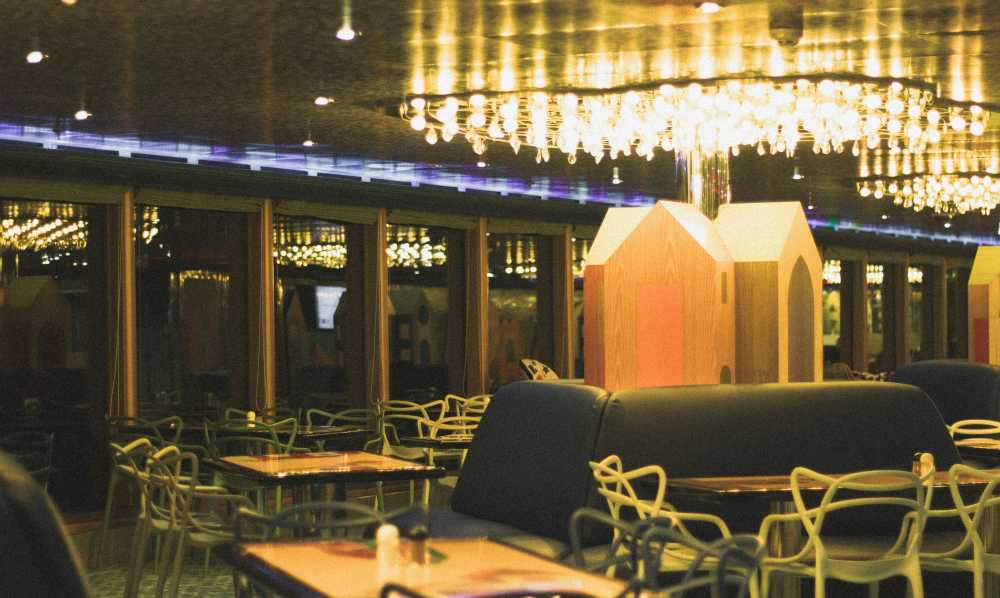
Meta Data Suggestions:
SEO Meta Title (59 characters): Confidently Eat Alone While Traveling: 5 Expert Tips
URL Slug: confidently-eat-alone-traveling
SEO Meta Description (154 characters): Nervous about dining solo? Our guide offers 5 practical ways to confidently eat alone while traveling, turning social anxiety into an empowering experience.
Don't Miss Out! Subscribe for Exclusive Content
SubscribeComments 0
No comments yet
Be the first to share your experience!
Dont Miss Out! Subscribe for Exclusive Content

Chicago Beer Fests: Top 6 Tastings
Ultimate USA Holidays Guide: Top Picks
FTC Affiliate Disclosure Essentials: Stay Compliant as a Travel Creator
Essential Affiliate Tools: From Tracking to Full Optimization
Booking.com Affiliate Program Review: Pros, Cons, and Earnings Potential
Decoding Affiliate Commission Rates: Benchmarks for Travel Creators
Top 7 Luxury Travel Blogs Redefining Style
TrekGuider @trekguider
Does the phrase “luxury travel” conjure images of gold-plated hotel suites and sterile, all-inclusive resorts? For years, opulence was measured in thread counts and champagne brands—a spectacle of wealth that often felt disconnected from the destination itself. You’re searching for inspiration, but the typical lists of luxury travel blogs feel stuck in the past, showcasing a kind of travel that’s more about extravagance for its own sake than genuine, enriching experiences. You know there has to be something more, a deeper, more meaningful way to explore the world in style, but finding the right guides for this new era of travel feels impossible.
You’re in the right place. The definition of luxury is undergoing a seismic shift. It's no longer just about what you spend, but about what you experience, learn, and feel. The new luxury is personal, conscious, and transformative. To help you navigate this exciting new landscape, we’ve curated a list of the creators at the forefront of this movement. These aren't just blogs; they are blueprints for a more intentional way of seeing the world. For a complete look at the best voices across all travel styles, be sure to explore our definitive guide to The Best Travel Blogs to Follow in 2026.
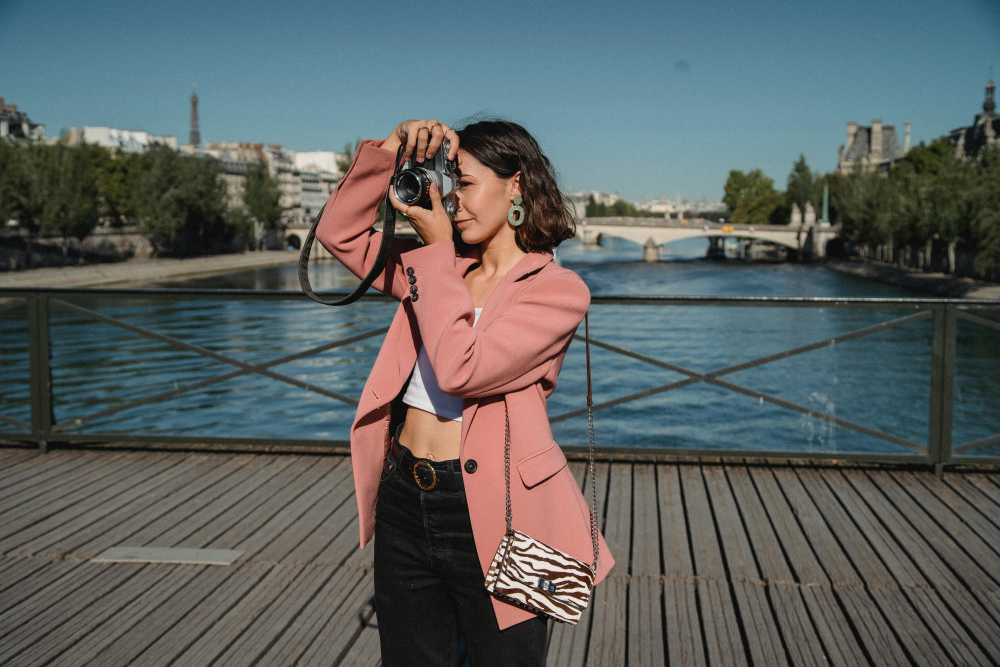
The New Definition: What is "Luxury Travel" in 2026?
Analysis of 2026 industry reports from leading authorities like Skift and Virtuoso reveals a clear evolution in high-end travel. The market is pivoting away from conspicuous consumption and toward more meaningful, personalized, and conscious journeys. This isn't just a trend; it's a response to a global re-evaluation of personal values. The most influential luxury travel blogs are no longer just catalogs of expensive hotels; they are chronicles of profound experiences.
Modern luxury is now defined by five core pillars:
Experiential & Transformational Travel: The focus has shifted from material opulence to access to unique, meaningful experiences. High-net-worth travelers are now prioritizing authenticity and activities that foster personal growth over traditional five-star amenities.
Wellness & Longevity: Going far "beyond the spa," this pillar encompasses digital detoxes, silent meditation retreats, and journeys designed for mental and physical rejuvenation in the world’s most serene locations.
"Coolcations" & Conscious Travel: Climate change is now a direct driver of destination choice, with a documented surge in travel to cooler climates like Antarctica and Iceland. This is intrinsically linked to a demand for sustainable and regenerative tourism, where travelers actively seek to leave a destination better than they found it.
Hyper-Personalization: Bespoke itineraries are no longer a perk but an expectation. Accelerated by AI, trip planning is becoming more tailored than ever, creating once-in-a-lifetime journeys based on in-credibly specific individual preferences.
Solo Luxury Travel: There is a significant and growing movement of solo travelers within the luxury segment, largely led by women. These "Wander Women," as a 2026 Virtuoso report calls them, are seeking independence and security; many are now opting for expedition, ocean, and river cruises, which provide a unique combination of independence, security, and social opportunities.

So, what does this philosophy look like in practice? The seven blogs below are the standard-bearers for this new movement, each championing a unique facet of modern luxury. They are the creators setting the agenda for the future of high-end travel.
The 7 Best Luxury Travel Blogs Leading the Charge
1. The Blonde Abroad: The Champion of Eco-Conscious Luxury
Kiersten Rich of The Blonde Abroad has masterfully evolved her brand from a solo female travel blog into a powerhouse that sits at the intersection of style, adventure, and sustainability. She proves, compellingly, that you don’t have to sacrifice comfort to travel responsibly.
Kiersten doesn't just list "green" hotels; she provides a blueprint for a conscious travel lifestyle. Her features on properties deeply woven into the fabric of their local environments are a masterclass in responsible luxury. Her guide to "," for instance, showcases resorts that are leaders in conservation and community empowerment. This aligns perfectly with the growing trend of conscious travel, where affluent travelers actively seek opportunities to contribute positively to the destinations they visit. For the traveler who wants their journey to have a positive impact, The Blonde Abroad is indispensable.
2. Black Tomato: The Architects of Transformational Experiences
While technically a luxury travel company, Black Tomato's online content operates as one of the most forward-thinking luxury travel blogs on the web. They are the undisputed masters of experiential travel, building their entire philosophy on the belief that a journey should be a powerful force for personal growth.
They excel at creating narratives around rare and inaccessible experiences—from tracking snow leopards in the Himalayas to undertaking a private archaeological dig in Egypt. Their content, as seen in "," is proof of the idea that modern luxury is about what you do, not just where you stay. This directly caters to the high-net-worth traveler who, according to industry data, is increasingly prioritizing personal connection over passive opulence. Black Tomato’s blog is pure, high-octane inspiration for those who believe the greatest luxury is a life-changing story.
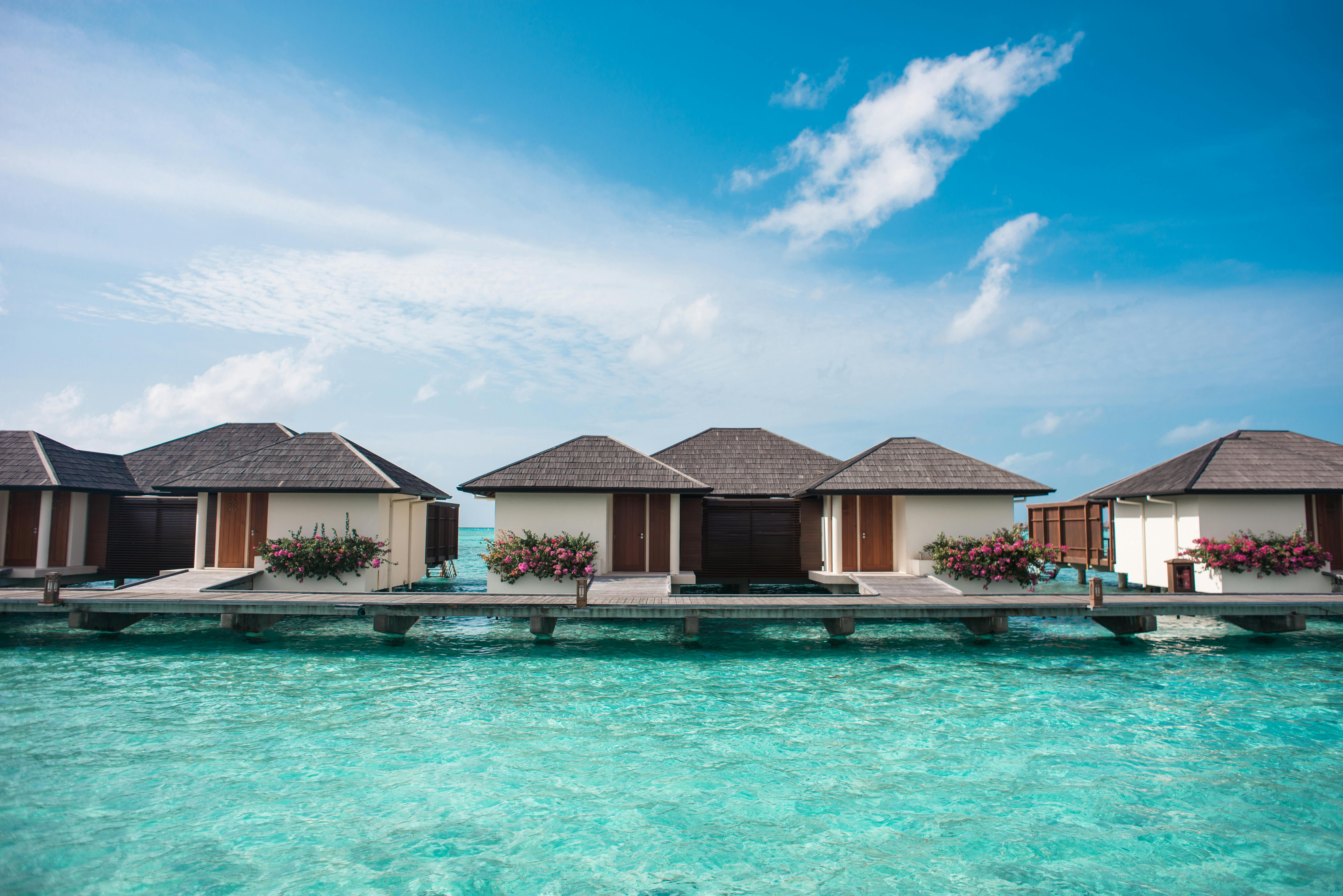
3. The Luxury Travel Expert: The Oracle of Five-Star Excellence
For the traveler who still appreciates the timeless allure of a world-class hotel or an impeccable first-class flight, The Luxury Travel Expert is the definitive authority. The anonymous blogger behind the site provides some of the most detailed, discerning, and trusted reviews in the industry. What sets this blog apart is its unwavering commitment to quality and its almost scientific approach to vetting luxury experiences.
The content is a masterclass in detail, from video tours of hotel suites to in-depth comparisons of airline seats. A post like " " doesn’t just show you pretty pictures; it breaks down every element of the experience, giving readers the confidence to make informed, high-value decisions. While rooted in classic luxury, the blog has evolved to embrace the modern, often featuring properties that excel in both service and sustainability.
Pro-Tip: When vetting luxury reviews, look for the level of detail. The best luxury travel bloggers go beyond surface-level descriptions and provide specific, subtle feedback on everything from the service and dining to the architecture and ambiance. This depth is a key indicator of true expertise.
4. World of Wanderlust: The Voice of Aspirational Solo Style
Brooke Saward of World of Wanderlust was one of the original pioneers of the solo female travel movement, and she has since carved out a unique niche in the luxury space. Her content is the epitome of aspirational travel, blending high fashion, beautiful photography, and five-star experiences into a dreamy, yet surprisingly accessible, narrative.
World of Wanderlust excels at showcasing how to experience iconic luxury destinations from a solo perspective. Posts like " " cater directly to the traveler who wants that perfect, Instagram-able moment but also desires a trip that feels personal and curated. Her work taps into the trends of hyper-personalization and solo luxury travel, demonstrating that you don't need a partner to indulge in the world's finest experiences. She empowers her readers to design their own dream trips, making her a key voice for the independent, style-conscious traveler.
5. A Luxury Travel Blog: The Encyclopedia of Global High Society
With a legacy spanning over a decade, A Luxury Travel Blog is one of the most established and respected voices in the digital space. Run by Dr. Paul Johnson, the blog operates more like a high-end travel magazine, featuring contributions from a global network of luxury experts. Its sheer breadth and depth of content are unparalleled.
This blog’s unique strength lies in its comprehensive coverage of the entire luxury ecosystem. One day you might find a "," and the next, a guide to the latest Michelin-starred restaurant in Tokyo. It defines luxury in the broadest sense, covering not just hotels and flights but also food, fashion, and unique experiences. It serves as a trusted filter for the affluent traveler, consistently answering the question: "What is the best of the best?"
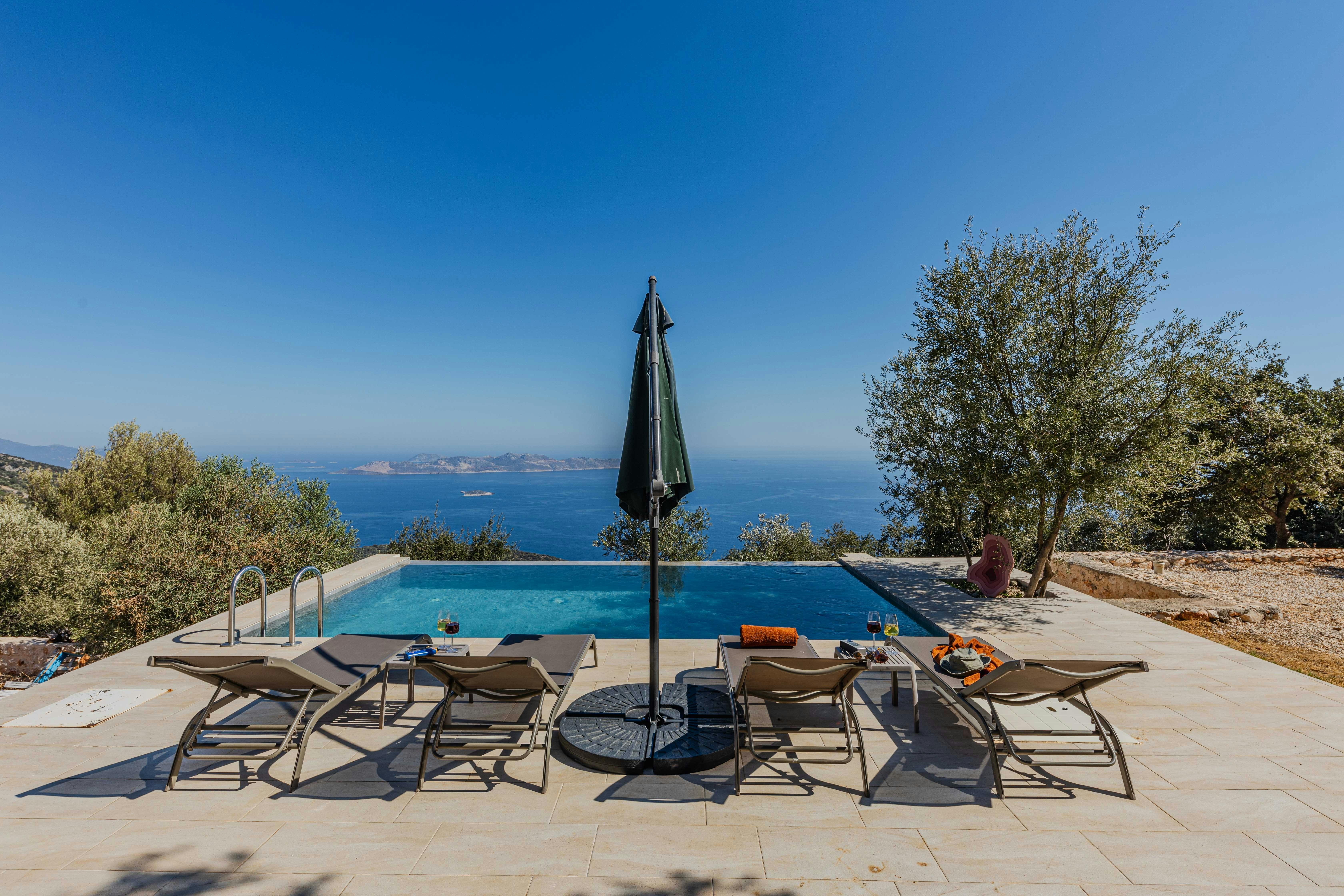
An Editor's Tip for Flawless Travel
Feeling inspired? The key to a truly luxurious trip lies in careful, stress-free planning. Knowing what to pack, what documents to prepare, and what to expect can transform your travel experience from chaotic to serene.
Download our free International Travel Checklist now! This is the same comprehensive guide our own editors use to cover everything you need before you go, ensuring you can focus on what truly matters: the experience.
6. Adventurous Kate: The Pioneer of Safe and Smart Solo Luxury
Adventurous Kate, run by Kate McCulley, is proof of the power of niche expertise. She built her platform by championing the cause of solo female travel, and as her audience has grown, so has her focus to include the more luxurious side of independent journeys. She is the embodiment of the "Wander Woman" trend, proving that solo travel can be safe, empowering, and incredibly stylish.
What makes her an essential read is her practical, no-nonsense approach to luxury. She seeks out high-end experiences but always with an undercurrent of value and safety. A post like " " provides both aspirational hotel recommendations and crucial, on-the-ground safety tips. She understands that for a solo traveler, the ultimate luxury is peace of mind. By blending premium experiences with actionable advice, she serves a vital and growing segment of the market that other luxury travel blogs often overlook.
7. The Solo Travel in Style Blog: The Curated Guide to Chic Exploration
Rounding out our list, The Solo Travel in Style Blog, created by Jennifer O'Brien, perfectly captures the intersection of fashion, culture, and high-end solo travel. This blog is for the traveler whose aesthetic is just as important as their itinerary. It operates as a curated guide to the world's most stylish destinations, with a distinctly sophisticated and independent perspective.
The blog’s strength lies in its tight, curated focus. Content like the "" offers a complete playbook for a chic city break, combining boutique hotel reviews with recommendations for art galleries, bespoke shopping, and exclusive dining experiences. It speaks directly to the traveler who sees their journey as an extension of their personal style. This blog doesn't just show you where to go; it shows you how to experience it with elegance and confidence.
Pro-Tip: Use these blogs to build a "mood board" for your trip on a platform like Pinterest. Saving images and ideas will help you identify the specific elements of "new luxury" that resonate most, allowing you to craft a more fulfilling itinerary. Many of the high-value digital products these creators sell—from hyper-detailed itineraries to custom city maps—are exactly the kind of expert-level resources you can find on the TrekGuider Platform.
Frequently Asked Questions About Modern Luxury Travel
What is the biggest difference between traditional and modern luxury travel?
The primary difference is a shift in focus from expense to experience. Traditional luxury often emphasized material opulence—the most expensive suite, the fanciest champagne. Modern luxury prioritizes unique, transformational experiences, personal growth, and authentic connection with a destination, which may or not come with a high price tag.
How can I find truly sustainable or eco-friendly luxury hotels?
Look beyond marketing claims. The best eco-luxury properties, often featured on blogs like The Blonde Abroad, are transparent about their practices. Look for official certifications (like B Corp or LEED), detailed information on their conservation and community projects, and a focus on locally sourced food and materials.
Is luxury travel only for the super-rich?
Not anymore. While high-end travel can be expensive, the modern definition focuses on value and maximizing the quality of your experience. It's about strategic splurging—saving on a flight to afford a once-in-a-lifetime meal or a unique guided tour. Many luxury travel blogs are excellent at showing how to get the most value from your travel budget.
Why are so many top luxury blogs focused on solo travel?
This reflects a major market trend. As detailed in industry reports, there's been a significant increase in solo travel, particularly among women, in the luxury segment. These travelers are independent, confident, and seeking secure yet enriching experiences. Creators like Adventurous Kate have become authorities by expertly catering to this large and influential demographic.
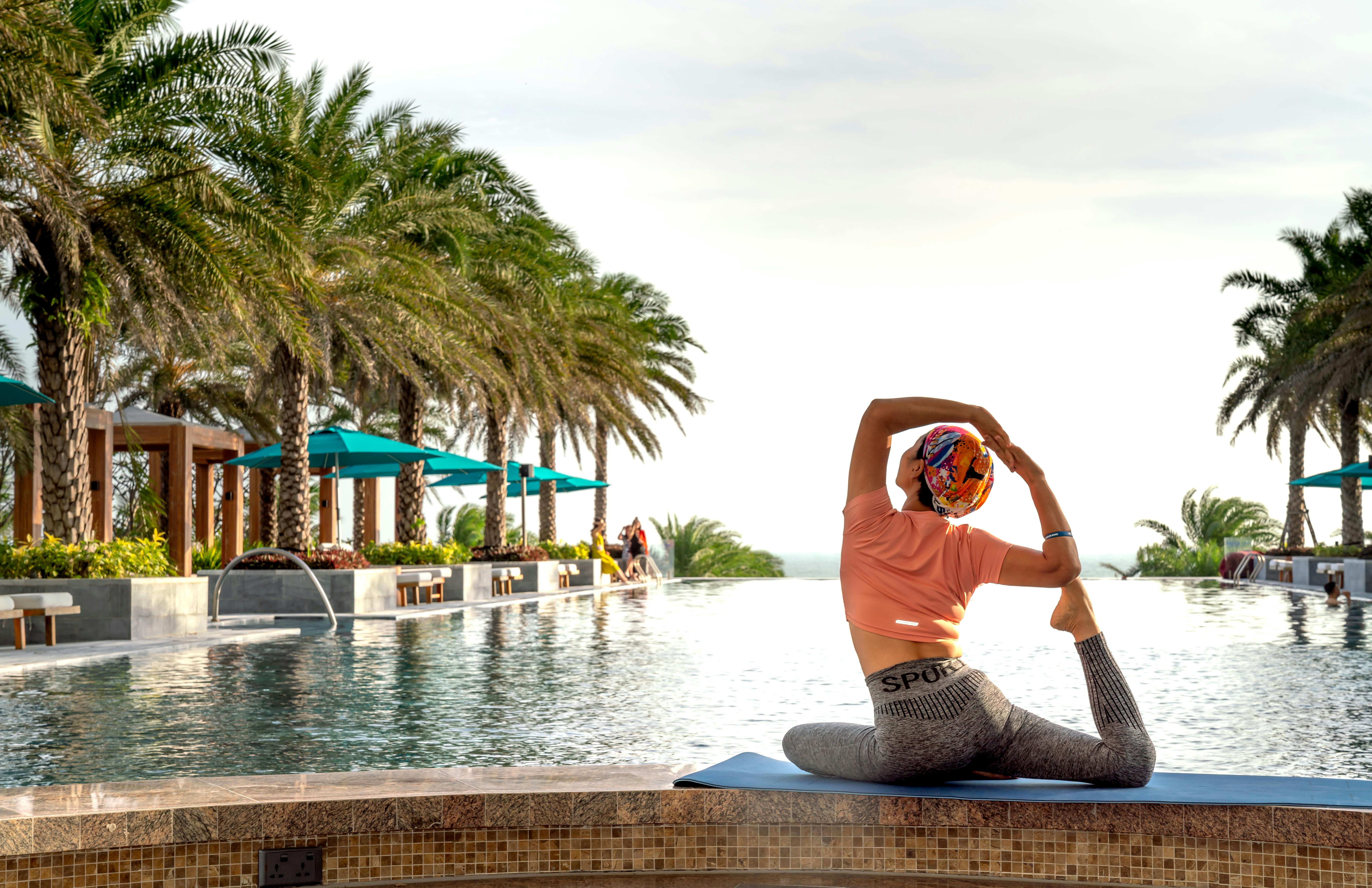
Your Journey into the New Era of Luxury Awaits
The world of high-end travel is more exciting and meaningful than ever. As we've seen, the most inspiring luxury travel blogs are no longer just showcasing expense; they are celebrating experience, consciousness, and personal transformation. These seven creators are your guides to this new world, offering the inspiration and practical advice you need to design a journey that is truly your own. They prove that the ultimate luxury isn't about escaping your life, but about enriching it.
When you're ready to turn that inspiration into a reality, consider a destination that has perfected the art of living beautifully. For a journey that combines iconic history, world-class cuisine, and unparalleled style, explore our France Travel Guide. It’s the perfect first step on your path to redefining what luxury means to you.
Meta Data Suggestions:
SEO Meta Title (59 chars): 7 Top Luxury Travel Blogs Redefining Style for 2026
URL Slug: /luxury-travel-blogs-redefining-style
SEO Meta Description (154 chars): Forget old-school opulence. Discover 7 top luxury travel blogs that showcase the new era of travel: experiential, sustainable, and deeply personal. Get inspired.
Don't Miss Out! Subscribe for Exclusive Content
SubscribeComments 0
No comments yet
Be the first to share your experience!
Dont Miss Out! Subscribe for Exclusive Content
Ultimate USA Holidays Guide: Top Picks
FTC Affiliate Disclosure Essentials: Stay Compliant as a Travel Creator
Essential Affiliate Tools: From Tracking to Full Optimization

Avoid These 5 Affiliate Landing Page Mistakes for Better Conversions

Affiliate Keyword Research Mastery for Travel Blogs