
How to Solo Travel Europe: A Step-by-Step First-Timer's Plan

TrekGuider @trekguider
You have a dozen tabs open, a saved folder of dream destinations on Instagram, and that creeping sense of anxiety that it’s all just too complicated. The dream of wandering through Parisian streets or watching a sunset in Lisbon feels buried under an avalanche of questions about budgets, safety, and the fear of being utterly alone. You're stuck in analysis paralysis, and the excitement is slowly being replaced by dread.
You don't need another list of vague 'tips.' You need a plan.
This guide is that plan. This is your complete roadmap for solo travel in Europe. We will walk you through every single step, from your first budget spreadsheet to your first solo dinner abroad, turning your overwhelming 'what ifs' into a confident, resounding, 'I'm ready.'

From Jitters to Jet-Set: Your Four-Week Plan to Conquer Pre-Trip Anxiety
The single greatest weapon against travel anxiety is a competent, actionable plan. Every item you check off a list is a small victory, a piece of tangible proof that you are capable and in control. This guide will provide the specific, step-by-step strategy for your European adventure. But before we dive in, it's vital to build a strong foundation. For a complete overview of the core principles and mindset needed for any solo journey, is the perfect place to start.
Your 4-Week Countdown: A Week-by-Week Planning Checklist
Transform anxiety into action by breaking down the process into manageable weekly goals.
4 Weeks Out: Finalize your budget and book your round-trip flights. Purchase comprehensive travel insurance (this is non-negotiable). Ensure your passport is valid for at least six months beyond your planned return date.
3 Weeks Out: Book your accommodation for the first city on your itinerary. Begin booking major train routes between countries, as prices often increase closer to the date.
2 Weeks Out: Plan your packing list and purchase any necessary gear, like a universal adapter or packing cubes. Notify your bank and credit card companies of your travel dates.
1 Week Out: Download offline maps (Google Maps) and language packs (Google Translate). Confirm all bookings and share your detailed itinerary with a trusted contact back home. Pack your carry-on.
Identifying Your Travel Fears (and How to Systematically Crush Them)
Write down your top three fears. Are they about safety? Loneliness? Getting lost? Now, for each one, write down one concrete, actionable step you can take to mitigate it.
Fear of safety? Research and book a hotel in a neighborhood with a high GeoSure Women's Safety score.
Fear of loneliness? Pre-book a group walking tour for your first full day in a new city.
Fear of getting lost? Spend 30 minutes on Google Street View "walking" the route from your arrival airport/train station to your hotel. Familiarity breeds confidence.
How to Master Your Money in Europe
Financial stress can suffocate an otherwise amazing trip. A clear, realistic budget is an act of self-care that empowers you to enjoy your adventure without worry. Understanding the real costs of solo travel in Europe is the first step to financial freedom on the road.
How Much Does a Solo Trip to Europe Actually Cost?
Let's talk numbers. While your personal travel style is the biggest variable, here are some realistic daily budgets to anchor your planning (these exclude flights):
The Budget Backpacker: $50 - $75/day. This means staying in hostel dorms, cooking some of your own meals, focusing on free activities like walking tours, and using buses or pre-booked trains.
The Mid-Range Explorer: $100 - $175/day. This allows for private rooms in hostels or budget hotels, a mix of restaurant meals and street food, museum entries, and more comfortable train travel.
The Comfort Seeker: $200+/day. This budget accommodates boutique hotels, multi-course dinners, guided tours, and last-minute travel plans.

Destination Cost Tiers
Not all of Europe is priced equally. Stretch your budget further by focusing on these regions:
Budget-Friendly: Portugal, Spain, Czechia, Hungary, Poland, and the Balkan countries (Croatia, Albania, Bosnia and Herzegovina).
Mid-Range: Italy, Germany, France (outside of Paris), Ireland, Slovenia.
Splurge-Worthy: Switzerland, Iceland, Norway, Denmark, Sweden, and the United Kingdom (especially London).
Pro-Tip: The easiest way to save money on food is to make lunch your main meal. Many European restaurants offer a prix fixe lunch menu (menu of the day) which includes multiple courses for a fraction of the evening price.
Choosing Your Perfect First Solo Adventure
Your first destination should be a launching pad for success. Prioritize countries known for safety, excellent tourist infrastructure, and ease of navigation. This isn't about being unadventurous; it's about setting yourself up for a win.
For the Cautious Explorer: The 5 Safest & Easiest Countries for a First Trip
These countries consistently rank high on the Global Peace Index and are incredibly welcoming to solo travelers.
Portugal: Safe, affordable, fantastic public transport, and English is widely spoken in tourist areas. Lisbon is arguably the perfect first-time solo travel city.
Iceland: Staggeringly safe with otherworldly landscapes. Ideal for nature lovers. Easy to navigate with tours, though it is expensive.
Slovenia: A hidden gem. It has the beauty of Switzerland at a fraction of the cost, is incredibly safe, and is small enough to explore thoroughly.
Ireland: Famously friendly locals, easy to navigate, and a cozy pub culture that makes it easy to strike up a conversation.
Austria: Clean, efficient, and beautiful. Vienna is a solo traveler's dream with its cafe culture and walkable city center.

Understanding the Schengen Zone: How to Maximize Your 90 Days
For U.S. citizens, the Schengen Area is a collection of 27 European countries that have abolished internal border controls. You can travel freely between these countries for up to 90 days within any 180-day period without a visa. Be sure to track your days carefully if you're planning a longer trip. Countries like the UK and Ireland are not in the Schengen Zone and have their own entry rules.
Navigating Europe Like a Pro
Europe's transportation network is a marvel of efficiency. Mastering it is a core skill that transforms you from a tourist into a traveler.
Flights vs. Trains vs. Buses
Flights: Use budget airlines like Ryanair or EasyJet for long distances (e.g., Lisbon to Rome). Book well in advance and be ruthless about their baggage weight limits to avoid exorbitant fees.
Trains: The best option for distances under 5 hours. It’s scenic, comfortable, and delivers you directly to the city center. A Eurail pass can be cost-effective if you plan on frequent, long-distance train travel, but always compare the pass price to buying individual tickets in advance.
Buses: The cheapest, but slowest, option. Companies like FlixBus and BlaBlaCar Bus are great for budget-conscious travelers and for routes not well-served by trains.
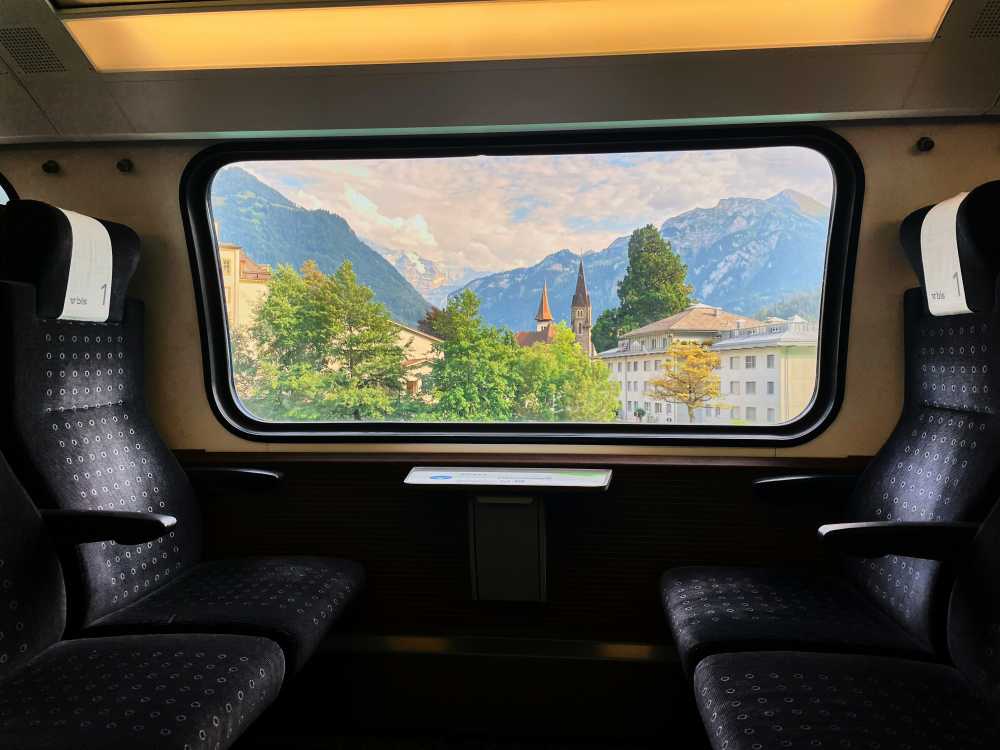
A Beginner's Guide to Navigating Europe's Train Systems
Booking trains can feel intimidating. The key is using the right tools. Apps like Trainline or Omio are great for comparing options, but they sometimes add a small service fee. For the best price, go directly to the website of the country's national rail service (e.g., Deutsche Bahn in Germany, Trenitalia in Italy).
Pro-Tip: In some countries (like Italy and France), you must validate your paper ticket in a small machine on the platform before boarding. Forgetting this step can result in a steep fine. When in doubt, watch what the locals do!
Finding Your Home Away From Home
Where you sleep is your sanctuary. It’s your base of operations, your charging station, and your place to feel secure.
Hostels vs. Hotels vs. Airbnbs for Solo Travelers
Hostels: The best choice for budget and social connection. Modern hostels offer private rooms, female-only dorms, and organized social events. They are the easiest place to meet fellow travelers.
Hotels: The right choice when you prioritize privacy, comfort, and security. A hotel gives you a guaranteed quiet space to decompress after a long day of exploring.
Airbnbs: Can offer great value and a local feel, but can also be isolating. For a first-timer, a "private room" in a host's apartment is a good middle ground, offering a local connection with more privacy than a hostel.
How to Pick a Safe and Social Hostel (Even If You're Not 21)
Read recent reviews like a detective, specifically filtering for "solo traveler" or "solo female traveler." Prioritize properties with:
24-hour reception
Secure individual lockers (bring your own padlock)
A well-lit, central location
Organized events like walking tours or group dinners

Your Guide to Staying Safe and Savvy on a Solo Travel in Europe
Let’s be clear: safety isn't about paranoia; it's about preparation. It's the quiet confidence that comes from being aware and intentional, which makes you a less appealing target from the start.
Blending In and Walking with Purpose
Dress to blend: Observe what local women are wearing. Ditching the tourist "uniform" of athletic wear can help you stand out less.
Walk with confidence: Even when lost, walk like you know where you're going. Duck into a cafe or shop to consult your map rather than stopping in the middle of the sidewalk.
Avoid "distracted" behaviors: Keep your phone away when walking through crowded areas. Being present and aware of your surroundings is your number one deterrent.
Proven Tactics to Beat Pickpockets
Major European cities are notorious for pickpockets who target distracted tourists.
Use a crossbody bag worn in front of your body, always with the zipper closed.
Never put your phone or wallet in your back pocket.
At restaurants, don't hang your bag on the back of your chair or place your phone on the table. Keep your belongings in your lap.
The Art of Solo Socializing
One of the biggest anxieties about a solo travel Europe trip is loneliness. The beauty of it is that you are in complete control of your social meter. You can dial it up or down at will.
How to Confidently Eat Alone (and Actually Enjoy It)
Reframe this act. It's not a sign of loneliness; it's a moment of luxurious self-indulgence.
Sit at the bar: It's more casual and invites conversation with the bartender or neighbors.
Bring a prop: A book signals "I'm content," while a journal signals "I'm an interesting person reflecting on my day."
Engage with the experience: Focus on the food. Take notes. Be present. You'll forget to feel self-conscious.

5 Easy Ways to Meet Other Travelers
Free Walking Tours: The #1 hack. Instant group for a few hours.
Cooking Classes: A shared activity is a natural icebreaker.
Hostel Common Areas: Simply being present in these spaces makes you approachable.
Meetup.com: Find events for locals and expats interested in everything from hiking to language exchange.
Small Group Day Trips: Use platforms like GetYourGuide or Viator to join tours to nearby attractions.
Your Solo Travel Europe Questions, Answered
What is the best European country to visit for the first time alone?
For its unbeatable combination of safety, affordability, friendly locals, and excellent tourist infrastructure, Portugal is widely considered the best choice for a first-time solo trip in Europe.
Is Europe safe for a young solo female traveler?
Yes, overwhelmingly so. By choosing safe destinations, practicing situational awareness, and following standard safety protocols like those outlined in this guide, Europe is an incredibly safe and rewarding place for solo female travelers.
How do I handle language barriers when traveling alone?
In most major tourist destinations, English will be sufficient. However, learning a few key phrases in the local language ("Hello," "Please," "Thank you," "Excuse me") shows respect and will be greatly appreciated. Use the Google Translate app's offline and camera features for menus and signs.
The journey of solo travel in Europe is one of the most empowering experiences a person can have. It will challenge you, thrill you, and teach you more about your own resilience and capability than you thought possible. You've read the plan, you have the tools, and you understand the strategies. The fear you feel now will be a distant memory the moment you navigate a new city's metro system by yourself for the first time. That feeling of profound competence and freedom is what awaits. The adventure is yours to claim.
Read the full guide: Anxious to Adventurous: The Ultimate Guide to Solo Travel Confidence
Don't Miss Out! Subscribe for Exclusive Content
Subscribe



Comments 0
No comments yet
Be the first to share your experience!
Dont Miss Out! Subscribe for Exclusive Content

Ultimate USA Holidays Guide: Top Picks


FTC Affiliate Disclosure Essentials: Stay Compliant as a Travel Creator

Essential Affiliate Tools: From Tracking to Full Optimization

Booking.com Affiliate Program Review: Pros, Cons, and Earnings Potential

Decoding Affiliate Commission Rates: Benchmarks for Travel Creators

Amazon Associates for Travel: Strategies to Maximize Commissions
Jazz Fest: Ultimate Lineup Planner
TrekGuider @trekguider
The New Orleans Jazz & Heritage Festival is a titan of American culture, a sprawling, soulful celebration that transforms the Fair Grounds Race Course into the center of the musical universe. But with that iconic status comes an overwhelming challenge: with a dozen stages, hundreds of artists, and a menu of Louisiana’s finest cuisine that could take a lifetime to explore, how do you possibly see and taste it all? You’ve spent months dreaming of this, only to be handed a schedule so dense it feels impossible to crack.
Imagine the sinking feeling of hearing the distant roar of the crowd for a legend’s set while you’re stuck on the opposite side of the infield. You spend your day battling a sea of people, crisscrossing the grounds under a hot sun, only to miss the first three songs of a band you were dying to see. The fear of missing out becomes a tangible stress, turning a dream trip into a frantic race against the clock. Without a rock-solid strategy, you risk experiencing only a fraction of what this incredible event offers, leaving with a nagging regret over the missed bands and uneaten crawfish bread.
Forget the festival FOMO. This is your playbook for conquering the controlled chaos of the Fair Grounds, turning a dizzying schedule into a masterclass of music, food, and soul. We will break down everything you need to build a flawless plan, navigate the grounds like a local, and balance the world-class music with the equally legendary food. This is the ultimate lineup planner for Jazz Fest New Orleans, designed to ensure your time is spent soaking in the magic, not getting stuck in the mud.

Before You Go: Pre-Festival Prep for the Savvy Planner
A masterful Jazz Fest experience begins long before you step through the gates. The sheer scale of the event, which roars to life from April 24 to early May, demands a thoughtful approach. Smart preparation is the secret that separates the overwhelmed amateur from the festival pro who glides effortlessly from stage to stage. This is your foundational work, where you turn the festival’s massive schedule from an intimidating document into a personalized roadmap. As one of the crown jewels we celebrate in our definitive guide to New Orleans Holidays: Cultural Feasts, Jazz Fest is a cultural pilgrimage that richly rewards those who arrive with a plan.
Decoding the "Cubes": Your First Step to Lineup Mastery
In the lexicon of Jazz Fest veterans, the daily performance schedules are simply "the cubes." This grid-style layout is your bible, detailing who is playing where and when. Your first mission is to become fluent in its language.
Download the Official App: Weeks before the festival, the official New Orleans Jazz & Heritage Festival app becomes the most important app on your phone. Download it the moment it’s released. This digital tool contains the full "cubes," an interactive map, vendor lists, and, most critically, the ability to build your own personalized schedule.
Study the Grounds: Before you start picking artists, spend time with the festival map. Get a feel for the locations of the major stages—like the Festival Stage and the Gentilly Stage where headliners hold court—and the more intimate tents, such as the legendary Gospel Tent, the Blues Tent, and the Jazz Tent. Understanding the physical distance between stages is the key to realistic planning.
Star Your Favorites: Go through the lineup day by day and start "starring" or "favoriting" every single act that piques your interest. Don't hold back; this is your master list of possibilities. This year’s lineup already boasts a staggering collection of headliners like Pearl Jam, Dave Matthews Band, Luke Combs, and Lil Wayne & The Roots, so your list of must-sees will fill up fast.
Assembling Your Tiers: From "Must-See" to "Happy Accident"
With your initial list of favorited artists, it's time to get strategic. Set times will inevitably clash. The key is to prioritize ruthlessly.
Tier 1: The Non-Negotiables: Identify the 3-4 artists each day that you absolutely, positively cannot miss. These are your anchors, the pillars around which the rest of your day will be built.
Tier 2: The High-Interest Acts: These are the performers you’d be thrilled to see. If their set times and locations work conveniently around your Tier 1 picks, you’ll make every effort to be there.
Tier 3: The Serendipity List: This is your list for discovery. It’s filled with intriguing local brass bands, up-and-coming songwriters, or genres you’re curious about. These are the acts you’ll check out when you have a gap in your schedule. The true magic of Jazz Fest often lies in stumbling upon an incredible performance you never planned to see.
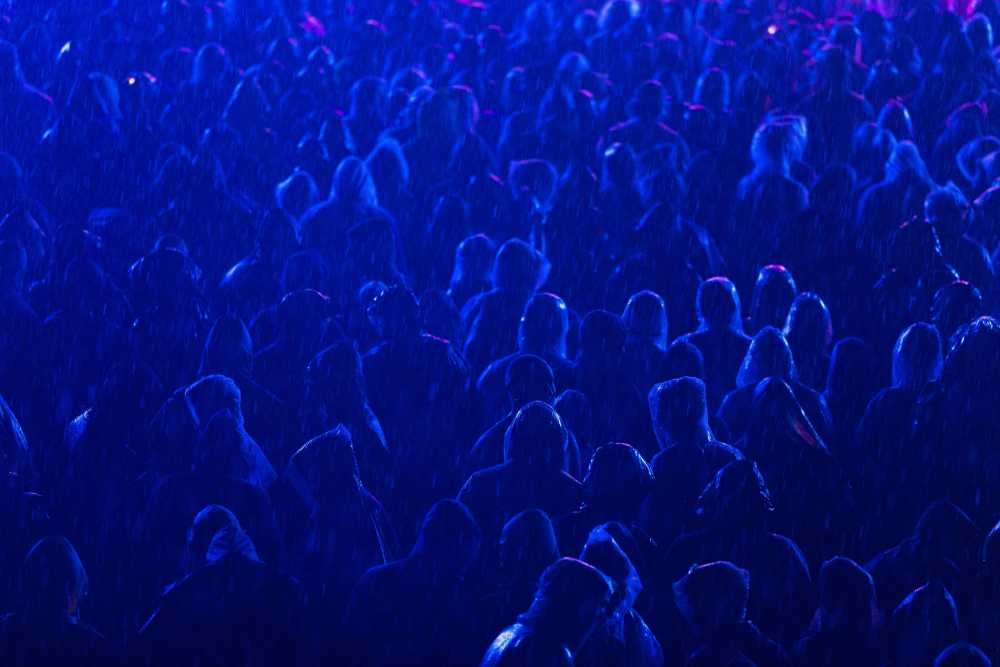
Essential Gear for a Full Day at the Fair Grounds
The festival is a marathon, not a sprint. It runs from 11 AM to 7 PM daily and proceeds "rain or shine," so you need to be prepared for anything a Louisiana spring day can throw at you.
Sun Protection: A wide-brimmed hat, sweatproof sunscreen, and sunglasses are non-negotiable. Shade is a precious and rare commodity.
Footwear: You will walk miles on uneven terrain that can turn to mud in an instant. Comfortable, broken-in, waterproof boots are your best bet.
Rain Gear: A lightweight poncho is a must. A classic New Orleans downpour can appear out of nowhere, and a simple poncho can save your day.
Hydration: Bring an empty reusable water bottle. Free water stations are located throughout the grounds, and staying hydrated is critical.
A Small Blanket or Chair: A small, foldable festival chair or a compact blanket gives you a home base at a stage and a chance to get off your feet. Always check the official festival website for the latest rules on chair sizes.
Navigating the Stages: A Pro's Guide to the Jazz Fest New Orleans Landscape
Once you’re on the grounds, a new challenge emerges: moving efficiently through a temporary city of music lovers. The space is vast, the crowds are thick, and every minute spent fighting a human traffic jam is a minute of music lost. Mastering the art of movement is what separates the pros from the rookies.
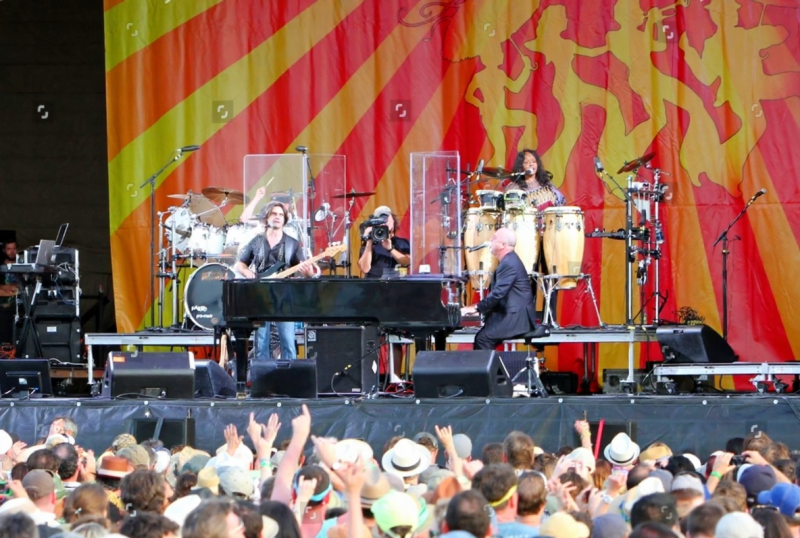
The Art of Stage Hopping: The Perimeter Strategy
The single most effective technique for navigating between stages is to avoid the center. The natural instinct is to cut directly through the middle of the crowd, but this is almost always the slowest and most frustrating path.
Instead, adopt the perimeter strategy. When you need to move, walk to the outer edge of the crowd and use the less-congested pathways along the racetrack, food vendor areas, and craft marketplaces. It may look like a longer route on the map, but you will move significantly faster. This method is your secret weapon for making it from the Gospel Tent to the Gentilly Stage in record time.
Understanding the Vibe of Each Major Stage Area
While the lineup is diverse everywhere, different stages at Jazz Fest New Orleans cultivate their own unique atmospheres. Knowing these vibes helps you plan not just your schedule, but your energy.
The Main Stages (Festival Stage & Gentilly Stage): These are the epicenters for the big-name headliners. Expect massive crowds, high energy, and a classic large-scale concert feel. If you want to be close, you need to camp out hours in advance.
The Tents (Gospel, Blues, Jazz): The tents offer a more intimate and often more intense musical experience. The Gospel Tent is legendary for its powerful, soul-stirring performances. The Blues and Jazz tents are where you’ll find virtuoso musicians in a focused, respectful listening environment. They also provide crucial shade.
The Cultural Stages (Fais Do-Do, Jazz & Heritage): These stages are the heart of the festival's "heritage" mission, showcasing the rich sounds of Louisiana, from Cajun and Zydeco to Mardi Gras Indians. The vibe here is pure, joyful, and deeply authentic.
Pro-Tip: Use the official festival app to set alerts for your must-see artists 15 minutes before their set time. This gives you a travel-time buffer to move from one stage to another using the perimeter strategy without feeling rushed.
More Than Music: Planning Your Culinary and Cultural Itinerary
To treat Jazz Fest as only a music festival is to miss half the point. It is, without exaggeration, one of the greatest food festivals on the planet. Furthermore, the craft areas showcase the incredible artistry of the region. A truly ultimate lineup plan integrates these cultural pillars into your day.

The "Food Fest" Within the Jazz Fest: Don't Miss These Bites
The food booths at Jazz Fest are a headline attraction. Planning your meals is just as important as planning your music.
Eat at Off-Peak Times: The food lines are longest between noon and 2 PM. Plan to eat an early lunch right when the gates open or a later one after 3 PM to minimize your wait.
Divide and Conquer: If you’re with a group, send one person for drinks while others wait in different food lines for Crawfish Monica, Mango Freeze, or Alligator Sausage. Reconvene and share your haul to sample more of the legends.
The vibrant colors of the food, the elaborate costumes, and the soulful expressions of the musicians are all begging to be photographed. To make your festival shots pop, download our Free Travel Lightroom Presets. They are expertly designed to enhance the unique light and color palette of a New Orleans celebration.
Exploring the Heritage Crafts: A Mid-Day Music Break
Jazz Fest features three distinct craft marketplaces: Congo Square African Marketplace, Contemporary Crafts, and the Louisiana Marketplace. When the sun is at its peak or you have a gap between sets, take a leisurely stroll through these areas. It’s a perfect way to rest your ears, cool down, and find a unique, handmade souvenir that truly represents the soul of the festival.
Advanced Strategies for the Ultimate Jazz Fest New Orleans Experience
You’ve prepped, you’ve planned, and you know how to navigate. Now it’s time for the pro-level strategies that will elevate your experience from great to unforgettable.
The "Rain or Shine" Reality: How to Prepare for Louisiana Weather
The festival’s "rain or shine" policy is serious. While stages may temporarily close for lightning, the event continues.
Protect Your Gear: Bring a waterproof bag or Ziploc bags for your phone and wallet. A wet phone can quickly ruin a day.
Embrace the Mud: If it rains, the Fair Grounds will become muddy. This is where your choice of waterproof footwear pays off. Lean into it.
Post-Rain Strategy: After a storm, the covered tents will be packed. This is a great time to head to an outdoor stage, as many people will be slow to leave the shelter, giving you a chance to get a better spot.

The Zero-Waste Warrior: Participating in Festival Sustainability
Jazz Fest is a massive event, and you can play a role in reducing its environmental impact. Look for the festival’s oyster shell recycling program, a fantastic initiative that helps rebuild coastal reefs. Use the designated recycling and compost bins, and always opt for refilling your water bottle over buying single-use plastic.
Pro-Tip: The last set of the day creates a massive exit rush. Consider leaving 15-20 minutes before the final song of the headliner you're watching to beat the crowds heading for the shuttles. That small head start can save you an hour of waiting in line.
Planning a trip to Jazz Fest is often the centerpiece of a larger New Orleans adventure. To make the most of your entire visit, from the French Quarter to the Garden District, our comprehensive Travel Guide provides expert-led itineraries and local secrets to help you build the perfect trip.

Your Blueprint for Jazz Fest Success
You are now armed with a complete strategic blueprint to not just attend the New Orleans Jazz & Heritage Festival, but to truly conquer it. By decoding the cubes, prioritizing your artist list, and mastering the perimeter strategy, you’ve eliminated the guesswork. By integrating the world-class food and crafts into your plan, you’ve ensured a rich experience that captures the true spirit of this cultural institution. You are ready to move with purpose, eat with gusto, and immerse yourself in the unparalleled soundscape of the incredible Jazz Fest New Orleans.
Meta Data Suggestions:
SEO Meta Title: Jazz Fest New Orleans: The Ultimate Lineup & Stage Planner
URL Slug: /jazz-fest-new-orleans-lineup-planner
SEO Meta Description: Conquer Jazz Fest 2026 with our ultimate planner. Get pro tips on navigating stages, scheduling artists like Pearl Jam, and finding the best food.
Don't Miss Out! Subscribe for Exclusive Content
SubscribeComments 0
No comments yet
Be the first to share your experience!
Dont Miss Out! Subscribe for Exclusive Content

San Francisco Cherry Blossoms: A Local's Guide to the Blooms

Halloween SF: Haunts Without Horrors

SF Festivals: 7 Must-See Lineups

Christmas SF: Lights & Wharf Wonders

SF Pride: 6 Route & Party Hacks

Chinese New Year SF: Parade Essentials
St. Patrick's: River Dyeing Secrets
TrekGuider @trekguider
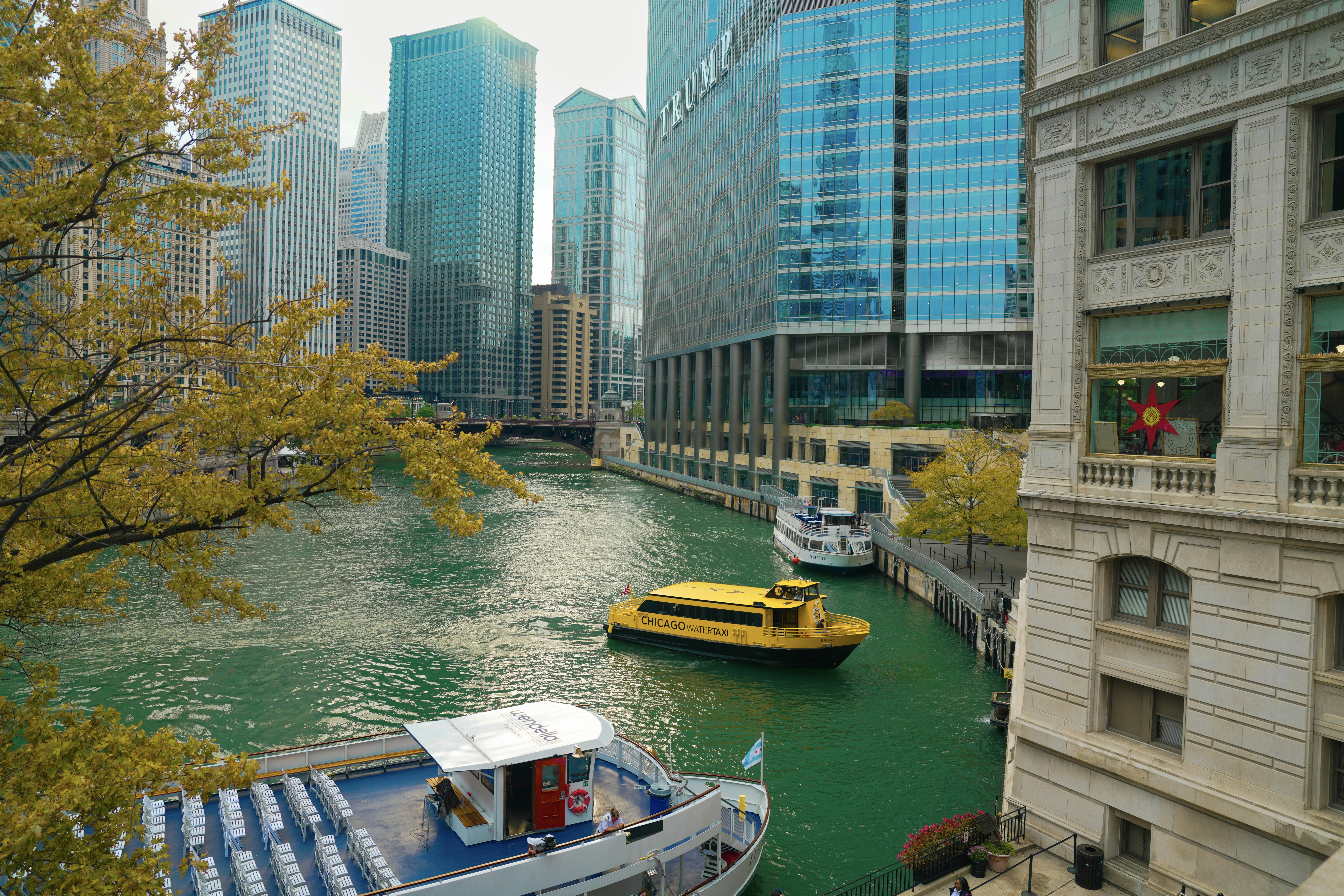
You’ve seen the photos, and they look impossible: a major American river, flowing through a canyon of skyscrapers, glowing with the emerald-green hue of a shamrock. It’s a spectacle so surreal it feels like a clever digital edit. But it’s real, and the biggest problem for any traveler is that witnessing this world-famous tradition feels like a logistical nightmare. Where are the best spots? What time do you really need to arrive to beat the hundreds of thousands of spectators? And how do they even accomplish this magical feat without creating an environmental disaster?
Without a rock-solid plan, you risk being swallowed by a sea of green, craning your neck for a sliver of water between a thousand heads, only to miss the fleeting moment of transformation. You could spend hours shivering in the Windy City's notorious March air and leave with nothing but a blurry photo and the bitter taste of disappointment. This iconic event is the dazzling centerpiece of the city's festive calendar, a unique urban ritual that we place in the broader context of the city's year-round celebrations in our complete guide to Chicago Holidays: Windy City Thrills. Don't let poor planning rob you of the magic.
This is your definitive insider’s guide. Forget the guesswork. We are pulling back the curtain on the river dyeing secrets, from the history and science behind the tradition to a minute-by-minute game plan for a perfect day. You will learn the absolute best viewing locations, the parade navigation hacks locals swear by, and how to transform a potentially chaotic day into an unforgettable urban adventure.

The Legend of the Green River: An Accidental Tradition
While Chicago’s St. Patrick's Day Parade is one of the nation's oldest, with roots stretching back to 1843, the tradition that truly puts it on the global map is much younger. The practice of dyeing the Chicago River green was born in 1962 from a moment of pure, serendipitous observation. Stephen Bailey, then the business manager of the Chicago Journeymen Plumbers Local Union, noticed that a dye plumbers used to detect leaks and pollution sources in the river had stained a worker's white overalls a perfect, brilliant shade of Irish green.
A lightbulb went off. If that small amount of dye could stain fabric so vividly, what could a larger quantity do to the entire Chicago River? The Plumbers Union, a key sponsor of the parade, decided to find out. For the inaugural dyeing, they released 100 pounds of the chemical into the river, which, to their astonishment, kept the waterway a radiant green for nearly a week. The spectacle was an instant sensation, captivating the city and cementing a new, indelible tradition. Over the decades, the process has been perfected and the formula made environmentally safe, but the magic—and the stewardship of the event—remains firmly in the hands of the Plumbers Union, proof of a quirky idea that became a beloved civic institution.
The Science of the Spectacle: How Orange Powder Turns a River Green
The most closely guarded secret in Chicago isn't a political backroom deal; it's the precise formula for the dye that transforms the river. What we do know is that it’s a vegetable-based powder, making it completely safe for the river's ecosystem. The real visual trickery, however, lies in its color. When you see the crew on the boats scooping the substance from its container, you’ll notice it’s a bright, fiery orange.
The magic happens the moment the powder hits the water. Through an immediate chemical reaction, the orange powder blossoms into a brilliant emerald green. The process is a well-oiled machine. Two to three motorboats from the Plumbers Union perform the honors. One larger boat dumps between 40 and 60 pounds of the powder into the river just east of the DuSable Bridge (Michigan Avenue), creating a thick, concentrated streak of color. Smaller boats then zip back and forth through the dyed water, acting like giant egg beaters to churn the color and ensure it spreads evenly from bank to bank.
The initial streak of green is intense and almost fluorescent before it mellows into a rich, opaque emerald. The vibrant color holds for about five to six hours, allowing plenty of time for photos and for parade-goers to marvel at the sight before it naturally dissipates into Lake Michigan.
Pro-Tip: Many first-time visitors worry about the environmental impact. Rest assured, the original oil-based fluorescein dye was replaced with the current eco-friendly, vegetable-based powder decades ago. The Plumbers Union takes immense pride in the tradition being a safe spectacle that harms no wildlife.

Your Ultimate Viewing Guide for the St. Patrick's Day Chicago River Dyeing
Securing a good spot to watch the river dyeing is the single most important part of your plan. The event officially begins at 10:00 AM, but the crowds start forming hours earlier. Here are the best places to stake your claim, broken down by experience.
For the Iconic Postcard Shot: The Bridges
The East Side of the DuSable Bridge (Michigan Avenue): This is ground zero, the quintessential, postcard-perfect view. You get the iconic architecture, the Wrigley Building, the river, and the boats all in one frame. However, it is the most crowded spot on the planet for that hour. You must arrive by 7:00 AM, at the latest, to get a front-row spot against the railing.
The West Side of the Columbus Drive Bridge: Offering another fantastic, elevated vantage point, this bridge is slightly less famous than Michigan Avenue, so it can be marginally less packed. It’s also very close to the parade’s starting point, making for an easy transition.
For an Immersive, Water-Level View: The Riverwalk
The Chicago Riverwalk (Upper and Lower Levels): The stretch of the Riverwalk between Michigan Avenue and Columbus Drive puts you right at water level. It offers a unique and dramatic perspective as the green tide flows past. It’s fantastic for close-up photography and feeling completely immersed in the action. The lower level fills up extremely fast, and police will restrict access once it hits capacity, so get there early and be prepared to stay put.
For a More Relaxed, Crowd-Averse Experience
West of Michigan Avenue (Wabash, State, or Dearborn Street Bridges): The further west you go from the main dyeing area, the thinner the crowds become. You can still see the beautifully green river from these bridges without the intense crush of people. This is an excellent option for families with small children or anyone who prefers a bit more breathing room. You won't see the boats actively dumping the dye, but you'll see the stunning final product.
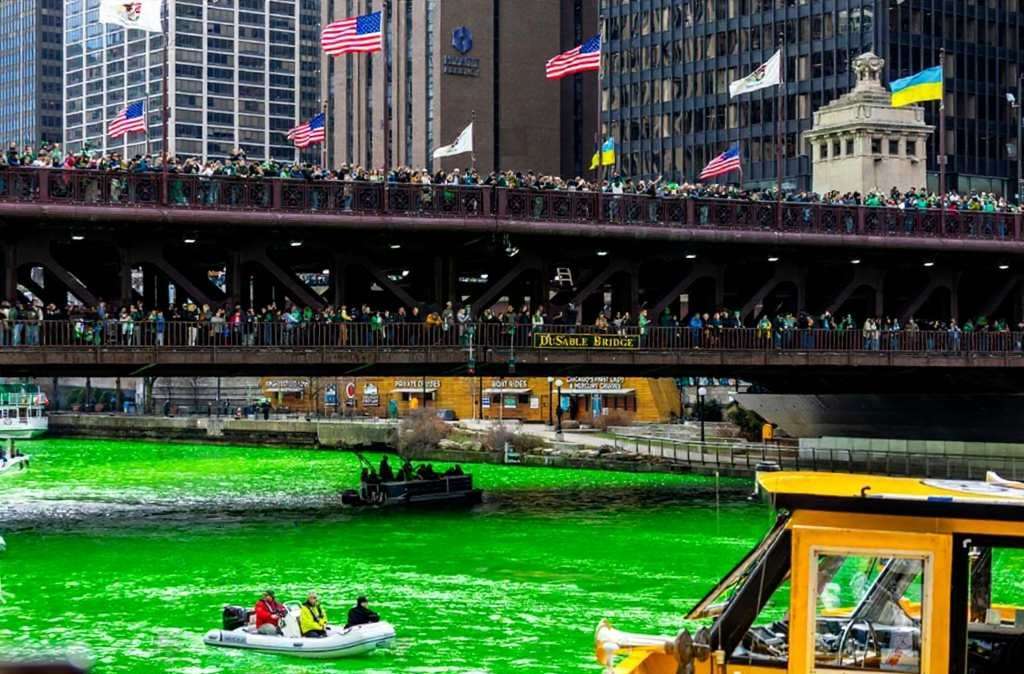
The St. Patrick's Day Chicago Game Plan: A Minute-by-Minute Timeline
To truly master the day, you need a strategy. Here is a timeline for Saturday, the Saturday before St. Patrick's Day, to ensure you see everything without the stress.
It’s a crucial distinction for planning: St. Patrick’s Day itself falls on Monday, March 17, 2026, but the city holds its main celebrations—the dyeing and the parade—on the preceding Saturday, March 15th. This allows for the largest possible turnout and a full day of festivities.
7:00 AM - 7:30 AM: The Early Bird Gets the View This is not an exaggeration. If you want a prime spot on the Michigan or Columbus bridges, you need to be there now. Grab a coffee and a pastry, dress in more warm layers than you think you need (the wind off the river is biting), and claim your territory. The city is still quiet, and the energy is just starting to build.
8:00 AM - 9:30 AM: The Green Tide Rises The crowds will begin to pour in. The bridges and the Riverwalk will fill up rapidly. This is the time to hold your ground and soak in the atmosphere. It’s a fantastic people-watching opportunity as the city transforms into a sea of green attire, from shamrock glasses to full-blown leprechaun suits.
10:00 AM: The Magic Moment The Plumbers Union boats will make their appearance. Watch as the crew begins dispersing the secret orange powder. You’ll see the first vibrant streaks of green appear in the boat’s wake, quickly spreading across the river’s surface as the crowd erupts in a collective cheer. This is the moment you came for.
10:30 AM - 11:30 AM: Soak It In and Reposition The river is now a stunning sheet of emerald. Take your photos and enjoy the incredible sight. Once the dyeing is complete, the crowds will begin to shift as people start moving toward the parade route. This is your window to either grab a quick bite or start making your way south to Columbus Drive.
Feeling inspired to document this incredible day? Capture every vibrant moment with our free The Travel Creator's Toolkit, packed with guides for stunning photography and videography to make your memories last a lifetime.
Navigating the Parade: From Columbus Drive to Victory
With the river successfully turned green, the city’s attention shifts to the grand St. Patrick's Day Parade. This is a massive celebration of Irish heritage featuring hundreds of groups, including traditional bagpipers, Irish dancers, elaborate floats, and local dignitaries.
Parade Start Time: 12:15 PM
Parade Route: The parade proceeds north along Columbus Drive, starting at Balbo Drive and ending at Monroe Drive. The main viewing stand is located in front of Buckingham Fountain.

Tips for a Great Parade Experience:
Best Viewing Spot: The area around Buckingham Fountain is the heart of the action, but it’s also the most crowded. For a more relaxed experience, find a spot further north along Columbus Drive toward Monroe.
Arrive with a Plan: The parade route is long. Pick a spot and stick to it. Trying to move through the dense crowds once the parade starts is nearly impossible.
Facilities: Portable restrooms are available along the route, but expect long lines. Plan accordingly. Food and drink vendors are also present, but it’s wise to bring your own water and snacks to avoid the high prices.
Pro-Tip: Public transportation is your best friend. The CTA 'L' trains will be packed, but they are far more efficient than trying to drive and park anywhere near Grant Park. Street closures are extensive. Exit at a stop in the Loop and walk the final few blocks to the river or parade route.
Beyond the River: Celebrating Like a Chicagoan
The river dyeing and parade are the main events, but the celebration extends throughout the city. To truly experience the day like a local, consider adding one of these activities to your itinerary.
Visit an Authentic Irish Pub: Chicago has a rich Irish heritage and the pubs to prove it. Head to neighborhoods like River North or Lincoln Park to find establishments like The Kerryman or Fado Irish Pub for a pint of Guinness, some traditional corned beef and cabbage, and live music.
Explore the Irish American Heritage Center: Located on the city's northwest side, this center often hosts a full-day festival with music, dance, food, and cultural exhibitions, offering a deeper connection to the holiday’s roots away from the downtown crowds.
Enjoy a Themed Cruise: Several boat tour companies offer special St. Patrick's Day cruises on the green river. This is a fantastic way to get an unparalleled view away from the crowded bridges, though tickets are pricey and must be booked months in advance.
Planning a bigger trip around this event? Our comprehensive Travel Guide has everything you need to explore Chicago's neighborhoods, find the best eats, and build the perfect itinerary for a multi-day adventure in the Windy City.
Your Mission, Should You Choose to Accept It
You are now armed with the secrets of the green river, a strategic timeline, and insider tips to navigate the festivities. You have the knowledge to bypass the chaos and witness one of the world's most unique and joyful celebrations like a seasoned pro. The magic of St Patrick's day Chicago is not just in the spectacle itself, but in the shared energy of a city coming together to create something beautiful and fleeting. So, dress in your finest green, brave the March chill, and go make memories that will last far longer than the color in the river.
Don't Miss Out! Subscribe for Exclusive Content
SubscribeComments 0
No comments yet
Be the first to share your experience!
Dont Miss Out! Subscribe for Exclusive Content
San Francisco Cherry Blossoms: A Local's Guide to the Blooms
Halloween SF: Haunts Without Horrors
SF Festivals: 7 Must-See Lineups
Christmas SF: Lights & Wharf Wonders
SF Pride: 6 Route & Party Hacks