
How to Plan Your First Solo Trip (and Conquer the Fear)

TrekGuider @trekguider
You’ve seen the photos, heard the stories, and a powerful idea has taken root: traveling the world on your own terms. But right behind that excitement, a wave of doubt probably follows. What if I get lonely? What if it’s not safe? What if I’m just not the kind of person who can do this?
Let’s take a breath. Feeling a mix of excitement and sheer terror is the unofficial rite of passage for every person who has ever considered traveling alone. It’s not a sign you should stop; it’s a sign you’re about to do something brave. This guide is your starting point. We’re not going to overwhelm you with packing lists or complex itineraries. Instead, we're going to focus on the most important first step: turning that anxiety into a quiet confidence and creating a simple, actionable plan to get you started. This is how to plan your first solo trip by conquering the fear first.
For the bigger picture on planning your first independent journey, explore

The Most Important Step: Your Mindset Shift
Before you book a single flight, the real journey begins in your mind. The psychological hurdles are the biggest barriers for most aspiring solo travelers. Let’s dismantle them together.
It's Normal to Feel Anxious. Here's How to Use It.
Feeling nervous before a big adventure is completely normal—it means you’re taking this exciting challenge seriously. The trick is to treat your fears not as stop signs, but as a pre-flight checklist.
Fear thrives on vague, undefined worries. Clarity is its kryptonite. So, grab a notebook and write down your top three concerns. Is it safety? Loneliness? Getting lost? By giving your anxieties a name, you take back control. For every worry, there is a practical solution, and you’ll find that a little preparation makes you feel capable, not scared.
The Antidote to "What If I'm Lonely?"
Let's reframe the biggest myth in solo travel. There is a world of difference between being alone and being lonely. Being alone is a superpower. For the first time, your schedule is 100% your own. You can spend three hours in a museum, change your entire plan on a whim, or eat gelato for dinner without a single committee meeting. This isn’t loneliness; it’s absolute freedom.
Remember, traveling solo doesn’t mean you’re isolated. It means you have complete control over your social thermostat. You can turn it up by joining a food tour or staying in a social guesthouse, or turn it down when you just need to recharge. This journey is an incredible chance to get comfortable in your own company—a skill that will empower you for the rest of your life.

How to Handle Naysayers (Even When They Mean Well)
Often, the most discouraging feedback comes from those who love us most. Their own fears, disguised as concern for you, can chip away at your resolve. Navigating these conversations requires a calm, confident strategy.
Present a Plan, Not a Plea: Instead of saying, “I’m thinking of going to Portugal alone,” try this: “I’m so excited—I've started planning a solo trip to Portugal for next year. I've found some amazing, highly-rated places to stay in a really safe neighborhood.” You are not asking for permission; you are sharing your exciting news.
Demonstrate Your Competence: Proactively show them you’re taking this seriously. Talk about the research you’re doing on safe destinations or the simple communication plan you'll have, like a daily WhatsApp check-in. When they see you’ve thought it through, their anxiety will decrease because yours already has.
Your 'First Three Steps' Action Plan
With your mindset fortified, it's time for action. We're going to keep it simple. Here are three manageable, non-intimidating first steps to turn your dream into a reality.

Step 1: Choose a Beginner-Friendly Destination
For your first trip, set yourself up for an overwhelming win. Choosing a destination that is known for being easy to navigate will boost your confidence for all future adventures. Look for places with:
A Welcoming Tourist Infrastructure: Places with reliable public transport, lots of accommodation choices, and readily available information (like Portugal, Japan, or Costa Rica) make logistics a breeze.
A High Safety Ranking: Use resources like the Global Peace Index to find countries known for safety and stability.
Ease of Communication: While you don't need to go somewhere that only speaks English, choosing a destination where it's widely spoken in tourist areas (like the Netherlands or Scandinavia) can reduce a layer of stress.
Ready to explore your options? For a deep dive into the pros and cons of different regions and a list of the top 10 safest countries for solo travelers, check out the ».
Step 2: Book Your First Night's Accommodation
Don't worry about planning the entire trip right now. The single most effective way to make your trip feel real is to commit to Day One. Research and book your accommodation for the first one or two nights. This simple action creates a secure "landing pad," transforming a vague idea into a concrete event with a date and an address. It’s your anchor, giving you a safe, secure base from which to start your adventure.
Step 3: Do a "Low-Stakes" Solo Practice Run
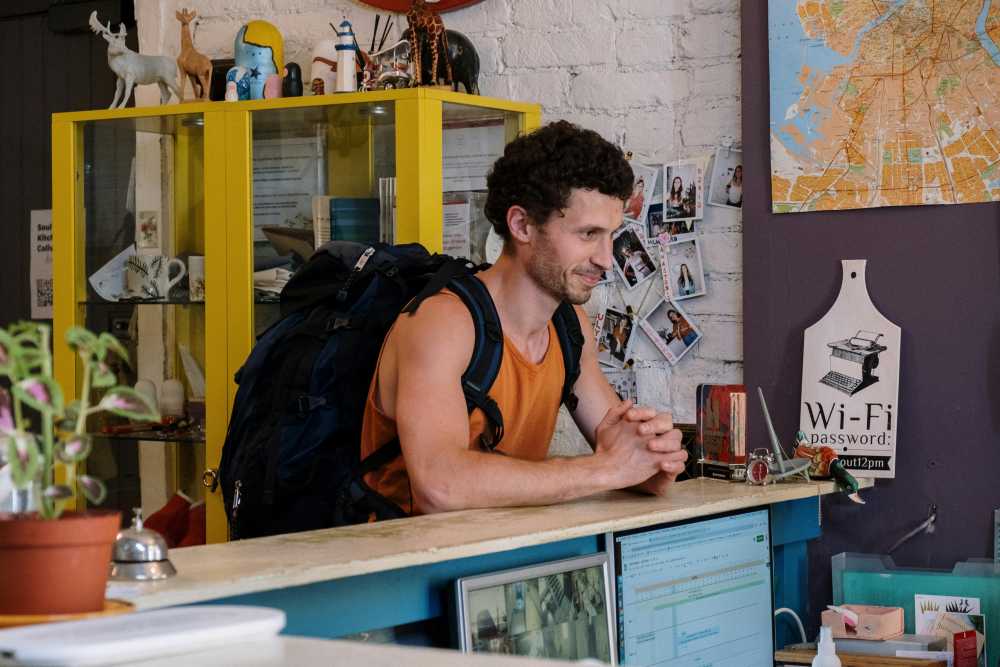
Build your solo muscle at home. Before you fly across the world, take yourself on a solo "date" for a full day in a nearby town or even a different neighborhood in your own city. Go to a museum alone. Navigate to a park you’ve never visited. Eat a meal at a restaurant by yourself. The point is to experience the feeling of navigating, making decisions, and enjoying your own company. This small taste of self-reliance will prove to you that you absolutely can do this.
Your Adventure Is Closer Than You Think
You've already taken the hardest step: deciding to explore this possibility. The fear you feel is not a weakness; it's a gateway to discovering just how capable you are. By shifting your mindset and taking a few small, deliberate planning actions, you are building the foundation for an incredible adventure.
You don't need to have all the answers right now. You just need to be willing to take the next step.
Read the full guide: Anxious to Adventurous: The Ultimate Guide to Solo Travel Confidence
Don't Miss Out! Subscribe for Exclusive Content
Subscribe



Comments 0
No comments yet
Be the first to share your experience!
Dont Miss Out! Subscribe for Exclusive Content

Ultimate USA Holidays Guide: Top Picks


FTC Affiliate Disclosure Essentials: Stay Compliant as a Travel Creator

Essential Affiliate Tools: From Tracking to Full Optimization

Booking.com Affiliate Program Review: Pros, Cons, and Earnings Potential

Decoding Affiliate Commission Rates: Benchmarks for Travel Creators

Amazon Associates for Travel: Strategies to Maximize Commissions
The Ultimate Travel First Aid Kit Checklist (2026)
TrekGuider @trekguider
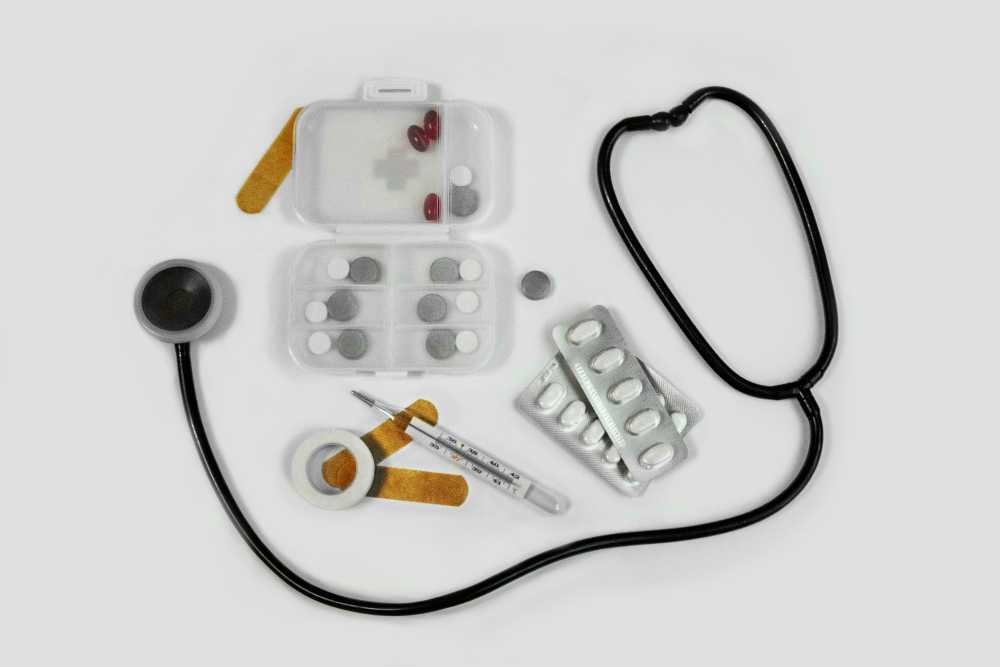
But it doesn’t have to be that way. The single most powerful tool for ensuring a healthy, stress-free journey is one you create before you even leave home: a comprehensive travel first aid kit. This isn’t just a box of bandages; it’s a personalized arsenal of preparedness that empowers you to handle common health issues with confidence and ease. Building your own kit is at the heart of the proactive mindset we cover in our comprehensive The Ultimate Guide to Travel Safety: A 2026 Playbook. Think of this guide less as a simple shopping list and more as a masterclass in preparedness, backed by pharmacist-approved advice to help you build the ultimate defense against travel’s minor medical curveballs.
DIY vs. Pre-Made: Which Travel First Aid Kit is Right for You?
Before we dive into the specific items, it’s worth considering whether to build your kit from scratch or buy a pre-made one.
Pre-Made Kits: These offer undeniable convenience. They come in a compact case and provide a decent baseline of supplies. However, they are often filled with low-quantity, generic items and may lack the specific medications you need for your trip.
DIY Kits: Building your own kit requires a bit more effort upfront but is superior in every other way. It allows you to choose high-quality brands, pack sufficient quantities, and tailor the contents specifically to your destination, your planned activities, and your personal health needs.
Our recommendation? Start with a high-quality pre-made kit as your base and then use this checklist to supercharge it, swapping out generic items and adding the crucial medications and tools it’s missing. This hybrid approach gives you the best of both worlds.
The Core Components of Your Ultimate Travel First Aid Kit
A truly effective travel first aid kit is organized like a mobile clinic, with specific supplies to treat the most common categories of travel-related ailments. Here is the definitive breakdown of what you need.
Wound & Burn Care: For Life's Little Scrapes
From a papercut to a scraped knee on a cobblestone street, any break in the skin is an open invitation for infection, especially in new environments. Here’s how you shut that door, fast.
Antiseptic Wipes (BZK or alcohol-based): For cleaning wounds, scrapes, and your hands before providing treatment. Individual packets are perfect for travel.
Antibiotic Ointment (e.g., bacitracin): A crucial step to prevent infection in minor cuts, scrapes, and burns after cleaning.
Assorted Adhesive Bandages: Pack a variety of sizes. Fabric bandages are generally more durable and flexible than plastic ones.
Butterfly Bandages / Wound-Closure Strips: Essential for taping the edges of a minor cut together to help it heal cleanly.
Sterile Gauze Pads and a Roll of Gauze: For dressing larger wounds or as a compress to control bleeding. Pack a few different sizes.
Medical Adhesive Tape: To secure gauze and bandages in place.
Moleskin or Blister Treatment Pads: An absolute lifesaver for any trip involving significant walking or hiking. Apply it as soon as you feel a "hot spot" to prevent a blister from forming.
Aloe Vera Gel: Provides soothing relief for minor sunburns.
Pain, Fever & Sprains: Managing Aches and Injuries
Long days of sightseeing, sleeping in unfamiliar beds, and carrying luggage can lead to aches and pains. Be prepared to manage them effectively so they don't slow you down.
Pain Relievers/Fever Reducers: Pack both an ibuprofen-based and an acetaminophen-based option. Pharmacists consistently recommend trusted brands like Advil/Motrin (Ibuprofen) for inflammation and pain, and Tylenol (Acetaminophen) for general pain and fever.
Aspirin: While not for general pain relief for everyone, a dose of aspirin can be life-saving for an adult experiencing symptoms of a heart attack.
Elastic Wrap Bandage: Invaluable for providing support and compression to a sprained ankle, wrist, or knee.
Instant Cold Packs: These single-use packs are activated by squeezing them and are excellent for reducing swelling from sprains, strains, and other minor injuries in the first 24-48 hours.
Pro-Tip: Decant pills into small, clearly labeled travel containers to save space, but take a photo of the original packaging first. This helps you remember dosages and provides information for pharmacists or doctors abroad if needed.

Digestive Issues: Your Defense Against Traveler's Diarrhea
Let’s be direct: traveler’s diarrhea is the single most common illness to strike travelers, affecting up to 80% of visitors in some destinations. Having a dedicated section in your kit to manage digestive distress is absolutely critical.
Anti-diarrhea Medication: To manage symptoms when you need to travel or get through a planned activity. The top pharmacist-recommended brand is Imodium (Loperamide).
Antacids: For relief from indigestion, heartburn, and general upset stomach. Pepto-Bismol is another pharmacist-favorite that can also help with mild diarrhea.
Oral Rehydration Salts: This is arguably the most important item in this section. Dehydration is the primary risk of diarrhea and vomiting. These pre-measured packets mix with safe, bottled water to replenish the essential fluids and electrolytes your body has lost.
Anti-nausea or Motion Sickness Medication: Essential if you’re prone to motion sickness on planes, boats, or winding bus rides.
Allergies, Bites & Skin: Soothing Irritations
New environments mean new pollens, unfamiliar insects, and different plants. Be ready to tackle itches, rashes, and allergic reactions before they become a major annoyance.
Antihistamine (e.g., diphenhydramine): For treating allergic reactions, hives, and severe itching. Note that some antihistamines can cause drowsiness.
Hydrocortisone Cream (1%): A topical steroid cream that provides fast relief from the irritation and itching of rashes and insect bites.
Insect Repellent: In any region with mosquito-borne illnesses like Dengue or Malaria, this is as important as your passport. Choose a repellent with an effective active ingredient like DEET or Picaridin.
Epinephrine Auto-Injector (e.g., EpiPen): This requires a prescription and is absolutely essential for travelers with a history of severe allergic reactions (anaphylaxis).
Ready to Pack Like a Pro?
Your travel first aid kit is a critical piece of your travel puzzle, but it's not the only one. To ensure you don't overlook a single essential item—from documents and finances to clothing and gear—you need a master list. Our comprehensive, free checklist has you covered.
Download Your Free International Travel Checklist Now!
Essential Tools & Personal Medications
The final layer of your kit includes the tools to use your supplies effectively and your own personal health necessities.
Fine-Point Tweezers: For removing splinters, ticks, or other foreign objects from the skin.
Small, Rounded-Tip Scissors: For cutting medical tape, gauze, or moleskin. (Ensure they meet TSA guidelines if packing in a carry-on).
Disposable Non-Latex Gloves: To protect your hands and prevent infection when treating a wound on yourself or someone else.
Digital Thermometer: For accurately checking for fever.
Personal Medications: This is the most critical category. Pack a sufficient supply for your entire trip, plus at least a few extra days' worth in case of delays. Always keep your personal medications in your carry-on luggage in their original, labeled containers.
Pro-Tip: Before you leave, ask your doctor for a letter describing your condition and the medications you take, including their generic names. Keep a digital copy of this and your prescriptions on your phone. This can be invaluable if your medication is lost or you need to see a doctor abroad.

Beyond the Basics: Customizing Your Kit
The ultimate travel first aid kit is not one-size-fits-all. Once you have the core components, elevate your preparedness by customizing it for your specific journey.
By Destination:
Tropical/Developing Countries: Add anti-fungal cream, more insect repellent, and potentially a prescription for a standby antibiotic for severe traveler's diarrhea (consult your doctor).
High-Altitude Destinations: Speak with your doctor about medication to prevent altitude sickness.
By Activity:
Hiking/Trekking: Double down on blister care (moleskin, gel pads), pack an elastic wrap for sprains, and add pain-relieving gel.
Beach Vacation: Add extra aloe vera gel, sting-relief spray, and waterproof bandages.
By Traveler:
With Children: Include children’s formulations and dosages of pain/fever reducers, kid-friendly bandages, and any specific allergy medications they need.
Travel First Aid Kit FAQs
A great kit anticipates problems. Here are answers to common questions that take your preparedness to the next level.
1. What’s the first thing I should do if I get traveler’s diarrhea?
According to the CDC and travel medicine doctors, the first and most important step is oral rehydration. Dehydration is the biggest risk. Start sipping an Oral Rehydration Solution (ORS), sports drinks, or clear broths immediately. For mild to moderate cases that don't have a high fever or blood, an antimotility drug like Loperamide (Imodium) can help manage the symptoms. If symptoms are severe, incapacitating, or include a high fever or blood, it's time to consider a prescribed standby antibiotic and seek medical advice.
2. Should I pack a standby antibiotic in my kit?
This is a question for your doctor or a travel medicine clinic. For travelers heading to high-risk destinations where severe traveler's diarrhea is common, many doctors will provide a prescription for a standby antibiotic like Azithromycin. It’s not for mild cases but can significantly shorten the duration of a severe bout of illness. Discuss your itinerary with your doctor to see if this is right for you.
3. Is it okay to pack medications outside their original bottles to save space?
While it's tempting, it's safest to keep prescription medications in their original, clearly labeled containers. This avoids any confusion or legal issues with customs officials. For over-the-counter pills, you have more flexibility. If you use a travel pill organizer, consider taking a photo of the original packaging so you have the dosage information and ingredients handy.

Pack Confidence for Every Journey
A carefully assembled travel first aid kit does more than just prepare you for minor medical issues; it provides profound peace of mind. It transforms you from a worried passenger into a self-sufficient, empowered traveler, ready to handle the small bumps in the road so you can stay focused on the incredible experiences ahead. By following this checklist, you’re not just packing supplies—you’re packing the confidence to explore the world freely and fully.
Now that your health and safety are covered, you can focus on the other details that make a trip unforgettable. For a complete, deep-dive into every facet of trip planning, from health and safety to budgeting and logistics, our comprehensive Travel Guide is the only resource you'll ever need.
Meta Data Suggestions:
SEO Meta Title (55 characters): The Ultimate Travel First Aid Kit Checklist (2026)
URL Slug: travel-first-aid-kit-checklist
SEO Meta Description (154 characters): Build the perfect travel first aid kit. Our 2026 checklist, with pharmacist-approved tips, covers everything from wound care to stomach issues. Be prepared.
Don't Miss Out! Subscribe for Exclusive Content
SubscribeComments 0
No comments yet
Be the first to share your experience!
Dont Miss Out! Subscribe for Exclusive Content
Ultimate USA Holidays Guide: Top Picks
FTC Affiliate Disclosure Essentials: Stay Compliant as a Travel Creator
Essential Affiliate Tools: From Tracking to Full Optimization
Booking.com Affiliate Program Review: Pros, Cons, and Earnings Potential
Decoding Affiliate Commission Rates: Benchmarks for Travel Creators
Amazon Associates for Travel: Strategies to Maximize Commissions
Independence Day Miami: Fireworks Fun
TrekGuider @trekguider
You’re picturing it already: a spectacular fireworks display exploding over the water, the warm Atlantic breeze carrying the sounds of celebration, and the electric energy of a city alive with patriotic fervor. That’s the dream of a Miami Fourth of July. But then, the logistical nightmare creeps in. Where are the truly great spots? How do you possibly escape the legendary crowds? Will you spend the best part of your holiday stuck in traffic, only to end up with a view of a palm tree and someone else’s smartphone screen?
The anxiety is palpable. You can almost feel the frustration of a poorly planned evening—circling endlessly for a parking spot that doesn’t exist, fighting through a sea of people for a tiny patch of grass, or arriving at that "secret spot" you read about online only to find it’s the most crowded place in the city. The vision of a perfect, stress-free celebration of American independence starts to fade, replaced by the grim reality of logistical chaos.
This is where your plan changes. Consider this guide your all-access pass to an unforgettable Independence Day Miami experience. We’re not just going to list the best places to watch the fireworks; we’re giving you the insider strategies to outsmart the crowds, navigate the city like a pro, and discover unique viewing alternatives that will elevate your celebration from good to truly epic. It’s time to leave the stress behind and fully embrace the fireworks, the fun, and the unmistakable tropical flair of a Miami Fourth of July.
Why Miami is the Ultimate July 4th Destination
Let's be clear: plenty of cities put on a good fireworks show. But Miami doesn't just celebrate the Fourth of July; it transforms it. Here, patriotic pride is supercharged with a signature blend of cosmopolitan energy and breathtaking coastal beauty. This isn't about a simple barbecue in the park; it's a full-sensory immersion where dazzling pyrotechnics meet the shimmering waters of Biscayne Bay, all set to the city's vibrant, rhythmic soundtrack. It’s this unique fusion of national tradition and tropical paradise that makes Miami a top-tier holiday destination, a theme you'll see woven through the city's calendar in our definitive guide to Miami Holidays: 8 Beach Fest Vibes.
On Friday, July 4, 2026 (and Saturday, July 4, 2026), the city’s atmosphere becomes absolutely electric. While not on the scale of a mega-festival like Art Basel, which can inject over $500 million into the local economy, the city-wide celebration for Independence Day draws massive crowds and represents a significant cultural and economic peak in the summer calendar. Families, friends, and travelers from across the globe converge on the coastline, their faces turned skyward in shared anticipation. The air hangs heavy with the scent of salt and festive street food, while live music drifts from stages set up in waterfront parks. It’s a celebration that honors American history while wholeheartedly embracing the diverse, forward-looking culture that defines modern Miami.
The Main Event: Bayfront Park's Epic Fireworks Display for Independence Day Miami
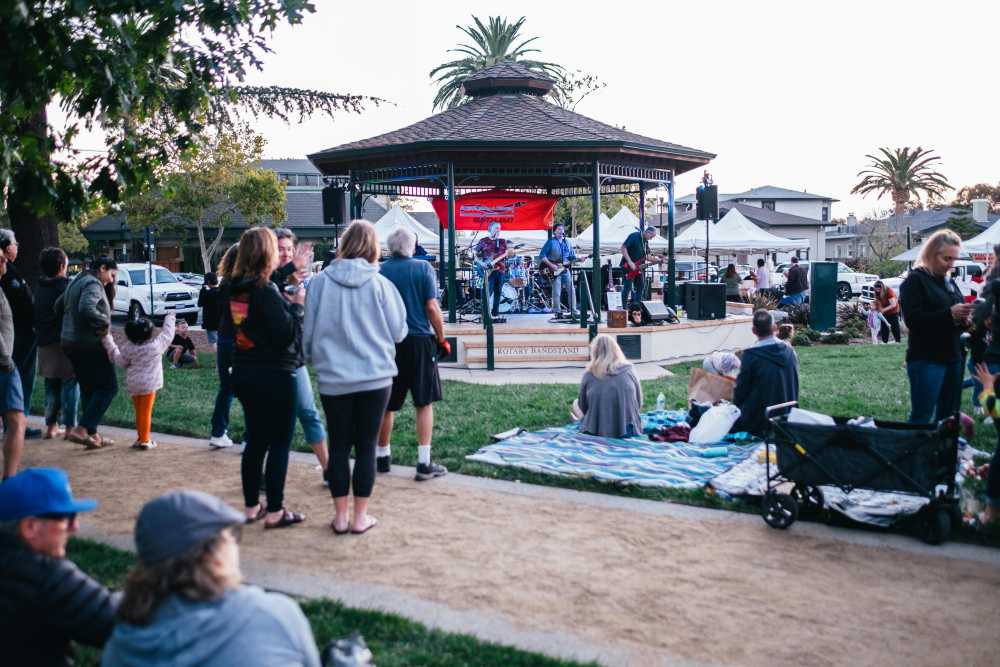
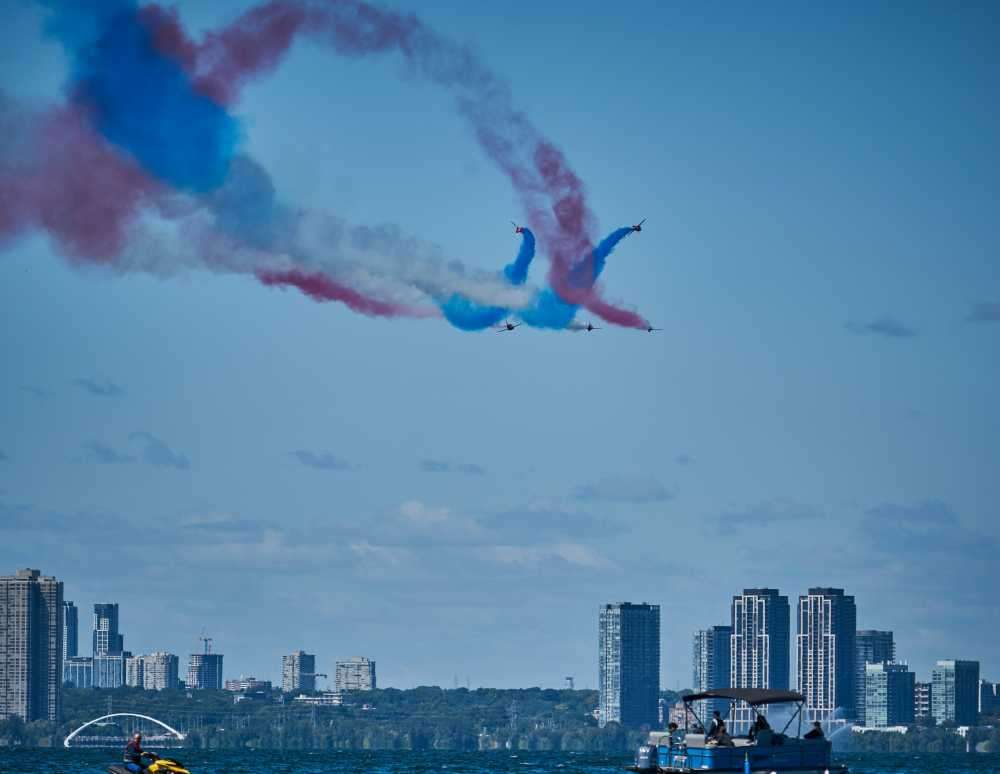
At the very heart of Miami's Fourth of July celebration is the massive, free festival at Bayfront Park. This iconic urban oasis, nestled on the edge of Biscayne Bay in Downtown Miami, transforms into the city's patriotic epicenter, hosting one of South Florida's largest and most spectacular fireworks displays. The event is a quintessential Miami experience, kicking off with a day-long festival that leads to a breathtaking pyrotechnic show launched from a barge in the bay. The reflection of the cascading colors on the water’s surface doubles the spectacle, creating a mesmerizing, all-encompassing show that lights up the entire downtown skyline.
The atmosphere is vibrant and family-friendly. You'll find a dedicated kids' zone buzzing with activity, dozens of food vendors serving everything from classic American hot dogs to savory Latin-inspired dishes, and live musical performances that keep the energy pulsing throughout the day. As dusk begins to fall, thousands find their spots on the sprawling lawns and along the water's edge, settling in for the grand finale.

Your Bayfront Park Game Plan: A Step-by-Step Guide
To conquer the Bayfront Park experience and sidestep the common frustrations, a smart strategy is non-negotiable. Follow this guide to navigate the day like a seasoned local.
Know the Schedule: Independence Day is Friday, July 4, 2026. The fireworks are the main attraction after dark (usually kicking off around 9 PM), but the park festivities often start in the early afternoon. A week or two before the event, check the official Bayfront Park Management Trust website for the finalized schedule, including concert set times and kids' zone hours.
Arrive Strategically Early: This cannot be overstated. Bayfront Park is ground zero for the celebration, and it fills up incredibly fast. To secure a prime spot with an unobstructed view of the bay, you need to arrive by mid-afternoon at the latest. The best real estate is on the grassy expanses closest to the water. Arriving early lets you claim your territory, relax, and soak in the atmosphere without the frantic, last-minute scramble.
Pack for a Marathon, Not a Sprint: Treat the day like an urban expedition. Your pack list should prioritize comfort and convenience. Bring blankets or low-slung lawn chairs for seating. Pack more water than you think you'll need to combat the Miami heat, along with high-SPF sunscreen, hats, and sunglasses. While the food vendors are tempting, having your own snacks and drinks can save you from long lines and high prices.
Master Public Transportation: Driving and parking in Downtown Miami on July 4th is a recipe for frustration. The smartest, most stress-free way to reach Bayfront Park is via Miami's public transit. The Metromover, a free automated train, has a stop directly at Bayfront Park, making it the undisputed champion of convenience. Alternatively, take the Metrorail to the Government Center station and catch the Metromover's Inner Loop to the park.
Pro-Tip: Event security rules can change year to year. While coolers are generally permitted, always check the official Bayfront Park event page a few days beforehand for the latest restrictions on items like glass bottles, large umbrellas, personal tents, or drones to avoid any issues at the entrance.
Beyond the Park: Unique Ways to Experience the Independence Day Miami Fireworks
While Bayfront Park delivers the classic community celebration, it’s far from your only option. For those looking to dodge the biggest crowds or craft a more exclusive memory, Miami’s unique geography serves up some incredible alternatives.

The Ultimate Miami Hack: Watch from the Water
Hands down, the most spectacular and quintessentially Miami way to see the Fourth of July fireworks is from a boat on Biscayne Bay. This vantage point offers an unparalleled, 360-degree view of the show, far removed from the throngs on land. As the pyrotechnics burst overhead, you’ll be surrounded by their brilliant reflections on the water, creating a truly immersive and unforgettable experience.
Here’s how to make it happen:
Charter a Private Boat: For the ultimate splurge, chartering a private boat with a captain for your group is an incredibly luxurious and intimate way to celebrate. You can curate your own playlist, bring your favorite food and drinks, and design your perfect evening on the water.
Book a Group Fireworks Cruise: A more accessible option is to join one of the special July 4th cruises offered by local tour companies. These often include music, drinks, and appetizers, providing the full on-the-water experience at a fraction of the cost of a private charter. Book well in advance!
Rent a Kayak or Paddleboard: For the adventurous at heart, renting a kayak or paddleboard offers a front-row seat like no other. Launch from a nearby spot like Virginia Key and paddle out into the bay for a serene yet exhilarating viewing experience, feeling the boom of the fireworks reverberate through the water.
Rooftop Bars with a View
Elevate your celebration—literally. The glittering skylines of Downtown and Brickell are home to a growing number of chic rooftop bars that boast stunning panoramic views of Biscayne Bay. Many of these venues host exclusive Fourth of July parties, complete with top-tier DJs, craft cocktails, and gourmet bites. While this option requires a ticket, it guarantees a comfortable, crowd-controlled environment with a sophisticated vibe. Ensure you book tickets weeks in advance, as these events are always a hot commodity.
Finding Your Own Spot: Neighborhood Parks and Beaches
If a more laid-back, local atmosphere is your speed, several other spots around the bay offer excellent (though more distant) views. Consider laying a blanket down at a park on Key Biscayne or finding a spot along the Venetian Causeway. South Pointe Park in Miami Beach is another fantastic option, often providing views of multiple firework displays at once—Miami's, Miami Beach's, and Fisher Island's. These locations are generally less chaotic than Bayfront Park and are perfect for a more relaxed evening.
Planning Your Perfect Patriotic Road Trip
The Fourth of July weekend is the perfect launchpad for a grander Florida adventure. With Miami as your base, you can start an unforgettable road trip. Head south to the iconic Florida Keys for world-class snorkeling and laid-back island life, or venture west into the primeval beauty of Everglades National Park. The holiday provides the perfect excuse to extend your travels and discover more of the Sunshine State.
To ensure your journey is as carefully planned as your fireworks strategy, a solid checklist is essential. We recommend downloading our free National Park Road Trip Checklist. It’s packed with everything you need to remember, from vehicle safety checks and navigation tools to the perfect road-trip snack list.
Essential Tips for a Safe and Stress-Free July 4th in Miami
A fantastic holiday is a safe one. Keep these pro tips in mind to ensure your Independence Day Miami experience is memorable for all the right reasons.

Beating the Miami Heat
July in Miami is no joke. The heat and humidity are intense.
Hydrate Relentlessly: Drink water all day long. By the time you feel thirsty, you're already on your way to being dehydrated.
Sun Protection is Non-Negotiable: Apply a high-SPF, sweatproof sunscreen and reapply it every couple of hours. A wide-brimmed hat and polarized sunglasses are your best friends.
Dress for Success: Opt for lightweight, light-colored, breathable clothing.
Navigating Crowds and Traffic
Logistics are half the battle at any major city event.
Public Transit is King: We can't say it enough. The Metromover and Metrorail are the superior way to get to and from Downtown.
Rideshare Strategically: If you use Uber or Lyft, set your pickup and drop-off points several blocks away from Bayfront Park to avoid surge pricing and gridlock.
Reserve Parking: If you absolutely must drive, use an app like SpotHero to book a parking spot in a garage well in advance. It’s a game-changer.
Family Safety First
In a massive crowd, a safety plan is crucial.
Designate a Meeting Point: The moment you arrive, pick a clear, unmistakable landmark as your group's emergency meeting spot.
Leverage Technology: While cell service can be spotty, major events are increasingly using technology for safety. Be aware of any official event apps that may offer real-time alerts or safety reporting features, similar to what's used at other major Miami festivals.
Supervise Children Closely: In a bustling environment, it’s easy to get separated. Keep a constant eye on your kids. Writing your phone number on a wristband for them is a smart, low-tech backup.
Pro-Tip: Take a photo of your children the morning of the event. If you get separated, having a current picture showing exactly what they are wearing can be invaluable for security personnel.
Elevate Your Entire USA Adventure
Experiencing the magic of a national holiday in an iconic American city can ignite a deep desire to explore more. Understanding the history and local flavor behind events like the Fourth of July transforms you from a mere tourist into a genuine traveler, forging a deeper connection to the places you visit.
If you're inspired to discover more of America's greatest celebrations—from the spooky Voodoo haunts of New Orleans to the dazzling Christmas markets of Chicago—our comprehensive Travel Guide is your essential next step. It’s the ultimate resource for planning unforgettable journeys across the country, packed with the kind of insider knowledge and expert advice that helps you create truly meaningful travel memories.
Your Unforgettable Miami Fourth of July Awaits
You are now officially equipped with the ultimate playbook for a phenomenal Fourth of July in Miami. You know that Bayfront Park is the epicenter, but you also hold the keys to unlocking a more exclusive experience from the water or a glamorous rooftop. You have a concrete plan for navigating the day with confidence, staying safe, and soaking up every last drop of the city's unique patriotic-tropical vibe. With this guide, you are fully prepared for an incredible Independence Day Miami. You're no longer just another visitor hoping for a decent view; you are an expert planner, ready to celebrate America's birthday in unforgettable style.
What are your favorite Fourth of July traditions? Share your tips for celebrating in a big city in the comments below
Don't Miss Out! Subscribe for Exclusive Content
SubscribeComments 0
No comments yet
Be the first to share your experience!
Dont Miss Out! Subscribe for Exclusive Content

San Francisco Cherry Blossoms: A Local's Guide to the Blooms

Halloween SF: Haunts Without Horrors

SF Festivals: 7 Must-See Lineups

Christmas SF: Lights & Wharf Wonders

SF Pride: 6 Route & Party Hacks
