
St. Patrick's: River Dyeing Secrets

You’ve seen the photos, and they look impossible: a major American river, flowing through a canyon of skyscrapers, glowing with the emerald-green hue of a shamrock. It’s a spectacle so surreal it feels like a clever digital edit. But it’s real, and the biggest problem for any traveler is that witnessing this world-famous tradition feels like a logistical nightmare. Where are the best spots? What time do you really need to arrive to beat the hundreds of thousands of spectators? And how do they even accomplish this magical feat without creating an environmental disaster?
Without a rock-solid plan, you risk being swallowed by a sea of green, craning your neck for a sliver of water between a thousand heads, only to miss the fleeting moment of transformation. You could spend hours shivering in the Windy City's notorious March air and leave with nothing but a blurry photo and the bitter taste of disappointment. This iconic event is the dazzling centerpiece of the city's festive calendar, a unique urban ritual that we place in the broader context of the city's year-round celebrations in our complete guide to [Chicago Holidays: Windy City Thrills]. Don't let poor planning rob you of the magic.
This is your definitive insider’s guide. Forget the guesswork. We are pulling back the curtain on the river dyeing secrets, from the history and science behind the tradition to a minute-by-minute game plan for a perfect day. You will learn the absolute best viewing locations, the parade navigation hacks locals swear by, and how to transform a potentially chaotic day into an unforgettable urban adventure.

The Legend of the Green River: An Accidental Tradition
While Chicago’s St. Patrick's Day Parade is one of the nation's oldest, with roots stretching back to 1843, the tradition that truly puts it on the global map is much younger. The practice of dyeing the Chicago River green was born in 1962 from a moment of pure, serendipitous observation. Stephen Bailey, then the business manager of the Chicago Journeymen Plumbers Local Union, noticed that a dye plumbers used to detect leaks and pollution sources in the river had stained a worker's white overalls a perfect, brilliant shade of Irish green.
A lightbulb went off. If that small amount of dye could stain fabric so vividly, what could a larger quantity do to the entire Chicago River? The Plumbers Union, a key sponsor of the parade, decided to find out. For the inaugural dyeing, they released 100 pounds of the chemical into the river, which, to their astonishment, kept the waterway a radiant green for nearly a week. The spectacle was an instant sensation, captivating the city and cementing a new, indelible tradition. Over the decades, the process has been perfected and the formula made environmentally safe, but the magic—and the stewardship of the event—remains firmly in the hands of the Plumbers Union, a testament to a quirky idea that became a beloved civic institution.
The Science of the Spectacle: How Orange Powder Turns a River Green
The most closely guarded secret in Chicago isn't a political backroom deal; it's the precise formula for the dye that transforms the river. What we do know is that it’s a vegetable-based powder, making it completely safe for the river's ecosystem. The real visual trickery, however, lies in its color. When you see the crew on the boats scooping the substance from its container, you’ll notice it’s a bright, fiery orange.
The magic happens the moment the powder hits the water. Through an immediate chemical reaction, the orange powder blossoms into a brilliant emerald green. The process is a well-oiled machine. Two to three motorboats from the Plumbers Union perform the honors. One larger boat dumps between 40 and 60 pounds of the powder into the river just east of the DuSable Bridge (Michigan Avenue), creating a thick, concentrated streak of color. Smaller boats then zip back and forth through the dyed water, acting like giant egg beaters to churn the color and ensure it spreads evenly from bank to bank.
The initial streak of green is intense and almost fluorescent before it mellows into a rich, opaque emerald. The vibrant color holds for about five to six hours, allowing plenty of time for photos and for parade-goers to marvel at the sight before it naturally dissipates into Lake Michigan.
Pro-Tip: Many first-time visitors worry about the environmental impact. Rest assured, the original oil-based fluorescein dye was replaced with the current eco-friendly, vegetable-based powder decades ago. The Plumbers Union takes immense pride in the tradition being a safe spectacle that harms no wildlife.

Your Ultimate Viewing Guide for the St. Patrick's Day Chicago River Dyeing
Securing a good spot to watch the river dyeing is the single most important part of your plan. The event officially begins at 10:00 AM, but the crowds start forming hours earlier. Here are the best places to stake your claim, broken down by experience.
For the Iconic Postcard Shot: The Bridges
The East Side of the DuSable Bridge (Michigan Avenue): This is ground zero, the quintessential, postcard-perfect view. You get the iconic architecture, the Wrigley Building, the river, and the boats all in one frame. However, it is the most crowded spot on the planet for that hour. You must arrive by 7:00 AM, at the latest, to get a front-row spot against the railing.
The West Side of the Columbus Drive Bridge: Offering another fantastic, elevated vantage point, this bridge is slightly less famous than Michigan Avenue, so it can be marginally less packed. It’s also very close to the parade’s starting point, making for an easy transition.
For an Immersive, Water-Level View: The Riverwalk
The Chicago Riverwalk (Upper and Lower Levels): The stretch of the Riverwalk between Michigan Avenue and Columbus Drive puts you right at water level. It offers a unique and dramatic perspective as the green tide flows past. It’s fantastic for close-up photography and feeling completely immersed in the action. The lower level fills up extremely fast, and police will restrict access once it hits capacity, so get there early and be prepared to stay put.
For a More Relaxed, Crowd-Averse Experience
West of Michigan Avenue (Wabash, State, or Dearborn Street Bridges): The further west you go from the main dyeing area, the thinner the crowds become. You can still see the beautifully green river from these bridges without the intense crush of people. This is an excellent option for families with small children or anyone who prefers a bit more breathing room. You won't see the boats actively dumping the dye, but you'll see the stunning final product.

The St. Patrick's Day Chicago Game Plan: A Minute-by-Minute Timeline
To truly master the day, you need a strategy. Here is a timeline for Saturday, March 15, 2025, to ensure you see everything without the stress.
It’s a crucial distinction for planning: St. Patrick’s Day itself falls on Monday, March 17, 2025, but the city holds its main celebrations—the dyeing and the parade—on the preceding Saturday, March 15th. This allows for the largest possible turnout and a full day of festivities.
7:00 AM - 7:30 AM: The Early Bird Gets the View This is not an exaggeration. If you want a prime spot on the Michigan or Columbus bridges, you need to be there now. Grab a coffee and a pastry, dress in more warm layers than you think you need (the wind off the river is biting), and claim your territory. The city is still quiet, and the energy is just starting to build.
8:00 AM - 9:30 AM: The Green Tide Rises The crowds will begin to pour in. The bridges and the Riverwalk will fill up rapidly. This is the time to hold your ground and soak in the atmosphere. It’s a fantastic people-watching opportunity as the city transforms into a sea of green attire, from shamrock glasses to full-blown leprechaun suits.
10:00 AM: The Magic Moment The Plumbers Union boats will make their appearance. Watch as the crew begins dispersing the secret orange powder. You’ll see the first vibrant streaks of green appear in the boat’s wake, quickly spreading across the river’s surface as the crowd erupts in a collective cheer. This is the moment you came for.
10:30 AM - 11:30 AM: Soak It In and Reposition The river is now a stunning sheet of emerald. Take your photos and enjoy the incredible sight. Once the dyeing is complete, the crowds will begin to shift as people start moving toward the parade route. This is your window to either grab a quick bite or start making your way south to Columbus Drive.
Feeling inspired to document this incredible day? Capture every vibrant moment with our free [The Travel Creator's Toolkit], packed with guides for stunning photography and videography to make your memories last a lifetime.
Navigating the Parade: From Columbus Drive to Victory
With the river successfully turned green, the city’s attention shifts to the grand St. Patrick's Day Parade. This is a massive celebration of Irish heritage featuring hundreds of groups, including traditional bagpipers, Irish dancers, elaborate floats, and local dignitaries.
Parade Start Time: 12:15 PM
Parade Route: The parade proceeds north along Columbus Drive, starting at Balbo Drive and ending at Monroe Drive. The main viewing stand is located in front of Buckingham Fountain.

Tips for a Great Parade Experience:
Best Viewing Spot: The area around Buckingham Fountain is the heart of the action, but it’s also the most crowded. For a more relaxed experience, find a spot further north along Columbus Drive toward Monroe.
Arrive with a Plan: The parade route is long. Pick a spot and stick to it. Trying to move through the dense crowds once the parade starts is nearly impossible.
Facilities: Portable restrooms are available along the route, but expect long lines. Plan accordingly. Food and drink vendors are also present, but it’s wise to bring your own water and snacks to avoid the high prices.
Pro-Tip: Public transportation is your best friend. The CTA 'L' trains will be packed, but they are far more efficient than trying to drive and park anywhere near Grant Park. Street closures are extensive. Exit at a stop in the Loop and walk the final few blocks to the river or parade route.
Beyond the River: Celebrating Like a Chicagoan
The river dyeing and parade are the main events, but the celebration extends throughout the city. To truly experience the day like a local, consider adding one of these activities to your itinerary.
Visit an Authentic Irish Pub: Chicago has a rich Irish heritage and the pubs to prove it. Head to neighborhoods like River North or Lincoln Park to find establishments like The Kerryman or Fado Irish Pub for a pint of Guinness, some traditional corned beef and cabbage, and live music.
Explore the Irish American Heritage Center: Located on the city's northwest side, this center often hosts a full-day festival with music, dance, food, and cultural exhibitions, offering a deeper connection to the holiday’s roots away from the downtown crowds.
Enjoy a Themed Cruise: Several boat tour companies offer special St. Patrick's Day cruises on the green river. This is a fantastic way to get an unparalleled view away from the crowded bridges, though tickets are pricey and must be booked months in advance.
Planning a bigger trip around this event? Our comprehensive [Travel Guide] has everything you need to explore Chicago's neighborhoods, find the best eats, and build the perfect itinerary for a multi-day adventure in the Windy City.

Your Mission, Should You Choose to Accept It
You are now armed with the secrets of the green river, a strategic timeline, and insider tips to navigate the festivities. You have the knowledge to bypass the chaos and witness one of the world's most unique and joyful celebrations like a seasoned pro. The magic of St Patrick's day Chicago is not just in the spectacle itself, but in the shared energy of a city coming together to create something beautiful and fleeting. So, dress in your finest green, brave the March chill, and go make memories that will last far longer than the color in the river.
Don't Miss Out! Subscribe for Exclusive Content
Subscribe



Comments 0
No comments yet
Be the first to share your experience!
Dont Miss Out! Subscribe for Exclusive Content

San Francisco Cherry Blossoms: A Local's Guide to the Blooms


Halloween SF: Haunts Without Horrors

SF Festivals: 7 Must-See Lineups

Christmas SF: Lights & Wharf Wonders

SF Pride: 6 Route & Party Hacks

Chinese New Year SF: Parade Essentials
FTC Affiliate Disclosure Essentials: Stay Compliant as a Travel Creator
Let’s talk about the single most valuable asset in your travel content business: trust. It’s the bedrock of your brand, the reason your audience listens, and the currency that turns recommendations into revenue. Yet, there’s a legal landmine many creators unwittingly step on that can shatter that trust in an instant: the Federal Trade Commission (FTC).

In a creator economy where the affiliate marketing industry is a $93 billion juggernaut, operating with professional integrity isn't just good ethics—it's a brilliant business strategy. The creators hitting the reported average of $13,847 a month aren't just getting lucky; they're building resilient businesses on a foundation of transparency. But the rules around disclosure can feel like a confusing maze of legalese, leading many to either ignore them or implement them incorrectly. This isn't just a minor slip-up; it's a mistake that can get you kicked out of affiliate programs, alienate your audience, and attract unwanted legal attention.
This guide is your definitive, jargon-free map through that maze. We're breaking down the exact rules, providing copy-and-paste templates for every platform, and giving you the confidence to monetize ethically and legally. Mastering compliance is a cornerstone of a successful business, a topic we explore from every angle in our comprehensive pillar page on [Travel Affiliate Programs: The 2026 Ultimate Guide].
What Exactly Is an FTC Affiliate Disclosure?
At its heart, an FTC affiliate disclosure is a simple, honest statement. It informs your audience that you have a "material connection" to a product or service you're recommending. In plain English, if you stand to earn a commission, get a free product, or receive any compensation when someone uses your link, you are legally required to tell them.
This isn't just red tape. It serves two purposes that are vital to your business:
It’s the Law: The FTC is America's consumer protection agency. Its job is to prevent deceptive advertising, and hiding a paid endorsement is considered deceptive. Compliance is non-negotiable.
It Forges Unbreakable Trust: In the creator world, transparency is a superpower. When you're upfront about your affiliate relationships, you prove you have nothing to hide. This makes your audience more likely to trust your recommendations, not less, because they see you as an honest broker.
Pro-Tip: Stop thinking of your FTC affiliate disclosure as a legal chore. Start seeing it as a badge of honor that signals your commitment to professionalism and respect for your audience.

The "Clear and Conspicuous" Standard: Your Four-Point Compliance Checklist
The FTC’s mandate boils down to two words: "clear and conspicuous." This isn’t just vague legalese; it’s an actionable standard built on four pillars. If your disclosure fails on even one, it’s not compliant.
1. Prominence: It Must Be Impossible to Miss
Your disclosure can't be an afterthought. It needs to be presented in a font, color, and location that a typical user can't help but see. That means no tiny, light-gray text hidden in a crowded footer.
2. Presentation: It Must Be in Plain English
Ditch the corporate jargon. Your disclosure needs to be written in simple, straightforward language that anyone can understand instantly.
Excellent: "This post contains affiliate links. If you buy something through one of these links, I may earn a commission at no extra cost to you."
Poor: "This site is a participant in affiliate advertising programs designed to provide a means for sites to earn advertising fees."
3. Placement: It Must Appear Before Any Links
This is the rule creators break most often. The disclosure must be placed where your audience will see it before they scroll to your first affiliate link. Placing it at the bottom of your post is a clear violation.
4. Proximity: It Must Be Close to the Action
The disclosure should be as close to your recommendations as possible. For a blog post, a single, clear statement at the very top of the article is the gold standard and covers all the links that follow.

Your Platform-by-Platform Disclosure Playbook (with Templates)
The four pillars apply everywhere, but how you build them changes with the platform. Here’s your definitive guide.
For Your Travel Blog or Website
This is your home base, and the rules are clearest here. Your disclosure must be at the top of the article, before the main content begins.
Compliant Placement: At the very beginning of the post.
Non-Compliant Placement: In the sidebar, in the footer, or on a separate "Disclosures" page.
Template You Can Use:
(Heads up! This post contains affiliate links. If you book or buy something through one of my links, I may earn a small commission at no extra cost to you. This helps me keep the adventures coming. Thanks for your support!)
For Instagram (Posts, Stories, and Reels)
On social media, disclosures must be instantly visible without a user having to click "see more."
Compliant Placement: Within the first three lines of the caption.
Non-Compliant Placement: Buried in a long block of hashtags at the end.
Pro-Tip: For maximum clarity, the FTC recommends using simple, unambiguous terms.
Templates You Can Use:
For Captions: Start your caption with Ad: or Sponsored:.
Hashtags: Use clear, upfront hashtags like #ad or #sponsored. While #affiliate is used, it's less clear to the average consumer.
For Stories/Reels: The best method is using Instagram's built-in "Paid Partnership" label. If that's not an option, superimpose clear text like "Ad" or "Sponsored" on the screen and mention it verbally.

For YouTube Videos
A compliant YouTube video requires a two-pronged disclosure: one verbal, one written.
Compliant Placement: Stated verbally near the beginning of the video AND written in the description box above the "show more" fold.
Non-Compliant Placement: Only written in the description box where a user has to click to see it.
Templates You Can Use:
Verbal Script: "Just a quick heads-up before we get started—this video contains affiliate links. So if you decide to book that incredible tour I'm about to show you, I might earn a small commission, which is a huge help in supporting this channel!"
Description Box Text: DISCLOSURE: This video and description may contain affiliate links, which means that if you click on one of the product links, I’ll receive a small commission at no additional cost to you.
Don't Forget Referral Links
The rules for an FTC affiliate disclosure extend beyond traditional product sales. They cover any "material connection," and that absolutely includes referral programs. If you share a link that gives a friend a discount and earns you a credit or bonus, that relationship must be disclosed.
This is particularly relevant for modern creator platforms. For example, when you invite fellow creators to join the [TrekGuider Seller Platform] using your unique referral link, you must be transparent about the fact that you stand to benefit. The best disclosures frame this as a win-win.
Templates for Referral Links:
Simple & Direct: "This is my referral link. If you sign up, I may receive a bonus from TrekGuider."
Benefit-Focused: "Use my link to join the TrekGuider Seller Platform! You'll get [mention the benefit, e.g., a 15% discount on your first purchase], and I'll get a small commission to help support my work."
The Travel Creator's Toolkit
Mastering compliance is a key part of building a professional content business. To help you organize your entire strategy—from legal checklists to content templates—we've created the ultimate resource bundle. It’s designed to help you operate like a pro from day one.
Download Your Free Bundle: The Travel Creator's Toolkit Today!
Frequently Asked Questions (FAQ)
1. Is it enough to have a "Disclosure Policy" page on my website? No. While having a dedicated policy page is a good practice, it does not satisfy the FTC's requirement for a disclosure that is proximate to the recommendation. The disclosure must be on the same page as the affiliate links themselves.
2. Do I need to disclose if I received a product for free, even if I'm not getting paid? Yes. Receiving a product or service for free (like a complimentary hotel stay or a free piece of luggage) is considered a "material connection" and must be disclosed just as you would a monetary commission.
3. Can I just use #affiliate in my social media posts? While it's better than nothing, the FTC has indicated that it prefers clearer, more universally understood terms like #ad or #sponsored. The term "affiliate" may not be clear to everyone in your audience.
Your Commitment to Transparency
The world of FTC affiliate disclosure is not designed to be a trap. It’s a framework for honest communication. By embracing these rules, you’re not just protecting yourself legally; you’re making a powerful statement to your audience that you value their trust above all else.
You now have the knowledge and the templates to implement compliant disclosures with confidence across every platform. See this not as a chore, but as a professional standard that elevates your brand. In the creator economy, transparency isn't just good policy—it's the ultimate currency.
Don't Miss Out! Subscribe for Exclusive Content
SubscribeComments 0
No comments yet
Be the first to share your experience!
Dont Miss Out! Subscribe for Exclusive Content

Ultimate USA Holidays Guide: Top Picks

Essential Affiliate Tools: From Tracking to Full Optimization

Avoid These 5 Affiliate Landing Page Mistakes for Better Conversions

Affiliate Keyword Research Mastery for Travel Blogs

Booking.com Affiliate Program Review: Pros, Cons, and Earnings Potential

Decoding Affiliate Commission Rates: Benchmarks for Travel Creators
The 7 Solo Female Travel Safety Rules You Can't Ignore
You feel the magnetic pull of the world, a deep-seated desire to explore ancient cities, wander through breathtaking landscapes, and discover it all on your own terms. The dream of solo travel is vibrant and powerful. But for so many women, that dream is shadowed by a persistent and paralyzing question: "But will I be safe?"
This isn't just a fleeting thought; it's a formidable barrier. It’s a shared, valid concern that echoes across the travel community. A staggering 66% of women who travel solo report worrying about their personal safety, and for the 59% of women who have yet to embark on their first independent journey, these concerns are the second-largest obstacle holding them back. The fear is real, and it is robbing you of what could be the most transformative experience of your life. But what if you could systematically dismantle that fear, replacing it with an unshakable foundation of competence?
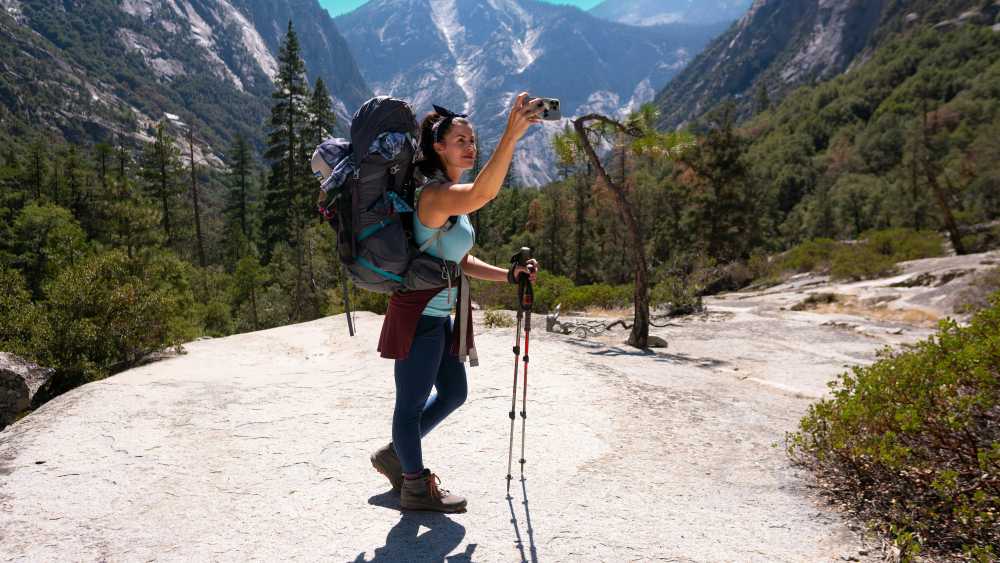
This guide is your tactical blueprint to do exactly that. We are moving beyond vague reassurances and diving into the essential, non-negotiable rules of solo female travel safety. This isn't about seeing the world through a lens of paranoia; it's about equipping yourself with the knowledge to navigate it intelligently. For a complete overview of the journey, start with our comprehensive pillar guide, [The Ultimate Guide to Solo Female Travel (15 Essential Tips)]. These seven rules, however, are the bedrock—the field-tested strategies that will transform you from a worrier into a prepared and confident global explorer.
Rule 1: Build a "Lifeline Home" Before You Leave
The single most important phase of your safety strategy happens before you ever pack a bag. Creating a robust communication and information bridge between you and a trusted emergency contact back home is non-negotiable. This "mission control" is your ultimate safety net, ensuring that if you are ever unreachable, someone you trust has every critical detail needed to help.
Your "lifeline" packet should be a comprehensive dossier containing both physical and digital copies of the following, based on recommendations from the U.S. Department of State:
A Complete Itinerary: Detail your trip on a day-by-day basis, including flight numbers, train schedules, and the names, addresses, and phone numbers of all booked accommodations.
Copies of All Important Documents: Include the photo page of your passport, any necessary visas, your driver's license, and a full copy of your travel insurance policy, complete with the policy number and the 24/7 emergency assistance phone number.
Financial Information: Provide photocopies of the front and back of every credit and debit card you are carrying. The international toll-free numbers on the back are essential for canceling them if they are lost or stolen.
A Pre-Arranged Communication Plan: Establish a clear plan for when you will check in (e.g., a quick text upon arrival in a new city). Crucially, agree on a protocol for what your contact should do if you miss a check-in (e.g., wait 12 hours, then contact your hotel, then contact the nearest embassy).

Pro-Tip: The single most effective safety action you can take in under five minutes is to enroll your trip with the U.S. Department of State’s free Smart Traveler Enrollment Program (STEP). This provides the nearest U.S. Embassy or Consulate with your itinerary, creating a three-way digital bridge connecting you, your emergency contact, and the State Department for a coordinated response in a worst-case scenario.
Rule 2: Master Your Sanctuary with an Unbreakable Arrival Protocol
Think of your accommodation as more than just a place to sleep. It’s your secure base of operations, your private sanctuary to rest and recharge. Ensuring its integrity from the moment you arrive is a critical habit that provides profound peace of mind. Adopt this methodical security check and perform it automatically every single time you enter a new room.
Prop the Door Open. Before you fully enter, use your main piece of luggage to prop the door open. This simple action prevents the door from closing and locking behind you, guaranteeing an immediate escape route should the room not be empty.
Conduct a Full Room Sweep. With the door still open, perform a quick but thorough physical search. Check under the bed, behind all curtains, inside closets, and in the bathroom, including behind the shower curtain.
Verify All Locks. Once the room is confirmed to be empty, close the door and immediately test all locking mechanisms. Engage the deadbolt, chain lock, or security latch. Go to every window and any balcony doors to ensure they lock securely.
Deploy Your Personal Security. Your own devices provide a layer of protection entirely within your control. Immediately place a rubber wedge doorstop alarm under the main door or install a portable door lock like an Addalock. These inexpensive, lightweight devices are highly effective at preventing unauthorized entry, even from someone with a key card.
Locate and Map Emergency Exits. Find the fire exit map on the back of the door. Identify the two nearest exits, then physically walk the route to each one, counting the doors you pass. This mental map is invaluable for navigating in darkness or smoke.
Perform a Hidden Camera Scan. In an age of miniaturized electronics, a quick scan for hidden cameras is a prudent measure. Use your phone's flashlight to look for the tell-tale glint of a tiny lens in unexpected places like smoke detectors, alarm clocks, and USB wall chargers. In the dark, use your phone's front-facing camera (which is more sensitive to infrared light) to scan the space. Look for the small, often blinking, IR lights used by night-vision cameras that are invisible to the naked eye.
Adopt a "Verify, Then Open" Door Policy. Make it your strict policy to never open your door to an unsolicited knock. If someone claims to be from housekeeping, call the front desk using the room phone to verify they sent a staff member to your room.

YOUR ULTIMATE SAFETY TOOLKIT
Mastering your environment is the first step to confident travel. True preparedness means having the right tools for every situation. Our free, downloadable [Solo Female Travel Safety Guide] is the perfect companion to these rules. It's a comprehensive checklist and resource guide covering everything from what to pack to what to do in an emergency.
Rule 3: Take Absolute Control of Your Ground Transportation
Moving through an unfamiliar city can be a point of high vulnerability. Whether you’re using a ride-sharing app or a local taxi, you must shift from being a passive passenger to an active participant in your own safety. Adhere to this strict set of protocols for every single ride.
The "Match, Name, Share" Protocol for Ride-Shares
Match: Before you get in, meticulously match the vehicle's make, model, and license plate number with the information in the app. Check that the driver's appearance matches their profile photo. If anything is off, do not get in the car.
Name: This is a critical verification step. Do not approach a vehicle and ask, "Are you here for Jane?" This gives a potential imposter the information they need. Instead, from a safe position on the curb, ask the driver, "Who are you here for?" A legitimate driver will be able to state your name correctly.
Share: Before your ride begins, use the app's built-in "Share Trip Status" feature. This sends a live map of your journey to a trusted contact, allowing them to track your progress in real-time.
Universal Rules for Every Ride
The Backseat Protocol: As a solo traveler, always sit in the back seat on the side opposite the driver. This creates crucial physical distance and gives you access to two separate exits.
The Route Protocol: Keep your own mapping application, like Google Maps, open on your phone throughout the journey. If the driver takes a significant, unexplained detour, you are empowered to question it. If the response makes you uncomfortable, end the ride in a safe, well-lit public area.

Rule 4: Create Layers of Personal and Digital Security
Your solo female travel safety strategy should be built on layers and redundancy. This means pairing smart practices with an effective toolkit of personal security devices and ensuring your digital lifelines are always active.
Your Personal Security Toolkit
Personal Safety Alarm: This is arguably the most valuable device for a solo traveler. An alarm like the She's Birdie emits an extremely loud siren (130+ decibels) and a flashing strobe light to startle an attacker and attract immediate attention. They are small, legal everywhere, and attach to a keychain for instant access.
Anti-Theft Bag: Invest in a bag with features like RFID-blocking pockets (to protect from electronic skimming), slash-proof fabric, and lockable zippers. A crossbody style worn in front of your body offers the most security.
Portable Door Lock / Alarm: As mentioned in Rule 2, carrying your own lock gives you absolute control over the security of your room, ensuring your sanctuary remains impenetrable.

Your Digital Security Layer
Your phone is your map, translator, and lifeline. A solar-powered power bank adds a critical layer of resilience to a standard one, ensuring you can maintain a charge even during power outages or on multi-day treks.
Rule 5: Project Confidence and Practice Proactive Situational Awareness
How you carry yourself has a profound impact on how you are perceived. Projecting confidence—even when you're feeling uncertain—is a powerful deterrent. Walk with purpose, keep your head up, and make brief eye contact. This signals that you are aware of your surroundings, not an easy target.
This confidence is fueled by situational awareness. It's not about being paranoid; it's about being present.
Understand the Local Landscape: Before arriving, research common tourist scams. A 2024 report noted that 29% of solo female travelers had experienced a theft or attempted scam. Knowing the playbook for ploys like the "friendship bracelet" or "spilled drink" allows you to disengage before you become a victim.
Trust Your Intuition: Your intuition is your most finely tuned security equipment. If a person, place, or situation feels "off," it probably is. You do not need a logical reason. Honor it. Cross the street, leave the bar, get in a different train car. Acting on your intuition is not rude; it is intelligent.
Manage Your Inputs: Be mindful of your alcohol consumption. Your awareness is your primary defense, and anything that dulls it increases your vulnerability.

Rule 6: Embrace That Safety Anxiety Decreases with Experience
It's crucial to understand the psychology of solo travel fear. The data reveals a powerful truth: the act of traveling solo is the most effective antidote to the fear of it.
Among women who have taken fewer than six solo trips, 77% report worrying about safety. That number drops dramatically to just 55% for those who have traveled solo more than ten times. This establishes a direct, negative correlation between experience and anxiety.

Every time you successfully navigate a new city and overcome a challenge, you are collecting real-world evidence of your own competence. This direct experience systematically replaces abstract, media-fueled fear with managed, situational awareness. You learn that while vigilance is essential, you are far more capable than you imagined. The goal of your first trip is to break this cycle of fear and begin the empowering loop of experience.
Rule 7: Never Outsource Your Safety to Chance—The Travel Insurance Mandate
For a solo traveler, travel insurance isn't an optional add-on; it is a foundational pillar of your financial security. A cheap policy is not a good deal if it doesn't have the right coverage. When evaluating policies, ensure the plan includes robust coverage in these key areas:
Emergency Medical Coverage: A policy should offer a minimum of $250,000 in benefits.
Emergency Medical Evacuation: This covers the potentially astronomical cost of transporting you to a hospital with adequate facilities or back home.
Emergency Medical Reunion (Companion Coverage): This is vital for solo travelers. If you are hospitalized, this coverage pays for a family member's transportation and accommodation to be at your bedside, providing invaluable logistical and emotional support.
Trip Interruption and Cancellation: This reimburses your non-refundable trip costs if you have to cancel or cut your trip short for a covered reason.
Frequently Asked Questions About Solo Female Travel Safety
What's the single most important safety device I should buy?
A personal safety alarm. While a doorstop and anti-theft bag are excellent, a loud, attention-grabbing alarm is the most versatile tool for deterring a potential threat in any public situation, day or night.
I'm nervous about nightlife. Should I just avoid going out after dark?
Not at all! The key is to be strategic. Have your transportation planned in advance—know exactly how you're getting home. Nurse your drink and never leave it unattended. Stick to well-lit, reputable areas and consider starting with a structured activity, like a group tour or a show, rather than just wandering.
How do I handle street harassment without escalating the situation?
The most effective strategy is confident disengagement. Do not respond or make prolonged eye contact. Project purpose and keep walking. In many cases, a reaction is what the harasser is seeking. If you feel you are being followed, walk into a busy, open shop or restaurant immediately.
Are group tours a good option for a safety-conscious first-timer?
Absolutely. An estimated 75% of women who have never traveled alone would be more likely to do so on a group tour. They provide a "scaffolded" entry into the world of solo travel. You can find tours vetted and reviewed by other solo female travelers on platforms like [TrekGuider], which is a great way to build foundational confidence.

Your Journey to Confident Exploration Starts Now
The narrative around solo female travel safety is too often dominated by fear. But the data tells a different, more empowering story of capability and resilience. These seven rules are your framework—a practical system for managing risk and moving through the world with intelligent confidence. By internalizing these strategies, you build a foundation of competence from which you can freely and bravely explore.
Now that you have the safety blueprint, the truly exciting part can begin. Explore our collection of expert-written [Travel Guide] resources to find your perfect destination, and remember to download the essential [Solo Female Travel Safety Guide]. The world is waiting for you to discover it—and yourself.
Meta Data Suggestions:
SEO Meta Title (59 characters): The 7 Essential Solo Female Travel Safety Rules for 2026
URL Slug: solo-female-travel-safety-rules
SEO Meta Description (154 characters): From accommodation security to transport protocols, these 7 non-negotiable solo female travel safety rules will empower you to explore the world with confidence.
Don't Miss Out! Subscribe for Exclusive Content
SubscribeComments 0
No comments yet
Be the first to share your experience!
Dont Miss Out! Subscribe for Exclusive Content

How to Avoid Travel Scams: A Global Guide

Is Public WiFi Safe? How to Protect Your Data Abroad

A Woman's Guide to Safe Travel: 10 Critical Tips

7 Hotel Safety & Security Tips for Peace of Mind

9 Beach Safety Tips That Could Save Your Life
