
CA Family Beach Vacations: A Pro's Planning Guide

TrekGuider @trekguider
Staring at a map of California's 840-mile coastline can feel overwhelming. You're searching for one perfect stretch of sand that pleases everyone—from toddlers who need calm water to teens who crave adventure. The fear of choosing wrong is real: a trip ruined by unsafe surf, zero parking, or the dreaded "I'm bored" can turn a dream vacation into a stressful ordeal.
This guide is your antidote to that analysis paralysis. We'll give you a clear framework for picking the right beach for your family's unique needs, ensuring your trip is filled with golden-hour memories, not logistical nightmares.
Choosing the right destination is the first step in planning an amazing trip, a core principle we cover in our comprehensive guide to Family Travel Ideas: The 2026 Guide to Unforgettable Trips. This playbook will give you the California-specific details you need to make the perfect choice.

First, Define Your Perfect Beach: A 4-Point Framework for California
California's coastline is stunningly diverse. The secret to a successful trip is finding a beach that suits your family's needs. Before looking at a map, use this framework to determine your family's “beach DNA” and find the perfect option.
Type 1: Calm & Shallow Waters (Best for Toddlers & Cautious Swimmers)
Let's be honest—when you're traveling with toddlers, 'safety' isn't just a priority; it's the entire game. You need waters that are less 'crashing surf' and more 'gentle bathwater.' These beaches are characterized by gentle, lapping waves, shallow entry points, and natural protections like coves or bays.
Top California Picks: La Jolla Shores (San Diego), Coronado Central Beach (San Diego), Avila Beach (Central Coast).
Type 2: Active & Adventurous Shores (Best for Kids & Teens)
If your crew gets restless just sitting on the sand, you need a destination with built-in action. These are the hubs for boogie boarding, learning to surf, pier fishing, and boardwalk cycling. The energy here is palpable, and there's always something to do.
Top California Picks: Huntington Beach ("Surf City USA"), Santa Monica State Beach (Los Angeles), Pismo Beach (Central Coast).
Type 3: Full-Service & Amenity-Rich (For Maximum Convenience)
These are the beaches for families who want everything at their fingertips. Think easy parking, clean restrooms, on-duty lifeguards, nearby playgrounds, and plenty of places to grab a snack or rent equipment. They are designed to minimize friction and maximize relaxation.
Top California Picks: Moonlight State Beach (Encinitas), Main Beach (Laguna Beach), Carmel Beach (Carmel-by-the-Sea).
Type 4: Natural & Unspoiled Coasts (For Exploration & Wildlife)
For families who want to escape the crowds and connect with nature, these beaches offer tide pools teeming with life, scenic hiking trails, and the chance to spot wildlife, from barking sea lions to migrating whales.
Top California Picks: Leo Carrillo State Park (Malibu), Point Dume State Beach (Malibu), Stinson Beach (Marin County).

Southern California (SoCal): A Deep Dive into Family Beach Vacations
SoCal is the classic choice for family beach vacations for a reason: it delivers iconic sunshine, relatively warm water, and an unmatched density of attractions. From San Diego to Malibu, this region packs in a staggering variety of coastal experiences.

San Diego County: America's Finest Family Beaches
Often considered the gold standard, San Diego offers a perfect equilibrium between pristine beaches and world-class attractions.
La Jolla Shores: This is arguably the best beach in California for families with toddlers. A mile-long sandy expanse with some of the gentlest waves on the West Coast, it's perfect for splashing and sandcastle construction. The adjacent Kellogg Park has a fantastic playground.
Don't Miss: Book a guided kayak tour to paddle over the La Jolla Underwater Park—you'll see sea lions, bright orange Garibaldi fish, and (harmless) leopard sharks swimming right below you. It's an unforgettable experience for kids ages 6 and up.
Coronado Central Beach: Famous for its iconic Hotel del Coronado backdrop and shimmering, mica-infused sand, Coronado is wide, flat, and impeccably clean. The surf is typically gentle, and the sheer size means you can always find your own space.
Insider Tip: At low tide, fantastic tide pools emerge at the southernmost end of the beach, offering a great, free activity for curious kids.
Moonlight State Beach (Encinitas): For the family that values pure, unadulterated convenience, this beach in the surf town of Encinitas is your holy grail. It features a large, dedicated parking lot, clean restrooms, a snack bar, and a great playground right on the sand.
Insider Tip: The beach is situated in a natural bowl, which keeps it somewhat protected from the wind, making it a comfortable spot to spend the entire day.
Orange County: From "Surf City" to Art Coves
The OC offers a more polished, upscale beach experience, with beautifully maintained towns and legendary surf breaks.
Huntington Beach: Known globally as "Surf City USA," this is the place for an active family. The energy is infectious.
Don't Miss: Beyond surf lessons, rent a multi-person surrey bike and cruise the 10-mile paved beach path. At night, grab a fire pit (first-come, first-served) for the ultimate s'mores experience.
Newport Beach: Centered around the Balboa Peninsula, Newport offers two distinct experiences. The ocean side has bigger waves perfect for boogie boarding, while the bay side (at the Balboa Fun Zone) offers calm waters, boat rentals, and a classic Ferris wheel.
Insider Tip: Take the historic Balboa Island Ferry for a charming, scenic trip across the harbor. Kids love it, and it’s a budget-friendly thrill.
Main Beach (Laguna Beach): Nestled in a charming, artsy town, Main Beach has a "Coke commercial" vibe with its central lifeguard tower and boardwalk.
Don't Miss: The real magic of Laguna lies in its many small coves. A short walk south brings you to Treasure Island Beach, which has some of the most accessible and vibrant tide pools in all of SoCal.

Los Angeles County: Iconic Piers and Urban Shores
LA's beaches are vibrant and full of character, offering everything from entertainment hubs to quiet, natural retreats.
Santa Monica State Beach: The Santa Monica Pier, with its amusement park and aquarium, makes this a can't-miss destination. The beach itself is massive, providing ample room for everyone.
Don't Miss: Renting bikes and riding south to the Venice Beach Boardwalk is a quintessential LA family experience, filled with street performers and unique sights.
Leo Carrillo State Park (Malibu): For a completely different vibe, head north to Leo Carrillo. This stunning beach is famous for its sea caves and fascinating tide pools. It's a place for exploration, where kids can hunt for sea stars, crabs, and anemones.
Insider Tip: Check the tide charts before you go. The sea caves are only accessible and safe to explore during low tide.
Pro-Tip: Southern California experiences a weather pattern known as "May Gray" and "June Gloom," where a persistent marine layer can keep the coast cloudy and cool until the early afternoon. If you're planning a trip during these months, schedule other activities for the morning and plan for your main beach time after lunch when the sun typically breaks through.
When to Go: A Seasonal Guide to the California Coast
Choosing the right time to visit can make or break your trip. Here’s a breakdown:
Summer (June-August): The classic choice with the warmest weather and water temperatures. Pros: Everything is open, and the vibe is energetic. Cons: Massive crowds and peak pricing for flights and lodging.
Fall (September-October): This is the locals' secret. Pros: The best weather of the year, with warm, sunny days and far fewer crowds. Water is still warm from the summer. Cons: Kids are back in school, making it tougher for families.
Winter (November-February): A great time for a different kind of beach trip. Pros: Lowest prices and no crowds. It's also the best time for whale watching. Cons: Water is too cold for swimming without a wetsuit, and you might get some rain.
Spring (March-May): A mixed bag. Pros: Beautiful wildflowers, pleasant weather for non-swimming activities. Cons: The weather can be unpredictable, and the water is still very cold. "June Gloom" can start as early as May.
Central Coast & Northern California: Unspoiled Beauty
For families seeking a more tranquil and nature-focused trip, the coasts north of LA offer dramatic scenery, charming small towns, and a welcome escape from the crowds.

The Central Coast: A Slower Pace of Life
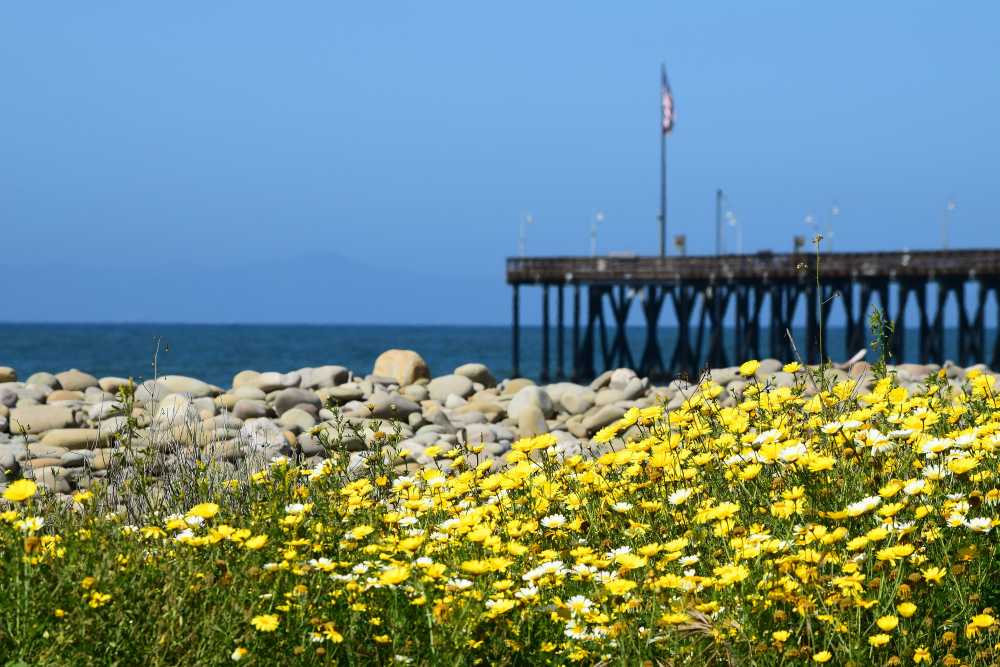
Pismo Beach: A classic California beach town, Pismo is famous for its long fishing pier and being the "Clam Capital of the World."
Don't Miss: It's one of the few places where you can legally drive on the beach (in designated areas), making it a hub for ATV rentals and a unique family adventure.
Avila Beach: Tucked into a sunny cove, Avila is often warmer and less windy than its neighbors. The calm waters of the bay are perfect for paddleboarding and kayaking.
Insider Tip: Walk to the end of the Harford Pier to see sea lions lounging and barking up close.
The Bay Area & North: Boardwalks and Rugged Coastlines
Santa Cruz Main Beach: Home to the West Coast's oldest seaside amusement park, the Santa Cruz Beach Boardwalk is a paradise for kids and teens. The combination of classic roller coasters, arcade games, and a wide sandy beach is unbeatable.
Insider Tip: Buy your ride tickets online in advance to save money and skip the ticket lines.
Stinson Beach (Marin County): Just a spectacular drive from the Golden Gate Bridge, Stinson is a vast expanse of white sand with relatively calm water for a NorCal beach. It feels like a world away from the city.
Insider Tip: The drive on Highway 1 to get there is gorgeous but winding. If anyone in your family is prone to car sickness, be prepared. It's a key part of what we cover in The Sanity-Saving System for Your Next Family Road Trip.
Explore California's Iconic Coastline
Planning to drive the dramatic coast around Big Sur? Don't leave it to chance. Download our free Big Sur Map & Itinerary for a curated route, must-see stops, and insider tips to make the most of this unforgettable drive.
Your California Beach Trip Playbook
A great plan is what separates a stressful trip from a relaxing one. Here’s how to manage the practical side of your California family beach vacation. For a deeper dive into simplifying the entire process, check out our guide on How to Make Family Travel Planning Actually Easy.
Step 1: Budgeting for the Golden State
Lodging: Vacation rentals are often more cost-effective than hotels for families. Book 3-6 months in advance.
Food: Pack a cooler for your beach days. This can save you $50-$100 per day.
Parking: Beach parking can range from $10-$30. Look for free residential parking a few blocks away.
Activities: Focus on free fun! Sandcastle building, tide pooling, and pier strolling cost nothing.
Sample 5-Day SoCal Budget (Family of 4)
Step 2: The Essential California Beach Packing List

The key is layers. Coastal weather can change in an instant.
Sun Protection: High-SPF sunscreen (reef-safe), wide-brimmed hats, sunglasses, and a rash guard for each child.
The Layers: In addition to swimsuits, everyone needs a sweatshirt or fleece.
Beach Gear: A lightweight beach tent or umbrella, sand toys, boogie boards, and a good cooler.
Footwear: Flip-flops and comfortable walking shoes.
First-Aid Kit: Include bandages, antiseptic wipes, pain reliever, and aloe vera gel.
Pro-Tip: For notoriously difficult parking areas like Santa Monica or Laguna Beach, use an app like SpotHero or ParkWhiz to reserve a parking spot in a nearby garage ahead of time. It can save you an immense amount of stress.
Frequently Asked Questions
What is the best month for a California family beach vacation?
September and October are often considered the best months. You'll enjoy warm, sunny weather and ocean temperatures held over from summer, but with significantly fewer crowds. While summer is classic, it brings peak prices and packed beaches.
Which California beach is the absolute best for toddlers?
La Jolla Shores in San Diego is widely considered the top choice for families with toddlers. Its waves are exceptionally gentle, the sandy shoreline has a very gradual slope, and the adjacent Kellogg Park offers a convenient playground.
Is it better to stay in San Diego or Orange County for a family trip?
It depends on your priorities. San Diego is ideal for families with younger kids, offering calmer beaches like La Jolla and world-class attractions. Orange County offers a more polished experience and is great for active families with older kids or teens, with hubs like Huntington Beach for surfing.
Besides swimsuits, what is one essential item to pack for a California beach day?
Layers, specifically a sweatshirt or fleece for everyone in the family. California's coastal weather can change quickly, with cool marine fog in the morning and breezy afternoons. Having a warm layer ensures you'll be comfortable all day long.
Conclusion
A successful California family beach vacation isn't about finding a secret spot—it's about matching the right beach to your family's unique travel style. Whether you need the gentle bays of San Diego for a toddler's first splash or the vibrant energy of Santa Cruz for your teens, the Golden State has the perfect patch of sand waiting for you.
You now have the framework and destination intelligence to move from planning to action. With this playbook, you're ready to choose your spot, pack your bags, and make this the trip that actually happens. To help you with the bigger picture, see our guide on How to Plan a US Family Vacation That Actually Happens.
Read the full guide: Family Travel Ideas: The 2026 Guide to Unforgettable Trips
Don't Miss Out! Subscribe for Exclusive Content
Subscribe



Comments 0
No comments yet
Be the first to share your experience!
Dont Miss Out! Subscribe for Exclusive Content

Ultimate USA Holidays Guide: Top Picks


FTC Affiliate Disclosure Essentials: Stay Compliant as a Travel Creator

Essential Affiliate Tools: From Tracking to Full Optimization

Booking.com Affiliate Program Review: Pros, Cons, and Earnings Potential

Decoding Affiliate Commission Rates: Benchmarks for Travel Creators

Amazon Associates for Travel: Strategies to Maximize Commissions
7 Travel Insurance Red Flags to Spot Before You Buy
TrekGuider @trekguider
You’ve done it. You’ve booked the flights, reserved the hotel with the incredible view, and started daydreaming about the adventures that await. But amidst the excitement, a nagging thought creeps in: What if something goes wrong? A sudden illness, a cancelled flight, a lost bag—these are the travel gremlins that can turn a dream trip into a logistical and financial nightmare. You know you need travel insurance, but as you stare at policies, your eyes glaze over. It’s a dense jungle of jargon, fine print, and confusing clauses, and you’re terrified of making a costly mistake.
The truth is, not all travel insurance is created equal. A cheap policy can be worse than no policy at all, luring you in with a low price only to deny your claim with a hidden exclusion you never saw coming. This is more than just an inconvenience; a denied medical claim abroad can lead to financially crippling bills. But it doesn’t have to be this way. Consider this guide your consumer advocate, your secret decoder ring for the complex world of travel insurance. We’re here to provide the critical travel insurance tips you need to buy with confidence, ensuring your policy is a true safety net, not a tangled mess of loopholes. This is a vital piece of the puzzle we cover in our comprehensive guide to The Ultimate Guide to Travel Safety: A 2026 Playbook. Let’s pull back the curtain and expose the seven most critical red flags you must spot before you buy.

Red Flag #1: The Vague "Pre-Existing Medical Conditions" Clause
This is, without a doubt, the single most common landmine in any policy and the reason countless claims are denied. A "pre-existing condition" is generally any injury or illness for which you've had symptoms or received treatment before your policy's start date. The problem is that the definition and the "look-back" period can vary wildly.
A major red flag is an overly broad or unclear definition. Many basic policies will flat-out refuse to cover any claim that arises, directly or indirectly, from a pre-existing condition. This could be something as common as asthma, a managed heart condition, or even a recent knee injury. Furthermore, many travelers are shocked to discover that mental health conditions like anxiety or depression are frequently excluded under this clause.
What to look for:
A Clear "Look-Back Period": A good policy will specify the exact time frame it examines for pre-existing conditions (e.g., 60, 90, or 180 days before you bought the policy).
Waiver of Exclusion: Many comprehensive policies offer a "waiver for pre-existing medical conditions" if you purchase the plan within a short window (typically 14-21 days) of your initial trip deposit. This is an incredibly valuable benefit.
Coverage for "Stable" Conditions: Some policies will cover conditions that have been stable (no change in medication, no new symptoms) for the duration of the look-back period.
Pro-Tip: Honesty is the only policy. When getting a quote, you must declare all medical conditions. Failure to disclose a condition can give the insurer grounds to void your entire policy and deny any claim, even one completely unrelated to your non-disclosure.
Red Flag #2: The "Adventure & High-Risk Activities" Exclusion
That thrilling scuba dive in the Red Sea, the exhilarating ski trip down a black diamond run, or even a "tame" activity like hot-air ballooning might not be covered by a standard policy. Insurers create a list of activities they deem "high-risk," and if you get injured while participating, you're on your own. For any traveler whose itinerary is more ambitious than a stroll from the hotel to the pool, this is a five-alarm fire.
The list of excluded activities can be surprisingly long and sometimes illogical. It can include everything from bungee jumping and skydiving to motorcycle riding and even certain types of high-altitude trekking. If you're booking an excursion, the first thing you should do is check if that specific activity is covered. Never assume it is.
What to look for:
A Clearly Defined List: Scrutinize the policy document for a specific section on "Excluded Activities." If you can't find a clear list, that's a red flag in itself.
Optional "Adventure Sports" Rider: Reputable insurance providers will offer an optional add-on or a specific, higher-tiered plan that provides coverage for a wide range of adventure sports. It will cost more, but it’s non-negotiable if you plan to partake.
Check Specifics: Don't just see "scuba diving" is covered. Check the details. Does it cover you to a certain depth? Does it require a specific certification? The details are everything.
Red Flag #3: The "Government Travel Advisory" Loophole
In an unstable world, government travel advisories are a key tool for assessing risk. They can also become a loophole for insurers to deny claims. Most policies contain a clause that voids your coverage if you travel to a country or region for which your home government has issued a "Do Not Travel" or equivalent high-level warning before your departure.
Where this gets tricky is when an advisory is issued after you've booked your trip. While some policies will cover trip cancellation in this scenario, many will not provide any medical or evacuation coverage if you choose to go against the official advice. This red flag effectively shifts the entire financial risk of traveling to a potentially volatile destination onto your shoulders.
What to look for:
Specific Wording on Advisories: Look for the exact language the policy uses. Does it only exclude travel to destinations with a warning in place at the time of purchase, or does it also apply if a warning is issued later?
"Cancel for Any Reason" Upgrade: This is one of the best ways to protect yourself against last-minute travel advisory changes. More on this below.

Red Flag #4: The Blanket "Pandemic & Epidemic" Exclusion
In the wake of the COVID-19 pandemic, nearly every provider updated its policies to address communicable diseases. A major red flag is a policy with a broad, all-encompassing exclusion for any losses "due to, arising from, or in connection with any pandemic or epidemic."
This sweeping language could mean you have no coverage for a wide range of scenarios. It could mean you can't cancel if a new lockdown is imposed, if you're afraid to travel due to an outbreak, or even if you contract the illness yourself just before or during your trip.
What to look for:
Named Perils Coverage: Look for policies that, at a minimum, treat a specific disease (e.g., COVID-19) like any other illness. This means if you are medically diagnosed and can't travel, your trip cancellation should be covered. Likewise, your emergency medical expenses should be covered if you get sick on your trip.
Clarity on Quarantine Costs: The best policies today will explicitly state whether they cover the costs of a mandatory quarantine (e.g., extra hotel nights, food) if you test positive while abroad.
Red Flag #5: The "Named Perils Only" Cancellation Clause
Many travelers believe "trip cancellation coverage" means they can cancel for any reason and get their money back. This is a dangerous and costly misconception. Standard policies operate on a "named perils" basis, meaning they will only reimburse you for non-refundable costs if you cancel for one of the very specific, listed reasons in the policy document.
A red flag is a policy with a short and restrictive list. Common covered reasons include the unforeseen illness or death of the traveler or a close family member, a house fire, or being called for jury duty. Common reasons that are often not covered include changing your mind, a relationship breakup, or work conflicts. This means if you have to cancel because your pet-sitter backs out or your boss denies your vacation time at the last minute, you get nothing.
Red Flag #6: The Restrictive "Pregnancy & Childbirth" Limitation
Traveling while pregnant requires an extra layer of precaution, and your insurance policy needs to reflect that. A significant red flag is a policy that either completely excludes pregnancy or has highly restrictive limitations.
Many standard policies will not cover costs related to a normal, routine pregnancy. This means if you go into labor while on your trip, the costs of a routine childbirth and care for a healthy newborn will likely not be covered. Coverage for unforeseen complications is often only provided up to a certain stage of the pregnancy (e.g., 23 to 32 weeks), and many policies will not cover pregnancies that resulted from IVF.
What to look for:
A Clear Definition of "Complication": The policy should specify what it considers an unforeseen complication of pregnancy.
Stated Gestational Week Limit: Look for the exact week up to which coverage for complications is provided.
Coverage for Newborn Care: Check if the policy provides any coverage for the care of a newborn if they are born prematurely on the trip.

Your Pre-Trip Master Plan
Navigating insurance is just one piece of the pre-travel puzzle. To ensure you've covered every base—from passports and visas to packing and finances—a master checklist is your most powerful tool. Download our free, comprehensive checklist to make your preparation seamless.
Download Your Free International Travel Checklist Now!
Red Flag #7: The "Mental Health Conditions" Blind Spot
This is a frequently overlooked but critically important exclusion. Many travel insurance policies contain a specific clause that excludes any claims arising from "mental or nervous health disorders." This can include conditions like anxiety disorders, depression, dementia, and other psychiatric conditions.
This means if you have a panic attack and need to be hospitalized, or if you need to cancel your trip due to a severe depressive episode, your policy may offer no coverage. For the millions of people who manage mental health conditions, this is a glaring and dangerous gap in coverage.
What to look for:
Review the Exclusions List: Carefully read the general exclusions section for any mention of "mental," "nervous," or "psychological" disorders.
Specialized Policies: Some providers are beginning to offer more inclusive plans. You may need to seek out a specialty provider or a higher-end comprehensive plan that explicitly states it provides coverage for acute episodes of a pre-existing mental health condition.
Pro-Tip: Cancel For Any Reason (CFAR) is an optional upgrade that acts as your ultimate safety net against uncovered cancellation reasons. It typically reimburses 50-80% of your non-refundable costs. But be aware: you must purchase a CFAR add-on within a short window, usually 14-21 days, of your initial trip payment. Don't wait!
Travel Insurance FAQs
Spotting red flags is easier when you speak the language. Here are answers to common questions, providing some essential travel insurance tips for understanding policy jargon.
1. What's the real difference between primary and secondary medical coverage?
This determines the order of payment and how much work you have to do. A primary policy pays first. You file your claim directly with the travel insurer, which means less paperwork and faster reimbursement. Secondary coverage only pays after your other insurance (like your regular health plan) has paid its share. It requires you to file twice and is generally less convenient. For international travel, primary coverage is strongly recommended.
2. Is travel insurance worth it for a domestic trip?
Often, yes. While your regular health insurance will likely work in another state, it won't cover trip cancellation, interruption, or lost baggage. If you've prepaid for expensive flights and non-refundable hotels for a trip to a national park, for instance, trip insurance can protect that investment if you have to cancel for a covered reason.
3. When is the best time to buy travel insurance?
You should buy your policy as soon as you make your first non-refundable trip payment (like booking flights or a tour). This ensures you are covered for the longest possible period. More importantly, it's the only way to be eligible for time-sensitive benefits like the "pre-existing condition waiver" and the "Cancel for Any Reason" upgrade, which often must be purchased within 14-21 days of your initial deposit.

Travel with True Peace of Mind
Buying travel insurance isn’t just about ticking a box on your pre-trip to-do list. It’s about making an informed decision to purchase a strong financial safety net. By using these travel insurance tips to read a policy like a pro, you can confidently spot the red flags, avoid the worthless plans, and choose a policy that delivers on its promise. An investment in the right coverage—and in a comprehensive resource like our all-encompassing Travel Guide—is an investment in your own peace of mind. Now you can focus on the adventure ahead, knowing you’re protected no matter what the journey throws your way.
Meta Data Suggestions:
SEO Meta Title (59 characters): 7 Travel Insurance Red Flags to Spot Before You Buy
URL Slug: travel-insurance-red-flags
SEO Meta Description (154 characters): Don't get burned by bad travel insurance. Learn the 7 critical red flags to spot in any policy with these essential travel insurance tips before you buy.
Don't Miss Out! Subscribe for Exclusive Content
SubscribeComments 0
No comments yet
Be the first to share your experience!
Dont Miss Out! Subscribe for Exclusive Content
Ultimate USA Holidays Guide: Top Picks
FTC Affiliate Disclosure Essentials: Stay Compliant as a Travel Creator
Essential Affiliate Tools: From Tracking to Full Optimization
Booking.com Affiliate Program Review: Pros, Cons, and Earnings Potential
Decoding Affiliate Commission Rates: Benchmarks for Travel Creators

Top 11 High-Paying Affiliate Programs for Travel Bloggers
NYE Miami: 5 Epic Party Spots
TrekGuider @trekguider
The final seconds of the year are ticking away. You’re in Miami, a city that practically vibrates with anticipation, but a single, paralyzing question hangs in the warm night air: where will you be when the clock strikes twelve? The pressure is immense. This isn't just any night out; it's the moment that sets the tone for the entire year ahead.
Choose wrong, and your legendary New Year's Eve Miami fantasy dissolves into a frustrating reality. You could be trapped in gridlock on the MacArthur Causeway, listening to the fireworks you can't see. You might end up at an overpriced, underwhelming party, wondering where the real energy is. Or worse, you could miss the magic moment entirely, stuck behind a crowd with a view of nothing but the back of someone's head. The fear of an anticlimactic night is real, a specter of regret that haunts every planner.
Banish the uncertainty. We’ve navigated the velvet ropes, scouted the best waterfront views, and decoded the city’s vibrant party ecosystem to forge your definitive guide. This is your blueprint to the five most epic ways to ring in the new year in Magic City. Whether you crave a massive, free-for-all street party, an ultra-exclusive night with world-class DJs, or a breathtaking view from the water, your perfect celebration is detailed below. Consider this your insider pass to a flawless Miami NYE.

Why Miami is the Ultimate New Year's Eve Destination
While many cities offer a brief fireworks display before the cold sends everyone scurrying home, Miami transforms the entire night into a sprawling, complex festival. The city’s unique alchemy of tropical warmth, intoxicating Latin energy, and world-class entertainment creates an atmosphere that’s simply unrivaled. While Miami is a year-round hotspot for celebrations—a fact we explore in our comprehensive guide to Miami Holidays: 8 Beach Fest Vibes—New Year’s Eve dials the city’s signature energy up to an entirely new frequency. Here, the celebration isn’t just about a ten-second countdown; it’s about all-night dance parties on the sand, glamorous rooftop soirees under the stars, and spectacular fireworks reflecting across the moonlit waters of Biscayne Bay. It’s a place where you can rock your most stylish outfit in late December without a second thought, making it the ultimate destination to welcome the year in style.
Spot #1: Bayfront Park - The Classic Miami Countdown
For those who want to be at the absolute epicenter of Miami’s public celebration, Bayfront Park is the undisputed champion. This is the city’s official, free New Year’s Eve bash, drawing hundreds of thousands of people to the downtown waterfront for a massive, high-voltage spectacle that defines the night for the entire region.
What to Expect: The Vibe and the Crowd
Forget a simple party; Bayfront Park on NYE is a massive, communal heartbeat. The air thrums with a mix of languages and laughter—a true cross-section of Miami, from families with kids on their shoulders to seasoned party-goers, all united by the building excitement. The centerpiece of the event is the iconic "Big Orange," a 35-foot neon icon that slowly ascends the side of the InterContinental Hotel throughout the night. At the stroke of midnight, it reaches the top, triggering a city-wide roar—Miami’s quirky, tropical answer to the Times Square Ball Drop. Expect live music from chart-topping artists, dozens of food trucks, and a palpable sense of unity that builds with every passing hour.

The Main Event: Fireworks Over Biscayne Bay
The true climax of the night is the jaw-dropping fireworks display. Launched from barges anchored in Biscayne Bay, the show is a stunning, 360-degree spectacle of light and sound. The vibrant colors explode over the downtown skyline, reflecting brilliantly on the water and illuminating the entire area. The sheer scale of the display is designed to be seen from miles around, but being in Bayfront Park places you directly under the dazzling canopy of light for an immersive and unforgettable experience.
Logistics and Pro-Tips for Bayfront Park
Navigating the biggest party in town requires a bit of strategy. Here’s how to do it like a local:
Arrive Early: To secure a decent spot with a good view of both the stage and the fireworks, plan to arrive by late afternoon. The park fills up fast, and by evening, it’s a sea of people.
Use Public Transit: Driving is a non-starter. Street closures create a labyrinth of traffic, and parking is virtually nonexistent and exorbitantly priced. The Metromover is your secret weapon; this free elevated train has a Bayfront Park station, dropping you right at the entrance and providing the easiest way to get in and out.
Pack Light but Smart: While you can’t bring coolers or large bags, a small backpack with essentials like a water bottle (to refill), snacks, and a portable phone charger is a lifesaver.
Plan for Families: Bayfront Park is family-friendly, but the immense crowd can be overwhelming for children. If you're bringing the kids, the logistics can be a challenge. Our Stress-Free Flying with Kids Guide is packed with universal tips on managing travel and big events with children that apply just as well on the ground. Find a spot near the park's edges for a little more breathing room and an easier exit strategy.
Pro-Tip: The Metromover is not just a suggestion; it's a mandate for a stress-free night. It's free, efficient, and drops you right at the heart of the action, allowing you to bypass the traffic nightmare completely.
Spot #2: South Beach Superclubs - The VIP Experience for New Year's Eve Miami
If your vision of a perfect New Year's Eve involves world-famous DJs, flowing champagne, and a glamorous, high-fashion crowd, then the legendary superclubs of South Beach are your destination. This is where the global elite come to play, and NYE is the most coveted, high-stakes night of the year.

The Legendary Venues: LIV and Fontainebleau
At the zenith of Miami’s nightlife are institutions like LIV at the Fontainebleau. These are not just nightclubs; they are multi-level entertainment palaces known for their stunning design, bone-rattling sound systems, and a history of hosting the biggest names in music. On New Year’s Eve, they pull out all the stops, booking A-list performers and creating an immersive, high-production experience. Based on our research, tickets for these exclusive parties start at over $200 and can soar into the thousands for VIP table service. The vibe is pure, unapologetic opulence.
Securing Your Spot: Tickets and Reservations
Do not, under any circumstances, expect to walk up and buy a ticket at the door. NYE events at these top-tier clubs sell out weeks, if not months, in advance.
Book Immediately: Start looking for tickets in the fall. The longer you wait, the higher the price climbs, and the faster they disappear.
Understand the Tiers: General admission will get you in the door and often includes a premium open bar for several hours. VIP tickets or table reservations offer a dedicated space, bottle service, and the best sightlines of the DJ booth.
Use Official Channels: Purchase tickets directly from the venue’s website or a reputable ticketing partner like Tixr or Tablelist to avoid counterfeit tickets and scams.
Dress Code and Etiquette
This is your moment to shine. The dress code is strictly enforced and trends toward cocktail attire and high fashion. For men, think designer trousers with a stylish button-down shirt or blazer. For women, cocktail dresses and heels are the standard. Think chic, glamorous, and ready for your close-up.
Spot #3: Biscayne Bay Boat Cruises - A Unique Perspective
For a truly unforgettable and quintessentially Miami experience, escape the terrestrial crowds and celebrate New Year's Eve on the water. A boat cruise on Biscayne Bay offers an exclusive, front-row seat to the fireworks, combined with dinner, drinks, and dancing under the stars.

The All-Inclusive Experience on the Water
Picture this: you’re clinking champagne glasses on the deck of a yacht, a gentle sea breeze in the air, as the entire Miami skyline glitters before you. This is the unparalleled allure of an NYE boat party. Most cruises are all-inclusive packages, with prices typically starting around $150. This fee generally covers:
An Open Bar: Enjoy unlimited cocktails, wine, and beer as you cruise the bay.
A Gourmet Buffet: Feast on a spread of delicious food, from elegant hors d'oeuvres to full dinner buffets.
Live Entertainment: A DJ spins party anthems all night long, turning the deck into a vibrant dance floor on the water.
Unparalleled Views: The main draw is the unobstructed, panoramic view of the Bayfront Park fireworks. You are literally in the middle of the action, without being stuck in the middle of the crowd.
Choosing the Right Cruise for You
With New Year's Eve 2026 falling on a Wednesday, this is the perfect year to plan a long weekend. A boat cruise offers a brilliant escape from the midweek madness, letting you bypass the traffic jams that will inevitably clog the causeways.
Party Yachts: These are geared toward a younger, high-energy crowd, with loud music and a focus on dancing.
Dinner Cruises: These offer a more refined and relaxed experience, often featuring live bands, seated dining, and a sophisticated ambiance.
Private Charters: For the ultimate luxury experience, charter a private yacht for your group and customize the entire evening to your tastes.
Pro-Tip: Book your cruise as early as possible, as they sell out quickly. Remember to bring a light jacket or sweater; even on a warm Miami night, the breeze on the bay can be cool once the sun goes down.
Spot #4: Coconut Grove - The Laid-Back Local Vibe for New Year's Eve Miami
If the high-octane intensity of South Beach and the colossal crowds of downtown aren't your scene, make your way to Coconut Grove for a more relaxed, bohemian, and refreshingly affordable celebration. The Grove offers a charming, village-like atmosphere with a vibrant street party feel that’s pure local flavor.

A More Affordable, Bohemian Celebration
Coconut Grove provides a welcome alternative to the high-priced chaos found elsewhere. Here, you’ll find a collection of eclectic bars, cozy pubs, and waterfront restaurants all celebrating the new year with a distinctly laid-back vibe. Our research shows that entry fees for parties in the Grove are often hovering around the $50 mark, making it an excellent option for a fun night out that won't drain your bank account. The crowd is a mix of local residents, university students, and savvy visitors who prefer a genuine atmosphere over a velvet-rope scene.
Where to Go in the Grove
The heart of the celebration is centered around CocoWalk and the neighborhood's main drags, McFarlane Road and Grand Avenue. Many bars and restaurants host their own ticketed events with live music and drink specials. The real magic, however, is the communal street-party feel that emerges as people spill out from the venues, creating a festive and friendly block party. The area's waterfront parks, like Regatta Park, also offer fantastic, less-crowded spots to watch the local fireworks displays over the bay.
Spot #5: Rooftop Bars - Celebrate Above It All
For a celebration that blends chic sophistication with spectacular views, nothing beats a rooftop bar. Perched high above the city streets in neighborhoods like Brickell and South Beach, these venues offer a glamorous escape from the crowds below, providing the perfect perch for the midnight fireworks.

The Best Views in the City
The undeniable appeal of a rooftop NYE party is the view. You get a breathtaking, panoramic perspective of the city’s fireworks displays without having to battle for a spot on the ground. Watching the explosions of color erupt over the glittering skyline from a comfortable lounge chair, cocktail in hand, is an experience of pure elegance. These venues are designed for Instagram-worthy moments, with the city lights providing a stunning, dynamic backdrop. The skill of finding these exclusive spots is at the heart of savvy travel; our comprehensive Travel Guide is packed with insider strategies for discovering hidden gems and booking the best experiences in any city you visit.
What to Expect: Tickets and Ambiance
Rooftop parties are exclusive, ticketed events. Prices vary but almost always include a premium open bar and passed gourmet appetizers. The ambiance is upscale and trendy, attracting a stylish crowd looking for a sophisticated party atmosphere that’s more about conversation and cocktails than a packed dance floor.
Making the Most of Your Rooftop NYE
Book a Table: While general admission tickets are available, booking a table for your group guarantees a dedicated space and often comes with bottle service.
Confirm the Dress Code: Like the superclubs, rooftop bars enforce a strict dress code. Think cocktail chic and dress to impress.
Check the View: Not all rooftops are created equal. When booking, confirm that the venue has a clear and direct view of the fireworks display you want to see, whether it's the main show at Bayfront Park or the display over South Beach.
Your Perfect Miami NYE Awaits
Miami on New Year's Eve is a city of infinite possibilities, offering a celebration perfectly suited to every style and budget. You can join the massive, joyful crowd for a free countdown at Bayfront Park, dance until dawn with the world’s best DJs in a South Beach superclub, or toast to the new year from the deck of a yacht on Biscayne Bay. You can opt for the laid-back, local charm of Coconut Grove or rise above it all at a glamorous rooftop soiree. No matter how you choose to celebrate New Year's Eve Miami, the city guarantees an electric atmosphere and an unforgettable start to the year. The only question left is, which will you choose?
SEO Meta Title: NYE Miami: 5 Epic Party Spots for an Unforgettable Night
URL Slug: nye-miami-party-spots
SEO Meta Description: Planning New Year's Eve in Miami? Discover the 5 best party spots, from free fireworks at Bayfront Park to VIP clubs in South Beach. Your ultimate guide.
Don't Miss Out! Subscribe for Exclusive Content
SubscribeComments 0
No comments yet
Be the first to share your experience!
Dont Miss Out! Subscribe for Exclusive Content

San Francisco Cherry Blossoms: A Local's Guide to the Blooms

Halloween SF: Haunts Without Horrors

SF Festivals: 7 Must-See Lineups

Christmas SF: Lights & Wharf Wonders

SF Pride: 6 Route & Party Hacks
