
Budget Solo Travel: A Proven System for Trips Under $1000

TrekGuider @trekguider
Planning a solo trip should be thrilling. But for many, one question hangs in the air, casting a shadow of stress and analysis paralysis over the entire process: "How much will this actually cost?" You’ve scrolled through the endless, generic "tips," but you’re still left without a real plan, haunted by the specter of hidden fees, unexpected expenses, and the daunting idea that a trip under $1000 is pure fantasy.
This is not another list. This is your financial playbook. It’s a proven, three-phase system designed to dismantle uncertainty and empower you to plan an incredible adventure with total confidence. This guide to budget solo travel will give you the framework and the tools to build a realistic budget you can actually trust. A successful trip, however, involves more than just money. For a complete masterclass covering everything from safety to packing and meeting people, be sure to read our ultimate guide to .
The Strategic Foundation—The Decisions That Save the Most
The secret to a truly affordable solo trip isn't about pinching every penny until it screams. It’s about making a few smart, high-impact decisions long before you even think about packing. These foundational choices have the biggest impact on your bottom line and set the stage for a stress-free adventure.
Choose Your Playground Wisely
This is the single most important decision you will make. Your destination dictates the cost of everything else. A week in Zurich will cost exponentially more than a month in Hanoi, no matter how frugal you are. To keep your trip under $1000, you must focus on regions where your home currency has heavyweight buying power.
Southeast Asia (The Budget Gold Standard): Countries like Vietnam, Thailand, Cambodia, and Indonesia are legendary for a reason. You can feast on world-class street food for a couple of dollars, secure a clean, private guesthouse room for $20-$30, and witness breathtaking landscapes that cost absolutely nothing to enjoy.
Eastern Europe (Culture Without the Cost): Forget the well-trodden paths of Paris and Rome. Cities like Budapest (Hungary), Prague (Czech Republic), Krakow (Poland), and Lisbon (Portugal) offer centuries of history, stunning architecture, and vibrant culture at a price that feels like a pleasant time warp.
Latin America (Adventure Capital): For raw adventure and rich culture, destinations like Mexico, Colombia, Bolivia, and Guatemala provide unparalleled value. You can explore ancient Mayan ruins, hike active volcanoes, and immerse yourself in dynamic local life, all on a remarkably modest budget.

Master the Calendar
Timing isn't just important; it's everything. Every destination has three travel seasons, and knowing the difference is like having a cheat code.
High Season: Peak tourist time with postcard-perfect weather, but also the biggest crowds and eye-watering prices.
Low Season: The off-season, often with challenging weather, fewer open attractions, and rock-bottom prices.
Shoulder Season: The magic window. Nestled between the high and low seasons (typically April-May and September-October in the northern hemisphere), this is the budget traveler's sweet spot.
Traveling during the shoulder season means you get the best of both worlds: pleasant weather, far fewer tourists cluttering your photos, and dramatic drops in the cost of flights and accommodations. Visiting the Greek Islands in May instead of July, for instance, can easily cut your two biggest expenses by 30-50%.
Build Your Budget Blueprint
Let’s reframe the word "budget." It isn't a restriction; it's a permission slip. A well-crafted budget doesn't tell you what you can't do; it gives you the freedom to do what you want to do, without the guilt or anxiety. Here’s how to build one you can rely on.
Set Your Ceiling: Before anything else, define your absolute maximum trip cost. For this playbook, we're targeting a complete trip under $1000.
Become a Researcher: Open a spreadsheet and start plugging in real numbers. Use sites like Kayak, Booking.com, and detailed travel blogs to estimate average costs for your chosen destination. Be thorough.
Flights/Major Transport: Your biggest single purchase.
Accommodation: Your largest daily expense.
Food & Drink: A realistic mix of meals out, street food, and groceries.
Activities & Tours: Museum entries, day trips, cooking classes.
Local Transport: Subways, buses, and the occasional ride-share.
Travel Insurance: Non-negotiable. Don't even consider leaving home without it.
Build a Financial Safety Net: This is the pro move. Once you have your total estimated cost, add a 15-20% "contingency fund." This isn't for overspending; it’s for the unexpected. It’s the money that lets you say "yes" to a spontaneous adventure or handle a missed train without a panic attack. It’s the key to true peace of mind.

With that blueprint in hand, it’s time to move from strategy to action.
The Booking Engine—Locking in Value on Your Biggest Expenses
This is where the rubber meets the road. With your strategic plan in place, you can now book the core components of your trip with surgical precision, ensuring you get the absolute best value for every dollar spent.
Accommodation Strategy
For a solo traveler, a standard hotel room is almost always the least imaginative and most expensive option. The world of alternative accommodations is where you’ll find incredible value and far more interesting experiences.
Hostels (The Social Hub): The undisputed champion of budget solo travel. They offer dorm beds for incredibly low prices and have a built-in social atmosphere that’s perfect for meeting other travelers. If dorms aren’t your scene, a private room in a quality hostel gives you the perfect blend of privacy and community at a price well below a hotel.
Guesthouses & Local Inns: These smaller, often family-run establishments offer a direct line to the local culture. They're typically much cheaper than large hotel chains and infinitely more charming.
Apartment Rentals (with a Kitchen): For stays of three days or more, sites like Airbnb can be fantastic value. The real secret weapon here is the kitchen. Being able to prepare your own breakfast and the occasional dinner will slash your daily food costs.

How to Slay the Single Supplement Dragon
The "single supplement" is an infuriating fee that tour companies and cruise lines charge solo travelers to cover the perceived loss of a second person in a double-occupancy room. It’s a penalty for your independence, and you should refuse to pay it. Here’s how:
Seek Out Solo-Friendly Companies: Tour operators like Intrepid Travel, G Adventures, and Overseas Adventure Travel are built for travelers like you. They’ll match you with a same-sex roommate to eliminate the fee entirely.
Use the Calendar to Your Advantage: Companies are far more likely to waive the fee during the shoulder season when they have more empty spots to fill.
Become a Last-Minute opportunist: If your schedule is flexible, call companies a week or two before a tour's departure. They may be desperate to fill a final spot and will gladly waive the fee to make a sale.
Don't Be Afraid to Ask: If a solo option isn't listed online, pick up the phone. A friendly, direct request can often work wonders.
Transportation Hacks
Getting from Point A to Point B is a major budget item. A few smart moves here can free up hundreds of dollars for more exciting things.
Pack Light, Win Big: Master the art of carry-on-only travel. Checked baggage fees are a massive profit center for airlines, especially budget carriers. A well-packed carry-on is free, keeps you nimble, and prevents the nightmare of lost luggage.
Make Your Travel Day Your Hotel Night: For longer overland journeys, an overnight train or bus is a brilliant two-for-one hack. It combines your transportation and accommodation costs into a single ticket, saving you a night's expense and a full day of travel time.
Be a Flexible Flier: Use flight aggregators like Google Flights and Skyscanner like a pro. Their "price graph" and "entire month" views are your best friends, instantly showing you the cheapest days to fly. Always search in an incognito browser to prevent price hikes based on your search history.
Pro-Tip: When comparing flight prices, always factor in the "hidden" cost of airport transfers. A flight that looks $50 cheaper might land at a remote airport where a $70 taxi ride is your only option, completely negating your savings.
The Execution Playbook—Living Smart on the Ground
You’ve arrived. Your careful planning has paid off. Now, it's all about execution. Your daily habits and micro-decisions will determine your budget's success. This is where you shift your mindset from "tourist" to "savvy local."
The Food Budget
You don’t have to survive on protein bars to eat affordably. The key is a "High-Low" hybrid approach that lets you experience the best of the local food scene without blowing your budget.
Make Lunch the Main Event: In many cultures, lunch is the biggest meal of the day. Look for a "menu of the day" (or menu del día) where you can get a multi-course, high-quality meal for a fantastic price. Have a lighter, cheaper dinner.
Go on a Supermarket Safari: Your local grocery store is more than just a place for supplies; it’s a cultural institution. It’s perfect for grabbing breakfast items, picnic lunches, and local snacks.
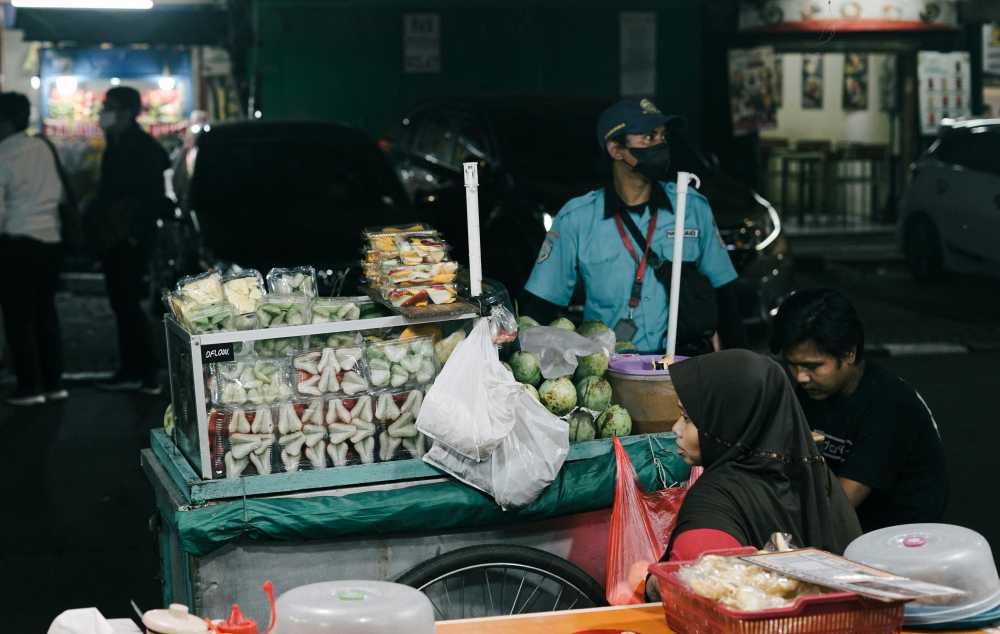
Trust the Streets: In many destinations, especially in Asia and Latin America, the best, most authentic food is found at bustling street food stalls for a dollar or two. It’s a delicious, ultra-affordable way to dive deep into the local cuisine.

Maximize Your Experience, Not Your Spending
The most memorable travel moments are rarely the most expensive. Every city is overflowing with incredible, zero-cost experiences for those who know where to look.
Take a Free Walking Tour (On Day One): This should be your first activity in any new city. It’s a crash course in history, layout, and local culture. You’ll get your bearings and receive priceless insider tips from your guide. Just be sure to tip them what you feel the tour was worth.
Explore Public Parks and Spaces: From the lush gardens of Paris to the sprawling beaches of Rio, a city's public spaces are its soul. They cost nothing to enjoy and are perfect for people-watching.
Hunt for Free Museum Days: Nearly every major museum offers free admission on certain days of the month or evenings of the week. A quick Google search can save you a significant amount on entry fees.
Embrace the Art of Wandering: The single best way to discover a city's hidden courtyards, charming side streets, and authentic local life is to put away the map and simply wander.

Your Blueprint for Affordable Adventure
This isn't just a collection of tips; it's a mindset. You now understand that successful budget solo travel is not a competition to spend the least amount of money possible. It's about the strategic allocation of your resources to maximize experience, discovery, and joy. It's the difference between being cheap and being smart.
Avoid the trap of "false economies"—like booking a hotel far outside the city to save $10, only to spend $15 and two hours on transport each day. But also, know when to embrace the "strategic splurge"—that one incredible meal, cooking class, or guided tour that will become the key element memory of your entire trip. You have the playbook. You have the system. You have the confidence to reject the anxiety of the unknown and step into the incredible freedom of solo travel. The world is not as expensive as you think.
Frequently Asked Questions (FAQ)
How much money do I really need for a trip under $1000?
Excluding your main international flight, a budget of $1000 can comfortably last for 2-4 weeks in high-value regions like Southeast Asia or parts of Eastern Europe. For a one-week trip including flights from the US, you’ll need to target shoulder-season deals to nearby destinations like Mexico and Central America, or watch for flash sales to Europe.
Is it cheaper to stay in a hostel or an Airbnb when solo?
A hostel dorm bed will almost always be your cheapest nightly option. A private room in a hostel is often comparable in price to a basic room in an Airbnb. An entire Airbnb apartment only becomes cost-effective if you stay long enough and use the kitchen religiously to offset the higher upfront cost.
What are the best apps for budget solo travel?
Skyscanner/Google Flights: For finding the cheapest flight dates.
Hostelworld/Booking.com: For finding and booking affordable accommodation.
Rome2rio: For figuring out the cheapest way to get between cities.
Trail Wallet/TravelSpend: For tracking every penny of your expenses in real-time.
How do I handle currency conversion and ATM fees abroad?
First, get a debit card from a bank that charges zero foreign transaction fees and reimburses ATM fees (Charles Schwab Bank is excellent for this). Always decline the "dynamic currency conversion" offered by ATMs and card machines—it's a scam with a terrible exchange rate. Always choose to be charged in the local currency.
Read the full guide: Anxious to Adventurous: The Ultimate Guide to Solo Travel Confidence
Don't Miss Out! Subscribe for Exclusive Content
Subscribe



Comments 0
No comments yet
Be the first to share your experience!
Dont Miss Out! Subscribe for Exclusive Content

Ultimate USA Holidays Guide: Top Picks


FTC Affiliate Disclosure Essentials: Stay Compliant as a Travel Creator

Essential Affiliate Tools: From Tracking to Full Optimization

Booking.com Affiliate Program Review: Pros, Cons, and Earnings Potential

Decoding Affiliate Commission Rates: Benchmarks for Travel Creators

Top 11 High-Paying Affiliate Programs for Travel Bloggers
Luxury Solo Travel: How to Plan an Upscale Independent Journey
TrekGuider @trekguider
You're dreaming of a different kind of solo trip—one defined by five-star comfort and total freedom, not spartan hostels. You imagine indulging in exquisite meals and unwinding in a beautiful hotel, all on your own terms. The problem? The world of upscale travel often feels built for two, and the logistical hurdles of planning a high-end trip for one—from navigating single supplements to ensuring your safety—can feel daunting enough to keep your dream grounded.
This is where that narrative changes. Planning a luxury solo travel experience isn't about extravagance for its own sake; it's about mindfully curating a journey that prioritizes your comfort, interests, and personal growth. It's about trading frantic group schedules for the quiet confidence of a bespoke itinerary designed just for you.
This guide is your strategic roadmap to crafting that exact journey. While many travel styles exist, the art of the independent, upscale journey offers a unique form of enrichment. Even those accustomed to coordinating complex group getaways with help from guides like our «Family Travel Ideas: The 2026 Guide to Unforgettable Trips» will find that planning for one requires a different, more introspective approach. We will deconstruct every element of the process, transforming the complexities of planning into clear, actionable steps.

The Unmatched Freedom of Going It Alone
Before diving into logistics, the first and most crucial step is a mental one. True luxury solo travel is defined not just by thread counts and Michelin stars, but by the unparalleled freedom it affords. It's the freedom to be gloriously selfish with your time.
Freedom of Pace: Wake up with the sun for a private yoga session or sleep in until noon. Spend six hours captivated by a single gallery in a museum or tick off a dozen sights in a day. There are no compromises and no negotiations—only your own rhythm.
Freedom of Interest: Pursue your passions without reservation. This is your opportunity to take that week-long Italian cooking course, go on a multi-day wildlife photography safari, or simply read a novel from cover to cover on a private balcony overlooking the sea.
Freedom of Connection: Traveling alone doesn’t mean being lonely. It means you control your social interactions. You can choose solitude and introspection or engage with fellow travelers and locals at your leisure, leading to more authentic and meaningful connections.
When you truly embrace this mindset, the journey transforms from a simple vacation into a powerful investment in yourself—an act of deliberate self-care and discovery, set against a backdrop of impeccable comfort.
How to Budget for a Solo Trip (Without Sacrificing the Luxury)
An upscale journey requires a strategic financial plan, but it's more flexible than you might think. The key is to define what "luxury" means to you and allocate your resources accordingly. For one person, it might be a business-class flight; for another, it's a private guide for a historical site.
Define Your Luxury Priorities: What are the 3-5 elements that will make this trip feel truly special? Is it the hotel? The dining experiences? The unique activities? Be honest with yourself and make these the key elements of your budget.
Navigate the "Single Supplement": This is an infamous surcharge that hotels and tour operators sometimes add for single occupancy. However, it's becoming less common as smart companies recognize the growing market of solo travelers. When researching, look for "no single supplement" deals or book with companies that specialize in solo travel. Boutique hotels are often more flexible than large chains.
The 40/40/20 Rule for Solo Luxury: A helpful framework for budgeting is:

40% on Accommodations & Transport: This is your foundation. Secure your high-quality hotel and comfortable travel first.
40% on Experiences & Dining: This is the heart of your trip. Allocate generously for bespoke tours, fine dining, spa treatments, and any classes or activities that align with your passions.
20% on Ancillaries & Contingency: This covers shopping, local transport, tips, and a crucial buffer for spontaneous opportunities or unforeseen needs.
Pro-Tip: Consider traveling during the "shoulder season" (the months just before or after the peak season). You'll often find significantly lower prices on flights and five-star hotels, fewer crowds, and a more relaxed atmosphere, allowing your luxury budget to stretch even further.
Your Sanctuary: Why a Boutique Hotel Is Your Best Bet
Your accommodation is more than just a place to sleep; it’s your home base, your sanctuary, and a critical component of the luxury experience. For a solo traveler, the right choice balances comfort, security, and opportunities for connection.

For the discerning solo traveler, boutique hotels are almost always the superior choice. They operate on a human scale, creating an environment that feels both exclusive and welcoming. Here’s why they excel:
Personalized Service: Staff are more likely to know your name and preferences, providing a sense of being cared for that can be comforting when traveling alone.
Prime Locations: They are often situated in the most vibrant, walkable neighborhoods, making it easy and safe to explore on foot.
Curated Atmosphere: From chic design to intimate common areas like a library bar or rooftop terrace, boutique hotels provide pleasant spaces to relax outside of your room without feeling isolated.
Enhanced Security: With fewer guests and a more attentive front desk, security is often implicitly higher.
When booking your stay, look beyond the photos. Dig into the details and prioritize properties that offer a 24/7 front desk, high-quality on-site dining (a wonderful, safe option for dinner), and rave reviews from other solo travelers.
Dining Solo: How to Savor the Experience
One of the biggest anxieties for first-time solo travelers is the thought of eating alone. It's time to reframe this. Dining solo is not a fallback; it's a culinary experience in its purest form, free from the distraction of conversation. It's a chance to truly focus on the food, the atmosphere, and your own thoughts.

Own Your Table: Walk in with confidence. When the host asks, "Just one?" answer with a warm, "Yes, a table for one, please." There is no shame in it—in fact, it's a power move.
Choose Your Perch: The best seat in the house for a solo diner is often at the bar or a chef's counter. It feels more natural, provides a bit of entertainment, and opens the door for casual conversation with the bartender or chef if you're in the mood.
Come Prepared: Bring a book or a journal. It’s a perfect companion that signals you're content and engaged in your own world.
Try a Social Dining App: If you want a guaranteed social experience, look into services like Eatwith, which connects travelers with local hosts for authentic, home-cooked meals.
A Blueprint for the Perfect Solo Pace
The beauty of a solo itinerary is its absolute flexibility. The goal is to create a structure that guides your trip without constraining it. A well-designed plan ensures you experience the highlights while leaving ample room for spontaneity.

The "Anchor & Explore" Method
A highly effective strategy is to anchor each day with one significant, pre-booked activity and leave the surrounding hours free for exploration.
Book Your Anchors: Before you leave, book the one thing you absolutely do not want to miss each day. This could be a 10:00 AM ticket to the Uffizi Gallery (our Italy Travel Guide can help with this), a 2:00 PM private surfing lesson, or a 7:00 PM dinner reservation at a coveted restaurant. This provides a gentle structure and ensures you don't miss out.
Research the Periphery: Identify points of interest, cafes, shops, and parks located near your anchor activity. Make a list of these potential spots in a digital map app.
Embrace Serendipity: After your anchor activity, wander. Use your researched list as a loose guide, but allow yourself to be drawn in by an interesting side street or a charming bookstore. This blend of planning and spontaneity is the sweet spot of solo travel.
Pro-Tip: Hire a private guide for your first full day in a new city. This is an incredible investment for a solo traveler. It serves as a comprehensive orientation, provides deep cultural context, helps you feel more confident navigating, and gives you a local contact who can offer personalized recommendations for the rest of your trip.
A Proactive Guide to Luxury Solo Travel Safety
For many, safety is the primary concern associated with traveling alone. A proactive, systems-based approach can mitigate risks and build the quiet confidence needed to explore freely.
Digital & Financial Security
Use a VPN: Always use a Virtual Private Network (VPN) on your phone and laptop when connecting to public Wi-Fi. This encrypts your data, protecting it from prying eyes.
Inform Your Bank: Notify your bank and credit card companies of your travel dates to prevent your accounts from being frozen.
Carry a Backup: Have at least two different credit cards and a small amount of local currency. Keep them in separate places (e.g., one in your wallet, one in the hotel safe).
Situational Awareness & Physical Safety
The Morning Photo Protocol: A simple but brilliant tactic: take a quick photo of your outfit each morning. In the unlikely event you need assistance, it provides an exact, current visual reference.
Project Confidence: Walk with purpose and be aware of your surroundings. Avoid staring at your phone while walking in unfamiliar areas.
Trust Your Intuition: If a situation or a person feels off, it probably is. Remove yourself immediately without worrying about being polite.
Share Your Itinerary: Leave a copy of your itinerary, including hotel details and flight numbers, with a trusted friend or family member back home. Arrange for regular, brief check-ins.
Your Essential Safety Toolkit
Feeling confident and prepared is the ultimate travel luxury. To help you master the art of awareness and risk mitigation, we’ve created a comprehensive resource filled with expert, field-tested advice. Download your free copy of the Solo Female Travel Safety Guide and travel with total peace of mind.
Packing for Effortless Elegance
Packing for a high-end journey is about selecting versatile, high-quality pieces, not about bringing a massive wardrobe. The goal is elegant efficiency. Our How to Pack Light Guide offers a masterclass on this, but here are the core principles:

Adopt a Color Palette: Choose a base of two or three neutral colors (like black, navy, or beige) and one or two accent colors. This ensures every piece can be mixed and matched.
Focus on Fabrics: Prioritize fabrics that travel well, resist wrinkles, and are comfortable, such as merino wool, cashmere, and high-quality knits.
The Power of Accessories: A beautiful scarf, a statement piece of jewelry, or a fine leather belt can completely transform a simple outfit, taking it from daytime exploring to an elegant dinner.
Your Carry-On is Command Central: It should contain all medications, a full change of clothes, electronics, and travel documents.
By investing in versatile, quality pieces, you can pack light without sacrificing an ounce of style.
Frequently Asked Questions
What is the best way to avoid the "single supplement" fee?
The best strategies are to travel during the shoulder season when demand is lower, look for tour companies and cruise lines that specifically offer "no single supplement" deals, and favor boutique hotels, which are often more willing to negotiate or offer single-occupancy rates.
Is luxury solo travel safe, especially for women?
Yes, it is very safe with the right preparation. The key is proactive risk mitigation: choosing safe accommodations, maintaining situational awareness, protecting your digital information, and having contingency plans. Our
provides an in-depth framework for this.
How can I avoid feeling lonely when traveling by myself?
Balance your solitude with planned social interactions. Book a small group tour, take a cooking class, or stay at a boutique hotel with inviting common areas. Choosing to dine at a chef's counter or bar is also a great way to open the door for casual, low-pressure conversation.
The Ultimate Reward
The path to a remarkable luxury solo travel experience is paved with mindful preparation. By shifting your mindset to embrace freedom, strategically planning your budget, and choosing your accommodations and activities with intention, you transform a potentially intimidating prospect into an empowering and deeply personal adventure.
This is your opportunity to reconnect with yourself and see the world through a lens that is uniquely your own. You now possess the framework and expert strategies to move from dreaming to doing. The world of upscale independent travel is not a secret club; it’s a rewarding path available to anyone with the confidence to plan it, and our
library is the perfect place to start researching your first destination.
Read the full guide: Family Travel Ideas: The 2026 Guide to Unforgettable Trips
Don't Miss Out! Subscribe for Exclusive Content
SubscribeComments 0
No comments yet
Be the first to share your experience!
Dont Miss Out! Subscribe for Exclusive Content
Ultimate USA Holidays Guide: Top Picks
FTC Affiliate Disclosure Essentials: Stay Compliant as a Travel Creator
Essential Affiliate Tools: From Tracking to Full Optimization
Booking.com Affiliate Program Review: Pros, Cons, and Earnings Potential
Decoding Affiliate Commission Rates: Benchmarks for Travel Creators

Amazon Associates for Travel: Strategies to Maximize Commissions
How to Start Affiliate Marketing as a Travel Creator
TrekGuider @trekguider
You’ve built an audience that hangs on your every word. They trust your travel advice, save your destination guides, and flood your DMs asking for your gear recommendations. You have the passion and the platform, but there’s a frustrating disconnect: your content isn’t generating the income you need to make this a sustainable career. You see other creators seemingly living the dream, funding their travels through their content, and you’re left wondering, “What’s the missing piece?”

The missing piece isn’t a secret; it’s a business model. The global affiliate marketing industry is on a trajectory to surpass $93 billion, and the creator economy is right there with it. For travel creators, this intersection is the single greatest economic opportunity of our time. The average monthly income for affiliates in the travel niche is a reported $13,847—a figure that proves this isn't a side hustle; it's a serious enterprise. But from the outside, it can feel like a complex maze of networks, links, and legal jargon.
This is your way through the maze. This guide is your definitive, zero-to-launch roadmap to start affiliate marketing the right way. We’re cutting through the noise to give you a simple, actionable, step-by-step process for transforming your trusted recommendations into a powerful and predictable revenue stream. This is your blueprint for building a real business. For a complete command of the entire landscape, from program deep-dives to advanced conversion tactics, our comprehensive pillar guide to Travel Affiliate Programs: The 2026 Ultimate Guide is your essential next read.
Building Your Foundation (Before You Touch a Link)
Let’s address the single biggest mistake new creators make: they chase the links first. They see affiliate marketing as a task of finding products and sprinkling links across a page. This is backward. Elite affiliate marketing isn’t about selling; it’s the final, natural step in the process of serving an audience. Before you ever apply to a single program, you must build these three non-negotiable pillars.
Step 1: Define Your Niche (The Most Critical Decision You'll Make)
The travel market is a roaring ocean. Trying to be a general "travel creator" is like trying to boil that ocean. You’ll exhaust yourself and make no impact. Your first and most important task is to specialize. A well-defined niche allows you to become the undisputed expert for a specific group of people, building the kind of deep trust that makes monetization feel effortless.
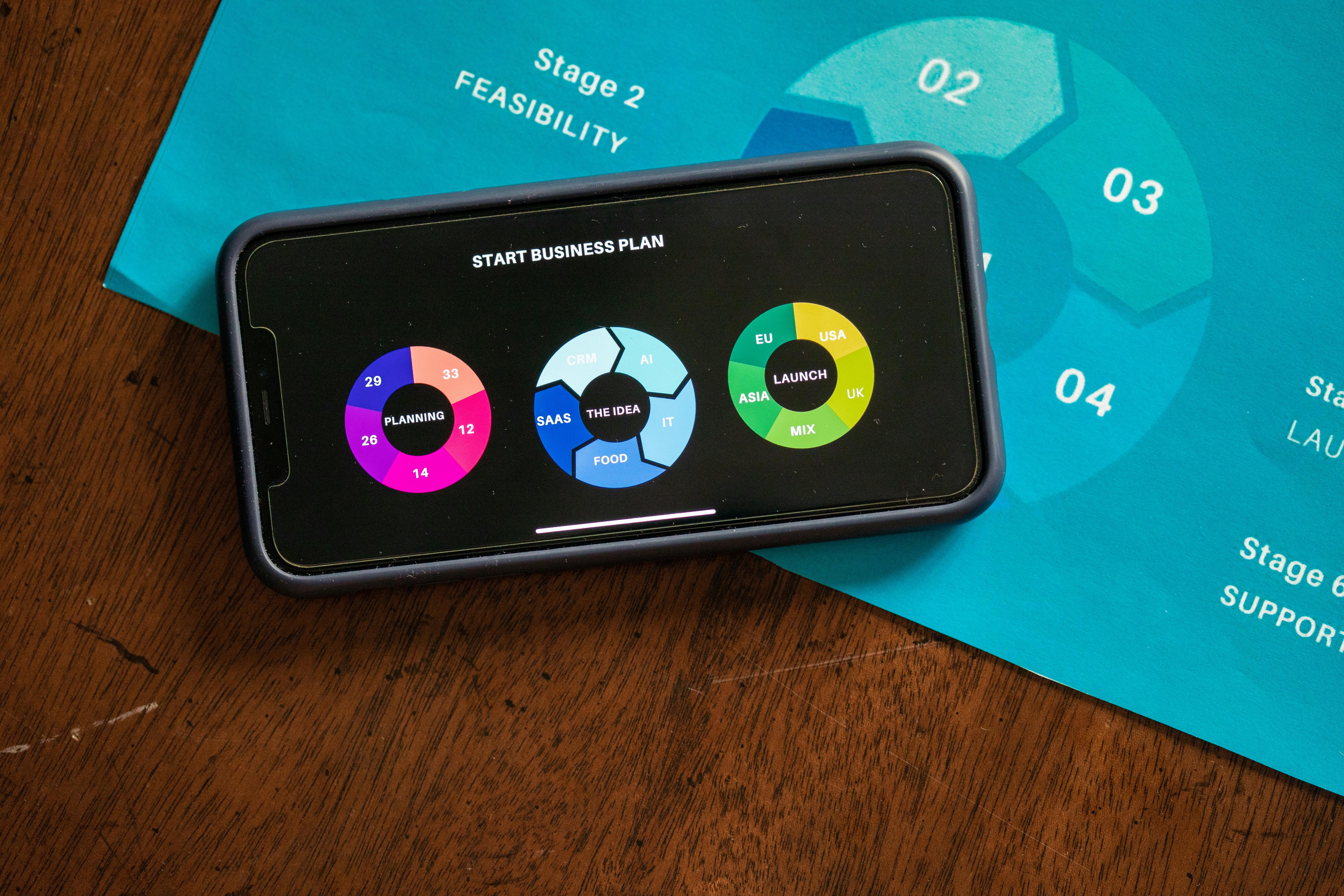
A powerful niche exists at the intersection of three circles:
Your Authentic Passion: What part of travel makes you come alive? Is it the grit of adventure travel, the elegance of luxury hotels, the history of ancient sites, or the thrill of finding the best street food? Your genuine enthusiasm is an un-fakeable asset.
Proven Audience Demand: Are people actively searching for information on this topic? Use free tools like Google Trends or simply type phrases into the Pinterest and TikTok search bars to see what queries autocomplete. That’s your demand signal.
Clear Monetization Potential: Are there high-quality products, services, or experiences within this niche that you can confidently recommend?
Don't be a "travel blogger." Be the go-to resource for:
Budget Family Road Trips in the American Southwest
Luxury Eco-Tourism & Conservation in Costa Rica
Solo Female Backpacking in Southeast Asia
Digital Nomad Life & Co-working in Eastern Europe
A sharp niche makes every subsequent step—from content creation to product selection—infinitely easier and more effective.
Step 2: Build Your Owned Platform (Your Digital Command Center)
Instagram, TikTok, YouTube—these are phenomenal tools for reaching people and building community. But they are rented land. An algorithm change can vaporize your reach overnight. Your single most important business asset is a platform you own and control: your website.
An owned website is your digital home base. It’s where you:
Exercise Full Control: You dictate the content, the user experience, and the monetization strategy.
Build a Long-Term Asset: A well-optimized article can rank on Google for years, becoming an evergreen asset that drives traffic and affiliate sales while you sleep.
Establish Unshakable Credibility: A professional website signals to your audience, brands, and affiliate managers that you are a serious business owner.
This is where you need a digital command center. While a traditional blog is a fine starting point, modern creator platforms are built to accelerate this process. On the TrekGuider Seller Platform, for instance, your articles, bio, social links, and digital products all live in one central hub—instantly establishing you as a multi-faceted expert, not just a blogger.
Step 3: Create a Library of Foundational, High-Value Content
Before you ask for the sale, you must first provide immense value. Affiliate managers are looking to partner with creators who have a proven ability to engage an audience. Your job is to build a small library of 5-10 "pillar" content pieces that are purely focused on helping your audience solve a problem.
This content should not have a single affiliate link. Its sole purpose is to build trust and showcase your expertise. Examples include:
"The Perfect 7-Day Itinerary for First-Timers in Rome"
"The Ultimate Packing List for a Safari in Tanzania"
"10 Costly Mistakes to Avoid When Planning a Trip to Japan"
By creating this content first, you build a portfolio that makes your affiliate applications irresistible. You’re not just another hopeful creator; you’re a valuable partner with a demonstrated track record.

The Launch Sequence (From Application to First Commission)
With your foundation poured and cured, it’s time to start framing the house. This is the launch sequence—the phase where you strategically integrate monetization and work toward that first, exhilarating commission.
Step 4: How to Start Affiliate Marketing Program Selection
The goal here is precision, not volume. Joining dozens of programs leads to overwhelm and inaction. Start by identifying and joining 3-5 core programs that are a perfect fit for your niche. The most resilient strategy is a hybrid one:
Join a Major Network: An affiliate network acts as a marketplace, giving you access to hundreds of brands through a single dashboard. A travel-specific network like Travelpayouts or a broad one like CJ Affiliate is the perfect place to start.
Partner Directly with Core Brands: Identify the handful of brands your audience already knows, uses, and trusts. If you focus on outdoor adventure, a direct partnership with REI is non-negotiable.
Pro-Tip: When evaluating programs, look beyond the commission percentage. A 30-day "cookie duration" (the window in which you get credit for a sale after a click) is far more valuable than a high commission with a 24-hour window, especially for considered purchases like travel.
Step 5: Get Your Unique Links and Weave Them In
Once approved, you’ll gain access to your affiliate dashboard. This is where you’ll find your unique tracking links. Now, revisit your foundational content and look for natural, organic opportunities to place them. The key is to be a helpful guide, not a pushy salesperson.
Contextual In-Text Links: "For our day trips, we booked everything through Viator, which had the best cancellation policies."
Visually Distinct Buttons & Boxes: Use eye-catching design elements for your most important recommendations to make them stand out.
Specific Calls-to-Action (CTAs): Ditch "Click Here." Use compelling, specific language like, "Check Prices & Availability on Booking.com" or "See the Latest Reviews on Tripadvisor."
Pro-Tip: Transparency is the foundation of trust. The U.S. Federal Trade Commission (FTC) legally requires you to disclose your affiliate relationships. Place a clear, simple disclosure at the very top of any post containing affiliate links. A simple, "This post contains affiliate links, which means I may earn a commission if you make a purchase at no extra cost to you," is perfect.
Scaling Your Success (The Path to a Full-Time Income)
Earning your first commission is a monumental milestone. It’s proof of concept. Now, it’s time to build a system for sustainable growth that can transform this into a reliable, full-time income stream.
Step 6: How to Start Affiliate Marketing Traffic Generation
Great content with affiliate links is useless without eyeballs. Your affiliate business lives and dies by its ability to attract the right audience. Focus your energy on two primary channels:
Search Engine Optimization (SEO): This is your long-term wealth-building strategy. Focus your SEO efforts on keywords with commercial investigation intent. These are the phrases people use when they are actively researching a purchase. Think "best carry-on luggage for Europe," "Viator vs. GetYourGuide," or "SafetyWing insurance review." Ranking for these terms attracts an audience that is already primed to buy.
Social Media & Email Promotion: This is your short-term traffic-driving strategy. Every time you publish a new monetized article, promote it across your social channels and to your email list to get an immediate influx of engaged readers.
Step 7: Analyze, Optimize, and Scale
You cannot improve what you do not measure. Your affiliate dashboards are a goldmine of data. Every month, review your analytics and ask:
Which articles are driving the most clicks and commissions?
Which products are resonating most with my audience?
What questions are people asking that I can answer with a new piece of content?
Use this data to double down on what’s working. If your review of a specific hiking boot is generating consistent sales, create a comprehensive guide to "The Best Hiking Gear for the Pacific Crest Trail." This data-driven approach is what separates amateurs from professional affiliate marketers.
Frequently Asked Questions for New Creators
1. How much does it cost to start affiliate marketing? The startup costs are incredibly low. You can start a professional website with a domain name and hosting for less than $100 a year. The primary investment is your time in creating high-quality content.
2. How long does it take to start making money? This depends on your niche and your ability to create helpful content and drive traffic. It's realistic to expect to earn your first commission within 3-6 months if you are consistent. Think of the first six months as building the foundation of a business that will pay you for years to come.
3. Can I do affiliate marketing without a blog or website? While you can share links on social media or in a newsletter, it's highly discouraged as a primary strategy. A website is an asset you own. It builds credibility, allows for long-form content that ranks on Google, and insulates you from the risk of being de-platformed.
Ready to Build Your Travel Content Business?
Download our free resource bundle, The Travel Creator's Toolkit, is packed with the checklists, content templates, and guides you need to put these steps into action and start building your affiliate income today.
Your Business Blueprint is Set
To start affiliate marketing is to start a real business. By following this framework—building a solid foundation, launching with precision, and scaling with data—you have the exact blueprint for success. You are no longer just a creator sharing your passion; you are the CEO of a modern media company.
The path is clear. The opportunity is immense. Your journey from passionate traveler to profitable creator starts now.
Read the full guide: The Travel Blogger's Playbook to Affiliate Marketing Mastery
Don't Miss Out! Subscribe for Exclusive Content
SubscribeComments 0
No comments yet
Be the first to share your experience!
Dont Miss Out! Subscribe for Exclusive Content
FTC Affiliate Disclosure Essentials: Stay Compliant as a Travel Creator
Essential Affiliate Tools: From Tracking to Full Optimization

Avoid These 5 Affiliate Landing Page Mistakes for Better Conversions

Affiliate Keyword Research Mastery for Travel Blogs
Booking.com Affiliate Program Review: Pros, Cons, and Earnings Potential