
Mardi Gras: 6 Parade Survival Tips

TrekGuider @trekguider
You’ve seen the photos—a blizzard of purple, green, and gold beads flying through the air. You’ve heard the stories of jazz music spilling onto streets packed with revelers. The dream of Mardi Gras in New Orleans is a powerful one, a siren call to the world’s greatest free party. It’s a bucket-list spectacle of dazzling floats, complex costumes, and pure, unadulterated joy. But let’s be honest: the reality behind that dream can be intimidating. The sheer scale of the crowds, the labyrinthine parade schedules, and the logistical hurdles can turn a fantasy trip into a frantic mess.
Without a battle plan, you risk becoming just another overwhelmed tourist. Imagine traveling all that way only to be stuck ten rows deep, craning your neck for a fleeting glimpse of a float. Picture the rising panic of losing your friends in a sea of humanity with zero cell service, or the bone-deep exhaustion that sets in after hours on your feet, unprepared. The magic of Carnival can fade fast when you’re fighting the chaos instead of embracing it.
This is where you stop worrying. Consider this your official playbook for not just surviving, but thriving at the parades. We’re going to arm you with the insider knowledge to navigate the festivities like a seasoned pro. These six essential survival tips will transform your Mardi Gras New Orleans experience from stressful to unforgettable. This is just one of the incredible cultural celebrations we explore in our complete guide to New Orleans Holidays: Cultural Feasts, but for now, let’s master the art of the parade.

Tip 1: Decode the Schedule & Choose Your Krewes Like a Local
First, let’s clear up a common misconception: Mardi Gras isn't just one day. It's an entire season, a cultural crescendo that officially begins on January 6th and leads to the city-wide blowout of "Fat Tuesday." The parades, organized by social clubs known as "krewes," are the lifeblood of the celebration, and they hit a fever pitch in the final two weeks. Knowing which parades to see—and when—is the first step to crafting your perfect experience.
The final weekend before Fat Tuesday is when the legendary "super-krewes" roll, drawing the biggest crowds and delivering the most spectacular shows. For 2026, these are the dates to circle in red on your calendar:
Saturday, the weekend before Mardi Gras: A marathon day featuring the massive Krewe of Endymion, an evening parade so spectacular it feels like a rolling blockbuster.
Sunday, the days leading up to Fat Tuesday: The Krewe of Bacchus, another titan of Carnival, hits the streets at 5:15 PM with its own celebrity monarch and jaw-dropping floats.
Monday, the Monday before Mardi Gras (Lundi Gras): Witness history with the Krewes of Proteus and Orpheus, two stunning nighttime parades that light up the city.
Tuesday, late February (dates shift each year—check nola.com for the exact schedule) (Fat Tuesday): The grand finale. The day kicks off with the Krewe of Zulu at 8:00 AM, famous for its coveted hand-painted coconut throws, followed by the regal Krewe of Rex at 10:30 AM, whose leader is the official "King of Carnival."
Not all krewes offer the same experience. Daytime parades often have a more relaxed, family-centric vibe. Nighttime parades are a different animal entirely—lit by historic gaslight torches called "flambeaux," they are dazzling, high-energy spectacles that draw a more party-oriented crowd. Do a little research on each krewe's theme and history to find the ones that match your style.
Pro-Tip: Before you even leave your hotel, download a real-time parade tracker app from a local New Orleans news station. These GPS-powered apps show you the exact location of the parade's lead float, giving you the intel to know if you have time for a bathroom break or a food run before the action reaches you.

Tip 2: Location is Everything: How to Claim Your Parade Turf
Your viewing spot will define your entire parade experience. The primary routes snake through the stately Uptown/St. Charles Avenue corridor and along the edge of the French Quarter. For a more traditional, family-friendly atmosphere, plant yourself along St. Charles Avenue. Under the canopy of ancient oak trees, you’ll find generations of families who have claimed the same spot for decades. For a more intense, high-octane experience, the sections of the route closer to Canal Street are where the crowds roar loudest.
Let’s be clear: the golden rule of securing a good spot is to arrive obscenely early. For a super-krewe on that final weekend, we’re not talking 30 minutes ahead—we’re talking hours. This is a marathon of patience. You’ll see locals set up their full camp—chairs, coolers, and ladders—long before the first siren wails. About those ladders: you’ll see many custom-built ladder seats designed to give kids a safe, elevated view. It’s a brilliant tradition, but if you use one, follow the local etiquette: place it at least six feet back from the curb to avoid obstructing the view of those in front and to stay clear of the massive floats.
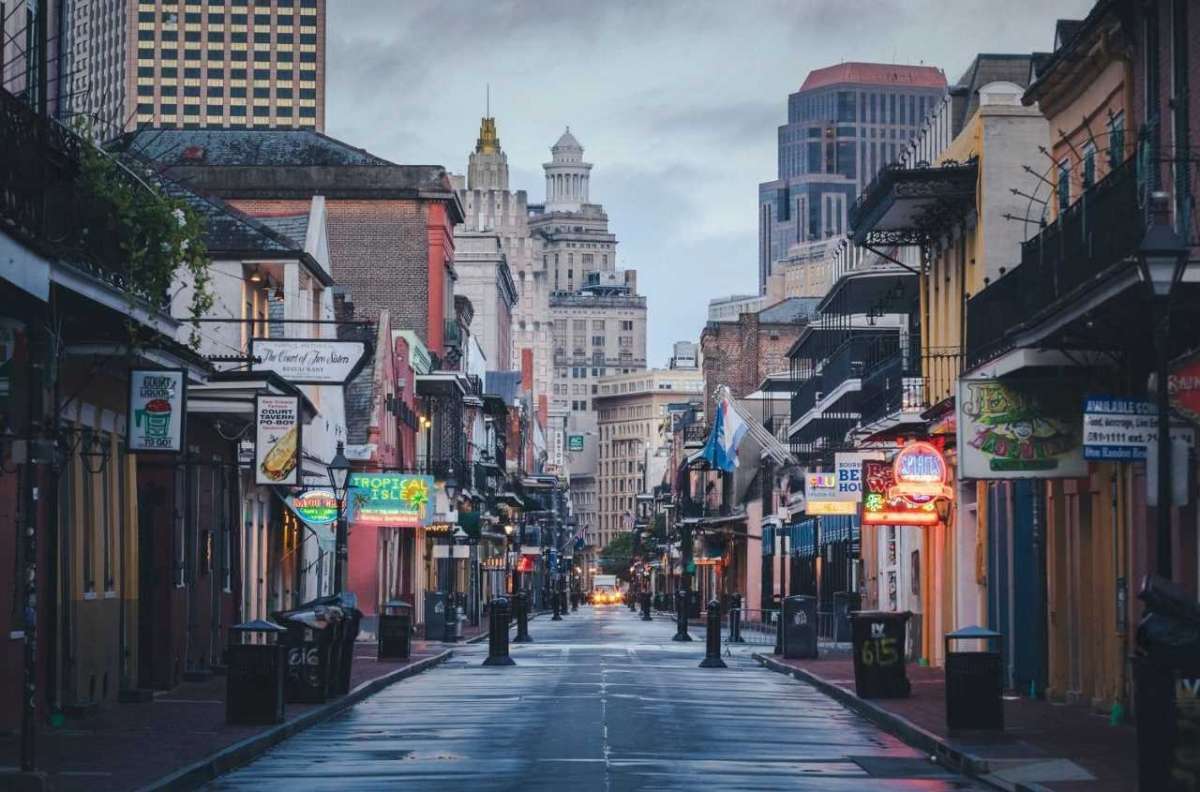
Remember, the major parades do not go through the narrow, historic streets of the French Quarter. While Bourbon Street is its own unique Mardi Gras spectacle, it is not the place to watch the krewes roll.

Tip 3: Master the Art of the "Throw" for Your Mardi Gras New Orleans Haul
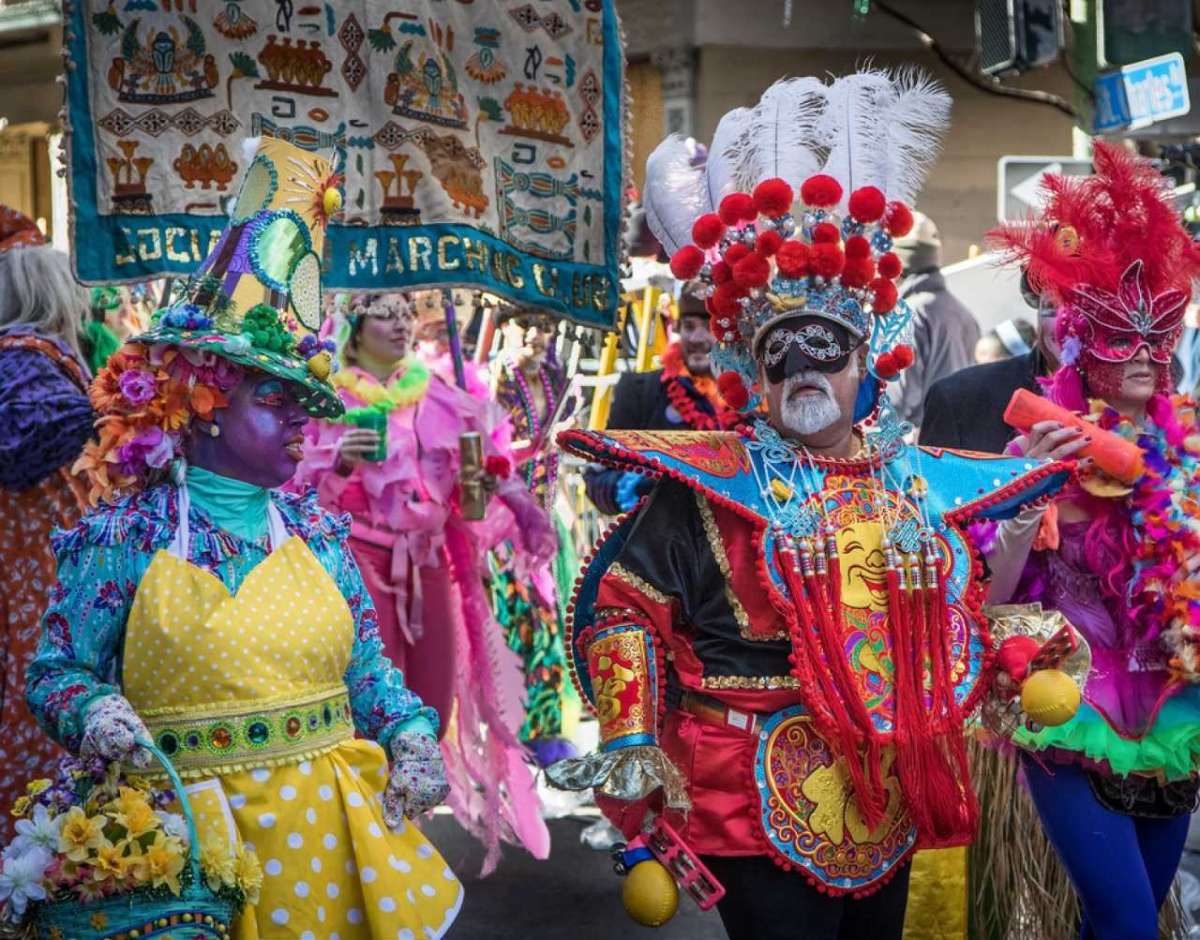
The quintessential Mardi Gras New Orleans experience is reaching up and catching a string of colorful beads. These items, tossed from the floats by krewe members, are called "throws," and they are the currency of Carnival. But it’s so much more than just beads. Each krewe has its own signature throws, from decorated plastic cups and doubloon coins to light-up toys and stuffed animals. Some are true collector's items, like the exquisitely hand-decorated shoes from the all-female Krewe of Muses or the legendary painted coconuts from Zulu.
Catching the best stuff is a skill. Here’s how to improve your odds:
Engage and Make Eye Contact: Float riders are scanning the crowd for energy. Wave your arms, smile, and yell the classic line: "Throw me something, mister!" They are more likely to toss something special to someone who is clearly having a great time.
Practice Good Karma: Be aware of the people around you, especially children. If a coveted throw lands near a kid, let them have it. The spirit of Mardi Gras is communal joy, not competition.
Bring a Designated Bag: You will catch far more than you can wear or carry. A simple tote bag or small backpack is essential for stashing your loot.
Above all, be safe. The number one rule is never, ever run into the street or chase a float for a throw. These floats are enormous, pulled by tractors with limited visibility. Wait for the throws to come to you and never reach under a float. No plastic necklace is worth the risk.
Tip 4: Pack Your Ultimate Parade Survival Kit
A day on the parade route is an urban endurance event. You’ll be on your feet for hours, exposed to the elements, and a long way from your home base. A well-packed day bag is non-negotiable. Being prepared for any great American adventure requires the right checklist, and just as you’d use our National Park Road Trip Checklist to prepare for the wild, this kit will ensure you conquer the urban jungle of Carnival.
These are the absolute essentials for your Mardi Gras survival kit:
Hydration: Pack more water than you think you need. Staying hydrated is critical.
Fuel: High-energy, easy-to-carry snacks like protein bars, trail mix, and pretzels will keep your energy levels up.
Sun & Rain Gear: New Orleans weather is fickle. Pack sunscreen, a hat, and sunglasses for daytime parades, but also throw in a cheap poncho. A sudden downpour can’t ruin your day if you’re prepared for it.
Layers: A sunny 70-degree afternoon can plummet to a chilly 50 degrees after sunset. Wear layers you can easily shed or add.
Portable Power Bank: Between taking photos, coordinating with friends, and running a parade tracker, your phone battery will vanish. A portable charger is a modern-day necessity.
Sanitation Supplies: Public restrooms are of the port-a-potty variety and see heavy use. A travel-sized pack of tissues and a bottle of hand sanitizer will feel like pure luxury.
A Throw Bag: A lightweight, foldable tote is perfect for your haul.
Tip 5: Navigate the Crowds & Stay Safe Like a Pro
The sheer scale of the crowds can be staggering—this is, after all, an event that generated an $891 million economic impact in 2024. Navigating this joyful mass of humanity requires a proactive approach to safety.
First, the buddy system is not optional. Stick with your group. Before you even head out, establish a non-obvious, hyper-specific meeting point. "Under the clock at the hotel" is good. "The corner of Canal and St. Charles" is a recipe for disaster. Cell service will be spotty at best, so you cannot rely on your phone to reunite.
When it comes to getting around, forget driving. Street closures and traffic make it a nightmare. Parking, if you can find it, will be exorbitant—reserve a spot in a garage well in advance if you must bring a car. Your best bets are walking, using public transit, or grabbing a rideshare, but be prepared for surge pricing and long waits after a parade.
Pro-Tip: To move through a thick crowd, don't try to bull your way through the middle. The pro move is to retreat one block off the parade route, walk parallel to it in the direction you want to go, and then cut back in. It’s a slightly longer walk that will save you immense time and frustration.
Tip 6: Embrace the Spirit of "Laissez les Bons Temps Rouler"
Finally, the most crucial tip of all: embrace the official motto of Mardi Gras, Laissez les bons temps rouler—Let the good times roll. This isn't just a slogan; it's the city's philosophy. This celebration is a profound expression of New Orleans' unique Creole heritage, a season defined by king cake feasts, brass bands, and an unbreakable sense of community. Don't get so wrapped up in logistics that you forget to be present.
Strike up a conversation with the family next to you. Compliment a stranger's incredible costume. Share your snacks. New Orleanians are famously hospitable and love sharing their traditions. Participate in the culture, don't just observe it. To truly understand the soul of this festival and others like it, our comprehensive Travel Guide offers a deep dive into the cultural fabric of America's most fascinating cities, providing the context that turns a great trip into a meaningful one.
Your Mission: Go Forth and Conquer Carnival
You are now officially prepared. Armed with these insider strategies, you can confidently tackle your Mardi Gras New Orleans adventure. You have the knowledge to decode the schedule, claim the best spots, pack for success, and stay safe in the joyous chaos. You are no longer just a tourist hoping for the best; you are an informed participant, ready to dive into the heart of one of the world's greatest cultural spectacles.
So book the ticket, pack your most festive attire, and get ready to let the good times roll. The magic of Mardi Gras is waiting for you.
Don't Miss Out! Subscribe for Exclusive Content
Subscribe



Comments 0
No comments yet
Be the first to share your experience!
Dont Miss Out! Subscribe for Exclusive Content

San Francisco Cherry Blossoms: A Local's Guide to the Blooms


Halloween SF: Haunts Without Horrors

SF Festivals: 7 Must-See Lineups

Christmas SF: Lights & Wharf Wonders

SF Pride: 6 Route & Party Hacks

Chinese New Year SF: Parade Essentials
How to Travel Europe Alone: A 2026 First-Timer's Guide
TrekGuider @trekguider
You see the photos and you feel the pull. The ancient stones of the Colosseum bathed in golden light, the staggering peaks of the Swiss Alps, the charming canals of Amsterdam—a European adventure calls to you. But a shadow of apprehension quickly follows. The thought of navigating this vast, diverse continent entirely on your own feels overwhelming, even paralyzing. How do you even begin to compare a Eurail pass to a budget flight? How do you stay safe from the sophisticated tourist scams you’ve heard about in crowded piazzas? The logistical and safety concerns can feel like an insurmountable mountain, turning a lifelong dream into a source of anxiety.

This guide is your step-by-step plan to conquer that mountain. It is the definitive, practical blueprint for your first solo female travel Europe adventure, designed to replace abstract fear with concrete knowledge and confident action. This isn't just about seeing Europe; it's about discovering your own capability. For a complete overview of a solo traveler's journey, be sure to read our comprehensive pillar article, The Ultimate Guide to Solo Female Travel (15 Essential Tips).
Why Europe is the Perfect Stage for Your First Solo Trip
Before we dive into the logistics, let's establish why Europe is arguably the best destination on earth for a first-time solo traveler. Think about it: where else on Earth can you find such an unparalleled density of cultures, languages, and histories packed into a single, navigable continent? You can have breakfast with Belgian waffles in Brussels, lunch beneath the Eiffel Tower in Paris, and a late-night pasta in Lyon—all in a single day, if you’re ambitious.
More importantly, the tourist infrastructure is second to none. Reliable and extensive public transportation, a wide range of accommodation from social hostels to private hotels, and the widespread use of English in major hubs significantly lower the barrier to entry. Furthermore, numerous European countries consistently rank among the safest and most peaceful in the world. The 2026 Global Peace Index, for instance, lists countries like Iceland, Ireland, Portugal, and Slovenia in its top tiers, making them outstanding choices for building your solo travel confidence.

Conquering the Continent: A First-Timer's Guide to European Transport
Your biggest logistical decision will be how to move between cities and countries. Europe offers a fantastic array of options, each with a distinct balance of cost, speed, and experience. Your choice will define the rhythm of your trip.
Pro-Tip: Don't commit to a single mode of transport for your entire trip. The savviest travelers use a hybrid approach. Use budget airlines for long-haul jumps across the continent, scenic trains for shorter regional travel where the journey is the destination, and buses for budget-friendly hops between nearby cities.
Nailing your transportation strategy is the first step to unlocking the continent. Now, let’s talk about the fuel for your adventure: your budget. For a solo traveler, who bears the full cost of every room and ride, this is where savvy planning truly pays off.
Smart Budgeting for Solo Female Travel Europe: West vs. East
The single most important factor influencing your budget in Europe is geography. A week in Western Europe can easily cost double what you’d spend in the East, and understanding this allows you to craft an itinerary that matches your bank account.
The Paris vs. Prague Paradigm: A Tale of Two Budgets
To understand this disparity, let’s compare the approximate daily costs for a "Budget Soloist" in two iconic capitals, based on data synthesized from cost-of-living aggregator sites.
Accommodation: This is the biggest driver of cost. A bed in a well-rated hostel dorm in Prague might cost you €25. In Paris, a similar dorm will likely start at €50.
Food: A hearty, traditional sit-down dinner in Prague can be found for €10-€15. A comparable meal in a Parisian bistro could easily be €25-€35.
Daily Total: When you add in local transport and activities, a budget-conscious solo traveler could comfortably explore Prague on around €65 per day. To maintain a similar travel style in Paris, you would need to budget at least €115 per day.
This doesn't mean you should skip Western Europe. It means you should plan for it. You can balance your overall trip budget by spending more time in affordable countries like Poland, Hungary, and the Czech Republic, and shorter, more focused time in more expensive destinations like France, Switzerland, and the UK.
Your Pre-Departure Blueprint
Feeling organized is the first step to feeling confident. A detailed checklist ensures you don't miss a single crucial step, from visa applications to travel insurance. Download our free, comprehensive International Travel Checklist to start your planning process with total clarity.
Your Tactical Safety Guide to Europe
While Europe is generally very safe, its popular tourist hubs are magnets for petty crime and sophisticated scams. Your best defense is awareness. While a significant 66% of women who travel solo report worrying about their personal safety, data from recent surveys paints a more empowering picture. While 25% have found themselves in a situation they perceived as dangerous, a mere 1% were the victim of a crime. This shows that women are overwhelmingly successful at navigating the world safely. The key is trading abstract fear for concrete knowledge. This is the core of safe solo female travel Europe.
Recognizing and Dodging Common Tourist Scams
Scammers rely on distraction, confusion, and your natural inclination to be polite. By knowing their playbook, you can recognize the performance and walk away before you become a part of it.
The Friendship Bracelet/Rose Scam: Found near major landmarks, a person will approach, grab your wrist, and quickly weave a "friendship bracelet" onto it, or thrust a "free" rose into your hand. Once the item is attached or accepted, they aggressively demand payment. Defense: Keep your hands in your pockets in these areas. Do not stop walking. Use a firm, clear "No" and pull away if contact is made.
The Petition Scam: Common in cities like Paris and Berlin, a person shoves a clipboard at you for a signature. While you’re distracted, an accomplice pickpocket's you. Defense: Legitimate charities rarely operate this way. Never stop for street petitions. Ignore the person and keep moving.
The "Found Gold Ring" Scam: Someone "finds" a gold-colored ring on the ground in front of you and asks if you dropped it. They'll then offer to sell you the worthless brass ring for a "good price." Defense: Recognize it's a performance. Do not engage; simply shake your head and walk away.
The Spilled Drink/Fake Bird Poop Scam: Someone "accidentally" spills a substance on you. They will be profusely apologetic and immediately start "helping" you clean up, using the distraction to steal your wallet or phone. Defense: If a stranger spills something on you, your first move is to clutch your bag and secure your valuables. Create physical distance, firmly state, "I'm fine," and walk away to a safe place.
The Broken Taxi Meter Scam: A driver claims the meter is broken after the ride has started, then demands an exorbitant fare. Defense: Whenever possible, use reputable ride-sharing apps. With local taxis, use official stands and confirm they will use the meter before you get in.
The Secure Sanctuary: Your Hotel Room Safety Checklist
Your accommodation is your safe haven. Performing this consistent security check upon arrival provides critical peace of mind.
Prop the Door: Before entering, use your luggage to prop the main door open. This ensures an escape route if the room is unexpectedly occupied.
Sweep the Room: Do a quick but thorough search of the entire space—under the bed, in closets, behind the shower curtain.
Test All Locks: Once clear, close the door and immediately test the deadbolt, chain lock, and any other security latches. Check that all windows and balcony doors lock securely.
Deploy a Portable Lock: Use your own device, like a rubber doorstop alarm or a portable metal lock, to provide a layer of security that is entirely within your control.
Perform a Hidden Camera Scan: Use your phone's flashlight to scan for the glint of a tiny camera lens in unusual places like smoke detectors, clocks, and USB chargers. In the dark, your phone's front-facing camera is more sensitive to the small IR lights used by night-vision cameras.
Map Your Exits: Find the fire escape map on the back of the door and physically walk the route to the two nearest exits.
Pro-Tip: Your intuition is your most advanced piece of security gear. If a person, place, or situation feels "off," it probably is. Don't hesitate to leave a street or enter a different train car. You don’t need to justify this feeling; just honor it and act on it.
Crafting Your Perfect First-Time Itinerary

With your transport, budget, and safety strategies in place, the fun begins: deciding where to go! For a first-timer, the best destinations are those with excellent infrastructure, low crime rates, and an easy-to-navigate environment. Countries like Portugal, Ireland, and Slovenia are fantastic choices. They offer stunning scenery, friendly locals, and a well-trodden tourist path that makes independent travel feel seamless and secure.
For a destination that perfectly blends history, sunshine, and an incredible solo-friendly infrastructure, Spain is an incredible choice. From the energetic tapas bars of Madrid to the fantastical architecture of Barcelona, it's a country that feels made for independent exploration. Our comprehensive travel guides to Spain and Portugal contain detailed itineraries and local secrets that will make your trip unforgettable.
Frequently Asked Questions for a First-Time Solo Trip to Europe
Even with a plan, questions will pop up. Here are answers to the most common anxieties first-timers face.
Is it weird to eat alone in Europe?
Absolutely not. Dining solo is common across the continent. To feel more comfortable, choose a seat at the bar or a counter, which are natural spots for single diners. Bringing a book or a travel journal also gives you a purposeful focus.
How do I handle language barriers?
In most major tourist destinations, English is widely spoken in hotels, restaurants, and attractions. However, learning a few key phrases in the local language ("Hello," "Please," "Thank you," "Do you speak English?") is a sign of respect that goes a long way. Download the Google Translate app and pre-download the language pack for your destination for offline use.
What's the best way to meet other people?
Stay in a modern hostel (even in a private room) to access social common areas and events. Joining a free walking tour on your first day in a new city is a classic and effective strategy. Small group activities like a local cooking class or a day tour also create a natural environment for connection.
Do I really need travel insurance?
Yes. It is non-negotiable. For a solo traveler, it's your financial and logistical safety net for everything from a medical emergency to lost luggage or a canceled flight. Look for policies with strong emergency medical and evacuation coverage.

Your European Adventure Awaits
The dream of a European adventure doesn't have to remain a distant fantasy. It is an achievable, empowering, and profoundly rewarding journey that is more accessible to you now than ever before. By breaking down the process into manageable steps, you can conquer the logistics of transport and budgeting. By arming yourself with tactical safety knowledge, you can move through the world with confidence and awareness. This guide has given you the blueprint for your first solo female travel Europe adventure, transforming overwhelming questions into a clear, actionable plan.
The personal growth, resilience, and radical self-reliance you will discover on this journey will become a permanent part of who you are. The world is waiting.
Don't Miss Out! Subscribe for Exclusive Content
SubscribeComments 0
No comments yet
Be the first to share your experience!
Dont Miss Out! Subscribe for Exclusive Content

A Woman's Guide to Safe Travel: 10 Critical Tips

7 Hotel Safety & Security Tips for Peace of Mind

11 Essential Solo Travel Safety Tips You Need to Know

The Ultimate Guide to Travel Safety: A 2026 Playbook

How to Meet People While Traveling Solo (Without Being Awkward)

5 Ways to Confidently Eat Alone While Traveling
Christmas in NYC: 7 Magical Markets
TrekGuider @trekguider
Planning a trip for Christmas in New York can feel like trying to direct a Broadway show—exciting, but utterly overwhelming. You’ve seen the twinkling lights and festive cheer in countless movies, and you want that magical, snow-globe experience for yourself. You dream of sipping hot cocoa while browsing charming wooden stalls, finding unique gifts, and soaking in an atmosphere so festive it feels like a warm hug.
But the reality can be a chaotic whirlwind of massive crowds, tourist traps, and paralyzing indecision. You risk spending your precious holiday time stuck in the wrong places, missing out on the authentic, cozy markets that truly define the city's holiday spirit. Instead of feeling the magic, you end up feeling stressed, cold, and disappointed, wondering if you’ve missed the real heart of a New York Christmas.
This guide is your definitive map to festive perfection. We’re cutting through the noise to take you on an insider’s tour of the 7 most magical Christmas markets in NYC. We’ll share pro-tips on what to buy, the best times to visit to avoid the crowds, and how to pair each market with the city’s most stunning light displays for the ultimate holiday adventure. These markets are a key part of the city's festive transformation, a spectacle we explore in full in our complete guide to New York Holidays: 10 Must-Do Events. Get ready to experience the holiday season in NYC the way it was meant to be.
Essential Know-Before-You-Go Tips for a Perfect Market Day
A little strategy goes a long way in a city that never sleeps, especially during the holidays. To make your market-hopping experience more magical and less maddening, keep these core principles in mind. They are the key to unlocking a smoother, more enjoyable Christmas in New York.
Embrace the Weekday Morning: The single best piece of advice for any major NYC attraction is to go early on a weekday. The holiday markets are most pleasant right when they open, typically around 11 AM. You’ll have more space to browse, chat with vendors, and truly appreciate the craftsmanship without being jostled by the shoulder-to-shoulder afternoon crowds.
Master Public Transportation: Driving and parking in Manhattan during the holidays is a recipe for extreme frustration and expense. The subway and buses are your best friends. Plan your market route using a transit app, buy a MetroCard for the duration of your stay, and enjoy the freedom of zipping beneath the traffic-clogged streets.
Dress in Smart Layers: New York’s winter weather is notoriously fickle. You might be freezing while walking between markets but quickly overheat once inside a packed indoor venue like Grand Central. Dress in layers—a thermal base, a sweater or fleece, and a warm, waterproof coat—that you can easily add or remove. A comfortable pair of waterproof boots is non-negotiable.
Carry a Mix of Cash and Cards: While the vast majority of vendors now accept credit cards, some smaller artisans or food stalls may be cash-only or have credit card minimums. Having a mix of both ensures you’ll never miss out on that perfect, one-of-a-kind find or a warm pretzel when you need it most.
1. Bank of America Winter Village at Bryant Park: The Iconic Centerpiece
If you could only visit one holiday market in NYC, this would be it. The Winter Village at Bryant Park is the quintessential New York Christmas experience, a dazzling wonderland set against the iconic backdrop of the New York Public Library and soaring midtown skyscrapers. This isn't just a market; it's a full-blown festive destination.
The entire experience is built around the 17,000-square-foot ice rink, which famously offers free admission (you just pay for skate rentals). Surrounding it are over 180 European-inspired, custom-designed "jewel box" kiosks that glow from within, creating a warm and inviting atmosphere as you wander the park's allées.
Here, you’ll find a truly global selection of goods, from complex ornaments and handmade leather goods to unique jewelry and cozy winter apparel from independent designers. The food options are a major draw. You can find everything from savory Belgian waffles and pierogies to rich hot chocolate and artisanal cheese. The Lodge provides an aprés-skate-themed food hall, offering a cozy spot to refuel and watch the skaters.
Pro-Tip: To truly enjoy the ambiance, visit on a weekday morning right when it opens. You can have a leisurely skate on the near-empty rink and browse the shops in peace. By lunchtime, the crowds swell, and the experience becomes far more hectic.

2. Union Square Holiday Market: The Eclectic European-Style Village
If your gift list demands something with more soul than a department store can offer, make a beeline for the Union Square Holiday Market. It’s less a market and more a sprawling, festive village that erupts in the heart of downtown, its iconic red-and-white striped stalls forming a labyrinth of pure creative energy.
The sheer variety and quality of the vendors are what set this market apart. It’s a juried market, meaning every vendor is carefully selected, ensuring a high standard of craftsmanship and originality. The winding aisles encourage exploration, making you feel like you’re discovering a hidden gem around every corner. This is the place to find gifts you simply won't see anywhere else: hand-blown glass ornaments, screen-printed posters from local artists, gourmet pantry items, and organic bath products. Several booths even offer on-the-spot personalization, whether it’s stamping a leather keychain or engraving a piece of jewelry.
The market can feel overwhelming. Our advice? Grab a map at the entrance and do a quick loop of the perimeter first to get your bearings. Then, dive into the inner aisles to hunt for treasures.
3. Columbus Circle Holiday Market: An Upscale Festive Escape
Perfectly situated at the southwest entrance to Central Park, the Columbus Circle Holiday Market offers a slightly more relaxed and upscale shopping experience. It’s the ideal place to find sophisticated gifts for the most discerning people on your list, with the added bonus of a magical Central Park stroll right next door.
The location is simply unbeatable. The glittering lights of the market stalls, with the stone arches of the park entrance and the Time Warner Center as a backdrop, create a picture-perfect holiday scene. It’s smaller and more manageable than Union Square, allowing for a more leisurely browsing experience focused on quality craftsmanship and gourmet treats. Expect to find elegant jewelry, designer winter wear, complex wooden puzzles, and fine art photography. The food vendors are a delight, selling artisanal chocolates, infused olive oils, and spiced gingerbread.
After shopping, complete your classic NYC holiday afternoon by taking a horse-drawn carriage ride through Central Park or going for a skate at the famous Wollman Rink.
4. Grand Central Holiday Fair: The Warmest Indoor Market
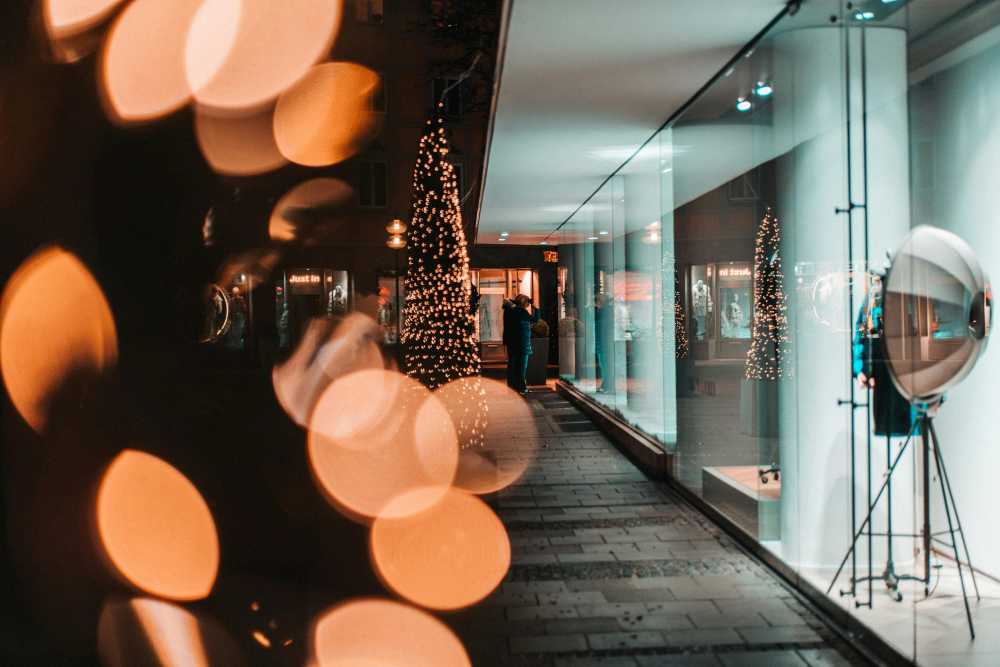
When the winter wind is biting, the Grand Central Holiday Fair offers a warm and dazzling respite. Housed in the magnificent, beaux-arts Vanderbilt Hall, this indoor market is a haven of calm and quality, away from the outdoor chill. Shopping under the grand chandeliers is an experience in itself.
The market is hand-picked, focusing exclusively on American-made and handcrafted products from artisans and small businesses across the USA. You’ll find everything from handmade stationery and children’s clothing to beautiful pottery and eco-friendly accessories. The atmosphere is refined and peaceful, a stark contrast to the joyful chaos of the outdoor markets. Its location within Grand Central Terminal makes it an incredibly convenient stop for commuters and travelers. Because it’s indoors, this is the perfect market to save for a particularly cold or snowy day.
5. The Holiday Market at the Oculus: A Modern Marvel
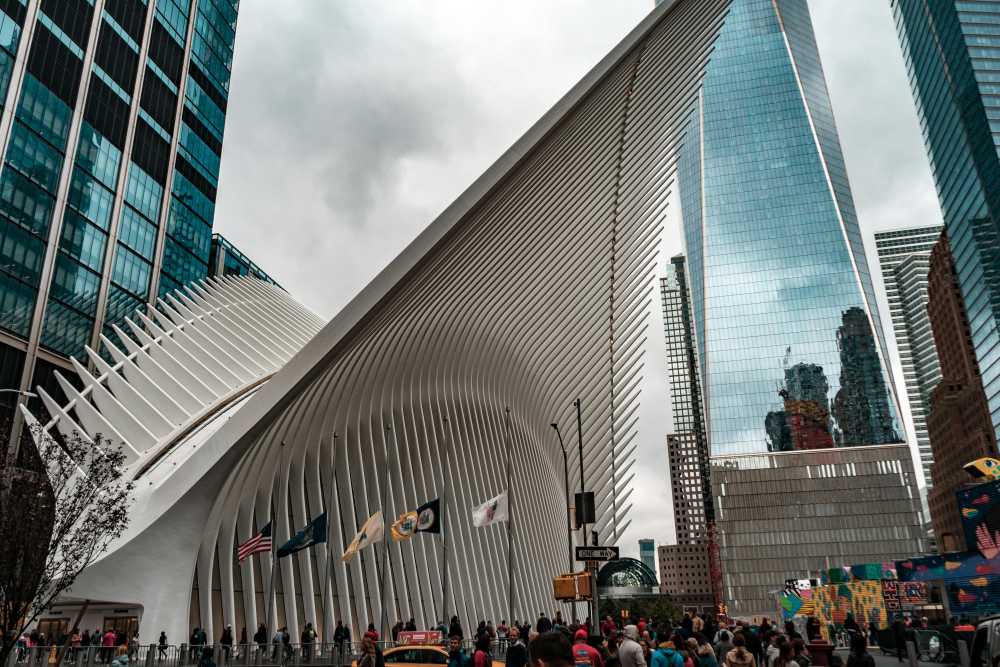
For a Christmas in New York experience that is sleek, modern, and architecturally stunning, head downtown to the Holiday Market at the Oculus. Set inside Santiago Calatrava’s breathtaking transit hub, this market blends high-end shopping with festive pop-ups in a truly unforgettable setting.
The venue is the star. The soaring white ribs of the Oculus create a cathedral-like space that feels both grand and futuristic. During the holidays, the space is filled with elaborate decorations and a cheerful, bustling energy, offering a completely different vibe from the traditional wooden-stall markets. The market is a mix of familiar luxury brands and curated pop-up shops offering everything from gourmet sweets to tech gadgets. It often features live musical performances, adding to the lively atmosphere.
Pair It With: The Oculus is part of the World Trade Center complex, making it easy to combine your shopping with a poignant visit to the 9/11 Memorial & Museum or a trip to the top of One World Observatory for staggering city views.
6. Brooklyn Flea + Smorgasburg Winter Market: The Hipster's Holiday Haul
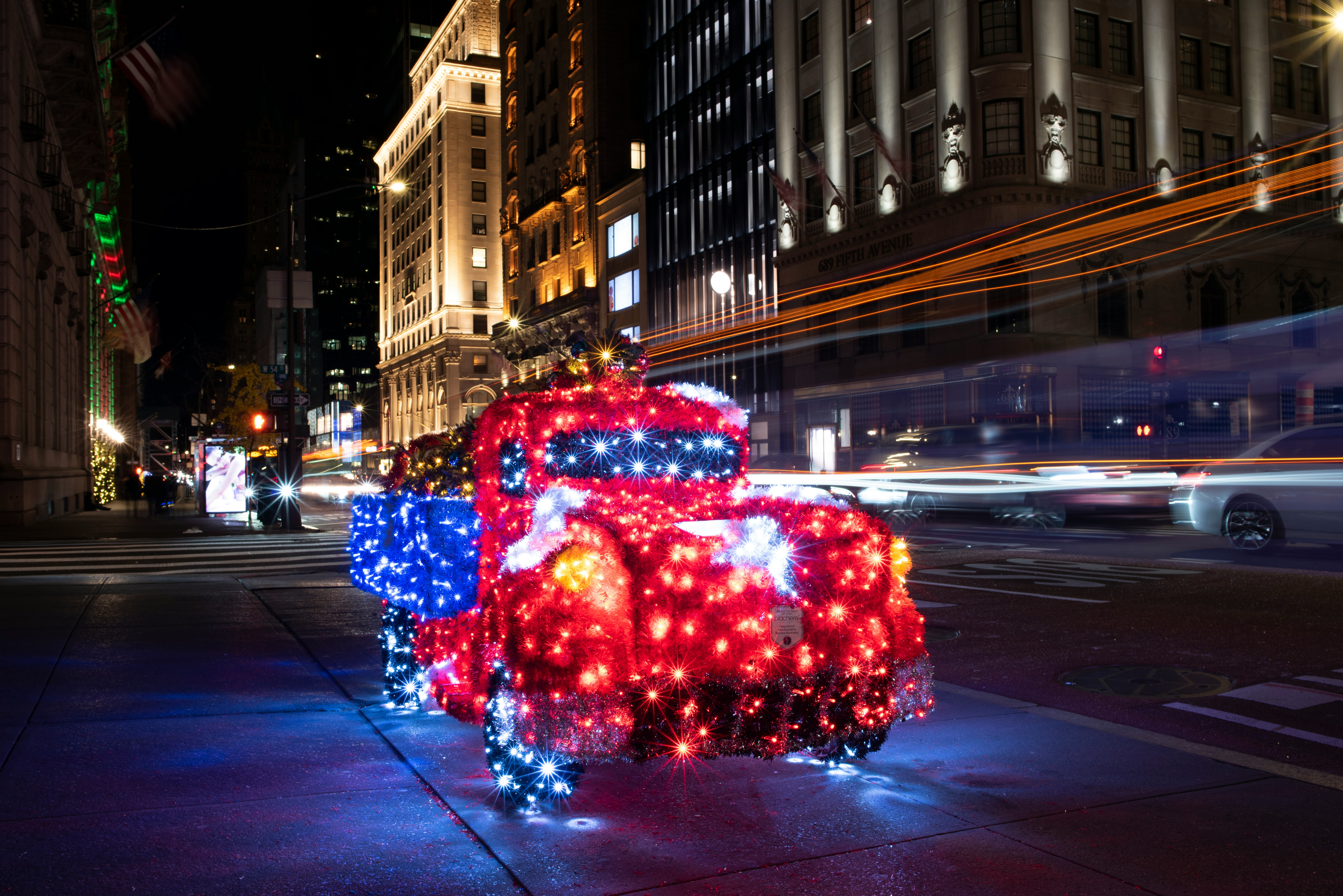
Escape the Manhattan crowds and discover a treasure trove of unique finds at the Brooklyn Flea + Smorgasburg Winter Market. This is where you’ll find the city’s coolest vintage goods, handmade crafts, and artisanal foods all under one roof, making it the ultimate destination for a one-of-a-kind gift.
The vibe is pure Brooklyn: creative, eclectic, and effortlessly cool. It’s a massive market that combines the best of the Brooklyn Flea (vintage clothing, antique furniture, retro vinyl) with the best of Smorgasburg (dozens of gourmet food vendors). You are guaranteed to find something here that you won’t see anywhere else, shopping directly from Brooklyn-based artists and designers. The Smorgasburg section is a culinary adventure in itself, serving up inventive dishes from around the world.
Pro-Tip: This is the perfect market for finding a truly unique gift that tells a story. To make your trip even smoother, especially if you're visiting from abroad and planning to bring treasures home, download our International Travel Checklist to ensure you have everything you need for a seamless journey.
7. Grand Holiday Bazaar: The Year-Round Market with a Festive Flair
For a shopping experience that feels good and does good, visit the Grand Holiday Bazaar on the Upper West Side. This is the city’s largest curated weekly market, but it pulls out all the stops for the holiday season with special festive themes and vendors.
What makes this market truly magical is its powerful social mission: all profits are donated to four local public schools, benefiting over 2,000 children. Shopping here means you’re directly supporting the local community, making every purchase feel meaningful. The atmosphere is friendly and neighborhood-focused, with a rotating lineup of over 150 independent local artisans, designers, and vintage dealers each week. Be sure to check their website before you go to see the theme for the week.

Beyond the Markets: A Tour of NYC's Legendary Holiday Lights
No trip for Christmas in New York is complete without indulging in the city’s legendary light displays. Many of these are conveniently located near the markets, allowing you to create a perfect festive itinerary.
The Rockefeller Center Christmas Tree: This is the undisputed king of all holiday displays. The single best piece of advice, straight from seasoned locals, is to visit at dawn. The early hour rewards you with a serene, crowd-free view that feels like a private showing.
Saks Fifth Avenue Light Show: Directly across from Rockefeller Center, the entire facade of the Saks Fifth Avenue flagship store is transformed into a dazzling musical light show that runs every ten minutes after dusk. It’s a spectacular and unmissable piece of holiday theater.
Dyker Heights, Brooklyn: For a truly over-the-top display, you must take a trip to this Brooklyn neighborhood. The residents engage in a friendly competition to create the most spectacular, professionally-done Christmas light displays imaginable. It’s an unforgettable experience that feels like stepping onto a movie set.
Your Magical New York Christmas Awaits
You now have the insider’s playbook to the very best of festive New York. Armed with this guide, you can navigate the city not as a stressed tourist, but as a savvy traveler ready to soak in the genuine magic of the season. From the iconic grandeur of Bryant Park to the creative buzz of Brooklyn, you have the keys to unlock a holiday trip filled with unique gifts, delicious food, and unforgettable memories. Your perfect Christmas in New York is no longer just a dream—it’s a plan.
Ready to plan your entire U.S. holiday adventure? Our comprehensive Travel Guide is packed with expert advice, detailed itineraries, and local secrets to unlock unforgettable experiences across the country.
Don't Miss Out! Subscribe for Exclusive Content
SubscribeComments 0
No comments yet
Be the first to share your experience!
Dont Miss Out! Subscribe for Exclusive Content
San Francisco Cherry Blossoms: A Local's Guide to the Blooms
Halloween SF: Haunts Without Horrors
SF Festivals: 7 Must-See Lineups
Christmas SF: Lights & Wharf Wonders
SF Pride: 6 Route & Party Hacks