
Solo Travel Packing: Pack for Freedom, Not Fear

TrekGuider @trekguider
Forget every checklist you’ve ever downloaded. The internet is littered with lists of what to pack, but they all miss the fundamental point. For a solo traveler, the contents of your bag are secondary. What truly matters is the system behind it. Mainstream packing advice is a trap, designed for travelers who can lean on a partner. But for you, every ounce and every decision is a direct reflection of your independence.
The secret the pros know is this: packing isn’t a chore you endure before a trip. It is the first, most critical act of the adventure itself. It’s a declaration of self-reliance. Getting it wrong leads to the classic traveler mistakes: wrestling an overstuffed bag on a crowded train, becoming an obvious target, or having a minor inconvenience like a dead phone escalate into a genuine crisis in an unfamiliar city.
This is not another packing list. This is a manifesto on the philosophy of smart travel. We’re going to dismantle the conventional wisdom and replace it with a set of battle-tested systems. These are the solo travel packing hacks that go beyond gear, transforming your bag from a burdensome anchor into a strategic asset for a safer, more mobile, and profoundly more liberating journey. Of course, packing is just one piece of the puzzle. For the complete playbook on traveling alone, be sure to consult our master resource on Anxious to Adventurous: Solo Travel Tips for Confidence.

The Mindset Shift: Why Your Bag is Your Most Important Travel Companion
For a solo traveler, your pack is your superpower. It’s your home, your toolkit, and your shield. Embracing this mindset is the key. A masterful packing strategy isn’t about what you leave behind; it’s about what you gain—freedom from the tyranny of heavy luggage, the anxiety of unpreparedness, and the vulnerability that comes with looking like a lost tourist.
This philosophy is built on three core pillars:
Radical Self-Reliance: You are your entire support system. Every item must be a tool that empowers your independence, from a simple roll of duct tape for on-the-fly repairs to a power bank that ensures you are never without your digital lifeline.
Calculated Efficiency: Your time and energy are your most precious resources. An intelligently organized bag means less time spent rummaging for a charging cable and more time savoring a sunset. It means navigating cobblestone streets and endless train station stairs with ease, not exhaustion.
Proactive Security: A smart packer moves with confidence, and confidence is a powerful deterrent. This isn't about paranoia; it's about preparation. It’s choosing and organizing your gear in a way that makes you a "hard target," so you can focus on the joy of discovery.
System 1: The Capsule Wardrobe - A Masterclass in Infinite Style, Minimal Space
The Philosophy: More Options from Fewer Items
The capsule wardrobe isn't just a space-saving technique; it's a strategic weapon against decision fatigue. The goal is to create a small, curated collection of versatile, interchangeable clothing. This ensures you feel confident and appropriate in any situation, from a morning market stroll to an impromptu dinner invitation, without ever having to waste mental energy on what to wear.
The Method in Action
This system works by making smart, upfront choices. For example, a common framework for a one-week trip is the 5-4-3-2-1 guideline: 5 sets of socks/underwear, 4 tops, 3 bottoms, 2 pairs of shoes, and 1 layering piece. But the real magic is in the details.
Invest in high-performance fabrics. Merino wool is the undisputed champion for solo travelers; it’s temperature-regulating, moisture-wicking, and naturally odor-resistant, meaning you can wear it multiple times without washing. One merino wool shirt does the work of three cotton ones.
Build on a neutral palette. Sticking to a base of colors that all work together (black, grey, navy, tan) creates dozens of potential outfits. You can then add personality with a lightweight, colorful scarf or a unique accessory—items that provide maximum visual impact for minimal packing space.
System 2: Modular Organization - The Secret to Effortless Efficiency & Discretion
The Philosophy: A Place for Everything, and Everything in Its Place
How you organize your bag is a strategic choice. A chaotic bag bleeds time and energy. Worse, it forces you to expose your entire inventory just to find one item, a critical vulnerability in a shared hostel dorm. The goal is to create a modular system that allows you to access exactly what you need, when you need it, without disrupting anything else.
The Method in Action
The key element of modular organization is compartmentalization.
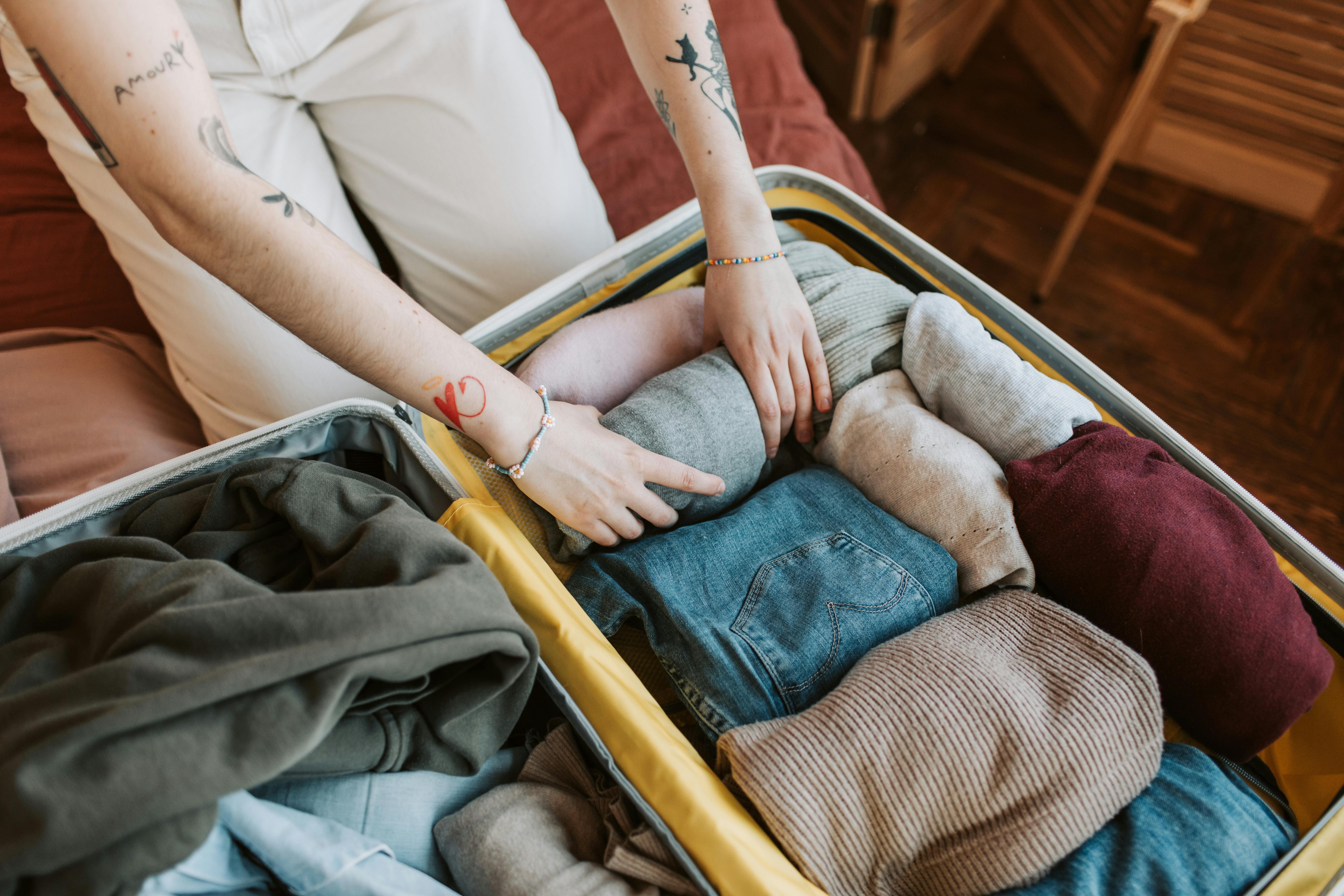
Packing cubes are the gold standard. They aren’t just for compression; they turn your backpack into a tidy chest of drawers. By using different colored cubes for different categories (e.g., blue for tops, red for bottoms, grey for electronics), you can retrieve an item in seconds, discreetly and efficiently.
The rolling method is foundational. Tightly rolling your clothes is superior to folding. It minimizes wrinkles and allows you to see every piece of clothing at a glance within your packing cube, eliminating the need to dig.
System 3: The Fortress of Self-Reliance - Your Security & Problem-Solving Toolkit
The Philosophy: Prepare for the Worst, Enjoy the Best
True freedom on the road doesn't come from hoping problems won't arise. It comes from the quiet confidence that you can handle them when they do. This system is about building a portable fortress of security and a toolkit for self-reliance, so you can explore with an unshakeable peace of mind.
The Three Layers of Your Fortress
Layer 1: Proactive Gear Security
The goal here is to make yourself a less appealing target. Opportunistic thieves look for easy wins.
Carry a decoy wallet with a small amount of local currency and some expired cards. If confronted, you can hand it over without losing your essential documents.
Use a simple carabiner to clip the zippers of your daypack together. It’s not a high-security lock, but it’s an effective deterrent against a pickpocket trying to subtly slide your bag open in a crowd.
Layer 2: Personal & Digital Safety
Your well-being matters most. These items are non-negotiable.
A rubber door stop is one of the most effective, low-cost security tools you can carry. Shoved under your hotel or Airbnb door, it provides a powerful physical barrier against unwanted entry.
Your phone is your lifeline. A dead phone is a safety crisis. Always carry a fully charged power bank (at least 10,000mAh).
Public Wi-Fi is a hunting ground for data thieves. Using a VPN on your phone and laptop is essential to protect your banking information and passwords.
Layer 3: The "MacGyver" Multi-Tools
When you’re alone, small problems can become major headaches. The MacGyver mindset is about packing a few multi-purpose items that can solve countless issues.
Wrap a few feet of duct tape around a water bottle or pen. It can repair a broken sandal, patch a backpack, or serve as a makeshift bandage.
A bandana or sarong is the ultimate multi-tool. It can be a towel, a sun shield, a dust mask, a makeshift bag, or a privacy screen.
Beyond the Gear: Packing for the Solo Experience
Expert packing goes beyond the purely practical. It’s also about packing for your emotional well-being and enhancing the unique moments that solo travel offers.
Pack a sensory comfort item. Loneliness can strike unexpectedly. Something small that connects you to home—a few of your favorite tea bags, a familiar scent, a silk pillowcase—can be an incredible comfort.
Bring a social icebreaker. A simple deck of playing cards placed on a table in a hostel common room is a universal invitation to connect with other travelers, breaking down language and cultural barriers instantly.
Empower your inner photographer. Don't let being solo stop you from getting great photos. A small, flexible mini tripod allows you to use your phone's self-timer for stunning shots that aren't just selfies. The "video screenshot hack" is another pro move: record a short video of yourself moving through a scene, then scrub through it later to pull out perfect, candid-looking still images.

Conclusion: Stop Packing, Start Preparing
You now possess the framework. The difference between an amateur and an expert traveler isn't what they pack, but how they think. It’s the understanding that a capsule wardrobe is about mental clarity, modular organization is about efficiency, and a fortress of self-reliance is about absolute freedom.
This guide was the "why." You have the philosophy.
Now it's time for the "what." To put these systems into practice, you need the right tools. We've compiled everything—every piece of gear, every item of clothing, every essential document—into one definitive resource.
Your next step is clear. Take these principles and build your ultimate kit with our . It’s the tactical playbook that will bring this strategy to life.
Read the full guide: Anxious to Adventurous: The Ultimate Guide to Solo Travel Confidence
Don't Miss Out! Subscribe for Exclusive Content
Subscribe



Comments 0
No comments yet
Be the first to share your experience!
Dont Miss Out! Subscribe for Exclusive Content

Ultimate USA Holidays Guide: Top Picks


FTC Affiliate Disclosure Essentials: Stay Compliant as a Travel Creator

Essential Affiliate Tools: From Tracking to Full Optimization

Booking.com Affiliate Program Review: Pros, Cons, and Earnings Potential

Decoding Affiliate Commission Rates: Benchmarks for Travel Creators

Amazon Associates for Travel: Strategies to Maximize Commissions
Choosing an All-Inclusive Family Resort? Read This First.
TrekGuider @trekguider
The idea of an all-inclusive resort is almost magical for parents: a place where "I'm hungry" is solved instantly, activities are endless, and your wallet can stay locked in the safe. But the dream can quickly turn into a pricey mistake with crowded pools, hidden fees, and lackluster kids' clubs. The key to securing that blissful, stress-free escape isn't luck—it's knowing exactly what to look for before you book.
For every family that returns refreshed, another comes back with cautionary tales. The difference between paradise and disappointment lies in the details. This guide is your battle plan to see past the glossy marketing photos and find true value.

We'll show you how to vet any resort and book a vacation that delivers on its promise. This advice is a perfect starting point for the hands-on planning that follows exploring broader Family Travel Ideas: The 2026 Guide to Unforgettable Trips.
The Real Genius of an All-Inclusive
Choosing an all-inclusive isn't just about unlimited snacks (though that helps). It's a strategic move to conserve your most valuable resources: mental energy and peace of mind.
The Freedom from Decision-Making: A great vacation shouldn't require a dozen decisions before breakfast. At the right resort, the only choice you need to make is between the pool and the beach. This freedom from constant planning is the ultimate luxury for a parent.
Lock In Your Budget, Then Forget About It: This is perhaps the biggest stress-reducer. You know the vast majority of your costs upfront, eliminating the constant mental math of vacation spending. It allows you to relax and say "yes" to another round of virgin piña coladas without wincing.
A Safe Harbor for Your Kids: The self-contained nature of a resort means you can relax your constant hyper-vigilance. It’s a secure environment where older kids can have a taste of independence (like walking to the ice cream stand on their own) and you can actually finish a chapter of your book. For more on this, explore The Secret to Stress-Free All Inclusive Family Vacations.
The Perfect Solution for Group Getaways: Trying to coordinate a trip with grandparents, cousins, or another family can be a logistical nightmare. An all-inclusive acts as the perfect home base, offering a wide array of food and activities to keep everyone happy without the need for complex daily planning.
Not All-Inclusives Are Created Equal
The term "all-inclusive" covers everything from sprawling theme parks to quiet beach retreats. The key is matching the resort's personality to your family's.

The Action-Packed Wonderland: Think massive water parks, character breakfasts, and a dizzying schedule of activities from sunrise to sunset.
Best For: Families who crave constant stimulation. If your kids thrive on energy and want to make a dozen new friends, this is your spot.
The Chic & Serene Escape: These smaller, more intimate properties focus on quality over quantity. Expect elevated dining, stunning design, and a more relaxed, upscale atmosphere.
Best For: Families with infants who just need a beautiful place to relax, or those with self-sufficient teenagers who cringe at organized fun. This is about connection, not chaos.
The Eco-Adventure Hub: Located in places like Costa Rica, these resorts weave nature and adventure into the all-inclusive package. Think guided jungle hikes, kayaking tours, and wildlife spotting included in your stay.
Best For: Active families who want the ease of an all-inclusive without being confined to a pool deck. It’s for those who want to explore the world, then come back for a hassle-free dinner.
The Savvy Parent's Vetting Checklist: 5 Things to Do Before You Book
Marketing photos sell a fantasy. Your job is to uncover the reality. Be ruthless. Use this five-point checklist to dissect any potential resort and ensure it’s the right fit for your family.

1. Interrogate the Kids' Club
A great kids' club is the key to unlocking actual adult relaxation. Don't just confirm its existence; investigate the details like a detective.
The Checklist:
Age Groups: Are kids lumped together, or are there separate programs for toddlers, little kids, and tweens? A 4-year-old and a 10-year-old have vastly different needs.
The Schedule: Ask for a sample weekly activity schedule. Is it creative and engaging (nature walks, craft projects, local cooking classes) or is it just screen time?
Staffing: What is the staff-to-child ratio? Are staff certified in CPR and first aid?
Security: What are the check-in and check-out procedures?
Green Flag: The resort proudly displays its kids' club schedule online.
Red Flag: The details are vague, and customer service can't provide specifics.
2. Scrutinize the Food & Drink Scene
"All-inclusive" shouldn't mean mediocre. You need to understand the logistics of how, when, and where you'll be eating.
The Checklist:
The Reservation Reality: How many restaurants require reservations? Can they be made before you arrive, or is it a mad dash each morning to book a spot for dinner?
Buffet Recon: Look at recent guest photos on TripAdvisor or Google, not just the professional ones. Does the buffet look fresh and varied? Are there plenty of simple, kid-friendly staples?
Hours of Operation: When do the restaurants and snack bars open and close? If your toddler is an early riser, a coffee shop that opens at 8 a.m. is a problem.
Green Flag: Multiple casual, drop-in dining options are available all day.
Red Flag: Reviews repeatedly mention long waits for tables or difficulty getting reservations.
3. Audit the "All-Included" Fine Print
The most frustrating part of a bad all-inclusive experience is the endless stream of upcharges. Your mission is to identify them beforehand.
The Checklist:
Activities: Is it just non-motorized water sports (kayaks, paddleboards)? Or are things like snorkel gear, a climbing wall, or an introductory scuba lesson included?
Drinks: Is it just local beer and well liquor? Are premium spirits, bottled water, and decent wine extra?
Hidden Fees: Look for mentions of "resort fees," Wi-Fi charges, or extra costs for premium beach chairs or cabanas.
Green Flag: The resort's website has a clear, detailed page listing exactly what’s included.
Red Flag: The language is vague, using phrases like "select beverages" or "some activities."
4. Evaluate the Resort Map
A sprawling, poorly planned resort can turn a simple trip to the pool into a 15-minute trek in the blazing sun with a tired toddler.
The Checklist:
The Golden Triangle: Look at the map. How far are the main family pool, the primary buffet, and the beach from the room blocks designated for families?
Quiet vs. Action: Does the resort have designated "quiet pools" or adults-only sections? This is a great sign—it means they're thinking about different types of guests.
Green Flag: The resort is thoughtfully laid out with key family amenities clustered together.
Red Flag: The resort is massive, and reviews mention needing to wait for golf carts to get anywhere.
5. Triangulate Real-World Reviews
Read reviews, but read them like a pro. Don't just skim the star ratings.
The Checklist:
Filter Everything: On sites like TripAdvisor, filter reviews specifically for "Family." The experience of a honeymooning couple is irrelevant to you.
Search for Keywords: Use the search function within reviews to look for terms relevant to you: "toddler," "stroller," "food allergies," or "teen."
Look for Patterns: Ignore the single 1-star review from an angry guest and the glowing 5-star review that sounds like it was written by the hotel manager. Look for consistent themes that appear in multiple reviews over several months. That’s the truth.
Green Flag: Recent family reviews are consistently positive about the staff and cleanliness.
Red Flag: Multiple families mention the same recurring problems (broken A/C, dirty pools, etc.).
Pro-Tips for Your First All-Inclusive Trip
Here's the insider knowledge that can make a good trip great.

Pack Your Own Insulated Cups: The resort cups are often tiny and flimsy. Bringing your own will keep your drink cold, reduce plastic waste, and save you countless trips to the bar.
Bring Small Bills for Tipping: While tips are often included, a few dollars for the bartenders, housekeeping staff, or kids' club counselors will ensure exceptional service.
Bring a Mini-Pharmacy: Don't pay $20 at the resort gift shop for children's Tylenol. Pack a small kit with essentials like pain relievers, allergy meds, upset stomach remedies, and plenty of waterproof Band-Aids.
The Early Bird Gets the Best Chair: In most resorts, the prime real estate by the pool is claimed early. If a shady spot is important, you may need to stake your claim before breakfast.
Make the Journey as Smooth as the Destination
The perfect resort vacation starts with a stress-free travel day. But flying with kids can feel like its own logistical puzzle. Our free guide is packed with pro tips on navigating airports, beating boredom, and arriving at your resort ready to relax.
Download the Stress-Free Flying with Kids Guide
Frequently Asked Questions
Are all-inclusive resorts really a good value?
They offer incredible value for convenience and budget control. While an a la carte trip might be cheaper, it requires far more planning and leaves you open to surprise costs. For parents who value a low-stress experience, the return on investment is huge.
What's the best age for a child to enjoy an all-inclusive?
The 4-12 age range is often the sweet spot, as kids are old enough for the kids' club but young enough to be dazzled by it all. That said, many resorts now have fantastic, dedicated programs for toddlers and teens, making them a great option for nearly any age.
How do I handle food allergies?
Reputable resorts take this very seriously. Contact the resort directly before booking to discuss their protocols. Once you arrive, ask to speak with the head chef, who can often arrange for safe, specially prepared meals.
What should I always pack for an all-inclusive trip?
Beyond your usual clothes, always pack your own insulated cups for drinks, a mini-pharmacy with kids' medicine and first-aid, and small bills for tipping. These items will save you money and hassle.
An all-inclusive family vacation, chosen wisely, is more than a trip—it's a reset button. By using this framework to look beyond the brochure, you can confidently select a resort that fits your family's unique style. You can trade planning and stress for presence and connection, and create memories that truly last.
Read the full guide: Family Travel Ideas: The 2026 Guide to Unforgettable Trips
Don't Miss Out! Subscribe for Exclusive Content
SubscribeComments 0
No comments yet
Be the first to share your experience!
Dont Miss Out! Subscribe for Exclusive Content
Ultimate USA Holidays Guide: Top Picks
FTC Affiliate Disclosure Essentials: Stay Compliant as a Travel Creator
Essential Affiliate Tools: From Tracking to Full Optimization
Booking.com Affiliate Program Review: Pros, Cons, and Earnings Potential
Decoding Affiliate Commission Rates: Benchmarks for Travel Creators

Top 11 High-Paying Affiliate Programs for Travel Bloggers
7 Best Travel Photography Blogs for Tips
TrekGuider @trekguider
You know the feeling. You’re standing before a truly breathtaking scene—a fiery sunset melting into the ocean, a frenetic city street alive with energy, a mountain range so vast it stills your breath. You raise your camera, convinced you can bottle that magic. But when you get home, the photos on your screen are a pale imitation. The colors look washed out, the epic scale feels diminished, and the raw emotion of the moment is gone. It's the most common frustration in photography.
The gap between the photos you take and the professional shots you admire isn't about money or a more expensive camera. It's about knowledge. It's about seeing the world through a trained eye and understanding the techniques that transform a simple snapshot into a powerful story. The secret is learning from those who have already walked the path and mastered the craft. In a world saturated with social media portfolios, however, finding true educators can feel impossible.
That’s why we’ve sifted through the noise for you. We’ve identified the creators who are dedicated to teaching—the ones who provide the actionable advice, in-depth tutorials, and honest gear reviews that will actually make you a better photographer. If you’re ready to finally start creating travel photos that do your memories justice, you’re in the right place. These are the best travel photography blogs for real, practical tips. And for panoramic view of the top creators ac across every niche, our definitive guide to The Best Travel Blogs to Follow in 2026 is your essential starting point.
What Separates a Portfolio from a Powerhouse Educational Blog?
Before we dive in, let’s clarify our criteria. A gallery of beautiful photos is inspiring, but it won’t teach you how to improve. The blogs on this list were handpicked because they are exceptional educational platforms that empower their audience.
According to our 2026-2026 market analysis, the most authoritative blogs share key traits that set them apart. First is niche specificity and expertise; they establish themselves as deep experts in a specific domain, whether it’s adventure photography or post-processing. Second is the quality of writing and originality, allowing them to deconstruct complex topics—like the exposure triangle or advanced composition—into language anyone can understand. They are teachers, not just tastemakers.
The Top 7 Travel Photography Blogs for Actionable Advice
These seven blogs deliver on the promise of education. Each offers a unique perspective and a wealth of knowledge to help you improve your craft, whether you’re starting out or looking to refine your professional skills.

1. Expert Vagabond (Matthew Karsten)
For the photographer who thrives in the wild, there’s no better mentor than Matthew Karsten of Expert Vagabond. With over a decade of professional experience shooting in some of the world's most remote corners, Karsten doesn’t just show you the shot; he shows you the grit behind it. His gear guides are legendary for their depth, explaining not just what he uses, but why a particular piece of equipment is e essential for a specific environment. This is the ultimate resource for learning to create stunning images under rugged, challenging conditions.
2. Along Dusty Roads (Andrew & Emily)
Andrew and Emily are masters of mood. Their work has a distinct, cinematic quality, and their blog is an incredible resource for learning how to evoke emotion through imagery. While they offer detailed guides on photography techniques, their true genius lies in post-processing. Their Lightroom tutorials are models of clarity, focused on teaching you how to use editing to enhance the story of your image, not just apply a generic filter. They prove that the art happens just as much in the digital darkroom as it does in the camera.
3. BucketListly Blog (Pete R.)
If you love the tech behind the art, BucketListly Blog is your paradise. Pete’s gear reviews are exhaustive, moving far beyond spec sheets to deliver careful real-world performance analysis. He covers everything from the latest flagship mirrorless cameras to the best travel drones and action cameras. What makes his blog essential is its dual focus on both photography and videography, making it a one-stop shop for the modern hybrid creator who needs to produce elite content in multiple formats.
4. I Hit The Button (Andy Feliciotti)
The name says it all. This blog is laser-focused on the science and art of photography. Andy Feliciotti dives deep into the technical craft, offering detailed explorations of topics like long exposure, astrophotography, and advanced composition. This is where you go when you’re ready to move beyond beginner tips and truly understand the why behind a great photo. It’s the perfect resource for the photographer who loves to geek out on the details and push their creative boundaries.

5. The Blonde Abroad (Kiersten Rich)
Kiersten Rich is a powerhouse in the travel industry, and her photography is a masterclass in creating a vibrant, aspirational brand. Her blog is an excellent resource for anyone looking to master lifestyle and portrait travel photography. She offers fantastic, practical tips on everything from styling and wardrobe choices to using presets to achieve a cohesive, professional aesthetic. Her content is especially helpful for solo travelers who want to learn how to take incredible photos of themselves.
6. The Planet D (Dave & Deb)
Dave and Deb have been exploring the world for over a decade, and their photography captures the sheer scale and grandeur of our planet's most epic landscapes. Their blog is a fantastic learning tool for anyone looking to improve their landscape and wildlife photography. They provide practical, field-tested advice on what lenses to use for sweeping vistas, how to shoot in harsh weather conditions (like Antarctica!), and how to tell a story of adventure through a series of powerful images.
7. The Lovers Passport (Stephen & Giselle)
Focused on couple’s travel, The Lovers Passport is an invaluable resource for anyone wanting to learn how to weave human elements into their photography. They excel at breaking down how to plan and execute an epic shot, from location scouting with Google Earth to posing subjects to create a compelling narrative. Their guides are packed with practical advice on making a destination feel both grand in scale and deeply intimate at the same time.
Decoding the Masters: Key Lessons from the Pros
Studying the work of these top-tier photographers reveals a set of shared principles. Their incredible images are not the result of magic, but a consistent application of three core pillars: strategic gear selection, timeless composition, and masterful post-processing.

It Starts with the Right Gear (But Not How You Think)
A unanimous philosophy among these pros is that the best camera for travel is the one you’re willing to carry. A bulky, heavy kit is a liability, not an asset. The market trend is toward smaller, lighter, yet incredibly powerful mirrorless systems.
Beyond the camera, your core kit should include a few essentials: a versatile "walk-around" lens (like a 24-70mm), extra batteries, and a solid camera bag.
Pro-Tip: A lightweight carbon fiber tripod is the single best investment for elevating your landscape photography. It allows you to shoot at "golden hour" with a low ISO for clean images and enables creative long exposures that are impossible handheld.
Mastering the Fundamentals of Composition
Gear is just a tool. The real art lies in arranging the elements within your frame. The best photographers use these timeless principles to tell a story.
Rule of Thirds: Mentally divide your frame into a 3x3 grid. By placing your subject along a line or at an intersection, you create a more balanced and visually engaging image than a simple centered shot.
Leading Lines: Use a road, river, or fence to create a line that guides the viewer's eye through the scene toward your main subject. This technique is a powerful way to create a sense of depth.

Shooting at Golden Hour: The hour after sunrise and before sunset offers soft, warm, directional light. This is far more flattering and dramatic than the harsh, flat light of midday.
Framing: Use foreground elements like an archway, a window, or tree branches to create a natural frame around your subject. This adds context and draws the viewer's focus.
Changing Perspective: Don't shoot everything from eye level. Get low to the ground to emphasize a foreground or find a high vantage point for a unique, sweeping overview. This simple shift can make a scene extraordinary.
Ready to Practice Your Composition Skills? Download the free Best NYC Photo Spots Map and start capturing incredible cityscapes today!
The Digital Darkroom: Post-Processing is Half the Battle
Every single professional photo you admire has been post-processed. Editing is not about "fixing" a bad photo; it's about enhancing a good one to fully realize your creative vision. The blogs we've highlighted consistently teach three key areas of editing in software like Adobe Lightroom.
Using Lightroom Presets: Presets are one-click settings that create a consistent aesthetic. They are excellent learning tools for understanding how different settings interact to create a professional look.
Editing Sunset Photos: This is a classic challenge that requires balancing the extreme dynamic range between the bright sky and the dark landscape. Tutorials will teach you how to use tools like graduated filters and the shadow/highlight sliders to balance the exposure and bring out the rich, vibrant colors.
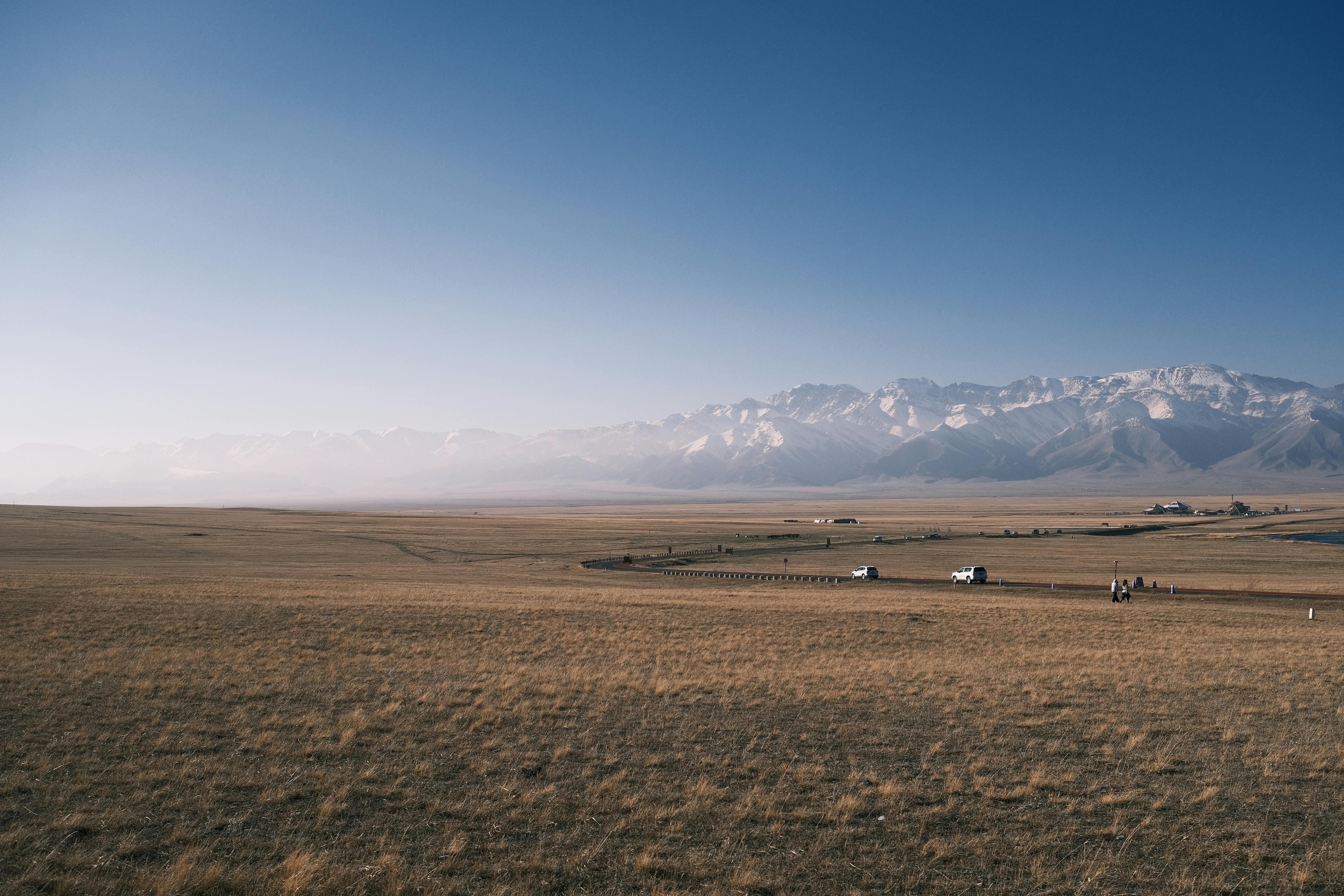
Basic Color Grading: This is the art of adjusting the colors in your image to create a specific mood. Mastering the HSL (Hue, Saturation, Luminance) panel allows you to take full control, making the blues in the ocean deeper, the greens in a forest richer, or giving your entire photo a warm, autumnal feel. Destinations with distinct color palettes, like the neon-lit streets of Tokyo or the serene temples of Kyoto, are perfect places to practice these skills. If you're planning a trip, our Japan Travel Guide can help you find the most visually stunning locations.
Pro-Tip: When starting with post-processing, focus on mastering one tool at a time. The HSL panel in Lightroom is a great place to begin. Learning how to selectively adjust the hue, saturation, and luminance of individual colors can have a bigger impact on your photos than trying to learn every single tool at once.
Your Path to Better Travel Photos
Improving your travel photography is a journey, not a destination. It doesn't happen overnight. But by following the right guides, you can accelerate your progress and avoid common pitfalls. The path is simple: learn from the best travel photography blogs, focus on mastering the fundamental techniques of composition and light, and practice every chance you get. Pick one blog from this list to follow this week. Choose one composition technique to practice on your next outing, even if it's just in your own backyard. The more you shoot with intention, the faster you will begin to create images that truly capture the magic of your travels.
Meta Data Suggestions:
SEO Meta Title (56 characters): 7 Best Travel Photography Blogs for Tips (2026 Update)
URL Slug: best-travel-photography-blogs-tips
SEO Meta Description (154 characters): Want to take better travel photos? Discover the 7 best travel photography blogs that offer actionable tips on gear, composition, and editing from the pros.
Don't Miss Out! Subscribe for Exclusive Content
SubscribeComments 0
No comments yet
Be the first to share your experience!
Dont Miss Out! Subscribe for Exclusive Content
Ultimate USA Holidays Guide: Top Picks
FTC Affiliate Disclosure Essentials: Stay Compliant as a Travel Creator
Essential Affiliate Tools: From Tracking to Full Optimization

Avoid These 5 Affiliate Landing Page Mistakes for Better Conversions

Affiliate Keyword Research Mastery for Travel Blogs