
Referral Affiliate Programs in Travel: Boost Earnings Through Networks

TrekGuider @trekguider
You’re a travel blogger, and you’ve been playing the affiliate marketing game by the old rules. You write insightful content, recommend products you love, and earn a commission when someone buys. It’s a transactional, one-and-done process. You make a sale, you get paid, and the relationship ends. This is the standard advice for most affiliate programs bloggers join, but it’s a relentless grind—a constant, exhausting hustle for the next click, the next sale.
This model feels fragile because it is. You’re operating at the intersection of two economic juggernauts: a creator economy forecasted to exceed $1.3 trillion by 2033 and a global affiliate market projected to hit $93 billion. Yet you’re leaving a fortune on the table, completely missing out on the powerful “network effect” that your community represents. You see other creators building resilient, compounding income streams that grow even when they’re not actively publishing, and you’re left wondering what their secret is.

The secret is a strategic evolution from a purely transactional model to a relational one: referral affiliate programs. This is your guide to that evolution. We’re moving beyond the standard lists of affiliate programs to show you how to use your network, build compounding passive income, and transform yourself from a simple affiliate into a true platform partner. This strategy is a critical component of a modern monetization plan, a topic we cover in its entirety in our definitive pillar guide to Travel Affiliate Programs: The 2026 Ultimate Guide.
Beyond the Sale: The New Rules for Affiliate Programs Bloggers Need to Know
Let's cut to the chase. The difference between a traditional affiliate link and a referral link isn't just semantics—it's a fundamental shift in your business model.
Traditional Affiliate Marketing is Transactional: You are essentially a freelance salesperson. Your goal is to drive a direct sale of a product or service (a hotel room, a tour, a piece of luggage). You earn a one-time commission for that sale, and the loop closes. It’s a linear, direct-to-consumer model.
Referral Affiliate Marketing is Relational: You are a network builder and a partner. Your goal is to introduce new, valuable members into an ecosystem. This often creates a powerful “win-win-win” scenario: the new user gets a benefit (like a discount), the company acquires a new customer or partner, and you earn a commission that is often structured to be long-term or recurring.

Think of it this way: a traditional affiliate gets paid to sell a fish to a hungry person. A referral affiliate gets paid to teach that person how to fish, and then earns a small share of every fish they catch from then on. It’s a fundamental shift from short-term transactions to long-term value creation.
The Creator's Flywheel: Why Referral Programs are a Blogger's Best Friend
For travel bloggers, this model isn’t just another option; it’s a strategic imperative. It aligns perfectly with the assets you’ve already built—your community, your trust, and your expertise—and allows you to monetize them in a more sustainable and ethical way.
Build Compounding, Passive Income Streams
The biggest win? True passive income. A hotel booking pays you once. But when you bring a fellow creator onto a platform that shares its revenue, you're building an asset. You get paid when they succeed, month after month. This transforms your one-time effort into a business asset that grows over time, creating a stable financial foundation that isn’t dependent on your next blog post.
Leverage Your Most Valuable Asset—Your Community
More than any other type of publisher, bloggers build communities. Your readers don’t just consume your content; they trust your judgment and often see themselves as your peers. Traditional affiliate programs bloggers use don't always reward this dynamic. Referral programs, however, are built on it. They reward you for activating your network and empowering your community, turning your influence into a tangible, recurring revenue stream.
Create a Powerful "Win-Win" Scenario
A referral link often comes with a direct benefit for the person clicking it—a discount, a free trial, or an exclusive feature. This fundamentally changes the dynamic of your recommendation. You’re not just saying, “Buy this product so I can get paid.” You’re saying, “Here’s an insider deal I’ve arranged for you.” This approach feels less like a sales pitch and more like sharing a valuable secret, which strengthens the trust you have with your audience and leads to much higher conversion rates.
Pro-Tip: Look for "two-tier" structures on major networks like ShareASale. These programs allow you to earn a commission on your own sales and a smaller bonus for recruiting new affiliates to the program, effectively turning any program into a referral opportunity.
A Deep Dive: How a Modern Referral Program Works
To make this tangible, let’s use the TrekGuider Platform as a case study for a modern, creator-focused referral program. TrekGuider is an ecosystem designed for travel creators to sell their own digital products—like itineraries, guides, maps, and presets. The referral program isn’t just an add-on; it’s a core feature designed to reward creators for helping to build the community.
It’s a perfect example of a multi-faceted, win-win-win system:
The Unified Referral Link: From your TrekGuider dashboard, you get a single, unique link. This is your key to the entire ecosystem.
The Buyer Bonus (Win for Your Audience): When someone signs up using your link, they immediately get a 15% discount on their first purchase from any creator on the platform. This provides instant, tangible value and makes your recommendation a no-brainer for them.
The Seller Bonus (Win for Your Peers): If you refer a fellow creator who becomes a seller, they get benefits like upgraded storage and a preferential startup commission rate of just 4%. You are actively helping them launch their own business on better terms.
Your Revenue Share (Win for You): This is where the compounding power comes in. When you bring a new seller to the platform, you receive an ongoing revenue share from the platform's earnings on their sales. This creates a long-term passive income stream that grows as the creators you refer become more successful.

This model transforms you from a simple affiliate into a true platform partner. You’re not just earning a one-time commission; you’re building a network and earning from its collective success. This is the future of how professional affiliate programs bloggers will operate.
Your Playbook: How to Promote Referral Links for Maximum Impact
Promoting a referral program requires a slightly different strategy than promoting a simple product. It’s less about a hard sell and more about demonstrating value and inviting collaboration.
The "How I Do It" Content Pillar
The most effective way to promote a platform is to show, not just tell. Create a detailed tutorial or case study that walks through your own experience. A blog post titled, "How I Made My First $1,000 Selling Travel Itineraries," that details your journey on a platform like TrekGuider is incredibly compelling. It provides immense value while naturally positioning your referral link as the logical next step for any reader inspired by your success.
The Email Funnel Integration
Your email list is one of your most powerful assets. Integrate your referral link into your automated welcome series. For example, the third email in your sequence could be dedicated to the tools you use to run your travel blog, with your referral link featured as your top recommendation for monetization.
The "Bonus Stack" Incentive
To dramatically increase your conversion rate, offer a personal bonus to anyone who signs up using your referral link. This is called a "bonus stack." For example: "Sign up for the TrekGuider Seller Platform using my link, forward me your confirmation email, and I'll send you my '30-Day Digital Product Launch Plan' for free!" This creates an irresistible offer that provides immense value and costs you very little to deliver.

The Community Activation Play
Share your referral link in your private Facebook group, Slack channel, or community forum. Frame it as a collaborative opportunity. You’re not just promoting a tool; you’re inviting your peers to join you on a platform that has helped you succeed. This community-first approach is highly effective and feels authentic.
Pro-Tip: When promoting a referral program, shift your language from "buy this" to "join us." This collaborative framing is far more effective for network-building and resonates better with a community of fellow bloggers and creators.
Build Your Content Empire
Feeling inspired to build your own network and income streams? The first step is having a professional system in place. Our free resource bundle, The Travel Creator's Toolkit, is packed with the checklists, content templates, and guides you need to put these strategies into action. It’s the perfect companion for turning your passion into a profession.
Get the ultimate resource bundle with checklists, templates, and tools designed to accelerate your journey from beginner to pro.
Frequently Asked Questions (FAQ)
1. Are referral programs only for software and digital platforms? While they are most common in the tech space, you can find them everywhere. Many travel companies, from tour operators to gear brands, offer "refer-a-friend" programs that give a discount to the new customer and a credit or commission to you. Always check for these opportunities.
2. Is it harder to promote a referral program than a simple product? It can require a different approach. Instead of a simple product review, you often need to create more in-depth, educational content like tutorials or case studies. The trade-off is that the potential for long-term, passive income is significantly higher.
3. How do I disclose a referral link? You must disclose it with the same clarity as any other affiliate link. The FTC requires you to be transparent about any "material connection." A simple statement like, "Heads up: This is my referral link. If you sign up, I may earn a commission or bonus at no extra cost to you," is perfect.
Your New Business Blueprint
The future for the most successful affiliate programs bloggers can join is relational, not just transactional. The old model of chasing one-off commissions is being replaced by a more sustainable, collaborative, and profitable approach centered on network building.

You now have the blueprint to make this strategic shift. By moving beyond simple product links and embracing the power of referral affiliate programs, you can stop trading your time for dollars and start building true business assets. You have the power to use your most valuable resource—your community—to create compounding, passive income streams that will fund your travels and your business for years to come.
The path is clear. Start by exploring a creator-centric program like the TrekGuider Platform referral program. It’s your first step into a more profitable and sustainable future—one where you get paid not just for what you sell, but for the network you build.
Read the full guide: The Travel Blogger's Playbook to Affiliate Marketing Mastery
Don't Miss Out! Subscribe for Exclusive Content
Subscribe



Comments 0
No comments yet
Be the first to share your experience!
Dont Miss Out! Subscribe for Exclusive Content

FTC Affiliate Disclosure Essentials: Stay Compliant as a Travel Creator


Essential Affiliate Tools: From Tracking to Full Optimization

Avoid These 5 Affiliate Landing Page Mistakes for Better Conversions

Affiliate Keyword Research Mastery for Travel Blogs

Booking.com Affiliate Program Review: Pros, Cons, and Earnings Potential

Decoding Affiliate Commission Rates: Benchmarks for Travel Creators
How to Start a Travel Blog in 2026 (For Profit)
TrekGuider @trekguider
Do you find yourself endlessly scrolling through travel photos, dreaming of turning your own adventures into something more? The idea of starting a travel blog is captivating—a path to sharing your stories, connecting with a global community, and building a life of freedom. But that initial spark is often extinguished by a wave of overwhelm. The market seems impossibly crowded, the technical steps feel like learning a new language, and the road from passion project to profitable business is shrouded in mystery.
You see other creators living the dream, and you know you have the stories and the drive. But the fear of pouring your heart, time, and savings into a simple online diary that never earns a dime is paralyzing. You're not looking to build a hobby; you're looking to build a real asset, a brand, a business. You need more than just another checklist—you need a battle-tested business plan.
This is that plan. Forget the outdated advice. This is your comprehensive, step-by-step playbook on how to start a travel blog that is engineered for profit from day one. We’ll move beyond the basics of setting up a website and dive deep into the strategy of building a modern media brand. The goal isn't just to get you a byline; it's to get you paid. Before you can join the ranks of The Best Travel Blogs to Follow in 2026, you need a rock-solid foundation, and that’s exactly what we’re going to build—right now.
Why Start a Travel Blog in 2026? The Shift to Media Entrepreneur
Let's address the elephant in the room: is travel blogging still a viable business? The answer is an emphatic yes, but the game has fundamentally changed. The global travel blogging market, valued at an impressive $4.5 billion in 2026, is projected to double to $9 billion by 2032. That growth isn't for hobbyists; it's for savvy creators who understand the key market shift.

Success is no longer about simply documenting your trips. The most successful bloggers are evolving from content creators into media entrepreneurs. They are building focused, niche brands that serve a specific audience with unparalleled expertise. They understand that their blog is not the final product; it is the marketing engine for their actual products. This guide is built on that modern, profitable philosophy.
Phase 1: Building Your Brand Foundation (Before You Touch a Computer)
The single biggest mistake new bloggers make is rushing the technical setup. In 2026, the strategic barriers to success are significantly higher than the technical ones. Dedicate 80% of your initial effort to this phase, and you’ll be miles ahead of the competition.

Step 1: Niche Down to Stand Out
The era of the generalist travel blog is over. To succeed, you cannot be everything to everyone. You must become the undisputed, go-to expert for a specific audience. This is called "niching down," and frankly, it’s the most critical strategic decision you'll make. A narrow focus allows you to build deep expertise, attract a loyal and targeted audience, and charge premium prices for your knowledge.
Based on current market trends, here are five sub-niches with significant growth and commercial potential for 2026:
Accessible Travel: This historically underserved market caters to travelers with disabilities, offering content on wheelchair-friendly destinations and sensory-friendly experiences.
National Parks for Families: This niche combines the booming interest in outdoor, domestic travel with the evergreen family market, providing guides on kid-friendly hikes and lodging.
Vegan Food Travel: A highly specific subset of the food travel niche, this area serves a passionate and growing demographic with guides to plant-based restaurants and cooking classes worldwide.
Digital Nomad & Remote Work Lifestyle: With the explosion of remote work, this niche focuses on the logistics of the lifestyle—managing visas, finding reliable WiFi, and balancing work with travel.
Sustainable & Eco-Tourism: Driven by a powerful wave of consumer consciousness, this niche highlights eco-friendly accommodations, low-impact tours, and tips for responsible travel.
Step 2: Define Your Ideal Reader
Once you have your niche, get granular. Create a detailed profile of your ideal reader. Don't just think about demographics; think about psychographics.
What are their biggest travel-related frustrations?
What does their dream trip look like, and what's stopping them from taking it?
What kind of budget are they working with?
What questions do they type into Google at 11 PM while trip planning?
Understanding their pain points is the key to creating content and products they will feel were made just for them.
Step 3: Choose a Brandable Blog Name
Your blog name is a critical piece of your brand identity. It should be memorable, easy to spell, and hint at what your blog is about. Follow this practical framework to find the perfect name:
Keyword Brainstorming: List words associated with your niche, tone, and audience. For a "Sustainable & Eco-Tourism" blog, you might list: Green, Conscious, Atlas, Compass, Earth, Kind, Trek, Journey, Collective.
Apply Naming Formulas: Experiment with common conventions using your keywords.
Niche-Specific: The Vegan Voyager, The Frugal Flier
Alliteration: Roaming Roads, Compass Chronicles
Evocative & Abstract: The Saffron Trail, Velvet Atlas
Modern & Simple: The Travel Edit, Trip Theory
Verify Availability: This is non-negotiable. Your chosen name must be available as a .com domain. A ".com" is the universal standard and signals professionalism. Simultaneously, check if the name is available as a consistent handle on your primary social media platforms (Instagram, TikTok, Pinterest, etc.).
Conduct Conflict Avoidance: Do a quick Google search to ensure the name isn't already heavily associated with another major brand.
Pro-Tip: Your blog name is your brand's first impression. A short, memorable, and easily pronounceable name with an available .com domain is the gold standard for building a serious online business.
Step 4: Secure Your Digital Real Estate
Found a name that's available? Don't wait. Immediately purchase the .com domain and create the social media accounts. This secures your brand identity across the web, even if you don't plan to use all the platforms right away.
Phase 2: The Smart Launchpad — Build Your Business, Not Just a Website
With your brand strategy set, it's time to build your blog's home. For years, this meant wrestling with web hosting, WordPress installations, themes, and a dozen plugins before you could even write a word. This was the slow, expensive, and technically frustrating path.
In 2026, the smartest creators are skipping that entire phase. Instead of building a house from scratch on an empty plot of land, they're launching their business from a penthouse suite in a bustling city. They are plugging directly into a marketplace ecosystem like TrekGuider, which is designed specifically for travel entrepreneurs. This approach lets you bypass the technical headaches and focus on what actually drives your business forward: creating high-value content and selling digital products.

Step 5: Launch Your Professional Creator Page in Minutes
Instead of buying a domain and hosting, your first step is to set up your professional creator page on the TrekGuider marketplace. This is your new home base, a beautiful, pre-built landing page that establishes your brand's credibility from day one—no coding or design skills required. Within minutes, you can have:
A professional bio and profile photo that tells your story.
A showcase for your digital products, front and center.
A feed of your latest articles published on the platform.
Direct links to all your social media channels.
A built-in donation feature for your audience to support you directly.
Step 6: Upload Your Digital Products and Start Selling
The old way involved researching and configuring complex e-commerce plugins. The TrekGuider way is to simply upload your digital products. Whether you've created a custom map, an in-depth city guide, a PDF itinerary, or an e-book, our platform is built to handle the sale and delivery. You can start monetizing your expertise immediately by listing your products in our catalog, where they're discoverable by a global audience of travelers ready to buy.
Step 7: Publish Your First Articles and Tap into a New Audience
Forget worrying about SEO plugins and site speed. Your blog now lives within our Articles and News section. You can publish your high-quality, long-form content directly onto the platform. Every article you publish is automatically featured on your creator page and becomes discoverable to the entire TrekGuider community. You're not just writing for your existing audience; you're tapping into a built-in stream of traffic from day one, dramatically accelerating your growth.
Step 8: Focus on Creation, Not Maintenance
By building your presence on our marketplace, you eliminate the hidden work that plagues self-hosted bloggers: website security, plugin updates, theme compatibility issues, and performance optimization. We handle the entire technical infrastructure. Your time is freed up to focus on the only two things that will grow your income: creating exceptional content that helps travelers and developing valuable digital products they want to buy. This is the ultimate accelerator for building a travel blog for profit.
Phase 3: Content Strategy & Launching for Profit
With your brand strategy in place and your website built, you're ready to focus on the two things that will actually grow your business: creating world-class content and intelligent monetization.
Step 9: Develop Your Foundational Content Strategy
Before you write a single word, plan your first 10-20 "pillar" articles. These are in-depth, foundational posts that cover the core topics of your niche. A solid content strategy ensures you are purposefully creating assets that will attract your ideal reader and rank in search engines. This is the real secret behind how to start a travel blog that gets traffic. For example, if your niche is "National Parks for Families," your pillar posts might be "The Ultimate Guide to Visiting Yellowstone with Kids" and "10 Best Toddler-Friendly Hikes in Zion National Park."
Step 10: Writing and Publishing Your First Posts
With your content plan in place, it's time to create. Focus on producing the highest quality content possible. Your goal is to be so incredibly helpful that your readers feel like they've struck gold. Write in-depth, solve their problems, and let your unique personality shine through. Publish at least 5-10 of your pillar articles before you officially "launch" your blog to the world.
Step 11: Monetization: Planning for Profit from Day One
A profitable blog diversifies its income. While there are five primary monetization models, one stands far above the rest for long-term, scalable profit.
The future is selling your own digital products.
While display ads seem like the easiest path, they are the least profitable. To make a significant income, you need massive traffic. Digital products, on the other hand, allow you to generate substantial revenue with a much smaller, more engaged audience. The data is clear: recent blogger surveys show the average revenue per 1,000 visitors (RPM) for digital products can be as high as $283.64, compared to just $33.80 for ads.

A simple calculation shows that if just 0.2% of 50,000 monthly visitors (100 people) buy your $30 digital product, you earn $3,000. That same traffic might only generate $1,000-$2,000 from ads. This is the core of the modern travel creator's business model. Instead of earning pennies from ads, you build valuable assets that solve your audience's problems directly.
A few examples of high-value digital products include:
A hyper-detailed "7-Day Off-the-Beaten-Path Itinerary for Kyoto."
A Lightroom "Tropical Blues & Greens" preset pack.
A comprehensive travel planning template for Notion or Google Sheets.
An e-book like "The Ultimate Guide to Travel Hacking."
And when you're ready to sell your own itineraries, templates, or photo presets, a platform like the TrekGuider Platform gives you the tools to build your own digital storefront, connect directly with your customers, and build a sustainable business you control.
Frequently Asked Questions
How much does it really cost to start a travel blog?
While you can start for a very low cost, plan for a realistic initial investment of $150-$200 for your first year. This covers three years of quality hosting (like Hostinger, to lock in low rates), your domain name, and a premium theme. Think of it as the startup cost for your business.
How long does it take to make money travel blogging?
Treat it like a business, not a get-rich-quick scheme. It typically takes 6-12 months of consistent, high-quality content creation and promotion before you start seeing meaningful traffic from search engines. Most bloggers start earning their first significant income in the 12-24 month range.
Do I need to be traveling full-time to have a travel blog?
Absolutely not. Some of the most successful blogs are run by people with full-time jobs who are experts on a specific destination or travel style (e.g., weekend trips, maximizing vacation days). Your expertise and the value you provide are far more important than being a full-time nomad.
Your Journey as a Creator Starts Now
Starting a travel blog in 2026 is less about being a writer and more about being an entrepreneur. It's about building a focused brand, serving a specific audience with undeniable value, and creating assets that generate income long after you've hit "publish." You are no longer just a traveler; you are the CEO of your own media company.
The path from dreamer to doer is paved with strategic action. You now have the complete playbook for how to start a travel blog for profit in 2026. The overwhelm is gone, replaced by a clear, step-by-step plan.
Your journey starts now. Take the first step, choose your niche, and start building the travel media brand of your dreams.
Meta Data Suggestions:
SEO Meta Title (59 characters): How to Start a Travel Blog in 2026 (For Profit)
URL Slug: how-to-start-a-travel-blog
SEO Meta Description (154 characters): A step-by-step business playbook for aspiring creators. Learn how to start a travel blog for profit, from niche selection and tech setup to monetization.
Don't Miss Out! Subscribe for Exclusive Content
SubscribeComments 0
No comments yet
Be the first to share your experience!
Dont Miss Out! Subscribe for Exclusive Content
FTC Affiliate Disclosure Essentials: Stay Compliant as a Travel Creator
Essential Affiliate Tools: From Tracking to Full Optimization
Avoid These 5 Affiliate Landing Page Mistakes for Better Conversions
Affiliate Keyword Research Mastery for Travel Blogs
Booking.com Affiliate Program Review: Pros, Cons, and Earnings Potential
Decoding Affiliate Commission Rates: Benchmarks for Travel Creators
New Orleans Holidays: Cultural Feasts
TrekGuider @trekguider
In other cities, holidays are dates on a calendar. In New Orleans, they’re a reason for being. This is a city that doesn’t just observe traditions; it inhales them, wrapping them in jazz, dousing them in Creole spice, and serving them up with a side of soul so potent it borders on the sacred. Planning a trip around the holidays in New Orleans isn’t just about booking a flight—it’s about preparing for a full-body cultural immersion.
Forget quiet observances and predictable festivities. In the Crescent City, every season brings a new excuse to spill into the streets for a parade, a festival, or a city-wide feast. Here, history isn’t confined to museums; it’s alive in the Voodoo chants of Halloween, the soulful hymns of a jazz funeral, and the joyous chaos of Carnival. Whether you’re catching beads during Mardi Gras, swaying to legendary musicians at Jazz Fest, or watching bonfires light up the Mississippi on Christmas Eve, you are never just a spectator. You are an active participant in a living, breathing cultural phenomenon.
This guide is your portal to that world. It’s your roadmap to the unforgettable holidays and festivals that define this city’s character and make it one of the most exhilarating destinations on Earth. Welcome to the party.
While the Crescent City's celebrations are truly in a class of their own, they are part of a much larger and equally fascinating mosaic of American festivities you can explore in our Ultimate USA Holidays Guide: Top Picks.

Mardi Gras: The Soul of the City Unleashed
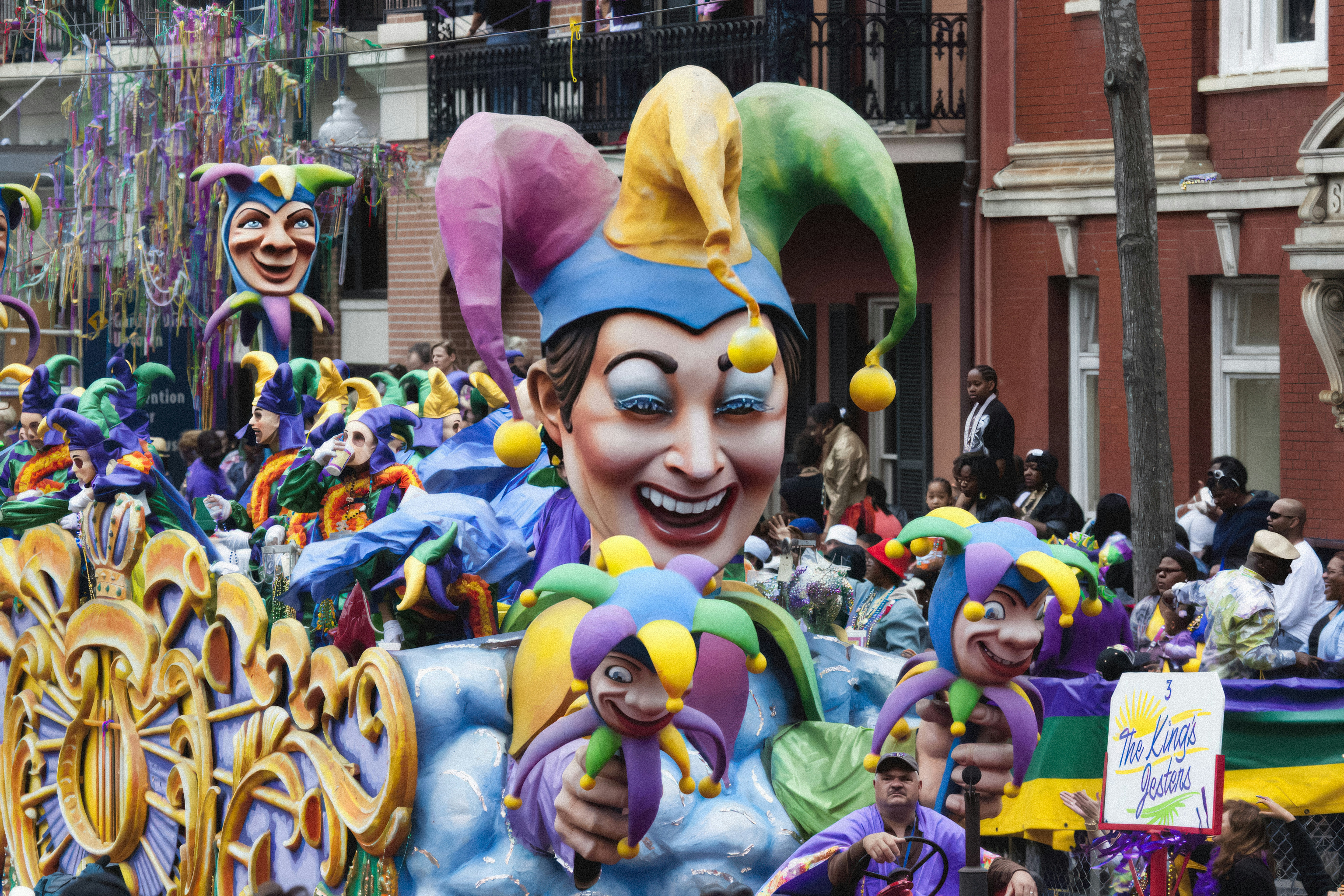
Mardi Gras is not a single day or a single parade. It is the entire Carnival season, an electrifying crescendo of revelry that begins on January 6 and leads to a city-wide spectacle on Fat Tuesday. This is the quintessential New Orleans experience, a time when social clubs called "krewes" stage dozens of elaborate, satirical, and breathtakingly beautiful parades. The true heart of Mardi Gras isn't on Bourbon Street; it's in the neighborhoods along the Uptown parade route, where generations of families gather, set up ladders for their children, and share in the world's greatest free party.
The final week is a marathon of pageantry. The super-krewes of Endymion and Bacchus dazzle with celebrity monarchs and colossal floats, while the ancient krewes of Proteus and Orpheus offer a glimpse into Carnival's storied past. It all peaks on Fat Tuesday—late February (dates shift each year—check nola.com for the exact schedule)—with the historic Zulu and Rex parades, the official kings of Carnival. Navigating this city-wide spectacle requires insider knowledge, from securing a prime viewing spot to understanding the etiquette of the "throw."
For a complete breakdown of routes, schedules, and essential strategies, see our definitive guide: Mardi Gras: 6 Parade Survival Tips.
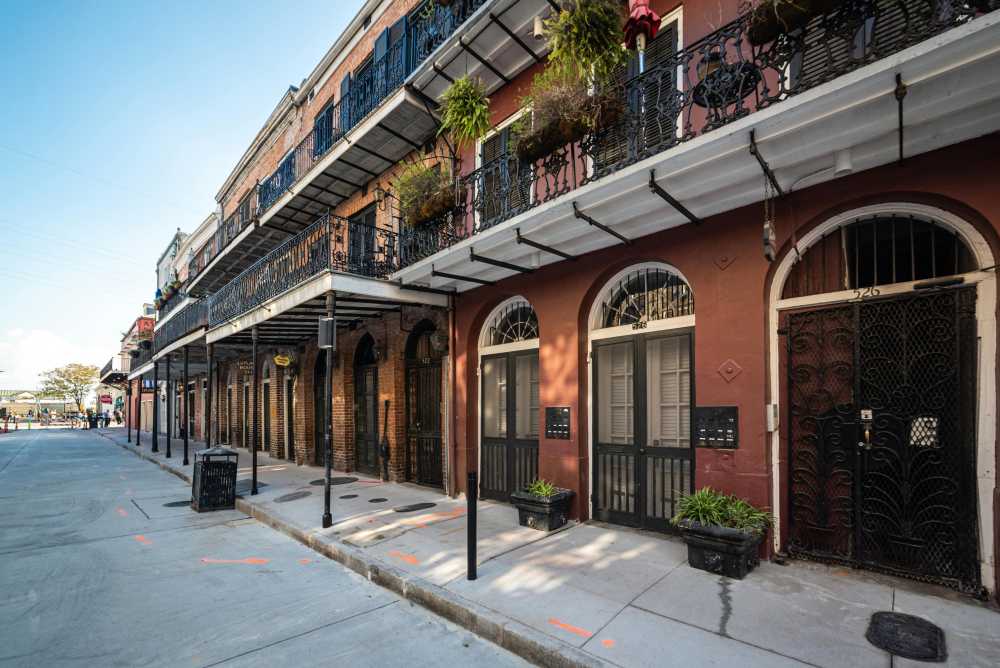
Jazz Fest: A Pilgrimage to the Heart of American Music
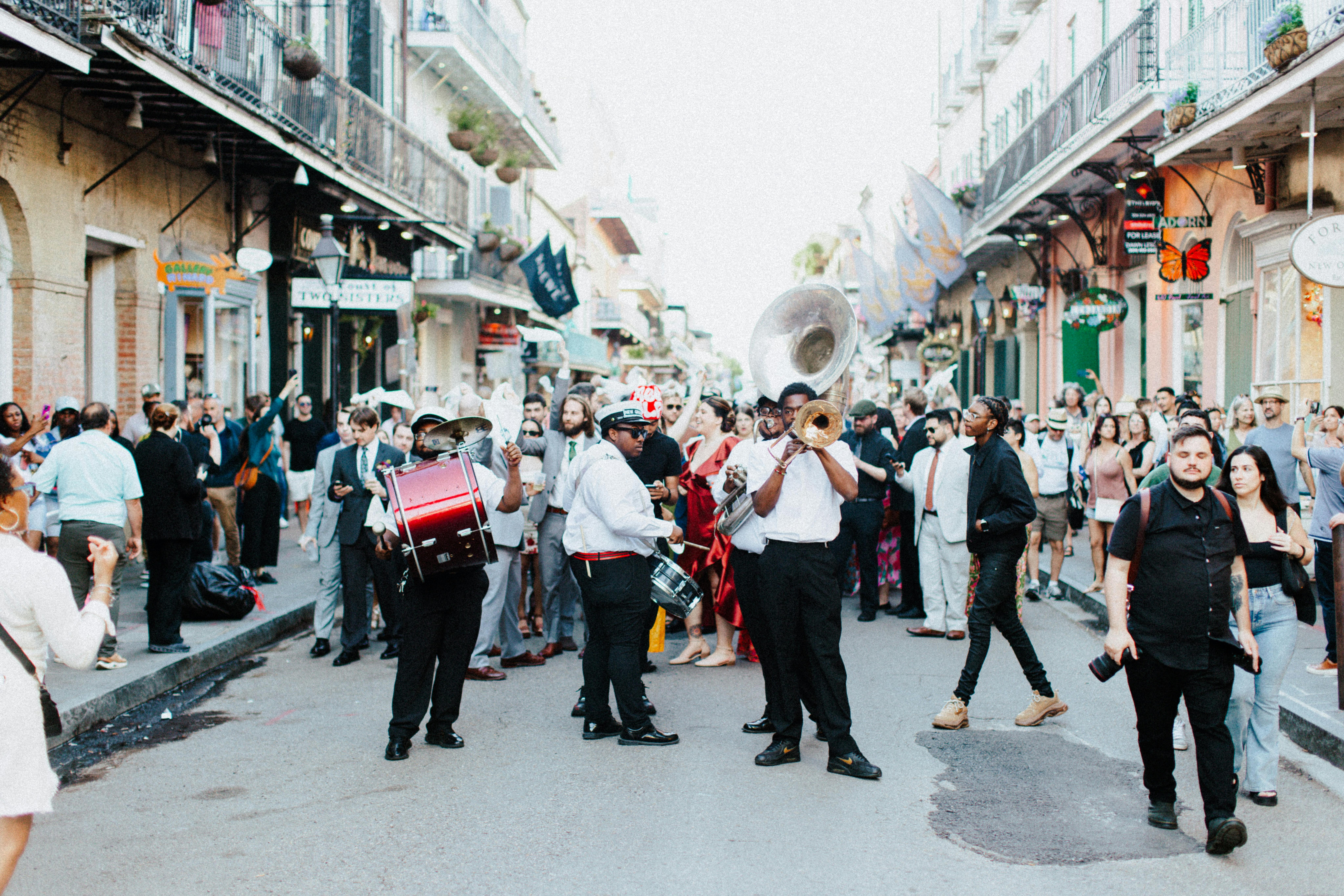
The New Orleans Jazz & Heritage Festival is less a festival and more a cultural institution. For two weekends, from April 24 to early May, the Fair Grounds Race Course transforms into a vibrant microcosm of Louisiana culture. While "jazz" is in the name, the festival’s twelve stages host a staggering diversity of genres, from gospel, blues, and R&B to Cajun, zydeco, and rock. The 2026 lineup already boasts icons like Pearl Jam, Dave Matthews Band, and Lil Wayne & The Roots, proof of its legendary status.
But the magic of Jazz Fest lies beyond the headliners. It’s found in the taste of a crawfish Monica, the discovery of a new favorite brass band on the Jazz & Heritage Stage, and the complex beadwork of the Mardi Gras Indians. It’s a celebration of heritage in its purest form, where you can feel the living history of American music in every note. The festival is also a leader in sustainability, with initiatives like oyster shell recycling that give back to the local environment.
With so much to see, hear, and taste, a solid plan is essential. To build your perfect schedule, don't miss our Jazz Fest: Ultimate Lineup Planner.
Halloween: Where History Haunts the Streets
Halloween in any other city is about costumes and candy. In New Orleans, it’s about communing with the spirits. This is a city built on ghost stories, where the veil between the living and the dead feels impossibly thin. The holiday’s playful horror is amplified by the city’s authentic connection to the supernatural, from the enduring legends of Voodoo Queen Marie Laveau to the eerie beauty of its above-ground cemeteries.
The season’s main event is the Krewe of Boo parade, which rolls through the French Quarter on the last weekend of October, with ghoulishly creative floats and costumed marchers. On Halloween night, the city’s haunted history comes alive with elaborate celebrations, vampire balls, and ghost tours that explore the darkest corners of the Vieux Carré. It’s a time when New Orleans leans into its macabre identity, inviting you to join a celebration that is as sophisticated as it is spooky.
To explore the city’s most chilling legends and find the best haunted happenings, consult our Halloween NOLA: Voodoo Haunts Guide.

Christmas: A Creole Holiday Tradition
Christmas in New Orleans trades snow for Spanish moss and sleigh bells for the soulful sound of carolers in Jackson Square. The city’s rich Creole heritage transforms the holiday into a unique and magical experience steeped in culinary and cultural traditions. The centerpiece is the Réveillon dinner, a lavish, multi-course feast served in the city’s finest restaurants—a modern revival of the 19th-century tradition where families would return from midnight mass to a celebratory meal of oyster gumbo and daube glacé.
The festive spirit is visible everywhere, from the twinkling lights of Celebration in the Oaks in City Park to the flickering gas lamps of the French Quarter. But the most spectacular tradition takes place on the levees along the Mississippi River, where massive bonfires are lit on Christmas Eve to guide the way for "Papa Noël." It’s a breathtaking sight that perfectly captures the warmth, community, and deep-rooted traditions of a New Orleans Christmas.
For a full guide to the season’s most dazzling light displays and unforgettable meals, explore our Christmas NOLA: Creole Lights & Eats.

St. Patrick's Day: An Irish Party with a Produce Aisle Twist
New Orleans has a long and storied Irish history, and its St. Patrick's Day celebration is as unique as the city itself. Forget what you know about other parades; here, the festivities come with a distinctly local flavor. The main event, the Irish Channel St. Patrick's Day Parade on the Saturday before St. Patrick's Day, is a tradition dating back to 1809 where float riders famously toss vegetables—cabbages, carrots, and potatoes—to the crowds, along with the more traditional beads and trinkets.
The celebration is a boisterous, community-focused affair that honors the Irish immigrants who helped shape the city. Block parties erupt across the neighborhood, pubs overflow with revelers, and the sound of bagpipes mixes with the rhythm of local brass bands. It’s a quirky, high-energy spectacle that perfectly fuses Irish heritage with the Crescent City’s irrepressible love for a good parade.
To learn the secrets of catching the best throws and navigating the city-wide festivities, you'll need our St. Patrick's NOLA: Irish Parade Hacks.
Cinco de Mayo: A Cultural Fusion Fiesta
While Cinco de Mayo commemorates the Mexican Army's 1862 victory at the Battle of Puebla, in the United States it has evolved into a vibrant celebration of Mexican-American culture. In New Orleans, a city that masterfully blends global traditions into its own cultural gumbo, the holiday is a fantastic opportunity to honor the city’s growing Latino community.
You’ll find the celebration centered around food, music, and community. Local restaurants and bars throughout the city host spirited fiestas, offering authentic Mexican cuisine and creative tequila- and mezcal-based cocktails. Community organizations often host events that feature live mariachi music, traditional dancing, and art, creating a festive atmosphere that is both a tribute to Mexican heritage and a uniquely New Orleans-style party. It’s a perfect example of the city’s power to embrace and amplify the diverse cultures that make it so special.
Discover how the city puts its signature spin on this historic day with our guide to Cinco de Mayo NOLA: Festive Twists.
Planning Your Trip for Holidays in New Orleans
Attending any major festival in New Orleans requires foresight. The city’s magnetic pull during peak seasons means accommodations can be booked solid a year in advance for an event like Mardi Gras. Securing your hotel or rental early is the most critical step for a stress-free trip.
Once you’re here, embrace the local way of getting around. For events in the French Quarter and Central Business District, your own two feet are your best asset, as street closures make driving impossible. For reaching Uptown parade routes or the Fair Grounds for Jazz Fest, the historic St. Charles streetcar is both a practical and wonderfully scenic option.
Remember that New Orleans weather is famously unpredictable. Most major events are "rain or shine," so pack layers, a light rain jacket, and comfortable, waterproof shoes. For your safety during any large gathering, establish a clear meeting point for your group, keep your phone charged, and always be aware of your surroundings.

From Inspiration to Itinerary: Your New Orleans Toolkit
Feeling inspired? That’s the magic of New Orleans. This city doesn’t just host visitors; it captivates creators. If you’re a traveler looking to go deeper, the TrekGuider marketplace is your next stop. It’s filled with digital guides, maps, and itineraries crafted by on-the-ground experts who live and breathe this city—people who can show you where to find the best po' boy or the hidden jazz club only locals know about.
And if you’re one of those experts—a travel blogger, photographer, or local historian with a passion for sharing your own New Orleans secrets—then you’re exactly who we’re looking for. The stories you’ve gathered here could become your next venture. Download our free The Travel Creator's Toolkit to get started. It’s packed with resources to help you turn your expertise into high-quality digital products you can share with the world, right here on the TrekGuider platform.
The Invitation Is Open
The holidays in New Orleans are more than just a series of events; they are a powerful expression of a city’s soul. From the sacred rituals of Creole Christmas to the glorious irreverence of Mardi Gras, each celebration is a thread in a cultural mix woven from music, food, history, and an unbreakable sense of community. This is a city that lives out loud, and its holidays are an open invitation to join the chorus.
So, whether you’re planning to dance in a second line, feast on a century-old recipe, or simply soak in the atmosphere of a place unlike any other, your adventure starts now. Use this guide to choose your season, dive deeper into the traditions that call to you, and prepare for a journey that will engage every one of your senses.
For the ultimate resource to plan every detail of your trip, from the best hotels in the Quarter to the most authentic Creole restaurants, get your copy of our comprehensive Travel Guide.
Don't Miss Out! Subscribe for Exclusive Content
SubscribeComments 0
No comments yet
Be the first to share your experience!
Dont Miss Out! Subscribe for Exclusive Content

San Francisco Cherry Blossoms: A Local's Guide to the Blooms

Halloween SF: Haunts Without Horrors

SF Festivals: 7 Must-See Lineups

Christmas SF: Lights & Wharf Wonders

SF Pride: 6 Route & Party Hacks
