
The Ultimate Travel First Aid Kit Checklist (2026)

TrekGuider @trekguider
But it doesn’t have to be that way. The single most powerful tool for ensuring a healthy, stress-free journey is one you create before you even leave home: a comprehensive travel first aid kit. This isn’t just a box of bandages; it’s a personalized arsenal of preparedness that empowers you to handle common health issues with confidence and ease. Building your own kit is at the heart of the proactive mindset we cover in our comprehensive The Ultimate Guide to Travel Safety: A 2026 Playbook. Think of this guide less as a simple shopping list and more as a masterclass in preparedness, backed by pharmacist-approved advice to help you build the ultimate defense against travel’s minor medical curveballs.
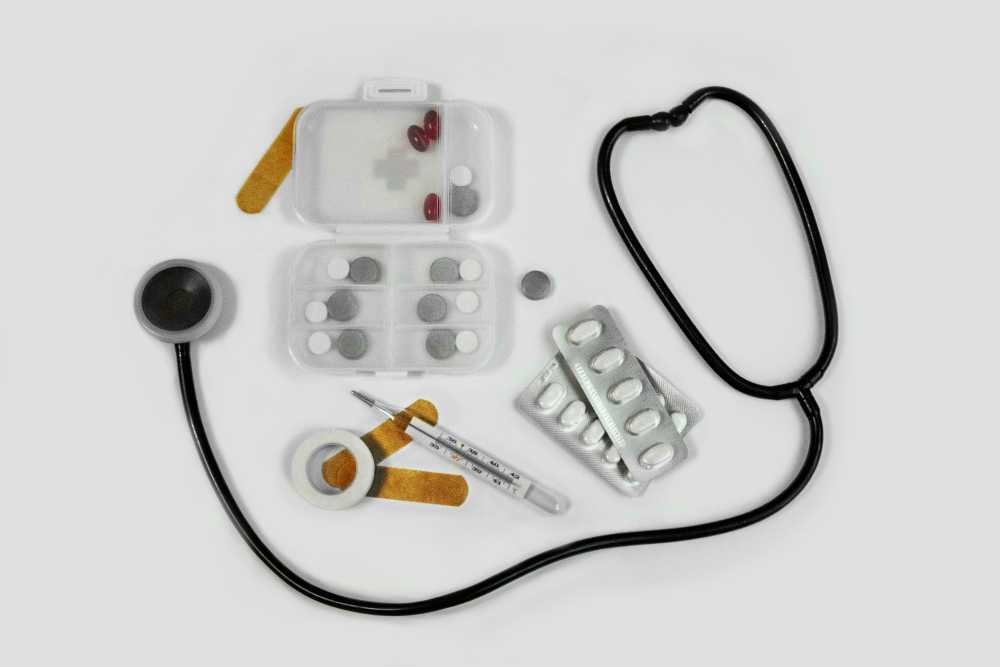
DIY vs. Pre-Made: Which Travel First Aid Kit is Right for You?
Before we dive into the specific items, it’s worth considering whether to build your kit from scratch or buy a pre-made one.
Pre-Made Kits: These offer undeniable convenience. They come in a compact case and provide a decent baseline of supplies. However, they are often filled with low-quantity, generic items and may lack the specific medications you need for your trip.
DIY Kits: Building your own kit requires a bit more effort upfront but is superior in every other way. It allows you to choose high-quality brands, pack sufficient quantities, and tailor the contents specifically to your destination, your planned activities, and your personal health needs.
Our recommendation? Start with a high-quality pre-made kit as your base and then use this checklist to supercharge it, swapping out generic items and adding the crucial medications and tools it’s missing. This hybrid approach gives you the best of both worlds.
The Core Components of Your Ultimate Travel First Aid Kit
A truly effective travel first aid kit is organized like a mobile clinic, with specific supplies to treat the most common categories of travel-related ailments. Here is the definitive breakdown of what you need.
Wound & Burn Care: For Life's Little Scrapes
From a papercut to a scraped knee on a cobblestone street, any break in the skin is an open invitation for infection, especially in new environments. Here’s how you shut that door, fast.
Antiseptic Wipes (BZK or alcohol-based): For cleaning wounds, scrapes, and your hands before providing treatment. Individual packets are perfect for travel.
Antibiotic Ointment (e.g., bacitracin): A crucial step to prevent infection in minor cuts, scrapes, and burns after cleaning.
Assorted Adhesive Bandages: Pack a variety of sizes. Fabric bandages are generally more durable and flexible than plastic ones.
Butterfly Bandages / Wound-Closure Strips: Essential for taping the edges of a minor cut together to help it heal cleanly.
Sterile Gauze Pads and a Roll of Gauze: For dressing larger wounds or as a compress to control bleeding. Pack a few different sizes.
Medical Adhesive Tape: To secure gauze and bandages in place.
Moleskin or Blister Treatment Pads: An absolute lifesaver for any trip involving significant walking or hiking. Apply it as soon as you feel a "hot spot" to prevent a blister from forming.
Aloe Vera Gel: Provides soothing relief for minor sunburns.
Pain, Fever & Sprains: Managing Aches and Injuries
Long days of sightseeing, sleeping in unfamiliar beds, and carrying luggage can lead to aches and pains. Be prepared to manage them effectively so they don't slow you down.
Pain Relievers/Fever Reducers: Pack both an ibuprofen-based and an acetaminophen-based option. Pharmacists consistently recommend trusted brands like Advil/Motrin (Ibuprofen) for inflammation and pain, and Tylenol (Acetaminophen) for general pain and fever.
Aspirin: While not for general pain relief for everyone, a dose of aspirin can be life-saving for an adult experiencing symptoms of a heart attack.
Elastic Wrap Bandage: Invaluable for providing support and compression to a sprained ankle, wrist, or knee.
Instant Cold Packs: These single-use packs are activated by squeezing them and are excellent for reducing swelling from sprains, strains, and other minor injuries in the first 24-48 hours.
Pro-Tip: Decant pills into small, clearly labeled travel containers to save space, but take a photo of the original packaging first. This helps you remember dosages and provides information for pharmacists or doctors abroad if needed.

Digestive Issues: Your Defense Against Traveler's Diarrhea
Let’s be direct: traveler’s diarrhea is the single most common illness to strike travelers, affecting up to 80% of visitors in some destinations. Having a dedicated section in your kit to manage digestive distress is absolutely critical.
Anti-diarrhea Medication: To manage symptoms when you need to travel or get through a planned activity. The top pharmacist-recommended brand is Imodium (Loperamide).
Antacids: For relief from indigestion, heartburn, and general upset stomach. Pepto-Bismol is another pharmacist-favorite that can also help with mild diarrhea.
Oral Rehydration Salts: This is arguably the most important item in this section. Dehydration is the primary risk of diarrhea and vomiting. These pre-measured packets mix with safe, bottled water to replenish the essential fluids and electrolytes your body has lost.
Anti-nausea or Motion Sickness Medication: Essential if you’re prone to motion sickness on planes, boats, or winding bus rides.
Allergies, Bites & Skin: Soothing Irritations
New environments mean new pollens, unfamiliar insects, and different plants. Be ready to tackle itches, rashes, and allergic reactions before they become a major annoyance.
Antihistamine (e.g., diphenhydramine): For treating allergic reactions, hives, and severe itching. Note that some antihistamines can cause drowsiness.
Hydrocortisone Cream (1%): A topical steroid cream that provides fast relief from the irritation and itching of rashes and insect bites.
Insect Repellent: In any region with mosquito-borne illnesses like Dengue or Malaria, this is as important as your passport. Choose a repellent with an effective active ingredient like DEET or Picaridin.
Epinephrine Auto-Injector (e.g., EpiPen): This requires a prescription and is absolutely essential for travelers with a history of severe allergic reactions (anaphylaxis).
Ready to Pack Like a Pro?
Your travel first aid kit is a critical piece of your travel puzzle, but it's not the only one. To ensure you don't overlook a single essential item—from documents and finances to clothing and gear—you need a master list. Our comprehensive, free checklist has you covered.
Download Your Free International Travel Checklist Now!
Essential Tools & Personal Medications
The final layer of your kit includes the tools to use your supplies effectively and your own personal health necessities.
Fine-Point Tweezers: For removing splinters, ticks, or other foreign objects from the skin.
Small, Rounded-Tip Scissors: For cutting medical tape, gauze, or moleskin. (Ensure they meet TSA guidelines if packing in a carry-on).
Disposable Non-Latex Gloves: To protect your hands and prevent infection when treating a wound on yourself or someone else.
Digital Thermometer: For accurately checking for fever.
Personal Medications: This is the most critical category. Pack a sufficient supply for your entire trip, plus at least a few extra days' worth in case of delays. Always keep your personal medications in your carry-on luggage in their original, labeled containers.
Pro-Tip: Before you leave, ask your doctor for a letter describing your condition and the medications you take, including their generic names. Keep a digital copy of this and your prescriptions on your phone. This can be invaluable if your medication is lost or you need to see a doctor abroad.

Beyond the Basics: Customizing Your Kit
The ultimate travel first aid kit is not one-size-fits-all. Once you have the core components, elevate your preparedness by customizing it for your specific journey.
By Destination:
Tropical/Developing Countries: Add anti-fungal cream, more insect repellent, and potentially a prescription for a standby antibiotic for severe traveler's diarrhea (consult your doctor).
High-Altitude Destinations: Speak with your doctor about medication to prevent altitude sickness.
By Activity:
Hiking/Trekking: Double down on blister care (moleskin, gel pads), pack an elastic wrap for sprains, and add pain-relieving gel.
Beach Vacation: Add extra aloe vera gel, sting-relief spray, and waterproof bandages.
By Traveler:
With Children: Include children’s formulations and dosages of pain/fever reducers, kid-friendly bandages, and any specific allergy medications they need.
Travel First Aid Kit FAQs
A great kit anticipates problems. Here are answers to common questions that take your preparedness to the next level.
1. What’s the first thing I should do if I get traveler’s diarrhea?
According to the CDC and travel medicine doctors, the first and most important step is oral rehydration. Dehydration is the biggest risk. Start sipping an Oral Rehydration Solution (ORS), sports drinks, or clear broths immediately. For mild to moderate cases that don't have a high fever or blood, an antimotility drug like Loperamide (Imodium) can help manage the symptoms. If symptoms are severe, incapacitating, or include a high fever or blood, it's time to consider a prescribed standby antibiotic and seek medical advice.
2. Should I pack a standby antibiotic in my kit?
This is a question for your doctor or a travel medicine clinic. For travelers heading to high-risk destinations where severe traveler's diarrhea is common, many doctors will provide a prescription for a standby antibiotic like Azithromycin. It’s not for mild cases but can significantly shorten the duration of a severe bout of illness. Discuss your itinerary with your doctor to see if this is right for you.
3. Is it okay to pack medications outside their original bottles to save space?
While it's tempting, it's safest to keep prescription medications in their original, clearly labeled containers. This avoids any confusion or legal issues with customs officials. For over-the-counter pills, you have more flexibility. If you use a travel pill organizer, consider taking a photo of the original packaging so you have the dosage information and ingredients handy.

Pack Confidence for Every Journey
A carefully assembled travel first aid kit does more than just prepare you for minor medical issues; it provides profound peace of mind. It transforms you from a worried passenger into a self-sufficient, empowered traveler, ready to handle the small bumps in the road so you can stay focused on the incredible experiences ahead. By following this checklist, you’re not just packing supplies—you’re packing the confidence to explore the world freely and fully.
Now that your health and safety are covered, you can focus on the other details that make a trip unforgettable. For a complete, deep-dive into every facet of trip planning, from health and safety to budgeting and logistics, our comprehensive Travel Guide is the only resource you'll ever need.
Meta Data Suggestions:
SEO Meta Title (55 characters): The Ultimate Travel First Aid Kit Checklist (2026)
URL Slug: travel-first-aid-kit-checklist
SEO Meta Description (154 characters): Build the perfect travel first aid kit. Our 2026 checklist, with pharmacist-approved tips, covers everything from wound care to stomach issues. Be prepared.
Don't Miss Out! Subscribe for Exclusive Content
Subscribe



Comments 0
No comments yet
Be the first to share your experience!
Dont Miss Out! Subscribe for Exclusive Content

Ultimate USA Holidays Guide: Top Picks


FTC Affiliate Disclosure Essentials: Stay Compliant as a Travel Creator

Essential Affiliate Tools: From Tracking to Full Optimization

Booking.com Affiliate Program Review: Pros, Cons, and Earnings Potential

Decoding Affiliate Commission Rates: Benchmarks for Travel Creators

Amazon Associates for Travel: Strategies to Maximize Commissions
How to Travel More: 8 Best Budget Blogs
TrekGuider @trekguider
Do you find yourself endlessly scrolling through photos of distant landscapes, wondering how everyone else seems to afford a life of travel? You diligently try to save, but just as your travel fund starts to grow, an unexpected expense comes along and wipes it out. The dream of exploring the world feels like a luxury reserved for the wealthy or the wildly lucky, leaving you stuck in a cycle of wanderlust and frustration. It’s easy to believe that your travel dreams are financially impossible.
But what if the key to traveling more wasn’t about having a bigger paycheck, but about having a smarter playbook? The secret isn’t a lottery ticket; it’s a proven, repeatable financial strategy. The world's most effective budget travel blogs have moved far beyond simple lists of cheap hostels. They are comprehensive masterclasses in strategic saving, smart spending, and even earning money from anywhere on the globe. They provide the actionable framework you need to turn your travel dreams into a well-funded reality. For a complete overview of the different types of blogs shaping the industry, see our definitive guide to The Best Travel Blogs to Follow in 2026. This article, however, focuses on the financial wizards who will show you exactly how to make it happen.
What Truly Defines Great Budget Travel Blogs?
In a sea of travel content, the best budget travel blogs stand apart by focusing on financial strategy over simple destination guides. They operate on the principle that affordable travel is a skill that can be learned, not a privilege you’re born with. The real value lies in their ability to provide transparent, actionable systems that readers can apply to their own lives.
A top-tier budget blog offers two non-negotiable things:
Radical Transparency: The most valuable content offers a high degree of transparency, providing detailed, line-item breakdowns of trip costs. We’re not talking about vague estimates; we mean granular reports that track daily averages for lodging, food, and activities, like the country-by-country spending reports offered by some top-tier bloggers. This level of detail empowers you to create your own realistic budgets and demystifies the true cost of travel.
Actionable Financial Tools: These blogs provide the practical financial frameworks to make your travel goals a reality. This includes long-term savings strategies that go beyond "skip the latte." They teach sophisticated methods, endorsed by consumer finance publications, like the "Pay Yourself First" model and the strategic use of travel rewards programs to eliminate what are typically the two largest expenses of any trip: flights and hotels.
The 8 Best Budget Travel Blogs for Proven Financial Strategies
We’ve vetted the best in the business—the financial wizards who provide actionable systems, not just vague inspiration. Here are the eight budget travel blogs you need to follow.
1. Nomadic Matt - The Original Budget Travel Guru
If there is one name synonymous with budget travel, it's Matt Kepnes, better known as Nomadic Matt. For over a decade, he has been the go-to source for actionable advice on long-term travel. His blog is a treasure trove of practical tips, but its real power lies in its comprehensive guides that break down complex topics into easy-to-follow steps.
His famous post, "," isn't just a list of tips; it’s a complete philosophical and practical plan for reorienting your financial life around your travel goals. He is a master of teaching long-term savings strategies, showing readers how to carefully audit their expenses and redirect funds into a dedicated travel account.
2. The Broke Backpacker - For Hardcore Adventure on a Shoestring
Will Hatton, the founder of The Broke Backpacker, caters to the intrepid traveler who wants to push boundaries—both geographically and financially. His blog is proof of the idea that a limited budget can actually lead to more authentic and adventurous experiences. He champions a raw, honest approach, sharing the highs and lows of long-term travel. His real value is in the trenches—providing the kind of proven, field-tested advice that shows you how to stretch every single dollar until it screams. From a deep dive into the " " to guides on how to find work on the road, The Broke Backpacker is an essential read for anyone considering a long-term backpacking trip.
3. Kara and Nate - The Masters of Travel Hacking
Kara and Nate are a powerhouse YouTube couple who have documented their journey to over 100 countries, evolving from budget backpackers to savvy, full-time travelers. While their travels have become more luxurious over time, their unique value lies in the immense library of content that shows how they did it. Their channel is a masterclass in "travel hacking." They are incredibly transparent about how they leverage credit card points and miles to cover major expenses like flights and hotels, effectively traveling for a fraction of the cost. Their videos breaking down exactly which cards they use and the strategies they employ to accumulate points provide a clear, actionable playbook for anyone looking to drastically reduce the biggest travel expenses. They prove that the most powerful budget tool isn't just saving money, but strategically generating travel value.

Master Your Packing, Master Your Budget
One of the biggest—and most avoidable—costs of modern travel is checked baggage fees, which can add hundreds of dollars to a single trip. Learning to pack efficiently in one carry-on is a financial superpower. Our expert guide breaks down the techniques for maximizing space and minimizing weight, so you can travel lighter and cheaper—forever.
Download the FREE How to Pack Light Guide
4. BudgetTraveller - Affordable Luxury and Style
Kash Bhattacharya, the creator of BudgetTraveller, debunks the myth that budget travel has to be uncomfortable. His blog is dedicated to the art of "luxury hostelling" and finding stylish, unique, and affordable experiences around the world. He proves that you can enjoy high-quality travel without the high-end price tag. BudgetTraveller is perfect for those who want to save money but aren't willing to sacrifice comfort and style. Kash focuses on the "value" aspect of budget travel, showing you how to get the most for your money, whether it's a beautifully designed hostel in Lisbon or a fantastic cheap meal in Rotterdam.
Pro-Tip: Treat your travel fund like a non-negotiable bill. Experts recommend setting up a dedicated, high-yield savings account specifically for travel and scheduling an automatic monthly transfer the day you get paid. You'll be surprised how quickly it grows when you make it a priority rather than an afterthought.
5. Taylor On A Trip - Modern, Practical Advice for Young Travelers
Taylor On A Trip provides fresh, relevant, and highly practical budget travel tips for a new generation of explorers. Her content is straightforward and actionable, focusing on the core strategies that make the biggest impact. She excels at creating concise, easy-to-digest guides that get straight to the point. Her post "" is a perfect example of her approach. It's not filled with fluff; it’s a power-packed checklist of strategies you can implement immediately, from booking flights to daily spending. She is an excellent resource for anyone who wants clear, modern advice without having to sift through long narratives.
6. GRRRLTRAVELER - Street-Smart Safety and Budget Savvy
Christine Kaaloa of GRRRLTRAVELER focuses primarily on solo travel, but her advice is pure gold for any budget-conscious traveler. A significant part of traveling on a budget is being smart enough to avoid costly mistakes, scams, and theft. Christine is a master of teaching street smarts. Her content, such as "" is a masterclass in situational awareness and preventative safety. Learning how to avoid common local scams, protect your valuables, and navigate unfamiliar areas confidently is a core skill of budget travel. Her practical, no-nonsense tips will save you money and provide invaluable peace of mind.
7. Expert Vagabond - Affordable Adventure and Gear
Matthew Karsten of Expert Vagabond is one of the top adventure travel blogs, and while adventure travel can seem expensive, Matthew is an expert at making it accessible. A huge part of his content focuses on the practicalities of adventure, including detailed gear guides that are crucial for budget planning. Investing in the right gear from the start saves you money on rentals and prevents you from buying costly replacements on the road. His gear guides often include a range of options for different budgets, allowing you to prepare for incredible experiences like trekking in Greenland without overspending on equipment you don't need.

Pro-Tip: The strategic use of travel rewards credit cards can eliminate your two biggest expenses: flights and hotels. The process, known as "travel hacking," involves channeling everyday spending through cards that offer high point-multipliers on categories like groceries and dining. These accumulated points can then be redeemed for nearly free travel.
8. Legal Nomads - Authentic Food Experiences on a Budget
Jodi Ettenberg of Legal Nomads began her journey as a lawyer but became a celebrated travel blogger with a focus on food. Her blog demonstrates one of the most important principles of budget travel: eating like a local is not only more authentic, but it's almost always significantly cheaper. Instead of focusing on expensive tourist restaurants, Jodi’s guides dive deep into street food and local markets. She teaches you how to find the best, most authentic meals for a fraction of the price of a formal dinner. This approach not only saves a huge amount of money but also connects you more deeply to the culture of the destination you're visiting.
The 3 Core Pillars of Budget Travel Success
The advice from these top blogs can be distilled into three fundamental pillars. Mastering these will provide a complete financial system for traveling more.
Pillar 1: Strategic Saving - Building Your Travel War Chest
This is the foundation. It begins with a comprehensive audit of all your current monthly expenses. By carefully tracking your spending, you can identify non-essential areas to cut back and systematically redirect that money into your dedicated travel fund. This isn't about deprivation; it's about conscious spending aligned with your goals. The "Pay Yourself First" model is the key here, automating your savings to ensure you are consistently building your travel fund.
Pillar 2: Smart Spending - Making Every Dollar Count on the Road
Once you’re traveling, your strategy shifts from saving to smart allocation. This is where detailed budget breakdowns become your best friend, helping you track your daily spending and stay on target. It also means making conscious choices, like prioritizing street food over tourist-trap restaurants. For example, knowing the best local markets versus overpriced cafes in Chiang Mai can cut your food budget in half. It's this kind of granular, on-the-ground knowledge that can make or break your budget, which is why a detailed resource like our Thailand Travel Guide is invaluable for making smart spending decisions.
Pillar 3: Location Independence - Earning While You Explore
This is the advanced level of budget travel that allows for a truly sustainable lifestyle of exploration. The rise of the digital nomad and remote work has made it more possible than ever to earn an income without being tied to a single location. This could involve freelance work, online businesses, or negotiating a remote arrangement with your current employer. This pillar shifts the entire approach from "how long can my savings last?" to "how can I create a life where travel and work are seamlessly integrated?"
Frequently Asked Questions About Budget Travel
Even with the best blogs as guides, you might still have questions. Here are answers to some of the most common ones.

What's the single most effective savings strategy?
Overwhelmingly, the experts point to the "Pay Yourself First" model. Instead of saving what's left after your expenses, you treat your travel savings as a non-negotiable bill. Set up an automatic transfer from your checking account to a separate, high-yield savings account that's specifically for travel. Schedule it for the day you get paid. This automates your discipline and prioritizes your goal, ensuring you're always making progress.
Is it still possible to travel on a budget in 2026 with rising costs?
Absolutely. While it's true that some costs are rising, the core principles of budget travel are timeless. The key is to be strategic. This might mean choosing less expensive destinations, traveling in the shoulder season, or leaning more heavily on skills like travel hacking. The global travel market is projected to grow substantially, reaching $9 billion by 2032, which means more options and competition, often leading to better deals for savvy consumers. Your budget isn't just about how much you have, but how intelligently you use it.
Do I really need a travel rewards credit card?
While not strictly necessary, a good travel rewards card is one of the most powerful tools for reducing your biggest costs. If you pay your balance in full every month, you're essentially getting a discount on future travel for spending you were already going to do. The key is to find a card that offers high points on your biggest spending categories (like groceries or gas) and to be disciplined about paying it off. For a US-based traveler, it's one of the fastest ways to earn flights and hotel stays.
Your Journey Starts Now
The idea that travel is an expensive luxury is a myth. As these experts prove, traveling more is the result of a deliberate and strategic financial plan. It’s about shifting your mindset from one of scarcity to one of strategy, transforming from a passive dreamer into an active planner. You now have the resources and the core pillars of a successful budget travel system.

These incredible budget travel blogs are your mentors and your guidebooks. They provide the proven playbooks that have enabled thousands of people to see the world on their own terms. Your journey doesn't start when you board a plane; it starts today. Pick one blog from this list, read one of their key element articles, and implement just one savings strategy this week. That small, decisive action is the first step toward making your travel dreams your reality.
Meta Data Suggestions:
SEO Meta Title (59 characters): 8 Best Budget Travel Blogs to Help You Travel More in 2026
URL Slug: best-budget-travel-blogs
SEO Meta Description (154 characters): Stop dreaming and start planning. Discover the 8 best budget travel blogs that provide proven financial strategies to help you save money and travel the world.
Don't Miss Out! Subscribe for Exclusive Content
SubscribeComments 0
No comments yet
Be the first to share your experience!
Dont Miss Out! Subscribe for Exclusive Content
FTC Affiliate Disclosure Essentials: Stay Compliant as a Travel Creator
Essential Affiliate Tools: From Tracking to Full Optimization

Avoid These 5 Affiliate Landing Page Mistakes for Better Conversions

Affiliate Keyword Research Mastery for Travel Blogs
Booking.com Affiliate Program Review: Pros, Cons, and Earnings Potential
Decoding Affiliate Commission Rates: Benchmarks for Travel Creators
How to Start a Travel Blog in 2026 (For Profit)
TrekGuider @trekguider
Do you find yourself endlessly scrolling through travel photos, dreaming of turning your own adventures into something more? The idea of starting a travel blog is captivating—a path to sharing your stories, connecting with a global community, and building a life of freedom. But that initial spark is often extinguished by a wave of overwhelm. The market seems impossibly crowded, the technical steps feel like learning a new language, and the road from passion project to profitable business is shrouded in mystery.
You see other creators living the dream, and you know you have the stories and the drive. But the fear of pouring your heart, time, and savings into a simple online diary that never earns a dime is paralyzing. You're not looking to build a hobby; you're looking to build a real asset, a brand, a business. You need more than just another checklist—you need a battle-tested business plan.
This is that plan. Forget the outdated advice. This is your comprehensive, step-by-step playbook on how to start a travel blog that is engineered for profit from day one. We’ll move beyond the basics of setting up a website and dive deep into the strategy of building a modern media brand. The goal isn't just to get you a byline; it's to get you paid. Before you can join the ranks of The Best Travel Blogs to Follow in 2026, you need a rock-solid foundation, and that’s exactly what we’re going to build—right now.
Why Start a Travel Blog in 2026? The Shift to Media Entrepreneur
Let's address the elephant in the room: is travel blogging still a viable business? The answer is an emphatic yes, but the game has fundamentally changed. The global travel blogging market, valued at an impressive $4.5 billion in 2026, is projected to double to $9 billion by 2032. That growth isn't for hobbyists; it's for savvy creators who understand the key market shift.

Success is no longer about simply documenting your trips. The most successful bloggers are evolving from content creators into media entrepreneurs. They are building focused, niche brands that serve a specific audience with unparalleled expertise. They understand that their blog is not the final product; it is the marketing engine for their actual products. This guide is built on that modern, profitable philosophy.
Phase 1: Building Your Brand Foundation (Before You Touch a Computer)
The single biggest mistake new bloggers make is rushing the technical setup. In 2026, the strategic barriers to success are significantly higher than the technical ones. Dedicate 80% of your initial effort to this phase, and you’ll be miles ahead of the competition.

Step 1: Niche Down to Stand Out
The era of the generalist travel blog is over. To succeed, you cannot be everything to everyone. You must become the undisputed, go-to expert for a specific audience. This is called "niching down," and frankly, it’s the most critical strategic decision you'll make. A narrow focus allows you to build deep expertise, attract a loyal and targeted audience, and charge premium prices for your knowledge.
Based on current market trends, here are five sub-niches with significant growth and commercial potential for 2026:
Accessible Travel: This historically underserved market caters to travelers with disabilities, offering content on wheelchair-friendly destinations and sensory-friendly experiences.
National Parks for Families: This niche combines the booming interest in outdoor, domestic travel with the evergreen family market, providing guides on kid-friendly hikes and lodging.
Vegan Food Travel: A highly specific subset of the food travel niche, this area serves a passionate and growing demographic with guides to plant-based restaurants and cooking classes worldwide.
Digital Nomad & Remote Work Lifestyle: With the explosion of remote work, this niche focuses on the logistics of the lifestyle—managing visas, finding reliable WiFi, and balancing work with travel.
Sustainable & Eco-Tourism: Driven by a powerful wave of consumer consciousness, this niche highlights eco-friendly accommodations, low-impact tours, and tips for responsible travel.
Step 2: Define Your Ideal Reader
Once you have your niche, get granular. Create a detailed profile of your ideal reader. Don't just think about demographics; think about psychographics.
What are their biggest travel-related frustrations?
What does their dream trip look like, and what's stopping them from taking it?
What kind of budget are they working with?
What questions do they type into Google at 11 PM while trip planning?
Understanding their pain points is the key to creating content and products they will feel were made just for them.
Step 3: Choose a Brandable Blog Name
Your blog name is a critical piece of your brand identity. It should be memorable, easy to spell, and hint at what your blog is about. Follow this practical framework to find the perfect name:
Keyword Brainstorming: List words associated with your niche, tone, and audience. For a "Sustainable & Eco-Tourism" blog, you might list: Green, Conscious, Atlas, Compass, Earth, Kind, Trek, Journey, Collective.
Apply Naming Formulas: Experiment with common conventions using your keywords.
Niche-Specific: The Vegan Voyager, The Frugal Flier
Alliteration: Roaming Roads, Compass Chronicles
Evocative & Abstract: The Saffron Trail, Velvet Atlas
Modern & Simple: The Travel Edit, Trip Theory
Verify Availability: This is non-negotiable. Your chosen name must be available as a .com domain. A ".com" is the universal standard and signals professionalism. Simultaneously, check if the name is available as a consistent handle on your primary social media platforms (Instagram, TikTok, Pinterest, etc.).
Conduct Conflict Avoidance: Do a quick Google search to ensure the name isn't already heavily associated with another major brand.
Pro-Tip: Your blog name is your brand's first impression. A short, memorable, and easily pronounceable name with an available .com domain is the gold standard for building a serious online business.
Step 4: Secure Your Digital Real Estate
Found a name that's available? Don't wait. Immediately purchase the .com domain and create the social media accounts. This secures your brand identity across the web, even if you don't plan to use all the platforms right away.
Phase 2: The Smart Launchpad — Build Your Business, Not Just a Website
With your brand strategy set, it's time to build your blog's home. For years, this meant wrestling with web hosting, WordPress installations, themes, and a dozen plugins before you could even write a word. This was the slow, expensive, and technically frustrating path.
In 2026, the smartest creators are skipping that entire phase. Instead of building a house from scratch on an empty plot of land, they're launching their business from a penthouse suite in a bustling city. They are plugging directly into a marketplace ecosystem like TrekGuider, which is designed specifically for travel entrepreneurs. This approach lets you bypass the technical headaches and focus on what actually drives your business forward: creating high-value content and selling digital products.

Step 5: Launch Your Professional Creator Page in Minutes
Instead of buying a domain and hosting, your first step is to set up your professional creator page on the TrekGuider marketplace. This is your new home base, a beautiful, pre-built landing page that establishes your brand's credibility from day one—no coding or design skills required. Within minutes, you can have:
A professional bio and profile photo that tells your story.
A showcase for your digital products, front and center.
A feed of your latest articles published on the platform.
Direct links to all your social media channels.
A built-in donation feature for your audience to support you directly.
Step 6: Upload Your Digital Products and Start Selling
The old way involved researching and configuring complex e-commerce plugins. The TrekGuider way is to simply upload your digital products. Whether you've created a custom map, an in-depth city guide, a PDF itinerary, or an e-book, our platform is built to handle the sale and delivery. You can start monetizing your expertise immediately by listing your products in our catalog, where they're discoverable by a global audience of travelers ready to buy.
Step 7: Publish Your First Articles and Tap into a New Audience
Forget worrying about SEO plugins and site speed. Your blog now lives within our Articles and News section. You can publish your high-quality, long-form content directly onto the platform. Every article you publish is automatically featured on your creator page and becomes discoverable to the entire TrekGuider community. You're not just writing for your existing audience; you're tapping into a built-in stream of traffic from day one, dramatically accelerating your growth.
Step 8: Focus on Creation, Not Maintenance
By building your presence on our marketplace, you eliminate the hidden work that plagues self-hosted bloggers: website security, plugin updates, theme compatibility issues, and performance optimization. We handle the entire technical infrastructure. Your time is freed up to focus on the only two things that will grow your income: creating exceptional content that helps travelers and developing valuable digital products they want to buy. This is the ultimate accelerator for building a travel blog for profit.
Phase 3: Content Strategy & Launching for Profit
With your brand strategy in place and your website built, you're ready to focus on the two things that will actually grow your business: creating world-class content and intelligent monetization.
Step 9: Develop Your Foundational Content Strategy
Before you write a single word, plan your first 10-20 "pillar" articles. These are in-depth, foundational posts that cover the core topics of your niche. A solid content strategy ensures you are purposefully creating assets that will attract your ideal reader and rank in search engines. This is the real secret behind how to start a travel blog that gets traffic. For example, if your niche is "National Parks for Families," your pillar posts might be "The Ultimate Guide to Visiting Yellowstone with Kids" and "10 Best Toddler-Friendly Hikes in Zion National Park."
Step 10: Writing and Publishing Your First Posts
With your content plan in place, it's time to create. Focus on producing the highest quality content possible. Your goal is to be so incredibly helpful that your readers feel like they've struck gold. Write in-depth, solve their problems, and let your unique personality shine through. Publish at least 5-10 of your pillar articles before you officially "launch" your blog to the world.
Step 11: Monetization: Planning for Profit from Day One
A profitable blog diversifies its income. While there are five primary monetization models, one stands far above the rest for long-term, scalable profit.
The future is selling your own digital products.
While display ads seem like the easiest path, they are the least profitable. To make a significant income, you need massive traffic. Digital products, on the other hand, allow you to generate substantial revenue with a much smaller, more engaged audience. The data is clear: recent blogger surveys show the average revenue per 1,000 visitors (RPM) for digital products can be as high as $283.64, compared to just $33.80 for ads.

A simple calculation shows that if just 0.2% of 50,000 monthly visitors (100 people) buy your $30 digital product, you earn $3,000. That same traffic might only generate $1,000-$2,000 from ads. This is the core of the modern travel creator's business model. Instead of earning pennies from ads, you build valuable assets that solve your audience's problems directly.
A few examples of high-value digital products include:
A hyper-detailed "7-Day Off-the-Beaten-Path Itinerary for Kyoto."
A Lightroom "Tropical Blues & Greens" preset pack.
A comprehensive travel planning template for Notion or Google Sheets.
An e-book like "The Ultimate Guide to Travel Hacking."
And when you're ready to sell your own itineraries, templates, or photo presets, a platform like the TrekGuider Platform gives you the tools to build your own digital storefront, connect directly with your customers, and build a sustainable business you control.
Frequently Asked Questions
How much does it really cost to start a travel blog?
While you can start for a very low cost, plan for a realistic initial investment of $150-$200 for your first year. This covers three years of quality hosting (like Hostinger, to lock in low rates), your domain name, and a premium theme. Think of it as the startup cost for your business.
How long does it take to make money travel blogging?
Treat it like a business, not a get-rich-quick scheme. It typically takes 6-12 months of consistent, high-quality content creation and promotion before you start seeing meaningful traffic from search engines. Most bloggers start earning their first significant income in the 12-24 month range.
Do I need to be traveling full-time to have a travel blog?
Absolutely not. Some of the most successful blogs are run by people with full-time jobs who are experts on a specific destination or travel style (e.g., weekend trips, maximizing vacation days). Your expertise and the value you provide are far more important than being a full-time nomad.
Your Journey as a Creator Starts Now
Starting a travel blog in 2026 is less about being a writer and more about being an entrepreneur. It's about building a focused brand, serving a specific audience with undeniable value, and creating assets that generate income long after you've hit "publish." You are no longer just a traveler; you are the CEO of your own media company.
The path from dreamer to doer is paved with strategic action. You now have the complete playbook for how to start a travel blog for profit in 2026. The overwhelm is gone, replaced by a clear, step-by-step plan.
Your journey starts now. Take the first step, choose your niche, and start building the travel media brand of your dreams.
Meta Data Suggestions:
SEO Meta Title (59 characters): How to Start a Travel Blog in 2026 (For Profit)
URL Slug: how-to-start-a-travel-blog
SEO Meta Description (154 characters): A step-by-step business playbook for aspiring creators. Learn how to start a travel blog for profit, from niche selection and tech setup to monetization.
Don't Miss Out! Subscribe for Exclusive Content
SubscribeComments 0
No comments yet
Be the first to share your experience!
Dont Miss Out! Subscribe for Exclusive Content
FTC Affiliate Disclosure Essentials: Stay Compliant as a Travel Creator
Essential Affiliate Tools: From Tracking to Full Optimization
Avoid These 5 Affiliate Landing Page Mistakes for Better Conversions
Affiliate Keyword Research Mastery for Travel Blogs
Booking.com Affiliate Program Review: Pros, Cons, and Earnings Potential