
Best Solo Destinations for Foodies: Culinary Solo Adventures

TrekGuider @trekguider
There's a delicious, unparalleled freedom that comes with traveling for food by yourself. It’s the liberty to chase a craving for the perfect taco across three neighborhoods, to build an entire day around a single reservation, or to linger over a coffee without compromise. But for many, this thrilling prospect is shadowed by a single, persistent question: "Will it be weird eating by myself?" This worry can stop a culinary adventure in its tracks, agitating the traveler's mind until a dream trip becomes a hesitant daydream.
The truth is, some of the world's greatest travel moments happen at a table for one. But the anxiety is real, and it stems from a critical lack of information. Most travel guides list great food cities but completely ignore the person who matters most: you, the solo traveler. They don't tell you where dining alone is not just accepted, but celebrated. They don't point you to the vibrant food halls, the welcoming chef's counters, or the social cooking classes that solve this problem by making a solo trip a feast for the senses and the soul. We've explored the foundational principles in , and now we're diving deeper into the delicious specifics.
This isn't just another list of cities with good restaurants. This is your definitive guide to the best solo destinations for foodies in the United States. Each city has been carefully selected and ranked based on two critical factors: its world-class, undeniable culinary prowess and, just as importantly, its exceptional environment for the individual adventurer. Get ready to pack your bags and your appetite.
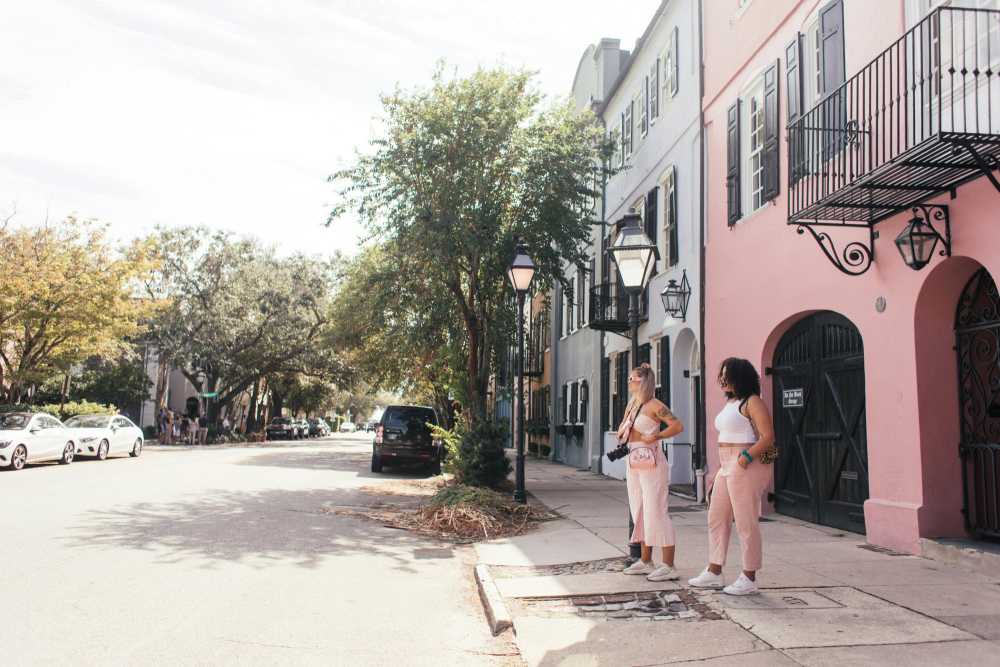
A Food Lover's Hit List: The Top 8 US Cities for a Solo Culinary Trip
1. New Orleans, Louisiana
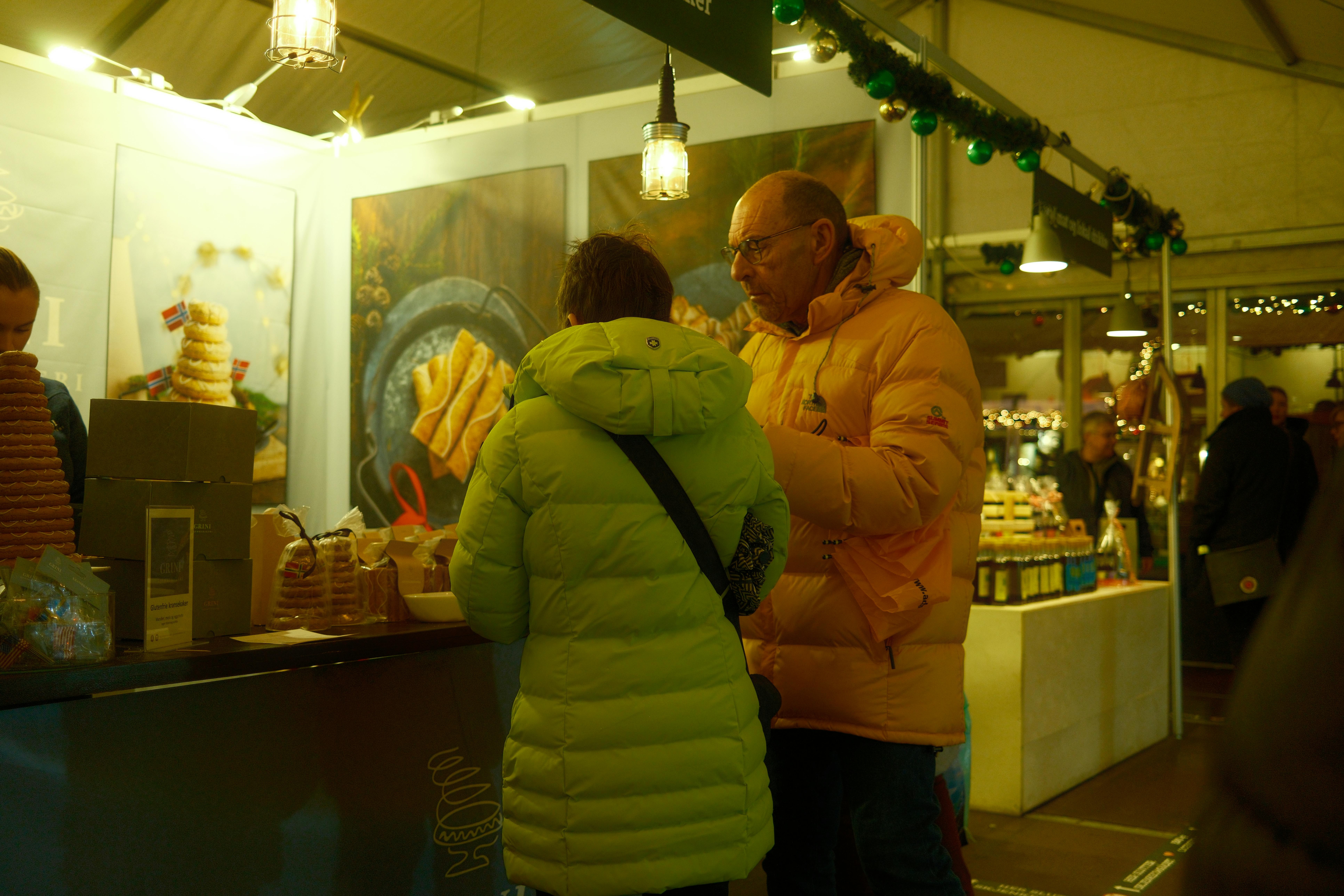
New Orleans isn't a city that simply has good food; it is a city where food is the culture. It's the vibrant, soulful expression of its unique Creole and Cajun heritage, a story told through flavor that you simply cannot find anywhere else on earth. To visit New Orleans is to participate in a city-wide, centuries-old celebration of eating.
Why Your Taste Buds Will Thank You
A Roster of Icons: This is the hallowed ground of Gumbo, Jambalaya, Étouffée, Po' boys, and Beignets. These aren't just dishes; they are cultural institutions you must experience at their source.
A Spectrum of Dining: From historic, white-tablecloth Creole establishments to raucous neighborhood seafood boils, the city offers a dining experience for every mood and budget.
Birthplace of the Cocktail: The city's bar scene is as serious and storied as its restaurant scene, giving us legendary cocktails like the Sazerac and the Vieux Carré.
The Solo Traveler Advantage
The energy of New Orleans is communal and infectious, making it surprisingly easy to navigate as an individual. The city’s dining infrastructure is built for solo exploration. Countless classic restaurants feature long, inviting bars where ordering a three-course meal is as common as ordering a drink. Casual po' boy shops and oyster bars are designed for quick, delicious, and solo-friendly meals. The constant hum of music and street life means you're never truly alone; you're part of the city's living, breathing festival. Joining a walking food tour of the French Quarter is one of the best ways to get your bearings, sample the classics, and connect with fellow travelers.
The Solo Foodie Scorecard
Your "Must-Eat" List
Charbroiled Oysters: Find a classic oyster bar with a seat at the counter and watch the magic happen.
A Fried Shrimp Po' boy "Dressed": Grab one from a casual, no-frills neighborhood joint for an authentic taste.
Gumbo: Sample it everywhere, from an upscale Creole restaurant to a laid-back Cajun cafe, to appreciate its rich diversity.
Insider Solo Tip: Many of the most famous restaurants, like Commander's Palace, offer fantastic weekday lunch specials that provide a taste of their legendary cuisine for a fraction of the dinner price.
2. New York City, New York

New York isn't just a city; it's a global culinary encyclopedia. It's a place where you can eat your way across continents without ever leaving a single borough. The city's food scene is a direct reflection of its identity: a dynamic, endlessly diverse melting pot of cultures, flavors, and experiences.
Why Your Taste Buds Will Thank You
Unmatched Diversity: From Michelin-starred tasting menus in Manhattan to authentic soup dumplings in Queens, NYC offers a world of culinary options.
An Iconic Menu: It’s the definitive home of the classic pizza slice, the overstuffed deli sandwich, and the perfect bagel with lox.
The Trendsetter: NYC is a culinary incubator where new food trends are born, making it a thrilling destination for anyone who wants to taste the future.
The Solo Traveler Advantage
Let’s state this plainly: New York City isn't just one of the best solo destinations for foodies; it's arguably the template. Why? Because dining alone here isn't an exception or a novelty—it’s a fundamental part of the city’s rhythm. The infrastructure is built for one. The sheer number of diners, ramen shops with counter seating, gourmet food halls (like Chelsea Market and Dekalb Market), and slice shops makes solo dining effortless. You will never feel out of place grabbing a seat at a bar for dinner or a stool at a coffee counter. The world-class public transportation system means you can affordably explore the culinary landscapes of all five boroughs with just the swipe of a MetroCard.
The Solo Foodie Scorecard
Your "Must-Eat" List
A Classic Slice: Grab a foldable, perfect slice from a legendary, no-frills joint like Joe's Pizza.
A Pastrami on Rye: Experience a true New York deli sandwich from an institution like Katz's Delicatessen.
Soup Dumplings (Xiao Long Bao): Head to a specialty spot in Chinatown or Flushing for these delicate, broth-filled wonders.
Insider Solo Tip: To experience some of the city's best food without the hassle of reservations, focus on the incredible food halls where you can sample from multiple high-end vendors in a casual, communal setting.
3. Portland, Oregon

Portland's food scene is a delicious reflection of its independent, creative, and slightly quirky spirit. It's a city that champions the local, the artisanal, and the unconventional, from its world-class coffee roasters to its pioneering food truck culture. This is a place for the foodie who values craft and community.
Why Your Taste Buds Will Thank You
Food Cart Culture: Portland is the undisputed king of food trucks (called "food carts" here). Clusters of these carts, known as "pods," offer a staggering variety of high-quality, affordable global cuisine.
Farm-to-Table Ethos: The city is surrounded by the fertile Willamette Valley, giving chefs direct access to incredible local produce, which is at the heart of the dining scene.
Coffee and Doughnuts: Portland takes its coffee and doughnuts very seriously, with legendary spots like Voodoo Doughnut and the more artisanal Blue Star, plus a world-class coffee scene.
The Solo Traveler Advantage
Portland is a paradise for the solo diner, primarily because of its food cart culture. The pods are designed for individual ordering and casual outdoor seating, completely removing the formality of a traditional restaurant. You can create your own progressive meal, grabbing an appetizer from one cart, a main from another, and dessert from a third. It's a low-pressure, high-reward dining experience that feels custom-made for one. The city is also incredibly walkable and bike-friendly, with excellent public transit, making it easy to explore.
The Solo Foodie Scorecard
Your "Must-Eat" List
Anything from a Food Cart: Explore a large pod and pick whatever tempts you most.
An Artisanal Doughnut: Try a unique flavor from a spot like Blue Star Donuts to taste Portland's creative side.
A Specialty Coffee: Visit one of the city's renowned roasters, like Stumptown Coffee, for a perfectly crafted pour-over.
Insider Solo Tip: Build your own food tour by using the city's bike-share program, Biketown, to pedal between different food cart pods in various neighborhoods.
4. San Francisco, California

San Francisco is a culinary heavyweight with a rich history, from Gold Rush-era sourdough starters to the birth of the modern farm-to-table movement. Its food scene is a vibrant mix of historic neighborhoods, fresh California ingredients, and a deep connection to the Pacific.
Why Your Taste Buds Will Thank You
Neighborhood Specialties: This is a city of distinct culinary zones: authentic Italian in North Beach, incredible dim sum in the country's oldest Chinatown, and world-class Mexican food in the Mission District.
Ingredient Mecca: Situated between the Pacific Ocean and California's agricultural heartland, chefs here have access to some of the best seafood, produce, and wine in the world.
The Ferry Building Marketplace: This iconic food hall is a one-stop shop for the best of Northern California's artisanal products, from local cheeses to fresh oysters.
The Solo Traveler Advantage
San Francisco's neighborhood-centric nature makes it a fantastic city for solo exploration on foot. A solo traveler can easily spend a day walking from the taquerias of the Mission to the cafes of North Beach, tasting the city's history along the way. The Ferry Building Marketplace is a must-visit, offering a bustling, low-pressure environment perfect for grabbing a gourmet lunch, sampling local products, and enjoying stunning views of the bay.
The Solo Foodie Scorecard
Your "Must-Eat" List
A Mission Burrito: Get an authentic, foil-wrapped masterpiece from a beloved taqueria in the Mission District.
Dim Sum in Chinatown: Wander the streets of the nation's oldest Chinatown and find a bustling spot for a dim sum brunch.
Sourdough Bread Bowl with Clam Chowder: A quintessential San Francisco experience, best enjoyed with a view of the water.
Insider Solo Tip: For an amazing and affordable solo lunch, head to a market in Chinatown, grab some roast duck or pork to go, and enjoy it at a park with a view.
5. Chicago, Illinois

Chicago is a city of bold flavors and hearty appetites. While famous for its deep-dish pizza, its culinary scene is also incredibly sophisticated, boasting a high concentration of Michelin-starred restaurants. It's a city that perfects both high-end and low-brow cuisine with equal passion.
Why Your Taste Buds Will Thank You
A Trio of Icons: Chicago is the undisputed home of deep-dish pizza, the Chicago-style hot dog (dragged through the garden), and the Italian beef sandwich.
Fine Dining Powerhouse: The city is a destination for serious gourmands, with a thriving fine-dining scene that consistently earns international acclaim.
Diverse Culinary Neighborhoods: From the foodie hub of the West Loop to the Mexican flavors of Pilsen, Chicago's neighborhoods offer a world of exploration.
The Solo Traveler Advantage
Chicago's Midwestern friendliness extends to its dining scene. The city is full of classic taverns and restaurants with welcoming bars where a solo diner can comfortably enjoy a full meal. The rise of food halls, like Time Out Market in the West Loop, has added even more excellent solo-friendly options. The city's grid system and strong 'L' train network make it straightforward to navigate and explore different culinary neighborhoods on your own.
The Solo Foodie Scorecard
Your "Must-Eat" List
Deep-Dish Pizza: You have to try it. Find a classic pizzeria and settle in for a gloriously cheesy experience.
A Chicago-Style Hot Dog: Get one from a classic hot dog stand with all seven traditional toppings.
An Italian Beef Sandwich: Order it "dipped" for the full, messy, and delicious experience.
Insider Solo Tip: To tackle a deep-dish pizza without taking up a large table, aim for a weekday lunch special or find a classic pizzeria with bar seating where you can often order by the slice.
6. San Diego, California
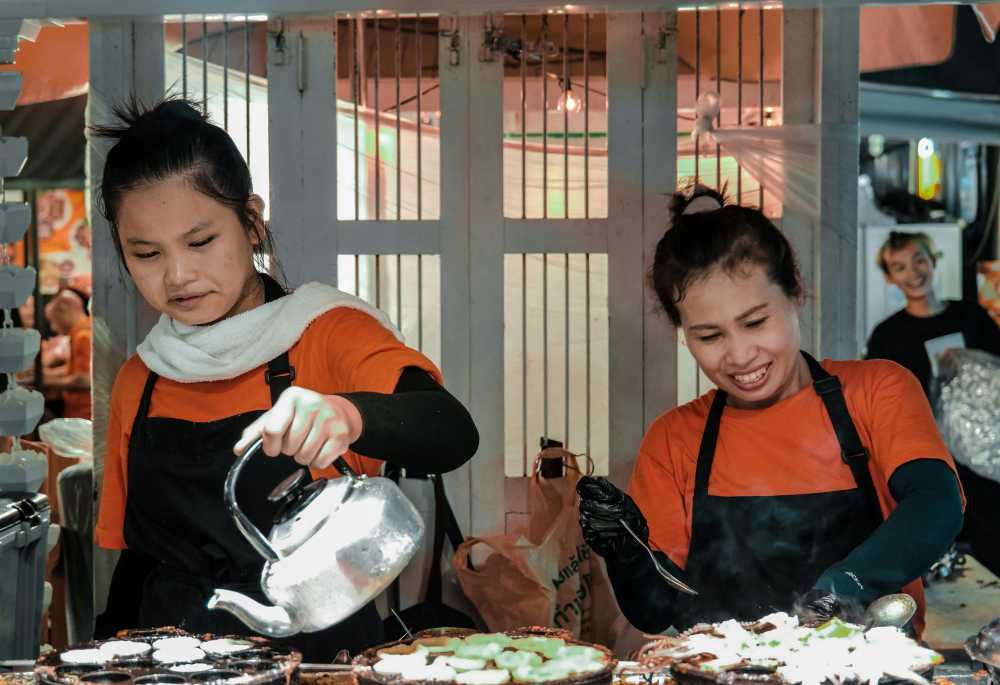
San Diego offers a sun-drenched culinary scene defined by its proximity to the ocean and the border. The vibe is casual and fresh, with a focus on high-quality local ingredients and a vibrant fusion of American and Mexican flavors that created the city's signature dish: the fish taco.
Why Your Taste Buds Will Thank You
Cali-Baja Cuisine: San Diego is the birthplace of this exciting culinary movement, blending the fresh, local ingredients of California with the bold flavors and techniques of Baja California, Mexico.
The Fish Taco Capital: The city is the undisputed fish taco capital, offering everything from simple fried fish stands to gourmet grilled mahi-mahi versions.
A Premier Craft Beer Scene: San Diego is one of America's best craft beer cities, with dozens of innovative breweries perfect for a solo afternoon of tasting.
The Solo Traveler Advantage
The casual, outdoor-oriented culture of San Diego makes it an incredibly welcoming place for a solo traveler. The dining scene is dominated by taco shops, breweries with food trucks, and open-air cafes where dining alone is completely normal. You can grab a few fish tacos from a casual stand in La Jolla and eat them on the beach, or settle in at a brewery tasting room and chat with the locals.
The Solo Foodie Scorecard
Your "Must-Eat" List
Fish Tacos: Eat them from a casual, open-air stand in a beach neighborhood like Pacific Beach.
Carne Asada Fries: A decadent and delicious local specialty you'll find at taco shops across the city.
A Local Craft Beer: Visit a brewery in the North Park neighborhood, the heart of the city's craft beer scene.
Insider Solo Tip: Many of San Diego's best taco shops are cash-only, so be sure to have some on hand to avoid missing out on the most authentic spots.
7. Charleston, South Carolina

Charleston is a city where history and culinary innovation gracefully intertwine. It’s a jewel box of a city, with a sophisticated food scene that honors its Lowcountry roots while constantly pushing the boundaries of Southern cuisine.
Why Your Taste Buds Will Thank You
The Heart of Lowcountry Cuisine: Charleston is the epicenter of Lowcountry cooking, featuring regional staples like shrimp and grits, she-crab soup, and fresh oysters.
James Beard Acclaim: The city has an incredibly high concentration of James Beard Award-winning chefs and restaurants, making it a destination for high-end dining.
Historic Ambiance: Dining in Charleston often means eating in beautifully preserved historic buildings, adding a unique sense of place to every meal.
The Solo Traveler Advantage
The solo traveler's skeleton key to Charleston's exclusive dining scene? The bar seat. At celebrated spots like Husk or FIG, where reservations are booked months out, the bar is often held for walk-ins. Arrive 15 minutes before they open for dinner, be the first in line, and you can often snag a front-row seat to a world-class meal without a reservation. The city's compact, historic downtown is exceptionally walkable and safe, making it a joy to explore on foot.
The Solo Foodie Scorecard
Your "Must-Eat" List
Shrimp and Grits: Try a classic version at a respected Lowcountry restaurant.
She-Crab Soup: A rich, creamy Charleston specialty you won't find anywhere else.
Fresh Oysters: Enjoy them raw on the half shell from the nearby waters.
Insider Solo Tip: Beyond the bar trick, look for the city's many "hidden gem" casual lunch counters tucked away on side streets, which serve incredible Lowcountry food without the pomp or price.
8. Austin, Texas

Austin runs on a fuel of barbecue smoke, breakfast tacos, and live music. It's a city with a rebellious, fun-loving spirit, and its food scene is just as bold and creative. It's a place where tradition (Texas barbecue) and innovation (gourmet food trucks) exist side-by-side.
Why Your Taste Buds Will Thank You
A Barbecue Pilgrimage: Austin is a global destination for barbecue lovers, home to legendary smokehouses where people wait in line for hours for perfectly smoked brisket.
The Breakfast Taco: The breakfast taco is a local obsession and the city's quintessential morning meal.
Innovative Food Trucks: Like Portland, Austin has a thriving food truck scene, offering everything from gourmet donuts to fusion tacos in parks across the city.
The Solo Traveler Advantage
Austin’s casual, social culture makes it one of the best US cities for solo food travel. The barbecue experience, where waiting in line is a communal ritual, is inherently social and a great way to meet people. The food truck parks are designed for casual, individual dining, and grabbing a breakfast taco from a walk-up window is a perfect solo start to the day. The live music scene provides endless evening entertainment that's easy to enjoy alone.
The Solo Foodie Scorecard
Your "Must-Eat" List
Brisket from a Legendary Smokehouse: It's worth the wait. Go early and make an experience out of it.
Breakfast Tacos: Try a few different kinds from a beloved local taco stand.
Queso: Sample this molten cheese dip, a Tex-Mex staple, at a lively restaurant with a patio.
Insider Solo Tip: To skip the legendary lines at places like Franklin Barbecue, consider their pre-order service for pickup or aim for a weekday visit right when they open.
Your Field Guide to Dining Solo—And Loving It

Having a list of destinations is the first step—now it's time to master the craft. Because knowing where to go is only half the battle; knowing how to approach it with confidence is what turns a good trip into an unforgettable one.
Four Ways to Conquer the Table for One
Embrace the Bar: The bar is the best seat in the house for a solo diner. It's socially designated for individuals, eliminates the "empty chair" feeling, and often provides a chance to chat with the bartender or other patrons.
Come with a Prop: A book, a journal, or a city map can be a great prop. It gives you something to engage with during lulls and signals that you're a traveler contentedly soaking in the experience.
Start Casual: Your first few solo meals don't need to be at a fancy restaurant. Start with more casual environments. Cafés, bustling food halls, and counter-service restaurants are excellent, low-pressure venues.
Dine Early: Dining during off-peak hours (e.g., an early dinner at 5:30 PM) can feel less intimidating than walking into a packed restaurant at the height of the dinner rush.
Pro-Tip: Download the Resy or OpenTable app and look for restaurants that have a "Bar Seating" option when you book. This guarantees you a designated solo spot and takes the guesswork out of your arrival.
Think Beyond the Restaurant: How to Find Your Food Tribe
Take a Food Tour: These are the ultimate solo traveler hack. They offer a curated tasting menu of a city's best bites, eliminate decision fatigue, and provide an instant group of like-minded dining companions for an afternoon.
Sign Up for a Cooking Class: This is a hands-on, immersive way to learn about local ingredients and culinary techniques. The small-group setting naturally fosters conversation and connection over a shared task.
Explore a Farmers' Market: Places like San Francisco's Ferry Building are vibrant, low-pressure environments perfect for observing local life, sampling artisanal products, and assembling a gourmet picnic to enjoy in a nearby park.
The Table is Set for Your Solo Adventure
The best solo destinations for foodies offer a perfect marriage of exceptional cuisine and a welcoming, accessible environment for the individual traveler. From the Creole kitchens of New Orleans to the food trucks of Austin, these cities prove that you don't need a companion to have a rich and delicious travel experience. Armed with this knowledge, you can confidently navigate the country's best food scenes. The world is your oyster (or taco, or slice of pizza). Go taste it.
Your Questions, Answered: The Solo Foodie FAQ
What is the best US city for a first-time solo foodie trip?
New York City is often the top choice for first-timers. The sheer variety of food, the prevalence of solo-friendly dining spots like food halls and diners, and the fact that eating alone is completely normal make it a very comfortable and exciting experience.
How can I find good restaurants for dining alone?
Look for places with bar or counter seating, as this is a natural spot for solo diners. Food halls and markets are also fantastic options for variety and a casual atmosphere. Reading online reviews and searching for terms like "counter seating" or "good for solo dining" can also help you find the perfect spot.
Are food tours a good idea for solo travelers?
Absolutely! Food tours are one of the best ways to experience a city's culinary scene when traveling alone. They provide a structured itinerary, allow you to sample many different things without ordering full meals, and offer a great opportunity to meet other travelers in a relaxed, social setting.
Is it safe to explore food scenes alone at night?
Safety varies by city and neighborhood, so it is crucial to research your specific destination. Always stick to well-lit, busy areas, be aware of your surroundings, and let someone know your plans. Using a taxi or rideshare service for late-night travel back to your accommodation is a wise precaution.
Read the full guide: Anxious to Adventurous: The Ultimate Guide to Solo Travel Confidence
Don't Miss Out! Subscribe for Exclusive Content
Subscribe



Comments 0
No comments yet
Be the first to share your experience!
Dont Miss Out! Subscribe for Exclusive Content

Chicago Beer Fests: Top 6 Tastings


A Woman's Guide to Safe Travel: 10 Critical Tips

7 Hotel Safety & Security Tips for Peace of Mind

9 Beach Safety Tips That Could Save Your Life

How to Stay Safe While Hiking: A Hiker's Safety Guide

11 Essential Solo Travel Safety Tips You Need to Know
How to Plan a US Family Vacation That Actually Happens
TrekGuider @trekguider
Does the dream of a family vacation always seem to get buried under a pile of school projects and work deadlines? You want to make those precious memories, but the sheer effort of planning a big trip—the budget, the flights, the sprawling itinerary—feels completely overwhelming. That dream gets pushed to the “maybe next year” pile, and another opportunity slips away.
This is the cycle of vacation procrastination. The pressure to make every trip a grand, epic adventure creates a paralysis that keeps you at home. Weekends blur into a routine of errands and screen time, and you’re left with the nagging feeling that you’re not making the most of your time together.
This guide is the antidote. We’re here to champion the art of the short-form getaway—the powerful, transformative two- or three-day trip. A well-executed weekend escape can recharge your family, create lasting inside jokes, and deliver that essential change of scenery without the strain of a major holiday. While a grand tour has its place, as we explore in our comprehensive Family Travel Ideas: The 2026 Guide to Unforgettable Trips, mastering the weekend trip is a practical skill that pays dividends all year long. This is your roadmap to choosing the perfect spots for a quick, high-impact getaway that actually happens.

The Weekend Warrior: Why Short Trips Are a Family’s Secret Weapon
Before we dive into destinations, it’s crucial to understand the real advantage of short-form travel. In our fast-paced world, the weekend getaway isn’t a lesser version of a vacation; in many ways, it’s a superior model for modern families.
It Obliterates Decision Fatigue: Planning a three-day trip requires a fraction of the decisions needed for a ten-day epic. You’re choosing two nights of accommodation, not nine. You’re planning six meals, not thirty. This lower logistical barrier is the key to moving from idea to action.
It's a Budget-Friendly Power-Up: The math is simple. Fewer nights, fewer meals, and shorter travel distances mean a significantly lower overall cost. This makes travel more accessible more often.
It Forces Frequent Reconnection: Long breaks are fantastic, but the daily grind can quickly erode that post-vacation glow. Frequent weekend trips act as regular “reconnection points” for your family, reinforcing bonds and breaking up monotony.
It's a Low-Stakes Laboratory: A weekend trip is the perfect environment to test new travel styles. Want to see if your kids enjoy hiking? A two-night trip to a mountain town is a much lower-risk experiment than a full week in a national park.

The 72-Hour City Break: Culture and Energy for the Urban Explorer
A city break is a masterclass in efficiency. It's a high-impact dose of culture, cuisine, and energy, perfectly contained within a 72-hour window where your own two feet are the best mode of transport. These destinations are perfect for a short-form family vacation adventure.
Boston, Massachusetts: A Walk Through American History
For families with school-aged children, Boston is a living classroom. The city’s compact core makes it incredibly easy to explore on foot, turning a simple walk into an unforgettable journey.
Can't-Miss Experiences: Walk the 2.5-mile Freedom Trail, a red-brick line connecting 16 nationally significant historic sites. Kids will love the energy of Faneuil Hall Marketplace and the chance to climb aboard the USS Constitution (“Old Ironsides”). The Boston Children’s Museum is legendary for hands-on fun.
Must-Try Food: Grab a cannoli from Mike’s Pastry or Modern Pastry in the North End. For a classic experience, head to the Union Oyster House, one of America’s oldest restaurants.
Logistics: Leave the car behind. Boston is best navigated via the “T” (its subway system) and your own two feet.

Savannah, Georgia: Southern Charm and Spooky Stories
Savannah drips with Spanish moss and southern charm, offering a unique and atmospheric weekend escape. Its famous historic squares provide beautiful, built-in parks for kids to run around in between sightseeing.
Can't-Miss Experiences: Explore Forsyth Park and the 22 historic squares. For older kids and teens, take a family-friendly evening ghost tour to learn about the city’s spooky legends. A 20-minute drive to nearby Tybee Island offers a perfect beach day.
Must-Try Food: Enjoy classic southern cooking at The Olde Pink House or grab a casual slice at Vinnie Van Go-Go's in City Market. A scoop from Leopold's Ice Cream is non-negotiable.
Logistics: Savannah’s historic district is very walkable. A rental car is only necessary if you plan to visit Tybee Island.
Chicago, Illinois: Big City Fun, Midwestern Heart
The Windy City is a world-class destination that feels surprisingly manageable for a weekend. With its stunning lakefront, incredible museums, and friendly vibe, it’s a fantastic choice for an urban family getaway.
Can't-Miss Experiences: Millennium Park is a must-do for a picture with "The Bean" (Cloud Gate). See Sue, the world’s most complete T. rex, at The Field Museum. The Shedd Aquarium and the Adler Planetarium are conveniently located on the same Museum Campus. An architectural boat tour is a surprise hit with all ages.
Must-Try Food: You can’t leave Chicago without trying deep-dish pizza from Lou Malnati’s or Giordano’s. For a fun, casual meal, head to Portillo's for a classic Chicago-style hot dog.
Pro-Tip: If you plan on visiting multiple museums, look into the Chicago CityPASS. It can offer significant savings and often lets you skip long lines—a lifesaver with impatient kids.
The Nature Reset: Fresh Air and Open Spaces
Sometimes the best way to reconnect is to disconnect from everything else. These destinations offer stunning scenery and a much-needed change of pace, perfect for a rejuvenating weekend.

Asheville, North Carolina: Gateway to the Blue Ridge Mountains
Nestled in the heart of the Blue Ridge Mountains, Asheville is a vibrant, artsy town surrounded by breathtaking natural beauty. It’s the perfect basecamp for families who love the outdoors but also appreciate great food.
What to Do: The top attraction is the Blue Ridge Parkway, one of America’s most scenic drives. Pack a picnic and stop at the numerous overlooks. There are hundreds of hiking trails for all skill levels; the relatively easy Craggy Gardens Pinnacle trail offers huge 360-degree views.
Where to Stay: Consider renting a cabin just outside the city to fully immerse yourselves in the mountain setting.
Good to Know: The weather in the mountains can change quickly. Always pack rain jackets and an extra layer, even if the forecast looks clear.
The Poconos, Pennsylvania: A Four-Season Mountain Retreat
For generations, the Poconos have been a go-to weekend getaway for families in the Northeast, and for good reason. This region offers a massive variety of activities that change with the seasons.
What to Do: In the summer, enjoy boating on Lake Wallenpaupack. The region is also home to several excellent indoor waterparks, like Kalahari Resorts. In the fall, the foliage is spectacular. In the winter, Camelback Mountain offers family-friendly skiing and snow tubing.
Where to Stay: The Poconos excel at family-friendly resorts that offer all-in-one vacation experiences.
Pro-Tip: Many state parks have beautiful and affordable lodges or cabins that can be booked online. They offer a rustic, immersive experience with more amenities than camping.
Lake Tahoe, California/Nevada: Alpine Beauty and Recreation
Straddling the border of California and Nevada, Lake Tahoe is a stunning, crystal-clear alpine lake surrounded by the majestic Sierra Nevada mountains. It’s an outdoor playground that offers distinct experiences in winter and summer.
What to Do: Summer is all about the water. Visit Sand Harbor for its beautiful, family-friendly beach. Rent kayaks to explore the impossibly blue waters of Emerald Bay. In the winter, the area transforms into a ski destination, with resorts like Heavenly and Northstar.
Altitude Awareness: The base elevation at Lake Tahoe is over 6,200 feet. For the first day, take it easy and drink more water than you think you need to let your family acclimate.
A Guide to Flawless Execution
A list of great destinations is just a starting point. The real magic of a stress-free weekend lies in the execution. This is the playbook that separates the frazzled travelers from the weekend warriors.
1. Master the Clock: The Friday to Sunday Formula
The key to a successful weekend trip is maximizing your time.
The Friday Escape: If possible, pull the kids from school an hour or two early and hit the road before the evening rush hour. This single move can save you hours of traffic-induced stress.
Low-Key Arrival: Don’t schedule a major activity for your first night. Your goal is to get settled and have a simple dinner (pizza delivery is a weekend warrior’s best friend).
The Saturday Anchor: Make Saturday your main event day. This is when you’ll tackle your must-do activity, whether it’s a museum, a big hike, or a theme park.
The Sunday Send-off: Plan one final, short activity for Sunday morning before hitting the road, like a special brunch or a final walk on the beach. It makes the last day feel like part of the vacation, not just a travel day.
2. Pack with Precision: The Weekend Luggage System
Overpacking for a short trip is a common mistake that creates unnecessary hassle.
One Bag Per Person: Institute a strict one-bag-per-person rule. This empowers older kids to be responsible for their own things.
Embrace the Packing Cube: These small organizers are a game-changer. Use them to keep complete outfits together, making mornings incredibly fast.
Build a “Go Bag”: For road trips, have one small bag that stays in the car with mission-critical essentials: snacks, wet wipes, a basic first-aid kit, portable chargers, and paper towels. A tool like our National Park Road Trip Checklist has great ideas for this, even if you aren't headed to a park.
Stop Dreaming, Start Planning
The perfect weekend trip doesn't have to be complicated. Our free, plug-and-play Travel Itinerary Template takes the guesswork out of planning. Get the simple, proven framework we use to organize our own family getaways Download the Free Template.
3. Budget for a Short Trip: Where to Splurge, Where to Save
A weekend budget requires a different mindset than a long vacation.
Splurge on Location: For a short trip, the location of your accommodation is critical. Spending a little extra to be in the heart of the action saves you hours of travel time—your most valuable commodity.
Save on Meals: You don’t need three sit-down restaurant meals a day. Plan on a fun, splurgy dinner on Saturday night, but save money by having breakfast in your hotel room and grabbing a casual lunch from a food truck or cafe.
Frequently Asked Questions
What's the biggest advantage of a short family trip?
The main advantage is the low logistical barrier. Planning for just two or three days drastically reduces decision fatigue, making it much easier to go from dreaming about a trip to actually booking it. This also makes travel more frequent and budget-friendly.
How can I save money on a weekend family vacation?
The best strategy is to splurge on a central location to save valuable travel time, while saving on meals. Pack your own breakfasts and snacks, and opt for casual lunches from cafes or food trucks instead of multiple expensive sit-down meals.
What is the best way to maximize time on a 2-3 day trip?
To make the most of your weekend, try to leave Friday afternoon to beat the worst of the traffic. Dedicate Saturday to your main "anchor" activity, and plan a smaller, final fun activity for Sunday morning so the last day still feels like part of the vacation.
The idea of a family vacation doesn't have to be a source of stress or be relegated to a once-a-year event. By embracing the power of the weekend getaway, you unlock the ability to punctuate your year with adventure, connection, and discovery. You now have a framework for choosing destinations and a playbook for executing the trip with precision.
The most important step is the next one: pick a date, book that room, and transform the idea of a trip into a tangible plan. The memories your family makes on a simple weekend trip will become just as cherished as those from a far-flung destination, and our comprehensive Travel Guide is ready when you are. Start planning today, because your next great family story is just a weekend away.
Read the full guide: Family Travel Ideas: The 2026 Guide to Unforgettable Trips
Don't Miss Out! Subscribe for Exclusive Content
SubscribeComments 0
No comments yet
Be the first to share your experience!
Dont Miss Out! Subscribe for Exclusive Content

San Francisco Cherry Blossoms: A Local's Guide to the Blooms

Halloween SF: Haunts Without Horrors

SF Festivals: 7 Must-See Lineups

Christmas SF: Lights & Wharf Wonders

SF Pride: 6 Route & Party Hacks

Chinese New Year SF: Parade Essentials
How to Start a Travel Blog in 2026 (For Profit)
TrekGuider @trekguider
Do you find yourself endlessly scrolling through travel photos, dreaming of turning your own adventures into something more? The idea of starting a travel blog is captivating—a path to sharing your stories, connecting with a global community, and building a life of freedom. But that initial spark is often extinguished by a wave of overwhelm. The market seems impossibly crowded, the technical steps feel like learning a new language, and the road from passion project to profitable business is shrouded in mystery.
You see other creators living the dream, and you know you have the stories and the drive. But the fear of pouring your heart, time, and savings into a simple online diary that never earns a dime is paralyzing. You're not looking to build a hobby; you're looking to build a real asset, a brand, a business. You need more than just another checklist—you need a battle-tested business plan.
This is that plan. Forget the outdated advice. This is your comprehensive, step-by-step playbook on how to start a travel blog that is engineered for profit from day one. We’ll move beyond the basics of setting up a website and dive deep into the strategy of building a modern media brand. The goal isn't just to get you a byline; it's to get you paid. Before you can join the ranks of The Best Travel Blogs to Follow in 2026, you need a rock-solid foundation, and that’s exactly what we’re going to build—right now.
Why Start a Travel Blog in 2026? The Shift to Media Entrepreneur
Let's address the elephant in the room: is travel blogging still a viable business? The answer is an emphatic yes, but the game has fundamentally changed. The global travel blogging market, valued at an impressive $4.5 billion in 2026, is projected to double to $9 billion by 2032. That growth isn't for hobbyists; it's for savvy creators who understand the key market shift.

Success is no longer about simply documenting your trips. The most successful bloggers are evolving from content creators into media entrepreneurs. They are building focused, niche brands that serve a specific audience with unparalleled expertise. They understand that their blog is not the final product; it is the marketing engine for their actual products. This guide is built on that modern, profitable philosophy.
Phase 1: Building Your Brand Foundation (Before You Touch a Computer)
The single biggest mistake new bloggers make is rushing the technical setup. In 2026, the strategic barriers to success are significantly higher than the technical ones. Dedicate 80% of your initial effort to this phase, and you’ll be miles ahead of the competition.

Step 1: Niche Down to Stand Out
The era of the generalist travel blog is over. To succeed, you cannot be everything to everyone. You must become the undisputed, go-to expert for a specific audience. This is called "niching down," and frankly, it’s the most critical strategic decision you'll make. A narrow focus allows you to build deep expertise, attract a loyal and targeted audience, and charge premium prices for your knowledge.
Based on current market trends, here are five sub-niches with significant growth and commercial potential for 2026:
Accessible Travel: This historically underserved market caters to travelers with disabilities, offering content on wheelchair-friendly destinations and sensory-friendly experiences.
National Parks for Families: This niche combines the booming interest in outdoor, domestic travel with the evergreen family market, providing guides on kid-friendly hikes and lodging.
Vegan Food Travel: A highly specific subset of the food travel niche, this area serves a passionate and growing demographic with guides to plant-based restaurants and cooking classes worldwide.
Digital Nomad & Remote Work Lifestyle: With the explosion of remote work, this niche focuses on the logistics of the lifestyle—managing visas, finding reliable WiFi, and balancing work with travel.
Sustainable & Eco-Tourism: Driven by a powerful wave of consumer consciousness, this niche highlights eco-friendly accommodations, low-impact tours, and tips for responsible travel.
Step 2: Define Your Ideal Reader
Once you have your niche, get granular. Create a detailed profile of your ideal reader. Don't just think about demographics; think about psychographics.
What are their biggest travel-related frustrations?
What does their dream trip look like, and what's stopping them from taking it?
What kind of budget are they working with?
What questions do they type into Google at 11 PM while trip planning?
Understanding their pain points is the key to creating content and products they will feel were made just for them.
Step 3: Choose a Brandable Blog Name
Your blog name is a critical piece of your brand identity. It should be memorable, easy to spell, and hint at what your blog is about. Follow this practical framework to find the perfect name:
Keyword Brainstorming: List words associated with your niche, tone, and audience. For a "Sustainable & Eco-Tourism" blog, you might list: Green, Conscious, Atlas, Compass, Earth, Kind, Trek, Journey, Collective.
Apply Naming Formulas: Experiment with common conventions using your keywords.
Niche-Specific: The Vegan Voyager, The Frugal Flier
Alliteration: Roaming Roads, Compass Chronicles
Evocative & Abstract: The Saffron Trail, Velvet Atlas
Modern & Simple: The Travel Edit, Trip Theory
Verify Availability: This is non-negotiable. Your chosen name must be available as a .com domain. A ".com" is the universal standard and signals professionalism. Simultaneously, check if the name is available as a consistent handle on your primary social media platforms (Instagram, TikTok, Pinterest, etc.).
Conduct Conflict Avoidance: Do a quick Google search to ensure the name isn't already heavily associated with another major brand.
Pro-Tip: Your blog name is your brand's first impression. A short, memorable, and easily pronounceable name with an available .com domain is the gold standard for building a serious online business.
Step 4: Secure Your Digital Real Estate
Found a name that's available? Don't wait. Immediately purchase the .com domain and create the social media accounts. This secures your brand identity across the web, even if you don't plan to use all the platforms right away.
Phase 2: The Smart Launchpad — Build Your Business, Not Just a Website
With your brand strategy set, it's time to build your blog's home. For years, this meant wrestling with web hosting, WordPress installations, themes, and a dozen plugins before you could even write a word. This was the slow, expensive, and technically frustrating path.
In 2026, the smartest creators are skipping that entire phase. Instead of building a house from scratch on an empty plot of land, they're launching their business from a penthouse suite in a bustling city. They are plugging directly into a marketplace ecosystem like TrekGuider, which is designed specifically for travel entrepreneurs. This approach lets you bypass the technical headaches and focus on what actually drives your business forward: creating high-value content and selling digital products.

Step 5: Launch Your Professional Creator Page in Minutes
Instead of buying a domain and hosting, your first step is to set up your professional creator page on the TrekGuider marketplace. This is your new home base, a beautiful, pre-built landing page that establishes your brand's credibility from day one—no coding or design skills required. Within minutes, you can have:
A professional bio and profile photo that tells your story.
A showcase for your digital products, front and center.
A feed of your latest articles published on the platform.
Direct links to all your social media channels.
A built-in donation feature for your audience to support you directly.
Step 6: Upload Your Digital Products and Start Selling
The old way involved researching and configuring complex e-commerce plugins. The TrekGuider way is to simply upload your digital products. Whether you've created a custom map, an in-depth city guide, a PDF itinerary, or an e-book, our platform is built to handle the sale and delivery. You can start monetizing your expertise immediately by listing your products in our catalog, where they're discoverable by a global audience of travelers ready to buy.
Step 7: Publish Your First Articles and Tap into a New Audience
Forget worrying about SEO plugins and site speed. Your blog now lives within our Articles and News section. You can publish your high-quality, long-form content directly onto the platform. Every article you publish is automatically featured on your creator page and becomes discoverable to the entire TrekGuider community. You're not just writing for your existing audience; you're tapping into a built-in stream of traffic from day one, dramatically accelerating your growth.
Step 8: Focus on Creation, Not Maintenance
By building your presence on our marketplace, you eliminate the hidden work that plagues self-hosted bloggers: website security, plugin updates, theme compatibility issues, and performance optimization. We handle the entire technical infrastructure. Your time is freed up to focus on the only two things that will grow your income: creating exceptional content that helps travelers and developing valuable digital products they want to buy. This is the ultimate accelerator for building a travel blog for profit.
Phase 3: Content Strategy & Launching for Profit
With your brand strategy in place and your website built, you're ready to focus on the two things that will actually grow your business: creating world-class content and intelligent monetization.
Step 9: Develop Your Foundational Content Strategy
Before you write a single word, plan your first 10-20 "pillar" articles. These are in-depth, foundational posts that cover the core topics of your niche. A solid content strategy ensures you are purposefully creating assets that will attract your ideal reader and rank in search engines. This is the real secret behind how to start a travel blog that gets traffic. For example, if your niche is "National Parks for Families," your pillar posts might be "The Ultimate Guide to Visiting Yellowstone with Kids" and "10 Best Toddler-Friendly Hikes in Zion National Park."
Step 10: Writing and Publishing Your First Posts
With your content plan in place, it's time to create. Focus on producing the highest quality content possible. Your goal is to be so incredibly helpful that your readers feel like they've struck gold. Write in-depth, solve their problems, and let your unique personality shine through. Publish at least 5-10 of your pillar articles before you officially "launch" your blog to the world.
Step 11: Monetization: Planning for Profit from Day One
A profitable blog diversifies its income. While there are five primary monetization models, one stands far above the rest for long-term, scalable profit.
The future is selling your own digital products.
While display ads seem like the easiest path, they are the least profitable. To make a significant income, you need massive traffic. Digital products, on the other hand, allow you to generate substantial revenue with a much smaller, more engaged audience. The data is clear: recent blogger surveys show the average revenue per 1,000 visitors (RPM) for digital products can be as high as $283.64, compared to just $33.80 for ads.

A simple calculation shows that if just 0.2% of 50,000 monthly visitors (100 people) buy your $30 digital product, you earn $3,000. That same traffic might only generate $1,000-$2,000 from ads. This is the core of the modern travel creator's business model. Instead of earning pennies from ads, you build valuable assets that solve your audience's problems directly.
A few examples of high-value digital products include:
A hyper-detailed "7-Day Off-the-Beaten-Path Itinerary for Kyoto."
A Lightroom "Tropical Blues & Greens" preset pack.
A comprehensive travel planning template for Notion or Google Sheets.
An e-book like "The Ultimate Guide to Travel Hacking."
And when you're ready to sell your own itineraries, templates, or photo presets, a platform like the TrekGuider Platform gives you the tools to build your own digital storefront, connect directly with your customers, and build a sustainable business you control.
Frequently Asked Questions
How much does it really cost to start a travel blog?
While you can start for a very low cost, plan for a realistic initial investment of $150-$200 for your first year. This covers three years of quality hosting (like Hostinger, to lock in low rates), your domain name, and a premium theme. Think of it as the startup cost for your business.
How long does it take to make money travel blogging?
Treat it like a business, not a get-rich-quick scheme. It typically takes 6-12 months of consistent, high-quality content creation and promotion before you start seeing meaningful traffic from search engines. Most bloggers start earning their first significant income in the 12-24 month range.
Do I need to be traveling full-time to have a travel blog?
Absolutely not. Some of the most successful blogs are run by people with full-time jobs who are experts on a specific destination or travel style (e.g., weekend trips, maximizing vacation days). Your expertise and the value you provide are far more important than being a full-time nomad.
Your Journey as a Creator Starts Now
Starting a travel blog in 2026 is less about being a writer and more about being an entrepreneur. It's about building a focused brand, serving a specific audience with undeniable value, and creating assets that generate income long after you've hit "publish." You are no longer just a traveler; you are the CEO of your own media company.
The path from dreamer to doer is paved with strategic action. You now have the complete playbook for how to start a travel blog for profit in 2026. The overwhelm is gone, replaced by a clear, step-by-step plan.
Your journey starts now. Take the first step, choose your niche, and start building the travel media brand of your dreams.
Meta Data Suggestions:
SEO Meta Title (59 characters): How to Start a Travel Blog in 2026 (For Profit)
URL Slug: how-to-start-a-travel-blog
SEO Meta Description (154 characters): A step-by-step business playbook for aspiring creators. Learn how to start a travel blog for profit, from niche selection and tech setup to monetization.
Don't Miss Out! Subscribe for Exclusive Content
SubscribeComments 0
No comments yet
Be the first to share your experience!
Dont Miss Out! Subscribe for Exclusive Content

FTC Affiliate Disclosure Essentials: Stay Compliant as a Travel Creator

Essential Affiliate Tools: From Tracking to Full Optimization

Avoid These 5 Affiliate Landing Page Mistakes for Better Conversions

Affiliate Keyword Research Mastery for Travel Blogs

Booking.com Affiliate Program Review: Pros, Cons, and Earnings Potential
