
How to Make Money Online: A Creator's Guide for 2026

TrekGuider @trekguider
The creator economy is no longer a quiet corner of the internet—it’s a global phenomenon, a seismic shift in how we work, create, and build businesses on our own terms. Valued at an astonishing $250 billion in 2023, this market is on a trajectory to nearly double to almost $500 billion by 2027. This explosive growth presents a historic opportunity for anyone with expertise, a passion, and a laptop to build a life of freedom and financial independence.
But behind these staggering numbers lies a crucial, often unspoken truth. Success isn't accidental, and it certainly isn't guaranteed. The digital landscape is littered with abandoned blogs and dormant social media accounts—ghosts of creative dreams deferred. The data reveals a stark reality: while the opportunity is immense, the rewards are concentrated. Only about 4% of global creators manage to earn an income exceeding $100,000 per year.
The difference between those who succeed and those who stall isn't luck, talent, or audience size alone. It's strategy. The top 4% aren't just hobbyists; they are strategic business operators. They are "Creator CEOs"—entrepreneurs architecting resilient, profitable, and passion-driven digital enterprises.
This is your blueprint for joining them. Forget fleeting trends and surface-level tips. We’re going to give you the foundational strategies, proven monetization models, and tactical playbooks required for making money online as a modern creator. From establishing your owned platform and mastering affiliate marketing to creating scalable digital products that generate income while you sleep, this is the definitive roadmap for turning your passion into a durable career in 2026 and beyond.
The Modern Creator's Blueprint: Adopting a CEO Mindset
The single most important shift you can make on your journey is a mental one: from content creator to business owner. A creator thinks about their next post. A CEO thinks about building an asset. A creator chases viral moments. A CEO builds a sustainable system. This mindset is the foundation upon which all profitable businesses are built. It informs how you structure your time, where you focus your energy, and how you approach monetization.
The Monetization Ladder: A Phased Approach to Profit
Successful creators don't view the dozens of ways to make money online as an à la carte menu. They approach it as a strategic progression, a "Monetization Ladder" that allows them to de-risk their journey and build a diversified business over time.
This journey typically begins with active income models—like offering freelance services—which is often the fastest way to generate significant cash flow and validate your expertise. As you build an audience and establish trust, you can begin to climb the ladder by layering in performance-based models like affiliate marketing. Finally, with an engaged community and proven authority, you ascend to the highest-leverage, highest-ownership models: creating and selling your own digital products or launching a subscription service.
This strategic progression is key to long-term resilience. It allows you to systematically move from trading your time for money to building assets that generate revenue independently. But before you can choose the right model for you, you must understand the entire landscape. For a comprehensive analysis that breaks down the pros, cons, and profit potential of each core approach, our strategic overview is the foundational session every new creator needs.

➤ Read the full guide: 6 Proven Models to Make Money Online Blogging
Active vs. Passive Income: Architecting Your Freedom
The ultimate goal for most creators is to build a business that provides not just income, but also freedom. This is where understanding the distinction between active and passive income becomes the central pillar of your strategy.
Active Income is revenue generated from the direct and continuous exchange of your time and effort for money. If you stop working, the income stops. This includes freelance writing, brand sponsorships, and one-on-one coaching.
Passive Income is revenue that, after an initial investment of time and effort, continues to be generated with minimal ongoing labor. You create an asset once, and it generates revenue for months or even years. This is the key to decoupling your income from the hours you work.
For a travel creator, the ultimate goal is to build a business that funds your travels, not one that chains you to a desk. This requires a deliberate shift toward building passive income streams. Think of an SEO-optimized blog post with affiliate links that earns commissions for years, or a digital guide that sells automatically every single day. These are the assets that build true freedom.
To explore the most effective models for building income streams that work for you around the clock, our dedicated guide provides a proven framework.
➤ Read the full guide: 5 Passive Income Ideas for Your Travel Blog

The Foundation of Your Empire: Building Your Digital Home Base
Before you can build a skyscraper, you need to own the land and pour a solid foundation. In the digital world, a critical strategic decision every creator faces is where to build their business: on an "owned" platform like a blog or on "rented" platforms like Instagram or TikTok. While social media offers the allure of rapid growth, it comes with a potentially fatal flaw: you don't own your audience or your account. An algorithm change can decimate your reach overnight, and an account suspension can erase your entire business with no recourse.
The Hub-and-Spoke Model: Your Blueprint for a Resilient Business
This is why the most successful and durable strategy is the "Hub-and-Spoke" model.
The Hub: Your self-hosted blog is the hub—the core business asset you own and control completely. It’s where you build your email list, sell your products, and house your valuable, long-form content that appreciates in value over time.
The Spokes: Social media platforms are the spokes—powerful distribution and discovery channels designed to capture attention and drive traffic back to your hub.
This model leverages the strengths of each platform while protecting you from their inherent risks. It uses the rapid reach of social media to accelerate growth, and the ownership and stability of the blog to build a defensible, long-lasting business.

Getting Started: Your Digital Groundbreaking
Starting a self-hosted WordPress blog is the professional standard for any serious creator. It provides complete control over your brand, content, and monetization—making it the essential first step in building your digital hub. The process is more straightforward than ever, but it begins with a few key decisions. For a complete, A-to-Z walkthrough that holds your hand through every technical step, from choosing a domain to launching your first post, our definitive beginner’s guide is the perfect place to start.
➤ Read the full guide: How to Start a Travel Blog (And Get Noticed)
Finding Your Niche: Your Superpower in a Crowded World
A house is only as strong as its location. Before you can build, you must answer the most critical question: what will you write about? In a vast online world, specificity is your superpower. Trying to create content for "everyone" often results in connecting with no one. Choosing a well-defined niche allows you to build authority faster, attract a dedicated and loyal audience, and face far less competition in search engine rankings.
A great niche sits at the intersection of your passion, your audience’s most pressing problems, and its potential for profitability. Before you write a single word, validating your niche idea is the most important strategic step you can take. For a masterclass in uncovering profitable, low-competition spaces and a list of fresh ideas for 2026, explore our detailed guide.
➤ Read the full guide: 15 Travel Blog Niche Ideas with Low Competition
The First Revenue Engines: Mastering Monetization
With your foundation poured and your niche defined, it’s time to start building your revenue engines. This is where we climb the Monetization Ladder, beginning with the most accessible models and progressing toward the most scalable.
Affiliate Marketing: Earning by Recommending
Affiliate marketing is one of the most popular and effective monetization models for new creators. It allows you to earn a commission by promoting products or services you already use and love, without having to create a product yourself.
The key to success, however, is trust. Your entire strategy must be built on a foundation of authenticity and radical transparency. This means strictly adhering to FTC disclosure guidelines and only recommending products you genuinely believe in. The most effective strategy is built on three pillars: legal compliance, strategic promotion of high-quality products, and data-driven optimization. For a masterclass that covers everything from the nuances of FTC law and conversion tactics to getting accepted into major affiliate networks, our definitive guide is required reading.

➤ Read the full guide: Affiliate Marketing for Bloggers: The Definitive Guide
Choosing the right partners is also crucial for maximizing your affiliate revenue. A diversified portfolio of programs allows you to monetize every stage of your audience's journey. Programs like Booking.com, G Adventures, and World Nomads are essential for travel creators, offering strong commissions on high-value products your audience already needs. To discover more top-performing programs with detailed breakdowns of their commission rates and strategic value, explore our curated list.
➤ Read the full guide: Top 10 Travel Affiliate Programs for 2026
The Ultimate Scalable Asset: Creating and Selling Your Own Digital Products
Transitioning from promoting others' products to creating and selling your own is the single most powerful step you can take toward building a highly profitable and independent business. Digital products represent the top of the Monetization Ladder. They offer exceptionally high profit margins, infinite scalability, and give you complete control over your revenue.
The opportunity here is immense. The e-learning market alone, a huge component of the digital product world, is projected to surge to an incredible $848 billion by 2030. This is how you transform from a content creator into a true digital entrepreneur. The best products solve a specific, painful problem for your audience, packaging your expertise into a solution that saves them time, money, or stress. For travel creators, the possibilities are endless.
➤ Read the full guide: 7 Digital Products That Sell Themselves for Travelers

Creating a digital product that people will love and recommend involves a structured process that moves from idea to finished product. It begins with thorough research and validation to ensure you're creating something people actually want to buy. Then comes the process of outlining, content creation, and professional design. Finally, you need a distribution plan and a high-converting sales page.
Once you’ve created your masterpiece, you need a world-class storefront. This is where the TrekGuider platform becomes an invaluable partner. Every creator gets a customizable landing page—a central hub to showcase their bio, articles, and products—giving you a professional, ready-made marketplace to connect with travelers actively searching for expert resources like your Travel Guide. For a detailed workflow that walks you through every step of the research, writing, design, and launch process, explore our complete playbook.
➤ Read the full guide: How to Create a Digital Travel Guide People Will Buy
The Engine of Your Business: Building and Monetizing Your Audience
None of these monetization strategies will work without the most important ingredient: an audience. Building a community of people who know, like, and trust you is the engine that drives your entire business. This isn't just about accumulating followers on social media; it's about creating real connections and, most importantly, building an email list—the only audience you truly own.

The Financial Roadmap to a Six-Figure Blog
The journey from a new blog to a thriving business is a marathon marked by distinct financial milestones. It starts with the "Proof of Concept" phase, where your only goal is to earn your first $100. Next comes the "Traffic" phase, where you focus on mastering SEO to hit the thresholds for premium ad networks, which can single-handedly take your income past $1,000 per month. The "Diversification" phase is where you scale to $5,000/month by launching your first digital product. Finally, you reach the "CEO" phase, operating a mature digital business with a diversified portfolio earning $10,000/month and beyond. For a detailed breakdown of the exact strategies and actions required at each financial stage, see our comprehensive roadmap.

➤ Read the full guide: How to Make Money Blogging (From $0 to $10k/mo)
Your Most Valuable Asset: The Email List
An email list is the single most valuable asset you will ever build. It's a direct line of communication to your most loyal fans, an audience you own and can reach anytime, without having to battle an algorithm. The system for turning a casual website visitor into an engaged subscriber is called an email marketing funnel.
This process begins with creating a compelling lead magnet—a free, valuable resource you offer in exchange for an email address. This could be a printable packing checklist or a 3-day city itinerary. The most crucial part of the system is the automated welcome sequence, a series of emails that every new subscriber automatically receives to build a strong relationship from day one. To get a head start on creating your own assets, be sure to download our free creator toolkit.
➤ Free Resource: The Travel Creator's Toolkit

For a step-by-step playbook on creating lead magnets, setting up your email funnel, and writing a welcome sequence that turns subscribers into superfans, our complete guide has you covered.
➤ Read the full guide: Email Marketing for Bloggers: A Step-by-Step Playbook
Your Journey Starts Now
The creator economy of 2026 is defined by immense opportunity, but success is reserved for those who approach it with a clear strategy. The path to building a profitable online business requires you to adopt the mindset of a "Creator CEO"—a business owner who prioritizes building owned assets and creating long-term value. The most resilient framework for this is the Hub-and-Spoke model, with your blog as the central asset you control, insulated from the whims of third-party platforms.
Your monetization strategy should be an evolution, a deliberate climb up the "Monetization Ladder," starting with active income to prove your expertise and systematically adding scalable, passive models like affiliate marketing and your own digital products. By integrating these pillars—adopting a CEO mindset, building owned assets, and committing to authenticity—you have the complete blueprint for making money online. You can navigate the complexities of the digital world and build not just an audience, but a durable, profitable, and passion-driven enterprise.

Read the full guide: The Travel Blog Business Plan: How to Make Real Money in 2026
Don't Miss Out! Subscribe for Exclusive Content
Subscribe



Comments 0
No comments yet
Be the first to share your experience!
Dont Miss Out! Subscribe for Exclusive Content

Avoid These 5 Affiliate Landing Page Mistakes for Better Conversions


Affiliate Keyword Research Mastery for Travel Blogs

7 Proven Affiliate Marketing Tips to Skyrocket Travel Income

Top 11 High-Paying Affiliate Programs for Travel Bloggers

Referral Affiliate Programs in Travel: Boost Earnings Through Networks

High-Paying Affiliate Opportunities for Individual Travel Affiliates
Is Public WiFi Safe? How to Protect Your Data Abroad
TrekGuider @trekguider
You’ve just touched down in a new country, a city buzzing with unfamiliar energy. You’re desperate to check the map to your hotel, message family that you’ve arrived safely, or book that last-minute tour. Then you see it, a digital oasis in the chaos of travel: "Free_Airport_WiFi." It feels like a lifesaver. But the moment you connect to that open network, you might as well be shouting your passwords, credit card numbers, and private messages in the middle of a crowded town square.
This isn’t a hypothetical threat; it’s a silent, digital mugging that happens every single day in airports and cafes around the globe. Every unsecured connection is a wide-open door for digital thieves who are masters at exploiting the trust of travelers. They can intercept your data, steal your identity, and drain your bank account before you’ve even claimed your luggage. This menace can cast a shadow of anxiety over your entire trip, turning a tool of convenience into a source of vulnerability.
But it doesn’t have to be this way. This guide is your solution—a simple, non-technical playbook for protecting your digital life abroad. We will demystify the dangers and provide a clear, step-by-step process for using any public network with total confidence. Mastering public wifi safety is a critical skill for the modern traveler and a key part of the masterclass in preparedness we offer in our definitive guide, The Ultimate Guide to Travel Safety: A 2026 Playbook.

The Hidden Danger: What Really Happens on Public WiFi?
The fundamental problem with most public WiFi networks—in cafes, hotels, airports, and libraries—is that they are unencrypted. Think of it like sending a postcard through the mail. Anyone who handles it along the way can read the message written on the back. When you log into your email or check your bank account on an unencrypted network, your data is sent "in the clear," making it trivially easy for a hacker on the same network to intercept and read it.
These hackers don’t need sophisticated government-level equipment. They use readily available software to "sniff" the digital airwaves, plucking your sensitive information out of the stream of data flowing around them. Their primary method for doing this is a shockingly simple and effective strategy known as a "Man-in-the-Middle" attack.
Understanding the "Man-in-the-Middle" Attack
A "Man-in-the-Middle" (MitM) attack is exactly what it sounds like. A hacker secretly positions their computer between your device (your phone or laptop) and the legitimate internet connection point (the WiFi router). You believe you’re communicating directly and securely with the websites you’re visiting, but in reality, the hacker is intercepting, reading, and potentially even altering every piece of information you send and receive.
The most common way they achieve this is through a tactic called a "malicious hotspot" or "evil twin" attack:
The Setup: A hacker sits in a busy airport or coffee shop and sets up a new WiFi network on their laptop. They give it a believable, trustworthy-sounding name, like "Airport_Guest_WiFi" or "Starbucks_Free," often mimicking the name of the legitimate network.
The Connection: Your phone, set to connect to known networks automatically, might connect to this stronger, malicious signal without you even noticing. Or, you might manually select it, assuming it’s the official network.
The Interception: The moment you connect, all of your internet traffic is routed directly through the hacker's computer. They become an invisible eavesdropper on your digital life, capturing your login credentials when you check Facebook, your credit card details when you buy something online, and the contents of your private messages.
To you, the internet works perfectly. You can browse websites and use your apps as usual. You have no idea that a digital thief is silently recording your every move.

Your Digital Bodyguard: The Ultimate Guide to Using a VPN
If an unencrypted network is like sending a postcard, then using a Virtual Private Network (VPN) is like sealing that same message inside a locked, armored briefcase before sending it. A VPN is the single most powerful and essential tool for ensuring your public wifi safety. In simple terms, a VPN is an app for your phone or computer that creates a secure, encrypted tunnel for all your internet traffic, making your data completely unreadable to anyone who tries to intercept it.
When you connect to a VPN, even if you’re on a hacker’s malicious hotspot, all they can see is a stream of indecipherable gibberish. Your passwords, bank details, and messages are completely shielded from prying eyes.
How to Set Up a VPN on Your Smartphone in 4 Simple Steps
You don’t need to be a tech expert to use a VPN. Modern VPN services are designed to be incredibly user-friendly. Here’s a simple, step-by-step guide for any non-technical traveler.
Step 1: Choose and Subscribe to a VPN Service
Before you travel, you need to sign up for a reputable, subscription-based VPN provider. Do some research by reading reviews from trusted tech websites like Wired or The Verge. Crucially, avoid "free" VPN services. These companies have to make money somehow, and they often do it by logging your online activity, selling your data to advertisers, or, in the worst cases, embedding malware in their own software. A paid subscription to a well-known provider is a small investment for ironclad security.
Step 2: Download and Install the VPN App
Once you’ve created an account on the VPN provider’s website, the next step is to get the app on your phone.
On an iPhone: Go to the App Store, search for the name of your chosen VPN (e.g., NordVPN, ExpressVPN, Surfshark), and tap "Get" to download and install it.
On an Android phone: Go to the Google Play Store, search for the name of your VPN provider, and tap "Install."
Step 3: Log In and Grant Permissions
Open the newly installed app. You’ll be prompted to log in using the email and password you created when you subscribed. The very first time you try to connect, the app will ask for permission to add a VPN configuration to your phone's settings. A standard system pop-up from iOS or Android will appear. You must tap "Allow" or "OK." This is a necessary and safe step that allows the app to manage your phone's internet connection.
Step 4: Connect to a VPN Server
This is the easiest part. Most VPN apps are designed for one-tap simplicity.
The app’s main screen will almost always feature a large "Quick Connect" or "Connect" button. Tapping this will automatically connect you to the fastest or nearest server available. For general security on public WiFi, this is all you need to do.
If you want to appear as if you are browsing from a specific country (useful for accessing home-country content), you can tap on the "Locations" or "Servers" list within the app and select a country to connect through.
Once you tap connect, the app will confirm your "Connected" status, and a small VPN icon will appear in your phone’s status bar at the very top of the screen. That’s it. Your internet connection is now fully encrypted and secure.

Pro-Tip: For travelers who work on the road, like digital nomads or content creators, a VPN isn't just a recommendation—it's an essential business tool. Consistent use is key to protecting client data and financial information. This level of professional-grade security is at the heart of the resources we provide in The Travel Creator's Toolkit.
Are You a Travel Creator or Digital Nomad?
Protecting your data is just the beginning. To thrive on the road, you need the right tools for content creation, productivity, and monetization. Our free toolkit has you covered with expert-vetted recommendations for the apps, gear, and platforms that power a successful location-independent career.
Beyond the VPN: 3 Essential Habits for Ironclad Public WiFi Safety
While a VPN is your star player, a few additional habits will complete your digital defense, creating a multi-layered security strategy that protects you from a wider range of threats.
1. Practice Impeccable Device and Password Hygiene
Your first line of defense is the device itself. Before you leave home, make sure your digital house is in order.
Secure Your Devices: Ensure all your devices—laptop, smartphone, tablet—are updated with the latest operating system and security patches. Lock every single device with a strong, complex passphrase or, even better, biometric protection like a fingerprint or facial recognition.
Manage Passwords Securely: Never store passwords in a plain text file on your device. Use a reputable, cloud-based password manager app to generate and store unique, complex passwords for every account.
Perform a Digital "Clean Up": Before you travel, clear your browser's history, cache, and saved passwords. When you return home, make it a habit to change the passwords for any critical accounts you accessed while you were away, especially banking and email.
2. Avoid "Juice Jacking": The Threat of Public USB Ports
Those convenient USB charging stations you see in airports, cafes, and hotel lobbies are a potential security risk. Hackers can modify these public ports in a practice known as "juice jacking," where the USB connection is used not only to charge your device but also to secretly install malware or steal data from it. The data pins on a USB cable can transmit information while the power pins are charging your device.
The solution is simple and non-negotiable: never plug your device directly into a public USB port. Instead, use your own AC power adapter and plug it into a standard electrical outlet, or carry a portable power bank to recharge your devices safely.

3. Beware of Digital Trojan Horses: Untrusted Accessories
This same principle applies to any untrusted digital accessory. If you find a USB drive left behind in a hotel business center or a cafe, do not plug it into your laptop out of curiosity. Criminals sometimes intentionally leave these "bait" drives in public places, loaded with malware that will auto-install the moment it's connected to a computer. Treat any found accessory as a potential threat.
Pro-Tip: Before you leave, do a digital 'pack-up.' Log out of all non-essential apps on your phone and laptop. This reduces your 'attack surface,' meaning that even if your device is compromised, the hacker has access to far less of your personal data.
Public WiFi Safety FAQs
A prepared mind anticipates questions. Here are expert answers to common concerns about staying safe online while traveling.
1. Is WiFi on a plane or in a reputable hotel safer than in a coffee shop?
Not necessarily. While a hotel network may require a password, that doesn't mean the connection itself is encrypted or secure from other guests on the same network. The rule of thumb is to treat any WiFi network you do not personally own and control as untrusted. The same risks of interception and Man-in-the-Middle attacks can apply anywhere, from a budget hostel to a five-star resort. Always use your VPN.
2. Are "Free VPNs" really that bad?
Yes. A reliable VPN service requires significant infrastructure—servers, software development, and security maintenance—which costs money. If a "free" VPN provider isn't charging you a subscription fee, they are making money from you in other ways. Many have been caught logging user activity, selling browsing data to third parties, or even injecting extra ads into your browsing. In the worst cases, the "free VPN" itself is just a front for harvesting your data. A reputable, paid VPN service is a small investment for a massive gain in privacy and security.
3. Can't I just use my phone's cellular data plan instead?
Yes, and you should when possible. Your phone's 4G or 5G cellular data connection is significantly more secure than public WiFi. However, international data roaming charges can be astronomically expensive. Learning to use public WiFi safely is a crucial skill for budget-conscious travelers who need to stay connected without breaking the bank.
Connect with Confidence
Public WiFi is not inherently evil. It is a powerful tool that has become an indispensable part of modern travel. But like any powerful tool, it demands respect and the right safety equipment. The fear and uncertainty surrounding public wifi safety stem from a lack of knowledge, not from an insurmountable threat.
You now possess that knowledge. By understanding the simple risks and adopting the straightforward solutions—led by your essential VPN—you can transform any public hotspot from a potential liability into a trusted resource. You are now equipped to connect with confidence, anywhere in the world, freeing your mind to focus on the adventure in front of you.
This level of digital preparedness is just one part of a truly seamless travel experience. To master every aspect of your journey, from planning and packing to health and logistics, our all-encompassing Travel Guide is the only resource you'll ever need.
Don't Miss Out! Subscribe for Exclusive Content
SubscribeComments 0
No comments yet
Be the first to share your experience!
Dont Miss Out! Subscribe for Exclusive Content

How to Avoid Travel Scams: A Global Guide

A Woman's Guide to Safe Travel: 10 Critical Tips

7 Hotel Safety & Security Tips for Peace of Mind

9 Beach Safety Tips That Could Save Your Life

How to Stay Safe While Hiking: A Hiker's Safety Guide

7 Travel Insurance Red Flags to Spot Before You Buy
5 Ways to Confidently Eat Alone While Traveling
TrekGuider @trekguider
You’ve done it. You’ve booked the flight, mapped out the museums, and conquered the logistics of your solo adventure. But a single, persistent scenario keeps playing out in your mind, a small moment that feels disproportionately terrifying: walking into a restaurant, meeting the host’s gaze, and uttering the three quietest, loudest words in the English language: "Table for one."
For countless aspiring and even experienced solo travelers, this is the final boss of social anxiety. It’s a fear so potent it can dictate an entire trip. A recent study confirmed that for many first-timers, the thought of dining alone is a major source of apprehension, ranking among top concerns like safety and loneliness.
This fear is a thief. It doesn’t just steal your appetite; it steals your access to the very soul of a destination—the vibrant, chaotic, delicious culture that happens around the dinner table. It convinces you that a sad takeaway eaten on the edge of your hotel bed is preferable to the perceived judgment of a room full of strangers. It whispers that your solitude is a spotlight.
But what if that spotlight was actually a stage, and a table for one was the best seat in the house?
This guide is your step-by-step plan to reframe that narrative. These aren’t just tips; they are five actionable, confidence-building strategies designed to transform the experience of eating alone while traveling from a source of dread into an empowering, delicious, and deeply memorable ritual. For a complete roadmap of your entire journey, start with our foundational pillar guide, The Ultimate Guide to Solo Female Travel (15 Essential Tips).
Strategy #1: Master the Art of the Bar Seat
The single most effective way to immediately diffuse the anxiety of solo dining is to bypass the traditional tables altogether and make a beeline for the bar or counter. This isn't a compromise; it's a strategic upgrade to your dining experience, a universally accepted and comfortable spot for any solo diner.
Sitting at a two- or four-top table by yourself can sometimes feel like you’re occupying "empty" space, drawing attention to your solo status. The bar, however, is a fundamentally different social landscape. It's a dynamic, linear space designed for individuals and pairs. Here, you are not "alone"; you are simply another patron in a row of patrons, part of the restaurant's fluid, buzzing energy.
This vantage point offers a multitude of benefits. It often provides a front-row seat to the theater of the restaurant—the craft of the bartender mixing cocktails, the rhythm of the kitchen, the flow of patrons coming and going. It’s an environment that provides endless built-in entertainment. More importantly, it creates a low-pressure opportunity for social connection if you want it. The bartender is a professional at conversation, often happy to offer menu recommendations or share local insights. You might strike up a casual chat with the person next to you, or you can remain comfortably anonymous, absorbed in the ambiance. The choice is entirely yours, and that control is empowering.
Pro-Tip: When researching restaurants, specifically look for photos of the interior that show a substantial bar or counter seating area. Places like tapas bars in Spain, ramen counters in Japan, and classic bistros in France are almost always designed with excellent bar seating, making them perfect venues for a comfortable solo meal.

Strategy #2: Arm Yourself with a Purposeful Prop
One of the biggest sources of anxiety when eating alone while traveling is the fear of just sitting there with nothing to do during the lulls of the meal, such as after you’ve ordered and are waiting for your food. This is where a "prop" becomes your most valuable tool. Having a purposeful object with you completely reframes the narrative, both for any observer and, more importantly, for yourself.
A prop signals that you are not passively waiting for a companion or feeling lonely; you are actively and contentedly engaged in your own company. It fills the silence and gives your hands and eyes a focus, instantly dissolving any feelings of awkwardness. The key is to choose your prop with intention.
A Travel Journal: This is perhaps the ultimate solo dining companion. Use the time to write about your day's adventures, document the sights and sounds around you, or sketch the street scene outside the window. It turns your meal into a productive, reflective, and creative session.
A Good Book: Getting lost in a compelling story is a timeless pleasure. A book is an unambiguous sign that you are happily occupied and content in your solitude.
A Map or Guidebook: Spreading out a map to plan the next leg of your journey is a classic traveler move. It’s practical, engaging, and makes you look like a seasoned, confident explorer engrossed in your adventure.
The Psychology Behind the Prop
It’s a psychological pattern interrupt. When you feel anxious, your brain looks for evidence to support that feeling—you scan the room for people looking at you, you interpret neutral expressions as judgmental. A prop gives you an alternative focus. You are consciously giving your brain a different task to focus on, preventing it from spiraling into self-conscious thoughts. By bringing a prop, you transform your "table for one" into your personal command center, a space for reflection, planning, or escape. You're no longer just a person eating alone; you're a writer, a reader, an adventurer deep in thought.
Strategy #3: Become a Master of Timing
The ambiance of a restaurant can change dramatically depending on the time of day. A chaotic, packed dining room at the peak of the dinner rush can feel overwhelming and intensify feelings of self-consciousness. By strategically choosing when you dine, you can curate a much more relaxed and enjoyable experience for yourself.
Dining during "off-peak" hours is a simple but incredibly effective tactic. Arriving for a late lunch around 2:30 PM or an early dinner at 6:00 PM, before the main crowds descend, offers several advantages. The restaurant will be calmer and quieter, allowing you to choose a desirable table—perhaps one tucked into a cozy corner or with a great view for people-watching. The service staff will likely be less rushed and more attentive, giving you the space to ask questions about the menu and savor your meal without feeling hurried.
This strategy is particularly effective in countries with distinct dining schedules. In Italy, for example, locals often don't eat dinner until 8:00 PM or later. Arriving at a trattoria at 7:00 PM means you'll have the place almost to yourself, allowing you to build your confidence in a low-stakes environment. This deep understanding of local rhythms is something we explore in our comprehensive Italy Guide, which is packed with the kind of insider knowledge that makes a solo trip seamless and authentic.
Before you start scouting trattorias, let's get your master plan organized.
Your Ultimate Planning Companion
A great solo dining experience starts with a great plan. Knowing which restaurants you want to try and when to go is a key part of building a confident itinerary. Our free, downloadable template is the perfect tool to help you organize every aspect of your trip, from your daily schedule to your must-try foodie destinations.
Download your free Travel Itinerary Template here!
Strategy #4: Choose Your Venue with Intention
Not all restaurants are created equal when it comes to the solo dining experience. The venue you choose plays an enormous role in your comfort level. Actively seeking out establishments with a solo-friendly ambiance and avoiding those geared toward formal or romantic occasions can make all the difference.
Your mission is to find places that are inherently lively, casual, and built for a fluid mix of patrons. Here’s what to look for:
Casual Bistros and Cafes: These are often the lifeblood of a neighborhood, with a constant, friendly buzz. Outdoor seating is a huge bonus, as it turns your table into a front-row seat for people-watching—the ultimate solo-dining pastime.
Bustling Food Halls and Markets: These are a solo traveler’s paradise. With a multitude of vendors and communal seating, the entire environment is built around individual choice and a dynamic, social-but-anonymous atmosphere. You can sample a wide variety of local dishes without the formality of a traditional restaurant.
Restaurants with Communal Tables: Many modern eateries feature large, shared tables. Choosing to sit at one of these signals an openness to interaction and creates a natural opportunity for conversation to spark with fellow diners, if you’re in the mood.
Ethnic Restaurants: Places like sushi bars, ramen shops, pho counters, or tapas bars are often culturally geared toward individual diners and counter service, making them incredibly comfortable and natural-feeling environments for eating alone.
Pro-Tip: Use Google Maps and restaurant review sites to do some digital reconnaissance before you head out. Don’t just read the reviews; look at the photos uploaded by patrons. You can get a great feel for the restaurant's layout, see if it has a good bar or counter, and gauge the overall vibe to see if it aligns with what will make you feel most at ease.

Strategy #5: Start with a "Gateway" Food Tour
If the idea of a full, sit-down meal by yourself still feels like too big a leap, then start with a "gateway drug" to confident solo dining: a food tour. Joining a small-group food tour on your first or second day in a new city is one of the most effective and enjoyable ways to build your culinary confidence.
A food tour is a structured, social, and low-pressure experience. You get to sample a wide variety of local specialties from different vendors and restaurants, but you do it as part of a small, friendly group. This immediately removes the "all eyes on me" feeling and replaces it with a fun, shared experience.
This approach is powerful for several reasons. First, it demystifies the local cuisine and ordering process, giving you the knowledge and vocabulary to feel more confident on your own later. Second, it's a fantastic way to meet other travelers and get their recommendations. Third, and most importantly, it provides you with a vetted list of fantastic, friendly restaurants. The casual street food stall or family-run bakery you visit on the tour can become a place you feel completely comfortable returning to on your own, because you've already been there and established a positive connection. It’s a confidence-building exercise disguised as a delicious adventure.
Frequently Asked Questions About Dining Solo
Even with a solid plan, a few lingering questions can cause anxiety. Here are the answers you need.
What if I don't drink alcohol? Is it still okay to sit at the bar?
Absolutely. A modern bar is a full-service part of the restaurant. It's completely normal to sit at the bar and order a mocktail, a soda, or even just a glass of water while you enjoy a full meal. The bartender's job is to serve all patrons, and they will be more than happy to accommodate you.
How do I handle getting a bad table (e.g., right by the kitchen or bathroom)?
As a solo diner, you have the right to be just as comfortable as any other guest. If you're led to a table you don't like, it is perfectly acceptable to politely ask if another is available. A simple, "I was hoping for something a little quieter, is one of the tables by the window available?" is all it takes. Most restaurants will gladly accommodate a reasonable request.
How much should I budget for dining alone?
This varies dramatically by destination and your travel style. A meal in Portugal can be a third of the price of a similar meal in Switzerland. The best approach is to find real-world examples. On the TrekGuider marketplace, you can explore detailed itineraries and guides published by seasoned solo travelers, many of whom include specific restaurant recommendations and budget breakdowns from their own trips.
Your Table is Waiting
The fear of eating alone while traveling is valid, but it is not a permanent barrier. It is a skill waiting to be learned, a confidence muscle waiting to be built. By being strategic—by choosing the bar seat, bringing a journal, dining early, selecting a casual venue, or starting with a food tour—you systematically dismantle the anxiety and replace it with a sense of mastery and enjoyment.
You will soon discover that dining solo is not a consolation prize; it is a unique and powerful way to experience the world. It’s a moment for quiet reflection, a front-row seat to a new culture, and an unfiltered connection to the taste and rhythm of a place. It is an act of radical self-reliance and a declaration of your right to be there, to take up space, and to savor every last bite. Your journey to becoming a confident solo diner is one of the most rewarding parts of the adventure, proving that the best company you can have at the table is often your own.
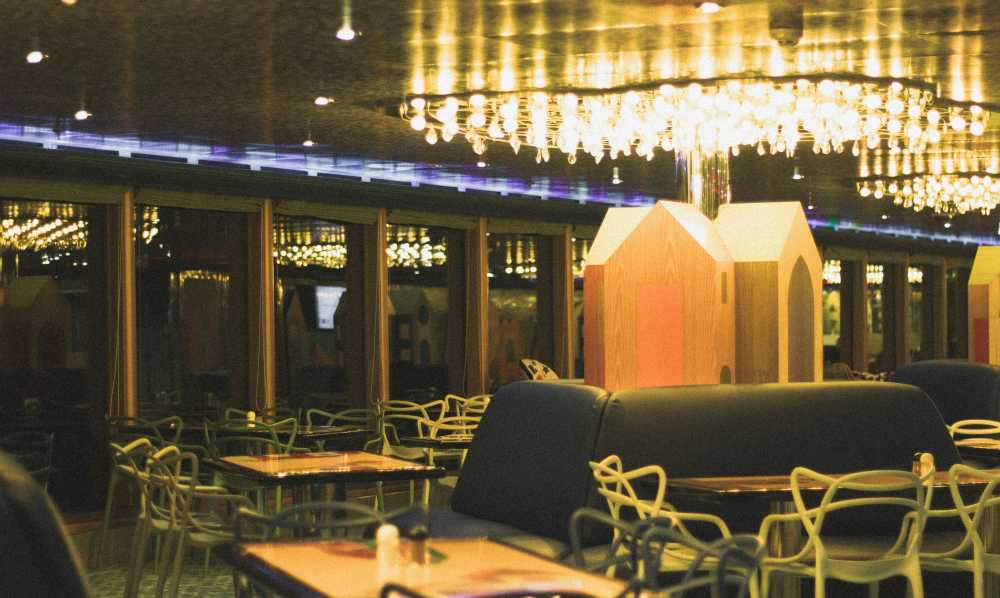
Meta Data Suggestions:
SEO Meta Title (59 characters): Confidently Eat Alone While Traveling: 5 Expert Tips
URL Slug: confidently-eat-alone-traveling
SEO Meta Description (154 characters): Nervous about dining solo? Our guide offers 5 practical ways to confidently eat alone while traveling, turning social anxiety into an empowering experience.
Don't Miss Out! Subscribe for Exclusive Content
SubscribeComments 0
No comments yet
Be the first to share your experience!
Dont Miss Out! Subscribe for Exclusive Content

Chicago Beer Fests: Top 6 Tastings

Ultimate USA Holidays Guide: Top Picks

FTC Affiliate Disclosure Essentials: Stay Compliant as a Travel Creator

Essential Affiliate Tools: From Tracking to Full Optimization

Booking.com Affiliate Program Review: Pros, Cons, and Earnings Potential
