
The 7 Solo Female Travel Safety Rules You Can't Ignore

TrekGuider @trekguider
You feel the magnetic pull of the world, a deep-seated desire to explore ancient cities, wander through breathtaking landscapes, and discover it all on your own terms. The dream of solo travel is vibrant and powerful. But for so many women, that dream is shadowed by a persistent and paralyzing question: "But will I be safe?"
This isn't just a fleeting thought; it's a formidable barrier. It’s a shared, valid concern that echoes across the travel community. A staggering 66% of women who travel solo report worrying about their personal safety, and for the 59% of women who have yet to start their first independent journey, these concerns are the second-largest obstacle holding them back. The fear is real, and it is robbing you of what could be the most transformative experience of your life. But what if you could systematically dismantle that fear, replacing it with an unshakable foundation of competence?
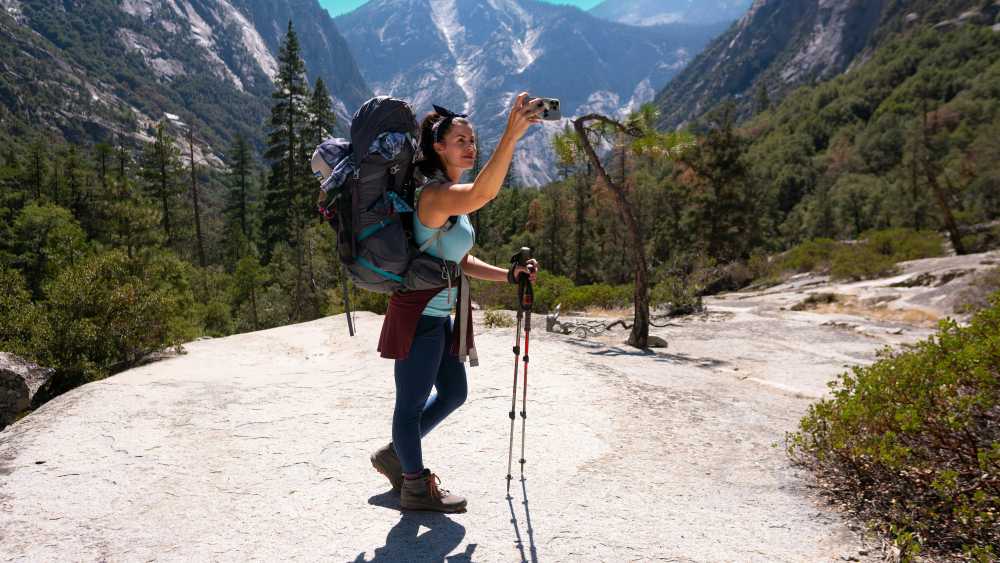
This guide is your tactical blueprint to do exactly that. We are moving beyond vague reassurances and diving into the essential, non-negotiable rules of solo female travel safety. This isn't about seeing the world through a lens of paranoia; it's about equipping yourself with the knowledge to navigate it intelligently. For a complete overview of the journey, start with our comprehensive pillar guide, The Ultimate Guide to Solo Female Travel (15 Essential Tips). These seven rules, however, are the bedrock—the field-tested strategies that will transform you from a worrier into a prepared and confident global explorer.
Rule 1: Build a "Lifeline Home" Before You Leave
The single most important phase of your safety strategy happens before you ever pack a bag. Creating a strong communication and information bridge between you and a trusted emergency contact back home is non-negotiable. This "mission control" is your ultimate safety net, ensuring that if you are ever unreachable, someone you trust has every critical detail needed to help.
Your "lifeline" packet should be a comprehensive dossier containing both physical and digital copies of the following, based on recommendations from the U.S. Department of State:
A Complete Itinerary: Detail your trip on a day-by-day basis, including flight numbers, train schedules, and the names, addresses, and phone numbers of all booked accommodations.
Copies of All Important Documents: Include the photo page of your passport, any necessary visas, your driver's license, and a full copy of your travel insurance policy, complete with the policy number and the 24/7 emergency assistance phone number.
Financial Information: Provide photocopies of the front and back of every credit and debit card you are carrying. The international toll-free numbers on the back are essential for canceling them if they are lost or stolen.
A Pre-Arranged Communication Plan: Establish a clear plan for when you will check in (e.g., a quick text upon arrival in a new city). Crucially, agree on a protocol for what your contact should do if you miss a check-in (e.g., wait 12 hours, then contact your hotel, then contact the nearest embassy).

Pro-Tip: The single most effective safety action you can take in under five minutes is to enroll your trip with the U.S. Department of State’s free Smart Traveler Enrollment Program (STEP). This provides the nearest U.S. Embassy or Consulate with your itinerary, creating a three-way digital bridge connecting you, your emergency contact, and the State Department for a coordinated response in a worst-case scenario.
Rule 2: Master Your Sanctuary with an Unbreakable Arrival Protocol
Think of your accommodation as more than just a place to sleep. It’s your secure base of operations, your private sanctuary to rest and recharge. Ensuring its integrity from the moment you arrive is a critical habit that provides profound peace of mind. Adopt this methodical security check and perform it automatically every single time you enter a new room.
Prop the Door Open. Before you fully enter, use your main piece of luggage to prop the door open. This simple action prevents the door from closing and locking behind you, guaranteeing an immediate escape route should the room not be empty.
Conduct a Full Room Sweep. With the door still open, perform a quick but thorough physical search. Check under the bed, behind all curtains, inside closets, and in the bathroom, including behind the shower curtain.
Verify All Locks. Once the room is confirmed to be empty, close the door and immediately test all locking mechanisms. Engage the deadbolt, chain lock, or security latch. Go to every window and any balcony doors to ensure they lock securely.
Deploy Your Personal Security. Your own devices provide a layer of protection entirely within your control. Immediately place a rubber wedge doorstop alarm under the main door or install a portable door lock like an Addalock. These inexpensive, lightweight devices are highly effective at preventing unauthorized entry, even from someone with a key card.
Locate and Map Emergency Exits. Find the fire exit map on the back of the door. Identify the two nearest exits, then physically walk the route to each one, counting the doors you pass. This mental map is invaluable for navigating in darkness or smoke.
Perform a Hidden Camera Scan. In an age of miniaturized electronics, a quick scan for hidden cameras is a prudent measure. Use your phone's flashlight to look for the tell-tale glint of a tiny lens in unexpected places like smoke detectors, alarm clocks, and USB wall chargers. In the dark, use your phone's front-facing camera (which is more sensitive to infrared light) to scan the space. Look for the small, often blinking, IR lights used by night-vision cameras that are invisible to the naked eye.
Adopt a "Verify, Then Open" Door Policy. Make it your strict policy to never open your door to an unsolicited knock. If someone claims to be from housekeeping, call the front desk using the room phone to verify they sent a staff member to your room.

YOUR ULTIMATE SAFETY TOOLKIT
Mastering your environment is the first step to confident travel. True preparedness means having the right tools for every situation. Our free, downloadable Solo Female Travel Safety Guide is the perfect companion to these rules. It's a comprehensive checklist and resource guide covering everything from what to pack to what to do in an emergency.
Rule 3: Take Absolute Control of Your Ground Transportation
Moving through an unfamiliar city can be a point of high vulnerability. Whether you’re using a ride-sharing app or a local taxi, you must shift from being a passive passenger to an active participant in your own safety. Adhere to this strict set of protocols for every single ride.
The "Match, Name, Share" Protocol for Ride-Shares
Match: Before you get in, carefully match the vehicle's make, model, and license plate number with the information in the app. Check that the driver's appearance matches their profile photo. If anything is off, do not get in the car.
Name: This is a critical verification step. Do not approach a vehicle and ask, "Are you here for Jane?" This gives a potential imposter the information they need. Instead, from a safe position on the curb, ask the driver, "Who are you here for?" A legitimate driver will be able to state your name correctly.
Share: Before your ride begins, use the app's built-in "Share Trip Status" feature. This sends a live map of your journey to a trusted contact, allowing them to track your progress in real-time.
Universal Rules for Every Ride
The Backseat Protocol: As a solo traveler, always sit in the back seat on the side opposite the driver. This creates crucial physical distance and gives you access to two separate exits.
The Route Protocol: Keep your own mapping application, like Google Maps, open on your phone throughout the journey. If the driver takes a significant, unexplained detour, you are empowered to question it. If the response makes you uncomfortable, end the ride in a safe, well-lit public area.

Rule 4: Create Layers of Personal and Digital Security
Your solo female travel safety strategy should be built on layers and redundancy. This means pairing smart practices with an effective toolkit of personal security devices and ensuring your digital lifelines are always active.
Your Personal Security Toolkit
Personal Safety Alarm: This is arguably the most valuable device for a solo traveler. An alarm like the She's Birdie emits an extremely loud siren (130+ decibels) and a flashing strobe light to startle an attacker and attract immediate attention. They are small, legal everywhere, and attach to a keychain for instant access.
Anti-Theft Bag: Invest in a bag with features like RFID-blocking pockets (to protect from electronic skimming), slash-proof fabric, and lockable zippers. A crossbody style worn in front of your body offers the most security.
Portable Door Lock / Alarm: As mentioned in Rule 2, carrying your own lock gives you absolute control over the security of your room, ensuring your sanctuary remains impenetrable.

Your Digital Security Layer
Your phone is your map, translator, and lifeline. A solar-powered power bank adds a critical layer of resilience to a standard one, ensuring you can maintain a charge even during power outages or on multi-day treks.
Rule 5: Project Confidence and Practice Proactive Situational Awareness
How you carry yourself has a profound impact on how you are perceived. Projecting confidence—even when you're feeling uncertain—is a powerful deterrent. Walk with purpose, keep your head up, and make brief eye contact. This signals that you are aware of your surroundings, not an easy target.
This confidence is fueled by situational awareness. It's not about being paranoid; it's about being present.
Understand the Local Landscape: Before arriving, research common tourist scams. A 2024 report noted that 29% of solo female travelers had experienced a theft or attempted scam. Knowing the playbook for ploys like the "friendship bracelet" or "spilled drink" allows you to disengage before you become a victim.
Trust Your Intuition: Your intuition is your most finely tuned security equipment. If a person, place, or situation feels "off," it probably is. You do not need a logical reason. Honor it. Cross the street, leave the bar, get in a different train car. Acting on your intuition is not rude; it is intelligent.
Manage Your Inputs: Be mindful of your alcohol consumption. Your awareness is your primary defense, and anything that dulls it increases your vulnerability.

Rule 6: Embrace That Safety Anxiety Decreases with Experience
It's crucial to understand the psychology of solo travel fear. The data reveals a powerful truth: the act of traveling solo is the most effective antidote to the fear of it.
Among women who have taken fewer than six solo trips, 77% report worrying about safety. That number drops dramatically to just 55% for those who have traveled solo more than ten times. This establishes a direct, negative correlation between experience and anxiety.
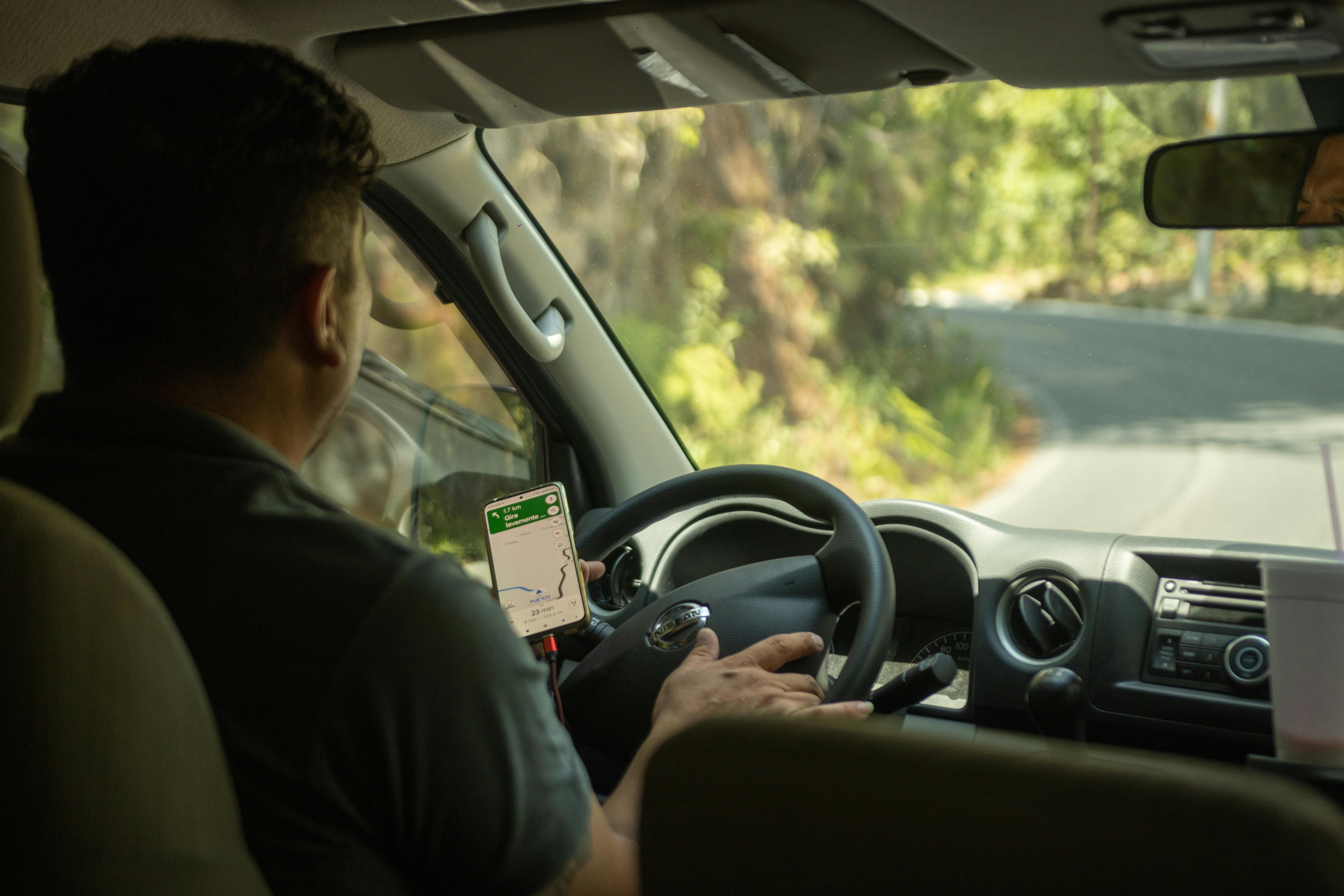
Every time you successfully navigate a new city and overcome a challenge, you are collecting real-world evidence of your own competence. This direct experience systematically replaces abstract, media-fueled fear with managed, situational awareness. You learn that while vigilance is essential, you are far more capable than you imagined. The goal of your first trip is to break this cycle of fear and begin the empowering loop of experience.
Rule 7: Never Outsource Your Safety to Chance—The Travel Insurance Mandate
For a solo traveler, travel insurance isn't an optional add-on; it is a foundational pillar of your financial security. A cheap policy is not a good deal if it doesn't have the right coverage. When evaluating policies, ensure the plan includes strong coverage in these key areas:
Emergency Medical Coverage: A policy should offer a minimum of $250,000 in benefits.
Emergency Medical Evacuation: This covers the potentially astronomical cost of transporting you to a hospital with adequate facilities or back home.
Emergency Medical Reunion (Companion Coverage): This is vital for solo travelers. If you are hospitalized, this coverage pays for a family member's transportation and accommodation to be at your bedside, providing invaluable logistical and emotional support.
Trip Interruption and Cancellation: This reimburses your non-refundable trip costs if you have to cancel or cut your trip short for a covered reason.
Frequently Asked Questions About Solo Female Travel Safety
What's the single most important safety device I should buy?
A personal safety alarm. While a doorstop and anti-theft bag are excellent, a loud, attention-grabbing alarm is the most versatile tool for deterring a potential threat in any public situation, day or night.
I'm nervous about nightlife. Should I just avoid going out after dark?
Not at all! The key is to be strategic. Have your transportation planned in advance—know exactly how you're getting home. Nurse your drink and never leave it unattended. Stick to well-lit, reputable areas and consider starting with a structured activity, like a group tour or a show, rather than just wandering.
How do I handle street harassment without escalating the situation?
The most effective strategy is confident disengagement. Do not respond or make prolonged eye contact. Project purpose and keep walking. In many cases, a reaction is what the harasser is seeking. If you feel you are being followed, walk into a busy, open shop or restaurant immediately.
Are group tours a good option for a safety-conscious first-timer?
Absolutely. An estimated 75% of women who have never traveled alone would be more likely to do so on a group tour. They provide a "scaffolded" entry into the world of solo travel. You can find tours vetted and reviewed by other solo female travelers on platforms like TrekGuider, which is a great way to build foundational confidence.

Your Journey to Confident Exploration Starts Now
The narrative around solo female travel safety is too often dominated by fear. But the data tells a different, more empowering story of capability and resilience. These seven rules are your framework—a practical system for managing risk and moving through the world with intelligent confidence. By internalizing these strategies, you build a foundation of competence from which you can freely and bravely explore.
Now that you have the safety blueprint, the truly exciting part can begin. Explore our collection of expert-written Travel Guide resources to find your perfect destination, and remember to download the essential Solo Female Travel Safety Guide. The world is waiting for you to discover it—and yourself.
Meta Data Suggestions:
SEO Meta Title (59 characters): The 7 Essential Solo Female Travel Safety Rules for 2026
URL Slug: solo-female-travel-safety-rules
SEO Meta Description (154 characters): From accommodation security to transport protocols, these 7 non-negotiable solo female travel safety rules will empower you to explore the world with confidence.
Don't Miss Out! Subscribe for Exclusive Content
Subscribe



Comments 0
No comments yet
Be the first to share your experience!
Dont Miss Out! Subscribe for Exclusive Content

How to Avoid Travel Scams: A Global Guide


Is Public WiFi Safe? How to Protect Your Data Abroad

A Woman's Guide to Safe Travel: 10 Critical Tips

7 Hotel Safety & Security Tips for Peace of Mind

9 Beach Safety Tips That Could Save Your Life

How to Stay Safe While Hiking: A Hiker's Safety Guide
Christmas NOLA: Creole Lights & Eats
TrekGuider @trekguider
Are you tired of the same silent, snowy nights? The predictable cycle of generic holiday markets and overplayed carols can leave even the most festive traveler craving something with more soul. You’re searching for a holiday that swaps biting frost for a warm, vibrant cultural immersion—a place where tradition isn't just remembered, but is passionately lived, tasted, and celebrated with a fiery spirit.
Imagine a Christmas Eve where the sky is illuminated not by faint stars, but by towering bonfires blazing along the Mississippi River, a Cajun beacon for Papa Noël. Picture yourself sitting down not to a standard holiday ham, but to a multi-course Creole feast—a Réveillon dinner—so decadent and steeped in history it feels like a culinary sacrament. To miss this is to settle for a cookie-cutter holiday when a deep, unforgettable adventure awaits.

This is your definitive guide to unlocking the magic of a New Orleans Christmas—a celebration so distinct it redefines what Christmas in the USA can be. It’s a key element experience we introduce in our broader guide to New Orleans Holidays: Cultural Feasts, and here, we’re diving deep. Forget sleigh bells; we’re talking jazz trumpets. Forget snow; we’re talking the warm glow of tradition. Let’s explore the one-of-a-kind Creole customs, from legendary dinners to spectacular bonfires, that make this city the ultimate holiday destination.
The Heart of a Creole Christmas: The Réveillon Dinner Tradition
In New Orleans, the absolute pinnacle of holiday dining is the Réveillon dinner. Forget a simple holiday meal; the Réveillon (REV-ee-on) dinner is a cherished Creole ceremony dating back to the early 19th century. It began as an elaborate feast served after midnight mass on Christmas Eve, where families would break their pre-communion fast with a lavish spread that could last for hours, filled with rich food, lively conversation, and holiday cheer.
While the custom has evolved from a purely home-cooked affair, its spirit is more vibrant than ever in the city's world-class restaurants. Throughout December, dozens of New Orleans' finest establishments offer special multi-course Réveillon menus that pay homage to this historic tradition. These are not your typical holiday buffets. These are carefully built culinary journeys featuring decadent dishes that blend French, Spanish, and African influences. Expect to see rich turtle soup, gamey quail, and iconic Louisiana staples like the indispensable oyster gumbo.

Participating in a Réveillon dinner is to take part in a living piece of New Orleans history—a delicious ritual that connects you directly to the soul of a Creole Christmas.
How to Book Your Réveillon Dinner: A Step-by-Step Guide
Securing a table for this beloved tradition requires some foresight, but the reward is an experience you'll talk about for years. Follow these steps to guarantee your spot.
Research Early: Restaurants typically announce their Réveillon menus in late October or early November. The official New Orleans tourism website is an excellent resource, compiling a list of participating establishments so you can browse menus. Look for offerings that excite you, whether it's a modern twist on Creole classics or a faithful recreation of historical dishes.
Book Immediately: These dinners are incredibly popular with locals and visitors alike. Once you've identified your top choices, make reservations without delay. For prime dates like Christmas Eve, booking a month or two in advance is not overkill. While most restaurants use online platforms, a direct phone call can sometimes reveal extra availability.
Understand the Format: Nearly all Réveillon dinners are prix-fixe, meaning you pay a set price for a specific number of courses (usually four to six). Wine or cocktail pairings are often available for an additional charge. We highly recommend them, as they are expertly curated to elevate the rich, complex flavors of the meal.
Dress the Part: New Orleanians embrace any opportunity to dress up, and a Réveillon dinner is the perfect occasion. While a strict black-tie dress code is rare, "holiday festive" or "smart casual" is the standard. Think collared shirts and slacks or a stylish dress. It’s a special event, so lean into the celebratory atmosphere.
Pro-Tip: While the classic, centuries-old restaurants in the French Quarter offer an undeniably historic Réveillon experience, don't overlook the innovative eateries in neighborhoods like the Garden District or the Warehouse District. These spots often provide a contemporary take on the tradition with equally spectacular food and a more local vibe.
A Unique Take on Christmas in the USA: Lighting Up the Night
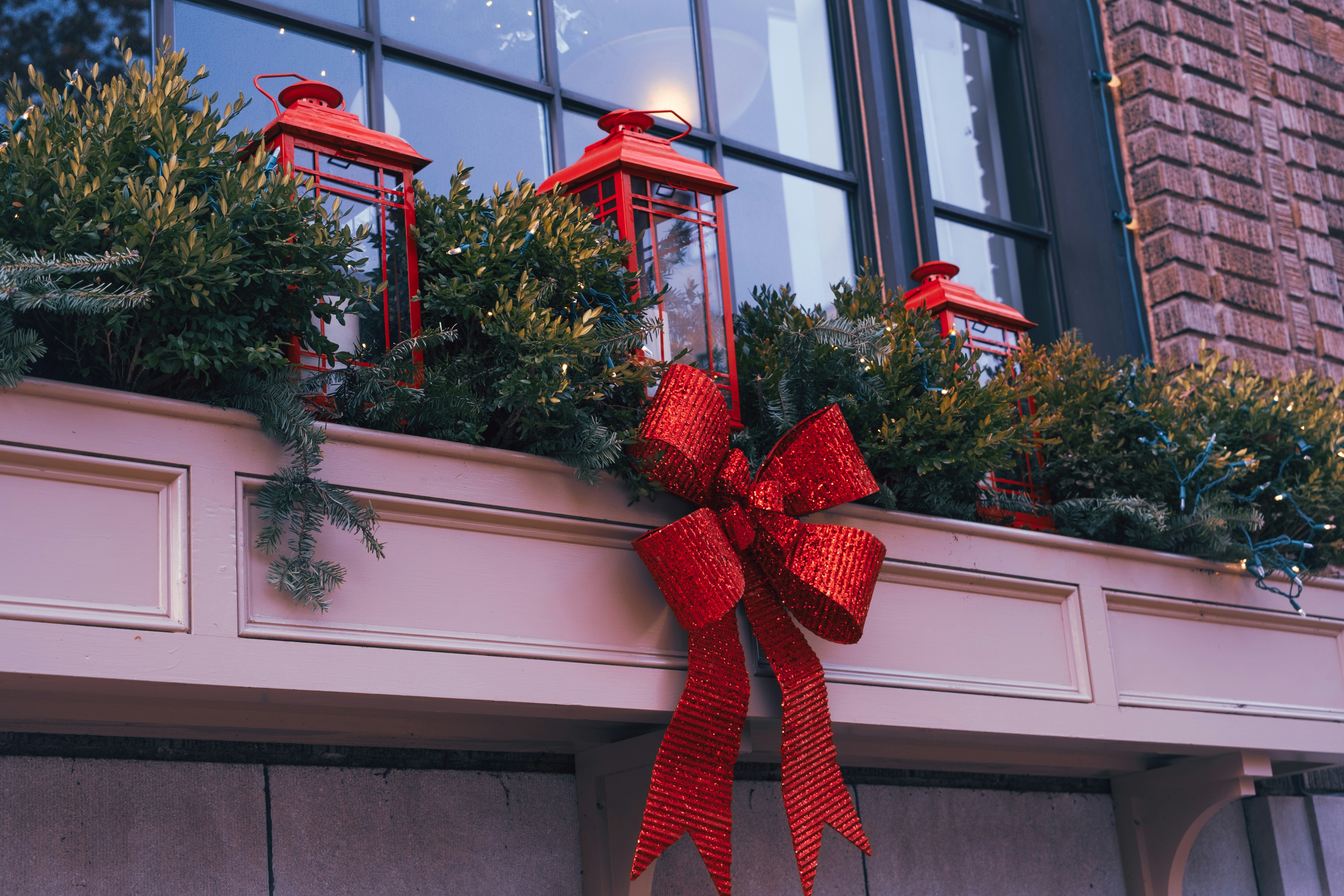
New Orleans trades conventional holiday light displays for traditions deeply rooted in its unique landscape and folklore. The city’s two most famous spectacles—the bonfires on the levee and the enchanting Celebration in the Oaks—offer two vastly different but equally magical ways to experience the holiday glow. These events are a core part of what makes Christmas in the USA so special in this corner of the country.
Papa Noël's Fiery Welcome: The Bonfires on the Levee
Perhaps the most dramatic and uniquely Louisiana Christmas tradition is the lighting of massive bonfires along the Mississippi River levees on Christmas Eve. This custom is most prominent in the parishes just upriver from New Orleans, particularly in St. James Parish. According to beloved local lore, the bonfires are built to light the way for "Papa Noël," the Cajun Santa Claus, as he navigates the dark, swampy landscape in his pirogue pulled by alligators.
These are not small campfires. They are colossal wooden structures, often built in the shape of log cabins, steamboats, or other creative designs, that are set ablaze to create a fiery, awe-inspiring pathway along the river. The tradition is a massive community event, with families gathering to enjoy the warmth, share food and drink, and watch the spectacular display unfold.
How to Experience the Bonfires:
Book a Bus Tour: The easiest and most stress-free way to see the bonfires is by booking a spot on a dedicated bus tour departing from New Orleans. These operators handle all the logistics, navigating the intense traffic and securing a prime viewing location, often with commentary on the tradition's history.
Drive Yourself (With Caution): If you have a car, you can drive the "River Road" through the parishes. Be prepared for gridlock traffic and follow the directions of local law enforcement. The spectacle is worth it, but patience is an absolute must.
Arrive Before Dusk: The bonfires are typically lit at dusk on Christmas Eve (around 7 PM). Plan to arrive in the area well beforehand to find parking, claim a spot, and soak in the festive, communal atmosphere.
A Dazzling Urban Oasis: Celebration in the Oaks
For a more traditional (yet still distinctly New Orleans) light display, Celebration in the Oaks is an absolute must. Held in the city’s sprawling and beautiful City Park, this event transforms the landscape into a breathtaking winter wonderland. With millions of twinkling lights adorning the park's famous ancient oaks—some of which are over 800 years old—the effect is nothing short of spectacular.

This beloved local tradition is perfect for families, couples, and anyone looking to be immersed in pure holiday cheer. Key features include a popular drive-thru light tour, allowing you to experience the magic from your car, as well as walking paths that guide you through themed light exhibits. A ride on the park's historic carousel, beautifully decorated for the season, is an essential part of the experience.
Tips for Visiting Celebration in the Oaks:
Buy Tickets Online in Advance: This event is extremely popular and frequently sells out, especially on weekends. Purchasing your timed-entry tickets online is essential to avoid disappointment.
Visit on a Weekday: To avoid the largest crowds and enjoy a more relaxed experience, plan your visit for a weeknight if your schedule allows.
Consider the Driving Tour: The drive-thru option is perfect for a rainy evening or for those with mobility challenges. It offers a fantastic and comprehensive view of the entire display.
More Than Lights and Food: Other Essential NOLA Christmas Traditions
While Réveillon dinners and fiery bonfires are the headliners, the holiday spirit in New Orleans is woven into the city's fabric through music, community, and history. To fully appreciate the season, immerse yourself in these other cherished local customs.
Caroling in Jackson Square
On the Sunday before Christmas, thousands of people gather in Jackson Square, in the heart of the French Quarter, for a truly magical evening of community caroling. With the iconic St. Louis Cathedral as a stunning backdrop, locals and visitors hold candles and sing holiday classics together. The event is free, and the sight of the square illuminated by candlelight and filled with joyful voices is a quintessential New Orleans Christmas experience.

Holiday Concerts and Cathedral Music
Music is the lifeblood of New Orleans, and the holiday season is no exception. Many of the city's historic churches and cathedrals, including the St. Louis Cathedral, host free holiday concerts featuring gospel choirs, classical musicians, and jazz ensembles. These performances, held in beautiful and acoustically rich environments, offer a soulful and moving way to celebrate. Check local listings for schedules.
For our international readers planning to experience this uniquely American holiday, navigating travel during this busy season can be complex. To ensure you have all your documents, bookings, and essentials in order for a smooth journey, download our free International Travel Checklist. It’s the perfect tool to prepare for your Creole Christmas adventure.
Your Practical Guide to a New Orleans Christmas Vacation
A little planning goes a long way in making your New Orleans holiday trip seamless and spectacular. Here is the essential information you need to navigate the city during this festive season.
When to Visit and What to Pack
To get the full experience, plan to arrive at least a few days before Christmas Eve. This gives you time to enjoy the Réveillon dinners, see the lights, and soak in the festive atmosphere before the main events.
New Orleans weather in December is typically mild but can be unpredictable. Packing is all about layers:
Light Layers: Bring sweaters, long-sleeved shirts, and a medium-weight jacket. Daytime temperatures can be pleasant, but it gets chilly at night, especially near the river.
Comfortable Walking Shoes: The best way to explore the French Quarter and other historic neighborhoods is on foot. You will be doing a lot of walking, so comfortable shoes are non-negotiable.
A Festive Outfit: Pack something a little dressier for your Réveillon dinner or a holiday concert.
Rain Gear: A compact umbrella or a light raincoat is always a smart addition, just in case of a passing shower.
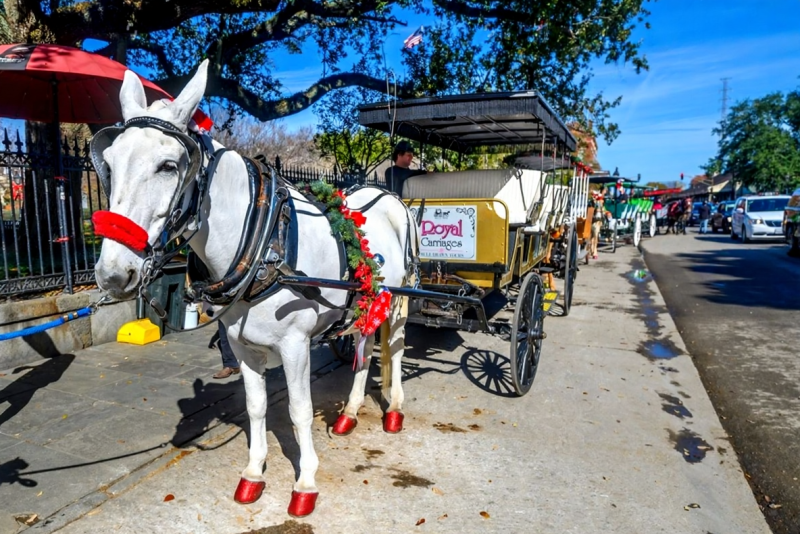
Pro-Tip: The St. Charles Streetcar line offers a magical and incredibly affordable sightseeing tour. For the price of a single fare, you can ride through the stunning Garden District, where grand historic mansions are adorned with elegant and elaborate holiday decorations. It's a low-cost activity with a huge festive payoff.
Getting Around the City
Navigating New Orleans during the holidays is relatively easy.
Walk: The French Quarter is compact and best explored on foot.
Streetcar: The historic streetcar lines are a charming and efficient way to travel between neighborhoods like the French Quarter, the Garden District, and Mid-City (for City Park).
Rideshare: Services like Uber and Lyft are widely available for destinations not easily reached by public transit.
Tours: For experiences like the bonfires on the levee, organized tours are the most convenient option, eliminating the stress of driving and parking in heavy traffic.
To truly master the city's layout, uncover hidden gems, and plan the perfect itinerary beyond the holidays, our comprehensive Travel Guide is an indispensable resource. It's packed with insider knowledge, detailed maps, and neighborhood guides that turn a good trip into an absolutely unforgettable one.
An Unforgettable Holiday Steeped in Creole Soul
A New Orleans Christmas is a feast for all the senses. It’s the smoky scent of bonfires on the cool night air, the rich flavor of a generations-old Réveillon recipe, the sound of a jazz band playing "Silent Night" on a French Quarter corner, and the sight of a historic square glowing with candlelight. It is a celebration that completely redefines what Christmas in the USA can be, trading commercial frenzy for authentic culture, deep-rooted history, and an abundance of soul.
You now have the blueprint to craft a holiday experience filled with fiery spectacle, culinary delights, and traditions you simply won't find anywhere else on earth. You are ready to step away from the ordinary and embrace a Christmas that is as unique, vibrant, and unforgettable as the city itself.
Ready to trade snow for bonfires and bland for bold? Start planning your unforgettable New Orleans holiday adventure today.
Don't Miss Out! Subscribe for Exclusive Content
SubscribeComments 0
No comments yet
Be the first to share your experience!
Dont Miss Out! Subscribe for Exclusive Content

San Francisco Cherry Blossoms: A Local's Guide to the Blooms

Halloween SF: Haunts Without Horrors

SF Festivals: 7 Must-See Lineups

Christmas SF: Lights & Wharf Wonders

SF Pride: 6 Route & Party Hacks

Chinese New Year SF: Parade Essentials
Choosing an All-Inclusive Family Resort? Read This First.
TrekGuider @trekguider
The idea of an all-inclusive resort is almost magical for parents: a place where "I'm hungry" is solved instantly, activities are endless, and your wallet can stay locked in the safe. But the dream can quickly turn into a pricey mistake with crowded pools, hidden fees, and lackluster kids' clubs. The key to securing that blissful, stress-free escape isn't luck—it's knowing exactly what to look for before you book.
For every family that returns refreshed, another comes back with cautionary tales. The difference between paradise and disappointment lies in the details. This guide is your battle plan to see past the glossy marketing photos and find true value.

We'll show you how to vet any resort and book a vacation that delivers on its promise. This advice is a perfect starting point for the hands-on planning that follows exploring broader Family Travel Ideas: The 2026 Guide to Unforgettable Trips.
The Real Genius of an All-Inclusive
Choosing an all-inclusive isn't just about unlimited snacks (though that helps). It's a strategic move to conserve your most valuable resources: mental energy and peace of mind.
The Freedom from Decision-Making: A great vacation shouldn't require a dozen decisions before breakfast. At the right resort, the only choice you need to make is between the pool and the beach. This freedom from constant planning is the ultimate luxury for a parent.
Lock In Your Budget, Then Forget About It: This is perhaps the biggest stress-reducer. You know the vast majority of your costs upfront, eliminating the constant mental math of vacation spending. It allows you to relax and say "yes" to another round of virgin piña coladas without wincing.
A Safe Harbor for Your Kids: The self-contained nature of a resort means you can relax your constant hyper-vigilance. It’s a secure environment where older kids can have a taste of independence (like walking to the ice cream stand on their own) and you can actually finish a chapter of your book. For more on this, explore The Secret to Stress-Free All Inclusive Family Vacations.
The Perfect Solution for Group Getaways: Trying to coordinate a trip with grandparents, cousins, or another family can be a logistical nightmare. An all-inclusive acts as the perfect home base, offering a wide array of food and activities to keep everyone happy without the need for complex daily planning.
Not All-Inclusives Are Created Equal
The term "all-inclusive" covers everything from sprawling theme parks to quiet beach retreats. The key is matching the resort's personality to your family's.

The Action-Packed Wonderland: Think massive water parks, character breakfasts, and a dizzying schedule of activities from sunrise to sunset.
Best For: Families who crave constant stimulation. If your kids thrive on energy and want to make a dozen new friends, this is your spot.
The Chic & Serene Escape: These smaller, more intimate properties focus on quality over quantity. Expect elevated dining, stunning design, and a more relaxed, upscale atmosphere.
Best For: Families with infants who just need a beautiful place to relax, or those with self-sufficient teenagers who cringe at organized fun. This is about connection, not chaos.
The Eco-Adventure Hub: Located in places like Costa Rica, these resorts weave nature and adventure into the all-inclusive package. Think guided jungle hikes, kayaking tours, and wildlife spotting included in your stay.
Best For: Active families who want the ease of an all-inclusive without being confined to a pool deck. It’s for those who want to explore the world, then come back for a hassle-free dinner.
The Savvy Parent's Vetting Checklist: 5 Things to Do Before You Book
Marketing photos sell a fantasy. Your job is to uncover the reality. Be ruthless. Use this five-point checklist to dissect any potential resort and ensure it’s the right fit for your family.

1. Interrogate the Kids' Club
A great kids' club is the key to unlocking actual adult relaxation. Don't just confirm its existence; investigate the details like a detective.
The Checklist:
Age Groups: Are kids lumped together, or are there separate programs for toddlers, little kids, and tweens? A 4-year-old and a 10-year-old have vastly different needs.
The Schedule: Ask for a sample weekly activity schedule. Is it creative and engaging (nature walks, craft projects, local cooking classes) or is it just screen time?
Staffing: What is the staff-to-child ratio? Are staff certified in CPR and first aid?
Security: What are the check-in and check-out procedures?
Green Flag: The resort proudly displays its kids' club schedule online.
Red Flag: The details are vague, and customer service can't provide specifics.
2. Scrutinize the Food & Drink Scene
"All-inclusive" shouldn't mean mediocre. You need to understand the logistics of how, when, and where you'll be eating.
The Checklist:
The Reservation Reality: How many restaurants require reservations? Can they be made before you arrive, or is it a mad dash each morning to book a spot for dinner?
Buffet Recon: Look at recent guest photos on TripAdvisor or Google, not just the professional ones. Does the buffet look fresh and varied? Are there plenty of simple, kid-friendly staples?
Hours of Operation: When do the restaurants and snack bars open and close? If your toddler is an early riser, a coffee shop that opens at 8 a.m. is a problem.
Green Flag: Multiple casual, drop-in dining options are available all day.
Red Flag: Reviews repeatedly mention long waits for tables or difficulty getting reservations.
3. Audit the "All-Included" Fine Print
The most frustrating part of a bad all-inclusive experience is the endless stream of upcharges. Your mission is to identify them beforehand.
The Checklist:
Activities: Is it just non-motorized water sports (kayaks, paddleboards)? Or are things like snorkel gear, a climbing wall, or an introductory scuba lesson included?
Drinks: Is it just local beer and well liquor? Are premium spirits, bottled water, and decent wine extra?
Hidden Fees: Look for mentions of "resort fees," Wi-Fi charges, or extra costs for premium beach chairs or cabanas.
Green Flag: The resort's website has a clear, detailed page listing exactly what’s included.
Red Flag: The language is vague, using phrases like "select beverages" or "some activities."
4. Evaluate the Resort Map
A sprawling, poorly planned resort can turn a simple trip to the pool into a 15-minute trek in the blazing sun with a tired toddler.
The Checklist:
The Golden Triangle: Look at the map. How far are the main family pool, the primary buffet, and the beach from the room blocks designated for families?
Quiet vs. Action: Does the resort have designated "quiet pools" or adults-only sections? This is a great sign—it means they're thinking about different types of guests.
Green Flag: The resort is thoughtfully laid out with key family amenities clustered together.
Red Flag: The resort is massive, and reviews mention needing to wait for golf carts to get anywhere.
5. Triangulate Real-World Reviews
Read reviews, but read them like a pro. Don't just skim the star ratings.
The Checklist:
Filter Everything: On sites like TripAdvisor, filter reviews specifically for "Family." The experience of a honeymooning couple is irrelevant to you.
Search for Keywords: Use the search function within reviews to look for terms relevant to you: "toddler," "stroller," "food allergies," or "teen."
Look for Patterns: Ignore the single 1-star review from an angry guest and the glowing 5-star review that sounds like it was written by the hotel manager. Look for consistent themes that appear in multiple reviews over several months. That’s the truth.
Green Flag: Recent family reviews are consistently positive about the staff and cleanliness.
Red Flag: Multiple families mention the same recurring problems (broken A/C, dirty pools, etc.).
Pro-Tips for Your First All-Inclusive Trip
Here's the insider knowledge that can make a good trip great.

Pack Your Own Insulated Cups: The resort cups are often tiny and flimsy. Bringing your own will keep your drink cold, reduce plastic waste, and save you countless trips to the bar.
Bring Small Bills for Tipping: While tips are often included, a few dollars for the bartenders, housekeeping staff, or kids' club counselors will ensure exceptional service.
Bring a Mini-Pharmacy: Don't pay $20 at the resort gift shop for children's Tylenol. Pack a small kit with essentials like pain relievers, allergy meds, upset stomach remedies, and plenty of waterproof Band-Aids.
The Early Bird Gets the Best Chair: In most resorts, the prime real estate by the pool is claimed early. If a shady spot is important, you may need to stake your claim before breakfast.
Make the Journey as Smooth as the Destination
The perfect resort vacation starts with a stress-free travel day. But flying with kids can feel like its own logistical puzzle. Our free guide is packed with pro tips on navigating airports, beating boredom, and arriving at your resort ready to relax.
Download the Stress-Free Flying with Kids Guide
Frequently Asked Questions
Are all-inclusive resorts really a good value?
They offer incredible value for convenience and budget control. While an a la carte trip might be cheaper, it requires far more planning and leaves you open to surprise costs. For parents who value a low-stress experience, the return on investment is huge.
What's the best age for a child to enjoy an all-inclusive?
The 4-12 age range is often the sweet spot, as kids are old enough for the kids' club but young enough to be dazzled by it all. That said, many resorts now have fantastic, dedicated programs for toddlers and teens, making them a great option for nearly any age.
How do I handle food allergies?
Reputable resorts take this very seriously. Contact the resort directly before booking to discuss their protocols. Once you arrive, ask to speak with the head chef, who can often arrange for safe, specially prepared meals.
What should I always pack for an all-inclusive trip?
Beyond your usual clothes, always pack your own insulated cups for drinks, a mini-pharmacy with kids' medicine and first-aid, and small bills for tipping. These items will save you money and hassle.
An all-inclusive family vacation, chosen wisely, is more than a trip—it's a reset button. By using this framework to look beyond the brochure, you can confidently select a resort that fits your family's unique style. You can trade planning and stress for presence and connection, and create memories that truly last.
Read the full guide: Family Travel Ideas: The 2026 Guide to Unforgettable Trips
Don't Miss Out! Subscribe for Exclusive Content
SubscribeComments 0
No comments yet
Be the first to share your experience!
Dont Miss Out! Subscribe for Exclusive Content

Ultimate USA Holidays Guide: Top Picks

FTC Affiliate Disclosure Essentials: Stay Compliant as a Travel Creator

Essential Affiliate Tools: From Tracking to Full Optimization

Booking.com Affiliate Program Review: Pros, Cons, and Earnings Potential

Decoding Affiliate Commission Rates: Benchmarks for Travel Creators
