
10 Best International Destinations for Digital Nomads

TrekGuider @trekguider
The dream of working from anywhere is powerful, but the reality of choosing where to plant your laptop is a daunting, high-stakes decision. You’ve seen the polished photos, but behind that image lies a complex web of visa regulations, tax laws, and the non-negotiable need for blazing-fast internet. The web is flooded with generic listicles that tout beautiful scenery but gloss over the critical details that can make or break your experience. Choosing wrong means legal headaches, financial strain, and a level of frustration that will have you booking a ticket straight back home.
Forget the superficial listicles. This is your definitive, data-driven playbook for the 10 best international destinations for digital nomads in 2026, built for the savvy American remote worker who demands more than just pretty pictures. We cut through the noise to focus on the pillars that truly matter, empowering you to make a strategic, confident decision about your next chapter. After all, succeeding as a nomad isn't just about picking a spot on the map; it requires a foundation of confidence, and our guide on essential is the perfect place to start building it.

The Four Pillars of a Perfect Nomad Base
Before we jet off, let's establish the framework. A world-class nomad destination is a careful balance of four key factors.
Cost of Living: This isn't about surviving; it's about thriving. We analyze the monthly budget for a comfortable lifestyle, including a modern apartment, a mix of dining out and cooking, and co-working space access.
Digital Infrastructure: High-speed, reliable internet is your lifeline. We look at average broadband speeds and the general stability of the connection in key cities.
Visa Accessibility: This is often the biggest hurdle. We assess the ease of securing legal long-term residency through official digital nomad visas, weighing income requirements against long-term benefits.
Quality of Life: This is the magic ingredient. It’s a measure of community, safety, culture, and the overall vibe that makes a place feel like home.
The Gold Standard: 5 Destinations That Get Everything Right
These locations represent the top tier, offering a world-class balance of all four pillars. They boast mature infrastructure, welcoming communities, and clear legal pathways for American remote workers.
1. Lisbon, Portugal: Europe’s Magnetic West Coast Hub

Lisbon has cemented its status as the quintessential European hub for digital nomads. It's a magical blend of old-world charm, with its rattling trams and historic Alfama district, and a buzzing modern tech scene. Its coastal location, incredible food, and established international community make it an almost perfect entry point for living and working in Europe.
The Data Breakdown:
Cost of Living: Expect a monthly budget of $2,500 - $3,900 for a comfortable lifestyle. While it’s one of the more affordable Western European capitals, its popularity has driven up prices.
Internet Speed: Excellent. With widespread fiber-optic coverage, you can expect reliable average speeds of 150 Mbps.
Visa Situation: Portugal offers the D8 Digital Nomad Visa, requiring a monthly income of around $3,480. Critically, this visa provides a clear pathway to permanent residency after five years—a massive long-term benefit.
Quality of Life: Superb. Lisbon is safe, walkable, and packed with world-class restaurants and cafes. The large, active nomad community means you’ll never struggle to find your tribe.
On-the-Ground Intel: Popular neighborhoods include the historic Alfama and the trendy, central Chiado. Co-working spaces like Second Home and LACS are central hubs for networking and deep work.
2. Mexico City, Mexico: The North American Nearshore Favorite
For Americans, Mexico City is an unbeatable combination of affordability, cultural richness, and logistical ease. Its position in a North American time zone is a massive advantage for collaborating with US-based teams. It's a sprawling, dynamic metropolis with a world-class culinary scene and a cost of living that feels like a dream.
The Data Breakdown:
Cost of Living: A fantastic value. A comfortable monthly budget falls between $1,500 - $2,100.
Internet Speed: Good, but diligence is required. Average speeds are around 60 Mbps, which is sufficient for most work, but can be inconsistent. Always confirm the internet speed with your Airbnb host or landlord before committing.
Visa Situation: This is evolving. The reliable, long-term solution is the Temporary Residence Visa, which requires proving financial solvency and should be obtained from a Mexican consulate before you go.
Quality of Life: Exceptional. The energy of CDMX is infectious. The neighborhoods of Condesa and Roma are nomad epicenters, filled with beautiful parks, Art Deco architecture, and some of the best cafes on the planet.
On-the-Ground Intel: Base yourself in Condesa or Roma for the quintessential nomad experience. Public transportation is extensive, and Uber is cheap and reliable for getting around this massive city.
3. Chiang Mai, Thailand: The Original Budget-Friendly Haven

Chiang Mai is the legendary cradle of the digital nomad movement. It continues to offer an almost impossibly low cost of living without sacrificing quality of life. Surrounded by lush mountains, filled with ancient temples, and home to an incredible food culture, it provides a relaxed base with one of the most established nomad communities on the planet.
The Data Breakdown:
Cost of Living: Astonishingly low. You can live a very comfortable life for $1,000 - $1,300 per month.
Internet Speed: Surprisingly fast. Fiber-optic is common, delivering average speeds of 100 Mbps.
Visa Situation: Thailand has recently introduced the Destination Thailand Visa (DTV), a 5-year visa for remote workers that is a game-changer, replacing the old, precarious system of "visa runs."
Quality of Life: Excellent. The pace of life is slower, the people are famously friendly, and the food alone is worth the trip.
On-the-Ground Intel: The Nimman neighborhood is the modern heart of the nomad scene, packed with trendy cafes and co-working spaces like Punspace. Renting a scooter is the most common and enjoyable way to get around.
Pro-Tip: When looking for monthly accommodation, book a hotel or Airbnb for your first 1-2 weeks. Use that time to explore neighborhoods in person and connect with local Facebook groups for digital nomads. The best and most affordable deals are almost always found on the ground, not online.
4. Tbilisi, Georgia: The Undiscovered Gem with an Unbeatable Visa
For those seeking an off-the-beaten-path destination with a stunningly simple visa policy, Tbilisi is a revelation. The capital of Georgia is a city of dramatic contrasts, where ancient churches sit next to futuristic architecture. It's incredibly affordable, with a unique culture and cuisine that will captivate adventurous nomads.
The Data Breakdown:
Cost of Living: Very affordable, ranging from $1,000 - $2,200 a month.
Internet Speed: The main drawback. Speeds average a slower 15 Mbps. It's workable, but not ideal for data-heavy professions.
Visa Situation: Unbeatable. Georgia offers a 1-year visa-free policy for Americans on arrival, making it the easiest place in the world to set up a long-term base with zero bureaucracy.
Quality of Life: High for the price. Tbilisi is a city with deep history, a burgeoning wine scene, and a dramatic landscape. The community is smaller but growing and tight-knit.
On-the-Ground Intel: The Vake and Vera neighborhoods are popular with expats for their green spaces and modern amenities. The city is compact and walkable, and Georgian hospitality is legendary.
5. Budapest, Hungary: Old-World Grandeur, New-World Speeds
Budapest offers the quintessential grand European capital experience at a fraction of the price. Straddling the Danube River, the "Pearl of the Danube" is famous for its stunning architecture, historic thermal baths, and eclectic ruin bars. For nomads, its biggest selling point is world-class internet in a beautiful, central European setting.
The Data Breakdown:
Cost of Living: Very reasonable for a major European city, at $1,100 - $1,300 per month.
Internet Speed: Blazing fast. With average speeds of 220 Mbps, it's one of the most reliable cities on this list.
Visa Situation: Hungary offers a digital nomad visa (called the "White Card") with an income requirement of around €2,000 per month.
Quality of Life: Fantastic. It's a city with endless things to do, from exploring castles to relaxing in centuries-old spas. It’s a great base for exploring the rest of Central Europe.
On-the-Ground Intel: Most nomads live on the bustling Pest side, particularly in the lively Jewish Quarter (District VII), which is the heart of the city's nightlife and creative scene.
5 More World-Class Contenders for Your Shortlist
These locations are fantastic options that excel in specific areas, making them perfect for nomads with particular priorities.
Medellín, Colombia: Known as the "City of Eternal Spring" for its perfect climate, Medellín has become a thriving, innovative hub for nomads.
Bali, Indonesia: The ultimate destination for wellness, surfing, and spirituality. The town of Canggu is the epicenter of a massive and vibrant community.
Buenos Aires, Argentina: Crave a European feel with a Latin American passion? This city of grand boulevards, tango, and incredible steak is for you, though economic instability can be a challenge.
Valencia, Spain: A fantastic quality of life with beautiful beaches, a stunning park, and a more relaxed vibe than Madrid or Barcelona. Its new digital nomad visa is very popular.
Kuala Lumpur, Malaysia: A modern, multicultural Asian metropolis that serves as a fantastic and affordable hub for exploring Southeast Asia with top-notch infrastructure.
The Visa Game: Your Guide to Staying Legal Long-Term

Understanding the legal landscape matters most. The world is shifting away from the gray area of tourist visas towards official international destinations for digital nomads visas.
Tourist Visas: The "old way" involved "visa runs" (leaving and re-entering to reset the clock). This strategy is risky, increasingly unreliable, and provides no legal right to work.
Digital Nomad Visas (DNVs): These are official residency permits designed for remote workers. They provide a legal, long-term basis to live and work in a country, but come with bureaucracy and high minimum income requirements (typically $2,500-$3,500+ per month).
Pro-Tip: Taxes are the most complex part of nomad life. As a US citizen, you are taxed on worldwide income regardless of where you live. Rules like the Foreign Earned Income Exclusion can help, but this is not a DIY situation. Always consult a tax professional specializing in US expat taxes before you leave.
The Nomad Reality Check: Answering Your Toughest Questions

How do you build community and avoid loneliness?
Be proactive. Choose a destination with an established community. Join co-working spaces. Use apps like Meetup.com. Prioritize "slow travel"—staying in one place for 3-6 months to build deeper connections.
What are the essential items to pack?
Less than you think. Aim for carry-on only. Pack versatile clothing (merino wool is king), a solid power bank, a universal travel adapter, and noise-canceling headphones. Almost anything you forget can be bought abroad.
Is the digital nomad lifestyle a permanent vacation?
Absolutely not. This is a common and dangerous myth. A sustainable nomad lifestyle is about living your normal life—with work deadlines, budgets, and chores—in a different location. It requires immense self-discipline.
Choosing from the many amazing international destinations for digital nomads is a deeply personal decision. The "best" place isn't a rank on a list; it's the location where the delicate balance of cost, connectivity, community, and culture aligns perfectly with your personal and professional needs. This guide has given you the data-driven framework and on-the-ground intelligence to make that strategic choice. You have the tools to move beyond the dream and build a real, sustainable life of freedom and adventure abroad. The world is waiting.
Read the full guide: Anxious to Adventurous: The Ultimate Guide to Solo Travel Confidence
Don't Miss Out! Subscribe for Exclusive Content
Subscribe



Comments 0
No comments yet
Be the first to share your experience!
Dont Miss Out! Subscribe for Exclusive Content

Is Public WiFi Safe? How to Protect Your Data Abroad


A Woman's Guide to Safe Travel: 10 Critical Tips

7 Hotel Safety & Security Tips for Peace of Mind

11 Essential Solo Travel Safety Tips You Need to Know

The Ultimate Guide to Travel Safety: A 2026 Playbook

How to Meet People While Traveling Solo (Without Being Awkward)
75+ Travel Blog Post Ideas to Beat Writer's Block
TrekGuider @trekguider
Let's be honest: the blinking cursor is the most intimidating opponent a travel creator can face. You're sitting on a goldmine of experiences from your latest trip, camera roll overflowing, yet the well of inspiration has run dry. You know you need to publish to keep your momentum, but you’re stuck. You see the creators featured in our definitive guide to The Best Travel Blogs to Follow in 2026 publishing incredible content, and the pressure to keep up feels immense.
This isn't just a fleeting moment of frustration; it's a critical business bottleneck. In the competitive world of travel media, an inconsistent publishing schedule kills momentum, damages your search engine authority, and puts a hard ceiling on your income. Every day you spend wondering what to blog about travel is a day you're not growing your audience or your business.
This article is your way out. Think of this as your permanent, strategic cure for writer's block. Below, you won't just find a list of 75+ prompts. You'll get a battle-tested resource bank organized by the single most important concept in content creation: user intent. This is the framework you need to build a content calendar that consistently attracts new readers, fosters a loyal community, and systematically drives revenue for your brand.

Understanding Intent: The Key to Knowing What to Blog About Travel
Before we get to the ideas, we need to talk strategy. Every single time a person uses a search engine, they have a goal. They're not just typing words; they're asking a question, looking for a story, or preparing to make a purchase. A professional content strategy doesn't just guess at topics; it systematically targets these different user intents.
The Professional's Cure: From Ideas to Strategy
The difference between an amateur blog and a professional media brand isn't the quantity of ideas, but the strategy behind them. The permanent cure for writer's block isn't just a list of topics; it's a framework for thinking about how each piece of content serves your audience and your business. This is how you build a content funnel:
Informational (Top of Funnel): The user has a practical question (e.g., "Do I need a visa for Thailand?"). Your job is to provide the most comprehensive, authoritative answer on the internet, introducing them to your brand as a trusted resource.
Inspirational (Middle of Funnel): The user is in the dreaming phase. They want personal stories, evocative photo essays, and relatable mishaps. Here, your goal is to forge a genuine connection and build the trust that turns a first-time visitor into a loyal follower.
Transactional (Bottom of Funnel): The user is ready to act. They're comparing products, looking for reviews, and about to spend money (e.g., "Sony a7CR review for travel"). Your goal is to provide expert recommendations that help them make a confident decision, generating affiliate income or direct product sales for you.
A successful blog is a masterfully balanced ecosystem of all three content types. It's how you create a sustainable business that serves people at every single stage of their travel journey.

Informational Guides (Top of Funnel): Become the Go-To Resource
These articles are the foundation of your search traffic. They answer the core questions your audience has and are your primary tool for building topical authority with search engines. Be relentlessly helpful.
The Ultimate Guide to [Destination]
How to Get from [Airport] to City Center
When is the Best Time to Visit Country?
Do I Need a Visa for Country?
A Complete Guide to Public Transportation in [City]
Is [City] Safe for Solo Female Travelers?
Understanding Currency and Tipping in Country
What to Pack for a Trip to [Destination]
The Best Neighborhoods to Stay in [City]
How to Plan a Number-Day Itinerary for [Destination]
A Local's Guide to the Best Hidden Gems in [City]
The Complete Language and Culture Guide for Country
Navigating Holiday/Festival in [City]
How Much Does a Trip to Country Really Cost? A Detailed Budget Breakdown
Is Travel Insurance for Country Worth It? A 2026 Analysis
Inspirational Stories (Middle of Funnel): Building Your Loyal Community
Facts inform, but stories connect. This is your chance to share your unique voice, perspective, and personality. In an increasingly automated world, our market research confirms that authenticity is your single greatest asset. This is where you build your true tribe.
How Traveling to Country Changed My Perspective on Life
Our Biggest Travel Mishap and What We Learned From It
Why I Quit My Job to Travel the World (And What I'd Do Differently)
A Day in the Life of a Digital Nomad in [City]
The Most Humbling Experience I Had in Country
Meeting Locals: The Unforgettable Story of Person's Name
Overcoming My Fear of Activity in Place
Finding Love on the Road: Our Story
A Letter to My Younger Self Before My First Solo Trip
The Kindness of Strangers: A Story from Country
Why We Choose to Travel with Our Kids, Even When It's Hard
The Most Beautiful Place I’ve Ever Seen
My Favorite Travel Memory of All Time
What I Wish I Knew Before Backpacking Through Region
A Photo Essay: The Faces of Country
Pro-Tip: True authenticity includes the struggles. Don't be afraid to write about the delayed flights, the questionable street food, or the moments of loneliness. These are the stories that make you human and build unshakable trust with your audience.

Transactional Reviews (Bottom of Funnel): Driving Your Revenue
This content targets readers with high purchase intent. They are actively seeking expert guidance before they spend their money. Your honest, detailed, and experience-backed reviews provide immense value to them and are a primary driver of revenue for your business.
Airline Business Class Review: Is It Worth the Upgrade?
An Honest Review of the Hotel Name in [City]
Is the City Name Pass a Good Value? A Full Breakdown
The 5 Best Travel Backpacks for 2026: An In-Depth Test
Comparing Tour Company A vs. Tour Company B for Activity
A Review of Travel Product: The Good, The Bad, and The Ugly
The Best Travel Credit Cards for Earning Points This Year
My Experience Renting a Car in Country with Rental Company
Camera Model Review: Is This the Ultimate Travel Photography Camera?
The Only Packing Cubes You'll Ever Need: A Head-to-Head Comparison
Review: Travel Insurance Provider
The Best Travel Shoes for Walking All Day (After 500 Miles of Testing)
A Guide to the Best Group Tours for Solo Travelers
Which E-SIM is Best for International Travel?
Portable Charger Brand Review: Will It Keep You Powered Up?
How-To Tutorials (Practical Value): Proving Your Deep Expertise
Tutorials are powerhouse content. They solve a very specific problem, demonstrating your expertise in a tangible way. A great "how-to" post can become a key element piece of content that drives traffic, email sign-ups, and product sales for years.
How to Pack for a Two-Week Trip in Only a Carry-On
How to Plan a Trip Using Google Maps and Google My Maps
How to Find the Cheapest Flights to Anywhere (My Step-by-Step Method)
How to Overcome Jet Lag: A Science-Backed Guide
How to Use a Travel Rewards Credit Card to Book a Free Flight
A Beginner's Guide to Taking Better Travel Photos with Your Phone
How to Stay Fit and Healthy While Traveling Long-Term
How to Create a Realistic Travel Budget (and Actually Stick to It)
How to Learn Basic Phrases in a New Language Quickly
How to Navigate a Foreign Supermarket Like a Local
How to Do Your Laundry While Traveling
How to Stay Safe as a Solo Traveler: 10 Essential Tips
A Step-by-Step Guide to Getting Your First Passport
How to Set Up a Travel Blog (The 2026 Tech Guide)
How to Edit Your Travel Photos to Look Professional

Ready to Monetize Your Expertise?
Creating world-class "how-to" content is the first step. The next is to package that knowledge into a premium product you can sell. The most profitable travel creators are building businesses around their own digital products—from itineraries to e-books to workshops.
Our free Digital Product Ideas Guide is your official playbook for this transition. Download it to get a curated list of product ideas you can create and start selling today.
Listicles (Highly Shareable): Maximizing Your Traffic and Reach
Listicles are popular for a reason: they are incredibly effective. They're scannable, digestible, and highly shareable on visual platforms like Pinterest, making them a fantastic tool for driving top-of-funnel traffic and getting your brand in front of new audiences.
15 Must-See Places in Country That Aren't in the Guidebooks
10 Foods You Absolutely Have to Try in [City]
The 7 Best Day Trips from [City]
21 Things to Know Before You Visit Country
The Top 10 Most Beautiful Beaches in Region
5 Common Travel Scams in [City] and How to Avoid Them
12 Unique and Authentic Souvenirs to Buy in Country
The 8 Best Hostels in [City] for Solo Travelers
10 Instagrammable Spots in [City] (and How to Get the Shot)
7 Mistakes to Avoid When Visiting Tourist Attraction
25 Famous Movie Locations You Can Actually Visit
The 10 Best Cities in the World for Foodies
8 Apps Every Traveler Should Have on Their Phone
The Top 5 National Parks for Family Adventures
11 Insanely Beautiful Castles You Can Stay In
9 Reasons Why You Should Travel Solo at Least Once
The 12 Best Travel Books to Inspire Your Next Adventure
Pro-Tip: The secret to a successful listicle is a sharp, unique angle. Don't just write "Things to Do in Rome." Instead, write "10 Things to Do in Rome to Escape the Crowds." Specificity is what makes you stand out from the generic content and attract a dedicated reader.
Your Next Steps: A Creator's FAQ
How many blog posts should I have before I launch?
Our research on successful blog launches points to a magic number: between 10 and 20 foundational articles. This gives visitors enough content to explore and signals to Google that you're a serious resource. Aim for a mix of the content types above.
How do I make time to create all this content?
Focus on batching your work. Dedicate one day to outlining several posts, another to writing, and another to creating graphics and social media assets. A strategic workflow is more important than raw hours.
How do I turn this content into a real business?
The path is to transition from content creator to media entrepreneur. Use your informational and inspirational posts to build an audience, then create your own digital products—like detailed itineraries, e-books, or Lightroom presets—that solve your audience's biggest problems. This is why platforms like the TrekGuider Platform (Seller Signup) are so valuable; they handle the complex technical side of sales, letting you focus on creating.

From Inspired Creator to Thriving Entrepreneur
The blinking cursor has lost its power. You now have a practical plan and a treasure trove of ideas to build a content calendar that serves your audience and grows your business. You have the tools to know exactly what to blog about travel at any given moment. By intentionally blending these different types of content, you’re no longer just publishing posts—you're building a powerful, predictable, and profitable travel media brand.
The final step is to use the trust and authority you've built. The most successful creators in 2026 are not relying on ad revenue; they are building their own economies by selling their expertise directly to their audience. You have the knowledge. You have the stories. It's time to turn them into your own line of digital products.
The TrekGuider Platform was built specifically for this purpose. It is the simplest, most powerful way to upload, market, and sell your digital travel guides, itineraries, and courses to a passionate global audience. Stop being just a blogger. Start building your empire.
Meta Data Suggestions:
SEO Meta Title: 75+ Travel Blog Post Ideas to Beat Writer's Block
URL Slug: travel-blog-post-ideas
SEO Meta Description: Never wonder what to blog about travel again. Get 75+ strategic post ideas to beat writer's block, attract readers, and build a profitable travel blog.
Don't Miss Out! Subscribe for Exclusive Content
SubscribeComments 0
No comments yet
Be the first to share your experience!
Dont Miss Out! Subscribe for Exclusive Content

Ultimate USA Holidays Guide: Top Picks

FTC Affiliate Disclosure Essentials: Stay Compliant as a Travel Creator

Essential Affiliate Tools: From Tracking to Full Optimization

Avoid These 5 Affiliate Landing Page Mistakes for Better Conversions

Affiliate Keyword Research Mastery for Travel Blogs

Booking.com Affiliate Program Review: Pros, Cons, and Earnings Potential
7 Best Travel Photography Blogs for Tips
TrekGuider @trekguider
You know the feeling. You’re standing before a truly breathtaking scene—a fiery sunset melting into the ocean, a frenetic city street alive with energy, a mountain range so vast it stills your breath. You raise your camera, convinced you can bottle that magic. But when you get home, the photos on your screen are a pale imitation. The colors look washed out, the epic scale feels diminished, and the raw emotion of the moment is gone. It's the most common frustration in photography.
The gap between the photos you take and the professional shots you admire isn't about money or a more expensive camera. It's about knowledge. It's about seeing the world through a trained eye and understanding the techniques that transform a simple snapshot into a powerful story. The secret is learning from those who have already walked the path and mastered the craft. In a world saturated with social media portfolios, however, finding true educators can feel impossible.
That’s why we’ve sifted through the noise for you. We’ve identified the creators who are dedicated to teaching—the ones who provide the actionable advice, in-depth tutorials, and honest gear reviews that will actually make you a better photographer. If you’re ready to finally start creating travel photos that do your memories justice, you’re in the right place. These are the best travel photography blogs for real, practical tips. And for panoramic view of the top creators ac across every niche, our definitive guide to The Best Travel Blogs to Follow in 2026 is your essential starting point.
What Separates a Portfolio from a Powerhouse Educational Blog?
Before we dive in, let’s clarify our criteria. A gallery of beautiful photos is inspiring, but it won’t teach you how to improve. The blogs on this list were handpicked because they are exceptional educational platforms that empower their audience.
According to our 2026-2026 market analysis, the most authoritative blogs share key traits that set them apart. First is niche specificity and expertise; they establish themselves as deep experts in a specific domain, whether it’s adventure photography or post-processing. Second is the quality of writing and originality, allowing them to deconstruct complex topics—like the exposure triangle or advanced composition—into language anyone can understand. They are teachers, not just tastemakers.
The Top 7 Travel Photography Blogs for Actionable Advice
These seven blogs deliver on the promise of education. Each offers a unique perspective and a wealth of knowledge to help you improve your craft, whether you’re starting out or looking to refine your professional skills.
1. Expert Vagabond (Matthew Karsten)
For the photographer who thrives in the wild, there’s no better mentor than Matthew Karsten of Expert Vagabond. With over a decade of professional experience shooting in some of the world's most remote corners, Karsten doesn’t just show you the shot; he shows you the grit behind it. His gear guides are legendary for their depth, explaining not just what he uses, but why a particular piece of equipment is e essential for a specific environment. This is the ultimate resource for learning to create stunning images under rugged, challenging conditions.
2. Along Dusty Roads (Andrew & Emily)
Andrew and Emily are masters of mood. Their work has a distinct, cinematic quality, and their blog is an incredible resource for learning how to evoke emotion through imagery. While they offer detailed guides on photography techniques, their true genius lies in post-processing. Their Lightroom tutorials are models of clarity, focused on teaching you how to use editing to enhance the story of your image, not just apply a generic filter. They prove that the art happens just as much in the digital darkroom as it does in the camera.
3. BucketListly Blog (Pete R.)
If you love the tech behind the art, BucketListly Blog is your paradise. Pete’s gear reviews are exhaustive, moving far beyond spec sheets to deliver careful real-world performance analysis. He covers everything from the latest flagship mirrorless cameras to the best travel drones and action cameras. What makes his blog essential is its dual focus on both photography and videography, making it a one-stop shop for the modern hybrid creator who needs to produce elite content in multiple formats.
4. I Hit The Button (Andy Feliciotti)
The name says it all. This blog is laser-focused on the science and art of photography. Andy Feliciotti dives deep into the technical craft, offering detailed explorations of topics like long exposure, astrophotography, and advanced composition. This is where you go when you’re ready to move beyond beginner tips and truly understand the why behind a great photo. It’s the perfect resource for the photographer who loves to geek out on the details and push their creative boundaries.

5. The Blonde Abroad (Kiersten Rich)
Kiersten Rich is a powerhouse in the travel industry, and her photography is a masterclass in creating a vibrant, aspirational brand. Her blog is an excellent resource for anyone looking to master lifestyle and portrait travel photography. She offers fantastic, practical tips on everything from styling and wardrobe choices to using presets to achieve a cohesive, professional aesthetic. Her content is especially helpful for solo travelers who want to learn how to take incredible photos of themselves.
6. The Planet D (Dave & Deb)
Dave and Deb have been exploring the world for over a decade, and their photography captures the sheer scale and grandeur of our planet's most epic landscapes. Their blog is a fantastic learning tool for anyone looking to improve their landscape and wildlife photography. They provide practical, field-tested advice on what lenses to use for sweeping vistas, how to shoot in harsh weather conditions (like Antarctica!), and how to tell a story of adventure through a series of powerful images.
7. The Lovers Passport (Stephen & Giselle)
Focused on couple’s travel, The Lovers Passport is an invaluable resource for anyone wanting to learn how to weave human elements into their photography. They excel at breaking down how to plan and execute an epic shot, from location scouting with Google Earth to posing subjects to create a compelling narrative. Their guides are packed with practical advice on making a destination feel both grand in scale and deeply intimate at the same time.
Decoding the Masters: Key Lessons from the Pros
Studying the work of these top-tier photographers reveals a set of shared principles. Their incredible images are not the result of magic, but a consistent application of three core pillars: strategic gear selection, timeless composition, and masterful post-processing.

It Starts with the Right Gear (But Not How You Think)
A unanimous philosophy among these pros is that the best camera for travel is the one you’re willing to carry. A bulky, heavy kit is a liability, not an asset. The market trend is toward smaller, lighter, yet incredibly powerful mirrorless systems.
Beyond the camera, your core kit should include a few essentials: a versatile "walk-around" lens (like a 24-70mm), extra batteries, and a solid camera bag.
Pro-Tip: A lightweight carbon fiber tripod is the single best investment for elevating your landscape photography. It allows you to shoot at "golden hour" with a low ISO for clean images and enables creative long exposures that are impossible handheld.
Mastering the Fundamentals of Composition
Gear is just a tool. The real art lies in arranging the elements within your frame. The best photographers use these timeless principles to tell a story.
Rule of Thirds: Mentally divide your frame into a 3x3 grid. By placing your subject along a line or at an intersection, you create a more balanced and visually engaging image than a simple centered shot.
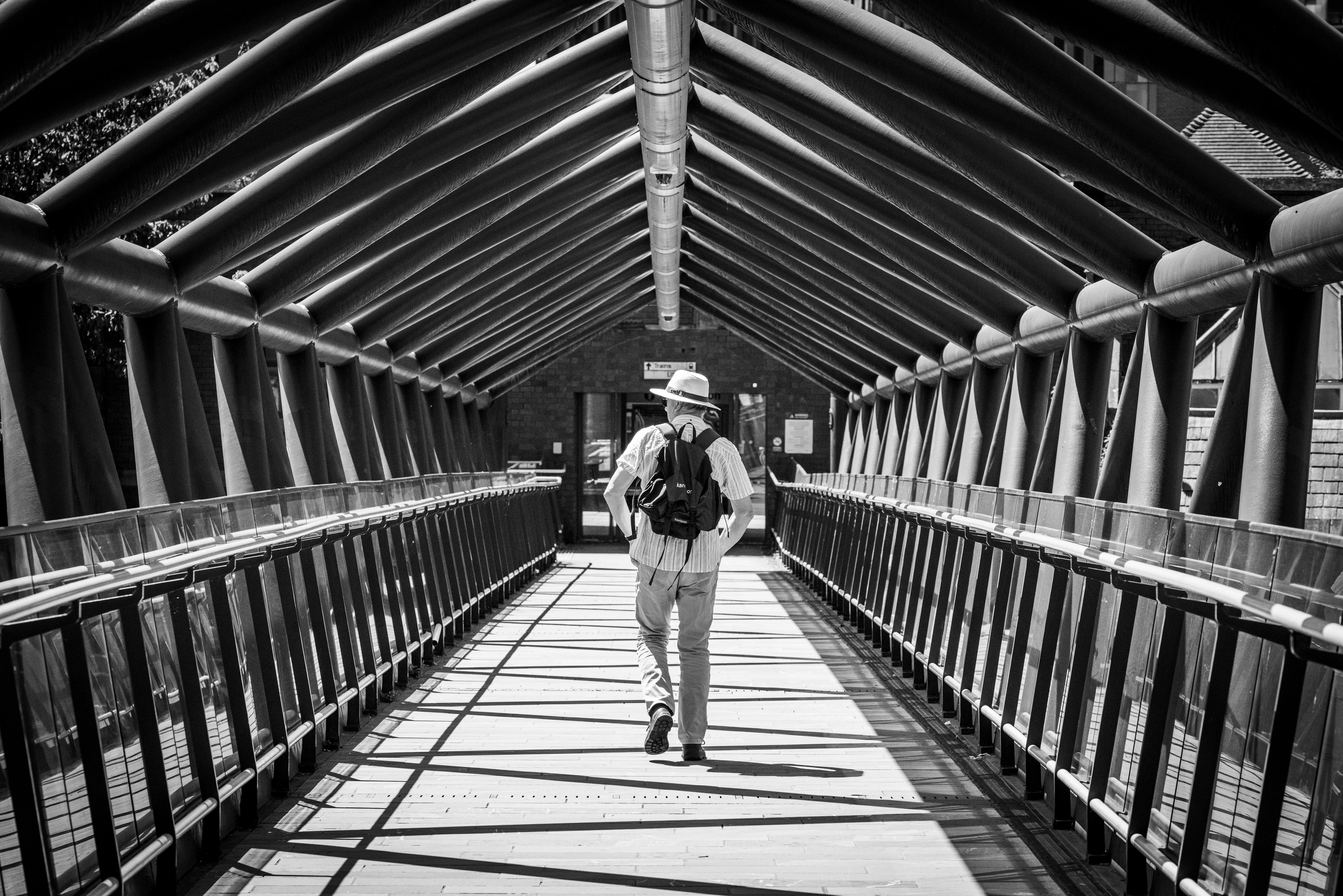
Leading Lines: Use a road, river, or fence to create a line that guides the viewer's eye through the scene toward your main subject. This technique is a powerful way to create a sense of depth.

Shooting at Golden Hour: The hour after sunrise and before sunset offers soft, warm, directional light. This is far more flattering and dramatic than the harsh, flat light of midday.
Framing: Use foreground elements like an archway, a window, or tree branches to create a natural frame around your subject. This adds context and draws the viewer's focus.
Changing Perspective: Don't shoot everything from eye level. Get low to the ground to emphasize a foreground or find a high vantage point for a unique, sweeping overview. This simple shift can make a scene extraordinary.
Ready to Practice Your Composition Skills? Download the free Best NYC Photo Spots Map and start capturing incredible cityscapes today!
The Digital Darkroom: Post-Processing is Half the Battle
Every single professional photo you admire has been post-processed. Editing is not about "fixing" a bad photo; it's about enhancing a good one to fully realize your creative vision. The blogs we've highlighted consistently teach three key areas of editing in software like Adobe Lightroom.
Using Lightroom Presets: Presets are one-click settings that create a consistent aesthetic. They are excellent learning tools for understanding how different settings interact to create a professional look.
Editing Sunset Photos: This is a classic challenge that requires balancing the extreme dynamic range between the bright sky and the dark landscape. Tutorials will teach you how to use tools like graduated filters and the shadow/highlight sliders to balance the exposure and bring out the rich, vibrant colors.
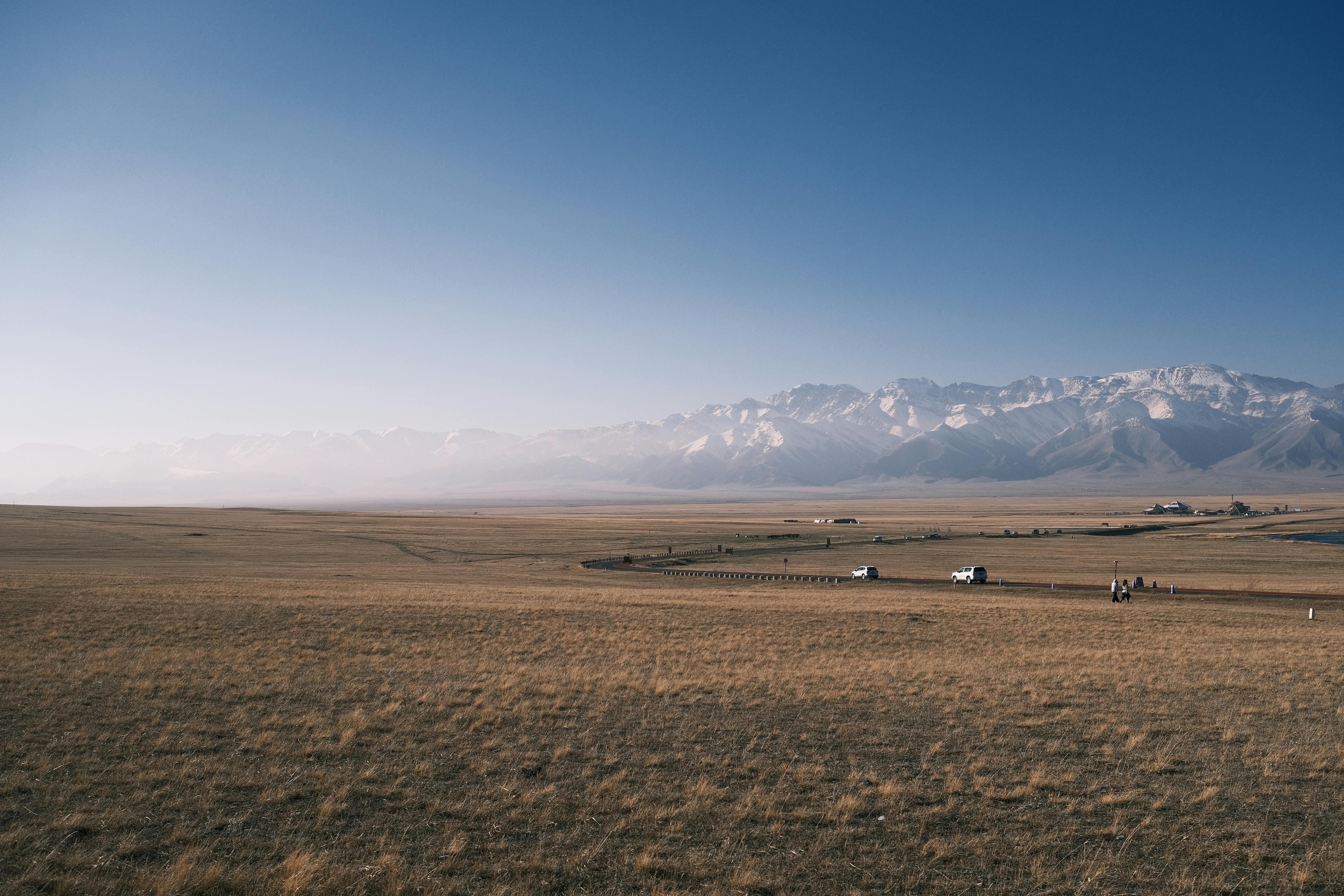
Basic Color Grading: This is the art of adjusting the colors in your image to create a specific mood. Mastering the HSL (Hue, Saturation, Luminance) panel allows you to take full control, making the blues in the ocean deeper, the greens in a forest richer, or giving your entire photo a warm, autumnal feel. Destinations with distinct color palettes, like the neon-lit streets of Tokyo or the serene temples of Kyoto, are perfect places to practice these skills. If you're planning a trip, our Japan Travel Guide can help you find the most visually stunning locations.
Pro-Tip: When starting with post-processing, focus on mastering one tool at a time. The HSL panel in Lightroom is a great place to begin. Learning how to selectively adjust the hue, saturation, and luminance of individual colors can have a bigger impact on your photos than trying to learn every single tool at once.
Your Path to Better Travel Photos
Improving your travel photography is a journey, not a destination. It doesn't happen overnight. But by following the right guides, you can accelerate your progress and avoid common pitfalls. The path is simple: learn from the best travel photography blogs, focus on mastering the fundamental techniques of composition and light, and practice every chance you get. Pick one blog from this list to follow this week. Choose one composition technique to practice on your next outing, even if it's just in your own backyard. The more you shoot with intention, the faster you will begin to create images that truly capture the magic of your travels.
Meta Data Suggestions:
SEO Meta Title (56 characters): 7 Best Travel Photography Blogs for Tips (2026 Update)
URL Slug: best-travel-photography-blogs-tips
SEO Meta Description (154 characters): Want to take better travel photos? Discover the 7 best travel photography blogs that offer actionable tips on gear, composition, and editing from the pros.
Don't Miss Out! Subscribe for Exclusive Content
SubscribeComments 0
No comments yet
Be the first to share your experience!
Dont Miss Out! Subscribe for Exclusive Content
Ultimate USA Holidays Guide: Top Picks
FTC Affiliate Disclosure Essentials: Stay Compliant as a Travel Creator
Essential Affiliate Tools: From Tracking to Full Optimization
Avoid These 5 Affiliate Landing Page Mistakes for Better Conversions
Affiliate Keyword Research Mastery for Travel Blogs