
Referral Affiliate Programs in Travel: Boost Earnings Through Networks

TrekGuider @trekguider
You’re a travel blogger, and you’ve been playing the affiliate marketing game by the old rules. You write insightful content, recommend products you love, and earn a commission when someone buys. It’s a transactional, one-and-done process. You make a sale, you get paid, and the relationship ends. This is the standard advice for most affiliate programs bloggers join, but it’s a relentless grind—a constant, exhausting hustle for the next click, the next sale.
This model feels fragile because it is. You’re operating at the intersection of two economic juggernauts: a creator economy forecasted to exceed $1.3 trillion by 2033 and a global affiliate market projected to hit $93 billion. Yet you’re leaving a fortune on the table, completely missing out on the powerful “network effect” that your community represents. You see other creators building resilient, compounding income streams that grow even when they’re not actively publishing, and you’re left wondering what their secret is.

The secret is a strategic evolution from a purely transactional model to a relational one: referral affiliate programs. This is your guide to that evolution. We’re moving beyond the standard lists of affiliate programs to show you how to use your network, build compounding passive income, and transform yourself from a simple affiliate into a true platform partner. This strategy is a critical component of a modern monetization plan, a topic we cover in its entirety in our definitive pillar guide to Travel Affiliate Programs: The 2026 Ultimate Guide.
Beyond the Sale: The New Rules for Affiliate Programs Bloggers Need to Know
Let's cut to the chase. The difference between a traditional affiliate link and a referral link isn't just semantics—it's a fundamental shift in your business model.
Traditional Affiliate Marketing is Transactional: You are essentially a freelance salesperson. Your goal is to drive a direct sale of a product or service (a hotel room, a tour, a piece of luggage). You earn a one-time commission for that sale, and the loop closes. It’s a linear, direct-to-consumer model.
Referral Affiliate Marketing is Relational: You are a network builder and a partner. Your goal is to introduce new, valuable members into an ecosystem. This often creates a powerful “win-win-win” scenario: the new user gets a benefit (like a discount), the company acquires a new customer or partner, and you earn a commission that is often structured to be long-term or recurring.

Think of it this way: a traditional affiliate gets paid to sell a fish to a hungry person. A referral affiliate gets paid to teach that person how to fish, and then earns a small share of every fish they catch from then on. It’s a fundamental shift from short-term transactions to long-term value creation.
The Creator's Flywheel: Why Referral Programs are a Blogger's Best Friend
For travel bloggers, this model isn’t just another option; it’s a strategic imperative. It aligns perfectly with the assets you’ve already built—your community, your trust, and your expertise—and allows you to monetize them in a more sustainable and ethical way.
Build Compounding, Passive Income Streams
The biggest win? True passive income. A hotel booking pays you once. But when you bring a fellow creator onto a platform that shares its revenue, you're building an asset. You get paid when they succeed, month after month. This transforms your one-time effort into a business asset that grows over time, creating a stable financial foundation that isn’t dependent on your next blog post.
Leverage Your Most Valuable Asset—Your Community
More than any other type of publisher, bloggers build communities. Your readers don’t just consume your content; they trust your judgment and often see themselves as your peers. Traditional affiliate programs bloggers use don't always reward this dynamic. Referral programs, however, are built on it. They reward you for activating your network and empowering your community, turning your influence into a tangible, recurring revenue stream.
Create a Powerful "Win-Win" Scenario
A referral link often comes with a direct benefit for the person clicking it—a discount, a free trial, or an exclusive feature. This fundamentally changes the dynamic of your recommendation. You’re not just saying, “Buy this product so I can get paid.” You’re saying, “Here’s an insider deal I’ve arranged for you.” This approach feels less like a sales pitch and more like sharing a valuable secret, which strengthens the trust you have with your audience and leads to much higher conversion rates.
Pro-Tip: Look for "two-tier" structures on major networks like ShareASale. These programs allow you to earn a commission on your own sales and a smaller bonus for recruiting new affiliates to the program, effectively turning any program into a referral opportunity.
A Deep Dive: How a Modern Referral Program Works
To make this tangible, let’s use the TrekGuider Platform as a case study for a modern, creator-focused referral program. TrekGuider is an ecosystem designed for travel creators to sell their own digital products—like itineraries, guides, maps, and presets. The referral program isn’t just an add-on; it’s a core feature designed to reward creators for helping to build the community.
It’s a perfect example of a multi-faceted, win-win-win system:
The Unified Referral Link: From your TrekGuider dashboard, you get a single, unique link. This is your key to the entire ecosystem.
The Buyer Bonus (Win for Your Audience): When someone signs up using your link, they immediately get a 15% discount on their first purchase from any creator on the platform. This provides instant, tangible value and makes your recommendation a no-brainer for them.
The Seller Bonus (Win for Your Peers): If you refer a fellow creator who becomes a seller, they get benefits like upgraded storage and a preferential startup commission rate of just 4%. You are actively helping them launch their own business on better terms.
Your Revenue Share (Win for You): This is where the compounding power comes in. When you bring a new seller to the platform, you receive an ongoing revenue share from the platform's earnings on their sales. This creates a long-term passive income stream that grows as the creators you refer become more successful.

This model transforms you from a simple affiliate into a true platform partner. You’re not just earning a one-time commission; you’re building a network and earning from its collective success. This is the future of how professional affiliate programs bloggers will operate.
Your Playbook: How to Promote Referral Links for Maximum Impact
Promoting a referral program requires a slightly different strategy than promoting a simple product. It’s less about a hard sell and more about demonstrating value and inviting collaboration.
The "How I Do It" Content Pillar
The most effective way to promote a platform is to show, not just tell. Create a detailed tutorial or case study that walks through your own experience. A blog post titled, "How I Made My First $1,000 Selling Travel Itineraries," that details your journey on a platform like TrekGuider is incredibly compelling. It provides immense value while naturally positioning your referral link as the logical next step for any reader inspired by your success.
The Email Funnel Integration
Your email list is one of your most powerful assets. Integrate your referral link into your automated welcome series. For example, the third email in your sequence could be dedicated to the tools you use to run your travel blog, with your referral link featured as your top recommendation for monetization.
The "Bonus Stack" Incentive
To dramatically increase your conversion rate, offer a personal bonus to anyone who signs up using your referral link. This is called a "bonus stack." For example: "Sign up for the TrekGuider Seller Platform using my link, forward me your confirmation email, and I'll send you my '30-Day Digital Product Launch Plan' for free!" This creates an irresistible offer that provides immense value and costs you very little to deliver.

The Community Activation Play
Share your referral link in your private Facebook group, Slack channel, or community forum. Frame it as a collaborative opportunity. You’re not just promoting a tool; you’re inviting your peers to join you on a platform that has helped you succeed. This community-first approach is highly effective and feels authentic.
Pro-Tip: When promoting a referral program, shift your language from "buy this" to "join us." This collaborative framing is far more effective for network-building and resonates better with a community of fellow bloggers and creators.
Build Your Content Empire
Feeling inspired to build your own network and income streams? The first step is having a professional system in place. Our free resource bundle, The Travel Creator's Toolkit, is packed with the checklists, content templates, and guides you need to put these strategies into action. It’s the perfect companion for turning your passion into a profession.
Get the ultimate resource bundle with checklists, templates, and tools designed to accelerate your journey from beginner to pro.
Frequently Asked Questions (FAQ)
1. Are referral programs only for software and digital platforms? While they are most common in the tech space, you can find them everywhere. Many travel companies, from tour operators to gear brands, offer "refer-a-friend" programs that give a discount to the new customer and a credit or commission to you. Always check for these opportunities.
2. Is it harder to promote a referral program than a simple product? It can require a different approach. Instead of a simple product review, you often need to create more in-depth, educational content like tutorials or case studies. The trade-off is that the potential for long-term, passive income is significantly higher.
3. How do I disclose a referral link? You must disclose it with the same clarity as any other affiliate link. The FTC requires you to be transparent about any "material connection." A simple statement like, "Heads up: This is my referral link. If you sign up, I may earn a commission or bonus at no extra cost to you," is perfect.
Your New Business Blueprint
The future for the most successful affiliate programs bloggers can join is relational, not just transactional. The old model of chasing one-off commissions is being replaced by a more sustainable, collaborative, and profitable approach centered on network building.

You now have the blueprint to make this strategic shift. By moving beyond simple product links and embracing the power of referral affiliate programs, you can stop trading your time for dollars and start building true business assets. You have the power to use your most valuable resource—your community—to create compounding, passive income streams that will fund your travels and your business for years to come.
The path is clear. Start by exploring a creator-centric program like the TrekGuider Platform referral program. It’s your first step into a more profitable and sustainable future—one where you get paid not just for what you sell, but for the network you build.
Read the full guide: The Travel Blogger's Playbook to Affiliate Marketing Mastery
Don't Miss Out! Subscribe for Exclusive Content
Subscribe



Comments 0
No comments yet
Be the first to share your experience!
Dont Miss Out! Subscribe for Exclusive Content

FTC Affiliate Disclosure Essentials: Stay Compliant as a Travel Creator


Essential Affiliate Tools: From Tracking to Full Optimization

Avoid These 5 Affiliate Landing Page Mistakes for Better Conversions

Affiliate Keyword Research Mastery for Travel Blogs

Booking.com Affiliate Program Review: Pros, Cons, and Earnings Potential

Decoding Affiliate Commission Rates: Benchmarks for Travel Creators
Anxious to Adventurous: The Ultimate Guide to Solo Travel Confidence
TrekGuider @trekguider
The thought of solo travel often brings two images to mind: the breathtaking vista from a mountaintop, enjoyed in peaceful solitude, and the quiet dinner table for one, feeling conspicuously alone. For years, the advice has been to simply "embrace the loneliness." We believe that's outdated and, frankly, unhelpful advice. In today's hyper-connected world, the modern solo traveler is never truly alone—they're empowered. This guide is the official TrekGuider playbook of actionable solo travel tips that use the best digital tools, safety apps, and planning technology to transform anxiety into confidence and navigate the world with unprecedented freedom and security. Let's begin.
The Solo Mindset: How to Conquer Fear and Travel with Confidence
Before you ever book a flight, choose an anti-theft bag, or pack a single sock, the most significant journey begins in your mind. Overcoming the initial psychological hurdles isn't just the first step; it's the foundation upon which every great solo trip is built. This is where you shift your perspective from a hesitant "Can I do this?" to a determined "How will I do this?"
Is It Weird to Travel Alone? (The Answer is No, and Here’s Why)
Let's dismantle this fear immediately: traveling alone is not weird. It is a powerful, intentional, and increasingly popular way to experience the world. The old, tired stigma of the "loner" is being rapidly replaced by a cultural admiration for independence, courage, and self-reliance.
If you feel like an outlier, the data says otherwise. Pinterest has seen an explosion in searches for "solo travel" over the past few years—it's one of the fastest-growing travel categories on the platform. You are not an anomaly; you are on the leading edge of a global movement. Choosing to travel solo doesn't broadcast that you lack friends; it broadcasts that you possess the curiosity and confidence to forge your own path—a trait universally recognized as a strength. It's a declaration that your desire to grow and explore is more powerful than your fear of judgment.

A Practical Guide to Telling Friends and Family About Your Trip
One of the most surprising sources of pre-trip anxiety can be the well-intentioned concerns of friends and family. Their worries, born from love, can inadvertently plant seeds of doubt. The key to navigating these conversations is to approach them not as a petitioner seeking approval, but as a competent leader presenting a well-researched plan.
Present a Confident Decision: Language matters. Instead of tentatively asking, "I was thinking about maybe going to Italy alone...," state your plan with calm assurance: "I'm so excited to share that I'm planning a solo trip to Italy this spring." This immediately reframes the conversation from a debate into an announcement of a positive life event.
Lead with Competence: Immediately follow your announcement with two or three key details that demonstrate your thoroughness. "I've already found a fantastic hotel in a very safe neighborhood in Rome, my travel insurance is booked, and I have an app that will let me share my location with you so you can see where I am." This proactively answers their biggest questions and showcases you as a responsible planner.
Establish a Communication Rhythm: The fear of the unknown is what fuels their worry. Eliminate it by defining a clear communication plan. "Just so you don't worry, my plan is to send a quick WhatsApp message every evening to check in." This simple commitment provides immense reassurance and prevents them from imagining the worst if they don't hear from you for a day.
For First-Timers: Start Small to Build Momentum
You do not need to book a six-month, one-way ticket to Southeast Asia to claim the title of "solo traveler." The goal is to build confidence, and confidence is a muscle built through repetition. We call this "confidence stacking"—the process of accumulating small, successful experiences that prove your capability to yourself.
Begin with a solo weekend trip to a city a few hours from home. The mission is simple: navigate a new public transit system, confidently ask for a table for one at a busy restaurant, and be solely responsible for your own entertainment and itinerary for 48 hours. The skills you build and the comfort you gain are precisely the same ones you'll use in a foreign country, just in a lower-stakes environment. After that, perhaps a four-day domestic trip by plane. By the time you're ready for that grand international journey, it will feel like a natural, exciting next step, not a terrifying leap into the abyss.
With that foundational confidence in place, it’s time to channel it into the single greatest antidote to anxiety: a bulletproof plan.
Your Pre-Flight Digital Checklist
Great solo trips don't happen by accident; they are born from careful, thoughtful planning. For the "Cautious Planner," this is where your natural tendencies become your superpower. A methodical approach is one of the most important solo travel tips we can offer, as it systematically dismantles pre-trip anxiety. Every detail you confirm is another piece of evidence that you are ready, capable, and in control.
Key Takeaways:
Prioritize Safe Destinations: Set yourself up for success by choosing a first destination known for its safety, strong tourist infrastructure, and ease of navigation. Use official, data-driven resources. are your first stop for any official warnings.
Build a Bulletproof Budget: Use a structured framework to manage your finances, which prevents stress and empowers smart decision-making on the road.
Master Your Tech: Load your smartphone with essential apps for navigation, safety, and communication, and learn their features before you depart.
Secure Your Digital Life: Arrange for an eSIM for instant connectivity upon arrival and have a VPN ready to protect your data on all public Wi-Fi networks.
The TrekGuider Take: The single biggest mistake we see first-time solo travelers make is underestimating the power of pre-planning. A well-researched itinerary isn't a restriction; it's a foundation for freedom. It allows you to be spontaneous because you've already handled the essentials.
How to Choose Your First Solo Destination (Safety & Ease)
Your choice of destination is the most critical decision you'll make. For a first-time trip, the goal is to set yourself up for success. Prioritize locations celebrated for their safety, strong tourist infrastructure, and overall ease of navigation. Use this three-point filter to guide your research:
Prioritize Objective Safety: Don't rely on anecdotes. Use official, data-driven resources. The U.S. Department of State's travel advisories are your first stop for any official warnings. Go deeper by consulting the Global Peace Index, an annual report that ranks countries on metrics of safety and security. Destinations that consistently top this list—like Iceland, New Zealand, Portugal, Japan, and Costa Rica—are popular for solo travelers for very good reason.
Filter for "Low-Friction" Travel: Make it easy on yourself. Does the destination have a simple, reliable public transportation system? Is English widely spoken, at least in tourist areas? Is the culture generally open and welcoming to visitors? A city like Lisbon, with its superb walkability and friendly atmosphere, is often a much better first choice than a more chaotic, off-the-beaten-path destination where you'll face more logistical and cultural hurdles.
Let Genuine Passion Be Your Guide: This is the magic ingredient. The ultimate advantage of solo travel is that the entire itinerary is 100% yours. Don't choose a destination because it's popular on Instagram; choose it because it genuinely ignites your curiosity. Whether you're obsessed with the art museums of Florence, the hiking trails of Patagonia, or the food markets of Tokyo, letting your passion lead the way is the ultimate guarantee that you'll stay engaged and motivated. For those with remote work flexibility, exploring options from our guide to the 10 Best International Destinations for Digital Nomads can also be a fantastic starting point.

A Framework and Recommended Apps for Budgeting
When you're the sole traveler, you're also the sole CFO. Mastering your budget is a core competency that prevents stress and empowers you to make smart decisions on the road.
The 5-Category Solo Budget Framework:
Pre-Trip Fixed Costs (10%): Flights, comprehensive travel insurance, necessary visas, and any specific gear you must purchase before you go.
Accommodation (30%): Typically your largest daily expense. Research average hostel, guesthouse, or budget hotel prices in your destination to set a realistic per-night cost.
Food & Drink (25%): This is a huge part of the experience! A smart budget allows for a mix of everything: iconic restaurant meals, casual street food, and visits to local grocery stores for snacks and simple breakfasts.
Activities & In-Country Transport (20%): Museum entries, day tours, cooking classes, subway passes, and inter-city train tickets all fall into this category.
The "Oh Sh*t" Fund (15%): This is your contingency fund for anything from a missed flight or a minor medical issue to a spontaneous, can't-miss opportunity like a last-minute ticket to a concert.

Download an app like Trail Wallet or YNAB (You Need A Budget) before you go. Diligently tracking your spending in real-time is the key to staying in control and avoiding that dreaded post-trip credit card bill. One of the best ways to stick to your budget is by avoiding costly baggage fees. Master the art of carry-on-only with our free How to Pack Light Guide.
Finding Safe Accommodations and Flexible Flights
Where you sleep is your sanctuary. For a solo traveler, safety and location matter most, far outweighing luxury or price.
For Hostels: Read the reviews like a detective, specifically searching for mentions of "solo female traveler" or "solo traveler." Prioritize properties with 24-hour reception, individual secure lockers in the dorms (always bring your own high-quality padlock), and, if it makes you more comfortable, female-only dorm options.
For Hotels & Airbnbs: Use the map view relentlessly. Ensure you're in a central, well-lit neighborhood with good access to public transport. Read recent reviews that comment specifically on the safety of the area at night. Paying a little extra for a room in a prime location is the best investment you can make in your peace of mind.
When booking flights, become a power user of tools like Google Flights and Skyscanner. Their "flexible date" and "entire month" views are your best friends, allowing you to see the cheapest days to fly at a glance. Shifting your departure by just one or two days can often save hundreds of dollars.
From the TrekGuider Toolkit: Feeling overwhelmed by the planning process? Streamline your entire pre-trip organization with our free Ultimate Travel Itinerary Template. It's a tool we've designed to help travelers build checklists, track budgets, and design perfect itineraries.
Tech & App Solo Travel Tips: 15 Essential Tools
Your smartphone is the most powerful tool ever created for an independent traveler. It's your navigator, translator, research assistant, and safety device all in one. Loading it with the right apps and tech transforms it from a simple phone into a digital Swiss Army knife for navigating the globe.

Navigation & Logistics: Google Maps, Rome2rio, and Citymapper
This trio forms a holy trinity of travel navigation that makes getting lost virtually impossible.
Google Maps: It’s the undisputed champion for a reason, but the single most important pro-move is this: before you ever leave home, download offline maps for your entire destination. Treat it like packing your passport. This turns your phone into a fully functional GPS, no data or Wi-Fi required, which is an absolute lifesaver. Go a step further by "starring" your hotel, key sights, and restaurants in advance to create a fully customized, interactive travel map.
Rome2rio: This is your master planner for country-wide travel. Wondering how to get from Naples to Florence? Rome2rio will instantly show you every possible combination—plane, train, bus, or car—complete with estimated costs and travel times. It demystifies long-distance logistics.
Citymapper: In major metropolitan hubs like London, Paris, or New York, Citymapper often outperforms Google Maps for urban public transit. It offers hyper-accurate, real-time departure info, disruption alerts, and the fastest routes, even suggesting "rain-safe" options.
Safety & Peace of Mind: GeoSure, MayDay, and Location Sharing
This suite of apps creates a digital safety net, providing invaluable peace of mind for both you and your loved ones back home.
GeoSure: Think of this as a credit score for neighborhood safety. GeoSure provides granular, localized safety ratings for cities across the globe, broken down by critical categories like Women's Safety, Theft, and Physical Harm. Use it to vet a neighborhood before you book your Airbnb or decide where to go for a late-night dinner.
MayDay: A brilliantly simple but powerful safety tool. You pre-load emergency contacts, and with a single tap, the app sends them an alert and your precise GPS location.
Native Location Sharing: This is the easiest win of all. Both Google Maps ("Location Sharing") and Apple's "Find My" app allow you to share your real-time location with a trusted friend or family member. Set it for the duration of your trip so they can have the passive reassurance of knowing where you are without you needing to constantly check in.
Digital Security 101: Why You Need a VPN on Public Wi-Fi
You'll be logging into countless public Wi-Fi networks in cafes, airports, and hotels. These networks are notoriously insecure, making them a playground for data thieves who can potentially intercept your passwords, banking details, and other private information.
A VPN (Virtual Private Network) is your personal bodyguard for the digital world. It creates a secure, encrypted tunnel between your device and the internet, making your data completely unreadable to anyone trying to snoop on the network. Using a reputable VPN service like NordVPN or ExpressVPN every single time you connect to public Wi-Fi is a non-negotiable step for protecting your digital life.
The TrekGuider Take: We consider a VPN non-negotiable for modern travel. Connecting to public Wi-Fi without one is like leaving your hotel room door wide open with your valuables on the bed. It’s a small, inexpensive investment in protecting your entire digital life.
Communication: Google Translate and Getting a Local eSIM
Language barriers are no longer the insurmountable walls they once were.
Google Translate: Master its advanced features. The real-time conversation mode is a miracle for basic interactions. The camera function, which can instantly translate a restaurant menu or a street sign, feels like magic. Before you go, download the language pack for your destination for full offline functionality.
Get an eSIM: The days of hunting for a physical SIM card shop upon arrival are over. An eSIM (embedded SIM) is a digital SIM you can purchase online and install on your phone before you even leave home. Companies like Airalo and Holafly offer affordable data packages for virtually any country on earth. This means you are connected the second your plane touches down—a massive advantage for safety and convenience.
Packing Smart: The Art of Carry-On Only
For the solo traveler, mobility is the ultimate currency. Being burdened by heavy, cumbersome luggage is a rookie mistake. It makes you a more conspicuous target for theft, exhausts you physically, and turns simple tasks like navigating a flight of stairs into a monumental struggle. The solution? Master the art of carry-on-only travel.
The "Roll, Don't Fold" Philosophy
This is the central doctrine of efficient packing. Tightly rolling your clothes not only minimizes wrinkles far more effectively than folding but also compresses them, saving a remarkable amount of space.
Packing cubes are the tools that elevate this philosophy into a system. These zippered organizers allow you to compartmentalize everything. Use one large cube for pants and sweaters, a medium one for tops, and a small one for underwear and socks. This system not only keeps your bag impeccably organized (no more digging for a clean pair of socks) but also compresses your clothing even further, creating pockets of free space you never thought possible.
A Minimalist's Tech Gear List
Your technology is your lifeline. Pack smart to stay powered and connected.
Portable Power Bank: This is not optional; it's essential. Choose a model with at least 10,000mAh capacity, which will provide 2-3 full charges for your smartphone. Keep it charged, and keep it in your daypack.
Universal Travel Adapter: Ditch the bag of miscellaneous adapters. Invest in a single, high-quality universal adapter that includes multiple USB ports. This allows you to charge your phone, power bank, and camera simultaneously from one wall outlet—a godsend in hostels where outlets are a precious commodity.
Noise-Canceling Headphones: Your personal "do not disturb" sign for the world. They are invaluable on loud flights, rumbling trains, and in bustling hostel dorms, creating a private bubble of calm wherever you are.
Kindle or E-reader: Carrying even one book is a waste of space and weight. An e-reader gives you access to an entire library in a device that weighs less than a paperback.
The Reddit-Approved Solo Traveler's Packing Checklist
We've synthesized wisdom from expert communities like r/onebag and r/solotravel to create a definitive checklist—a collection of the best packing-related solo travel tips you'll find. The guiding principle is versatility. Every item should serve multiple purposes.
Clothing (The 5-4-3-2-1 Rule):
5 sets of socks and underwear.
4 versatile tops (merino wool is the holy grail for its odor resistance).
3 bottoms (e.g., one pair of travel pants, one pair of jeans, one skirt or pair of shorts).
2 pairs of shoes (one comfortable all-day walking shoe, one slightly dressier flat or loafer).
1 jacket (a waterproof shell) and 1 mid-layer (a fleece or sweater).
Toiletries (Go Solid):
Solid shampoo, conditioner, and soap bars eliminate the hassle of liquid restrictions.
Toothbrush, toothpaste tablets, and solid deodorant.
A basic first-aid kit: band-aids, pain relievers, antiseptic wipes, and blister treatment.
Documents & Money:
Passport/Visa (with digital copies in your email and physical copies stored separately from the original).
2 different credit cards and 1 debit card (never store them all in the same place).
A small stash of emergency US dollars and some local currency.
Essentials:
Quick-dry microfiber travel towel.
Collapsible water bottle.
High-quality padlock.
Sleep mask and earplugs.
The TrekGuider Take: We've analyzed countless packing strategies, and the data is clear: embracing a minimalist, two-shoe rule is a game-changer. One pair of ultra-comfortable, all-day walkers and one versatile pair of flats or loafers will cover 99% of travel scenarios without weighing you down.
To make sure you don't forget a single thing, download our free and printable Ultimate International Travel Checklist. It's the perfect final review before you zip up your bag.
A Masterclass in Solo Travel Safety Tips
Safety is the essential concern for most solo travelers, but it should be approached as a skill to be mastered, not a fear to be managed. Being safe isn't about being paranoid; it's about being prepared, aware, and intentional. These solo travel tips will help you move through the world with a quiet confidence that makes you a less appealing target.
Key Takeaways:
Become a Hard Target: Project confidence through your body language and maintain situational awareness to deter opportunistic criminals.
Layer Your Security: Actively use anti-theft gear for your daypack, a high-quality lock for your hostel locker, and extra security measures for your room.
Plan for the Night: Always know how you're getting home after dark. Be mindful of your surroundings and moderate alcohol consumption.
Trust Your Intuition: Your gut feeling is your most reliable safety tool. If a person, place, or situation feels off, leave immediately. No exceptions.

Situational Awareness: Becoming a Hard Target
Your most effective safety tool is your own mind. Predatory individuals are opportunistic; they scan for "soft targets"—people who look lost, distracted, vulnerable, or unaware. Your job is to project the opposite impression: that of a "hard target."
Master "Purposeful Walking": Even if you're just exploring, walk with direction. Keep your head up, your shoulders back, and your pace steady. If you need to consult your map, don't stop abruptly in the middle of the sidewalk. Instead, duck into a shop or cafe to get your bearings.
Control Your Body Language: Avoid looking at the ground. Make brief, deliberate eye contact with people as you walk. This non-verbally communicates, "I see you. I am aware of my surroundings."
The "Scan & Assess" Habit: When you enter any new space—a cafe, a train car, a public square—take 3-5 seconds to consciously scan your environment. Note the exits. Get a feel for the general vibe. This simple habit pulls you out of your phone and into a state of active presence.
Securing Your Belongings
Protecting your valuables requires more than just a lock.
The Hostel Locker is Sacred: Use it without fail. Your passport, laptop, and extra cash should live in your locked locker unless they are on your person. Use your own sturdy padlock.
Employ an Anti-Theft Daypack: For ultimate peace of mind, invest in a daypack from a brand like Pacsafe or Travelon. Features like slash-proof straps, locking zippers, and RFID-blocking pockets are specifically designed to foil common theft tactics.
Hotel Room Security: The room safe is good, but a portable door jam or door stop alarm provides an extra layer of security and peace of mind against unauthorized entry while you're sleeping. Never leave valuables out in the open, even in a locked room.
Rules for Staying Safe After Dark
Exploring a city after dark is one of travel's great pleasures, but it demands heightened awareness.
Know Your Exit Strategy: Before you even leave for the evening, know exactly how you will get back to your accommodation. Have you checked the time of the last train? Do you have a reputable ride-sharing app like Uber or Bolt installed and working?
Nurse Your Drink: Be mindful of your alcohol consumption. Your judgment is your primary defense. Always buy your own drinks and never leave your drink unattended, even for a second.
Trust Your Gut Instinct: This is your oldest and most reliable security system. If a person, a place, or a situation feels wrong, it is wrong. Do not hesitate. Do not worry about being rude. Remove yourself from the situation immediately.
The TrekGuider Take: Veteran travelers unanimously agree on one thing: your intuition is your most reliable safety tool. If a situation feels wrong, it is. There is no need to be polite or justify your feeling—your only priority is to remove yourself from the situation immediately.
Setting Boundaries and Handling Unwanted Attention
As a solo traveler, you will likely encounter unwanted attention at some point. Having a pre-planned script for how to handle it is incredibly empowering.
The "Firm & Cold" Response: For persistent touts or unwanted suitors, a simple, sharp "No" delivered with direct eye contact and a complete lack of a smile is incredibly effective. Do not engage in further conversation. Turn and walk away.
The Power of the White Lie: You are under no obligation to be truthful with strangers who make you uncomfortable. "I'm on my way to meet my husband" is a universally understood and effective deterrent.
Create a Public Scene: In a worst-case scenario where you feel physically threatened, do not be afraid to draw attention. A loud, sharp "Leave me alone!" or "Get away from me!" in the local language (learn this phrase) will attract the help of others.
For a deep dive into managing these risks, a comprehensive travel insurance policy is the ultimate safety net. Explore our Travel Insurance Guide: Avoid Mistakes & Travel Worry-Free to ensure you're fully covered.
Social Solo Travel Tips: How to Meet People and Thrive
The social dynamic of solo travel is a beautiful paradox. It is at once a journey into profound self-reliance and an opportunity for incredible human connection. The key is to recognize that you are always in control. You can dial your social life up or down as you see fit, and mastering this balance is one of the most rewarding skills you'll learn.
The Introvert's Guide to Making Friends
If the thought of "putting yourself out there" is intimidating, relax. The secret is to let shared activities do the heavy lifting for you.
Leverage Hostel Common Areas: Even if you book a private room, the hostel's common area is a social superpower. Simply sitting and reading a book can lead to organic conversations. The unspoken rule is that everyone there is open to connection.
Join a Free Walking Tour: This is the #1 hack for meeting people on your first day in a new city. You have a built-in group of fellow travelers for several hours. At the end, be the one to say, "That was great! I'm grabbing lunch at that place the guide recommended, does anyone want to join?"
Sign Up for a Class: A local cooking class, a surf lesson, a pottery workshop—these are social goldmines. The shared activity provides an instant icebreaker and a natural foundation for friendship.
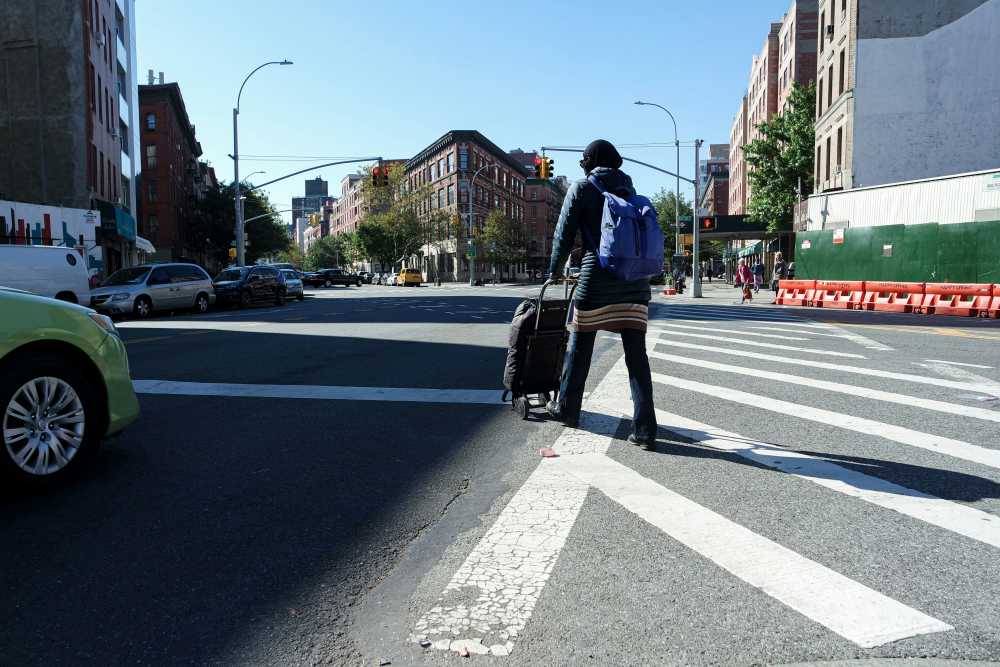
How to Confidently Dine Alone (and Actually Enjoy It)
The "table for one" is a classic source of anxiety. It's time to reframe it. Dining alone is not a social failure; it is an act of luxurious self-care. It's a chance to people-watch, to savor your food without distraction, and to be alone with your thoughts.
Own the Bar: The bar or chef's counter is your best friend. It's a more casual, socially acceptable place to sit alone, and it puts you in easy conversation range of the bartender or your neighbors.
Bring a Purposeful Prop: A book or headphones can signal "do not disturb." But a journal or a local map can signal "I'm an interesting traveler open to conversation." Choose your prop based on your mood.
Become a Food Critic: Engage fully with the experience. Take notes on the flavors in your journal. Take a beautiful photo of the dish. When you treat the meal as an activity in itself, you'll forget to feel self-conscious.
The TrekGuider Take: To instantly feel more comfortable dining alone, head for the bar or a chef's counter. It's a socially designated space for individuals, offers a great view, and often leads to the best conversations with staff and other diners. It's the ultimate solo dining power move.

The Art of Taking Your Own Photos
You will want proof that you were on this incredible adventure.
Get a Mini-Tripod: A small, flexible tripod like a GorillaPod combined with your phone's self-timer is your new best friend. You can prop it on ledges, wrap it around railings, and compose beautiful shots that go way beyond the selfie.
Ask a Fellow Photographer: If you need someone to take your photo, don't ask a random person. Look for another tourist holding a DSLR camera. They will understand composition and will likely be happy to help a fellow traveler. Offer to take one for them in return.
The Video Screenshot Hack: This is a pro-level trick. Prop your phone up, hit record, and then walk through the scene, look at the view, or interact with your environment. Later, you can scrub through the video and pull perfectly candid, natural-looking still photos from it.

Loneliness: What It Feels Like and How to Move Through It
Let's be real: at some point, you will likely feel a pang of loneliness. It might be during a beautiful sunset or a delicious meal that you wish you could share. It's a normal, valid human emotion. The trick is to acknowledge it, honor it, and then have a plan to move through it.
When it hits, don't stew in it. Take action. Call a friend from home. Go to the hostel common room. Write down how you're feeling in your journal. Often, the simple act of acknowledging the emotion and taking one small, positive step is enough to dissolve it. It's just a passing cloud, not a permanent weather system.
Frequently Asked Questions (FAQ Section)
How much does a solo trip typically cost?
This varies wildly by destination and travel style. A good baseline for a mid-range solo traveler in destinations like Southern Europe or Southeast Asia is $75-$150 USD per day. This covers a private room in a quality hostel or budget hotel, a mix of restaurant meals and street food, daily activities, and local transport. A strict budget backpacker can survive on under $50, while a luxury traveler could spend thousands.
What are the best countries for a first-time solo female traveler?
For a first trip, prioritize countries known for world-class safety, excellent tourist infrastructure, and a high degree of gender equality. Top-tier destinations include Iceland, New Zealand, Finland, Japan, Portugal, Costa Rica, Singapore, and Canada. Others like Austria, Denmark, and the Netherlands are also fantastic choices. Choosing any of these will let you focus on the joy of travel, not stress.
Is it better to stay in a hotel or a hostel when traveling alone?
This is a personal choice based on your priorities. Choose a hostel if your primary goals are to meet other people and save money; they are designed to be social incubators. Choose a hotel if you deeply value privacy, quiet, and comfort; sometimes the ability to close your own door and recharge in silence is priceless.
How do you handle medical emergencies when you are by yourself?
Preparation is everything. First, you must have comprehensive travel insurance; keep digital and physical copies of your policy. Second, before you arrive, research the local emergency number (it's not always 911) and save it in your phone's contacts. Finally, carry a small "In Case of Emergency" card with your emergency contact's info, blood type, and any critical allergies, ideally translated into the local language.
Your Journey from Anxious to Adventurous Starts Now
You have the knowledge, now it's time to unlock the confidence to match. The profound freedom, deep self-reliance, and unforgettable moments of discovery that await you are more than worth navigating the initial waves of uncertainty. By embracing modern technology and adopting a mindset of prepared confidence, you systematically minimize the risks and amplify the incredible rewards.
We've compiled our most critical safety protocols into one essential resource to help you take that final step: our free Solo Female Travel Safety Guide. Download it to equip yourself with the expert strategies you need to navigate the world safely and confidently. This guide is your playbook, but the adventure itself is yours—and yours alone—to write. The world is ready for you.
Don't Miss Out! Subscribe for Exclusive Content
SubscribeComments 0
No comments yet
Be the first to share your experience!
Dont Miss Out! Subscribe for Exclusive Content

Ultimate USA Holidays Guide: Top Picks
FTC Affiliate Disclosure Essentials: Stay Compliant as a Travel Creator
Essential Affiliate Tools: From Tracking to Full Optimization
Booking.com Affiliate Program Review: Pros, Cons, and Earnings Potential
Decoding Affiliate Commission Rates: Benchmarks for Travel Creators

Amazon Associates for Travel: Strategies to Maximize Commissions
Independence Day Miami: Fireworks Fun
TrekGuider @trekguider
You’re picturing it already: a spectacular fireworks display exploding over the water, the warm Atlantic breeze carrying the sounds of celebration, and the electric energy of a city alive with patriotic fervor. That’s the dream of a Miami Fourth of July. But then, the logistical nightmare creeps in. Where are the truly great spots? How do you possibly escape the legendary crowds? Will you spend the best part of your holiday stuck in traffic, only to end up with a view of a palm tree and someone else’s smartphone screen?
The anxiety is palpable. You can almost feel the frustration of a poorly planned evening—circling endlessly for a parking spot that doesn’t exist, fighting through a sea of people for a tiny patch of grass, or arriving at that "secret spot" you read about online only to find it’s the most crowded place in the city. The vision of a perfect, stress-free celebration of American independence starts to fade, replaced by the grim reality of logistical chaos.
This is where your plan changes. Consider this guide your all-access pass to an unforgettable Independence Day Miami experience. We’re not just going to list the best places to watch the fireworks; we’re giving you the insider strategies to outsmart the crowds, navigate the city like a pro, and discover unique viewing alternatives that will elevate your celebration from good to truly epic. It’s time to leave the stress behind and fully embrace the fireworks, the fun, and the unmistakable tropical flair of a Miami Fourth of July.
Why Miami is the Ultimate July 4th Destination
Let's be clear: plenty of cities put on a good fireworks show. But Miami doesn't just celebrate the Fourth of July; it transforms it. Here, patriotic pride is supercharged with a signature blend of cosmopolitan energy and breathtaking coastal beauty. This isn't about a simple barbecue in the park; it's a full-sensory immersion where dazzling pyrotechnics meet the shimmering waters of Biscayne Bay, all set to the city's vibrant, rhythmic soundtrack. It’s this unique fusion of national tradition and tropical paradise that makes Miami a top-tier holiday destination, a theme you'll see woven through the city's calendar in our definitive guide to Miami Holidays: 8 Beach Fest Vibes.
On Friday, July 4, 2026 (and Saturday, July 4, 2026), the city’s atmosphere becomes absolutely electric. While not on the scale of a mega-festival like Art Basel, which can inject over $500 million into the local economy, the city-wide celebration for Independence Day draws massive crowds and represents a significant cultural and economic peak in the summer calendar. Families, friends, and travelers from across the globe converge on the coastline, their faces turned skyward in shared anticipation. The air hangs heavy with the scent of salt and festive street food, while live music drifts from stages set up in waterfront parks. It’s a celebration that honors American history while wholeheartedly embracing the diverse, forward-looking culture that defines modern Miami.
The Main Event: Bayfront Park's Epic Fireworks Display for Independence Day Miami
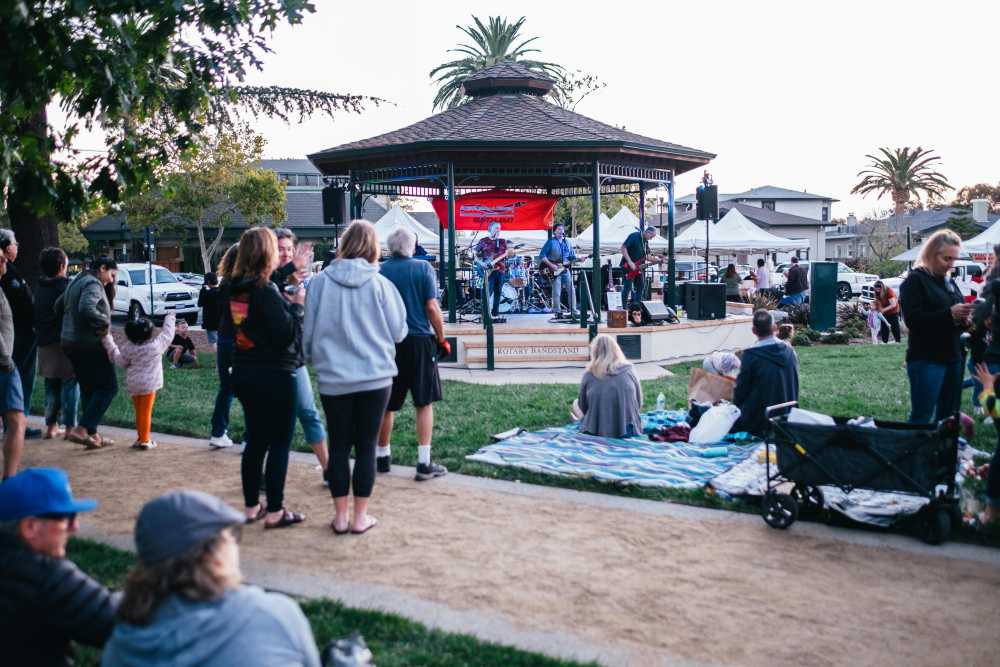
At the very heart of Miami's Fourth of July celebration is the massive, free festival at Bayfront Park. This iconic urban oasis, nestled on the edge of Biscayne Bay in Downtown Miami, transforms into the city's patriotic epicenter, hosting one of South Florida's largest and most spectacular fireworks displays. The event is a quintessential Miami experience, kicking off with a day-long festival that leads to a breathtaking pyrotechnic show launched from a barge in the bay. The reflection of the cascading colors on the water’s surface doubles the spectacle, creating a mesmerizing, all-encompassing show that lights up the entire downtown skyline.
The atmosphere is vibrant and family-friendly. You'll find a dedicated kids' zone buzzing with activity, dozens of food vendors serving everything from classic American hot dogs to savory Latin-inspired dishes, and live musical performances that keep the energy pulsing throughout the day. As dusk begins to fall, thousands find their spots on the sprawling lawns and along the water's edge, settling in for the grand finale.

Your Bayfront Park Game Plan: A Step-by-Step Guide
To conquer the Bayfront Park experience and sidestep the common frustrations, a smart strategy is non-negotiable. Follow this guide to navigate the day like a seasoned local.
Know the Schedule: Independence Day is Friday, July 4, 2026. The fireworks are the main attraction after dark (usually kicking off around 9 PM), but the park festivities often start in the early afternoon. A week or two before the event, check the official Bayfront Park Management Trust website for the finalized schedule, including concert set times and kids' zone hours.
Arrive Strategically Early: This cannot be overstated. Bayfront Park is ground zero for the celebration, and it fills up incredibly fast. To secure a prime spot with an unobstructed view of the bay, you need to arrive by mid-afternoon at the latest. The best real estate is on the grassy expanses closest to the water. Arriving early lets you claim your territory, relax, and soak in the atmosphere without the frantic, last-minute scramble.
Pack for a Marathon, Not a Sprint: Treat the day like an urban expedition. Your pack list should prioritize comfort and convenience. Bring blankets or low-slung lawn chairs for seating. Pack more water than you think you'll need to combat the Miami heat, along with high-SPF sunscreen, hats, and sunglasses. While the food vendors are tempting, having your own snacks and drinks can save you from long lines and high prices.
Master Public Transportation: Driving and parking in Downtown Miami on July 4th is a recipe for frustration. The smartest, most stress-free way to reach Bayfront Park is via Miami's public transit. The Metromover, a free automated train, has a stop directly at Bayfront Park, making it the undisputed champion of convenience. Alternatively, take the Metrorail to the Government Center station and catch the Metromover's Inner Loop to the park.
Pro-Tip: Event security rules can change year to year. While coolers are generally permitted, always check the official Bayfront Park event page a few days beforehand for the latest restrictions on items like glass bottles, large umbrellas, personal tents, or drones to avoid any issues at the entrance.
Beyond the Park: Unique Ways to Experience the Independence Day Miami Fireworks
While Bayfront Park delivers the classic community celebration, it’s far from your only option. For those looking to dodge the biggest crowds or craft a more exclusive memory, Miami’s unique geography serves up some incredible alternatives.

The Ultimate Miami Hack: Watch from the Water
Hands down, the most spectacular and quintessentially Miami way to see the Fourth of July fireworks is from a boat on Biscayne Bay. This vantage point offers an unparalleled, 360-degree view of the show, far removed from the throngs on land. As the pyrotechnics burst overhead, you’ll be surrounded by their brilliant reflections on the water, creating a truly immersive and unforgettable experience.
Here’s how to make it happen:
Charter a Private Boat: For the ultimate splurge, chartering a private boat with a captain for your group is an incredibly luxurious and intimate way to celebrate. You can curate your own playlist, bring your favorite food and drinks, and design your perfect evening on the water.
Book a Group Fireworks Cruise: A more accessible option is to join one of the special July 4th cruises offered by local tour companies. These often include music, drinks, and appetizers, providing the full on-the-water experience at a fraction of the cost of a private charter. Book well in advance!
Rent a Kayak or Paddleboard: For the adventurous at heart, renting a kayak or paddleboard offers a front-row seat like no other. Launch from a nearby spot like Virginia Key and paddle out into the bay for a serene yet exhilarating viewing experience, feeling the boom of the fireworks reverberate through the water.
Rooftop Bars with a View
Elevate your celebration—literally. The glittering skylines of Downtown and Brickell are home to a growing number of chic rooftop bars that boast stunning panoramic views of Biscayne Bay. Many of these venues host exclusive Fourth of July parties, complete with top-tier DJs, craft cocktails, and gourmet bites. While this option requires a ticket, it guarantees a comfortable, crowd-controlled environment with a sophisticated vibe. Ensure you book tickets weeks in advance, as these events are always a hot commodity.
Finding Your Own Spot: Neighborhood Parks and Beaches
If a more laid-back, local atmosphere is your speed, several other spots around the bay offer excellent (though more distant) views. Consider laying a blanket down at a park on Key Biscayne or finding a spot along the Venetian Causeway. South Pointe Park in Miami Beach is another fantastic option, often providing views of multiple firework displays at once—Miami's, Miami Beach's, and Fisher Island's. These locations are generally less chaotic than Bayfront Park and are perfect for a more relaxed evening.

Planning Your Perfect Patriotic Road Trip
The Fourth of July weekend is the perfect launchpad for a grander Florida adventure. With Miami as your base, you can start an unforgettable road trip. Head south to the iconic Florida Keys for world-class snorkeling and laid-back island life, or venture west into the primeval beauty of Everglades National Park. The holiday provides the perfect excuse to extend your travels and discover more of the Sunshine State.
To ensure your journey is as carefully planned as your fireworks strategy, a solid checklist is essential. We recommend downloading our free National Park Road Trip Checklist. It’s packed with everything you need to remember, from vehicle safety checks and navigation tools to the perfect road-trip snack list.
Essential Tips for a Safe and Stress-Free July 4th in Miami
A fantastic holiday is a safe one. Keep these pro tips in mind to ensure your Independence Day Miami experience is memorable for all the right reasons.

Beating the Miami Heat
July in Miami is no joke. The heat and humidity are intense.
Hydrate Relentlessly: Drink water all day long. By the time you feel thirsty, you're already on your way to being dehydrated.
Sun Protection is Non-Negotiable: Apply a high-SPF, sweatproof sunscreen and reapply it every couple of hours. A wide-brimmed hat and polarized sunglasses are your best friends.
Dress for Success: Opt for lightweight, light-colored, breathable clothing.
Navigating Crowds and Traffic
Logistics are half the battle at any major city event.
Public Transit is King: We can't say it enough. The Metromover and Metrorail are the superior way to get to and from Downtown.
Rideshare Strategically: If you use Uber or Lyft, set your pickup and drop-off points several blocks away from Bayfront Park to avoid surge pricing and gridlock.
Reserve Parking: If you absolutely must drive, use an app like SpotHero to book a parking spot in a garage well in advance. It’s a game-changer.
Family Safety First
In a massive crowd, a safety plan is crucial.
Designate a Meeting Point: The moment you arrive, pick a clear, unmistakable landmark as your group's emergency meeting spot.
Leverage Technology: While cell service can be spotty, major events are increasingly using technology for safety. Be aware of any official event apps that may offer real-time alerts or safety reporting features, similar to what's used at other major Miami festivals.
Supervise Children Closely: In a bustling environment, it’s easy to get separated. Keep a constant eye on your kids. Writing your phone number on a wristband for them is a smart, low-tech backup.
Pro-Tip: Take a photo of your children the morning of the event. If you get separated, having a current picture showing exactly what they are wearing can be invaluable for security personnel.
Elevate Your Entire USA Adventure
Experiencing the magic of a national holiday in an iconic American city can ignite a deep desire to explore more. Understanding the history and local flavor behind events like the Fourth of July transforms you from a mere tourist into a genuine traveler, forging a deeper connection to the places you visit.
If you're inspired to discover more of America's greatest celebrations—from the spooky Voodoo haunts of New Orleans to the dazzling Christmas markets of Chicago—our comprehensive Travel Guide is your essential next step. It’s the ultimate resource for planning unforgettable journeys across the country, packed with the kind of insider knowledge and expert advice that helps you create truly meaningful travel memories.
Your Unforgettable Miami Fourth of July Awaits
You are now officially equipped with the ultimate playbook for a phenomenal Fourth of July in Miami. You know that Bayfront Park is the epicenter, but you also hold the keys to unlocking a more exclusive experience from the water or a glamorous rooftop. You have a concrete plan for navigating the day with confidence, staying safe, and soaking up every last drop of the city's unique patriotic-tropical vibe. With this guide, you are fully prepared for an incredible Independence Day Miami. You're no longer just another visitor hoping for a decent view; you are an expert planner, ready to celebrate America's birthday in unforgettable style.
What are your favorite Fourth of July traditions? Share your tips for celebrating in a big city in the comments below
Don't Miss Out! Subscribe for Exclusive Content
SubscribeComments 0
No comments yet
Be the first to share your experience!
Dont Miss Out! Subscribe for Exclusive Content

San Francisco Cherry Blossoms: A Local's Guide to the Blooms

Halloween SF: Haunts Without Horrors

SF Festivals: 7 Must-See Lineups

Christmas SF: Lights & Wharf Wonders

SF Pride: 6 Route & Party Hacks
