
July 4th Chicago: Fireworks Hotspots

TrekGuider @trekguider
The first explosive boom echoes across Lake Michigan, a flash of crimson and gold illuminating an entire wall of skyscrapers. From below, a collective gasp of pure wonder rises from a crowd of thousands. This is the postcard moment, the magic of July 4th in Chicago. But let’s be honest—the path to that perfect moment is often paved with stress. You’re grappling with the classic problem: finding a spot with a clear view that isn’t shoulder-to-shoulder with a million other people, a location you can reach without getting trapped in a traffic apocalypse, and a vantage point that truly does justice to the nation’s birthday.

The agitation is a familiar feeling. You can already picture yourself craning your neck around a forest of selfie sticks, only to catch a sliver of the show. You envision the gridlocked streets, the jaw-dropping parking fees, and that sinking feeling that you’ve missed the best part of the celebration while hunting for a decent patch of grass. The pressure is real, especially when you’re trying to fit this iconic celebration into a larger itinerary of Chicago Holidays: Windy City Thrills, where every moment is precious.
But that's not how your Fourth of July is going to play out. This guide is your strategic blueprint for outsmarting the crowds and securing a front-row seat to one of the country's most spectacular fireworks displays. We’re going to dismantle the chaos by breaking down every option, from the epicenter of the action at Navy Pier to exclusive rooftop lounges and serene lakeside parks. This is your definitive plan for a seamless, memorable, and breathtaking Independence Day Chicago.
The Epicenter: Conquering Navy Pier for Independence Day Chicago
When it comes to July 4th fireworks in Chicago, Navy Pier isn't just an option; it's the option. As the official host of the city’s largest and most dazzling display, the pier offers an unparalleled, up-close-and-personal experience. The fireworks are launched from a barge on Lake Michigan directly in front of the pier, meaning you are at ground zero for the spectacle. The energy of the massive, joyful crowd is electric. However, this prime real estate comes with a significant challenge: everyone wants it. Success here isn’t about luck; it’s about strategy.
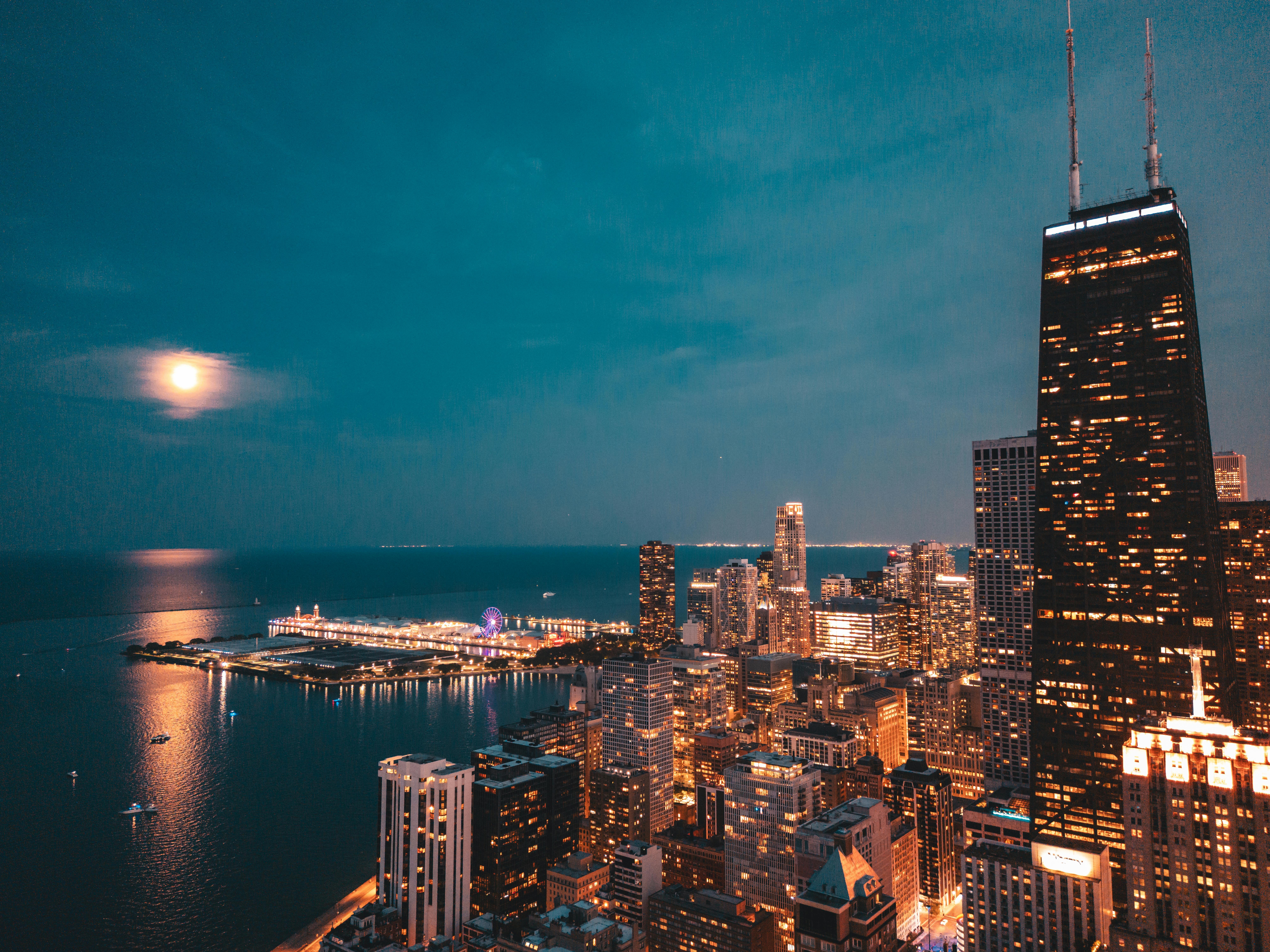
The Ultimate Navy Pier Game Plan: A Step-by-Step Timeline
Treating your trip to Navy Pier like a casual evening stroll is the fastest way to disappointment. A successful visit requires a military-like precision that begins hours before the first firework is launched.
1. Early Afternoon (2:00 PM - 4:00 PM): The Arrival & Reconnaissance Phase Do not wait until dusk. Arriving in the early afternoon is your secret weapon against the worst of the traffic and security lines. Use this time to your advantage. Grab a Chicago-style hot dog or a slice of deep-dish from a food vendor before the lines snake around the building. Take a ride on the 200-foot Centennial Wheel for a staggering daytime panorama of the city and lakefront. This is your chance to relax and absorb the festive atmosphere before the masses descend.
2. Late Afternoon (4:00 PM - 7:00 PM): The Encampment Phase This is when the pier transforms from a tourist attraction into a high-stakes real estate market. The official advice is to arrive by 7:00 PM, but by then, you’re looking at leftover spots with obstructed views. Your mission is to claim a prime piece of turf along the South Dock. The farther east you venture down the pier, the more central your view will be. Lay down your blankets, set up your chairs, and establish your base camp. This is the time to settle in for the long, rewarding wait.
3. Evening (7:00 PM - 9:00 PM): The Anticipation Phase As the sun dips below the skyline, the energy on the pier builds to a palpable buzz. This is the perfect time for people-watching, playing a deck of cards, or just enjoying the cool lake breeze. Keep your group together; a simple trip to the restroom can become a challenging expedition through a sea of people. Be patient and soak in the shared sense of excitement.
4. The Main Event (9:00 PM): The Spectacle Just before 9:00 PM, the lights dim, a hush falls over the crowd, and the first firework shrieks into the night sky. For the next 15-20 minutes, you are immersed in a world-class pyrotechnic display. Because you planned ahead, you have a comfortable, direct view, making the entire day’s effort completely worth it.
5. Post-Show (9:30 PM onwards): The Strategic Retreat The moment the grand finale fades, resist the primal urge to bolt. Tens of thousands of people will be flooding the exits at once. Instead, execute a strategic delay. Let the initial human tidal wave recede. Pack up your belongings at a leisurely pace, enjoy the glittering skyline, and plan to start your journey home 30-45 minutes after the show. Your future self will thank you.
The Sensory Experience: More Than Just a Light Show
This isn’t just a visual show; it’s a full sensory assault. The fireworks are perfectly synchronized to a soaring patriotic soundtrack broadcast across the pier, with each concussive boom vibrating through the wooden planks beneath your feet. You can smell the faint, celebratory scent of gunpowder and lake water on the breeze. It’s an immersive experience that a distant view simply cannot replicate.
Your Navy Pier Survival Kit
An hours-long stakeout for fireworks demands a little comfort. Packing smart is non-negotiable.
Seating: A thick blanket or low-profile foldable chairs are essential.
Sustenance: Pack sealed water bottles and plenty of snacks. While food is available, having your own stash saves you from long lines and high prices.
Sun & Wind Protection: The afternoon sun reflecting off the lake is brutal. Bring sunscreen, sunglasses, and a hat. After dark, the breeze off the lake can be surprisingly chilly, so a light jacket is a wise addition.
Power Bank: Between taking photos, coordinating with friends, and passing the time, your phone battery will drain. A portable charger is a lifesaver.
Entertainment: A deck of cards, a book, or downloaded podcasts can make the waiting hours fly by.
To avoid feeling like a pack mule, mastering the art of minimalism is crucial. For pro-level tips on carrying only what you need, our How to Pack Light Guide is an essential read.
Beyond the Pier: Chicago's Best Alternative Fireworks Views
If the thought of the Navy Pier crowds gives you hives, don't worry. Chicago is brimming with fantastic alternative spots that offer breathtaking views without the same level of intensity.
Rooftop Revelry: An Elevated Experience
For a more civilized and comfortable viewing experience, nothing beats a rooftop bar. You trade the massive crowds for a reserved seat, craft cocktails, and an unbeatable panoramic perspective.
Offshore Rooftop & Bar: Perched at the very end of Navy Pier, this is officially the world's largest rooftop bar. It offers the most direct, spectacular view imaginable, but tickets for their July 4th party are a hot commodity, selling out months in advance at a premium price.
Cindy's Rooftop: Sitting atop the historic Chicago Athletic Association hotel, Cindy's provides a stunning, albeit more distant, view across Millennium Park toward the lake. The reflection of the fireworks on the polished surface of "The Bean" is a uniquely Chicago sight.
Terrace 16: Located in the Trump International Hotel & Tower, this elegant terrace offers a direct, sweeping vista of the lakefront and Navy Pier. It’s a high-end option for those looking to celebrate in true luxury.

Pro-Tip: Book any rooftop bar reservation or fireworks cruise ticket the moment they become available. These premium experiences are in high demand and often sell out by early spring. Set a calendar reminder for February or March to start your search.
Lakeside Serenity: Parks and Beaches with a View
For a classic, family-friendly picnic vibe, Chicago’s sprawling lakefront parks and sandy beaches are ideal.
Millennium Park & Grant Park: These iconic parks offer vast lawns perfect for spreading out a blanket. While some views might be partially obstructed by buildings, the atmosphere is wonderfully festive. The key is to find a spot east of DuSable Lake Shore Drive for the clearest line of sight to Navy Pier.
Ohio Street Beach & North Avenue Beach: Just north of the pier, these beaches offer a fantastic, slightly angled view of the fireworks exploding over the water. You get the added bonus of feeling the sand between your toes as you watch. These are beloved local spots, so arrive early to claim your space.
Museum Campus: The grassy areas surrounding the Field Museum, Shedd Aquarium, and Adler Planetarium offer arguably the most iconic skyline view in the city. Watching the fireworks burst behind Chicago’s architectural titans is a photographer’s dream come true.
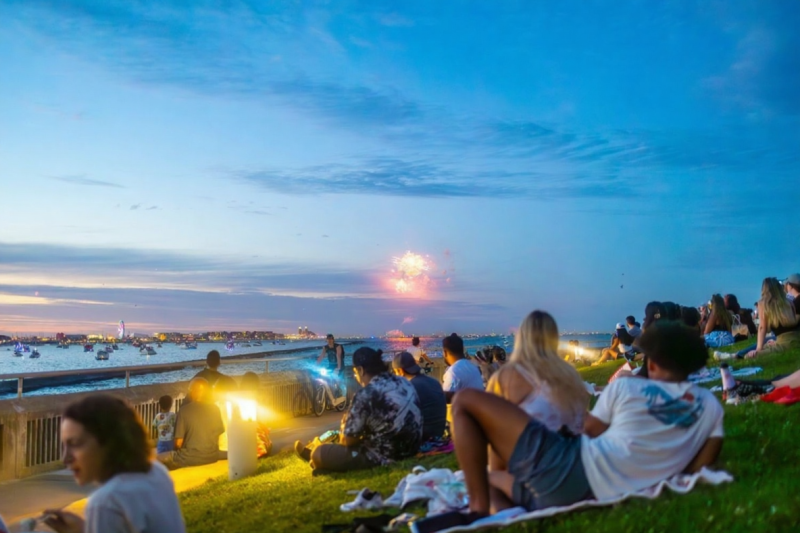
Set Sail for the Spectacle: Fireworks Cruises on Lake Michigan
To completely escape the land-based crowds and get a truly unique perspective, watch the show from the water. Numerous companies offer special July 4th cruises.
Dinner & Cocktail Cruises: Companies like Odyssey Lake Michigan and Spirit of Chicago offer elegant evenings with dining, dancing, and guaranteed front-row seats on the water for the main event.
Architectural Tours: Many of the city’s famed architectural boat tours offer special holiday cruises that conclude by positioning themselves perfectly on the lake for the fireworks display.
Tall Ship Cruises: For a truly memorable experience, watch the show from the deck of a majestic tall ship like the Windy, adding a touch of nautical history to your patriotic celebration.
A Pro's Guide to July 4th Logistics
A flawless holiday is built on smart planning. Beyond choosing your spot, mastering transportation and safety will ensure your day is stress-free.

Getting Around the City: Transportation Hacks
On Independence Day Chicago, public transit is not just an option; it's a necessity.
CTA 'L' Trains: The elevated and subway trains are the most efficient way to get downtown. The State/Lake (Brown, Green, Orange, Pink, Purple Lines) and Washington/Wabash stops are your best bets for accessing Grant Park and the southern approach to Navy Pier.
CTA Buses: Several bus routes drop off directly at or near Navy Pier, including the #29 State, #65 Grand, #66 Chicago, and the #124 Navy Pier express route. Be prepared for holiday schedules and potential reroutes due to street closures.
Rideshare & Taxis: Avoid them if you can. Surge pricing will be in full effect before and especially after the fireworks. If you must use a rideshare, walk several blocks west of Michigan Avenue to request your ride in a less congested zone.
Safety First: Navigating Crowds Like a Pro
Large crowds require situational awareness. Keep these tips in mind:
Use the Buddy System: Stick with your group. It’s easy to get separated in the post-fireworks shuffle.
Establish a Meeting Point: Before your phone batteries die, pick a clear, specific meeting spot away from the main exit paths in case you get separated. "The front of the Ferris wheel" is a bad idea; "the corner of the W Chicago - Lakeshore hotel" is much better.
Supervise Children Closely: The crowds can be overwhelming for kids. Keep them close, and consider writing your phone number on their arm or a wristband.
Expect Strong Security: At Navy Pier and other major gathering points, expect bag checks and a heavy police presence. Prohibited items typically include alcohol, coolers, grills, and drones. Check the official Navy Pier website for the most up-to-date list.
Your Blueprint for a Flawless Fourth
You are now armed with the ultimate insider’s guide to experiencing the magic of July 4th in Chicago. The anxiety of the unknown has been replaced with a clear, actionable strategy. Whether you brave the vibrant energy of Navy Pier, opt for the chic ambiance of a rooftop bar, or choose the laid-back vibe of a lakeside park, you have a plan to make it happen. You are ready to navigate the crowds, secure the perfect view, and create unforgettable memories against the backdrop of one of America’s greatest cities. This is how you master Independence Day Chicago.
Now that you've conquered the city's biggest patriotic celebration, why stop there? Unlock all the secrets of the Windy City's year-round festivities and hidden gems. For the most comprehensive insights into making the most of your trip, from iconic landmarks to local favorites, our Travel Guide is your ultimate resource for exploring Chicago and beyond.
Meta Data Suggestions:
SEO Meta Title: July 4th Chicago Fireworks: 5 Best Viewing Hotspots
URL Slug: july-4th-chicago-fireworks-hotspots
SEO Meta Description: Planning your Independence Day in Chicago? Discover the best spots to watch the Navy Pier fireworks, from the pier itself to secret rooftops and cruises.
Don't Miss Out! Subscribe for Exclusive Content
Subscribe



Comments 0
No comments yet
Be the first to share your experience!
Dont Miss Out! Subscribe for Exclusive Content

San Francisco Cherry Blossoms: A Local's Guide to the Blooms


Halloween SF: Haunts Without Horrors

SF Festivals: 7 Must-See Lineups

Christmas SF: Lights & Wharf Wonders

SF Pride: 6 Route & Party Hacks

Chinese New Year SF: Parade Essentials
Amazon Associates for Travel: Strategies to Maximize Commissions
TrekGuider @trekguider
Let’s be blunt: the Amazon Associates program feels like a paradox. On one hand, it’s the undisputed titan of e-commerce, a platform your audience uses weekly, if not daily. On the other, its core metrics—a paltry 3-4% commission for most travel gear and a 24-hour cookie—seem purpose-built to underwhelm.
This isn't just a feeling; it's a business problem that breeds frustration. You see the industry reports—the affiliate marketing market soaring past $93 billion, with travel creators hitting a reported average of $13,847 a month—and it feels like your Amazon efforts are a high-effort, low-reward distraction. You’re stuck in a cycle of creating content for a platform that seems designed to underpay you, leaving a fortune on the table.
This guide is your way out of that cycle. This is a hyper-focused masterclass on transforming Amazon Associates from a minor annoyance into a consistent and significant revenue stream. We’re moving beyond the basics to deliver advanced, actionable strategies tailored specifically for amazon associates for travel bloggers. You will learn to master high-conversion gear lists, use the SiteStripe tool for maximum efficiency, and navigate the treacherous waters of Amazon’s Terms of Service to build a bulletproof and profitable system, a topic we deconstruct from every angle in our definitive command center for the entire affiliate ecosystem: Travel Affiliate Programs: The 2026 Ultimate Guide.

The Amazon Paradox: Why a Low-Commission Program is a Top Earner
At first glance, the program’s core metrics are discouraging. So why is Amazon Associates an essential, non-negotiable tool for virtually every top-earning travel creator?
The answer lies in two powerful forces: universal trust and the strategic magic of the 24-hour universal cookie.
First, you don’t have to sell your audience on the legitimacy of Amazon. They already have an account, their credit card is saved, and they trust the platform implicitly. This pre-existing brand equity dramatically reduces friction and leads to higher conversion rates than almost any other retailer.
Second, and most importantly, is the secret weapon: the 24-hour universal cookie. When a reader clicks your affiliate link for a travel adapter, a tracking cookie is placed on their browser. For the next 24 hours, you earn a commission on everything they add to their cart and purchase, not just the travel adapter.
Here’s how this plays out in the real world:
A reader clicks your link for a $15 travel adapter.
While on Amazon, they remember they also need a new $400 camera for their trip, a $150 suitcase, and $50 worth of toiletries.
They add it all to their cart and check out.
You don’t earn a commission on just the $15 adapter. You earn a commission on the entire $615 cart. This is the hidden engine that turns tiny clicks into substantial payouts. Your job isn’t just to sell a single product; it’s to open the 24-hour window.
Strategy 1: Master High-Conversion Content
Because the cookie window is so short, your content must be engineered to capture a user who is in the final stages of planning and ready to buy. Generic travelogues won’t cut it. Your focus must be on creating hyper-specific, product-focused content that solves an immediate purchasing need.
The Power of the Hyper-Specific Gear List
This is your bread and butter. But you must move beyond the generic "My Ultimate Packing List." The key to success is targeting long-tail keywords that attract a user with a very specific problem. Instead of competing with a million other packing lists, you become the definitive resource for a targeted niche.
Instead of: "My Packing List"
Target: "What to Pack for a Two-Week Safari in Tanzania"
Instead of: "Best Travel Cameras"
Target: "Best Vlogging Cameras and Mics for YouTube Travel Channels"
Instead of: "What to Wear in Europe"
Target: "What to Wear in Italy in October (That Isn't Jeans)"
These posts attract highly motivated buyers and are far less competitive to rank for in Google.
The "What's In My Bag?" Post
This is a classic for a reason: it works. This format allows you to showcase your gear in an authentic, personal context. The key is to use your own high-quality photos. Show the gear in use, show it laid out, and explain why each item has earned its place in your bag. This builds immense trust and makes your recommendations feel like they’re coming from a savvy friend, not a salesperson.
The Standalone Product Review
Reserve these for key, high-value, or truly exceptional pieces of gear that are central to your niche. If you are an adventure travel blogger, a deep-dive review of your favorite hiking boots or travel backpack can become an evergreen asset that earns commissions for years. Go into excruciating detail, share your real-world experiences, and include plenty of authentic photos and videos.
Strategy 2: The SiteStripe Workflow for Maximum Efficiency
One of the biggest hurdles to effectively monetizing with Amazon is the time it takes to generate links. Logging into your dashboard, searching for a product, and creating a custom link is a slow, clunky process. This is where mastering the Amazon SiteStripe is a game-changer.
SiteStripe is a free, official toolbar from Amazon that appears at the top of your browser whenever you’re logged into your Associates account and browsing Amazon.com. It allows you to generate a custom affiliate link for any product page with a single click.

Your High-Speed Workflow:
Find the Product: Navigate to the exact product page you want to recommend on Amazon.
Click to Generate: At the top of the page, use the SiteStripe toolbar to instantly get a link. You can choose:
Text: A clean, short amzn.to link.
Image: An image-based link with your tracking ID embedded.
Text + Image: A rich-text box with both the image and a text link.
Copy and Paste: Paste the link or code directly into your blog post.
What used to be a five-minute process now takes five seconds. This efficiency is critical. It allows you to quickly and easily add affiliate links to all relevant content, ensuring you never miss an opportunity to monetize.
Pro-Tip: Use SiteStripe to quickly grab image links. Product images hosted by Amazon are high-quality and load quickly. Using these official image links is often better than uploading your own product photos (for non-personal shots) and can help improve your page load speed.
Strategy 3: Build a Bulletproof System with TOS Mastery
Amazon is notoriously strict, and getting banned from the Associates program is a real risk. An accidental violation of their extensive Terms of Service (TOS) can result in the immediate termination of your account and the forfeiture of all your hard-earned commissions. Protecting your account matters most for any serious amazon associates for travel bloggers.

While you must read the full Associates Program Policies, here are the most common and critical violations that travel creators unwittingly commit:
Never Use Links in Emails: This is a cardinal sin. Amazon strictly forbids the use of affiliate links in any offline manner, including emails, newsletters, PDFs, or e-books. Always link from your email to a page on your blog, and place the Amazon links there.
Don't Cloak Your Links: While link cloaking is a best practice for most affiliate programs, Amazon has specific rules against it. They must be able to clearly identify that the link is coming from your site. Using a standard amzn.to short link generated by SiteStripe is always the safest bet.
Never Mention Specific Prices: Prices on Amazon fluctuate constantly. Stating a price in your article ("This backpack costs $199") is a violation because it can quickly become inaccurate. Instead, use a call-to-action like, "Check the latest price on Amazon."
Disclose, Disclose, Disclose: You must have a clear FTC disclosure on your site. Amazon also requires specific language: "As an Amazon Associate, I earn from qualifying purchases." This should be easily visible on your site.
Comply with Google's Rules: Beyond Amazon's rules, you must also comply with Google's. All paid links, including affiliate links, must use the rel="sponsored" HTML attribute. This signals to search engines that the link is commercial. Thankfully, most modern link management plugins can add this tag automatically, but it is your responsibility to ensure it’s there.
The Professional's Playbook: The Travel Creator's Toolkit
Mastering Amazon is a critical piece of the puzzle, but it's just one piece. To build a truly professional and profitable content business, you need a complete system. Our ultimate resource bundle, The Travel Creator's Toolkit, is packed with the checklists, content templates, and guides you need to build a resilient and diversified affiliate income stream.
Strategy 4: The Pro-Level Play - Combine Amazon with High-Margin Digital Products
The ultimate strategy for top-earning creators is to use Amazon as a foundational layer in a more sophisticated, diversified income strategy. Amazon is perfect for recommending physical products, but its commissions will never match the profit margins of selling your own digital products.
This is where you combine the high-volume nature of Amazon with the high-margin nature of your own expertise. This is the evolution from affiliate to owner.

The Funnel in Action:
The Blog Post: You write your hyper-specific gear list, "The Ultimate Packing List for a 7-Day Trek in Patagonia."
The Amazon Links: You populate the post with your affiliate links for the perfect hiking boots, waterproof jacket, wool socks, and trekking poles available on Amazon. You solve your reader's immediate gear problem.
The High-Margin Upsell: At the end of the post, you offer the perfect next step. You add a call-to-action that says: "Now that you have the gear, get the complete plan. My premium 'Patagonia Self-Guided Trekking Itinerary' is a downloadable guide with detailed maps, daily schedules, and booking links for all the campsites. Get it now on the TrekGuider Platform."
This is the master strategy. You use Amazon to earn commissions on the "what" (the gear) and then sell your own high-margin product that provides the "how" (the plan). This allows you to fully monetize your expertise and build a business that you control completely.
Frequently Asked Questions (FAQ)
1. Can I use Amazon affiliate links on social media like Instagram or Pinterest? Yes, but with extreme caution. You must use the special links generated through the Amazon mobile app's "Mobile GetLink" feature or SiteStripe. You also must clearly identify yourself as an Amazon Associate on the social media profile where the links are shared. Most importantly, the link cannot be on a page that is "behind a gate" (like a private Facebook group).
2. What happens if a product I link to is out of stock? The link will still work and the 24-hour cookie will still be set. If the customer buys something else on Amazon during that window, you will still earn a commission. However, it creates a poor user experience. It's good practice to periodically check your top-performing links to ensure the products are still available.
3. How do I handle international traffic? My readers are from all over the world? This is a critical issue for travel creators. By default, a link to Amazon.com will only earn you a commission if the purchase is made on the US store. To monetize your global audience, you must use a link localization service. Amazon has its own called "OneLink," which can automatically redirect your international visitors to their local Amazon storefront. Third-party services like Geniuslink (Geni.us) offer more advanced features and are very popular with professional affiliates.
Your Blueprint for Amazon Mastery
Stop thinking of Amazon Associates as a low-paying chore. Start seeing it for what it is: a high-volume conversion machine that, when used strategically, can become a powerful and reliable pillar of your income. The key is not to focus on the low commission rate but to obsess over leveraging the 24-hour universal cookie.
By mastering the strategies for amazon associates for travel bloggers—creating hyper-specific content, working efficiently with SiteStripe, staying relentlessly compliant with the TOS, and layering it with your own high-margin products—you transform the program from a source of frustration into a predictable engine for revenue. This is a foundational skill for any serious travel creator looking to build a diversified and resilient business that can fund their adventures for years to come.
Read the full guide: The Travel Blogger's Playbook to Affiliate Marketing Mastery
Don't Miss Out! Subscribe for Exclusive Content
SubscribeComments 0
No comments yet
Be the first to share your experience!
Dont Miss Out! Subscribe for Exclusive Content

Ultimate USA Holidays Guide: Top Picks

FTC Affiliate Disclosure Essentials: Stay Compliant as a Travel Creator

Essential Affiliate Tools: From Tracking to Full Optimization

Avoid These 5 Affiliate Landing Page Mistakes for Better Conversions

Affiliate Keyword Research Mastery for Travel Blogs

Booking.com Affiliate Program Review: Pros, Cons, and Earnings Potential
How to Plan a US Family Vacation That Actually Happens
TrekGuider @trekguider
Does the dream of a family vacation always seem to get buried under a pile of school projects and work deadlines? You want to make those precious memories, but the sheer effort of planning a big trip—the budget, the flights, the sprawling itinerary—feels completely overwhelming. That dream gets pushed to the “maybe next year” pile, and another opportunity slips away.
This is the cycle of vacation procrastination. The pressure to make every trip a grand, epic adventure creates a paralysis that keeps you at home. Weekends blur into a routine of errands and screen time, and you’re left with the nagging feeling that you’re not making the most of your time together.
This guide is the antidote. We’re here to champion the art of the short-form getaway—the powerful, transformative two- or three-day trip. A well-executed weekend escape can recharge your family, create lasting inside jokes, and deliver that essential change of scenery without the strain of a major holiday. While a grand tour has its place, as we explore in our comprehensive Family Travel Ideas: The 2026 Guide to Unforgettable Trips, mastering the weekend trip is a practical skill that pays dividends all year long. This is your roadmap to choosing the perfect spots for a quick, high-impact getaway that actually happens.

The Weekend Warrior: Why Short Trips Are a Family’s Secret Weapon
Before we dive into destinations, it’s crucial to understand the real advantage of short-form travel. In our fast-paced world, the weekend getaway isn’t a lesser version of a vacation; in many ways, it’s a superior model for modern families.
It Obliterates Decision Fatigue: Planning a three-day trip requires a fraction of the decisions needed for a ten-day epic. You’re choosing two nights of accommodation, not nine. You’re planning six meals, not thirty. This lower logistical barrier is the key to moving from idea to action.
It's a Budget-Friendly Power-Up: The math is simple. Fewer nights, fewer meals, and shorter travel distances mean a significantly lower overall cost. This makes travel more accessible more often.
It Forces Frequent Reconnection: Long breaks are fantastic, but the daily grind can quickly erode that post-vacation glow. Frequent weekend trips act as regular “reconnection points” for your family, reinforcing bonds and breaking up monotony.
It's a Low-Stakes Laboratory: A weekend trip is the perfect environment to test new travel styles. Want to see if your kids enjoy hiking? A two-night trip to a mountain town is a much lower-risk experiment than a full week in a national park.

The 72-Hour City Break: Culture and Energy for the Urban Explorer
A city break is a masterclass in efficiency. It's a high-impact dose of culture, cuisine, and energy, perfectly contained within a 72-hour window where your own two feet are the best mode of transport. These destinations are perfect for a short-form family vacation adventure.
Boston, Massachusetts: A Walk Through American History
For families with school-aged children, Boston is a living classroom. The city’s compact core makes it incredibly easy to explore on foot, turning a simple walk into an unforgettable journey.
Can't-Miss Experiences: Walk the 2.5-mile Freedom Trail, a red-brick line connecting 16 nationally significant historic sites. Kids will love the energy of Faneuil Hall Marketplace and the chance to climb aboard the USS Constitution (“Old Ironsides”). The Boston Children’s Museum is legendary for hands-on fun.
Must-Try Food: Grab a cannoli from Mike’s Pastry or Modern Pastry in the North End. For a classic experience, head to the Union Oyster House, one of America’s oldest restaurants.
Logistics: Leave the car behind. Boston is best navigated via the “T” (its subway system) and your own two feet.

Savannah, Georgia: Southern Charm and Spooky Stories
Savannah drips with Spanish moss and southern charm, offering a unique and atmospheric weekend escape. Its famous historic squares provide beautiful, built-in parks for kids to run around in between sightseeing.
Can't-Miss Experiences: Explore Forsyth Park and the 22 historic squares. For older kids and teens, take a family-friendly evening ghost tour to learn about the city’s spooky legends. A 20-minute drive to nearby Tybee Island offers a perfect beach day.
Must-Try Food: Enjoy classic southern cooking at The Olde Pink House or grab a casual slice at Vinnie Van Go-Go's in City Market. A scoop from Leopold's Ice Cream is non-negotiable.
Logistics: Savannah’s historic district is very walkable. A rental car is only necessary if you plan to visit Tybee Island.
Chicago, Illinois: Big City Fun, Midwestern Heart
The Windy City is a world-class destination that feels surprisingly manageable for a weekend. With its stunning lakefront, incredible museums, and friendly vibe, it’s a fantastic choice for an urban family getaway.
Can't-Miss Experiences: Millennium Park is a must-do for a picture with "The Bean" (Cloud Gate). See Sue, the world’s most complete T. rex, at The Field Museum. The Shedd Aquarium and the Adler Planetarium are conveniently located on the same Museum Campus. An architectural boat tour is a surprise hit with all ages.
Must-Try Food: You can’t leave Chicago without trying deep-dish pizza from Lou Malnati’s or Giordano’s. For a fun, casual meal, head to Portillo's for a classic Chicago-style hot dog.
Pro-Tip: If you plan on visiting multiple museums, look into the Chicago CityPASS. It can offer significant savings and often lets you skip long lines—a lifesaver with impatient kids.
The Nature Reset: Fresh Air and Open Spaces
Sometimes the best way to reconnect is to disconnect from everything else. These destinations offer stunning scenery and a much-needed change of pace, perfect for a rejuvenating weekend.

Asheville, North Carolina: Gateway to the Blue Ridge Mountains
Nestled in the heart of the Blue Ridge Mountains, Asheville is a vibrant, artsy town surrounded by breathtaking natural beauty. It’s the perfect basecamp for families who love the outdoors but also appreciate great food.
What to Do: The top attraction is the Blue Ridge Parkway, one of America’s most scenic drives. Pack a picnic and stop at the numerous overlooks. There are hundreds of hiking trails for all skill levels; the relatively easy Craggy Gardens Pinnacle trail offers huge 360-degree views.
Where to Stay: Consider renting a cabin just outside the city to fully immerse yourselves in the mountain setting.
Good to Know: The weather in the mountains can change quickly. Always pack rain jackets and an extra layer, even if the forecast looks clear.
The Poconos, Pennsylvania: A Four-Season Mountain Retreat
For generations, the Poconos have been a go-to weekend getaway for families in the Northeast, and for good reason. This region offers a massive variety of activities that change with the seasons.
What to Do: In the summer, enjoy boating on Lake Wallenpaupack. The region is also home to several excellent indoor waterparks, like Kalahari Resorts. In the fall, the foliage is spectacular. In the winter, Camelback Mountain offers family-friendly skiing and snow tubing.
Where to Stay: The Poconos excel at family-friendly resorts that offer all-in-one vacation experiences.
Pro-Tip: Many state parks have beautiful and affordable lodges or cabins that can be booked online. They offer a rustic, immersive experience with more amenities than camping.
Lake Tahoe, California/Nevada: Alpine Beauty and Recreation
Straddling the border of California and Nevada, Lake Tahoe is a stunning, crystal-clear alpine lake surrounded by the majestic Sierra Nevada mountains. It’s an outdoor playground that offers distinct experiences in winter and summer.
What to Do: Summer is all about the water. Visit Sand Harbor for its beautiful, family-friendly beach. Rent kayaks to explore the impossibly blue waters of Emerald Bay. In the winter, the area transforms into a ski destination, with resorts like Heavenly and Northstar.
Altitude Awareness: The base elevation at Lake Tahoe is over 6,200 feet. For the first day, take it easy and drink more water than you think you need to let your family acclimate.

A Guide to Flawless Execution
A list of great destinations is just a starting point. The real magic of a stress-free weekend lies in the execution. This is the playbook that separates the frazzled travelers from the weekend warriors.
1. Master the Clock: The Friday to Sunday Formula
The key to a successful weekend trip is maximizing your time.
The Friday Escape: If possible, pull the kids from school an hour or two early and hit the road before the evening rush hour. This single move can save you hours of traffic-induced stress.
Low-Key Arrival: Don’t schedule a major activity for your first night. Your goal is to get settled and have a simple dinner (pizza delivery is a weekend warrior’s best friend).
The Saturday Anchor: Make Saturday your main event day. This is when you’ll tackle your must-do activity, whether it’s a museum, a big hike, or a theme park.
The Sunday Send-off: Plan one final, short activity for Sunday morning before hitting the road, like a special brunch or a final walk on the beach. It makes the last day feel like part of the vacation, not just a travel day.
2. Pack with Precision: The Weekend Luggage System
Overpacking for a short trip is a common mistake that creates unnecessary hassle.
One Bag Per Person: Institute a strict one-bag-per-person rule. This empowers older kids to be responsible for their own things.
Embrace the Packing Cube: These small organizers are a game-changer. Use them to keep complete outfits together, making mornings incredibly fast.
Build a “Go Bag”: For road trips, have one small bag that stays in the car with mission-critical essentials: snacks, wet wipes, a basic first-aid kit, portable chargers, and paper towels. A tool like our National Park Road Trip Checklist has great ideas for this, even if you aren't headed to a park.
Stop Dreaming, Start Planning
The perfect weekend trip doesn't have to be complicated. Our free, plug-and-play Travel Itinerary Template takes the guesswork out of planning. Get the simple, proven framework we use to organize our own family getaways Download the Free Template.
3. Budget for a Short Trip: Where to Splurge, Where to Save
A weekend budget requires a different mindset than a long vacation.
Splurge on Location: For a short trip, the location of your accommodation is critical. Spending a little extra to be in the heart of the action saves you hours of travel time—your most valuable commodity.
Save on Meals: You don’t need three sit-down restaurant meals a day. Plan on a fun, splurgy dinner on Saturday night, but save money by having breakfast in your hotel room and grabbing a casual lunch from a food truck or cafe.
Frequently Asked Questions
What's the biggest advantage of a short family trip?
The main advantage is the low logistical barrier. Planning for just two or three days drastically reduces decision fatigue, making it much easier to go from dreaming about a trip to actually booking it. This also makes travel more frequent and budget-friendly.
How can I save money on a weekend family vacation?
The best strategy is to splurge on a central location to save valuable travel time, while saving on meals. Pack your own breakfasts and snacks, and opt for casual lunches from cafes or food trucks instead of multiple expensive sit-down meals.
What is the best way to maximize time on a 2-3 day trip?
To make the most of your weekend, try to leave Friday afternoon to beat the worst of the traffic. Dedicate Saturday to your main "anchor" activity, and plan a smaller, final fun activity for Sunday morning so the last day still feels like part of the vacation.
The idea of a family vacation doesn't have to be a source of stress or be relegated to a once-a-year event. By embracing the power of the weekend getaway, you unlock the ability to punctuate your year with adventure, connection, and discovery. You now have a framework for choosing destinations and a playbook for executing the trip with precision.
The most important step is the next one: pick a date, book that room, and transform the idea of a trip into a tangible plan. The memories your family makes on a simple weekend trip will become just as cherished as those from a far-flung destination, and our comprehensive Travel Guide is ready when you are. Start planning today, because your next great family story is just a weekend away.
Read the full guide: Family Travel Ideas: The 2026 Guide to Unforgettable Trips
Don't Miss Out! Subscribe for Exclusive Content
SubscribeComments 0
No comments yet
Be the first to share your experience!
Dont Miss Out! Subscribe for Exclusive Content
San Francisco Cherry Blossoms: A Local's Guide to the Blooms
Halloween SF: Haunts Without Horrors
SF Festivals: 7 Must-See Lineups
Christmas SF: Lights & Wharf Wonders
SF Pride: 6 Route & Party Hacks