
Food & Water Safety Abroad: How to Avoid Getting Sick

TrekGuider @trekguider
There’s a moment on every trip where the true magic happens: the first bite of a dish you can’t pronounce from a street cart buzzing with locals, the refreshing sip of a regional drink, the discovery of a flavor that will forever define a place in your memory. Food is culture, connection, and the fastest way to the heart of a destination. And that’s the traveler’s paradox, isn’t it? The very experiences that promise the most profound connection also carry a potent, gut-wrenching risk.
One bad meal or a single sip of contaminated water can derail your entire adventure, swapping days of discovery for days spent locked in a hotel room. This fear is agitated by horror stories from fellow travelers and the sheer unpredictability of an unfamiliar environment. It's a valid concern—traveler's diarrhea is unequivocally the most common travel-related illness, affecting up to 80% of international travelers depending on the destination. The fear of getting sick can make you timid, causing you to stick to bland, "safe" foods and miss out on the rich mix of flavors your destination has to offer. It can rob you of the very experiences you traveled so far to find.

But it doesn't have to be this way. This guide is your solution, a definitive and practical playbook for mastering food and water safety abroad. We’ve synthesized actionable advice from the world’s leading health organizations, including the Centers for Disease Control and Prevention (CDC) and the World Health Organization (WHO), to empower you to eat boldly and drink safely. This isn’t a list of things to fear; it’s a set of simple, memorable rules for prevention, identification, and, if necessary, management. This is a critical deep-dive into a core pillar of preparedness we cover in The Ultimate Guide to Travel Safety: A 2026 Playbook, designed to give you the confidence to dive fork-first into the heart of a culture.
The Golden Rule of Food and Water Safety: "Boil It, Cook It, Peel It, or Forget It"
If you remember only one thing from this guide, make it this simple, five-word mantra. Promoted by the CDC and other global health bodies, this single rule is a powerful and easy-to-use filter for nearly every culinary decision you'll make on the road. It’s the foundation of your entire food and water safety strategy.
Boil It: Your Safest Bet for Liquids
Pathogens like bacteria, viruses, and parasites are killed by heat. This makes boiling the most effective method for purifying liquids.
Examples: Drinking water that has been brought to a vigorous, rolling boil for at least one full minute. Hot beverages like tea or coffee that are served steaming hot are also generally safe. Any milk products you consume should be confirmed to be pasteurized or have been boiled.
Cook It: The Power of Heat
Thoroughly cooking food kills the harmful microorganisms that cause illness. The key is to ensure it is cooked all the way through and served hot.
Examples: Meat, poultry, or seafood that is well-cooked (not rare or raw) and served steaming hot to the touch. This is especially crucial for street food; dishes that are cooked fresh to order in front of you are a much safer bet than those that have been sitting out.
Peel It: Nature’s Own Packaging
For raw fruits and vegetables, the contamination is almost always on the outside surface. By peeling it yourself with clean hands, you remove the risk.
Examples: Fruits with a thick, peelable skin like bananas, oranges, mangoes, and avocados are your safest and best friends for a healthy snack. Similarly, vegetables you can peel, such as cucumbers, are also a great option.
Forget It: When in Doubt, Go Without
This is the most critical and sometimes most difficult part of the rule to follow. It requires discipline, but it’s your ultimate defense. If an item of food or drink doesn't meet one of the three criteria above, you must skip it.
Examples: Tap water and ice cubes made from tap water are the biggest culprits. Salads and raw leafy greens like lettuce are high-risk because they are difficult to clean thoroughly and may have been washed in contaminated water. You should also avoid fruits that cannot be peeled, such as grapes and berries, and any unpasteurized dairy products like milk or cheese. Finally, be very wary of any food served at room temperature, such as from a buffet.
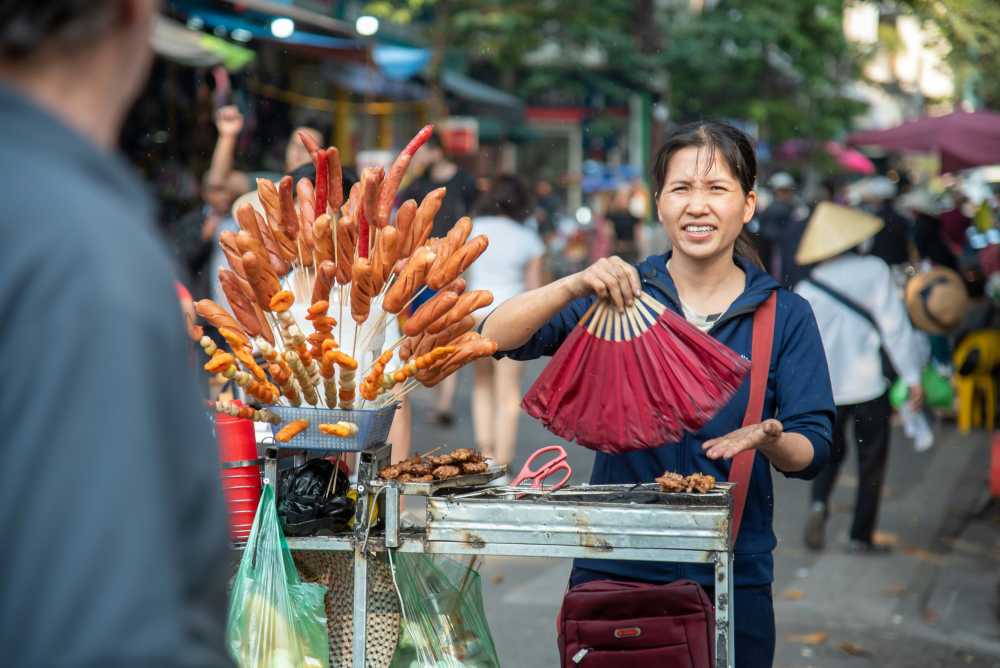
Navigating the Streets: A Visual Guide to Spotting Unsafe Food
Street food is often the soul of a city's cuisine, but not all vendors are created equal. Your eyes are your best tool for vetting a stall. Before you order, take thirty seconds to perform a quick visual inspection. Look for these five clear signs of a safe or unsafe operation.
Poor General Cleanliness: This is the most obvious indicator. Red flags include dirty workstations with unwiped spills, visible food waste, rubbish on the ground, and the presence of pests like flies or wasps. The vendor themselves should also appear clean, with tidy clothes and hands.
Improper Food Temperatures: Food left in the "danger zone" (room temperature) is a breeding ground for bacteria. Avoid stalls where cooked food, especially meat, is sitting out in large trays. The safest option is always food that is cooked fresh to order, right in front of you. Hot food should be visibly steaming.
Obvious Cross-Contamination: Watch how the vendor handles ingredients. A major red flag is using the same cutting board, knife, or unwashed hands to handle raw meat and then touch ready-to-eat items like bread, salad, or cooked food.
Use of Contaminated Water: Look at the vendor’s water source. Rinsing dishes, utensils, or vegetables in a single bucket of murky, stagnant water is a sign of a high-risk operation. Likewise, avoid ice in your drinks unless you can confirm it was made from purified water (commercially bagged ice is usually a safe sign).
Lack of a Crowd (Especially Locals): A busy stall with a long line, particularly of local residents, is one of the best indicators of a trusted and safe food source. High customer turnover means the food is fresh and hasn't been sitting out for long. An empty stall is often empty for a reason.
Pro-Tip: Make "follow the locals" your street food mantra. A long line of residents is a walking, talking five-star review of a vendor's quality and safety. It's the most reliable seal of approval you can find.
Securing Your Water Supply: A Deep Dive into Hydration and Purification
Staying hydrated is non-negotiable for your health and energy while traveling, but assuming tap water is safe is one of the most common and dangerous mistakes a traveler can make. Here’s how to ensure every sip you take is safe.
Identifying Safe and Unsafe Drinking Water Sources
The CDC and WHO have clear guidelines. Unless you are in a country with a known, highly-developed sanitation system, you should assume all tap water is unsafe.
Safest Sources: Commercially bottled water in a factory-sealed, tamper-proof container is your most reliable option. Carbonated water is even safer, as a broken seal is immediately obvious. The second safest source is water that you have personally brought to a rolling boil for at least one minute.
Unsafe Sources to Avoid: Tap water, well water, ice made from tap water, fountain drinks mixed with tap water, and even water from clear mountain streams (which can contain germs) should all be avoided unless they have been purified.
Your Purification Playbook: The Top 3 Methods
When bottled or boiled water isn't available, you need a backup plan. Here are the top three recommended purification methods.
Boiling (The Gold Standard): This is consistently ranked by the CDC and WHO as the single most effective method. It kills all known disease-causing microorganisms, including viruses, bacteria, and parasites. Simply bring clear water to a rolling boil for 1 minute (or 3 minutes at elevations above 6,500 feet / 2,000 meters).
Filtration: A high-quality portable water filter is highly effective at removing bacteria and protozoan parasites like Giardia and Cryptosporidium. Look for a filter with an absolute pore size of 1 micron or smaller. The main limitation is that most portable filters do not remove viruses, so in high-risk areas, the CDC recommends following filtration with chemical disinfection.
Chemical Disinfection: Chlorine, iodine, or chlorine dioxide tablets/drops are a lightweight and easy way to kill viruses and bacteria. However, they are not consistently effective against the parasite Cryptosporidium and require a contact time of at least 30 minutes.
For in-depth planning on what gear to pack for every type of trip, from water filters to first-aid supplies, our all-encompassing Travel Guide is the only resource you'll ever need.
Damage Control: How to Manage Traveler's Diarrhea
But let’s be realistic: even the most diligent traveler can have a bad day. When that happens, knowing exactly what to do—and what not to do—can be the difference between a 24-hour nuisance and a trip-ruining ordeal. This is the damage control phase of your food and water safety plan.
The First and Most Critical Step: Oral Rehydration
According to travel medicine doctors, dehydration is the single most likely and dangerous complication of traveler's diarrhea. Replacing lost fluids and electrolytes is your absolute first priority.
Method: The best way to rehydrate is with a dedicated Oral Rehydration Solution (ORS), which comes in packets of salts and sugars that you mix with boiled or bottled water. In a pinch, sports drinks or clear soups can also be used.
Symptomatic Treatment for Mild to Moderate Cases
If the diarrhea is tolerable and not accompanied by a high fever or blood, over-the-counter medications can provide relief and help you get through a travel day.
Medications: An antimotility agent like Loperamide (the active ingredient in Imodium, a top pharmacist-recommended brand) can reduce the frequency of bowel movements. Bismuth Subsalicylate (found in Pepto-Bismol, another pharmacist favorite) can also help decrease the frequency and shorten the duration of the illness.
When to Use Standby Antibiotics (For Severe Cases)
If diarrhea is distressing, incapacitating, or contains blood or mucus, a prescribed antibiotic may be necessary.
Method: Before you travel, speak with your doctor or a travel medicine clinic. For travelers heading to high-risk destinations, they may provide a prescription for a standby antibiotic, such as Azithromycin, to carry with you. A single dose is often highly effective at treating severe cases.
Pro-Tip: Within your main travel first-aid kit, create a dedicated "Digestive Distress" module. Keep it in a separate, clearly-labeled zip-top bag containing a few packets of Oral Rehydration Salts, a strip of Loperamide, and a few antacids. This way, when you need it, you won't have to rummage through your entire kit.

Ready to Pack Like a Pro?
A smart food and water safety strategy is just one piece of your pre-trip preparation. To ensure you don't overlook a single essential item—from documents and finances to clothing and medical supplies—a master checklist is your most powerful tool. Our comprehensive, free checklist has you covered for every stage of your journey.
Download Your Free International Travel Checklist Now!
Food and Water Safety FAQs
A prepared mind is a safe mind. Here are expert answers to common questions that take your preparedness to the next level.
1. Besides traveler's diarrhea, what are the most common travel illnesses?
While traveler's diarrhea is number one, the CDC reports that other common issues include acute respiratory infections (like influenza or COVID-19, often acquired in transit), vector-borne fevers like Dengue and Malaria in tropical regions, and other food-borne illnesses like Hepatitis A and Typhoid Fever. Skin conditions from insect bites are also extremely common.
2. Is it safe to eat at a restaurant if I'm worried about street food?
Generally, restaurants can be safer, but the same principles apply. A busy restaurant full of locals is a great sign. Be cautious with the same high-risk items: salads, unpeeled fruits, and tap water or ice. If you want to find trusted, local-approved gems, explore the TrekGuider platform, where travel creators often share their own curated guides to safe and authentic eats.
3. Should I carry a standby antibiotic in my first-aid kit?
This is a question for your doctor or a travel medicine clinic. For travelers heading to high-risk destinations where severe traveler's diarrhea is common, many doctors will provide a prescription for a standby antibiotic like Azithromycin. It’s not for mild cases but can significantly shorten the duration of a severe bout of illness. Discuss your itinerary with your doctor to see if this is right for you.
Eat Boldly, Travel Well
The world of food is a world of incredible diversity and connection, and it deserves to be explored with an open mind and a curious palate. The goal of mastering food and water safety is not to build a wall of fear that separates you from authentic experiences. It is about building a foundation of knowledge that gives you the freedom to be adventurous. By internalizing the golden rule of "Boil it, cook it, peel it, or forget it," learning to trust your own visual assessment of a food stall, and knowing exactly what to do if you get sick, you replace anxiety with empowerment. You are now equipped with the skills to navigate the world's most exciting cuisines with confidence, ensuring your focus remains on the flavor, connection, and joy that every journey promises. Go explore, eat boldly, and travel well.

Meta Data Suggestions:
SEO Meta Title (Under 60 characters): Food & Water Safety Abroad: How to Avoid Getting Sick
URL Slug: food-water-safety-abroad
SEO Meta Description (Under 155 characters): Avoid traveler's diarrhea with our expert guide to food and water safety abroad. Learn the golden rules for eating street food, purifying water, and staying healthy.
Don't Miss Out! Subscribe for Exclusive Content
Subscribe



Comments 0
No comments yet
Be the first to share your experience!
Dont Miss Out! Subscribe for Exclusive Content

Chicago Beer Fests: Top 6 Tastings


Ultimate USA Holidays Guide: Top Picks

FTC Affiliate Disclosure Essentials: Stay Compliant as a Travel Creator

Essential Affiliate Tools: From Tracking to Full Optimization

Booking.com Affiliate Program Review: Pros, Cons, and Earnings Potential

Decoding Affiliate Commission Rates: Benchmarks for Travel Creators
How to Make Money Online: A Creator's Guide for 2026
TrekGuider @trekguider
The creator economy is no longer a quiet corner of the internet—it’s a global phenomenon, a seismic shift in how we work, create, and build businesses on our own terms. Valued at an astonishing $250 billion in 2023, this market is on a trajectory to nearly double to almost $500 billion by 2027. This explosive growth presents a historic opportunity for anyone with expertise, a passion, and a laptop to build a life of freedom and financial independence.
But behind these staggering numbers lies a crucial, often unspoken truth. Success isn't accidental, and it certainly isn't guaranteed. The digital landscape is littered with abandoned blogs and dormant social media accounts—ghosts of creative dreams deferred. The data reveals a stark reality: while the opportunity is immense, the rewards are concentrated. Only about 4% of global creators manage to earn an income exceeding $100,000 per year.
The difference between those who succeed and those who stall isn't luck, talent, or audience size alone. It's strategy. The top 4% aren't just hobbyists; they are strategic business operators. They are "Creator CEOs"—entrepreneurs architecting resilient, profitable, and passion-driven digital enterprises.
This is your blueprint for joining them. Forget fleeting trends and surface-level tips. We’re going to give you the foundational strategies, proven monetization models, and tactical playbooks required for making money online as a modern creator. From establishing your owned platform and mastering affiliate marketing to creating scalable digital products that generate income while you sleep, this is the definitive roadmap for turning your passion into a durable career in 2026 and beyond.

The Modern Creator's Blueprint: Adopting a CEO Mindset
The single most important shift you can make on your journey is a mental one: from content creator to business owner. A creator thinks about their next post. A CEO thinks about building an asset. A creator chases viral moments. A CEO builds a sustainable system. This mindset is the foundation upon which all profitable businesses are built. It informs how you structure your time, where you focus your energy, and how you approach monetization.
The Monetization Ladder: A Phased Approach to Profit
Successful creators don't view the dozens of ways to make money online as an à la carte menu. They approach it as a strategic progression, a "Monetization Ladder" that allows them to de-risk their journey and build a diversified business over time.
This journey typically begins with active income models—like offering freelance services—which is often the fastest way to generate significant cash flow and validate your expertise. As you build an audience and establish trust, you can begin to climb the ladder by layering in performance-based models like affiliate marketing. Finally, with an engaged community and proven authority, you ascend to the highest-leverage, highest-ownership models: creating and selling your own digital products or launching a subscription service.
This strategic progression is key to long-term resilience. It allows you to systematically move from trading your time for money to building assets that generate revenue independently. But before you can choose the right model for you, you must understand the entire landscape. For a comprehensive analysis that breaks down the pros, cons, and profit potential of each core approach, our strategic overview is the foundational session every new creator needs.

➤ Read the full guide: 6 Proven Models to Make Money Online Blogging
Active vs. Passive Income: Architecting Your Freedom
The ultimate goal for most creators is to build a business that provides not just income, but also freedom. This is where understanding the distinction between active and passive income becomes the central pillar of your strategy.
Active Income is revenue generated from the direct and continuous exchange of your time and effort for money. If you stop working, the income stops. This includes freelance writing, brand sponsorships, and one-on-one coaching.
Passive Income is revenue that, after an initial investment of time and effort, continues to be generated with minimal ongoing labor. You create an asset once, and it generates revenue for months or even years. This is the key to decoupling your income from the hours you work.
For a travel creator, the ultimate goal is to build a business that funds your travels, not one that chains you to a desk. This requires a deliberate shift toward building passive income streams. Think of an SEO-optimized blog post with affiliate links that earns commissions for years, or a digital guide that sells automatically every single day. These are the assets that build true freedom.
To explore the most effective models for building income streams that work for you around the clock, our dedicated guide provides a proven framework.
➤ Read the full guide: 5 Passive Income Ideas for Your Travel Blog

The Foundation of Your Empire: Building Your Digital Home Base
Before you can build a skyscraper, you need to own the land and pour a solid foundation. In the digital world, a critical strategic decision every creator faces is where to build their business: on an "owned" platform like a blog or on "rented" platforms like Instagram or TikTok. While social media offers the allure of rapid growth, it comes with a potentially fatal flaw: you don't own your audience or your account. An algorithm change can decimate your reach overnight, and an account suspension can erase your entire business with no recourse.
The Hub-and-Spoke Model: Your Blueprint for a Resilient Business
This is why the most successful and durable strategy is the "Hub-and-Spoke" model.
The Hub: Your self-hosted blog is the hub—the core business asset you own and control completely. It’s where you build your email list, sell your products, and house your valuable, long-form content that appreciates in value over time.
The Spokes: Social media platforms are the spokes—powerful distribution and discovery channels designed to capture attention and drive traffic back to your hub.
This model leverages the strengths of each platform while protecting you from their inherent risks. It uses the rapid reach of social media to accelerate growth, and the ownership and stability of the blog to build a defensible, long-lasting business.

Getting Started: Your Digital Groundbreaking
Starting a self-hosted WordPress blog is the professional standard for any serious creator. It provides complete control over your brand, content, and monetization—making it the essential first step in building your digital hub. The process is more straightforward than ever, but it begins with a few key decisions. For a complete, A-to-Z walkthrough that holds your hand through every technical step, from choosing a domain to launching your first post, our definitive beginner’s guide is the perfect place to start.
➤ Read the full guide: How to Start a Travel Blog (And Get Noticed)
Finding Your Niche: Your Superpower in a Crowded World
A house is only as strong as its location. Before you can build, you must answer the most critical question: what will you write about? In a vast online world, specificity is your superpower. Trying to create content for "everyone" often results in connecting with no one. Choosing a well-defined niche allows you to build authority faster, attract a dedicated and loyal audience, and face far less competition in search engine rankings.
A great niche sits at the intersection of your passion, your audience’s most pressing problems, and its potential for profitability. Before you write a single word, validating your niche idea is the most important strategic step you can take. For a masterclass in uncovering profitable, low-competition spaces and a list of fresh ideas for 2026, explore our detailed guide.
➤ Read the full guide: 15 Travel Blog Niche Ideas with Low Competition

The First Revenue Engines: Mastering Monetization
With your foundation poured and your niche defined, it’s time to start building your revenue engines. This is where we climb the Monetization Ladder, beginning with the most accessible models and progressing toward the most scalable.
Affiliate Marketing: Earning by Recommending
Affiliate marketing is one of the most popular and effective monetization models for new creators. It allows you to earn a commission by promoting products or services you already use and love, without having to create a product yourself.
The key to success, however, is trust. Your entire strategy must be built on a foundation of authenticity and radical transparency. This means strictly adhering to FTC disclosure guidelines and only recommending products you genuinely believe in. The most effective strategy is built on three pillars: legal compliance, strategic promotion of high-quality products, and data-driven optimization. For a masterclass that covers everything from the nuances of FTC law and conversion tactics to getting accepted into major affiliate networks, our definitive guide is required reading.

➤ Read the full guide: Affiliate Marketing for Bloggers: The Definitive Guide
Choosing the right partners is also crucial for maximizing your affiliate revenue. A diversified portfolio of programs allows you to monetize every stage of your audience's journey. Programs like Booking.com, G Adventures, and World Nomads are essential for travel creators, offering strong commissions on high-value products your audience already needs. To discover more top-performing programs with detailed breakdowns of their commission rates and strategic value, explore our curated list.
➤ Read the full guide: Top 10 Travel Affiliate Programs for 2026
The Ultimate Scalable Asset: Creating and Selling Your Own Digital Products
Transitioning from promoting others' products to creating and selling your own is the single most powerful step you can take toward building a highly profitable and independent business. Digital products represent the top of the Monetization Ladder. They offer exceptionally high profit margins, infinite scalability, and give you complete control over your revenue.
The opportunity here is immense. The e-learning market alone, a huge component of the digital product world, is projected to surge to an incredible $848 billion by 2030. This is how you transform from a content creator into a true digital entrepreneur. The best products solve a specific, painful problem for your audience, packaging your expertise into a solution that saves them time, money, or stress. For travel creators, the possibilities are endless.
➤ Read the full guide: 7 Digital Products That Sell Themselves for Travelers
Creating a digital product that people will love and recommend involves a structured process that moves from idea to finished product. It begins with thorough research and validation to ensure you're creating something people actually want to buy. Then comes the process of outlining, content creation, and professional design. Finally, you need a distribution plan and a high-converting sales page.
Once you’ve created your masterpiece, you need a world-class storefront. This is where the TrekGuider platform becomes an invaluable partner. Every creator gets a customizable landing page—a central hub to showcase their bio, articles, and products—giving you a professional, ready-made marketplace to connect with travelers actively searching for expert resources like your Travel Guide. For a detailed workflow that walks you through every step of the research, writing, design, and launch process, explore our complete playbook.
➤ Read the full guide: How to Create a Digital Travel Guide People Will Buy
The Engine of Your Business: Building and Monetizing Your Audience
None of these monetization strategies will work without the most important ingredient: an audience. Building a community of people who know, like, and trust you is the engine that drives your entire business. This isn't just about accumulating followers on social media; it's about creating real connections and, most importantly, building an email list—the only audience you truly own.

The Financial Roadmap to a Six-Figure Blog
The journey from a new blog to a thriving business is a marathon marked by distinct financial milestones. It starts with the "Proof of Concept" phase, where your only goal is to earn your first $100. Next comes the "Traffic" phase, where you focus on mastering SEO to hit the thresholds for premium ad networks, which can single-handedly take your income past $1,000 per month. The "Diversification" phase is where you scale to $5,000/month by launching your first digital product. Finally, you reach the "CEO" phase, operating a mature digital business with a diversified portfolio earning $10,000/month and beyond. For a detailed breakdown of the exact strategies and actions required at each financial stage, see our comprehensive roadmap.

➤ Read the full guide: How to Make Money Blogging (From $0 to $10k/mo)
Your Most Valuable Asset: The Email List
An email list is the single most valuable asset you will ever build. It's a direct line of communication to your most loyal fans, an audience you own and can reach anytime, without having to battle an algorithm. The system for turning a casual website visitor into an engaged subscriber is called an email marketing funnel.
This process begins with creating a compelling lead magnet—a free, valuable resource you offer in exchange for an email address. This could be a printable packing checklist or a 3-day city itinerary. The most crucial part of the system is the automated welcome sequence, a series of emails that every new subscriber automatically receives to build a strong relationship from day one. To get a head start on creating your own assets, be sure to download our free creator toolkit.
➤ Free Resource: The Travel Creator's Toolkit

For a step-by-step playbook on creating lead magnets, setting up your email funnel, and writing a welcome sequence that turns subscribers into superfans, our complete guide has you covered.
➤ Read the full guide: Email Marketing for Bloggers: A Step-by-Step Playbook
Your Journey Starts Now
The creator economy of 2026 is defined by immense opportunity, but success is reserved for those who approach it with a clear strategy. The path to building a profitable online business requires you to adopt the mindset of a "Creator CEO"—a business owner who prioritizes building owned assets and creating long-term value. The most resilient framework for this is the Hub-and-Spoke model, with your blog as the central asset you control, insulated from the whims of third-party platforms.
Your monetization strategy should be an evolution, a deliberate climb up the "Monetization Ladder," starting with active income to prove your expertise and systematically adding scalable, passive models like affiliate marketing and your own digital products. By integrating these pillars—adopting a CEO mindset, building owned assets, and committing to authenticity—you have the complete blueprint for making money online. You can navigate the complexities of the digital world and build not just an audience, but a durable, profitable, and passion-driven enterprise.

Read the full guide: The Travel Blog Business Plan: How to Make Real Money in 2026
Don't Miss Out! Subscribe for Exclusive Content
SubscribeComments 0
No comments yet
Be the first to share your experience!
Dont Miss Out! Subscribe for Exclusive Content

Avoid These 5 Affiliate Landing Page Mistakes for Better Conversions

Affiliate Keyword Research Mastery for Travel Blogs

7 Proven Affiliate Marketing Tips to Skyrocket Travel Income

Top 11 High-Paying Affiliate Programs for Travel Bloggers

Referral Affiliate Programs in Travel: Boost Earnings Through Networks

High-Paying Affiliate Opportunities for Individual Travel Affiliates
Chicago Holidays: Windy City Thrills
TrekGuider @trekguider
There are cities that celebrate holidays, and then there is Chicago—a city that seizes them, amplifying them with architectural grandeur and a palpable, Midwestern heart. Here, tradition isn’t just observed; it’s a city-wide spectacle. The calendar of holidays in Chicago is a masterclass in urban transformation, where a river can run emerald green, a downtown park can roar with the energy of a global music festival, and a simple winter market can feel like a fairytale escape to Old World Europe.
This is a city of bold gestures, where fireworks don’t just light up the sky—they explode against a world-famous skyline, reflecting in the vast, dark waters of Lake Michigan. Whether you’re planning a pilgrimage for a bucket-list event or simply want to immerse yourself in the city’s seasonal rhythm, Chicago provides a dynamic stage for celebration.

This guide is your definitive starting point. We’ll move beyond the surface-level itineraries to give you an insider’s perspective on the iconic events and cherished traditions that define the Windy City’s festive soul. Consider this your blueprint for navigating the headliners, uncovering the neighborhood gems, and planning an unforgettable trip.
For a broader look at how cities across the country celebrate, from the beaches of Miami to the streets of New York, explore our Ultimate USA Holidays Guide: Top Picks.
Navigating the Windy City: A Traveler's Toolkit
A successful trip to Chicago hinges on understanding its layout and seasons. The city is a grid, making it remarkably easy to navigate, but its weather is famously unpredictable. Mastering both is key to a seamless experience.

The Best Time to Visit
Chicago is a city of four distinct and dramatic seasons. Summer (June-August) is prime festival season, boasting warm, sunny days perfect for exploring the lakefront and sprawling parks. It's also peak tourist season, meaning higher prices and bigger crowds. Autumn (September-October) is arguably the city's most beautiful season, with crisp air, changing leaves, and a packed calendar of food and art festivals. Winter (November-March) is not for the faint of heart, but for those who brave the cold, it offers a magical landscape of snow-dusted streets, festive lights, and cozy indoor attractions. Spring (April-May) is a time of reawakening, as the city thaws and residents flock to patios and parks, though be prepared for fluctuating temperatures and rain.
Getting Around Like a Local
Forget the stress of gridlock and the nightmare of parking; the city’s elevated ‘L’ train is the circulatory system of Chicago and the savvy traveler’s key to unlocking it all. Operated by the Chicago Transit Authority (CTA), the rail system connects the downtown Loop with neighborhoods across the city and both major airports (O'Hare and Midway). Purchase a Ventra card at any station and load it with a multi-day pass for the most cost-effective way to explore. For shorter distances, the bus system is extensive, and on a beautiful day, there’s no better way to see the architecture than by walking or using the Divvy bike-share system.
To map out your movements and keep your plans organized in one place, start with our Travel Itinerary Template.
Budgeting for Your Chicago Celebration
Chicago can accommodate nearly any budget, offering everything from Michelin-starred dining to world-class free attractions. A smart budget starts with your priorities.
Budget Traveler ($75-125/day): Focus on staying in hostels or well-connected neighborhood Airbnbs. Use the CTA for all transportation. Your dining will consist of Chicago classics like deep-dish pizza, hot dogs, and incredible food from neighborhood taquerias and ethnic eateries. Take advantage of free attractions like Millennium Park, the Lincoln Park Zoo, and walking the Lakefront Trail.
Mid-Range Traveler ($200−350/day): This budget allows for a comfortable stay in a boutique hotel outside the immediate downtown core, like in Lincoln Park or Wicker Park. You can enjoy a mix of casual eats and a few sit-down dinners in the city’s renowned restaurant scene. This range also covers admission to a major museum or an architectural boat cruise.
Luxury Traveler ($500+/day): Stay at one of the iconic hotels along the Magnificent Mile or with sweeping views of the Chicago River. Indulge in tasting menus from celebrity chefs, private tours, and premium seats at a Broadway in Chicago show. Transportation will be a mix of rideshares and private cars.
No matter your budget, book flights and accommodations well in advance, especially if your trip aligns with a major festival like Lollapalooza, when prices can skyrocket.

Lollapalooza: The Ultimate Summer Music Pilgrimage
For four electrifying days each summer, Chicago’s Grant Park—affectionately known as "Chicago's front yard"—becomes the undisputed center of the music universe. Lollapalooza is not just a festival; it's a cultural rite of passage that draws hundreds of thousands of fans to its eight stages, set against one of the most dramatic urban backdrops in the world. Scheduled for July 31 - the final day of the festival, the event is a masterclass in musical diversity. The 2026 lineup already promises a staggering range of talent, from global pop sensations like Olivia Rodrigo and Sabrina Carpenter to genre-defining artists like Tyler the Creator and Korn.
This festival is a massive economic force, injecting an estimated $440.9 million into the local economy. The energy is palpable, a city-wide hum of excitement that extends far beyond the park gates. Prepare for a marathon of incredible performances, sprawling crowds, and the vibrant, sun-soaked essence of a perfect Chicago summer.
To master the art of stage-hopping and learn how to survive the crowds in style, consult our complete insider’s guide: Lollapalooza: 7 Stage-Hopping Tips.

St. Patrick's Day: A River of Green and a Parade of Pride
Few cities on earth commit to St. Patrick's Day with the sheer audacity of Chicago. The annual dyeing of the Chicago River is a spectacle of civic pride and quirky tradition that has to be witnessed to be believed. The practice, which began in 1962, involves union plumbers dispersing 40-60 pounds of a secret, eco-friendly vegetable powder from their boats. The orange powder hits the water and magically transforms it into a brilliant, surreal emerald green that lasts for several hours, drawing immense crowds to the city's bridges and riverwalk.
The main event is the city’s parade, a tradition that stretches all the way back to 1843. On Saturday, the Saturday before St. Patrick's Day, the procession will step off at 12:15 PM, marching down Columbus Drive in a joyous celebration of Chicago's deep Irish roots, complete with bagpipers, dancers, and elaborate floats. It’s a day when the entire city feels united in celebration.
For the best viewing spots and insider secrets to experiencing this iconic Chicago moment, dive into our detailed guide: St. Patrick's: River Dyeing Secrets.

July 4th: A Symphony of Fireworks Over Lake Michigan
Chicago celebrates American Independence Day with a patriotic grandeur befitting its powerful skyline. The centerpiece of the celebration is the magnificent fireworks display at Navy Pier, a cherished tradition that illuminates the Lake Michigan shoreline. The pyrotechnics are expertly synchronized to a stirring soundtrack, creating a breathtaking symphony of light and sound that reflects across the water. To secure a prime viewing spot on the pier, plan to arrive by 7 PM, as the area fills quickly with spectators staking their claim with blankets and picnic baskets.
For those seeking a more elevated—and less crowded—experience, the city’s many rooftop bars in the Streeterville and River North neighborhoods offer phenomenal views. There’s nothing quite like sipping a cocktail as the fireworks erupt at eye level. Whether you’re on the ground or high above it all, this is a quintessential Chicago summer experience.
Discover the best vantage points and get our tips for a perfect patriotic evening in our dedicated guide: July 4th Chicago: Fireworks Hotspots.

Christmas in Chicago: A Classic Winter Wonderland
When winter’s chill descends, Chicago doesn’t hibernate; it transforms into a magical, snow-globe version of itself. The city wholeheartedly embraces the season with classic winter thrills that feel torn from the pages of a storybook. The trees along the Magnificent Mile are draped in over a million twinkling lights, and skaters glide across the ice rink in Millennium Park under the shadow of the iconic "Bean" sculpture. The heart of the season is the Christkindlmarket at Daley Plaza, an authentic German-style Christmas market. Here, you can meander through rows of charming wooden stalls, shopping for handcrafted gifts and warming your hands with a cup of spiced mulled wine (Glühwein) served in a collectible souvenir mug.
For another dose of festive brilliance, the Lincoln Park Zoo’s ZooLights is a must-see. Millions of lights create dazzling animal-themed displays, turning the zoo into an illuminated wonderland. For a more peaceful experience, plan your visit on a weekday to avoid the weekend crowds. The combination of festive markets, brilliant lights, and the distinct possibility of a gentle snowfall makes the holidays in Chicago an utterly enchanting affair.
To find the best festive treats and plan your visit to the city’s most magical markets, explore our complete guide: Christmas Chicago: 5 Market Musts.
Unlock Hyper-Local Expertise on TrekGuider
The best travel advice always comes from a local. While this guide gives you the big picture, the real magic of Chicago is often found in the details—the best neighborhood coffee shop near the festival, the hidden bar for a post-parade drink, or the secret to skipping the longest lines.
On the TrekGuider marketplace, you can find digital guides, maps, and itineraries created by Chicago-based experts who live and breathe this city. These creators have poured their on-the-ground knowledge into resources you can download instantly. Looking for a guide to the city's best deep-dish pizza or a walking tour of its most famous architectural landmarks? You'll find it crafted by a creator who knows the city inside and out.
Beyond the Marquee: Exploring Chicago's Diverse Festival Scene
While the major events command the spotlight, Chicago's festive spirit is a year-round affair, thriving in its vibrant neighborhoods and passionate communities.
A Celebration of Craft: Chicago's Beer Festivals
The craft beer scene in Chicago is a force of nature, and the city’s calendar is packed with festivals celebrating it. From massive tasting events at Navy Pier featuring hundreds of breweries to intimate, neighborhood-focused gatherings, there is always an opportunity to sample the latest innovative IPAs, rich barrel-aged stouts, and crisp, refreshing lagers. These festivals are the perfect way to taste the creativity of the region's best brewers, often paired with fantastic food truck fare and live local music. They offer a more relaxed, authentic taste of Chicago’s culture.
For a curated list of the best sudsy celebrations happening throughout the year, check out our guide: Chicago Beer Fests: Top 6 Tastings.
The Heartbeat of the City: Neighborhood Street Fests
To truly understand Chicago, you must venture beyond the Loop. The city is a mosaic of 77 distinct neighborhoods, and there’s no better way to experience their unique character than at a local street festival. All summer long, communities from the Mexican-American enclave of Pilsen to the historic Swedish neighborhood of Andersonville host vibrant events celebrating their heritage. You’ll find everything from sprawling art fairs and food festivals to block parties with local bands. These events are where real Chicagoans come together, offering an authentic slice of city life far from the tourist crowds.
To get off the beaten path and discover the events that make the city tick, explore our roundup of can't-miss local gems: Chicago Festivals: 8 Hidden Gems.

Your Chicago Story Awaits
From the first green shock of the Chicago River on St. Patrick's Day to the final, fragrant sip of mulled wine at the Christkindlmarket, this city offers a year-round invitation to celebrate. Each season unfolds with a new reason to visit, a new spectacle to witness, and a new memory to forge. The dynamic, powerful energy of the holidays in Chicago is something that must be felt to be understood.
So choose your season, plan your adventure, and come ready to be captivated by a city that doesn’t just host events—it becomes the event itself. And for the most comprehensive resource to plan every aspect of your journey, from budgeting to booking, our all-in-one Travel Guide is the ultimate companion.
And if you’re a Chicago expert with your own stories to tell, TrekGuider provides the platform to share your knowledge and build a business around your passion.
Don't Miss Out! Subscribe for Exclusive Content
SubscribeComments 0
No comments yet
Be the first to share your experience!
Dont Miss Out! Subscribe for Exclusive Content

San Francisco Cherry Blossoms: A Local's Guide to the Blooms

Halloween SF: Haunts Without Horrors

SF Festivals: 7 Must-See Lineups

Christmas SF: Lights & Wharf Wonders

SF Pride: 6 Route & Party Hacks
