
How to Travel More: 8 Best Budget Blogs

TrekGuider @trekguider
Do you find yourself endlessly scrolling through photos of distant landscapes, wondering how everyone else seems to afford a life of travel? You diligently try to save, but just as your travel fund starts to grow, an unexpected expense comes along and wipes it out. The dream of exploring the world feels like a luxury reserved for the wealthy or the wildly lucky, leaving you stuck in a cycle of wanderlust and frustration. It’s easy to believe that your travel dreams are financially impossible.
But what if the key to traveling more wasn’t about having a bigger paycheck, but about having a smarter playbook? The secret isn’t a lottery ticket; it’s a proven, repeatable financial strategy. The world's most effective budget travel blogs have moved far beyond simple lists of cheap hostels. They are comprehensive masterclasses in strategic saving, smart spending, and even earning money from anywhere on the globe. They provide the actionable framework you need to turn your travel dreams into a well-funded reality. For a complete overview of the different types of blogs shaping the industry, see our definitive guide to The Best Travel Blogs to Follow in 2026. This article, however, focuses on the financial wizards who will show you exactly how to make it happen.
What Truly Defines Great Budget Travel Blogs?
In a sea of travel content, the best budget travel blogs stand apart by focusing on financial strategy over simple destination guides. They operate on the principle that affordable travel is a skill that can be learned, not a privilege you’re born with. The real value lies in their ability to provide transparent, actionable systems that readers can apply to their own lives.
A top-tier budget blog offers two non-negotiable things:
Radical Transparency: The most valuable content offers a high degree of transparency, providing detailed, line-item breakdowns of trip costs. We’re not talking about vague estimates; we mean granular reports that track daily averages for lodging, food, and activities, like the country-by-country spending reports offered by some top-tier bloggers. This level of detail empowers you to create your own realistic budgets and demystifies the true cost of travel.
Actionable Financial Tools: These blogs provide the practical financial frameworks to make your travel goals a reality. This includes long-term savings strategies that go beyond "skip the latte." They teach sophisticated methods, endorsed by consumer finance publications, like the "Pay Yourself First" model and the strategic use of travel rewards programs to eliminate what are typically the two largest expenses of any trip: flights and hotels.
The 8 Best Budget Travel Blogs for Proven Financial Strategies
We’ve vetted the best in the business—the financial wizards who provide actionable systems, not just vague inspiration. Here are the eight budget travel blogs you need to follow.
1. Nomadic Matt - The Original Budget Travel Guru
If there is one name synonymous with budget travel, it's Matt Kepnes, better known as Nomadic Matt. For over a decade, he has been the go-to source for actionable advice on long-term travel. His blog is a treasure trove of practical tips, but its real power lies in its comprehensive guides that break down complex topics into easy-to-follow steps.
His famous post, "," isn't just a list of tips; it’s a complete philosophical and practical plan for reorienting your financial life around your travel goals. He is a master of teaching long-term savings strategies, showing readers how to carefully audit their expenses and redirect funds into a dedicated travel account.
2. The Broke Backpacker - For Hardcore Adventure on a Shoestring
Will Hatton, the founder of The Broke Backpacker, caters to the intrepid traveler who wants to push boundaries—both geographically and financially. His blog is proof of the idea that a limited budget can actually lead to more authentic and adventurous experiences. He champions a raw, honest approach, sharing the highs and lows of long-term travel. His real value is in the trenches—providing the kind of proven, field-tested advice that shows you how to stretch every single dollar until it screams. From a deep dive into the " " to guides on how to find work on the road, The Broke Backpacker is an essential read for anyone considering a long-term backpacking trip.
3. Kara and Nate - The Masters of Travel Hacking
Kara and Nate are a powerhouse YouTube couple who have documented their journey to over 100 countries, evolving from budget backpackers to savvy, full-time travelers. While their travels have become more luxurious over time, their unique value lies in the immense library of content that shows how they did it. Their channel is a masterclass in "travel hacking." They are incredibly transparent about how they leverage credit card points and miles to cover major expenses like flights and hotels, effectively traveling for a fraction of the cost. Their videos breaking down exactly which cards they use and the strategies they employ to accumulate points provide a clear, actionable playbook for anyone looking to drastically reduce the biggest travel expenses. They prove that the most powerful budget tool isn't just saving money, but strategically generating travel value.

Master Your Packing, Master Your Budget
One of the biggest—and most avoidable—costs of modern travel is checked baggage fees, which can add hundreds of dollars to a single trip. Learning to pack efficiently in one carry-on is a financial superpower. Our expert guide breaks down the techniques for maximizing space and minimizing weight, so you can travel lighter and cheaper—forever.
Download the FREE How to Pack Light Guide
4. BudgetTraveller - Affordable Luxury and Style
Kash Bhattacharya, the creator of BudgetTraveller, debunks the myth that budget travel has to be uncomfortable. His blog is dedicated to the art of "luxury hostelling" and finding stylish, unique, and affordable experiences around the world. He proves that you can enjoy high-quality travel without the high-end price tag. BudgetTraveller is perfect for those who want to save money but aren't willing to sacrifice comfort and style. Kash focuses on the "value" aspect of budget travel, showing you how to get the most for your money, whether it's a beautifully designed hostel in Lisbon or a fantastic cheap meal in Rotterdam.
Pro-Tip: Treat your travel fund like a non-negotiable bill. Experts recommend setting up a dedicated, high-yield savings account specifically for travel and scheduling an automatic monthly transfer the day you get paid. You'll be surprised how quickly it grows when you make it a priority rather than an afterthought.
5. Taylor On A Trip - Modern, Practical Advice for Young Travelers
Taylor On A Trip provides fresh, relevant, and highly practical budget travel tips for a new generation of explorers. Her content is straightforward and actionable, focusing on the core strategies that make the biggest impact. She excels at creating concise, easy-to-digest guides that get straight to the point. Her post "" is a perfect example of her approach. It's not filled with fluff; it’s a power-packed checklist of strategies you can implement immediately, from booking flights to daily spending. She is an excellent resource for anyone who wants clear, modern advice without having to sift through long narratives.
6. GRRRLTRAVELER - Street-Smart Safety and Budget Savvy
Christine Kaaloa of GRRRLTRAVELER focuses primarily on solo travel, but her advice is pure gold for any budget-conscious traveler. A significant part of traveling on a budget is being smart enough to avoid costly mistakes, scams, and theft. Christine is a master of teaching street smarts. Her content, such as "" is a masterclass in situational awareness and preventative safety. Learning how to avoid common local scams, protect your valuables, and navigate unfamiliar areas confidently is a core skill of budget travel. Her practical, no-nonsense tips will save you money and provide invaluable peace of mind.
7. Expert Vagabond - Affordable Adventure and Gear
Matthew Karsten of Expert Vagabond is one of the top adventure travel blogs, and while adventure travel can seem expensive, Matthew is an expert at making it accessible. A huge part of his content focuses on the practicalities of adventure, including detailed gear guides that are crucial for budget planning. Investing in the right gear from the start saves you money on rentals and prevents you from buying costly replacements on the road. His gear guides often include a range of options for different budgets, allowing you to prepare for incredible experiences like trekking in Greenland without overspending on equipment you don't need.
Pro-Tip: The strategic use of travel rewards credit cards can eliminate your two biggest expenses: flights and hotels. The process, known as "travel hacking," involves channeling everyday spending through cards that offer high point-multipliers on categories like groceries and dining. These accumulated points can then be redeemed for nearly free travel.
8. Legal Nomads - Authentic Food Experiences on a Budget
Jodi Ettenberg of Legal Nomads began her journey as a lawyer but became a celebrated travel blogger with a focus on food. Her blog demonstrates one of the most important principles of budget travel: eating like a local is not only more authentic, but it's almost always significantly cheaper. Instead of focusing on expensive tourist restaurants, Jodi’s guides dive deep into street food and local markets. She teaches you how to find the best, most authentic meals for a fraction of the price of a formal dinner. This approach not only saves a huge amount of money but also connects you more deeply to the culture of the destination you're visiting.
The 3 Core Pillars of Budget Travel Success
The advice from these top blogs can be distilled into three fundamental pillars. Mastering these will provide a complete financial system for traveling more.
Pillar 1: Strategic Saving - Building Your Travel War Chest
This is the foundation. It begins with a comprehensive audit of all your current monthly expenses. By carefully tracking your spending, you can identify non-essential areas to cut back and systematically redirect that money into your dedicated travel fund. This isn't about deprivation; it's about conscious spending aligned with your goals. The "Pay Yourself First" model is the key here, automating your savings to ensure you are consistently building your travel fund.
Pillar 2: Smart Spending - Making Every Dollar Count on the Road
Once you’re traveling, your strategy shifts from saving to smart allocation. This is where detailed budget breakdowns become your best friend, helping you track your daily spending and stay on target. It also means making conscious choices, like prioritizing street food over tourist-trap restaurants. For example, knowing the best local markets versus overpriced cafes in Chiang Mai can cut your food budget in half. It's this kind of granular, on-the-ground knowledge that can make or break your budget, which is why a detailed resource like our Thailand Travel Guide is invaluable for making smart spending decisions.
Pillar 3: Location Independence - Earning While You Explore
This is the advanced level of budget travel that allows for a truly sustainable lifestyle of exploration. The rise of the digital nomad and remote work has made it more possible than ever to earn an income without being tied to a single location. This could involve freelance work, online businesses, or negotiating a remote arrangement with your current employer. This pillar shifts the entire approach from "how long can my savings last?" to "how can I create a life where travel and work are seamlessly integrated?"
Frequently Asked Questions About Budget Travel
Even with the best blogs as guides, you might still have questions. Here are answers to some of the most common ones.

What's the single most effective savings strategy?
Overwhelmingly, the experts point to the "Pay Yourself First" model. Instead of saving what's left after your expenses, you treat your travel savings as a non-negotiable bill. Set up an automatic transfer from your checking account to a separate, high-yield savings account that's specifically for travel. Schedule it for the day you get paid. This automates your discipline and prioritizes your goal, ensuring you're always making progress.
Is it still possible to travel on a budget in 2026 with rising costs?
Absolutely. While it's true that some costs are rising, the core principles of budget travel are timeless. The key is to be strategic. This might mean choosing less expensive destinations, traveling in the shoulder season, or leaning more heavily on skills like travel hacking. The global travel market is projected to grow substantially, reaching $9 billion by 2032, which means more options and competition, often leading to better deals for savvy consumers. Your budget isn't just about how much you have, but how intelligently you use it.
Do I really need a travel rewards credit card?
While not strictly necessary, a good travel rewards card is one of the most powerful tools for reducing your biggest costs. If you pay your balance in full every month, you're essentially getting a discount on future travel for spending you were already going to do. The key is to find a card that offers high points on your biggest spending categories (like groceries or gas) and to be disciplined about paying it off. For a US-based traveler, it's one of the fastest ways to earn flights and hotel stays.
Your Journey Starts Now
The idea that travel is an expensive luxury is a myth. As these experts prove, traveling more is the result of a deliberate and strategic financial plan. It’s about shifting your mindset from one of scarcity to one of strategy, transforming from a passive dreamer into an active planner. You now have the resources and the core pillars of a successful budget travel system.

These incredible budget travel blogs are your mentors and your guidebooks. They provide the proven playbooks that have enabled thousands of people to see the world on their own terms. Your journey doesn't start when you board a plane; it starts today. Pick one blog from this list, read one of their key element articles, and implement just one savings strategy this week. That small, decisive action is the first step toward making your travel dreams your reality.
Meta Data Suggestions:
SEO Meta Title (59 characters): 8 Best Budget Travel Blogs to Help You Travel More in 2026
URL Slug: best-budget-travel-blogs
SEO Meta Description (154 characters): Stop dreaming and start planning. Discover the 8 best budget travel blogs that provide proven financial strategies to help you save money and travel the world.
Don't Miss Out! Subscribe for Exclusive Content
Subscribe



Comments 0
No comments yet
Be the first to share your experience!
Dont Miss Out! Subscribe for Exclusive Content

FTC Affiliate Disclosure Essentials: Stay Compliant as a Travel Creator


Essential Affiliate Tools: From Tracking to Full Optimization

Avoid These 5 Affiliate Landing Page Mistakes for Better Conversions

Affiliate Keyword Research Mastery for Travel Blogs

Booking.com Affiliate Program Review: Pros, Cons, and Earnings Potential

Decoding Affiliate Commission Rates: Benchmarks for Travel Creators
Food & Water Safety Abroad: How to Avoid Getting Sick
TrekGuider @trekguider
There’s a moment on every trip where the true magic happens: the first bite of a dish you can’t pronounce from a street cart buzzing with locals, the refreshing sip of a regional drink, the discovery of a flavor that will forever define a place in your memory. Food is culture, connection, and the fastest way to the heart of a destination. And that’s the traveler’s paradox, isn’t it? The very experiences that promise the most profound connection also carry a potent, gut-wrenching risk.
One bad meal or a single sip of contaminated water can derail your entire adventure, swapping days of discovery for days spent locked in a hotel room. This fear is agitated by horror stories from fellow travelers and the sheer unpredictability of an unfamiliar environment. It's a valid concern—traveler's diarrhea is unequivocally the most common travel-related illness, affecting up to 80% of international travelers depending on the destination. The fear of getting sick can make you timid, causing you to stick to bland, "safe" foods and miss out on the rich mix of flavors your destination has to offer. It can rob you of the very experiences you traveled so far to find.

But it doesn't have to be this way. This guide is your solution, a definitive and practical playbook for mastering food and water safety abroad. We’ve synthesized actionable advice from the world’s leading health organizations, including the Centers for Disease Control and Prevention (CDC) and the World Health Organization (WHO), to empower you to eat boldly and drink safely. This isn’t a list of things to fear; it’s a set of simple, memorable rules for prevention, identification, and, if necessary, management. This is a critical deep-dive into a core pillar of preparedness we cover in The Ultimate Guide to Travel Safety: A 2026 Playbook, designed to give you the confidence to dive fork-first into the heart of a culture.
The Golden Rule of Food and Water Safety: "Boil It, Cook It, Peel It, or Forget It"
If you remember only one thing from this guide, make it this simple, five-word mantra. Promoted by the CDC and other global health bodies, this single rule is a powerful and easy-to-use filter for nearly every culinary decision you'll make on the road. It’s the foundation of your entire food and water safety strategy.
Boil It: Your Safest Bet for Liquids
Pathogens like bacteria, viruses, and parasites are killed by heat. This makes boiling the most effective method for purifying liquids.
Examples: Drinking water that has been brought to a vigorous, rolling boil for at least one full minute. Hot beverages like tea or coffee that are served steaming hot are also generally safe. Any milk products you consume should be confirmed to be pasteurized or have been boiled.
Cook It: The Power of Heat
Thoroughly cooking food kills the harmful microorganisms that cause illness. The key is to ensure it is cooked all the way through and served hot.
Examples: Meat, poultry, or seafood that is well-cooked (not rare or raw) and served steaming hot to the touch. This is especially crucial for street food; dishes that are cooked fresh to order in front of you are a much safer bet than those that have been sitting out.
Peel It: Nature’s Own Packaging
For raw fruits and vegetables, the contamination is almost always on the outside surface. By peeling it yourself with clean hands, you remove the risk.
Examples: Fruits with a thick, peelable skin like bananas, oranges, mangoes, and avocados are your safest and best friends for a healthy snack. Similarly, vegetables you can peel, such as cucumbers, are also a great option.
Forget It: When in Doubt, Go Without
This is the most critical and sometimes most difficult part of the rule to follow. It requires discipline, but it’s your ultimate defense. If an item of food or drink doesn't meet one of the three criteria above, you must skip it.
Examples: Tap water and ice cubes made from tap water are the biggest culprits. Salads and raw leafy greens like lettuce are high-risk because they are difficult to clean thoroughly and may have been washed in contaminated water. You should also avoid fruits that cannot be peeled, such as grapes and berries, and any unpasteurized dairy products like milk or cheese. Finally, be very wary of any food served at room temperature, such as from a buffet.
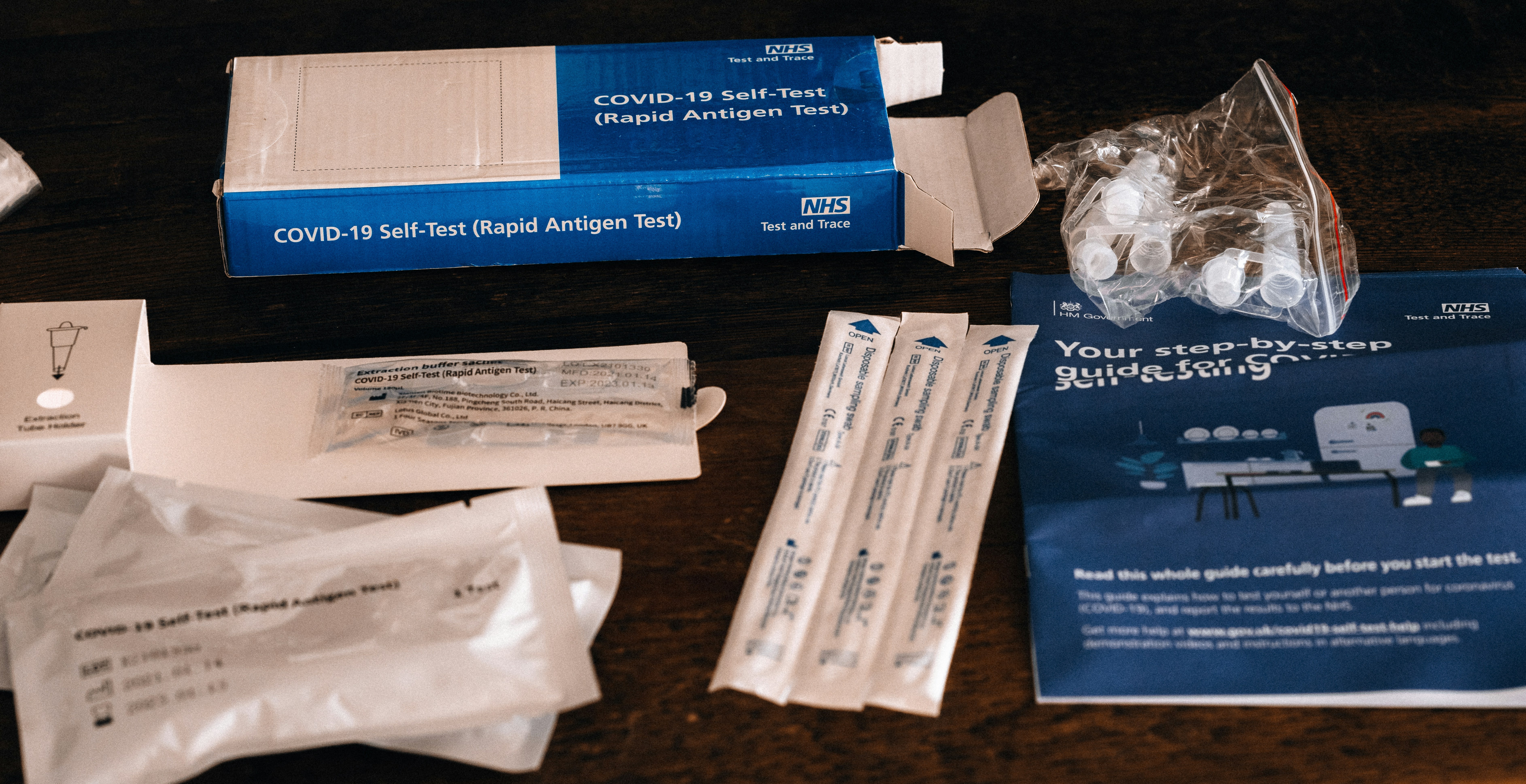
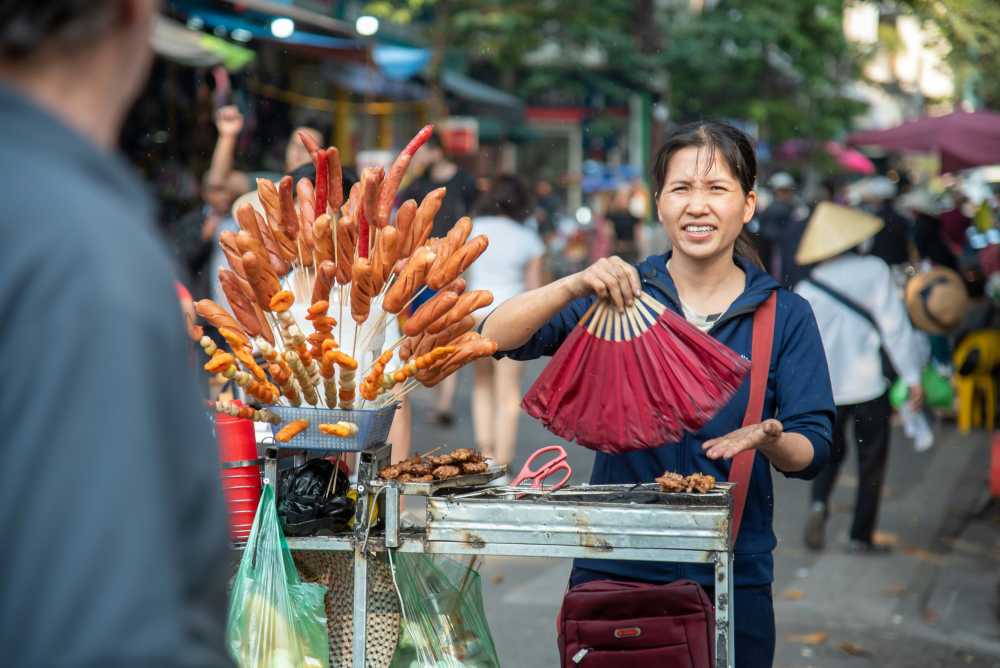
Navigating the Streets: A Visual Guide to Spotting Unsafe Food
Street food is often the soul of a city's cuisine, but not all vendors are created equal. Your eyes are your best tool for vetting a stall. Before you order, take thirty seconds to perform a quick visual inspection. Look for these five clear signs of a safe or unsafe operation.
Poor General Cleanliness: This is the most obvious indicator. Red flags include dirty workstations with unwiped spills, visible food waste, rubbish on the ground, and the presence of pests like flies or wasps. The vendor themselves should also appear clean, with tidy clothes and hands.
Improper Food Temperatures: Food left in the "danger zone" (room temperature) is a breeding ground for bacteria. Avoid stalls where cooked food, especially meat, is sitting out in large trays. The safest option is always food that is cooked fresh to order, right in front of you. Hot food should be visibly steaming.
Obvious Cross-Contamination: Watch how the vendor handles ingredients. A major red flag is using the same cutting board, knife, or unwashed hands to handle raw meat and then touch ready-to-eat items like bread, salad, or cooked food.
Use of Contaminated Water: Look at the vendor’s water source. Rinsing dishes, utensils, or vegetables in a single bucket of murky, stagnant water is a sign of a high-risk operation. Likewise, avoid ice in your drinks unless you can confirm it was made from purified water (commercially bagged ice is usually a safe sign).
Lack of a Crowd (Especially Locals): A busy stall with a long line, particularly of local residents, is one of the best indicators of a trusted and safe food source. High customer turnover means the food is fresh and hasn't been sitting out for long. An empty stall is often empty for a reason.
Pro-Tip: Make "follow the locals" your street food mantra. A long line of residents is a walking, talking five-star review of a vendor's quality and safety. It's the most reliable seal of approval you can find.
Securing Your Water Supply: A Deep Dive into Hydration and Purification
Staying hydrated is non-negotiable for your health and energy while traveling, but assuming tap water is safe is one of the most common and dangerous mistakes a traveler can make. Here’s how to ensure every sip you take is safe.
Identifying Safe and Unsafe Drinking Water Sources
The CDC and WHO have clear guidelines. Unless you are in a country with a known, highly-developed sanitation system, you should assume all tap water is unsafe.
Safest Sources: Commercially bottled water in a factory-sealed, tamper-proof container is your most reliable option. Carbonated water is even safer, as a broken seal is immediately obvious. The second safest source is water that you have personally brought to a rolling boil for at least one minute.
Unsafe Sources to Avoid: Tap water, well water, ice made from tap water, fountain drinks mixed with tap water, and even water from clear mountain streams (which can contain germs) should all be avoided unless they have been purified.
Your Purification Playbook: The Top 3 Methods
When bottled or boiled water isn't available, you need a backup plan. Here are the top three recommended purification methods.
Boiling (The Gold Standard): This is consistently ranked by the CDC and WHO as the single most effective method. It kills all known disease-causing microorganisms, including viruses, bacteria, and parasites. Simply bring clear water to a rolling boil for 1 minute (or 3 minutes at elevations above 6,500 feet / 2,000 meters).
Filtration: A high-quality portable water filter is highly effective at removing bacteria and protozoan parasites like Giardia and Cryptosporidium. Look for a filter with an absolute pore size of 1 micron or smaller. The main limitation is that most portable filters do not remove viruses, so in high-risk areas, the CDC recommends following filtration with chemical disinfection.
Chemical Disinfection: Chlorine, iodine, or chlorine dioxide tablets/drops are a lightweight and easy way to kill viruses and bacteria. However, they are not consistently effective against the parasite Cryptosporidium and require a contact time of at least 30 minutes.
For in-depth planning on what gear to pack for every type of trip, from water filters to first-aid supplies, our all-encompassing Travel Guide is the only resource you'll ever need.
Damage Control: How to Manage Traveler's Diarrhea
But let’s be realistic: even the most diligent traveler can have a bad day. When that happens, knowing exactly what to do—and what not to do—can be the difference between a 24-hour nuisance and a trip-ruining ordeal. This is the damage control phase of your food and water safety plan.
The First and Most Critical Step: Oral Rehydration
According to travel medicine doctors, dehydration is the single most likely and dangerous complication of traveler's diarrhea. Replacing lost fluids and electrolytes is your absolute first priority.
Method: The best way to rehydrate is with a dedicated Oral Rehydration Solution (ORS), which comes in packets of salts and sugars that you mix with boiled or bottled water. In a pinch, sports drinks or clear soups can also be used.
Symptomatic Treatment for Mild to Moderate Cases
If the diarrhea is tolerable and not accompanied by a high fever or blood, over-the-counter medications can provide relief and help you get through a travel day.
Medications: An antimotility agent like Loperamide (the active ingredient in Imodium, a top pharmacist-recommended brand) can reduce the frequency of bowel movements. Bismuth Subsalicylate (found in Pepto-Bismol, another pharmacist favorite) can also help decrease the frequency and shorten the duration of the illness.
When to Use Standby Antibiotics (For Severe Cases)
If diarrhea is distressing, incapacitating, or contains blood or mucus, a prescribed antibiotic may be necessary.
Method: Before you travel, speak with your doctor or a travel medicine clinic. For travelers heading to high-risk destinations, they may provide a prescription for a standby antibiotic, such as Azithromycin, to carry with you. A single dose is often highly effective at treating severe cases.
Pro-Tip: Within your main travel first-aid kit, create a dedicated "Digestive Distress" module. Keep it in a separate, clearly-labeled zip-top bag containing a few packets of Oral Rehydration Salts, a strip of Loperamide, and a few antacids. This way, when you need it, you won't have to rummage through your entire kit.

Ready to Pack Like a Pro?
A smart food and water safety strategy is just one piece of your pre-trip preparation. To ensure you don't overlook a single essential item—from documents and finances to clothing and medical supplies—a master checklist is your most powerful tool. Our comprehensive, free checklist has you covered for every stage of your journey.
Download Your Free International Travel Checklist Now!
Food and Water Safety FAQs
A prepared mind is a safe mind. Here are expert answers to common questions that take your preparedness to the next level.
1. Besides traveler's diarrhea, what are the most common travel illnesses?
While traveler's diarrhea is number one, the CDC reports that other common issues include acute respiratory infections (like influenza or COVID-19, often acquired in transit), vector-borne fevers like Dengue and Malaria in tropical regions, and other food-borne illnesses like Hepatitis A and Typhoid Fever. Skin conditions from insect bites are also extremely common.
2. Is it safe to eat at a restaurant if I'm worried about street food?
Generally, restaurants can be safer, but the same principles apply. A busy restaurant full of locals is a great sign. Be cautious with the same high-risk items: salads, unpeeled fruits, and tap water or ice. If you want to find trusted, local-approved gems, explore the TrekGuider platform, where travel creators often share their own curated guides to safe and authentic eats.
3. Should I carry a standby antibiotic in my first-aid kit?
This is a question for your doctor or a travel medicine clinic. For travelers heading to high-risk destinations where severe traveler's diarrhea is common, many doctors will provide a prescription for a standby antibiotic like Azithromycin. It’s not for mild cases but can significantly shorten the duration of a severe bout of illness. Discuss your itinerary with your doctor to see if this is right for you.
Eat Boldly, Travel Well
The world of food is a world of incredible diversity and connection, and it deserves to be explored with an open mind and a curious palate. The goal of mastering food and water safety is not to build a wall of fear that separates you from authentic experiences. It is about building a foundation of knowledge that gives you the freedom to be adventurous. By internalizing the golden rule of "Boil it, cook it, peel it, or forget it," learning to trust your own visual assessment of a food stall, and knowing exactly what to do if you get sick, you replace anxiety with empowerment. You are now equipped with the skills to navigate the world's most exciting cuisines with confidence, ensuring your focus remains on the flavor, connection, and joy that every journey promises. Go explore, eat boldly, and travel well.

Meta Data Suggestions:
SEO Meta Title (Under 60 characters): Food & Water Safety Abroad: How to Avoid Getting Sick
URL Slug: food-water-safety-abroad
SEO Meta Description (Under 155 characters): Avoid traveler's diarrhea with our expert guide to food and water safety abroad. Learn the golden rules for eating street food, purifying water, and staying healthy.
Don't Miss Out! Subscribe for Exclusive Content
SubscribeComments 0
No comments yet
Be the first to share your experience!
Dont Miss Out! Subscribe for Exclusive Content

Chicago Beer Fests: Top 6 Tastings

Ultimate USA Holidays Guide: Top Picks
FTC Affiliate Disclosure Essentials: Stay Compliant as a Travel Creator
Essential Affiliate Tools: From Tracking to Full Optimization
Booking.com Affiliate Program Review: Pros, Cons, and Earnings Potential
Decoding Affiliate Commission Rates: Benchmarks for Travel Creators
Solo Travel Seniors Tips: Comfortable Adventures After 50
TrekGuider @trekguider
Are you dreaming of exploring the cobblestone streets of Rome or the vibrant markets of Thailand, but a nagging voice in your head keeps asking, "Is it too late? Is it safe for me to go alone?" You are not alone in feeling this way. For many seniors, the freedom of retirement brings a powerful urge to travel, followed closely by a wave of practical concerns about safety, health, and loneliness. This flood of generic advice online, often aimed at 20-something backpackers, can feel more discouraging than helpful. This guide is here to silence that voice of doubt. We're not just giving you a list of solo travel seniors tips; we're giving you a complete, step-by-step blueprint for transforming apprehension into adventure. This is your practical roadmap to becoming a safe, confident, and empowered senior solo traveler.

Building the Confidence to Go It Alone
Before you book a flight or pack a bag, the most important journey is the one that happens in your mind. Acknowledging your fears is the first step toward conquering them. For many mature travelers, the concerns are not just about logistics but about a deeper sense of vulnerability. Let's dismantle these worries with a new perspective, framing them not as stop signs, but as guideposts for smart preparation.
The Fear of Loneliness
The image of a lonely dinner for one is a powerful deterrent. However, the reality of modern solo travel is far from isolating. The key is to reframe your thinking. You are not "alone"; you are "independent." This is a journey you have gifted yourself, where every decision—from the museum you visit to the time you wake up—is entirely your own. This freedom is a luxury. Remember, solitude can be a profound source of peace and self-discovery, and when you do crave connection, you'll find countless opportunities to engage on your own terms.
The Fear of Safety
It's wise to be cautious, but it's counterproductive to be paralyzed by fear. The 24-hour news cycle can paint the world as a terrifying place, but billions of people live safe, ordinary lives every day. Your strategy is not to build a fortress of fear but to develop a toolkit of awareness. By learning to recognize and avoid common scams, securing your belongings intelligently, and trusting your intuition, you transform yourself from a potential "soft target" into a savvy, confident traveler who is in control of their environment. Many of the safest places for senior solo travel, like Portugal and Japan, have remarkably low crime rates.
The Fear of "Am I Fit Enough?"
Forget the notion that travel must be a whirlwind of non-stop activity. The greatest advantage of traveling solo after 50 is that you set the pace. There is no one to keep up with and no one to impress. If you want to spend an entire afternoon reading at a Parisian café, you can. If you need a mid-day nap to recharge, your schedule allows it. Embracing your own natural rhythm is not a limitation; it's a smarter, more sustainable way to travel that prevents burnout and allows you to truly savor every moment.
A Pre-Trip Checklist for Total Peace of Mind
Confidence is born from competence. There is no greater antidote to pre-travel anxiety than a rock-solid plan that systematically turns "what-ifs" into "I've-got-this." This checklist covers the essential solo travel seniors tips for building an unshakeable foundation for your adventure.

Choosing Your Destination: Prioritize Safety, Accessibility, and Passion
Your first solo trip should be an unequivocal success. Set yourself up for it by choosing a destination that aligns with your needs.
Safety & Infrastructure: Start with countries renowned for safety and excellent tourist infrastructure. Destinations like Iceland, New Zealand, Costa Rica, and much of Scandinavia are popular for a reason. Use resources like the U.S. Department of State's travel advisories to check for any current issues.
Accessibility: Consider the physical demands. Research your target city's topography—are there lots of steep hills? Look into its public transit system. A city known for its walkability and excellent, accessible subway, like Lisbon or Copenhagen, can be far more enjoyable.
Your Passion: This is your trip. Choose a place that genuinely excites you, whether it's the art museums of Florence, the gardens of Kyoto, or the historical sites of Quebec City.
Booking Logistics
The physical and mental stress of travel often peaks during transit. Minimize it with a few key decisions.
Flights: Whenever possible, book direct flights. Avoiding the rush and potential confusion of a tight connection is worth a modest premium. Pay the extra fee to check your luggage; navigating an airport unencumbered is a simple but significant luxury.
Arrival: Pre-book your airport transfer. Knowing a reputable car service or shuttle will be waiting for you eliminates the uncertainty of haggling for a taxi or navigating public transport after a long flight.
Accommodations
Where you stay is your sanctuary. For senior solo travelers, location and comfort matter most.
Location is Everything: Choose a hotel or apartment in a central, well-lit, and safe neighborhood. Use the map view during your search to ensure you're close to public transport and amenities.
Read the Reviews: Look for recent reviews from other solo travelers. Pay attention to comments about the safety of the area at night, noise levels, and the helpfulness of the staff.
Amenities that Matter: An elevator, 24-hour reception, and an in-room safe are non-negotiable for peace of mind.
Your Itinerary and the STEP Program
Sharing your plans is a critical safety measure. Provide a detailed copy of your itinerary—including flight numbers, hotel addresses, and contact numbers—to a trusted friend or family member. For U.S. citizens, enrolling in the free Smart Traveler Enrollment Program (STEP) is a wise move. This registers your trip with the nearest U.S. Embassy or Consulate, who can then contact you in an emergency. Enrolling also makes it easier for family to get in touch with you through the embassy in a true crisis.
With these age-specific details handled, you can broaden your preparation by exploring our ultimate guide, which is packed with dozens of universal applicable to adventurers of all ages.
Your Well-Being on the Road
Managing your health on the road is at the heart of a successful trip. This isn't just about packing pills; it's about a complete approach that ensures you can enjoy every day to the fullest. This is one of the most crucial areas for solo travel seniors tips.

The Pre-Travel Doctor's Visit & Smart Medication Management
Schedule a visit with your doctor 4-6 weeks before your departure.
Discuss your itinerary and any necessary vaccinations or preventative medications.
Obtain a letter from your doctor detailing any prescription medications you carry.
Pro-Tip: When getting a doctor's note for your prescriptions, also ask for the generic names of your medications. Brand names can vary dramatically between countries, and knowing the generic name can be a lifesaver if you need a refill abroad.
Always pack your medications in your carry-on bag in their original containers. Bring more than you need to cover any potential travel delays.
Acknowledging Your Limits
The "fear of missing out" can lead to over-scheduled days and total exhaustion.
The One Big Thing Rule: Plan just one major activity per day (e.g., a museum visit, a walking tour). Anything else you do is a bonus.
Schedule Downtime: Intentionally block out time in your itinerary for rest. An afternoon nap or a quiet hour with a book can make all the difference for your evening energy levels.
Listen to Your Body: If you wake up feeling tired, give yourself permission to have a slow morning. Flexibility is a solo travel superpower.
Leveraging Accessibility Services Everywhere
Asking for assistance is a sign of a smart, prepared traveler, not a weakness.
Airports: Don't hesitate to request wheelchair assistance when booking your flight. It can make navigating long terminals and security lines infinitely less stressful.
Attractions: Most major museums and tourist sites offer accessibility services, such as elevators, ramps, and sometimes even free admission for a companion. Check their websites in advance to know what's available.
A Practical Guide to Situational Awareness
Your best safety tool is your brain. Being aware and projecting confidence makes you a far less appealing target for opportunistic thieves and scammers.

Securing Your Valuables: A Three-Tiered System
The Crossbody Bag: A secure crossbody bag, worn in front of your body with a locking zipper, is your best friend for daily essentials. It keeps your hands free and your belongings in your line of sight.
The Money Belt (for transit days): On days you're moving between cities, a money belt worn under your clothes is the most secure place for your passport, extra credit cards, and the bulk of your cash.
The Hotel Safe: Upon arrival at your hotel, immediately lock your passport, extra cash, and any valuable electronics you don't need for the day in the room safe.
How to Avoid Looking Like an Easy Target
Walk with Purpose: Even when you're just exploring, walk as if you know where you're going. If you need to check a map, step into a shop or café rather than stopping in the middle of a busy sidewalk.
Dress Modestly: Research local customs and aim to dress like the locals. Avoid flashy jewelry or expensive-looking accessories that draw unnecessary attention.
Limit Phone Distraction: Keep your phone tucked away in crowded areas like subways or markets. Being engrossed in your screen makes you oblivious to your surroundings.
Your Oldest and Best Security System
Your intuition is a powerful, time-honed survival mechanism. If a person or a situation feels "off," it is. You don't need to justify it or worry about being rude. Remove yourself from the situation immediately. This is the most important of all safety-related solo travel seniors tips.
Pro-Tip: Learn a few key phrases in the local language, such as "Hello," "Thank you," and most importantly, "No, thank you." A firm "No, thank you" in their own language, delivered with direct eye contact, is a powerful and universally understood deterrent.
Four Low-Pressure Ways to Connect on the Road
Traveling solo doesn't have to mean traveling lonely. The beauty is choosing when and how you connect with others. Here are four easy strategies to meet people.

The Power of a Shared Interest
This is the ultimate hack for effortless socializing. Joining a small-group walking tour, a cooking class, or a wine tasting event instantly connects you with like-minded travelers. The shared activity provides a natural icebreaker, and conversations flow easily. You might just meet a dinner companion for the evening.
The Art of Dining Solo
Eating alone can be a joy, not a fear.
Sit at the Bar: The bar or chef's counter is a more casual setting and perfect for solo diners. You can often strike up a pleasant conversation with the bartender or your neighbors.
Bring a Prop: A book or a journal can be a comfortable companion. It signals you're content but still approachable.
Look for Communal Tables: Many modern restaurants and food halls feature large communal tables, which are an open invitation for conversation.
The "Bold Title Book" Technique
This clever tip comes from veteran solo travelers. Carry a book with an intriguing or bold title. When you're sitting in a park or café, it can be a fantastic conversation starter as curious people inquire about what you're reading.
The "Solo-Friendly" Group Tour
If you want the freedom of a solo trip with the security and social structure of a group, consider companies that specialize in small-group tours for mature travelers. Companies like Road Scholar or Overseas Adventure Travel offer fantastic itineraries that handle all the logistics and provide a built-in community of fellow travelers, often with options to avoid the dreaded single supplement fee.
Your Questions Answered
What is the best travel insurance for seniors?
Look for a comprehensive policy that has high limits for emergency medical coverage and, crucially, a waiver for pre-existing conditions. Companies like Allianz Travel Insurance, Travel Guard, and World Nomads are highly regarded, but always read the policy details carefully to ensure it meets your specific health needs. The best travel insurance for over 65 is one that provides total peace of mind.
How can I avoid the single supplement fee?
The single supplement is an extra charge for a solo traveler to compensate a hotel or tour operator for the loss of a second person's revenue. To avoid it, look for tour companies that either waive the fee or offer to match you with a roommate. Booking accommodations in guesthouses or apartments rather than traditional hotels can also eliminate this cost.
What are the best smartphone apps for a senior solo traveler?
Google Maps: Essential for navigation. Download offline maps of your destination before you leave.
Google Translate: Use the camera and conversation features to overcome language barriers.
WhatsApp: A free and easy way to stay in touch with family and friends back home using Wi-Fi.
TripIt: Organizes all your travel confirmations (flights, hotels, rental cars) into one master itinerary.
You’ve earned the wisdom and the time to see the world on your own terms. Now, with this guide, you also have the playbook for doing it with confidence. Armed with these solo travel seniors tips, you can move forward with the assurance that you are not just capable, but perfectly equipped for the adventure of a lifetime. The world is not just for the young; it's for the curious, the brave, and the young at heart. Go and claim your corner of it.
Read the full guide: Anxious to Adventurous: The Ultimate Guide to Solo Travel Confidence
Don't Miss Out! Subscribe for Exclusive Content
SubscribeComments 0
No comments yet
Be the first to share your experience!
Dont Miss Out! Subscribe for Exclusive Content
Ultimate USA Holidays Guide: Top Picks
FTC Affiliate Disclosure Essentials: Stay Compliant as a Travel Creator
Essential Affiliate Tools: From Tracking to Full Optimization
Booking.com Affiliate Program Review: Pros, Cons, and Earnings Potential
Decoding Affiliate Commission Rates: Benchmarks for Travel Creators
