
The Complete Guide to Solo Road Trips: Planning, Safety & Vehicle Prep

TrekGuider @trekguider
You see the pictures, you hear the stories—the ultimate solo road trip, a journey of pure freedom on the open road. But when you actually start to think about it, a wave of very real questions hits hard: What if I get a flat tire in the middle of nowhere? How do I stay safe alone at a motel? Can I really handle all the planning, driving, and navigating by myself?
That initial thrill can quickly turn to anxiety, paralyzing you before you even check your tire pressure. Without a rock-solid plan, a dream trip can easily become a stressful, expensive, or even dangerous ordeal. The difference between a life-changing experience and a cautionary tale lies in preparation. While the logistics of solo travel are unique, the core principles of smart preparation are universal—a foundation just as crucial when mapping out Family Travel Ideas: The 2026 Guide to Unforgettable Trips as it is for hitting the road alone.
This guide is your solution. It is the definitive roadmap designed to systematically dismantle every fear and answer every question. We will replace uncertainty with a comprehensive, step-by-step framework covering everything from strategic planning and budgeting to critical safety protocols and vehicle preparation. After reading this, you will not only feel capable but completely empowered to pack your bags, turn the key, and confidently hit the road for one of the great solo road trips you've always imagined.

Why a Solo Trip is a Powerful Investment in Yourself
Before we dive into logistics, let's anchor ourselves in the why. A solo road trip is more than a change of scenery; it’s an active opportunity to disconnect from the demands of daily life and reconnect with the one person you can sometimes lose track of: yourself.
Absolute Freedom: You decide when to start, where to stop, and how long to linger. There are no compromises on the itinerary, the music, or the choice between a greasy-spoon diner and a scenic picnic. Every decision is yours alone.
Radical Self-Reliance: Successfully navigating hundreds of miles on your own is a profound confidence builder. You’ll learn to solve problems on the fly, trust your judgment, and discover a deep well of resilience you never knew you had.
The Luxury of Headspace: The long stretches of highway provide the mental space for deep thought and reflection. It’s a chance to process, dream, and learn what truly energizes you without the noise of external influence.
The Blueprint: Strategic Planning for the Open Road
While the soul of a road trip lives in its moments of spontaneity, its backbone is forged in smart preparation. This isn't about creating a rigid, fun-killing schedule; it's about building the strong framework that enables true freedom and removes decision fatigue when it matters most.
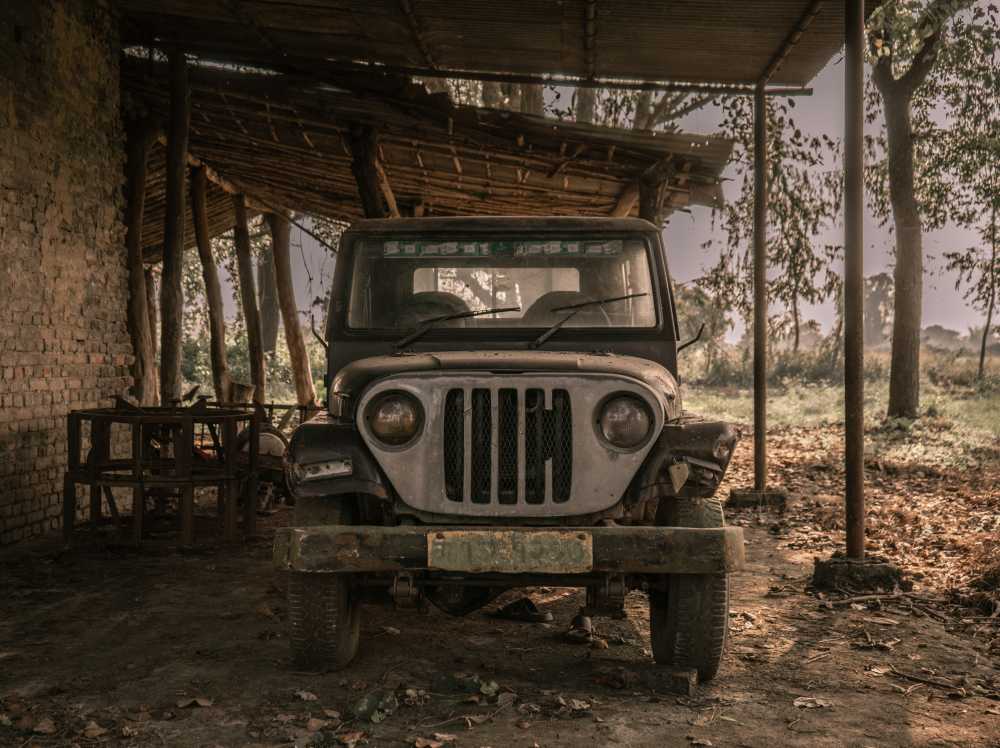
Define Your Mission: Destination & Purpose
First things first: What kind of journey are you craving? Your answer will be the compass for your entire plan. Are you seeking:
Rejuvenation? Picture a scenic drive along Oregon's coast, with stops in quiet towns and fog-laced forests.
High Adventure? A route looping through Utah's "Mighty 5" national parks, filled with challenging hikes and epic vistas. Planning a park-centric journey is a classic for a reason, and our National Park Road Trip Checklist can be an invaluable tool.
Cultural Discovery? A trip winding through the historic backroads of New England or the music-rich towns of the Mississippi Delta.
Your "why" dictates your route. The iconic Pacific Coast Highway delivers on coastal drama, while a journey along Route 66 is a nostalgic dive into Americana. Use tools like Google Maps, Roadtrippers, and travel blogs to map a general path, but also search for terms like "scenic byways in California" (or whichever state you're exploring) to uncover less-traveled gems.
The Art of the Flexible Itinerary
A rigid, minute-by-minute schedule is the enemy of a great road trip. The goal is to create a structured yet pliable plan.
Respect Your Driving Limits: This is the golden rule. Aim for no more than 4-6 hours of actual driving per day. This prevents burnout, gives you ample time to explore your stops, and, crucially, ensures you can arrive at your lodging before dark.
Anchor Your Journey: Always pre-book your accommodation for the first night and the last night of your trip. This brackets your journey, removing the stress of finding a place to stay when you’re either buzzing with first-day energy or exhausted from the final leg.
Identify Key "Pillars": Pinpoint the 2-3 must-see sights, cities, or parks on your route. These are your pillars. Plan your overnight stays around them, giving yourself enough time to explore them properly.
Embrace the In-Between: For the days between your pillars, keep your plans loose. This is where the magic happens. It allows you to follow a sign for a quirky roadside museum, spend an extra two hours at a breathtaking viewpoint, or explore a town that just feels right.
Budgeting: Your Financial Freedom Fund
A clear budget isn't a leash; it’s the tool that frees you from financial stress on the road.
Fuel: Use an app like GasBuddy to estimate total fuel costs based on your car's MPG and planned mileage. Be conservative and round up.
Lodging: Research average costs for hotels, motels, or campgrounds in your target areas. Prices can fluctuate wildly by season and local events.
Food & Drink: Set a daily food budget. Packing a cooler with drinks, snacks, and breakfast items is a pro move that drastically cuts costs.
Activities: Account for national park passes (an "America the Beautiful" annual pass is often a great value), museum tickets, and tours.
The "Uh-Oh" Fund: This is non-negotiable. Set aside 15-20% of your total budget as a contingency. This fund is for the flat tire, the surprise concert ticket, or the necessary hotel upgrade after a rough day.
Pro-Tip: Before you go, call your bank and credit card companies to notify them of your travel plans. This prevents them from freezing your account due to "unusual activity" when you're buying gas 500 miles from home.
Mastering Solo Road Trips with Confidence
Your personal safety matters most. A proactive, systematic approach doesn't create fear; it builds the confidence you need to explore freely.

Personal Safety
Think of your awareness as your most critical travel companion—the one piece of gear that should never be packed away. It's your built-in radar for navigating the world with confidence.
Share Your Battle Plan: Leave a detailed copy of your itinerary with at least two trusted friends or family members. Include hotel names, addresses, and phone numbers.
The Daily Check-In: Establish a simple system. A quick "Made it to Flagstaff! All good." text each evening provides peace of mind for everyone.
Daylight is Your Ally: Plan your driving to end well before sunset. Navigating unfamiliar roads and finding your hotel is infinitely easier and safer in the light.
Trust Your Gut Instinct: Your intuition is a highly evolved threat-detection system. If a gas station, rest stop, or situation feels wrong, it is wrong for you. Leave immediately. Don't second-guess it.
Walk with Purpose: Project confidence. Be aware of your surroundings. Avoid looking lost or glued to your phone. If you need to check a map, step inside a coffee shop or store.
Social Media Lag Time: Share your amazing photos after you've left a location. Posting your real-time whereabouts can broadcast your solo status to the wrong people.
A DEEPER DIVE ON SAFETY
For many independent travelers, safety is the number one concern. We've compiled a comprehensive resource filled with actionable strategies and expert advice specifically for navigating the world on your own.
Download our free Solo Female Travel Safety Guide to build unshakeable confidence for your next adventure.
The Solo Mindset: From Loneliness to Solitude
Let’s address the elephant in the room: loneliness. It's a valid concern, but it's crucial to differentiate it from solitude. Loneliness is a lack; solitude is a presence—the presence of yourself.
Embrace Dinners for One: Bring a book or a journal. Use the time to people-watch and savor your meal without distraction.
Strike Up Casual Conversations: Chat with the barista, the park ranger, or the shopkeeper. These small interactions can provide a welcome dose of human connection without any obligation.
Schedule Calls Home: Plan a few calls with friends or family during your trip. Hearing a familiar voice can be a great reset if you're feeling isolated.
Your Co-Pilot Check
On a solo trip, your car isn't just transportation; it's your partner. Ensuring it's in peak condition is the single most important thing you can do before you leave.
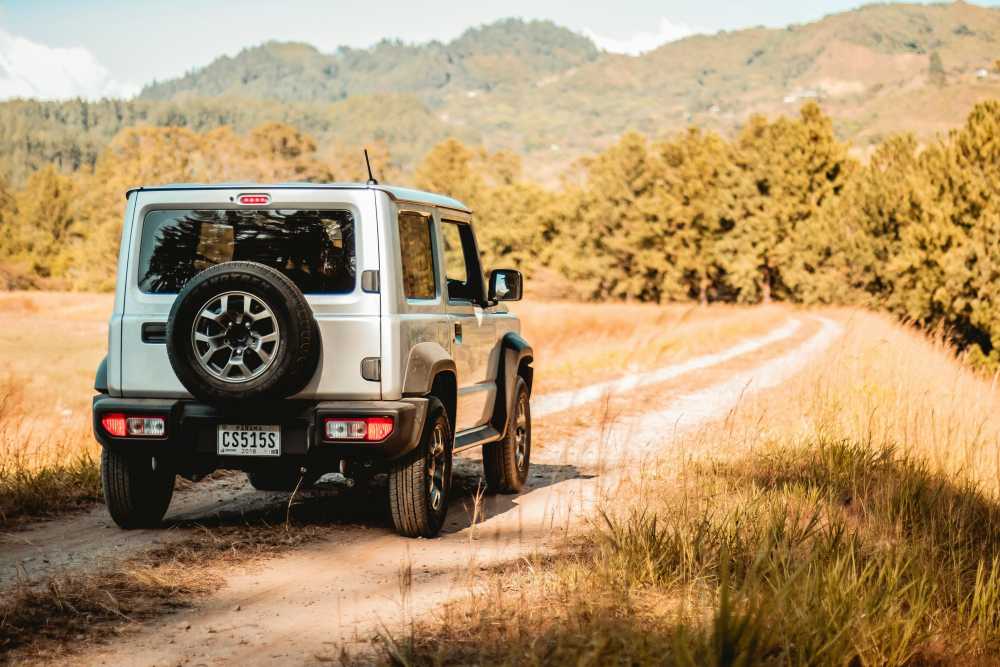
The Pre-Flight Mechanical Inspection
At least one week before you depart, have your vehicle inspected by a trusted mechanic, or do it yourself if you're knowledgeable.
Tires (The Four You See and The One You Don't): Check the pressure on all four tires plus the spare. Inspect the tread depth using the "penny test." If the tread doesn't cover Lincoln's head, you need new tires.
Fluids: Check your oil, coolant, brake fluid, and windshield washer fluid. Get an oil change if you're within 1,000 miles of your next service interval.
Brakes: Listen for squealing. Feel for any vibration when braking. Don't compromise here; get them checked if there's any doubt.
Battery: Look for corrosion (a white, powdery substance) on the terminals. If your battery is over three years old, have it load-tested at an auto parts store (it's often free).
Lights & Wipers: Test all lights. Replace wiper blades if they're cracked or leave streaks. A sudden downpour is a terrible time to discover they're useless.
Building the Ultimate Roadside Emergency Kit
A well-stocked kit can turn a trip-ending crisis into a manageable inconvenience. Having a comprehensive checklist is key. A great starting point for any major is our International Travel Checklist, which you can adapt for a domestic journey.
Jumper cables and a portable jump starter
Tire pressure gauge and a portable 12V air compressor
A complete first-aid kit
A powerful LED flashlight or headlamp (with extra batteries)
Basic toolkit (multi-tool, adjustable wrench, screwdrivers, gloves)
Duct tape and zip ties
Reflective warning triangles
A warm blanket, emergency rain poncho
High-energy, non-perishable snacks (protein bars, nuts)
At least one gallon of water
Pro-Tip: A portable jump starter (a small lithium-ion battery pack) is the best safety device a solo traveler can buy. It allows you to jump-start your own car without the need for another vehicle or the risk of asking a stranger for help.
Frequently Asked Questions
How much should I budget for a solo road trip?
Your main costs will be fuel, lodging, and food. A good starting point for a domestic US trip is to budget $150-$250 per day. This can be much lower if you're camping and cooking your own meals, or higher if you prefer nicer hotels and restaurants. Always add a 15-20% contingency fund for unexpected costs.
What's the best way to stay safe at rest stops or gas stations?
Choose busy, well-lit locations whenever possible. Before you get out of the car, take a moment to observe your surroundings. Stay off your phone, be aware of who is around you, and trust your gut instinct. If a place feels unsafe, leave and find the next one.
Is it better to book all my accommodations in advance for a solo trip?
We recommend a hybrid approach. Book your first and last nights in advance to reduce stress. For the nights in between, having flexibility is great, but it's wise to book your next night's stay at least 24 hours in advance, especially in popular areas, so you're not left scrambling at dusk.
Turn the Key: Your Adventure Begins Now
The journey of a thousand miles begins not with a single step, but with a decision—the decision to prepare. By now, the idea of a solo adventure should feel less like a daunting challenge and more like an exciting, achievable reality. You have the framework for careful planning, the knowledge to build a strong safety net, and the checklist to ensure your vehicle is a reliable partner.
You are equipped to handle the road with confidence and embrace the unparalleled freedom that only solo road trips can offer. The open road is not just a path to a new destination; it’s a path to a more capable and self-aware version of yourself. The planning is part of the adventure. The preparation is part of the empowerment. Now, it's time to put it all into action. Go create a story that is entirely your own.

Don't Miss Out! Subscribe for Exclusive Content
Subscribe


Comments 0
No comments yet
Be the first to share your experience!
Dont Miss Out! Subscribe for Exclusive Content

San Francisco Cherry Blossoms: A Local's Guide to the Blooms


Halloween SF: Haunts Without Horrors

SF Festivals: 7 Must-See Lineups

Christmas SF: Lights & Wharf Wonders

SF Pride: 6 Route & Party Hacks

Chinese New Year SF: Parade Essentials
Referral Affiliate Programs in Travel: Boost Earnings Through Networks
TrekGuider @trekguider
You’re a travel blogger, and you’ve been playing the affiliate marketing game by the old rules. You write insightful content, recommend products you love, and earn a commission when someone buys. It’s a transactional, one-and-done process. You make a sale, you get paid, and the relationship ends. This is the standard advice for most affiliate programs bloggers join, but it’s a relentless grind—a constant, exhausting hustle for the next click, the next sale.
This model feels fragile because it is. You’re operating at the intersection of two economic juggernauts: a creator economy forecasted to exceed $1.3 trillion by 2033 and a global affiliate market projected to hit $93 billion. Yet you’re leaving a fortune on the table, completely missing out on the powerful “network effect” that your community represents. You see other creators building resilient, compounding income streams that grow even when they’re not actively publishing, and you’re left wondering what their secret is.
The secret is a strategic evolution from a purely transactional model to a relational one: referral affiliate programs. This is your guide to that evolution. We’re moving beyond the standard lists of affiliate programs to show you how to use your network, build compounding passive income, and transform yourself from a simple affiliate into a true platform partner. This strategy is a critical component of a modern monetization plan, a topic we cover in its entirety in our definitive pillar guide to Travel Affiliate Programs: The 2026 Ultimate Guide.
Beyond the Sale: The New Rules for Affiliate Programs Bloggers Need to Know
Let's cut to the chase. The difference between a traditional affiliate link and a referral link isn't just semantics—it's a fundamental shift in your business model.
Traditional Affiliate Marketing is Transactional: You are essentially a freelance salesperson. Your goal is to drive a direct sale of a product or service (a hotel room, a tour, a piece of luggage). You earn a one-time commission for that sale, and the loop closes. It’s a linear, direct-to-consumer model.
Referral Affiliate Marketing is Relational: You are a network builder and a partner. Your goal is to introduce new, valuable members into an ecosystem. This often creates a powerful “win-win-win” scenario: the new user gets a benefit (like a discount), the company acquires a new customer or partner, and you earn a commission that is often structured to be long-term or recurring.

Think of it this way: a traditional affiliate gets paid to sell a fish to a hungry person. A referral affiliate gets paid to teach that person how to fish, and then earns a small share of every fish they catch from then on. It’s a fundamental shift from short-term transactions to long-term value creation.
The Creator's Flywheel: Why Referral Programs are a Blogger's Best Friend
For travel bloggers, this model isn’t just another option; it’s a strategic imperative. It aligns perfectly with the assets you’ve already built—your community, your trust, and your expertise—and allows you to monetize them in a more sustainable and ethical way.
Build Compounding, Passive Income Streams
The biggest win? True passive income. A hotel booking pays you once. But when you bring a fellow creator onto a platform that shares its revenue, you're building an asset. You get paid when they succeed, month after month. This transforms your one-time effort into a business asset that grows over time, creating a stable financial foundation that isn’t dependent on your next blog post.
Leverage Your Most Valuable Asset—Your Community
More than any other type of publisher, bloggers build communities. Your readers don’t just consume your content; they trust your judgment and often see themselves as your peers. Traditional affiliate programs bloggers use don't always reward this dynamic. Referral programs, however, are built on it. They reward you for activating your network and empowering your community, turning your influence into a tangible, recurring revenue stream.
Create a Powerful "Win-Win" Scenario
A referral link often comes with a direct benefit for the person clicking it—a discount, a free trial, or an exclusive feature. This fundamentally changes the dynamic of your recommendation. You’re not just saying, “Buy this product so I can get paid.” You’re saying, “Here’s an insider deal I’ve arranged for you.” This approach feels less like a sales pitch and more like sharing a valuable secret, which strengthens the trust you have with your audience and leads to much higher conversion rates.
Pro-Tip: Look for "two-tier" structures on major networks like ShareASale. These programs allow you to earn a commission on your own sales and a smaller bonus for recruiting new affiliates to the program, effectively turning any program into a referral opportunity.
A Deep Dive: How a Modern Referral Program Works
To make this tangible, let’s use the TrekGuider Platform as a case study for a modern, creator-focused referral program. TrekGuider is an ecosystem designed for travel creators to sell their own digital products—like itineraries, guides, maps, and presets. The referral program isn’t just an add-on; it’s a core feature designed to reward creators for helping to build the community.
It’s a perfect example of a multi-faceted, win-win-win system:
The Unified Referral Link: From your TrekGuider dashboard, you get a single, unique link. This is your key to the entire ecosystem.
The Buyer Bonus (Win for Your Audience): When someone signs up using your link, they immediately get a 15% discount on their first purchase from any creator on the platform. This provides instant, tangible value and makes your recommendation a no-brainer for them.
The Seller Bonus (Win for Your Peers): If you refer a fellow creator who becomes a seller, they get benefits like upgraded storage and a preferential startup commission rate of just 4%. You are actively helping them launch their own business on better terms.
Your Revenue Share (Win for You): This is where the compounding power comes in. When you bring a new seller to the platform, you receive an ongoing revenue share from the platform's earnings on their sales. This creates a long-term passive income stream that grows as the creators you refer become more successful.

This model transforms you from a simple affiliate into a true platform partner. You’re not just earning a one-time commission; you’re building a network and earning from its collective success. This is the future of how professional affiliate programs bloggers will operate.
Your Playbook: How to Promote Referral Links for Maximum Impact
Promoting a referral program requires a slightly different strategy than promoting a simple product. It’s less about a hard sell and more about demonstrating value and inviting collaboration.
The "How I Do It" Content Pillar
The most effective way to promote a platform is to show, not just tell. Create a detailed tutorial or case study that walks through your own experience. A blog post titled, "How I Made My First $1,000 Selling Travel Itineraries," that details your journey on a platform like TrekGuider is incredibly compelling. It provides immense value while naturally positioning your referral link as the logical next step for any reader inspired by your success.
The Email Funnel Integration
Your email list is one of your most powerful assets. Integrate your referral link into your automated welcome series. For example, the third email in your sequence could be dedicated to the tools you use to run your travel blog, with your referral link featured as your top recommendation for monetization.
The "Bonus Stack" Incentive
To dramatically increase your conversion rate, offer a personal bonus to anyone who signs up using your referral link. This is called a "bonus stack." For example: "Sign up for the TrekGuider Seller Platform using my link, forward me your confirmation email, and I'll send you my '30-Day Digital Product Launch Plan' for free!" This creates an irresistible offer that provides immense value and costs you very little to deliver.

The Community Activation Play
Share your referral link in your private Facebook group, Slack channel, or community forum. Frame it as a collaborative opportunity. You’re not just promoting a tool; you’re inviting your peers to join you on a platform that has helped you succeed. This community-first approach is highly effective and feels authentic.
Pro-Tip: When promoting a referral program, shift your language from "buy this" to "join us." This collaborative framing is far more effective for network-building and resonates better with a community of fellow bloggers and creators.
Build Your Content Empire
Feeling inspired to build your own network and income streams? The first step is having a professional system in place. Our free resource bundle, The Travel Creator's Toolkit, is packed with the checklists, content templates, and guides you need to put these strategies into action. It’s the perfect companion for turning your passion into a profession.
Get the ultimate resource bundle with checklists, templates, and tools designed to accelerate your journey from beginner to pro.
Frequently Asked Questions (FAQ)
1. Are referral programs only for software and digital platforms? While they are most common in the tech space, you can find them everywhere. Many travel companies, from tour operators to gear brands, offer "refer-a-friend" programs that give a discount to the new customer and a credit or commission to you. Always check for these opportunities.
2. Is it harder to promote a referral program than a simple product? It can require a different approach. Instead of a simple product review, you often need to create more in-depth, educational content like tutorials or case studies. The trade-off is that the potential for long-term, passive income is significantly higher.
3. How do I disclose a referral link? You must disclose it with the same clarity as any other affiliate link. The FTC requires you to be transparent about any "material connection." A simple statement like, "Heads up: This is my referral link. If you sign up, I may earn a commission or bonus at no extra cost to you," is perfect.
Your New Business Blueprint
The future for the most successful affiliate programs bloggers can join is relational, not just transactional. The old model of chasing one-off commissions is being replaced by a more sustainable, collaborative, and profitable approach centered on network building.

You now have the blueprint to make this strategic shift. By moving beyond simple product links and embracing the power of referral affiliate programs, you can stop trading your time for dollars and start building true business assets. You have the power to use your most valuable resource—your community—to create compounding, passive income streams that will fund your travels and your business for years to come.
The path is clear. Start by exploring a creator-centric program like the TrekGuider Platform referral program. It’s your first step into a more profitable and sustainable future—one where you get paid not just for what you sell, but for the network you build.
Read the full guide: The Travel Blogger's Playbook to Affiliate Marketing Mastery
Don't Miss Out! Subscribe for Exclusive Content
SubscribeComments 0
No comments yet
Be the first to share your experience!
Dont Miss Out! Subscribe for Exclusive Content

FTC Affiliate Disclosure Essentials: Stay Compliant as a Travel Creator

Essential Affiliate Tools: From Tracking to Full Optimization

Avoid These 5 Affiliate Landing Page Mistakes for Better Conversions

Affiliate Keyword Research Mastery for Travel Blogs

Booking.com Affiliate Program Review: Pros, Cons, and Earnings Potential

Decoding Affiliate Commission Rates: Benchmarks for Travel Creators
San Francisco Cherry Blossoms: A Local's Guide to the Blooms
TrekGuider @trekguider
The cherry blossom experience in San Francisco is not a grand, sweeping spectacle. It’s something more intimate, more soulful. It’s about turning a corner in a vibrant, historic neighborhood and finding yourself under a delicate canopy of blossoms, the scent of ramen broth mixing with the faint fragrance of spring. It’s a celebration rooted not in diplomacy, but in the fierce resilience of a community.
This is a concentrated jewel box of culture. But that intimacy comes with its own challenges. The Northern California Cherry Blossom Festival, the largest on the West Coast, packs over 220,000 people into the tight-knit blocks of Japantown. A poorly planned visit can quickly devolve into a frustrating battle with crowds, leaving you with more stress than serenity.
This isn’t just another guide. This is your strategic playbook for experiencing San Francisco’s cherry blossoms like a local. We’ll deconstruct the bloom’s tricky timing, reveal the best viewing spots both in and out of the festival’s epicenter, and provide the transportation hacks you need to navigate the city like a pro. By the end of this, you’ll have a plan to witness one of America’s most meaningful cultural celebrations in all its glory.

A Story of Resilience: The Soul of the Festival
To truly appreciate the blossoms here, you have to understand their story. San Francisco’s are proof of a community’s will to survive. Japantown, or Nihonmachi, is one of only three remaining in the United States, a neighborhood that has weathered unimaginable challenges.
After the forced internment of Japanese Americans during WWII, the community returned to find their homes and businesses lost. In the 1960s, city redevelopment projects displaced thousands more. The Northern California Cherry Blossom Festival was born from this turmoil. First held in 1968, it was a defiant celebration of culture and a powerful statement that the community was here to stay.
So when you stand in the Peace Plaza, you’re standing on historic ground. That iconic, five-tiered structure is the Peace Pagoda, a gift from San Francisco’s sister city of Osaka, designed by the renowned Japanese architect Yoshiro Taniguchi. It’s not just a landmark; it’s the spiritual anchor of the entire festival. Every blossom that blooms here feels more meaningful because of the history it represents.
Decoding the Bloom: Festival Dates vs. Nature’s Whim
The first mistake visitors make is confusing the festival schedule with the flowers’ schedule. They are two separate things.
For your planning purposes, here are the official festival dates, which traditionally span two weekends in April:
2026 Northern California Cherry Blossom Festival: April 12-13 & April 19-20, 2026
But here’s the critical distinction every visitor must understand: the festival dates are not the bloom dates. The festival is a fixed celebration of culture, while the blossoms themselves are a fleeting, unpredictable miracle of nature. Your goal is to find the magic window where the two overlap.

The Nuance of "Peak Bloom" in the Bay Area
In San Francisco, "peak bloom" is a rolling event, not a single moment. It depends on the tree variety and the city’s famously fickle microclimates.
The First Wave (Yoshino): The delicate, pale pink Yoshino cherry trees are typically the first to bloom, usually from late March into early April. These are the classic, ethereal blossoms you see in the Japanese Tea Garden.
The Second Wave (Kwanzan): Following the Yoshino are the Kwanzan cherry trees, which produce much fuller, fluffier, and deeper pink blossoms. These are hardier and their bloom often coincides perfectly with the festival’s second weekend and the Grand Parade, making for a spectacular show in Japantown.
Predicting the bloom is an art, not a science. A warm, dry winter can sometimes delay the bloom, as the trees need a certain number of "chill hours" to properly set their buds. Your best bet is to monitor social media. The official festival website and the Instagram accounts for the Japanese Tea Garden and SF Botanical Garden are invaluable resources for real-time updates.
Your Strategic Viewing Guide
You can experience the blossoms in three distinct ways: embracing the festival’s vibrant chaos, seeking tranquil beauty in a world-class garden, or discovering a hidden gem beloved by locals.
1. The Epicenter: Japantown & The Peace Plaza
During the festival weekends, the blocks around the Peace Plaza transform into a bustling hub of Japanese culture. You’ll find everything from traditional music and martial arts demonstrations to mouth-watering street food.
In Japantown, timing isn’t just important—it’s everything. It’s the difference between a serene morning stroll among the blossoms and being swept up in a shoulder-to-shoulder river of festival-goers.
Pro-Tip for Foodies: The food booths, known as yatai, are a massive draw. Don't miss the Takoyaki (octopus balls) from Kagura or the sweet, red-bean-filled Imagawayaki. To beat the lines, arrive right at 11 AM when the festival opens and eat first. The lines can be an hour long by 1 PM.
Pro-Tip for Photographers: The best shot of the Peace Pagoda framed by blossoms is from the Webster Street Bridge overlooking the plaza. For street scenes, a weekday morning before the festival begins offers beautiful, soft light and empty streets.
Go Deeper: For those who want to go even deeper, this is the perfect opportunity to connect with a local expert. The history of Japantown is complex and deeply moving, and a guided walk can reveal stories you’d never find on your own.
2. The Oasis: Golden Gate Park
If you need a break from the festival energy, a short bus ride will take you to the serene landscapes of Golden Gate Park, home to two premier blossom-viewing locations.
The Japanese Tea Garden: This is the oldest public Japanese garden in the United States, and it is an absolute masterpiece. The cherry trees here are artfully placed around the Drum Bridge, pagodas, and koi ponds. It’s a photographer’s dream. There is an entrance fee, but it’s worth every penny. To avoid crowds, purchase your ticket online in advance and go on a weekday morning.
The San Francisco Botanical Garden: Just a short walk from the Tea Garden, the SFBG offers a more sprawling, less crowded experience. Head to the Temperate Asia collection to find their grove of cherry trees. It’s a perfect spot for a quiet picnic under the petals.
3. The Secret Spot: The Palace of Fine Arts
For a truly local experience, head to the Marina district. Tucked away behind the iconic rotunda of the Palace of Fine Arts is a small, enchanting grove of cherry trees. The blossoms here often peak a bit later, sometimes into early May. The sight of the delicate pink flowers against the Greco-Roman architecture is breathtaking and feels like a hidden secret. It’s the perfect place to escape the crowds and enjoy a quiet moment.
Logistics Masterclass: Getting Around
Rule number one: Do not drive to Japantown during the festival. You will spend your entire day circling for non-existent parking. Here’s how to do it right:
Public Transit (Muni): This is your best friend. The 38-Geary and 38R-Geary Rapid buses run constantly along a major corridor and stop one block from the festival. The 2-Clement and 22-Fillmore are also excellent options. Use a Clipper card or the MuniMobile app to make things seamless.
Parking (If You Absolutely Must): The only sane option is the Japan Center Main Garage. The entrance is on Geary Blvd. On festival weekends, you must arrive before 10 AM, or you will find it full.
Ride-Sharing: A good option, but set your drop-off and pick-up points at least three blocks away from the festival’s core (e.g., at Geary & Laguna or Post & Franklin) to avoid getting stuck in gridlock.
Don't-Miss Festival Highlights
The festival’s crown jewel is the Grand Parade, which closes out the final Sunday of the event. This is a spectacular procession that starts near City Hall and travels up Post Street into the heart of Japantown. You’ll see everything from taiko drummers and dancers to the newly crowned Cherry Blossom Queen and her court—a leadership program for young Japanese American women.
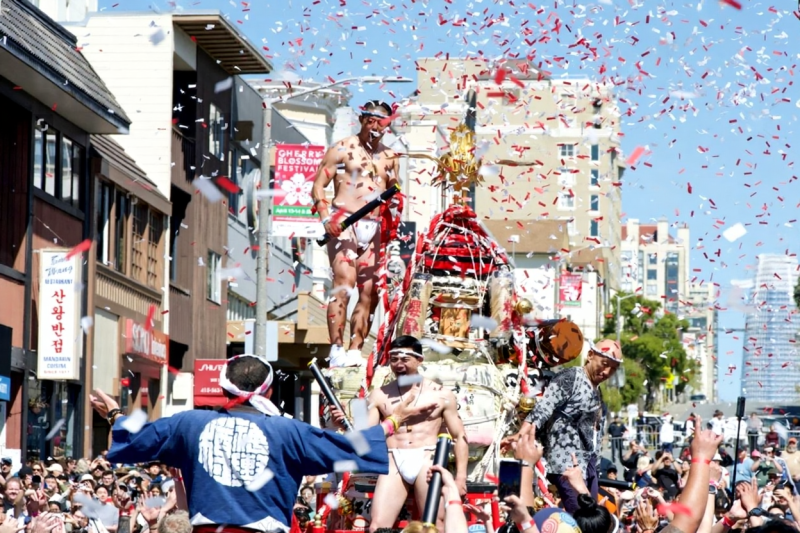
The parade’s incredible finale is the Taru Mikoshi. This is a massive, ornate portable shrine weighing over 1,000 pounds, carried on the shoulders of over 100 chanting participants. It’s a powerful, energetic display of community spirit and a must-see spectacle.
Your Pre-Trip Checklist
A little preparation goes a long way in San Francisco.
Dress in Layers: This is the golden rule of SF. A chilly, foggy morning can become a sunny, breezy afternoon in an instant. A fleece or mid-layer under a windbreaker is the standard local uniform for a reason.
Comfortable Shoes: You will be walking. A lot. The hills are no joke. This is not the time to break in new shoes.
Portable Power Bank: Between navigating, taking photos, and using transit apps, your phone battery won’t stand a chance. A power bank is essential.
Cash: While most vendors take cards, the lines for ATMs are long and the smaller food stalls are often cash-only.
The Cherry Blossom Festival is one of the city's signature spring events. For a complete look at what's happening year-round, our complete guide to San Francisco Holidays: Bay Area Buzz is the essential next read for planning a trip around the city's top seasonal events.
An Unforgettable Bloom
San Francisco’s cherry blossom celebration offers something truly special: a world-class cultural event with the heart of a neighborhood block party. It’s a chance to not only witness the stunning beauty of spring but to feel the powerful spirit of a community that has refused to be erased.
By timing your visit strategically, knowing where to find your own quiet corner, and embracing the city’s public transit, you can bypass the stress and create a truly unforgettable memory. You’re no longer just a tourist; you’re an insider, ready to experience this beautiful and meaningful spectacle to its fullest.
Capture the Perfect Bloom
You’re going to take hundreds of photos of the cherry blossoms—don’t let them get lost on your camera roll. Our free collection of Travel Lightroom Presets is designed to make your photos pop with just one click. Transform your shots of the delicate pink petals and vibrant festival scenes into professional-quality images you’ll be proud to share.
Frequently Asked Questions (FAQ)
When is the absolute best time to see the cherry blossoms in San Francisco? While the festival is in mid-to-late April, the "best" time depends on what you want to see. For the most ethereal, classic blossoms in a garden setting, aim for the first week of April at the Japanese Tea Garden. For the full, vibrant festival experience with the fluffy Kwanzan blossoms, the second weekend of the festival is your best bet.
Is the Northern California Cherry Blossom Festival free? Yes, attending the festival in Japantown, including all the stage performances and watching the parade, is completely free. You will need to pay for food, drinks, and any items from craft vendors. Note that visiting the Japanese Tea Garden in Golden Gate Park requires a separate admission fee.
How much time should I budget for the festival? If you plan to eat, watch a few performances, and browse the stalls, give yourself at least 3-4 hours in Japantown. If you want to see the parade, plan for that to take an additional 2 hours of your day.
Is the festival kid-friendly? Absolutely. Kids love the energy, the food, and the parade. There are also often hands-on cultural activities like origami folding. However, the crowds can be overwhelming for small children, so a weekday visit or arriving right at the opening on a weekend is recommended.
Can I see cherry blossoms in San Francisco outside of Japantown and Golden Gate Park? Yes! Besides our "secret spot" at the Palace of Fine Arts, you can often find beautiful blooming trees scattered in residential neighborhoods like the Richmond and Sunset districts. Keep your eyes peeled in late March and April—you’ll be surprised where they pop up.
Don't Miss Out! Subscribe for Exclusive Content
SubscribeComments 0
No comments yet
Be the first to share your experience!
Dont Miss Out! Subscribe for Exclusive Content
Halloween SF: Haunts Without Horrors
SF Festivals: 7 Must-See Lineups
Christmas SF: Lights & Wharf Wonders
SF Pride: 6 Route & Party Hacks
Chinese New Year SF: Parade Essentials
