
How to Solo Travel Europe: A Step-by-Step First-Timer's Plan

TrekGuider @trekguider
You have a dozen tabs open, a saved folder of dream destinations on Instagram, and that creeping sense of anxiety that it’s all just too complicated. The dream of wandering through Parisian streets or watching a sunset in Lisbon feels buried under an avalanche of questions about budgets, safety, and the fear of being utterly alone. You're stuck in analysis paralysis, and the excitement is slowly being replaced by dread.
You don't need another list of vague 'tips.' You need a plan.
This guide is that plan. This is your complete roadmap for solo travel in Europe. We will walk you through every single step, from your first budget spreadsheet to your first solo dinner abroad, turning your overwhelming 'what ifs' into a confident, resounding, 'I'm ready.'

From Jitters to Jet-Set: Your Four-Week Plan to Conquer Pre-Trip Anxiety
The single greatest weapon against travel anxiety is a competent, actionable plan. Every item you check off a list is a small victory, a piece of tangible proof that you are capable and in control. This guide will provide the specific, step-by-step strategy for your European adventure. But before we dive in, it's vital to build a strong foundation. For a complete overview of the core principles and mindset needed for any solo journey, is the perfect place to start.
Your 4-Week Countdown: A Week-by-Week Planning Checklist
Transform anxiety into action by breaking down the process into manageable weekly goals.
4 Weeks Out: Finalize your budget and book your round-trip flights. Purchase comprehensive travel insurance (this is non-negotiable). Ensure your passport is valid for at least six months beyond your planned return date.
3 Weeks Out: Book your accommodation for the first city on your itinerary. Begin booking major train routes between countries, as prices often increase closer to the date.
2 Weeks Out: Plan your packing list and purchase any necessary gear, like a universal adapter or packing cubes. Notify your bank and credit card companies of your travel dates.
1 Week Out: Download offline maps (Google Maps) and language packs (Google Translate). Confirm all bookings and share your detailed itinerary with a trusted contact back home. Pack your carry-on.
Identifying Your Travel Fears (and How to Systematically Crush Them)
Write down your top three fears. Are they about safety? Loneliness? Getting lost? Now, for each one, write down one concrete, actionable step you can take to mitigate it.
Fear of safety? Research and book a hotel in a neighborhood with a high GeoSure Women's Safety score.
Fear of loneliness? Pre-book a group walking tour for your first full day in a new city.
Fear of getting lost? Spend 30 minutes on Google Street View "walking" the route from your arrival airport/train station to your hotel. Familiarity breeds confidence.
How to Master Your Money in Europe
Financial stress can suffocate an otherwise amazing trip. A clear, realistic budget is an act of self-care that empowers you to enjoy your adventure without worry. Understanding the real costs of solo travel in Europe is the first step to financial freedom on the road.
How Much Does a Solo Trip to Europe Actually Cost?
Let's talk numbers. While your personal travel style is the biggest variable, here are some realistic daily budgets to anchor your planning (these exclude flights):
The Budget Backpacker: $50 - $75/day. This means staying in hostel dorms, cooking some of your own meals, focusing on free activities like walking tours, and using buses or pre-booked trains.
The Mid-Range Explorer: $100 - $175/day. This allows for private rooms in hostels or budget hotels, a mix of restaurant meals and street food, museum entries, and more comfortable train travel.
The Comfort Seeker: $200+/day. This budget accommodates boutique hotels, multi-course dinners, guided tours, and last-minute travel plans.

Destination Cost Tiers
Not all of Europe is priced equally. Stretch your budget further by focusing on these regions:
Budget-Friendly: Portugal, Spain, Czechia, Hungary, Poland, and the Balkan countries (Croatia, Albania, Bosnia and Herzegovina).
Mid-Range: Italy, Germany, France (outside of Paris), Ireland, Slovenia.
Splurge-Worthy: Switzerland, Iceland, Norway, Denmark, Sweden, and the United Kingdom (especially London).
Pro-Tip: The easiest way to save money on food is to make lunch your main meal. Many European restaurants offer a prix fixe lunch menu (menu of the day) which includes multiple courses for a fraction of the evening price.
Choosing Your Perfect First Solo Adventure
Your first destination should be a launching pad for success. Prioritize countries known for safety, excellent tourist infrastructure, and ease of navigation. This isn't about being unadventurous; it's about setting yourself up for a win.
For the Cautious Explorer: The 5 Safest & Easiest Countries for a First Trip
These countries consistently rank high on the Global Peace Index and are incredibly welcoming to solo travelers.
Portugal: Safe, affordable, fantastic public transport, and English is widely spoken in tourist areas. Lisbon is arguably the perfect first-time solo travel city.
Iceland: Staggeringly safe with otherworldly landscapes. Ideal for nature lovers. Easy to navigate with tours, though it is expensive.
Slovenia: A hidden gem. It has the beauty of Switzerland at a fraction of the cost, is incredibly safe, and is small enough to explore thoroughly.
Ireland: Famously friendly locals, easy to navigate, and a cozy pub culture that makes it easy to strike up a conversation.
Austria: Clean, efficient, and beautiful. Vienna is a solo traveler's dream with its cafe culture and walkable city center.

Understanding the Schengen Zone: How to Maximize Your 90 Days
For U.S. citizens, the Schengen Area is a collection of 27 European countries that have abolished internal border controls. You can travel freely between these countries for up to 90 days within any 180-day period without a visa. Be sure to track your days carefully if you're planning a longer trip. Countries like the UK and Ireland are not in the Schengen Zone and have their own entry rules.
Navigating Europe Like a Pro
Europe's transportation network is a marvel of efficiency. Mastering it is a core skill that transforms you from a tourist into a traveler.
Flights vs. Trains vs. Buses
Flights: Use budget airlines like Ryanair or EasyJet for long distances (e.g., Lisbon to Rome). Book well in advance and be ruthless about their baggage weight limits to avoid exorbitant fees.
Trains: The best option for distances under 5 hours. It’s scenic, comfortable, and delivers you directly to the city center. A Eurail pass can be cost-effective if you plan on frequent, long-distance train travel, but always compare the pass price to buying individual tickets in advance.
Buses: The cheapest, but slowest, option. Companies like FlixBus and BlaBlaCar Bus are great for budget-conscious travelers and for routes not well-served by trains.
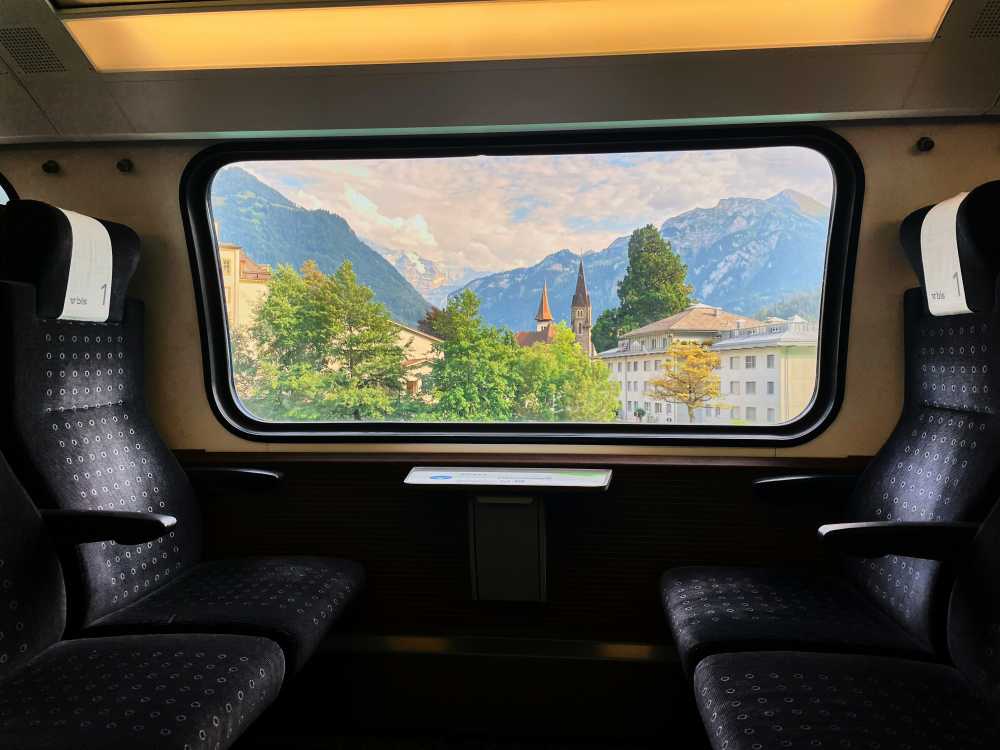
A Beginner's Guide to Navigating Europe's Train Systems
Booking trains can feel intimidating. The key is using the right tools. Apps like Trainline or Omio are great for comparing options, but they sometimes add a small service fee. For the best price, go directly to the website of the country's national rail service (e.g., Deutsche Bahn in Germany, Trenitalia in Italy).
Pro-Tip: In some countries (like Italy and France), you must validate your paper ticket in a small machine on the platform before boarding. Forgetting this step can result in a steep fine. When in doubt, watch what the locals do!
Finding Your Home Away From Home
Where you sleep is your sanctuary. It’s your base of operations, your charging station, and your place to feel secure.
Hostels vs. Hotels vs. Airbnbs for Solo Travelers
Hostels: The best choice for budget and social connection. Modern hostels offer private rooms, female-only dorms, and organized social events. They are the easiest place to meet fellow travelers.
Hotels: The right choice when you prioritize privacy, comfort, and security. A hotel gives you a guaranteed quiet space to decompress after a long day of exploring.
Airbnbs: Can offer great value and a local feel, but can also be isolating. For a first-timer, a "private room" in a host's apartment is a good middle ground, offering a local connection with more privacy than a hostel.
How to Pick a Safe and Social Hostel (Even If You're Not 21)
Read recent reviews like a detective, specifically filtering for "solo traveler" or "solo female traveler." Prioritize properties with:
24-hour reception
Secure individual lockers (bring your own padlock)
A well-lit, central location
Organized events like walking tours or group dinners

Your Guide to Staying Safe and Savvy on a Solo Travel in Europe
Let’s be clear: safety isn't about paranoia; it's about preparation. It's the quiet confidence that comes from being aware and intentional, which makes you a less appealing target from the start.
Blending In and Walking with Purpose
Dress to blend: Observe what local women are wearing. Ditching the tourist "uniform" of athletic wear can help you stand out less.
Walk with confidence: Even when lost, walk like you know where you're going. Duck into a cafe or shop to consult your map rather than stopping in the middle of the sidewalk.
Avoid "distracted" behaviors: Keep your phone away when walking through crowded areas. Being present and aware of your surroundings is your number one deterrent.
Proven Tactics to Beat Pickpockets
Major European cities are notorious for pickpockets who target distracted tourists.
Use a crossbody bag worn in front of your body, always with the zipper closed.
Never put your phone or wallet in your back pocket.
At restaurants, don't hang your bag on the back of your chair or place your phone on the table. Keep your belongings in your lap.
The Art of Solo Socializing
One of the biggest anxieties about a solo travel Europe trip is loneliness. The beauty of it is that you are in complete control of your social meter. You can dial it up or down at will.
How to Confidently Eat Alone (and Actually Enjoy It)
Reframe this act. It's not a sign of loneliness; it's a moment of luxurious self-indulgence.
Sit at the bar: It's more casual and invites conversation with the bartender or neighbors.
Bring a prop: A book signals "I'm content," while a journal signals "I'm an interesting person reflecting on my day."
Engage with the experience: Focus on the food. Take notes. Be present. You'll forget to feel self-conscious.
5 Easy Ways to Meet Other Travelers
Free Walking Tours: The #1 hack. Instant group for a few hours.
Cooking Classes: A shared activity is a natural icebreaker.
Hostel Common Areas: Simply being present in these spaces makes you approachable.
Meetup.com: Find events for locals and expats interested in everything from hiking to language exchange.
Small Group Day Trips: Use platforms like GetYourGuide or Viator to join tours to nearby attractions.
Your Solo Travel Europe Questions, Answered
What is the best European country to visit for the first time alone?
For its unbeatable combination of safety, affordability, friendly locals, and excellent tourist infrastructure, Portugal is widely considered the best choice for a first-time solo trip in Europe.
Is Europe safe for a young solo female traveler?
Yes, overwhelmingly so. By choosing safe destinations, practicing situational awareness, and following standard safety protocols like those outlined in this guide, Europe is an incredibly safe and rewarding place for solo female travelers.
How do I handle language barriers when traveling alone?
In most major tourist destinations, English will be sufficient. However, learning a few key phrases in the local language ("Hello," "Please," "Thank you," "Excuse me") shows respect and will be greatly appreciated. Use the Google Translate app's offline and camera features for menus and signs.
The journey of solo travel in Europe is one of the most empowering experiences a person can have. It will challenge you, thrill you, and teach you more about your own resilience and capability than you thought possible. You've read the plan, you have the tools, and you understand the strategies. The fear you feel now will be a distant memory the moment you navigate a new city's metro system by yourself for the first time. That feeling of profound competence and freedom is what awaits. The adventure is yours to claim.
Read the full guide: Anxious to Adventurous: The Ultimate Guide to Solo Travel Confidence
Don't Miss Out! Subscribe for Exclusive Content
Subscribe



Comments 0
No comments yet
Be the first to share your experience!
Dont Miss Out! Subscribe for Exclusive Content

Ultimate USA Holidays Guide: Top Picks


FTC Affiliate Disclosure Essentials: Stay Compliant as a Travel Creator

Essential Affiliate Tools: From Tracking to Full Optimization

Booking.com Affiliate Program Review: Pros, Cons, and Earnings Potential

Decoding Affiliate Commission Rates: Benchmarks for Travel Creators

Amazon Associates for Travel: Strategies to Maximize Commissions
Top 10 Travel Affiliate Programs for 2026
TrekGuider @trekguider
You’ve launched your travel blog, pouring hours into crafting beautiful, helpful content. The passion is there, but a critical piece of the puzzle is missing: a reliable income stream. You know that affiliate marketing is at the heart of a profitable blog, but stepping into that world feels like navigating a dense, fog-covered jungle. Which programs are legitimate? Which ones actually pay well? And how do you choose partners that your audience will genuinely thank you for recommending?
The wrong choice can be costly. You risk wasting months promoting programs with rock-bottom commission rates, impossibly short cookie durations, or, worst of all, recommending subpar products that shatter the trust you’ve worked so hard to build. This indecision is a major roadblock, keeping your blog a passion project when it has the potential to be a profitable business.
This guide is your machete to clear a path through that jungle. We are cutting through the noise to bring you a curated, vetted, and strategic list of the top 10 travel affiliate programs for 2026. This isn't just a list; it's a strategic analysis designed to equip you with the knowledge to build a powerful and profitable travel affiliate marketing foundation. Think of this as a tactical deep-dive—one essential component of the much larger business strategy we cover in our ultimate guide to How to Make Money Online: A Creator's Guide for 2026.

The Anatomy of a Winning Affiliate Program
Before we dive into the list, it’s crucial to understand the criteria that separate the best programs from the rest. A successful travel affiliate marketing strategy isn’t just about chasing the highest commission rate; it's about building a portfolio of reliable partners that align with your brand and serve your audience.
Commission Rate & Type: This is the percentage or flat fee you earn per sale. Look for rates that fairly compensate you for the value you provide. For high-ticket items like multi-day tours, a 6% commission can be far more lucrative than a 10% commission on a low-cost item.
Cookie Duration: When a reader clicks your affiliate link, a small tracking file (a "cookie") is placed on their browser. The cookie duration is the period during which you will be credited for the sale if they make a purchase. A 30, 60, or even 90-day cookie is vastly superior to a "session-based" cookie that expires as soon as the user closes their browser.
Brand Recognition & Trust: Promoting well-known, trusted brands like Booking.com or REI leads to higher conversion rates. Your audience is already familiar with them and is more likely to make a purchase.
Average Order Value (AOV): This is the average amount a customer spends in a single transaction. A program with a high AOV, like a tour company, can result in substantial commissions even with a modest commission rate. A $2,600 tour booking with a 6% commission earns you $156 from a single click.
The Top 10 Travel Affiliate Programs for Bloggers in 2026
Here is our definitive list, broken down by category to help you build a diversified affiliate portfolio that covers every stage of the travel planning process.
Accommodation Affiliate Programs
For most travelers, booking accommodation is the first and most expensive part of their trip, making this category a foundational pillar of your affiliate income.
1. Booking.com
Let's start with the undisputed heavyweight. Booking.com is a global powerhouse, a name so synonymous with travel that it’s practically a verb. That massive inventory and ironclad reputation translate directly into higher conversions for you.
Commission Rate: 25-40% of Booking.com's commission (which nets out to roughly 4% of the total booking value for you).
Cookie Duration: Session-based.
Strategic Insight: The session-based cookie is a major drawback—your reader must book immediately. However, the conversion rate is so high that it remains an essential program. The key is to link to specific properties at the exact moment a reader is making a decision (e.g., within a hotel review or a "Where to Stay" guide).
2. Expedia Group
The Expedia Group affiliate program is your versatile all-in-one tool, giving you access to a huge portfolio of brands including Expedia, Hotels.com, and the vacation rental giant Vrbo under a single umbrella.
Commission Rate: 2-6% on hotels and vacation rentals.
Cookie Duration: 7 days.
Strategic Insight: Access to Vrbo is the main prize here, allowing you to monetize the lucrative vacation rental market. The 7-day cookie, while not long, is a significant improvement over Booking.com's model, giving your readers a bit more time to decide.
Tours & Activities Affiliate Programs
This is where you can earn some of the highest commissions per sale. Tours and activities have a high AOV and are a natural fit for itinerary-based blog posts and destination guides.

3. GetYourGuide
With a modern, user-friendly platform and an excellent selection of tours worldwide, GetYourGuide has become a favorite among travel creators for a reason.
Commission Rate: 8-10%.
Cookie Duration: 30 days.
Strategic Insight: GetYourGuide excels in its creator tools, including easy-to-embed widgets that showcase tours visually within your posts. A solid commission rate and a generous 30-day cookie make this a top-tier, reliable choice.
4. Viator
Owned by TripAdvisor, Viator is one of the largest tour marketplaces online, boasting a massive inventory that covers virtually every corner of the globe.
Commission Rate: 8%.
Cookie Duration: 30 days.
Strategic Insight: The sheer breadth of Viator's offerings is its superpower. No matter how niche your destination, you will almost certainly find a relevant tour to promote. This makes it an invaluable tool for creators who cover a wide range of locations.
5. G Adventures
Specializing in small-group adventure travel, G Adventures offers high-ticket, multi-day tours that can result in massive commissions.
Commission Rate: 6% of booking value.
Cookie Duration: 60 days.
Strategic Insight: This program is all about the Average Order Value. With an average booking of approximately $2,600, a 6% commission translates to over $150 from a single sale. The long 60-day cookie is essential for these high-consideration purchases.
6. Take Walks
This program focuses on high-quality, small-group walking tours in major cities across the globe, led by expert local guides.
Commission Rate: 15%.
Cookie Duration: 45 days.
Strategic Insight: A massive 15% commission rate is almost unheard of in this space. For bloggers who focus on major European and North American cities, this program can be an absolute goldmine. Promoting their unique "skip-the-line" tours is an easy sell.
Ready to Build Your Own Products?
Seeing the high commissions on tours and experiences should get you thinking. Once you've mastered earning from other people's products, the next step is to create your own. Selling your own digital products offers unparalleled profit margins and gives you full control. But what should you create?
Our free Digital Product Ideas Guide is the perfect brainstorming tool. It’s packed with proven concepts for travel creators, from eBooks and templates to interactive maps and presets that your audience will love.
Download Your Free Digital Product Ideas Guide Here
Flights & Deals Affiliate Programs
While direct flight commissions are notoriously low, these programs offer creative ways to monetize this essential part of travel planning.
7. Skyscanner
As one of the world's most trusted flight search engines, Skyscanner is a brand your audience already knows and uses.
Commission Rate: 20% of Skyscanner's revenue per click-out.
Cookie Duration: 30 days.
Strategic Insight: You don't get paid for a flight booking, but for the traffic you send. While per-click earnings are small, this allows you to monetize readers in the early, research phase of planning. It’s a volume game, best for blogs with significant traffic.
8. Dollar Flight Club
This is a subscription-based service that sends cheap flight alerts directly to its members. Its affiliate program is incredibly lucrative.
Commission Rate: 50% recurring commission.
Cookie Duration: 90 days.
Strategic Insight: A 50% recurring commission is a game-changer. You get half of the subscription fee not just once, but for as long as the member you referred remains active. This is how you build a predictable, passive affiliate income stream.
Gear & Insurance Affiliate Programs
Recommending the gear you personally use and the insurance that protects you is an authentic way to serve your audience while earning a commission.
9. World Nomads
World Nomads is one of the most popular and trusted travel insurance providers, especially within the backpacking and adventure travel communities.
Commission Rate: ~10%.
Cookie Duration: 60 days.
Strategic Insight: Travel insurance is a necessary purchase you should be recommending for your audience's safety. Promoting a trusted brand is a valuable service, and the program rewards you with a solid commission and a generous 60-day cookie.
10. REI
For outdoor and adventure travel, REI is the gold standard for high-quality gear. The brand is synonymous with trust and quality, making it a high-converting partner.
Commission Rate: ~5%.
Cookie Duration: 15 days.
Strategic Insight: While the 5% commission seems modest, the AOV at REI is often high as customers purchase big-ticket items. Recommending a specific backpack or tent you’ve tested for months is one of the most authentic promotions you can make.
The Golden Rule: Diversify Your Portfolio
Pro-Tip: The most successful affiliate marketers build a diversified portfolio. Don't rely on a single program. This strategy of diversification is your only defense against platform risk. As we saw when Amazon dramatically slashed its commission rates with little warning, building your entire income on a single partner is a recipe for disaster. By joining programs across accommodations, tours, and gear, you create a more resilient business.
Getting Accepted and Maximizing Your Earnings
Getting accepted into these programs is just the entry ticket. The real work—and the real money—lies in your strategy. And at the heart of that strategy is one non-negotiable word: trust.
Always prioritize authenticity. Only recommend products and services you have personally used or thoroughly vetted. Your audience values your honest, first-hand experience above all else. When you integrate affiliate links, do so contextually within helpful content. A link to a Viator tour is most powerful inside a 3-day itinerary for that city. You can even package these recommendations into a premium Travel Guide, selling your expertise directly to your audience. A specialized marketplace like TrekGuider becomes an invaluable partner here, giving every creator a professional, customizable storefront to connect with travelers who are actively searching for expert resources.

Frequently Asked Questions (FAQ)
1. How many affiliate programs should I join as a beginner?
Start with 2-3 programs that are the absolute best fit for your niche. It's better to deeply integrate a few relevant programs into your content than to shallowly sprinkle links from a dozen different sources. Master these first before expanding.
2. Can I get rejected from affiliate programs? What should I do?
Yes, and it's common for new bloggers with low traffic. Don't be discouraged. Most rejections are automated. Focus on building your content library (aim for 15-20 high-quality posts) and growing your traffic. Re-apply in 3-6 months when your site's metrics have improved.
3. Is travel affiliate marketing still profitable in 2026?
Absolutely. The creator economy is projected to nearly double from $250 billion to almost $500 billion by 2027. While competition is higher, the audience of online buyers is also larger than ever. The key to success is building trust with a specific niche audience and promoting products that genuinely solve their problems.
Your Path to a Profitable Blog Starts Now
Choosing the right partners is one of the most critical decisions in your blogging journey. This curated list removes the guesswork, providing you with a powerful roster of the industry's best programs. By aligning with these trusted brands, you can confidently serve your audience with valuable recommendations while building a sustainable and profitable business.
You now have the blueprint. The next step is to take action. Review this list, identify the programs that best fit your niche, and start the application process. This is the foundational step in building a strong travel affiliate marketing strategy that will power your blog for years to come.
Meta Data
SEO Meta Title (Under 60 characters):
Top 10 Travel Affiliate Programs for Bloggers (2026)
URL Slug:
top-travel-affiliate-programs
SEO Meta Description (Under 155 characters):
Ready to monetize your blog? Discover the 10 best travel affiliate programs for 2026. We break down commissions, pros, and cons to boost your income.
Read the full guide: The Travel Blog Business Plan: How to Make Real Money in 2026
Don't Miss Out! Subscribe for Exclusive Content
SubscribeComments 0
No comments yet
Be the first to share your experience!
Dont Miss Out! Subscribe for Exclusive Content
FTC Affiliate Disclosure Essentials: Stay Compliant as a Travel Creator
Essential Affiliate Tools: From Tracking to Full Optimization

Avoid These 5 Affiliate Landing Page Mistakes for Better Conversions

Affiliate Keyword Research Mastery for Travel Blogs
Booking.com Affiliate Program Review: Pros, Cons, and Earnings Potential
Decoding Affiliate Commission Rates: Benchmarks for Travel Creators
Food & Water Safety Abroad: How to Avoid Getting Sick
TrekGuider @trekguider
There’s a moment on every trip where the true magic happens: the first bite of a dish you can’t pronounce from a street cart buzzing with locals, the refreshing sip of a regional drink, the discovery of a flavor that will forever define a place in your memory. Food is culture, connection, and the fastest way to the heart of a destination. And that’s the traveler’s paradox, isn’t it? The very experiences that promise the most profound connection also carry a potent, gut-wrenching risk.
One bad meal or a single sip of contaminated water can derail your entire adventure, swapping days of discovery for days spent locked in a hotel room. This fear is agitated by horror stories from fellow travelers and the sheer unpredictability of an unfamiliar environment. It's a valid concern—traveler's diarrhea is unequivocally the most common travel-related illness, affecting up to 80% of international travelers depending on the destination. The fear of getting sick can make you timid, causing you to stick to bland, "safe" foods and miss out on the rich mix of flavors your destination has to offer. It can rob you of the very experiences you traveled so far to find.

But it doesn't have to be this way. This guide is your solution, a definitive and practical playbook for mastering food and water safety abroad. We’ve synthesized actionable advice from the world’s leading health organizations, including the Centers for Disease Control and Prevention (CDC) and the World Health Organization (WHO), to empower you to eat boldly and drink safely. This isn’t a list of things to fear; it’s a set of simple, memorable rules for prevention, identification, and, if necessary, management. This is a critical deep-dive into a core pillar of preparedness we cover in The Ultimate Guide to Travel Safety: A 2026 Playbook, designed to give you the confidence to dive fork-first into the heart of a culture.
The Golden Rule of Food and Water Safety: "Boil It, Cook It, Peel It, or Forget It"
If you remember only one thing from this guide, make it this simple, five-word mantra. Promoted by the CDC and other global health bodies, this single rule is a powerful and easy-to-use filter for nearly every culinary decision you'll make on the road. It’s the foundation of your entire food and water safety strategy.
Boil It: Your Safest Bet for Liquids
Pathogens like bacteria, viruses, and parasites are killed by heat. This makes boiling the most effective method for purifying liquids.
Examples: Drinking water that has been brought to a vigorous, rolling boil for at least one full minute. Hot beverages like tea or coffee that are served steaming hot are also generally safe. Any milk products you consume should be confirmed to be pasteurized or have been boiled.
Cook It: The Power of Heat
Thoroughly cooking food kills the harmful microorganisms that cause illness. The key is to ensure it is cooked all the way through and served hot.
Examples: Meat, poultry, or seafood that is well-cooked (not rare or raw) and served steaming hot to the touch. This is especially crucial for street food; dishes that are cooked fresh to order in front of you are a much safer bet than those that have been sitting out.
Peel It: Nature’s Own Packaging
For raw fruits and vegetables, the contamination is almost always on the outside surface. By peeling it yourself with clean hands, you remove the risk.
Examples: Fruits with a thick, peelable skin like bananas, oranges, mangoes, and avocados are your safest and best friends for a healthy snack. Similarly, vegetables you can peel, such as cucumbers, are also a great option.
Forget It: When in Doubt, Go Without
This is the most critical and sometimes most difficult part of the rule to follow. It requires discipline, but it’s your ultimate defense. If an item of food or drink doesn't meet one of the three criteria above, you must skip it.
Examples: Tap water and ice cubes made from tap water are the biggest culprits. Salads and raw leafy greens like lettuce are high-risk because they are difficult to clean thoroughly and may have been washed in contaminated water. You should also avoid fruits that cannot be peeled, such as grapes and berries, and any unpasteurized dairy products like milk or cheese. Finally, be very wary of any food served at room temperature, such as from a buffet.
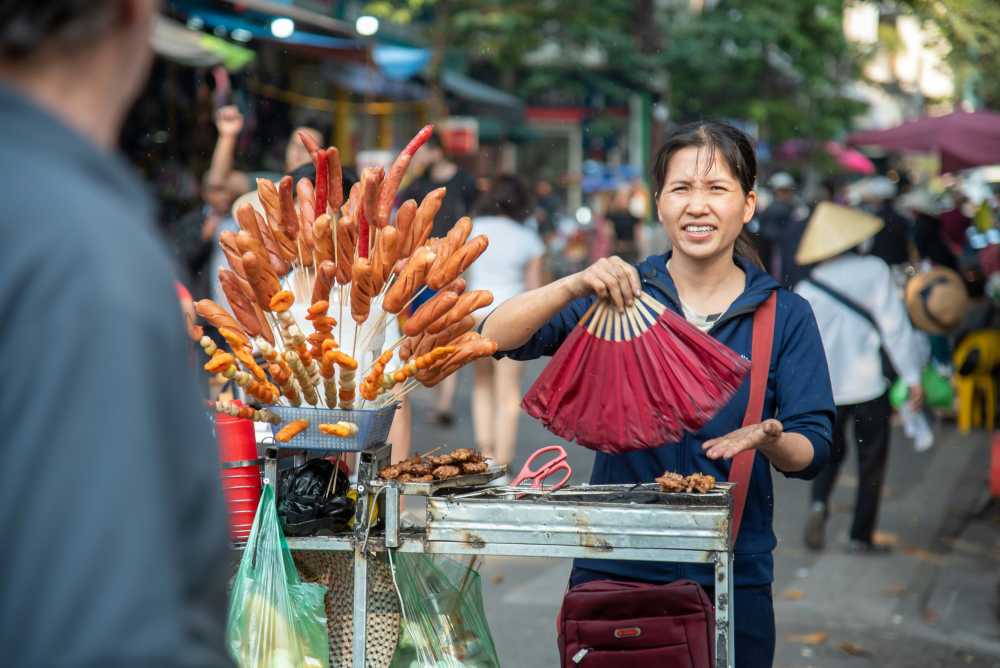
Navigating the Streets: A Visual Guide to Spotting Unsafe Food
Street food is often the soul of a city's cuisine, but not all vendors are created equal. Your eyes are your best tool for vetting a stall. Before you order, take thirty seconds to perform a quick visual inspection. Look for these five clear signs of a safe or unsafe operation.
Poor General Cleanliness: This is the most obvious indicator. Red flags include dirty workstations with unwiped spills, visible food waste, rubbish on the ground, and the presence of pests like flies or wasps. The vendor themselves should also appear clean, with tidy clothes and hands.
Improper Food Temperatures: Food left in the "danger zone" (room temperature) is a breeding ground for bacteria. Avoid stalls where cooked food, especially meat, is sitting out in large trays. The safest option is always food that is cooked fresh to order, right in front of you. Hot food should be visibly steaming.
Obvious Cross-Contamination: Watch how the vendor handles ingredients. A major red flag is using the same cutting board, knife, or unwashed hands to handle raw meat and then touch ready-to-eat items like bread, salad, or cooked food.
Use of Contaminated Water: Look at the vendor’s water source. Rinsing dishes, utensils, or vegetables in a single bucket of murky, stagnant water is a sign of a high-risk operation. Likewise, avoid ice in your drinks unless you can confirm it was made from purified water (commercially bagged ice is usually a safe sign).
Lack of a Crowd (Especially Locals): A busy stall with a long line, particularly of local residents, is one of the best indicators of a trusted and safe food source. High customer turnover means the food is fresh and hasn't been sitting out for long. An empty stall is often empty for a reason.
Pro-Tip: Make "follow the locals" your street food mantra. A long line of residents is a walking, talking five-star review of a vendor's quality and safety. It's the most reliable seal of approval you can find.
Securing Your Water Supply: A Deep Dive into Hydration and Purification
Staying hydrated is non-negotiable for your health and energy while traveling, but assuming tap water is safe is one of the most common and dangerous mistakes a traveler can make. Here’s how to ensure every sip you take is safe.
Identifying Safe and Unsafe Drinking Water Sources
The CDC and WHO have clear guidelines. Unless you are in a country with a known, highly-developed sanitation system, you should assume all tap water is unsafe.
Safest Sources: Commercially bottled water in a factory-sealed, tamper-proof container is your most reliable option. Carbonated water is even safer, as a broken seal is immediately obvious. The second safest source is water that you have personally brought to a rolling boil for at least one minute.
Unsafe Sources to Avoid: Tap water, well water, ice made from tap water, fountain drinks mixed with tap water, and even water from clear mountain streams (which can contain germs) should all be avoided unless they have been purified.
Your Purification Playbook: The Top 3 Methods
When bottled or boiled water isn't available, you need a backup plan. Here are the top three recommended purification methods.
Boiling (The Gold Standard): This is consistently ranked by the CDC and WHO as the single most effective method. It kills all known disease-causing microorganisms, including viruses, bacteria, and parasites. Simply bring clear water to a rolling boil for 1 minute (or 3 minutes at elevations above 6,500 feet / 2,000 meters).
Filtration: A high-quality portable water filter is highly effective at removing bacteria and protozoan parasites like Giardia and Cryptosporidium. Look for a filter with an absolute pore size of 1 micron or smaller. The main limitation is that most portable filters do not remove viruses, so in high-risk areas, the CDC recommends following filtration with chemical disinfection.
Chemical Disinfection: Chlorine, iodine, or chlorine dioxide tablets/drops are a lightweight and easy way to kill viruses and bacteria. However, they are not consistently effective against the parasite Cryptosporidium and require a contact time of at least 30 minutes.
For in-depth planning on what gear to pack for every type of trip, from water filters to first-aid supplies, our all-encompassing Travel Guide is the only resource you'll ever need.
Damage Control: How to Manage Traveler's Diarrhea
But let’s be realistic: even the most diligent traveler can have a bad day. When that happens, knowing exactly what to do—and what not to do—can be the difference between a 24-hour nuisance and a trip-ruining ordeal. This is the damage control phase of your food and water safety plan.
The First and Most Critical Step: Oral Rehydration
According to travel medicine doctors, dehydration is the single most likely and dangerous complication of traveler's diarrhea. Replacing lost fluids and electrolytes is your absolute first priority.
Method: The best way to rehydrate is with a dedicated Oral Rehydration Solution (ORS), which comes in packets of salts and sugars that you mix with boiled or bottled water. In a pinch, sports drinks or clear soups can also be used.
Symptomatic Treatment for Mild to Moderate Cases
If the diarrhea is tolerable and not accompanied by a high fever or blood, over-the-counter medications can provide relief and help you get through a travel day.
Medications: An antimotility agent like Loperamide (the active ingredient in Imodium, a top pharmacist-recommended brand) can reduce the frequency of bowel movements. Bismuth Subsalicylate (found in Pepto-Bismol, another pharmacist favorite) can also help decrease the frequency and shorten the duration of the illness.
When to Use Standby Antibiotics (For Severe Cases)
If diarrhea is distressing, incapacitating, or contains blood or mucus, a prescribed antibiotic may be necessary.
Method: Before you travel, speak with your doctor or a travel medicine clinic. For travelers heading to high-risk destinations, they may provide a prescription for a standby antibiotic, such as Azithromycin, to carry with you. A single dose is often highly effective at treating severe cases.
Pro-Tip: Within your main travel first-aid kit, create a dedicated "Digestive Distress" module. Keep it in a separate, clearly-labeled zip-top bag containing a few packets of Oral Rehydration Salts, a strip of Loperamide, and a few antacids. This way, when you need it, you won't have to rummage through your entire kit.

Ready to Pack Like a Pro?
A smart food and water safety strategy is just one piece of your pre-trip preparation. To ensure you don't overlook a single essential item—from documents and finances to clothing and medical supplies—a master checklist is your most powerful tool. Our comprehensive, free checklist has you covered for every stage of your journey.
Download Your Free International Travel Checklist Now!
Food and Water Safety FAQs
A prepared mind is a safe mind. Here are expert answers to common questions that take your preparedness to the next level.
1. Besides traveler's diarrhea, what are the most common travel illnesses?
While traveler's diarrhea is number one, the CDC reports that other common issues include acute respiratory infections (like influenza or COVID-19, often acquired in transit), vector-borne fevers like Dengue and Malaria in tropical regions, and other food-borne illnesses like Hepatitis A and Typhoid Fever. Skin conditions from insect bites are also extremely common.
2. Is it safe to eat at a restaurant if I'm worried about street food?
Generally, restaurants can be safer, but the same principles apply. A busy restaurant full of locals is a great sign. Be cautious with the same high-risk items: salads, unpeeled fruits, and tap water or ice. If you want to find trusted, local-approved gems, explore the TrekGuider platform, where travel creators often share their own curated guides to safe and authentic eats.
3. Should I carry a standby antibiotic in my first-aid kit?
This is a question for your doctor or a travel medicine clinic. For travelers heading to high-risk destinations where severe traveler's diarrhea is common, many doctors will provide a prescription for a standby antibiotic like Azithromycin. It’s not for mild cases but can significantly shorten the duration of a severe bout of illness. Discuss your itinerary with your doctor to see if this is right for you.
Eat Boldly, Travel Well
The world of food is a world of incredible diversity and connection, and it deserves to be explored with an open mind and a curious palate. The goal of mastering food and water safety is not to build a wall of fear that separates you from authentic experiences. It is about building a foundation of knowledge that gives you the freedom to be adventurous. By internalizing the golden rule of "Boil it, cook it, peel it, or forget it," learning to trust your own visual assessment of a food stall, and knowing exactly what to do if you get sick, you replace anxiety with empowerment. You are now equipped with the skills to navigate the world's most exciting cuisines with confidence, ensuring your focus remains on the flavor, connection, and joy that every journey promises. Go explore, eat boldly, and travel well.

Meta Data Suggestions:
SEO Meta Title (Under 60 characters): Food & Water Safety Abroad: How to Avoid Getting Sick
URL Slug: food-water-safety-abroad
SEO Meta Description (Under 155 characters): Avoid traveler's diarrhea with our expert guide to food and water safety abroad. Learn the golden rules for eating street food, purifying water, and staying healthy.
Don't Miss Out! Subscribe for Exclusive Content
SubscribeComments 0
No comments yet
Be the first to share your experience!
Dont Miss Out! Subscribe for Exclusive Content

Chicago Beer Fests: Top 6 Tastings
Ultimate USA Holidays Guide: Top Picks
FTC Affiliate Disclosure Essentials: Stay Compliant as a Travel Creator
Essential Affiliate Tools: From Tracking to Full Optimization
Booking.com Affiliate Program Review: Pros, Cons, and Earnings Potential