
Chicago Holidays: Windy City Thrills

TrekGuider @trekguider
There are cities that celebrate holidays, and then there is Chicago—a city that seizes them, amplifying them with architectural grandeur and a palpable, Midwestern heart. Here, tradition isn’t just observed; it’s a city-wide spectacle. The calendar of holidays in Chicago is a masterclass in urban transformation, where a river can run emerald green, a downtown park can roar with the energy of a global music festival, and a simple winter market can feel like a fairytale escape to Old World Europe.
This is a city of bold gestures, where fireworks don’t just light up the sky—they explode against a world-famous skyline, reflecting in the vast, dark waters of Lake Michigan. Whether you’re planning a pilgrimage for a bucket-list event or simply want to immerse yourself in the city’s seasonal rhythm, Chicago provides a dynamic stage for celebration.

This guide is your definitive starting point. We’ll move beyond the surface-level itineraries to give you an insider’s perspective on the iconic events and cherished traditions that define the Windy City’s festive soul. Consider this your blueprint for navigating the headliners, uncovering the neighborhood gems, and planning an unforgettable trip.
For a broader look at how cities across the country celebrate, from the beaches of Miami to the streets of New York, explore our Ultimate USA Holidays Guide: Top Picks.
Navigating the Windy City: A Traveler's Toolkit
A successful trip to Chicago hinges on understanding its layout and seasons. The city is a grid, making it remarkably easy to navigate, but its weather is famously unpredictable. Mastering both is key to a seamless experience.
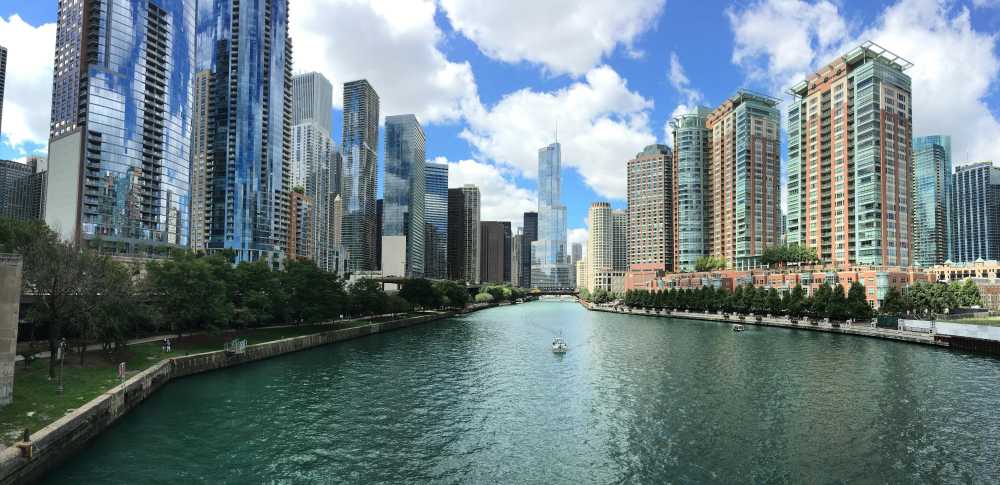
The Best Time to Visit
Chicago is a city of four distinct and dramatic seasons. Summer (June-August) is prime festival season, boasting warm, sunny days perfect for exploring the lakefront and sprawling parks. It's also peak tourist season, meaning higher prices and bigger crowds. Autumn (September-October) is arguably the city's most beautiful season, with crisp air, changing leaves, and a packed calendar of food and art festivals. Winter (November-March) is not for the faint of heart, but for those who brave the cold, it offers a magical landscape of snow-dusted streets, festive lights, and cozy indoor attractions. Spring (April-May) is a time of reawakening, as the city thaws and residents flock to patios and parks, though be prepared for fluctuating temperatures and rain.
Getting Around Like a Local
Forget the stress of gridlock and the nightmare of parking; the city’s elevated ‘L’ train is the circulatory system of Chicago and the savvy traveler’s key to unlocking it all. Operated by the Chicago Transit Authority (CTA), the rail system connects the downtown Loop with neighborhoods across the city and both major airports (O'Hare and Midway). Purchase a Ventra card at any station and load it with a multi-day pass for the most cost-effective way to explore. For shorter distances, the bus system is extensive, and on a beautiful day, there’s no better way to see the architecture than by walking or using the Divvy bike-share system.
To map out your movements and keep your plans organized in one place, start with our Travel Itinerary Template.
Budgeting for Your Chicago Celebration
Chicago can accommodate nearly any budget, offering everything from Michelin-starred dining to world-class free attractions. A smart budget starts with your priorities.
Budget Traveler ($75-125/day): Focus on staying in hostels or well-connected neighborhood Airbnbs. Use the CTA for all transportation. Your dining will consist of Chicago classics like deep-dish pizza, hot dogs, and incredible food from neighborhood taquerias and ethnic eateries. Take advantage of free attractions like Millennium Park, the Lincoln Park Zoo, and walking the Lakefront Trail.
Mid-Range Traveler ($200−350/day): This budget allows for a comfortable stay in a boutique hotel outside the immediate downtown core, like in Lincoln Park or Wicker Park. You can enjoy a mix of casual eats and a few sit-down dinners in the city’s renowned restaurant scene. This range also covers admission to a major museum or an architectural boat cruise.
Luxury Traveler ($500+/day): Stay at one of the iconic hotels along the Magnificent Mile or with sweeping views of the Chicago River. Indulge in tasting menus from celebrity chefs, private tours, and premium seats at a Broadway in Chicago show. Transportation will be a mix of rideshares and private cars.
No matter your budget, book flights and accommodations well in advance, especially if your trip aligns with a major festival like Lollapalooza, when prices can skyrocket.
Lollapalooza: The Ultimate Summer Music Pilgrimage
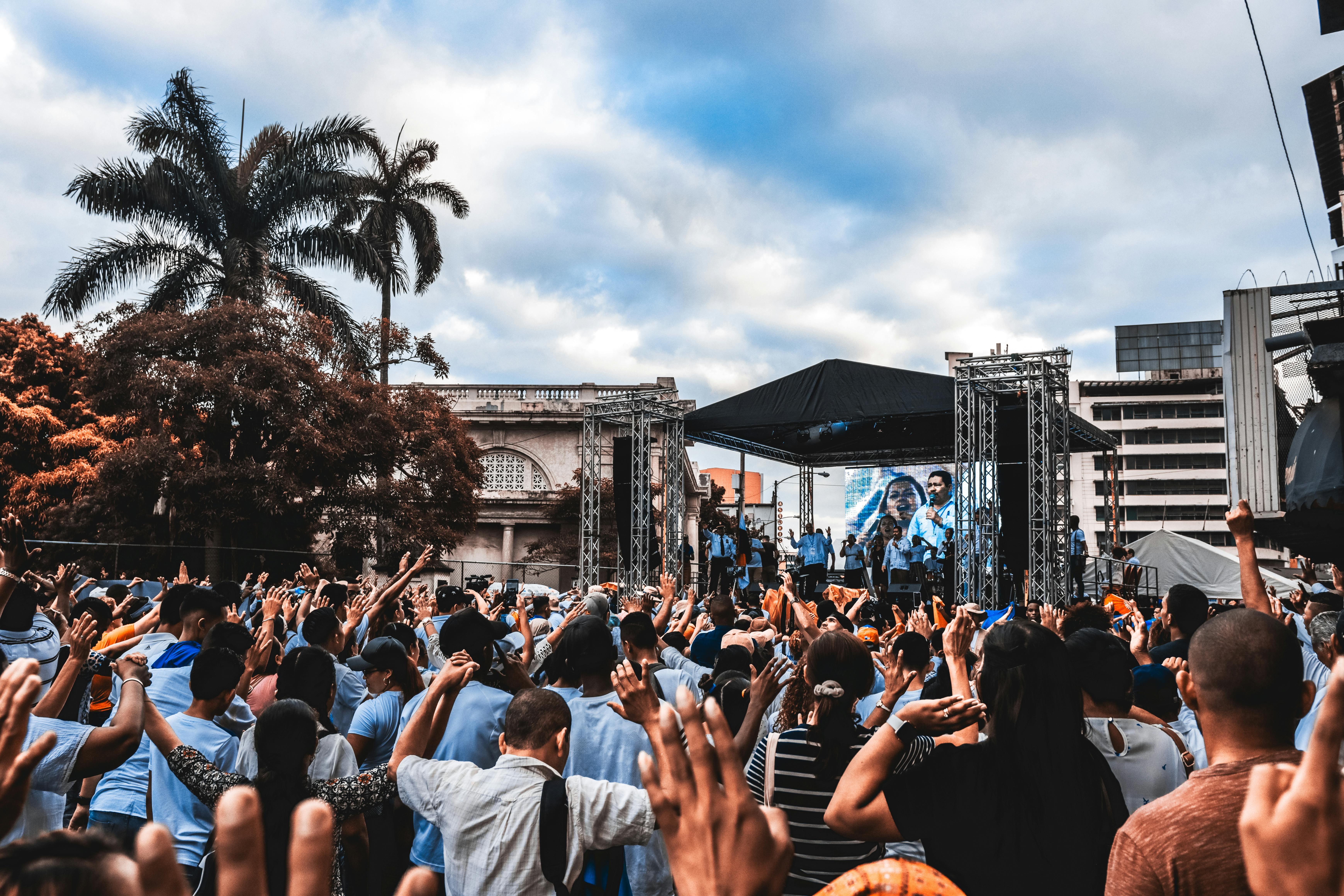
For four electrifying days each summer, Chicago’s Grant Park—affectionately known as "Chicago's front yard"—becomes the undisputed center of the music universe. Lollapalooza is not just a festival; it's a cultural rite of passage that draws hundreds of thousands of fans to its eight stages, set against one of the most dramatic urban backdrops in the world. Scheduled for July 31 - the final day of the festival, the event is a masterclass in musical diversity. The 2026 lineup already promises a staggering range of talent, from global pop sensations like Olivia Rodrigo and Sabrina Carpenter to genre-defining artists like Tyler the Creator and Korn.
This festival is a massive economic force, injecting an estimated $440.9 million into the local economy. The energy is palpable, a city-wide hum of excitement that extends far beyond the park gates. Prepare for a marathon of incredible performances, sprawling crowds, and the vibrant, sun-soaked essence of a perfect Chicago summer.
To master the art of stage-hopping and learn how to survive the crowds in style, consult our complete insider’s guide: Lollapalooza: 7 Stage-Hopping Tips.

St. Patrick's Day: A River of Green and a Parade of Pride
Few cities on earth commit to St. Patrick's Day with the sheer audacity of Chicago. The annual dyeing of the Chicago River is a spectacle of civic pride and quirky tradition that has to be witnessed to be believed. The practice, which began in 1962, involves union plumbers dispersing 40-60 pounds of a secret, eco-friendly vegetable powder from their boats. The orange powder hits the water and magically transforms it into a brilliant, surreal emerald green that lasts for several hours, drawing immense crowds to the city's bridges and riverwalk.
The main event is the city’s parade, a tradition that stretches all the way back to 1843. On Saturday, the Saturday before St. Patrick's Day, the procession will step off at 12:15 PM, marching down Columbus Drive in a joyous celebration of Chicago's deep Irish roots, complete with bagpipers, dancers, and elaborate floats. It’s a day when the entire city feels united in celebration.
For the best viewing spots and insider secrets to experiencing this iconic Chicago moment, dive into our detailed guide: St. Patrick's: River Dyeing Secrets.

July 4th: A Symphony of Fireworks Over Lake Michigan
Chicago celebrates American Independence Day with a patriotic grandeur befitting its powerful skyline. The centerpiece of the celebration is the magnificent fireworks display at Navy Pier, a cherished tradition that illuminates the Lake Michigan shoreline. The pyrotechnics are expertly synchronized to a stirring soundtrack, creating a breathtaking symphony of light and sound that reflects across the water. To secure a prime viewing spot on the pier, plan to arrive by 7 PM, as the area fills quickly with spectators staking their claim with blankets and picnic baskets.
For those seeking a more elevated—and less crowded—experience, the city’s many rooftop bars in the Streeterville and River North neighborhoods offer phenomenal views. There’s nothing quite like sipping a cocktail as the fireworks erupt at eye level. Whether you’re on the ground or high above it all, this is a quintessential Chicago summer experience.
Discover the best vantage points and get our tips for a perfect patriotic evening in our dedicated guide: July 4th Chicago: Fireworks Hotspots.

Christmas in Chicago: A Classic Winter Wonderland
When winter’s chill descends, Chicago doesn’t hibernate; it transforms into a magical, snow-globe version of itself. The city wholeheartedly embraces the season with classic winter thrills that feel torn from the pages of a storybook. The trees along the Magnificent Mile are draped in over a million twinkling lights, and skaters glide across the ice rink in Millennium Park under the shadow of the iconic "Bean" sculpture. The heart of the season is the Christkindlmarket at Daley Plaza, an authentic German-style Christmas market. Here, you can meander through rows of charming wooden stalls, shopping for handcrafted gifts and warming your hands with a cup of spiced mulled wine (Glühwein) served in a collectible souvenir mug.
For another dose of festive brilliance, the Lincoln Park Zoo’s ZooLights is a must-see. Millions of lights create dazzling animal-themed displays, turning the zoo into an illuminated wonderland. For a more peaceful experience, plan your visit on a weekday to avoid the weekend crowds. The combination of festive markets, brilliant lights, and the distinct possibility of a gentle snowfall makes the holidays in Chicago an utterly enchanting affair.
To find the best festive treats and plan your visit to the city’s most magical markets, explore our complete guide: Christmas Chicago: 5 Market Musts.
Unlock Hyper-Local Expertise on TrekGuider
The best travel advice always comes from a local. While this guide gives you the big picture, the real magic of Chicago is often found in the details—the best neighborhood coffee shop near the festival, the hidden bar for a post-parade drink, or the secret to skipping the longest lines.
On the TrekGuider marketplace, you can find digital guides, maps, and itineraries created by Chicago-based experts who live and breathe this city. These creators have poured their on-the-ground knowledge into resources you can download instantly. Looking for a guide to the city's best deep-dish pizza or a walking tour of its most famous architectural landmarks? You'll find it crafted by a creator who knows the city inside and out.
Beyond the Marquee: Exploring Chicago's Diverse Festival Scene
While the major events command the spotlight, Chicago's festive spirit is a year-round affair, thriving in its vibrant neighborhoods and passionate communities.
A Celebration of Craft: Chicago's Beer Festivals
The craft beer scene in Chicago is a force of nature, and the city’s calendar is packed with festivals celebrating it. From massive tasting events at Navy Pier featuring hundreds of breweries to intimate, neighborhood-focused gatherings, there is always an opportunity to sample the latest innovative IPAs, rich barrel-aged stouts, and crisp, refreshing lagers. These festivals are the perfect way to taste the creativity of the region's best brewers, often paired with fantastic food truck fare and live local music. They offer a more relaxed, authentic taste of Chicago’s culture.
For a curated list of the best sudsy celebrations happening throughout the year, check out our guide: Chicago Beer Fests: Top 6 Tastings.
The Heartbeat of the City: Neighborhood Street Fests
To truly understand Chicago, you must venture beyond the Loop. The city is a mosaic of 77 distinct neighborhoods, and there’s no better way to experience their unique character than at a local street festival. All summer long, communities from the Mexican-American enclave of Pilsen to the historic Swedish neighborhood of Andersonville host vibrant events celebrating their heritage. You’ll find everything from sprawling art fairs and food festivals to block parties with local bands. These events are where real Chicagoans come together, offering an authentic slice of city life far from the tourist crowds.
To get off the beaten path and discover the events that make the city tick, explore our roundup of can't-miss local gems: Chicago Festivals: 8 Hidden Gems.
Your Chicago Story Awaits
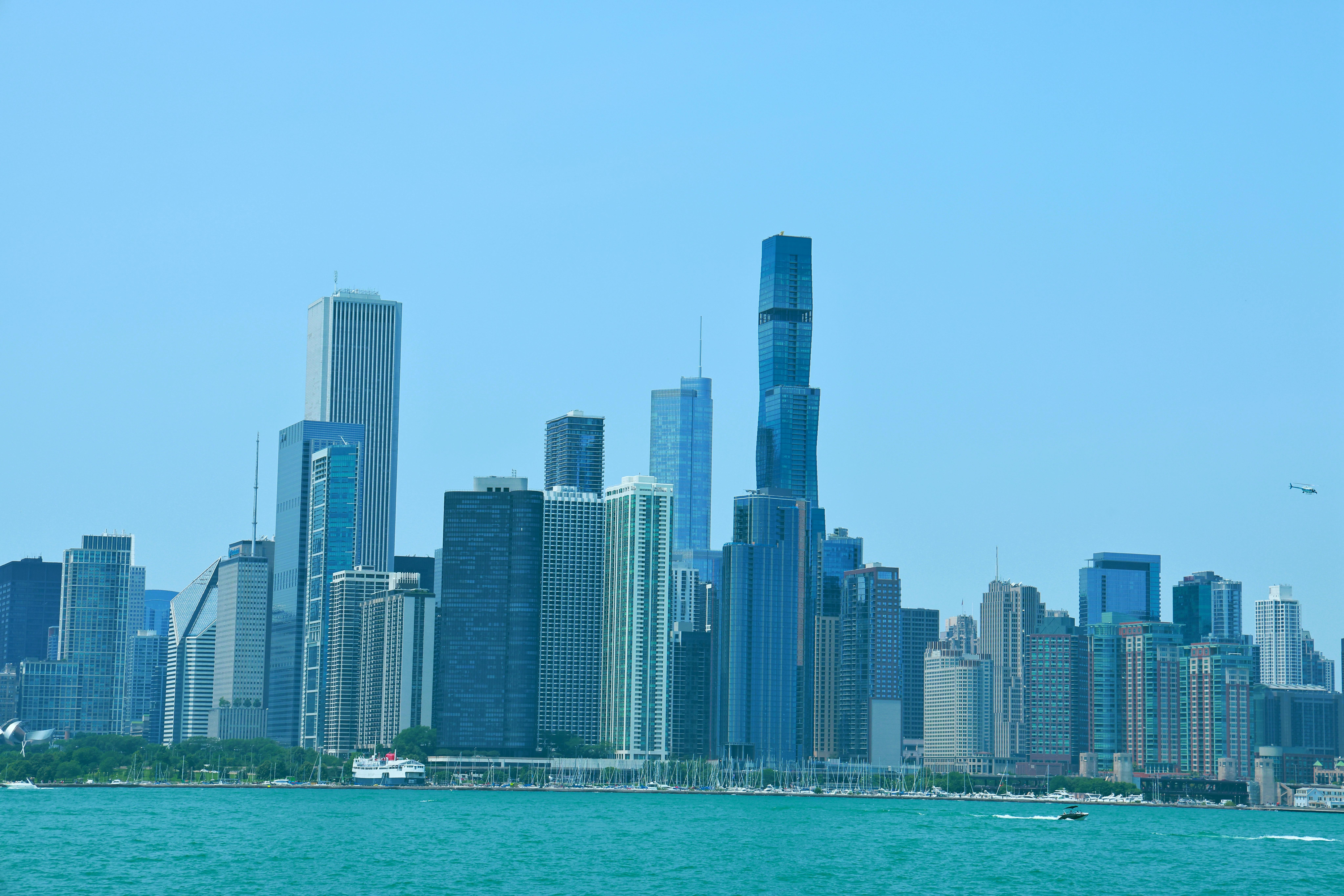
From the first green shock of the Chicago River on St. Patrick's Day to the final, fragrant sip of mulled wine at the Christkindlmarket, this city offers a year-round invitation to celebrate. Each season unfolds with a new reason to visit, a new spectacle to witness, and a new memory to forge. The dynamic, powerful energy of the holidays in Chicago is something that must be felt to be understood.
So choose your season, plan your adventure, and come ready to be captivated by a city that doesn’t just host events—it becomes the event itself. And for the most comprehensive resource to plan every aspect of your journey, from budgeting to booking, our all-in-one Travel Guide is the ultimate companion.
And if you’re a Chicago expert with your own stories to tell, TrekGuider provides the platform to share your knowledge and build a business around your passion.
Don't Miss Out! Subscribe for Exclusive Content
Subscribe



Comments 0
No comments yet
Be the first to share your experience!
Dont Miss Out! Subscribe for Exclusive Content

San Francisco Cherry Blossoms: A Local's Guide to the Blooms


Halloween SF: Haunts Without Horrors

SF Festivals: 7 Must-See Lineups

Christmas SF: Lights & Wharf Wonders

SF Pride: 6 Route & Party Hacks

Chinese New Year SF: Parade Essentials
Christmas in NYC: 7 Magical Markets
TrekGuider @trekguider
Planning a trip for Christmas in New York can feel like trying to direct a Broadway show—exciting, but utterly overwhelming. You’ve seen the twinkling lights and festive cheer in countless movies, and you want that magical, snow-globe experience for yourself. You dream of sipping hot cocoa while browsing charming wooden stalls, finding unique gifts, and soaking in an atmosphere so festive it feels like a warm hug.
But the reality can be a chaotic whirlwind of massive crowds, tourist traps, and paralyzing indecision. You risk spending your precious holiday time stuck in the wrong places, missing out on the authentic, cozy markets that truly define the city's holiday spirit. Instead of feeling the magic, you end up feeling stressed, cold, and disappointed, wondering if you’ve missed the real heart of a New York Christmas.
This guide is your definitive map to festive perfection. We’re cutting through the noise to take you on an insider’s tour of the 7 most magical Christmas markets in NYC. We’ll share pro-tips on what to buy, the best times to visit to avoid the crowds, and how to pair each market with the city’s most stunning light displays for the ultimate holiday adventure. These markets are a key part of the city's festive transformation, a spectacle we explore in full in our complete guide to New York Holidays: 10 Must-Do Events. Get ready to experience the holiday season in NYC the way it was meant to be.
Essential Know-Before-You-Go Tips for a Perfect Market Day
A little strategy goes a long way in a city that never sleeps, especially during the holidays. To make your market-hopping experience more magical and less maddening, keep these core principles in mind. They are the key to unlocking a smoother, more enjoyable Christmas in New York.
Embrace the Weekday Morning: The single best piece of advice for any major NYC attraction is to go early on a weekday. The holiday markets are most pleasant right when they open, typically around 11 AM. You’ll have more space to browse, chat with vendors, and truly appreciate the craftsmanship without being jostled by the shoulder-to-shoulder afternoon crowds.
Master Public Transportation: Driving and parking in Manhattan during the holidays is a recipe for extreme frustration and expense. The subway and buses are your best friends. Plan your market route using a transit app, buy a MetroCard for the duration of your stay, and enjoy the freedom of zipping beneath the traffic-clogged streets.
Dress in Smart Layers: New York’s winter weather is notoriously fickle. You might be freezing while walking between markets but quickly overheat once inside a packed indoor venue like Grand Central. Dress in layers—a thermal base, a sweater or fleece, and a warm, waterproof coat—that you can easily add or remove. A comfortable pair of waterproof boots is non-negotiable.
Carry a Mix of Cash and Cards: While the vast majority of vendors now accept credit cards, some smaller artisans or food stalls may be cash-only or have credit card minimums. Having a mix of both ensures you’ll never miss out on that perfect, one-of-a-kind find or a warm pretzel when you need it most.
1. Bank of America Winter Village at Bryant Park: The Iconic Centerpiece
If you could only visit one holiday market in NYC, this would be it. The Winter Village at Bryant Park is the quintessential New York Christmas experience, a dazzling wonderland set against the iconic backdrop of the New York Public Library and soaring midtown skyscrapers. This isn't just a market; it's a full-blown festive destination.
The entire experience is built around the 17,000-square-foot ice rink, which famously offers free admission (you just pay for skate rentals). Surrounding it are over 180 European-inspired, custom-designed "jewel box" kiosks that glow from within, creating a warm and inviting atmosphere as you wander the park's allées.
Here, you’ll find a truly global selection of goods, from complex ornaments and handmade leather goods to unique jewelry and cozy winter apparel from independent designers. The food options are a major draw. You can find everything from savory Belgian waffles and pierogies to rich hot chocolate and artisanal cheese. The Lodge provides an aprés-skate-themed food hall, offering a cozy spot to refuel and watch the skaters.
Pro-Tip: To truly enjoy the ambiance, visit on a weekday morning right when it opens. You can have a leisurely skate on the near-empty rink and browse the shops in peace. By lunchtime, the crowds swell, and the experience becomes far more hectic.

2. Union Square Holiday Market: The Eclectic European-Style Village
If your gift list demands something with more soul than a department store can offer, make a beeline for the Union Square Holiday Market. It’s less a market and more a sprawling, festive village that erupts in the heart of downtown, its iconic red-and-white striped stalls forming a labyrinth of pure creative energy.
The sheer variety and quality of the vendors are what set this market apart. It’s a juried market, meaning every vendor is carefully selected, ensuring a high standard of craftsmanship and originality. The winding aisles encourage exploration, making you feel like you’re discovering a hidden gem around every corner. This is the place to find gifts you simply won't see anywhere else: hand-blown glass ornaments, screen-printed posters from local artists, gourmet pantry items, and organic bath products. Several booths even offer on-the-spot personalization, whether it’s stamping a leather keychain or engraving a piece of jewelry.
The market can feel overwhelming. Our advice? Grab a map at the entrance and do a quick loop of the perimeter first to get your bearings. Then, dive into the inner aisles to hunt for treasures.
3. Columbus Circle Holiday Market: An Upscale Festive Escape
Perfectly situated at the southwest entrance to Central Park, the Columbus Circle Holiday Market offers a slightly more relaxed and upscale shopping experience. It’s the ideal place to find sophisticated gifts for the most discerning people on your list, with the added bonus of a magical Central Park stroll right next door.
The location is simply unbeatable. The glittering lights of the market stalls, with the stone arches of the park entrance and the Time Warner Center as a backdrop, create a picture-perfect holiday scene. It’s smaller and more manageable than Union Square, allowing for a more leisurely browsing experience focused on quality craftsmanship and gourmet treats. Expect to find elegant jewelry, designer winter wear, complex wooden puzzles, and fine art photography. The food vendors are a delight, selling artisanal chocolates, infused olive oils, and spiced gingerbread.
After shopping, complete your classic NYC holiday afternoon by taking a horse-drawn carriage ride through Central Park or going for a skate at the famous Wollman Rink.
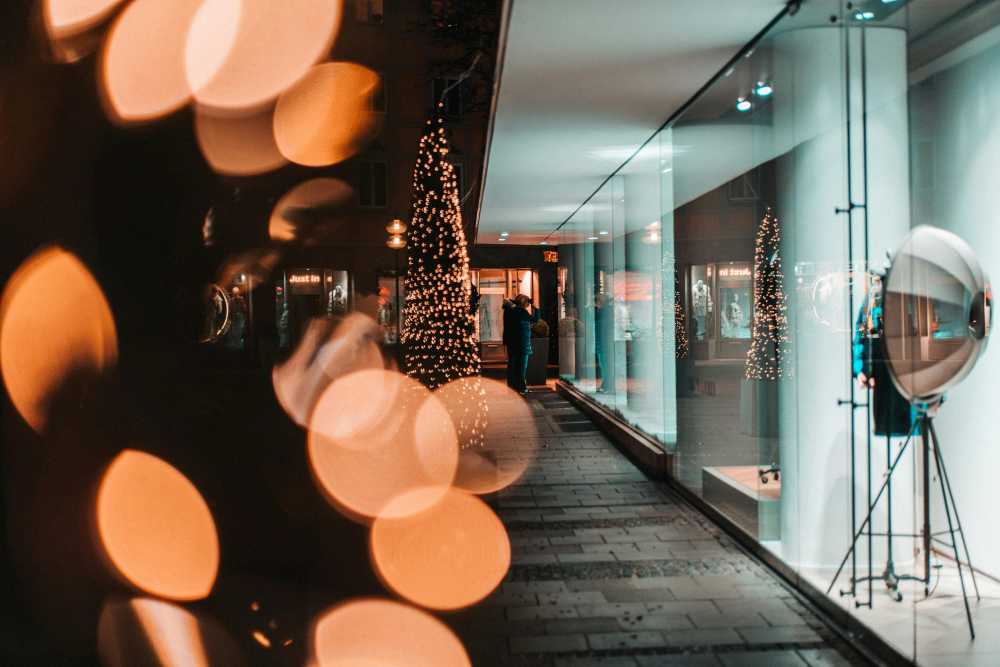
4. Grand Central Holiday Fair: The Warmest Indoor Market
When the winter wind is biting, the Grand Central Holiday Fair offers a warm and dazzling respite. Housed in the magnificent, beaux-arts Vanderbilt Hall, this indoor market is a haven of calm and quality, away from the outdoor chill. Shopping under the grand chandeliers is an experience in itself.
The market is hand-picked, focusing exclusively on American-made and handcrafted products from artisans and small businesses across the USA. You’ll find everything from handmade stationery and children’s clothing to beautiful pottery and eco-friendly accessories. The atmosphere is refined and peaceful, a stark contrast to the joyful chaos of the outdoor markets. Its location within Grand Central Terminal makes it an incredibly convenient stop for commuters and travelers. Because it’s indoors, this is the perfect market to save for a particularly cold or snowy day.
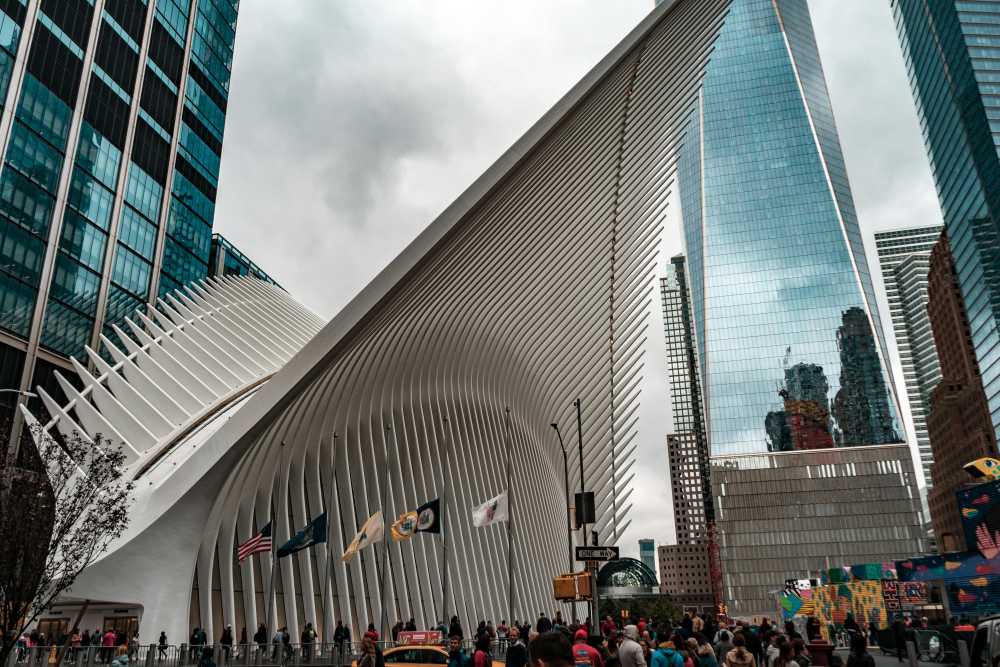
5. The Holiday Market at the Oculus: A Modern Marvel
For a Christmas in New York experience that is sleek, modern, and architecturally stunning, head downtown to the Holiday Market at the Oculus. Set inside Santiago Calatrava’s breathtaking transit hub, this market blends high-end shopping with festive pop-ups in a truly unforgettable setting.
The venue is the star. The soaring white ribs of the Oculus create a cathedral-like space that feels both grand and futuristic. During the holidays, the space is filled with elaborate decorations and a cheerful, bustling energy, offering a completely different vibe from the traditional wooden-stall markets. The market is a mix of familiar luxury brands and curated pop-up shops offering everything from gourmet sweets to tech gadgets. It often features live musical performances, adding to the lively atmosphere.
Pair It With: The Oculus is part of the World Trade Center complex, making it easy to combine your shopping with a poignant visit to the 9/11 Memorial & Museum or a trip to the top of One World Observatory for staggering city views.
6. Brooklyn Flea + Smorgasburg Winter Market: The Hipster's Holiday Haul
Escape the Manhattan crowds and discover a treasure trove of unique finds at the Brooklyn Flea + Smorgasburg Winter Market. This is where you’ll find the city’s coolest vintage goods, handmade crafts, and artisanal foods all under one roof, making it the ultimate destination for a one-of-a-kind gift.
The vibe is pure Brooklyn: creative, eclectic, and effortlessly cool. It’s a massive market that combines the best of the Brooklyn Flea (vintage clothing, antique furniture, retro vinyl) with the best of Smorgasburg (dozens of gourmet food vendors). You are guaranteed to find something here that you won’t see anywhere else, shopping directly from Brooklyn-based artists and designers. The Smorgasburg section is a culinary adventure in itself, serving up inventive dishes from around the world.
Pro-Tip: This is the perfect market for finding a truly unique gift that tells a story. To make your trip even smoother, especially if you're visiting from abroad and planning to bring treasures home, download our International Travel Checklist to ensure you have everything you need for a seamless journey.
7. Grand Holiday Bazaar: The Year-Round Market with a Festive Flair
For a shopping experience that feels good and does good, visit the Grand Holiday Bazaar on the Upper West Side. This is the city’s largest curated weekly market, but it pulls out all the stops for the holiday season with special festive themes and vendors.
What makes this market truly magical is its powerful social mission: all profits are donated to four local public schools, benefiting over 2,000 children. Shopping here means you’re directly supporting the local community, making every purchase feel meaningful. The atmosphere is friendly and neighborhood-focused, with a rotating lineup of over 150 independent local artisans, designers, and vintage dealers each week. Be sure to check their website before you go to see the theme for the week.

Beyond the Markets: A Tour of NYC's Legendary Holiday Lights
No trip for Christmas in New York is complete without indulging in the city’s legendary light displays. Many of these are conveniently located near the markets, allowing you to create a perfect festive itinerary.
The Rockefeller Center Christmas Tree: This is the undisputed king of all holiday displays. The single best piece of advice, straight from seasoned locals, is to visit at dawn. The early hour rewards you with a serene, crowd-free view that feels like a private showing.
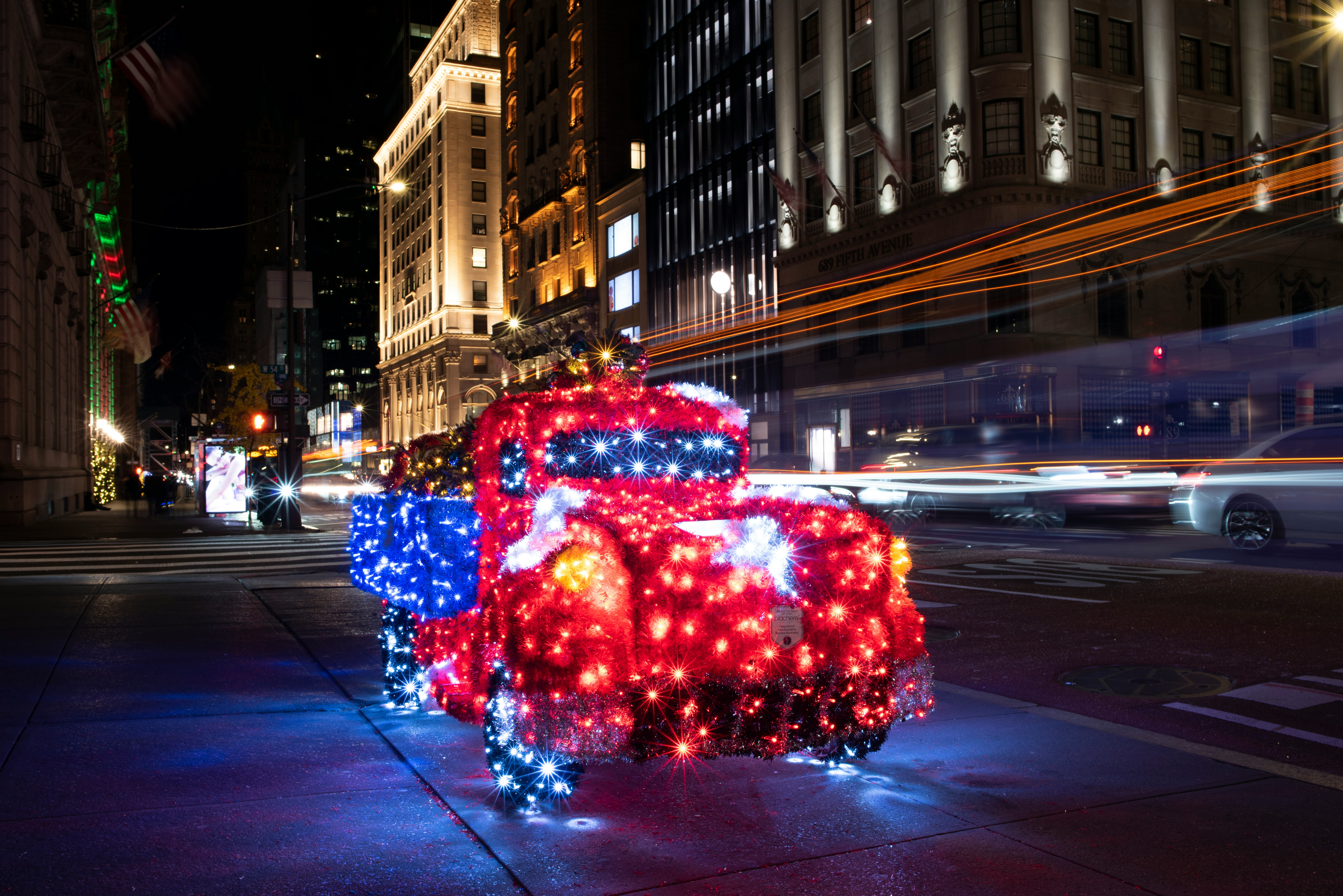
Saks Fifth Avenue Light Show: Directly across from Rockefeller Center, the entire facade of the Saks Fifth Avenue flagship store is transformed into a dazzling musical light show that runs every ten minutes after dusk. It’s a spectacular and unmissable piece of holiday theater.
Dyker Heights, Brooklyn: For a truly over-the-top display, you must take a trip to this Brooklyn neighborhood. The residents engage in a friendly competition to create the most spectacular, professionally-done Christmas light displays imaginable. It’s an unforgettable experience that feels like stepping onto a movie set.
Your Magical New York Christmas Awaits
You now have the insider’s playbook to the very best of festive New York. Armed with this guide, you can navigate the city not as a stressed tourist, but as a savvy traveler ready to soak in the genuine magic of the season. From the iconic grandeur of Bryant Park to the creative buzz of Brooklyn, you have the keys to unlock a holiday trip filled with unique gifts, delicious food, and unforgettable memories. Your perfect Christmas in New York is no longer just a dream—it’s a plan.
Ready to plan your entire U.S. holiday adventure? Our comprehensive Travel Guide is packed with expert advice, detailed itineraries, and local secrets to unlock unforgettable experiences across the country.
Don't Miss Out! Subscribe for Exclusive Content
SubscribeComments 0
No comments yet
Be the first to share your experience!
Dont Miss Out! Subscribe for Exclusive Content
San Francisco Cherry Blossoms: A Local's Guide to the Blooms
Halloween SF: Haunts Without Horrors
SF Festivals: 7 Must-See Lineups
Christmas SF: Lights & Wharf Wonders
SF Pride: 6 Route & Party Hacks
Chinese New Year SF: Parade Essentials
Solo Travel in Asia: Afford Your Dream Trip (No More Guessing)
TrekGuider @trekguider
You see the photos in your feed: the vibrant street food stalls of Hanoi, the serene, golden temples of Chiang Mai, the almost impossibly turquoise waters of the Philippines. You want that. But a cloud of anxiety hangs over the dream: the budget. You’ve seen the blogs promising epic adventures for "$30 a day," but a nagging voice in your head questions the reality. How can that possibly be the whole story? It feels like you're missing a huge piece of the financial puzzle, making it impossible to know if your hard-earned savings are really enough.
Let's be clear: you're right to be skeptical. The internet is a minefield of incomplete advice that conveniently ignores the thousands of dollars you'll spend on flights, comprehensive travel insurance, visas, and pre-trip vaccinations before your boots even touch the ground. This "per-day" myth is a dangerous fantasy that leads to stress and budget blowouts. You don't need a fantasy; you need a plan based on reality.
This is that guide. We're cutting through the noise to give you a reality-based playbook for budget solo travel in Asia, built on hard data and real-world experience. We will tackle the Total Trip Cost head-on, giving you a complete financial blueprint that empowers you to plan with unshakable confidence. While this guide is your financial strategy, mastering the art of traveling alone is equally crucial. For a complete playbook on mindset, safety, and logistics, be sure to read our comprehensive guide on .
Asia: The Undisputed Epicenter for Budget Solo Travel
For decades, Asia has been the champion for independent travelers seeking the ultimate trifecta: unparalleled diversity, profound cultural experiences, and an astonishingly low cost of living. The continent offers a sensory feast, from the futuristic skyline of Tokyo to the ancient, jungle-claimed ruins of Angkor Wat and the snow-capped Himalayan peaks of Nepal.
What makes it uniquely perfect for budget solo travel is the well-trodden "Banana Pancake Trail"—the unofficial network of routes across Southeast Asia that has created a strong and welcoming infrastructure for backpackers. This translates to an abundance of affordable hostels, cheap and mind-blowingly delicious street food on every corner, accessible transportation, and a built-in community of fellow travelers. It’s an environment practically engineered for exploration, where your dollar stretches further than almost anywhere else on Earth, allowing for longer, more immersive journeys without bankrupting you.

The World's Best Bargains: A Data-Driven Ranking of Asia's Top 10 Budget Nations
The sheer number of options in Asia can be overwhelming. To cut through the noise, we've created a composite ranking based on average daily cost, safety (using data from the Global Peace Index), ease of solo travel, and overall experience value. This is your starting point for planning an incredible budget solo travel in Asia itinerary.
The "Big 4" for Ultimate Value: Vietnam, Cambodia, Nepal, Thailand
These four nations are the undisputed kings of the classic backpacker circuit, and for good reason. This is where your travel fund has superpowers. Here, a daily budget of $25-35 isn't about survival; it's about thriving. We're talking $8 for a clean hostel dorm bed, $2 for a world-class bowl of Phở or Pad Thai from a street vendor, and less than $1 for a local beer. The value proposition is simply unbeatable for anyone planning budget solo travel in Asia.
The Best of the Rest: Indonesia, The Philippines, Laos, Malaysia
This next tier offers world-class experiences with a slight step up in daily cost. The Philippines is an archipelago of some of the planet's most beautiful beaches, a paradise for island hopping and diving. Laos offers a more tranquil, less-trodden path with breathtaking mountain scenery and a deeply relaxed atmosphere. And Malaysia, particularly the island of Penang, is a food lover's dream, blending Malay, Chinese, and Indian culinary traditions into a spectacular and affordable street food scene.
The Rising Star: Uzbekistan
Largely absent from mainstream guides, Uzbekistan is a hidden gem for the budget-conscious history buff. As a central hub of the ancient Silk Road, its cities—Samarkand, Bukhara, and Khiva—are architectural masterpieces of complex tilework and soaring minarets. With a high degree of safety, incredibly friendly locals, and rock-bottom prices, it offers a unique cultural experience far from the tourist crowds.
The Great Debate: How to Conquer Japan on a Backpacker's Budget
Japan has a reputation for being prohibitively expensive, but here's the inside scoop: thanks to a favorable currency exchange rate and a unique social infrastructure, it has become surprisingly accessible. The key is to travel like a local, not a tourist.
Sleep in capsule hotels: These futuristic pods offer a clean, private, and safe place to sleep for a fraction of the price of a standard hotel.
Embrace the conbini: Japanese convenience stores (7-Eleven, FamilyMart) are a culinary marvel. You can get delicious and healthy meals like onigiri (rice balls), sandwiches, and bento boxes for just a few dollars.
Focus on free attractions: Many of Japan's most beautiful sights, from serene Shinto shrines and sprawling city parks to vibrant neighborhoods like Harajuku, are completely free to explore.
By adopting these strategies, you can experience one of the world's most fascinating cultures on a budget of around $50-70 a day.
Your No-Nonsense Guide to a Realistic Budget for Solo Travel in Asia
Let's build your real-world budget. While daily spending is the fun part, a successful trip requires a holistic financial plan that starts long before you book your flight.
The Daily Budget Benchmark: What $30, $50, and $75 a Day Really Buys You

$30/Day (The Shoestring Backpacker): This is tight but achievable in the "Big 4." It covers a bed in a dorm hostel, exclusively eating street food, walking as your primary transport, and sticking to mostly free activities.
$50/Day (The Flashpacker): This is the sweet spot for a comfortable budget solo travel in Asia experience. It allows for a private room in a hostel or a budget guesthouse, a mix of street food and restaurant meals, the occasional Grab ride, and entry fees for major attractions.
$75/Day (The Comfort Seeker): At this level, you can afford budget hotels, enjoy meals in nice restaurants, take domestic flights to save time, and participate in more expensive activities like scuba diving courses without constantly checking your bank account.
Deconstructing Your On-the-Ground Costs: A Percentage-Based Breakdown
Once you land, a good rule of thumb for allocating your daily funds is:
Accommodation: 35%
Food & Drink: 25%
Activities & Attractions: 15%
In-Country Transport: 15%
Miscellaneous (laundry, SIM card, etc.): 10%
The Hidden Costs: Budgeting for the "Big 4"
This is the most important part of your budget—the major expenses you'll pay before you leave. Ignoring these is the #1 mistake aspiring travelers make.
International Flights: This will likely be your single largest expense, ranging from $700 to $1,500+ for a round-trip ticket from the U.S. Use tools like Google Flights and Skyscanner, be flexible with your dates, and consider flying during the shoulder seasons (e.g., April-May, September-October) for huge savings.
Travel Insurance: A serious medical emergency or trip cancellation can be financially catastrophic without it. A comprehensive policy from a reputable provider like SafetyWing or World Nomads for a multi-month trip can cost between $300 and $700. It is the single most important investment you will make in your safety.
Visas: Costs and requirements vary wildly. Some countries offer free entry for U.S. citizens, while others require visas costing $30 to $100+. Research the official embassy websites for every country on your itinerary and budget accordingly.
Vaccinations & Meds: A pre-trip consultation with a travel doctor is essential. The cost of recommended vaccinations (like Typhoid, Hepatitis A, and Japanese Encephalitis) can easily add up to several hundred dollars.
Pro-Tip: Use Google Flights' 'Explore' map feature with flexible dates to visually find the cheapest entry point into Asia. Often, flying into a major hub like Bangkok (BKK) or Kuala Lumpur (KUL) and then taking a budget flight with AirAsia is significantly cheaper than a direct flight to your final destination.
Field Notes on Safety for Budget Solo Travel in Asia
Your safety matters most. Being prepared and aware isn't about being paranoid; it's about traveling with the quiet confidence of a pro.

Pre-Trip Protocol: Before you leave, make two photocopies of your passport, visa, and credit cards. Leave one set at home and keep the other in a separate bag from the originals. Save encrypted digital copies in a secure cloud service.
On-the-Ground Awareness: Petty theft is the most common crime. Be vigilant in crowded markets and on public transport. Never flash expensive electronics. Be politely skeptical of overly friendly strangers offering unsolicited help—these are often the lead-in to common tourist scams.
Accommodation Strategy: Read recent reviews from other solo travelers, especially solo women. Choose hostels or hotels in central, well-lit areas. Your accommodation is your safe haven; it's worth paying a few extra dollars for a better location and peace of mind.
A Note for Solo Female Travelers: While most of Asia is very safe, it’s smart to be mindful of cultural norms. In more conservative regions or when visiting temples, carry a scarf or sarong to cover your shoulders and knees. Trust your gut instinct—it is your most reliable safety tool. If a situation feels wrong, it is. Leave immediately.
Hacks to Stretch Your Travel Fund Further
Mastering a few key strategies can save you thousands over the course of a long trip.
Accommodation Hacks
Go analog for long stays. If you plan to stay a week or more, email or call the hostel directly to ask for a weekly rate. You can often get a 15-20% discount.
Master the art of the overnight journey. An overnight bus or train isn't just transport; it's a mobile hotel room that saves you one night's accommodation cost. In countries like Vietnam and Thailand, look for 'VIP' or 'sleeper' options, which often cost only a few dollars more for a fully reclining seat or bunk—an unbeatable value.
Food & Drink Hacks
Eat where the locals eat. Street food stalls and hole-in-the-wall restaurants with plastic stools and long lines of locals are where you'll find the most authentic and delicious food for the lowest prices.
Carry a reusable water bottle with a built-in filter (like a Lifestraw or Grayl). This saves you money on bottled water and dramatically reduces your plastic waste.
Transportation Hacks
Download Grab or Go-Jek. These ride-sharing apps are ubiquitous in Southeast Asia and offer fair, fixed pricing, eliminating the need to haggle with tuk-tuk or taxi drivers.
For long-haul bus and train travel, use a portal like 12Go Asia to compare prices and book tickets in advance, especially on popular routes.
Financial & Tech Hacks
Get a Wise (formerly TransferWise) card. This multi-currency account allows you to hold different currencies and withdraw money from ATMs with minimal fees, saving you a fortune on bank charges compared to your home debit card.
Buy an eSIM from a provider like Airalo before you leave home. This gives you affordable data the second you land, a massive convenience and safety advantage for navigating to your hostel.
Extending Your Trip: The Work-Exchange Secret
Platforms like Workaway and Worldpackers are game-changers for long-term budget solo travel in Asia. They connect you with hosts (often hostels, farms, or families) who offer free accommodation and sometimes food in exchange for a few hours of work per day. This is a phenomenal way to stretch your budget for months.
Pro-Tip: When withdrawing cash, always decline the ATM's "dynamic currency conversion." This is a fancy term for a terrible exchange rate. By choosing to be charged in the local currency (e.g., Thai Baht), you let your own bank handle the conversion at a much fairer rate, saving you 5-10% on every withdrawal.
Your Essential Asia Solo Travel Toolkit
Leverage technology to make your trip smoother, safer, and cheaper.
Financial: Wise, Revolut
Connectivity: Airalo, Holafly
Navigation: Google Maps (with offline maps downloaded!), Maps.me
Transportation: Grab, Go-Jek, 12Go Asia, Skyscanner
Accommodation: Booking.com, Hostelworld, Agoda
The Only Thing Left is to Go
The dream of an extended trip through Asia is not a fantasy reserved for the wealthy; it is an achievable goal for anyone armed with a solid, reality-based plan. By moving past the incomplete "per-day" myth and embracing a Total Trip Cost approach, you give yourself the financial clarity needed to travel with confidence, not anxiety. The strategies and tips in this guide are your blueprint. The path to a successful budget solo travel in Asia adventure is clear. The world is waiting for you.
Read the full guide: Anxious to Adventurous: The Ultimate Guide to Solo Travel Confidence
Don't Miss Out! Subscribe for Exclusive Content
SubscribeComments 0
No comments yet
Be the first to share your experience!
Dont Miss Out! Subscribe for Exclusive Content

Top 11 High-Paying Affiliate Programs for Travel Bloggers

High-Paying Affiliate Opportunities for Individual Travel Affiliates

Amazon Associates for Travel: Strategies to Maximize Commissions

How to Avoid Travel Scams: A Global Guide

A Woman's Guide to Safe Travel: 10 Critical Tips
