
Ultra Festival: Beat the Heat Guide

TrekGuider @trekguider
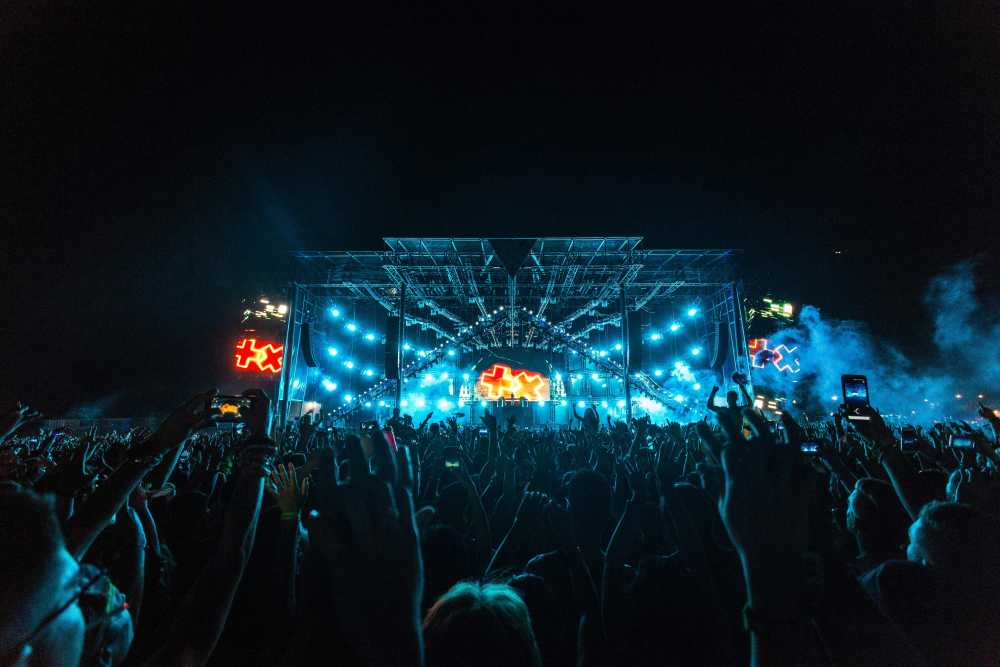
You’ve done it. You scored the golden ticket to Ultra Music Festival, a three-day sonic pilgrimage in the heart of Miami where the world’s greatest DJs command colossal stages and the energy is nothing short of electric. But as the bass drops, so does the relentless Florida sun. The real problem isn't just the heat; it's the brutal combination of scorching temperatures, suffocating humidity, and tens of thousands of dancing bodies that can quickly turn your dream festival into a dehydrated, sun-stroked nightmare.
Imagine the agony of missing Skrillex’s closing set because you’re dizzy and nauseous, huddled in a medical tent. Picture the sheer frustration of tapping out before sunset on day one, your energy completely drained, while your friends rave on into the night. This isn't a scare tactic; it's a common reality for unprepared attendees who fatally underestimate the physical toll of partying under the Miami sun for three straight days. The line between an unforgettable weekend and a miserable, potentially dangerous one is drawn by a single thing: a bulletproof strategy.
This is that strategy. Forget the generic "drink water" advice you’ve heard a thousand times. This is your new bible for not just surviving, but truly conquering the heat at Ultra. We’re providing a pro-level, comprehensive blueprint covering everything from tactical gear selection and advanced hydration science to strategic stage navigation and leveraging festival tech for your safety. Follow these steps, and you won't just beat the heat—you'll own the entire experience, from the opening beat on Friday to the final fireworks on Sunday.
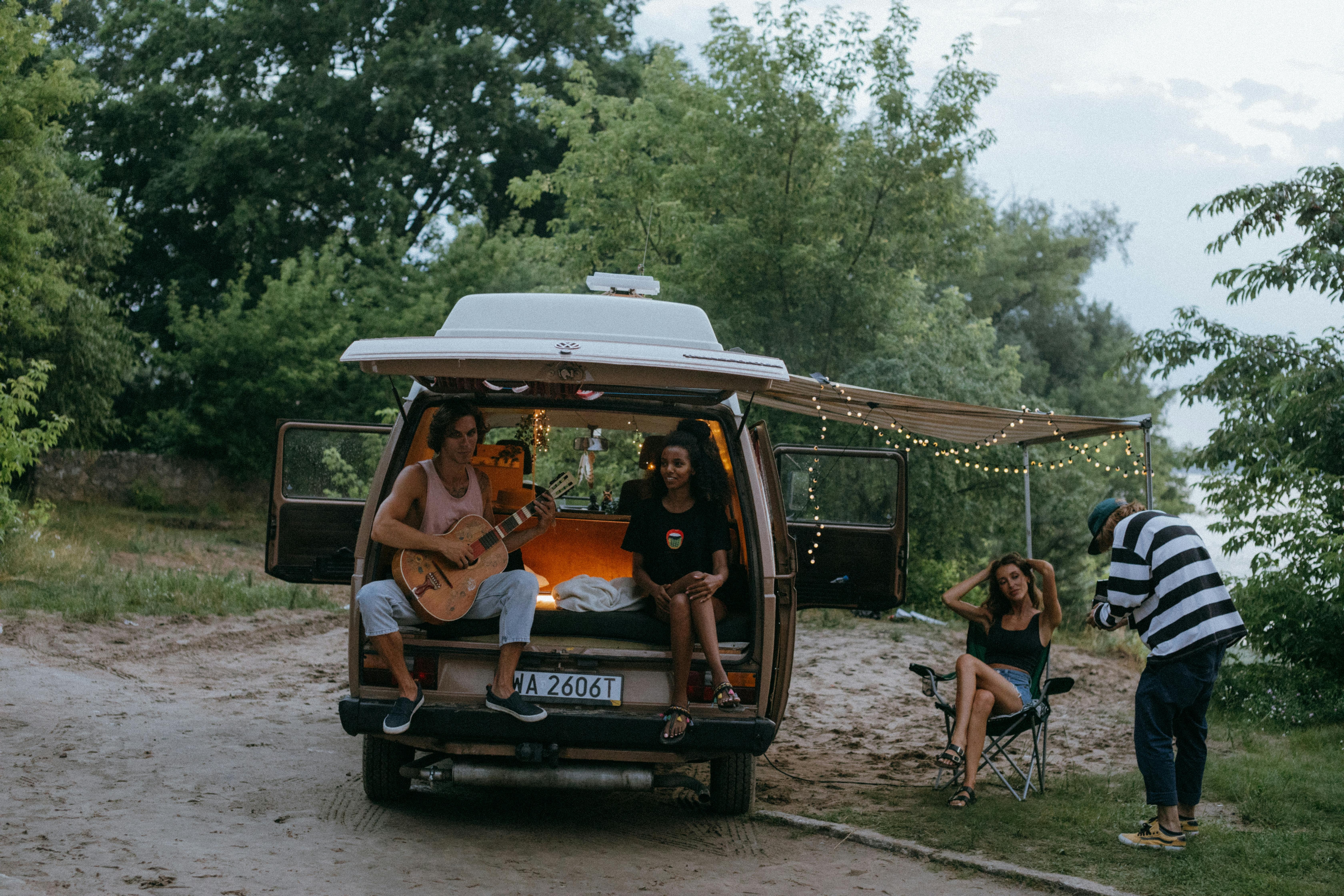
Understanding the Ultra Music Festival Environment: Sun, Crowds, and Sound
Before you can build a plan, you must understand the battlefield. Ultra Music Festival unfolds in late March at Bayfront Park, a beautiful but notoriously exposed venue. For 2026, the festival runs from March 28-30 (and for you long-term planners, March 27-29 in 2026), a time when Miami’s weather is deceptively intense. While the festival is at the heart of the city's vibrant event calendar—a scene we detail in our complete guide to Miami Holidays: 8 Beach Fest Vibes—its unique environment presents a specific set of challenges you must be prepared for.
The festival operates on a strict "rain or shine" policy, meaning you need to be ready for anything. The schedule itself is a marathon, not a sprint:
Friday, March 28: 4:00 PM – 12:00 AM
Saturday, March 29: 12:00 PM – 12:00 AM
Sunday, March 30: 12:00 PM – 10:00 PM
Notice that Saturday and Sunday demand ten to twelve hours of exposure. The primary obstacles you will face are:
Intense Solar Radiation: The Florida sun is powerful. Without adequate shade, direct exposure can lead to severe sunburn and rapidly increase your core body temperature.
Oppressive Humidity: Miami's humidity cripples your body's natural cooling system. It prevents sweat from evaporating effectively, making 85°F feel like a suffocating 95°F.
Massive Crowds: Dense crowds trap body heat, creating microclimates that are significantly hotter than the ambient air. Navigating these human seas requires immense physical energy.
Constant Movement: You’ll be walking, standing, and dancing for hours on end, burning calories and losing fluids at a dangerously accelerated rate.
The first and most critical mindset shift is to treat Ultra like an athletic event. Your preparation starts long before you ever step foot in Bayfront Park.

Pre-Festival Prep: Your Foundation for Success
Victory is won in the preparation. What you do in the days leading up to the festival and what you pack in your bag will absolutely dictate your endurance and enjoyment.
The Ultimate Packing List: Beyond the Basics
Your packing list is your first line of defense. Every single item should serve a purpose, primarily focused on cooling, hydration, and comfort.
Clothing (The Three B’s: Breathable, Bright, and Barely-There):
Fabrics: Choose lightweight, moisture-wicking materials like polyester, nylon, or bamboo blends. These technical fabrics pull sweat away from your skin, allowing it to evaporate and cool you down. Avoid cotton at all costs; it absorbs moisture, becoming a heavy, suffocating trap for heat.
Colors: Opt for light-colored clothing. White, beige, and pastels reflect sunlight rather than absorbing it like dark colors do.
Fit: Loose-fitting garments are your best friend. They allow for crucial airflow against your skin, preventing heat from getting trapped.
Footwear (Your Most Important Gear): You will be on your feet for 30+ hours over the weekend. Comfortable, well-worn sneakers are non-negotiable. Do not, under any circumstances, wear brand-new shoes, flimsy sandals, or heavy boots. Running or athletic shoes with proven arch support are ideal.
Hydration Hardware:
Hydration Pack: This is the single most important piece of gear you can bring. A CamelBak or a similar backpack with a water bladder allows you to carry 2-3 liters of water and sip continuously without fumbling with a bottle. Ensure it complies with the latest festival size and pocket regulations before you go.
Electrolyte Packets: Pack single-serving powders or tablets (like Liquid I.V., Nuun, or Pedialyte packets). They are small, light, and absolutely essential for true hydration.
Sun & Heat Protection Arsenal:
Sweatproof Sunscreen: A broad-spectrum, water-resistant sunscreen with an SPF of 50 or higher is mandatory. Apply it generously 30 minutes before you enter and reapply every two hours, no exceptions.
Wide-Brimmed Hat: A bucket hat or other wide-brimmed hat provides a portable oasis of shade for your face, neck, and ears, significantly reducing your perceived temperature.
UV-Protective Sunglasses: Protect your eyes from the relentless glare and long-term sun damage.
Cooling Towel: These hyper-evaporative towels, when soaked in water, provide incredible cooling relief when worn around your neck.
Handheld Fan/Mister: A small, battery-operated fan can be a godsend in a stagnant, dense crowd, creating a personal breeze when you need it most.
Physical Conditioning: Don't Underestimate the Marathon
You wouldn't run a 10k without training, and you shouldn't tackle Ultra without some physical prep.
Pre-Hydrate Aggressively: Begin increasing your water intake 2-3 days before the festival. Your goal is to start Day 1 with your body in a state of optimal hydration, not playing a desperate game of catch-up.
Build Endurance: In the weeks leading up, incorporate some light cardio into your routine. Even 30 minutes of brisk walking or jogging a few times a week will dramatically improve your stamina.
Prioritize Sleep: Get a full 8 hours of sleep each night in the week before the festival. A sleep deficit severely impairs your body's ability to regulate temperature and recover.
Just as detailed planning is key for a scenic road trip, like the one we map out in our Big Sur Map & Itinerary, careful preparation is essential for a massive festival. Don't leave your experience to chance.
Mastering Hydration: The Core of Your Ultra Music Festival Strategy
This is the most critical section of this guide. Proper hydration at Ultra is a science. Simply drinking water when you feel thirsty is a recipe for disaster; by the time you feel thirst, you are already significantly dehydrated.

Water Isn't Enough: The Critical Role of Electrolytes
When you sweat, you don't just lose water; you lose vital minerals called electrolytes—primarily sodium, potassium, and magnesium. These minerals are the spark plugs of your body, responsible for regulating nerve and muscle function, hydrating your cells, and balancing blood pressure. Replenishing them is just as important as replenishing water.
Why It Matters: Drinking excessive amounts of plain water without replacing electrolytes can lead to a dangerous condition called hyponatremia, where the sodium levels in your blood become dangerously diluted. Symptoms can mimic dehydration (nausea, headache, confusion) but can be far more severe.
Your Game Plan: For every two refills of your hydration pack with plain water, make the third refill an electrolyte mix. This simple rule ensures you are constantly replenishing what you're sweating out. Avoid relying on sugary energy drinks or sodas for hydration; they can often make dehydration worse.
Your Hydration Schedule: A Sip-by-Sip Plan
Discipline is everything. You need a proactive hydration schedule, not a reactive one.
The Morning Load-Up: Drink at least 16-20 ounces (about half a liter) of water with an electrolyte packet before you even leave for the festival.
The Immediate Refill: The very first thing you do upon entering Bayfront Park is locate a water station and fill your hydration pack to its maximum capacity.
The 15-Minute Rule: Take a few big sips of water from your pack every 15 minutes. Set a recurring alarm on your phone or watch if you have to. Do not wait until you feel thirsty.
The Proactive Refill: Never wait until your pack is empty to refill it. When it's about one-third full, make your way to a water station. The lines are shortest during non-peak times (e.g., during a headliner's set when everyone is at one stage, or early in the day).
The End-of-Night Recovery: Drink another 16-20 ounces of electrolyte-infused water before you go to sleep. This will supercharge your body's recovery overnight and prepare you for the next day.
Pro-Tip: As soon as you get inside, open the festival map on the official app and screenshot the locations of all free water refill stations. The stations located near smaller stages or along the perimeter of the park often have significantly shorter lines than the ones near the main stage.
Strategic Navigation and Lineup Planning
How you move through the festival and plan your day is just as important as what you pack. Wasting energy is a luxury you simply cannot afford.

Decoding the Festival Map for Heat Evasion
The festival grounds are a maze of stages, vendors, and people. Use the map to your real advantage.
Identify Cool Zones: Before you even start thinking about artists, scan the map for any designated shade structures, indoor stages (like the iconic Megastructure), or air-conditioned brand activations. These are your recovery oases.
Plan Efficient Routes: When moving from the Main Stage to the Resistance stage, don't just try to cut through the thickest part of the crowd. Use the perimeter walkways. It might be a slightly longer distance, but it will be faster and require far less energy than pushing through a human traffic jam.
Building a Smart Schedule: Pacing is Everything
With a 2026 lineup featuring titans like John Summit & Dom Dolla, Armin van Buuren, Tiësto, Chase & Status, and Deadmau5, the temptation is to sprint from stage to stage. This is a rookie mistake that will burn you out by 9 PM on Friday.
Prioritize Ruthlessly: Accept that you cannot see every artist. Pick your top 3-4 "can't-miss" sets for each day and build your schedule around them as anchors.
Schedule Deliberate Downtime: The hottest part of the day is typically between 2 PM and 5 PM. This is the perfect time to schedule a tactical break. Find a shady spot, sit down, focus on hydrating, and eat a proper meal. This planned rest will give you the energy you need for the headlining acts at night.
Embrace Discovery: Use the time between your must-see sets to explore smaller stages. They are often less crowded, providing more space to dance, breathe, and discover your new favorite artist.
Pro-Tip: When moving through a dense crowd to get closer to a stage, conserve energy by following directly behind a larger, determined person or group. Let them carve a path for you. It's a simple "drafting" trick that saves a surprising amount of physical effort.
Leveraging Technology and Safety Resources at Ultra Music Festival
In the modern festival era, your phone is an essential survival tool. Ultra has integrated technology to enhance attendee safety, and you should take full advantage of every resource.
Your Phone is Your Lifeline
The Official Ultra App: Download it well in advance. It contains the most up-to-date festival map, set times, and, most importantly, will send push notifications for any emergency alerts or important announcements.
The SaferWatch App: Ultra has partnered with the SaferWatch app, which allows you to report any safety or security concerns (medical emergencies, suspicious activity) directly and anonymously to festival staff in real-time. Have it downloaded and set up before you arrive.
Portable Charger: Your phone is useless with a dead battery. A fully charged portable power bank is not optional; it's mandatory.
Knowing Where to Go for Help
Even with perfect preparation, things can go wrong. Knowing how to recognize a problem and where to get help is crucial.
Locate Medical Tents: Just like the water stations, the first thing you should do is identify the location of all medical tents on your map. They are staffed with professionals who are there to help you, no questions asked. There is no shame in seeking help.
Recognize the Signs of Heat Exhaustion: Be aware of these symptoms in yourself and your friends:
Heavy sweating
Dizziness or lightheadedness
Nausea or vomiting
A throbbing headache
Cool, pale, clammy skin
If you or a friend experience these, get to a medical tent immediately. Do not try to "tough it out."
Be a Good Raver: The Ultra community is known for looking out for one another. If you see someone who looks unwell or is in distress, ask if they need help and guide them toward a medical tent or alert festival staff.

You're Ready to Conquer Ultra
The roar of the crowd, the earth-shaking bass, the Miami skyline lit up against the night sky—these are the moments that define the Ultra Music Festival experience. By approaching the weekend with the mindset of an endurance athlete, you are no longer at the mercy of the elements. You are in control. Preparation is your armor, hydration is your fuel, and a smart strategy is your map to victory. You now have the expert knowledge to stay cool, energized, and safe from the first set to the final encore.
You are now equipped to handle the heat, navigate the crowds, and fully immerse yourself in the magic of one of the world's greatest music festivals. This level of detailed planning is what transforms a good trip into an unforgettable one. For comprehensive strategies on navigating destinations and events worldwide, our master Travel Guide is the ultimate resource for the serious traveler. Now go, stay hydrated, and have the time of your life.
Don't Miss Out! Subscribe for Exclusive Content
Subscribe



Comments 0
No comments yet
Be the first to share your experience!
Dont Miss Out! Subscribe for Exclusive Content

San Francisco Cherry Blossoms: A Local's Guide to the Blooms


Halloween SF: Haunts Without Horrors

SF Festivals: 7 Must-See Lineups

Christmas SF: Lights & Wharf Wonders

SF Pride: 6 Route & Party Hacks

Chinese New Year SF: Parade Essentials
10 Must-Read Solo Travel Blogs for 2026
TrekGuider @trekguider
You're dreaming of a solo trip. You can practically feel the freedom of setting your own itinerary, the electric thrill of navigating a new city, and the profound experience of discovering the world—and yourself—on your own terms. But then, the static of doubt creeps in. Is it safe? Can I afford it? Where do I even begin? The internet is a firehose of generic advice, leaving you feeling more overwhelmed than empowered. You see the perfectly curated Instagram feeds, but what you crave are the real stories, the hard-won lessons, and the practical safety tips from people who have actually walked the path you’re about to take. You don’t just need inspiration; you need a roadmap and reassurance from trusted voices who truly get it.
This is where the right solo travel blogs become the most valuable tool in your travel planning arsenal. Forget endless, aimless scrolling. We’ve done the heavy lifting, applying a rigorous, data-driven vetting process to identify the absolute best, most authoritative solo travel experts to guide you. This isn’t just another list; it’s a curated collection of mentors designed to help you conquer your doubts and plan the adventure of a lifetime. As we cover in our comprehensive guide to The Best Travel Blogs to Follow in 2026, finding a niche expert is the key to unlocking truly valuable advice. This handpicked list is your first step toward transforming your solo travel dream into a well-planned, confident reality.
How We Vetted the Best: Our Data-Driven Approach
To build this definitive list, we moved beyond superficial vanity metrics. A huge follower count can be misleading; true authority is built on a foundation of expertise, trust, and genuine community. We applied a dual-factor framework, combining hard data with the human element of excellence.
Quantitative Authority Signals: We started with the data layer. We analyzed each blog’s Domain Rating (DR) using tools like Ahrefs, which measures a site's backlink profile to estimate its authority in the eyes of search engines. But we didn't stop there. We also dove into their social media, prioritizing engagement rate over raw follower counts. After all, a smaller, highly engaged community is far more valuable than a large, passive one. We used a standard industry formula to see who was truly connecting with their audience:
Engagement Rate=Follower Count(Likes+Comments+Shares+Saves)×100
This metric served as a powerful proxy for brand loyalty and content that genuinely resonates.
Qualitative Excellence: Data only tells part of the story. The blogs that made this final cut excel in the areas that matter most: exceptional writing and originality, deep niche expertise, a professional and user-friendly site design, and a real, tangible connection with their community. They are transparent, authentic, and have earned the trust of their readers through years of high-quality, reliable content.
This rigorous process ensures that every blog recommended below is a trusted resource you can count on not just for inspiration, but for actionable advice.

The Best Solo Female Travel Blogs (For Safety & Empowerment)
For many women, the biggest barrier to solo travel isn't cost or logistics—it's safety. These bloggers tackle that concern head-on, providing the practical advice and empowering stories you need to explore the world with confidence.

1. Adventurous Kate
Website: adventurouskate.com
A true pioneer in the industry, Kate McCulley has been traveling the world solo since 2010. Kate’s blog isn’t just a resource; it’s the gold standard for solo female travel safety. She methodically covers everything from granular, destination-specific safety guides to the often-overlooked internal challenges, like managing anxiety on the road. It’s this kind of on-the-ground intelligence that pairs perfectly with a comprehensive resource like our own Spain Travel Guide—one of the many expert-written guides you can find on the TrekGuider marketplace.
2. Be My Travel Muse
Website: bemytravelmuse.com
If your vision of solo travel involves more than just big cities and popular landmarks, Kristin Addis is your guide. She specializes in off-the-beaten-path, adventurous solo travel for women. Her content is for the woman who wants to hike in Patagonia, dive in the Philippines, or road trip through Namibia alone. She provides the logistical details and courage needed to tackle less conventional destinations with confidence.
3. GRRRLTRAVELER
Website: grrrltraveler.com
Christine Kaaloa offers a unique and highly valuable perspective, blending solo travel advice with her expertise as a video creator. What sets GRRRLTRAVELER apart is its laser focus on "street smart" safety. Christine provides incredibly practical, subtle tips that go beyond the basics, like her guide to the " She empowers her readers by teaching them how to be resilient, resourceful, and aware, no matter where they are.
Your Ultimate Safety Toolkit
Feeling inspired? The expert advice from these bloggers is invaluable. But reading tips is one thing; internalizing them is another. To help you consolidate these life-saving strategies into one place, we’ve created an actionable checklist that you can use for every trip you plan.
Download our free Solo Female Travel Safety Guide now! This comprehensive guide distills wisdom from top experts and government sources into a step-by-step checklist to help you prepare for a safe and incredible solo adventure.
The Best Budget Solo Travel Blogs (For Making Your Dream a Reality)
After safety, the next big question for many aspiring solo travelers is: "How can I possibly afford this?" These blogs demystify the finances of travel, proving that you don't need a massive trust fund to see the world—you just need a smart strategy.

4. Nomadic Matt
Website: nomadicmatt.com
Matt Kepnes is a titan of the budget travel world, and his blog is an essential starting point for anyone looking to travel more for less. While his advice applies to all travelers, his extensive library of content is particularly valuable for solo travelers who bear the full financial burden of a trip. His post, "," is a masterclass in shifting your mindset from "I can't afford it" to "How can I afford it?"
5. The Broke Backpacker
Website: thebrokebackpacker.com
Will Hatton is all about shoestring travel and long-term adventures. His blog is for the aspiring nomad who wants to truly immerse themselves in the backpacker lifestyle. He offers raw, unfiltered advice on everything from finding work on the road to surviving in hostels. His philosophical and practical posts, like " ," provide both the inspiration and the practical plan for making long-term solo travel a reality.
6. Never Ending Footsteps
Website: neverendingfootsteps.com
Lauren Juliff’s blog is a powerful resource that combines practical budget travel advice with an honest and open discussion of overcoming travel anxiety. For many first-time solo travelers, fear and anxiety are major hurdles. Lauren’s journey of traveling for over a decade despite her anxiety is incredibly reassuring. She provides detailed budget breakdowns from her travels, proving that a life of adventure is attainable and manageable.
But what if your travel dreams are less about stretching a dollar and more about stretching your comfort zone? For those who equate travel with adrenaline, the next set of blogs are your essential reading.
The Best Adventure Solo Travel Blogs (For the Thrill-Seekers)
If your idea of travel involves breathtaking landscapes, physical challenges, and a healthy dose of adrenaline, these are the solo travel blogs you need to follow. They cater to the outdoor enthusiast and prove that the world’s greatest adventures are accessible to the solo explorer.

7. Expert Vagabond
Website: expertvagabond.com
Matthew Karsten is an adventure travel photographer and writer who has been exploring the world for over a decade. His blog is a treasure trove of stunning photography and gripping stories from some of the world's most remote corners. For the solo traveler with an appetite for true adventure, his detailed guides on experiences like "" offer both the inspiration to dream big and the practical information needed to follow in his footsteps.
8. The Planet D
Website: theplanetd.com
While Dave and Deb are a travel couple, their motto, "Adventure is for Everyone," makes their blog an essential resource for solo travelers. They have tackled some of the most epic adventures imaginable, from kayaking in Antarctica to cycling the continent of Africa. Their blog is brilliantly organized by destination and activity, making it an incredible resource for a solo traveler planning an ambitious, adventure-focused itinerary.
9. Nomadasaurus
Website: nomadasaurus.com
Alesha and Jarryd are masters of overland and trekking adventures. Their blog has evolved over the years, but its core has always been a passion for sustainable adventure travel. For the solo traveler looking to plan a multi-day hike or an extensive overland journey, their incredibly detailed guides, like "," are second to none. They provide the nitty-gritty logistical details that are crucial for a successful and safe solo adventure.
The Must-Follow New Voice in Solo Travel
10. Travel Off Script
Website: traveloffscript.com
Quincy Morris represents the new generation of solo travelers. Her blog, Travel Off Script, focuses on empowering women to travel solo through curated guides and practical tips. She blends luxury, adventure, and culture, offering a fresh perspective on what solo travel can be. Her content, such as "" is perfect for the modern woman looking for sophisticated and empowering travel experiences.
Frequently Asked Questions About Solo Travel
You've got the inspiration, now let's tackle some of the lingering questions. We've compiled answers to the most common queries from aspiring solo travelers.

1. Is it safe to travel solo as a woman?
Yes, with the right preparation and awareness. Safety is a primary concern, but it's manageable. The key is proactive planning. Before you go, thoroughly research your destination's cultural norms, especially regarding dress codes. Consult U.S. State Department advisories for reliable safety information. While traveling, maintain situational awareness, trust your intuition, avoid disclosing that you're alone, and use digital tools like location-sharing apps with a trusted contact back home.
Pro-Tip: A widely recommended tactic from veteran solo travelers is to avoid disclosing to strangers that you are traveling alone. According to safety experts, if questioned, it’s often safer to mention you’re meeting a friend, partner, or group later.
2. How do I choose my first solo travel destination?
For a first trip, choose a destination known for its safety, good tourism infrastructure, and ease of navigation. Countries in Western Europe (like Portugal or Ireland), Southeast Asia (like Thailand or Vietnam), and destinations like New Zealand or Costa Rica are popular choices for a reason. Pick a place where you feel a genuine pull of interest, as your enthusiasm will help you overcome any first-timer nerves.
3. What's the biggest mistake first-time solo travelers make?
Over-scheduling. The beauty of solo travel is the freedom to be spontaneous. Many first-timers pack their itinerary so tightly they leave no room for serendipity—the unexpected detours, the long coffee shop conversations, or the decision to spend an entire afternoon in a park. Plan your key activities, but leave plenty of unstructured time to simply wander and explore.
4. How do I deal with loneliness or meet people on the road?
Loneliness can happen, but it's often fleeting. Staying in social accommodations like hostels is the easiest way to meet fellow travelers. Joining a small group day tour, taking a local cooking class, or even just sitting at a communal table or bar can spark conversations. Remember, many other people are in the same boat. A simple "hello" can go a long way.
Your Journey Starts Now
The path to a life-changing solo trip begins with a single step: gathering the right information from people you trust. The journey from dream to destination can feel daunting, but you are now armed with a list of expert mentors who have paved the way. These incredible solo travel blogs provide the proof that traveling alone is not only possible but is one of the most empowering and rewarding experiences you can have. Dive into their stories, absorb their advice, and start planning your own chapter. The world is waiting for you.
Meta Data Suggestions:
SEO Meta Title (57 characters): 10 Must-Read Solo Travel Blogs for 2026 | TrekGuider
URL Slug: solo-travel-blogs
SEO Meta Description (154 characters): Planning a solo trip? Discover the 10 best solo travel blogs of 2026. Get expert safety tips, budget advice, and answers to your top solo travel questions.
Don't Miss Out! Subscribe for Exclusive Content
SubscribeComments 0
No comments yet
Be the first to share your experience!
Dont Miss Out! Subscribe for Exclusive Content

FTC Affiliate Disclosure Essentials: Stay Compliant as a Travel Creator

Essential Affiliate Tools: From Tracking to Full Optimization

Avoid These 5 Affiliate Landing Page Mistakes for Better Conversions

Affiliate Keyword Research Mastery for Travel Blogs

Booking.com Affiliate Program Review: Pros, Cons, and Earnings Potential

Decoding Affiliate Commission Rates: Benchmarks for Travel Creators
Halloween NOLA: Voodoo Haunts Guide
TrekGuider @trekguider
Are you tired of the same predictable Halloween? The plastic skeletons, the generic haunted houses, and the soulless loop of monster-themed pop songs. You’re searching for an experience that’s genuinely unsettling, one steeped in real history and a palpable sense of the supernatural. You want a Halloween that feels less like a costume party and more like stepping through a veil into another world, and you've heard that New Orleans hosts some of the most legendary Halloween events USA has to offer.
The Crescent City promises exactly that, but navigating its intoxicating chaos can be a nightmare in itself. The French Quarter throngs with tourists, every corner has a barker selling a ghost tour, and the line between authentic tradition and cheap theatrics is dangerously blurred. How do you find the real Voodoo priestess and not a costumed actor? How do you walk the city’s most haunted streets safely? How do you experience the true, spine-chilling spirit of a New Orleans Halloween without getting lost in the tourist traps?
Consider this your sacred map. This guide cuts through the Bourbon Street noise to lead you directly to the soul of Halloween in New Orleans. We will explore the authentic Voodoo traditions that permeate the holiday, guide you through the macabre elegance of the city’s official parade, and reveal the best ways to encounter the spirits that never left. This isn’t just a trip; it’s an initiation into the most unique Halloween celebration in America.

Why a New Orleans Halloween is Unlike Any Other
Forget everything you know about Halloween. In New Orleans, the holiday isn’t just a single night of spooky fun; it’s a city-wide season where the veil between the living and the dead feels impossibly thin. The city's unique cultural gumbo—a rich mix of French, Spanish, African, and Creole heritage—has created a celebration that is deeply intertwined with its own ghost tales and Voodoo traditions. This isn't a manufactured haunt; the city's very foundations are built on a history of plagues, fires, and mysterious legends, providing a genuinely eerie backdrop that you can feel in the humid, heavy air.
This deep, almost sacred connection to its own folklore is what makes the city’s celebrations so profound, setting it apart from anywhere else in the country. It’s a key part of what we explore in our definitive guide to New Orleans Holidays: Cultural Feasts. While Mardi Gras has its world-famous pageantry, a New Orleans Halloween offers something more intimate, more mysterious. The holiday here incorporates authentic Vodou practices, with locals holding ceremonies to honor their ancestors and connect with the spirit world. It’s a time when the city’s folklore feels intensely alive, and every shadowy, gaslit courtyard seems to hold a story whispered on the breeze.
The Krewe of Boo: A Macabre March Through the Quarter
Forget your hometown’s charming little costume march. New Orleans doesn’t do 'quaint' for Halloween. Instead, it unleashes the Krewe of Boo, the city’s official, full-scale Mardi Gras-style parade dedicated entirely to the ghoulish, the ghostly, and the gloriously grotesque. Expect towering, professionally crafted floats depicting zombies, vampires, and monsters from Louisiana folklore, all rolling through the historic French Quarter under the watchful eyes of its centuries-old buildings.

Mark your calendar: the parade is scheduled to roll on the evening of Saturday, the last weekend of October. The route typically begins in the Marigny, travels through the French Quarter, and ends in the Warehouse District. Krewes on the floats don’t just wave; they throw unique Halloween-themed items to the screaming crowds below. Forget beads—you’re more likely to catch spooky-themed doubloons, pralines, or even ghoulish rubber chickens.
To make the most of the Krewe of Boo, follow these essential tips:
Arrive Early: The French Quarter becomes incredibly crowded. Find a spot along the route at least two hours before the parade starts, especially if you want a front-row view. The sections along Decatur Street or Canal Street are often prime locations.
Dress the Part: Costumes are not just encouraged; they are practically mandatory for the full experience. The more creative and elaborate, the better. You’re not just a spectator; you’re part of the city-wide spectacle.
Mind Your Throws: The items thrown from floats can be surprisingly heavy. Keep your head up and be aware of your surroundings to avoid getting bonked by a flying skeleton toy.
Plan Your Exit: Know how you’re getting back to your accommodations before the parade ends. Streets will be closed, and rideshares will be in high demand with significant surge pricing.
Pro-Tip: For a slightly less chaotic viewing experience, find a spot near the beginning of the route in the Marigny. The crowds are often thinner, and the krewes are just starting their procession, full of energy and with plenty of throws left to give.
Diving into the Voodoo Veil: Authentic Spiritual Experiences
The true magic of a New Orleans Halloween lies in its deep, misunderstood connection to Voodoo. This is not the sensationalized "voodoo doll" caricature you see in movies. Louisiana Voodoo, or Vodou, is a legitimate spiritual practice with West African roots, and Halloween aligns with a sacred time for honoring the dead and communicating with ancestors.
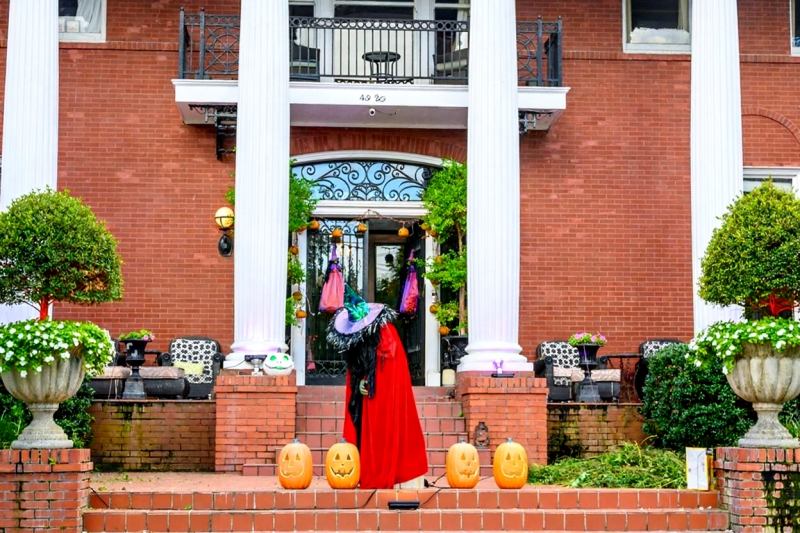
For a truly authentic experience, visitors should approach the city’s Voodoo culture with reverence and respect. Many of the most powerful moments happen away from the main tourist drags.
Visit St. Louis Cemetery No. 1: This is the final resting place of the legendary Voodoo Queen, Marie Laveau. During the Halloween season, ceremonies are often held near her grave, and it’s common to find offerings of flowers, candles, and other tokens left in her honor. Access is now restricted to licensed tour guides, but a guided visit provides invaluable historical context. Remember, this is a sacred site, not a theme park attraction. Behave with the utmost respect.
Explore Authentic Voodoo Shops: Skip the kitschy souvenir stores and seek out genuine Voodoo apothecaries and cultural centers. Shops like Voodoo Authentica or Island of Salvation Botanica are run by actual practitioners (Mambos and Houngans) who can provide insight into the religion’s true nature. Here, you can purchase handmade gris-gris bags, candles, and oils, and sometimes even arrange for a spiritual consultation or reading.
Attend a Public Ceremony (with permission): Some Voodoo communities hold public or semi-public ceremonies around Halloween to honor the spirits. These are deeply spiritual events, not performances. If you are fortunate enough to find an opportunity to attend one, do so quietly and respectfully. Do not take photos unless explicitly permitted, and consider leaving a small donation.
Haunted New Orleans: Top Tours for True Ghost Hunters
New Orleans is widely considered one of America’s most haunted cities, and there is no better time to connect with its resident spirits than Halloween. The city offers a dizzying array of ghost tours, but they are not all created equal. Here’s how to find a tour that delivers genuine chills instead of cheap jump-scares.
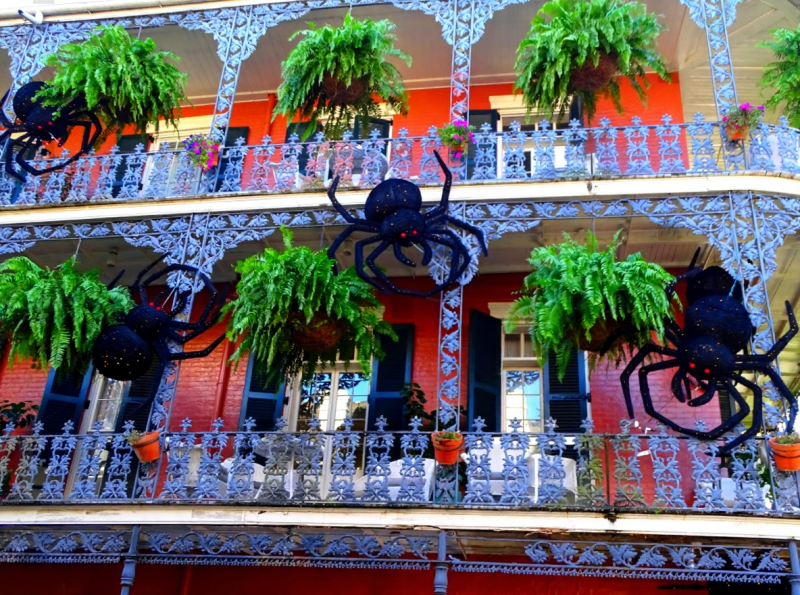
French Quarter Phantom Tours: These walking tours are the classic choice. The best ones are led by charismatic storytellers who are also passionate history buffs. They’ll guide you through the gaslit streets of the Vieux Carré, stopping at infamous locations like the LaLaurie Mansion (known for its horrific history of torture) and the Gardette-LePretre Mansion, site of a mysterious and bloody mass murder.
Cemetery "Cities of the Dead" Tours: Because New Orleans is built on a swampy delta with a high water table, its deceased are interred in elaborate, above-ground tombs, creating these hauntingly beautiful necropolises. A daytime tour of St. Louis Cemetery No. 1 or Lafayette Cemetery No. 1 is a must. You’ll learn about the city’s unique burial traditions and the famous (and infamous) figures buried within.
Vampire Legends Tours: New Orleans has a curious connection to vampire folklore, most famously through author Anne Rice. These tours dig into the city’s darker, bloodier legends, separating fact from fiction and exploring the real-life stories that may have inspired the myths of the undead.
Navigating these spooky streets after dark requires awareness, especially if you are traveling alone. It’s about being smart and prepared so you can fully immerse yourself in the experience without worry. That’s why our Solo Female Travel Safety Guide is an essential download for anyone exploring the city's haunts, offering practical tips for staying safe while seeking out the supernatural.
Beyond the Haunts: Legendary Parties & Top Halloween Events USA Style
When the sun goes down, New Orleans transforms into one giant, city-wide costume party. The energy is electric, and the people-watching is second to none, solidifying its reputation for hosting some of the best Halloween events USA has to offer.
The epicenter of the chaos is Bourbon Street, which becomes a pedestrian-only sea of costumed revelers. The street is lined with bars offering potent drinks in souvenir cups, and the historic wrought-iron balconies are packed with people throwing beads to the crowds below. While it’s an experience every visitor should have, it can be intense. The key to surviving and enjoying Bourbon Street is to stay in a group and remain aware of your surroundings at all times.
For a more curated experience, look for one of the many large-scale Halloween parties and balls held across the city. Events like the Endless Night Vampire Ball offer a more gothic, formal affair with a strict dress code, while numerous hotels and music venues host massive costume contests with significant cash prizes.
Pro-Tip: The best parties sell out weeks, if not months, in advance. As soon as you book your trip, start researching major events and purchase your tickets online. This will save you from waiting in long lines or, worse, being turned away at the door.
A Practical Guide to a Spooky & Safe New Orleans Halloween
To ensure your supernatural sojourn is memorable for all the right reasons, keep these practical tips in mind:
Book Everything in Advance: Halloween is one of the busiest times of the year in New Orleans. Flights, hotels, and popular tours should be booked months ahead to avoid surge pricing and lack of availability.
Comfort is Key: You will be doing a lot of walking. While your costume is important, make sure your footwear is comfortable enough to handle miles of cobblestone streets and uneven sidewalks. The weather in late October can also be unpredictable; it might be warm and humid or surprisingly cool, so pack layers.
Stay Hydrated and Fed: It’s easy to get caught up in the excitement (and the cocktails), but remember to drink plenty of water. Also, take advantage of the city’s incredible culinary scene. A hearty meal of gumbo or jambalaya will give you the energy you need for a long night of haunting.
Use Rideshares Wisely: While the French Quarter is walkable, you may need transportation to other neighborhoods. Use reputable rideshare apps, but be prepared for surge pricing during peak hours. Always confirm the license plate and driver before getting into a vehicle.
Planning a trip of this magnitude involves many moving parts. For a complete plan covering the best neighborhoods for accommodations, can't-miss restaurants, and a full itinerary for all the city's attractions, our comprehensive Travel Guide is the ultimate resource for your New Orleans adventure.
Embrace the Spirits of the Crescent City
A New Orleans Halloween is more than just a party; it's an immersion into a world of history, mystery, and vibrant tradition that you cannot find anywhere else. It’s a chance to walk in a city where the past is always present, where every corner holds a story, and where the spirits of centuries past feel like they’re just a whisper away. You now have the insider knowledge to bypass the tourist traps and experience the authentic, supernatural soul of one of the most captivating Halloween events USA has to offer.
You are ready to dance with ghosts in Jackson Square, to catch throws from a monster-themed float, and to feel the powerful spiritual energy that makes this celebration so unique.
Ready to plan the ultimate spooky getaway? Download our Solo Female Travel Safety Guide for peace of mind and grab your copy of the Travel Guide to make your trip seamless and unforgettable. The spirits of New Orleans are waiting for you.
Don't Miss Out! Subscribe for Exclusive Content
SubscribeComments 0
No comments yet
Be the first to share your experience!
Dont Miss Out! Subscribe for Exclusive Content
San Francisco Cherry Blossoms: A Local's Guide to the Blooms
Halloween SF: Haunts Without Horrors
SF Festivals: 7 Must-See Lineups
Christmas SF: Lights & Wharf Wonders
SF Pride: 6 Route & Party Hacks