

TrekGuider @trekguider
Decoding Affiliate Commission Rates: Benchmarks for Travel Creators

You’re a travel creator, and you’ve entered the world of affiliate marketing to turn your passion into a profession. But you’ve quickly run into a frustrating black box: the commission structure. You see a dizzying array of percentages, acronyms like CPA and EPC, and vague promises of earnings. You’re left wondering what good affiliate commission rates even look like. Are you earning your worth, or are you leaving a significant amount of money on the table?
This confusion isn't just academic; it's a direct threat to your bottom line. The reported average monthly income for affiliates in the travel niche is an impressive $13,847, a figure that proves this is a serious enterprise. But you can't build a sustainable business on guesswork. Partnering with a program offering a flashy 40% commission—only to discover it’s 40% of their tiny margin—is a rookie mistake that costs real money. This lack of clarity makes it impossible to forecast your income, negotiate better terms, or build a truly predictable business. You feel like you’re flying blind.
This guide is your decoder ring. We are pulling back the curtain to give you a comprehensive breakdown of how affiliate commissions actually work. We will deconstruct every major commission model, provide clear, data-backed industry benchmarks, and teach you how to analyze these rates like a seasoned professional. By the end of this deep dive, you will be able to spot high-value opportunities and architect a monetization strategy that truly rewards your influence. For a complete overview of the affiliate landscape, our definitive pillar page, Travel Affiliate Programs: The 2026 Ultimate Guide, is your essential command center.
The Anatomy of a Commission: Deconstructing the Core Models
Let's cut through the jargon. An affiliate commission is simply a reward for a job well done. A company—the merchant—pays you for successfully driving a specific, valuable action, which in the travel world almost always means a completed booking or sale.
But the way that reward is calculated can vary dramatically. Understanding the underlying structure of different affiliate commission rates is the first step toward becoming a high-earning creator.
1. Cost Per Sale (CPS) or Pay Per Sale (PPS): The Industry Workhorse
You'll encounter this model most often—it's the industry's workhorse for a reason. It’s simple and transparent: when a reader clicks your affiliate link and completes a purchase, you earn a percentage of the total sale value. If you recommend a $500 hotel stay and the program offers a 6% CPS commission, you earn $30. This model directly ties your earnings to the revenue you generate, making it the gold standard for most travel bookings and gear sales.
2. Cost Per Action (CPA): Rewarding a Specific Step
Recommended: The Solo Female Travel Safety Guide
Recommended: International Travel Checklist (Printable PDF)
CPA is a broader model where you’re compensated for a specific action a user takes. While that action is often a sale (making it identical to CPS), it can also be something else. For example, a travel credit card company might pay you a CPA commission for every user who completes an application, regardless of whether they are approved.
3. Cost Per Lead (CPL): Paying for High-Value Inquiries
With a CPL model, you earn a fixed fee for each qualified lead you generate. This is common in high-ticket travel sectors where the sales cycle is long. A luxury tour operator, for instance, might pay you $50 for every user who fills out a detailed inquiry form for a bespoke African safari. You get paid for delivering a potential customer; their sales team takes it from there.
4. Tiered & Multi-Tier Structures: Incentivizing Growth
This is where commission models get more sophisticated and rewarding.
Tiered Structures: Rewarding Your Growth These are designed to reward high-performing affiliates. Your commission rate increases as you drive more sales. A program might offer a base rate of 6%, which jumps to 8% after you generate $5,000 in sales in a month, and 10% after $10,000.
Multi-Tier Structures: Building a Network These allow you to earn commissions not only on your own sales but also on the sales generated by other affiliates you recruit into the program. This effectively turns you into a partner who helps grow the program itself, creating a secondary, more passive income stream.
5. Cost Per Click (CPC): The Rare Exception
In this model, you are paid a small fee for every click your affiliate link receives, regardless of a sale. Due to its high vulnerability to fraud, the CPC model is now extremely rare in modern affiliate marketing and almost never seen in the travel space.

Industry Benchmarks: What Good Affiliate Commission Rates Look Like
So, what should you actually expect to earn? While rates vary, the travel industry has established clear benchmarks across its major categories. Here’s your cheat sheet.
Hotels & Accommodations: 2% - 7% of Booking Value This is the bread and butter for many creators, but the details are everything. A program like Expedia Group offers up to 6% of the total booking value with a 7-day cookie. In contrast, Booking.com advertises a much higher "25-40%", but this is a percentage of their commission, not the customer's total payment. This opaque structure often results in a much lower effective rate, closer to 2-4% of the final booking value.
Tours, Activities & Experiences: 6% - 8%+ This is a high-margin category with strong potential. Market leaders like Viator and GetYourGuide set the standard with base commissions of 7-8%. Adventure-focused operators like G Adventures offer 6%, which is incredibly powerful when applied to their high-ticket tours that can cost thousands of dollars.
Travel Insurance: 10% or More Insurance is a consistently high-paying vertical. Top programs like SafetyWing and World Nomads both offer a standard 10% commission. SafetyWing takes this a step further with a recurring model, meaning you continue to earn 10% every time your referred customer renews their policy.
Gear & Apparel: 3% - 8% For physical products, rates depend heavily on the retailer. Amazon Associates is the baseline, offering 3-4% for most travel categories. However, partnering with specialty retailers is far more lucrative. A brand like REI, for example, offers a 5-8% commission on high-quality (and often high-priced) outdoor gear.
Pro-Tip: Don't be blinded by the highest percentage. A 6% commission on a $3,000 G Adventures tour is $180. An 8% commission on a $50 city walking tour is $4. Always consider the average order value of the products you are promoting when evaluating affiliate commission rates.

The Metrics That Matter More Than the Rate Itself
An experienced affiliate marketer knows the commission rate is just a starting point. To truly understand a program's profitability, you need to analyze the metrics that measure real-world performance.
Earnings Per Click (EPC): Your True North This is arguably the single most important metric. It’s calculated by dividing your total commission earnings by the total number of clicks you sent. If you sent 100 clicks and earned $50, your EPC is $0.50. This number tells you the average value of every single click. A program with a lower commission but a higher EPC is often the more profitable partner for your specific audience.
Conversion Rate (CR): The Sign of a Healthy Partner This is the percentage of users who take the desired action after clicking your link. A high conversion rate is a sign of a trusted brand with a well-optimized checkout process. A program with a 10% commission that converts at 1% is less profitable than a program with a 5% commission that converts at 5%.
Cookie Duration: The Travel Creator's Safety Net This is critical in the travel space. A longer cookie duration (30, 60, or 90 days) gives your audience the time they need to research a high-consideration purchase while ensuring you still get credit. A short cookie window is a major red flag and a sign that the program may not be structured in your favor.
Pro-Tip: Dive into your affiliate dashboards. Most networks like CJ Affiliate and Travelpayouts provide detailed reports on your EPC and conversion rates for each program. Use this data to identify your true top performers—the results will often surprise you.

The Travel Creator's Toolkit
Feeling overwhelmed by the data? You don't have to be. To help you organize your strategy and implement everything you've learned, we've created the ultimate resource bundle. It includes checklists, templates, and tools designed to accelerate your journey from beginner to pro.
Download Your Free Bundle: The Travel Creator's Toolkit
The High-Margin Alternative: Referral & Revenue Share Models
While traditional commission models are powerful, the most forward-thinking creators are diversifying into referral and revenue-sharing programs. Instead of a one-time payment for a single sale, these models allow you to build long-term, passive income streams by becoming a true platform partner.
This is the philosophy behind the TrekGuider Seller Platform. We believe in empowering creators to build complex businesses. Our platform is designed for you to sell your own digital products—like itineraries and guides—but our referral program adds another powerful layer to your income strategy.
Instead of a simple CPS commission, our model functions like a sophisticated multi-tier system. When you refer other creators to become sellers on TrekGuider, you earn an ongoing share of the revenue they generate, with tiered commissions that start at 4% for referred sellers. You’re not just earning from a single transaction; you’re building a network and earning from its collective success. It's a strategic way to move beyond chasing individual sales and start building a more resilient, high-margin business.
Frequently Asked Questions (FAQ)
1. Is a higher commission rate always better? Not at all. A high commission rate can be misleading if the program has a low conversion rate, a short cookie duration, or a low average order value. Always look at your Earnings Per Click (EPC) to determine the true profitability of a program for your audience.
2. How can I find the EPC for an affiliate program? Most reputable affiliate networks (like CJ Affiliate, ShareASale, or Travelpayouts) provide EPC data. It's often listed as a network-wide average for each merchant, which gives you a good baseline. Once you start sending traffic, you can track your own personal EPC in your performance reports.
3. Can I negotiate my affiliate commission rates? Yes, absolutely. Once you become a proven partner and consistently drive a significant volume of high-quality sales, you have leverage. Many brands are willing to negotiate a higher, private commission rate for their top-performing affiliates. Always track your performance and don't be afraid to ask.

From Confusion to Command
You are no longer in the dark. The world of affiliate commission rates is no longer a confusing black box. You now have the knowledge to deconstruct any program's payment structure, the industry benchmarks to know your worth, and the key metrics to identify what truly drives profit.
This knowledge is power. It empowers you to audit your existing partnerships, confidently seek out new ones, and even negotiate better terms. By focusing on programs with fair commissions, long cookie durations, and high conversion rates, you can ensure your hard work is properly rewarded. Building a profitable travel content business requires a strategic approach, and a deep understanding of affiliate commission rates is a non-negotiable part of that strategy.
Read the full guide: The Travel Blogger's Playbook to Affiliate Marketing Mastery
Travel News


Comments 0
No comments yet
Be the first to share your experience!
You May Also Like

Ultimate USA Holidays Guide: Top Picks


FTC Affiliate Disclosure: Stay Compliant as a Travel Creator

Essential Affiliate Tools: From Tracking to Full Optimization

Avoid These 5 Affiliate Landing Page Mistakes for Better Conversions

Affiliate Keyword Research Mastery for Travel Blogs

Booking.com Affiliate Review: Pros, Cons & Earnings
TrekGuider @trekguider
Miami Beach Holidays: Festive Escapes

Dreaming of a holiday getaway but utterly bored by the usual cold-weather clichés? You’re craving that festive spirit, but you want it served with a side of sunshine, warm sand, and an energy that feels electric. The problem is, finding a destination that genuinely blends holiday magic with a true beach escape often feels like a fool's errand.
You find yourself stuck in a familiar loop: either bundle up for another chilly winter market or settle for a generic beach trip that’s completely devoid of seasonal sparkle. The agitation builds as you picture navigating icy streets or, just as bad, missing out on that special holiday feeling while lounging on the sand. How do you possibly create a trip that delivers both the deep relaxation of a seaside retreat and the thrilling atmosphere of a major holiday? How do you plan the perfect beach holidays in Miami without falling into tourist traps or feeling like you’ve compromised on either the "beach" or the "holiday"?
The solution is simpler and far more spectacular than you imagine: Miami Beach. This is where traditional holidays are brilliantly reimagined under sunny skies and among palm trees wrapped in twinkling lights. It’s where the new year is welcomed with world-class fireworks over the ocean and patriotic celebrations happen with your toes buried in the sand. This guide is your definitive blueprint for crafting that ultimate festive escape. We’ll dive deep into how to experience Miami’s most iconic holidays with a unique coastal twist, transforming your vacation from a simple trip into a sun-drenched celebration you’ll never forget.
Why Miami Beach is the Ultimate Holiday Destination
Let's be honest: most holiday destinations force a choice between festive magic and beachside bliss. Miami throws that choice out the window. Here, the holiday season isn't defined by snow and scarves but by endless sunshine and turquoise water, all supercharged with a cultural energy that gives every celebration a unique pulse. This is the core of what makes beach holidays in Miami so magnetic—the ability to swap a white Christmas for a white-sand Christmas without losing an ounce of the magic.
The city’s approach to holidays is a spectacle in itself. Imagine watching a parade of multi-million-dollar yachts, decked out in elaborate Christmas lights, gliding across Biscayne Bay. Picture yourself counting down to midnight on New Year's Eve at a glamorous rooftop party overlooking the Atlantic. This fusion of festive tradition and tropical paradise is the core of Miami's appeal, a theme we explore from a bird's-eye view in our comprehensive guide to Miami Holidays: 8 Beach Fest Vibes. Miami offers a holiday experience that feels both exhilaratingly different and wonderfully familiar, allowing you to create entirely new traditions under the sun.

Mastering the Art of a Tropical Christmas
Forget everything you thought you knew about a traditional Christmas. In Miami, the holiday season is a brilliant, sun-kissed affair that trades snow flurries for gentle sea breezes and roaring fireplaces for the warm, golden glow of a beachside sunset.
Witness the Spectacle of Holiday Boat Parades
The quintessential Miami Christmas experience is, without a doubt, the holiday boat parade. Instead of floats rolling down a street, you’ll see dozens of vessels—from sleek sailboats to jaw-dropping yachts—illuminated with thousands of festive lights as they cruise along Biscayne Bay. These floating spectacles often feature live music, costumed characters, and breathtakingly creative displays that could only happen here. It’s a magical tradition that perfectly captures the city's nautical culture and festive spirit. The best parades can be viewed from several waterfront parks, but arriving early is non-negotiable if you want a good spot.
Discover Dazzling Light Displays with a Coastal Twist
While Miami may lack snow-covered pines, it more than compensates with its stunning and unique light displays. Palm trees lining iconic streets like Ocean Drive and Collins Avenue are wrapped in twinkling lights, creating a surreal and beautiful holiday landscape. For a truly immersive experience that’s perfect for families, a visit to the Christmas Wonderland at Tropical Park is a must. This sprawling event features miles of drive-thru light displays, classic carnival rides, and festive treats, offering a complete holiday experience with a distinctly Miami flavor.
Planning Your Tropical Christmas Experience:
Check Parade Schedules: Boat parade dates and routes are typically announced in early November. Check the official city and county tourism websites for the most up-to-date information to plan your viewing strategy.
Book Waterfront Dining: Many restaurants along the bay and the Intracoastal Waterway offer special holiday menus with prime, front-row views of the boat parades. Reservations are absolutely essential and should be made weeks, if not months, in advance.
Explore Neighborhood Lights: Beyond the main tourist hubs, wander through neighborhoods like Coral Gables and Coconut Grove, which also boast beautiful residential light displays perfect for a festive evening drive or stroll.
Pro-Tip: For a truly unforgettable view of the holiday boat parades, consider booking a spot on a public viewing cruise. You get the full festive atmosphere and an unbeatable vantage point without having to battle the massive crowds in the main parks.

Ringing in the New Year: Miami Beach Style
New Year's Eve in Miami is a world-renowned spectacle, famous for its explosive energy, celebrity sightings, and, of course, spectacular fireworks. Whether you're looking for a free, family-friendly block party or an ultra-exclusive VIP gala, the city offers a countdown for every style and budget.
The Epicenter of the Celebration: Bayfront Park
The heart of Miami's public NYE celebration is at Bayfront Park in Downtown Miami, just a short ride across the causeway from Miami Beach. This massive, free event features live music from chart-topping artists and culminates with the rise of "The Big Orange"—Miami's quirky answer to the Times Square Ball—up the side of the InterContinental Hotel. As the clock strikes midnight, a breathtaking fireworks display erupts over Biscayne Bay, illuminating the entire city skyline.
For a beach-centric view, find a spot on the eastern edge of South Pointe Park. You can see the downtown fireworks from a distance with the soothing sound of the waves as your personal soundtrack.
Glamorous Parties and Exclusive Events
For those seeking a more luxurious and high-octane celebration, South Beach is the undisputed playground.
High-End Clubs: For the ultimate splurge, world-famous nightclubs like LIV and Fontainebleau host legendary parties with A-list performers, though tickets regularly start at $200 and climb steeply.
Accessible Vibes: For a more accessible but still electric vibe, the bars in Coconut Grove offer vibrant street parties with cover charges hovering around a more manageable $50.
Unique Cruises: For a truly unique perspective, book a New-Year's-Eve cruise on Biscayne Bay; for around $150+, you get dinner, drinks, and an unbeatable, crowd-free view of the fireworks.

Patriotic Parties: Your Guide to Beach Holidays in Miami for July 4th
Independence Day in Miami is a classic American celebration with a distinct coastal identity. The day is all about sun, sand, and sizzling barbecues, followed by an evening of spectacular fireworks exploding over the water. It’s the perfect holiday to embrace the laid-back beach lifestyle while enjoying patriotic festivities.
The Main Event: Fireworks Over Biscayne Bay
While many smaller displays happen up and down the coast, the region's premier Independence Day celebration is hosted at Bayfront Park in Downtown Miami. This massive event draws huge crowds for a day of live music, food vendors, and family-friendly activities, all leading up to the main event: a dazzling, high-powered fireworks show over the bay.
The true pro move for experiencing this is to watch from the water. Chartering a boat or joining a group cruise provides an unparalleled, unobstructed view of the fireworks, far from the packed crowds on land. You can feel the boom of the explosions reverberate across the water as the vibrant colors reflect on the surface, creating a 360-degree spectacle you won't soon forget.
A Beach-Goer's Guide to the Fourth:
Claim Your Spot Early: If you plan to spend the day on the sand, arrive no later than mid-morning. The most popular spots on South Beach fill up quickly with families and groups setting up for a full day of fun.
Pack Smart: Bring plenty of water, high-SPF sunscreen, and shade (like an umbrella or tent). A portable grill can elevate your beach barbecue, but be sure to check and follow all local regulations regarding open flames.
Stay for the Local Show: Many local municipalities along the coast, from South Beach to North Beach, host their own smaller fireworks displays. Find a comfortable spot on the sand after sunset and enjoy a more intimate show with the sound of the ocean in the background.

Planning Your Perfect Festive Escape: A Practical Guide
A successful festive escape to Miami Beach is all about smart, proactive planning. Navigating the holiday crowds, packing appropriately for the unique climate, and knowing how to find moments of tranquility are key to a stress-free and memorable trip.
What to Pack for a Festive Beach Holiday
Packing for a Miami holiday requires a strategic blend of beach casual and festive chic. Your suitcase should be a versatile mix that can take you from a sunny day on the sand to a glamorous New Year's Eve party without missing a beat.
Daytime Essentials: Lightweight, breathable clothing is a must. Pack multiple swimsuits, cover-ups, shorts, and tees. A wide-brimmed hat, powerful sunscreen, and polarized sunglasses are non-negotiable.
Evening Attire: Miami's nightlife and holiday events call for something more stylish. Pack a few dressier outfits—a cocktail dress, a sharp jumpsuit, or linen trousers with a crisp shirt.
Footwear: Include comfortable sandals for the beach, good walking shoes for exploring, and a pair of dressier shoes for evenings out.
Festive Touches: Don't forget a fun, festive accessory, like a Santa hat for a Christmas beach day or something sparkly for New Year's Eve.
Mastering the art of packing everything you need without overstuffing your luggage is a traveler's holy grail. For expert strategies on maximizing space and minimizing weight, our How to Pack Light Guide is an indispensable resource, filled with pro tips that will revolutionize how you prepare for any trip.
Navigating Crowds and Transportation
Holiday seasons are peak tourist times in Miami. To navigate the city like a pro:
Use Public Transit & Rideshares: Parking is notoriously difficult and expensive, especially in South Beach. Use the free Miami Beach Trolley to get around the island. For trips to the mainland for events at Bayfront Park, the elevated Metromover is a fantastic and free option. Rideshares are plentiful but expect significant surge pricing during major events.
Book Everything in Advance: This cannot be overstated. Accommodations, flights, rental cars, and tickets for special events should be booked months ahead to secure better prices and guarantee availability.
Embrace the Walk: South Beach is incredibly walkable. Staying in a central location will allow you to explore many attractions on foot, saving you time, money, and transportation headaches.
Pro-Tip: To escape the intense holiday crowds on South Beach, head north to Mid-Beach or North Beach. The vibe is more relaxed, the sands are just as beautiful, and you can still easily access the main event areas via a short rideshare or the free trolley.
Elevate Your Trip from Great to Unforgettable
You now have the insider knowledge to plan an incredible holiday escape to Miami Beach. You know where to find the best views for the fireworks, what to pack for a tropical Christmas, and how to navigate the city like a local. But planning is only half the battle. The real magic happens when every detail of your trip falls perfectly into place, allowing you to immerse yourself fully in the experience without an ounce of stress.
A truly unforgettable journey is built on a foundation of expert planning and deep, local insights. To transform this trip—and all your future travels—from simply great to absolutely seamless, you need a resource that goes beyond a single destination. Our comprehensive Travel Guide is the ultimate toolkit for the serious traveler. It’s packed with detailed U.S. itineraries, insider secrets for every major city, and practical advice that empowers you to travel smarter, not harder. Consider it your master key to unlocking the very best of the USA.

Your Sun-Drenched Holiday Awaits
Miami Beach offers a holiday experience unlike any other—a place where cherished festive traditions are celebrated under the warm embrace of the Florida sun. It’s a destination that proves you don’t have to choose between a relaxing beach vacation and a vibrant holiday celebration. You can, and should, have both. You now have the blueprint to design a trip that perfectly balances serene, sun-soaked days with dazzling, high-energy nights. Your dream of the perfect beach holidays in Miami is no longer just a fantasy; it’s a plan waiting to be executed. So pack your bags, leave the winter coat behind, and get ready to create a whole new set of holiday memories on the sand.
SEO Meta Title (Under 60 characters): Miami Beach Holidays: Your Guide to Festive Sun & Fun
URL Slug: miami-beach-holidays
SEO Meta Description (Under 155 characters): Swap snow for sand! Discover how to celebrate Christmas, NYE, and July 4th in Miami with our guide to tropical lights, beach parties, and festive escapes.
Travel News
Comments 0
No comments yet
Be the first to share your experience!
You May Also Like

San Francisco Cherry Blossoms: A Local's Guide to the Blooms

Halloween SF: Haunts Without Horrors

SF Festivals: 7 Must-See Lineups

Christmas SF: Lights & Wharf Wonders

SF Pride: 6 Route & Party Hacks

Chinese New Year SF: Parade Essentials
TrekGuider @trekguider
Solo Travel Packing: Pack for Freedom, Not Fear

Forget every checklist you’ve ever downloaded. The internet is littered with lists of what to pack, but they all miss the fundamental point. For a solo traveler, the contents of your bag are secondary. What truly matters is the system behind it. Mainstream packing advice is a trap, designed for travelers who can lean on a partner. But for you, every ounce and every decision is a direct reflection of your independence.
The secret the pros know is this: packing isn’t a chore you endure before a trip. It is the first, most critical act of the adventure itself. It’s a declaration of self-reliance. Getting it wrong leads to the classic traveler mistakes: wrestling an overstuffed bag on a crowded train, becoming an obvious target, or having a minor inconvenience like a dead phone escalate into a genuine crisis in an unfamiliar city.
This is not another packing list. This is a manifesto on the philosophy of smart travel. We’re going to dismantle the conventional wisdom and replace it with a set of battle-tested systems. These are the solo travel packing hacks that go beyond gear, transforming your bag from a burdensome anchor into a strategic asset for a safer, more mobile, and profoundly more liberating journey. Of course, packing is just one piece of the puzzle. For the complete playbook on traveling alone, be sure to consult our master resource on Anxious to Adventurous: Solo Travel Tips for Confidence.
The Mindset Shift: Why Your Bag is Your Most Important Travel Companion
For a solo traveler, your pack is your superpower. It’s your home, your toolkit, and your shield. Embracing this mindset is the key. A masterful packing strategy isn’t about what you leave behind; it’s about what you gain—freedom from the tyranny of heavy luggage, the anxiety of unpreparedness, and the vulnerability that comes with looking like a lost tourist.
This philosophy is built on three core pillars:
Radical Self-Reliance: You are your entire support system. Every item must be a tool that empowers your independence, from a simple roll of duct tape for on-the-fly repairs to a power bank that ensures you are never without your digital lifeline.
Calculated Efficiency: Your time and energy are your most precious resources. An intelligently organized bag means less time spent rummaging for a charging cable and more time savoring a sunset. It means navigating cobblestone streets and endless train station stairs with ease, not exhaustion.
Proactive Security: A smart packer moves with confidence, and confidence is a powerful deterrent. This isn't about paranoia; it's about preparation. It’s choosing and organizing your gear in a way that makes you a "hard target," so you can focus on the joy of discovery.
System 1: The Capsule Wardrobe - A Masterclass in Infinite Style, Minimal Space
The Philosophy: More Options from Fewer Items
Recommended: The Solo Female Travel Safety Guide
Recommended: How to Pack Light: The Carry-On Guide
The capsule wardrobe isn't just a space-saving technique; it's a strategic weapon against decision fatigue. The goal is to create a small, curated collection of versatile, interchangeable clothing. This ensures you feel confident and appropriate in any situation, from a morning market stroll to an impromptu dinner invitation, without ever having to waste mental energy on what to wear.
The Method in Action
This system works by making smart, upfront choices. For example, a common framework for a one-week trip is the 5-4-3-2-1 guideline: 5 sets of socks/underwear, 4 tops, 3 bottoms, 2 pairs of shoes, and 1 layering piece. But the real magic is in the details.
Invest in high-performance fabrics. Merino wool is the undisputed champion for solo travelers; it’s temperature-regulating, moisture-wicking, and naturally odor-resistant, meaning you can wear it multiple times without washing. One merino wool shirt does the work of three cotton ones.
Build on a neutral palette. Sticking to a base of colors that all work together (black, grey, navy, tan) creates dozens of potential outfits. You can then add personality with a lightweight, colorful scarf or a unique accessory—items that provide maximum visual impact for minimal packing space.

System 2: Modular Organization - The Secret to Effortless Efficiency & Discretion
The Philosophy: A Place for Everything, and Everything in Its Place
How you organize your bag is a strategic choice. A chaotic bag bleeds time and energy. Worse, it forces you to expose your entire inventory just to find one item, a critical vulnerability in a shared hostel dorm. The goal is to create a modular system that allows you to access exactly what you need, when you need it, without disrupting anything else.
The Method in Action
The key element of modular organization is compartmentalization.
Packing cubes are the gold standard. They aren’t just for compression; they turn your backpack into a tidy chest of drawers. By using different colored cubes for different categories (e.g., blue for tops, red for bottoms, grey for electronics), you can retrieve an item in seconds, discreetly and efficiently.
The rolling method is foundational. Tightly rolling your clothes is superior to folding. It minimizes wrinkles and allows you to see every piece of clothing at a glance within your packing cube, eliminating the need to dig.

System 3: The Fortress of Self-Reliance - Your Security & Problem-Solving Toolkit
The Philosophy: Prepare for the Worst, Enjoy the Best
True freedom on the road doesn't come from hoping problems won't arise. It comes from the quiet confidence that you can handle them when they do. This system is about building a portable fortress of security and a toolkit for self-reliance, so you can explore with an unshakeable peace of mind.
The Three Layers of Your Fortress
Layer 1: Proactive Gear Security
The goal here is to make yourself a less appealing target. Opportunistic thieves look for easy wins.
Carry a decoy wallet with a small amount of local currency and some expired cards. If confronted, you can hand it over without losing your essential documents.
Use a simple carabiner to clip the zippers of your daypack together. It’s not a high-security lock, but it’s an effective deterrent against a pickpocket trying to subtly slide your bag open in a crowd.
Layer 2: Personal & Digital Safety
Your well-being matters most. These items are non-negotiable.
A rubber door stop is one of the most effective, low-cost security tools you can carry. Shoved under your hotel or Airbnb door, it provides a powerful physical barrier against unwanted entry.
Your phone is your lifeline. A dead phone is a safety crisis. Always carry a fully charged power bank (at least 10,000mAh).
Public Wi-Fi is a hunting ground for data thieves. Using a VPN on your phone and laptop is essential to protect your banking information and passwords.
Layer 3: The "MacGyver" Multi-Tools
When you’re alone, small problems can become major headaches. The MacGyver mindset is about packing a few multi-purpose items that can solve countless issues.
Wrap a few feet of duct tape around a water bottle or pen. It can repair a broken sandal, patch a backpack, or serve as a makeshift bandage.
A bandana or sarong is the ultimate multi-tool. It can be a towel, a sun shield, a dust mask, a makeshift bag, or a privacy screen.
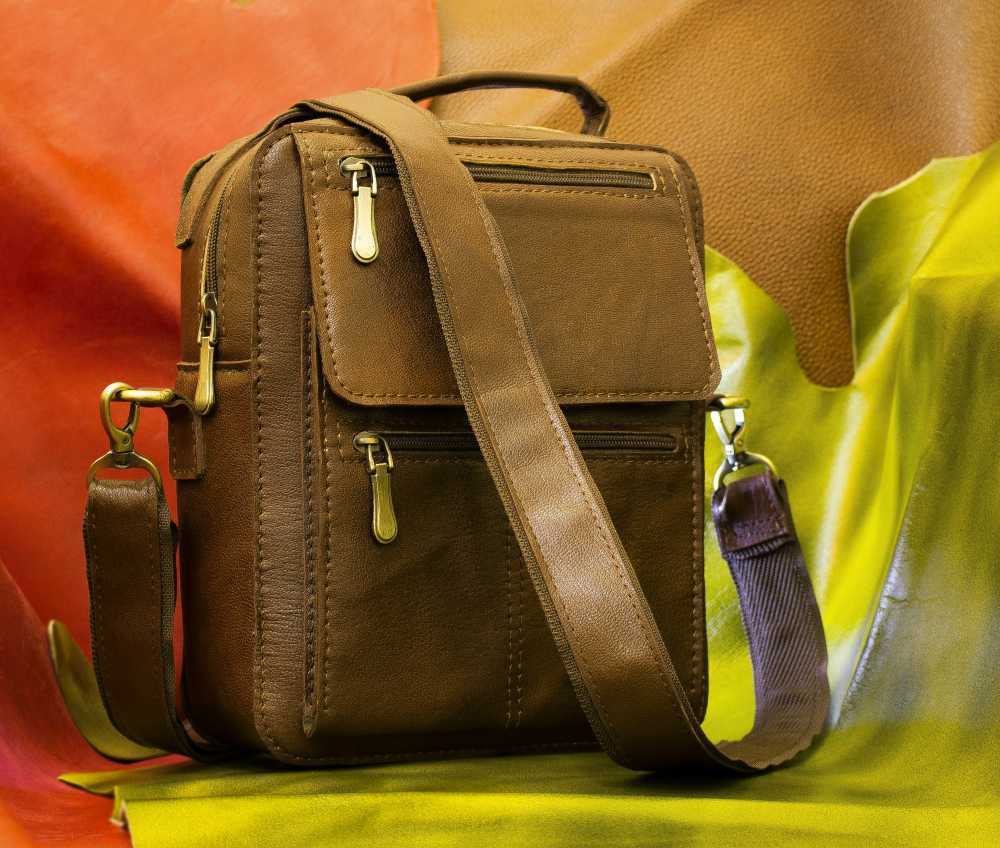
Beyond the Gear: Packing for the Solo Experience
Expert packing goes beyond the purely practical. It’s also about packing for your emotional well-being and enhancing the unique moments that solo travel offers.
Pack a sensory comfort item. Loneliness can strike unexpectedly. Something small that connects you to home—a few of your favorite tea bags, a familiar scent, a silk pillowcase—can be an incredible comfort.
Bring a social icebreaker. A simple deck of playing cards placed on a table in a hostel common room is a universal invitation to connect with other travelers, breaking down language and cultural barriers instantly.
Empower your inner photographer. Don't let being solo stop you from getting great photos. A small, flexible mini tripod allows you to use your phone's self-timer for stunning shots that aren't just selfies. The "video screenshot hack" is another pro move: record a short video of yourself moving through a scene, then scrub through it later to pull out perfect, candid-looking still images.

Conclusion: Stop Packing, Start Preparing
You now possess the framework. The difference between an amateur and an expert traveler isn't what they pack, but how they think. It’s the understanding that a capsule wardrobe is about mental clarity, modular organization is about efficiency, and a fortress of self-reliance is about absolute freedom.
This guide was the "why." You have the philosophy.
Now it's time for the "what." To put these systems into practice, you need the right tools. We've compiled everything—every piece of gear, every item of clothing, every essential document—into one definitive resource.
Your next step is clear. Take these principles and build your ultimate kit with our . It’s the tactical playbook that will bring this strategy to life.
Read the full guide: Anxious to Adventurous: The Ultimate Guide to Solo Travel Confidence
Travel News
Comments 0
No comments yet
Be the first to share your experience!
You May Also Like
Ultimate USA Holidays Guide: Top Picks
FTC Affiliate Disclosure: Stay Compliant as a Travel Creator
Essential Affiliate Tools: From Tracking to Full Optimization
Booking.com Affiliate Review: Pros, Cons & Earnings

Amazon Associates for Travel: Strategies to Maximize Commissions

How to Avoid Travel Scams: A Global Guide
TrekGuider @trekguider
5 Critical Affiliate Marketing Mistakes to Dodge in 2026

Let’s be honest. You’re creating fantastic travel content, but your affiliate dashboard looks like a ghost town. You’re putting in the hours, but the income isn’t following. It’s the single most frustrating part of this business, and it’s a sign that something is fundamentally wrong with your strategy.
You see the industry reports—the affiliate marketing world soaring past 93 billion, with the average travel affiliate earning a reported $13,847 a month—and it feels like it’s happening in another universe. It’s not. The difference is strategy. The highest-earning creators aren't just better at creating content; they're better at avoiding the invisible but critical affiliate marketing mistakes that silently sabotage a business.
This is your definitive "what not to do" playbook. We’re exposing the five most destructive pitfalls that derail even the most talented travel creators. Dodging these errors is the key to plugging the leaks in your strategy, protecting your brand, and finally building the profitable, resilient business you deserve. For a complete command of the entire affiliate ecosystem, from program selection to advanced conversion tactics, our definitive pillar page, Travel Affiliate Programs: The 2026 Ultimate Guide, is your essential command center.
Mistake #1: Ignoring the Law (The FTC Disclosure Fail)
Of all the affiliate marketing mistakes a creator can make, this one is the most dangerous. In the rush to monetize, many either forget to disclose their affiliate relationships or, more commonly, do it incorrectly. They bury a vague statement in the footer, hide it on a separate page, or tuck it into a block of hashtags. They treat it as a legal chore to be minimized.
Why It's Critical: This isn't just bad practice; it's illegal. In the U.S., the Federal Trade Commission (FTC) legally requires a "clear and conspicuous" disclosure of any "material connection" between you and a brand. Failing to comply can get you kicked out of affiliate programs and attract unwanted legal attention. More importantly, it shatters the single most valuable asset you own: your audience's trust. In the creator economy, transparency isn't just a virtue; it's a non-negotiable business strategy.
The Fix: Embrace Radical Transparency.
Your disclosure must be impossible to miss and easy to understand. It’s not a footnote; it’s a badge of honor that signals your professionalism. A compliant disclosure meets four simple criteria:
Placement: It must appear before any affiliate links. For a blog post, this means at the very top of the article.
Prominence: It must be easy to see, in a readable font and color.
Presentation: It must be in plain, simple language that anyone can understand.
Proximity: It must be on the same page as the links themselves.

Pro-Tip: A simple, friendly disclosure at the top of your post is perfect. Something like: (Heads up! This post contains affiliate links. If you book or buy something through one of my links, I may earn a small commission at no extra cost to you. This helps me keep the adventures coming. Thanks for your support!)
Mistake #2: Building Your Business on Rented Land (The "Social-Only" Trap)
You've built a thriving community on Instagram or TikTok. Your engagement is high, and your audience trusts you. So, you decide to run your entire affiliate business from that platform, relying on a "link in bio" tool as your sole monetization engine. This strategy is incredibly common, and it's one of the most fragile business models a creator can adopt.
Why It's Critical: When your business lives exclusively on a social media platform, you are building on rented land. You don't own your audience, you don't control the algorithm, and you don't set the rules. A single algorithm change can vaporize your reach overnight. In the worst-case scenario, your account can be suspended, and your entire business vanishes in an instant.

The Fix: Build Your Empire on an Owned Platform.
Your social media channels are phenomenal for audience engagement, but your website or blog is your single most important strategic asset. An owned platform is your digital home base.
It's an Asset You Control: You dictate the content, user experience, and monetization strategy, insulating your business from volatile algorithms.
It's a Long-Term Traffic Engine: A well-optimized blog post can rank on Google for years, becoming an evergreen asset that drives affiliate sales while you sleep.
It's Your Hub for Deeper Monetization: An owned platform is the perfect place to evolve beyond affiliate links and start selling your own digital products. Modern creator platforms like the TrekGuider Platform are designed specifically for this, giving you a central hub to publish your articles right alongside the premium guides, maps, and itineraries you sell—establishing you as a multi-faceted expert.
Mistake #3: Putting All Your Eggs in One Basket (The Over-Reliance Risk)
For many creators, "affiliate marketing" is synonymous with one program: Amazon Associates. It's easy to join and has an unmatched variety of products, so it's tempting to make it the beginning and end of your affiliate strategy. This hyper-focus on a single program is a ticking time bomb.
Why It's Critical: Relying on one affiliate program for the majority of your income is a high-risk gamble. That program holds all the power. They can—and do—change their terms with little warning. Amazon itself has famously slashed commission rates in key categories overnight, decimating the incomes of creators who were not diversified. If that program shuts down or terminates your account, your business is crippled.
The Fix: Build a Diversified and Resilient Affiliate Portfolio.
A professional affiliate marketer is like a smart investor: they diversify. Aim to build a strong portfolio of 3-5 core affiliate programs that align with your niche. A healthy mix for a travel creator should cover all aspects of a trip:
Accommodations: Expedia Group or Agoda
Tours & Activities: Viator or GetYourGuide
Travel Insurance: SafetyWing or World Nomads
Gear & Apparel: Amazon Associates plus a specialty retailer like REI
This diversification creates multiple, independent income streams. A negative change in one program will be a minor setback, not an existential threat to your business.

Mistake #4: Chasing Commissions, Not Solving Problems
You're researching programs and see two options for a travel backpack. Program A offers a 3% commission, while Program B offers a flashy 10%. You immediately sign up for Program B and start promoting that backpack, even though you know the one from Program A is a slightly better product for your audience. This is the siren song of high commissions, and it leads directly onto the rocks of broken trust.
Why It's Critical: This is the fastest way to destroy your brand. Your audience follows you for your authentic expertise. The moment they sense you are prioritizing your own paycheck over their best interests, that trust evaporates. They can smell a hard sell a mile away. Once trust is gone, your influence is gone, and your ability to earn any income—from any source—is gone with it.

The Fix: Adopt an "Audience-First" Mentality.
Your long-term success is directly proportional to the amount of trust you build. Make it your mission to recommend only the best possible solution for your audience, regardless of the commission.
Promote What You Use and Love: The most powerful reviews come from genuine, personal experience.
Be Radically Honest: If a product has flaws, mention them. This balanced perspective makes your praise exponentially more believable.
Solve the Problem, Don't Push the Product: Frame your content around solving your audience's problems. The product is simply the tool that helps them achieve their goal.
Pro-Tip: Often, the product with the lower commission rate can actually be more profitable if it has a higher conversion rate or a longer cookie duration. Always prioritize the best product for your audience; the trust you build will lead to far more sales in the long run.
Mistake #5: Not Reading the Fine Print (Violating Program Terms)
You've been approved for a new affiliate program and you're excited to get started. You skim the welcome email, grab your links, and start promoting. You don't bother to read the full Terms of Service because it's long, boring, and filled with legalese. This is a simple oversight that gets countless creators kicked out of programs, often with all of their pending commissions forfeited.
Why It's Critical: Every affiliate program has a strict set of rules, and ignorance is not an excuse. Violating these terms—even accidentally—can result in immediate and permanent termination. All the hard work you put into driving sales becomes worthless in an instant.

The Fix: Treat It Like a Business Contract (Because It Is).
Take 15 minutes to carefully read the Terms of Service for every program you join. Pay special attention to the most common violations:
PPC Bidding Restrictions: Most programs forbid you from bidding on their branded keywords (e.g., "G Adventures promo code") in Google Ads.
Self-Referrals: You are almost never allowed to use your own affiliate links to make personal purchases.
Link Cloaking Rules: Some programs have specific rules about how you can present or "cloak" their links.
Referral Program Terms: This applies equally to referral programs. You must understand the specific conditions for a successful conversion. For example, a platform might have bonus terms that require a referred user to make a purchase within a 7-day window for you to earn a commission. Ignoring these details means you do all the work of referring a new user without getting the reward.
Frequently Asked Questions (FAQ)
1. What's the single biggest mistake new affiliates make? The most common error is Mistake #4: chasing high commissions instead of solving their audience's problems. This erodes trust, which is the foundation of any successful creator business. Always recommend the best product, not just the one that pays the most.
2. How quickly can I fix these mistakes? You can start fixing them today. These aren't technical challenges; they are strategic shifts. You can add a proper disclosure to your top posts in minutes, decide to build out your own website this week, and diversify your program portfolio over the next month. It's about changing your approach.
3. Is it better to have a blog or just use social media for affiliate marketing? While you can earn money on social media, it's a high-risk strategy. As we covered in Mistake #2, a blog or website is an asset you own and control. The smartest strategy is to use social media to drive traffic to your owned platform, where you have full control over monetization and your audience relationship.
Build a Bulletproof BusinessAvoiding these critical affiliate marketing mistakes isn't about being restrictive; it's about being a professional. To build your business the right way from the ground up, with professional systems and a clear strategy, you need the right resources. Our ultimate resource bundle, The Travel Creator's Toolkit, is packed with the checklists, templates, and guides you need to start building a profitable and resilient content empire today. Download it for free and turn your passion into a profession.
Read the full guide: The Travel Blogger's Playbook to Affiliate Marketing Mastery
Travel News
Comments 0
No comments yet
Be the first to share your experience!
You May Also Like
Ultimate USA Holidays Guide: Top Picks
FTC Affiliate Disclosure: Stay Compliant as a Travel Creator
Essential Affiliate Tools: From Tracking to Full Optimization
Avoid These 5 Affiliate Landing Page Mistakes for Better Conversions
Affiliate Keyword Research Mastery for Travel Blogs