

TrekGuider @trekguider
Decoding Affiliate Commission Rates: Benchmarks for Travel Creators

You’re a travel creator, and you’ve entered the world of affiliate marketing to turn your passion into a profession. But you’ve quickly run into a frustrating black box: the commission structure. You see a dizzying array of percentages, acronyms like CPA and EPC, and vague promises of earnings. You’re left wondering what good affiliate commission rates even look like. Are you earning your worth, or are you leaving a significant amount of money on the table?
This confusion isn't just academic; it's a direct threat to your bottom line. The reported average monthly income for affiliates in the travel niche is an impressive $13,847, a figure that proves this is a serious enterprise. But you can't build a sustainable business on guesswork. Partnering with a program offering a flashy 40% commission—only to discover it’s 40% of their tiny margin—is a rookie mistake that costs real money. This lack of clarity makes it impossible to forecast your income, negotiate better terms, or build a truly predictable business. You feel like you’re flying blind.
This guide is your decoder ring. We are pulling back the curtain to give you a comprehensive breakdown of how affiliate commissions actually work. We will deconstruct every major commission model, provide clear, data-backed industry benchmarks, and teach you how to analyze these rates like a seasoned professional. By the end of this deep dive, you will be able to spot high-value opportunities and architect a monetization strategy that truly rewards your influence. For a complete overview of the affiliate landscape, our definitive pillar page, Travel Affiliate Programs: The 2026 Ultimate Guide, is your essential command center.
The Anatomy of a Commission: Deconstructing the Core Models
Let's cut through the jargon. An affiliate commission is simply a reward for a job well done. A company—the merchant—pays you for successfully driving a specific, valuable action, which in the travel world almost always means a completed booking or sale.
But the way that reward is calculated can vary dramatically. Understanding the underlying structure of different affiliate commission rates is the first step toward becoming a high-earning creator.
1. Cost Per Sale (CPS) or Pay Per Sale (PPS): The Industry Workhorse
You'll encounter this model most often—it's the industry's workhorse for a reason. It’s simple and transparent: when a reader clicks your affiliate link and completes a purchase, you earn a percentage of the total sale value. If you recommend a $500 hotel stay and the program offers a 6% CPS commission, you earn $30. This model directly ties your earnings to the revenue you generate, making it the gold standard for most travel bookings and gear sales.
2. Cost Per Action (CPA): Rewarding a Specific Step
Recommended: The Solo Female Travel Safety Guide
Recommended: International Travel Checklist (Printable PDF)
CPA is a broader model where you’re compensated for a specific action a user takes. While that action is often a sale (making it identical to CPS), it can also be something else. For example, a travel credit card company might pay you a CPA commission for every user who completes an application, regardless of whether they are approved.
3. Cost Per Lead (CPL): Paying for High-Value Inquiries
With a CPL model, you earn a fixed fee for each qualified lead you generate. This is common in high-ticket travel sectors where the sales cycle is long. A luxury tour operator, for instance, might pay you $50 for every user who fills out a detailed inquiry form for a bespoke African safari. You get paid for delivering a potential customer; their sales team takes it from there.
4. Tiered & Multi-Tier Structures: Incentivizing Growth
This is where commission models get more sophisticated and rewarding.
Tiered Structures: Rewarding Your Growth These are designed to reward high-performing affiliates. Your commission rate increases as you drive more sales. A program might offer a base rate of 6%, which jumps to 8% after you generate $5,000 in sales in a month, and 10% after $10,000.
Multi-Tier Structures: Building a Network These allow you to earn commissions not only on your own sales but also on the sales generated by other affiliates you recruit into the program. This effectively turns you into a partner who helps grow the program itself, creating a secondary, more passive income stream.
5. Cost Per Click (CPC): The Rare Exception
In this model, you are paid a small fee for every click your affiliate link receives, regardless of a sale. Due to its high vulnerability to fraud, the CPC model is now extremely rare in modern affiliate marketing and almost never seen in the travel space.

Industry Benchmarks: What Good Affiliate Commission Rates Look Like
So, what should you actually expect to earn? While rates vary, the travel industry has established clear benchmarks across its major categories. Here’s your cheat sheet.
Hotels & Accommodations: 2% - 7% of Booking Value This is the bread and butter for many creators, but the details are everything. A program like Expedia Group offers up to 6% of the total booking value with a 7-day cookie. In contrast, Booking.com advertises a much higher "25-40%", but this is a percentage of their commission, not the customer's total payment. This opaque structure often results in a much lower effective rate, closer to 2-4% of the final booking value.
Tours, Activities & Experiences: 6% - 8%+ This is a high-margin category with strong potential. Market leaders like Viator and GetYourGuide set the standard with base commissions of 7-8%. Adventure-focused operators like G Adventures offer 6%, which is incredibly powerful when applied to their high-ticket tours that can cost thousands of dollars.
Travel Insurance: 10% or More Insurance is a consistently high-paying vertical. Top programs like SafetyWing and World Nomads both offer a standard 10% commission. SafetyWing takes this a step further with a recurring model, meaning you continue to earn 10% every time your referred customer renews their policy.
Gear & Apparel: 3% - 8% For physical products, rates depend heavily on the retailer. Amazon Associates is the baseline, offering 3-4% for most travel categories. However, partnering with specialty retailers is far more lucrative. A brand like REI, for example, offers a 5-8% commission on high-quality (and often high-priced) outdoor gear.
Pro-Tip: Don't be blinded by the highest percentage. A 6% commission on a $3,000 G Adventures tour is $180. An 8% commission on a $50 city walking tour is $4. Always consider the average order value of the products you are promoting when evaluating affiliate commission rates.

The Metrics That Matter More Than the Rate Itself
An experienced affiliate marketer knows the commission rate is just a starting point. To truly understand a program's profitability, you need to analyze the metrics that measure real-world performance.
Earnings Per Click (EPC): Your True North This is arguably the single most important metric. It’s calculated by dividing your total commission earnings by the total number of clicks you sent. If you sent 100 clicks and earned $50, your EPC is $0.50. This number tells you the average value of every single click. A program with a lower commission but a higher EPC is often the more profitable partner for your specific audience.
Conversion Rate (CR): The Sign of a Healthy Partner This is the percentage of users who take the desired action after clicking your link. A high conversion rate is a sign of a trusted brand with a well-optimized checkout process. A program with a 10% commission that converts at 1% is less profitable than a program with a 5% commission that converts at 5%.
Cookie Duration: The Travel Creator's Safety Net This is critical in the travel space. A longer cookie duration (30, 60, or 90 days) gives your audience the time they need to research a high-consideration purchase while ensuring you still get credit. A short cookie window is a major red flag and a sign that the program may not be structured in your favor.
Pro-Tip: Dive into your affiliate dashboards. Most networks like CJ Affiliate and Travelpayouts provide detailed reports on your EPC and conversion rates for each program. Use this data to identify your true top performers—the results will often surprise you.

The Travel Creator's Toolkit
Feeling overwhelmed by the data? You don't have to be. To help you organize your strategy and implement everything you've learned, we've created the ultimate resource bundle. It includes checklists, templates, and tools designed to accelerate your journey from beginner to pro.
Download Your Free Bundle: The Travel Creator's Toolkit
The High-Margin Alternative: Referral & Revenue Share Models
While traditional commission models are powerful, the most forward-thinking creators are diversifying into referral and revenue-sharing programs. Instead of a one-time payment for a single sale, these models allow you to build long-term, passive income streams by becoming a true platform partner.
This is the philosophy behind the TrekGuider Seller Platform. We believe in empowering creators to build complex businesses. Our platform is designed for you to sell your own digital products—like itineraries and guides—but our referral program adds another powerful layer to your income strategy.
Instead of a simple CPS commission, our model functions like a sophisticated multi-tier system. When you refer other creators to become sellers on TrekGuider, you earn an ongoing share of the revenue they generate, with tiered commissions that start at 4% for referred sellers. You’re not just earning from a single transaction; you’re building a network and earning from its collective success. It's a strategic way to move beyond chasing individual sales and start building a more resilient, high-margin business.
Frequently Asked Questions (FAQ)
1. Is a higher commission rate always better? Not at all. A high commission rate can be misleading if the program has a low conversion rate, a short cookie duration, or a low average order value. Always look at your Earnings Per Click (EPC) to determine the true profitability of a program for your audience.
2. How can I find the EPC for an affiliate program? Most reputable affiliate networks (like CJ Affiliate, ShareASale, or Travelpayouts) provide EPC data. It's often listed as a network-wide average for each merchant, which gives you a good baseline. Once you start sending traffic, you can track your own personal EPC in your performance reports.
3. Can I negotiate my affiliate commission rates? Yes, absolutely. Once you become a proven partner and consistently drive a significant volume of high-quality sales, you have leverage. Many brands are willing to negotiate a higher, private commission rate for their top-performing affiliates. Always track your performance and don't be afraid to ask.

From Confusion to Command
You are no longer in the dark. The world of affiliate commission rates is no longer a confusing black box. You now have the knowledge to deconstruct any program's payment structure, the industry benchmarks to know your worth, and the key metrics to identify what truly drives profit.
This knowledge is power. It empowers you to audit your existing partnerships, confidently seek out new ones, and even negotiate better terms. By focusing on programs with fair commissions, long cookie durations, and high conversion rates, you can ensure your hard work is properly rewarded. Building a profitable travel content business requires a strategic approach, and a deep understanding of affiliate commission rates is a non-negotiable part of that strategy.
Read the full guide: The Travel Blogger's Playbook to Affiliate Marketing Mastery
Travel News


Comments 0
No comments yet
Be the first to share your experience!
You May Also Like

Ultimate USA Holidays Guide: Top Picks


FTC Affiliate Disclosure: Stay Compliant as a Travel Creator

Essential Affiliate Tools: From Tracking to Full Optimization

Avoid These 5 Affiliate Landing Page Mistakes for Better Conversions

Affiliate Keyword Research Mastery for Travel Blogs

Booking.com Affiliate Review: Pros, Cons & Earnings
TrekGuider @trekguider
9 Food Travel Blogs for Culinary Adventures

You're planning a trip, dreaming of sizzling street food, hidden family-run trattorias, and flavors you'll remember for a lifetime. But your research keeps hitting a wall. You're tired of the same generic "top 10 eats" lists that lead you to overpriced, mediocre tourist traps. It’s a frustrating cycle of clicking through sponsored reviews and superficial recommendations, leaving you feeling like you’ve barely scratched the surface of a destination’s true culinary soul. You end up on the wrong side of town, eating a forgettable meal, knowing you’re missing out—on the vibrant market stalls, the rich history behind the local dishes, and the genuine connection to a culture that only happens through its food.
The solution is to stop following travel writers and start following culinary storytellers. The best food travel blogs go far beyond the plate. They are your expert guides to the history, people, and traditions that make a cuisine come alive. These creators understand that a dish is more than its ingredients; it’s a story waiting to be told. They take you on deep dives into local markets, introduce you to the artisans preserving tradition, and even teach you how to recreate iconic dishes yourself. This is how you transform a simple vacation into a true culinary adventure.
As we explore in our definitive guide to The Best Travel Blogs to Follow in 2026, finding the right niche expert is the single most important step in planning a transformative trip. This curated list will introduce you to the nine most valuable resources for planning your next food-focused journey.
Why Trust This List? Our Vetting Process
In a world saturated with algorithm-chasing 'Top 10 Eats' lists and perfectly filtered food photos, how do you find advice you can actually trust? More importantly, how do you distinguish a genuine culinary storyteller from a simple restaurant reviewer?
Our selection process is grounded in a dual-factor framework that combines hard data with the human element of excellence. We start with quantitative metrics like Domain Authority (DA), a score that a website's credibility to search engines, and social media engagement rates—which, according to recent market analysis, are far more telling than simple follower counts. This gives us a baseline of a blog's influence.
But data only gets you so far. The second, more crucial layer is a qualitative audit. We carefully analyze each blog for:
Deep Niche Expertise: The era of the generalist is over. We prioritize blogs that demonstrate profound, narrow expertise, establishing themselves as the go-to authority on culinary travel.
Originality & A Distinct Voice: We look for compelling storytellers, not content machines. The blogs on this list are run by writers with a unique perspective and a clear, engaging authorial voice.
Authenticity & Transparency: Trust is the currency of the creator economy. We select blogs that are transparent about their partnerships and share the complete picture of their journeys—the great, the good, and the occasional disaster.
This rigorous process ensures every blog featured here is not just popular, but genuinely valuable, trustworthy, and an authoritative resource for any traveler who believes food is the ultimate gateway to culture.

The Best Food Travel Blogs for Authentic Local Cuisine
These creators have dedicated their careers to seeking out the most authentic food experiences across the globe. They excel at telling the stories behind the food, providing the context that turns a meal into a memory.
1. Migrationology
Run by the endlessly enthusiastic Mark Wiens, Migrationology is a masterclass in using food as a lens for culture. Wiens’s philosophy is simple: “Food is the reason you should travel.” He goes far beyond restaurant reviews, creating mini-documentaries and articles that explore the history and cultural significance of every dish. His post on , for example, isn't just a review; it's an exploration of Malaysia's national dish, its regional variations, and its place in the heart of the Malaysian people. This is the blog you read to understand the why behind what you’re eating.
2. Legal Nomads
Jodi Ettenberg started Legal Nomads after leaving her career as a lawyer to travel the world. Her site has since become a treasure trove of narrative-driven food writing. What sets Legal Nomads apart is its intellectual curiosity. A prime example is Jodi's "," which traces the global migration of the humble chili from its origins in the Americas to its integration into cuisines across Asia and Europe. This dedication to deep-dive, historical content provides a rich, educational context you simply won't find on other platforms.
3. 2foodtrippers
Run by Daryl and Mindi Hirsch, 2foodtrippers is an invaluable resource for travelers who want practical, actionable food guides without any fluff. They are masters of the city-specific food guide, providing well-researched lists that help you eat well from your first day in a new destination. Their " " is a perfect example of their style: comprehensive, easy to navigate, and focused on authentic local specialties, from pastéis de nata to bifana sandwiches. They take the guesswork out of culinary exploration.
4. Authentic Food Quest
Claire and Rosemary, the founders of Authentic Food Quest, are on a mission to help travelers discover traditional dishes and the local food heroes who make them. Their entire philosophy is built around moving "beyond the tourist traps." They distinguish themselves by focusing heavily on participatory experiences. Their content consistently champions taking cooking classes on your travels, arguing it's one of the best ways to connect with a culture. This focus on hands-on learning makes their blog an essential read for anyone who wants to be an active participant in their culinary journey.
5. Will Travel for Food
JB and Renée are the creators of Will Travel for Food, a blog perfectly tailored for people visiting a destination for the first time. They specialize in creating comprehensive guides to the best local food in cities known for their culinary scenes. Their post, " ," is an accessible yet thorough introduction that helps newcomers navigate a complex food landscape with confidence. They excel at making exotic food scenes feel approachable and exciting for beginners.
6. The Travel Bite
The Travel Bite, founded by Rachelle Lucas, masterfully bridges the gap between travel and home cooking. While many blogs focus exclusively on the experience of eating abroad, The Travel Bite empowers you to bring those flavors back with you. Rachelle often includes recipes for iconic dishes she encounters on her travels, like her post on " ." This approach makes the blog incredibly valuable, extending the life of your culinary travels from a fleeting moment to a skill you can enjoy for years to come.
Your Culinary Adventure Awaits
Ready to plan a trip that tantalizes your taste buds? A great culinary journey starts with flawless planning. Don't let forgotten visas or last-minute packing stress get in the way of your next great meal.
Download our free International Travel Checklist today! It’s the ultimate step-by-step resource to ensure you're prepared for every aspect of your trip, so you can focus on what really matters: the food.
The New Wave of Food Travel: It's All About the Experience
The most sophisticated food travel blogs have evolved. They recognize that modern travelers crave immersion, not just information. This isn’t just a trend in food; it’s a seismic shift across the entire travel landscape. Our market analysis shows consumers are moving from passive observation to active participation. Food travelers now seek cooking classes over restaurant lists, and luxury travelers desire authentic cultural connections beyond opulent hotels. The most successful content is no longer a list, but an experiential guide. Here’s how top creators are leading the charge.
The Culinary Historian
A growing number of travelers are seeking more than just a good meal; they want to understand its context. This has given rise to a style of content best described as the "culinary historian" approach. These creators are digital storytellers who connect dishes to their cultural and historical roots. You can see this in the work of blogs like Migrationology and Legal Nomads, which transform a food review into a compelling lesson in history.
Pro-Tip: When you find a dish you love, search for its name plus "history" or "origin story." You'll often find blogs that have written deep-dive articles, giving you a much richer appreciation for what's on your plate.
The Local Market Deep Dive
Some of the most vibrant and authentic food in any destination is found not in restaurants, but in its local markets. A new wave of specialized platforms, like Culinary Backstreets and Traveling Spoon, are dedicated to this very experience. They build entire narratives and guided tours around exploring places like Tokyo's Tsukiji Outer Fish Market or Lisbon's Mercado da Ribeira. Content focused on market tours is invaluable because it tells a story about local ingredients, highlights the personalities of vendors, and provides a snapshot of daily life you can't get anywhere else.
The Hands-On Cooking Class
The ultimate way to connect with a cuisine is to learn how to make it yourself. Platforms like EatWith, The International Kitchen, and blogs like Authentic Food Quest are at the forefront, showcasing the immense value of cooking classes. Documenting a "Tuscan Cooking Class" provides a far more engaging and educational narrative than another passive dining review. For travelers heading to Italy, finding an authentic, non-touristy cooking class can be a challenge. Our Italy Travel Guide cuts through the noise, providing vetted recommendations for hands-on culinary experiences, from pasta making in Tuscany to pizza crafting in Naples. These resources empower you to bring home the ultimate souvenir: a new skill.
How to Use These Blogs to Plan Your Perfect Trip
Discovering great food travel blogs is the first step. The next is to use them as powerful planning tools to design your own perfect culinary itinerary.
First, think of these blogs as your personal team of scouts. As you read, don't just consume the content—curate it. When a blogger mentions a restaurant, market, or dish that excites you, immediately save it to a custom Google My Map for your destination. Over time, you’ll build a visual database of vetted, high-quality recommendations. When you arrive, you’ll have a personalized map filled with promising options, allowing you to make spontaneous, informed decisions. Increasingly, the best creators are packaging their deep local knowledge into digital products you won't find anywhere else—think downloadable PDF guides with custom Google Maps or hyper-detailed itineraries. These are the kinds of expert-crafted resources you can discover on the TrekGuider Marketplace, connecting you directly with the creators who know these destinations best.

Pro-Tip: Color-code your map pins by category (e.g., green for coffee shops, blue for markets, red for fine dining, yellow for street food). This makes it incredibly easy to see what's nearby and choose an option that fits your current craving and budget.
Second, pay attention to the blogger’s palate. Food is subjective. Do they rave about spicy food? Are they passionate about fine dining, or do they prefer hole-in-the-wall street food stalls? Read several posts to get a feel for their unique perspective. If you find yourself consistently agreeing with their opinions, you’ve likely found a reliable guide. A blogger whose palate you trust is the most valuable travel planning asset you can have.
Frequently Asked Questions About Food Travel
What’s the difference between a food blog and a standard review site?
A review site (like Yelp or TripAdvisor) focuses on crowdsourced opinions and ratings, which can be useful for a quick snapshot. A high-quality food blog, however, offers a single, expert point of view. It provides deeper context, storytelling, and a curated perspective from a creator whose taste and expertise you can come to trust over time.
How can I tell if a food recommendation is sponsored?
Trustworthy bloggers are transparent. According to FTC guidelines, they must clearly disclose any paid partnerships or sponsored content. Look for disclaimers like "#ad," "#sponsored," or "Paid partnership with..." at the beginning of a post or caption. A lack of transparency is a major red flag.
Are there food blogs for specific dietary needs?
Absolutely. The trend toward niche expertise means there are fantastic blogs dedicated to every dietary preference. Searching for terms like "vegan food travel blogs," "gluten-free travel Paris," or "keto-friendly Italy" will uncover creators who specialize in navigating the world with specific dietary needs, offering invaluable, targeted advice.

Your Culinary Journey Starts Now
The world of food is vast, vibrant, and deeply personal. Moving beyond generic restaurant lists and embracing the rich, contextual storytelling of dedicated food travel blogs is the key to unlocking truly authentic and unforgettable culinary experiences. The creators featured here are more than just reviewers; they are educators, historians, and passionate guides who provide the tools and inspiration you need to connect with a culture in the most delicious way possible. You are now equipped with the resources to stop being a tourist and start being a true culinary explorer. Your next adventure, filled with genuine flavors and lasting memories, is just a click away.
Travel News
Comments 0
No comments yet
Be the first to share your experience!
You May Also Like

Chicago Beer Fests: Top 6 Tastings
FTC Affiliate Disclosure: Stay Compliant as a Travel Creator
Essential Affiliate Tools: From Tracking to Full Optimization
Avoid These 5 Affiliate Landing Page Mistakes for Better Conversions
Affiliate Keyword Research Mastery for Travel Blogs
Booking.com Affiliate Review: Pros, Cons & Earnings
TrekGuider @trekguider
How to Make a Solo Travel Budget (That You'll Actually Keep)
You have the destination pinned on a map, the screenshots saved, the dream of a life-changing solo trip burning bright. But a huge, intimidating question mark looms over the entire fantasy: the money. You have no real idea how much it costs, how to save for it, or how you’ll manage it all on your own. This financial uncertainty is paralyzing, isn't it? It’s the anchor that keeps your dream moored in the harbor of "someday," while you watch others set sail. You worry that you’ll either never save enough or, even worse, that you’ll miscalculate and run out of money halfway through your adventure, turning a dream trip into a stressful nightmare.
This guide is your anchor chain cutter. It is the definitive, step-by-step system to create a realistic, achievable, and stress-free financial plan for your adventure. We’re going to demystify the process of how to budget for solo travel, breaking down every potential cost, from pre-flight essentials to daily gelato. This isn't about restriction; it's about empowerment. It's about giving you the clarity and control to turn "someday" into a firm departure date. For a complete roadmap of your entire journey, start with our foundational pillar article, The Ultimate Guide to Solo Female Travel (15 Essential Tips).
The "Why" Before the "How": A Solo Traveler's Financial Mindset
Before we open a single spreadsheet, let's establish a crucial mindset shift. For a solo traveler, a budget is not a cage—it is the key that unlocks the cage. When you travel with others, costs are often shared or split. When you travel alone, you bear 100% of the financial responsibility for every room, ride, and meal. While this may seem daunting, it grants you an unparalleled superpower: absolute financial agility and control.
You, and you alone, decide where to splurge and where to save. You can choose a hostel in Prague to save for a Michelin-starred meal in Paris. This level of autonomy is a core part of the solo travel experience, a movement dominated by women who make up a staggering 84% of the market. Mastering your budget is the first and most critical step in mastering the art of traveling on your own terms.
From Dream to Departure: Your Step-by-Step Guide on How to Budget for Solo Travel
Creating a comprehensive travel budget isn't guesswork; it's a systematic process that transforms a vague dream into an actionable financial goal. Follow these four steps to build a plan you can trust.
Step 1: Research and Estimate Your "Big Three" Costs
Your first task is to get a realistic, high-level estimate of what your trip will cost. Focus your research on the three largest categories of expense that will form the foundation of your budget.
Pre-Trip Fixed Costs: These are the one-time expenses you'll incur before you even leave home. This category includes things like necessary visas, travel insurance (an absolute non-negotiable), essential gear you need to buy (like a good backpack or walking shoes), and any required vaccinations.
Major Transportation: For most trips, this will be your round-trip flight to and from your destination region. Use tools like Google Flights or Skyscanner and search with flexible dates to get a ballpark figure for this significant cost.
Average Daily On-the-Ground Cost: This is the most variable part of your budget, and it's heavily influenced by your destination and travel style. Research is key here. As we'll see below, the difference between regions is dramatic. A budget-conscious solo traveler could comfortably explore Prague on around €65 per day, while maintaining a similar travel style in Paris would require at least €115 per day, according to cost-of-living data.

Step 2: Build Your Master Budget Spreadsheet
Once you have your "Big Three" estimates, it's time to get granular. Create a detailed spreadsheet or use a budgeting app to break down your total estimated cost into specific, itemized categories. This detailed view is crucial because it shows you exactly where your money is going and helps you identify areas where you can potentially cut back.
Your spreadsheet should include the following categories:
Pre-Trip Costs: (Visa fees, travel insurance, vaccinations, new gear)
International Transport: (Flights, long-distance trains)
Daily Lodging: (Your estimated nightly cost x number of nights)
Daily Food: (Your estimated daily cost x number of days)
Daily Activities: (Museum tickets, tours, special experiences)
Local Transport: (Subway passes, buses, occasional taxis)
Miscellaneous: (Souvenirs, laundry, toiletries)
Your Ultimate Planning Companion
A great budget is the foundation of a great itinerary. To help you organize every aspect of your trip, from flight details and accommodation confirmations to your daily spending plan, we've created the perfect tool to put this plan into action.
Download your free Travel Itinerary Template now! This comprehensive template will help you keep all your essential information in one organized place, making your planning process seamless and stress-free.
Step 3: Set a Savings Goal and Automate Your Success
With a tangible number in your sights, the path to your departure date sharpens from a hazy dream into simple, motivating math. Divide the total cost by the number of months you have until your departure. This number is your required monthly savings target.
The single most effective strategy for hitting this target is automation. Don't rely on willpower. Set up an automatic, recurring transfer from your checking account to a dedicated high-yield savings account for the day after you get paid. By treating your travel savings as a non-negotiable monthly bill, you pay your future self first and ensure you stay on track without having to think about it.
Step 4: The Golden Rule: Build a 15-20% Contingency Fund
This is the most crucial, and most often overlooked, step in building a resilient budget. After you’ve calculated your total estimated trip cost, add a buffer of 15% to 20% on top of that total. This is your contingency fund.
This fund is not just for emergencies like a missed flight or a medical issue. It is also your "opportunity fund." It’s the financial freedom to say "yes" to a spontaneous, can't-miss experience—like a last-minute ticket to the opera or a day trip with new friends from your hostel. This buffer is what prevents financial stress on the road and allows you to travel with confidence and flexibility.
The Cost of Style: Decoding Daily Expenses for Three Travel Tiers
That four-step framework gives you the how, but the biggest variable will always be the where and the what. To give you tangible financial targets, let's break down what those "on-the-ground costs" actually look like across three distinct travel styles, based on global averages for popular destinations. These figures are for a single person in USD and do not include major pre-trip costs like international flights.

The Budget Backpacker: Stays in hostel dorms, primarily eats street food or cooks in the hostel kitchen, and focuses on free activities like walking tours.
The Mid-Range Comfort Seeker: Stays in private hostel rooms or budget hotels, eats a mix of cafe meals and local restaurants, and enjoys a paid activity each day.
The Affordable Luxury Traveler: Stays in boutique hotels, dines out for most meals, uses ride-shares, and books multiple guided tours or unique experiences.
To see these numbers in action, explore the Travel Guide marketplace on TrekGuider. Many of our expert guides, published by seasoned solo travelers, include detailed budget breakdowns from their own trips, giving you invaluable real-world insight.
Hacking the System: 5 Actionable Tips for Slashing Your Biggest Costs
For a solo traveler, flights and accommodation are the two largest line items in the budget. Employing a few savvy strategies can dramatically reduce these costs, freeing up more of your hard-earned money for actual experiences.
Travel in the Shoulder Season: The months just before and after peak tourist season (typically spring and autumn) are the sweet spot. You’ll enjoy pleasant weather, fewer crowds, and flight and accommodation costs that can be 25-50% cheaper than in peak summer.
Embrace Modern Hostels (and Their Private Rooms): The stereotype of dingy dorms is long gone. Many modern hostels are stylish, social hubs that offer private rooms with ensuite bathrooms at a fraction of the cost of a hotel. You get privacy plus access to money-saving amenities like a communal kitchen.
Filter for Single Rooms: When searching on booking sites, specifically look for "single rooms" or studios. Many traditional European guesthouses offer smaller rooms designed for one person at a lower price than a standard double.
Use Flight Scanners with Flexible Date Searches: Instead of searching for a specific date on Google Flights or Skyscanner, use their calendar or "whole month" functions. You’ll often find that shifting your departure by just a day or two can result in massive savings.
Leverage Loyalty Programs: Before your trip, sign up for the free loyalty programs of the airlines and hotel chains you plan to use. More significantly, using a travel-focused credit card to pay for your trip expenses can earn valuable points and miles for free flights and hotel stays in the future.

How to Budget for Solo Travel and Avoid the "Budget Busters"
Even a perfect plan can be derailed by unexpected expenses. Being aware of these common "hidden" costs allows you to account for them in your contingency fund from the start.
The Single Supplement: The most notorious cost for solo travelers. Many tours and cruises base their pricing on double occupancy and charge extra for a single person. Always look for companies that cater to solo travelers or offer to pair you with a roommate to waive this fee.
ATM and Foreign Transaction Fees: This is death by a thousand cuts. Using the wrong card can mean paying a 3% fee on every purchase and $5-$10 for every cash withdrawal.
Baggage Fees: Budget airlines are famous for their exorbitant fees for both checked and carry-on luggage. Always read the fine print on baggage allowances before booking.
Local Tourist Taxes: Many cities charge a small tourist tax per person, per night, that is often not included in your prepaid booking price and must be paid in cash at your hotel.
International Data: Relying on your home carrier's roaming plan can be incredibly expensive. Budget for a local SIM card or an eSIM to ensure affordable connectivity.
Pro-Tip: Your most powerful tool against hidden fees is a strategic financial setup. Travel with two key products: a credit card that has no foreign transaction fees (like the Chase Sapphire Preferred®) and a debit card from a bank that offers worldwide ATM fee reimbursements (like the Charles Schwab Bank High Yield Investor Checking Account). This combination alone can save you hundreds of dollars.
Pro-Tip: Before you leave, create a "financial lifeline." Photocopy the front and back of every credit and debit card you plan to carry. Leave one copy with a trusted emergency contact at home and keep a digital copy in a secure cloud storage service. If your wallet is lost or stolen, having the card numbers and the international toll-free numbers on the back will make the cancellation process infinitely smoother.
Frequently Asked Questions About Solo Travel Budgeting
How far in advance should I start budgeting for a big solo trip?
Ideally, start your high-level research 9-12 months out. This gives you plenty of time to track flight deals, understand seasonal price shifts, and, most importantly, allows you to set a smaller, less intimidating monthly savings goal over a longer period.
Is it better to bring a lot of cash or just use cards?
Never carry large amounts of cash. The best strategy is a multi-pronged approach. Use a no-foreign-transaction-fee credit card for the majority of your purchases (hotels, restaurants, tours) to maximize security and rewards. Use a fee-reimbursing debit card to withdraw small amounts of local currency every few days for things like small market purchases, tips, or cash-only street food.
The 15-20% contingency fund seems like a lot. Is it really necessary?
Absolutely. Think of it as buying peace of mind. On a $3,000 trip, a 15% buffer is $450. That single fund could cover a last-minute flight change, a necessary trip to a doctor, or the spontaneous decision to take a ferry to a Greek island with new friends. Without it, any unexpected event becomes a major crisis. With it, it’s just a manageable part of the adventure.
Your Journey to Financial Freedom Awaits
A budget is not about what you can't do; it's about empowering everything you can do. It transforms a vague, anxiety-inducing dream into a clear, tangible, and achievable goal. By following this systematic approach, you now have the tools to build a financial plan that is not just a spreadsheet of numbers, but a roadmap to the world. You have a framework for how to budget for solo travel that puts you in complete control of your adventure.
This financial competence is the foundation upon which the most incredible solo journeys are built. With your budget sorted, you can focus on the real magic: planning your itinerary, discovering new cultures, and, most importantly, discovering yourself.

SEO Meta Data Suggestions:
SEO Meta Title (59 characters): How to Make a Solo Travel Budget You'll Actually Stick To
URL Slug: /how-to-budget-for-solo-travel
SEO Meta Description (154 characters): A step-by-step guide on how to budget for solo travel. Learn to estimate costs, save effectively, and avoid hidden fees for your next adventure.
Travel News
Comments 0
No comments yet
Be the first to share your experience!
You May Also Like
Ultimate USA Holidays Guide: Top Picks
FTC Affiliate Disclosure: Stay Compliant as a Travel Creator
Essential Affiliate Tools: From Tracking to Full Optimization
Booking.com Affiliate Review: Pros, Cons & Earnings

Top 11 High-Paying Affiliate Programs for Travel Bloggers

High-Paying Affiliate Opportunities for Individual Travel Affiliates
TrekGuider @trekguider
The Best Travel Blogs to Follow in 2026
The world of travel blogging is in the midst of a profound transformation. The era of the generic, sun-drenched listicle is fading, making way for a sophisticated, multi-billion-dollar ecosystem of niche experts, media entrepreneurs, and deeply authentic storytellers. In this new landscape, the best travel blogs are no longer just digital postcards. They are indispensable masterclasses in specific travel styles, invaluable resources for navigating complex journeys, and thriving communities built on a foundation of hard-won trust. They are the definitive guides that can fundamentally change how you see and experience the world.
Here at TrekGuider, we live at the epicenter of this evolution. We know that finding a truly exceptional travel blog is like being handed a key that unlocks a hidden dimension of a destination. It’s the difference between a good trip and a genuinely life-changing one. That’s why we’ve gone deep, undertaking a comprehensive analysis of the 2026-2026 travel blogosphere to bring you this definitive guide. We’ve looked beyond the vanity metrics to identify the true market leaders—the creators who combine deep, demonstrable expertise with exceptional content that serves, inspires, and empowers their readers.
This isn't just another list. This is your curated portal to the most valuable voices in travel today. Whether you're seeking inspiration for a family adventure, a culinary exploration, or the strategic blueprint to build a travel brand of your own, you’ve come to the right place. Let's explore the creators and resources that are defining the future of travel.
What Makes a Travel Blog "The Best" in 2026?
In a market saturated with content, separating the signal from the noise is everything. Our selection process is not based on whims or follower counts; it is grounded in a rigorous, dual-factor vetting framework that combines empirical data with the essential, human elements of brand excellence. This ensures every blog we recommend is not just popular, but genuinely authoritative, trustworthy, and immensely valuable to its readers.
Beyond Follower Counts: Our Data-Driven Vetting Process
Our analysis begins with a layer of quantitative data to objectively gauge a blog's authority within the digital ecosystem. We look for tangible signals of credibility and influence.
Domain Authority (DA) and Domain Rating (DR): These are the industry’s primary metrics, developed by Moz and Ahrefs respectively, for estimating a website's ranking potential. Calculated on a 100-point logarithmic scale, they primarily measure the quantity and quality of backlinks pointing to a site. A high score is a powerful indicator of a blog's credibility in the eyes of search engines.
Social Media Engagement Rate: Raw follower count is an increasingly misleading metric. We prioritize the quality of an audience over its size. A far more accurate measure of influence is the engagement rate, which reflects the proportion of an audience that actively interacts with content. A common way to calculate it is to add up the total interactions on a post (likes, comments, shares, and saves), divide that sum by the account's total follower count, and then multiply by 100 to get the engagement rate as a percentage.
A high engagement rate is a strong proxy for true brand loyalty and community health.
However, data only provides a snapshot. The soul of a great travel blog is found in its connection with its audience. Our qualitative criteria assess this human layer of excellence:
Quality of Writing & Originality: We seek out a distinct authorial voice, compelling personal storytelling, and a unique perspective that transcends generic travel advice.
Niche Specificity & Expertise: The era of the generalist travel blog is over. The market leaders of 2026 are deep, narrow experts in a specific sub-niche, whether it's vegan food travel, family RV trips, or solo hiking adventures.
User Experience (UX) & Site Design: A professional, clean, and easy-to-navigate website is a non-negotiable signal of credibility and a deep respect for the reader's time and experience.
Authenticity & Transparency: Trust is the ultimate currency of the creator economy. We champion blogs that are unflinchingly honest, sharing both the incredible highs and the inevitable lows of travel, and which provide clear, conspicuous disclosures of sponsored content, adhering strictly to the latest FTC guidelines.
Finally, we look for third-party validation from respected industry bodies. Accolades from organizations like the Travel Media Awards (UK), the North American Travel Journalists Association (NATJA) Awards, and the Inspire Global Media Awards serve as powerful, independent signals of a creator's quality, influence, and professionalism.

The Best Travel Blogs for Your Next Adventure
Consider this your personal launchpad for travel inspiration. We've curated the top blogs by travel style, allowing you to bypass the noise and connect directly with the perfect creator to guide your next journey. Each section below serves as a rich introduction to a specific travel niche, highlighting what makes the leading blogs in that space so exceptional before linking out to our more comprehensive, in-depth guide on the topic.

For the Modern Family: Navigating the World with Kids
Family travel is a delicate art, a complex puzzle of logistics, and, when done right, one of the most rewarding experiences imaginable. The best family travel blogs are indispensable because they understand that advice is never one-size-fits-all. The challenges of traveling with a toddler—managing rigid nap schedules, packing an arsenal of gear, and navigating public tantrums—are an entirely different universe from the psychological and social hurdles of traveling with teenagers, who crave independence, personal space, and a reliable WiFi connection. Top creators in this space are masters of targeted, practical advice. Blogs like the venerable Ytravelblog and the inspiring The Jetsetting Family excel at providing field-tested solutions for specific age groups. They don't justshow you glossy, idealized photos; they deliver real-world strategies and destination guides that address the actual pain points of parents. They offer solutions for everything from surviving long-haul flights with a two-year-old to planning a trip that a sixteen-year-old will actually enjoy. These creators prove that adventure doesn't stop when you have kids—it just evolves into a richer, more meaningful chapter.
For a complete breakdown of the top resources for parents of all ages, see our detailed guide: 11 Best Family Travel Blogs for Real Advice.

For the Culinary Explorer: Tasting the Globe One Dish at a Time
Food is more than sustenance; it’s a culture’s autobiography, a direct line to its history, its people, and its soul. The leading food travel blogs of 2026 have moved far beyond the simple restaurant review. They are culinary ethnographers, telling the rich, subtle stories behind the dishes we love. These creators recognize that modern food travelers are no longer passive consumers; they are active participants seeking immersive, hands-on experiences. Blogs like Mark Wiens's Migrationology and Jodi Ettenberg's Legal Nomads are standard-bearers of this craft. They don’t just tell you what to eat; they explore the history of chili peppers or dive deep into the cultural significance of Nasi Lemak, Malaysia's national food, transforming a meal into a lesson. They guide you through the chaotic beauty of local markets, from Tokyo's Tsukiji Outer Fish Market to Lisbon's Mercado da Ribeira, and inspire you to roll up your sleeves in a hands-on cooking class. This profound approach elevates food from a checklist item to the very heart of the travel experience.
Ready to start a culinary journey? Discover the best guides to lead the way: 9 Food Travel Blogs for Culinary Adventures.

For the Discerning Traveler: A New Definition of Luxury
The very definition of luxury travel has been rewritten. According to industry analysis from leading authorities like Skift and Virtuoso, the market has pivoted sharply from conspicuous consumption toward meaningful, personalized, and conscious experiences. The new luxury is less about material opulence and more about access to unique moments, personal growth, and authentic cultural connections. It’s about what Virtuoso calls "balanced adventuring"—journeys that artfully combine physical exhilaration with deep mental relaxation. This evolution is a direct response to major global shifts, including a post-pandemic re-evaluation of personal values and the tangible effects of climate change. Top-tier luxury blogs like A Luxury Travel Blog and the experiential travel company Black Tomato are chronicling this movement. They spotlight emerging trends like "coolcations" (a surge in travel to cooler climates like Iceland and Antarctica), wellness retreats that go "beyond the spa" to include silent meditation and digital detoxes, and the critical rise of sustainable, eco-luxury hotels. They understand that modern luxury is about transformation, not just transaction.
To discover the blogs that are defining the future of high-end travel, explore our curated list: Top 7 Luxury Travel Blogs Redefining Style.

For the Independent Spirit: Empowering Solo Journeys
Traveling alone is one of the most profoundly empowering and liberating experiences a person can undertake. For the rapidly growing number of solo travelers—a movement largely led by women—access to trusted information is the critical first step in building the confidence to take that first journey. While the rewards are immense, safety remains a primary concern, and the best solo travel blogs address this head-on with practical, expert-backed advice. Creators like the renowned Adventurous Kate and the intrepid Be My Travel Muse have built their brands on providing the essential toolkit for solo adventurers. They offer in-depth guides on everything from mitigating risks like theft and harassment to the vital importance of pre-trip research using official sources like the U.S. State Department. But their value extends far beyond safety checklists. They segment their content to address the specific needs of different solo traveler archetypes, whether you're a woman seeking safety tips for the Amalfi Coast, a budget backpacker navigating Southeast Asia, or a thrill-seeker planning a solo expedition to Patagonia. These blogs are your trusted companions in waiting, offering both inspiration and reassurance in equal measure.
Find the resources and stories to inspire your own solo adventure in our comprehensive guide: 10 Must-Read Solo Travel Blogs for 2026.
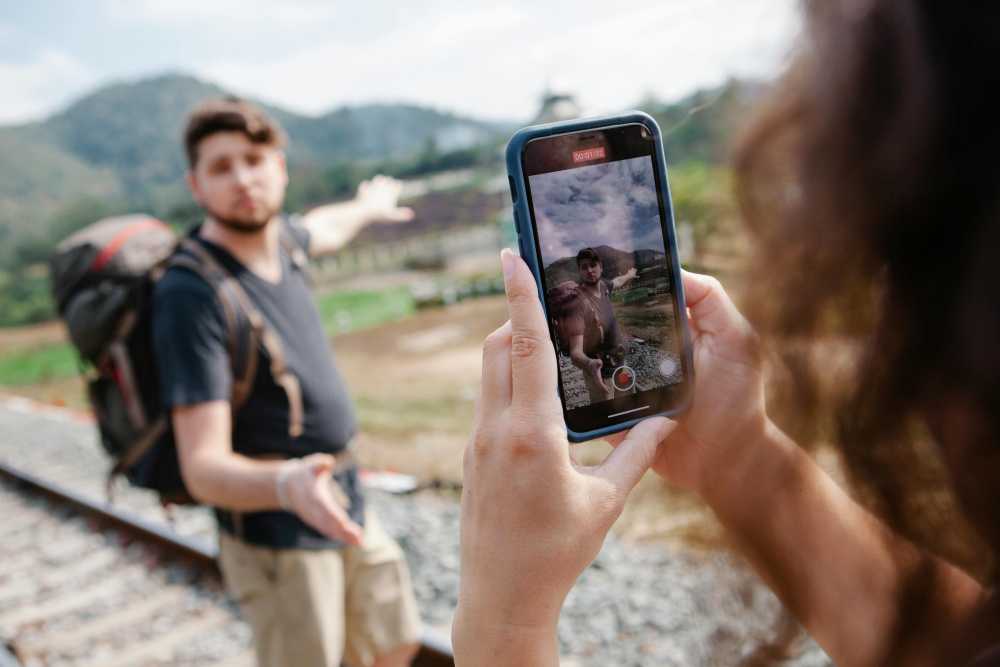
For the Savvy Saver: Making Dream Trips a Reality
Let’s address the single greatest misconception in travel: that it has to be expensive. The most empowering blogs in the budget space are not just about finding cheap hostels; they are masterclasses in financial literacy for a life of adventure, built on the foundational principle that travel is a matter of priority, not privilege. The most valuable content in this niche offers a powerful one-two punch of achievable trip ideas and the actionable financial planning to make them happen. Industry titans like Nomadic Matt and The Broke Backpacker have perfected this formula. They provide an incredible degree of transparency with detailed, line-item budget breakdowns for countries around the world, empowering readers to craft their own realistic spending plans. But just as importantly, they teach the crucial long-term strategies needed to fund these adventures. They cover everything from the "pay yourself first" model of automating savings to the more advanced art of "travel hacking"—the strategic use of credit card rewards points to drastically reduce the cost of flights and hotels. These blogs are your personal finance coaches for a life of travel.
Learn the proven methods for traveling more while spending less in our ultimate guide: How to Travel More: 8 Best Budget Blogs.
For the Thrill-Seeker: From Gentle Hikes to Epic Expeditions
"Adventure travel" is a wonderfully broad term that encompasses a wide spectrum of activities, from a leisurely hike in a national park to a high-stakes mountaineering expedition in the Himalayas. To provide real value, blogs in this space must specialize. The industry makes a clear distinction between "soft" and "hard" adventure, and the best creators typically build their authority in one category, catering to audiences with specific skill levels and risk tolerances. Soft adventure, characterized by low-to-moderate risk and little required experience, is exemplified by blogs like The Planet D, which showcases accessible yet thrilling experiences like kayaking in Antarctica. Hard adventure, defined by high risk and the need for significant technical skill, is the domain of creators like Expert Vagabond, who documents grueling treks across Greenland’s Arctic Circle Trail. By focusing on a specific part of the adventure spectrum, these blogs build deep trust with their audience, providing the right gear reviews, training advice, and destination inspiration for their chosen level of thrill.
Find the perfect blog to fuel your next adrenaline rush right here: Top 9 Adventure Travel Blogs to Follow Now.
From Inspiration to Itinerary: Where to Find the Experts
Discovering these world-class blogs is the first step. But what happens when you’re ready to move from inspiration to planning? Many of the expert creators setting the standard in family, food, and adventure travel are also entrepreneurs. They distill their hard-won knowledge into invaluable digital products—like hyper-detailed itineraries, downloadable maps, and in-depth guides.
The TrekGuider Marketplace is where you find them. It’s a curated platform where you can discover and instantly purchase these high-quality resources directly from the vetted, on-the-ground experts you follow and trust. It’s the bridge that turns their expertise into your next unforgettable trip.
Feeling Inspired? Start Planning Your Next Trip Today!
Seeing what's possible is the first step. The next is making it happen. To help you turn inspiration into action, we've created a comprehensive trip planning resource.
Download our free Travel Itinerary Template to organize your budget, packing lists, flight details, and daily schedules all in one place.
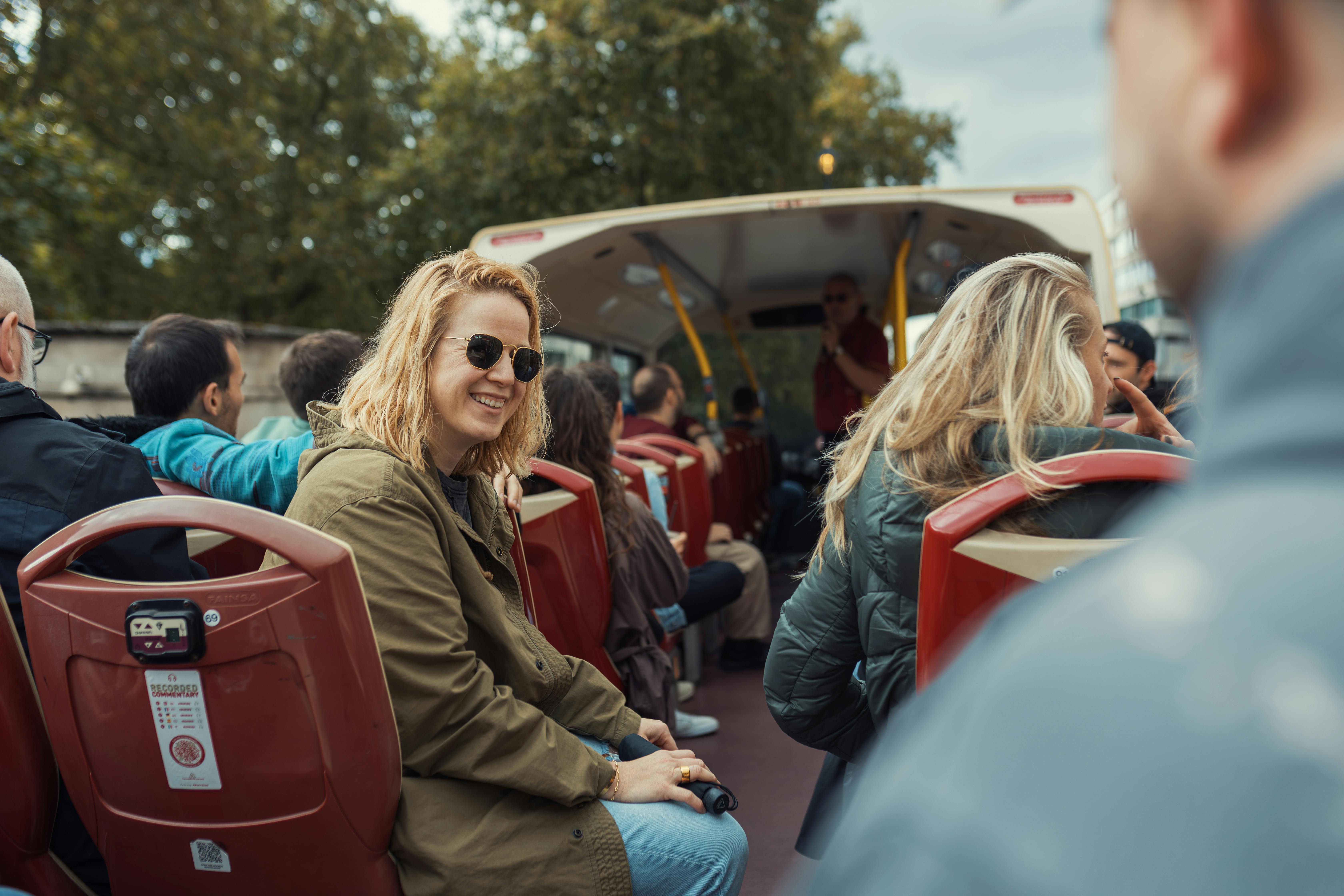
From Traveler to Creator: Building Your Own Travel Blog
Perhaps reading about these incredible creators has sparked a different kind of ambition—not just to travel, but to build something of your own. The technical barriers to launching a blog are lower than ever, but the strategic thinking required for success is significantly higher. This section is for the aspiring media entrepreneurs ready to turn their passion into a profession. Here, we provide a detailed overview of the key strategies you'll need to master, linking out to our in-depth, step-by-step guides.
How to Start a Travel Blog in 2026 (And Actually Succeed)
Launching a successful travel blog today demands a fundamental mindset shift: you are not just starting a website; you are building a media brand. While the technical setup is more accessible than ever, your pre-launch efforts should be overwhelmingly focused on strategy and differentiation. A winning launch can be broken down into three critical phases.
Phase 1 is Strategy & Branding. This is where 90% of your success is determined. It involves the crucial work of identifying a specific, underserved, and potentially profitable sub-niche—like accessible travel or national parks for families—to avoid the trap of being a generalist. It means creating a detailed persona of your ideal reader and developing a unique brand identity, voice, and mission that will resonate with them.
Phase 2 is Technical Setup. This covers the practical steps: choosing a reliable web host (like SiteGround for support or Hostinger for value), installing WordPress (the industry standard), and setting up essential plugins and analytics to track your performance from day one.
Phase 3 is Content & Launch. This final phase involves developing a content strategy for your first 10-20 foundational "pillar" articles, producing that high-quality content with an eye on SEO, and finally, launching your blog to the world. Approaching your launch with this methodical, business-first mindset is the single greatest factor in determining your long-term success in a competitive market.
For a complete, step-by-step business playbook that covers everything from niche selection to your launch day checklist, see our comprehensive guide: How to Start a Travel Blog in 2026 (For Profit).
Finding Your Voice: 50+ Travel Blog Name Ideas
Choosing a name for your blog is a critical, foundational step in building your brand. It needs to be memorable, evocative, and, most importantly, available. This process should be treated as a practical branding workshop, not a frantic search for something that "sounds cool." A systematic framework is the most effective way to land on the perfect name. First, brainstorm a cloud of keywords associated with your specific niche, your target audience, and your desired tone. For a luxury family blog, your list might include: Luxe, Journey, Quest, Collective, Heirloom, Atlas. Next, apply common naming formulas to generate creative combinations. Experiment with alliteration (Roaming Roads), portmanteaus (Foodventure), or simply using your own name to build a personal brand (Adventurous Kate). Don't hesitate to use online blog name generators to spark unexpected ideas. The final, non-negotiable step is to verify availability. This is a two-pronged check: you need an available .com domain—the undisputed professional standard—and you need consistent, matching handles across your key social media platforms (Instagram, TikTok, etc.). A quick Google search and a basic check of the database can also help you avoid obvious brand conflicts before you invest in your new identity.
For a complete framework and dozens of categorized name ideas to spark your creativity, check out our brainstorming guide: 50+ Travel Blog Name Ideas (And How to Choose).
The Business of Blogging: How to Make Money Travel Blogging
The most successful travel blogs are not hobbies; they are diversified media businesses that employ a strategic mix of monetization models. While methods like display advertising, affiliate marketing, and sponsored posts all have a role to play, the most profitable, sustainable, and scalable model by far is selling your own digital products. The data is unequivocal. A blog with 50,000 monthly pageviews might earn $1,000-$2,000 from a premium ad network like Mediavine. In stark contrast, if just 0.2% of those same visitors (a mere 100 people) purchase a $30 digital product—like a detailed itinerary, a packing list bundle, or a Lightroom preset pack—the revenue is $3,000. This simple math illustrates a profound shift in the creator economy. The most successful bloggers are transitioning from being content publishers who serve an algorithm to being media entrepreneurs who use their content to acquire customers for their own products.
This is the future of the creator economy, and TrekGuider is the platform built for it. We provide creators with the tools they need to succeed, including a dedicated publishing platform to build authority, a personal creator page to act as a central hub for their brand, and a full suite of monetization tools to sell their digital products and build a sustainable business.
To dive deep into each revenue stream and learn how to build a profitable creator business, read our full guide: 5 Real Ways to Make Money Travel Blogging.

Never Run Out of Ideas: 75+ Travel Blog Post Prompts
A successful content strategy is not about randomly posting when inspiration strikes. It's about methodically creating a library of content that targets various stages of the user journey, from initial awareness to the final booking decision. This means building a healthy mix of articles designed to serve different user intents. Informational Guides (e.g., "The Ultimate Guide to...") are the foundation of your SEO strategy, capturing top-of-funnel search traffic and establishing your authority. Inspirational Stories (e.g., "How Traveling to Country Changed My Perspective") are crucial for building a deep, personal connection with your audience and fostering a loyal community. Transactional Reviews (e.g., "Is the City Name Pass a Good Value?") target bottom-of-funnel users who are actively in the decision-making phase and ready to make a purchase. How-To Tutorials (e.g., "How to Pack for Two Weeks in a Carry-On") provide immense practical value, building trust and positioning you as a helpful expert. Finally, highly shareable Listicles (e.g., "15 Must-See Places...") are perfect for social media promotion and driving waves of new traffic to your site. By intentionally creating content for each of these categories, you build a strong and resilient content ecosystem.
For a massive bank of strategic content prompts categorized by user intent, explore our ultimate resource: 75+ Travel Blog Post Ideas to Beat Writer's Block.
Mastering the Craft: Essential Skills for Modern Travel Bloggers
To stand out in today's crowded market, you need to be more than just a writer. A professional travel blog is a multimedia platform, and developing a core set of creative skills is absolutely non-negotiable for building a respected brand.
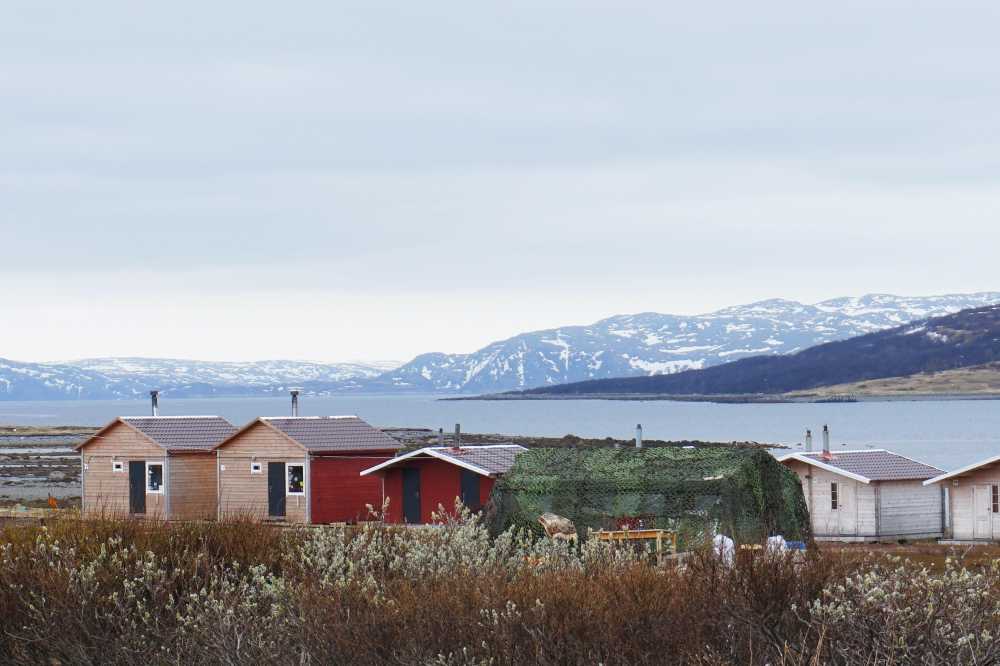
Capturing the Moment: A Guide to Better Travel Photography
High-quality visual storytelling is no longer a differentiator; it is a baseline requirement for any professional travel blog. The good news is that you don't need the most expensive equipment to take stunning photos; you simply need to master a few fundamental principles. The best camera for travel is often the one you're most willing to carry, and today's market offers incredible options at every price point, from the durable and lightweight OM System OM-5 (perfect for hikers and adventurers) to the powerful hybrid Fujifilm X-T5 for creators who need both high-quality stills and professional-grade video. But the gear is only half the equation. Mastering a few essential composition techniques will dramatically improve your images overnight. Practice the Rule of Thirds to create more balanced and visually interesting shots. Use Leading Lines—like a winding road, a river, or a fence—to guide the viewer's eye through the frame and create a sense of depth. Most importantly, learn to see the light. Shooting during the Golden Hour—that magical period just after sunrise and before sunset—will reward you with soft, warm, and vibrant light that makes any scene more beautiful. By combining the right gear with a solid understanding of creative techniques, you can produce compelling photography that captures the essence of your travels and stops readers in their scroll.
To learn about the best gear, editing techniques, and tutorials from the pros, see our complete guide: 7 Best Travel Photography Blogs for Tips.
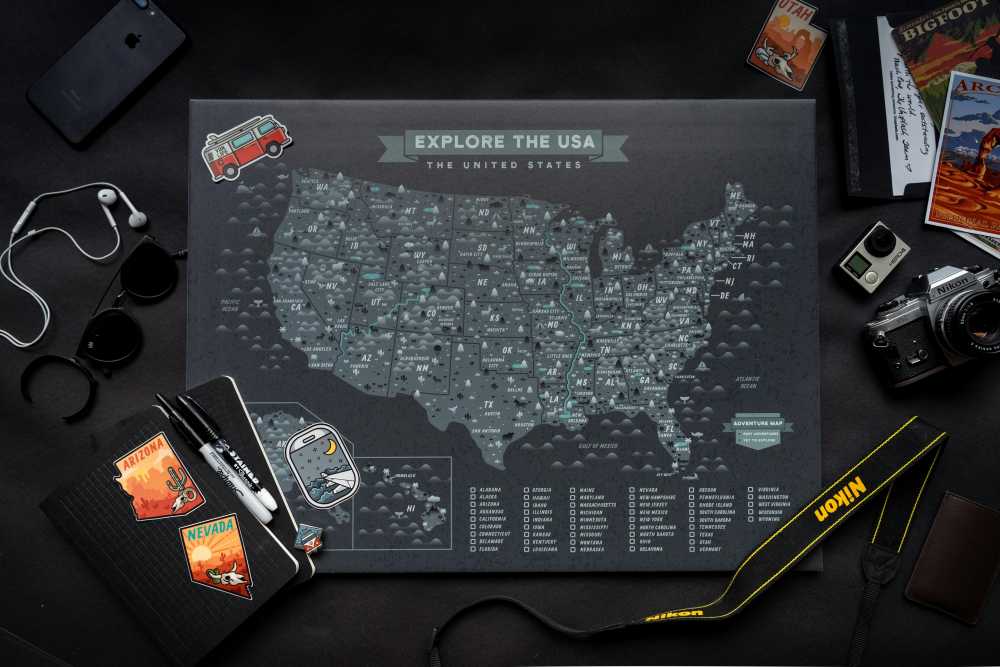
Your Journey Starts Now
The landscape of travel media has never been more dynamic, nor more full of opportunity. The best travel blogs of 2026 are specialized, authentic, and business-savvy. They are your go-to resources for planning deeply personal adventures and your inspiration for building a meaningful, independent career. The common thread that connects the family blogger, the solo adventurer, and the aspiring creator is a deep passion for seeing the world and sharing it in a way that genuinely helps others.
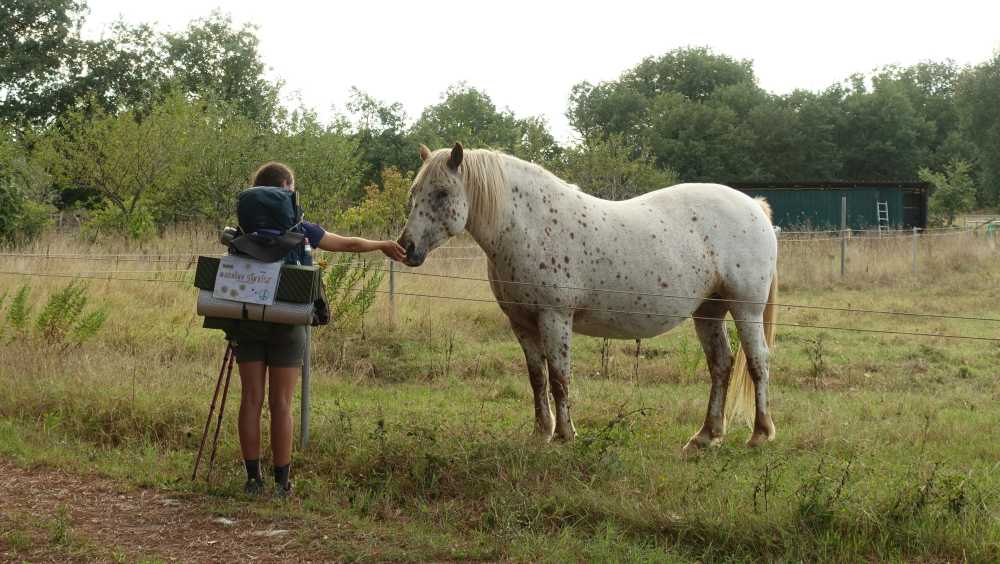
Whether you're here to find the perfect itinerary or to build your own media empire, the journey starts with a single step. Use these blogs as your guides. Let their stories fuel your wanderlust. And if you feel the call to create, use their success as your blueprint. The world is waiting for your unique perspective. And whether you are planning your next trip with one of our Travel Guide products or are ready to start selling your own on our platform, we're here to help you every step of the way.
Travel News
Comments 0
No comments yet
Be the first to share your experience!
You May Also Like
Ultimate USA Holidays Guide: Top Picks
FTC Affiliate Disclosure: Stay Compliant as a Travel Creator
Essential Affiliate Tools: From Tracking to Full Optimization
Avoid These 5 Affiliate Landing Page Mistakes for Better Conversions
Affiliate Keyword Research Mastery for Travel Blogs