

TrekGuider @trekguider
Decoding Affiliate Commission Rates: Benchmarks for Travel Creators

You’re a travel creator, and you’ve entered the world of affiliate marketing to turn your passion into a profession. But you’ve quickly run into a frustrating black box: the commission structure. You see a dizzying array of percentages, acronyms like CPA and EPC, and vague promises of earnings. You’re left wondering what good affiliate commission rates even look like. Are you earning your worth, or are you leaving a significant amount of money on the table?
This confusion isn't just academic; it's a direct threat to your bottom line. The reported average monthly income for affiliates in the travel niche is an impressive $13,847, a figure that proves this is a serious enterprise. But you can't build a sustainable business on guesswork. Partnering with a program offering a flashy 40% commission—only to discover it’s 40% of their tiny margin—is a rookie mistake that costs real money. This lack of clarity makes it impossible to forecast your income, negotiate better terms, or build a truly predictable business. You feel like you’re flying blind.
This guide is your decoder ring. We are pulling back the curtain to give you a comprehensive breakdown of how affiliate commissions actually work. We will deconstruct every major commission model, provide clear, data-backed industry benchmarks, and teach you how to analyze these rates like a seasoned professional. By the end of this deep dive, you will be able to spot high-value opportunities and architect a monetization strategy that truly rewards your influence. For a complete overview of the affiliate landscape, our definitive pillar page, Travel Affiliate Programs: The 2026 Ultimate Guide, is your essential command center.
The Anatomy of a Commission: Deconstructing the Core Models
Let's cut through the jargon. An affiliate commission is simply a reward for a job well done. A company—the merchant—pays you for successfully driving a specific, valuable action, which in the travel world almost always means a completed booking or sale.
But the way that reward is calculated can vary dramatically. Understanding the underlying structure of different affiliate commission rates is the first step toward becoming a high-earning creator.
1. Cost Per Sale (CPS) or Pay Per Sale (PPS): The Industry Workhorse
You'll encounter this model most often—it's the industry's workhorse for a reason. It’s simple and transparent: when a reader clicks your affiliate link and completes a purchase, you earn a percentage of the total sale value. If you recommend a $500 hotel stay and the program offers a 6% CPS commission, you earn $30. This model directly ties your earnings to the revenue you generate, making it the gold standard for most travel bookings and gear sales.
2. Cost Per Action (CPA): Rewarding a Specific Step
Recommended: The Solo Female Travel Safety Guide
Recommended: International Travel Checklist (Printable PDF)
CPA is a broader model where you’re compensated for a specific action a user takes. While that action is often a sale (making it identical to CPS), it can also be something else. For example, a travel credit card company might pay you a CPA commission for every user who completes an application, regardless of whether they are approved.
3. Cost Per Lead (CPL): Paying for High-Value Inquiries
With a CPL model, you earn a fixed fee for each qualified lead you generate. This is common in high-ticket travel sectors where the sales cycle is long. A luxury tour operator, for instance, might pay you $50 for every user who fills out a detailed inquiry form for a bespoke African safari. You get paid for delivering a potential customer; their sales team takes it from there.
4. Tiered & Multi-Tier Structures: Incentivizing Growth
This is where commission models get more sophisticated and rewarding.
Tiered Structures: Rewarding Your Growth These are designed to reward high-performing affiliates. Your commission rate increases as you drive more sales. A program might offer a base rate of 6%, which jumps to 8% after you generate $5,000 in sales in a month, and 10% after $10,000.
Multi-Tier Structures: Building a Network These allow you to earn commissions not only on your own sales but also on the sales generated by other affiliates you recruit into the program. This effectively turns you into a partner who helps grow the program itself, creating a secondary, more passive income stream.
5. Cost Per Click (CPC): The Rare Exception
In this model, you are paid a small fee for every click your affiliate link receives, regardless of a sale. Due to its high vulnerability to fraud, the CPC model is now extremely rare in modern affiliate marketing and almost never seen in the travel space.

Industry Benchmarks: What Good Affiliate Commission Rates Look Like
So, what should you actually expect to earn? While rates vary, the travel industry has established clear benchmarks across its major categories. Here’s your cheat sheet.
Hotels & Accommodations: 2% - 7% of Booking Value This is the bread and butter for many creators, but the details are everything. A program like Expedia Group offers up to 6% of the total booking value with a 7-day cookie. In contrast, Booking.com advertises a much higher "25-40%", but this is a percentage of their commission, not the customer's total payment. This opaque structure often results in a much lower effective rate, closer to 2-4% of the final booking value.
Tours, Activities & Experiences: 6% - 8%+ This is a high-margin category with strong potential. Market leaders like Viator and GetYourGuide set the standard with base commissions of 7-8%. Adventure-focused operators like G Adventures offer 6%, which is incredibly powerful when applied to their high-ticket tours that can cost thousands of dollars.
Travel Insurance: 10% or More Insurance is a consistently high-paying vertical. Top programs like SafetyWing and World Nomads both offer a standard 10% commission. SafetyWing takes this a step further with a recurring model, meaning you continue to earn 10% every time your referred customer renews their policy.
Gear & Apparel: 3% - 8% For physical products, rates depend heavily on the retailer. Amazon Associates is the baseline, offering 3-4% for most travel categories. However, partnering with specialty retailers is far more lucrative. A brand like REI, for example, offers a 5-8% commission on high-quality (and often high-priced) outdoor gear.
Pro-Tip: Don't be blinded by the highest percentage. A 6% commission on a $3,000 G Adventures tour is $180. An 8% commission on a $50 city walking tour is $4. Always consider the average order value of the products you are promoting when evaluating affiliate commission rates.

The Metrics That Matter More Than the Rate Itself
An experienced affiliate marketer knows the commission rate is just a starting point. To truly understand a program's profitability, you need to analyze the metrics that measure real-world performance.
Earnings Per Click (EPC): Your True North This is arguably the single most important metric. It’s calculated by dividing your total commission earnings by the total number of clicks you sent. If you sent 100 clicks and earned $50, your EPC is $0.50. This number tells you the average value of every single click. A program with a lower commission but a higher EPC is often the more profitable partner for your specific audience.
Conversion Rate (CR): The Sign of a Healthy Partner This is the percentage of users who take the desired action after clicking your link. A high conversion rate is a sign of a trusted brand with a well-optimized checkout process. A program with a 10% commission that converts at 1% is less profitable than a program with a 5% commission that converts at 5%.
Cookie Duration: The Travel Creator's Safety Net This is critical in the travel space. A longer cookie duration (30, 60, or 90 days) gives your audience the time they need to research a high-consideration purchase while ensuring you still get credit. A short cookie window is a major red flag and a sign that the program may not be structured in your favor.
Pro-Tip: Dive into your affiliate dashboards. Most networks like CJ Affiliate and Travelpayouts provide detailed reports on your EPC and conversion rates for each program. Use this data to identify your true top performers—the results will often surprise you.

The Travel Creator's Toolkit
Feeling overwhelmed by the data? You don't have to be. To help you organize your strategy and implement everything you've learned, we've created the ultimate resource bundle. It includes checklists, templates, and tools designed to accelerate your journey from beginner to pro.
Download Your Free Bundle: The Travel Creator's Toolkit
The High-Margin Alternative: Referral & Revenue Share Models
While traditional commission models are powerful, the most forward-thinking creators are diversifying into referral and revenue-sharing programs. Instead of a one-time payment for a single sale, these models allow you to build long-term, passive income streams by becoming a true platform partner.
This is the philosophy behind the TrekGuider Seller Platform. We believe in empowering creators to build complex businesses. Our platform is designed for you to sell your own digital products—like itineraries and guides—but our referral program adds another powerful layer to your income strategy.
Instead of a simple CPS commission, our model functions like a sophisticated multi-tier system. When you refer other creators to become sellers on TrekGuider, you earn an ongoing share of the revenue they generate, with tiered commissions that start at 4% for referred sellers. You’re not just earning from a single transaction; you’re building a network and earning from its collective success. It's a strategic way to move beyond chasing individual sales and start building a more resilient, high-margin business.
Frequently Asked Questions (FAQ)
1. Is a higher commission rate always better? Not at all. A high commission rate can be misleading if the program has a low conversion rate, a short cookie duration, or a low average order value. Always look at your Earnings Per Click (EPC) to determine the true profitability of a program for your audience.
2. How can I find the EPC for an affiliate program? Most reputable affiliate networks (like CJ Affiliate, ShareASale, or Travelpayouts) provide EPC data. It's often listed as a network-wide average for each merchant, which gives you a good baseline. Once you start sending traffic, you can track your own personal EPC in your performance reports.
3. Can I negotiate my affiliate commission rates? Yes, absolutely. Once you become a proven partner and consistently drive a significant volume of high-quality sales, you have leverage. Many brands are willing to negotiate a higher, private commission rate for their top-performing affiliates. Always track your performance and don't be afraid to ask.

From Confusion to Command
You are no longer in the dark. The world of affiliate commission rates is no longer a confusing black box. You now have the knowledge to deconstruct any program's payment structure, the industry benchmarks to know your worth, and the key metrics to identify what truly drives profit.
This knowledge is power. It empowers you to audit your existing partnerships, confidently seek out new ones, and even negotiate better terms. By focusing on programs with fair commissions, long cookie durations, and high conversion rates, you can ensure your hard work is properly rewarded. Building a profitable travel content business requires a strategic approach, and a deep understanding of affiliate commission rates is a non-negotiable part of that strategy.
Read the full guide: The Travel Blogger's Playbook to Affiliate Marketing Mastery
Comments 0
No comments yet
Be the first to share your experience!
You May Also Like

FTC Affiliate Disclosure: Stay Compliant as a Travel Creator


Essential Affiliate Tools: From Tracking to Full Optimization

Avoid These 5 Affiliate Landing Page Mistakes for Better Conversions

Affiliate Keyword Research Mastery for Travel Blogs

Booking.com Affiliate Review: Pros, Cons & Earnings

7 Proven Affiliate Marketing Tips to Skyrocket Travel Income
TrekGuider @trekguider
Christmas Miami: Tropical Lights Tour
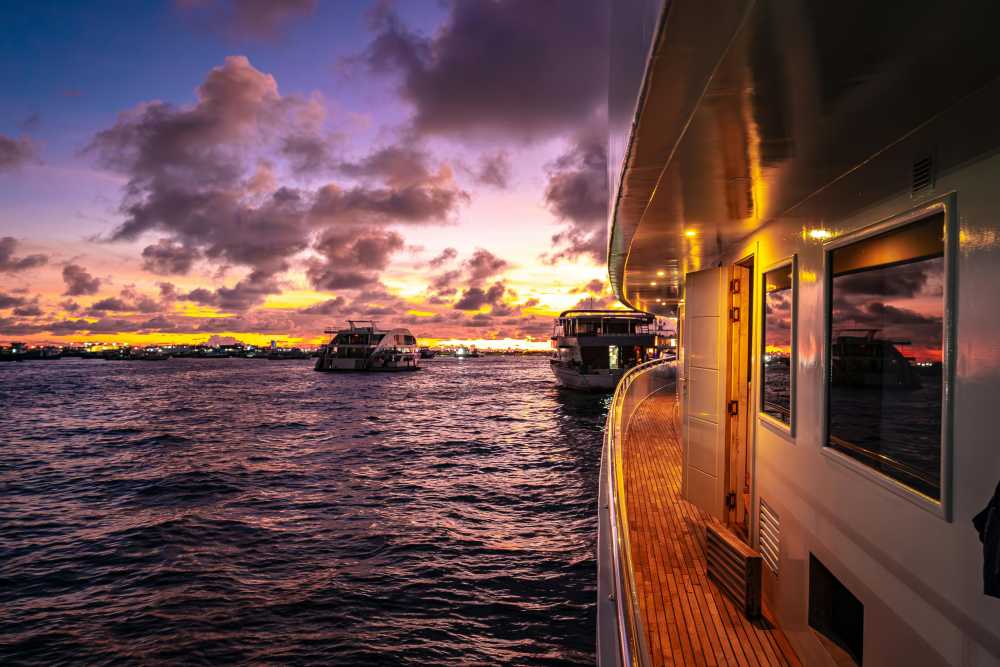
You’re dreaming of a classic Christmas—the kind with roaring fires, frosty windowpanes, and the scent of pine in the air. But you look outside, and the reality is 80 degrees, sun-drenched, with palm trees swaying in a gentle sea breeze. You crave that magical, festive spirit, but it’s hard to find when you’re swapping snow boots for sandals.
This disconnect can be jarring. The calendar says December, the stores are playing carols, but the subtropical warmth makes it feel like just another beautiful day in paradise. A nagging worry creeps in: will you miss out on the cozy, twinkling magic of the season? Will your holiday lack the festive punch you look forward to all year? How can you possibly capture the enchantment of Christmas in a place where snowflakes are replaced by sea spray?
The secret is to stop trying to replicate a winter wonderland and instead embrace the vibrant, utterly unique spectacle of a tropical holiday. Consider this your expert-led mission to unlock that magic. We’re going beyond the obvious to build your definitive tour of the dazzling tropical light displays and waterfront events that make a Christmas in Miami truly unforgettable. Forget the sleigh—here, we celebrate with glittering yachts and glowing shorelines. We’ll show you where to find enchanted parks and floating festivals of light, proving that a Miami Christmas doesn’t just rival the traditional version; it offers a brand of high-wattage magic all its own.
The Magic of Contrast: Why a Miami Christmas Shines Brighter
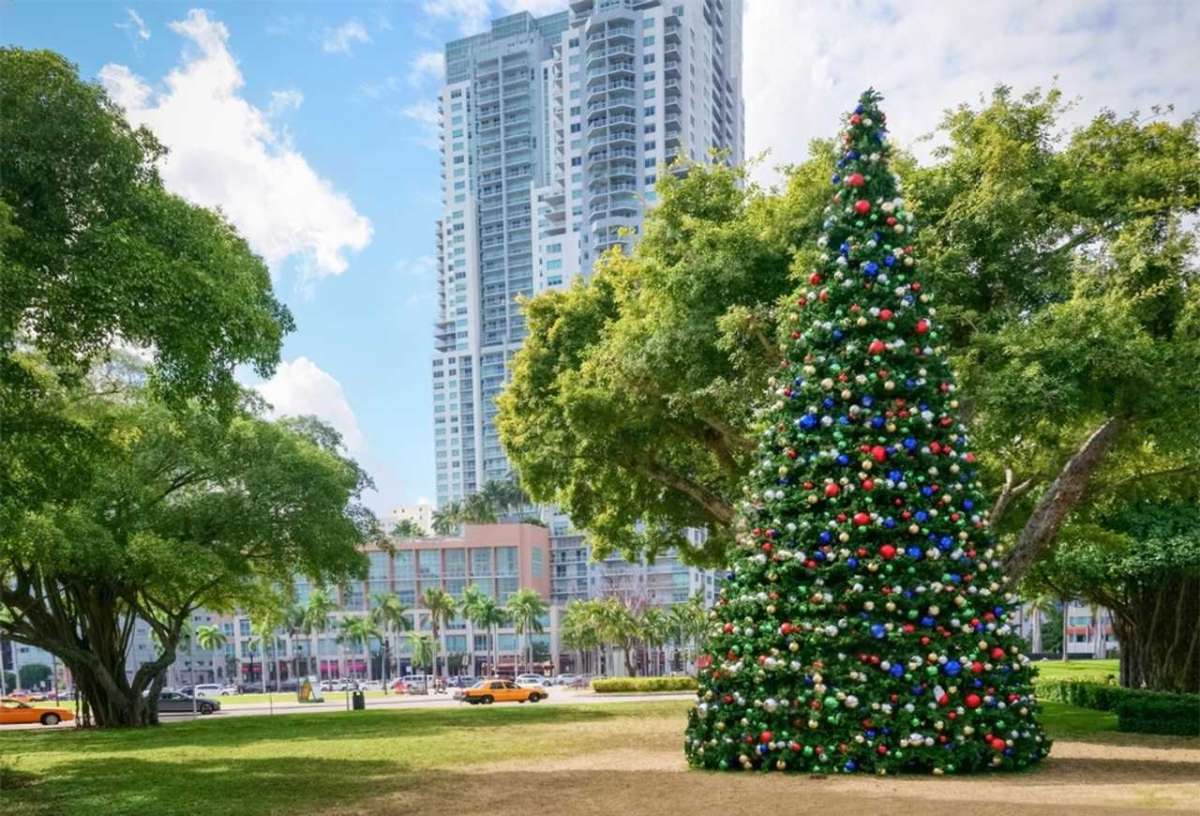
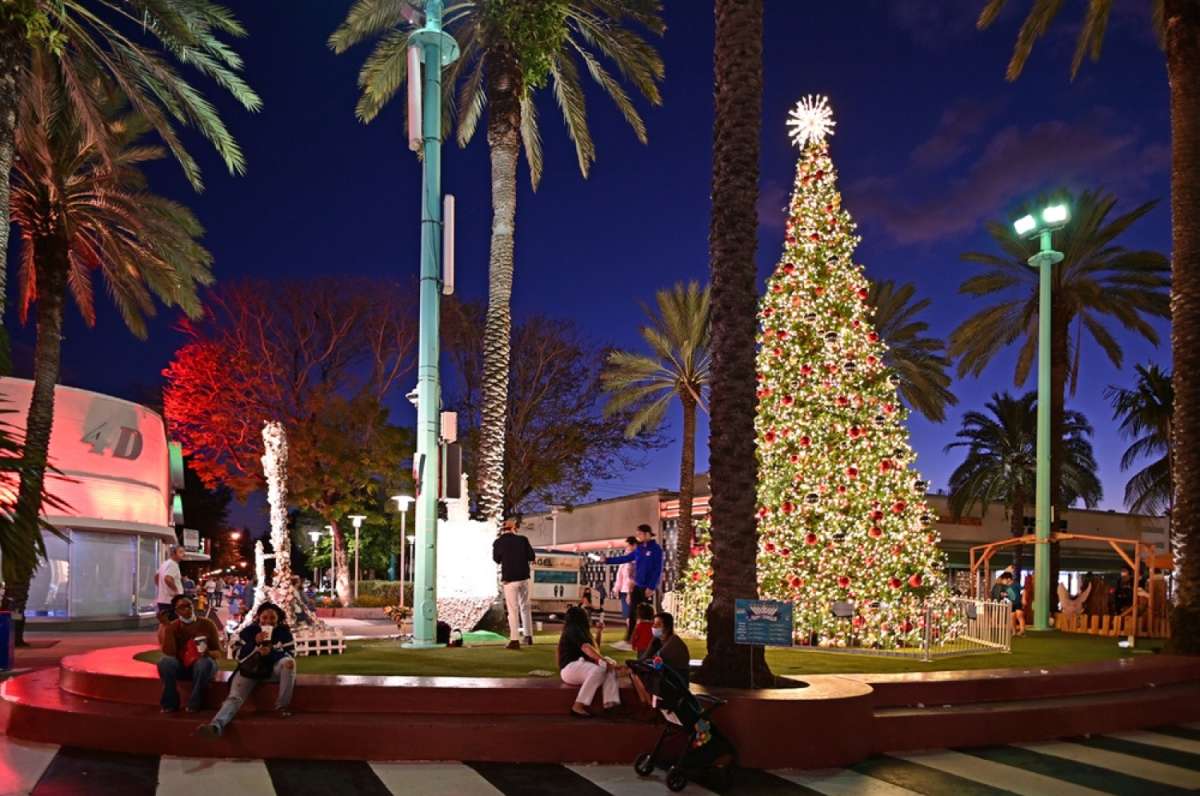
A Christmas in the Magic City is an exercise in brilliant contrasts. It’s where classic holiday traditions get a sun-kissed, subtropical makeover. Instead of pines and firs heavy with snow, you’ll find majestic Royal Palms wrapped from trunk to frond in thousands of shimmering lights, their silhouettes glowing against the warm twilight sky. The crisp, cold air of a northern winter is replaced by gentle, salty breezes carrying the faint sound of distant salsa music mixed with familiar holiday carols.
This fusion of high-energy festivity and laid-back beach culture creates an atmosphere you simply won’t find anywhere else. While our complete guide to Miami Holidays: 8 Beach Fest Vibes gives you the 30,000-foot view of the season, this deep dive is dedicated to the glittering, electric heart of a Miami Christmas: the lights. The city’s profound connection to the water is central to its identity, and this is never more apparent than during the holidays. The reflection of a million tiny lights dancing on the calm surface of Biscayne Bay is a sight that rivals any snow-covered landscape—a holiday experience that is both deeply festive and unapologetically Miami.
The Crown Jewel of a Christmas in Miami: The Holiday Boat Parades
While other cities have their tree-lighting ceremonies, Miami’s signature holiday tradition takes to the water. The holiday boat parades are the quintessential Christmas in Miami event, a dazzling display of nautical creativity and festive spirit that perfectly captures the city's coastal soul. Forget static neighborhood displays; this is a moving festival of light, a dynamic spectacle that draws thousands to the shores of Biscayne Bay.
What to Expect: A Floating Festival of Lights
Imagine a procession of vessels, from 100-foot luxury yachts and powerful sport-fishers to charming sailboats and even humble dinghies, all transformed into glowing works of art. Each boat is carefully decorated in thousands of colorful lights, often arranged into elaborate and animated designs. You’ll see everything from tropical Santas lounging on flamingo-drawn sleighs to shimmering nativity scenes and synchronized light shows pulsing to holiday music. Many participants add onboard carolers and costumed characters who wave to the cheering crowds, turning the parade into an interactive performance.
The atmosphere is electric and communal. Families and friends gather along the waterfront hours in advance, laying out blankets and setting up picnics as they wait for the show to begin. The air fills with palpable excitement as the first glowing vessel rounds the bend, its lights casting a long, shimmering trail on the dark water.
Pro-Level Viewing Guide: Where to Secure the Best Views
A good vantage point is the difference between a fleeting glimpse and a front-row seat to the magic. Since the parade routes typically traverse Biscayne Bay, any public space with an unobstructed view of the water is a prime candidate.
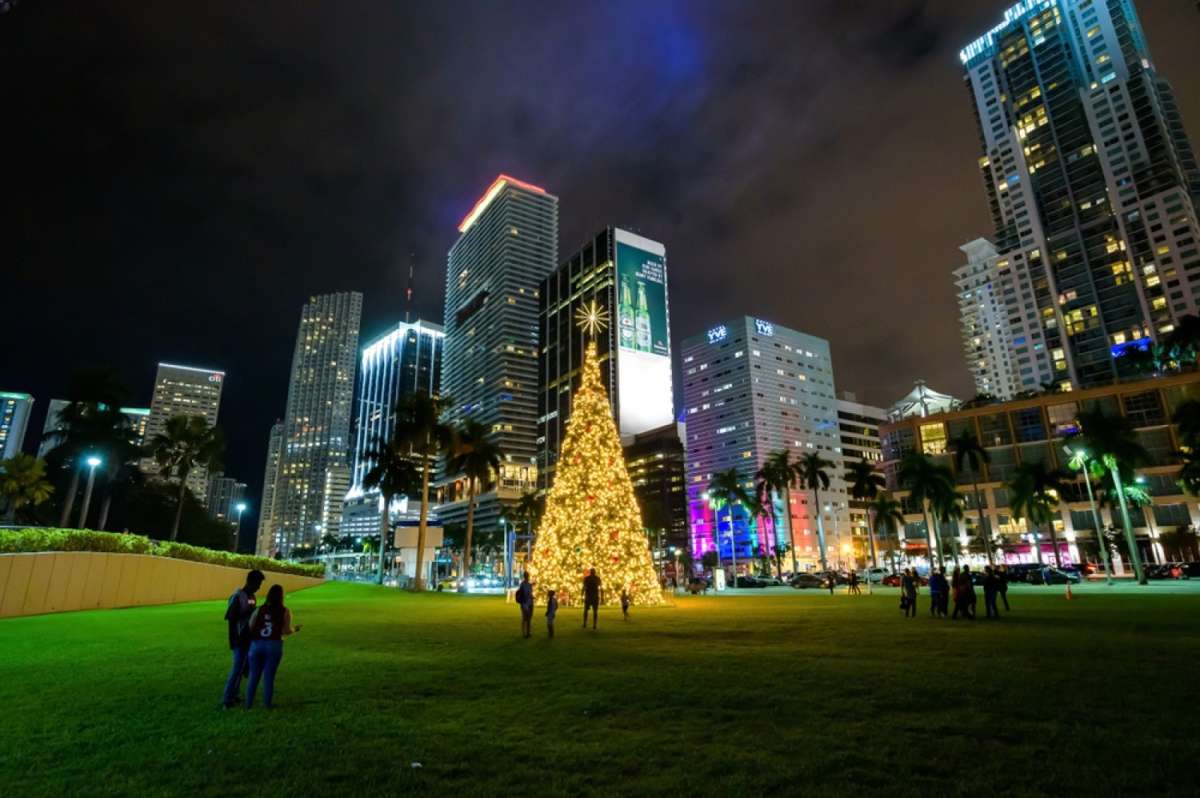
Bayfront Park: As the city's epicenter for major events, Bayfront Park is the most popular and accessible choice. Its sprawling lawns and waterfront promenades offer ample room, but they fill up fast. Arrive by late afternoon to claim a spot near the water's edge.
Venetian Causeway: For a slightly less congested experience, the sidewalks along the Venetian Causeway offer excellent, slightly elevated views of the parade as it moves through the central part of the bay.
Restaurant Patios: Many waterfront restaurants in Downtown, Brickell, and Miami Beach offer fantastic (and comfortable) viewing spots. This requires planning and reservations weeks in advance, but it allows you to enjoy a festive meal with a world-class show.
Key Biscayne: The parks and beaches on the western side of Key Biscayne that face the bay, such as Hobie Island Beach Park, provide a more relaxed and family-friendly atmosphere away from the downtown hustle.
Pro-Tip: Treat it like a beach day. Arrive at your chosen spot at least 90 minutes before the parade's scheduled start. Pack a cooler with drinks and snacks, bring blankets or foldable chairs for comfort, and download a local radio app—some stations broadcast parade commentary and synchronized music.
Land-Based Spectacles: Immersive Worlds of Light
While the boat parades are a must-see, Miami’s land-based light displays offer weeks of festive enchantment. These attractions provide a more immersive experience, allowing you to walk through glowing landscapes and enjoy a full evening of holiday activities.
Christmas Wonderland at Tropical Park: A Festive Theme Park
For a one-stop holiday destination that caters to all ages, Christmas Wonderland at Tropical Park is an institution. This sprawling event transforms a beloved local park into a high-energy festive theme park. It’s an ideal outing for families, packed with everything from thrilling rides to gentle carousels, all set against a backdrop of millions of spectacular lights.
The park is designed as a walk-through experience with different themed areas. You can wander through illuminated tunnels synchronized to music, marvel at towering light sculptures of holiday characters, and take photos at countless Instagram-worthy spots. Beyond the lights and rides, Christmas Wonderland features live entertainment, holiday-themed food and drinks (think churros and hot cocoa), and artisan markets perfect for last-minute gift shopping.
The Enchanted Walk: Neighborhoods That Go All Out
One of the simple joys of Christmas in Miami is discovering the festive spirit in its residential neighborhoods. While Miami may not have a single, world-famous district for lights like Brooklyn's Dyker Heights, many of its affluent, waterfront communities embrace the season with gusto.
Take a slow evening drive through the neighborhoods along the Venetian Islands, Key Biscayne, or the Gables-by-the-Sea in Coral Gables. Here, you’ll see magnificent homes and gardens adorned with professional-grade light displays. The true Miami touch is seeing not just the houses, but also the towering palm trees, ancient banyan trees, and private docks lit up in festive colors, their lights reflecting beautifully in the canals and waterways.
Capturing the Glow: Photography Tips for Tropical Lights
Photographing holiday lights, especially moving ones on water, can be tricky. Here’s how to get shots worthy of the spectacle.
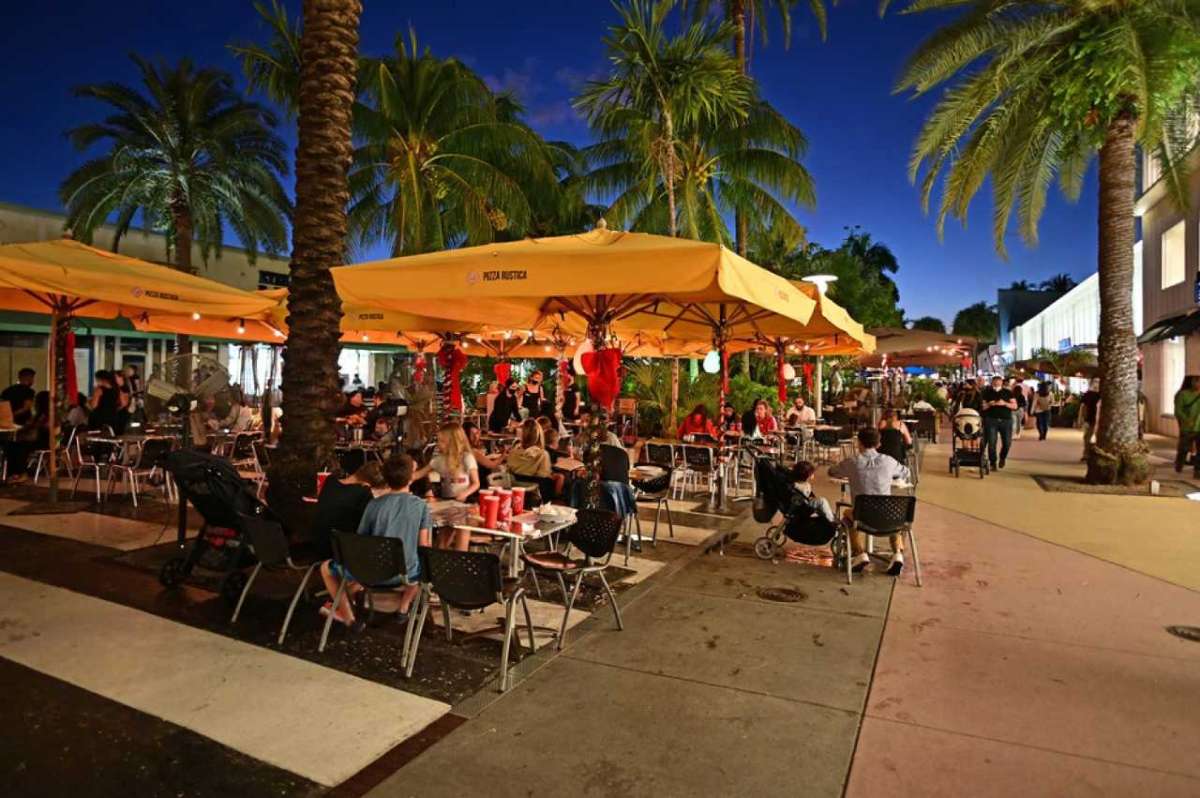
Use Night Mode: Modern smartphone cameras have incredible night mode capabilities. Use them. This feature keeps the shutter open longer to capture more light, resulting in brighter, clearer photos without harsh flash.
Find Stability: To avoid blurry shots, especially with longer exposures, brace your phone or camera against a solid object like a railing, a post, or a tripod.
Tap to Focus: Don't just point and shoot. Tap on the brightest part of the light display on your screen. This tells the camera where to focus and properly expose the shot, preventing the lights from becoming blown-out white blobs.
Capture Reflections: Miami's biggest advantage is water. Angle your shots to include the reflections of the lights on the bay or canals. This adds depth, color, and a sense of place to your photos.
Planning Your Tropical Lights Tour: A Step-by-Step Guide
A little strategic planning will elevate your lights tour from a casual outing to a seamless and memorable adventure.
Step 1: Choose Your Experience (Event vs. Exploration)
First, decide on your preferred vibe.
The Boat Parade: This is a high-energy, single-night event. It’s perfect if you love the excitement of a big crowd and a one-of-a-kind spectacle. The trade-off is that it’s a fixed date and can be very crowded.
Land-Based Displays: Attractions like Christmas Wonderland or self-guided neighborhood tours offer far more flexibility. They typically run for several weeks, allowing you to choose a less-crowded weeknight for your visit. This is often the better choice for families with young children.
Step 2: Lock In Your Itinerary
Once you’ve chosen your focus, confirm the details. For official events, check their websites for exact dates, times, and ticket information. Boat parades are weather-dependent, so always check social media channels on the day of the event for any last-minute changes. For a self-guided tour, map out a route in advance to maximize your viewing time.
Step 3: Pack for a Miami "Winter" Night
Packing for a Miami holiday can be deceptive. While days are warm, evenings on the water can get surprisingly cool and breezy. A light jacket, sweater, or pashmina is essential. Comfortable walking shoes are non-negotiable. If you're visiting from abroad and juggling different climates, our International Travel Checklist is an indispensable tool. It’s designed to help you remember everything from travel insurance to the perfect light layer for a breezy bayfront evening.
Step 4: Master Transportation and Logistics
Parking near major holiday attractions in Miami ranges from difficult to impossible.
Rideshares: Services like Uber and Lyft are your best friends. They eliminate the stress of finding and paying for parking.
Public Transit: For events centered around Bayfront Park, leave the car behind. Miami’s elevated Metromover is a free and surprisingly scenic way to get downtown, connecting directly to major Metrorail stations and parking garages further afield.
Book Parking: If you must drive, use an app like SpotHero to reserve a parking spot in a garage in advance. This is a pro move that can save you an hour of circling packed streets.
Pro-Tip: For ticketed light displays like Christmas Wonderland, always visit on a Tuesday or Wednesday evening if possible. Crowds are significantly smaller, traffic is lighter, and you’ll have a much more relaxed and enjoyable experience.
Beyond the Lights: Crafting Your Complete Holiday Itinerary
Your tropical lights tour is the perfect centerpiece for a festive Miami getaway, but it’s just the beginning. To build a truly immersive holiday experience, weave in some of the city’s other seasonal offerings. Pair an evening of light-viewing with a festive dinner at a restaurant in Brickell or Coconut Grove. Explore the luxury shops at the Design District or Bal Harbour, which feature stunning, museum-worthy holiday window displays.
A perfect lights tour is just one piece of an unforgettable holiday vacation. To build a complete itinerary—from finding the best seasonal Cuban coffee to planning day trips—our comprehensive Travel Guide provides the expert, local insights you need to experience the magic of a Christmas in Miami like a seasoned traveler. It’s your ultimate resource for crafting a holiday that is perfectly tailored to you.
Your Blueprint for a Brilliant Miami Christmas
You don’t need snow or a roaring fireplace to have a spectacular and magical holiday. A Christmas in Miami offers a vibrant, sun-kissed alternative, trading frosty landscapes for the dazzling reflection of a million lights on the water. From the unforgettable spectacle of a holiday boat parade on Biscayne Bay to the family-friendly enchantment of a park transformed into a winterless wonderland, the city is alive with a unique and powerful festive spirit.
You now have the ultimate blueprint to design your own tropical lights tour. You know the signature events to see, the best places to watch them from, and the pro-level tips to make your experience seamless and joyful. You are empowered to create holiday memories that are as warm, bright, and full of life as the city itself. So grab your sunglasses and a Santa hat, and get ready to experience a Christmas that shines brighter than any star on a frosty night.
Comments 0
No comments yet
Be the first to share your experience!
You May Also Like

San Francisco Cherry Blossoms: A Local's Guide to the Blooms

Halloween SF: Haunts Without Horrors

SF Festivals: 7 Must-See Lineups

Christmas SF: Lights & Wharf Wonders

SF Pride: 6 Route & Party Hacks

Chinese New Year SF: Parade Essentials
TrekGuider @trekguider
Ultimate USA Holidays Guide: Top Picks

From the electric hum of a million people counting down in Times Square to the soulful, brass-band rhythm of a New Orleans parade, the calendar of holidays in the USA is a vibrant mix of culture, history, and pure, unadulterated celebration. This is a nation that doesn’t just mark time—it celebrates it, painting its calendar with explosions of patriotic fireworks, soulful city-wide festivals, and seasonal traditions as diverse as the continent itself.
Planning a trip around an American holiday elevates a simple vacation into a deep cultural immersion. It’s a chance to see a destination at its most alive, to share in a collective moment of joy or reverence, and to come away with stories that resonate far more than a standard sightseeing tour. But with a map so vast and a calendar so packed, the sheer number of options can feel overwhelming. Where do you even begin?
Consider this your definitive launchpad. We’ve distilled the essence of American celebrations into a curated guide to the nation’s most iconic, unique, and unforgettable festive experiences. This is not just a list; it’s a strategic starting point designed to spark your imagination and connect you with the perfect holiday adventure. To get a head start on organizing your thoughts and mapping out your dream trip, download our free Travel Itinerary Template. It’s the first step toward turning inspiration into a flawless plan.
The American Holiday Calendar: Key Dates for Strategic Planning
Before you book a single flight or hotel, understanding the rhythm of the American calendar is essential. Federal holidays mean closures for banks, post offices, and government buildings. More importantly for travelers, they signal peak travel periods, leading to higher prices and bigger crowds. Planning around these dates is the first and most critical step to a seamless journey.
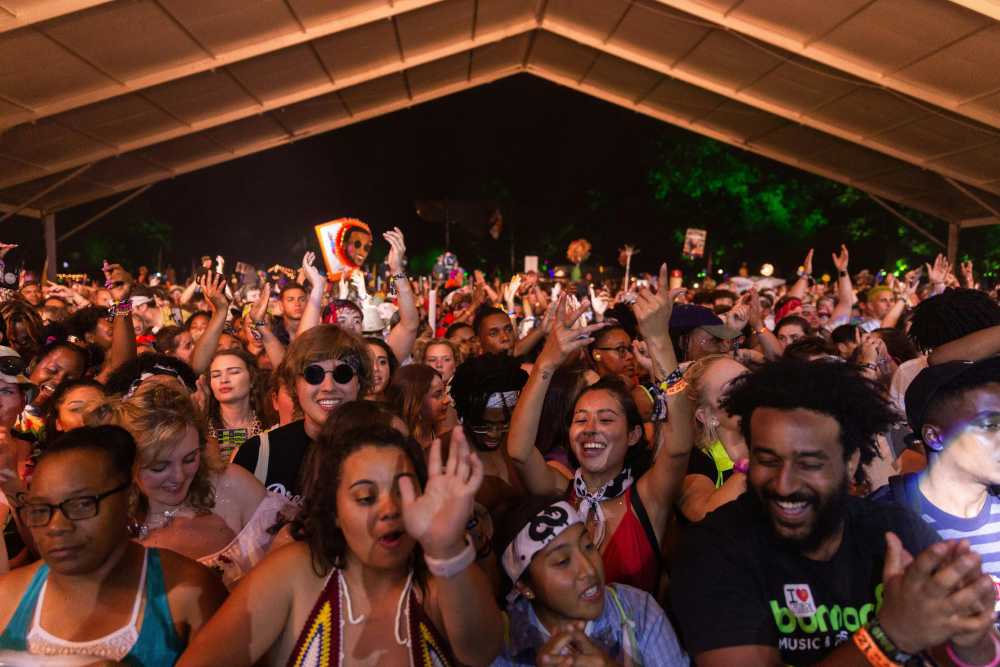
Here are the official federal holidays to circle on your calendar for the coming years.
2026 Federal Holidays:
New Year’s Day: January 1 (Wednesday)
Martin Luther King, Jr. Day: January 20 (Monday)
Washington’s Birthday (Presidents' Day): February 17 (Monday)
Memorial Day: May 26 (Monday)
Juneteenth: June 19 (Thursday)
Independence Day: July 4 (Friday)
Labor Day: September 1 (Monday)
Columbus Day / Indigenous Peoples’ Day: October 13 (Monday)
Veterans Day: November 11 (Tuesday)
Thanksgiving Day: the fourth Thursday of November (Thursday)
Christmas Day: December 25 (Thursday)
2026 Federal Holidays:
New Year’s Day: January 1 (Thursday)
Martin Luther King, Jr. Day: January 19 (Monday)
Washington’s Birthday (Presidents' Day): February 16 (Monday)
Memorial Day: May 25 (Monday)
Juneteenth: June 19 (Friday)
Independence Day: July 4 (Saturday, observed Friday, July 3)
Labor Day: September 7 (Monday)
Columbus Day: October 12 (Monday)
Veterans Day: November 11 (Wednesday)
Thanksgiving Day: November 26 (Thursday)
Christmas Day: December 25 (Friday)
The Nation’s Heartbeat: Patriotic, Cultural & Seasonal Cornerstones
While every city adds its own unique flavor, some holidays resonate with a powerful national identity, uniting the country in shared tradition and history. These are the cultural pillars of the American year, events that are not just dates on a calendar but massive economic and social engines. Mardi Gras in New Orleans, for instance, generated a staggering $891 million economic impact in 2024, while the Art Basel fair in Miami brings in over $500 million—an impact that rivals a Super Bowl. Traveling for these holidays means stepping into a moment of collective energy and profound significance.

Independence Day (July 4th) stands as the nation’s quintessential summer celebration. Commemorating the adoption of the Declaration of Independence in 1776, it’s a day of unabashed patriotism expressed through spectacular fireworks displays, small-town parades, and backyard barbecues. It’s a moment to honor American history and the foundational principles of life, liberty, and the pursuit of happiness.
As the air turns crisp in autumn, Thanksgiving arrives on the fourth Thursday of November. While centered on a private feast of gratitude and family, its most famous public face is the Macy's Thanksgiving Day Parade in New York City. This whimsical procession of giant character balloons, elaborate floats, and celebrity performers has captivated the nation since 1924, officially kicking off the holiday season.
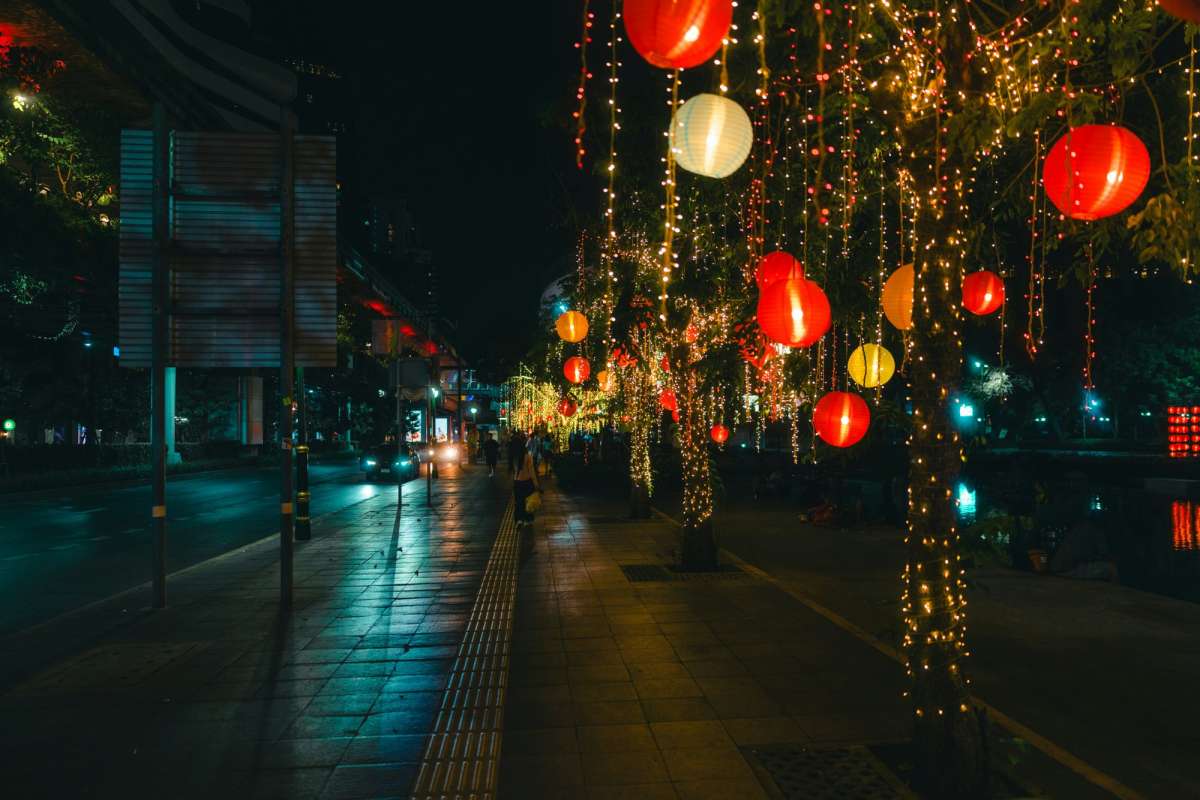
Following closely is Christmas, which transforms towns and cities into winter wonderlands on December 25th. The celebrations are incredibly diverse, ranging from solemn religious services on Christmas Eve to bustling German-style markets, dazzling neighborhood light displays, and iconic tree-lighting ceremonies that have become national traditions in their own right.
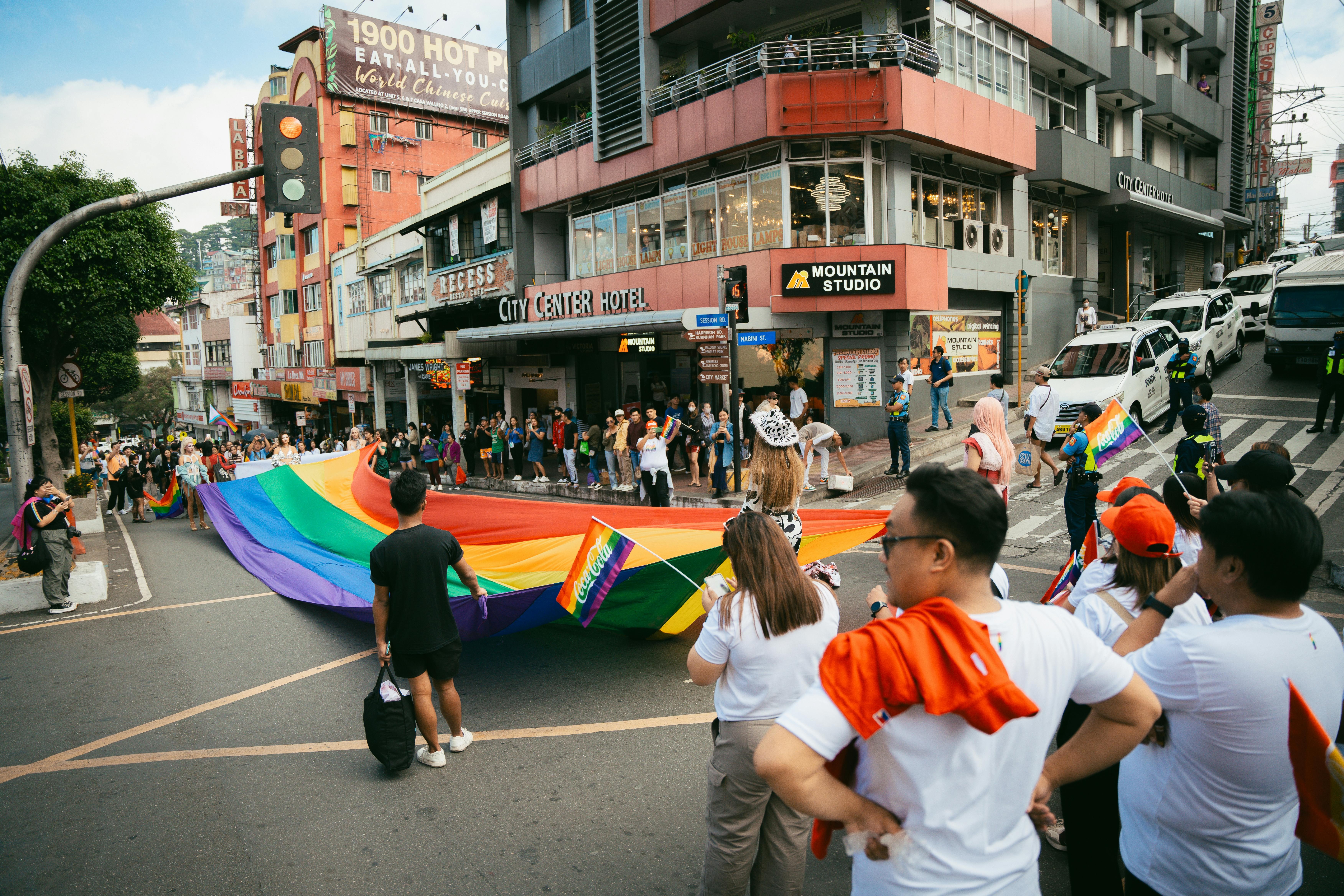
Beyond these, cultural celebrations like Pride Parades in June have evolved from their protest roots—commemorating the 1969 Stonewall Uprising—into powerful, joyous affirmations of identity and activism. Similarly, holidays like Cinco de Mayo and Chinese New Year have grown from community-specific observances into vibrant, large-scale festivals that showcase the rich multicultural fabric of the United States.
City by City: A Guide to America's Premier Holiday Destinations
The true magic of American holidays lies in their regional expressions. A single holiday can feel worlds apart depending on whether you’re standing on a crowded Manhattan street, a sun-drenched Miami beach, or a historic New Orleans square. Here’s our guide to the cities that do it best, each offering a unique portal into the nation’s festive soul.
New York City: The Epicenter of Iconic Celebrations
When you imagine classic holidays in the USA, chances are you’re picturing New York City. The Big Apple doesn’t just celebrate; it creates global landmarks out of its festivities. This is the city of grand gestures and timeless traditions, where every season brings a spectacle known the world over. In winter, the lighting of the Rockefeller Center Christmas Tree marks the unofficial start of the holiday season, its glittering presence best viewed at dawn to avoid the thickest crowds. Nearby, the Bryant Park Winter Village offers a charming European-style market and ice rink set against a stunning skyscraper backdrop. As the year closes, the world turns its attention to the Times Square Ball Drop, a century-old tradition where arriving by 3 PM is essential to secure a spot for the legendary countdown.
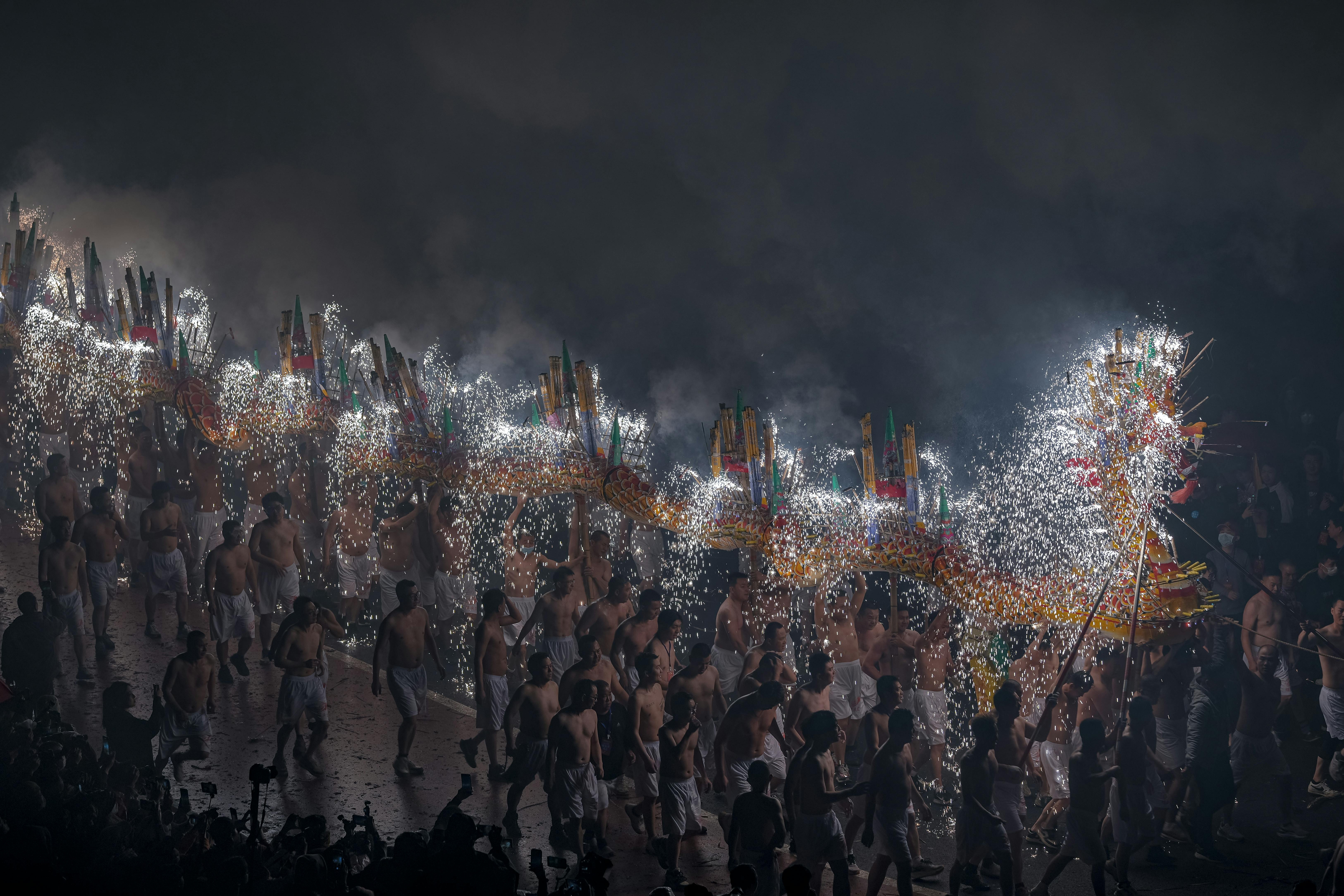
But NYC’s holiday spirit isn’t confined to winter. Autumn brings the whimsical Macy's Thanksgiving Day Parade, which has marched through Manhattan since its inception. To truly experience it, insiders recommend arriving by 6 AM along Central Park West. On October 31st, the Village Halloween Parade transforms Greenwich Village into a creative, spooky, and utterly unique procession where wearing a costume is your ticket to march alongside the performers. And in June, the NYC Pride Parade—which traces its roots to the first march in 1970, one year after the Stonewall Uprising—fills Fifth Avenue with a powerful and joyous celebration of love and equality. From patriotic fireworks over the East River on July 4th to the festive markets of December, New York offers a holiday experience that is nothing short of cinematic.
For a complete guide to the Big Apple's festivities, see our New York Holidays: 10 Must-Do Events.
Miami: Where Holiday Spirit Meets Tropical Glamour
Forget snow and sleigh bells; Miami reimagines American holidays with a sun-drenched, high-energy, and impossibly stylish twist. Here, the festive season is marked by palm trees wrapped in twinkling lights and celebrations that seamlessly blend beach culture with global sophistication. The city’s holiday calendar is anchored by two world-renowned events: Ultra Music Festival in March and Art Basel in December. Ultra transforms Bayfront Park into a pulsating epicenter of electronic music, drawing top DJs and fans from across the globe for a three-day sonic marathon where the dress code is lightweight, breathable, and ready to dance. Just months later, Art Basel makes Miami the undisputed capital of the art world, with the Miami Beach Convention Center hosting the main fair while countless satellite events and vibrant street art take over districts like Wynwood.
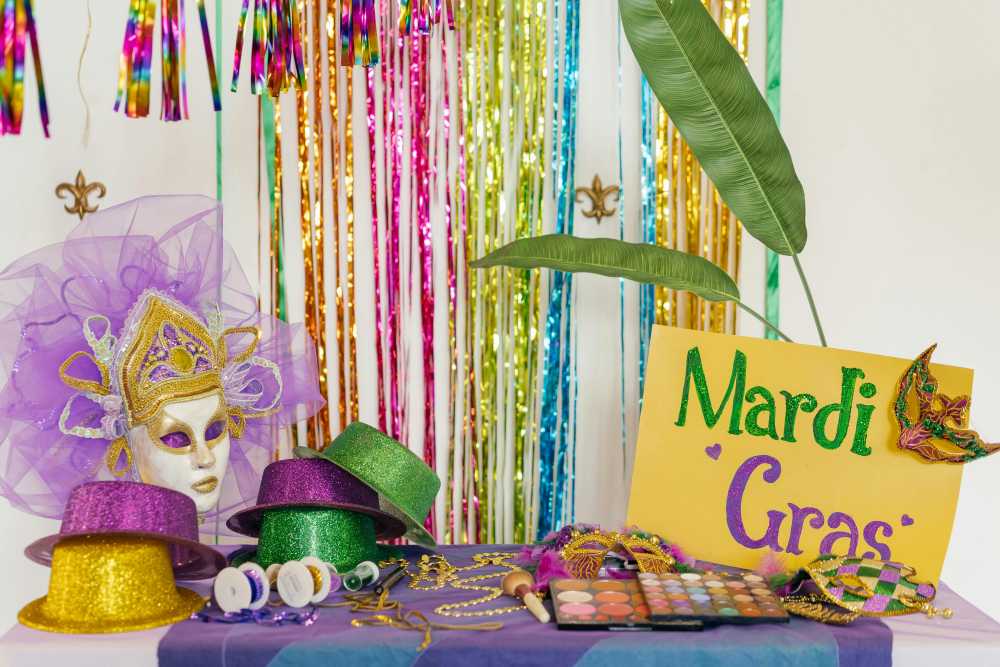
Miami’s take on traditional holidays is equally unique. Christmas isn’t about cozying up by the fire; it’s about watching the spectacular Holiday Boat Parades, where yachts adorned with festive lights cruise down Biscayne Bay. New Year’s Eve offers a choice for every style, from the massive free fireworks display at Bayfront Park to exclusive, high-glamour parties at South Beach clubs like LIV and Fontainebleau, where tickets can run upwards of $200. Even Independence Day gets a coastal makeover, with the best fireworks views often found from a boat on the bay, far from the crowded parks. In Miami, the holiday season is an invitation to trade your winter coat for swimwear and experience a celebration that is vibrant, chic, and unapologetically fun.
To discover all the sun-soaked celebrations, check out our guide to Miami Holidays: 8 Beach Fest Vibes.
New Orleans: A Cultural Feast for the Senses
In New Orleans, holidays are not just celebrated; they are deeply felt, steeped in centuries of Creole heritage, and served up with a soulful blend of music, food, and pure, uninhibited revelry. The city’s festive calendar is legendary, headlined by Mardi Gras, a season of indulgence that culminates on "Fat Tuesday." From the family-friendly parades of Uptown to the wild spectacle of the French Quarter, the entire city erupts in a riot of purple, green, and gold. Krewes like Endymion and Bacchus toss beads from elaborate floats, and the air is thick with the sounds of marching bands and the scent of king cake. Shortly after, the New Orleans Jazz & Heritage Festival (Jazz Fest) takes over, a two-weekend celebration of the region’s profound musical roots, featuring everything from legendary jazz acts to Cajun and Zydeco bands, all accompanied by some of the best food you’ll ever eat at a festival.
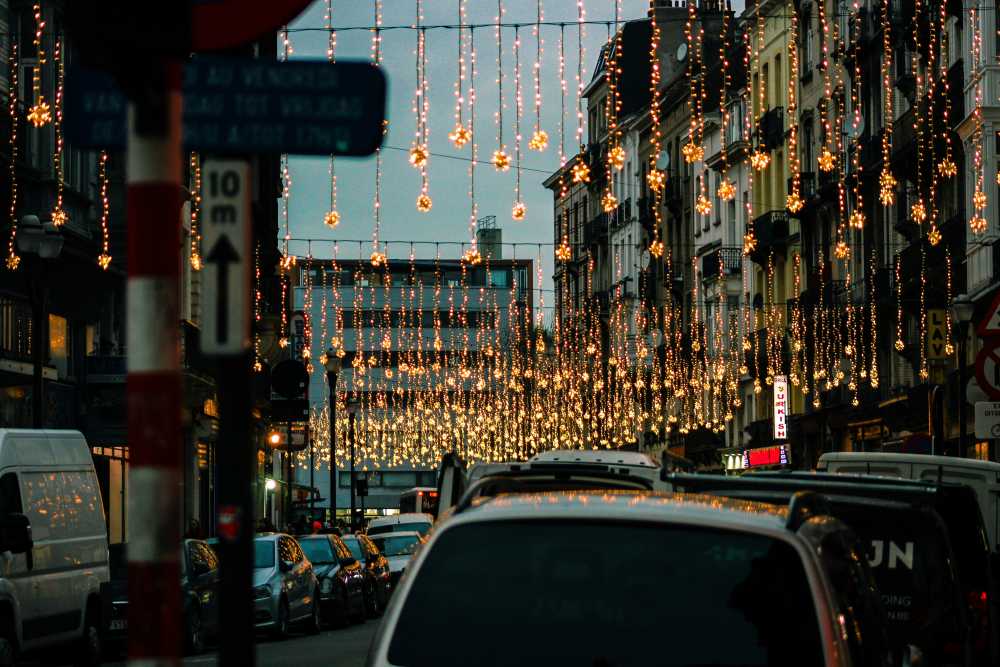
The city’s unique cultural fabric enriches every holiday. Halloween in the Crescent City is an atmospheric affair, drawing on its history of voodoo lore and ghost tales. The Krewe of Boo parade rolls through the streets, and ceremonies honoring Voodoo Queen Marie Laveau add an authentic, spooky flair. Christmas takes on a distinctly Creole flavor with Réveillon dinners, elaborate multi-course feasts served after midnight mass, and bonfires lighting up the levee along the Mississippi River to guide "Papa Noël." Even St. Patrick’s Day has a local twist, with parade-goers in the Irish Channel neighborhood famously throwing cabbages and other vegetables to the crowds. To experience a holiday in New Orleans is to immerse yourself in a living, breathing culture that knows how to celebrate like nowhere else on Earth.
Explore the city’s rich traditions with our deep dive into New Orleans Holidays: Cultural Feasts.
Chicago: Grand Traditions in the Heart of the Windy City
Chicago celebrates the holidays with a hearty, Midwestern spirit, transforming its world-class architecture and stunning lakefront into a playground for grand-scale urban festivities. The Windy City is home to some of the most iconic holiday traditions in the country, none more famous than the dyeing of the Chicago River for St. Patrick's Day. Since 1962, the city has used 40-60 pounds of a secret, vegetable-based orange powder to turn its waterway a brilliant emerald green, a spectacular sight that lasts for about five hours and kicks off a massive parade and city-wide celebration of Irish heritage. In the summer, Chicago becomes a global music destination with Lollapalooza, a four-day festival in Grant Park that showcases a diverse lineup of the biggest names in music, from Olivia Rodrigo to Tyler the Creator.
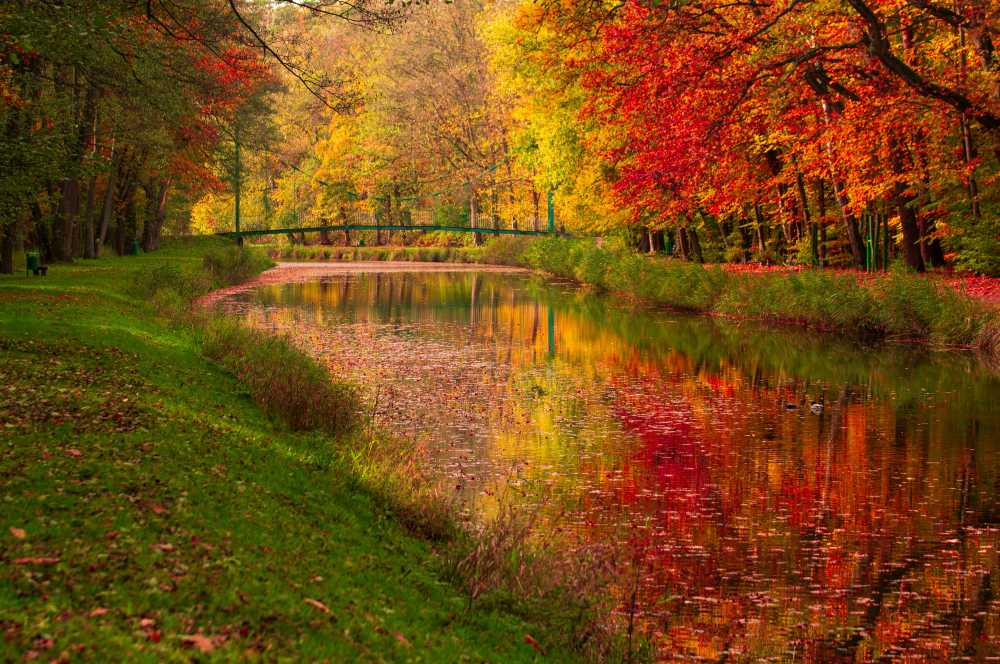
When winter arrives, Chicago embraces the cold with gusto. The Christkindlmarket at Daley Plaza, a traditional German-style Christmas market, becomes a festive hub where visitors can sip spiced Glühwein and shop for handcrafted gifts. The Magnificent Mile glows with a million twinkling lights, and ice skating at Millennium Park with the city skyline as a backdrop is a quintessential Chicago experience. For Independence Day, crowds flock to Navy Pier for a dazzling fireworks display over Lake Michigan, a patriotic spectacle that lights up the night sky. From neighborhood street fairs celebrating local culture to massive music events that draw international crowds, Chicago’s holidays are a perfect blend of down-to-earth fun and big-city excitement, offering thrilling experiences for every season.
Get ready for an urban adventure with our complete guide to Chicago Holidays: Windy City Thrills.
San Francisco: A Vibrant Mix of Culture and Innovation
Set against the stunning backdrop of the Golden Gate Bridge and the rolling bay, San Francisco’s holidays are a reflection of its identity as a vibrant, forward-thinking, and culturally rich metropolis. The city is renowned for hosting the oldest and largest Chinese New Year celebration outside of Asia, a tradition dating back to 1851. The festival leads to one of the few night-illuminated parades in North America, a spectacular procession featuring lion dancers, complex floats, a modern drone light show, and the famous 268-foot Golden Dragon. Another key element of the city’s cultural calendar is the SF Pride Parade, which has been a powerful platform for LGBTQ+ rights and celebration since the first "gay-in" in 1970. The parade marches down Market Street, drawing enormous crowds in a joyous and defiant expression of identity and solidarity, now secured with modern safety measures like weapon detection technology.

San Francisco’s holiday season blends tradition with the city’s signature innovative spirit. Christmas brings a massive tree and ice rink to Union Square, with the best views found from the upper floors of the adjacent Macy's. The city’s diverse neighborhoods come alive with unique festivals celebrating everything from craft beer to local music. Even Halloween has a distinct SF flavor, with massive street parties in the Castro and spooky tours of historic sites like the Winchester Mystery House. From the cherry blossoms that signal spring to the vibrant festivals that fill its parks, San Francisco offers a holiday experience that is as diverse and dynamic as the city itself.
Discover the best of the Bay Area’s celebrations in our guide to San Francisco Holidays: Bay Area Buzz.
From Traveler to Creator: The TrekGuider Ecosystem
As you explore these incredible holidays, you'll quickly realize that the best experiences often come from hyper-local, on-the-ground knowledge. A blog post can tell you about a festival, but a true local expert can give you the custom-drawn map of parade-viewing sweet spots, the checklist for navigating a music festival like a pro, or the guide to a city's best holiday markets.
That’s the core mission of TrekGuider. We are more than just a publication; we are a marketplace for digital tourism products created by a community of vetted travel experts. For travelers, this means you can go beyond the article and instantly download high-quality resources—from detailed itineraries to photo spot maps—made by people who live and breathe their destinations. You can even discover and follow your favorite authors on their personal creator pages, accessing all their content and products in one place.
And if you're the person in your friend group who plans all the trips—the one with the color-coded spreadsheets and secret spots—then TrekGuider is also for you. Our platform empowers travel experts and passionate enthusiasts to monetize their knowledge. You can publish articles to build your authority, sell your own digital products, and connect with a community of like-minded creators and travelers. It’s a place to turn your passion into a resource that helps others travel better.
Pro Tips for a Seamless Holiday Trip
Traveling for major holidays in the USA can be incredibly rewarding, but it requires smart planning. The massive crowds and high demand that make these events so exciting also present challenges. Here is some expert advice to ensure your trip is memorable for all the right reasons.

Booking & Budgeting: The golden rule for holiday travel is to book well in advance. Flights, accommodations, and event tickets can sell out months ahead of time, and prices will almost certainly rise as the date approaches. For major festivals like Lollapalooza or Ultra, buying tickets the moment they go on sale is often necessary. For city-wide events like New Year's Eve in New York or Mardi Gras in New Orleans, booking your hotel 6-12 months in advance is not an exaggeration.
Safety in Large Crowds: Major events are increasingly leveraging technology to enhance security. Ultra Music Festival partners with the SaferWatch app for real-time, anonymous safety reporting, while NYC's July 4th celebration uses drone surveillance. Regardless of the event, timeless safety rules apply:
Use the buddy system: Always stick with a friend or group.
Establish a meeting point: In case you get separated, have a clear, designated spot to regroup.
Stay aware of your surroundings: Keep your valuables secure and be mindful of the people around you.
Know who to call: In any emergency, dial 911 for immediate assistance.
Sustainability on the Go: There is a growing movement toward making large-scale celebrations more eco-friendly. You can be a part of this positive trend. Look for festivals with green initiatives, such as the oyster shell recycling program at New Orleans Jazz Fest or the use of solar-powered stages at Ultra. In New Orleans, there’s a rising demand for biodegradable beads during Mardi Gras. Simple actions like using designated recycling bins and bringing a reusable water bottle can make a big difference.
Your Ultimate American Holiday Awaits
The United States offers a spectacular and endlessly diverse calendar of celebrations, each providing a unique window into the heart of American culture. From the historic patriotic fervor of the Fourth of July to the modern, pulsating beats of a world-class music festival, there is an experience waiting to match every traveler’s dream. The key is to look beyond the date on the calendar and see the opportunity for connection, discovery, and unforgettable memories.
This guide is your starting point for exploring the vast landscape of holidays in the USA. Use it to spark inspiration, then dive deeper into our city-specific guides to start crafting the details of your next great adventure. Whether you're seeking tradition, innovation, or just a really great party, your ultimate holiday is out there. For a complete, step-by-step resource to plan every aspect of your trip, from budgeting to packing, our comprehensive Travel Guide is the essential tool you need to make it happen.
Comments 0
No comments yet
Be the first to share your experience!
You May Also Like
San Francisco Cherry Blossoms: A Local's Guide to the Blooms
Halloween SF: Haunts Without Horrors
SF Festivals: 7 Must-See Lineups
Christmas SF: Lights & Wharf Wonders
SF Pride: 6 Route & Party Hacks
Chinese New Year SF: Parade Essentials
TrekGuider @trekguider
Mardi Gras: 6 Parade Survival Tips

You’ve seen the photos—a blizzard of purple, green, and gold beads flying through the air. You’ve heard the stories of jazz music spilling onto streets packed with revelers. The dream of Mardi Gras in New Orleans is a powerful one, a siren call to the world’s greatest free party. It’s a bucket-list spectacle of dazzling floats, complex costumes, and pure, unadulterated joy. But let’s be honest: the reality behind that dream can be intimidating. The sheer scale of the crowds, the labyrinthine parade schedules, and the logistical hurdles can turn a fantasy trip into a frantic mess.
Without a battle plan, you risk becoming just another overwhelmed tourist. Imagine traveling all that way only to be stuck ten rows deep, craning your neck for a fleeting glimpse of a float. Picture the rising panic of losing your friends in a sea of humanity with zero cell service, or the bone-deep exhaustion that sets in after hours on your feet, unprepared. The magic of Carnival can fade fast when you’re fighting the chaos instead of embracing it.
This is where you stop worrying. Consider this your official playbook for not just surviving, but thriving at the parades. We’re going to arm you with the insider knowledge to navigate the festivities like a seasoned pro. These six essential survival tips will transform your Mardi Gras New Orleans experience from stressful to unforgettable. This is just one of the incredible cultural celebrations we explore in our complete guide to New Orleans Holidays: Cultural Feasts, but for now, let’s master the art of the parade.
Tip 1: Decode the Schedule & Choose Your Krewes Like a Local
First, let’s clear up a common misconception: Mardi Gras isn't just one day. It's an entire season, a cultural crescendo that officially begins on January 6th and leads to the city-wide blowout of "Fat Tuesday." The parades, organized by social clubs known as "krewes," are the lifeblood of the celebration, and they hit a fever pitch in the final two weeks. Knowing which parades to see—and when—is the first step to crafting your perfect experience.
The final weekend before Fat Tuesday is when the legendary "super-krewes" roll, drawing the biggest crowds and delivering the most spectacular shows. For 2026, these are the dates to circle in red on your calendar:
Saturday, the weekend before Mardi Gras: A marathon day featuring the massive Krewe of Endymion, an evening parade so spectacular it feels like a rolling blockbuster.
Sunday, the days leading up to Fat Tuesday: The Krewe of Bacchus, another titan of Carnival, hits the streets at 5:15 PM with its own celebrity monarch and jaw-dropping floats.
Monday, the Monday before Mardi Gras (Lundi Gras): Witness history with the Krewes of Proteus and Orpheus, two stunning nighttime parades that light up the city.
Tuesday, late February (dates shift each year—check nola.com for the exact schedule) (Fat Tuesday): The grand finale. The day kicks off with the Krewe of Zulu at 8:00 AM, famous for its coveted hand-painted coconut throws, followed by the regal Krewe of Rex at 10:30 AM, whose leader is the official "King of Carnival."
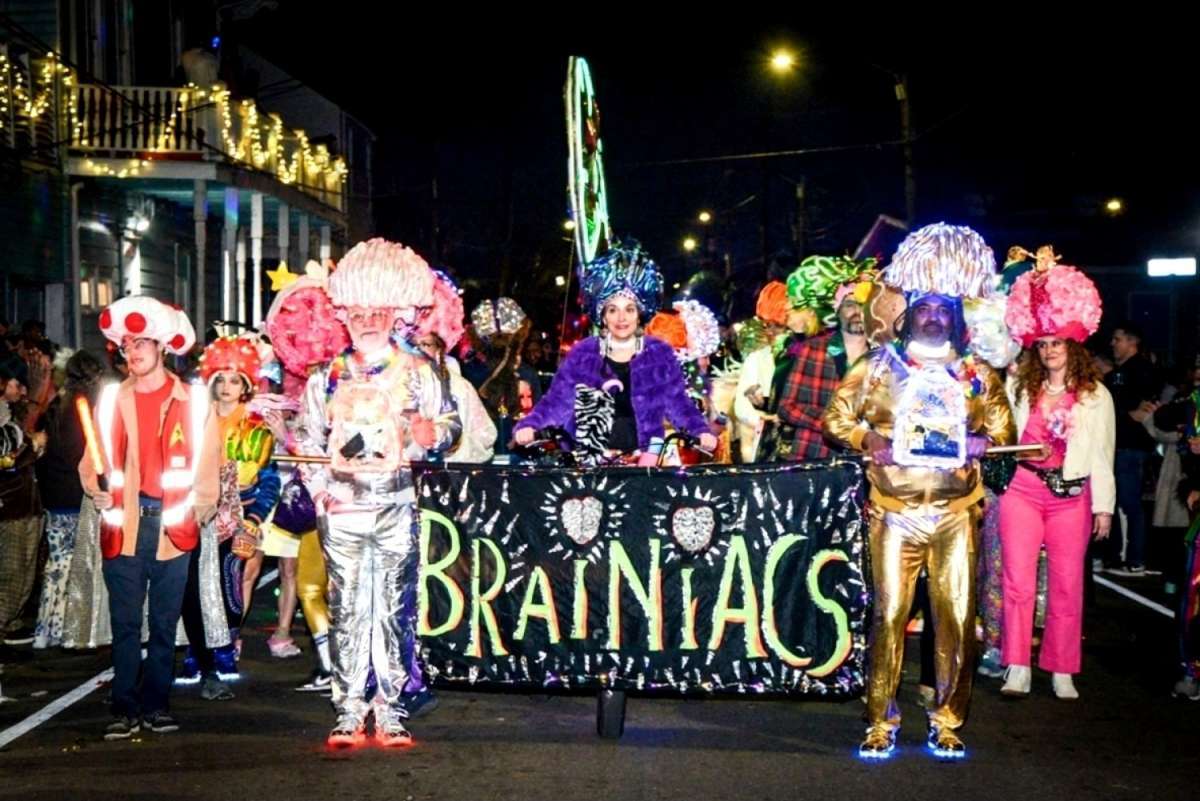
Not all krewes offer the same experience. Daytime parades often have a more relaxed, family-centric vibe. Nighttime parades are a different animal entirely—lit by historic gaslight torches called "flambeaux," they are dazzling, high-energy spectacles that draw a more party-oriented crowd. Do a little research on each krewe's theme and history to find the ones that match your style.
Pro-Tip: Before you even leave your hotel, download a real-time parade tracker app from a local New Orleans news station. These GPS-powered apps show you the exact location of the parade's lead float, giving you the intel to know if you have time for a bathroom break or a food run before the action reaches you.

Tip 2: Location is Everything: How to Claim Your Parade Turf
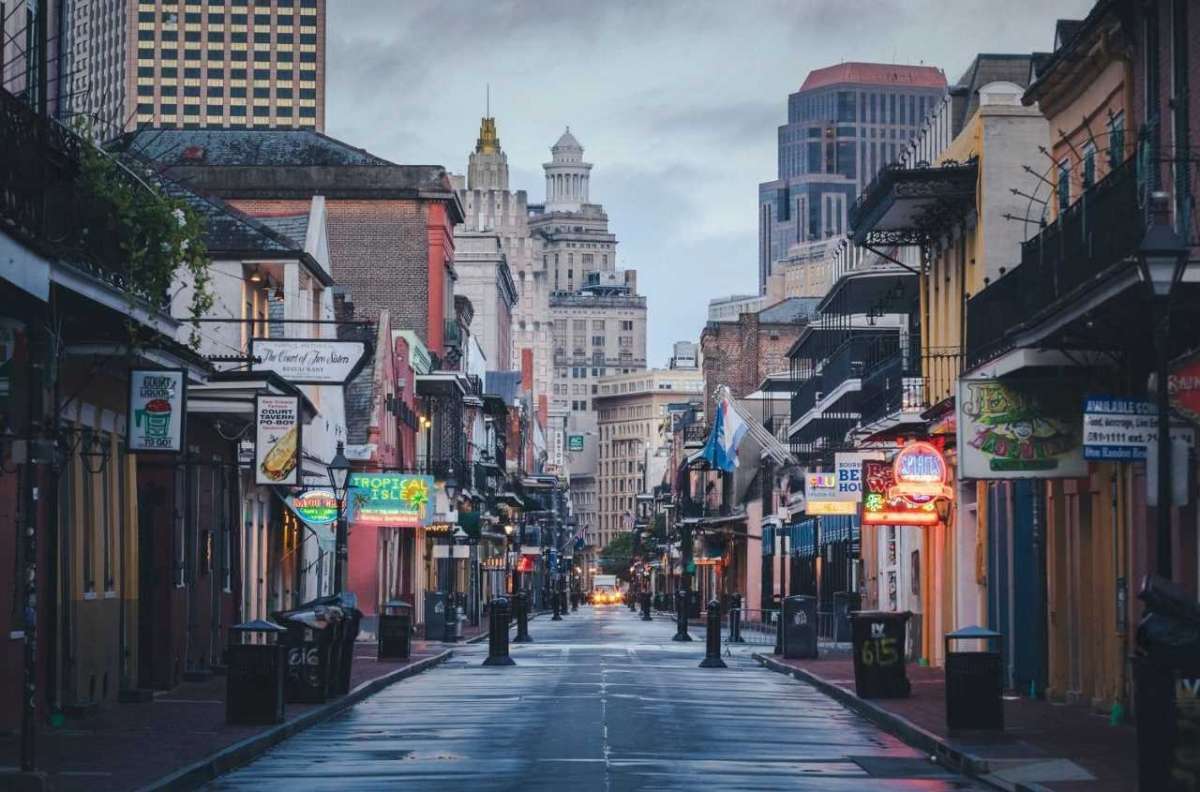
Your viewing spot will define your entire parade experience. The primary routes snake through the stately Uptown/St. Charles Avenue corridor and along the edge of the French Quarter. For a more traditional, family-friendly atmosphere, plant yourself along St. Charles Avenue. Under the canopy of ancient oak trees, you’ll find generations of families who have claimed the same spot for decades. For a more intense, high-octane experience, the sections of the route closer to Canal Street are where the crowds roar loudest.
Let’s be clear: the golden rule of securing a good spot is to arrive obscenely early. For a super-krewe on that final weekend, we’re not talking 30 minutes ahead—we’re talking hours. This is a marathon of patience. You’ll see locals set up their full camp—chairs, coolers, and ladders—long before the first siren wails. About those ladders: you’ll see many custom-built ladder seats designed to give kids a safe, elevated view. It’s a brilliant tradition, but if you use one, follow the local etiquette: place it at least six feet back from the curb to avoid obstructing the view of those in front and to stay clear of the massive floats.
Remember, the major parades do not go through the narrow, historic streets of the French Quarter. While Bourbon Street is its own unique Mardi Gras spectacle, it is not the place to watch the krewes roll.
Tip 3: Master the Art of the "Throw" for Your Mardi Gras New Orleans Haul
The quintessential Mardi Gras New Orleans experience is reaching up and catching a string of colorful beads. These items, tossed from the floats by krewe members, are called "throws," and they are the currency of Carnival. But it’s so much more than just beads. Each krewe has its own signature throws, from decorated plastic cups and doubloon coins to light-up toys and stuffed animals. Some are true collector's items, like the exquisitely hand-decorated shoes from the all-female Krewe of Muses or the legendary painted coconuts from Zulu.
Catching the best stuff is a skill. Here’s how to improve your odds:
Engage and Make Eye Contact: Float riders are scanning the crowd for energy. Wave your arms, smile, and yell the classic line: "Throw me something, mister!" They are more likely to toss something special to someone who is clearly having a great time.
Practice Good Karma: Be aware of the people around you, especially children. If a coveted throw lands near a kid, let them have it. The spirit of Mardi Gras is communal joy, not competition.
Bring a Designated Bag: You will catch far more than you can wear or carry. A simple tote bag or small backpack is essential for stashing your loot.
Above all, be safe. The number one rule is never, ever run into the street or chase a float for a throw. These floats are enormous, pulled by tractors with limited visibility. Wait for the throws to come to you and never reach under a float. No plastic necklace is worth the risk.
Tip 4: Pack Your Ultimate Parade Survival Kit
A day on the parade route is an urban endurance event. You’ll be on your feet for hours, exposed to the elements, and a long way from your home base. A well-packed day bag is non-negotiable. Being prepared for any great American adventure requires the right checklist, and just as you’d use our National Park Road Trip Checklist to prepare for the wild, this kit will ensure you conquer the urban jungle of Carnival.
These are the absolute essentials for your Mardi Gras survival kit:
Hydration: Pack more water than you think you need. Staying hydrated is critical.
Fuel: High-energy, easy-to-carry snacks like protein bars, trail mix, and pretzels will keep your energy levels up.
Sun & Rain Gear: New Orleans weather is fickle. Pack sunscreen, a hat, and sunglasses for daytime parades, but also throw in a cheap poncho. A sudden downpour can’t ruin your day if you’re prepared for it.
Layers: A sunny 70-degree afternoon can plummet to a chilly 50 degrees after sunset. Wear layers you can easily shed or add.
Portable Power Bank: Between taking photos, coordinating with friends, and running a parade tracker, your phone battery will vanish. A portable charger is a modern-day necessity.
Sanitation Supplies: Public restrooms are of the port-a-potty variety and see heavy use. A travel-sized pack of tissues and a bottle of hand sanitizer will feel like pure luxury.
A Throw Bag: A lightweight, foldable tote is perfect for your haul.
Tip 5: Navigate the Crowds & Stay Safe Like a Pro
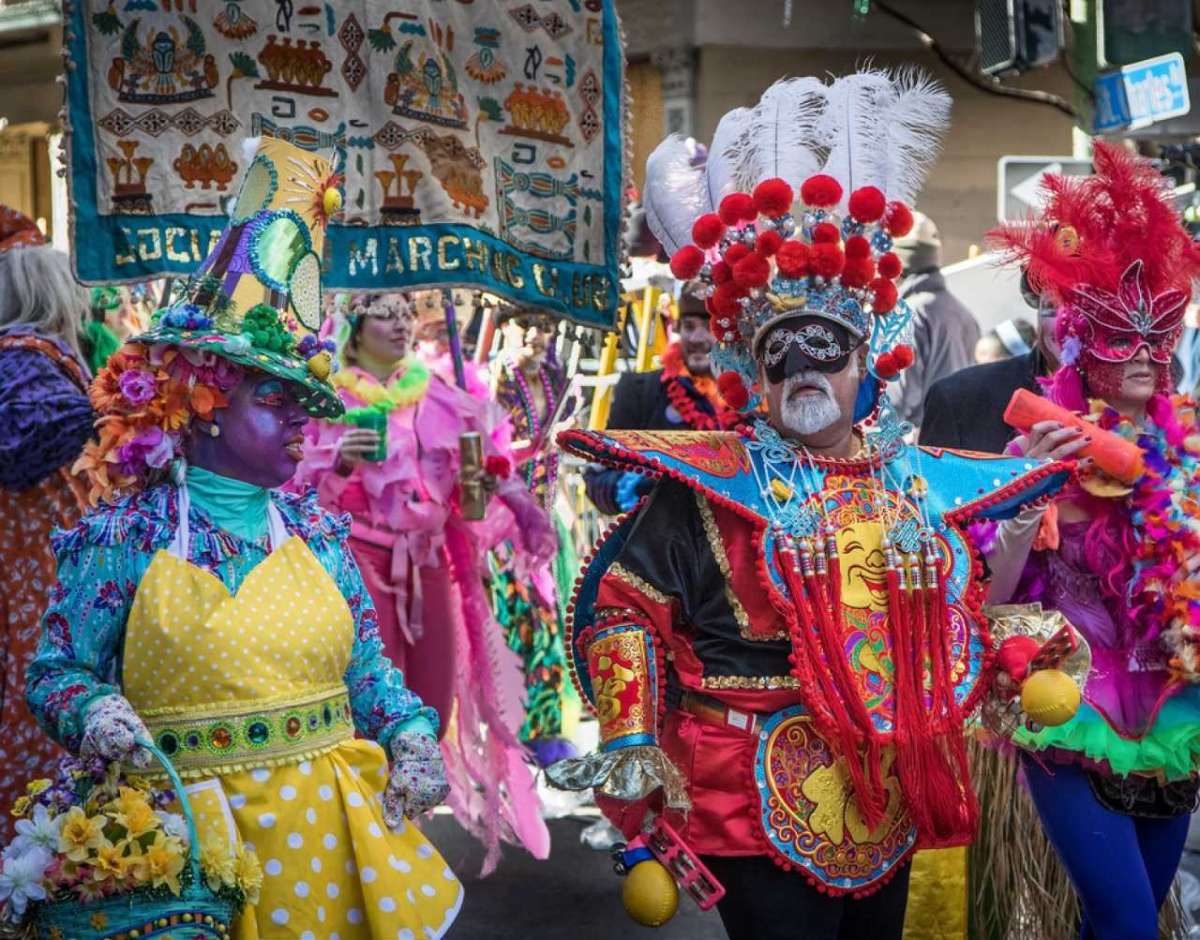
The sheer scale of the crowds can be staggering—this is, after all, an event that generated an $891 million economic impact in 2024. Navigating this joyful mass of humanity requires a proactive approach to safety.
First, the buddy system is not optional. Stick with your group. Before you even head out, establish a non-obvious, hyper-specific meeting point. "Under the clock at the hotel" is good. "The corner of Canal and St. Charles" is a recipe for disaster. Cell service will be spotty at best, so you cannot rely on your phone to reunite.
When it comes to getting around, forget driving. Street closures and traffic make it a nightmare. Parking, if you can find it, will be exorbitant—reserve a spot in a garage well in advance if you must bring a car. Your best bets are walking, using public transit, or grabbing a rideshare, but be prepared for surge pricing and long waits after a parade.
Pro-Tip: To move through a thick crowd, don't try to bull your way through the middle. The pro move is to retreat one block off the parade route, walk parallel to it in the direction you want to go, and then cut back in. It’s a slightly longer walk that will save you immense time and frustration.
Tip 6: Embrace the Spirit of "Laissez les Bons Temps Rouler"
Finally, the most crucial tip of all: embrace the official motto of Mardi Gras, Laissez les bons temps rouler—Let the good times roll. This isn't just a slogan; it's the city's philosophy. This celebration is a profound expression of New Orleans' unique Creole heritage, a season defined by king cake feasts, brass bands, and an unbreakable sense of community. Don't get so wrapped up in logistics that you forget to be present.
Strike up a conversation with the family next to you. Compliment a stranger's incredible costume. Share your snacks. New Orleanians are famously hospitable and love sharing their traditions. Participate in the culture, don't just observe it. To truly understand the soul of this festival and others like it, our comprehensive Travel Guide offers a deep dive into the cultural fabric of America's most fascinating cities, providing the context that turns a great trip into a meaningful one.
Your Mission: Go Forth and Conquer Carnival
You are now officially prepared. Armed with these insider strategies, you can confidently tackle your Mardi Gras New Orleans adventure. You have the knowledge to decode the schedule, claim the best spots, pack for success, and stay safe in the joyous chaos. You are no longer just a tourist hoping for the best; you are an informed participant, ready to dive into the heart of one of the world's greatest cultural spectacles.
So book the ticket, pack your most festive attire, and get ready to let the good times roll. The magic of Mardi Gras is waiting for you.
Comments 0
No comments yet
Be the first to share your experience!
You May Also Like
San Francisco Cherry Blossoms: A Local's Guide to the Blooms
Halloween SF: Haunts Without Horrors
SF Festivals: 7 Must-See Lineups
Christmas SF: Lights & Wharf Wonders
SF Pride: 6 Route & Party Hacks