
Decoding Affiliate Commission Rates: Benchmarks for Travel Creators

TrekGuider @trekguider
You’re a travel creator, and you’ve entered the world of affiliate marketing to turn your passion into a profession. But you’ve quickly run into a frustrating black box: the commission structure. You see a dizzying array of percentages, acronyms like CPA and EPC, and vague promises of earnings. You’re left wondering what good affiliate commission rates even look like. Are you earning your worth, or are you leaving a significant amount of money on the table?
This confusion isn't just academic; it's a direct threat to your bottom line. The reported average monthly income for affiliates in the travel niche is an impressive $13,847, a figure that proves this is a serious enterprise. But you can't build a sustainable business on guesswork. Partnering with a program offering a flashy 40% commission—only to discover it’s 40% of their tiny margin—is a rookie mistake that costs real money. This lack of clarity makes it impossible to forecast your income, negotiate better terms, or build a truly predictable business. You feel like you’re flying blind.
This guide is your decoder ring. We are pulling back the curtain to give you a comprehensive breakdown of how affiliate commissions actually work. We will deconstruct every major commission model, provide clear, data-backed industry benchmarks, and teach you how to analyze these rates like a seasoned professional. By the end of this deep dive, you will be able to spot high-value opportunities and architect a monetization strategy that truly rewards your influence. For a complete overview of the affiliate landscape, our definitive pillar page, Travel Affiliate Programs: The 2026 Ultimate Guide, is your essential command center.

The Anatomy of a Commission: Deconstructing the Core Models
Let's cut through the jargon. An affiliate commission is simply a reward for a job well done. A company—the merchant—pays you for successfully driving a specific, valuable action, which in the travel world almost always means a completed booking or sale.
But the way that reward is calculated can vary dramatically. Understanding the underlying structure of different affiliate commission rates is the first step toward becoming a high-earning creator.
1. Cost Per Sale (CPS) or Pay Per Sale (PPS): The Industry Workhorse
You'll encounter this model most often—it's the industry's workhorse for a reason. It’s simple and transparent: when a reader clicks your affiliate link and completes a purchase, you earn a percentage of the total sale value. If you recommend a $500 hotel stay and the program offers a 6% CPS commission, you earn $30. This model directly ties your earnings to the revenue you generate, making it the gold standard for most travel bookings and gear sales.
2. Cost Per Action (CPA): Rewarding a Specific Step
CPA is a broader model where you’re compensated for a specific action a user takes. While that action is often a sale (making it identical to CPS), it can also be something else. For example, a travel credit card company might pay you a CPA commission for every user who completes an application, regardless of whether they are approved.
3. Cost Per Lead (CPL): Paying for High-Value Inquiries
With a CPL model, you earn a fixed fee for each qualified lead you generate. This is common in high-ticket travel sectors where the sales cycle is long. A luxury tour operator, for instance, might pay you $50 for every user who fills out a detailed inquiry form for a bespoke African safari. You get paid for delivering a potential customer; their sales team takes it from there.
4. Tiered & Multi-Tier Structures: Incentivizing Growth
This is where commission models get more sophisticated and rewarding.
Tiered Structures: Rewarding Your Growth These are designed to reward high-performing affiliates. Your commission rate increases as you drive more sales. A program might offer a base rate of 6%, which jumps to 8% after you generate $5,000 in sales in a month, and 10% after $10,000.
Multi-Tier Structures: Building a Network These allow you to earn commissions not only on your own sales but also on the sales generated by other affiliates you recruit into the program. This effectively turns you into a partner who helps grow the program itself, creating a secondary, more passive income stream.
5. Cost Per Click (CPC): The Rare Exception
In this model, you are paid a small fee for every click your affiliate link receives, regardless of a sale. Due to its high vulnerability to fraud, the CPC model is now extremely rare in modern affiliate marketing and almost never seen in the travel space.

Industry Benchmarks: What Good Affiliate Commission Rates Look Like
So, what should you actually expect to earn? While rates vary, the travel industry has established clear benchmarks across its major categories. Here’s your cheat sheet.
Hotels & Accommodations: 2% - 7% of Booking Value This is the bread and butter for many creators, but the details are everything. A program like Expedia Group offers up to 6% of the total booking value with a 7-day cookie. In contrast, Booking.com advertises a much higher "25-40%", but this is a percentage of their commission, not the customer's total payment. This opaque structure often results in a much lower effective rate, closer to 2-4% of the final booking value.
Tours, Activities & Experiences: 6% - 8%+ This is a high-margin category with strong potential. Market leaders like Viator and GetYourGuide set the standard with base commissions of 7-8%. Adventure-focused operators like G Adventures offer 6%, which is incredibly powerful when applied to their high-ticket tours that can cost thousands of dollars.
Travel Insurance: 10% or More Insurance is a consistently high-paying vertical. Top programs like SafetyWing and World Nomads both offer a standard 10% commission. SafetyWing takes this a step further with a recurring model, meaning you continue to earn 10% every time your referred customer renews their policy.
Gear & Apparel: 3% - 8% For physical products, rates depend heavily on the retailer. Amazon Associates is the baseline, offering 3-4% for most travel categories. However, partnering with specialty retailers is far more lucrative. A brand like REI, for example, offers a 5-8% commission on high-quality (and often high-priced) outdoor gear.
Pro-Tip: Don't be blinded by the highest percentage. A 6% commission on a $3,000 G Adventures tour is $180. An 8% commission on a $50 city walking tour is $4. Always consider the average order value of the products you are promoting when evaluating affiliate commission rates.

The Metrics That Matter More Than the Rate Itself
An experienced affiliate marketer knows the commission rate is just a starting point. To truly understand a program's profitability, you need to analyze the metrics that measure real-world performance.
Earnings Per Click (EPC): Your True North This is arguably the single most important metric. It’s calculated by dividing your total commission earnings by the total number of clicks you sent. If you sent 100 clicks and earned $50, your EPC is $0.50. This number tells you the average value of every single click. A program with a lower commission but a higher EPC is often the more profitable partner for your specific audience.
Conversion Rate (CR): The Sign of a Healthy Partner This is the percentage of users who take the desired action after clicking your link. A high conversion rate is a sign of a trusted brand with a well-optimized checkout process. A program with a 10% commission that converts at 1% is less profitable than a program with a 5% commission that converts at 5%.
Cookie Duration: The Travel Creator's Safety Net This is critical in the travel space. A longer cookie duration (30, 60, or 90 days) gives your audience the time they need to research a high-consideration purchase while ensuring you still get credit. A short cookie window is a major red flag and a sign that the program may not be structured in your favor.
Pro-Tip: Dive into your affiliate dashboards. Most networks like CJ Affiliate and Travelpayouts provide detailed reports on your EPC and conversion rates for each program. Use this data to identify your true top performers—the results will often surprise you.

The Travel Creator's Toolkit
Feeling overwhelmed by the data? You don't have to be. To help you organize your strategy and implement everything you've learned, we've created the ultimate resource bundle. It includes checklists, templates, and tools designed to accelerate your journey from beginner to pro.
Download Your Free Bundle: The Travel Creator's Toolkit
The High-Margin Alternative: Referral & Revenue Share Models
While traditional commission models are powerful, the most forward-thinking creators are diversifying into referral and revenue-sharing programs. Instead of a one-time payment for a single sale, these models allow you to build long-term, passive income streams by becoming a true platform partner.
This is the philosophy behind the TrekGuider Seller Platform. We believe in empowering creators to build complex businesses. Our platform is designed for you to sell your own digital products—like itineraries and guides—but our referral program adds another powerful layer to your income strategy.
Instead of a simple CPS commission, our model functions like a sophisticated multi-tier system. When you refer other creators to become sellers on TrekGuider, you earn an ongoing share of the revenue they generate, with tiered commissions that start at 4% for referred sellers. You’re not just earning from a single transaction; you’re building a network and earning from its collective success. It's a strategic way to move beyond chasing individual sales and start building a more resilient, high-margin business.
Frequently Asked Questions (FAQ)
1. Is a higher commission rate always better? Not at all. A high commission rate can be misleading if the program has a low conversion rate, a short cookie duration, or a low average order value. Always look at your Earnings Per Click (EPC) to determine the true profitability of a program for your audience.
2. How can I find the EPC for an affiliate program? Most reputable affiliate networks (like CJ Affiliate, ShareASale, or Travelpayouts) provide EPC data. It's often listed as a network-wide average for each merchant, which gives you a good baseline. Once you start sending traffic, you can track your own personal EPC in your performance reports.
3. Can I negotiate my affiliate commission rates? Yes, absolutely. Once you become a proven partner and consistently drive a significant volume of high-quality sales, you have leverage. Many brands are willing to negotiate a higher, private commission rate for their top-performing affiliates. Always track your performance and don't be afraid to ask.

From Confusion to Command
You are no longer in the dark. The world of affiliate commission rates is no longer a confusing black box. You now have the knowledge to deconstruct any program's payment structure, the industry benchmarks to know your worth, and the key metrics to identify what truly drives profit.
This knowledge is power. It empowers you to audit your existing partnerships, confidently seek out new ones, and even negotiate better terms. By focusing on programs with fair commissions, long cookie durations, and high conversion rates, you can ensure your hard work is properly rewarded. Building a profitable travel content business requires a strategic approach, and a deep understanding of affiliate commission rates is a non-negotiable part of that strategy.
Read the full guide: The Travel Blogger's Playbook to Affiliate Marketing Mastery
Don't Miss Out! Subscribe for Exclusive Content
Subscribe



Comments 0
No comments yet
Be the first to share your experience!
Dont Miss Out! Subscribe for Exclusive Content

Ultimate USA Holidays Guide: Top Picks


FTC Affiliate Disclosure Essentials: Stay Compliant as a Travel Creator

Essential Affiliate Tools: From Tracking to Full Optimization

Avoid These 5 Affiliate Landing Page Mistakes for Better Conversions

Affiliate Keyword Research Mastery for Travel Blogs

Booking.com Affiliate Program Review: Pros, Cons, and Earnings Potential
9 Beach Safety Tips That Could Save Your Life
TrekGuider @trekguider
There’s a moment on every beach trip that feels like pure magic. It’s the feeling of warm sand between your toes, the hypnotic sound of waves crashing, and the endless blue horizon stretching out before you. It’s a picture of perfect relaxation. But beneath that tranquil surface, the ocean holds immense and impartial power. A beautiful day can turn dangerous in an instant from a hidden current, underestimated waves, or the relentless sun, transforming a dream vacation into a terrifying emergency. Every year, countless beachgoers find themselves in preventable peril simply because they misread the water or weren't prepared for the environment.
This isn't a guide to make you fear the ocean; it's a playbook to empower you to respect it. We’re here to give you the essential, expert-backed beach safety tips that can mean the difference between a blissful day and a life-altering one. These strategies, drawn from lifeguarding associations and national weather experts, are a critical component of the situational awareness we cover in our comprehensive guide, The Ultimate Guide to Travel Safety: A 2026 Playbook. By learning to see the beach not just as a playground, but as a dynamic natural environment, you can ensure your only takeaways are seashells and incredible memories. Let’s dive in.

Master the Water: Essential Ocean Safety Tips
The vast majority of beach-related dangers originate in the water itself. From powerful currents to unpredictable surf, understanding the ocean's behavior is the most critical skill any beachgoer can possess. These are the foundational beach safety tips for staying safe in the surf.
1. Become an Expert at Spotting Rip Currents
Rip currents are the number one danger at most surf beaches, responsible for the majority of ocean rescues performed by lifeguards. They are not undertows that pull you under the water; they are powerful, narrow channels of water that flow away from the shore at high speed. According to NOAA and the United States Lifesaving Association (USLA), knowing how to visually identify one from the shore is your first and best line of defense.
Here’s what to look for, especially from an elevated position like the dunes or a lifeguard tower:
A Channel of Churning, Choppy Water: Look for a specific area where the water seems agitated or rough, moving in a different direction than the surrounding waves.
A Break in the Incoming Wave Pattern: This is often the easiest sign to spot. You'll see a gap in the line of breaking waves—an area that looks deceptively calm. This flat spot is the rip current pulling water back out to sea, disrupting the incoming waves.
A Difference in Water Color: Because the current is carrying sand and sediment offshore, the water within a rip current often appears darker, murky, or sandy brown compared to the clearer, greener water on either side.
A Line of Foam or Debris Moving Seaward: This is a dead giveaway. If you see a line of foam, seaweed, or other floating debris moving steadily away from the beach, perpendicular to the shore, you are looking directly at a rip current.
Pro-Tip: Before you even set up your umbrella, take five minutes to stand back and observe the water. Actively look for these signs. Identifying potential rip currents before you get in the water is the single most important safety action you can take.
2. Know the "Flip, Float, Follow" Rule for Rip Current Survival
If you do get caught in a rip current, your instinctive reaction—to panic and swim directly against it back to shore—is the most dangerous thing you can do. Fighting a rip current will exhaust you to the point of drowning. The correct response is simple and could save your life.
Flip: Flip onto your back to stay afloat and conserve energy.
Float: The current will not pull you under; it will only pull you away from shore. Stay calm and float with it.
Follow: Once you are out of the main pull of the current, begin swimming parallel to the shoreline. Do not swim toward the beach. Once you have swum out of the current, you can then turn and swim back to shore, ideally at an angle away from where you were caught.
If you are unable to swim out of it, continue to float and wave your arms and yell for help to attract the attention of a lifeguard or other swimmers.

3. Understand and Obey the Beach Warning Flag System
While knowing how to escape an invisible current is a vital reactive skill, your most powerful proactive tool is the one flapping in the breeze. Beach warning flags are a simple, universal language used by lifeguards to communicate the current water conditions. This system, adopted by the International Lifesaving Federation, provides a quick, visual assessment of the hazard level. Ignoring these flags is a gamble you should never take.
Green Flag: Low Hazard. Conditions are calm, but you should still exercise caution.
Yellow Flag: Medium Hazard. Moderate surf and/or currents are present. Weak swimmers should stay out of the water, and everyone else should use extra care.
Red Flag: High Hazard. The surf is high, and/or strong currents make conditions dangerous. It is recommended that no one enters the water.
Double Red Flag: Water Closed to Public. Conditions are extremely dangerous. The water is closed to all swimming, and entering it is prohibited.
Purple Flag: Dangerous Marine Life. This flag indicates that potentially hazardous marine life, like jellyfish or sharks, has been spotted. It is always flown with another color flag that indicates the surf conditions.
Pro-Tip: The absence of flags does not automatically mean the water is safe. If there is no flag, it likely means there is no lifeguard on duty. In that case, you are swimming entirely at your own risk. Always try to swim at a beach protected by lifeguards.
Master the Environment: Sun and Shoreline Safety Tips
While the ocean poses the most immediate threats, the beach environment itself has its own set of risks. The sun, sand, and heat can cause serious health issues if not managed properly. These beach safety tips will keep you safe on the shore.
4. Know the Signs of Heat Exhaustion vs. Heatstroke
That perfect, sun-drenched beach day holds a hidden danger. When the temperature climbs, the line between bliss and a medical emergency can blur with alarming speed. According to the Red Cross, it's crucial to know the difference between heat exhaustion and the more severe, life-threatening heatstroke (sunstroke).
Heat Exhaustion Symptoms:
Headache, dizziness, and confusion
Excessive sweating with cool, moist, or pale skin
Nausea and muscle cramps
A rapid, weak pulse
First-Aid for Heat Exhaustion:
Move to a Cool Place: Immediately get the person out of the direct sun and into shade or air conditioning.
Cool Them Down: Loosen their clothing and apply cool, wet cloths or spray them with cool water.
Rehydrate: If they are conscious and able to swallow, have them sip small amounts of a sports drink or water.
If their condition doesn't improve or they start vomiting, call for emergency help immediately, as it can progress to heatstroke.
5. Recognize the Emergency of Heatstroke (Sunstroke)
Heatstroke is a full-blown medical emergency where the body's internal cooling system completely fails.
Heatstroke Symptoms:
Changes in mental status (confusion, agitation, loss of consciousness)
Hot, flushed, and often dry skin (sweating may have stopped)
A dangerously high body temperature (often above 104°F / 40°C)
A rapid, strong pulse, which may become weak later
First-Aid for Heatstroke:
Call 911 Immediately: This is a life-threatening emergency that requires professional medical intervention.
Begin Rapid Cooling: While waiting for help, do everything you can to cool the person's body. Immerse them in cool water if possible, or douse them with water and apply ice packs to the neck, groin, and armpits.

6. Practice Proactive Sun Protection
The best way to deal with a heat-related illness is to never let it start. Sun protection is a continuous strategy, not a one-time action.
Hydrate Constantly: Drink plenty of water throughout the day, even before you feel thirsty.
Use Broad-Spectrum Sunscreen: Apply a sunscreen with at least SPF 30 and reapply it every two hours, and always immediately after swimming or excessive sweating.
Seek Shade: Use an umbrella and take breaks from the sun, especially during the peak intensity hours of 10 a.m. to 4 p.m.
Wear Protective Clothing: A wide-brimmed hat and UV-blocking sunglasses are non-negotiable.
7. The "Stingray Shuffle" Rule
In many coastal areas, stingrays bury themselves in the sand in shallow water. Stepping directly on one can result in an excruciatingly painful sting from the barb on their tail. To avoid this, never walk normally through the shallows. Instead, shuffle your feet along the sand. The vibrations from the shuffle will alert any nearby stingrays to your presence, giving them a chance to swim away peacefully.
Master Your Preparation: Final Beach Safety Tips
A safe and relaxing beach day begins before you even leave home. Smart planning and having the right gear can make all the difference, especially when traveling with family.
8. Pack a Dedicated Beach First-Aid Kit
While your main travel medical kit should be comprehensive, your beach bag needs a few specific items to handle common coastal issues:
Waterproof Bandages: For minor cuts and scrapes from shells or rocks.
Aloe Vera Gel: For immediate relief from minor sunburn.
Antihistamine Cream: To soothe the itch from insect bites.
Tweezers: For removing splinters or shell fragments.
Vinegar: A small bottle of white vinegar is a secret weapon; it can help neutralize the sting from some types of jellyfish.
9. Always Designate a "Water Watcher"
When you're at the beach with a group, especially with children, it's easy to fall into the trap of "diffusion of responsibility," where everyone assumes someone else is watching the kids in the water. The solution is to formally designate one adult as the "Water Watcher" for a set period (e.g., 15-20 minutes). During their shift, that person's only job is to watch the water without distraction—no phones, no books, no conversations. Then, you switch. This simple system ensures there are always eyes on the swimmers.
Your Ultimate Guide to Family Beach Travel
Keeping kids safe and entertained at the beach is a unique challenge. From packing the right gear to navigating meltdowns and keeping them safe in the sun and surf, a little extra preparation goes a long way. Our specialized guide takes the stress out of the equation.
Download our free Stress-Free Flying with Kids Guide for expert tips on making every part of your family vacation, from the airport to the beach, a breeze!
Beach Safety FAQs
A prepared mind is a safe mind. Here are quick answers to other common beach safety questions.
1. What’s the right way to treat a jellyfish sting?
First, get out of the water. Rinse the affected area with vinegar (if available) for about 30 seconds to deactivate the stingers. Do not use fresh water, as it can make it worse. Carefully pluck out any visible tentacles with tweezers. Soaking the skin in hot water (as hot as can be tolerated without burning) for 20-45 minutes can also help relieve the pain.
2. Is it safe to dig deep holes in the sand?
Digging in the sand is a classic beach activity, but deep holes can be incredibly dangerous. They can collapse unexpectedly, burying a person in seconds. Never dig a hole deeper than the knees of the smallest person in your group, and always fill in any holes you dig before you leave the beach.
3. What should I do if I see someone in trouble in the water?
Do not attempt a swimming rescue yourself unless you are trained in water rescue. An untrained rescuer can quickly become a second victim. The best course of action is to call for help immediately. Yell to alert a lifeguard and call 911. If you can, throw the person something that floats, like a cooler or a boogie board.
By embracing these nine essential beach safety tips, you shift from being a passive visitor to an active, aware, and prepared participant in one of nature’s most magnificent environments. The goal isn't to diminish the fun but to ensure it. A healthy respect for the ocean and a solid plan for your day are the keys to unlocking a truly carefree and unforgettable experience by the sea.

Now that you've mastered the art of staying safe on the coast, you can focus on the rest of your adventure. For a complete, deep-dive into every facet of trip planning, from health and safety to budgeting and logistics, our comprehensive Travel Guide is the only resource you'll ever need.
Don't Miss Out! Subscribe for Exclusive Content
SubscribeComments 0
No comments yet
Be the first to share your experience!
Dont Miss Out! Subscribe for Exclusive Content
Ultimate USA Holidays Guide: Top Picks
FTC Affiliate Disclosure Essentials: Stay Compliant as a Travel Creator
Essential Affiliate Tools: From Tracking to Full Optimization
Booking.com Affiliate Program Review: Pros, Cons, and Earnings Potential

Decoding Affiliate Commission Rates: Benchmarks for Travel Creators

Amazon Associates for Travel: Strategies to Maximize Commissions
The Travel Blogger's Playbook to Affiliate Marketing Mastery
TrekGuider @trekguider
Most articles about affiliate marketing for bloggers give you a list. This is not one of those articles. A list won't teach you that the difference between earning $50 a month and $5,000 a month isn't the number of programs you join—it's the business strategy you deploy. The top 1% of travel bloggers don't just 'add links'; they build sophisticated affiliate marketing engines that run on audience trust, strategic content, and diversified revenue streams. This guide is the blueprint to that engine. We'll cover the programs, yes, but more importantly, we'll give you the complete practical plan to turn your passion into a predictable, profitable business.

At its core, affiliate marketing is beautifully simple: you earn a commission for recommending products and services you already use, love, and trust. When a reader clicks your unique referral link and makes a purchase, the brand pays you a percentage as a thank you. It's the most organic and authentic way for travel content creators to monetize their work, weaving recommendations seamlessly into the stories and advice they’re already sharing. This isn't about plastering your site with blinking, irrelevant banner ads; it's about monetizing the trust you’ve worked so hard to build.
The Foundation: Why Most Bloggers Fail at Affiliate Marketing (And How You'll Succeed)
Before we even mention a single program, let's address the hard truth: most bloggers who try affiliate marketing fail to earn anything meaningful. They treat it like a lottery, scattering links across their site and hoping for a lucky sale. This tactical, hope-based approach is doomed to fail.
Sustainable success in this field isn't about tactics; it's about strategy. It's about building a business system where affiliate income is the natural, inevitable byproduct of the immense value you provide. By understanding the common pitfalls from the outset, you can sidestep the mistakes 99% of bloggers make and architect a monetization engine built for long-term, predictable success.
It's a Business, Not a Tactic

Let’s start with the single most important mental shift you need to make: you are not just a blogger. You are the founder of a media company. Your blog is its flagship publication, and affiliate marketing for bloggers is your first—and most important—revenue division.
A tactical blogger asks, "Where can I put this link?" A strategic business owner asks, "What problem does my audience have, and which product is the absolute best solution I can recommend to solve it?" This subtle reframing changes everything. It shifts your focus from selling to serving. Your content transforms from a sales pitch into an indispensable resource, and your affiliate links become helpful signposts on your reader's journey, not distracting billboards. Master this mindset, and you've already won half the battle.
The Triangle of Trust: Niche, Audience, Authenticity
High affiliate conversion rates are a direct result of one thing: audience trust. You can have the most beautiful website and the cleverest link placements, but if your readers don't truly trust your recommendations, you will not make a single sale. In our experience, unshakable trust is built on three inseparable pillars:

A Well-Defined Niche: You cannot be everything to everyone. A laser-focused niche (e.g., "solo female travel in Southeast Asia," "luxury family travel in Europe," "budget backpacking in South America") allows you to become a true expert. This perceived expertise is the bedrock of authority and trust. If you're just getting started, our guide on is a crucial first step.
Deep Audience Understanding: Once you have your niche, you must become obsessed with understanding the people within it. What are their biggest fears about booking a trip? What are their most pressing, unanswered questions? What specific problems can you solve for them? When you understand your audience on this level, you can create content that speaks directly to their needs, making your affiliate recommendations feel less like an advertisement and more like a personal, can't-miss suggestion from a trusted friend.
Unshakeable Authenticity: This is the glue that holds it all together. Only recommend hotels, tours, gear, and services that you have used yourself and genuinely believe in. Your audience is savvy; they can spot a phony, profit-driven recommendation from a mile away. Had a bad experience with a popular tour? Say so. Found a hotel to be overrated? Share that, too. This radical honesty—even when it means forgoing a commission—builds immense long-term credibility that will pay dividends for years to come.
Why a Small, Engaged Audience is More Valuable Than a Large, Passive One
One of the most pervasive and damaging myths in the blogging world is that you need hundreds of thousands of page views to earn significant affiliate income. This is demonstrably false. While traffic is a component of the equation, it is far from the most important one. Engagement and intent matter infinitely more.
Consider two of our creators:
Blogger A has 100,000 monthly visitors to a generic "cheap travel deals" blog. Their audience is broad, unengaged, and looking for quick transactions. Their affiliate conversion rate is a dismal 0.1%.
Blogger B has just 5,000 monthly visitors to their niche blog about "scuba diving for beginners." Their audience is highly targeted, deeply engaged, and actively seeking expert advice. Their conversion rate on dive gear and course recommendations is a healthy 3%.
Despite having 20 times less traffic, Blogger B will earn significantly more affiliate income. Their audience isn't just passing by; they are leaning in, listening, and ready to act on trusted advice. The lesson is clear: do not wait for massive traffic to begin. Focus first on building a small, loyal, and highly engaged community. The income will follow.
Affiliate Networks vs. Direct Programs

Once you’ve built your foundation of trust, it’s time to understand the operational machinery of the affiliate world. There are two primary ways to partner with the brands you love: through large affiliate networks or by establishing direct, one-on-one partnerships. Making a deliberate choice here is a critical structural decision for your business, as we explore in our deep dive into .
What are Affiliate Networks? The Pros and Cons of Centralization
Affiliate networks like Travelpayouts, CJ Affiliate, or ShareASale act as massive marketplaces. They are the intermediaries connecting thousands of bloggers (publishers) with thousands of companies (brands). You join the network, and from one central dashboard, you can apply to the individual programs of countless brands, from hotel chains to tour operators.
The Pros of Affiliate Networks:
Radical Efficiency: This is the headline benefit. You get one login, one dashboard to track all your performance metrics, and one consolidated monthly payment. This dramatically simplifies the administrative side of your business.
A World of Variety: Networks give you instant access to a huge catalog of potential partners, making it easy to find and test programs that perfectly fit your niche.
Effortless Discovery: They are an excellent tool for discovering new and relevant brands you might not have found otherwise.
The Cons of Affiliate Networks:
Program Volatility: This is the biggest risk. A brand can leave a network at any time. If a major hotel chain you promote heavily switches networks, you could face the monumental task of finding and updating hundreds of links across your site.
A Middleman's Margin: Networks need to get paid, too. That often means the commission rate you see on a network is slightly lower than what you could get by negotiating a direct deal, as the network skims a percentage off the top for their services.
Impersonal Relationships: Communication is often filtered through the network, making it harder to build a strong, personal relationship with a brand's affiliate manager that could lead to special opportunities.
The Pros and Cons of Individual Partnerships
The alternative is to bypass the networks and apply directly to a brand's in-house affiliate program. Many of the world's top travel companies, from airlines to gear manufacturers, run their own programs for this very reason.
The Pros of Going Direct:
Higher Earning Potential: By cutting out the middleman, you can often secure higher commission rates. Over time, that extra 1-2% on your top partners adds up to significant income.
Powerful Relationships: A direct partnership allows you to build a real relationship with the affiliate manager. This can lead to exclusive coupon codes for your audience, co-branded marketing campaigns, and world-class support.
Fortress-Like Stability: Your partnership is not subject to the whims of a network. As long as the brand runs its program, your links are secure.
The Cons of Going Direct:
Administrative Overload: This is the trade-off. Every direct partnership means a separate login, a different dashboard, a unique payment threshold, and another platform to manage. Five direct partners are manageable; fifty is a nightmare.
Higher Barriers to Entry: It can be more difficult for new bloggers with low traffic to get approved for prestigious direct programs.
Time-Consuming Discovery: You have to actively hunt down these programs, which can be a significant time investment.
Our Verdict: A Hybrid Strategy for Maximum Earnings
For 99% of travel bloggers, the optimal approach is a hybrid strategy. It provides the perfect balance of efficiency and earning potential, giving you the best of both worlds.
Here’s the playbook: Start by joining one or two core affiliate networks (like Travelpayouts) to gain access to a broad range of programs. Use this to efficiently test what resonates with your audience. As you analyze your data, you will inevitably identify a small handful of "powerhouse" affiliates—the two or three brands that generate 80% of your income. For these mission-critical partners, it is absolutely worth the extra administrative effort to leave the network and establish a direct relationship. This hybrid model gives you operational simplicity for the masses and maximum profitability for your champions.
A Deep Dive into the Top 3 Travel Affiliate Networks
Choosing the right network is a foundational decision that will shape your workflow. While dozens of options exist, three platforms consistently rise to the top for travel bloggers due to their brand inventory, powerful features, and strategic focus.

Travelpayouts: The All-in-One Travel Specialist
Travelpayouts has masterfully positioned itself as the premier affiliate network built by travel experts, for travel experts. It consolidates over 100 of the world's leading travel brands into a single, intuitive platform, making it an incredibly powerful and efficient hub for your business.
The genius of Travelpayouts is its singular focus. You won't waste time sifting through irrelevant retail or finance offers. Every single brand, from giants like Booking.com (we have a dedicated if you want to dive deep) and Viator to niche local tour operators, is directly relevant to your content. Their standout feature is the "LinkSwitcher" tool—a brilliant script that automatically converts direct brand links on your site into your unique affiliate links. This alone can save you dozens of hours and is a game-changer for monetizing old content. For bloggers who want to cover every facet of travel without juggling ten different platforms, Travelpayouts is the undisputed champion.
Stay22: The Tech-Forward Accommodation Innovator

Stay22 is a more specialized but incredibly powerful player, particularly for bloggers whose content is heavily focused on accommodations. While they partner with all the major booking sites like Expedia and Hotels.com, their true advantage lies in their innovative, AI-powered technology.
Their flagship "Let Me Allez" script automatically scans your site for mentions of locations and hotels and converts them into monetized affiliate links—a massive time-saver. Even better, Stay22 enables you to create beautiful, interactive maps that display real-time accommodation options in a specific area. You can embed these maps directly into posts like "Where to Stay in Rome," providing immense visual value to your readers while seamlessly monetizing their journey. For creators who want to leverage cutting-edge tech to enhance user experience and maximize accommodation revenue, Stay22 is an essential tool.
CJ Affiliate (Commission Junction): The Legacy Giant with Global Reach
CJ Affiliate is one of the oldest and largest affiliate networks on the planet. While it isn't travel-specific, its sheer scale means it is home to some of the biggest names in the industry, including major airlines, hotel groups like IHG, and iconic tour companies like G Adventures.
The primary advantage of CJ is its vast scope. If your blog has a "lifestyle" component that extends beyond pure travel—perhaps into photography gear, outdoor clothing, or online courses—you can manage all those affiliate partnerships within the same CJ dashboard. This is a significant benefit for established, multi-niche bloggers aiming for diversification. While its interface can feel a bit more corporate than its travel-focused peers, its reliability, best-in-class tracking, and portfolio of top-tier brands make it a key element platform for any serious affiliate marketer.
Building Your Ultimate Affiliate Portfolio: Top Programs by Category
While networks provide the operational backbone, the heart of your strategy lies in the individual programs you champion. A well-curated portfolio is like a diversified investment portfolio; it maximizes returns by aligning with your audience's needs at every stage of their journey. We've handpicked some of the in the most critical categories, complete with the data you need to make smart, strategic decisions.

Accommodations: Booking.com, Agoda, Hostelworld
This is often the most lucrative category. You are helping your readers make one of the most important—and expensive—decisions of their trip.
Booking.com: The undisputed king. Its massive inventory, trusted brand name, and sky-high conversion rates make it a non-negotiable for nearly every travel blogger.
Commission Rate: ~4% of the booking value (varies)
Cookie Duration: Session-based. Strategic Implication: This means you need to capture high-intent readers who are ready to book now. Your content should be action-oriented.
Agoda: A powerhouse in the Asian travel market. If your blog focuses on Asia, featuring Agoda is a must to cater to regional preferences and pricing.
Commission Rate: Up to 7%
Cookie Duration: 30 days
Hostelworld: The go-to platform for budget and solo travelers. If your niche is backpacking or your audience skews younger, this program is essential.
Commission Rate: 20-40% of the deposit paid
Cookie Duration: 30 days
Tours & Activities: Viator & GetYourGuide
Tours and activities are a fantastic way to earn commission while genuinely enhancing your readers' trips. This is where you help them create memories.
Viator: Owned by TripAdvisor, Viator boasts an unparalleled inventory of tours worldwide. Its brand recognition and easy-to-use interface drive solid conversions.
Commission Rate: 8%
Cookie Duration: 30 days
GetYourGuide: A major competitor with a slightly more modern, curated feel. It's smart to join both, as some of the best tours are exclusive to one platform. This allows you to always recommend the absolute best option.
Commission Rate: 8-10%
Cookie Duration: 30 days
Flights & Transport: Skyscanner, Discover Cars
Flight commissions are notoriously low, but rental cars offer a significant earning opportunity.
Skyscanner: The most popular flight comparison tool. You won't get rich promoting it, but including Skyscanner links is a helpful service that builds reader trust.
Commission Rate: Varies (often a % of Skyscanner's revenue)
Cookie Duration: 30 days
Discover Cars: A leading car rental comparison site with stellar reviews. With rentals often costing hundreds of dollars, commissions can be substantial.
Commission Rate: Up to 70% of their profit
Cookie Duration: 365 days. Strategic Implication: A year-long cookie is a game-changer. A reader can click your link during initial research and book nine months later, and you still get paid.
Travel Insurance: SafetyWing & World Nomads
Promoting travel insurance is not just a smart business decision; it's an ethical obligation. It's a critical purchase, and the recurring commission models can build a foundation of predictable income.
SafetyWing: Hugely popular with digital nomads for its flexible monthly subscription model. This recurring commission is the holy grail for building a stable income base.
Commission Rate: 10% on all sales (including recurring subscriptions)
Cookie Duration: 365 days
World Nomads: An established and trusted name, particularly in the adventure travel community. Their brand authority helps convert readers who are on the fence.
Commission Rate: 10%
Cookie Duration: 60 days
Gear & Products: Amazon Associates, REI, Osprey

Recommending the gear you personally use is one of the most powerful forms of affiliate marketing. These recommendations are rooted in your authentic experience.
Amazon Associates: The world's largest affiliate program. While commissions can be low, its massive product selection and high likelihood of a user buying multiple items make it a necessary part of any gear strategy. For a deep dive, check out our guide on .
Commission Rate: 1-4% (varies by category)
Cookie Duration: 24 hours
REI: The gold standard for outdoor and adventure gear in the U.S. Their trusted brand and high-quality products make it a great alternative to Amazon for a specialized audience.
Commission Rate: 5%
Cookie Duration: 15 days
Osprey: Many top gear brands, like the beloved backpack manufacturer Osprey, run their own direct affiliate programs. If you're a passionate advocate for a specific brand, always check for a direct program—the commissions are often higher.
Commission Rate: 8%
Cookie Duration: 30 days
While linking to individual items is effective, many readers seek a curated, all-in-one solution. This is a perfect opportunity to link to your own helpful resource, like our free PDF on . It provides value far beyond a simple product link and opens an entirely new revenue stream when you create your own products.
How to Add Links That Actually Convert
Knowing which programs to join is science. Knowing how to integrate your links is art. The goal is for every link to feel like a natural, helpful extension of your content, not a jarring interruption. This requires a thoughtful approach to placement, context, and language.
The Golden Rule: Recommend, Don't Sell

Your role is that of a trusted advisor, not a used car salesman. Your content should be 95% pure, unadulterated value and 5% thoughtful recommendation. When you do recommend a product, it should feel like the logical conclusion to the problem you've been helping the reader solve. For a masterclass on this, read our guide on .
Instead of: "You should buy this backpack. Here's the link."
Try: "After testing three different carry-on backpacks on my last trip to Europe, the Osprey Farpoint 40 was the clear winner. Its clamshell design made packing a breeze, and the suspension system was comfortable even after a full day of navigating Prague's cobblestone streets. If you're looking for a versatile one-bag travel solution, this is the one I wholeheartedly recommend."
The second example works because it's rooted in experience, provides specific reasons, and is framed as a helpful solution.
Practical Placement: In-text Links, Comparison Tables, and Resource Pages
Forget flashy banner ads. They have abysmal click-through rates and cheapen your brand. The highest-converting links are almost always the ones most seamlessly integrated into your content. Mastering this requires a deeper understanding of search intent and SEO for.
In-Text Contextual Links: This is your bread and butter. A simple text link embedded naturally within a sentence—like one on the words "my favorite travel insurance"—is the most powerful and authentic way to make a recommendation.
Comparison Tables: When a reader is in the final decision-making phase, a simple, clear comparison table is an incredibly valuable tool. Creating a table comparing the features of 3-4 different travel insurance plans, complete with your affiliate links, can be a conversion powerhouse.
Resource Pages: Every blog needs a dedicated "Resources" or "Travel Gear" page. This acts as a curated list of all the products and services you use and recommend. It's a high-value asset for your readers and a simple way to house your most important links. Better yet, your TrekGuider creator page functions as an automatic, centralized hub for your audience, showcasing your articles, digital products, and top recommendations all in one place.
To elevate your destination guide from helpful to indispensable, embed a link to a product like the "Customizable Google Maps Itinerary for Rome" from the TrekGuider marketplace. This creates a powerful monetization stack: you earn affiliate commission from the hotel booking link within the guide and direct revenue from your high-value digital map, effectively doubling your earnings from a single reader.
A Simple Guide to Affiliate Disclosure
This is non-negotiable. For legal reasons (the FTC requires it) and for the even more important reason of maintaining audience trust, you must clearly and conspicuously disclose that you use affiliate links. The nuances are important, which is why we've created a dedicated guide on .
This is simple. A straightforward statement at the very top of your blog posts, before any affiliate links appear, is all you need. For example:
"A quick heads-up: This post contains affiliate links. If you make a purchase through one of them, I may earn a small commission at no extra cost to you. I only recommend products and services I personally use and love. Thanks for your support!"
Place a similar disclosure in your site's footer. Transparency isn't just a legal requirement; it's the currency of trust.
Using Affiliates to Validate Your Own Digital Products

This is the strategy that separates the top 1% of earners from everyone else. Affiliate marketing is not just a revenue stream; it is the ultimate market research tool. The data you collect should be the foundation for your next, more profitable venture: creating and selling your own digital products.
What Affiliate Data Tells You About Your Audience
Your affiliate dashboard is a goldmine. It's a direct, unfiltered look into the minds of your readers. Pay attention to the story it tells:
Which links get the most clicks? This reveals your audience's core interests. To get this data, you'll need the right tools, which we cover in our review of .
Which products actually sell? This tells you what they are willing to pay for.
What is the average purchase value? This helps you understand their budget.
If your article on "The Best Day Trips from Florence" consistently drives a high number of sales for a specific Vespa tour, that is a powerful signal. It tells you your audience is highly interested in Tuscan day trips and is willing to pay for a curated experience.
Creating Digital Products that Complement Your Affiliate Recommendations
Once you've identified these patterns, you can brainstorm digital products that offer a higher level of value than a simple affiliate link ever could. These products don't compete with your affiliate offers; they complement them. For inspiration, grab our free guide on .
This is precisely why we built TrekGuider. Instead of wrestling with e-commerce plugins, payment gateways, and file delivery systems, you can upload your guide to the TrekGuider marketplace in minutes. We handle the entire transaction, allowing you to focus on what you do best: creating invaluable resources for travelers.
Example: From Recommending a Viator Tour to Selling Your Custom Itinerary

Let's return to that Florence example. You see that the "Tuscany Vespa Tour" on Viator is a huge seller. Market validated. Now, you create your own premium digital product: "The Ultimate Self-Guided Vespa Itinerary for Tuscany." You could even bundle it with our comprehensive .
This downloadable PDF guide could include:
A detailed, day-by-day route optimized for jaw-dropping scenery.
A private Google Map with pinned locations for the best photo spots, local-approved lunch spots, and hidden gems.
A guide to renting a Vespa, including what to look for and what to avoid.
A checklist of what to pack for the perfect day.
You can sell this digital guide for $29, a price point that dwarfs the $5 commission you might earn from the tour booking. You've used affiliate data to validate an idea, created a more valuable solution, and built a revenue stream that you own 100%. This is the path from blogger to true business owner.
Frequently Asked Questions (FAQ Section)

How much can I realistically earn from affiliate marketing?
The range is massive. A new blogger should celebrate their first $100 month, which often takes 6-12 months of consistent work. An established blogger can earn $500 to $3,000 per month. A top-tier travel blog, run as a serious business, can generate well over $10,000 a month from affiliate revenue alone by focusing on . Your income will be a direct reflection of your audience's trust, the strategic quality of your content, and your commitment to this as a business.
How much traffic do I need to get started?
Forget the vanity metric of huge traffic numbers. Most affiliate programs have no minimum traffic requirements. You can be approved for Booking.com or Amazon Associates on day one. Your focus should be on creating high-quality, targeted content that answers a specific question for a small, engaged audience. One great article that ranks for a "buying intent" keyword—something you can master with —can earn more with 100 visitors than a generic post with 10,000.
Can I be an affiliate marketer without a blog?
Yes, you can. While a blog is the ideal asset because you own it, you can absolutely use affiliate links on other platforms. YouTube video descriptions, Instagram Stories (with a "link in bio" service), and even Pinterest are all viable channels. The core principles of trust, authenticity, and service remain exactly the same, regardless of the platform.
What's the difference between Pay-per-Sale and Pay-per-Lead?
These are the two main commission models:
Pay-per-Sale (PPS/CPA): This is the standard for travel. You earn a commission only when a reader clicks your link and completes a purchase.
Pay-per-Lead (PPL/CPL): Here, you earn a smaller, fixed fee when a reader simply signs up for something, like a newsletter, or a request for a quote. This is less common in travel but can be found with some travel agent services or cruise inquiries.
Your Action Plan: The First 30 Days to a Profitable Affiliate Strategy

Knowledge without action is just entertainment. Here is a simple, week-by-week checklist to take you from reading this guide to implementing a profitable affiliate marketing for bloggers engine. For even more actionable advice, check out our .
Week 1: The Foundation
[ ] Mindset Shift: Acknowledge you are building a business, not just a blog. Write down your income goal for the next 6 months.
[ ] Niche & Audience: Clearly define your niche and create a "reader persona"—a detailed description of your ideal audience member.
[ ] Trust Audit: Review your 10 most popular articles. Identify where you can add more value and authentic recommendations.
Week 2: The Ecosystem
[ ] Join a Network: Sign up for Travelpayouts. It's the most efficient starting point.
[ ] Apply to Core Programs: From within Travelpayouts, apply to Booking.com, Viator, and GetYourGuide.
[ ] Go Direct: Apply directly to the SafetyWing affiliate program and sign up for Amazon Associates.
Week 3: The Integration
[ ] Identify Opportunities: Go back to your top articles. Find 3-5 places in each where an affiliate link would be genuinely helpful.
[ ] Add Links & Disclosure: Generate your unique links and add them contextually. Add your affiliate disclosure to the top of each post.
[ ] Create Your Hubs: Build a "Resources" page on your blog and set up your free TrekGuider creator page to showcase your work.
Week 4: The Analysis & Next Steps
[ ] Learn Your Dashboard: Spend 30 minutes learning your affiliate dashboard. Pay attention to clicks to see what's resonating.
[ ] Plan New Content: Brainstorm 3 new "buying intent" articles (e.g., "The Best Travel Insurance for Europe," "A Review of the Osprey Fairview 40," "7 Unforgettable Day Trips from Rome").
[ ] Think Like an Owner: Start a list of potential digital product ideas based on your most popular content.
As you implement this plan and build your affiliate engine, remember that the ultimate goal is to own your revenue streams. To accelerate your transition from blogger to business owner, explore the "Travel Blogger's Business Toolkit" on the marketplace. It features professionally designed templates for media kits and brand proposals that will fast-track your growth.
Related Guides
- How to Start Affiliate Marketing as a Travel Creator
- Crafting Travel Product Reviews That Drive Affiliate Sales
- Social Media Affiliate Strategies Tailored for Travel Influencers
- 5 Critical Affiliate Marketing Mistakes to Dodge in 2026
- Amazon Associates for Travel: Strategies to Maximize Commissions
- High-Paying Affiliate Opportunities for Individual Travel Affiliates
- Referral Affiliate Programs in Travel: Boost Earnings Through Networks
- Top 11 High-Paying Affiliate Programs for Travel Bloggers
- 7 Proven Affiliate Marketing Tips to Skyrocket Travel Income
- Decoding Affiliate Commission Rates: Benchmarks for Travel Creators
- Booking.com Affiliate Program Review: Pros, Cons, and Earnings Potential
- Affiliate Keyword Research Mastery for Travel Blogs
- Avoid These 5 Affiliate Landing Page Mistakes for Better Conversions
- Essential Affiliate Tools: From Tracking to Full Optimization
- FTC Affiliate Disclosure Essentials: Stay Compliant as a Travel Creator
Don't Miss Out! Subscribe for Exclusive Content
SubscribeComments 0
No comments yet
Be the first to share your experience!
Dont Miss Out! Subscribe for Exclusive Content
FTC Affiliate Disclosure Essentials: Stay Compliant as a Travel Creator
Essential Affiliate Tools: From Tracking to Full Optimization
Avoid These 5 Affiliate Landing Page Mistakes for Better Conversions
Affiliate Keyword Research Mastery for Travel Blogs
Booking.com Affiliate Program Review: Pros, Cons, and Earnings Potential
Decoding Affiliate Commission Rates: Benchmarks for Travel Creators
The Best Travel Blogs to Follow in 2026
TrekGuider @trekguider
The world of travel blogging is in the midst of a profound transformation. The era of the generic, sun-drenched listicle is fading, making way for a sophisticated, multi-billion-dollar ecosystem of niche experts, media entrepreneurs, and deeply authentic storytellers. In this new landscape, the best travel blogs are no longer just digital postcards. They are indispensable masterclasses in specific travel styles, invaluable resources for navigating complex journeys, and thriving communities built on a foundation of hard-won trust. They are the definitive guides that can fundamentally change how you see and experience the world.
Here at TrekGuider, we live at the epicenter of this evolution. We know that finding a truly exceptional travel blog is like being handed a key that unlocks a hidden dimension of a destination. It’s the difference between a good trip and a genuinely life-changing one. That’s why we’ve gone deep, undertaking a comprehensive analysis of the 2026-2026 travel blogosphere to bring you this definitive guide. We’ve looked beyond the vanity metrics to identify the true market leaders—the creators who combine deep, demonstrable expertise with exceptional content that serves, inspires, and empowers their readers.
This isn't just another list. This is your curated portal to the most valuable voices in travel today. Whether you're seeking inspiration for a family adventure, a culinary exploration, or the strategic blueprint to build a travel brand of your own, you’ve come to the right place. Let's explore the creators and resources that are defining the future of travel.
What Makes a Travel Blog "The Best" in 2026?
In a market saturated with content, separating the signal from the noise is everything. Our selection process is not based on whims or follower counts; it is grounded in a rigorous, dual-factor vetting framework that combines empirical data with the essential, human elements of brand excellence. This ensures every blog we recommend is not just popular, but genuinely authoritative, trustworthy, and immensely valuable to its readers.
Beyond Follower Counts: Our Data-Driven Vetting Process
Our analysis begins with a layer of quantitative data to objectively gauge a blog's authority within the digital ecosystem. We look for tangible signals of credibility and influence.
Domain Authority (DA) and Domain Rating (DR): These are the industry’s primary metrics, developed by Moz and Ahrefs respectively, for estimating a website's ranking potential. Calculated on a 100-point logarithmic scale, they primarily measure the quantity and quality of backlinks pointing to a site. A high score is a powerful indicator of a blog's credibility in the eyes of search engines.
Social Media Engagement Rate: Raw follower count is an increasingly misleading metric. We prioritize the quality of an audience over its size. A far more accurate measure of influence is the engagement rate, which reflects the proportion of an audience that actively interacts with content. A common way to calculate it is to add up the total interactions on a post (likes, comments, shares, and saves), divide that sum by the account's total follower count, and then multiply by 100 to get the engagement rate as a percentage.
A high engagement rate is a strong proxy for true brand loyalty and community health.
However, data only provides a snapshot. The soul of a great travel blog is found in its connection with its audience. Our qualitative criteria assess this human layer of excellence:
Quality of Writing & Originality: We seek out a distinct authorial voice, compelling personal storytelling, and a unique perspective that transcends generic travel advice.
Niche Specificity & Expertise: The era of the generalist travel blog is over. The market leaders of 2026 are deep, narrow experts in a specific sub-niche, whether it's vegan food travel, family RV trips, or solo hiking adventures.
User Experience (UX) & Site Design: A professional, clean, and easy-to-navigate website is a non-negotiable signal of credibility and a deep respect for the reader's time and experience.
Authenticity & Transparency: Trust is the ultimate currency of the creator economy. We champion blogs that are unflinchingly honest, sharing both the incredible highs and the inevitable lows of travel, and which provide clear, conspicuous disclosures of sponsored content, adhering strictly to the latest FTC guidelines.
Finally, we look for third-party validation from respected industry bodies. Accolades from organizations like the Travel Media Awards (UK), the North American Travel Journalists Association (NATJA) Awards, and the Inspire Global Media Awards serve as powerful, independent signals of a creator's quality, influence, and professionalism.

The Best Travel Blogs for Your Next Adventure
Consider this your personal launchpad for travel inspiration. We've curated the top blogs by travel style, allowing you to bypass the noise and connect directly with the perfect creator to guide your next journey. Each section below serves as a rich introduction to a specific travel niche, highlighting what makes the leading blogs in that space so exceptional before linking out to our more comprehensive, in-depth guide on the topic.

For the Modern Family: Navigating the World with Kids
Family travel is a delicate art, a complex puzzle of logistics, and, when done right, one of the most rewarding experiences imaginable. The best family travel blogs are indispensable because they understand that advice is never one-size-fits-all. The challenges of traveling with a toddler—managing rigid nap schedules, packing an arsenal of gear, and navigating public tantrums—are an entirely different universe from the psychological and social hurdles of traveling with teenagers, who crave independence, personal space, and a reliable WiFi connection. Top creators in this space are masters of targeted, practical advice. Blogs like the venerable Ytravelblog and the inspiring The Jetsetting Family excel at providing field-tested solutions for specific age groups. They don't justshow you glossy, idealized photos; they deliver real-world strategies and destination guides that address the actual pain points of parents. They offer solutions for everything from surviving long-haul flights with a two-year-old to planning a trip that a sixteen-year-old will actually enjoy. These creators prove that adventure doesn't stop when you have kids—it just evolves into a richer, more meaningful chapter.
For a complete breakdown of the top resources for parents of all ages, see our detailed guide: 11 Best Family Travel Blogs for Real Advice.

For the Culinary Explorer: Tasting the Globe One Dish at a Time
Food is more than sustenance; it’s a culture’s autobiography, a direct line to its history, its people, and its soul. The leading food travel blogs of 2026 have moved far beyond the simple restaurant review. They are culinary ethnographers, telling the rich, subtle stories behind the dishes we love. These creators recognize that modern food travelers are no longer passive consumers; they are active participants seeking immersive, hands-on experiences. Blogs like Mark Wiens's Migrationology and Jodi Ettenberg's Legal Nomads are standard-bearers of this craft. They don’t just tell you what to eat; they explore the history of chili peppers or dive deep into the cultural significance of Nasi Lemak, Malaysia's national food, transforming a meal into a lesson. They guide you through the chaotic beauty of local markets, from Tokyo's Tsukiji Outer Fish Market to Lisbon's Mercado da Ribeira, and inspire you to roll up your sleeves in a hands-on cooking class. This profound approach elevates food from a checklist item to the very heart of the travel experience.
Ready to start a culinary journey? Discover the best guides to lead the way: 9 Food Travel Blogs for Culinary Adventures.

For the Discerning Traveler: A New Definition of Luxury
The very definition of luxury travel has been rewritten. According to industry analysis from leading authorities like Skift and Virtuoso, the market has pivoted sharply from conspicuous consumption toward meaningful, personalized, and conscious experiences. The new luxury is less about material opulence and more about access to unique moments, personal growth, and authentic cultural connections. It’s about what Virtuoso calls "balanced adventuring"—journeys that artfully combine physical exhilaration with deep mental relaxation. This evolution is a direct response to major global shifts, including a post-pandemic re-evaluation of personal values and the tangible effects of climate change. Top-tier luxury blogs like A Luxury Travel Blog and the experiential travel company Black Tomato are chronicling this movement. They spotlight emerging trends like "coolcations" (a surge in travel to cooler climates like Iceland and Antarctica), wellness retreats that go "beyond the spa" to include silent meditation and digital detoxes, and the critical rise of sustainable, eco-luxury hotels. They understand that modern luxury is about transformation, not just transaction.
To discover the blogs that are defining the future of high-end travel, explore our curated list: Top 7 Luxury Travel Blogs Redefining Style.

For the Independent Spirit: Empowering Solo Journeys
Traveling alone is one of the most profoundly empowering and liberating experiences a person can undertake. For the rapidly growing number of solo travelers—a movement largely led by women—access to trusted information is the critical first step in building the confidence to take that first journey. While the rewards are immense, safety remains a primary concern, and the best solo travel blogs address this head-on with practical, expert-backed advice. Creators like the renowned Adventurous Kate and the intrepid Be My Travel Muse have built their brands on providing the essential toolkit for solo adventurers. They offer in-depth guides on everything from mitigating risks like theft and harassment to the vital importance of pre-trip research using official sources like the U.S. State Department. But their value extends far beyond safety checklists. They segment their content to address the specific needs of different solo traveler archetypes, whether you're a woman seeking safety tips for the Amalfi Coast, a budget backpacker navigating Southeast Asia, or a thrill-seeker planning a solo expedition to Patagonia. These blogs are your trusted companions in waiting, offering both inspiration and reassurance in equal measure.
Find the resources and stories to inspire your own solo adventure in our comprehensive guide: 10 Must-Read Solo Travel Blogs for 2026.
For the Savvy Saver: Making Dream Trips a Reality
Let’s address the single greatest misconception in travel: that it has to be expensive. The most empowering blogs in the budget space are not just about finding cheap hostels; they are masterclasses in financial literacy for a life of adventure, built on the foundational principle that travel is a matter of priority, not privilege. The most valuable content in this niche offers a powerful one-two punch of achievable trip ideas and the actionable financial planning to make them happen. Industry titans like Nomadic Matt and The Broke Backpacker have perfected this formula. They provide an incredible degree of transparency with detailed, line-item budget breakdowns for countries around the world, empowering readers to craft their own realistic spending plans. But just as importantly, they teach the crucial long-term strategies needed to fund these adventures. They cover everything from the "pay yourself first" model of automating savings to the more advanced art of "travel hacking"—the strategic use of credit card rewards points to drastically reduce the cost of flights and hotels. These blogs are your personal finance coaches for a life of travel.
Learn the proven methods for traveling more while spending less in our ultimate guide: How to Travel More: 8 Best Budget Blogs.
For the Thrill-Seeker: From Gentle Hikes to Epic Expeditions
"Adventure travel" is a wonderfully broad term that encompasses a wide spectrum of activities, from a leisurely hike in a national park to a high-stakes mountaineering expedition in the Himalayas. To provide real value, blogs in this space must specialize. The industry makes a clear distinction between "soft" and "hard" adventure, and the best creators typically build their authority in one category, catering to audiences with specific skill levels and risk tolerances. Soft adventure, characterized by low-to-moderate risk and little required experience, is exemplified by blogs like The Planet D, which showcases accessible yet thrilling experiences like kayaking in Antarctica. Hard adventure, defined by high risk and the need for significant technical skill, is the domain of creators like Expert Vagabond, who documents grueling treks across Greenland’s Arctic Circle Trail. By focusing on a specific part of the adventure spectrum, these blogs build deep trust with their audience, providing the right gear reviews, training advice, and destination inspiration for their chosen level of thrill.
Find the perfect blog to fuel your next adrenaline rush right here: Top 9 Adventure Travel Blogs to Follow Now.
From Inspiration to Itinerary: Where to Find the Experts
Discovering these world-class blogs is the first step. But what happens when you’re ready to move from inspiration to planning? Many of the expert creators setting the standard in family, food, and adventure travel are also entrepreneurs. They distill their hard-won knowledge into invaluable digital products—like hyper-detailed itineraries, downloadable maps, and in-depth guides.
The TrekGuider Marketplace is where you find them. It’s a curated platform where you can discover and instantly purchase these high-quality resources directly from the vetted, on-the-ground experts you follow and trust. It’s the bridge that turns their expertise into your next unforgettable trip.
Feeling Inspired? Start Planning Your Next Trip Today!
Seeing what's possible is the first step. The next is making it happen. To help you turn inspiration into action, we've created a comprehensive trip planning resource.
Download our free Travel Itinerary Template to organize your budget, packing lists, flight details, and daily schedules all in one place.

From Traveler to Creator: Building Your Own Travel Blog
Perhaps reading about these incredible creators has sparked a different kind of ambition—not just to travel, but to build something of your own. The technical barriers to launching a blog are lower than ever, but the strategic thinking required for success is significantly higher. This section is for the aspiring media entrepreneurs ready to turn their passion into a profession. Here, we provide a detailed overview of the key strategies you'll need to master, linking out to our in-depth, step-by-step guides.
How to Start a Travel Blog in 2026 (And Actually Succeed)
Launching a successful travel blog today demands a fundamental mindset shift: you are not just starting a website; you are building a media brand. While the technical setup is more accessible than ever, your pre-launch efforts should be overwhelmingly focused on strategy and differentiation. A winning launch can be broken down into three critical phases.
Phase 1 is Strategy & Branding. This is where 90% of your success is determined. It involves the crucial work of identifying a specific, underserved, and potentially profitable sub-niche—like accessible travel or national parks for families—to avoid the trap of being a generalist. It means creating a detailed persona of your ideal reader and developing a unique brand identity, voice, and mission that will resonate with them.
Phase 2 is Technical Setup. This covers the practical steps: choosing a reliable web host (like SiteGround for support or Hostinger for value), installing WordPress (the industry standard), and setting up essential plugins and analytics to track your performance from day one.
Phase 3 is Content & Launch. This final phase involves developing a content strategy for your first 10-20 foundational "pillar" articles, producing that high-quality content with an eye on SEO, and finally, launching your blog to the world. Approaching your launch with this methodical, business-first mindset is the single greatest factor in determining your long-term success in a competitive market.
For a complete, step-by-step business playbook that covers everything from niche selection to your launch day checklist, see our comprehensive guide: How to Start a Travel Blog in 2026 (For Profit).

Finding Your Voice: 50+ Travel Blog Name Ideas
Choosing a name for your blog is a critical, foundational step in building your brand. It needs to be memorable, evocative, and, most importantly, available. This process should be treated as a practical branding workshop, not a frantic search for something that "sounds cool." A systematic framework is the most effective way to land on the perfect name. First, brainstorm a cloud of keywords associated with your specific niche, your target audience, and your desired tone. For a luxury family blog, your list might include: Luxe, Journey, Quest, Collective, Heirloom, Atlas. Next, apply common naming formulas to generate creative combinations. Experiment with alliteration (Roaming Roads), portmanteaus (Foodventure), or simply using your own name to build a personal brand (Adventurous Kate). Don't hesitate to use online blog name generators to spark unexpected ideas. The final, non-negotiable step is to verify availability. This is a two-pronged check: you need an available .com domain—the undisputed professional standard—and you need consistent, matching handles across your key social media platforms (Instagram, TikTok, etc.). A quick Google search and a basic check of the database can also help you avoid obvious brand conflicts before you invest in your new identity.
For a complete framework and dozens of categorized name ideas to spark your creativity, check out our brainstorming guide: 50+ Travel Blog Name Ideas (And How to Choose).
The Business of Blogging: How to Make Money Travel Blogging
The most successful travel blogs are not hobbies; they are diversified media businesses that employ a strategic mix of monetization models. While methods like display advertising, affiliate marketing, and sponsored posts all have a role to play, the most profitable, sustainable, and scalable model by far is selling your own digital products. The data is unequivocal. A blog with 50,000 monthly pageviews might earn $1,000-$2,000 from a premium ad network like Mediavine. In stark contrast, if just 0.2% of those same visitors (a mere 100 people) purchase a $30 digital product—like a detailed itinerary, a packing list bundle, or a Lightroom preset pack—the revenue is $3,000. This simple math illustrates a profound shift in the creator economy. The most successful bloggers are transitioning from being content publishers who serve an algorithm to being media entrepreneurs who use their content to acquire customers for their own products.
This is the future of the creator economy, and TrekGuider is the platform built for it. We provide creators with the tools they need to succeed, including a dedicated publishing platform to build authority, a personal creator page to act as a central hub for their brand, and a full suite of monetization tools to sell their digital products and build a sustainable business.
To dive deep into each revenue stream and learn how to build a profitable creator business, read our full guide: 5 Real Ways to Make Money Travel Blogging.

Never Run Out of Ideas: 75+ Travel Blog Post Prompts
A successful content strategy is not about randomly posting when inspiration strikes. It's about methodically creating a library of content that targets various stages of the user journey, from initial awareness to the final booking decision. This means building a healthy mix of articles designed to serve different user intents. Informational Guides (e.g., "The Ultimate Guide to...") are the foundation of your SEO strategy, capturing top-of-funnel search traffic and establishing your authority. Inspirational Stories (e.g., "How Traveling to Country Changed My Perspective") are crucial for building a deep, personal connection with your audience and fostering a loyal community. Transactional Reviews (e.g., "Is the City Name Pass a Good Value?") target bottom-of-funnel users who are actively in the decision-making phase and ready to make a purchase. How-To Tutorials (e.g., "How to Pack for Two Weeks in a Carry-On") provide immense practical value, building trust and positioning you as a helpful expert. Finally, highly shareable Listicles (e.g., "15 Must-See Places...") are perfect for social media promotion and driving waves of new traffic to your site. By intentionally creating content for each of these categories, you build a strong and resilient content ecosystem.
For a massive bank of strategic content prompts categorized by user intent, explore our ultimate resource: 75+ Travel Blog Post Ideas to Beat Writer's Block.
Mastering the Craft: Essential Skills for Modern Travel Bloggers
To stand out in today's crowded market, you need to be more than just a writer. A professional travel blog is a multimedia platform, and developing a core set of creative skills is absolutely non-negotiable for building a respected brand.

Capturing the Moment: A Guide to Better Travel Photography
High-quality visual storytelling is no longer a differentiator; it is a baseline requirement for any professional travel blog. The good news is that you don't need the most expensive equipment to take stunning photos; you simply need to master a few fundamental principles. The best camera for travel is often the one you're most willing to carry, and today's market offers incredible options at every price point, from the durable and lightweight OM System OM-5 (perfect for hikers and adventurers) to the powerful hybrid Fujifilm X-T5 for creators who need both high-quality stills and professional-grade video. But the gear is only half the equation. Mastering a few essential composition techniques will dramatically improve your images overnight. Practice the Rule of Thirds to create more balanced and visually interesting shots. Use Leading Lines—like a winding road, a river, or a fence—to guide the viewer's eye through the frame and create a sense of depth. Most importantly, learn to see the light. Shooting during the Golden Hour—that magical period just after sunrise and before sunset—will reward you with soft, warm, and vibrant light that makes any scene more beautiful. By combining the right gear with a solid understanding of creative techniques, you can produce compelling photography that captures the essence of your travels and stops readers in their scroll.
To learn about the best gear, editing techniques, and tutorials from the pros, see our complete guide: 7 Best Travel Photography Blogs for Tips.
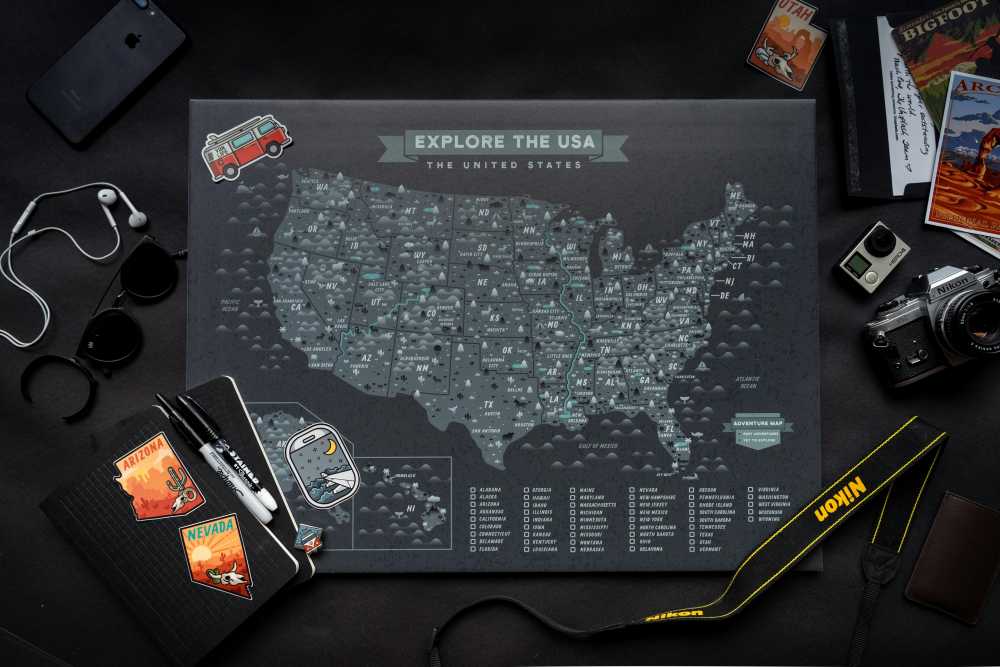
Your Journey Starts Now
The landscape of travel media has never been more dynamic, nor more full of opportunity. The best travel blogs of 2026 are specialized, authentic, and business-savvy. They are your go-to resources for planning deeply personal adventures and your inspiration for building a meaningful, independent career. The common thread that connects the family blogger, the solo adventurer, and the aspiring creator is a deep passion for seeing the world and sharing it in a way that genuinely helps others.

Whether you're here to find the perfect itinerary or to build your own media empire, the journey starts with a single step. Use these blogs as your guides. Let their stories fuel your wanderlust. And if you feel the call to create, use their success as your blueprint. The world is waiting for your unique perspective. And whether you are planning your next trip with one of our Travel Guide products or are ready to start selling your own on our platform, we're here to help you every step of the way.
Don't Miss Out! Subscribe for Exclusive Content
SubscribeComments 0
No comments yet
Be the first to share your experience!
Dont Miss Out! Subscribe for Exclusive Content
Ultimate USA Holidays Guide: Top Picks
FTC Affiliate Disclosure Essentials: Stay Compliant as a Travel Creator
Essential Affiliate Tools: From Tracking to Full Optimization
Avoid These 5 Affiliate Landing Page Mistakes for Better Conversions
Affiliate Keyword Research Mastery for Travel Blogs