
Decoding Affiliate Commission Rates: Benchmarks for Travel Creators

TrekGuider @trekguider
You’re a travel creator, and you’ve entered the world of affiliate marketing to turn your passion into a profession. But you’ve quickly run into a frustrating black box: the commission structure. You see a dizzying array of percentages, acronyms like CPA and EPC, and vague promises of earnings. You’re left wondering what good affiliate commission rates even look like. Are you earning your worth, or are you leaving a significant amount of money on the table?
This confusion isn't just academic; it's a direct threat to your bottom line. The reported average monthly income for affiliates in the travel niche is an impressive $13,847, a figure that proves this is a serious enterprise. But you can't build a sustainable business on guesswork. Partnering with a program offering a flashy 40% commission—only to discover it’s 40% of their tiny margin—is a rookie mistake that costs real money. This lack of clarity makes it impossible to forecast your income, negotiate better terms, or build a truly predictable business. You feel like you’re flying blind.
This guide is your decoder ring. We are pulling back the curtain to give you a comprehensive breakdown of how affiliate commissions actually work. We will deconstruct every major commission model, provide clear, data-backed industry benchmarks, and teach you how to analyze these rates like a seasoned professional. By the end of this deep dive, you will be able to spot high-value opportunities and architect a monetization strategy that truly rewards your influence. For a complete overview of the affiliate landscape, our definitive pillar page, Travel Affiliate Programs: The 2026 Ultimate Guide, is your essential command center.

The Anatomy of a Commission: Deconstructing the Core Models
Let's cut through the jargon. An affiliate commission is simply a reward for a job well done. A company—the merchant—pays you for successfully driving a specific, valuable action, which in the travel world almost always means a completed booking or sale.
But the way that reward is calculated can vary dramatically. Understanding the underlying structure of different affiliate commission rates is the first step toward becoming a high-earning creator.
1. Cost Per Sale (CPS) or Pay Per Sale (PPS): The Industry Workhorse
You'll encounter this model most often—it's the industry's workhorse for a reason. It’s simple and transparent: when a reader clicks your affiliate link and completes a purchase, you earn a percentage of the total sale value. If you recommend a $500 hotel stay and the program offers a 6% CPS commission, you earn $30. This model directly ties your earnings to the revenue you generate, making it the gold standard for most travel bookings and gear sales.
2. Cost Per Action (CPA): Rewarding a Specific Step
CPA is a broader model where you’re compensated for a specific action a user takes. While that action is often a sale (making it identical to CPS), it can also be something else. For example, a travel credit card company might pay you a CPA commission for every user who completes an application, regardless of whether they are approved.
3. Cost Per Lead (CPL): Paying for High-Value Inquiries
With a CPL model, you earn a fixed fee for each qualified lead you generate. This is common in high-ticket travel sectors where the sales cycle is long. A luxury tour operator, for instance, might pay you $50 for every user who fills out a detailed inquiry form for a bespoke African safari. You get paid for delivering a potential customer; their sales team takes it from there.
4. Tiered & Multi-Tier Structures: Incentivizing Growth
This is where commission models get more sophisticated and rewarding.
Tiered Structures: Rewarding Your Growth These are designed to reward high-performing affiliates. Your commission rate increases as you drive more sales. A program might offer a base rate of 6%, which jumps to 8% after you generate $5,000 in sales in a month, and 10% after $10,000.
Multi-Tier Structures: Building a Network These allow you to earn commissions not only on your own sales but also on the sales generated by other affiliates you recruit into the program. This effectively turns you into a partner who helps grow the program itself, creating a secondary, more passive income stream.
5. Cost Per Click (CPC): The Rare Exception
In this model, you are paid a small fee for every click your affiliate link receives, regardless of a sale. Due to its high vulnerability to fraud, the CPC model is now extremely rare in modern affiliate marketing and almost never seen in the travel space.

Industry Benchmarks: What Good Affiliate Commission Rates Look Like
So, what should you actually expect to earn? While rates vary, the travel industry has established clear benchmarks across its major categories. Here’s your cheat sheet.
Hotels & Accommodations: 2% - 7% of Booking Value This is the bread and butter for many creators, but the details are everything. A program like Expedia Group offers up to 6% of the total booking value with a 7-day cookie. In contrast, Booking.com advertises a much higher "25-40%", but this is a percentage of their commission, not the customer's total payment. This opaque structure often results in a much lower effective rate, closer to 2-4% of the final booking value.
Tours, Activities & Experiences: 6% - 8%+ This is a high-margin category with strong potential. Market leaders like Viator and GetYourGuide set the standard with base commissions of 7-8%. Adventure-focused operators like G Adventures offer 6%, which is incredibly powerful when applied to their high-ticket tours that can cost thousands of dollars.
Travel Insurance: 10% or More Insurance is a consistently high-paying vertical. Top programs like SafetyWing and World Nomads both offer a standard 10% commission. SafetyWing takes this a step further with a recurring model, meaning you continue to earn 10% every time your referred customer renews their policy.
Gear & Apparel: 3% - 8% For physical products, rates depend heavily on the retailer. Amazon Associates is the baseline, offering 3-4% for most travel categories. However, partnering with specialty retailers is far more lucrative. A brand like REI, for example, offers a 5-8% commission on high-quality (and often high-priced) outdoor gear.
Pro-Tip: Don't be blinded by the highest percentage. A 6% commission on a $3,000 G Adventures tour is $180. An 8% commission on a $50 city walking tour is $4. Always consider the average order value of the products you are promoting when evaluating affiliate commission rates.

The Metrics That Matter More Than the Rate Itself
An experienced affiliate marketer knows the commission rate is just a starting point. To truly understand a program's profitability, you need to analyze the metrics that measure real-world performance.
Earnings Per Click (EPC): Your True North This is arguably the single most important metric. It’s calculated by dividing your total commission earnings by the total number of clicks you sent. If you sent 100 clicks and earned $50, your EPC is $0.50. This number tells you the average value of every single click. A program with a lower commission but a higher EPC is often the more profitable partner for your specific audience.
Conversion Rate (CR): The Sign of a Healthy Partner This is the percentage of users who take the desired action after clicking your link. A high conversion rate is a sign of a trusted brand with a well-optimized checkout process. A program with a 10% commission that converts at 1% is less profitable than a program with a 5% commission that converts at 5%.
Cookie Duration: The Travel Creator's Safety Net This is critical in the travel space. A longer cookie duration (30, 60, or 90 days) gives your audience the time they need to research a high-consideration purchase while ensuring you still get credit. A short cookie window is a major red flag and a sign that the program may not be structured in your favor.
Pro-Tip: Dive into your affiliate dashboards. Most networks like CJ Affiliate and Travelpayouts provide detailed reports on your EPC and conversion rates for each program. Use this data to identify your true top performers—the results will often surprise you.

The Travel Creator's Toolkit
Feeling overwhelmed by the data? You don't have to be. To help you organize your strategy and implement everything you've learned, we've created the ultimate resource bundle. It includes checklists, templates, and tools designed to accelerate your journey from beginner to pro.
Download Your Free Bundle: The Travel Creator's Toolkit
The High-Margin Alternative: Referral & Revenue Share Models
While traditional commission models are powerful, the most forward-thinking creators are diversifying into referral and revenue-sharing programs. Instead of a one-time payment for a single sale, these models allow you to build long-term, passive income streams by becoming a true platform partner.
This is the philosophy behind the TrekGuider Seller Platform. We believe in empowering creators to build complex businesses. Our platform is designed for you to sell your own digital products—like itineraries and guides—but our referral program adds another powerful layer to your income strategy.
Instead of a simple CPS commission, our model functions like a sophisticated multi-tier system. When you refer other creators to become sellers on TrekGuider, you earn an ongoing share of the revenue they generate, with tiered commissions that start at 4% for referred sellers. You’re not just earning from a single transaction; you’re building a network and earning from its collective success. It's a strategic way to move beyond chasing individual sales and start building a more resilient, high-margin business.
Frequently Asked Questions (FAQ)
1. Is a higher commission rate always better? Not at all. A high commission rate can be misleading if the program has a low conversion rate, a short cookie duration, or a low average order value. Always look at your Earnings Per Click (EPC) to determine the true profitability of a program for your audience.
2. How can I find the EPC for an affiliate program? Most reputable affiliate networks (like CJ Affiliate, ShareASale, or Travelpayouts) provide EPC data. It's often listed as a network-wide average for each merchant, which gives you a good baseline. Once you start sending traffic, you can track your own personal EPC in your performance reports.
3. Can I negotiate my affiliate commission rates? Yes, absolutely. Once you become a proven partner and consistently drive a significant volume of high-quality sales, you have leverage. Many brands are willing to negotiate a higher, private commission rate for their top-performing affiliates. Always track your performance and don't be afraid to ask.

From Confusion to Command
You are no longer in the dark. The world of affiliate commission rates is no longer a confusing black box. You now have the knowledge to deconstruct any program's payment structure, the industry benchmarks to know your worth, and the key metrics to identify what truly drives profit.
This knowledge is power. It empowers you to audit your existing partnerships, confidently seek out new ones, and even negotiate better terms. By focusing on programs with fair commissions, long cookie durations, and high conversion rates, you can ensure your hard work is properly rewarded. Building a profitable travel content business requires a strategic approach, and a deep understanding of affiliate commission rates is a non-negotiable part of that strategy.
Read the full guide: The Travel Blogger's Playbook to Affiliate Marketing Mastery
Don't Miss Out! Subscribe for Exclusive Content
Subscribe



Comments 0
No comments yet
Be the first to share your experience!
Dont Miss Out! Subscribe for Exclusive Content

Ultimate USA Holidays Guide: Top Picks


FTC Affiliate Disclosure Essentials: Stay Compliant as a Travel Creator

Essential Affiliate Tools: From Tracking to Full Optimization

Avoid These 5 Affiliate Landing Page Mistakes for Better Conversions

Affiliate Keyword Research Mastery for Travel Blogs

Booking.com Affiliate Program Review: Pros, Cons, and Earnings Potential
NYC Pride: Parade Route Essentials
TrekGuider @trekguider
The air crackles with anticipation. You feel the bass from a distant float thumping in your chest, a rhythmic heartbeat for a city ready to explode in a celebration of love, identity, and history. The NYC Pride Parade is one of the most iconic, life-affirming events on the planet. But as you picture the cascade of rainbow flags, a knot of logistical questions tightens in your stomach. With millions of people flooding Manhattan, where do you even begin? How early is early enough? How do you navigate a multi-mile route to actually see the parade without getting swallowed by the crowd?
Without a smart plan, the dream experience can dissolve into a logistical nightmare. You risk being stuck ten-deep behind a wall of people, catching only glimpses of the spectacle. You could spend hours feeling overwhelmed, battling for a sliver of sidewalk instead of immersing yourself in the powerful current of community and celebration. The line between an unforgettable day of joy and a frustrating ordeal is drawn by preparation.
This is your definitive playbook for conquering the chaos. Forget the guesswork. We are breaking down the entire pride parade New York route, section by section, arming you with insider strategies and actionable essentials. From the electric energy of the formation zone to the historic heart of the Village, this guide will help you navigate the day like a seasoned pro. Get ready to transform potential stress into pure, unadulterated Pride.
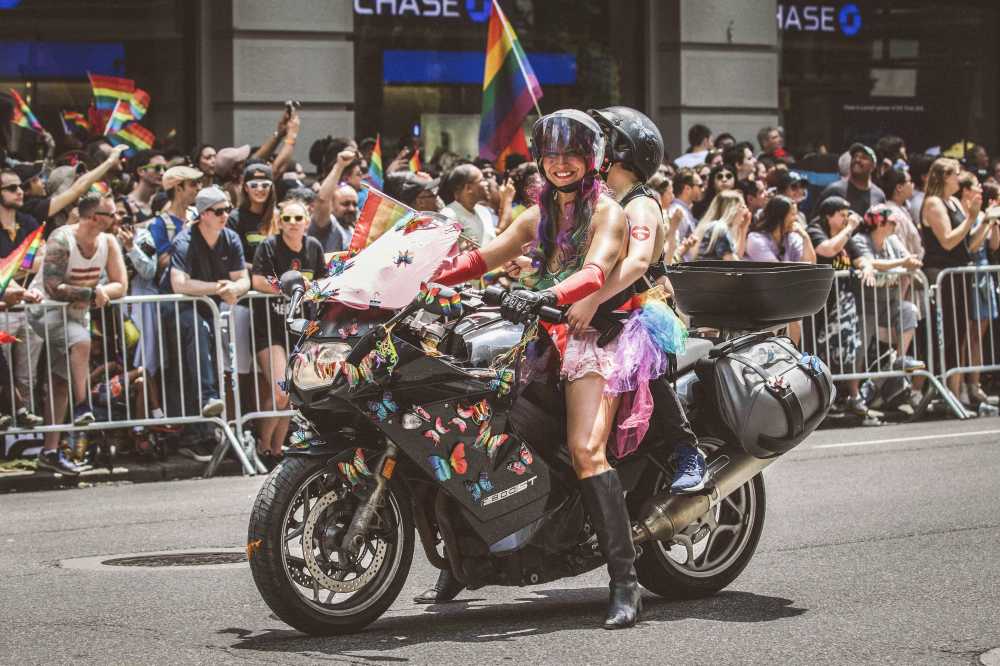
The Heartbeat of Pride: A Journey from Protest to Celebration
But to truly appreciate the river of rainbow flags and joyous noise, you have to understand its source. This isn’t just a party; it’s a pilgrimage. The modern NYC Pride Parade is the direct descendant of the Christopher Street Liberation Day March, first held in 1970, exactly one year after the Stonewall Uprising of 1969. That rebellion, a series of spontaneous and defiant demonstrations against a police raid on the Stonewall Inn, was the flashpoint that ignited the modern gay rights movement.
What began as a protest march has evolved over decades into a powerful dual-purpose event: a joyous celebration of identity and a formidable platform for activism. In the 1980s, as the AIDS crisis devastated the community, the parade became a vital and visible front line for raising awareness and demanding action, cementing its role as the community's conscience and its loudest voice. Its deep historical roots and unwavering commitment to progress make it a key element event—and for good reason, a non-negotiable highlight in our definitive guide to New York Holidays: 10 Must-Do Events. Understanding this legacy enriches the entire experience, transforming you from a spectator into a participant in living history.
Mark Your Calendar: 2026 NYC Pride Parade Date and Time
Precision is your best friend when planning for an event of this magnitude. Get these details locked into your calendar now.
Date: Sunday, the last Sunday of June
Start Time: The parade officially kicks off between 11:00 AM and 12:00 PM.
A word of caution: Do not mistake the start time for your arrival time. The parade route is miles long, and the best viewing spots are claimed hours in advance. For a prime location, especially in the more popular sections, you should be in position no later than 9:00 AM. For the truly iconic spots, even earlier is better.
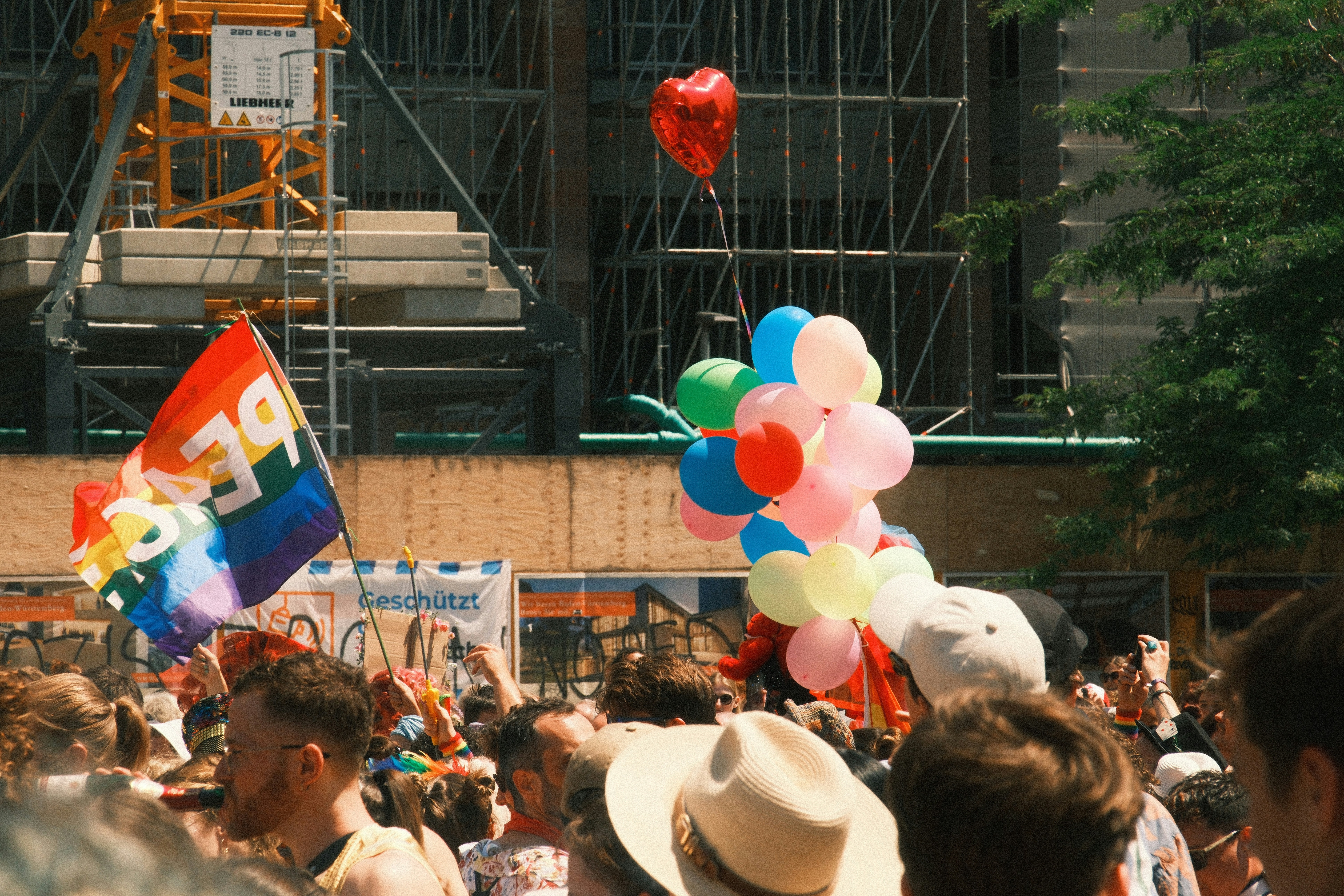
Deconstructing the Route: A Mile-by-Mile Guide to the Pride Parade New York
The official route for the pride parade New York is a journey through the city's cultural and historical soul. Each segment offers a distinct atmosphere and viewing experience. Your perfect spot depends entirely on the vibe you’re seeking.
The Kick-Off: 26th Street and 5th Avenue (The Formation Zone)
The Vibe: This is the epicenter of pure, unharnessed anticipation. The energy here is electric, a fascinating mix of organized chaos and raw excitement. You’ll see floats getting their final sound checks, dance troupes running through their choreography one last time, and thousands of marchers buzzing with adrenaline before they take their first official step. It’s less of a polished performance and more of an authentic, behind-the-scenes look at the massive human effort powering the event.
Viewing Advice: Standing near the start means you see every contingent at its absolute freshest. The costumes are pristine, the energy is at its peak, and the performances are sharp. It’s a fantastic spot for photographers wanting to capture candid moments and fine details. The crowds here are intense as everyone jockeys for that first glimpse.
Logistics: Arrive extra early—think 8:00 AM—to secure a spot with a clear line of sight. Amenities are scarcer here compared to further down the route. Pack what you need for the morning, as ducking into a local shop will be a major, time-consuming undertaking.
The Main Artery: South on 5th Avenue (The Spectator Hub)
The Vibe: As the parade marches down the world-famous 5th Avenue, it hits its full, spectacular stride. This is the quintessential big-city parade experience. The avenue is wide, the crowds are massive, and the backdrop is pure New York City grandeur. The sound of music and cheering reverberates off the tall buildings, creating an immersive wall of sound. You’ll be surrounded by a diverse mix of families, tourists, and locals, all united in a shared celebration.
Viewing Advice: This is the longest stretch of the parade and where most spectators naturally congregate. For a slightly less condensed crowd, try to find a spot further north, perhaps in the high 30s or 40s. The closer you get to the Village, the exponentially denser the crowds become.
Logistics: This section offers the best access to delis, coffee shops, and stores for restrooms and refreshments. However, be prepared for long lines for absolutely everything. Public transportation is your best friend here; the numerous subway stops along 6th Avenue run parallel to the route, making access relatively straightforward.
The Historic Turn: 8th Street to Christopher Street (The Soul of Pride)
The Vibe: This is the emotional and historical heart of the entire parade. As the route makes its key turn off 5th Avenue and winds through the narrower streets of Greenwich Village towards the Stonewall National Monument, the atmosphere shifts. It becomes more intimate, more intense, and deeply resonant. The sense of history is palpable. This is where the cheers often feel the loudest and the connection between the marchers and the crowd feels most profound.
Viewing Advice: This is, without question, the most meaningful and popular place to watch the parade. Consequently, it is the most crowded. To get a spot here, you must be committed. Arrive by 8:00 AM at the absolute latest, and be prepared to hold your ground for hours. The experience, however, is powerful and unparalleled.
Logistics: Once you’re in a spot here, you’re in for the duration. The narrow streets and dense crowds make movement nearly impossible. Pack everything you need for several hours. There are fewer commercial establishments directly on these streets, so plan accordingly.

Pro-Tip: For a less obstructed view, look for spots near intersections on the opposite side of the street from the parade's direction of travel. Crowd density is often slightly lower there as people tend to cluster on the inside of the turns.
The Grand Finale: Finishing Near 15th Street and 7th Avenue (The Dispersal Zone)
The Vibe: The energy at the end of the route is one of joyous exhaustion and collective accomplishment. Marchers, who have been on their feet for hours, are often interacting more freely with the crowd as they complete their long journey. It’s less of a formal procession and more of a massive, mobile street party winding down into its final, celebratory moments.
Viewing Advice: This is by far the least crowded section of the route, making it an excellent choice for families, those with accessibility concerns, or anyone who couldn't arrive at the crack of dawn. You’ll still see every float and group, but with significantly more room to breathe and move.
Logistics: This area offers the easiest exit strategy. With the parade dispersing, streets begin to reopen sooner, and access to multiple subway lines on 7th Avenue (like the 1, 2, and 3 trains) makes for a quicker trip home or to your next destination.
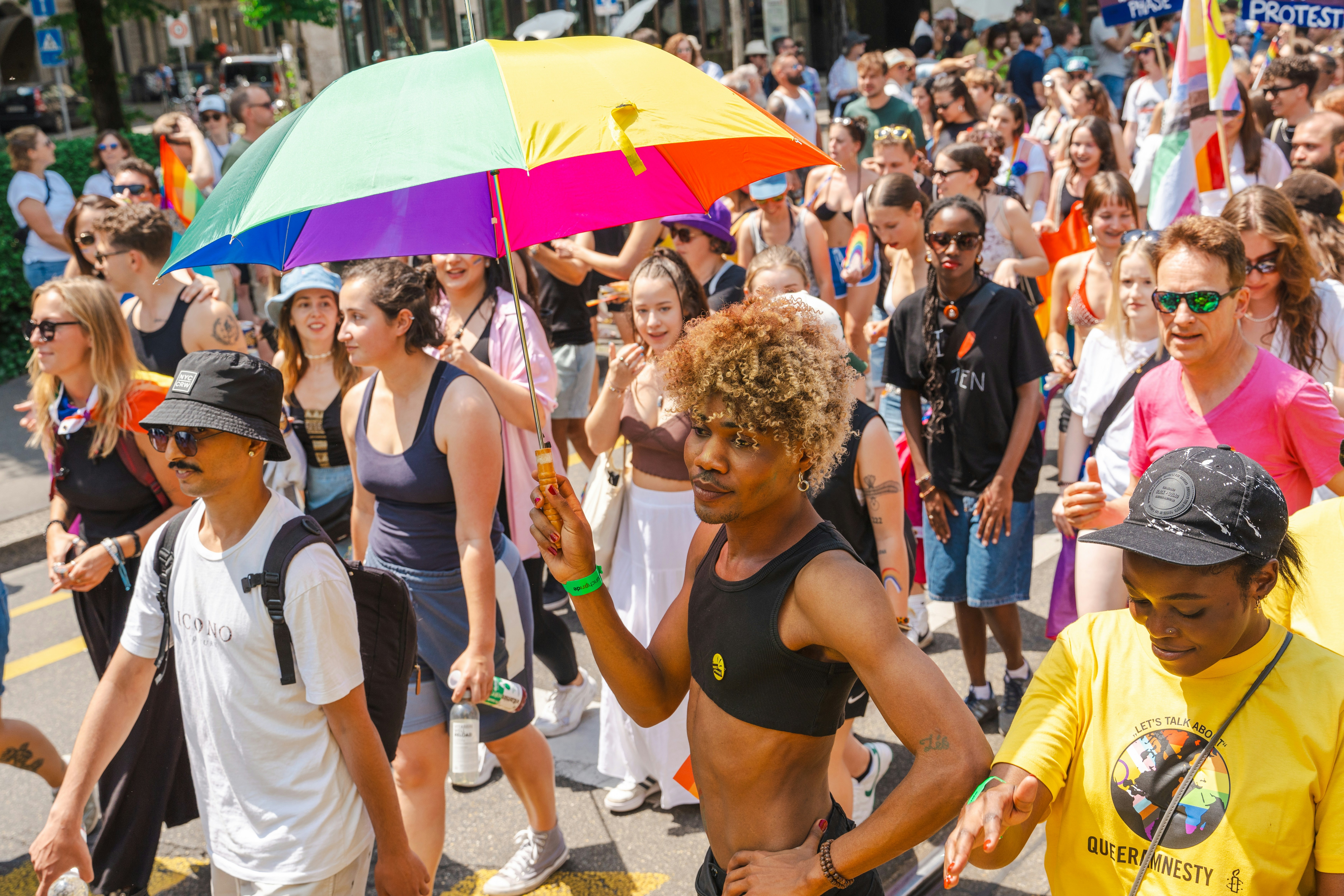
Your Strategic Viewing Plan: 7 Essential Tips for the Best Experience
A little strategy goes a long way in a crowd of millions. Follow these essential tips to ensure your day is smooth, safe, and spectacular.
Arrive Early, Then Arrive Earlier: This cannot be overstated. For a front-row spot anywhere south of 23rd Street, 9:00 AM is a good baseline. For a coveted spot in the West Village or near Christopher Street, you need to be thinking 7:30 AM or 8:00 AM. The most dedicated spectators arrive with breakfast and a blanket.
Pack Your Urban Survival Kit: You are essentially setting up a base camp for the day. Your kit should include: a large, reusable water bottle (staying hydrated is non-negotiable), high-SPF sunscreen, a portable phone charger, and plenty of snacks. Relying on local bodegas is a rookie mistake; they will be overwhelmed and may run out of supplies.
Master Public Transit: Driving is not an option. Street closures are extensive and begin in the early morning. The subway is your only logical choice. Use lines that run along 6th Avenue (B, D, F, M) or Lexington Avenue (4, 5, 6) and walk west. Avoid stations directly on the route, as they will be dangerously crowded.
Choose Your Vibe, Not Just a Spot: Before you pick a location, decide what kind of experience you want. Do you crave the high-energy launch? The massive midtown spectacle? The deeply emotional historic heart? Or the relaxed, celebratory finish? Matching the location to your desired vibe is the secret to a perfect day.
Stay Connected (But Have a Backup): With millions of people in one area, cell service can be notoriously unreliable. While you should keep your phone charged, don’t depend on it for communication. Use a buddy system, and if you’re with a group, establish a clear, physical meeting point and time in case you get separated.
Prioritize Accessibility: Organizers are continually working to make the event more accessible. Check the official NYC Pride website in the weeks leading up to the parade for detailed information on designated viewing areas for people with disabilities. These locations offer better sightlines and a less congested environment.
Embrace the Virtual Experience: If you can't make it in person or prefer to avoid massive crowds, don't worry. The NYC Pride Parade is live-streamed across multiple platforms. You can catch all the action from the comfort of your home, a powerful option for those who want to participate from afar.
Pro-Tip: The blocks just after the parade turns off 5th Avenue onto 8th Street can be a strategic viewing sweet spot. The crowd thins slightly as it navigates the corner, offering a brief window for better photos and a bit more breathing room before it swells again towards Christopher Street.
Beyond the Sidelines: Documenting Your Day
The spirit of Pride is participation. Even as a spectator, you are a vital part of the event. Wear your brightest colors, create a supportive sign, and cheer loudly for the groups that resonate with you. Your energy is what fuels the marchers on their long walk.
For many, capturing the day is part of the experience. The vibrant colors, powerful emotions, and incredible stories of the pride parade New York make it a content creator's dream. If you're looking to capture and share the experience like a pro, preparation is everything. To elevate your storytelling, our The Travel Creator's Toolkit provides the essential checklists and guides to turn your passion into compelling content that does justice to this incredible event.

Planning the Perfect Pride Weekend in NYC
The parade is the magnificent centerpiece of a city-wide, month-long celebration. Pride Month in New York is packed with parties, cultural events, and community gatherings. Don’t limit your experience to just a few hours on a Sunday afternoon. Make it the anchor of an unforgettable weekend or a longer trip to the city.
Navigating the parade is just one piece of an unforgettable trip. To build a complete itinerary—from finding the best LGBTQ+-friendly hotels in Chelsea or Hell's Kitchen to exploring other iconic city sights that have shaped queer history—our comprehensive Travel Guide is the ultimate resource for planning your entire New York adventure. It helps you weave the parade into a broader, richer travel experience.
Your Mission: Experience Pride to the Fullest
You are now armed with the essential knowledge to navigate the pride parade New York not just as a spectator, but as an informed participant in a powerful celebration. You know the history that fuels the march, the unique vibe of each section of the route, and the practical strategies to make your day a resounding success. The parade is more than a route on a map; it's a journey through history, proof of resilience, and an explosion of pure joy.
So pick your spot, pack your survival kit, and get ready to experience the love, history, and unbreakable community of NYC Pride. Go with an open heart, a loud voice, and a solid plan.
Meta Data Suggestions:
SEO Meta Title: NYC Pride Parade Route Guide: Best Viewing Spots & Tips 2026
URL Slug: /nyc-pride-parade-route-essentials
SEO Meta Description: Your ultimate guide to the 2026 NYC Pride Parade. Discover the best viewing spots, route map, start times, and essential tips to navigate the crowds.
Don't Miss Out! Subscribe for Exclusive Content
SubscribeComments 0
No comments yet
Be the first to share your experience!
Dont Miss Out! Subscribe for Exclusive Content

San Francisco Cherry Blossoms: A Local's Guide to the Blooms

Halloween SF: Haunts Without Horrors

SF Festivals: 7 Must-See Lineups

Christmas SF: Lights & Wharf Wonders

SF Pride: 6 Route & Party Hacks

Chinese New Year SF: Parade Essentials
Skip the Crowds: 8 Amazing Family Vacation Destinations
TrekGuider @trekguider
Tired of scrolling through the same lists of crowded, overpriced family vacation spots? You're not just looking for a random vacation; you're hunting for a genuine experience. You want a trip that sparks real curiosity in your kids and forges memories that last longer than the flight home, but the standard destinations can feel like a treadmill of long lines and manufactured fun.
The real frustration is the fear of choosing wrong. You know there are incredible, unique places across the USA that could offer your family a real adventure, but finding them feels like searching for a needle in a digital haystack. You worry about picking a spot that results in bored teenagers, overwhelmed toddlers, or a trip that feels more stressful than your daily routine.
This guide is your solution. It’s a curated map to America's hidden gems—the destinations that deliver authentic charm, thrilling adventures, and precious family connection, without the overwhelming crowds. For a broader look at how to choose the perfect trip style for your crew, be sure to check out our comprehensive Family Travel Ideas: The 2026 Guide to Unforgettable Trips before diving into these specific locales.
Why Skip the Crowds? Uncovering America's Best-Kept Secrets
Let's be clear: choosing a hidden gem isn't just about avoiding crowds. It's a strategic decision to trade manufactured fun for authentic discovery. It's the difference between waiting in line for a ride and watching wild ponies roam on a pristine beach.
Instead of an overpriced city tour, you're exploring ancient cliff dwellings with your kids. These are the family vacation destinations that offer more than just a getaway; they offer a story. We’ve handpicked locations that excel in three key areas: authenticity, value, and manageable logistics for families.

Ready to Get Organized?
Planning the perfect trip requires the right tools. Before you dive into these amazing destinations, grab our free Travel Itinerary Template. It's the easiest way to organize your days, keep track of bookings, and make your family travel planning actually easy.
Secret Shores & Lakeside Sanctuaries
For families who feel the call of the water, these destinations offer a refreshing alternative to the usual packed coasts.
1. Chincoteague Island, Virginia: Wild Ponies and Salty Air
Forget the high-rises and boardwalks. Chincoteague Island is a laid-back sanctuary on Virginia's Eastern Shore, famous for the wild ponies that roam the adjacent Assateague Island National Seashore. This is a place that runs on a slower, more natural clock.
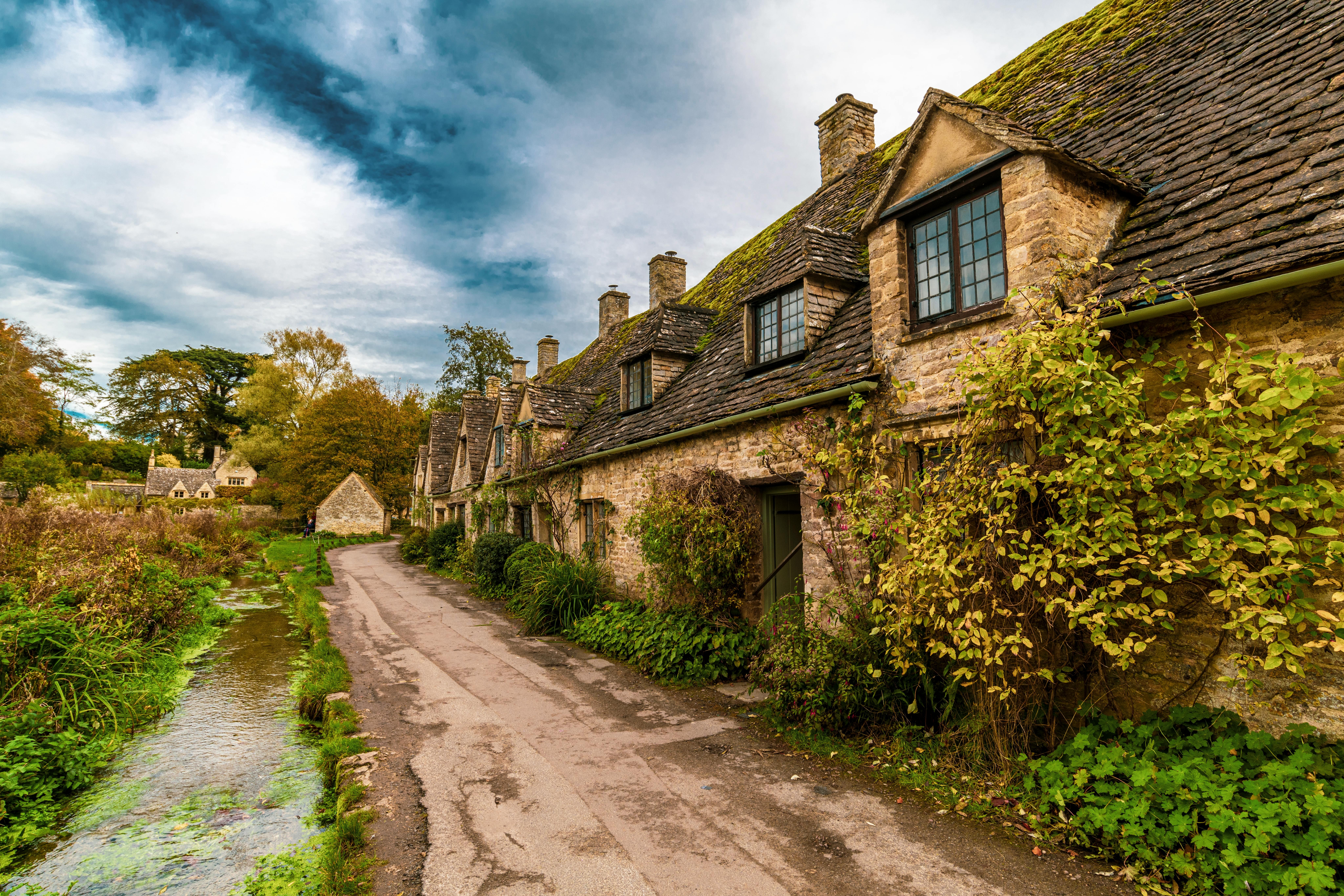
The Vibe: A classic, unpretentious beach town where the main attractions are provided by nature. It's all about bike rides, bird watching, and beachcombing.
Best For: Families with elementary-aged children who love animals and nature.
Best Time to Visit: Late spring and early fall offer beautiful weather and fewer crowds. The annual Pony Swim in late July is a bucket-list event, but book accommodations a year in advance.
Can't-Miss Activities:
Take a wildlife boat tour: This is non-negotiable. It's the best way to see the wild ponies, dolphins, and stunning shorebirds up close.
Bike the refuge trails: The flat, paved paths of the Chincoteague National Wildlife Refuge are perfect for a leisurely family bike ride to the beach.
Go crabbing off a public dock: Rent a simple crab pot and line for an afternoon of old-fashioned fun. It's a rite of passage here.
Climb the Assateague Lighthouse: The view from the top gives you a fantastic perspective of the islands.
2. Traverse City, Michigan: The "Caribbean of the North"
Nestled on the shores of Lake Michigan's Grand Traverse Bay, Traverse City boasts stunning freshwater beaches with turquoise water and towering sand dunes. Its family-friendly atmosphere rivals any ocean destination.
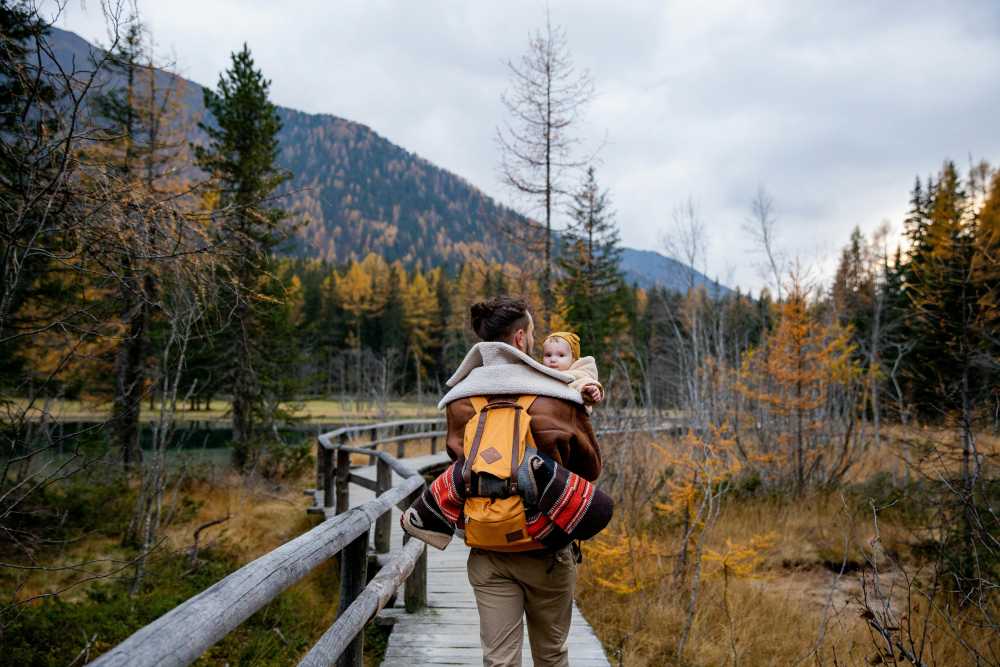
The Vibe: Wholesome, active, and quintessentially Midwestern summer. It blends stunning natural beauty with charming small towns and a thriving food scene.
Best For: Multigenerational families looking for a mix of relaxation and accessible activities.
Best Time to Visit: July and August for the warmest swimming weather. The National Cherry Festival in early July is popular but extremely crowded; consider late August for a more relaxed trip.
Can't-Miss Activities:
Conquer Sleeping Bear Dunes: Climb the massive Dune Climb for an incredible view and then run, roll, or slide down to the shore of Glen Lake.
Hunt for Petoskey Stones: Spend an afternoon walking the shores of Lake Michigan, searching for these unique fossilized stones.
Kayak the Crystal River: This gentle, crystal-clear river is perfect for a family float, winding through lush forests.
Explore Fishtown in Leland: Walk through the historic, weathered fishing shanties, now home to quirky shops and galleries.
3. The San Juan Islands, Washington: An Archipelago Adventure
Just a scenic ferry ride from Seattle, this collection of islands feels like a world away. Life here revolves around the water, from whale watching to kayaking in serene coves. Each island has its own personality, from the bustling Friday Harbor on San Juan Island to the pastoral quiet of Lopez Island.
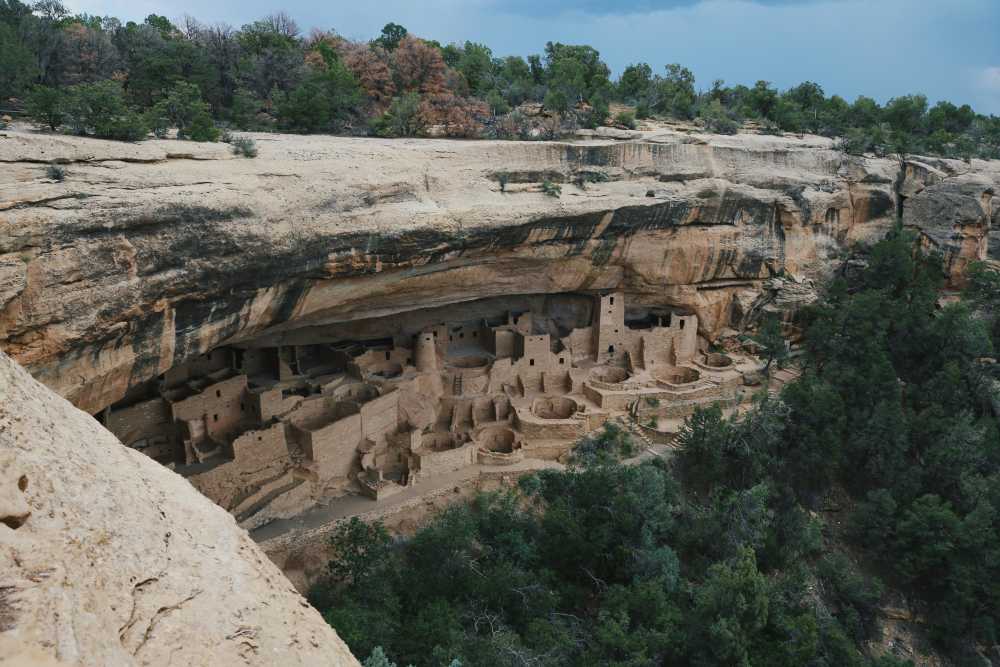
The Vibe: Pacific Northwest bliss. It’s relaxed, eco-conscious, and breathtakingly beautiful, with a focus on wildlife and quiet exploration.
Best For: Families with kids of all ages who appreciate nature and a slower pace.
Best Time to Visit: July and August offer the sunniest, warmest weather, which is also the peak season for whale watching.
Budget-Saving Tip: Pack a cooler with picnic supplies and snacks. Groceries and restaurants on the islands can be pricey, and a beach picnic is part of the classic San Juan experience.
Can't-Miss Activities:
Go on a Whale Watching Tour: The San Juans are one of the best places in the world to see orcas in the wild. It’s an unforgettable experience.
Visit Lime Kiln Point State Park: Known as "Whale Watch Park," you can often spot whales right from the shoreline.
Explore the sculpture park: The 20-acre San Juan Islands Sculpture Park near Roche Harbor is a fantastic place for kids to run around and interact with art.
Bike around Lopez Island: Known as the "Friendly Isle" for its gentle terrain and waving locals, Lopez is perfect for a family bike ride.
Pro-Tip: Ferry reservations are absolutely essential, especially during the summer. Book your vehicle spot on the Washington State Ferries website as soon as your travel dates are confirmed.
Mountain Escapes & Park Alternatives
For families craving fresh air and epic landscapes, these destinations provide all the majesty of the more famous national parks with a fraction of the traffic. For more ideas like these, don't miss our guide to 4 Unforgettable National Park Family Travel Ideas.
4. Custer State Park, South Dakota: The Crown Jewel of the Black Hills
Often treated as a side trip from Mount Rushmore, Custer State Park is a world-class destination in its own right. With 71,000 acres of breathtaking landscapes and wildlife that rivals the big-name parks, it's arguably one of the best state parks in the nation.
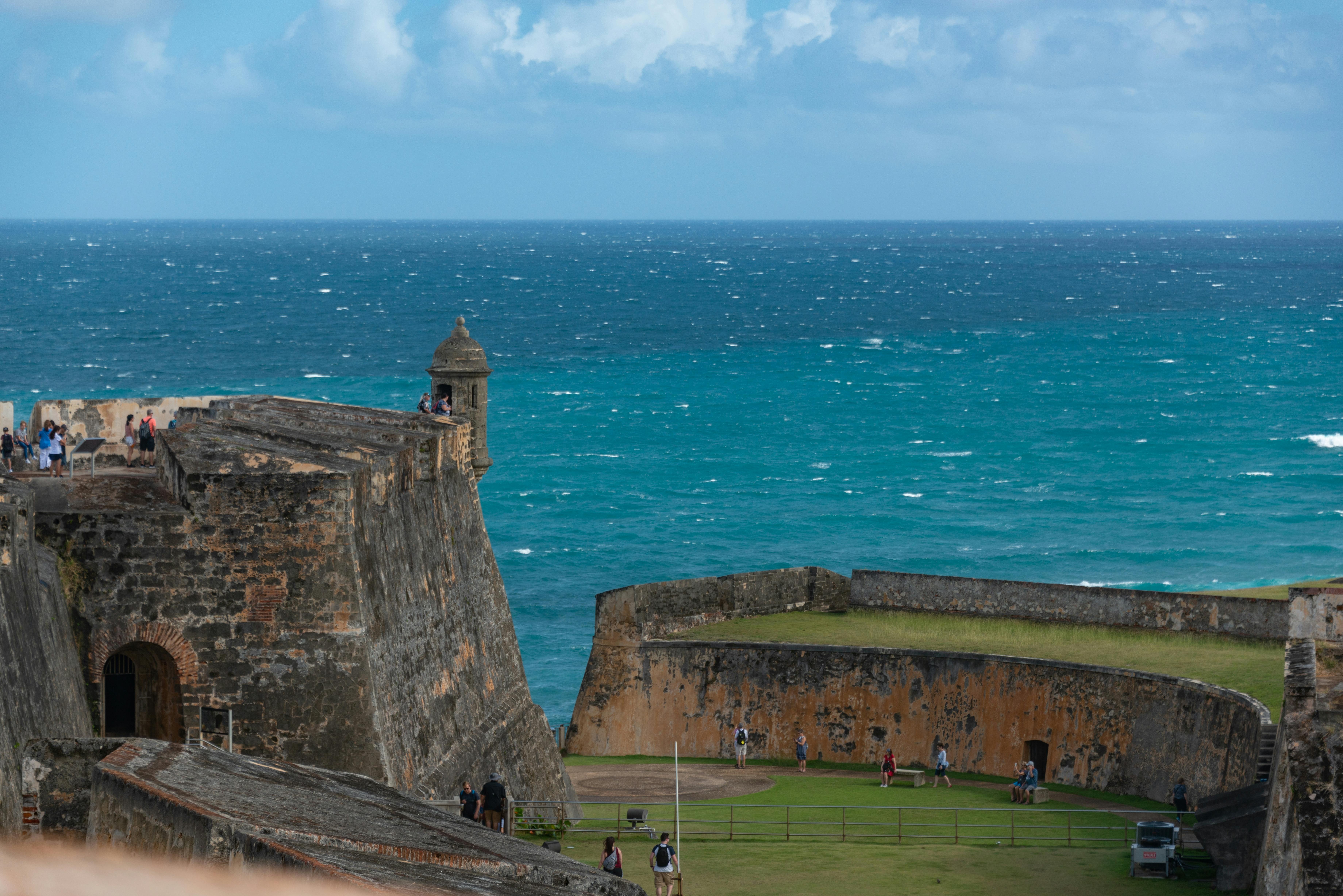
The Vibe: Wild West writ large. It's a world of granite spires, rolling prairies, and massive bison herds that feels both accessible and untamed.
Best For: Active families with kids aged 7+ who love hiking and wildlife spotting.
Best Time to Visit: Early June or September to avoid the massive crowds from the Sturgis Motorcycle Rally (early August).
Can't-Miss Activities:
Drive the Wildlife Loop Road at dusk: This is when the animals are most active. You're almost guaranteed to get stuck in a "bison jam."
Navigate the Needles Highway: This incredible 14-mile road twists and turns through towering granite spires and narrow tunnels carved from rock.
Swim or kayak on Sylvan Lake: This impossibly scenic lake, surrounded by rock formations, is the perfect spot for an afternoon on the water.
Hike to Black Elk Peak: For ambitious families, the hike to the highest point east of the Rockies offers unforgettable 360-degree views.
5. The Finger Lakes, New York: Gorges, Falls, and Lakeside Fun
This stunning region in upstate New York is known for its 11 long, narrow lakes and wineries. But its true hidden gem status for families comes from its spectacular state parks, filled with dramatic gorges and countless waterfalls.
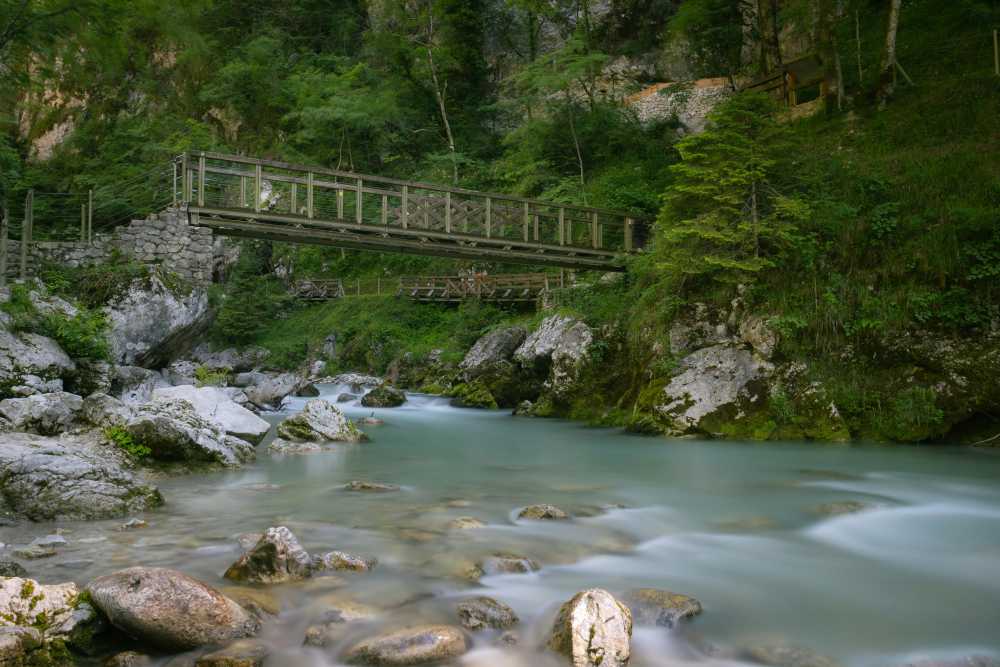
The Vibe: A natural waterpark carved by glaciers. It's a place for active exploration followed by relaxing evenings by the lake.
Best For: Families with energetic kids and teens who love to hike, swim, and explore.
Local Flavor: Don't leave without trying a "grape pie," a regional specialty that's a delicious nod to the area's Concord grape heritage.
Can't-Miss Activities:
Walk the Gorge Trail at Watkins Glen: The trail takes you over, under, and behind 19 incredible waterfalls in just two miles.
Swim at the base of a waterfall: Robert H. Treman State Park has a classic swimming hole right below a massive waterfall, complete with a diving board.
Get hands-on at the Corning Museum of Glass: The live glass-blowing demonstrations are mesmerizing, and you can even make your own glass creation.
Rent a pontoon boat: Spend a day on Cayuga or Seneca Lake, jumping in for a swim and enjoying the scenery from the water.
6. The Berkshires, Massachusetts: Culture in the Countryside
Nestled in the rolling hills of western Massachusetts, The Berkshires offer a unique blend of outdoor adventure and world-class culture. You can hike a mountain in the morning and listen to a symphony concert on the lawn at Tanglewood in the evening.

The Vibe: Rustic sophistication. It’s a haven for artists and nature lovers, with charming small towns and a palpable creative energy.
Best For: Families with a mix of interests, from art and music to hiking and swimming.
Best Time to Visit: Summer for the full slate of cultural festivals. Fall is breathtaking with its famous foliage.
Can't-Miss Activities:
Hike to the summit of Monument Mountain: A moderate hike rewards you with panoramic views that once inspired famous authors.
Explore the Norman Rockwell Museum: Even kids who aren't "museum people" will connect with Rockwell's relatable and iconic images of American life.
Go for a swim at Lake Pontoosuc: This public lake has a sandy beach and is a popular spot for families to cool off.
Wander through the town of Stockbridge: This is the quintessential New England town, so picturesque it was immortalized in a Rockwell painting.
Places That Tell a Story: History & Culture Off the Beaten Path
These unique destinations offer a chance to engage with American history and culture in a way that’s truly captivating for the whole family.
7. Mesa Verde National Park, Colorado: A City in the Cliffs
This UNESCO World Heritage Site protects nearly 5,000 archeological sites, including 600 incredibly preserved cliff dwellings of the Ancestral Pueblo people. This isn't just history behind glass; it's history you can touch and climb into.

The Vibe: Awe-inspiring and humbling. It connects you to a deep and ancient American story in a profoundly tangible way.
Best For: Families with school-aged children (age 7+) interested in history and adventure. Note that some tours involve climbing steep ladders.
Pro-Tip: Tour tickets for Cliff Palace and Balcony House are released 14 days in advance on recreation.gov and sell out almost instantly. Be online the moment they become available.
Can't-Miss Activities:
Tour a cliff dwelling: A ranger-led tour of Cliff Palace or Balcony House is the absolute highlight.
Drive the Mesa Top Loop Road: This 6-mile drive has easily accessible overlooks that tell the chronological story of the Ancestral Pueblo people.
See Spruce Tree House: The view of this massive dwelling from the overlook near the museum is spectacular.
Become a Junior Ranger: The park's program is excellent and is a fantastic way to engage kids in learning about the park's history.
8. St. Augustine, Florida: Where America's Story Begins
Founded in 1565, St. Augustine offers a slice of colonial Spanish history on the Florida coast. With its cobblestone streets, imposing fortress, and tales of pirates, it's a city that sparks the imagination.
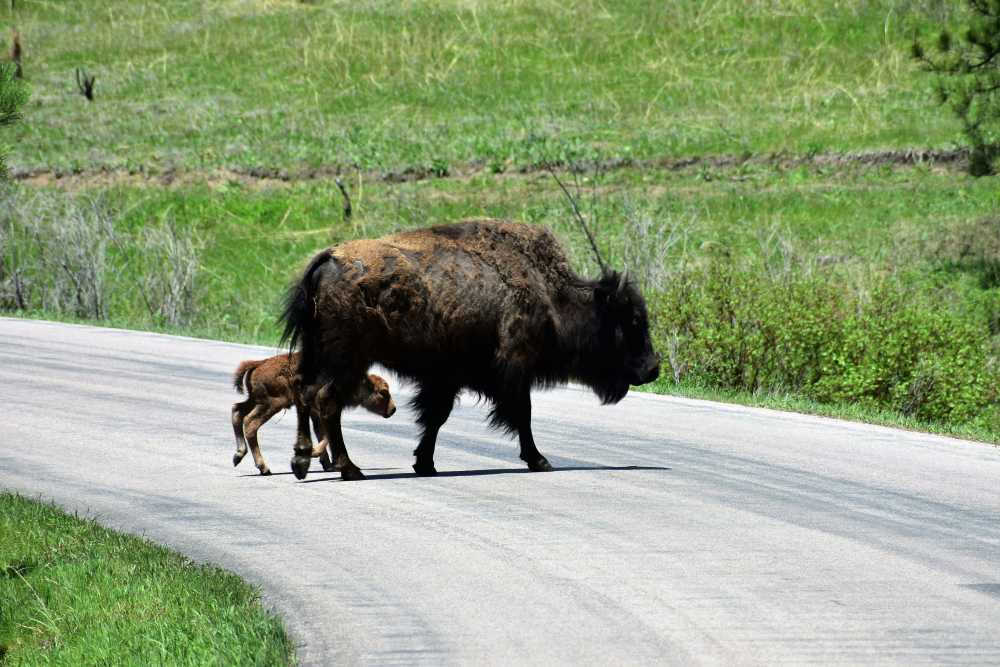
The Vibe: A European city that washed up on a Florida beach. It's historic, walkable, and packed with unique attractions.
Best For: Families with a wide range of ages—from young kids who love pirates to teens who can appreciate the deep history.
Best Time to Visit: Spring and fall have the most pleasant weather for walking. The "Nights of Lights" festival from November to January is magical.
Can't-Miss Activities:
Explore the Castillo de San Marcos: Kids love running around the ramparts of the oldest masonry fort in the continental U.S. Don't miss the cannon firing demonstrations.
Hunt for treasure at the Pirate & Treasure Museum: This is a surprisingly well-done museum with authentic pirate artifacts.
Climb the St. Augustine Lighthouse: Brave the 219 steps for a stunning panoramic view of the city and the Atlantic Ocean.
Hit the beach: Just a short drive away, St. Augustine Beach offers miles of wide, white sand perfect for sandcastles and splashing.
Frequently Asked Questions
What are the main benefits of choosing a less-crowded family vacation destination?
The biggest benefits are a more relaxed pace, lower costs, and more authentic experiences. You'll spend less time waiting in lines and more time connecting with your family and the destination itself, often creating much richer memories.
Are "hidden gem" destinations good for families with toddlers or teens?
Absolutely. The key is matching the destination's activities to your kids' ages and interests. A place like Chincoteague is perfect for young, animal-loving kids, while the hiking and history of Mesa Verde or the gorges of the Finger Lakes are fantastic for engaging older kids and teens.
What's the best way to find unique vacation spots beyond this list?
Start by looking at state parks instead of only national parks, which are often just as beautiful but with fewer crowds. You can also explore regions just outside major tourist hubs or ask for recommendations in online travel communities focused on specific interests like hiking or history.
Create Your Own Adventure
Choosing one of these hidden gems is about more than just avoiding crowds; it’s an intentional decision to seek out a different kind of trip. It’s about finding the places that allow your family to connect—with nature, with history, and most importantly, with each other.
These unique family vacation destinations prove that the most memorable adventures are often found on the roads less traveled. So, break free from the conventional lists, pack your bags with a sense of curiosity, and get ready to create a family story that is uniquely yours.
Read the full guide: Family Travel Ideas: The 2026 Guide to Unforgettable Trips
Don't Miss Out! Subscribe for Exclusive Content
SubscribeComments 0
No comments yet
Be the first to share your experience!
Dont Miss Out! Subscribe for Exclusive Content
Ultimate USA Holidays Guide: Top Picks
FTC Affiliate Disclosure Essentials: Stay Compliant as a Travel Creator
Essential Affiliate Tools: From Tracking to Full Optimization
Booking.com Affiliate Program Review: Pros, Cons, and Earnings Potential

Decoding Affiliate Commission Rates: Benchmarks for Travel Creators

Amazon Associates for Travel: Strategies to Maximize Commissions
Chicago Festivals: 8 Hidden Gems
TrekGuider @trekguider
You’ve seen the postcard shots: a sea of faces roaring at Lollapalooza, a river glowing an impossible, surreal green. Chicago is a city of grand gestures and epic celebrations, and its world-famous events deservedly draw millions. But you’re not here for the postcard. You’re digging for the city’s authentic pulse, the local rituals and hard-won secrets that exist just beyond the main stage and the barricaded parade routes. You want to experience the real Chicago.
The problem? Most travel guides are stuck on a loop, recycling the same five headliners. This leaves you with a generic itinerary that thousands of others are clutching, leading you straight into the jaws of the crowd. You risk a trip that’s memorable for all the wrong reasons—the endless lines, the sardine-packed trains, the nagging feeling that you only saw the spectacle, not the soul.
This guide is the antidote. We’re pulling back the curtain on eight hidden gems within the city’s vibrant festival scene. These aren’t obscure events; they are the insider angles, the local traditions, and the pro-level hacks that transform a popular celebration into a deeply personal, unforgettable memory. Forget just seeing the sights; we’re here to help you feel the stories behind them. This is your key to unlocking the authentic spirit of Chicago’s festivals, ensuring you go home with stories no one else has. For a panoramic view of the city's year-round celebrations before you dive into these secrets, our definitive guide to Chicago Holidays: Windy City Thrills is the perfect place to start your planning.
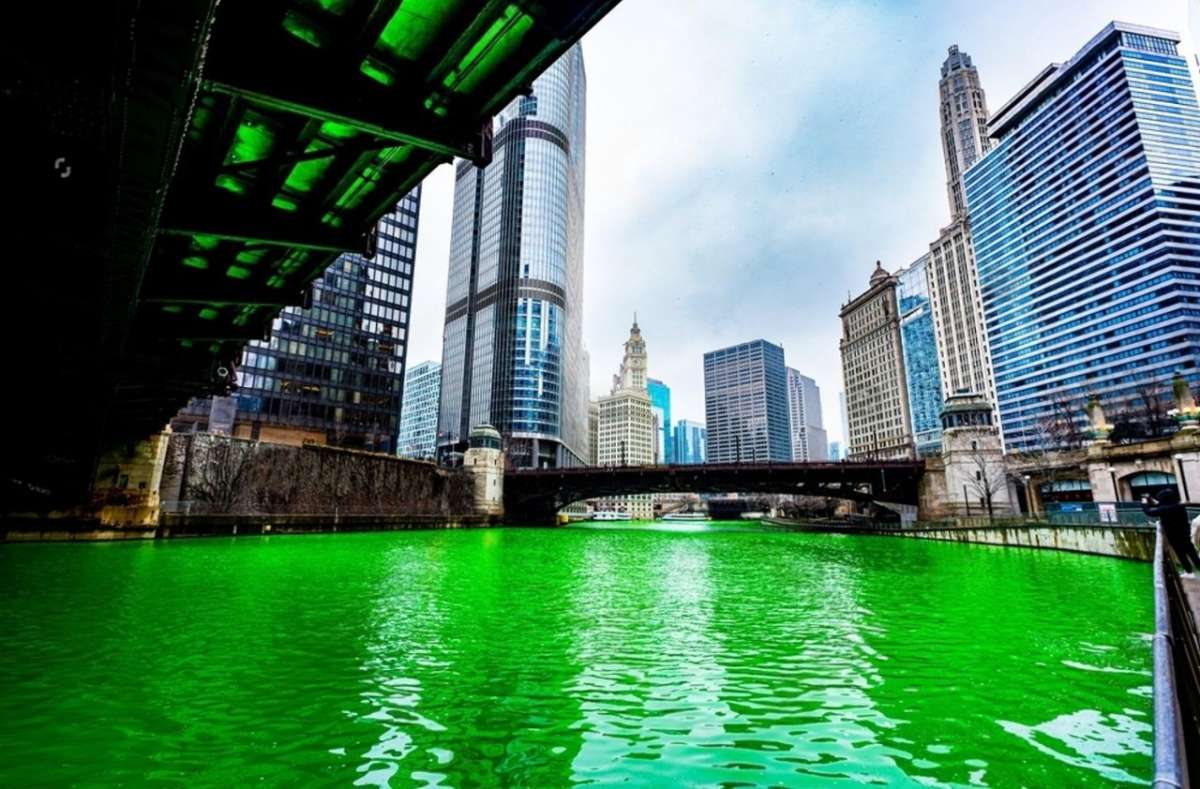
1. The Secret Science Behind the St. Patrick’s Day River Dye
Every March, the world watches as the Chicago River sheds its murky complexion for a shimmering, emerald green. While millions line the banks to witness the spectacle, the true hidden gem is understanding the fascinating history and precise science behind it. This isn't some century-old ritual; it was born in 1962 out of pure, blue-collar ingenuity. Local plumbers, using a dye to trace leaks, noticed it turned the water a brilliant green. An idea sparked, and today, that 'well-oiled machine' is a cherished tradition, still run by the Journeymen Plumbers Local Union 130.
Here’s the insider secret that makes it all happen: the substance is a vegetable-based, eco-friendly orange powder. The magic is in the chemistry. On the Saturday before St. Patrick's Day (the Saturday before St. Patrick's Day), a lead boat dumps 40 to 60 pounds of this powder, which streaks the surface in a vibrant orange. A smaller chase boat then zips behind, churning the water to catalyze the reaction, transforming the entire river into a shocking shade of green. The color is fleeting, lasting only about five to six hours, making the viewing a truly special, time-sensitive event.
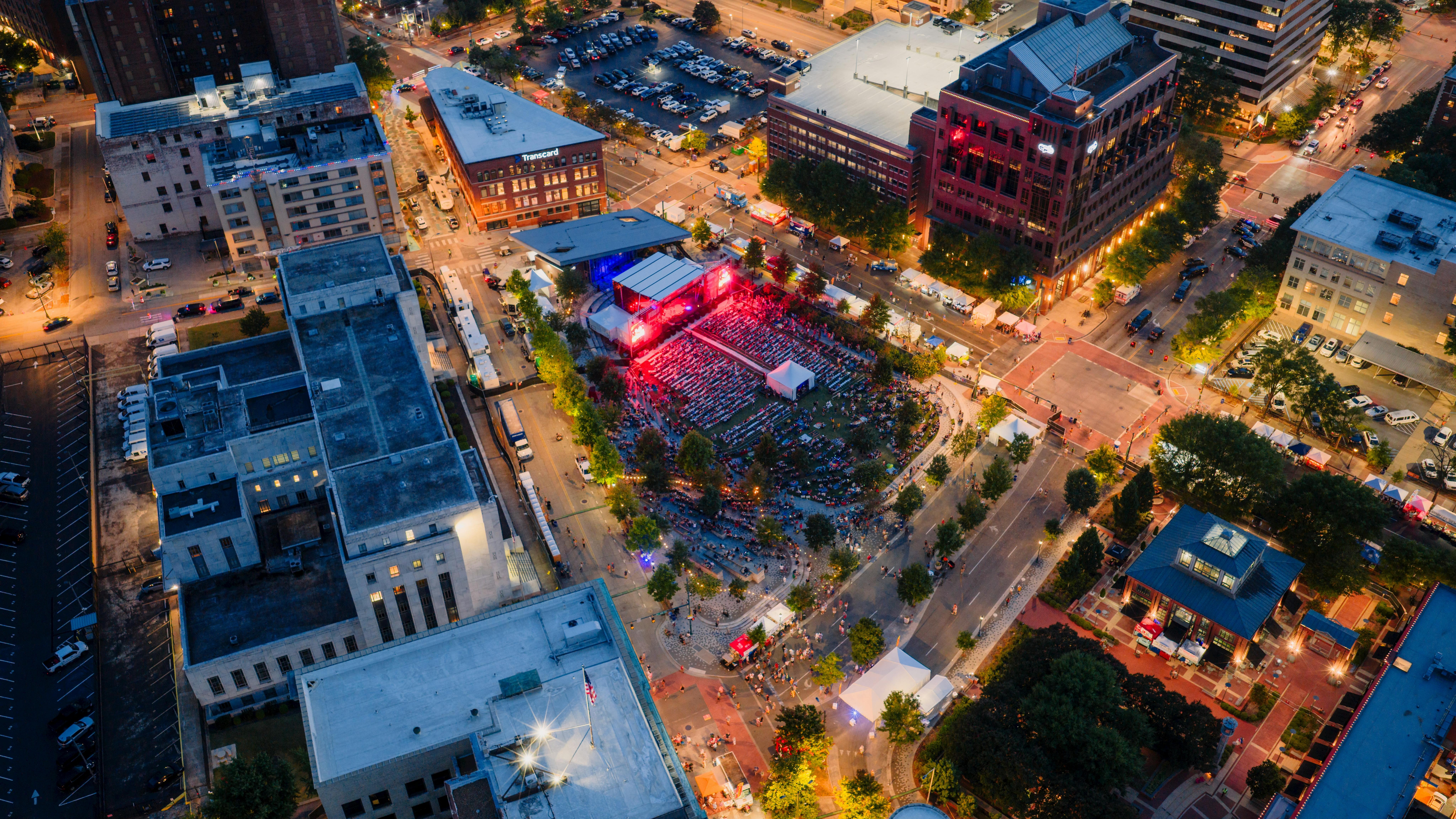
How to Experience It Like a Local:
Time It Perfectly: The dyeing starts promptly at 10:00 AM. The most iconic viewing spots are the east side of the Michigan Avenue bridge or the west side of the Columbus Drive bridge. Get there by 9:00 AM to claim your space.
Get a Higher Perspective: For a less chaotic but equally stunning view, find a spot on an upper floor of a building overlooking the river. The contrast of the green water against the city’s iconic architecture is a photographer’s dream.
Follow the Action: The boats begin their work at Columbus Drive and head west toward the Wrigley Building. Position yourself near the start to witness the transformation from the very first moment.
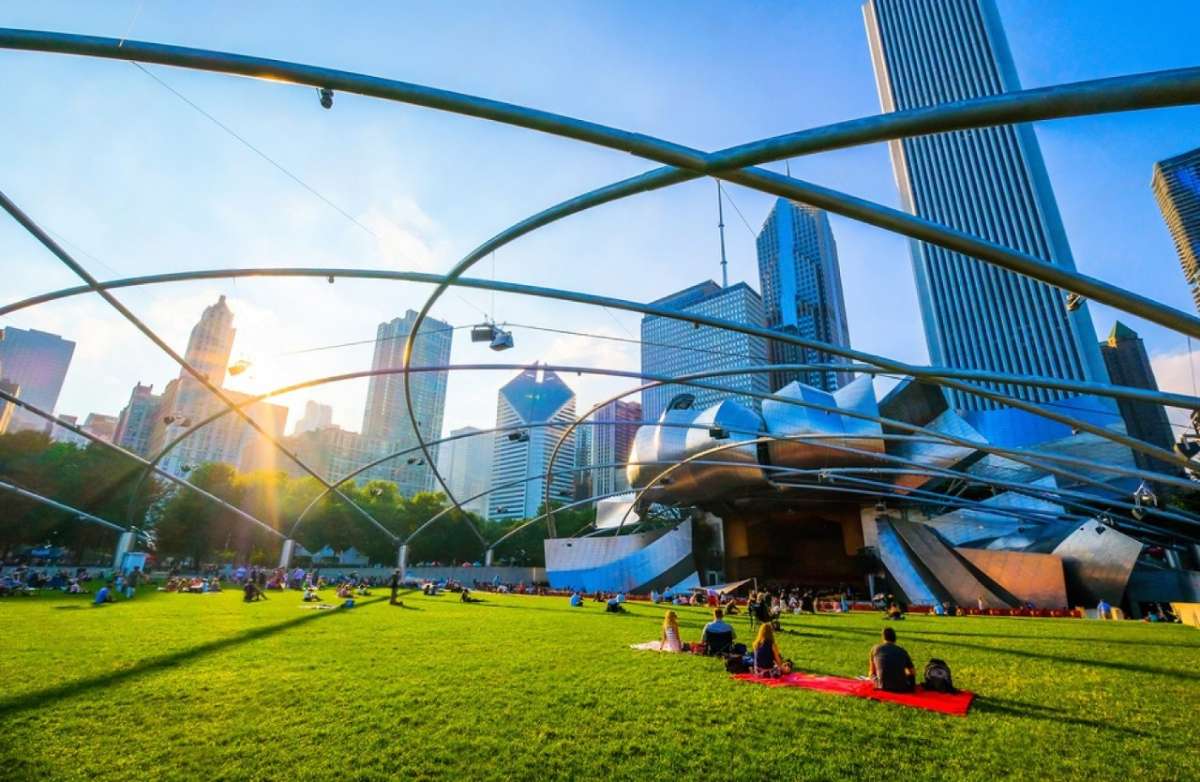
2. Beyond the Headliners: A Pro’s Guide to Lollapalooza
Lollapalooza is a global music behemoth, drawing hundreds of thousands to Grant Park for a four-day sonic feast. Set for July 31 - the final day of the festival, the festival is a marathon of music. While the 2026 lineup is stacked with global megastars—think Olivia Rodrigo, Tyler the Creator, Sabrina Carpenter, Rüfüs du Sol, and even legends like Korn—the real hidden gem isn’t a secret band; it’s the art of navigating the festival with the calm confidence of a seasoned pro.
The average festival-goer shows up late, gets lost between stages, wilts from dehydration, and misses half the acts on their list. The pro, however, treats it like a strategic mission. The key is leveraging the tools at your disposal.

Your Pro-Level Survival Guide:
The App is Your Bible: The official Lollapalooza app is your single most important tool. Before you leave your hotel, download it, study the map, and build your custom schedule. It’s your source for real-time updates, surprise guest alerts, and life-saving emergency notifications.
Hydration is a Religion: Chicago in August is no joke. Lollapalooza provides free water stations throughout the park. The pro move is to bring your own empty hydration pack and make refilling it a constant ritual. Dehydration is the number one fun-killer.
Explore the Undercard: While the masses swarm the main stages, some of the most electric and memorable performances unfold on the smaller, more intimate side stages. Use your app to explore genres outside your usual rotation. This is where you’ll discover your next favorite artist before they blow up.
Master Your Exit Strategy: The festival wraps around 10 PM daily, and the ensuing stampede for the CTA trains is legendary. Either duck out 15 minutes before the final encore to beat the surge or linger in the park for a half-hour after the music stops to let the human tide recede.
Pro-Tip: Pack a poncho. Even if the forecast is clear, a sudden summer shower can roll in off Lake Michigan. A cheap poncho takes up no space and can be the difference between a minor inconvenience and a soggy, miserable evening.
3. The Authentic German Soul of Christkindlmarket
When winter’s chill settles over Chicago, Daley Plaza transforms into a magical, open-air European village. The Christkindlmarket is a beloved holiday tradition, but too many visitors treat it as a mere photo op. The hidden gem is immersing yourself in its authentic German heritage, a tradition modeled directly after the 16th-century Christkindlesmarkt in Nuremberg, Germany.
This isn’t just a holiday-themed market; it’s a slice of living history. The wooden stalls, the traditional food, and the artisan crafts are all part of a rich cultural mix.
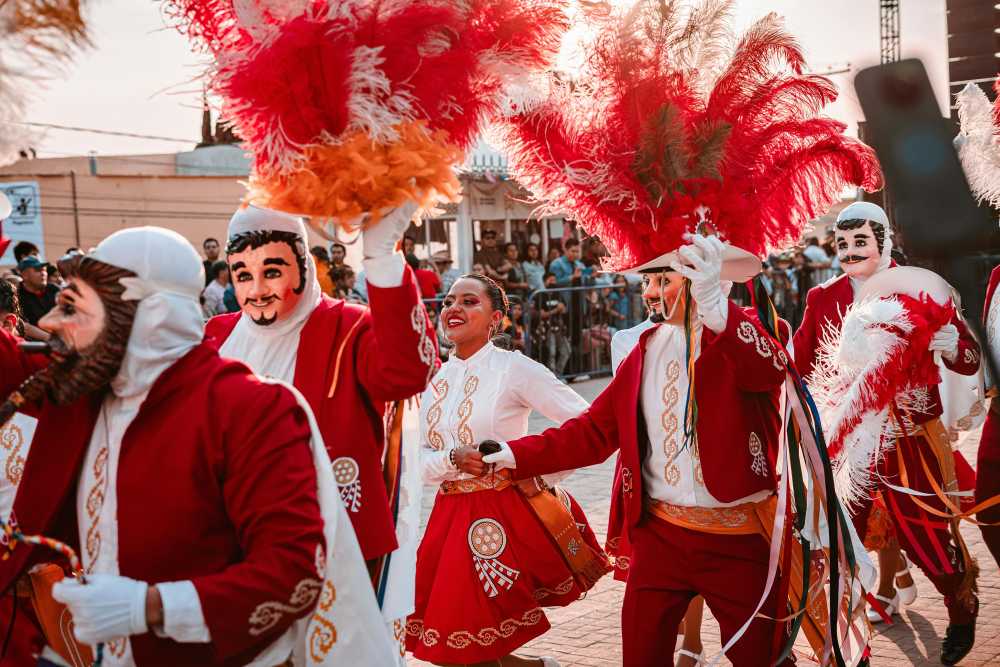
How to Find the Authenticity:
Drink from the Boot: Skip the standard hot chocolate and go straight for the Glühwein, a traditional hot spiced wine served in a collectible boot-shaped mug. It’s the official taste of the market. For a non-alcoholic version, the Kinderglühwein is just as festive.
Eat Beyond the Pretzel: The giant pretzels are tempting, but your mission is to find more traditional fare. Seek out vendors selling sizzling Bratwurst, savory Leberkäse (a German meatloaf), tangy Sauerkraut, and crispy Kartoffelpuffer (potato pancakes).
Shop for Heirlooms, Not Souvenirs: Many vendors fly in directly from Germany and Austria. Look for hand-blown glass ornaments, complex wooden nutcrackers, and authentic cuckoo clocks. These are artisanal heirlooms. Ask the vendors about their craft—their stories are part of the purchase.
Pro-Tip: Visit the Christkindlmarket on a weekday afternoon. The crowds are significantly thinner, giving you the space to browse the stalls, chat with the artisans, and soak in the atmosphere without feeling rushed.
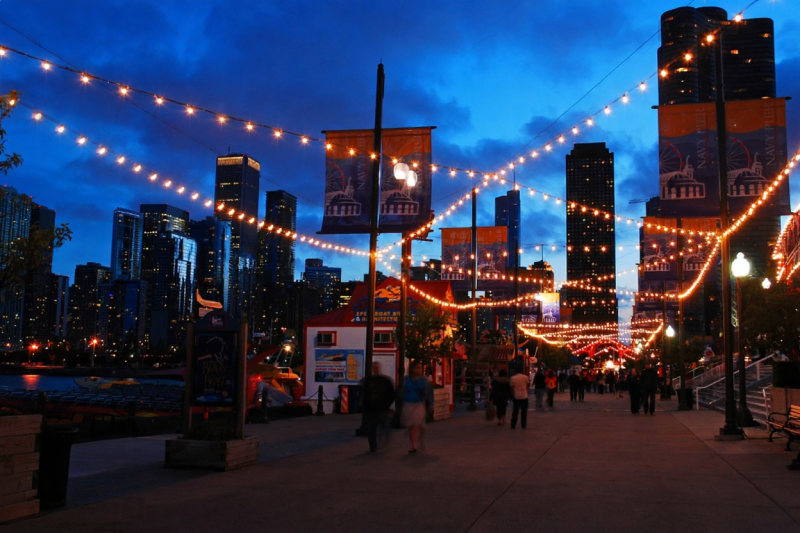
4. Rooftop Revelry: The Local’s View of July 4th Fireworks
On Independence Day, a massive human tide flows toward Navy Pier for its spectacular fireworks display. Fighting for a patch of concrete on the pier itself is a stressful, hours-long commitment. The true hidden gem, and the preferred method for savvy Chicagoans, is to watch the show from above. The city’s skyline is brimming with rooftop bars that offer a far more civilized and breathtaking vantage point.
Watching the fireworks explode over Lake Michigan with the glittering city as your backdrop is an experience the crowds on the ground simply can’t replicate. You trade the crush of humanity for a comfortable chair, a craft cocktail, and an unparalleled view.
How to Secure Your Spot in the Sky:
Book Yesterday: Rooftop bars with a view of Navy Pier are the hottest tickets in town on July 4th. Many require reservations or sell tickets for viewing parties weeks, if not months, in advance. Start your search in May, not July.
Expand Your Radius: While rooftops in Streeterville are closest, consider bars in Lincoln Park or the South Loop. They offer a slightly more distant but equally stunning panoramic view, often with a more relaxed vibe.
The Ultimate Private Party: If you’re visiting, booking a hotel room with a direct lake view can be your own private skybox for the show.
Just as capturing the perfect firework photo requires the right angle, so does capturing the essence of any great city. For travelers whose journey continues east, our Best NYC Photo Spots Map offers similar insider secrets for iconic shots.
5. Neighborhood Suds: Exploring Chicago’s Hyper-Local Beer Festivals
Chicago boasts a world-class craft beer scene, and the city hosts numerous beer festivals year-round. While the larger events are fun, the hidden gem is found in the smaller, neighborhood-focused fests that celebrate local breweries. These offer a more intimate and authentic taste of Chicago’s brewing culture.
Instead of a massive, impersonal convention hall, these fests feel like a community block party. You’ll chat with the brewers themselves, learn about their passion projects, and sample unique, experimental batches you won’t find anywhere else. They often feature local food trucks and bands, creating a holistic celebration of neighborhood pride.
How to Find the Best Local Brews:
Follow the Source: The best way to discover these smaller festivals is to follow your favorite Chicago breweries on social media. They’ll always promote the local events they’re pouring at.
Explore Malt Row: Keep an eye on neighborhood associations in areas like Ravenswood (home to the famous "Malt Row"), Logan Square, and the West Loop, as they often host their own craft beer showcases.
Seek a Theme: Go beyond the generic "beer fest" and look for events with a specific focus, like a Stout Fest in the winter or a Fresh Hop Festival in the fall, to taste the best of the season.
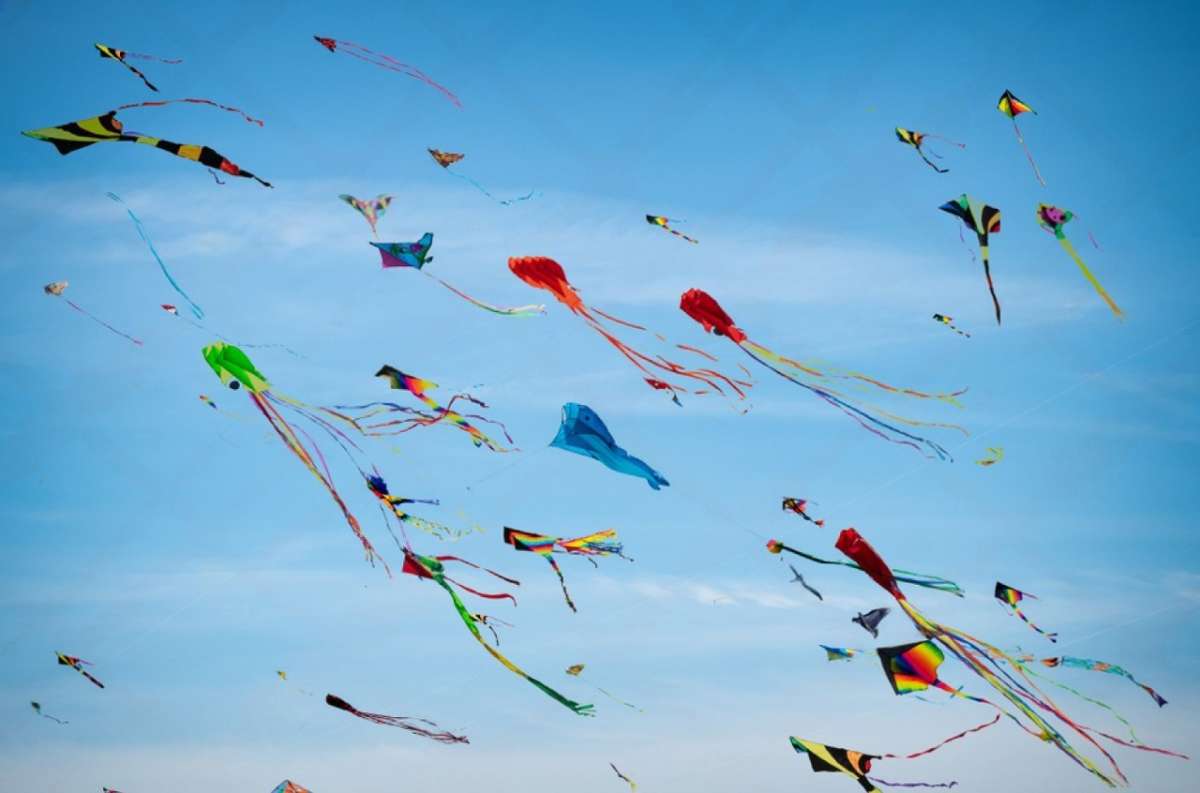
6. The Community Heartbeat of a Cinco de Mayo Parade
Across the U.S., Cinco de Mayo is often misunderstood and reduced to a marketing gimmick. The hidden gem of Chicago’s celebration is found in the vibrant, culturally rich parade in the Little Village neighborhood. Here, the holiday is observed as it was intended: a powerful celebration of Mexican-American heritage and a commemoration of the Mexican Army's unlikely victory at the Battle of Puebla in 1862.
The Little Village parade is a dazzling display of community pride. You’ll see folkloric dancers in brilliant traditional dress, hear the powerful sounds of mariachi bands, and watch as floats decorated by local families and businesses roll by. It’s a deeply authentic experience that showcases the soul of Chicago’s Mexican-American community.
How to Experience It Respectfully:
Go to 26th Street: The main parade route is along 26th Street in the heart of Little Village. Arrive early to find a good spot and soak in the infectious, family-friendly atmosphere.
Support Local: After the parade, explore the neighborhood. Grab a fantastic meal at a family-owned restaurant or browse the local shops. This is the best way to thank the community that puts on this incredible event.
Listen to the Story: The parade often includes speakers who discuss the holiday's historical significance. Take a moment to listen and gain a deeper appreciation for the culture you’re celebrating.
7. A Day of Service: The True Meaning of MLK Day in Chicago
Martin Luther King Jr. Day is a federal holiday, but in Chicago, it holds a profound significance. The city was instrumental in the civil rights movement, and a 1973 state bill championed by Harold Washington helped pave the way for the national holiday. The hidden gem of this day is to move beyond passive observance and engage with its intended spirit: community action. In 1994, it was designated a National Day of Service, a "day on, not a day off."
Thousands of Chicagoans honor Dr. King’s legacy by participating in volunteer projects, marches, and educational events.

How to Participate:
Find a Service Project: Organizations across the city host volunteer events, from packing meals at the Greater Chicago Food Depository to neighborhood clean-ups.
Visit the DuSable: The DuSable Museum of African American History hosts special exhibitions, speeches, and family activities that provide powerful context on the civil rights movement.
Join the Conversation: Attend a community-led march or rally. These events are not just commemorative; they are active continuations of the push for social justice and equality.
8. The Pre-Parade Rituals of St. Patrick’s Day
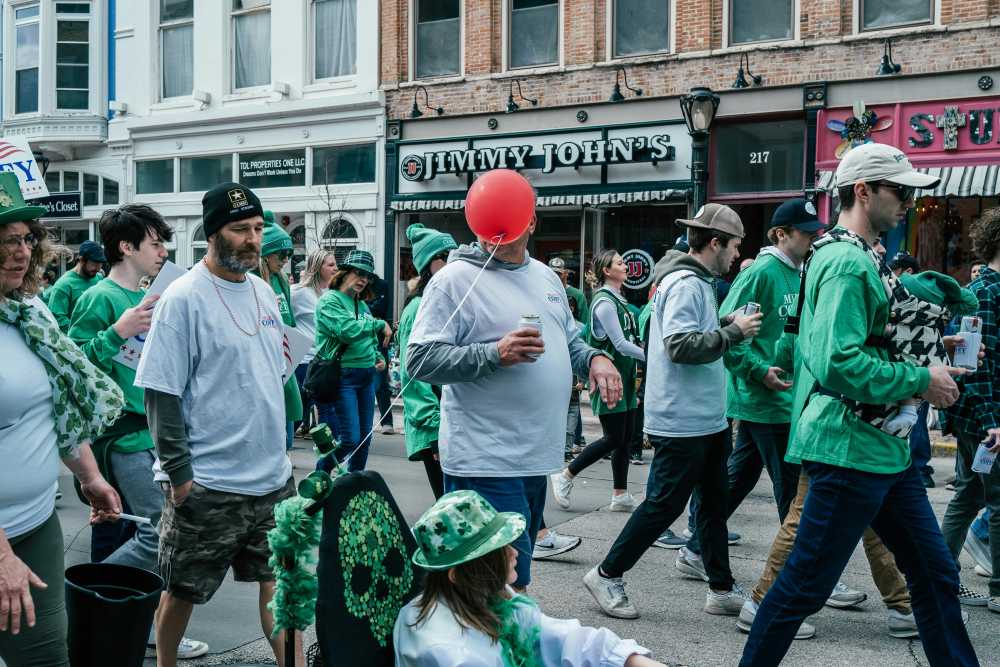
We’ve covered the river, but the St. Patrick’s Day parade that follows is an institution dating back to 1843. Kicking off at 12:15 PM, it marches down Columbus Drive through Grant Park. The hidden gem here isn’t the parade itself, but the electric, city-wide buzz and local rituals in the hours leading up to it.
For many Chicagoans, the day starts early. The energy in the Loop is palpable as a river of green-clad people converges downtown.
How to Capture the Pre-Parade Vibe:
Start at the Start: The parade begins at Columbus and Balbo Drive. Position yourself near the starting line to see the performers—from the solemn bagpipe bands to the energetic Irish dancers—when their excitement is at its absolute peak.
Follow the Music: Long before the parade steps off, you’ll hear the haunting sound of bagpipes warming up. Follow the sound to find different pipe and drum corps practicing in nearby parks, offering an impromptu, intimate performance.
Witness a Family Tradition: The parade is a multi-generational affair for thousands. Take a moment to notice the families gathered together, sharing a piece of their heritage. It’s a heartwarming display of community that is the true soul of the celebration.
Your Adventure into Authentic Chicago Awaits
Chicago’s festival scene is a rich mix woven with threads far more complex than its famous headliners. The city’s true spirit lives in the details: the science behind a green river, the taste of a German pastry in a bustling market, the pride in a neighborhood parade, and the quiet awe of watching fireworks from a rooftop high above the fray. By seeking out these hidden gems, you transform from a tourist into an active participant in the city’s vibrant culture. This is how you truly experience the best festivals in Chicago.

Now that you have the insider’s playbook, you’re ready to plan a trip that goes deeper. To build out the rest of your itinerary with expert advice on where to stay, what to eat, and what to see, our comprehensive Travel Guide is packed with everything you need to explore Chicago and beyond like a pro.
Meta Data Suggestions:
SEO Meta Title: Chicago Festivals: 8 Hidden Gems You Can't Miss
URL Slug: /chicago-festivals-hidden-gems
SEO Meta Description: Skip the crowds and discover the real Chicago. Our guide reveals 8 hidden gems and insider secrets for experiencing the best festivals in Chicago like a local.
Don't Miss Out! Subscribe for Exclusive Content
SubscribeComments 0
No comments yet
Be the first to share your experience!
Dont Miss Out! Subscribe for Exclusive Content
San Francisco Cherry Blossoms: A Local's Guide to the Blooms
Halloween SF: Haunts Without Horrors
SF Festivals: 7 Must-See Lineups
Christmas SF: Lights & Wharf Wonders
SF Pride: 6 Route & Party Hacks