
Decoding Affiliate Commission Rates: Benchmarks for Travel Creators

TrekGuider @trekguider
You’re a travel creator, and you’ve entered the world of affiliate marketing to turn your passion into a profession. But you’ve quickly run into a frustrating black box: the commission structure. You see a dizzying array of percentages, acronyms like CPA and EPC, and vague promises of earnings. You’re left wondering what good affiliate commission rates even look like. Are you earning your worth, or are you leaving a significant amount of money on the table?
This confusion isn't just academic; it's a direct threat to your bottom line. The reported average monthly income for affiliates in the travel niche is an impressive $13,847, a figure that proves this is a serious enterprise. But you can't build a sustainable business on guesswork. Partnering with a program offering a flashy 40% commission—only to discover it’s 40% of their tiny margin—is a rookie mistake that costs real money. This lack of clarity makes it impossible to forecast your income, negotiate better terms, or build a truly predictable business. You feel like you’re flying blind.
This guide is your decoder ring. We are pulling back the curtain to give you a comprehensive breakdown of how affiliate commissions actually work. We will deconstruct every major commission model, provide clear, data-backed industry benchmarks, and teach you how to analyze these rates like a seasoned professional. By the end of this deep dive, you will be able to spot high-value opportunities and architect a monetization strategy that truly rewards your influence. For a complete overview of the affiliate landscape, our definitive pillar page, Travel Affiliate Programs: The 2026 Ultimate Guide, is your essential command center.

The Anatomy of a Commission: Deconstructing the Core Models
Let's cut through the jargon. An affiliate commission is simply a reward for a job well done. A company—the merchant—pays you for successfully driving a specific, valuable action, which in the travel world almost always means a completed booking or sale.
But the way that reward is calculated can vary dramatically. Understanding the underlying structure of different affiliate commission rates is the first step toward becoming a high-earning creator.
1. Cost Per Sale (CPS) or Pay Per Sale (PPS): The Industry Workhorse
You'll encounter this model most often—it's the industry's workhorse for a reason. It’s simple and transparent: when a reader clicks your affiliate link and completes a purchase, you earn a percentage of the total sale value. If you recommend a $500 hotel stay and the program offers a 6% CPS commission, you earn $30. This model directly ties your earnings to the revenue you generate, making it the gold standard for most travel bookings and gear sales.
2. Cost Per Action (CPA): Rewarding a Specific Step
CPA is a broader model where you’re compensated for a specific action a user takes. While that action is often a sale (making it identical to CPS), it can also be something else. For example, a travel credit card company might pay you a CPA commission for every user who completes an application, regardless of whether they are approved.
3. Cost Per Lead (CPL): Paying for High-Value Inquiries
With a CPL model, you earn a fixed fee for each qualified lead you generate. This is common in high-ticket travel sectors where the sales cycle is long. A luxury tour operator, for instance, might pay you $50 for every user who fills out a detailed inquiry form for a bespoke African safari. You get paid for delivering a potential customer; their sales team takes it from there.
4. Tiered & Multi-Tier Structures: Incentivizing Growth
This is where commission models get more sophisticated and rewarding.
Tiered Structures: Rewarding Your Growth These are designed to reward high-performing affiliates. Your commission rate increases as you drive more sales. A program might offer a base rate of 6%, which jumps to 8% after you generate $5,000 in sales in a month, and 10% after $10,000.
Multi-Tier Structures: Building a Network These allow you to earn commissions not only on your own sales but also on the sales generated by other affiliates you recruit into the program. This effectively turns you into a partner who helps grow the program itself, creating a secondary, more passive income stream.
5. Cost Per Click (CPC): The Rare Exception
In this model, you are paid a small fee for every click your affiliate link receives, regardless of a sale. Due to its high vulnerability to fraud, the CPC model is now extremely rare in modern affiliate marketing and almost never seen in the travel space.

Industry Benchmarks: What Good Affiliate Commission Rates Look Like
So, what should you actually expect to earn? While rates vary, the travel industry has established clear benchmarks across its major categories. Here’s your cheat sheet.
Hotels & Accommodations: 2% - 7% of Booking Value This is the bread and butter for many creators, but the details are everything. A program like Expedia Group offers up to 6% of the total booking value with a 7-day cookie. In contrast, Booking.com advertises a much higher "25-40%", but this is a percentage of their commission, not the customer's total payment. This opaque structure often results in a much lower effective rate, closer to 2-4% of the final booking value.
Tours, Activities & Experiences: 6% - 8%+ This is a high-margin category with strong potential. Market leaders like Viator and GetYourGuide set the standard with base commissions of 7-8%. Adventure-focused operators like G Adventures offer 6%, which is incredibly powerful when applied to their high-ticket tours that can cost thousands of dollars.
Travel Insurance: 10% or More Insurance is a consistently high-paying vertical. Top programs like SafetyWing and World Nomads both offer a standard 10% commission. SafetyWing takes this a step further with a recurring model, meaning you continue to earn 10% every time your referred customer renews their policy.
Gear & Apparel: 3% - 8% For physical products, rates depend heavily on the retailer. Amazon Associates is the baseline, offering 3-4% for most travel categories. However, partnering with specialty retailers is far more lucrative. A brand like REI, for example, offers a 5-8% commission on high-quality (and often high-priced) outdoor gear.
Pro-Tip: Don't be blinded by the highest percentage. A 6% commission on a $3,000 G Adventures tour is $180. An 8% commission on a $50 city walking tour is $4. Always consider the average order value of the products you are promoting when evaluating affiliate commission rates.

The Metrics That Matter More Than the Rate Itself
An experienced affiliate marketer knows the commission rate is just a starting point. To truly understand a program's profitability, you need to analyze the metrics that measure real-world performance.
Earnings Per Click (EPC): Your True North This is arguably the single most important metric. It’s calculated by dividing your total commission earnings by the total number of clicks you sent. If you sent 100 clicks and earned $50, your EPC is $0.50. This number tells you the average value of every single click. A program with a lower commission but a higher EPC is often the more profitable partner for your specific audience.
Conversion Rate (CR): The Sign of a Healthy Partner This is the percentage of users who take the desired action after clicking your link. A high conversion rate is a sign of a trusted brand with a well-optimized checkout process. A program with a 10% commission that converts at 1% is less profitable than a program with a 5% commission that converts at 5%.
Cookie Duration: The Travel Creator's Safety Net This is critical in the travel space. A longer cookie duration (30, 60, or 90 days) gives your audience the time they need to research a high-consideration purchase while ensuring you still get credit. A short cookie window is a major red flag and a sign that the program may not be structured in your favor.
Pro-Tip: Dive into your affiliate dashboards. Most networks like CJ Affiliate and Travelpayouts provide detailed reports on your EPC and conversion rates for each program. Use this data to identify your true top performers—the results will often surprise you.

The Travel Creator's Toolkit
Feeling overwhelmed by the data? You don't have to be. To help you organize your strategy and implement everything you've learned, we've created the ultimate resource bundle. It includes checklists, templates, and tools designed to accelerate your journey from beginner to pro.
Download Your Free Bundle: The Travel Creator's Toolkit
The High-Margin Alternative: Referral & Revenue Share Models
While traditional commission models are powerful, the most forward-thinking creators are diversifying into referral and revenue-sharing programs. Instead of a one-time payment for a single sale, these models allow you to build long-term, passive income streams by becoming a true platform partner.
This is the philosophy behind the TrekGuider Seller Platform. We believe in empowering creators to build complex businesses. Our platform is designed for you to sell your own digital products—like itineraries and guides—but our referral program adds another powerful layer to your income strategy.
Instead of a simple CPS commission, our model functions like a sophisticated multi-tier system. When you refer other creators to become sellers on TrekGuider, you earn an ongoing share of the revenue they generate, with tiered commissions that start at 4% for referred sellers. You’re not just earning from a single transaction; you’re building a network and earning from its collective success. It's a strategic way to move beyond chasing individual sales and start building a more resilient, high-margin business.
Frequently Asked Questions (FAQ)
1. Is a higher commission rate always better? Not at all. A high commission rate can be misleading if the program has a low conversion rate, a short cookie duration, or a low average order value. Always look at your Earnings Per Click (EPC) to determine the true profitability of a program for your audience.
2. How can I find the EPC for an affiliate program? Most reputable affiliate networks (like CJ Affiliate, ShareASale, or Travelpayouts) provide EPC data. It's often listed as a network-wide average for each merchant, which gives you a good baseline. Once you start sending traffic, you can track your own personal EPC in your performance reports.
3. Can I negotiate my affiliate commission rates? Yes, absolutely. Once you become a proven partner and consistently drive a significant volume of high-quality sales, you have leverage. Many brands are willing to negotiate a higher, private commission rate for their top-performing affiliates. Always track your performance and don't be afraid to ask.

From Confusion to Command
You are no longer in the dark. The world of affiliate commission rates is no longer a confusing black box. You now have the knowledge to deconstruct any program's payment structure, the industry benchmarks to know your worth, and the key metrics to identify what truly drives profit.
This knowledge is power. It empowers you to audit your existing partnerships, confidently seek out new ones, and even negotiate better terms. By focusing on programs with fair commissions, long cookie durations, and high conversion rates, you can ensure your hard work is properly rewarded. Building a profitable travel content business requires a strategic approach, and a deep understanding of affiliate commission rates is a non-negotiable part of that strategy.
Read the full guide: The Travel Blogger's Playbook to Affiliate Marketing Mastery
Don't Miss Out! Subscribe for Exclusive Content
Subscribe



Comments 0
No comments yet
Be the first to share your experience!
Dont Miss Out! Subscribe for Exclusive Content

Ultimate USA Holidays Guide: Top Picks


FTC Affiliate Disclosure Essentials: Stay Compliant as a Travel Creator

Essential Affiliate Tools: From Tracking to Full Optimization

Avoid These 5 Affiliate Landing Page Mistakes for Better Conversions

Affiliate Keyword Research Mastery for Travel Blogs

Booking.com Affiliate Program Review: Pros, Cons, and Earnings Potential
Independence Day Miami: Fireworks Fun
TrekGuider @trekguider
You’re picturing it already: a spectacular fireworks display exploding over the water, the warm Atlantic breeze carrying the sounds of celebration, and the electric energy of a city alive with patriotic fervor. That’s the dream of a Miami Fourth of July. But then, the logistical nightmare creeps in. Where are the truly great spots? How do you possibly escape the legendary crowds? Will you spend the best part of your holiday stuck in traffic, only to end up with a view of a palm tree and someone else’s smartphone screen?
The anxiety is palpable. You can almost feel the frustration of a poorly planned evening—circling endlessly for a parking spot that doesn’t exist, fighting through a sea of people for a tiny patch of grass, or arriving at that "secret spot" you read about online only to find it’s the most crowded place in the city. The vision of a perfect, stress-free celebration of American independence starts to fade, replaced by the grim reality of logistical chaos.
This is where your plan changes. Consider this guide your all-access pass to an unforgettable Independence Day Miami experience. We’re not just going to list the best places to watch the fireworks; we’re giving you the insider strategies to outsmart the crowds, navigate the city like a pro, and discover unique viewing alternatives that will elevate your celebration from good to truly epic. It’s time to leave the stress behind and fully embrace the fireworks, the fun, and the unmistakable tropical flair of a Miami Fourth of July.
Why Miami is the Ultimate July 4th Destination
Let's be clear: plenty of cities put on a good fireworks show. But Miami doesn't just celebrate the Fourth of July; it transforms it. Here, patriotic pride is supercharged with a signature blend of cosmopolitan energy and breathtaking coastal beauty. This isn't about a simple barbecue in the park; it's a full-sensory immersion where dazzling pyrotechnics meet the shimmering waters of Biscayne Bay, all set to the city's vibrant, rhythmic soundtrack. It’s this unique fusion of national tradition and tropical paradise that makes Miami a top-tier holiday destination, a theme you'll see woven through the city's calendar in our definitive guide to Miami Holidays: 8 Beach Fest Vibes.
On Friday, July 4, 2026 (and Saturday, July 4, 2026), the city’s atmosphere becomes absolutely electric. While not on the scale of a mega-festival like Art Basel, which can inject over $500 million into the local economy, the city-wide celebration for Independence Day draws massive crowds and represents a significant cultural and economic peak in the summer calendar. Families, friends, and travelers from across the globe converge on the coastline, their faces turned skyward in shared anticipation. The air hangs heavy with the scent of salt and festive street food, while live music drifts from stages set up in waterfront parks. It’s a celebration that honors American history while wholeheartedly embracing the diverse, forward-looking culture that defines modern Miami.
The Main Event: Bayfront Park's Epic Fireworks Display for Independence Day Miami
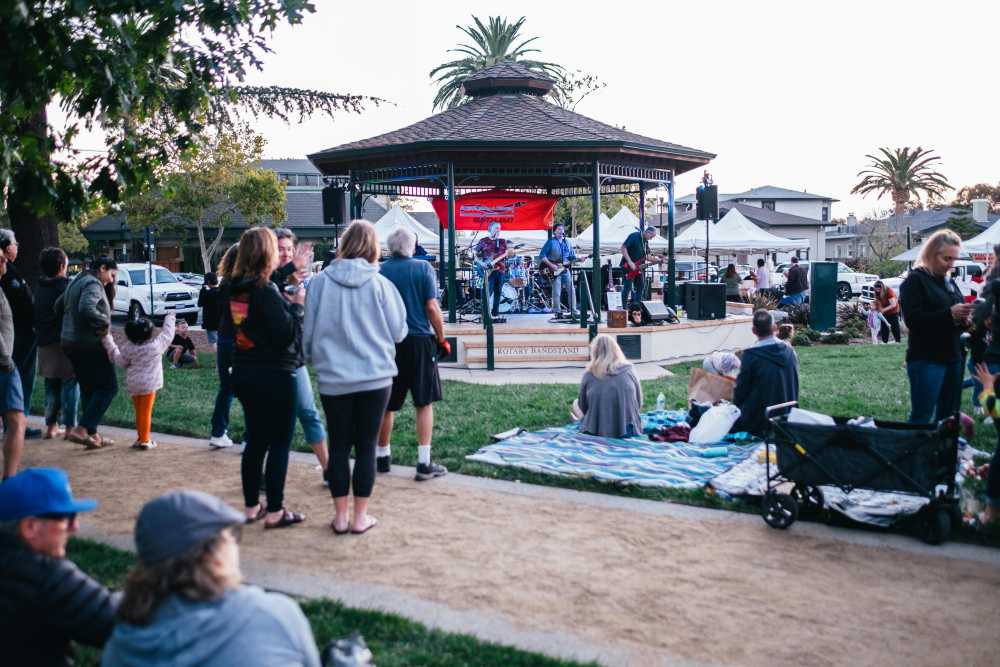
At the very heart of Miami's Fourth of July celebration is the massive, free festival at Bayfront Park. This iconic urban oasis, nestled on the edge of Biscayne Bay in Downtown Miami, transforms into the city's patriotic epicenter, hosting one of South Florida's largest and most spectacular fireworks displays. The event is a quintessential Miami experience, kicking off with a day-long festival that leads to a breathtaking pyrotechnic show launched from a barge in the bay. The reflection of the cascading colors on the water’s surface doubles the spectacle, creating a mesmerizing, all-encompassing show that lights up the entire downtown skyline.
The atmosphere is vibrant and family-friendly. You'll find a dedicated kids' zone buzzing with activity, dozens of food vendors serving everything from classic American hot dogs to savory Latin-inspired dishes, and live musical performances that keep the energy pulsing throughout the day. As dusk begins to fall, thousands find their spots on the sprawling lawns and along the water's edge, settling in for the grand finale.

Your Bayfront Park Game Plan: A Step-by-Step Guide
To conquer the Bayfront Park experience and sidestep the common frustrations, a smart strategy is non-negotiable. Follow this guide to navigate the day like a seasoned local.
Know the Schedule: Independence Day is Friday, July 4, 2026. The fireworks are the main attraction after dark (usually kicking off around 9 PM), but the park festivities often start in the early afternoon. A week or two before the event, check the official Bayfront Park Management Trust website for the finalized schedule, including concert set times and kids' zone hours.
Arrive Strategically Early: This cannot be overstated. Bayfront Park is ground zero for the celebration, and it fills up incredibly fast. To secure a prime spot with an unobstructed view of the bay, you need to arrive by mid-afternoon at the latest. The best real estate is on the grassy expanses closest to the water. Arriving early lets you claim your territory, relax, and soak in the atmosphere without the frantic, last-minute scramble.
Pack for a Marathon, Not a Sprint: Treat the day like an urban expedition. Your pack list should prioritize comfort and convenience. Bring blankets or low-slung lawn chairs for seating. Pack more water than you think you'll need to combat the Miami heat, along with high-SPF sunscreen, hats, and sunglasses. While the food vendors are tempting, having your own snacks and drinks can save you from long lines and high prices.
Master Public Transportation: Driving and parking in Downtown Miami on July 4th is a recipe for frustration. The smartest, most stress-free way to reach Bayfront Park is via Miami's public transit. The Metromover, a free automated train, has a stop directly at Bayfront Park, making it the undisputed champion of convenience. Alternatively, take the Metrorail to the Government Center station and catch the Metromover's Inner Loop to the park.
Pro-Tip: Event security rules can change year to year. While coolers are generally permitted, always check the official Bayfront Park event page a few days beforehand for the latest restrictions on items like glass bottles, large umbrellas, personal tents, or drones to avoid any issues at the entrance.
Beyond the Park: Unique Ways to Experience the Independence Day Miami Fireworks
While Bayfront Park delivers the classic community celebration, it’s far from your only option. For those looking to dodge the biggest crowds or craft a more exclusive memory, Miami’s unique geography serves up some incredible alternatives.

The Ultimate Miami Hack: Watch from the Water
Hands down, the most spectacular and quintessentially Miami way to see the Fourth of July fireworks is from a boat on Biscayne Bay. This vantage point offers an unparalleled, 360-degree view of the show, far removed from the throngs on land. As the pyrotechnics burst overhead, you’ll be surrounded by their brilliant reflections on the water, creating a truly immersive and unforgettable experience.
Here’s how to make it happen:
Charter a Private Boat: For the ultimate splurge, chartering a private boat with a captain for your group is an incredibly luxurious and intimate way to celebrate. You can curate your own playlist, bring your favorite food and drinks, and design your perfect evening on the water.
Book a Group Fireworks Cruise: A more accessible option is to join one of the special July 4th cruises offered by local tour companies. These often include music, drinks, and appetizers, providing the full on-the-water experience at a fraction of the cost of a private charter. Book well in advance!
Rent a Kayak or Paddleboard: For the adventurous at heart, renting a kayak or paddleboard offers a front-row seat like no other. Launch from a nearby spot like Virginia Key and paddle out into the bay for a serene yet exhilarating viewing experience, feeling the boom of the fireworks reverberate through the water.
Rooftop Bars with a View
Elevate your celebration—literally. The glittering skylines of Downtown and Brickell are home to a growing number of chic rooftop bars that boast stunning panoramic views of Biscayne Bay. Many of these venues host exclusive Fourth of July parties, complete with top-tier DJs, craft cocktails, and gourmet bites. While this option requires a ticket, it guarantees a comfortable, crowd-controlled environment with a sophisticated vibe. Ensure you book tickets weeks in advance, as these events are always a hot commodity.
Finding Your Own Spot: Neighborhood Parks and Beaches
If a more laid-back, local atmosphere is your speed, several other spots around the bay offer excellent (though more distant) views. Consider laying a blanket down at a park on Key Biscayne or finding a spot along the Venetian Causeway. South Pointe Park in Miami Beach is another fantastic option, often providing views of multiple firework displays at once—Miami's, Miami Beach's, and Fisher Island's. These locations are generally less chaotic than Bayfront Park and are perfect for a more relaxed evening.

Planning Your Perfect Patriotic Road Trip
The Fourth of July weekend is the perfect launchpad for a grander Florida adventure. With Miami as your base, you can start an unforgettable road trip. Head south to the iconic Florida Keys for world-class snorkeling and laid-back island life, or venture west into the primeval beauty of Everglades National Park. The holiday provides the perfect excuse to extend your travels and discover more of the Sunshine State.
To ensure your journey is as carefully planned as your fireworks strategy, a solid checklist is essential. We recommend downloading our free National Park Road Trip Checklist. It’s packed with everything you need to remember, from vehicle safety checks and navigation tools to the perfect road-trip snack list.
Essential Tips for a Safe and Stress-Free July 4th in Miami
A fantastic holiday is a safe one. Keep these pro tips in mind to ensure your Independence Day Miami experience is memorable for all the right reasons.

Beating the Miami Heat
July in Miami is no joke. The heat and humidity are intense.
Hydrate Relentlessly: Drink water all day long. By the time you feel thirsty, you're already on your way to being dehydrated.
Sun Protection is Non-Negotiable: Apply a high-SPF, sweatproof sunscreen and reapply it every couple of hours. A wide-brimmed hat and polarized sunglasses are your best friends.
Dress for Success: Opt for lightweight, light-colored, breathable clothing.
Navigating Crowds and Traffic
Logistics are half the battle at any major city event.
Public Transit is King: We can't say it enough. The Metromover and Metrorail are the superior way to get to and from Downtown.
Rideshare Strategically: If you use Uber or Lyft, set your pickup and drop-off points several blocks away from Bayfront Park to avoid surge pricing and gridlock.
Reserve Parking: If you absolutely must drive, use an app like SpotHero to book a parking spot in a garage well in advance. It’s a game-changer.
Family Safety First
In a massive crowd, a safety plan is crucial.
Designate a Meeting Point: The moment you arrive, pick a clear, unmistakable landmark as your group's emergency meeting spot.
Leverage Technology: While cell service can be spotty, major events are increasingly using technology for safety. Be aware of any official event apps that may offer real-time alerts or safety reporting features, similar to what's used at other major Miami festivals.
Supervise Children Closely: In a bustling environment, it’s easy to get separated. Keep a constant eye on your kids. Writing your phone number on a wristband for them is a smart, low-tech backup.
Pro-Tip: Take a photo of your children the morning of the event. If you get separated, having a current picture showing exactly what they are wearing can be invaluable for security personnel.
Elevate Your Entire USA Adventure
Experiencing the magic of a national holiday in an iconic American city can ignite a deep desire to explore more. Understanding the history and local flavor behind events like the Fourth of July transforms you from a mere tourist into a genuine traveler, forging a deeper connection to the places you visit.
If you're inspired to discover more of America's greatest celebrations—from the spooky Voodoo haunts of New Orleans to the dazzling Christmas markets of Chicago—our comprehensive Travel Guide is your essential next step. It’s the ultimate resource for planning unforgettable journeys across the country, packed with the kind of insider knowledge and expert advice that helps you create truly meaningful travel memories.
Your Unforgettable Miami Fourth of July Awaits
You are now officially equipped with the ultimate playbook for a phenomenal Fourth of July in Miami. You know that Bayfront Park is the epicenter, but you also hold the keys to unlocking a more exclusive experience from the water or a glamorous rooftop. You have a concrete plan for navigating the day with confidence, staying safe, and soaking up every last drop of the city's unique patriotic-tropical vibe. With this guide, you are fully prepared for an incredible Independence Day Miami. You're no longer just another visitor hoping for a decent view; you are an expert planner, ready to celebrate America's birthday in unforgettable style.
What are your favorite Fourth of July traditions? Share your tips for celebrating in a big city in the comments below
Don't Miss Out! Subscribe for Exclusive Content
SubscribeComments 0
No comments yet
Be the first to share your experience!
Dont Miss Out! Subscribe for Exclusive Content

San Francisco Cherry Blossoms: A Local's Guide to the Blooms

Halloween SF: Haunts Without Horrors

SF Festivals: 7 Must-See Lineups

Christmas SF: Lights & Wharf Wonders

SF Pride: 6 Route & Party Hacks

Chinese New Year SF: Parade Essentials
Halloween NOLA: Voodoo Haunts Guide
TrekGuider @trekguider
Are you tired of the same predictable Halloween? The plastic skeletons, the generic haunted houses, and the soulless loop of monster-themed pop songs. You’re searching for an experience that’s genuinely unsettling, one steeped in real history and a palpable sense of the supernatural. You want a Halloween that feels less like a costume party and more like stepping through a veil into another world, and you've heard that New Orleans hosts some of the most legendary Halloween events USA has to offer.
The Crescent City promises exactly that, but navigating its intoxicating chaos can be a nightmare in itself. The French Quarter throngs with tourists, every corner has a barker selling a ghost tour, and the line between authentic tradition and cheap theatrics is dangerously blurred. How do you find the real Voodoo priestess and not a costumed actor? How do you walk the city’s most haunted streets safely? How do you experience the true, spine-chilling spirit of a New Orleans Halloween without getting lost in the tourist traps?
Consider this your sacred map. This guide cuts through the Bourbon Street noise to lead you directly to the soul of Halloween in New Orleans. We will explore the authentic Voodoo traditions that permeate the holiday, guide you through the macabre elegance of the city’s official parade, and reveal the best ways to encounter the spirits that never left. This isn’t just a trip; it’s an initiation into the most unique Halloween celebration in America.

Why a New Orleans Halloween is Unlike Any Other
Forget everything you know about Halloween. In New Orleans, the holiday isn’t just a single night of spooky fun; it’s a city-wide season where the veil between the living and the dead feels impossibly thin. The city's unique cultural gumbo—a rich mix of French, Spanish, African, and Creole heritage—has created a celebration that is deeply intertwined with its own ghost tales and Voodoo traditions. This isn't a manufactured haunt; the city's very foundations are built on a history of plagues, fires, and mysterious legends, providing a genuinely eerie backdrop that you can feel in the humid, heavy air.
This deep, almost sacred connection to its own folklore is what makes the city’s celebrations so profound, setting it apart from anywhere else in the country. It’s a key part of what we explore in our definitive guide to New Orleans Holidays: Cultural Feasts. While Mardi Gras has its world-famous pageantry, a New Orleans Halloween offers something more intimate, more mysterious. The holiday here incorporates authentic Vodou practices, with locals holding ceremonies to honor their ancestors and connect with the spirit world. It’s a time when the city’s folklore feels intensely alive, and every shadowy, gaslit courtyard seems to hold a story whispered on the breeze.
The Krewe of Boo: A Macabre March Through the Quarter
Forget your hometown’s charming little costume march. New Orleans doesn’t do 'quaint' for Halloween. Instead, it unleashes the Krewe of Boo, the city’s official, full-scale Mardi Gras-style parade dedicated entirely to the ghoulish, the ghostly, and the gloriously grotesque. Expect towering, professionally crafted floats depicting zombies, vampires, and monsters from Louisiana folklore, all rolling through the historic French Quarter under the watchful eyes of its centuries-old buildings.

Mark your calendar: the parade is scheduled to roll on the evening of Saturday, the last weekend of October. The route typically begins in the Marigny, travels through the French Quarter, and ends in the Warehouse District. Krewes on the floats don’t just wave; they throw unique Halloween-themed items to the screaming crowds below. Forget beads—you’re more likely to catch spooky-themed doubloons, pralines, or even ghoulish rubber chickens.
To make the most of the Krewe of Boo, follow these essential tips:
Arrive Early: The French Quarter becomes incredibly crowded. Find a spot along the route at least two hours before the parade starts, especially if you want a front-row view. The sections along Decatur Street or Canal Street are often prime locations.
Dress the Part: Costumes are not just encouraged; they are practically mandatory for the full experience. The more creative and elaborate, the better. You’re not just a spectator; you’re part of the city-wide spectacle.
Mind Your Throws: The items thrown from floats can be surprisingly heavy. Keep your head up and be aware of your surroundings to avoid getting bonked by a flying skeleton toy.
Plan Your Exit: Know how you’re getting back to your accommodations before the parade ends. Streets will be closed, and rideshares will be in high demand with significant surge pricing.
Pro-Tip: For a slightly less chaotic viewing experience, find a spot near the beginning of the route in the Marigny. The crowds are often thinner, and the krewes are just starting their procession, full of energy and with plenty of throws left to give.
Diving into the Voodoo Veil: Authentic Spiritual Experiences
The true magic of a New Orleans Halloween lies in its deep, misunderstood connection to Voodoo. This is not the sensationalized "voodoo doll" caricature you see in movies. Louisiana Voodoo, or Vodou, is a legitimate spiritual practice with West African roots, and Halloween aligns with a sacred time for honoring the dead and communicating with ancestors.

For a truly authentic experience, visitors should approach the city’s Voodoo culture with reverence and respect. Many of the most powerful moments happen away from the main tourist drags.
Visit St. Louis Cemetery No. 1: This is the final resting place of the legendary Voodoo Queen, Marie Laveau. During the Halloween season, ceremonies are often held near her grave, and it’s common to find offerings of flowers, candles, and other tokens left in her honor. Access is now restricted to licensed tour guides, but a guided visit provides invaluable historical context. Remember, this is a sacred site, not a theme park attraction. Behave with the utmost respect.
Explore Authentic Voodoo Shops: Skip the kitschy souvenir stores and seek out genuine Voodoo apothecaries and cultural centers. Shops like Voodoo Authentica or Island of Salvation Botanica are run by actual practitioners (Mambos and Houngans) who can provide insight into the religion’s true nature. Here, you can purchase handmade gris-gris bags, candles, and oils, and sometimes even arrange for a spiritual consultation or reading.
Attend a Public Ceremony (with permission): Some Voodoo communities hold public or semi-public ceremonies around Halloween to honor the spirits. These are deeply spiritual events, not performances. If you are fortunate enough to find an opportunity to attend one, do so quietly and respectfully. Do not take photos unless explicitly permitted, and consider leaving a small donation.
Haunted New Orleans: Top Tours for True Ghost Hunters
New Orleans is widely considered one of America’s most haunted cities, and there is no better time to connect with its resident spirits than Halloween. The city offers a dizzying array of ghost tours, but they are not all created equal. Here’s how to find a tour that delivers genuine chills instead of cheap jump-scares.
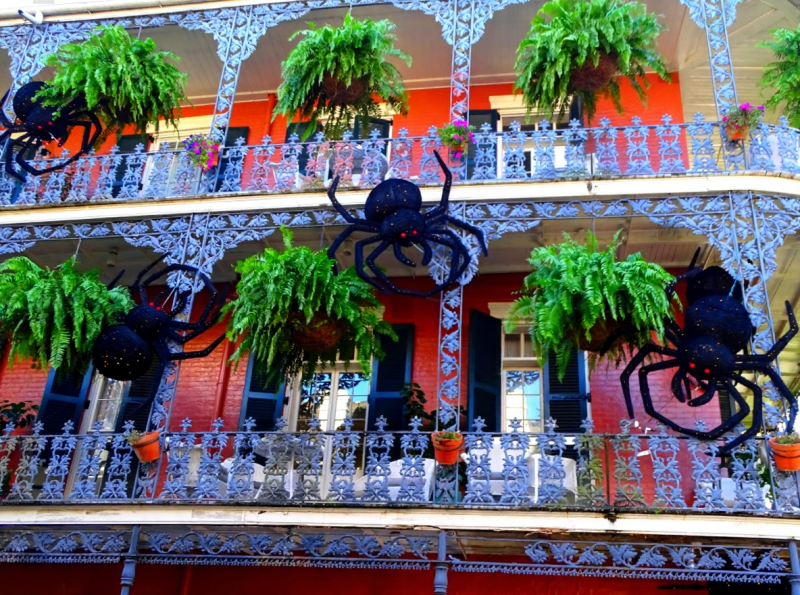
French Quarter Phantom Tours: These walking tours are the classic choice. The best ones are led by charismatic storytellers who are also passionate history buffs. They’ll guide you through the gaslit streets of the Vieux Carré, stopping at infamous locations like the LaLaurie Mansion (known for its horrific history of torture) and the Gardette-LePretre Mansion, site of a mysterious and bloody mass murder.
Cemetery "Cities of the Dead" Tours: Because New Orleans is built on a swampy delta with a high water table, its deceased are interred in elaborate, above-ground tombs, creating these hauntingly beautiful necropolises. A daytime tour of St. Louis Cemetery No. 1 or Lafayette Cemetery No. 1 is a must. You’ll learn about the city’s unique burial traditions and the famous (and infamous) figures buried within.
Vampire Legends Tours: New Orleans has a curious connection to vampire folklore, most famously through author Anne Rice. These tours dig into the city’s darker, bloodier legends, separating fact from fiction and exploring the real-life stories that may have inspired the myths of the undead.
Navigating these spooky streets after dark requires awareness, especially if you are traveling alone. It’s about being smart and prepared so you can fully immerse yourself in the experience without worry. That’s why our Solo Female Travel Safety Guide is an essential download for anyone exploring the city's haunts, offering practical tips for staying safe while seeking out the supernatural.
Beyond the Haunts: Legendary Parties & Top Halloween Events USA Style
When the sun goes down, New Orleans transforms into one giant, city-wide costume party. The energy is electric, and the people-watching is second to none, solidifying its reputation for hosting some of the best Halloween events USA has to offer.
The epicenter of the chaos is Bourbon Street, which becomes a pedestrian-only sea of costumed revelers. The street is lined with bars offering potent drinks in souvenir cups, and the historic wrought-iron balconies are packed with people throwing beads to the crowds below. While it’s an experience every visitor should have, it can be intense. The key to surviving and enjoying Bourbon Street is to stay in a group and remain aware of your surroundings at all times.
For a more curated experience, look for one of the many large-scale Halloween parties and balls held across the city. Events like the Endless Night Vampire Ball offer a more gothic, formal affair with a strict dress code, while numerous hotels and music venues host massive costume contests with significant cash prizes.
Pro-Tip: The best parties sell out weeks, if not months, in advance. As soon as you book your trip, start researching major events and purchase your tickets online. This will save you from waiting in long lines or, worse, being turned away at the door.
A Practical Guide to a Spooky & Safe New Orleans Halloween
To ensure your supernatural sojourn is memorable for all the right reasons, keep these practical tips in mind:
Book Everything in Advance: Halloween is one of the busiest times of the year in New Orleans. Flights, hotels, and popular tours should be booked months ahead to avoid surge pricing and lack of availability.
Comfort is Key: You will be doing a lot of walking. While your costume is important, make sure your footwear is comfortable enough to handle miles of cobblestone streets and uneven sidewalks. The weather in late October can also be unpredictable; it might be warm and humid or surprisingly cool, so pack layers.
Stay Hydrated and Fed: It’s easy to get caught up in the excitement (and the cocktails), but remember to drink plenty of water. Also, take advantage of the city’s incredible culinary scene. A hearty meal of gumbo or jambalaya will give you the energy you need for a long night of haunting.
Use Rideshares Wisely: While the French Quarter is walkable, you may need transportation to other neighborhoods. Use reputable rideshare apps, but be prepared for surge pricing during peak hours. Always confirm the license plate and driver before getting into a vehicle.
Planning a trip of this magnitude involves many moving parts. For a complete plan covering the best neighborhoods for accommodations, can't-miss restaurants, and a full itinerary for all the city's attractions, our comprehensive Travel Guide is the ultimate resource for your New Orleans adventure.
Embrace the Spirits of the Crescent City
A New Orleans Halloween is more than just a party; it's an immersion into a world of history, mystery, and vibrant tradition that you cannot find anywhere else. It’s a chance to walk in a city where the past is always present, where every corner holds a story, and where the spirits of centuries past feel like they’re just a whisper away. You now have the insider knowledge to bypass the tourist traps and experience the authentic, supernatural soul of one of the most captivating Halloween events USA has to offer.
You are ready to dance with ghosts in Jackson Square, to catch throws from a monster-themed float, and to feel the powerful spiritual energy that makes this celebration so unique.
Ready to plan the ultimate spooky getaway? Download our Solo Female Travel Safety Guide for peace of mind and grab your copy of the Travel Guide to make your trip seamless and unforgettable. The spirits of New Orleans are waiting for you.
Don't Miss Out! Subscribe for Exclusive Content
SubscribeComments 0
No comments yet
Be the first to share your experience!
Dont Miss Out! Subscribe for Exclusive Content
San Francisco Cherry Blossoms: A Local's Guide to the Blooms
Halloween SF: Haunts Without Horrors
SF Festivals: 7 Must-See Lineups
Christmas SF: Lights & Wharf Wonders
SF Pride: 6 Route & Party Hacks
Chinese New Year SF: Parade Essentials
How to Create a Digital Travel Guide People Will Buy
TrekGuider @trekguider
You’re a travel expert. Your notes are filled with hidden gems, your camera roll is a treasure trove of untold stories, and your advice could save fellow travelers hundreds of dollars and hours of stress. You know your expertise has value, but packaging it into a real, scalable income stream feels like a monumental task. Relying on the slow trickle of ad revenue or the unpredictability of affiliate sales is a frustrating grind, keeping your dream of a truly independent business just out of reach.
This uncertainty keeps you on the content treadmill, trading your valuable time for pennies. You see other creators launching their own products and achieving a level of financial freedom that feels like a distant fantasy. The path forward is a confusing fog of questions about design, content, pricing, and technology, leaving you stuck in analysis paralysis while the immense opportunity of the creator economy—a market projected to nearly double from $250 billion to almost $500 billion by 2027—passes you by.
It’s time to stop trading hours for dollars and start building assets. This is your chronological, step-by-step playbook. We will demystify the entire process and show you exactly how to create a digital travel guide that people will not only buy but will also love and recommend. This is your complete workflow for transforming your hard-won expertise into a polished, professional product that generates passive income for years to come. Think of this as a critical chapter in your business plan; for the complete blueprint on building a modern creator enterprise, be sure to read our ultimate guide to How to Make Money Online: A Creator's Guide for 2026.

Why a Digital Guide is Your Ultimate Scalable Asset
Before diving into the "how," it's critical to understand the "why." Transitioning from promoting others' products to creating and selling your own is the single most powerful step you can take toward building a profitable, independent business. While ads and affiliate links have their place, digital products offer a level of control and scalability that other models simply can't match.
The advantages are transformative:
Infinite Scalability: Digital products operate on a "create once, sell forever" model. Whether you sell 10 copies or 10,000, your workload remains the same. There is no inventory to manage and no shipping to worry about.
Exceptionally High Profit Margins: With no manufacturing or distribution costs, the profit margins are extraordinary. Once you recoup your initial time investment, nearly every sale is pure profit.
Full Ownership and Control: When you sell your own guide, you own the entire process. You control the product, the pricing, the marketing, and the customer relationship. You are no longer dependent on an affiliate partner’s commission rates or an ad network's traffic requirements.
Solidifies Your Authority: Creating and selling a high-quality product instantly positions you as an expert. It builds deep trust with your audience, as you are no longer just recommending other people's stuff—you are standing behind your own valuable creation.
The market reflects this opportunity. The e-learning sector alone, a huge component of the digital product world, is projected to surge to an incredible $848 billion by 2030. This isn't a fleeting trend; it's a fundamental shift in how creators build resilient businesses.
The Blueprint – Research and Validation
The costliest mistake a creator can make is to spend months building a product nobody asked for. Thorough research and validation aren't optional; they are the foundation upon which a profitable product is built.
Identify Audience Needs and Define a Specific Niche
Your first job isn't to be a brilliant inventor; it's to be a sharp detective, uncovering the real, recurring problems your audience is desperate to solve.
Listen to Your Audience: The best ideas are hidden in plain sight. Dive into your blog comments, email replies, and social media DMs. What destinations are people constantly asking about? What part of the travel planning process do they find most challenging or stressful? Their recurring questions are your product ideas.
Define a Hyper-Specific Niche: Avoid creating a generic guide. A broad guide to "Mexico" will get lost in a sea of competition. A highly specific product like "A First-Timer's Foodie Guide to Mexico City's Roma Norte Neighborhood" is more valuable, easier to market, and instantly positions you as a niche expert.
Conduct Keyword and Market Research to Validate Demand
Once you have an idea, you must validate it with data.
Analyze Search Volume: Use an SEO tool to check the search volume for terms related to your guide idea. High search volume for long-tail keywords like "7-day Japan itinerary for foodies" or "what to do in Lisbon with kids" is a strong data signal that a ready market exists for a guide on that topic.
Conduct Competitor Analysis: Find 3-5 comparable digital travel guides in your niche. Your goal isn’t to copy them, but to identify a gap in the market. Analyze their price points, what they include, and, most importantly, read their reviews. What are customers praising? What are they complaining about? This will show you exactly how to create a superior product.
Pro-Tip: True validation comes from the intersection of qualitative and quantitative data. A great product idea is one that your audience is asking for (qualitative) and that a significant number of people are searching for online (quantitative).

The Core – Outlining and Content Creation
With a validated idea, it’s time to build the heart of your product: the content. This is where your unique expertise, voice, and experience shine.
Develop a Logical Structure
A good guide flows intuitively and is easy to navigate. Before you write a single word, create a detailed table of contents. This will be your roadmap and ensure you don't miss any crucial information. A typical structure includes:
Introduction: A brief overview of the destination, essential facts (currency, language), and why your guide is the ultimate resource.
Logistics: The practical nuts and bolts—getting there, getting around, visa requirements, and curated recommendations on where to stay for different budgets.
Experiences: The core of your guide. This includes top attractions, detailed daily itineraries, and deep dives into your niche (e.g., food and drink recommendations, hiking trails, photo spots).
Practicalities: The crucial final details like safety tips, packing lists, a budget breakdown, and useful local phrases.
Write Compelling and Useful Content
This is where you go beyond the generic advice found on a thousand other blogs.
Gather Your Assets: Compile all of your personal notes, journal entries, and high-quality photographs from your travels to the destination. Your first-hand experience and unique visuals are your primary competitive advantage.
Be Both Inspirational and Intensely Practical: Write in an engaging, personal tone. Share anecdotes and insider tips that bring the destination to life. Go beyond simply listing facts; tell your readers why a place is special. Share the hard-won wisdom that can't be found elsewhere, like "skip the line at the Colosseum by booking this specific tour" or "the best gelato is actually found two blocks away from the main square at this tiny shop."
With your raw content compiled, the next step is to give it a professional polish that signals its immense value.

The Polish – Professional Design for Non-Designers
Your guide's content may be brilliant, but in the digital world, packaging matters. A professional, user-friendly design signals quality and dramatically improves the customer experience.
Select a User-Friendly Design Tool
You don't need to be a graphic designer to create a stunning product. For a travel blogger whose primary goal is to efficiently create a static PDF travel guide, a template-based tool like Canva is the strategically superior choice. While powerful professional software like Figma or Adobe Illustrator has a steep learning curve that can delay your launch by weeks, Canva is built specifically for this type of project. Its intuitive, drag-and-drop interface is designed to help non-designers produce high-quality visuals quickly.
Feeling inspired to build your own assets but not sure where to begin? Creating high-value products is the core of a modern creator business. To accelerate your journey, we've bundled together some of our most powerful resources. The Travel Creator's Toolkit is a free collection of checklists, templates, and guides designed to help you streamline your workflow and build your business faster.
5 Essential Mobile-First Design Principles for a User-Friendly Guide
Your guide will almost certainly be used on a mobile phone while your customer is in-destination. Designing with a mobile-first user experience (UX) is not an option; it is essential for your product to be functional and valuable.
Prioritize Legibility and High Contrast: The content must be effortlessly readable on a small screen, often in bright sunlight. Use a clean, simple font of at least 11 points so users don't need to pinch-and-zoom. Crucially, ensure a high contrast ratio between the text and background—at least 4.5:1 as recommended by Web Content Accessibility Guidelines (WCAG)—to maintain readability.
Implement Simplified Navigation: The single most important navigation element is a hyperlinked Table of Contents at the beginning of the document. This allows users to jump directly to the section they need with a single tap, which is crucial when they're trying to find information quickly on a busy street.
Design for Touch with Finger-Friendly Targets: Any included hyperlinks (e.g., a link to a restaurant's website or a Google Maps location) must have a clickable area large enough to be easily tapped with a finger—the industry standard is a minimum touch target size of 44x44 points (approximately 7-10mm).
Minimize Cognitive Load by Eliminating Clutter: Mobile users are often distracted. Their interaction with a guide is typically in short bursts or "micro-tasks". To accommodate this, use short paragraphs, bulleted lists, bolded text for key information, and generous white space. A clean, uncluttered interface helps users find what they need with minimum effort.
Optimize for Performance and Portrait Orientation: The vast majority (94%) of mobile users hold their phones vertically. Your guide must be designed with a portrait layout (e.g., A4 or US Letter size). Crucially, keep the final PDF file size as small as possible by compressing all images before inserting them into your document. A large file will download slowly on a weak cellular connection, creating a poor user experience.

The Launchpad – How to Create a Digital Travel Guide for Sale
You've created a valuable, beautifully designed resource. The final phase is to package it, price it for profit, and get it into the hands of your customers.
How to Price Your First Digital Product
Pricing is one of the most challenging decisions. The most effective strategy for a knowledge-based product is value-based pricing. Instead of focusing on your production costs, price your product based on the transformation it provides to the customer. If your guide saves a user 20 hours of stressful research and helps them discover priceless experiences they would have otherwise missed, its value is immense.
A practical process for setting your price:
Step 1: Research the Market: Identify 3-5 comparable digital travel guides in your niche to establish a realistic market range.
Step 2: Articulate the Value: Make a specific list of the tangible outcomes your guide provides (e.g., "Saves over 15 hours of planning," "Includes a pre-planned 7-day itinerary worth over $100 in planning fees").
Step 3: Set an Initial Price and Test: For a high-quality, first-time travel guide, a price point between $19 and $49 is a strong starting position. It communicates significant value without creating sticker shock for the buyer.
Choose a Sales Platform That Works for You
You need a platform to handle the sale and secure digital delivery of your product. While you can use e-commerce plugins on your own blog, the smartest strategy is to leverage a platform that puts you in front of a built-in audience of motivated buyers.
Pro-Tip: Don't just build a product; build your business inside an ecosystem. A specialized marketplace like TrekGuider is the ideal place to sell your high-quality Travel Guide. It provides a professional, ready-made storefront and connects you with a global audience of passionate travelers who are actively searching for expert resources. You can publish articles to attract new customers directly on the platform, creating a powerful marketing funnel that leads right back to your product page.
Frequently Asked Questions (FAQ)
1. How long should my digital travel guide be?
Value is not measured in page count. A concise, 50-page guide packed with unique, actionable advice is far more valuable than a rambling 200-page guide filled with generic information. Focus on comprehensively solving the specific problem your niche audience has.
2. Do I need to have visited the destination very recently?
While recent, first-hand experience is ideal, an "evergreen" guide focused on core attractions, culture, and logistics can have a long shelf life. The key is transparency. Be clear about when you last visited and focus on information that doesn't change rapidly. You can always update your guide with new editions.
3. What if I'm not a professional writer or photographer?
You don't need to be. Your audience values authenticity and expertise over perfect prose. Write in your natural, conversational voice, as if you were giving advice to a friend. For photos, a modern smartphone can capture high-quality images. The goal is to be clear, helpful, and genuine.
Your Journey from Expert to Entrepreneur Starts Now
You now have the complete, A-to-Z workflow. You've moved from the vague idea of a product to a concrete, actionable blueprint that covers research, content creation, professional design, and a smart launch strategy. The path from being a passionate travel expert to a successful digital entrepreneur is no longer a fog of confusion.
You have the definitive answer to the question of how to create a digital travel guide that provides immense value and generates a sustainable income. The only thing left to do is take the first step. Start the research, outline your expertise, and begin building the asset that will power your business and fund your adventures for years to come.
SEO Meta Data Suggestions:
SEO Meta Title (58 characters): How to Create a Digital Travel Guide People Will Actually Buy
URL Slug: how-to-create-digital-travel-guide
SEO Meta Description (154 characters): A step-by-step playbook for travel creators on how to create a digital travel guide, from research and writing to design, pricing, and selling your product.
Read the full guide: The Travel Blog Business Plan: How to Make Real Money in 2026
Don't Miss Out! Subscribe for Exclusive Content
SubscribeComments 0
No comments yet
Be the first to share your experience!
Dont Miss Out! Subscribe for Exclusive Content
FTC Affiliate Disclosure Essentials: Stay Compliant as a Travel Creator
Essential Affiliate Tools: From Tracking to Full Optimization
Avoid These 5 Affiliate Landing Page Mistakes for Better Conversions
Affiliate Keyword Research Mastery for Travel Blogs
Booking.com Affiliate Program Review: Pros, Cons, and Earnings Potential
