
Decoding Affiliate Commission Rates: Benchmarks for Travel Creators

TrekGuider @trekguider
You’re a travel creator, and you’ve entered the world of affiliate marketing to turn your passion into a profession. But you’ve quickly run into a frustrating black box: the commission structure. You see a dizzying array of percentages, acronyms like CPA and EPC, and vague promises of earnings. You’re left wondering what good affiliate commission rates even look like. Are you earning your worth, or are you leaving a significant amount of money on the table?
This confusion isn't just academic; it's a direct threat to your bottom line. The reported average monthly income for affiliates in the travel niche is an impressive $13,847, a figure that proves this is a serious enterprise. But you can't build a sustainable business on guesswork. Partnering with a program offering a flashy 40% commission—only to discover it’s 40% of their tiny margin—is a rookie mistake that costs real money. This lack of clarity makes it impossible to forecast your income, negotiate better terms, or build a truly predictable business. You feel like you’re flying blind.
This guide is your decoder ring. We are pulling back the curtain to give you a comprehensive breakdown of how affiliate commissions actually work. We will deconstruct every major commission model, provide clear, data-backed industry benchmarks, and teach you how to analyze these rates like a seasoned professional. By the end of this deep dive, you will be able to spot high-value opportunities and architect a monetization strategy that truly rewards your influence. For a complete overview of the affiliate landscape, our definitive pillar page, Travel Affiliate Programs: The 2026 Ultimate Guide, is your essential command center.

The Anatomy of a Commission: Deconstructing the Core Models
Let's cut through the jargon. An affiliate commission is simply a reward for a job well done. A company—the merchant—pays you for successfully driving a specific, valuable action, which in the travel world almost always means a completed booking or sale.
But the way that reward is calculated can vary dramatically. Understanding the underlying structure of different affiliate commission rates is the first step toward becoming a high-earning creator.
1. Cost Per Sale (CPS) or Pay Per Sale (PPS): The Industry Workhorse
You'll encounter this model most often—it's the industry's workhorse for a reason. It’s simple and transparent: when a reader clicks your affiliate link and completes a purchase, you earn a percentage of the total sale value. If you recommend a $500 hotel stay and the program offers a 6% CPS commission, you earn $30. This model directly ties your earnings to the revenue you generate, making it the gold standard for most travel bookings and gear sales.
2. Cost Per Action (CPA): Rewarding a Specific Step
CPA is a broader model where you’re compensated for a specific action a user takes. While that action is often a sale (making it identical to CPS), it can also be something else. For example, a travel credit card company might pay you a CPA commission for every user who completes an application, regardless of whether they are approved.
3. Cost Per Lead (CPL): Paying for High-Value Inquiries
With a CPL model, you earn a fixed fee for each qualified lead you generate. This is common in high-ticket travel sectors where the sales cycle is long. A luxury tour operator, for instance, might pay you $50 for every user who fills out a detailed inquiry form for a bespoke African safari. You get paid for delivering a potential customer; their sales team takes it from there.
4. Tiered & Multi-Tier Structures: Incentivizing Growth
This is where commission models get more sophisticated and rewarding.
Tiered Structures: Rewarding Your Growth These are designed to reward high-performing affiliates. Your commission rate increases as you drive more sales. A program might offer a base rate of 6%, which jumps to 8% after you generate $5,000 in sales in a month, and 10% after $10,000.
Multi-Tier Structures: Building a Network These allow you to earn commissions not only on your own sales but also on the sales generated by other affiliates you recruit into the program. This effectively turns you into a partner who helps grow the program itself, creating a secondary, more passive income stream.
5. Cost Per Click (CPC): The Rare Exception
In this model, you are paid a small fee for every click your affiliate link receives, regardless of a sale. Due to its high vulnerability to fraud, the CPC model is now extremely rare in modern affiliate marketing and almost never seen in the travel space.

Industry Benchmarks: What Good Affiliate Commission Rates Look Like
So, what should you actually expect to earn? While rates vary, the travel industry has established clear benchmarks across its major categories. Here’s your cheat sheet.
Hotels & Accommodations: 2% - 7% of Booking Value This is the bread and butter for many creators, but the details are everything. A program like Expedia Group offers up to 6% of the total booking value with a 7-day cookie. In contrast, Booking.com advertises a much higher "25-40%", but this is a percentage of their commission, not the customer's total payment. This opaque structure often results in a much lower effective rate, closer to 2-4% of the final booking value.
Tours, Activities & Experiences: 6% - 8%+ This is a high-margin category with strong potential. Market leaders like Viator and GetYourGuide set the standard with base commissions of 7-8%. Adventure-focused operators like G Adventures offer 6%, which is incredibly powerful when applied to their high-ticket tours that can cost thousands of dollars.
Travel Insurance: 10% or More Insurance is a consistently high-paying vertical. Top programs like SafetyWing and World Nomads both offer a standard 10% commission. SafetyWing takes this a step further with a recurring model, meaning you continue to earn 10% every time your referred customer renews their policy.
Gear & Apparel: 3% - 8% For physical products, rates depend heavily on the retailer. Amazon Associates is the baseline, offering 3-4% for most travel categories. However, partnering with specialty retailers is far more lucrative. A brand like REI, for example, offers a 5-8% commission on high-quality (and often high-priced) outdoor gear.
Pro-Tip: Don't be blinded by the highest percentage. A 6% commission on a $3,000 G Adventures tour is $180. An 8% commission on a $50 city walking tour is $4. Always consider the average order value of the products you are promoting when evaluating affiliate commission rates.

The Metrics That Matter More Than the Rate Itself
An experienced affiliate marketer knows the commission rate is just a starting point. To truly understand a program's profitability, you need to analyze the metrics that measure real-world performance.
Earnings Per Click (EPC): Your True North This is arguably the single most important metric. It’s calculated by dividing your total commission earnings by the total number of clicks you sent. If you sent 100 clicks and earned $50, your EPC is $0.50. This number tells you the average value of every single click. A program with a lower commission but a higher EPC is often the more profitable partner for your specific audience.
Conversion Rate (CR): The Sign of a Healthy Partner This is the percentage of users who take the desired action after clicking your link. A high conversion rate is a sign of a trusted brand with a well-optimized checkout process. A program with a 10% commission that converts at 1% is less profitable than a program with a 5% commission that converts at 5%.
Cookie Duration: The Travel Creator's Safety Net This is critical in the travel space. A longer cookie duration (30, 60, or 90 days) gives your audience the time they need to research a high-consideration purchase while ensuring you still get credit. A short cookie window is a major red flag and a sign that the program may not be structured in your favor.
Pro-Tip: Dive into your affiliate dashboards. Most networks like CJ Affiliate and Travelpayouts provide detailed reports on your EPC and conversion rates for each program. Use this data to identify your true top performers—the results will often surprise you.

The Travel Creator's Toolkit
Feeling overwhelmed by the data? You don't have to be. To help you organize your strategy and implement everything you've learned, we've created the ultimate resource bundle. It includes checklists, templates, and tools designed to accelerate your journey from beginner to pro.
Download Your Free Bundle: The Travel Creator's Toolkit
The High-Margin Alternative: Referral & Revenue Share Models
While traditional commission models are powerful, the most forward-thinking creators are diversifying into referral and revenue-sharing programs. Instead of a one-time payment for a single sale, these models allow you to build long-term, passive income streams by becoming a true platform partner.
This is the philosophy behind the TrekGuider Seller Platform. We believe in empowering creators to build complex businesses. Our platform is designed for you to sell your own digital products—like itineraries and guides—but our referral program adds another powerful layer to your income strategy.
Instead of a simple CPS commission, our model functions like a sophisticated multi-tier system. When you refer other creators to become sellers on TrekGuider, you earn an ongoing share of the revenue they generate, with tiered commissions that start at 4% for referred sellers. You’re not just earning from a single transaction; you’re building a network and earning from its collective success. It's a strategic way to move beyond chasing individual sales and start building a more resilient, high-margin business.
Frequently Asked Questions (FAQ)
1. Is a higher commission rate always better? Not at all. A high commission rate can be misleading if the program has a low conversion rate, a short cookie duration, or a low average order value. Always look at your Earnings Per Click (EPC) to determine the true profitability of a program for your audience.
2. How can I find the EPC for an affiliate program? Most reputable affiliate networks (like CJ Affiliate, ShareASale, or Travelpayouts) provide EPC data. It's often listed as a network-wide average for each merchant, which gives you a good baseline. Once you start sending traffic, you can track your own personal EPC in your performance reports.
3. Can I negotiate my affiliate commission rates? Yes, absolutely. Once you become a proven partner and consistently drive a significant volume of high-quality sales, you have leverage. Many brands are willing to negotiate a higher, private commission rate for their top-performing affiliates. Always track your performance and don't be afraid to ask.

From Confusion to Command
You are no longer in the dark. The world of affiliate commission rates is no longer a confusing black box. You now have the knowledge to deconstruct any program's payment structure, the industry benchmarks to know your worth, and the key metrics to identify what truly drives profit.
This knowledge is power. It empowers you to audit your existing partnerships, confidently seek out new ones, and even negotiate better terms. By focusing on programs with fair commissions, long cookie durations, and high conversion rates, you can ensure your hard work is properly rewarded. Building a profitable travel content business requires a strategic approach, and a deep understanding of affiliate commission rates is a non-negotiable part of that strategy.
Read the full guide: The Travel Blogger's Playbook to Affiliate Marketing Mastery
Don't Miss Out! Subscribe for Exclusive Content
Subscribe


Comments 0
No comments yet
Be the first to share your experience!
Dont Miss Out! Subscribe for Exclusive Content

Ultimate USA Holidays Guide: Top Picks


FTC Affiliate Disclosure Essentials: Stay Compliant as a Travel Creator

Essential Affiliate Tools: From Tracking to Full Optimization

Avoid These 5 Affiliate Landing Page Mistakes for Better Conversions

Affiliate Keyword Research Mastery for Travel Blogs

Booking.com Affiliate Program Review: Pros, Cons, and Earnings Potential
How to Make Money Online: A Creator's Guide for 2026
TrekGuider @trekguider
The creator economy is no longer a quiet corner of the internet—it’s a global phenomenon, a seismic shift in how we work, create, and build businesses on our own terms. Valued at an astonishing $250 billion in 2023, this market is on a trajectory to nearly double to almost $500 billion by 2027. This explosive growth presents a historic opportunity for anyone with expertise, a passion, and a laptop to build a life of freedom and financial independence.
But behind these staggering numbers lies a crucial, often unspoken truth. Success isn't accidental, and it certainly isn't guaranteed. The digital landscape is littered with abandoned blogs and dormant social media accounts—ghosts of creative dreams deferred. The data reveals a stark reality: while the opportunity is immense, the rewards are concentrated. Only about 4% of global creators manage to earn an income exceeding $100,000 per year.
The difference between those who succeed and those who stall isn't luck, talent, or audience size alone. It's strategy. The top 4% aren't just hobbyists; they are strategic business operators. They are "Creator CEOs"—entrepreneurs architecting resilient, profitable, and passion-driven digital enterprises.
This is your blueprint for joining them. Forget fleeting trends and surface-level tips. We’re going to give you the foundational strategies, proven monetization models, and tactical playbooks required for making money online as a modern creator. From establishing your owned platform and mastering affiliate marketing to creating scalable digital products that generate income while you sleep, this is the definitive roadmap for turning your passion into a durable career in 2026 and beyond.

The Modern Creator's Blueprint: Adopting a CEO Mindset
The single most important shift you can make on your journey is a mental one: from content creator to business owner. A creator thinks about their next post. A CEO thinks about building an asset. A creator chases viral moments. A CEO builds a sustainable system. This mindset is the foundation upon which all profitable businesses are built. It informs how you structure your time, where you focus your energy, and how you approach monetization.
The Monetization Ladder: A Phased Approach to Profit
Successful creators don't view the dozens of ways to make money online as an à la carte menu. They approach it as a strategic progression, a "Monetization Ladder" that allows them to de-risk their journey and build a diversified business over time.
This journey typically begins with active income models—like offering freelance services—which is often the fastest way to generate significant cash flow and validate your expertise. As you build an audience and establish trust, you can begin to climb the ladder by layering in performance-based models like affiliate marketing. Finally, with an engaged community and proven authority, you ascend to the highest-leverage, highest-ownership models: creating and selling your own digital products or launching a subscription service.
This strategic progression is key to long-term resilience. It allows you to systematically move from trading your time for money to building assets that generate revenue independently. But before you can choose the right model for you, you must understand the entire landscape. For a comprehensive analysis that breaks down the pros, cons, and profit potential of each core approach, our strategic overview is the foundational session every new creator needs.

➤ Read the full guide: 6 Proven Models to Make Money Online Blogging
Active vs. Passive Income: Architecting Your Freedom
The ultimate goal for most creators is to build a business that provides not just income, but also freedom. This is where understanding the distinction between active and passive income becomes the central pillar of your strategy.
Active Income is revenue generated from the direct and continuous exchange of your time and effort for money. If you stop working, the income stops. This includes freelance writing, brand sponsorships, and one-on-one coaching.
Passive Income is revenue that, after an initial investment of time and effort, continues to be generated with minimal ongoing labor. You create an asset once, and it generates revenue for months or even years. This is the key to decoupling your income from the hours you work.
For a travel creator, the ultimate goal is to build a business that funds your travels, not one that chains you to a desk. This requires a deliberate shift toward building passive income streams. Think of an SEO-optimized blog post with affiliate links that earns commissions for years, or a digital guide that sells automatically every single day. These are the assets that build true freedom.
To explore the most effective models for building income streams that work for you around the clock, our dedicated guide provides a proven framework.
➤ Read the full guide: 5 Passive Income Ideas for Your Travel Blog

The Foundation of Your Empire: Building Your Digital Home Base
Before you can build a skyscraper, you need to own the land and pour a solid foundation. In the digital world, a critical strategic decision every creator faces is where to build their business: on an "owned" platform like a blog or on "rented" platforms like Instagram or TikTok. While social media offers the allure of rapid growth, it comes with a potentially fatal flaw: you don't own your audience or your account. An algorithm change can decimate your reach overnight, and an account suspension can erase your entire business with no recourse.
The Hub-and-Spoke Model: Your Blueprint for a Resilient Business
This is why the most successful and durable strategy is the "Hub-and-Spoke" model.
The Hub: Your self-hosted blog is the hub—the core business asset you own and control completely. It’s where you build your email list, sell your products, and house your valuable, long-form content that appreciates in value over time.
The Spokes: Social media platforms are the spokes—powerful distribution and discovery channels designed to capture attention and drive traffic back to your hub.
This model leverages the strengths of each platform while protecting you from their inherent risks. It uses the rapid reach of social media to accelerate growth, and the ownership and stability of the blog to build a defensible, long-lasting business.

Getting Started: Your Digital Groundbreaking
Starting a self-hosted WordPress blog is the professional standard for any serious creator. It provides complete control over your brand, content, and monetization—making it the essential first step in building your digital hub. The process is more straightforward than ever, but it begins with a few key decisions. For a complete, A-to-Z walkthrough that holds your hand through every technical step, from choosing a domain to launching your first post, our definitive beginner’s guide is the perfect place to start.
➤ Read the full guide: How to Start a Travel Blog (And Get Noticed)
Finding Your Niche: Your Superpower in a Crowded World
A house is only as strong as its location. Before you can build, you must answer the most critical question: what will you write about? In a vast online world, specificity is your superpower. Trying to create content for "everyone" often results in connecting with no one. Choosing a well-defined niche allows you to build authority faster, attract a dedicated and loyal audience, and face far less competition in search engine rankings.
A great niche sits at the intersection of your passion, your audience’s most pressing problems, and its potential for profitability. Before you write a single word, validating your niche idea is the most important strategic step you can take. For a masterclass in uncovering profitable, low-competition spaces and a list of fresh ideas for 2026, explore our detailed guide.
➤ Read the full guide: 15 Travel Blog Niche Ideas with Low Competition

The First Revenue Engines: Mastering Monetization
With your foundation poured and your niche defined, it’s time to start building your revenue engines. This is where we climb the Monetization Ladder, beginning with the most accessible models and progressing toward the most scalable.
Affiliate Marketing: Earning by Recommending
Affiliate marketing is one of the most popular and effective monetization models for new creators. It allows you to earn a commission by promoting products or services you already use and love, without having to create a product yourself.
The key to success, however, is trust. Your entire strategy must be built on a foundation of authenticity and radical transparency. This means strictly adhering to FTC disclosure guidelines and only recommending products you genuinely believe in. The most effective strategy is built on three pillars: legal compliance, strategic promotion of high-quality products, and data-driven optimization. For a masterclass that covers everything from the nuances of FTC law and conversion tactics to getting accepted into major affiliate networks, our definitive guide is required reading.

➤ Read the full guide: Affiliate Marketing for Bloggers: The Definitive Guide
Choosing the right partners is also crucial for maximizing your affiliate revenue. A diversified portfolio of programs allows you to monetize every stage of your audience's journey. Programs like Booking.com, G Adventures, and World Nomads are essential for travel creators, offering strong commissions on high-value products your audience already needs. To discover more top-performing programs with detailed breakdowns of their commission rates and strategic value, explore our curated list.
➤ Read the full guide: Top 10 Travel Affiliate Programs for 2026
The Ultimate Scalable Asset: Creating and Selling Your Own Digital Products
Transitioning from promoting others' products to creating and selling your own is the single most powerful step you can take toward building a highly profitable and independent business. Digital products represent the top of the Monetization Ladder. They offer exceptionally high profit margins, infinite scalability, and give you complete control over your revenue.
The opportunity here is immense. The e-learning market alone, a huge component of the digital product world, is projected to surge to an incredible $848 billion by 2030. This is how you transform from a content creator into a true digital entrepreneur. The best products solve a specific, painful problem for your audience, packaging your expertise into a solution that saves them time, money, or stress. For travel creators, the possibilities are endless.
➤ Read the full guide: 7 Digital Products That Sell Themselves for Travelers

Creating a digital product that people will love and recommend involves a structured process that moves from idea to finished product. It begins with thorough research and validation to ensure you're creating something people actually want to buy. Then comes the process of outlining, content creation, and professional design. Finally, you need a distribution plan and a high-converting sales page.
Once you’ve created your masterpiece, you need a world-class storefront. This is where the TrekGuider platform becomes an invaluable partner. Every creator gets a customizable landing page—a central hub to showcase their bio, articles, and products—giving you a professional, ready-made marketplace to connect with travelers actively searching for expert resources like your Travel Guide. For a detailed workflow that walks you through every step of the research, writing, design, and launch process, explore our complete playbook.
➤ Read the full guide: How to Create a Digital Travel Guide People Will Buy
The Engine of Your Business: Building and Monetizing Your Audience
None of these monetization strategies will work without the most important ingredient: an audience. Building a community of people who know, like, and trust you is the engine that drives your entire business. This isn't just about accumulating followers on social media; it's about creating real connections and, most importantly, building an email list—the only audience you truly own.

The Financial Roadmap to a Six-Figure Blog
The journey from a new blog to a thriving business is a marathon marked by distinct financial milestones. It starts with the "Proof of Concept" phase, where your only goal is to earn your first $100. Next comes the "Traffic" phase, where you focus on mastering SEO to hit the thresholds for premium ad networks, which can single-handedly take your income past $1,000 per month. The "Diversification" phase is where you scale to $5,000/month by launching your first digital product. Finally, you reach the "CEO" phase, operating a mature digital business with a diversified portfolio earning $10,000/month and beyond. For a detailed breakdown of the exact strategies and actions required at each financial stage, see our comprehensive roadmap.

➤ Read the full guide: How to Make Money Blogging (From $0 to $10k/mo)
Your Most Valuable Asset: The Email List
An email list is the single most valuable asset you will ever build. It's a direct line of communication to your most loyal fans, an audience you own and can reach anytime, without having to battle an algorithm. The system for turning a casual website visitor into an engaged subscriber is called an email marketing funnel.
This process begins with creating a compelling lead magnet—a free, valuable resource you offer in exchange for an email address. This could be a printable packing checklist or a 3-day city itinerary. The most crucial part of the system is the automated welcome sequence, a series of emails that every new subscriber automatically receives to build a strong relationship from day one. To get a head start on creating your own assets, be sure to download our free creator toolkit.
➤ Free Resource: The Travel Creator's Toolkit

For a step-by-step playbook on creating lead magnets, setting up your email funnel, and writing a welcome sequence that turns subscribers into superfans, our complete guide has you covered.
➤ Read the full guide: Email Marketing for Bloggers: A Step-by-Step Playbook
Your Journey Starts Now
The creator economy of 2026 is defined by immense opportunity, but success is reserved for those who approach it with a clear strategy. The path to building a profitable online business requires you to adopt the mindset of a "Creator CEO"—a business owner who prioritizes building owned assets and creating long-term value. The most resilient framework for this is the Hub-and-Spoke model, with your blog as the central asset you control, insulated from the whims of third-party platforms.
Your monetization strategy should be an evolution, a deliberate climb up the "Monetization Ladder," starting with active income to prove your expertise and systematically adding scalable, passive models like affiliate marketing and your own digital products. By integrating these pillars—adopting a CEO mindset, building owned assets, and committing to authenticity—you have the complete blueprint for making money online. You can navigate the complexities of the digital world and build not just an audience, but a durable, profitable, and passion-driven enterprise.

Read the full guide: The Travel Blog Business Plan: How to Make Real Money in 2026
Don't Miss Out! Subscribe for Exclusive Content
SubscribeComments 0
No comments yet
Be the first to share your experience!
Dont Miss Out! Subscribe for Exclusive Content
Avoid These 5 Affiliate Landing Page Mistakes for Better Conversions
Affiliate Keyword Research Mastery for Travel Blogs

7 Proven Affiliate Marketing Tips to Skyrocket Travel Income

Top 11 High-Paying Affiliate Programs for Travel Bloggers

Referral Affiliate Programs in Travel: Boost Earnings Through Networks

High-Paying Affiliate Opportunities for Individual Travel Affiliates
San Francisco Cherry Blossoms: A Local's Guide to the Blooms
TrekGuider @trekguider
The cherry blossom experience in San Francisco is not a grand, sweeping spectacle. It’s something more intimate, more soulful. It’s about turning a corner in a vibrant, historic neighborhood and finding yourself under a delicate canopy of blossoms, the scent of ramen broth mixing with the faint fragrance of spring. It’s a celebration rooted not in diplomacy, but in the fierce resilience of a community.
This is a concentrated jewel box of culture. But that intimacy comes with its own challenges. The Northern California Cherry Blossom Festival, the largest on the West Coast, packs over 220,000 people into the tight-knit blocks of Japantown. A poorly planned visit can quickly devolve into a frustrating battle with crowds, leaving you with more stress than serenity.
This isn’t just another guide. This is your strategic playbook for experiencing San Francisco’s cherry blossoms like a local. We’ll deconstruct the bloom’s tricky timing, reveal the best viewing spots both in and out of the festival’s epicenter, and provide the transportation hacks you need to navigate the city like a pro. By the end of this, you’ll have a plan to witness one of America’s most meaningful cultural celebrations in all its glory.

A Story of Resilience: The Soul of the Festival
To truly appreciate the blossoms here, you have to understand their story. San Francisco’s are proof of a community’s will to survive. Japantown, or Nihonmachi, is one of only three remaining in the United States, a neighborhood that has weathered unimaginable challenges.
After the forced internment of Japanese Americans during WWII, the community returned to find their homes and businesses lost. In the 1960s, city redevelopment projects displaced thousands more. The Northern California Cherry Blossom Festival was born from this turmoil. First held in 1968, it was a defiant celebration of culture and a powerful statement that the community was here to stay.
So when you stand in the Peace Plaza, you’re standing on historic ground. That iconic, five-tiered structure is the Peace Pagoda, a gift from San Francisco’s sister city of Osaka, designed by the renowned Japanese architect Yoshiro Taniguchi. It’s not just a landmark; it’s the spiritual anchor of the entire festival. Every blossom that blooms here feels more meaningful because of the history it represents.
Decoding the Bloom: Festival Dates vs. Nature’s Whim
The first mistake visitors make is confusing the festival schedule with the flowers’ schedule. They are two separate things.
For your planning purposes, here are the official festival dates, which traditionally span two weekends in April:
2026 Northern California Cherry Blossom Festival: April 12-13 & April 19-20, 2026
But here’s the critical distinction every visitor must understand: the festival dates are not the bloom dates. The festival is a fixed celebration of culture, while the blossoms themselves are a fleeting, unpredictable miracle of nature. Your goal is to find the magic window where the two overlap.

The Nuance of "Peak Bloom" in the Bay Area
In San Francisco, "peak bloom" is a rolling event, not a single moment. It depends on the tree variety and the city’s famously fickle microclimates.
The First Wave (Yoshino): The delicate, pale pink Yoshino cherry trees are typically the first to bloom, usually from late March into early April. These are the classic, ethereal blossoms you see in the Japanese Tea Garden.
The Second Wave (Kwanzan): Following the Yoshino are the Kwanzan cherry trees, which produce much fuller, fluffier, and deeper pink blossoms. These are hardier and their bloom often coincides perfectly with the festival’s second weekend and the Grand Parade, making for a spectacular show in Japantown.
Predicting the bloom is an art, not a science. A warm, dry winter can sometimes delay the bloom, as the trees need a certain number of "chill hours" to properly set their buds. Your best bet is to monitor social media. The official festival website and the Instagram accounts for the Japanese Tea Garden and SF Botanical Garden are invaluable resources for real-time updates.
Your Strategic Viewing Guide
You can experience the blossoms in three distinct ways: embracing the festival’s vibrant chaos, seeking tranquil beauty in a world-class garden, or discovering a hidden gem beloved by locals.
1. The Epicenter: Japantown & The Peace Plaza
During the festival weekends, the blocks around the Peace Plaza transform into a bustling hub of Japanese culture. You’ll find everything from traditional music and martial arts demonstrations to mouth-watering street food.
In Japantown, timing isn’t just important—it’s everything. It’s the difference between a serene morning stroll among the blossoms and being swept up in a shoulder-to-shoulder river of festival-goers.
Pro-Tip for Foodies: The food booths, known as yatai, are a massive draw. Don't miss the Takoyaki (octopus balls) from Kagura or the sweet, red-bean-filled Imagawayaki. To beat the lines, arrive right at 11 AM when the festival opens and eat first. The lines can be an hour long by 1 PM.
Pro-Tip for Photographers: The best shot of the Peace Pagoda framed by blossoms is from the Webster Street Bridge overlooking the plaza. For street scenes, a weekday morning before the festival begins offers beautiful, soft light and empty streets.
Go Deeper: For those who want to go even deeper, this is the perfect opportunity to connect with a local expert. The history of Japantown is complex and deeply moving, and a guided walk can reveal stories you’d never find on your own.
2. The Oasis: Golden Gate Park
If you need a break from the festival energy, a short bus ride will take you to the serene landscapes of Golden Gate Park, home to two premier blossom-viewing locations.
The Japanese Tea Garden: This is the oldest public Japanese garden in the United States, and it is an absolute masterpiece. The cherry trees here are artfully placed around the Drum Bridge, pagodas, and koi ponds. It’s a photographer’s dream. There is an entrance fee, but it’s worth every penny. To avoid crowds, purchase your ticket online in advance and go on a weekday morning.
The San Francisco Botanical Garden: Just a short walk from the Tea Garden, the SFBG offers a more sprawling, less crowded experience. Head to the Temperate Asia collection to find their grove of cherry trees. It’s a perfect spot for a quiet picnic under the petals.
3. The Secret Spot: The Palace of Fine Arts
For a truly local experience, head to the Marina district. Tucked away behind the iconic rotunda of the Palace of Fine Arts is a small, enchanting grove of cherry trees. The blossoms here often peak a bit later, sometimes into early May. The sight of the delicate pink flowers against the Greco-Roman architecture is breathtaking and feels like a hidden secret. It’s the perfect place to escape the crowds and enjoy a quiet moment.
Logistics Masterclass: Getting Around
Rule number one: Do not drive to Japantown during the festival. You will spend your entire day circling for non-existent parking. Here’s how to do it right:
Public Transit (Muni): This is your best friend. The 38-Geary and 38R-Geary Rapid buses run constantly along a major corridor and stop one block from the festival. The 2-Clement and 22-Fillmore are also excellent options. Use a Clipper card or the MuniMobile app to make things seamless.
Parking (If You Absolutely Must): The only sane option is the Japan Center Main Garage. The entrance is on Geary Blvd. On festival weekends, you must arrive before 10 AM, or you will find it full.
Ride-Sharing: A good option, but set your drop-off and pick-up points at least three blocks away from the festival’s core (e.g., at Geary & Laguna or Post & Franklin) to avoid getting stuck in gridlock.
Don't-Miss Festival Highlights
The festival’s crown jewel is the Grand Parade, which closes out the final Sunday of the event. This is a spectacular procession that starts near City Hall and travels up Post Street into the heart of Japantown. You’ll see everything from taiko drummers and dancers to the newly crowned Cherry Blossom Queen and her court—a leadership program for young Japanese American women.
The parade’s incredible finale is the Taru Mikoshi. This is a massive, ornate portable shrine weighing over 1,000 pounds, carried on the shoulders of over 100 chanting participants. It’s a powerful, energetic display of community spirit and a must-see spectacle.

Your Pre-Trip Checklist
A little preparation goes a long way in San Francisco.
Dress in Layers: This is the golden rule of SF. A chilly, foggy morning can become a sunny, breezy afternoon in an instant. A fleece or mid-layer under a windbreaker is the standard local uniform for a reason.
Comfortable Shoes: You will be walking. A lot. The hills are no joke. This is not the time to break in new shoes.
Portable Power Bank: Between navigating, taking photos, and using transit apps, your phone battery won’t stand a chance. A power bank is essential.
Cash: While most vendors take cards, the lines for ATMs are long and the smaller food stalls are often cash-only.
The Cherry Blossom Festival is one of the city's signature spring events. For a complete look at what's happening year-round, our complete guide to San Francisco Holidays: Bay Area Buzz is the essential next read for planning a trip around the city's top seasonal events.
An Unforgettable Bloom
San Francisco’s cherry blossom celebration offers something truly special: a world-class cultural event with the heart of a neighborhood block party. It’s a chance to not only witness the stunning beauty of spring but to feel the powerful spirit of a community that has refused to be erased.
By timing your visit strategically, knowing where to find your own quiet corner, and embracing the city’s public transit, you can bypass the stress and create a truly unforgettable memory. You’re no longer just a tourist; you’re an insider, ready to experience this beautiful and meaningful spectacle to its fullest.
Capture the Perfect Bloom
You’re going to take hundreds of photos of the cherry blossoms—don’t let them get lost on your camera roll. Our free collection of Travel Lightroom Presets is designed to make your photos pop with just one click. Transform your shots of the delicate pink petals and vibrant festival scenes into professional-quality images you’ll be proud to share.
Frequently Asked Questions (FAQ)
When is the absolute best time to see the cherry blossoms in San Francisco? While the festival is in mid-to-late April, the "best" time depends on what you want to see. For the most ethereal, classic blossoms in a garden setting, aim for the first week of April at the Japanese Tea Garden. For the full, vibrant festival experience with the fluffy Kwanzan blossoms, the second weekend of the festival is your best bet.
Is the Northern California Cherry Blossom Festival free? Yes, attending the festival in Japantown, including all the stage performances and watching the parade, is completely free. You will need to pay for food, drinks, and any items from craft vendors. Note that visiting the Japanese Tea Garden in Golden Gate Park requires a separate admission fee.
How much time should I budget for the festival? If you plan to eat, watch a few performances, and browse the stalls, give yourself at least 3-4 hours in Japantown. If you want to see the parade, plan for that to take an additional 2 hours of your day.
Is the festival kid-friendly? Absolutely. Kids love the energy, the food, and the parade. There are also often hands-on cultural activities like origami folding. However, the crowds can be overwhelming for small children, so a weekday visit or arriving right at the opening on a weekend is recommended.
Can I see cherry blossoms in San Francisco outside of Japantown and Golden Gate Park? Yes! Besides our "secret spot" at the Palace of Fine Arts, you can often find beautiful blooming trees scattered in residential neighborhoods like the Richmond and Sunset districts. Keep your eyes peeled in late March and April—you’ll be surprised where they pop up.
Don't Miss Out! Subscribe for Exclusive Content
SubscribeComments 0
No comments yet
Be the first to share your experience!
Dont Miss Out! Subscribe for Exclusive Content

Halloween SF: Haunts Without Horrors

SF Festivals: 7 Must-See Lineups

Christmas SF: Lights & Wharf Wonders

SF Pride: 6 Route & Party Hacks

Chinese New Year SF: Parade Essentials

San Francisco Holidays: Bay Area Buzz
Family Travel Ideas: The 2026 Guide to Unforgettable Trips
TrekGuider @trekguider
The moment you start searching for family travel ideas, you're hit with a wave of conflicting emotions. There's the thrill of anticipation—picturing shared laughter on a sunny beach or wide-eyed wonder at an ancient monument. But close behind comes a dose of apprehension, fueled by the logistical puzzles, financial considerations, and the simple challenge of keeping everyone happy. This guide is crafted to navigate that complexity, offering a clear, practical plan for your journey. Our core philosophy is that travel is far more than a simple break from routine; it is one of the most powerful investments you can make in your family’s development and shared story.
This is no longer a niche belief—it's a full-blown movement. Families across America are making travel a priority like never before, and multigenerational trips (grandparents, aunts, uncles, the whole crew) are more common than ever. More families are choosing shared experiences over more stuff, and that shift is changing how we think about vacations.
This is your complete guide, created from the collective wisdom of the verified travel creators on the TrekGuider platform. It moves beyond simple lists to offer a deeper analysis of what makes certain family travel ideas successful. We will explore the tangible benefits of travel for child development, provide a system for identifying your family’s unique travel style, and present a detailed breakdown of over 50 destinations and concepts. Every recommendation is backed by practical, on-the-ground intelligence to help you make confident decisions. This is your roadmap to transforming the anxiety of planning into the excitement of a well-executed and truly enriching adventure.
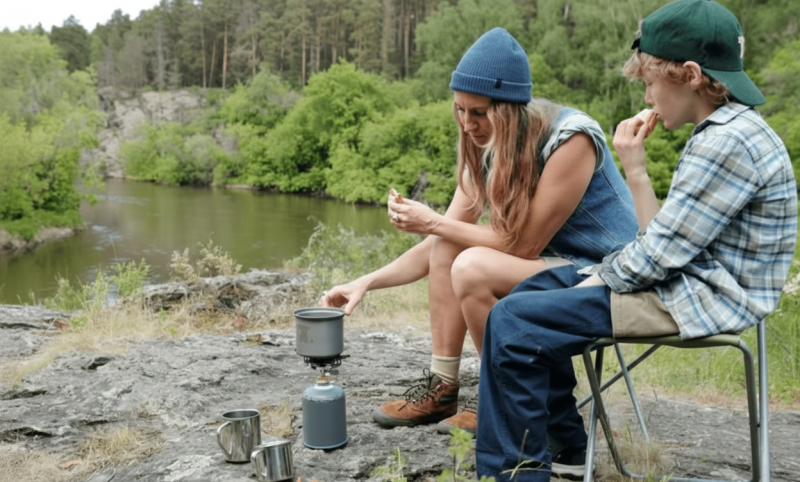
Why Travel is a Powerful Investment in Your Family's Future
The benefits of family travel go way beyond fun (though there's plenty of that, too). When kids encounter new places—unfamiliar foods, different languages, unexpected challenges—their brains light up. They're building problem-solving skills, flexibility, and creativity in ways no classroom can replicate.

The benefits of this enrichment are quantifiable and profoundly impactful:
Cognitive and Educational Development: Kids learn better by doing. Reading about the Roman Empire is one thing—standing inside the Colosseum is something else entirely. Research consistently shows that children who travel perform better academically, and it makes sense: real-world experience gives abstract concepts a meaning that sticks. Travel doesn't just teach facts. It sparks curiosity.
The Happiness Dividend and Psychological Well-being: This one's no surprise to anyone who's taken a good trip: travelers are happier. Studies consistently link regular travel with lower stress and higher life satisfaction. For families, the effect is even stronger—stepping out of your daily grind together creates a shared reset that lifts everyone's mood for weeks after you get home.
The Implicit Curriculum: Acquisition of Essential Life Skills: Travel teaches life skills in a way nothing else can. Figuring out a subway system in a foreign city? That's problem-solving. Ordering food when you don't speak the language? That's courage. These moments build resilience, empathy, and a quiet confidence your kids will carry long after the trip is over.
Strengthening of Familial Bonds and Cohesion: Let's be real: at home, most families run on parallel tracks—school, work, activities, screens. Everyone's in the same house but rarely in the same moment. Travel changes that. When you're exploring a new place together, you're actually together. Solving problems, sharing discoveries, laughing at things that go sideways. Those are the moments that turn a family from a group of people who live together into a team with a shared story.
What's Your Family's Travel Style? A Framework for Finding Your Perfect Trip
One of the most common missteps in vacation planning is selecting family travel ideas that are misaligned with the family's intrinsic preferences, needs, and travel confidence. A strategic approach requires an initial diagnostic phase to identify a family’s unique "travel DNA." This alignment is a primary determinant of a successful and restorative travel experience. This framework will help you filter through countless options to find your perfect trip.

The Relaxation-Oriented Traveler (All-Inclusive Profile): If your idea of paradise is having someone else handle every detail, this is your category. The ideal vacation involves a single destination where accommodations, dining, and activities are centralized and readily available. This model is particularly well-suited for families with very young children, whose needs for routine and predictability are high, as well as for multigenerational groups, where accommodating a wide range of physical abilities and interests matters most. Suitable options include all-inclusive resorts, self-contained resort communities such as Myrtle Beach, and family-oriented cruises.
The Cultural Explorer (Enrichment-Focused Profile): This profile is motivated by the pursuit of knowledge and cultural immersion. The travel experience is viewed as an educational opportunity, with a focus on historical sites, museums, and authentic local experiences. This style is highly effective for families with inquisitive school-aged children and adolescents who are capable of engaging with more complex historical and cultural narratives. Prime destinations include the historic centers of Washington D.C., the archaeological wonders of Rome, and the culturally rich urban landscapes of cities like London.
The Outdoor Adventurer (Activity-Focused Profile): This group finds rejuvenation and connection through engagement with the natural world. The emphasis is on physical activity, scenic beauty, and a departure from technologically saturated environments. Accommodations and amenities are secondary to the quality of the outdoor experience. This profile is ideal for active families with children aged seven and older who possess the requisite physical stamina and interest in activities such as hiking, kayaking, and wildlife observation. Premier destinations include the majestic national parks of the United States like Yellowstone and Zion, the biodiverse ecosystems of Costa Rica, and the dramatic alpine scenery of Switzerland.
The Short-Duration Traveler (Weekend Excursionist Profile): Characterized by a mastery of the short-term getaway, this profile excels at maximizing a limited timeframe. These trips, typically two to four days in length, are logistically simpler and serve as a powerful tool for regular rejuvenation without the extensive planning required for longer journeys. This highly flexible style is suitable for virtually any family, offering an accessible means to punctuate routines with novel experiences. Destinations typically include regional cities, state parks with cabin rentals, or themed hotels within a reasonable driving radius.
A World of Family Travel Ideas: The Definitive Directory for Every Traveler
Now let's get to the good stuff. Here are our top family travel ideas, organized by travel style—with honest, real-world recommendations from the TrekGuider creator community.
For First-Time Family Travelers and Relaxation Seekers
These destinations are excellent family travel ideas selected for their strong infrastructure, high level of safety, and abundance of amenities that minimize logistical friction.

The All-Inclusive Resort Escape
The all-inclusive model is the gold standard for families seeking to minimize decision-making and maximize relaxation. It’s a self-contained world where meals, activities, and entertainment are handled, leaving you free to focus on connection. This is particularly effective for families with toddlers or those coordinating multigenerational groups, as the contained environment provides safety and predictability. The secret to a successful trip lies in selecting a resort that genuinely caters to families, offering high-quality kids' clubs, varied dining options that please picky eaters, and pools designed for all ages. The best resorts become more than just a place to stay; they are the destination itself, a bubble of ease where the only question is "beach or pool?"
For a deeper dive into making the right choice, explore our guide: Choosing an All-Inclusive Family Resort? Read This First
The California Coastal Retreat
California’s coastline offers a uniquely American version of the beach holiday, blending laid-back surf culture with world-class attractions. A destination like San Diego provides an almost perfect equilibrium; you can spend the morning building sandcastles in the gentle surf of La Jolla and the afternoon exploring the incredible San Diego Zoo or the museums of Balboa Park. This variety is key, allowing families to pivot based on mood and energy levels. The accessibility of a domestic destination combined with the sheer diversity of experiences—from the iconic piers of Southern California to the dramatic cliffs of the north—makes it an ideal choice for a first major family trip. It’s familiar enough to be comfortable, yet diverse enough to feel like a true escape.
To plan your perfect Pacific getaway, see our expert analysis: CA Family Beach Vacations: A Pro's Planning Guide
The Hawaiian Archipelago Adventure
A trip to Hawaii feels like an international escape without needing a passport. Each island possesses a distinct personality, allowing families to tailor their experience. Maui offers a resort-focused, activity-rich environment perfect for first-timers, while Kauai provides a more rugged, nature-centric adventure. The true advantage of Hawaii is its ability to deliver both profound relaxation and genuine adventure. You can spend days in a state of blissful inertia by a resort pool or go on waterfall hikes, snorkel with sea turtles, and immerse yourselves in the rich Polynesian culture. This duality makes it an exceptional choice for families with a mix of ages and interests, ensuring that both the thrill-seekers and the relaxation-seekers find their version of paradise.
Navigate the islands like a seasoned pro with our detailed guide: How to Plan a Stress-Free Hawaii Family Trip
For Adventure Enthusiasts and Outdoor Lovers
These locations are chosen for their exceptional natural beauty and provide immersive, activity-based family travel ideas.

The Quintessential National Park Journey
A visit to one of the United States' national parks is more than a vacation; it's an immersion into a living classroom of geology, biology, and history. Parks like Yellowstone offer a dramatic, almost surreal landscape of geothermal wonders, where the predictability of Old Faithful provides a thrilling anchor to a day of searching for bison and bears. Zion, with its towering sandstone cliffs, offers accessible hikes like the Pa'rus Trail for little legs and more challenging treks for teens. The real advantage of a national park trip is its ability to disconnect the family from technology and reconnect them with each other and the natural world. The shared experience of witnessing a breathtaking vista or spotting a wild animal for the first time creates a powerful, lasting memory.
Discover the best parks for your crew with our curated list: 4 Unforgettable National Park Family Travel Ideas
For Curious Minds and History Buffs
These family travel ideas transform a vacation into an immersive educational journey.
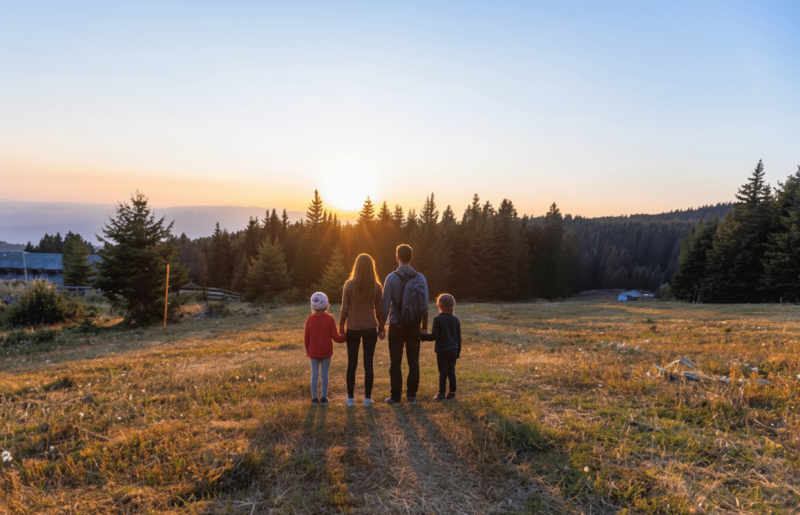
An Educational Tour of Europe's Capitals
For families with school-aged children and teenagers, a trip to Europe can be a powerful educational catalyst. In cities like Rome, history is not confined to a museum; it is the very fabric of the city. Standing in the Colosseum or walking through the Roman Forum provides a tangible connection to the past that a textbook simply cannot replicate. London offers a journey through royal history and world-class museums, while Paris presents a living gallery of art and architecture. The key to a successful European family trip is to balance the monumental sites with experiences that appeal to younger travelers—think gelato breaks in Italy, a Seine River cruise in Paris, or enjoying the street performers in London's Covent Garden. Our Italy Travel Guide or United Kingdom Travel Guide are indispensable resources for this.
For a strategic overview of the continent's most family-friendly hubs, read: Top 7 Family Vacation Destinations in Europe (For All Ages)
For Road Trip Champions and Scenic Route Seekers
For these travelers, the journey itself is one of the most significant family travel ideas.

The Great American Road Trip: Midwest Edition
While coastal routes often get the spotlight, a road trip through the American heartland offers a journey of authentic discovery. The Great River Road, which follows the Mississippi through ten states, is less a single highway and more a narrative of America's growth and culture. You'll trade crowded tourist hubs for charming small towns, quirky roadside attractions, and a slower, more deliberate pace of travel. This type of trip excels at revealing the unexpected and teaching kids that adventure isn't always about the most famous landmarks. It’s about the journey itself, fostering patience, curiosity, and an appreciation for the diverse landscapes and stories that make up the country.
Find a route that will genuinely impress your children in our guide: A Midwest Family Road Trip That Actually Wows Kids
The Pacific Coast Highway, California
This iconic route is one of the world's most renowned scenic drives for a reason. The journey along Highway 1, particularly through the Big Sur region, offers consistently dramatic coastal landscapes that can captivate even the most screen-addicted teenager. The real advantage here is the sheer density of potential stops. You can break up the driving with hikes in redwood forests, visits to charming towns like Carmel-by-the-Sea, or stops at countless vista points to watch for whales or sea otters. The key to success is not to rush. Build in ample time for spontaneous exploration; the best memories are often made at an unplanned stop at a hidden beach or a local pie shop. To ensure you don't miss a thing, download our free Big Sur Map & Itinerary before you go.
Master the logistics of life on the road with our comprehensive system: The Sanity-Saving System for Your Next Family Road Trip.
For Families with Young Children
Toddler-Friendly Adventures
Traveling with toddlers is less about the destination and more about the pace and amenities. The most successful trips for this age group prioritize routine and minimize disruption. This could mean a beach rental with a full kitchen to maintain meal schedules, a resort with a zero-entry pool perfect for splashing, or a city destination with excellent parks and playgrounds. The goal is to create a "home base" that feels safe and comfortable, from which you can take short, low-stress excursions. Forget ambitious, multi-stop itineraries; success is measured in happy naps, easy meal times, and the simple joy of watching your little one experience something new, even if it's just the feeling of sand between their toes for the first time.
Discover destinations and strategies designed for the 0-3 crowd in our guide: Best Family Vacations 4 Ideas That Are Fun With a Toddler.
For Avoiding the Masses
Uncrowded, Unforgettable Destinations
With overtourism on the rise, the greatest luxury can be finding a slice of paradise to call your own. This requires looking beyond the obvious choices. Instead of the crowded beaches of the Caribbean, consider the quiet coastal towns of Portugal. Instead of a bustling national park in peak season, explore a state park with similar beauty and a fraction of the visitors. The reward for venturing off the beaten path is a more authentic and often more relaxing experience. These trips are for families who value serenity and discovery over ticking off a checklist of famous sights. It's an opportunity to connect with a place—and each other—on a deeper level, away from the queues and the crowds. Our Portugal Travel Guide can be a great starting point.
Explore hidden gems and alternative destinations here: Skip the Crowds 8 Amazing Family Vacation Destinations.
For Holiday Magic
Low-Stress Holiday Getaways
The holidays are meant to be a time of connection, but they often devolve into a whirlwind of stress and obligations. A holiday getaway can be a powerful way to reclaim that time for your family. The key is to choose a destination that simplifies, rather than complicates, the holiday experience. This could be a cozy cabin in the mountains where the focus is on fireside games and snowy walks, or a warm-weather escape where the festive season is celebrated with a different kind of cheer. The goal is to trade the pressure of hosting and gift-giving for the shared experience of being together somewhere special, creating new traditions that are about presence, not presents.
Find inspiration for a truly memorable holiday season in our guide: 9 Family Travel Ideas for a Magical, Low-Stress Holiday.
The Family Travel Playbook: A Step-by-Step Guide to Flawless Execution
Once you've settled on your core family travel ideas, a successful trip is the result of methodical preparation. The difference between a journey that feels effortless and one that feels like a series of logistical hurdles often comes down to the quality of the planning system. A truly great plan doesn’t just outline an itinerary; it anticipates challenges, streamlines processes, and creates a framework that allows for flexibility and spontaneity. It transforms the overwhelming task of coordinating flights, accommodations, activities, and budgets for multiple people into a manageable, even enjoyable, process. This kind of planning is what experienced family travelers know, allowing them to remain present and focused on making memories rather than managing crises.

For a comprehensive framework to guide you from initial idea to wheels-up, explore our deep dive into the mechanics of effective trip coordination: How to Make Family Travel Planning Actually Easy.
Strategic Budgeting for Your Family Vacation
An effective budget is not a limitation but a decision-making tool that liberates you from financial stress during your trip. Viewing your budget as a practical plan rather than a set of restrictions is a critical mindset shift. It allows you to prioritize what truly matters to your family—be it unique experiences, comfortable accommodations, or culinary adventures—and allocate resources accordingly. The process begins with a clear-eyed assessment of total costs, moving beyond the obvious ticket items of flights and hotels to carefully account for the often-overlooked extra fees like baggage fees, resort fees, daily parking, and foreign transaction fees. By adopting a structured model, such as the 50/30/20 framework (50% for fixed costs, 30% for experiences, 20% for ancillary/contingency), you create clarity and control. This proactive financial management, supported by tools like Google Flights for price tracking and expense-sharing apps like Splitwise for group travel, transforms the budget from a source of anxiety into an instrument of empowerment, ensuring your focus remains on the experience, not the expenditure.

For a deep dive into stretching your travel funds without sacrificing the quality of your experience, consult our specialized guide: The Best Family Vacations on a Budget.
Keeping Your Family Safe on the Road
Ensuring your family's safety on the road goes far beyond simply packing a first-aid kit. A truly professional approach to travel safety is about proactive risk mitigation and establishing protocols that become second nature. It begins before you even leave home, with digital security measures like using a VPN on public Wi-Fi to protect your data. Upon arrival at any high-traffic venue, the first step should be to establish a clear, static contingency meeting point. A brilliant and simple field tactic is the "Morning Photo" protocol: taking a quick, current photo of each child every morning. In the unlikely event of a separation, this gives authorities an exact, immediate visual reference, which is infinitely more reliable than a parent's panicked description. These are not about cultivating fear, but about building a quiet confidence that you have systems in place to handle the unexpected, allowing your family to explore freely and with peace of mind.
For a guide focused on safety for independent travelers that has principles applicable to everyone, see our: Solo Female Travel Safety Guide.
Packing Smart: How to Travel Light With Kids
A methodical packing strategy is one of the highest leverage activities you can undertake to reduce travel-day stress. The goal is to transform the chaotic process of outfitting a family into a streamlined, logical operation. The key element of this system is modular packing, using color-coded packing cubes to compartmentalize each family member's belongings. This turns a suitcase into a mobile dresser, eliminating the need to excavate the entire bag for one small item. Another critical tactic is the "First Night" accessibility bag—a single, easily reachable bag containing pajamas, toiletries, and medications for everyone. After a long day of travel, this simple preparation prevents the exhausting task of unpacking multiple suitcases just to get to bed. Your carry-on should be treated as a mobile command center, containing not just entertainment, but a full change of clothes for everyone and a surplus of snacks—a mission-critical toolkit for mitigating the inevitable delays and challenges of modern travel. When you’re ready to start organizing, our free Ultimate International Travel Checklist is the perfect tool.
For a masterclass on efficiency, download our free guide: How to Pack Light Guide.
And for the unique challenges of air travel, our Stress-Free Flying with Kids Guide provides a complete playbook.
Navigating the Unexpected: A Proactive Guide to Common Travel Challenges
Even carefully planned trips can encounter unforeseen difficulties. The key to successful travel is not the absence of problems, but the capacity to respond to them effectively.
Addressing Behavioral Issues in Public Settings: Public tantrums, particularly with toddlers, are a common source of parental stress. The most effective strategy is to de-escalate rather than engage in a public conflict. This involves calmly removing the child from the stimulating environment to a quieter location (a hallway, an empty room). Once in a neutral space, the focus should be on acknowledging the child's emotional state ("I understand you are feeling frustrated") before attempting to redirect their attention with a comforting object or snack.
Managing Disinterest During Educational Activities: School-aged children may exhibit boredom during activities perceived as passive, such as historical tours or scenic drives. Mitigate this by assigning the child an active role or responsibility. Designating them as the official "trip photographer," "navigator" (with a map), or "documentarian" can transform them from a passive observer into an active participant. Gamification, such as creating a scavenger hunt for specific items or architectural features, is also a highly effective engagement technique.
Mitigating the Effects of Jet Lag: Jet lag is real, especially with kids. The best weapons against it are simple: sunlight and water. Get outside as soon as you arrive, drink plenty of fluids, and keep that first day low-key. Don't try to cram in sightseeing right off the plane—give everyone's body clock a chance to catch up.
Travel Through the Ages: Tailoring Experiences for Each Developmental Stage
The optimal family travel ideas are highly dependent on the developmental stage of the children involved. A one-size-fits-all approach is often ineffective.
Lessons from the Road: Insights from Experienced Family Travelers
After talking to hundreds of families who travel regularly, a few patterns keep coming up:
Start small, then go bigger: The families who take amazing international trips didn't start there. They started with a weekend road trip. Then a week at the beach. Then maybe a flight to another state. Each trip builds your family's travel confidence and teaches you what works (and what doesn't). You don't need to book a two-week European tour for your first outing—build up to it.
Make a money plan and stick to it: Many families execute ambitious, long-term journeys on a pre-determined and comparatively modest budget. This is typically achieved through a multi-year period of disciplined saving, intensive research into cost-effective destinations, and rigorous expense tracking during the trip. This demonstrates that extensive travel is not exclusively the domain of the wealthy but is accessible through strategic financial planning and prioritization. A major travel objective can be deconstructed into a series of achievable financial goals. For a deeper look at this approach, explore The Best Family Vacations on a Budget guide.
The TrekGuider Philosophy: Connecting Travelers with Authentic Expertise
There's no shortage of travel advice online. The problem is finding advice you can actually trust. Generic lists and AI-generated itineraries miss the details that make a trip truly special—the restaurant only locals know about, the viewpoint that isn't on Google Maps, the trick to skipping the line.
TrekGuider was built on a simple idea: the best travel advice comes from people who've actually been there. Our platform is a curated marketplace designed to bridge the gap between passionate, on-the-ground travel creators and discerning travelers seeking genuine experiences.
For Travelers: We provide a single, reliable destination to discover and acquire high-quality digital travel products—from detailed itineraries like our Japan Travel Guide and interactive maps like our Best NYC Photo Spots Map to comprehensive guides—created by a vetted community of expert bloggers and content creators. When you purchase a product on TrekGuider, you are not just buying a file; you are accessing a creator's hard-won expertise and directly supporting their ability to continue their passion for exploration.
For Creators: We offer a seamless, powerful platform to monetize their expertise and connect directly with an engaged audience. By handling the complexities of e-commerce and marketing, we empower creators to focus on what they do best: creating exceptional, valuable content. We even provide resources like the Travel Creator's Toolkit to help them succeed.
That's the TrekGuider model in a nutshell: great creators make great guides, and great guides make great trips.
Frequently Asked Questions (FAQ)
Q: How do you handle different sleep schedules when everyone's sharing one hotel room?
A: This common logistical challenge can be addressed through several methods. The use of a white noise generator or a smartphone application can create an auditory buffer. A visual separation can be created by strategically arranging furniture or luggage. For families with infants, a suite with a separate living area is the ideal solution, but a large bathroom or walk-in closet can often serve as a temporary, dark, and quiet sleeping space for a travel crib.
Q: How do you balance learning activities with just having fun?
A: A successful strategy is to alternate activity types. For example, pair a morning museum visit with an afternoon at a park or swimming pool. Granting children agency in selecting the recreational activities often increases their cooperation and engagement during the more structured, educational portions of the itinerary.
Q: How do you get a reluctant teenager excited about a family trip?
A: The key psychological driver for this age group is autonomy. Granting the teenager significant control over a portion of the trip—such as the responsibility for planning one full day's itinerary, including activities and dining—can foster a sense of ownership and investment. In some circumstances, allowing them to invite a friend can also transform their perspective on the trip.
Your Next Adventure Awaits: Putting Your Plan into Action
We hope this guide gives you the confidence to stop overthinking and start planning. The perfect family trip doesn't exist—but a really great one does, and it's closer than you think. Things will go sideways (they always do). But a family that can laugh through a missed flight or a rainy beach day? That's a family that knows how to travel.
The best souvenir from any trip isn't something you buy in a gift shop—it's the story your family tells for years afterward. That's what TrekGuider is here for: helping you make those stories happen. Our creator-built guides turn the inspiration from this article into a detailed, step-by-step plan. Whether you're planning your first domestic trip using our guide on How to Plan a US Family Vacation That Actually Happens or a grand tour with tips from our Travel Guide, we are here to provide the tools. Your next adventure is waiting. Go make some memories.
Don't Miss Out! Subscribe for Exclusive Content
SubscribeComments 0
No comments yet
Be the first to share your experience!
Dont Miss Out! Subscribe for Exclusive Content
Ultimate USA Holidays Guide: Top Picks
FTC Affiliate Disclosure Essentials: Stay Compliant as a Travel Creator
Essential Affiliate Tools: From Tracking to Full Optimization
Booking.com Affiliate Program Review: Pros, Cons, and Earnings Potential

Decoding Affiliate Commission Rates: Benchmarks for Travel Creators