
Decoding Affiliate Commission Rates: Benchmarks for Travel Creators

TrekGuider @trekguider
You’re a travel creator, and you’ve entered the world of affiliate marketing to turn your passion into a profession. But you’ve quickly run into a frustrating black box: the commission structure. You see a dizzying array of percentages, acronyms like CPA and EPC, and vague promises of earnings. You’re left wondering what good affiliate commission rates even look like. Are you earning your worth, or are you leaving a significant amount of money on the table?
This confusion isn't just academic; it's a direct threat to your bottom line. The reported average monthly income for affiliates in the travel niche is an impressive $13,847, a figure that proves this is a serious enterprise. But you can't build a sustainable business on guesswork. Partnering with a program offering a flashy 40% commission—only to discover it’s 40% of their tiny margin—is a rookie mistake that costs real money. This lack of clarity makes it impossible to forecast your income, negotiate better terms, or build a truly predictable business. You feel like you’re flying blind.
This guide is your decoder ring. We are pulling back the curtain to give you a comprehensive breakdown of how affiliate commissions actually work. We will deconstruct every major commission model, provide clear, data-backed industry benchmarks, and teach you how to analyze these rates like a seasoned professional. By the end of this deep dive, you will be able to spot high-value opportunities and architect a monetization strategy that truly rewards your influence. For a complete overview of the affiliate landscape, our definitive pillar page, Travel Affiliate Programs: The 2026 Ultimate Guide, is your essential command center.

The Anatomy of a Commission: Deconstructing the Core Models
Let's cut through the jargon. An affiliate commission is simply a reward for a job well done. A company—the merchant—pays you for successfully driving a specific, valuable action, which in the travel world almost always means a completed booking or sale.
But the way that reward is calculated can vary dramatically. Understanding the underlying structure of different affiliate commission rates is the first step toward becoming a high-earning creator.
1. Cost Per Sale (CPS) or Pay Per Sale (PPS): The Industry Workhorse
You'll encounter this model most often—it's the industry's workhorse for a reason. It’s simple and transparent: when a reader clicks your affiliate link and completes a purchase, you earn a percentage of the total sale value. If you recommend a $500 hotel stay and the program offers a 6% CPS commission, you earn $30. This model directly ties your earnings to the revenue you generate, making it the gold standard for most travel bookings and gear sales.
2. Cost Per Action (CPA): Rewarding a Specific Step
CPA is a broader model where you’re compensated for a specific action a user takes. While that action is often a sale (making it identical to CPS), it can also be something else. For example, a travel credit card company might pay you a CPA commission for every user who completes an application, regardless of whether they are approved.
3. Cost Per Lead (CPL): Paying for High-Value Inquiries
With a CPL model, you earn a fixed fee for each qualified lead you generate. This is common in high-ticket travel sectors where the sales cycle is long. A luxury tour operator, for instance, might pay you $50 for every user who fills out a detailed inquiry form for a bespoke African safari. You get paid for delivering a potential customer; their sales team takes it from there.
4. Tiered & Multi-Tier Structures: Incentivizing Growth
This is where commission models get more sophisticated and rewarding.
Tiered Structures: Rewarding Your Growth These are designed to reward high-performing affiliates. Your commission rate increases as you drive more sales. A program might offer a base rate of 6%, which jumps to 8% after you generate $5,000 in sales in a month, and 10% after $10,000.
Multi-Tier Structures: Building a Network These allow you to earn commissions not only on your own sales but also on the sales generated by other affiliates you recruit into the program. This effectively turns you into a partner who helps grow the program itself, creating a secondary, more passive income stream.
5. Cost Per Click (CPC): The Rare Exception
In this model, you are paid a small fee for every click your affiliate link receives, regardless of a sale. Due to its high vulnerability to fraud, the CPC model is now extremely rare in modern affiliate marketing and almost never seen in the travel space.

Industry Benchmarks: What Good Affiliate Commission Rates Look Like
So, what should you actually expect to earn? While rates vary, the travel industry has established clear benchmarks across its major categories. Here’s your cheat sheet.
Hotels & Accommodations: 2% - 7% of Booking Value This is the bread and butter for many creators, but the details are everything. A program like Expedia Group offers up to 6% of the total booking value with a 7-day cookie. In contrast, Booking.com advertises a much higher "25-40%", but this is a percentage of their commission, not the customer's total payment. This opaque structure often results in a much lower effective rate, closer to 2-4% of the final booking value.
Tours, Activities & Experiences: 6% - 8%+ This is a high-margin category with strong potential. Market leaders like Viator and GetYourGuide set the standard with base commissions of 7-8%. Adventure-focused operators like G Adventures offer 6%, which is incredibly powerful when applied to their high-ticket tours that can cost thousands of dollars.
Travel Insurance: 10% or More Insurance is a consistently high-paying vertical. Top programs like SafetyWing and World Nomads both offer a standard 10% commission. SafetyWing takes this a step further with a recurring model, meaning you continue to earn 10% every time your referred customer renews their policy.
Gear & Apparel: 3% - 8% For physical products, rates depend heavily on the retailer. Amazon Associates is the baseline, offering 3-4% for most travel categories. However, partnering with specialty retailers is far more lucrative. A brand like REI, for example, offers a 5-8% commission on high-quality (and often high-priced) outdoor gear.
Pro-Tip: Don't be blinded by the highest percentage. A 6% commission on a $3,000 G Adventures tour is $180. An 8% commission on a $50 city walking tour is $4. Always consider the average order value of the products you are promoting when evaluating affiliate commission rates.

The Metrics That Matter More Than the Rate Itself
An experienced affiliate marketer knows the commission rate is just a starting point. To truly understand a program's profitability, you need to analyze the metrics that measure real-world performance.
Earnings Per Click (EPC): Your True North This is arguably the single most important metric. It’s calculated by dividing your total commission earnings by the total number of clicks you sent. If you sent 100 clicks and earned $50, your EPC is $0.50. This number tells you the average value of every single click. A program with a lower commission but a higher EPC is often the more profitable partner for your specific audience.
Conversion Rate (CR): The Sign of a Healthy Partner This is the percentage of users who take the desired action after clicking your link. A high conversion rate is a sign of a trusted brand with a well-optimized checkout process. A program with a 10% commission that converts at 1% is less profitable than a program with a 5% commission that converts at 5%.
Cookie Duration: The Travel Creator's Safety Net This is critical in the travel space. A longer cookie duration (30, 60, or 90 days) gives your audience the time they need to research a high-consideration purchase while ensuring you still get credit. A short cookie window is a major red flag and a sign that the program may not be structured in your favor.
Pro-Tip: Dive into your affiliate dashboards. Most networks like CJ Affiliate and Travelpayouts provide detailed reports on your EPC and conversion rates for each program. Use this data to identify your true top performers—the results will often surprise you.

The Travel Creator's Toolkit
Feeling overwhelmed by the data? You don't have to be. To help you organize your strategy and implement everything you've learned, we've created the ultimate resource bundle. It includes checklists, templates, and tools designed to accelerate your journey from beginner to pro.
Download Your Free Bundle: The Travel Creator's Toolkit
The High-Margin Alternative: Referral & Revenue Share Models
While traditional commission models are powerful, the most forward-thinking creators are diversifying into referral and revenue-sharing programs. Instead of a one-time payment for a single sale, these models allow you to build long-term, passive income streams by becoming a true platform partner.
This is the philosophy behind the TrekGuider Seller Platform. We believe in empowering creators to build complex businesses. Our platform is designed for you to sell your own digital products—like itineraries and guides—but our referral program adds another powerful layer to your income strategy.
Instead of a simple CPS commission, our model functions like a sophisticated multi-tier system. When you refer other creators to become sellers on TrekGuider, you earn an ongoing share of the revenue they generate, with tiered commissions that start at 4% for referred sellers. You’re not just earning from a single transaction; you’re building a network and earning from its collective success. It's a strategic way to move beyond chasing individual sales and start building a more resilient, high-margin business.
Frequently Asked Questions (FAQ)
1. Is a higher commission rate always better? Not at all. A high commission rate can be misleading if the program has a low conversion rate, a short cookie duration, or a low average order value. Always look at your Earnings Per Click (EPC) to determine the true profitability of a program for your audience.
2. How can I find the EPC for an affiliate program? Most reputable affiliate networks (like CJ Affiliate, ShareASale, or Travelpayouts) provide EPC data. It's often listed as a network-wide average for each merchant, which gives you a good baseline. Once you start sending traffic, you can track your own personal EPC in your performance reports.
3. Can I negotiate my affiliate commission rates? Yes, absolutely. Once you become a proven partner and consistently drive a significant volume of high-quality sales, you have leverage. Many brands are willing to negotiate a higher, private commission rate for their top-performing affiliates. Always track your performance and don't be afraid to ask.

From Confusion to Command
You are no longer in the dark. The world of affiliate commission rates is no longer a confusing black box. You now have the knowledge to deconstruct any program's payment structure, the industry benchmarks to know your worth, and the key metrics to identify what truly drives profit.
This knowledge is power. It empowers you to audit your existing partnerships, confidently seek out new ones, and even negotiate better terms. By focusing on programs with fair commissions, long cookie durations, and high conversion rates, you can ensure your hard work is properly rewarded. Building a profitable travel content business requires a strategic approach, and a deep understanding of affiliate commission rates is a non-negotiable part of that strategy.
Read the full guide: The Travel Blogger's Playbook to Affiliate Marketing Mastery
Don't Miss Out! Subscribe for Exclusive Content
Subscribe



Comments 0
No comments yet
Be the first to share your experience!
Dont Miss Out! Subscribe for Exclusive Content

Ultimate USA Holidays Guide: Top Picks


FTC Affiliate Disclosure Essentials: Stay Compliant as a Travel Creator

Essential Affiliate Tools: From Tracking to Full Optimization

Avoid These 5 Affiliate Landing Page Mistakes for Better Conversions

Affiliate Keyword Research Mastery for Travel Blogs

Booking.com Affiliate Program Review: Pros, Cons, and Earnings Potential
How to Stay Safe While Hiking: A Hiker's Safety Guide
TrekGuider @trekguider
The call of the trail is a powerful one. It promises sweeping vistas, the quiet solitude of the forest, and the profound satisfaction of reaching a summit under your own power. But for all its beauty, the wilderness is impartial and unforgiving. The same trail that offers bliss on a sunny morning can present serious danger when the weather turns, a wrong turn is made, or an ankle is twisted. This is the problem every hiker faces: the gap between the adventure we dream of and the preparation it demands.
That gap is often filled with anxiety. A flicker of doubt about reading the map, a worry about the approaching clouds, or a sudden fear of what that noise was in the undergrowth can rob an incredible experience of its joy. Too often, hikers—both novice and experienced—find themselves in serious trouble simply by underestimating the trail and overestimating their preparedness. According to Search and Rescue (SAR) teams, most emergencies are the result of small, preventable mistakes. This guide is your definitive playbook for closing that gap for good. We’re providing the essential, expert-backed hiking safety tips you need to move through the backcountry with unwavering confidence. This isn't about fear; it's about empowerment. By mastering these skills, you’re ensuring every hike is a safe one, a core pillar of the responsible adventurer’s mindset we explore in our definitive The Ultimate Guide to Travel Safety: A 2026 Playbook. Let’s gear up, get smart, and get you ready to hit the trail.

This journey from novice to self-sufficient hiker begins not on the trail itself, but with a simple, powerful philosophy of preparedness that has been tested and refined by generations of mountaineers and wilderness experts. It all starts with your pack.
The Foundation of Safety: The 10 Essentials System
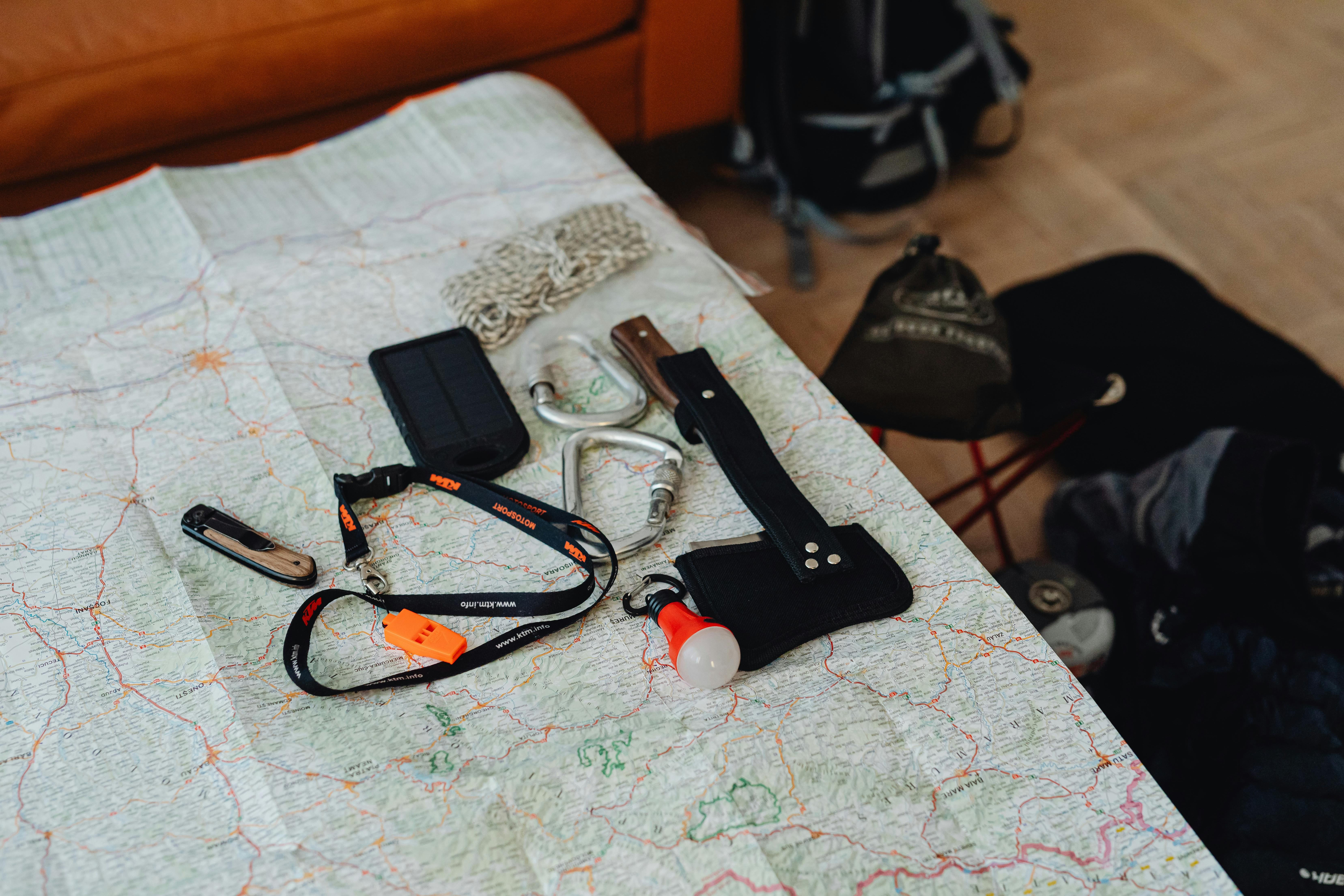
Long before your boots touch the dirt, your safety on the trail has already been decided by one thing: what’s inside your pack. Endorsed by the National Park Service and outdoor organizations like REI, the "10 Essentials" is not just a packing list; it's a systematic approach to preparedness. It ensures you have the tools to handle common problems and survive an unexpected night outdoors. Think of these not as ten individual items, but as ten crucial systems.
Navigation: Your primary system for knowing where you are and where you’re going. This must include a physical topographic map of the area and a compass. A GPS device or a smartphone with downloaded offline maps is a great tool, but electronics can fail. A map and compass are your foolproof backup.
Illumination: You need to be able to see in the dark, period. Carry a headlamp or flashlight with a full charge, and always pack extra batteries. A headlamp is superior as it keeps your hands free for other tasks.
Sun Protection: Sunburn and sunstroke can be serious dangers on the trail. This system includes sunglasses, broad-spectrum sunscreen (SPF 30+), and a wide-brimmed hat. Sun-protective clothing can also be a game-changer.
First-Aid Supplies: You must have the ability to treat common trail injuries. Your kit should be equipped to handle blisters, cuts, scrapes, and sprains. A basic kit is good; a custom-built one is better.
Repair Kit and Tools: Gear can break. A multi-tool or knife is invaluable, and a small roll of duct tape can repair everything from a torn jacket to a broken tent pole.
Fire: In an emergency, fire provides warmth, a way to purify water, and a powerful psychological boost. Carry waterproof matches, a reliable lighter, and a dedicated fire starter like dryer lint or a commercial fire-starting block.
Insulation: Weather can change in an instant, especially at elevation. You must carry an extra layer of clothing beyond what you start the hike in, regardless of the forecast. This should be a moisture-wicking layer, like a fleece jacket or thermal top—never cotton, which loses all insulating properties when wet.
Nutrition: Always pack more food than you think you’ll need. An extra day’s worth of non-perishable, high-energy food is the standard. Items like protein bars, nuts, and dried fruit are perfect.
Hydration: Carry more water than you expect to need and have a way to purify more. This means carrying a water filter or purification tablets to safely treat water from streams or lakes in an emergency.
Emergency Shelter: If you’re forced to spend an unplanned night out, protection from the elements is critical to preventing hypothermia. This doesn't mean a tent. A lightweight, packable emergency space blanket or bivy sack is all you need.

For expert-vetted gear lists and detailed trail guides from seasoned creators, the TrekGuider Marketplace is an invaluable resource for taking your preparation to the next level.
"Never Get Lost Again": Mastering Trail Navigation
Of all the potential hiking dangers, getting lost is one of the most common and terrifying. A recent study of SAR missions revealed that "error in judgment" was a leading cause of hikers needing rescue, and a huge part of that is poor navigation. Relying solely on your phone’s GPS is one of the biggest hiking safety tips to ignore—service is unreliable in the backcountry, and batteries die. True navigational confidence comes from time-tested skills.
How to Use a Map and Compass
This fundamental skill is easier than you think and is your most reliable tool.
Place the Compass on the Map: Lay your map flat. Identify your current location and your destination. Place your compass so the long edge of its baseplate creates a line connecting the two points, with the "Direction of Travel" arrow on the compass pointing toward your destination.
Set the Compass Bezel: Keeping the baseplate still, rotate the round bezel (the dial) until the orienting lines inside it are parallel with the map's north-south grid lines. Make sure the "N" on the bezel is pointing to North on the map. The number on the bezel aligned with the Direction of Travel arrow is now your bearing.
Follow the Bearing: Lift the compass off the map and hold it level in front of you. Turn your body until the red magnetic needle is "in the shed"—that is, perfectly inside the red orienting arrow on the bezel. The Direction of Travel arrow now points precisely to your destination. Pick a landmark in that direction, walk to it, and repeat the process.
Pro-Tip: The difference between "true north" (on your map) and "magnetic north" (where your compass points) is called declination. For precise navigation, you must adjust your compass for the local declination, which will be printed on your map.

Wildlife on the Trail: A Guide to Safe Encounters
Seeing wildlife is a thrilling part of hiking, but it’s crucial to remember that you are a visitor in their home. The core principles of every encounter are to maintain a safe distance, never feed wildlife, and know how to react to avoid escalating a situation.
Bear Encounters (Black vs. Grizzly)
Making noise while you hike (talking, clapping) is the best way to avoid surprising a bear. If you do encounter one, your reaction depends on the species.
If a Black Bear Approaches: Never run. Make yourself look as large as possible by raising your arms and opening your jacket. Yell, clap, and make loud noises. If it attacks, fight back aggressively. Target the bear's face and nose with anything you have—rocks, trekking poles, your fists. Do not play dead.
If a Grizzly Bear Approaches/Charges: Do not run and do not make direct eye contact. Speak in a calm, low voice to show you are not a threat. If it charges, stand your ground and use bear spray when it is within 30 feet. If it makes contact, play dead. Lie flat on your stomach, protect the back of your neck with your hands, and use your pack as a shield.
Mountain Lion (Cougar) Encounters
These predators are ambush hunters, so an encounter is rare. If you see one, it has likely been watching you.
Protocol: Do not run, as this triggers their chase instinct. Make direct eye contact. Make yourself appear larger by raising your arms and opening your jacket. Speak in a loud, firm voice. Slowly back away, giving the cat an escape route.
If Attacked: Fight back with everything you've got. Use rocks, sticks, or your hands to target the animal's eyes and face.
Venomous Snake Encounters
Snakes have no interest in humans and will only strike if they feel threatened.
Protocol: If you see a snake, freeze. Do not make any sudden movements. Once you've located the snake, slowly back away and give it a wide berth to move on. Be careful where you step and place your hands, especially when scrambling over rocks or logs.
If Bitten: The priority is to stay calm to slow the spread of venom. Limit physical activity and get to a hospital as quickly and safely as possible for evaluation and potential antivenom treatment.
Handling Trail Emergencies: What to Do When Things Go Wrong
Even with perfect preparation, accidents can happen. A twisted ankle, a sudden illness, or getting turned around can escalate quickly. Your ability to stay calm and make rational decisions is your most valuable asset. If you find yourself in trouble, remember the acronym S.T.O.P.
Stop: The moment you realize you are in trouble, stop moving. Sit down.
Think: Assess your situation calmly. What went wrong? What resources do you have?
Observe: Look around you. Where is the sun? Can you see any landmarks? Is there a source of water or shelter nearby?
Plan: Formulate a simple, logical plan. Don't make panicked decisions.
First Aid on the Trail
Your first-aid kit from the 10 Essentials is your go-to tool for injuries. Here's how to handle the most common trail ailments:
Blisters: The moment you feel a "hot spot" on your foot, stop and address it. Clean the area and apply moleskin or a blister-specific pad. Don't wait for it to become a full-blown blister.
Sprains: For a twisted ankle or knee, use an elastic wrap bandage from your kit to provide compression and support. Loosen it if you feel any numbness or tingling. Elevate the joint when you rest, and use a trekking pole or sturdy branch as a crutch if needed.
Cuts and Scrapes: Control any bleeding with direct pressure using a sterile gauze pad. Once it stops, clean the wound thoroughly with an antiseptic wipe and apply antibiotic ointment before covering it with a bandage.
A well-stocked daypack is crucial, but so is a plan for the whole trip. Before you head out to explore our incredible national parks, make sure your vehicle and supplies are just as prepared as your hiking gear.
Your Ultimate Adventure Blueprint
Ready to hit the road? Don't leave home without our expert-vetted National Park Road Trip Checklist. This free guide covers everything from vehicle prep and essential gear to can't-miss stops, ensuring your adventure is seamless from start to finish. Download it for free now!
Hiking Safety FAQs
A prepared mind anticipates questions. Here are expert answers to common concerns.
1. What's the right way to signal for help?
If you determine you cannot get yourself out of a situation safely, you need to signal for help. The universal distress signal is three of anything: three whistle blasts, three flashes of a headlamp, or three piles of rocks. A whistle is a must-have item that uses far less energy and carries further than shouting. For serious backcountry travel, consider investing in a personal locator beacon (PLB) or satellite messenger, which can send an SOS signal with your exact location to emergency services.
2. Is it safe to hike alone?
Solo hiking can be an incredibly rewarding experience, but it requires a higher level of preparation and self-sufficiency. All the rules in this guide become even more critical. It is absolutely essential that you leave a detailed itinerary with a trusted friend or family member. Include your planned route, your start and end times, and a "panic time"—the specific time they should call for help if they haven't heard from you.
3. What do I do if the weather turns bad unexpectedly?
Your first priority is to get below the treeline if you're in an exposed area to reduce the risk of lightning strikes. Put on your extra insulating layer and your rain gear before you get wet and cold. Assess your map and your situation. It is often safer to turn back, even if you're close to your destination, than to push on into deteriorating conditions.
Pro-Tip: Always tell someone your plan. Before every hike, leave a detailed itinerary with a trusted friend or family member. This is the single most important safety net you have.
Your Adventure, Empowered by Preparation
The goal of these hiking safety tips is not to fill you with fear, but to arm you with confidence. Every piece of gear you pack and every skill you learn is a key that unlocks a new level of freedom on the trail. Preparation allows you to push your boundaries, explore wilder places, and immerse yourself in the beauty of nature without the nagging whisper of anxiety. By respecting the wilderness and committing to self-sufficiency, you transform from a simple visitor into a capable, confident adventurer.
Now that you have the skills for a safe hike, you can integrate that adventure into a larger, perfectly planned journey. For a complete master plan covering everything from budgeting and logistics to finding the best trails and tours, our all-encompassing Travel Guide is the only resource you'll ever need.
Don't Miss Out! Subscribe for Exclusive Content
SubscribeComments 0
No comments yet
Be the first to share your experience!
Dont Miss Out! Subscribe for Exclusive Content

How to Avoid Travel Scams: A Global Guide

Is Public WiFi Safe? How to Protect Your Data Abroad

A Woman's Guide to Safe Travel: 10 Critical Tips

7 Hotel Safety & Security Tips for Peace of Mind

9 Beach Safety Tips That Could Save Your Life

7 Travel Insurance Red Flags to Spot Before You Buy
How to Make Family Travel Planning Actually Easy
TrekGuider @trekguider
Staring down the logistics of a family vacation can feel less like an adventure and more like a high-stakes, unpaid second job. The dream of relaxing on a sun-drenched beach is often buried under an avalanche of budgets, schedules, and the wildly different demands of a toddler and a teen. If you’re feeling the pressure to create a perfect, frictionless experience, you’re not alone—the mental load is immense.

This constant juggling act leaves you feeling stressed before you’ve even packed a bag. But what if the planning process itself could be a seamless and satisfying part of the journey? You don't need a business degree to succeed—you just need the right playbook. This is that playbook. We’ve created a comprehensive guide that transforms a daunting task into a manageable process, clearing the path to the best Family Travel Ideas: The 2026 Guide to Unforgettable Trips.
The Strategic Blueprint (6+ Months Before Your Trip)
A truly relaxing vacation is built long before you ever pack a bag. The decisions you make in this early stage form a rock-solid foundation that prevents costly mistakes and eliminates last-minute panic. This is where you align expectations, define your financial reality, and get the core logistics in order.
Define Your Family's Travel Style
The most common mistake is choosing a trip that’s fundamentally mismatched with your family’s personality. A rustic camping trip will be a disaster for a family that craves resort amenities. Before you do anything else, take a moment for an honest assessment.
Ask yourselves:
Are we Relaxation-Oriented or Adventure-Seekers? Do we want to spend our days lounging by a pool, or are we happiest when hiking, biking, or exploring?
Do we prefer Structure or Spontaneity? Does a detailed itinerary make us feel secure, or does it feel restrictive?
Are we City Explorers or Nature Lovers? Do we draw energy from bustling streets and museums, or from quiet trails and scenic vistas?
What is our "Pace-Maturity"? Can our kids handle long days of sightseeing, or do we need to build in significant downtime and nap schedules?
Answering these questions creates a filter that immediately narrows down your options. It stops you from planning a trip you think you should want, and helps you focus on the one your family will actually enjoy. For more help with this crucial first step, see our guide on Best Family Vacations: How to Finally Pick the Right One.
Host a "Family Dream Session" to Get Everyone on Board
Getting buy-in from the entire crew early on is the secret to a harmonious trip. This turns "your" trip into "our" trip and builds collective excitement.
For younger kids: Frame choices in simple terms. "Would you rather build sandcastles at the beach or see really big animals at a national park?"
For older kids and teens: Give them genuine responsibility. Task them with researching and pitching two or three activity options for the trip.
Make it fun: Host a "dream session" over pizza with a map spread out on the table. Create a shared vision board on Pinterest where everyone can add images of what they'd like to see, do, and eat.
Craft a Realistic Vacation Budget That Works
Nothing kills the vacation buzz faster than money stress. A clear budget isn’t a restriction; it’s a powerful tool that makes decisions easier and eliminates worry.
Determine a Total Trip Number: Decide on a realistic, all-in amount you are comfortable spending. Work backward from this number.
Use the 50/30/20 Rule: Allocate your funds to provide structure.
50% for Core Costs: This covers the non-negotiables: flights/fuel and accommodations.
30% for Experiences: This is your budget for activities, tours, park tickets, and dining out.
20% for Contingency & Extras: This covers souvenirs and, crucially, a 10-15% buffer for the unexpected. This emergency fund is your key to a stress-free mindset.
Account for Hidden Costs: Don't forget easily overlooked expenses like airport parking, baggage fees, hotel resort fees, and travel insurance.
Automate Your Savings: Create a dedicated high-yield savings account for your trip (e.g., "Hawaii 2026") and set up automatic transfers. This makes the goal feel tangible and motivating.
Track Everything: Use a simple spreadsheet or a budgeting app to monitor your spending and ensure you stay on track.

Conduct a Critical Document Audit
This is the most time-sensitive task in this entire phase. Do not procrastinate.
Passports: Physically locate every passport and check the expiration date. Many countries require your passport to be valid for at least six months after your planned return date. If anyone’s is expiring within a year, start the renewal process now.
Visas: Do a quick search for visa requirements for your top destination choices.
Digital Backups: Take a photo of each passport's information page and save it to a secure cloud service like Google Drive or Dropbox. This can be a lifesaver.
For a comprehensive list of everything you might need for a trip abroad, our International Travel Checklist is an essential resource.
Locking in the Logistics (3-5 Months Before Your Trip)
With your destination direction clear and documents verified, it’s time to commit. This phase is about securing the key elements of your trip at the best possible prices. This is a key part of successful family travel planning.
Choose the Perfect Destination & Accommodations
Where you stay is more than just a place to sleep; it’s your command center.
Hotels vs. Vacation Rentals: Hotels offer amenities like pools and housekeeping. Vacation rentals (like Airbnb or Vrbo) provide invaluable assets like a full kitchen (critical for picky eaters), separate bedrooms (a lifesaver for different bedtimes), and a washing machine.
The Amenity Checklist: When booking, look for game-changing features like a kitchen, on-site laundry, and a pool or nearby playground for easy entertainment.
Pro-Tip: When traveling with infants, call the hotel directly to confirm the availability and condition of amenities like cribs. Don't rely solely on an online icon.
Secure Your Flights, Lodging, and Rental Car
The best family-friendly options get snatched up quickly, especially during school breaks.
Become a Flight Hawk: Use tools like Google Flights to set price alerts for your route. For international travel, the 2-3 month window is often the sweet spot.
Book Your Home Base: Lock in your preferred hotel or vacation rental now for the best selection.
Reserve Your Wheels: If you need a rental car—especially a larger SUV or van—book it early. Waiting is a recipe for sky-high prices or no availability at all.
Invest in Peace of Mind with Travel Insurance
Think of travel insurance not as an expense, but as an essential piece of safety equipment. It’s the safety net that protects your financial investment and ensures your family’s health is covered. A good policy must include strong coverage for trip cancellation, emergency medical expenses, and emergency medical evacuation. Use a comparison site like Squaremouth or InsureMyTrip to easily compare policies.
Fleshing Out the Details (1-2 Months Before Your Trip)
The skeleton of your trip is built. Now it’s time to add the muscle and personality by planning your daily adventures and handling key logistics back home.

Build a Flexible Itinerary (and Avoid the Over-scheduling Trap)
A great itinerary is a guide, not a straitjacket. The goal is to minimize on-the-ground stress, not to schedule every second.
The "One Big Thing" Rule: Anchor each day with only one primary activity (e.g., a museum visit, a specific hike). Everything else is a bonus.
Schedule Downtime: This is the golden rule of family travel. Intentionally block out "do nothing" time. Alternate busy days with relaxed ones to prevent meltdowns.
Delegate and Empower: Assign each child or teen a "planning day." Let them choose the main activity or where the family eats dinner from a pre-approved list.
Transform Your Itinerary from a To-Do List to a Done Deal
A well-structured plan is the secret to a low-stress vacation. Stop trying to organize everything in a messy document or a string of emails. Download our free Travel Itinerary Template to build a clear, flexible, and easy-to-follow plan that the whole family can use.
Pre-Book "Must-Do" Tickets and Reservations
For bucket-list attractions that are known to sell out or have long lines (like the Colosseum or a popular luau), booking your tickets online a month in advance is a game-changer. This simple step can save you hours of waiting.
Arrange Home, Pet, and Plant Care
Pet Sitter/Kennel: Confirm dates and details with your pet care provider.
House Sitter: Finalize plans and do a walkthrough of your home’s quirks.
Inform a Neighbor: Give a trusted neighbor your itinerary and contact info, and ask them to keep an eye on your place.
The Final Countdown (The Week Before Departure)
The excitement is building! This week is all about tying up loose ends, starting the physical packing process, and prepping your home for departure.
Pack Smart, Not Heavy: A Strategy for Families
Overpacking is a travel sin. It creates heavy luggage and decision fatigue. For a deeper dive into minimalism, grab our popular How to Pack Light Guide.

Create a "Staging Area": Designate a guest bed or a corner as your packing zone. As you think of items throughout the week, put them there to prevent last-minute scrambling.
Use Packing Cubes: These are non-negotiable. Assign each family member a color to keep clothes organized and make finding items a 10-second job.
Pack by Outfit: Lay out complete outfits for each day, including socks and accessories. This prevents overpacking "just in case" items.
Pro-Tip: Snap a picture of each child's daily outfit on your phone. This visual checklist makes it easy for them to get dressed and ensures you don't forget anything.
The 1-Week Rule: For trips longer than seven days, pack for one week and plan to do laundry.
Prepare Your Carry-On Command Center: Your carry-on is your lifeline. It must contain a complete change of clothes for everyone, all essential medications, a "boredom-busting" kit, and portable power banks with charging cables.
Handle Last-Minute Finances and Confirmations
Triple-Check Reservations: Quickly reconfirm flight times, hotel bookings, and car rental details.
Notify Your Banks: Call your credit card companies to set a travel notice to prevent your cards from being frozen for suspected fraud.
Get Local Currency: If traveling internationally, get a small amount of local currency to cover immediate expenses like a taxi or snacks upon arrival.
Prep Your Tech for Travel
The Great Charge-Up: Charge every single electronic device to 100%—phones, tablets, and power banks.
The Great Download: Download everything you might need: movies, playlists, podcasts, and offline Google Maps for your destination. Never rely on spotty airport Wi-Fi.
An Age-by-Age Guide to a Smoother Journey
Tailoring your strategy to your kids' developmental stages is the secret to travel harmony. Generic advice falls flat. Here’s how to adapt your approach.

Traveling with Infants & Toddlers (Ages 0-4)
Packing: Create a "Blowout Bag" for your carry-on with two full changes of clothes, extra diapers, and wipes. Consider using a gear rental service like BabyQuip at your destination for bulky items.
Transit: Gate-check your stroller to have it immediately upon deplaning. Pack a small bag of new, quiet toys (stickers, gel window clings) to reveal during the flight. For more pro tips, check out our Stress-Free Flying with Kids Guide.
On-the-Ground: Try to maintain your child's nap and sleep schedule as much as possible. A well-rested child is a happy traveler.
Traveling with Young Children (Ages 5-10)
On-the-Ground: Balance "adult" activities with kid-focused fun. For every museum, plan a trip to a playground. Give them a simple camera and assign them the role of "Official Trip Documentarian."
Pro-Tip: Before visiting a historical site, find a short, engaging, kid-friendly YouTube video about it. Five minutes of prep provides context and can prevent an hour of whining.
Souvenir Hack: Give them their own vacation spending money. This empowers them, teaches budgeting, and instantly ends the "Can I have this?" negotiations.
Traveling with Tweens & Teens (Ages 11-17)
Transit: Respect their need for space. A long travel day is a great time for them to listen to music or watch their own movies. Don't force family games.
On-the-Ground: The key is autonomy.
Grant them planning power: Make them responsible for planning one full day of the trip.
Schedule solo time: Allow for supervised periods of independence, like exploring a shopping district while you visit a nearby coffee shop.
Wi-Fi is a utility: Acknowledge that connecting with friends is important to them. Ensure your accommodation has reliable Wi-Fi and treat it like you would hot water.
The Ultimate Departure Day Checklist
The day is here! The goal is a calm, orderly exit. Run through this final checklist before you head out the door.
Last-Minute Grab List
Toiletries used this morning (toothbrushes, hairbrush)
Phone chargers that were used overnight
Daily medications
Each child's essential comfort item ("lovey")
Final Home Security Check
Adjust thermostat (up in summer, down in winter)
Empty all trash cans and run the dishwasher
Unplug non-essential small appliances
Check that all windows and doors are locked
The Final Sweep
Do one last walkthrough, grab your cooler of snacks, take a deep breath, and lock the door. You did it. Let the adventure begin.
Frequently Asked Questions
What is the biggest mistake in family travel planning?
The most common mistake is choosing a vacation that doesn't match your family's true travel style. Planning an intense, adventure-packed trip for a family that prefers to relax by the pool is a recipe for stress. An honest assessment of your family's preferences is the most important first step.
How much should I budget for a family vacation?
A great starting point is the 50/30/20 rule. Allocate 50% of your total budget to core costs like flights and lodging, 30% to experiences like activities and dining, and reserve 20% for extras and a crucial contingency fund for unexpected costs.
What is the "One Big Thing" rule for family itineraries?
The "One Big Thing" rule is a simple way to avoid over-scheduling. Instead of packing your day with activities, anchor each day with just one primary event, like a museum visit or a specific hike. This creates a flexible structure and leaves room for spontaneous fun and much-needed downtime.
Your Plan is Your Passport to Presence
The goal of careful family travel planning is not to eliminate every possible hiccup, but to build a resilient, flexible framework that allows your family to navigate challenges together. By following this guide, you’ve transformed a daunting task into a manageable process. You are the architect of your family's most precious memories.
The shared discovery and laughter are the ultimate return on your investment. Now, go and enjoy the incredible experience you've worked so hard to create by exploring all the Family Travel Ideas: The 2026 Guide to Unforgettable Trips that await.

Read the full guide: Family Travel Ideas: The 2026 Guide to Unforgettable Trips
Don't Miss Out! Subscribe for Exclusive Content
SubscribeComments 0
No comments yet
Be the first to share your experience!
Dont Miss Out! Subscribe for Exclusive Content
Ultimate USA Holidays Guide: Top Picks
FTC Affiliate Disclosure Essentials: Stay Compliant as a Travel Creator
Essential Affiliate Tools: From Tracking to Full Optimization
Booking.com Affiliate Program Review: Pros, Cons, and Earnings Potential

Decoding Affiliate Commission Rates: Benchmarks for Travel Creators

Top 11 High-Paying Affiliate Programs for Travel Bloggers
The Travel Blogger's Playbook to Affiliate Marketing Mastery
TrekGuider @trekguider
Most articles about affiliate marketing for bloggers give you a list. This is not one of those articles. A list won't teach you that the difference between earning $50 a month and $5,000 a month isn't the number of programs you join—it's the business strategy you deploy. The top 1% of travel bloggers don't just 'add links'; they build sophisticated affiliate marketing engines that run on audience trust, strategic content, and diversified revenue streams. This guide is the blueprint to that engine. We'll cover the programs, yes, but more importantly, we'll give you the complete practical plan to turn your passion into a predictable, profitable business.

At its core, affiliate marketing is beautifully simple: you earn a commission for recommending products and services you already use, love, and trust. When a reader clicks your unique referral link and makes a purchase, the brand pays you a percentage as a thank you. It's the most organic and authentic way for travel content creators to monetize their work, weaving recommendations seamlessly into the stories and advice they’re already sharing. This isn't about plastering your site with blinking, irrelevant banner ads; it's about monetizing the trust you’ve worked so hard to build.
The Foundation: Why Most Bloggers Fail at Affiliate Marketing (And How You'll Succeed)
Before we even mention a single program, let's address the hard truth: most bloggers who try affiliate marketing fail to earn anything meaningful. They treat it like a lottery, scattering links across their site and hoping for a lucky sale. This tactical, hope-based approach is doomed to fail.
Sustainable success in this field isn't about tactics; it's about strategy. It's about building a business system where affiliate income is the natural, inevitable byproduct of the immense value you provide. By understanding the common pitfalls from the outset, you can sidestep the mistakes 99% of bloggers make and architect a monetization engine built for long-term, predictable success.
It's a Business, Not a Tactic

Let’s start with the single most important mental shift you need to make: you are not just a blogger. You are the founder of a media company. Your blog is its flagship publication, and affiliate marketing for bloggers is your first—and most important—revenue division.
A tactical blogger asks, "Where can I put this link?" A strategic business owner asks, "What problem does my audience have, and which product is the absolute best solution I can recommend to solve it?" This subtle reframing changes everything. It shifts your focus from selling to serving. Your content transforms from a sales pitch into an indispensable resource, and your affiliate links become helpful signposts on your reader's journey, not distracting billboards. Master this mindset, and you've already won half the battle.
The Triangle of Trust: Niche, Audience, Authenticity
High affiliate conversion rates are a direct result of one thing: audience trust. You can have the most beautiful website and the cleverest link placements, but if your readers don't truly trust your recommendations, you will not make a single sale. In our experience, unshakable trust is built on three inseparable pillars:

A Well-Defined Niche: You cannot be everything to everyone. A laser-focused niche (e.g., "solo female travel in Southeast Asia," "luxury family travel in Europe," "budget backpacking in South America") allows you to become a true expert. This perceived expertise is the bedrock of authority and trust. If you're just getting started, our guide on is a crucial first step.
Deep Audience Understanding: Once you have your niche, you must become obsessed with understanding the people within it. What are their biggest fears about booking a trip? What are their most pressing, unanswered questions? What specific problems can you solve for them? When you understand your audience on this level, you can create content that speaks directly to their needs, making your affiliate recommendations feel less like an advertisement and more like a personal, can't-miss suggestion from a trusted friend.
Unshakeable Authenticity: This is the glue that holds it all together. Only recommend hotels, tours, gear, and services that you have used yourself and genuinely believe in. Your audience is savvy; they can spot a phony, profit-driven recommendation from a mile away. Had a bad experience with a popular tour? Say so. Found a hotel to be overrated? Share that, too. This radical honesty—even when it means forgoing a commission—builds immense long-term credibility that will pay dividends for years to come.
Why a Small, Engaged Audience is More Valuable Than a Large, Passive One
One of the most pervasive and damaging myths in the blogging world is that you need hundreds of thousands of page views to earn significant affiliate income. This is demonstrably false. While traffic is a component of the equation, it is far from the most important one. Engagement and intent matter infinitely more.
Consider two of our creators:
Blogger A has 100,000 monthly visitors to a generic "cheap travel deals" blog. Their audience is broad, unengaged, and looking for quick transactions. Their affiliate conversion rate is a dismal 0.1%.
Blogger B has just 5,000 monthly visitors to their niche blog about "scuba diving for beginners." Their audience is highly targeted, deeply engaged, and actively seeking expert advice. Their conversion rate on dive gear and course recommendations is a healthy 3%.
Despite having 20 times less traffic, Blogger B will earn significantly more affiliate income. Their audience isn't just passing by; they are leaning in, listening, and ready to act on trusted advice. The lesson is clear: do not wait for massive traffic to begin. Focus first on building a small, loyal, and highly engaged community. The income will follow.
Affiliate Networks vs. Direct Programs

Once you’ve built your foundation of trust, it’s time to understand the operational machinery of the affiliate world. There are two primary ways to partner with the brands you love: through large affiliate networks or by establishing direct, one-on-one partnerships. Making a deliberate choice here is a critical structural decision for your business, as we explore in our deep dive into .
What are Affiliate Networks? The Pros and Cons of Centralization
Affiliate networks like Travelpayouts, CJ Affiliate, or ShareASale act as massive marketplaces. They are the intermediaries connecting thousands of bloggers (publishers) with thousands of companies (brands). You join the network, and from one central dashboard, you can apply to the individual programs of countless brands, from hotel chains to tour operators.
The Pros of Affiliate Networks:
Radical Efficiency: This is the headline benefit. You get one login, one dashboard to track all your performance metrics, and one consolidated monthly payment. This dramatically simplifies the administrative side of your business.
A World of Variety: Networks give you instant access to a huge catalog of potential partners, making it easy to find and test programs that perfectly fit your niche.
Effortless Discovery: They are an excellent tool for discovering new and relevant brands you might not have found otherwise.
The Cons of Affiliate Networks:
Program Volatility: This is the biggest risk. A brand can leave a network at any time. If a major hotel chain you promote heavily switches networks, you could face the monumental task of finding and updating hundreds of links across your site.
A Middleman's Margin: Networks need to get paid, too. That often means the commission rate you see on a network is slightly lower than what you could get by negotiating a direct deal, as the network skims a percentage off the top for their services.
Impersonal Relationships: Communication is often filtered through the network, making it harder to build a strong, personal relationship with a brand's affiliate manager that could lead to special opportunities.
The Pros and Cons of Individual Partnerships
The alternative is to bypass the networks and apply directly to a brand's in-house affiliate program. Many of the world's top travel companies, from airlines to gear manufacturers, run their own programs for this very reason.
The Pros of Going Direct:
Higher Earning Potential: By cutting out the middleman, you can often secure higher commission rates. Over time, that extra 1-2% on your top partners adds up to significant income.
Powerful Relationships: A direct partnership allows you to build a real relationship with the affiliate manager. This can lead to exclusive coupon codes for your audience, co-branded marketing campaigns, and world-class support.
Fortress-Like Stability: Your partnership is not subject to the whims of a network. As long as the brand runs its program, your links are secure.
The Cons of Going Direct:
Administrative Overload: This is the trade-off. Every direct partnership means a separate login, a different dashboard, a unique payment threshold, and another platform to manage. Five direct partners are manageable; fifty is a nightmare.
Higher Barriers to Entry: It can be more difficult for new bloggers with low traffic to get approved for prestigious direct programs.
Time-Consuming Discovery: You have to actively hunt down these programs, which can be a significant time investment.
Our Verdict: A Hybrid Strategy for Maximum Earnings
For 99% of travel bloggers, the optimal approach is a hybrid strategy. It provides the perfect balance of efficiency and earning potential, giving you the best of both worlds.
Here’s the playbook: Start by joining one or two core affiliate networks (like Travelpayouts) to gain access to a broad range of programs. Use this to efficiently test what resonates with your audience. As you analyze your data, you will inevitably identify a small handful of "powerhouse" affiliates—the two or three brands that generate 80% of your income. For these mission-critical partners, it is absolutely worth the extra administrative effort to leave the network and establish a direct relationship. This hybrid model gives you operational simplicity for the masses and maximum profitability for your champions.
A Deep Dive into the Top 3 Travel Affiliate Networks
Choosing the right network is a foundational decision that will shape your workflow. While dozens of options exist, three platforms consistently rise to the top for travel bloggers due to their brand inventory, powerful features, and strategic focus.

Travelpayouts: The All-in-One Travel Specialist
Travelpayouts has masterfully positioned itself as the premier affiliate network built by travel experts, for travel experts. It consolidates over 100 of the world's leading travel brands into a single, intuitive platform, making it an incredibly powerful and efficient hub for your business.
The genius of Travelpayouts is its singular focus. You won't waste time sifting through irrelevant retail or finance offers. Every single brand, from giants like Booking.com (we have a dedicated if you want to dive deep) and Viator to niche local tour operators, is directly relevant to your content. Their standout feature is the "LinkSwitcher" tool—a brilliant script that automatically converts direct brand links on your site into your unique affiliate links. This alone can save you dozens of hours and is a game-changer for monetizing old content. For bloggers who want to cover every facet of travel without juggling ten different platforms, Travelpayouts is the undisputed champion.
Stay22: The Tech-Forward Accommodation Innovator

Stay22 is a more specialized but incredibly powerful player, particularly for bloggers whose content is heavily focused on accommodations. While they partner with all the major booking sites like Expedia and Hotels.com, their true advantage lies in their innovative, AI-powered technology.
Their flagship "Let Me Allez" script automatically scans your site for mentions of locations and hotels and converts them into monetized affiliate links—a massive time-saver. Even better, Stay22 enables you to create beautiful, interactive maps that display real-time accommodation options in a specific area. You can embed these maps directly into posts like "Where to Stay in Rome," providing immense visual value to your readers while seamlessly monetizing their journey. For creators who want to leverage cutting-edge tech to enhance user experience and maximize accommodation revenue, Stay22 is an essential tool.
CJ Affiliate (Commission Junction): The Legacy Giant with Global Reach
CJ Affiliate is one of the oldest and largest affiliate networks on the planet. While it isn't travel-specific, its sheer scale means it is home to some of the biggest names in the industry, including major airlines, hotel groups like IHG, and iconic tour companies like G Adventures.
The primary advantage of CJ is its vast scope. If your blog has a "lifestyle" component that extends beyond pure travel—perhaps into photography gear, outdoor clothing, or online courses—you can manage all those affiliate partnerships within the same CJ dashboard. This is a significant benefit for established, multi-niche bloggers aiming for diversification. While its interface can feel a bit more corporate than its travel-focused peers, its reliability, best-in-class tracking, and portfolio of top-tier brands make it a key element platform for any serious affiliate marketer.
Building Your Ultimate Affiliate Portfolio: Top Programs by Category
While networks provide the operational backbone, the heart of your strategy lies in the individual programs you champion. A well-curated portfolio is like a diversified investment portfolio; it maximizes returns by aligning with your audience's needs at every stage of their journey. We've handpicked some of the in the most critical categories, complete with the data you need to make smart, strategic decisions.

Accommodations: Booking.com, Agoda, Hostelworld
This is often the most lucrative category. You are helping your readers make one of the most important—and expensive—decisions of their trip.
Booking.com: The undisputed king. Its massive inventory, trusted brand name, and sky-high conversion rates make it a non-negotiable for nearly every travel blogger.
Commission Rate: ~4% of the booking value (varies)
Cookie Duration: Session-based. Strategic Implication: This means you need to capture high-intent readers who are ready to book now. Your content should be action-oriented.
Agoda: A powerhouse in the Asian travel market. If your blog focuses on Asia, featuring Agoda is a must to cater to regional preferences and pricing.
Commission Rate: Up to 7%
Cookie Duration: 30 days
Hostelworld: The go-to platform for budget and solo travelers. If your niche is backpacking or your audience skews younger, this program is essential.
Commission Rate: 20-40% of the deposit paid
Cookie Duration: 30 days
Tours & Activities: Viator & GetYourGuide
Tours and activities are a fantastic way to earn commission while genuinely enhancing your readers' trips. This is where you help them create memories.
Viator: Owned by TripAdvisor, Viator boasts an unparalleled inventory of tours worldwide. Its brand recognition and easy-to-use interface drive solid conversions.
Commission Rate: 8%
Cookie Duration: 30 days
GetYourGuide: A major competitor with a slightly more modern, curated feel. It's smart to join both, as some of the best tours are exclusive to one platform. This allows you to always recommend the absolute best option.
Commission Rate: 8-10%
Cookie Duration: 30 days
Flights & Transport: Skyscanner, Discover Cars
Flight commissions are notoriously low, but rental cars offer a significant earning opportunity.
Skyscanner: The most popular flight comparison tool. You won't get rich promoting it, but including Skyscanner links is a helpful service that builds reader trust.
Commission Rate: Varies (often a % of Skyscanner's revenue)
Cookie Duration: 30 days
Discover Cars: A leading car rental comparison site with stellar reviews. With rentals often costing hundreds of dollars, commissions can be substantial.
Commission Rate: Up to 70% of their profit
Cookie Duration: 365 days. Strategic Implication: A year-long cookie is a game-changer. A reader can click your link during initial research and book nine months later, and you still get paid.
Travel Insurance: SafetyWing & World Nomads
Promoting travel insurance is not just a smart business decision; it's an ethical obligation. It's a critical purchase, and the recurring commission models can build a foundation of predictable income.
SafetyWing: Hugely popular with digital nomads for its flexible monthly subscription model. This recurring commission is the holy grail for building a stable income base.
Commission Rate: 10% on all sales (including recurring subscriptions)
Cookie Duration: 365 days
World Nomads: An established and trusted name, particularly in the adventure travel community. Their brand authority helps convert readers who are on the fence.
Commission Rate: 10%
Cookie Duration: 60 days
Gear & Products: Amazon Associates, REI, Osprey

Recommending the gear you personally use is one of the most powerful forms of affiliate marketing. These recommendations are rooted in your authentic experience.
Amazon Associates: The world's largest affiliate program. While commissions can be low, its massive product selection and high likelihood of a user buying multiple items make it a necessary part of any gear strategy. For a deep dive, check out our guide on .
Commission Rate: 1-4% (varies by category)
Cookie Duration: 24 hours
REI: The gold standard for outdoor and adventure gear in the U.S. Their trusted brand and high-quality products make it a great alternative to Amazon for a specialized audience.
Commission Rate: 5%
Cookie Duration: 15 days
Osprey: Many top gear brands, like the beloved backpack manufacturer Osprey, run their own direct affiliate programs. If you're a passionate advocate for a specific brand, always check for a direct program—the commissions are often higher.
Commission Rate: 8%
Cookie Duration: 30 days
While linking to individual items is effective, many readers seek a curated, all-in-one solution. This is a perfect opportunity to link to your own helpful resource, like our free PDF on . It provides value far beyond a simple product link and opens an entirely new revenue stream when you create your own products.
How to Add Links That Actually Convert
Knowing which programs to join is science. Knowing how to integrate your links is art. The goal is for every link to feel like a natural, helpful extension of your content, not a jarring interruption. This requires a thoughtful approach to placement, context, and language.
The Golden Rule: Recommend, Don't Sell

Your role is that of a trusted advisor, not a used car salesman. Your content should be 95% pure, unadulterated value and 5% thoughtful recommendation. When you do recommend a product, it should feel like the logical conclusion to the problem you've been helping the reader solve. For a masterclass on this, read our guide on .
Instead of: "You should buy this backpack. Here's the link."
Try: "After testing three different carry-on backpacks on my last trip to Europe, the Osprey Farpoint 40 was the clear winner. Its clamshell design made packing a breeze, and the suspension system was comfortable even after a full day of navigating Prague's cobblestone streets. If you're looking for a versatile one-bag travel solution, this is the one I wholeheartedly recommend."
The second example works because it's rooted in experience, provides specific reasons, and is framed as a helpful solution.
Practical Placement: In-text Links, Comparison Tables, and Resource Pages
Forget flashy banner ads. They have abysmal click-through rates and cheapen your brand. The highest-converting links are almost always the ones most seamlessly integrated into your content. Mastering this requires a deeper understanding of search intent and SEO for.
In-Text Contextual Links: This is your bread and butter. A simple text link embedded naturally within a sentence—like one on the words "my favorite travel insurance"—is the most powerful and authentic way to make a recommendation.
Comparison Tables: When a reader is in the final decision-making phase, a simple, clear comparison table is an incredibly valuable tool. Creating a table comparing the features of 3-4 different travel insurance plans, complete with your affiliate links, can be a conversion powerhouse.
Resource Pages: Every blog needs a dedicated "Resources" or "Travel Gear" page. This acts as a curated list of all the products and services you use and recommend. It's a high-value asset for your readers and a simple way to house your most important links. Better yet, your TrekGuider creator page functions as an automatic, centralized hub for your audience, showcasing your articles, digital products, and top recommendations all in one place.
To elevate your destination guide from helpful to indispensable, embed a link to a product like the "Customizable Google Maps Itinerary for Rome" from the TrekGuider marketplace. This creates a powerful monetization stack: you earn affiliate commission from the hotel booking link within the guide and direct revenue from your high-value digital map, effectively doubling your earnings from a single reader.
A Simple Guide to Affiliate Disclosure
This is non-negotiable. For legal reasons (the FTC requires it) and for the even more important reason of maintaining audience trust, you must clearly and conspicuously disclose that you use affiliate links. The nuances are important, which is why we've created a dedicated guide on .
This is simple. A straightforward statement at the very top of your blog posts, before any affiliate links appear, is all you need. For example:
"A quick heads-up: This post contains affiliate links. If you make a purchase through one of them, I may earn a small commission at no extra cost to you. I only recommend products and services I personally use and love. Thanks for your support!"
Place a similar disclosure in your site's footer. Transparency isn't just a legal requirement; it's the currency of trust.
Using Affiliates to Validate Your Own Digital Products

This is the strategy that separates the top 1% of earners from everyone else. Affiliate marketing is not just a revenue stream; it is the ultimate market research tool. The data you collect should be the foundation for your next, more profitable venture: creating and selling your own digital products.
What Affiliate Data Tells You About Your Audience
Your affiliate dashboard is a goldmine. It's a direct, unfiltered look into the minds of your readers. Pay attention to the story it tells:
Which links get the most clicks? This reveals your audience's core interests. To get this data, you'll need the right tools, which we cover in our review of .
Which products actually sell? This tells you what they are willing to pay for.
What is the average purchase value? This helps you understand their budget.
If your article on "The Best Day Trips from Florence" consistently drives a high number of sales for a specific Vespa tour, that is a powerful signal. It tells you your audience is highly interested in Tuscan day trips and is willing to pay for a curated experience.
Creating Digital Products that Complement Your Affiliate Recommendations
Once you've identified these patterns, you can brainstorm digital products that offer a higher level of value than a simple affiliate link ever could. These products don't compete with your affiliate offers; they complement them. For inspiration, grab our free guide on .
This is precisely why we built TrekGuider. Instead of wrestling with e-commerce plugins, payment gateways, and file delivery systems, you can upload your guide to the TrekGuider marketplace in minutes. We handle the entire transaction, allowing you to focus on what you do best: creating invaluable resources for travelers.
Example: From Recommending a Viator Tour to Selling Your Custom Itinerary

Let's return to that Florence example. You see that the "Tuscany Vespa Tour" on Viator is a huge seller. Market validated. Now, you create your own premium digital product: "The Ultimate Self-Guided Vespa Itinerary for Tuscany." You could even bundle it with our comprehensive .
This downloadable PDF guide could include:
A detailed, day-by-day route optimized for jaw-dropping scenery.
A private Google Map with pinned locations for the best photo spots, local-approved lunch spots, and hidden gems.
A guide to renting a Vespa, including what to look for and what to avoid.
A checklist of what to pack for the perfect day.
You can sell this digital guide for $29, a price point that dwarfs the $5 commission you might earn from the tour booking. You've used affiliate data to validate an idea, created a more valuable solution, and built a revenue stream that you own 100%. This is the path from blogger to true business owner.
Frequently Asked Questions (FAQ Section)

How much can I realistically earn from affiliate marketing?
The range is massive. A new blogger should celebrate their first $100 month, which often takes 6-12 months of consistent work. An established blogger can earn $500 to $3,000 per month. A top-tier travel blog, run as a serious business, can generate well over $10,000 a month from affiliate revenue alone by focusing on . Your income will be a direct reflection of your audience's trust, the strategic quality of your content, and your commitment to this as a business.
How much traffic do I need to get started?
Forget the vanity metric of huge traffic numbers. Most affiliate programs have no minimum traffic requirements. You can be approved for Booking.com or Amazon Associates on day one. Your focus should be on creating high-quality, targeted content that answers a specific question for a small, engaged audience. One great article that ranks for a "buying intent" keyword—something you can master with —can earn more with 100 visitors than a generic post with 10,000.
Can I be an affiliate marketer without a blog?
Yes, you can. While a blog is the ideal asset because you own it, you can absolutely use affiliate links on other platforms. YouTube video descriptions, Instagram Stories (with a "link in bio" service), and even Pinterest are all viable channels. The core principles of trust, authenticity, and service remain exactly the same, regardless of the platform.
What's the difference between Pay-per-Sale and Pay-per-Lead?
These are the two main commission models:
Pay-per-Sale (PPS/CPA): This is the standard for travel. You earn a commission only when a reader clicks your link and completes a purchase.
Pay-per-Lead (PPL/CPL): Here, you earn a smaller, fixed fee when a reader simply signs up for something, like a newsletter, or a request for a quote. This is less common in travel but can be found with some travel agent services or cruise inquiries.
Your Action Plan: The First 30 Days to a Profitable Affiliate Strategy

Knowledge without action is just entertainment. Here is a simple, week-by-week checklist to take you from reading this guide to implementing a profitable affiliate marketing for bloggers engine. For even more actionable advice, check out our .
Week 1: The Foundation
[ ] Mindset Shift: Acknowledge you are building a business, not just a blog. Write down your income goal for the next 6 months.
[ ] Niche & Audience: Clearly define your niche and create a "reader persona"—a detailed description of your ideal audience member.
[ ] Trust Audit: Review your 10 most popular articles. Identify where you can add more value and authentic recommendations.
Week 2: The Ecosystem
[ ] Join a Network: Sign up for Travelpayouts. It's the most efficient starting point.
[ ] Apply to Core Programs: From within Travelpayouts, apply to Booking.com, Viator, and GetYourGuide.
[ ] Go Direct: Apply directly to the SafetyWing affiliate program and sign up for Amazon Associates.
Week 3: The Integration
[ ] Identify Opportunities: Go back to your top articles. Find 3-5 places in each where an affiliate link would be genuinely helpful.
[ ] Add Links & Disclosure: Generate your unique links and add them contextually. Add your affiliate disclosure to the top of each post.
[ ] Create Your Hubs: Build a "Resources" page on your blog and set up your free TrekGuider creator page to showcase your work.
Week 4: The Analysis & Next Steps
[ ] Learn Your Dashboard: Spend 30 minutes learning your affiliate dashboard. Pay attention to clicks to see what's resonating.
[ ] Plan New Content: Brainstorm 3 new "buying intent" articles (e.g., "The Best Travel Insurance for Europe," "A Review of the Osprey Fairview 40," "7 Unforgettable Day Trips from Rome").
[ ] Think Like an Owner: Start a list of potential digital product ideas based on your most popular content.
As you implement this plan and build your affiliate engine, remember that the ultimate goal is to own your revenue streams. To accelerate your transition from blogger to business owner, explore the "Travel Blogger's Business Toolkit" on the marketplace. It features professionally designed templates for media kits and brand proposals that will fast-track your growth.
Related Guides
- How to Start Affiliate Marketing as a Travel Creator
- Crafting Travel Product Reviews That Drive Affiliate Sales
- Social Media Affiliate Strategies Tailored for Travel Influencers
- 5 Critical Affiliate Marketing Mistakes to Dodge in 2026
- Amazon Associates for Travel: Strategies to Maximize Commissions
- High-Paying Affiliate Opportunities for Individual Travel Affiliates
- Referral Affiliate Programs in Travel: Boost Earnings Through Networks
- Top 11 High-Paying Affiliate Programs for Travel Bloggers
- 7 Proven Affiliate Marketing Tips to Skyrocket Travel Income
- Decoding Affiliate Commission Rates: Benchmarks for Travel Creators
- Booking.com Affiliate Program Review: Pros, Cons, and Earnings Potential
- Affiliate Keyword Research Mastery for Travel Blogs
- Avoid These 5 Affiliate Landing Page Mistakes for Better Conversions
- Essential Affiliate Tools: From Tracking to Full Optimization
- FTC Affiliate Disclosure Essentials: Stay Compliant as a Travel Creator
Don't Miss Out! Subscribe for Exclusive Content
SubscribeComments 0
No comments yet
Be the first to share your experience!
Dont Miss Out! Subscribe for Exclusive Content
FTC Affiliate Disclosure Essentials: Stay Compliant as a Travel Creator
Essential Affiliate Tools: From Tracking to Full Optimization
Avoid These 5 Affiliate Landing Page Mistakes for Better Conversions
Affiliate Keyword Research Mastery for Travel Blogs
Booking.com Affiliate Program Review: Pros, Cons, and Earnings Potential