
Decoding Affiliate Commission Rates: Benchmarks for Travel Creators

TrekGuider @trekguider
You’re a travel creator, and you’ve entered the world of affiliate marketing to turn your passion into a profession. But you’ve quickly run into a frustrating black box: the commission structure. You see a dizzying array of percentages, acronyms like CPA and EPC, and vague promises of earnings. You’re left wondering what good affiliate commission rates even look like. Are you earning your worth, or are you leaving a significant amount of money on the table?
This confusion isn't just academic; it's a direct threat to your bottom line. The reported average monthly income for affiliates in the travel niche is an impressive $13,847, a figure that proves this is a serious enterprise. But you can't build a sustainable business on guesswork. Partnering with a program offering a flashy 40% commission—only to discover it’s 40% of their tiny margin—is a rookie mistake that costs real money. This lack of clarity makes it impossible to forecast your income, negotiate better terms, or build a truly predictable business. You feel like you’re flying blind.
This guide is your decoder ring. We are pulling back the curtain to give you a comprehensive breakdown of how affiliate commissions actually work. We will deconstruct every major commission model, provide clear, data-backed industry benchmarks, and teach you how to analyze these rates like a seasoned professional. By the end of this deep dive, you will be able to spot high-value opportunities and architect a monetization strategy that truly rewards your influence. For a complete overview of the affiliate landscape, our definitive pillar page, Travel Affiliate Programs: The 2026 Ultimate Guide, is your essential command center.

The Anatomy of a Commission: Deconstructing the Core Models
Let's cut through the jargon. An affiliate commission is simply a reward for a job well done. A company—the merchant—pays you for successfully driving a specific, valuable action, which in the travel world almost always means a completed booking or sale.
But the way that reward is calculated can vary dramatically. Understanding the underlying structure of different affiliate commission rates is the first step toward becoming a high-earning creator.
1. Cost Per Sale (CPS) or Pay Per Sale (PPS): The Industry Workhorse
You'll encounter this model most often—it's the industry's workhorse for a reason. It’s simple and transparent: when a reader clicks your affiliate link and completes a purchase, you earn a percentage of the total sale value. If you recommend a $500 hotel stay and the program offers a 6% CPS commission, you earn $30. This model directly ties your earnings to the revenue you generate, making it the gold standard for most travel bookings and gear sales.
2. Cost Per Action (CPA): Rewarding a Specific Step
CPA is a broader model where you’re compensated for a specific action a user takes. While that action is often a sale (making it identical to CPS), it can also be something else. For example, a travel credit card company might pay you a CPA commission for every user who completes an application, regardless of whether they are approved.
3. Cost Per Lead (CPL): Paying for High-Value Inquiries
With a CPL model, you earn a fixed fee for each qualified lead you generate. This is common in high-ticket travel sectors where the sales cycle is long. A luxury tour operator, for instance, might pay you $50 for every user who fills out a detailed inquiry form for a bespoke African safari. You get paid for delivering a potential customer; their sales team takes it from there.
4. Tiered & Multi-Tier Structures: Incentivizing Growth
This is where commission models get more sophisticated and rewarding.
Tiered Structures: Rewarding Your Growth These are designed to reward high-performing affiliates. Your commission rate increases as you drive more sales. A program might offer a base rate of 6%, which jumps to 8% after you generate $5,000 in sales in a month, and 10% after $10,000.
Multi-Tier Structures: Building a Network These allow you to earn commissions not only on your own sales but also on the sales generated by other affiliates you recruit into the program. This effectively turns you into a partner who helps grow the program itself, creating a secondary, more passive income stream.
5. Cost Per Click (CPC): The Rare Exception
In this model, you are paid a small fee for every click your affiliate link receives, regardless of a sale. Due to its high vulnerability to fraud, the CPC model is now extremely rare in modern affiliate marketing and almost never seen in the travel space.

Industry Benchmarks: What Good Affiliate Commission Rates Look Like
So, what should you actually expect to earn? While rates vary, the travel industry has established clear benchmarks across its major categories. Here’s your cheat sheet.
Hotels & Accommodations: 2% - 7% of Booking Value This is the bread and butter for many creators, but the details are everything. A program like Expedia Group offers up to 6% of the total booking value with a 7-day cookie. In contrast, Booking.com advertises a much higher "25-40%", but this is a percentage of their commission, not the customer's total payment. This opaque structure often results in a much lower effective rate, closer to 2-4% of the final booking value.
Tours, Activities & Experiences: 6% - 8%+ This is a high-margin category with strong potential. Market leaders like Viator and GetYourGuide set the standard with base commissions of 7-8%. Adventure-focused operators like G Adventures offer 6%, which is incredibly powerful when applied to their high-ticket tours that can cost thousands of dollars.
Travel Insurance: 10% or More Insurance is a consistently high-paying vertical. Top programs like SafetyWing and World Nomads both offer a standard 10% commission. SafetyWing takes this a step further with a recurring model, meaning you continue to earn 10% every time your referred customer renews their policy.
Gear & Apparel: 3% - 8% For physical products, rates depend heavily on the retailer. Amazon Associates is the baseline, offering 3-4% for most travel categories. However, partnering with specialty retailers is far more lucrative. A brand like REI, for example, offers a 5-8% commission on high-quality (and often high-priced) outdoor gear.
Pro-Tip: Don't be blinded by the highest percentage. A 6% commission on a $3,000 G Adventures tour is $180. An 8% commission on a $50 city walking tour is $4. Always consider the average order value of the products you are promoting when evaluating affiliate commission rates.

The Metrics That Matter More Than the Rate Itself
An experienced affiliate marketer knows the commission rate is just a starting point. To truly understand a program's profitability, you need to analyze the metrics that measure real-world performance.
Earnings Per Click (EPC): Your True North This is arguably the single most important metric. It’s calculated by dividing your total commission earnings by the total number of clicks you sent. If you sent 100 clicks and earned $50, your EPC is $0.50. This number tells you the average value of every single click. A program with a lower commission but a higher EPC is often the more profitable partner for your specific audience.
Conversion Rate (CR): The Sign of a Healthy Partner This is the percentage of users who take the desired action after clicking your link. A high conversion rate is a sign of a trusted brand with a well-optimized checkout process. A program with a 10% commission that converts at 1% is less profitable than a program with a 5% commission that converts at 5%.
Cookie Duration: The Travel Creator's Safety Net This is critical in the travel space. A longer cookie duration (30, 60, or 90 days) gives your audience the time they need to research a high-consideration purchase while ensuring you still get credit. A short cookie window is a major red flag and a sign that the program may not be structured in your favor.
Pro-Tip: Dive into your affiliate dashboards. Most networks like CJ Affiliate and Travelpayouts provide detailed reports on your EPC and conversion rates for each program. Use this data to identify your true top performers—the results will often surprise you.

The Travel Creator's Toolkit
Feeling overwhelmed by the data? You don't have to be. To help you organize your strategy and implement everything you've learned, we've created the ultimate resource bundle. It includes checklists, templates, and tools designed to accelerate your journey from beginner to pro.
Download Your Free Bundle: The Travel Creator's Toolkit
The High-Margin Alternative: Referral & Revenue Share Models
While traditional commission models are powerful, the most forward-thinking creators are diversifying into referral and revenue-sharing programs. Instead of a one-time payment for a single sale, these models allow you to build long-term, passive income streams by becoming a true platform partner.
This is the philosophy behind the TrekGuider Seller Platform. We believe in empowering creators to build complex businesses. Our platform is designed for you to sell your own digital products—like itineraries and guides—but our referral program adds another powerful layer to your income strategy.
Instead of a simple CPS commission, our model functions like a sophisticated multi-tier system. When you refer other creators to become sellers on TrekGuider, you earn an ongoing share of the revenue they generate, with tiered commissions that start at 4% for referred sellers. You’re not just earning from a single transaction; you’re building a network and earning from its collective success. It's a strategic way to move beyond chasing individual sales and start building a more resilient, high-margin business.
Frequently Asked Questions (FAQ)
1. Is a higher commission rate always better? Not at all. A high commission rate can be misleading if the program has a low conversion rate, a short cookie duration, or a low average order value. Always look at your Earnings Per Click (EPC) to determine the true profitability of a program for your audience.
2. How can I find the EPC for an affiliate program? Most reputable affiliate networks (like CJ Affiliate, ShareASale, or Travelpayouts) provide EPC data. It's often listed as a network-wide average for each merchant, which gives you a good baseline. Once you start sending traffic, you can track your own personal EPC in your performance reports.
3. Can I negotiate my affiliate commission rates? Yes, absolutely. Once you become a proven partner and consistently drive a significant volume of high-quality sales, you have leverage. Many brands are willing to negotiate a higher, private commission rate for their top-performing affiliates. Always track your performance and don't be afraid to ask.

From Confusion to Command
You are no longer in the dark. The world of affiliate commission rates is no longer a confusing black box. You now have the knowledge to deconstruct any program's payment structure, the industry benchmarks to know your worth, and the key metrics to identify what truly drives profit.
This knowledge is power. It empowers you to audit your existing partnerships, confidently seek out new ones, and even negotiate better terms. By focusing on programs with fair commissions, long cookie durations, and high conversion rates, you can ensure your hard work is properly rewarded. Building a profitable travel content business requires a strategic approach, and a deep understanding of affiliate commission rates is a non-negotiable part of that strategy.
Read the full guide: The Travel Blogger's Playbook to Affiliate Marketing Mastery
Don't Miss Out! Subscribe for Exclusive Content
Subscribe



Comments 0
No comments yet
Be the first to share your experience!
Dont Miss Out! Subscribe for Exclusive Content

Ultimate USA Holidays Guide: Top Picks


FTC Affiliate Disclosure Essentials: Stay Compliant as a Travel Creator

Essential Affiliate Tools: From Tracking to Full Optimization

Avoid These 5 Affiliate Landing Page Mistakes for Better Conversions

Affiliate Keyword Research Mastery for Travel Blogs

Booking.com Affiliate Program Review: Pros, Cons, and Earnings Potential
10 Best International Destinations for Digital Nomads
TrekGuider @trekguider
The dream of working from anywhere is powerful, but the reality of choosing where to plant your laptop is a daunting, high-stakes decision. You’ve seen the polished photos, but behind that image lies a complex web of visa regulations, tax laws, and the non-negotiable need for blazing-fast internet. The web is flooded with generic listicles that tout beautiful scenery but gloss over the critical details that can make or break your experience. Choosing wrong means legal headaches, financial strain, and a level of frustration that will have you booking a ticket straight back home.
Forget the superficial listicles. This is your definitive, data-driven playbook for the 10 best international destinations for digital nomads in 2026, built for the savvy American remote worker who demands more than just pretty pictures. We cut through the noise to focus on the pillars that truly matter, empowering you to make a strategic, confident decision about your next chapter. After all, succeeding as a nomad isn't just about picking a spot on the map; it requires a foundation of confidence, and our guide on essential is the perfect place to start building it.

The Four Pillars of a Perfect Nomad Base
Before we jet off, let's establish the framework. A world-class nomad destination is a careful balance of four key factors.
Cost of Living: This isn't about surviving; it's about thriving. We analyze the monthly budget for a comfortable lifestyle, including a modern apartment, a mix of dining out and cooking, and co-working space access.
Digital Infrastructure: High-speed, reliable internet is your lifeline. We look at average broadband speeds and the general stability of the connection in key cities.
Visa Accessibility: This is often the biggest hurdle. We assess the ease of securing legal long-term residency through official digital nomad visas, weighing income requirements against long-term benefits.
Quality of Life: This is the magic ingredient. It’s a measure of community, safety, culture, and the overall vibe that makes a place feel like home.
The Gold Standard: 5 Destinations That Get Everything Right
These locations represent the top tier, offering a world-class balance of all four pillars. They boast mature infrastructure, welcoming communities, and clear legal pathways for American remote workers.
1. Lisbon, Portugal: Europe’s Magnetic West Coast Hub

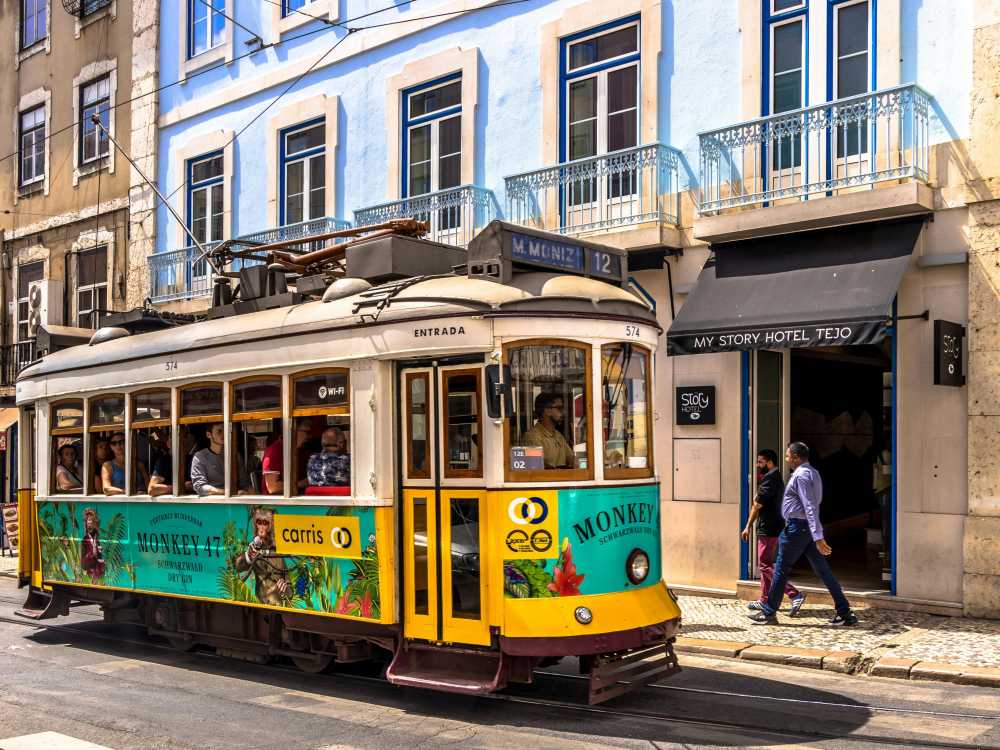
Lisbon has cemented its status as the quintessential European hub for digital nomads. It's a magical blend of old-world charm, with its rattling trams and historic Alfama district, and a buzzing modern tech scene. Its coastal location, incredible food, and established international community make it an almost perfect entry point for living and working in Europe.
The Data Breakdown:
Cost of Living: Expect a monthly budget of $2,500 - $3,900 for a comfortable lifestyle. While it’s one of the more affordable Western European capitals, its popularity has driven up prices.
Internet Speed: Excellent. With widespread fiber-optic coverage, you can expect reliable average speeds of 150 Mbps.
Visa Situation: Portugal offers the D8 Digital Nomad Visa, requiring a monthly income of around $3,480. Critically, this visa provides a clear pathway to permanent residency after five years—a massive long-term benefit.
Quality of Life: Superb. Lisbon is safe, walkable, and packed with world-class restaurants and cafes. The large, active nomad community means you’ll never struggle to find your tribe.
On-the-Ground Intel: Popular neighborhoods include the historic Alfama and the trendy, central Chiado. Co-working spaces like Second Home and LACS are central hubs for networking and deep work.
2. Mexico City, Mexico: The North American Nearshore Favorite
For Americans, Mexico City is an unbeatable combination of affordability, cultural richness, and logistical ease. Its position in a North American time zone is a massive advantage for collaborating with US-based teams. It's a sprawling, dynamic metropolis with a world-class culinary scene and a cost of living that feels like a dream.
The Data Breakdown:
Cost of Living: A fantastic value. A comfortable monthly budget falls between $1,500 - $2,100.
Internet Speed: Good, but diligence is required. Average speeds are around 60 Mbps, which is sufficient for most work, but can be inconsistent. Always confirm the internet speed with your Airbnb host or landlord before committing.
Visa Situation: This is evolving. The reliable, long-term solution is the Temporary Residence Visa, which requires proving financial solvency and should be obtained from a Mexican consulate before you go.
Quality of Life: Exceptional. The energy of CDMX is infectious. The neighborhoods of Condesa and Roma are nomad epicenters, filled with beautiful parks, Art Deco architecture, and some of the best cafes on the planet.
On-the-Ground Intel: Base yourself in Condesa or Roma for the quintessential nomad experience. Public transportation is extensive, and Uber is cheap and reliable for getting around this massive city.
3. Chiang Mai, Thailand: The Original Budget-Friendly Haven

Chiang Mai is the legendary cradle of the digital nomad movement. It continues to offer an almost impossibly low cost of living without sacrificing quality of life. Surrounded by lush mountains, filled with ancient temples, and home to an incredible food culture, it provides a relaxed base with one of the most established nomad communities on the planet.
The Data Breakdown:
Cost of Living: Astonishingly low. You can live a very comfortable life for $1,000 - $1,300 per month.
Internet Speed: Surprisingly fast. Fiber-optic is common, delivering average speeds of 100 Mbps.
Visa Situation: Thailand has recently introduced the Destination Thailand Visa (DTV), a 5-year visa for remote workers that is a game-changer, replacing the old, precarious system of "visa runs."
Quality of Life: Excellent. The pace of life is slower, the people are famously friendly, and the food alone is worth the trip.
On-the-Ground Intel: The Nimman neighborhood is the modern heart of the nomad scene, packed with trendy cafes and co-working spaces like Punspace. Renting a scooter is the most common and enjoyable way to get around.
Pro-Tip: When looking for monthly accommodation, book a hotel or Airbnb for your first 1-2 weeks. Use that time to explore neighborhoods in person and connect with local Facebook groups for digital nomads. The best and most affordable deals are almost always found on the ground, not online.
4. Tbilisi, Georgia: The Undiscovered Gem with an Unbeatable Visa
For those seeking an off-the-beaten-path destination with a stunningly simple visa policy, Tbilisi is a revelation. The capital of Georgia is a city of dramatic contrasts, where ancient churches sit next to futuristic architecture. It's incredibly affordable, with a unique culture and cuisine that will captivate adventurous nomads.
The Data Breakdown:
Cost of Living: Very affordable, ranging from $1,000 - $2,200 a month.
Internet Speed: The main drawback. Speeds average a slower 15 Mbps. It's workable, but not ideal for data-heavy professions.
Visa Situation: Unbeatable. Georgia offers a 1-year visa-free policy for Americans on arrival, making it the easiest place in the world to set up a long-term base with zero bureaucracy.
Quality of Life: High for the price. Tbilisi is a city with deep history, a burgeoning wine scene, and a dramatic landscape. The community is smaller but growing and tight-knit.
On-the-Ground Intel: The Vake and Vera neighborhoods are popular with expats for their green spaces and modern amenities. The city is compact and walkable, and Georgian hospitality is legendary.
5. Budapest, Hungary: Old-World Grandeur, New-World Speeds
Budapest offers the quintessential grand European capital experience at a fraction of the price. Straddling the Danube River, the "Pearl of the Danube" is famous for its stunning architecture, historic thermal baths, and eclectic ruin bars. For nomads, its biggest selling point is world-class internet in a beautiful, central European setting.
The Data Breakdown:
Cost of Living: Very reasonable for a major European city, at $1,100 - $1,300 per month.
Internet Speed: Blazing fast. With average speeds of 220 Mbps, it's one of the most reliable cities on this list.
Visa Situation: Hungary offers a digital nomad visa (called the "White Card") with an income requirement of around €2,000 per month.
Quality of Life: Fantastic. It's a city with endless things to do, from exploring castles to relaxing in centuries-old spas. It’s a great base for exploring the rest of Central Europe.
On-the-Ground Intel: Most nomads live on the bustling Pest side, particularly in the lively Jewish Quarter (District VII), which is the heart of the city's nightlife and creative scene.
5 More World-Class Contenders for Your Shortlist
These locations are fantastic options that excel in specific areas, making them perfect for nomads with particular priorities.
Medellín, Colombia: Known as the "City of Eternal Spring" for its perfect climate, Medellín has become a thriving, innovative hub for nomads.
Bali, Indonesia: The ultimate destination for wellness, surfing, and spirituality. The town of Canggu is the epicenter of a massive and vibrant community.
Buenos Aires, Argentina: Crave a European feel with a Latin American passion? This city of grand boulevards, tango, and incredible steak is for you, though economic instability can be a challenge.
Valencia, Spain: A fantastic quality of life with beautiful beaches, a stunning park, and a more relaxed vibe than Madrid or Barcelona. Its new digital nomad visa is very popular.
Kuala Lumpur, Malaysia: A modern, multicultural Asian metropolis that serves as a fantastic and affordable hub for exploring Southeast Asia with top-notch infrastructure.
The Visa Game: Your Guide to Staying Legal Long-Term

Understanding the legal landscape matters most. The world is shifting away from the gray area of tourist visas towards official international destinations for digital nomads visas.
Tourist Visas: The "old way" involved "visa runs" (leaving and re-entering to reset the clock). This strategy is risky, increasingly unreliable, and provides no legal right to work.
Digital Nomad Visas (DNVs): These are official residency permits designed for remote workers. They provide a legal, long-term basis to live and work in a country, but come with bureaucracy and high minimum income requirements (typically $2,500-$3,500+ per month).
Pro-Tip: Taxes are the most complex part of nomad life. As a US citizen, you are taxed on worldwide income regardless of where you live. Rules like the Foreign Earned Income Exclusion can help, but this is not a DIY situation. Always consult a tax professional specializing in US expat taxes before you leave.
The Nomad Reality Check: Answering Your Toughest Questions

How do you build community and avoid loneliness?
Be proactive. Choose a destination with an established community. Join co-working spaces. Use apps like Meetup.com. Prioritize "slow travel"—staying in one place for 3-6 months to build deeper connections.
What are the essential items to pack?
Less than you think. Aim for carry-on only. Pack versatile clothing (merino wool is king), a solid power bank, a universal travel adapter, and noise-canceling headphones. Almost anything you forget can be bought abroad.
Is the digital nomad lifestyle a permanent vacation?
Absolutely not. This is a common and dangerous myth. A sustainable nomad lifestyle is about living your normal life—with work deadlines, budgets, and chores—in a different location. It requires immense self-discipline.
Choosing from the many amazing international destinations for digital nomads is a deeply personal decision. The "best" place isn't a rank on a list; it's the location where the delicate balance of cost, connectivity, community, and culture aligns perfectly with your personal and professional needs. This guide has given you the data-driven framework and on-the-ground intelligence to make that strategic choice. You have the tools to move beyond the dream and build a real, sustainable life of freedom and adventure abroad. The world is waiting.
Read the full guide: Anxious to Adventurous: The Ultimate Guide to Solo Travel Confidence
Don't Miss Out! Subscribe for Exclusive Content
SubscribeComments 0
No comments yet
Be the first to share your experience!
Dont Miss Out! Subscribe for Exclusive Content

Is Public WiFi Safe? How to Protect Your Data Abroad

A Woman's Guide to Safe Travel: 10 Critical Tips

7 Hotel Safety & Security Tips for Peace of Mind

11 Essential Solo Travel Safety Tips You Need to Know

The Ultimate Guide to Travel Safety: A 2026 Playbook

How to Meet People While Traveling Solo (Without Being Awkward)
Best Solo Destinations for Foodies: Culinary Solo Adventures
TrekGuider @trekguider
There's a delicious, unparalleled freedom that comes with traveling for food by yourself. It’s the liberty to chase a craving for the perfect taco across three neighborhoods, to build an entire day around a single reservation, or to linger over a coffee without compromise. But for many, this thrilling prospect is shadowed by a single, persistent question: "Will it be weird eating by myself?" This worry can stop a culinary adventure in its tracks, agitating the traveler's mind until a dream trip becomes a hesitant daydream.
The truth is, some of the world's greatest travel moments happen at a table for one. But the anxiety is real, and it stems from a critical lack of information. Most travel guides list great food cities but completely ignore the person who matters most: you, the solo traveler. They don't tell you where dining alone is not just accepted, but celebrated. They don't point you to the vibrant food halls, the welcoming chef's counters, or the social cooking classes that solve this problem by making a solo trip a feast for the senses and the soul. We've explored the foundational principles in , and now we're diving deeper into the delicious specifics.
This isn't just another list of cities with good restaurants. This is your definitive guide to the best solo destinations for foodies in the United States. Each city has been carefully selected and ranked based on two critical factors: its world-class, undeniable culinary prowess and, just as importantly, its exceptional environment for the individual adventurer. Get ready to pack your bags and your appetite.
A Food Lover's Hit List: The Top 8 US Cities for a Solo Culinary Trip
1. New Orleans, Louisiana

New Orleans isn't a city that simply has good food; it is a city where food is the culture. It's the vibrant, soulful expression of its unique Creole and Cajun heritage, a story told through flavor that you simply cannot find anywhere else on earth. To visit New Orleans is to participate in a city-wide, centuries-old celebration of eating.
Why Your Taste Buds Will Thank You
A Roster of Icons: This is the hallowed ground of Gumbo, Jambalaya, Étouffée, Po' boys, and Beignets. These aren't just dishes; they are cultural institutions you must experience at their source.
A Spectrum of Dining: From historic, white-tablecloth Creole establishments to raucous neighborhood seafood boils, the city offers a dining experience for every mood and budget.
Birthplace of the Cocktail: The city's bar scene is as serious and storied as its restaurant scene, giving us legendary cocktails like the Sazerac and the Vieux Carré.
The Solo Traveler Advantage
The energy of New Orleans is communal and infectious, making it surprisingly easy to navigate as an individual. The city’s dining infrastructure is built for solo exploration. Countless classic restaurants feature long, inviting bars where ordering a three-course meal is as common as ordering a drink. Casual po' boy shops and oyster bars are designed for quick, delicious, and solo-friendly meals. The constant hum of music and street life means you're never truly alone; you're part of the city's living, breathing festival. Joining a walking food tour of the French Quarter is one of the best ways to get your bearings, sample the classics, and connect with fellow travelers.
The Solo Foodie Scorecard
Your "Must-Eat" List
Charbroiled Oysters: Find a classic oyster bar with a seat at the counter and watch the magic happen.
A Fried Shrimp Po' boy "Dressed": Grab one from a casual, no-frills neighborhood joint for an authentic taste.
Gumbo: Sample it everywhere, from an upscale Creole restaurant to a laid-back Cajun cafe, to appreciate its rich diversity.
Insider Solo Tip: Many of the most famous restaurants, like Commander's Palace, offer fantastic weekday lunch specials that provide a taste of their legendary cuisine for a fraction of the dinner price.
2. New York City, New York

New York isn't just a city; it's a global culinary encyclopedia. It's a place where you can eat your way across continents without ever leaving a single borough. The city's food scene is a direct reflection of its identity: a dynamic, endlessly diverse melting pot of cultures, flavors, and experiences.
Why Your Taste Buds Will Thank You
Unmatched Diversity: From Michelin-starred tasting menus in Manhattan to authentic soup dumplings in Queens, NYC offers a world of culinary options.
An Iconic Menu: It’s the definitive home of the classic pizza slice, the overstuffed deli sandwich, and the perfect bagel with lox.
The Trendsetter: NYC is a culinary incubator where new food trends are born, making it a thrilling destination for anyone who wants to taste the future.
The Solo Traveler Advantage
Let’s state this plainly: New York City isn't just one of the best solo destinations for foodies; it's arguably the template. Why? Because dining alone here isn't an exception or a novelty—it’s a fundamental part of the city’s rhythm. The infrastructure is built for one. The sheer number of diners, ramen shops with counter seating, gourmet food halls (like Chelsea Market and Dekalb Market), and slice shops makes solo dining effortless. You will never feel out of place grabbing a seat at a bar for dinner or a stool at a coffee counter. The world-class public transportation system means you can affordably explore the culinary landscapes of all five boroughs with just the swipe of a MetroCard.
The Solo Foodie Scorecard
Your "Must-Eat" List
A Classic Slice: Grab a foldable, perfect slice from a legendary, no-frills joint like Joe's Pizza.
A Pastrami on Rye: Experience a true New York deli sandwich from an institution like Katz's Delicatessen.
Soup Dumplings (Xiao Long Bao): Head to a specialty spot in Chinatown or Flushing for these delicate, broth-filled wonders.
Insider Solo Tip: To experience some of the city's best food without the hassle of reservations, focus on the incredible food halls where you can sample from multiple high-end vendors in a casual, communal setting.
3. Portland, Oregon

Portland's food scene is a delicious reflection of its independent, creative, and slightly quirky spirit. It's a city that champions the local, the artisanal, and the unconventional, from its world-class coffee roasters to its pioneering food truck culture. This is a place for the foodie who values craft and community.
Why Your Taste Buds Will Thank You
Food Cart Culture: Portland is the undisputed king of food trucks (called "food carts" here). Clusters of these carts, known as "pods," offer a staggering variety of high-quality, affordable global cuisine.
Farm-to-Table Ethos: The city is surrounded by the fertile Willamette Valley, giving chefs direct access to incredible local produce, which is at the heart of the dining scene.
Coffee and Doughnuts: Portland takes its coffee and doughnuts very seriously, with legendary spots like Voodoo Doughnut and the more artisanal Blue Star, plus a world-class coffee scene.
The Solo Traveler Advantage
Portland is a paradise for the solo diner, primarily because of its food cart culture. The pods are designed for individual ordering and casual outdoor seating, completely removing the formality of a traditional restaurant. You can create your own progressive meal, grabbing an appetizer from one cart, a main from another, and dessert from a third. It's a low-pressure, high-reward dining experience that feels custom-made for one. The city is also incredibly walkable and bike-friendly, with excellent public transit, making it easy to explore.
The Solo Foodie Scorecard
Your "Must-Eat" List
Anything from a Food Cart: Explore a large pod and pick whatever tempts you most.
An Artisanal Doughnut: Try a unique flavor from a spot like Blue Star Donuts to taste Portland's creative side.
A Specialty Coffee: Visit one of the city's renowned roasters, like Stumptown Coffee, for a perfectly crafted pour-over.
Insider Solo Tip: Build your own food tour by using the city's bike-share program, Biketown, to pedal between different food cart pods in various neighborhoods.
4. San Francisco, California

San Francisco is a culinary heavyweight with a rich history, from Gold Rush-era sourdough starters to the birth of the modern farm-to-table movement. Its food scene is a vibrant mix of historic neighborhoods, fresh California ingredients, and a deep connection to the Pacific.
Why Your Taste Buds Will Thank You
Neighborhood Specialties: This is a city of distinct culinary zones: authentic Italian in North Beach, incredible dim sum in the country's oldest Chinatown, and world-class Mexican food in the Mission District.
Ingredient Mecca: Situated between the Pacific Ocean and California's agricultural heartland, chefs here have access to some of the best seafood, produce, and wine in the world.
The Ferry Building Marketplace: This iconic food hall is a one-stop shop for the best of Northern California's artisanal products, from local cheeses to fresh oysters.
The Solo Traveler Advantage
San Francisco's neighborhood-centric nature makes it a fantastic city for solo exploration on foot. A solo traveler can easily spend a day walking from the taquerias of the Mission to the cafes of North Beach, tasting the city's history along the way. The Ferry Building Marketplace is a must-visit, offering a bustling, low-pressure environment perfect for grabbing a gourmet lunch, sampling local products, and enjoying stunning views of the bay.
The Solo Foodie Scorecard
Your "Must-Eat" List
A Mission Burrito: Get an authentic, foil-wrapped masterpiece from a beloved taqueria in the Mission District.
Dim Sum in Chinatown: Wander the streets of the nation's oldest Chinatown and find a bustling spot for a dim sum brunch.
Sourdough Bread Bowl with Clam Chowder: A quintessential San Francisco experience, best enjoyed with a view of the water.
Insider Solo Tip: For an amazing and affordable solo lunch, head to a market in Chinatown, grab some roast duck or pork to go, and enjoy it at a park with a view.
5. Chicago, Illinois

Chicago is a city of bold flavors and hearty appetites. While famous for its deep-dish pizza, its culinary scene is also incredibly sophisticated, boasting a high concentration of Michelin-starred restaurants. It's a city that perfects both high-end and low-brow cuisine with equal passion.
Why Your Taste Buds Will Thank You
A Trio of Icons: Chicago is the undisputed home of deep-dish pizza, the Chicago-style hot dog (dragged through the garden), and the Italian beef sandwich.
Fine Dining Powerhouse: The city is a destination for serious gourmands, with a thriving fine-dining scene that consistently earns international acclaim.
Diverse Culinary Neighborhoods: From the foodie hub of the West Loop to the Mexican flavors of Pilsen, Chicago's neighborhoods offer a world of exploration.
The Solo Traveler Advantage
Chicago's Midwestern friendliness extends to its dining scene. The city is full of classic taverns and restaurants with welcoming bars where a solo diner can comfortably enjoy a full meal. The rise of food halls, like Time Out Market in the West Loop, has added even more excellent solo-friendly options. The city's grid system and strong 'L' train network make it straightforward to navigate and explore different culinary neighborhoods on your own.
The Solo Foodie Scorecard
Your "Must-Eat" List
Deep-Dish Pizza: You have to try it. Find a classic pizzeria and settle in for a gloriously cheesy experience.
A Chicago-Style Hot Dog: Get one from a classic hot dog stand with all seven traditional toppings.
An Italian Beef Sandwich: Order it "dipped" for the full, messy, and delicious experience.
Insider Solo Tip: To tackle a deep-dish pizza without taking up a large table, aim for a weekday lunch special or find a classic pizzeria with bar seating where you can often order by the slice.
6. San Diego, California
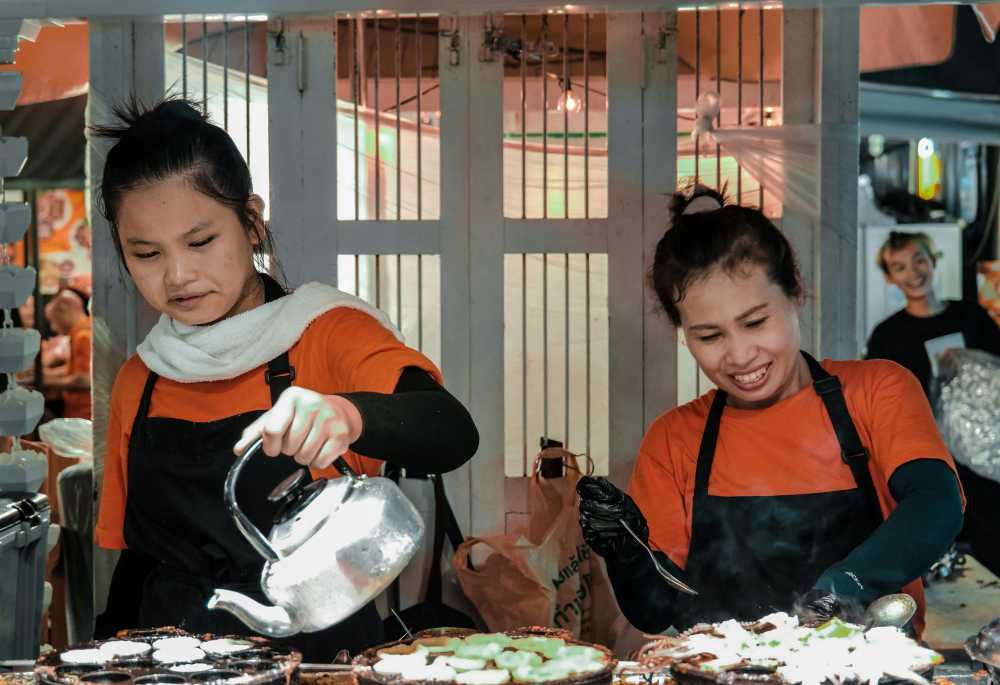
San Diego offers a sun-drenched culinary scene defined by its proximity to the ocean and the border. The vibe is casual and fresh, with a focus on high-quality local ingredients and a vibrant fusion of American and Mexican flavors that created the city's signature dish: the fish taco.
Why Your Taste Buds Will Thank You
Cali-Baja Cuisine: San Diego is the birthplace of this exciting culinary movement, blending the fresh, local ingredients of California with the bold flavors and techniques of Baja California, Mexico.
The Fish Taco Capital: The city is the undisputed fish taco capital, offering everything from simple fried fish stands to gourmet grilled mahi-mahi versions.
A Premier Craft Beer Scene: San Diego is one of America's best craft beer cities, with dozens of innovative breweries perfect for a solo afternoon of tasting.
The Solo Traveler Advantage
The casual, outdoor-oriented culture of San Diego makes it an incredibly welcoming place for a solo traveler. The dining scene is dominated by taco shops, breweries with food trucks, and open-air cafes where dining alone is completely normal. You can grab a few fish tacos from a casual stand in La Jolla and eat them on the beach, or settle in at a brewery tasting room and chat with the locals.
The Solo Foodie Scorecard
Your "Must-Eat" List
Fish Tacos: Eat them from a casual, open-air stand in a beach neighborhood like Pacific Beach.
Carne Asada Fries: A decadent and delicious local specialty you'll find at taco shops across the city.
A Local Craft Beer: Visit a brewery in the North Park neighborhood, the heart of the city's craft beer scene.
Insider Solo Tip: Many of San Diego's best taco shops are cash-only, so be sure to have some on hand to avoid missing out on the most authentic spots.
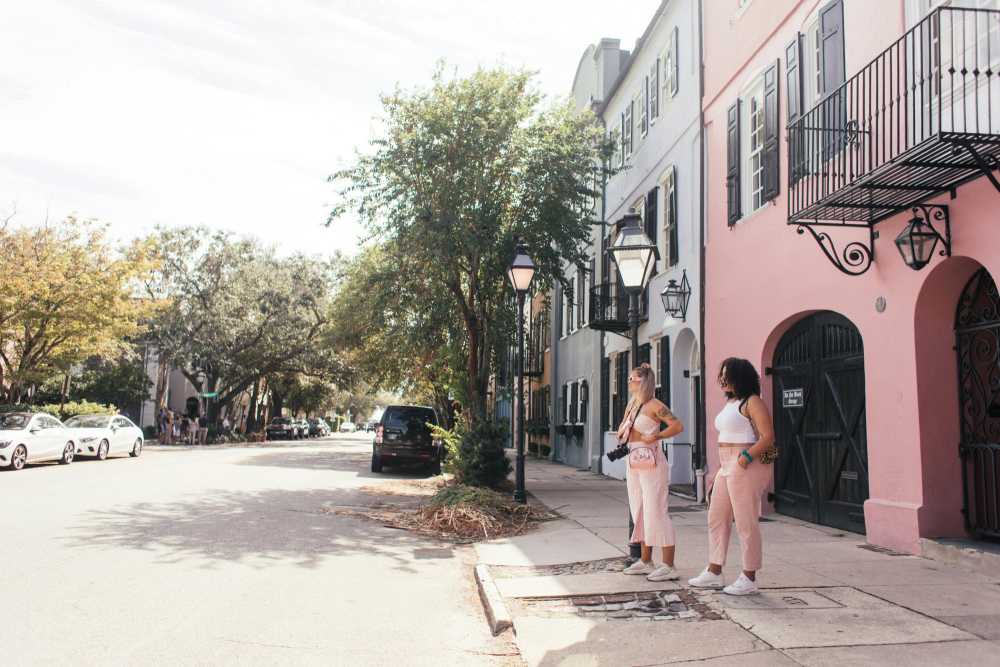
7. Charleston, South Carolina

Charleston is a city where history and culinary innovation gracefully intertwine. It’s a jewel box of a city, with a sophisticated food scene that honors its Lowcountry roots while constantly pushing the boundaries of Southern cuisine.
Why Your Taste Buds Will Thank You
The Heart of Lowcountry Cuisine: Charleston is the epicenter of Lowcountry cooking, featuring regional staples like shrimp and grits, she-crab soup, and fresh oysters.
James Beard Acclaim: The city has an incredibly high concentration of James Beard Award-winning chefs and restaurants, making it a destination for high-end dining.
Historic Ambiance: Dining in Charleston often means eating in beautifully preserved historic buildings, adding a unique sense of place to every meal.
The Solo Traveler Advantage
The solo traveler's skeleton key to Charleston's exclusive dining scene? The bar seat. At celebrated spots like Husk or FIG, where reservations are booked months out, the bar is often held for walk-ins. Arrive 15 minutes before they open for dinner, be the first in line, and you can often snag a front-row seat to a world-class meal without a reservation. The city's compact, historic downtown is exceptionally walkable and safe, making it a joy to explore on foot.
The Solo Foodie Scorecard
Your "Must-Eat" List
Shrimp and Grits: Try a classic version at a respected Lowcountry restaurant.
She-Crab Soup: A rich, creamy Charleston specialty you won't find anywhere else.
Fresh Oysters: Enjoy them raw on the half shell from the nearby waters.
Insider Solo Tip: Beyond the bar trick, look for the city's many "hidden gem" casual lunch counters tucked away on side streets, which serve incredible Lowcountry food without the pomp or price.
8. Austin, Texas

Austin runs on a fuel of barbecue smoke, breakfast tacos, and live music. It's a city with a rebellious, fun-loving spirit, and its food scene is just as bold and creative. It's a place where tradition (Texas barbecue) and innovation (gourmet food trucks) exist side-by-side.
Why Your Taste Buds Will Thank You
A Barbecue Pilgrimage: Austin is a global destination for barbecue lovers, home to legendary smokehouses where people wait in line for hours for perfectly smoked brisket.
The Breakfast Taco: The breakfast taco is a local obsession and the city's quintessential morning meal.
Innovative Food Trucks: Like Portland, Austin has a thriving food truck scene, offering everything from gourmet donuts to fusion tacos in parks across the city.
The Solo Traveler Advantage
Austin’s casual, social culture makes it one of the best US cities for solo food travel. The barbecue experience, where waiting in line is a communal ritual, is inherently social and a great way to meet people. The food truck parks are designed for casual, individual dining, and grabbing a breakfast taco from a walk-up window is a perfect solo start to the day. The live music scene provides endless evening entertainment that's easy to enjoy alone.
The Solo Foodie Scorecard
Your "Must-Eat" List
Brisket from a Legendary Smokehouse: It's worth the wait. Go early and make an experience out of it.
Breakfast Tacos: Try a few different kinds from a beloved local taco stand.
Queso: Sample this molten cheese dip, a Tex-Mex staple, at a lively restaurant with a patio.
Insider Solo Tip: To skip the legendary lines at places like Franklin Barbecue, consider their pre-order service for pickup or aim for a weekday visit right when they open.
Your Field Guide to Dining Solo—And Loving It

Having a list of destinations is the first step—now it's time to master the craft. Because knowing where to go is only half the battle; knowing how to approach it with confidence is what turns a good trip into an unforgettable one.
Four Ways to Conquer the Table for One
Embrace the Bar: The bar is the best seat in the house for a solo diner. It's socially designated for individuals, eliminates the "empty chair" feeling, and often provides a chance to chat with the bartender or other patrons.
Come with a Prop: A book, a journal, or a city map can be a great prop. It gives you something to engage with during lulls and signals that you're a traveler contentedly soaking in the experience.
Start Casual: Your first few solo meals don't need to be at a fancy restaurant. Start with more casual environments. Cafés, bustling food halls, and counter-service restaurants are excellent, low-pressure venues.
Dine Early: Dining during off-peak hours (e.g., an early dinner at 5:30 PM) can feel less intimidating than walking into a packed restaurant at the height of the dinner rush.
Pro-Tip: Download the Resy or OpenTable app and look for restaurants that have a "Bar Seating" option when you book. This guarantees you a designated solo spot and takes the guesswork out of your arrival.
Think Beyond the Restaurant: How to Find Your Food Tribe
Take a Food Tour: These are the ultimate solo traveler hack. They offer a curated tasting menu of a city's best bites, eliminate decision fatigue, and provide an instant group of like-minded dining companions for an afternoon.
Sign Up for a Cooking Class: This is a hands-on, immersive way to learn about local ingredients and culinary techniques. The small-group setting naturally fosters conversation and connection over a shared task.
Explore a Farmers' Market: Places like San Francisco's Ferry Building are vibrant, low-pressure environments perfect for observing local life, sampling artisanal products, and assembling a gourmet picnic to enjoy in a nearby park.
The Table is Set for Your Solo Adventure
The best solo destinations for foodies offer a perfect marriage of exceptional cuisine and a welcoming, accessible environment for the individual traveler. From the Creole kitchens of New Orleans to the food trucks of Austin, these cities prove that you don't need a companion to have a rich and delicious travel experience. Armed with this knowledge, you can confidently navigate the country's best food scenes. The world is your oyster (or taco, or slice of pizza). Go taste it.
Your Questions, Answered: The Solo Foodie FAQ
What is the best US city for a first-time solo foodie trip?
New York City is often the top choice for first-timers. The sheer variety of food, the prevalence of solo-friendly dining spots like food halls and diners, and the fact that eating alone is completely normal make it a very comfortable and exciting experience.
How can I find good restaurants for dining alone?
Look for places with bar or counter seating, as this is a natural spot for solo diners. Food halls and markets are also fantastic options for variety and a casual atmosphere. Reading online reviews and searching for terms like "counter seating" or "good for solo dining" can also help you find the perfect spot.
Are food tours a good idea for solo travelers?
Absolutely! Food tours are one of the best ways to experience a city's culinary scene when traveling alone. They provide a structured itinerary, allow you to sample many different things without ordering full meals, and offer a great opportunity to meet other travelers in a relaxed, social setting.
Is it safe to explore food scenes alone at night?
Safety varies by city and neighborhood, so it is crucial to research your specific destination. Always stick to well-lit, busy areas, be aware of your surroundings, and let someone know your plans. Using a taxi or rideshare service for late-night travel back to your accommodation is a wise precaution.
Read the full guide: Anxious to Adventurous: The Ultimate Guide to Solo Travel Confidence
Don't Miss Out! Subscribe for Exclusive Content
SubscribeComments 0
No comments yet
Be the first to share your experience!
Dont Miss Out! Subscribe for Exclusive Content

Chicago Beer Fests: Top 6 Tastings
A Woman's Guide to Safe Travel: 10 Critical Tips
7 Hotel Safety & Security Tips for Peace of Mind

9 Beach Safety Tips That Could Save Your Life

How to Stay Safe While Hiking: A Hiker's Safety Guide
11 Essential Solo Travel Safety Tips You Need to Know
The Ultimate Guide to Solo Female Travel (15 Essential Tips)
TrekGuider @trekguider
The world of travel is being redrawn by its most powerful new explorers: women journeying on their own. This isn't just a trend; it's a seismic cultural shift. With the global solo travel market projected to surge past $1.5 trillion by 2033, and women making up a staggering 84% of that market, one thing is clear: the solo female traveler is here to stay. This movement is powered by a desire for something more than a vacation. According to recent reports, it's about pursuing profound personal growth (68%) and the unparalleled freedom that only comes from navigating the world on your own terms.

If you're reading this, you likely feel that same pull. And while the ambition is thrilling, it's often shadowed by valid questions about safety, logistics, and loneliness. This guide is here to replace that apprehension with confident, decisive action. These are the essential solo female travel tips—a comprehensive roadmap designed to take you from daydream to departure with clarity and courage.
The Foundation - Safety & Mindset
Before you book a flight or pack a bag, the most important part of your journey begins. It's the internal work of building a resilient mindset, understanding the emotional landscape of solo travel, and grounding yourself in smart, practical safety strategies.
Tip 1: Master Situational Awareness to Travel Confidently
The single biggest concern for women traveling solo is safety. A recent study found that 66% of solo female travelers worry about their personal safety, and it's a valid, intelligent concern. But here is the empowering reality: the same study revealed that while 25% have felt they were in a dangerous situation, a mere 1% were ultimately the victim of a crime. This tells us that women are overwhelmingly capable and successful at navigating the world safely.
The key is trading abstract fear for concrete skills, and situational awareness is your most powerful tool. It’s not about paranoia; it’s about presence. It means understanding how to recognize and avoid common tourist scams, from the "friendship bracelet" ploy near the Sacré-Cœur to the broken taxi meter at a foreign airport. It’s knowing how to carry yourself with purpose and confidence, even when you’re lost, and making conscious, clear-headed decisions about where you go, especially after dark.
Most powerfully, the data reveals a direct correlation between experience and anxiety. While a significant 77% of women who have taken fewer than six solo trips worry about safety, that number drops to just 55% for those with over ten trips under their belt. The act of traveling solo is, in itself, the most potent antidote to the fear of it. Each challenge overcome recalibrates your personal risk assessment, replacing media-fueled fear with managed awareness built on real-world evidence of your own competence.

For a complete tactical breakdown, get your free Solo Female Travel Safety Guide and read our in-depth article, The 7 Solo Female Travel Safety Rules You Can't Ignore.
Tip 2: Embrace the Journey of Personal Growth
Why do you really want to travel alone? For the vast majority of women, the answer goes far beyond seeing new sights. It’s an investment in the self. Solo travel is a real-world masterclass in capability, forcing you to become your own navigator, problem-solver, and chief decision-maker. Every challenge overcome—from successfully navigating a foreign subway system to ordering a meal in a new language—builds a powerful and tangible sense of radical self-reliance.
This journey strips away the familiar roles you play at home—employee, partner, daughter, friend—and allows you to connect with your authentic self, free from the expectations of others. You'll develop a profound resilience, learning to view setbacks not as crises but as puzzles to be solved. As Alice Teacake of Teacake Travels puts it, "it's through leaving our comfort zone and facing challenges that we become far more adaptable, quick-thinking, stronger and wiser." This isn’t just about feeling good; it's about fundamental personal development. The confidence you build on the road doesn’t stay in your suitcase; it comes home with you, permanently altering how you see yourself and your capabilities in the world.
To explore the transformative "why" behind the journey, read our inspirational guide: The 5 Unexpected Benefits of Traveling by Yourself.
Tip 3: Learn the Art of Confidently Dining Alone
For many aspiring solo travelers, one of the most daunting thoughts isn't about navigating a new city, but about a simple, seemingly trivial act: eating a meal alone in a restaurant. This social anxiety is incredibly common, but it's an obstacle that can be transformed from a dreaded necessity into one of the most pleasant and empowering rituals of your trip. The key is to be strategic.
Start by choosing your venue wisely. Actively avoid establishments that are overtly formal or marketed towards romantic couples. Instead, opt for casual bistros, lively cafes with outdoor seating perfect for people-watching, or restaurants known for their counter seating. Sitting at the bar is the universally accepted and most comfortable spot for a solo diner. It eliminates the feeling of occupying an empty table and often places you in a more dynamic, social environment where you can chat with the bartender or simply observe the action in comfortable anonymity.

Bringing a "prop"—a travel journal to record your day's adventures, a good book, or a map to plan the next day—gives you a purposeful focus during any lulls. It signals to yourself and others that you are content and engaged in your own company. Dining during off-peak hours can also significantly reduce anxiety, as the restaurant will be less chaotic. With a little practice, you'll find that a table for one is a front-row seat to the world.
For a full menu of confidence-building tactics, see our guide: 5 Ways to Confidently Eat Alone While Traveling.
Tip 4: Build Your Tribe on the Road (Safely)
Traveling solo doesn’t have to mean traveling lonely. One of the most enriching parts of the experience is connecting with other people, both locals and fellow travelers, on your own terms. The secret is to create opportunities for interaction in safe, structured, and natural ways.
Your choice of accommodation is the easiest place to start. Modern hostels are designed as social hubs, with common areas, kitchens, and organized events like group dinners or walking tours. Even if you book a private room for security and comfort, simply spending time in the common lounge is a low-pressure way to strike up a conversation. Joining group activities is another guaranteed method. A free walking tour on your first day in a new city is a classic and highly effective strategy to get your bearings while chatting with other travelers. Consider a local cooking class, a surf lesson, or a day trip to a nearby attraction; the shared experience makes conversation feel natural and easy.
Technology can also be a powerful tool for safe connection. Vetted, women-focused Facebook groups like "Solo Female Travelers" or apps like BumbleBFF can help you meet up for a coffee or a meal. The goal isn't to fill every moment with social interaction, but to know how to find it when you want it, enriching your journey with shared experiences and new perspectives.
Learn how to create meaningful connections without compromising your safety in our guide: How to Meet People While Traveling Solo (Without Being Awkward).
Tip 5: Find Inspiration from Those Who've Gone Before
The path to your first solo trip is paved with the stories and advice of the millions of women who have gone before you. Tapping into this vast well of experience is one of the best ways to build confidence and gather practical, real-world advice. Solo female travel blogs are an invaluable resource, offering everything from packing lists for specific climates to warnings about local scams. Following a few trusted voices can make you feel like you have a savvy friend in your pocket.
For the Safety-Conscious Traveler: Kate McCulley of Adventurous Kate has built her platform on the mission to "teach women how to travel the world safely!" After being shipwrecked in Indonesia, she became a leading advocate for preparedness and risk management. Her blog is a go-to resource for practical, no-nonsense safety advice that empowers rather than scares.
For the Aspiring Digital Nomad: Kristin Addis of Be My Travel Muse specializes in off-the-beaten-path and adventure travel. She focuses on authentic experiences that foster personal growth and encourages women to find a travel style that is uniquely meaningful to them, making her a fantastic resource for anyone dreaming of a long-term travel lifestyle.
For the Part-Time Traveler: Amanda Williams of A Dangerous Business champions the idea that you don't have to quit your job to see the world. Her blog is perfect for those who want to integrate more travel into their existing life, offering realistic itineraries and practical tips for maximizing vacation time and traveling smarter, not just longer.
Discover your next favorite travel mentor in our curated list: Top 11 Solo Female Travel Blogs to Follow in 2026.
The Logistics - Planning Your Perfect Trip

With a confident mindset established, it’s time to dive into the exciting logistics of where you'll go and how you'll get there. This is where your dream trip starts to take tangible shape.
Tip 6: Choose Your First Destination Wisely
The choice of where to take that first solo trip is a monumental one; it sets the tone for every adventure to come. The ideal country for a first-timer combines a high of safety, a well-developed tourist infrastructure, and a culture that is welcoming to independent travelers. Using data from sources like the Global Peace Index (GPI) provides a solid, fact-based starting point for your research.
Iceland: Consistently ranked the most peaceful country in the world by the GPI, Iceland is an outstanding choice. It boasts an exceptionally low crime rate, a high degree of gender equality, and English is widely spoken. Its strong tourism infrastructure, with countless tours and easy-to-navigate routes like the Ring Road, makes it highly accessible for independent travelers seeking otherworldly landscapes.

Portugal: A consistent top-ten performer on the GPI, Portugal offers the safety and charm of Western Europe at a more affordable price point. Its cities are considered very safe, the locals are welcoming, and it has become a major hub for solo travelers and digital nomads, ensuring a vibrant community of like-minded people. Ready to explore its charming cities and stunning coastlines? Our Portugal Guide has everything you need to get started.

Japan: Renowned for its astonishingly low crime rates and a culture of deep respect for public order, Japan is one of the safest-feeling countries on earth. The efficiency of its public transport is legendary, and features like women-only subway cars during rush hour provide an added layer of comfort for solo female travelers seeking a unique and profound cultural immersion. Check out our detailed guide to Japan.
For a full list of beginner-friendly and secure destinations, check out our guide: The 10 Best Countries for a First Solo Trip in 2026.
Tip 7: Craft a Realistic Budget You'll Actually Stick To
Financial planning is the bedrock of a stress-free solo journey. As the sole bearer of all costs, a strategic approach to budgeting isn't just advisable—it's essential. The process transforms a vague dream into an achievable financial goal. Start by researching the three largest costs: pre-trip essentials (visas, gear), long-haul transportation (flights), and a realistic average daily on-the-ground cost for your chosen destination. A daily budget in Prague, for example, can be less than half of what you'd spend in Paris, primarily due to lodging and food costs.
Create a detailed spreadsheet breaking down all expenses into specific categories: Pre-Trip Costs, International Transport, Daily Lodging, Daily Food, Daily Activities, and Local Transport. This gives you a clear picture of where your money is going and identifies areas where you can save. Once you have a total, work backward to set a monthly savings target and automate the transfer to a dedicated, high-yield savings account.
The most critical step? Incorporate a contingency fund. No budget is perfect, and travel is full of unexpected opportunities and challenges. Add a buffer of 15-20% to your total estimated cost. This fund is your safety net for emergencies, unexpected fees, or the freedom to say "yes" to a spontaneous, can't-miss experience without financial guilt.
For a step-by-step walkthrough and downloadable templates, see our complete guide: How to Make a Solo Travel Budget (That You'll Actually Keep).
Tip 8: Pack Light, Travel Free
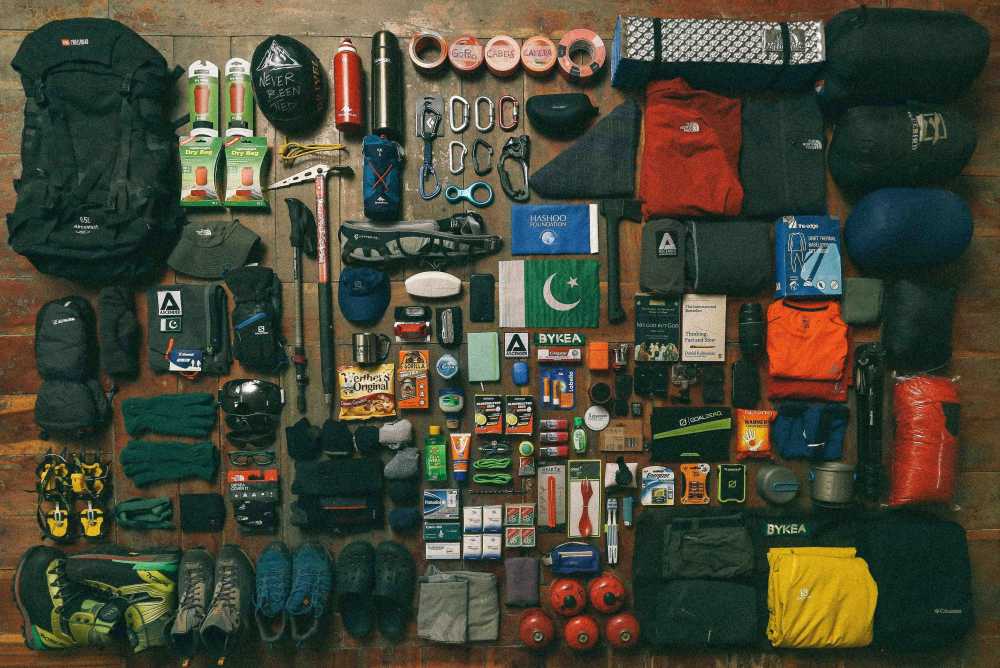
For a solo traveler, mastering the art of minimalist packing is a superpower. Traveling with only a carry-on-sized bag enhances mobility, saves you money on baggage fees, and increases security by keeping your belongings with you at all times. It’s the ultimate form of travel freedom, allowing you to navigate crowded train stations and cobblestone streets with ease. The philosophy is simple: pack for one week and plan to do laundry once.
The key to a minimalist wardrobe is versatility. A merino wool t-shirt is a traveler's miracle fabric; it regulates temperature, wicks moisture, and is naturally antimicrobial, meaning you can wear it multiple times between washes. A large, high-quality scarf or sarong is the ultimate multi-tool, functioning as an accessory, a wrap for a chilly plane, a head covering for religious sites, or a picnic blanket. Solid toiletries—like shampoo bars and conditioner bars—are a game-changer, eliminating the worry of liquid spills and airport security rules. By choosing every item with intention and focusing on multi-use pieces, you can easily fit everything you need for a 10-day trip into a single, liberating bag.
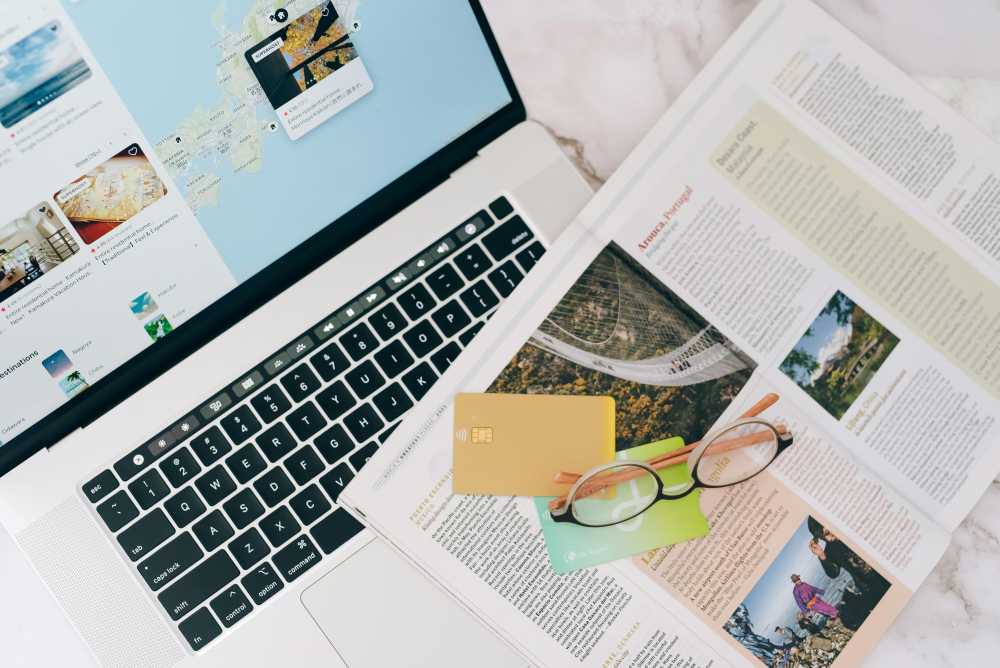
Get the complete checklist and strategy in our ultimate guide: The Minimalist Solo Travel Packing List: A Complete Guide.
Tip 9: Explore Europe Like a Pro
Europe is a classic and incredibly rewarding destination for solo female travelers, thanks to its breathtaking diversity, high levels of safety, and excellent transportation networks. Choosing how to get from country to country is a key part of planning your adventure, with each option offering a different balance of cost, speed, and experience.
By Train: The quintessential European experience. Traveling by rail pass offers scenic views and the unparalleled convenience of arriving directly in the city center. It’s best for travelers who value flexibility and spontaneity, though high-speed routes in countries like Spain and Italy often require advance seat reservations, which come with an extra fee. Our Spain Guide can help you navigate the system.
By Budget Airline: Unbeatable for covering long distances quickly and cheaply. A flight from Lisbon to Berlin is far more time-efficient than any land-based option. However, the low headline price often hides hefty fees for luggage, and airports are typically located far outside the city, adding significant time and transit costs to your journey. It's efficient, but often a stressful means to an end.
By Coach Bus: Almost always the cheapest way to travel between cities, especially in Central and Eastern Europe where the bus network is extensive. Modern coaches are often comfortable, with Wi-Fi and power outlets, but journeys are significantly longer than by train or plane and are susceptible to traffic delays. This is the best option for the budget-conscious traveler for whom time is not the primary concern.
For a detailed comparison and continent-specific advice, see our first-timer's manual: How to Travel Europe Alone: A 2026 First-Timer's Guide.
Tip 10: Discover the Best of the USA on a Solo Road Trip
The United States offers a lifetime of solo travel possibilities, and the great American road trip is an iconic journey of freedom and discovery. The key to a successful solo trip is to focus on a specific region or theme rather than trying to cover too much ground. These itineraries offer a perfect blend of adventure, culture, and stunning scenery.
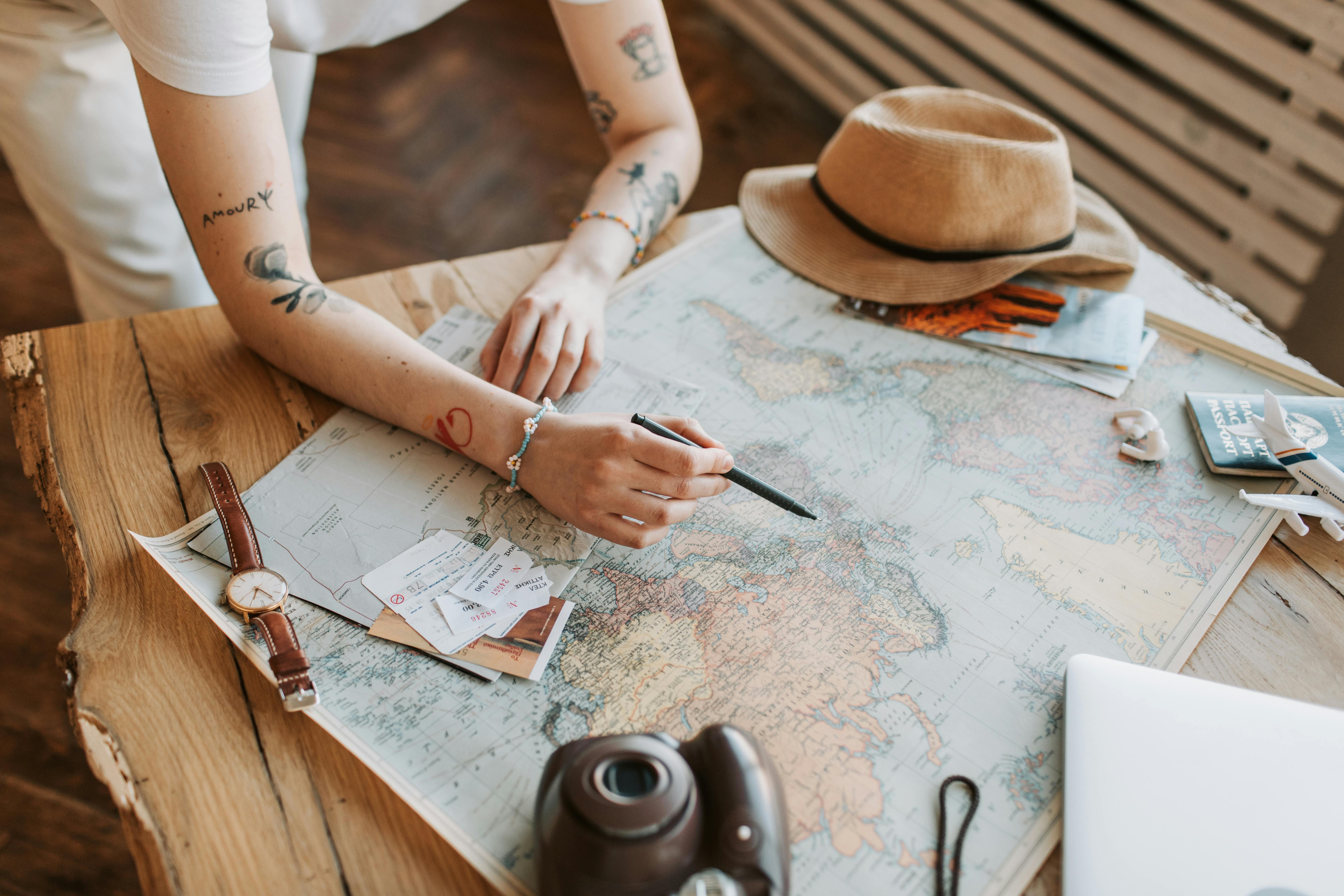
Pacific Coast Highway (California): A quintessential American drive. This 5-7 day itinerary from San Francisco to Los Angeles is all about the dramatic coastal scenery of Highway 1, with essential stops in the charming arts town of Carmel-by-the-Sea and the iconic, redwood-lined cliffs of Big Sur.
Southwest National Parks Loop (Utah/Arizona): An epic 7-10 day road trip for the avid hiker. Fly into Las Vegas and create a loop to visit the majestic canyons of Zion National Park, the otherworldly hoodoos of Bryce Canyon National Park, and the awe-inspiring Grand Canyon. The proximity of these parks makes for a manageable and visually stunning journey.
Southern Culinary & Music Trail (TN/LA): A journey through the heart of American music. Start in Nashville for country music and hot chicken, drive to Memphis to experience the blues on Beale Street and visit Graceland, and end in New Orleans for the vibrant sounds of jazz in the French Quarter. This trip is a feast for the ears and the taste buds.
Find your perfect American adventure in our list of itineraries: Solo Travel in the USA: 10 Incredible Itinerary Ideas.
Advanced Tactics - The Savvy Traveler's Toolkit
You’ve got the mindset and the plan. Now, let’s sharpen your skills with advanced, practical solo female travel tips that separate the novice from the savvy, seasoned traveler.
Tip 11: Choose Your Accommodation Like a Security Pro
Your accommodation is your sanctuary, a private space to rest and recharge. Ensuring its security is a non-negotiable first step upon arrival. Executing a consistent, methodical check immediately upon entering a hotel room or Airbnb can provide critical peace of mind. This protocol should become an automatic habit. First, prop the door open with your luggage before fully entering the room; this prevents the door from locking behind you and ensures an immediate escape route should you discover the room is not empty.
Next, conduct a quick but thorough physical search of the entire space: under the bed, behind all curtains, inside closets, and in the bathroom. Once you've confirmed the room is empty, close the door and immediately test all locking mechanisms, including the deadbolt and any chain locks. Go to every window and balcony door to ensure they are secure. Your personal security devices provide a layer of protection that is entirely within your control. Immediately place a rubber wedge doorstop alarm under the main door or install a portable door lock. Finally, locate the fire exit map, identify the two nearest exits, and physically walk the route to each. This mental map is invaluable for navigating in darkness or smoke.

Tip 12: Master Ground Transportation Safety
Ground transportation in an unfamiliar country can be a point of vulnerability. Adhering to a strict set of safety protocols for every ride is essential. When using a ride-share app, always follow the "Match, Name, Share" protocol. First, carefully Match the vehicle's make, model, and license plate number with the information provided in the app. Second, from a safe position on the curb, ask the driver, "Who are you here for?" to make them say your Name. Never ask, "Are you here for Jane?" A legitimate driver will know your name without prompting.
Finally, before your ride begins, use the app's built-in feature to Share your trip status with a trusted friend or family member, allowing them to track your journey in real-time. As a solo traveler, always sit in the back seat on the side opposite the driver. This creates physical distance and gives you access to two separate exits. Keep your own mapping application open on your phone throughout the journey to follow the route. If the driver takes a significant and unexplained detour, you are empowered to question it and, if necessary, end the ride in a safe, well-lit public area.
Tip 13: Never Leave Home Without Travel Insurance
For a solo traveler, travel insurance is not an optional luxury; it is an absolute necessity. It functions as a financial and logistical safety net in the event of a medical emergency, trip disruption, or theft far from home. When evaluating policies, a solo traveler should ensure the plan includes strong coverage in several key areas.
The most critical component is Emergency Medical Coverage; medical care abroad can be extraordinarily expensive, so a policy should offer a minimum of $250,000 in benefits. Emergency Medical Evacuation is also essential, as it covers the potentially astronomical cost of transporting you to a hospital with adequate facilities or back to your home country.
Critically for solo travelers, look for a policy that includes Emergency Medical Reunion (Companion Coverage). If you are hospitalized for an extended period, this coverage will pay for a family member's transportation and accommodation to be at your bedside. This logistical and emotional support is invaluable when you are alone and ill in a foreign country. Finally, ensure the policy covers Trip Interruption and has adequate reimbursement for lost or stolen baggage.
Tip 14: Assemble a Digital and Physical "Lifeline" Packet
Before departing on any international trip, a solo traveler should establish a "mission control" back home by providing a designated emergency contact with a comprehensive packet of information. This ensures that if you are unreachable, someone you trust has all the necessary details to assist you. This packet should include both physical and digital copies of your passport photo page, any necessary visas, your driver's license, your travel insurance policy (with the 24/7 assistance number), and the front and back of every credit and debit card you're carrying.
Also include a complete day-by-day itinerary with flight numbers, train schedules, and the names, addresses, and phone numbers of all booked accommodations. The final, crucial step is to enroll your trip with the U.S. Department of State’s free Smart Traveler Enrollment Program (STEP). Enrolling your trip online provides the nearest U.S. Embassy or Consulate with your itinerary and contact information. It creates a three-way digital bridge connecting you, your emergency contact, and the State Department, ensuring a coordinated response in a worst-case scenario.
Tip 15: Use the Right Financial Tools to Avoid Hidden Fees
Using the right financial tools abroad is crucial for avoiding costly and unnecessary fees that can silently drain your travel budget. The two most important products for a solo traveler are a credit card with no foreign transaction fees and a debit card that reimburses ATM fees worldwide.
Many credit cards charge a foreign transaction fee, typically 3% of every purchase made abroad. This fee can quickly add up and negate any rewards you might be earning. It is essential to travel with a credit card that explicitly has no such fees; leading options include the Chase Sapphire Preferred® Card and the Capital One Venture Rewards Credit Card.
Similarly, withdrawing local currency from an ATM almost always involves two fees: one from your home bank and one from the local ATM operator. To circumvent this, open an account with a bank that offers worldwide ATM fee reimbursements. A premier example in the United States is the Charles Schwab Bank High Yield Investor Checking Account, which refunds all ATM fees incurred anywhere in the world at the end of each month. Using these two products in tandem can save you hundreds of dollars over the course of a long trip.
Your Journey Awaits
The rise of the solo female traveler is proof of a collective desire for growth, freedom, and self-discovery. The journey requires preparation, awareness, and courage, but it is more accessible and safer today than ever before. These solo female travel tips are designed to be your foundation, a toolkit to dismantle fear and build competence. By embracing smart strategies, you can confidently navigate the challenges and unlock the profound rewards of exploring the world on your own terms. It's one of the most powerful investments you can ever make in yourself.
The world is waiting. Start planning with our comprehensive Travel Guide and ensure your safety with our free Solo Female Travel Safety Guide.
Your Story is the Next Chapter
As you start your own solo adventures, you’ll collect stories, insights, and expertise that are uniquely yours. You’ll discover the best gelateria in Rome, the quietest hiking trail in Zion, the most efficient way to navigate the Tokyo metro. That knowledge is valuable. At TrekGuider, we’ve built a platform for travelers like you to become creators—to share your wisdom, publish your own guides, and inspire the next wave of explorers. When you're ready, your journey can become the guide.
Don't Miss Out! Subscribe for Exclusive Content
SubscribeComments 0
No comments yet
Be the first to share your experience!
Dont Miss Out! Subscribe for Exclusive Content
Ultimate USA Holidays Guide: Top Picks
FTC Affiliate Disclosure Essentials: Stay Compliant as a Travel Creator
Essential Affiliate Tools: From Tracking to Full Optimization
Booking.com Affiliate Program Review: Pros, Cons, and Earnings Potential

Decoding Affiliate Commission Rates: Benchmarks for Travel Creators
