
Decoding Affiliate Commission Rates: Benchmarks for Travel Creators

TrekGuider @trekguider
You’re a travel creator, and you’ve entered the world of affiliate marketing to turn your passion into a profession. But you’ve quickly run into a frustrating black box: the commission structure. You see a dizzying array of percentages, acronyms like CPA and EPC, and vague promises of earnings. You’re left wondering what good affiliate commission rates even look like. Are you earning your worth, or are you leaving a significant amount of money on the table?
This confusion isn't just academic; it's a direct threat to your bottom line. The reported average monthly income for affiliates in the travel niche is an impressive $13,847, a figure that proves this is a serious enterprise. But you can't build a sustainable business on guesswork. Partnering with a program offering a flashy 40% commission—only to discover it’s 40% of their tiny margin—is a rookie mistake that costs real money. This lack of clarity makes it impossible to forecast your income, negotiate better terms, or build a truly predictable business. You feel like you’re flying blind.
This guide is your decoder ring. We are pulling back the curtain to give you a comprehensive breakdown of how affiliate commissions actually work. We will deconstruct every major commission model, provide clear, data-backed industry benchmarks, and teach you how to analyze these rates like a seasoned professional. By the end of this deep dive, you will be able to spot high-value opportunities and architect a monetization strategy that truly rewards your influence. For a complete overview of the affiliate landscape, our definitive pillar page, Travel Affiliate Programs: The 2026 Ultimate Guide, is your essential command center.

The Anatomy of a Commission: Deconstructing the Core Models
Let's cut through the jargon. An affiliate commission is simply a reward for a job well done. A company—the merchant—pays you for successfully driving a specific, valuable action, which in the travel world almost always means a completed booking or sale.
But the way that reward is calculated can vary dramatically. Understanding the underlying structure of different affiliate commission rates is the first step toward becoming a high-earning creator.
1. Cost Per Sale (CPS) or Pay Per Sale (PPS): The Industry Workhorse
You'll encounter this model most often—it's the industry's workhorse for a reason. It’s simple and transparent: when a reader clicks your affiliate link and completes a purchase, you earn a percentage of the total sale value. If you recommend a $500 hotel stay and the program offers a 6% CPS commission, you earn $30. This model directly ties your earnings to the revenue you generate, making it the gold standard for most travel bookings and gear sales.
2. Cost Per Action (CPA): Rewarding a Specific Step
CPA is a broader model where you’re compensated for a specific action a user takes. While that action is often a sale (making it identical to CPS), it can also be something else. For example, a travel credit card company might pay you a CPA commission for every user who completes an application, regardless of whether they are approved.
3. Cost Per Lead (CPL): Paying for High-Value Inquiries
With a CPL model, you earn a fixed fee for each qualified lead you generate. This is common in high-ticket travel sectors where the sales cycle is long. A luxury tour operator, for instance, might pay you $50 for every user who fills out a detailed inquiry form for a bespoke African safari. You get paid for delivering a potential customer; their sales team takes it from there.
4. Tiered & Multi-Tier Structures: Incentivizing Growth
This is where commission models get more sophisticated and rewarding.
Tiered Structures: Rewarding Your Growth These are designed to reward high-performing affiliates. Your commission rate increases as you drive more sales. A program might offer a base rate of 6%, which jumps to 8% after you generate $5,000 in sales in a month, and 10% after $10,000.
Multi-Tier Structures: Building a Network These allow you to earn commissions not only on your own sales but also on the sales generated by other affiliates you recruit into the program. This effectively turns you into a partner who helps grow the program itself, creating a secondary, more passive income stream.
5. Cost Per Click (CPC): The Rare Exception
In this model, you are paid a small fee for every click your affiliate link receives, regardless of a sale. Due to its high vulnerability to fraud, the CPC model is now extremely rare in modern affiliate marketing and almost never seen in the travel space.

Industry Benchmarks: What Good Affiliate Commission Rates Look Like
So, what should you actually expect to earn? While rates vary, the travel industry has established clear benchmarks across its major categories. Here’s your cheat sheet.
Hotels & Accommodations: 2% - 7% of Booking Value This is the bread and butter for many creators, but the details are everything. A program like Expedia Group offers up to 6% of the total booking value with a 7-day cookie. In contrast, Booking.com advertises a much higher "25-40%", but this is a percentage of their commission, not the customer's total payment. This opaque structure often results in a much lower effective rate, closer to 2-4% of the final booking value.
Tours, Activities & Experiences: 6% - 8%+ This is a high-margin category with strong potential. Market leaders like Viator and GetYourGuide set the standard with base commissions of 7-8%. Adventure-focused operators like G Adventures offer 6%, which is incredibly powerful when applied to their high-ticket tours that can cost thousands of dollars.
Travel Insurance: 10% or More Insurance is a consistently high-paying vertical. Top programs like SafetyWing and World Nomads both offer a standard 10% commission. SafetyWing takes this a step further with a recurring model, meaning you continue to earn 10% every time your referred customer renews their policy.
Gear & Apparel: 3% - 8% For physical products, rates depend heavily on the retailer. Amazon Associates is the baseline, offering 3-4% for most travel categories. However, partnering with specialty retailers is far more lucrative. A brand like REI, for example, offers a 5-8% commission on high-quality (and often high-priced) outdoor gear.
Pro-Tip: Don't be blinded by the highest percentage. A 6% commission on a $3,000 G Adventures tour is $180. An 8% commission on a $50 city walking tour is $4. Always consider the average order value of the products you are promoting when evaluating affiliate commission rates.

The Metrics That Matter More Than the Rate Itself
An experienced affiliate marketer knows the commission rate is just a starting point. To truly understand a program's profitability, you need to analyze the metrics that measure real-world performance.
Earnings Per Click (EPC): Your True North This is arguably the single most important metric. It’s calculated by dividing your total commission earnings by the total number of clicks you sent. If you sent 100 clicks and earned $50, your EPC is $0.50. This number tells you the average value of every single click. A program with a lower commission but a higher EPC is often the more profitable partner for your specific audience.
Conversion Rate (CR): The Sign of a Healthy Partner This is the percentage of users who take the desired action after clicking your link. A high conversion rate is a sign of a trusted brand with a well-optimized checkout process. A program with a 10% commission that converts at 1% is less profitable than a program with a 5% commission that converts at 5%.
Cookie Duration: The Travel Creator's Safety Net This is critical in the travel space. A longer cookie duration (30, 60, or 90 days) gives your audience the time they need to research a high-consideration purchase while ensuring you still get credit. A short cookie window is a major red flag and a sign that the program may not be structured in your favor.
Pro-Tip: Dive into your affiliate dashboards. Most networks like CJ Affiliate and Travelpayouts provide detailed reports on your EPC and conversion rates for each program. Use this data to identify your true top performers—the results will often surprise you.

The Travel Creator's Toolkit
Feeling overwhelmed by the data? You don't have to be. To help you organize your strategy and implement everything you've learned, we've created the ultimate resource bundle. It includes checklists, templates, and tools designed to accelerate your journey from beginner to pro.
Download Your Free Bundle: The Travel Creator's Toolkit
The High-Margin Alternative: Referral & Revenue Share Models
While traditional commission models are powerful, the most forward-thinking creators are diversifying into referral and revenue-sharing programs. Instead of a one-time payment for a single sale, these models allow you to build long-term, passive income streams by becoming a true platform partner.
This is the philosophy behind the TrekGuider Seller Platform. We believe in empowering creators to build complex businesses. Our platform is designed for you to sell your own digital products—like itineraries and guides—but our referral program adds another powerful layer to your income strategy.
Instead of a simple CPS commission, our model functions like a sophisticated multi-tier system. When you refer other creators to become sellers on TrekGuider, you earn an ongoing share of the revenue they generate, with tiered commissions that start at 4% for referred sellers. You’re not just earning from a single transaction; you’re building a network and earning from its collective success. It's a strategic way to move beyond chasing individual sales and start building a more resilient, high-margin business.
Frequently Asked Questions (FAQ)
1. Is a higher commission rate always better? Not at all. A high commission rate can be misleading if the program has a low conversion rate, a short cookie duration, or a low average order value. Always look at your Earnings Per Click (EPC) to determine the true profitability of a program for your audience.
2. How can I find the EPC for an affiliate program? Most reputable affiliate networks (like CJ Affiliate, ShareASale, or Travelpayouts) provide EPC data. It's often listed as a network-wide average for each merchant, which gives you a good baseline. Once you start sending traffic, you can track your own personal EPC in your performance reports.
3. Can I negotiate my affiliate commission rates? Yes, absolutely. Once you become a proven partner and consistently drive a significant volume of high-quality sales, you have leverage. Many brands are willing to negotiate a higher, private commission rate for their top-performing affiliates. Always track your performance and don't be afraid to ask.

From Confusion to Command
You are no longer in the dark. The world of affiliate commission rates is no longer a confusing black box. You now have the knowledge to deconstruct any program's payment structure, the industry benchmarks to know your worth, and the key metrics to identify what truly drives profit.
This knowledge is power. It empowers you to audit your existing partnerships, confidently seek out new ones, and even negotiate better terms. By focusing on programs with fair commissions, long cookie durations, and high conversion rates, you can ensure your hard work is properly rewarded. Building a profitable travel content business requires a strategic approach, and a deep understanding of affiliate commission rates is a non-negotiable part of that strategy.
Read the full guide: The Travel Blogger's Playbook to Affiliate Marketing Mastery
Don't Miss Out! Subscribe for Exclusive Content
Subscribe



Comments 0
No comments yet
Be the first to share your experience!
Dont Miss Out! Subscribe for Exclusive Content

Ultimate USA Holidays Guide: Top Picks


FTC Affiliate Disclosure Essentials: Stay Compliant as a Travel Creator

Essential Affiliate Tools: From Tracking to Full Optimization

Avoid These 5 Affiliate Landing Page Mistakes for Better Conversions

Affiliate Keyword Research Mastery for Travel Blogs

Booking.com Affiliate Program Review: Pros, Cons, and Earnings Potential
Cinco de Mayo NOLA: Festive Twists
TrekGuider @trekguider
You’ve seen the flyers and the two-for-one drink specials. When May 5th appears on the calendar, it seems every bar in the country suddenly becomes a Mexican cantina, slinging salty margaritas and generic tacos. You’re searching for a way to celebrate Cinco de Mayo in America, but you’re tired of the commercialized cliché. You want an experience with soul—a celebration that feels authentic, vibrant, and deeply connected to a sense of place.
The endless sea of plastic sombreros and pre-made margarita mix leaves you feeling hollow, completely disconnected from the holiday's true spirit. You know there’s a richer story to be told, a more meaningful way to engage with Mexican-American culture, but the typical party scene always falls flat. You want to trade the crowded, noisy bar for a genuine cultural fiesta, one that blends history with a modern, electric energy. You’re missing out on a celebration as complex and flavorful as the city that hosts it, a unique event that stands apart from all others.
The solution lies in a city that has mastered the art of cultural fusion: New Orleans. Here, Cinco de Mayo sheds its one-dimensional party persona and transforms into a dynamic, multi-layered celebration with a distinctly Creole accent. It’s a holiday that reflects the city’s own history of blending traditions to create something entirely new and unforgettable. This guide is your key to unlocking the festive twists of a New Orleans Cinco de Mayo, an essential stop on the city’s vibrant calendar that we explore in our definitive guide to New Orleans Holidays: Cultural Feasts. Get ready to discover a celebration where mariachi rhythms dance with jazz notes and traditional Pueblan flavors are served with a side of Southern hospitality.
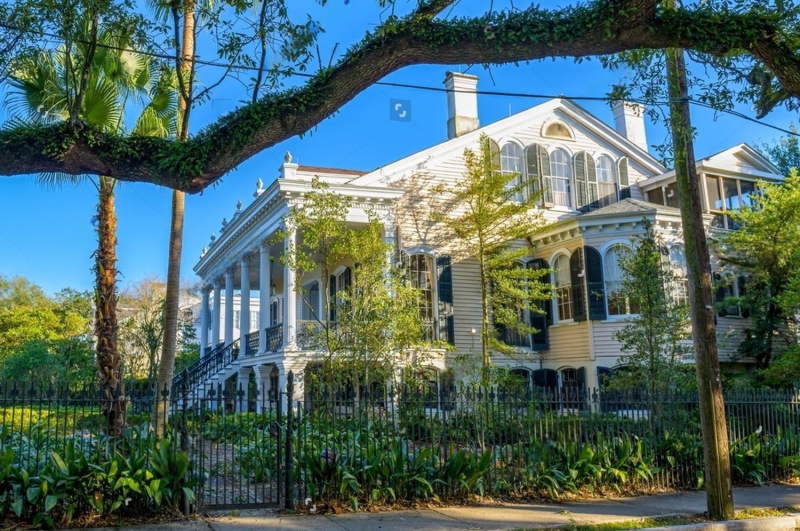
Understanding the Real Cinco de Mayo: Beyond the Bar Specials
Before you can appreciate the NOLA spin, you need to grasp what Cinco de Mayo truly represents. It is not, as is commonly mistaken, Mexico's Independence Day (that's September 16th). The holiday has a specific and powerful origin story. It commemorates the Mexican Army's improbable victory over the far better-equipped French forces at the Battle of Puebla on May 5, 1862. While a significant morale boost, it wasn't a war-winning event.
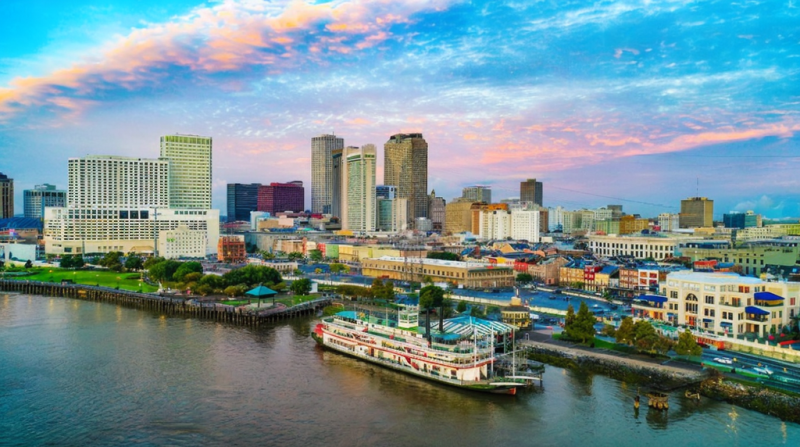
Its adoption as a major holiday happened largely in the United States, where Mexican-Americans in the 1860s used it as a symbol of resistance, a tradition later amplified by the Chicano Movement. That history is precisely why Cinco de Mayo in America evolved not as a military anniversary, but as a powerful and vibrant affirmation of cultural identity. For travelers inspired to trace this incredible history back to its source and explore the rich mix of the country, our comprehensive Mexico travel guide is the ultimate resource for planning an authentic journey. Understanding this background transforms the experience, allowing you to see past the party and appreciate the deep cultural significance behind the festivities.
The NOLA Twist: How Creole Culture Meets Mexican Heritage
New Orleans doesn’t just host events; it absorbs them, infuses them with its own unique cultural DNA, and presents them with a theatrical flair you won't find anywhere else. The city is a rich gumbo of French, Spanish, African, and Caribbean influences, creating a Creole culture that is inherently skilled at adaptation and fusion. This is the secret ingredient that makes Cinco de Mayo in New Orleans so extraordinary.
The celebration here is not a simple transplant of Mexican traditions but a creative dialogue between two passionate cultures. Here’s how the NOLA twist comes to life:
Culinary Alchemy: New Orleans chefs are masters of remixing flavors. On Cinco de Mayo, you’ll find menus boasting crawfish enchiladas with a spicy étouffée sauce, alligator tacos drizzled with Creole remoulade, and bread pudding with a decadent dulce de leche swirl. It’s a culinary conversation where Mexican staples are reimagined with iconic Louisiana ingredients.
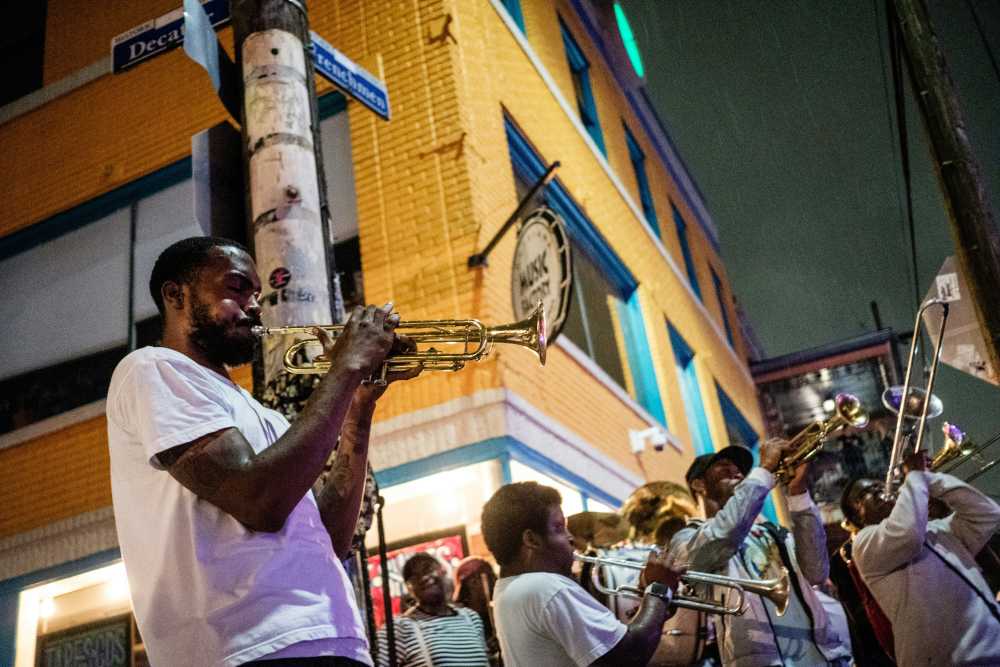
Musical Mashups: Don’t be surprised to hear a brass band break into a funky rendition of "La Bamba" or a local jazz trio improvising over a mariachi standard. Music is the city's lifeblood, and on May 5th, the sounds of Mexico blend seamlessly with the rhythms of the Crescent City, creating spontaneous and joyous street performances that feel both familiar and thrillingly new.
Community-Centric Celebrations: While other cities focus on massive, impersonal festivals, New Orleans excels at the neighborhood level. The celebrations here are often intimate block parties, courtyard gatherings, and food-focused festivals that feel more like a family reunion than a commercial event. This aligns with the city’s deep-seated emphasis on community and shared experience.
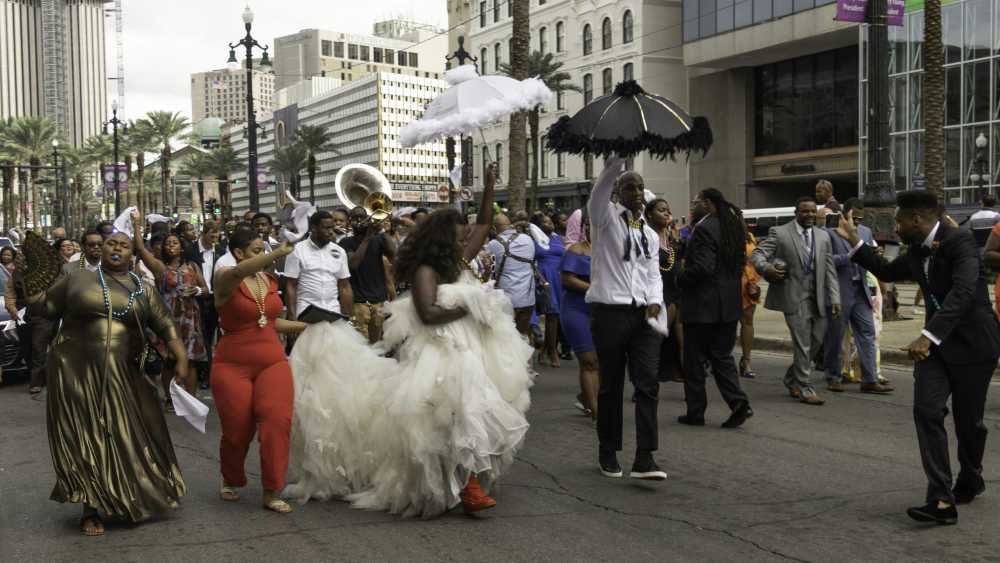
This effortless blending of heritage is what makes the city’s take on Cinco de Mayo in America a truly singular experience, turning a national holiday into a distinctly local affair.

Where to Find the Fiesta: A Neighborhood-by-Neighborhood Guide
To truly experience the festive twists of a New Orleans Cinco de Mayo, you need to know where to look. The city’s celebrations are spread across its diverse neighborhoods, each offering a different vibe and flavor.
The Warehouse District: Upscale Fiestas and Craft Cocktails
Known for its sophisticated art galleries, world-class museums, and upscale restaurants, the Warehouse District offers a more polished Cinco de Mayo. Here, renowned chefs craft special prix-fixe menus that elevate traditional Mexican dishes with gourmet ingredients and artistic presentation. The bars in this area focus on high-end agave spirits, offering curated tequila and mezcal flights guided by expert mixologists.
What to Expect: Elegant restaurant parties, inventive craft cocktail specials, and a chic, professional crowd.
Don’t Miss: Look for events at restaurants helmed by James Beard Award-winning chefs, who often use the holiday as an opportunity to showcase their boundary-pushing culinary creativity.
The French Quarter: Historic Charm with a Spicy Kick
While the French Quarter can be tourist-heavy, its historic courtyards and hidden bars provide an enchanting backdrop for Cinco de Mayo. Many of the neighborhood's iconic establishments host lively parties with live music that spills out onto the cobblestone streets. It’s a place where you can sip a handcrafted margarita in a centuries-old courtyard while a Latin band plays just a few feet away, the air thick with history and hibiscus.
What to Expect: Courtyard parties, live Latin music, and a bustling, infectious energy.
Pro-Tip: Seek out restaurants advertising 'Pueblan' specials to honor the holiday's origins, not just generic 'Mexican' deals. This is often a sign of a more thoughtful and authentic celebration.
The Marigny & Bywater: Artsy Block Parties and Local Vibes
For a more bohemian and authentically local experience, head downriver to the Marigny and Bywater. These artsy neighborhoods are famous for their colorful shotgun houses, quirky bars, and fiercely independent spirit. On Cinco de Mayo, this translates into laid-back block parties, pop-up taco stands run by local chefs, and impromptu musical performances on street corners. The vibe is less about spectacle and more about genuine community connection.
What to Expect: Casual block parties, innovative food trucks, local art, and a diverse, eclectic crowd.
Don’t Miss: Keep an eye on social media for announcements of unofficial parties and pop-ups; these are often the most memorable and authentic events of the day.
Mid-City & Uptown: Family-Friendly Festivals and Food Galore
These residential neighborhoods are where you’ll find larger, more family-oriented celebrations. Parks and community centers often host food festivals that blend Mexican heritage with local culture, featuring everything from traditional folk dancers to local school bands. It’s a relaxed and welcoming atmosphere perfect for families or anyone looking to enjoy the culinary side of the holiday without the late-night party scene.
What to Expect: Outdoor food festivals, family activities, and a strong, welcoming community feel.
Don’t Miss: The annual food festivals that bring together dozens of local vendors, offering a chance to sample a wide array of NOLA-Mexican fusion dishes in one place.
The Ultimate NOLA Cinco de Mayo Itinerary: A Step-by-Step Plan
Ready to dive in? Here’s a sample itinerary to help you make the most of your Cinco de Mayo in New Orleans. Just as our Big Sur Map & Itinerary helps you navigate the stunning twists and turns of the California coast, this plan will guide you through the festive twists of a Crescent City celebration.
Morning (10:00 AM): A Boozy Brunch with a Twist
Start your day in the Lower Garden District or Uptown at a restaurant known for its creative brunch. Look for spots offering specials like huevos rancheros over a bed of Creole-spiced grits or breakfast tacos filled with smoky andouille sausage. Pair it with a spicy Bloody Maria (made with tequila) to kick off the festivities right.
Afternoon (2:00 PM): Neighborhood Food Festival
Head to Mid-City to explore a local food festival. Spend the afternoon sampling unique creations from various food stalls. This is your chance to try those crawfish enchiladas or boudin-stuffed jalapeños. Enjoy the live music and soak in the relaxed, family-friendly atmosphere.
Evening (6:00 PM): Courtyard Cocktails and Live Music
As the sun begins to set, make your way to the French Quarter. Find a secluded courtyard bar and order a top-shelf margarita or a smoky mezcal old fashioned. Enjoy the sounds of a live Latin guitarist as the historic architecture glows in the warm evening light.
Dinner (8:00 PM): An Elevated Culinary Experience
For dinner, book a table at a renowned Warehouse District restaurant. Indulge in a multi-course tasting menu that reinterprets Mexican classics through a modern, Louisiana lens. This is where the city’s culinary artistry truly shines.
Late Night (10:30 PM): Dance the Night Away
Finish your night on Frenchmen Street in the Marigny. While famous for jazz, many clubs feature Latin bands and DJs for Cinco de Mayo. Join the locals on the dance floor for a high-energy, sweat-soaked end to a perfect day of celebration.
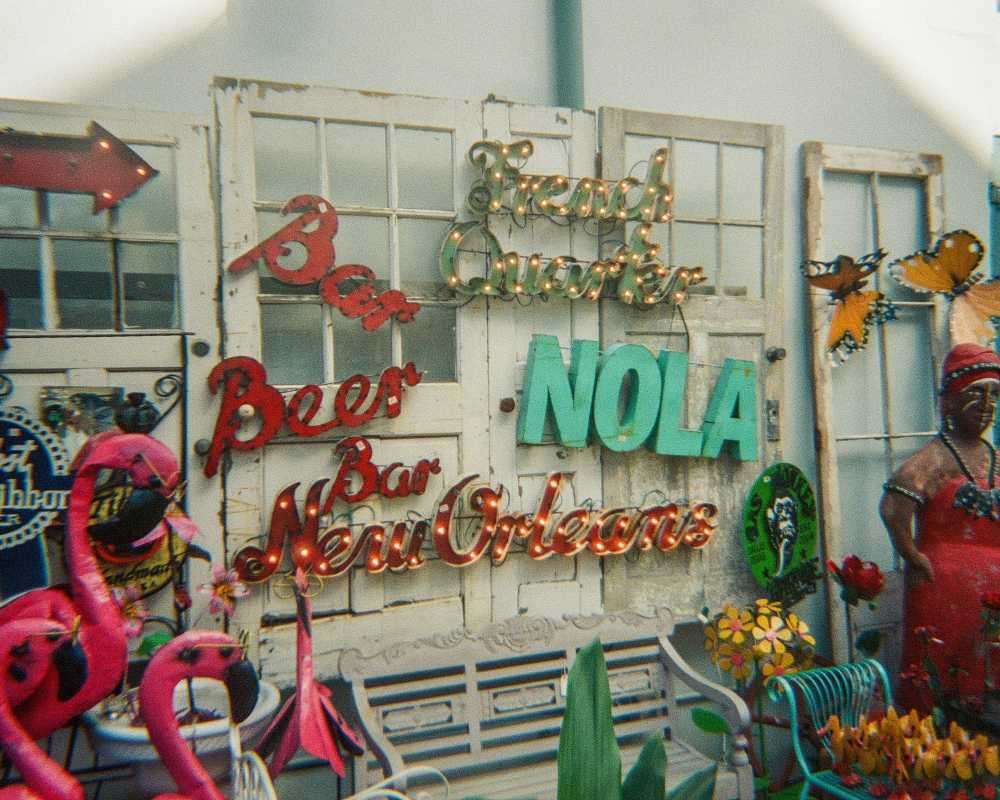
Pro-Level Tips for Celebrating in the Big Easy
To navigate the day like a seasoned local, keep these insider tips in your back pocket.
Navigating the Crowds and Transportation
While not as intense as Mardi Gras, certain areas can get crowded. Rideshares are a great option, but prices may surge during peak hours.
Pro-Tip: The city's streetcar lines are a scenic and practical way to hop between neighborhoods. The iconic St. Charles line is perfect for getting between Uptown and the edge of the French Quarter. Consider buying a Jazzy Pass for unlimited rides.
What to Wear: Festive but Practical
New Orleans in early May is typically warm and humid. Dress in lightweight, breathable fabrics like cotton or linen. While festive attire is encouraged, prioritize comfort, especially your footwear—you’ll be doing a lot of walking. A light rain jacket or poncho is also a wise addition, as brief afternoon showers are common.
Beyond the Margarita: Exploring Agave Spirits
This is your chance to expand your palate beyond the standard lime-and-sugar concoction. Many New Orleans bars have excellent selections of tequila and mezcal. Don’t be afraid to ask the bartender for a recommendation. Try sipping a high-quality añejo tequila neat to appreciate its complex, barrel-aged notes, or explore the earthy, smoky flavors of a small-batch mezcal from Oaxaca.
Safety and Etiquette
As with any large celebration, be mindful of your surroundings and stay aware. Hydrate constantly—alternate alcoholic drinks with water, especially in the Louisiana heat. The spirit of the celebration is one of cultural appreciation, so be respectful. Engage with the history, savor the food, and enjoy the music, but please avoid stereotypical or cartoonish costumes that mock the culture you're there to celebrate.
Your Invitation to a Uniquely American Fiesta
New Orleans has a rare gift for taking a celebration you think you know and showing you a version of it that is deeper, richer, and infinitely more soulful. The city’s take on Cinco de Mayo in America is a perfect example of this magic. It’s a day that honors Mexican heritage not by simple imitation, but by engaging with it in a creative and collaborative cultural dance. It’s a celebration of resilience, flavor, and the joyous, life-affirming spirit that both Mexico and New Orleans share in their very bones.

You now have the insider’s guide to experiencing this one-of-a-kind fiesta. You know the real history behind the holiday, the neighborhoods where the magic happens, and the pro-level tips to navigate the day with ease. You are empowered to step beyond the clichés and discover a celebration that is as unique and unforgettable as the city itself. Go forth, explore the festive twists, and savor every moment of a truly New Orleans Cinco de Mayo.
Don't Miss Out! Subscribe for Exclusive Content
SubscribeComments 0
No comments yet
Be the first to share your experience!
Dont Miss Out! Subscribe for Exclusive Content

San Francisco Cherry Blossoms: A Local's Guide to the Blooms

Halloween SF: Haunts Without Horrors

SF Festivals: 7 Must-See Lineups

Christmas SF: Lights & Wharf Wonders

SF Pride: 6 Route & Party Hacks

Chinese New Year SF: Parade Essentials
Christmas Chicago: 5 Market Musts
TrekGuider @trekguider
The dream of a perfect holiday trip to Chicago is a potent one. You picture yourself wandering through a wonderland of twinkling lights, the crisp winter air filled with the scent of roasted chestnuts and spiced wine. You’re on a mission to find that quintessential Christmas market experience, a place brimming with authentic cheer and unique, heartfelt gifts. But as you start to plan, a blizzard of options descends, leaving you overwhelmed and wondering where to even begin.
The anxiety creeps in. You worry about wasting precious vacation time on tourist traps, missing the truly magical local gems, or ending up too cold and frustrated to enjoy anything. The fear is that your festive getaway will devolve into a series of long lines and underwhelming souvenirs, failing to capture the genuine heart of Christmas in Chicago. You risk returning home with a feeling that you saw the lights but missed the magic.
This guide is your expert-led solution, your map through the holiday storm. Forget the guesswork. We’ve hand-picked the 5 must-visit Christmas markets that define the season in Chicago. From the world-famous German village that transforms Daley Plaza to the vibrant artisan fairs pulsing with local creativity, this is your insider’s tour. We’ll arm you with the pro tips needed to navigate each market like a seasoned Chicagoan, ensuring your trip is packed with unforgettable moments, delicious treats, and the pure, unadulterated festive spirit you came for.

Why Chicago is a Premier Christmas Market Destination
When the first snowflakes dust the city’s iconic architecture, Chicago undergoes a breathtaking metamorphosis. A palpable festive energy buzzes through the air as millions of lights illuminate the Magnificent Mile, turning the cityscape into a glittering spectacle. While the markets are the beating heart of the season, they are just one chapter in the city's epic holiday story—a story we explore fully in our definitive guide to Chicago Holidays: Windy City Thrills.
What sets Chicago apart is the sheer diversity of its market scene. You can be transported to a traditional German village one moment and, the next, find yourself in a bustling hall filled with cutting-edge handcrafted goods. This incredible variety ensures that every visitor—from the family seeking classic holiday fun to the discerning shopper on the hunt for a one-of-a-kind masterpiece—will find their perfect festive experience. It’s this rich mix that makes a trip here one of the best ways to experience Christmas in the USA.
1. Christkindlmarket Daley Plaza: The Iconic German Village
What Makes It a Must-Visit?
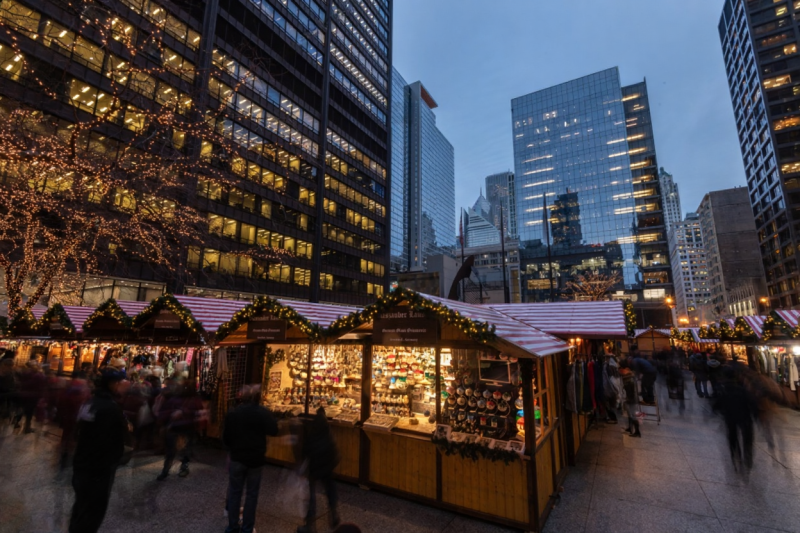
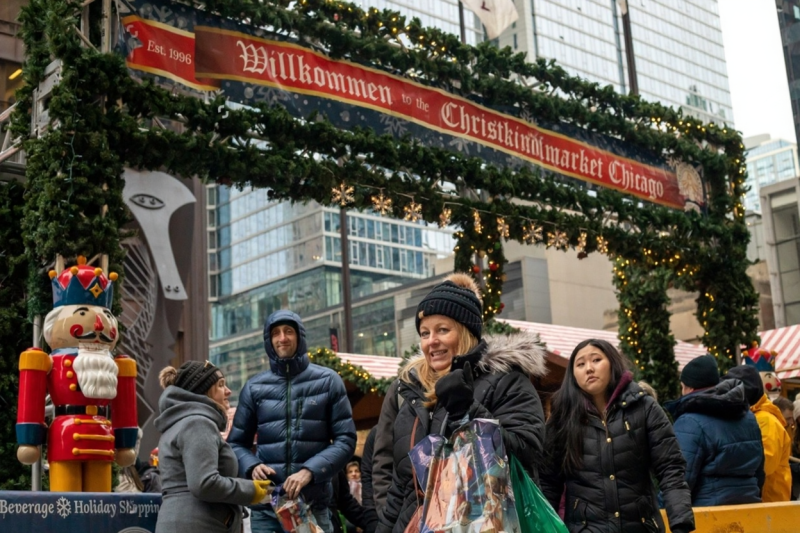
For generations of Chicagoans and visitors alike, the Christkindlmarket at Daley Plaza is the epicenter of the holiday season. Inspired by the 16th-century Christkindlesmarkt in Nuremberg, Germany, this outdoor market doesn't just imitate a charming European village—it becomes one right in the shadow of the Picasso sculpture. The moment you arrive, you’re enveloped by the sights of traditional timber-and-red-striped stalls, the sounds of cheerful carols, and the irresistible aroma of roasting nuts, sizzling bratwurst, and sweet, spiced wine.
The market is legendary for its authentic atmosphere and high-quality, family-friendly vendors. It’s a place where you can watch artisans demonstrate their craft, from glassblowing to woodworking, and browse for traditional German goods that feel both timeless and special.
Navigating the Market: A Pro's Guide
To conquer the Christkindlmarket, a little strategy is essential. This is a full sensory experience, so give yourself at least a couple of hours to explore without rushing.
Must-Try Food & Drink:
Glühwein: This hot spiced red wine is the market's signature drink. It’s served in a unique, boot-shaped souvenir mug whose design changes annually, making it a beloved collector's item. A non-alcoholic version (Kinderglühwein) is also available.
Bratwurst and German Pretzels: You can’t go wrong with a classic German sausage served on a hearty roll or a giant, doughy pretzel as big as your head.
Roasted Nuts: Follow the intoxicatingly sweet smell to vendors selling cinnamon-glazed almonds, pecans, and cashews, served hot in a paper cone.
Potato Pancakes (Kartoffelpuffer): Find the stall selling these crispy, golden-fried pancakes. Served with a side of applesauce or sour cream, they are the ultimate winter comfort food.
Shopping for Timeless Treasures:
Ornaments: Dozens of stalls are dedicated to exquisite, handcrafted ornaments. Discover delicate, hand-blown glass baubles from Germany, complex wooden figurines from the Erzgebirge region, and traditional straw stars.
Traditional Crafts: This is the place to find authentic German beer steins, complex cuckoo clocks, classic nutcrackers, and hand-carved wooden toys.
Pro-Tip: The market's peak times are evenings and weekends. To avoid the densest crowds, visit on a weekday afternoon. The lines for Glühwein and popular food stalls will be significantly shorter, giving you more space to browse the vendor stalls at a leisurely pace.
Essential Visitor Information
Location: Daley Plaza, 50 W Washington St, Chicago, IL 60602.
Best Time to Go: For the full magical effect, arrive just before dusk. You’ll get to see the market in the daylight before the holiday lights begin to twinkle against the darkening city skyline.
What to Wear: This is a completely outdoor market in the heart of a Chicago winter. Dress in warm layers: a thermal base, a fleece mid-layer, and a windproof winter coat. A hat, gloves, and a scarf are non-negotiable. Wear comfortable, waterproof boots to keep your feet warm and dry.
2. Christkindlmarket Wrigleyville: A Festive Home Run
A Unique Holiday Experience at Gallagher Way
Just outside the historic ivy-clad walls of Wrigley Field, the Christkindlmarket Wrigleyville offers a more spacious and modern take on its downtown sibling. Set in the lively Gallagher Way plaza, this market brilliantly fuses beloved German traditions with a distinctly fun, neighborhood vibe. The iconic ballpark marquee provides a stunning, uniquely Chicagoan backdrop for your holiday photos.
This location expands the experience beyond just shopping. With an ice-skating rink and a calendar full of special family-friendly programming, it’s an all-in-one festive destination. The atmosphere is generally more relaxed than the bustling Daley Plaza location, offering more room to stroll, sip, and soak in the holiday cheer.

What to Expect: Food, Fun, and Festivities
While you’ll find many of the same cherished vendors selling Glühwein, sausages, and ornaments, the Wrigleyville market has its own distinct character.
Ice Skating: The Gallagher Way ice rink is a major draw. Rent a pair of skates and glide around under the festive lights with the historic "Friendly Confines" watching over you.
Family Activities: Check the schedule for special events like visits from Santa, craft workshops for kids, and live musical performances on the Gallagher Way stage.
Local Flavor: In addition to the traditional German vendors, you’ll often find booths from local Wrigleyville businesses, adding a welcome neighborhood touch to your shopping.
Planning Your Visit
Location: Gallagher Way, 3635 N Clark St, Chicago, IL 60613.
Getting There: Public transportation is your best friend. The CTA Red Line ‘L’ train stops at the Addison station, just steps from the market. Parking in Wrigleyville is notoriously difficult and expensive, especially during events.
3. Renegade Craft Fair: The Indie Maker Showcase
The Anti-Traditional Christmas Market
Forget what you know about traditional Christmas markets. Renegade is a different beast entirely—a vibrant, curated explosion of independent craft and design, where you come to find gifts with a story, a soul, and a serious dose of originality. This is not the place for nutcrackers and cuckoo clocks; it’s a dynamic marketplace showcasing the absolute best in modern, independent making.
The atmosphere is creative, inspiring, and buzzing with the energy of hundreds of passionate artists. It’s a celebration of contemporary craftsmanship, perfect for those who value originality and want to give a gift that can’t be found anywhere else.

What You'll Find: A Treasure Trove of Creativity
Prepare to be blown away by the talent on display. Renegade brings together hundreds of makers from Chicago and across the country for its holiday fair.
Artisanal Goods You Can Discover:
Handmade Jewelry: From delicate, minimalist metalwork to bold, polymer clay statement pieces.
Original Artwork: Affordable screen prints, quirky illustrations, and stunning paintings from emerging artists.
Small-Batch Apothecary: Hand-poured soy candles with unique scent profiles, all-natural soaps, and luxurious body oils.
Ceramics and Home Decor: Beautifully crafted mugs, planters, and hand-printed textiles to elevate any living space.
Gourmet Foods: Small-batch chocolates, artisanal hot sauces, and locally roasted coffee beans.
Pro-Tip: While many vendors accept credit cards, some smaller makers may be cash-only. Bring a mix of payment options to ensure you don't miss out on the perfect find. It’s also wise to bring your own reusable tote bag to comfortably carry all your unique treasures.
Insider Tips for Shopping Renegade
Check the Dates: Renegade’s holiday fairs are typically held over a single weekend. Check their official website for the exact dates, times, and location, as it can change from year to year.
Browse the Vendor List: You can look through the list of makers online beforehand to map out your must-visit booths, or you can simply wander the aisles and let serendipity guide you. Either way, you’re bound to discover your new favorite artist.
4. One of a Kind Holiday Show: An Indoor Artisan Universe
The Ultimate Indoor Shopping Experience
When the Chicago wind is howling, escape into the warm, sprawling, and utterly captivating world of the One of a Kind Holiday Show. Held annually at the massive theMART, this indoor event is a paradise for the serious holiday shopper. It brings together more than 500 talented artists, artisans, and makers from across North America, offering an unparalleled selection of handcrafted goods all under one roof.
The sheer scale can feel daunting, but the true magic is in the direct connection with the creators. You can chat with a painter about their inspiration, ask a jeweler about their process, and find a truly meaningful gift that comes with a personal story.
Planning a major shopping trip, especially if you're traveling from overseas, requires serious organization. Our International Travel Checklist is the perfect free resource to ensure you have everything from your passport to your packing list sorted, so you can focus on the fun of the hunt.

Discovering Your Perfect Gift
With hundreds of vendors, there is truly something for every single person on your list. The show is thoughtfully organized into categories to make navigation a breeze.
Categories Include:
Fine Art and Sculpture
Fashion, Fiber, and Accessories
Jewelry
Home Goods and Furniture
Gourmet Foods
Pet Products
Children's Products
Making the Most of the Show
Wear Comfortable Shoes: You will be doing a lot of walking. Comfort is absolutely essential to enjoying a full day at the show.
Check the Floor Plan: Grab a map at the entrance or view it online beforehand. If you have specific artists you want to see, mark their booths to create a rough itinerary.
Take a Break: The show features cafes and seating areas. Take time to rest, recharge with a coffee, and review your shopping list.
5. Randolph Street Market: A Vintage Holiday Treasure Hunt
A Festive Market for Vintage Lovers
For those who believe the best gifts come with a past, the Randolph Street Market’s holiday edition is a treasure hunter's paradise. This nationally acclaimed market, famous for its incredible collection of antiques, vintage clothing, and unique collectibles, gets a festive makeover for its indoor winter events. It’s the ultimate destination for shoppers seeking items with soul, character, and a story to tell.
The market brings together dozens of the best dealers in the Midwest, specializing in everything from mid-century modern decor to Victorian-era jewelry. The atmosphere is eclectic and thrilling, with the promise of an amazing find around every corner.
What Treasures Await?
You truly never know what you might uncover at Randolph Street Market. It’s a place where you can find a gift that is utterly unique and steeped in history.
Potential Finds:
Vintage Ornaments: Discover beautiful, delicate glass ornaments from the 1950s and 60s.
Retro Holiday Decor: Find classic ceramic Christmas trees, quirky knee-hugger elves, and other nostalgic decorations.
Antique Jewelry: Unearth timeless lockets, brooches, and rings that tell a story.
Vintage Clothing and Furs: Shop for a glamorous party dress or a cozy winter coat from another era.
Collectible Barware: Find the perfect gift for the cocktail enthusiast, from Mad Men-era shakers to unique, colorful glassware.
How to Shop the Market Like a Pro
Arrive Early for First Dibs: The most sought-after items are often snatched up within the first hour. Arriving when the doors open gives you the best selection.
Don't Be Afraid to Dig: Some of the best treasures are hidden in plain sight. Take your time to look through boxes, browse the backs of booths, and look under tables.
Bring Cash and Be Ready to Bargain: While many vendors now accept cards, cash is still king at flea markets. Polite bargaining is often part of the fun, but always be respectful of the dealer's expertise.
A Traveler's Guide to Enjoying Chicago's Christmas Markets
Dressing for a Chicago Winter
Chicago’s winter weather is no joke. To stay comfortable while exploring, especially at the outdoor markets, layering is your best strategy.
Base Layer: A long-sleeved thermal shirt and leggings.
Mid Layer: A fleece or wool sweater.
Outer Layer: A warm, windproof, and preferably waterproof winter coat.
Accessories: A warm hat that covers your ears, a scarf to wrap around your face, and insulated gloves are absolutely essential.
Footwear: Insulated, waterproof boots with good traction will be your most important piece of gear.
Getting Around the City
Chicago’s public transit system, the CTA, is the most efficient and affordable way to navigate between markets. The ‘L’ trains and buses can get you within a short walk of every destination on this list. Purchase a Ventra card at any train station for easy tap-on access. While rideshares are plentiful, they can be slow and expensive during peak holiday times due to heavy traffic.
Beyond the Markets: Other Festive Must-Dos
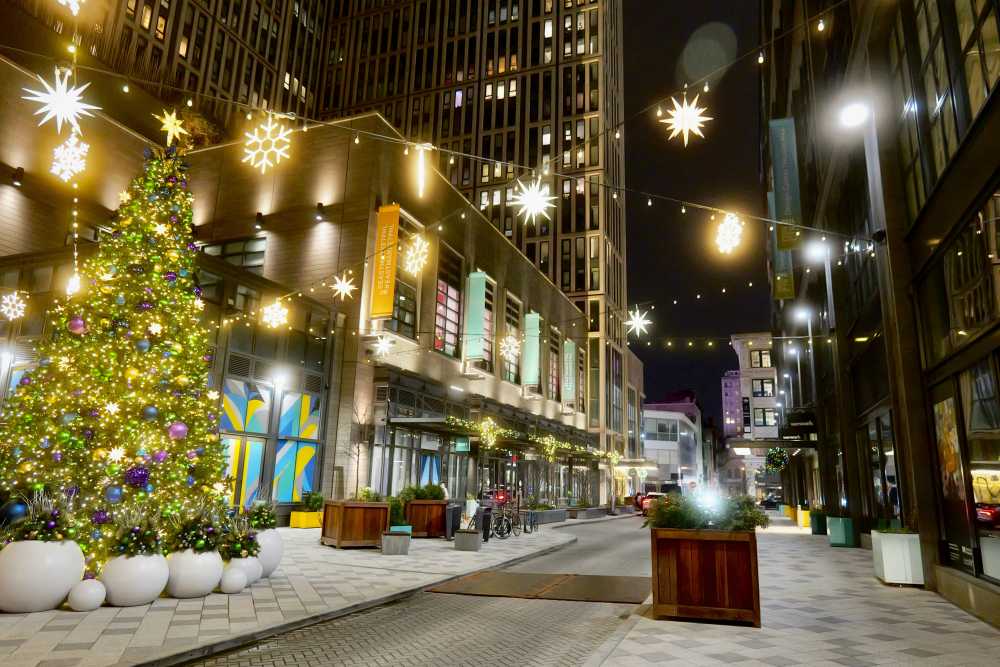
While the markets are a highlight, they are just one part of the city's holiday magic. Be sure to experience other classic Chicago traditions like ice skating at Millennium Park with "The Bean" reflecting the skyline, seeing the spectacular ZooLights at the Lincoln Park Zoo, or taking an evening stroll down the Magnificent Mile to admire the brilliant window displays and the million-plus lights adorning the trees.
To build a complete holiday itinerary that covers everything from markets to museums, our comprehensive Travel Guide provides expert-curated plans and insider tips for making the most of your trip to Chicago and other top U.S. destinations.
Your Unforgettable Chicago Christmas Awaits
Chicago in winter is more than just a city; it’s a living, breathing snow globe waiting to be explored. Armed with this guide to the city’s five essential Christmas markets, you are now fully equipped to dive into the holiday season like a pro. From the old-world German charm of the Christkindlmarket to the creative buzz of Renegade Craft, you have the insider knowledge to plan a perfect, stress-free shopping adventure filled with magic, warmth, and one-of-a-kind finds. This is how you experience the very best of Christmas in the USA—right in the heart of the Windy City.
Which market are you most excited to visit? Let us know in the comments below!
SEO Meta Data Suggestions:
SEO Meta Title: Christmas in Chicago: Top 5 Holiday Markets Guide (2026)
URL Slug: /christmas-chicago-markets
SEO Meta Description: Discover the 5 best Christmas markets in Chicago. Our guide covers the iconic Christkindlmarket, artisan fairs, and vintage markets for a magical holiday.
Don't Miss Out! Subscribe for Exclusive Content
SubscribeComments 0
No comments yet
Be the first to share your experience!
Dont Miss Out! Subscribe for Exclusive Content
San Francisco Cherry Blossoms: A Local's Guide to the Blooms
Halloween SF: Haunts Without Horrors
SF Festivals: 7 Must-See Lineups
Christmas SF: Lights & Wharf Wonders
SF Pride: 6 Route & Party Hacks
Chinese New Year SF: Parade Essentials
Budget Solo Travel: A Proven System for Trips Under $1000
TrekGuider @trekguider
Planning a solo trip should be thrilling. But for many, one question hangs in the air, casting a shadow of stress and analysis paralysis over the entire process: "How much will this actually cost?" You’ve scrolled through the endless, generic "tips," but you’re still left without a real plan, haunted by the specter of hidden fees, unexpected expenses, and the daunting idea that a trip under $1000 is pure fantasy.
This is not another list. This is your financial playbook. It’s a proven, three-phase system designed to dismantle uncertainty and empower you to plan an incredible adventure with total confidence. This guide to budget solo travel will give you the framework and the tools to build a realistic budget you can actually trust. A successful trip, however, involves more than just money. For a complete masterclass covering everything from safety to packing and meeting people, be sure to read our ultimate guide to .
The Strategic Foundation—The Decisions That Save the Most
The secret to a truly affordable solo trip isn't about pinching every penny until it screams. It’s about making a few smart, high-impact decisions long before you even think about packing. These foundational choices have the biggest impact on your bottom line and set the stage for a stress-free adventure.
Choose Your Playground Wisely
This is the single most important decision you will make. Your destination dictates the cost of everything else. A week in Zurich will cost exponentially more than a month in Hanoi, no matter how frugal you are. To keep your trip under $1000, you must focus on regions where your home currency has heavyweight buying power.
Southeast Asia (The Budget Gold Standard): Countries like Vietnam, Thailand, Cambodia, and Indonesia are legendary for a reason. You can feast on world-class street food for a couple of dollars, secure a clean, private guesthouse room for $20-$30, and witness breathtaking landscapes that cost absolutely nothing to enjoy.
Eastern Europe (Culture Without the Cost): Forget the well-trodden paths of Paris and Rome. Cities like Budapest (Hungary), Prague (Czech Republic), Krakow (Poland), and Lisbon (Portugal) offer centuries of history, stunning architecture, and vibrant culture at a price that feels like a pleasant time warp.
Latin America (Adventure Capital): For raw adventure and rich culture, destinations like Mexico, Colombia, Bolivia, and Guatemala provide unparalleled value. You can explore ancient Mayan ruins, hike active volcanoes, and immerse yourself in dynamic local life, all on a remarkably modest budget.

Master the Calendar
Timing isn't just important; it's everything. Every destination has three travel seasons, and knowing the difference is like having a cheat code.
High Season: Peak tourist time with postcard-perfect weather, but also the biggest crowds and eye-watering prices.
Low Season: The off-season, often with challenging weather, fewer open attractions, and rock-bottom prices.
Shoulder Season: The magic window. Nestled between the high and low seasons (typically April-May and September-October in the northern hemisphere), this is the budget traveler's sweet spot.
Traveling during the shoulder season means you get the best of both worlds: pleasant weather, far fewer tourists cluttering your photos, and dramatic drops in the cost of flights and accommodations. Visiting the Greek Islands in May instead of July, for instance, can easily cut your two biggest expenses by 30-50%.
Build Your Budget Blueprint
Let’s reframe the word "budget." It isn't a restriction; it's a permission slip. A well-crafted budget doesn't tell you what you can't do; it gives you the freedom to do what you want to do, without the guilt or anxiety. Here’s how to build one you can rely on.
Set Your Ceiling: Before anything else, define your absolute maximum trip cost. For this playbook, we're targeting a complete trip under $1000.
Become a Researcher: Open a spreadsheet and start plugging in real numbers. Use sites like Kayak, Booking.com, and detailed travel blogs to estimate average costs for your chosen destination. Be thorough.
Flights/Major Transport: Your biggest single purchase.
Accommodation: Your largest daily expense.
Food & Drink: A realistic mix of meals out, street food, and groceries.
Activities & Tours: Museum entries, day trips, cooking classes.
Local Transport: Subways, buses, and the occasional ride-share.
Travel Insurance: Non-negotiable. Don't even consider leaving home without it.
Build a Financial Safety Net: This is the pro move. Once you have your total estimated cost, add a 15-20% "contingency fund." This isn't for overspending; it’s for the unexpected. It’s the money that lets you say "yes" to a spontaneous adventure or handle a missed train without a panic attack. It’s the key to true peace of mind.

With that blueprint in hand, it’s time to move from strategy to action.
The Booking Engine—Locking in Value on Your Biggest Expenses
This is where the rubber meets the road. With your strategic plan in place, you can now book the core components of your trip with surgical precision, ensuring you get the absolute best value for every dollar spent.
Accommodation Strategy
For a solo traveler, a standard hotel room is almost always the least imaginative and most expensive option. The world of alternative accommodations is where you’ll find incredible value and far more interesting experiences.
Hostels (The Social Hub): The undisputed champion of budget solo travel. They offer dorm beds for incredibly low prices and have a built-in social atmosphere that’s perfect for meeting other travelers. If dorms aren’t your scene, a private room in a quality hostel gives you the perfect blend of privacy and community at a price well below a hotel.
Guesthouses & Local Inns: These smaller, often family-run establishments offer a direct line to the local culture. They're typically much cheaper than large hotel chains and infinitely more charming.
Apartment Rentals (with a Kitchen): For stays of three days or more, sites like Airbnb can be fantastic value. The real secret weapon here is the kitchen. Being able to prepare your own breakfast and the occasional dinner will slash your daily food costs.

How to Slay the Single Supplement Dragon
The "single supplement" is an infuriating fee that tour companies and cruise lines charge solo travelers to cover the perceived loss of a second person in a double-occupancy room. It’s a penalty for your independence, and you should refuse to pay it. Here’s how:
Seek Out Solo-Friendly Companies: Tour operators like Intrepid Travel, G Adventures, and Overseas Adventure Travel are built for travelers like you. They’ll match you with a same-sex roommate to eliminate the fee entirely.
Use the Calendar to Your Advantage: Companies are far more likely to waive the fee during the shoulder season when they have more empty spots to fill.
Become a Last-Minute opportunist: If your schedule is flexible, call companies a week or two before a tour's departure. They may be desperate to fill a final spot and will gladly waive the fee to make a sale.
Don't Be Afraid to Ask: If a solo option isn't listed online, pick up the phone. A friendly, direct request can often work wonders.
Transportation Hacks
Getting from Point A to Point B is a major budget item. A few smart moves here can free up hundreds of dollars for more exciting things.
Pack Light, Win Big: Master the art of carry-on-only travel. Checked baggage fees are a massive profit center for airlines, especially budget carriers. A well-packed carry-on is free, keeps you nimble, and prevents the nightmare of lost luggage.
Make Your Travel Day Your Hotel Night: For longer overland journeys, an overnight train or bus is a brilliant two-for-one hack. It combines your transportation and accommodation costs into a single ticket, saving you a night's expense and a full day of travel time.
Be a Flexible Flier: Use flight aggregators like Google Flights and Skyscanner like a pro. Their "price graph" and "entire month" views are your best friends, instantly showing you the cheapest days to fly. Always search in an incognito browser to prevent price hikes based on your search history.
Pro-Tip: When comparing flight prices, always factor in the "hidden" cost of airport transfers. A flight that looks $50 cheaper might land at a remote airport where a $70 taxi ride is your only option, completely negating your savings.
The Execution Playbook—Living Smart on the Ground
You’ve arrived. Your careful planning has paid off. Now, it's all about execution. Your daily habits and micro-decisions will determine your budget's success. This is where you shift your mindset from "tourist" to "savvy local."
The Food Budget
You don’t have to survive on protein bars to eat affordably. The key is a "High-Low" hybrid approach that lets you experience the best of the local food scene without blowing your budget.
Make Lunch the Main Event: In many cultures, lunch is the biggest meal of the day. Look for a "menu of the day" (or menu del día) where you can get a multi-course, high-quality meal for a fantastic price. Have a lighter, cheaper dinner.
Go on a Supermarket Safari: Your local grocery store is more than just a place for supplies; it’s a cultural institution. It’s perfect for grabbing breakfast items, picnic lunches, and local snacks.
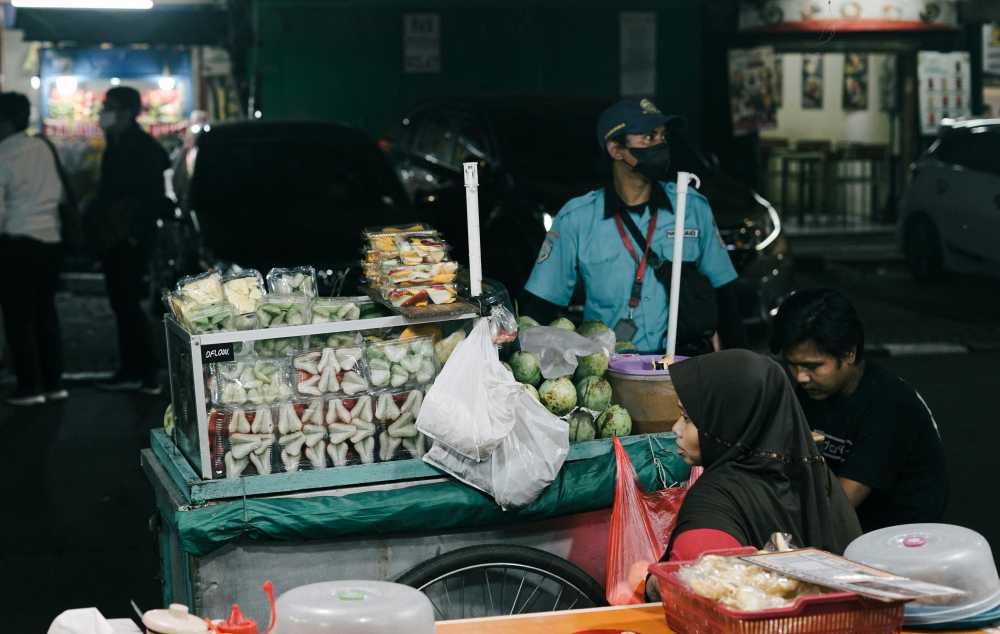
Trust the Streets: In many destinations, especially in Asia and Latin America, the best, most authentic food is found at bustling street food stalls for a dollar or two. It’s a delicious, ultra-affordable way to dive deep into the local cuisine.
Maximize Your Experience, Not Your Spending
The most memorable travel moments are rarely the most expensive. Every city is overflowing with incredible, zero-cost experiences for those who know where to look.
Take a Free Walking Tour (On Day One): This should be your first activity in any new city. It’s a crash course in history, layout, and local culture. You’ll get your bearings and receive priceless insider tips from your guide. Just be sure to tip them what you feel the tour was worth.
Explore Public Parks and Spaces: From the lush gardens of Paris to the sprawling beaches of Rio, a city's public spaces are its soul. They cost nothing to enjoy and are perfect for people-watching.
Hunt for Free Museum Days: Nearly every major museum offers free admission on certain days of the month or evenings of the week. A quick Google search can save you a significant amount on entry fees.
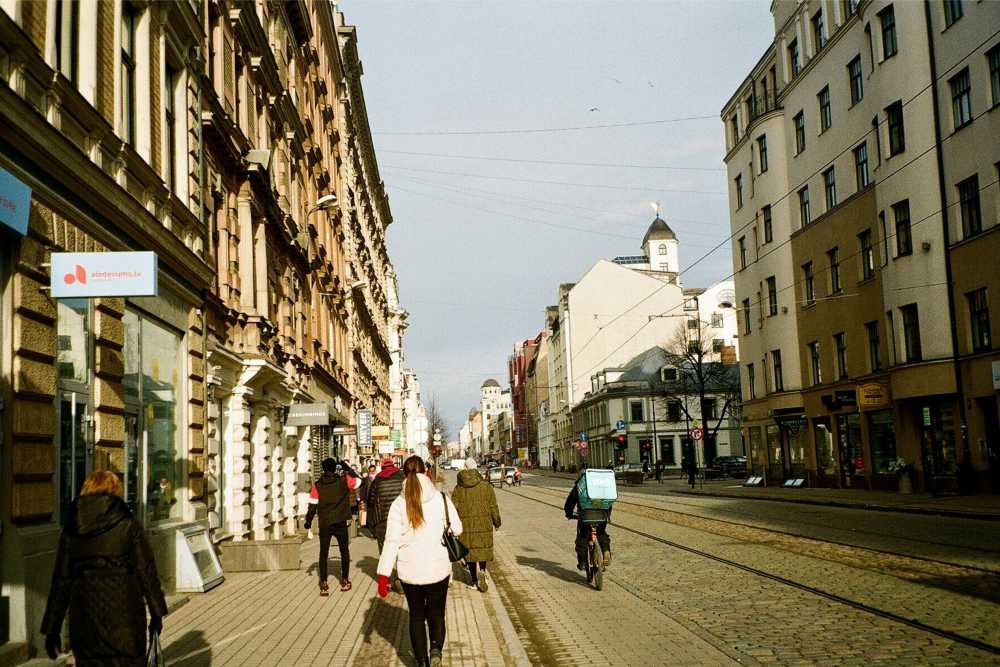
Embrace the Art of Wandering: The single best way to discover a city's hidden courtyards, charming side streets, and authentic local life is to put away the map and simply wander.

Your Blueprint for Affordable Adventure
This isn't just a collection of tips; it's a mindset. You now understand that successful budget solo travel is not a competition to spend the least amount of money possible. It's about the strategic allocation of your resources to maximize experience, discovery, and joy. It's the difference between being cheap and being smart.
Avoid the trap of "false economies"—like booking a hotel far outside the city to save $10, only to spend $15 and two hours on transport each day. But also, know when to embrace the "strategic splurge"—that one incredible meal, cooking class, or guided tour that will become the key element memory of your entire trip. You have the playbook. You have the system. You have the confidence to reject the anxiety of the unknown and step into the incredible freedom of solo travel. The world is not as expensive as you think.
Frequently Asked Questions (FAQ)
How much money do I really need for a trip under $1000?
Excluding your main international flight, a budget of $1000 can comfortably last for 2-4 weeks in high-value regions like Southeast Asia or parts of Eastern Europe. For a one-week trip including flights from the US, you’ll need to target shoulder-season deals to nearby destinations like Mexico and Central America, or watch for flash sales to Europe.
Is it cheaper to stay in a hostel or an Airbnb when solo?
A hostel dorm bed will almost always be your cheapest nightly option. A private room in a hostel is often comparable in price to a basic room in an Airbnb. An entire Airbnb apartment only becomes cost-effective if you stay long enough and use the kitchen religiously to offset the higher upfront cost.
What are the best apps for budget solo travel?
Skyscanner/Google Flights: For finding the cheapest flight dates.
Hostelworld/Booking.com: For finding and booking affordable accommodation.
Rome2rio: For figuring out the cheapest way to get between cities.
Trail Wallet/TravelSpend: For tracking every penny of your expenses in real-time.
How do I handle currency conversion and ATM fees abroad?
First, get a debit card from a bank that charges zero foreign transaction fees and reimburses ATM fees (Charles Schwab Bank is excellent for this). Always decline the "dynamic currency conversion" offered by ATMs and card machines—it's a scam with a terrible exchange rate. Always choose to be charged in the local currency.
Read the full guide: Anxious to Adventurous: The Ultimate Guide to Solo Travel Confidence
Don't Miss Out! Subscribe for Exclusive Content
SubscribeComments 0
No comments yet
Be the first to share your experience!
Dont Miss Out! Subscribe for Exclusive Content
Ultimate USA Holidays Guide: Top Picks
FTC Affiliate Disclosure Essentials: Stay Compliant as a Travel Creator
Essential Affiliate Tools: From Tracking to Full Optimization
Booking.com Affiliate Program Review: Pros, Cons, and Earnings Potential

Decoding Affiliate Commission Rates: Benchmarks for Travel Creators
