
Chinese New Year SF: Parade Essentials

TrekGuider @trekguider
You can feel it before you see it. The low, resonant thump-thump-thump of the drums echoing off the buildings. The scent of roasted chestnuts and sizzling dumplings hanging in the cool February air. This is the magic of Chinese New Year in San Francisco, a tradition that has pulsed through the city’s veins since the Gold Rush. You’re here to witness the largest Lunar New Year celebration outside of Asia, but a thread of anxiety cuts through the excitement. How do you possibly navigate a crowd of half a million people? Where are the secret spots to actually see the famous 268-foot Golden Dragon?
The fear of missing out is real. You imagine being swallowed by the crowd, your view completely blocked, the vibrant floats and lion dancers reduced to a muffled soundtrack. A once-in-a-lifetime cultural immersion could easily devolve into a stressful, shoulder-to-shoulder shuffle. Without a game plan, you risk leaving with nothing but blurry photos and a sense of frustration.
This is your game plan. Forget the chaos and embrace the spectacle. This guide is your all-access pass, a step-by-step blueprint for conquering the parade like a seasoned local. We’ll give you the insider tips on securing the best viewing spots, a deep dive into the must-see moments, and the cultural context that brings it all to life. You’re about to experience the Chinese New Year San Francisco festival not as a tourist, but as an expert. This incredible event is at the heart of the city's cultural calendar, a vibrant highlight we proudly feature in our broader guide to San Francisco Holidays: Bay Area Buzz.

Understanding the Celebration: More Than Just a Parade
The Chinese New Year, also known as the Lunar New Year or Spring Festival, is the most important holiday in Chinese culture and for many other Asian communities worldwide. It marks the beginning of a new year on the traditional lunisolar calendar—a time for sweeping away the old, honoring ancestors, and gathering with family for lavish feasts.
Each year is associated with one of the twelve animals of the Chinese zodiac. The 2026 celebration, which officially begins on late January or February (the date follows the lunar calendar), will usher in the Year of the Snake—an animal symbolizing wisdom, intuition, and grace.
San Francisco’s celebration is steeped in history. First held in 1851, it has grown from a local community event into the oldest and largest festival of its kind outside of Asia, a powerful proof of the city’s deep-rooted Chinese-American heritage. While the parade is the dazzling finale, the festival is a multi-week affair with several key components you won't want to miss:
The Flower Market Fair: A bustling, fragrant market where families purchase fresh flowers and auspicious plants like orchids and peach blossoms to welcome good fortune into their homes.
The Community Street Fair: A vibrant, weekend-long street party that transforms Chinatown with traditional music, dance performances, artisan vendors, and an incredible array of festival foods.
The Grand Parade: The spectacular culmination of the festivities, featuring stunning floats, complex costumes, acrobatic lion dancers, and the legendary Golden Dragon.
The Main Event: Conquering the Chinese New Year San Francisco Parade
The Southwest Airlines Chinese New Year Parade is an unforgettable spectacle, renowned for being one of the few night-illuminated parades in North America. Its dazzling floats and vibrant performers don't just march; they light up the city streets, creating a truly magical atmosphere that has to be seen to be believed.
Mark Your Calendar: 2026 Parade Date and Time
To ensure you don’t miss a single moment of the magic, lock these details into your calendar now:
Date: Saturday, around mid-February (dates shift each year)
Start Time: 5:15 PM
The parade typically lasts for about two and a half hours, winding its way through the heart of the city as darkness falls, which allows the thousands of lights on the floats and costumes to shine their brightest.
The Parade Route: Where to Be and When
While the Chinese Chamber of Commerce confirms the final route closer to the date, it traditionally follows a path designed for maximum spectacle. The parade kicks off at the intersection of Second and Market Streets, proceeds up Market, turns onto Geary Street through Union Square, continues onto Powell Street, then Post Street, and finally enters Chinatown at Kearny Street before concluding near Columbus Avenue.
Choosing your spot is a strategic decision. Here’s the breakdown:
The Start (Market Street): This area is often slightly less congested than Union Square. It’s a great option if you want to see the performers and floats when they are fresh and full of energy.
The Middle (Union Square): This is the epicenter of the action, with massive crowds and an electric atmosphere. The wide streets provide good sightlines, but you must arrive exceptionally early to claim a spot.
The End (Chinatown & North Beach): As the parade passes through the iconic Dragon Gate on Grant Avenue (via Kearny), the energy is palpable. The narrower streets create an intimate, immersive experience, but this also makes it one of the most densely packed areas.
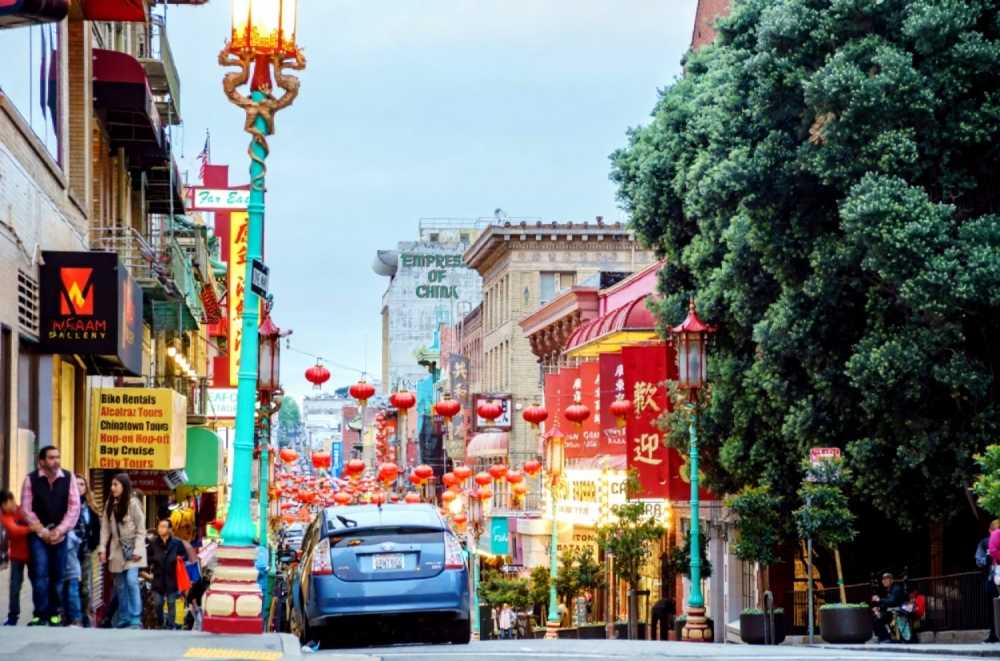
7 Essential Tips for Securing the Perfect Viewing Spot
Arrive Early. No, Earlier. This cannot be overstated. For a prime curbside spot along Geary or Powell, you need to be there hours in advance. Seasoned locals often lay down their blankets by 2:00 PM or even earlier.
Invest in Bleacher Seats. If you want a guaranteed, comfortable, and unobstructed view without a multi-hour wait, purchasing tickets for the bleacher seats is the smartest move you can make. Tickets are sold through the official parade website and are worth every penny for a stress-free experience, especially with family.
Scout the Corners. Intersections where the parade makes a turn—like from Geary onto Powell or Powell onto Post—are strategic goldmines. You get to see the floats approach from one direction and then watch them turn, effectively doubling your viewing time.
Pack for a Marathon, Not a Sprint. You’re in for the long haul. Bring a lightweight folding chair or a thick blanket. Pack snacks and water, but be courteous to your neighbors. This is a communal experience.
Think Vertically. Any slight elevation is an advantage. Look for spots on a small incline or the steps of a building. Some hotels and restaurants along the route host viewing parties, though these are premium, ticketed events.
The Post Street Gambit. The section along Post Street, between Powell and Kearny, is often slightly less chaotic than Union Square proper. It’s a solid choice for those arriving a little later but still hoping for a decent view before the parade plunges into the heart of Chinatown.
Public Transit is Your Only Friend. Do not even think about driving. Road closures begin in the afternoon, and parking is a nightmare of nonexistent spaces and astronomical fees. Use BART or MUNI to get downtown and walk the final blocks.
Pro-Tip: For a less overwhelming experience with kids, consider watching the parade formation near the starting point on Second Street. You'll see the floats and performers up close as they line up, offering a fascinating behind-the-scenes look before the main event's intensity kicks in.
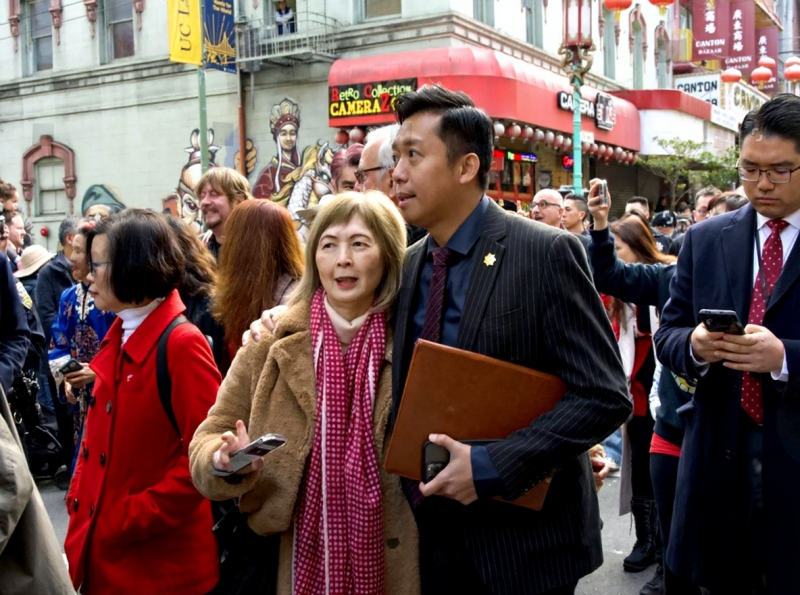
What to Watch For: The Spectacle of the Night Parade
The parade is a rich mix of culture, artistry, and tradition. Knowing what to look for will transform your experience from passive viewing to active appreciation.
The Legendary Golden Dragon (Gum Lung)
The grand finale and undisputed star of the show is the Golden Dragon, or "Gum Lung." This is no ordinary parade float. It's a magnificent, 268-foot-long masterpiece that requires a team of over 100 puppeteers from the Leung's White Crane martial arts association to carry it through the streets. In Chinese culture, the dragon is a benevolent symbol of power, good luck, and prosperity. Watching it weave and dance, illuminated against the night sky, is a core San Francisco memory in the making.
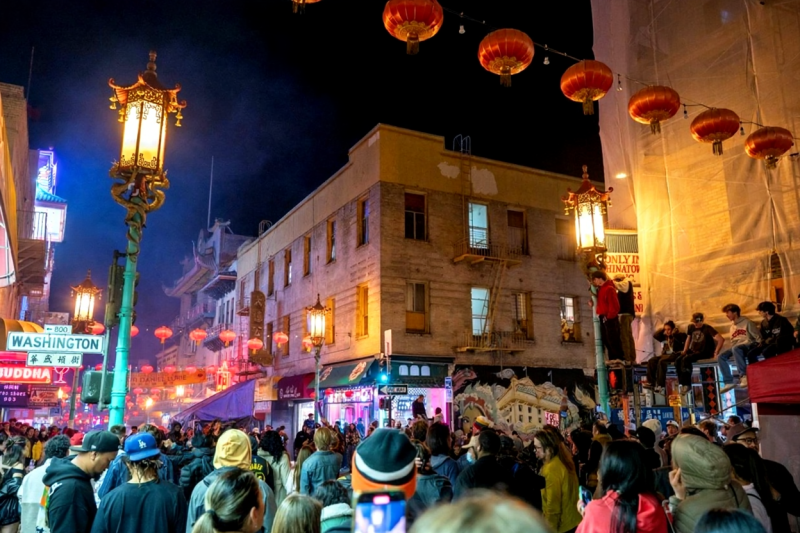
Dazzling Floats and Acrobatic Lion Dancers
This is where the "night-illuminated" aspect truly shines. The floats are breathtaking works of art, depicting scenes from Chinese folklore, the year's zodiac animal, and cultural landmarks, all glowing with thousands of lights. Interspersed between them are the high-energy lion dance troupes. Accompanied by the powerful rhythm of drums, gongs, and cymbals, the lion dancers perform acrobatic feats to scare away evil spirits and usher in a year of good fortune.
A Modern Twist: The Drone Light Show
In a perfect blend of ancient tradition and modern innovation, the parade has incorporated a stunning drone light show. Hundreds of synchronized drones ascend into the night sky, forming complex, glowing patterns—from zodiac animals to Chinese characters—in a display that is uniquely San Franciscan.
Beyond the Parade: Immersing Yourself in the Festivities
To truly capture the spirit of the holiday, you must venture beyond the parade route. The real cultural immersion happens in the days leading up to the main event.
The Chinatown Flower Market Fair
Held on the weekend before the parade, the Flower Market Fair is a sensory explosion. The streets of Chinatown are closed to traffic and filled with vendors selling beautiful flowers, lucky plants, and traditional New Year decorations. It’s a cultural tradition to decorate the home with fresh blooms to symbolize rebirth and new growth. Look for these auspicious items:
Orchids: Symbolizing fertility and abundance.
Tangerines with leaves intact: Representing secure relationships and wealth.
Peach blossoms: Considered sacred and symbolizing romance and prosperity.
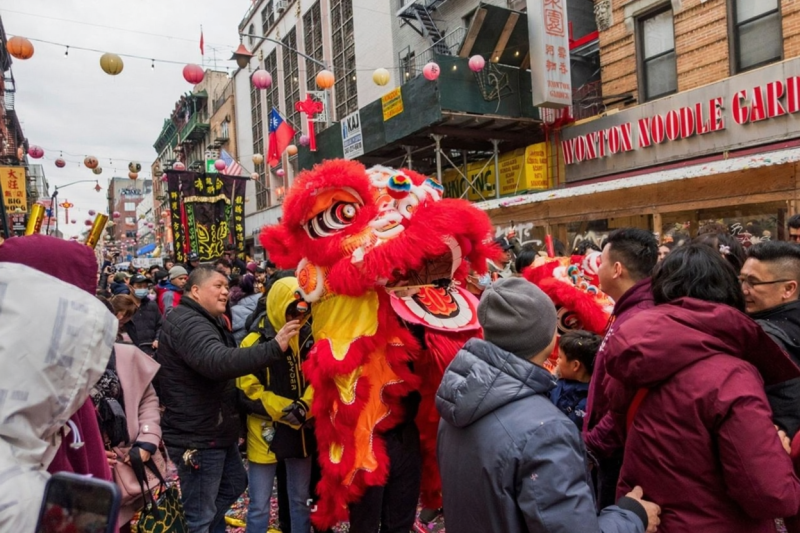
The Chinatown Community Street Fair
Taking place on parade weekend, the Community Street Fair is a massive block party that showcases the best of Chinese culture. You’ll find everything from traditional calligraphy and lantern-making demonstrations to folk dance performances and Chinese opera. It’s a fantastic opportunity to shop for unique souvenirs and, most importantly, to sample authentic festival food.
The Symbolism of the Food
Food is the heart of the Lunar New Year celebration, with many dishes carrying symbolic meanings for a prosperous year. As you explore the street fair or local bakeries, be sure to try:
Long Noodles (ChángshòuMiàn): Eaten uncut, these noodles represent a long and happy life.
Dumplings (Jiǎozi): Shaped like ancient Chinese gold ingots, they symbolize wealth.
Rice Cakes (Niángāo): The name is a homophone for "higher year," signifying progress and improvement in the coming year.
Oranges and Tangerines: Their round shape and golden color symbolize fullness and wealth.

Practical Logistics for a Flawless Experience
A little bit of planning will make all the difference between a stressful outing and a cherished memory.
Getting There: Transportation and Parking
Let's be clear: public transportation is your only sane option.
BART (Bay Area Rapid Transit): The Powell Street and Montgomery Street stations will deposit you right on the Market Street parade route.
MUNI Metro & Buses: Numerous lines serve the downtown area. Check the SFMTA website for parade-day reroutes and schedule changes, which are inevitable.
Rideshare (Uber/Lyft): Expect heavy surge pricing and significant delays due to road closures. A better strategy is to be dropped off several blocks away and enjoy the walk in.
What to Wear and What to Pack
San Francisco weather is notoriously unpredictable. A beautiful sunny afternoon can become a bone-chillingly cold night in an instant.
Dress in Layers: A t-shirt, a fleece or hoodie, and a windproof jacket are your best friends. You’ll be grateful for the options as the temperature drops after sunset.
Comfortable Shoes: This is non-negotiable. You will be standing for hours and walking far more than you expect.
Essential Pack List:
A full water bottle.
Snacks to keep your energy levels high.
A portable phone charger (your battery will drain faster than you think).
A small, secure backpack.
For those traveling from abroad to witness this incredible event, ensuring your documents and plans are in order is crucial. Our International Travel Checklist is an indispensable resource for organizing your packing, paperwork, and preparations for a major cultural festival like this.
Safety and Crowd Management
With hundreds of thousands of spectators, situational awareness is key.
Stay Alert: Keep your valuables, like your phone and wallet, in a secure front pocket or a zipped bag worn on your front.
Use the Buddy System: Stick with your group. It is incredibly easy to get separated in the dense crowds.
Establish a Meeting Point: Before the parade starts, agree on a specific, easy-to-find meeting spot away from the main route in case you get separated. Cell service can be spotty in such large crowds.
Your Ultimate Chinese New Year Experience Awaits
You are now armed with the insider knowledge to experience the magic of the Chinese New Year San Francisco celebration to its absolute fullest. From understanding the cultural significance of the Year of the Snake to securing the perfect spot to watch the 268-foot Golden Dragon dance through the illuminated streets, you are ready to move beyond being a mere spectator. You are prepared to become an active participant in one of the world’s most vibrant and historic cultural traditions. Embrace the energy, savor the flavors, and welcome a year of prosperity and good fortune.
This deep dive into a single, spectacular event is just a glimpse of the expert planning we offer. To master your entire U.S. trip, from San Francisco's iconic festivals to the majestic national parks and bustling cityscapes across the country, our comprehensive Travel Guide provides the ultimate roadmap for your adventure.
Meta Data Suggestions:
SEO Meta Title: Chinese New Year San Francisco: Parade Guide & Tips (2026)
URL Slug: chinese-new-year-san-francisco-parade
SEO Meta Description: Your ultimate guide to the 2026 Chinese New Year San Francisco parade. Get expert tips on viewing spots, times, traditions, and how to navigate the crowds.
Don't Miss Out! Subscribe for Exclusive Content
Subscribe



Comments 0
No comments yet
Be the first to share your experience!
Dont Miss Out! Subscribe for Exclusive Content

San Francisco Cherry Blossoms: A Local's Guide to the Blooms


Halloween SF: Haunts Without Horrors

SF Festivals: 7 Must-See Lineups

Christmas SF: Lights & Wharf Wonders

SF Pride: 6 Route & Party Hacks

San Francisco Holidays: Bay Area Buzz
Lollapalooza: 7 Stage-Hopping Tips
TrekGuider @trekguider
You’ve done it. You scored the golden ticket to Lollapalooza, the four-day musical marathon that transforms Chicago’s Grant Park into the center of the universe. But now, staring at a schedule that looks more like a complex circuit board than a concert lineup, the reality sets in. Dozens of artists you’re dying to see are scattered across a dozen stages, their set times overlapping in a cruel twist of fate. The sheer scale of the festival, with its massive crowds and sprawling grounds, suddenly feels less like a dream and more like a daunting logistical nightmare.
The anxiety begins to bubble. You picture yourself spending half the day trudging from the T-Mobile stage at the south end to the Bud Light stage at the north, only to arrive sweaty, exhausted, and just in time to hear the final chords of your favorite song. The fear of missing out becomes a palpable threat, turning the promise of unforgettable musical moments into a frantic race against the clock. Without a rock-solid plan, your festival experience could be defined by endless walks, missed opportunities, and the nagging feeling of being perpetually in the wrong place. This isn't just about seeing bands; it's about conquering one of the keystone events in a city known for its epic celebrations, a true highlight among the many experiences we cover in our definitive guide to Chicago Holidays: Windy City Thrills.
Forget the stress. This guide is your strategic playbook for navigating the glorious chaos of Lollapalooza Chicago. We’re breaking down the art of stage-hopping into seven actionable, pro-level tips that will transform you from a frantic fan into a festival veteran. From mastering the map before you even step foot in Grant Park to planning a seamless exit, these strategies will ensure you maximize your time, conserve your energy, and catch every single performance on your must-see list.
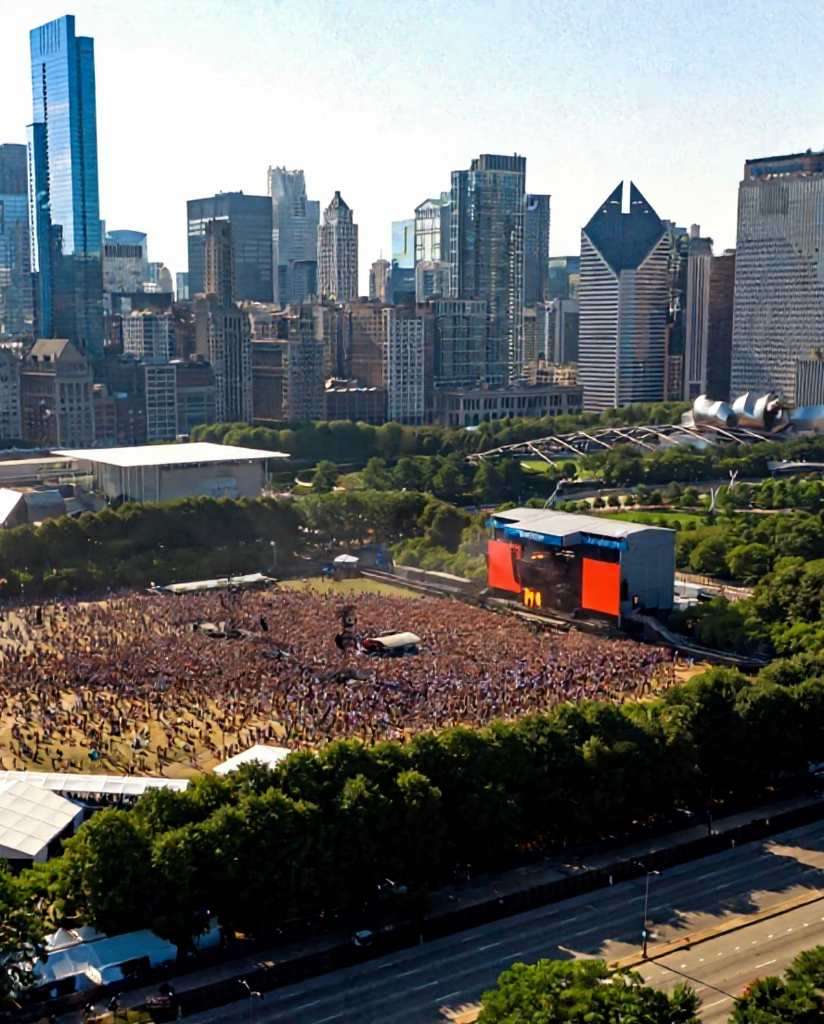
1. Become a Pre-Festival Master of the Map & Schedule
The biggest mistake a Lollapalooza rookie can make is showing up and trying to figure it all out on the fly. Grant Park is a massive urban oasis, and when it’s filled with stages, vendors, and hundreds of thousands of people, it becomes a complex, pulsating labyrinth. Your success begins long before you scan your wristband.
Download the Official App Immediately
Long before you even think about packing, your first move is to download the official Lollapalooza app. Consider it your digital command center for the entire weekend, running from July 31 to the final day of the festival. The app provides the most up-to-date schedule, a detailed festival map, and, most importantly, real-time push notifications. If a set time changes, a stage is delayed, or a surprise guest appears, the app will be the first to tell you. It also sends out crucial emergency alerts, making it an indispensable tool for staying safe and informed.
Create Your Artist Tiers
Once the full schedule drops, it’s time for strategy. Open the lineup—featuring titans like Olivia Rodrigo, Tyler the Creator, Sabrina Carpenter, and A$AP Rocky for the 2026 festival—and categorize every artist into two simple lists:
Tier 1 (Must-See): These are your non-negotiables. The artists you bought the ticket for. You will be at their set, no matter what.
Tier 2 (Nice-to-See): These are the artists you’d love to catch if the timing and location work out. They are your flexible options, the happy bonuses.
This simple act of prioritization is the bedrock of your stage-hopping plan. It allows you to build your day around your top-tier artists and fill the gaps with others, preventing the decision paralysis that comes from having too many choices.
Internalize the Grant Park Layout
Study the festival map like you’re planning a heist. The two main stages are typically located at the far north and south ends of Grant Park, a walk that can easily take 20-30 minutes through a thick crowd. Identify the locations of your Tier 1 artists and mentally map the routes between them. Note the locations of smaller stages, food courts (Chow Town), and, critically, the free water stations. Understanding the physical distances involved will help you make realistic calls about which back-to-back sets are doable and which are pure fantasy.

2. Master the "Perimeter Path" to Navigate Crowds
The center of any festival crowd is a slow-moving, densely packed sea of humanity. Trying to cut directly through the middle to get from one stage to another is a rookie move that wastes time and energy. The secret to swift movement is to think like a river, flowing where the resistance is lowest.
Stick to the Arteries
The most effective way to navigate Lollapalooza Chicago is by using the perimeter paths. Instead of plunging into the heart of the crowd, stick to the designated walkways along the sides. These paths, often lining the edges of the park or separating vendor areas, are the festival's arteries. While they may look like the longer route on a map, they are almost always faster than trying to push through a stationary audience. Make a mental note of these pathways when you first arrive.
Live by the 15-Minute Rule
If your next Tier 1 artist is on a stage across the park, you need to be ruthless with your timing. Implement the 15-Minute Rule: leave the current set 15 minutes before it ends. This gives you a critical head start, allowing you to exit the immediate crowd before the mass exodus begins when the music stops. It might sting to walk away from the end of a great performance, but that small sacrifice ensures you’re in a good position for the next one, rather than hearing it faintly from a quarter-mile away.
3. Hydrate and Fuel Like a Seasoned Athlete
Stage-hopping is a sport. You’ll be on your feet for 10 hours a day, walking several miles under the summer sun. You’re not just attending a concert; you’re entering a temporary city that generates a staggering economic impact—estimated at over $440 million. That scale demands respect and a bit of preparation.
Make Water Your First Priority
Lollapalooza provides free water refill stations throughout the grounds. When you first enter Grant Park, make it your mission to locate the station nearest the entrance and the stages you’ll be frequenting. Dehydration is the number one enemy of the festival-goer; it saps your energy, causes headaches, and can ruin your entire weekend. Make it a personal rule to refill your water bottle every single time you pass a station.
Pro-Tip: Bring a collapsible water bottle or an empty hydration pack. It's light, complies with security rules, and allows you to carry more water than a standard bottle. This means fewer trips to the refill station and more time enjoying the music.

4. Dress for a Four-Day Marathon, Not a Fashion Sprint
While Lollapalooza is a prime spot for people-watching and showing off your style, practicality should be your guiding principle. Your fashion choices can make or break your physical ability to enjoy the festival.
Your Shoes Are Your Most Important Gear
You will be walking and standing on concrete, grass, and uneven ground for hours on end. This is not the time for brand-new boots that need breaking in, flimsy sandals, or anything with a heel. Your number one priority should be comfortable, supportive, and already broken-in sneakers or walking shoes. Your feet are your foundation for the entire weekend; treat them well.
Prepare for All Four Chicago Seasons in One Day
Chicago weather is famously unpredictable. A day that starts hot and sunny can quickly turn cool and rainy. The key is to dress in layers. Start with a lightweight, breathable base layer and bring a flannel, hoodie, or light jacket that you can tie around your waist during the day and put on after the sun goes down. Most importantly, pack a poncho. It’s small, light, and will be an absolute lifesaver if a sudden downpour occurs.
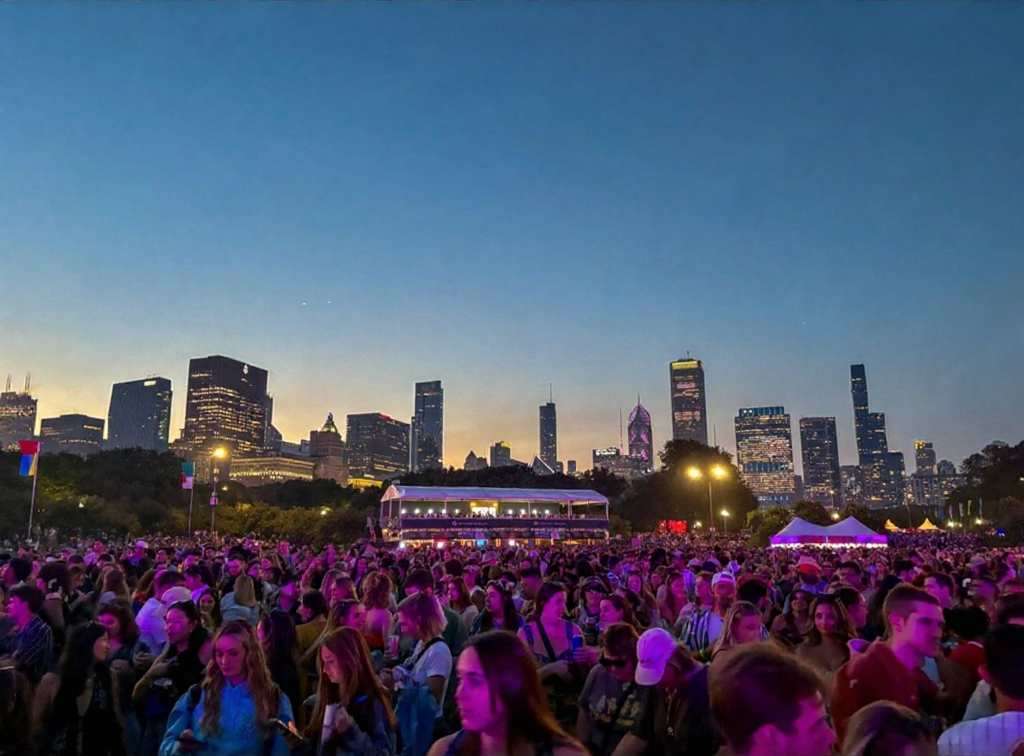
5. Establish a "Home Base" for Your Crew
Navigating Lollapalooza Chicago with friends is a core part of the experience, but it’s incredibly easy to get separated. Cell service is notoriously unreliable when tens of thousands of people are trying to use it at once, so you can’t count on a text message or call to find your group.
Why a Meeting Point is Non-Negotiable
Before you even think about splitting up to see different artists, establish a clear, specific, and easy-to-find meeting point. This is your group’s "home base." If anyone gets lost, their phone dies, or you just need to regroup, everyone knows exactly where to go.
How to Choose a Good Spot
Don’t pick a generic spot like "the fountain" or "the food court." Choose a unique and unmistakable landmark. A good meeting point is something like, "the giant silver sculpture near the Buckingham Fountain" or "the corner of the 'Deep Dish' pizza stand in Chow Town." Pick a spot that is slightly away from the main walkways to avoid being constantly jostled. Check in at your home base at pre-determined times to ensure everyone is safe and accounted for.
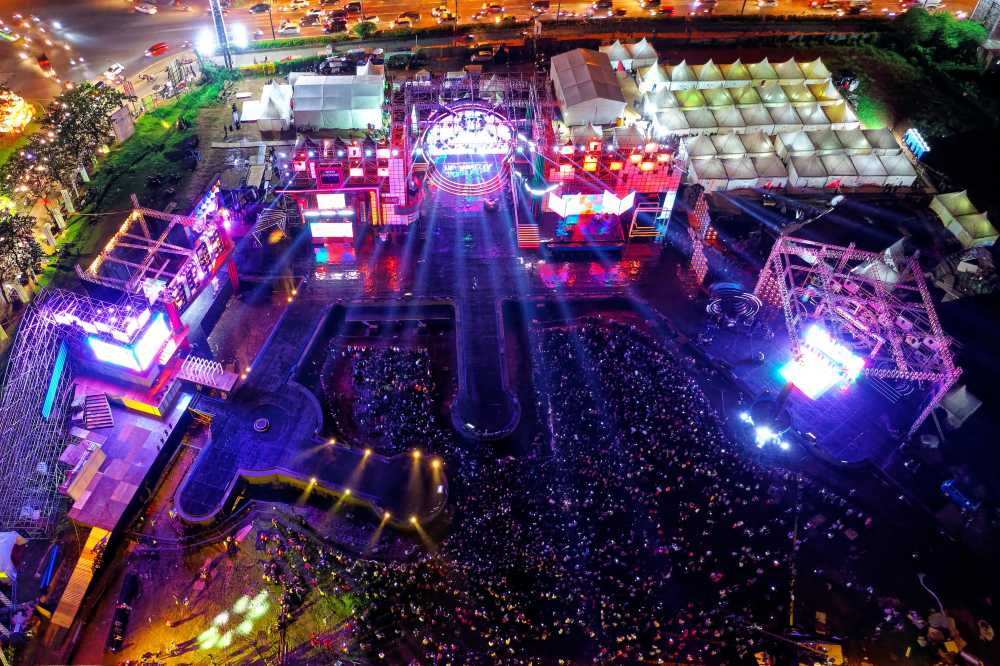
6. Embrace the Journey Between the Stages
Stage-hopping isn’t just a commute; it’s an opportunity. The journey from one performance to another is part of the festival experience itself. Instead of seeing it as a chore, reframe it as a chance for discovery and inspiration.
Discover Your Next Favorite Band
As you walk the perimeter paths, you’ll pass smaller stages where artists you’ve never heard of are playing. Pause for a few minutes and listen. This is how you stumble upon incredible new music. Some of the most memorable Lollapalooza moments happen not at the massive headliner stages, but in the intimate settings of the BMI or Grove stages. Let your ears guide you.
Explore the Full Festival Experience
Lollapalooza is more than just a concert. It’s a massive cultural event filled with creativity. On your way from one stage to the next, take a detour through the art installations, check out the merch tents, or see what activations the sponsors have set up. This spirit of creative discovery is what fuels the best entrepreneurs. If you're feeling inspired by the artistry around you, channel that energy into your own project with our free Digital Product Ideas Guide. By exploring, you break up the monotony of walking and get a richer, more complete festival experience.

7. Plan Your Grand Escape in Advance
How you leave the festival is just as important as how you navigate it. At 10 PM, when the final headliner finishes, a massive wave of people will pour out of the Grant Park exits, creating a human traffic jam that can be overwhelming and slow.
Beat the Final Rush
Just as with the 15-Minute Rule for stage-hopping, consider leaving a few minutes before the absolute end of the night. Slipping out during the last song or just before the encore can save you up to an hour of being stuck in a slow-moving crowd. You’ll get to public transit or your rideshare pickup spot ahead of the main surge, which is a priceless advantage after a long day.
Know Your Public Transit Route Cold
The best way to get to and from Lollapalooza Chicago is by using the CTA rail system. Multiple downtown street closures make driving or using rideshares near the park a nightmare. Before the festival, identify the closest CTA station to your accommodation and memorize the route to and from the park exits. Having this plan locked in will prevent you from wandering aimlessly with a dead phone at the end of a long day.
Pro-Tip: If you must use a rideshare, set your pickup location several blocks away from the Grant Park exits. Walk away from the chaos and toward your pin. You'll escape the immediate surge pricing, and your driver will be able to find you much more easily than in the gridlock traffic near the festival grounds.
Your Blueprint for Lollapalooza Domination
The overwhelming scale of Lollapalooza can intimidate even the most enthusiastic music fan, but it doesn’t have to. With a strategic approach, the festival transforms from a logistical puzzle into the ultimate musical playground. By preparing in advance, navigating smartly, and taking care of your body, you shift from being a passive attendee to the master of your own experience. With these stage-hopping tips, you're now fully equipped with the knowledge of a seasoned pro, ready to conquer Lollapalooza Chicago and create a weekend of flawless, unforgettable memories.

Your Lollapalooza adventure is just one part of an incredible trip. To make the most of your time in the Windy City and beyond, check out our comprehensive Travel Guide. It’s packed with insider tips for exploring the best destinations across the USA.
Don't Miss Out! Subscribe for Exclusive Content
SubscribeComments 0
No comments yet
Be the first to share your experience!
Dont Miss Out! Subscribe for Exclusive Content
San Francisco Cherry Blossoms: A Local's Guide to the Blooms
Halloween SF: Haunts Without Horrors
SF Festivals: 7 Must-See Lineups
Christmas SF: Lights & Wharf Wonders
SF Pride: 6 Route & Party Hacks

Chinese New Year SF: Parade Essentials
Independence Day Miami: Fireworks Fun
TrekGuider @trekguider
You’re picturing it already: a spectacular fireworks display exploding over the water, the warm Atlantic breeze carrying the sounds of celebration, and the electric energy of a city alive with patriotic fervor. That’s the dream of a Miami Fourth of July. But then, the logistical nightmare creeps in. Where are the truly great spots? How do you possibly escape the legendary crowds? Will you spend the best part of your holiday stuck in traffic, only to end up with a view of a palm tree and someone else’s smartphone screen?
The anxiety is palpable. You can almost feel the frustration of a poorly planned evening—circling endlessly for a parking spot that doesn’t exist, fighting through a sea of people for a tiny patch of grass, or arriving at that "secret spot" you read about online only to find it’s the most crowded place in the city. The vision of a perfect, stress-free celebration of American independence starts to fade, replaced by the grim reality of logistical chaos.
This is where your plan changes. Consider this guide your all-access pass to an unforgettable Independence Day Miami experience. We’re not just going to list the best places to watch the fireworks; we’re giving you the insider strategies to outsmart the crowds, navigate the city like a pro, and discover unique viewing alternatives that will elevate your celebration from good to truly epic. It’s time to leave the stress behind and fully embrace the fireworks, the fun, and the unmistakable tropical flair of a Miami Fourth of July.
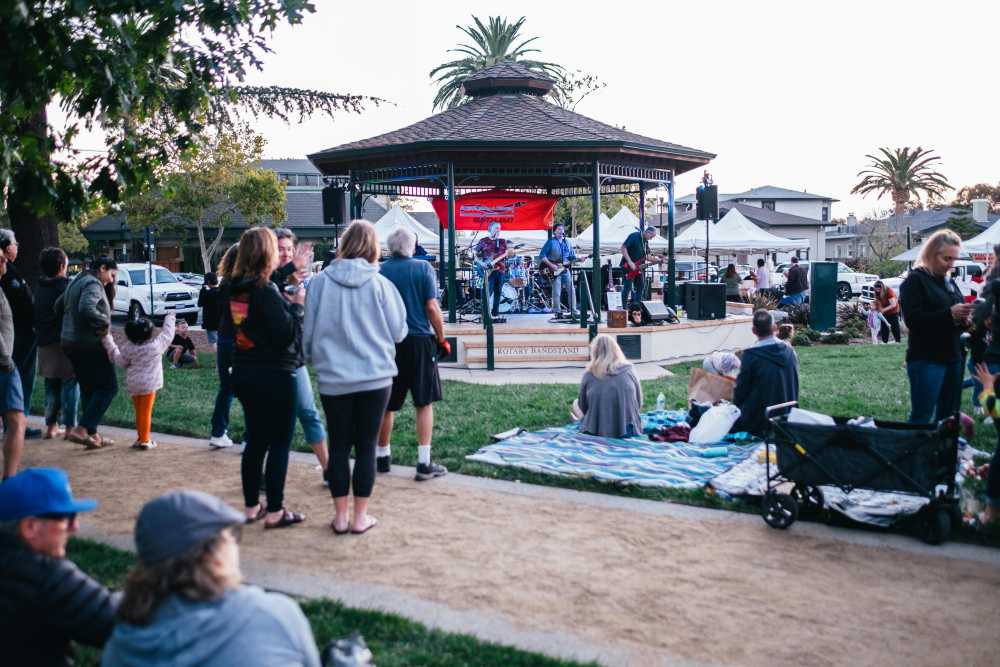
Why Miami is the Ultimate July 4th Destination
Let's be clear: plenty of cities put on a good fireworks show. But Miami doesn't just celebrate the Fourth of July; it transforms it. Here, patriotic pride is supercharged with a signature blend of cosmopolitan energy and breathtaking coastal beauty. This isn't about a simple barbecue in the park; it's a full-sensory immersion where dazzling pyrotechnics meet the shimmering waters of Biscayne Bay, all set to the city's vibrant, rhythmic soundtrack. It’s this unique fusion of national tradition and tropical paradise that makes Miami a top-tier holiday destination, a theme you'll see woven through the city's calendar in our definitive guide to Miami Holidays: 8 Beach Fest Vibes.
On Friday, July 4, 2026 (and Saturday, July 4, 2026), the city’s atmosphere becomes absolutely electric. While not on the scale of a mega-festival like Art Basel, which can inject over $500 million into the local economy, the city-wide celebration for Independence Day draws massive crowds and represents a significant cultural and economic peak in the summer calendar. Families, friends, and travelers from across the globe converge on the coastline, their faces turned skyward in shared anticipation. The air hangs heavy with the scent of salt and festive street food, while live music drifts from stages set up in waterfront parks. It’s a celebration that honors American history while wholeheartedly embracing the diverse, forward-looking culture that defines modern Miami.
The Main Event: Bayfront Park's Epic Fireworks Display for Independence Day Miami
At the very heart of Miami's Fourth of July celebration is the massive, free festival at Bayfront Park. This iconic urban oasis, nestled on the edge of Biscayne Bay in Downtown Miami, transforms into the city's patriotic epicenter, hosting one of South Florida's largest and most spectacular fireworks displays. The event is a quintessential Miami experience, kicking off with a day-long festival that leads to a breathtaking pyrotechnic show launched from a barge in the bay. The reflection of the cascading colors on the water’s surface doubles the spectacle, creating a mesmerizing, all-encompassing show that lights up the entire downtown skyline.
The atmosphere is vibrant and family-friendly. You'll find a dedicated kids' zone buzzing with activity, dozens of food vendors serving everything from classic American hot dogs to savory Latin-inspired dishes, and live musical performances that keep the energy pulsing throughout the day. As dusk begins to fall, thousands find their spots on the sprawling lawns and along the water's edge, settling in for the grand finale.

Your Bayfront Park Game Plan: A Step-by-Step Guide
To conquer the Bayfront Park experience and sidestep the common frustrations, a smart strategy is non-negotiable. Follow this guide to navigate the day like a seasoned local.
Know the Schedule: Independence Day is Friday, July 4, 2026. The fireworks are the main attraction after dark (usually kicking off around 9 PM), but the park festivities often start in the early afternoon. A week or two before the event, check the official Bayfront Park Management Trust website for the finalized schedule, including concert set times and kids' zone hours.
Arrive Strategically Early: This cannot be overstated. Bayfront Park is ground zero for the celebration, and it fills up incredibly fast. To secure a prime spot with an unobstructed view of the bay, you need to arrive by mid-afternoon at the latest. The best real estate is on the grassy expanses closest to the water. Arriving early lets you claim your territory, relax, and soak in the atmosphere without the frantic, last-minute scramble.
Pack for a Marathon, Not a Sprint: Treat the day like an urban expedition. Your pack list should prioritize comfort and convenience. Bring blankets or low-slung lawn chairs for seating. Pack more water than you think you'll need to combat the Miami heat, along with high-SPF sunscreen, hats, and sunglasses. While the food vendors are tempting, having your own snacks and drinks can save you from long lines and high prices.
Master Public Transportation: Driving and parking in Downtown Miami on July 4th is a recipe for frustration. The smartest, most stress-free way to reach Bayfront Park is via Miami's public transit. The Metromover, a free automated train, has a stop directly at Bayfront Park, making it the undisputed champion of convenience. Alternatively, take the Metrorail to the Government Center station and catch the Metromover's Inner Loop to the park.
Pro-Tip: Event security rules can change year to year. While coolers are generally permitted, always check the official Bayfront Park event page a few days beforehand for the latest restrictions on items like glass bottles, large umbrellas, personal tents, or drones to avoid any issues at the entrance.
Beyond the Park: Unique Ways to Experience the Independence Day Miami Fireworks
While Bayfront Park delivers the classic community celebration, it’s far from your only option. For those looking to dodge the biggest crowds or craft a more exclusive memory, Miami’s unique geography serves up some incredible alternatives.

The Ultimate Miami Hack: Watch from the Water
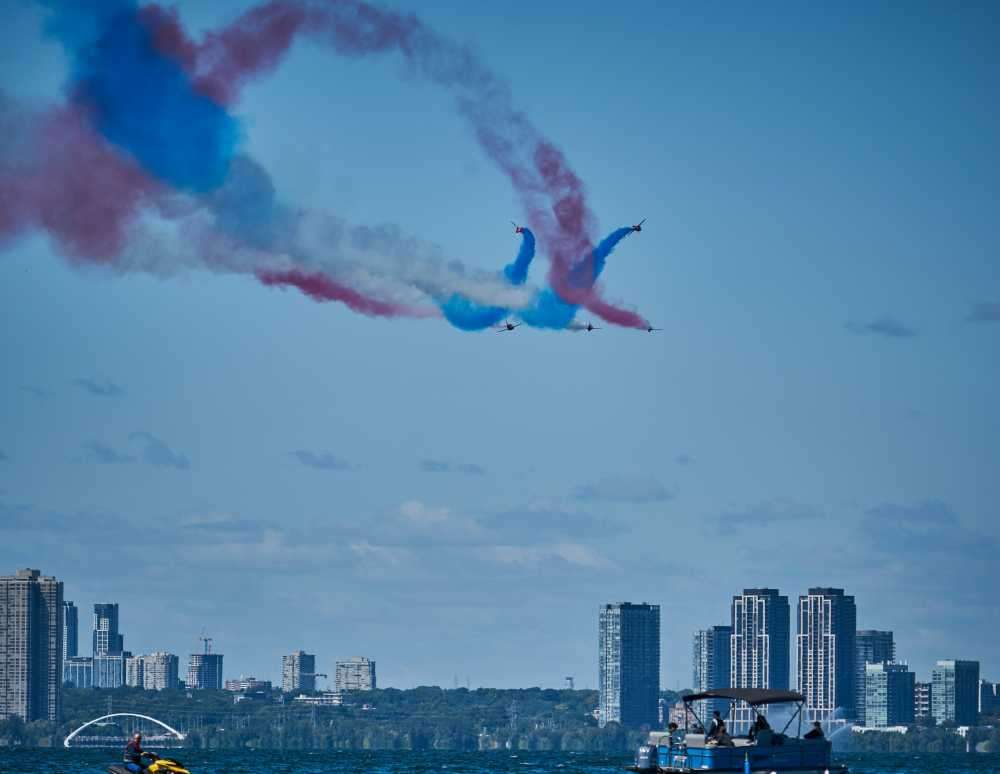
Hands down, the most spectacular and quintessentially Miami way to see the Fourth of July fireworks is from a boat on Biscayne Bay. This vantage point offers an unparalleled, 360-degree view of the show, far removed from the throngs on land. As the pyrotechnics burst overhead, you’ll be surrounded by their brilliant reflections on the water, creating a truly immersive and unforgettable experience.
Here’s how to make it happen:
Charter a Private Boat: For the ultimate splurge, chartering a private boat with a captain for your group is an incredibly luxurious and intimate way to celebrate. You can curate your own playlist, bring your favorite food and drinks, and design your perfect evening on the water.
Book a Group Fireworks Cruise: A more accessible option is to join one of the special July 4th cruises offered by local tour companies. These often include music, drinks, and appetizers, providing the full on-the-water experience at a fraction of the cost of a private charter. Book well in advance!
Rent a Kayak or Paddleboard: For the adventurous at heart, renting a kayak or paddleboard offers a front-row seat like no other. Launch from a nearby spot like Virginia Key and paddle out into the bay for a serene yet exhilarating viewing experience, feeling the boom of the fireworks reverberate through the water.
Rooftop Bars with a View
Elevate your celebration—literally. The glittering skylines of Downtown and Brickell are home to a growing number of chic rooftop bars that boast stunning panoramic views of Biscayne Bay. Many of these venues host exclusive Fourth of July parties, complete with top-tier DJs, craft cocktails, and gourmet bites. While this option requires a ticket, it guarantees a comfortable, crowd-controlled environment with a sophisticated vibe. Ensure you book tickets weeks in advance, as these events are always a hot commodity.
Finding Your Own Spot: Neighborhood Parks and Beaches
If a more laid-back, local atmosphere is your speed, several other spots around the bay offer excellent (though more distant) views. Consider laying a blanket down at a park on Key Biscayne or finding a spot along the Venetian Causeway. South Pointe Park in Miami Beach is another fantastic option, often providing views of multiple firework displays at once—Miami's, Miami Beach's, and Fisher Island's. These locations are generally less chaotic than Bayfront Park and are perfect for a more relaxed evening.
Planning Your Perfect Patriotic Road Trip
The Fourth of July weekend is the perfect launchpad for a grander Florida adventure. With Miami as your base, you can start an unforgettable road trip. Head south to the iconic Florida Keys for world-class snorkeling and laid-back island life, or venture west into the primeval beauty of Everglades National Park. The holiday provides the perfect excuse to extend your travels and discover more of the Sunshine State.
To ensure your journey is as carefully planned as your fireworks strategy, a solid checklist is essential. We recommend downloading our free National Park Road Trip Checklist. It’s packed with everything you need to remember, from vehicle safety checks and navigation tools to the perfect road-trip snack list.
Essential Tips for a Safe and Stress-Free July 4th in Miami
A fantastic holiday is a safe one. Keep these pro tips in mind to ensure your Independence Day Miami experience is memorable for all the right reasons.

Beating the Miami Heat
July in Miami is no joke. The heat and humidity are intense.
Hydrate Relentlessly: Drink water all day long. By the time you feel thirsty, you're already on your way to being dehydrated.
Sun Protection is Non-Negotiable: Apply a high-SPF, sweatproof sunscreen and reapply it every couple of hours. A wide-brimmed hat and polarized sunglasses are your best friends.
Dress for Success: Opt for lightweight, light-colored, breathable clothing.
Navigating Crowds and Traffic
Logistics are half the battle at any major city event.
Public Transit is King: We can't say it enough. The Metromover and Metrorail are the superior way to get to and from Downtown.
Rideshare Strategically: If you use Uber or Lyft, set your pickup and drop-off points several blocks away from Bayfront Park to avoid surge pricing and gridlock.
Reserve Parking: If you absolutely must drive, use an app like SpotHero to book a parking spot in a garage well in advance. It’s a game-changer.
Family Safety First
In a massive crowd, a safety plan is crucial.
Designate a Meeting Point: The moment you arrive, pick a clear, unmistakable landmark as your group's emergency meeting spot.
Leverage Technology: While cell service can be spotty, major events are increasingly using technology for safety. Be aware of any official event apps that may offer real-time alerts or safety reporting features, similar to what's used at other major Miami festivals.
Supervise Children Closely: In a bustling environment, it’s easy to get separated. Keep a constant eye on your kids. Writing your phone number on a wristband for them is a smart, low-tech backup.
Pro-Tip: Take a photo of your children the morning of the event. If you get separated, having a current picture showing exactly what they are wearing can be invaluable for security personnel.
Elevate Your Entire USA Adventure
Experiencing the magic of a national holiday in an iconic American city can ignite a deep desire to explore more. Understanding the history and local flavor behind events like the Fourth of July transforms you from a mere tourist into a genuine traveler, forging a deeper connection to the places you visit.
If you're inspired to discover more of America's greatest celebrations—from the spooky Voodoo haunts of New Orleans to the dazzling Christmas markets of Chicago—our comprehensive Travel Guide is your essential next step. It’s the ultimate resource for planning unforgettable journeys across the country, packed with the kind of insider knowledge and expert advice that helps you create truly meaningful travel memories.
Your Unforgettable Miami Fourth of July Awaits
You are now officially equipped with the ultimate playbook for a phenomenal Fourth of July in Miami. You know that Bayfront Park is the epicenter, but you also hold the keys to unlocking a more exclusive experience from the water or a glamorous rooftop. You have a concrete plan for navigating the day with confidence, staying safe, and soaking up every last drop of the city's unique patriotic-tropical vibe. With this guide, you are fully prepared for an incredible Independence Day Miami. You're no longer just another visitor hoping for a decent view; you are an expert planner, ready to celebrate America's birthday in unforgettable style.
What are your favorite Fourth of July traditions? Share your tips for celebrating in a big city in the comments below
Don't Miss Out! Subscribe for Exclusive Content
SubscribeComments 0
No comments yet
Be the first to share your experience!
Dont Miss Out! Subscribe for Exclusive Content
San Francisco Cherry Blossoms: A Local's Guide to the Blooms
Halloween SF: Haunts Without Horrors
SF Festivals: 7 Must-See Lineups
Christmas SF: Lights & Wharf Wonders
SF Pride: 6 Route & Party Hacks
Chinese New Year SF: Parade Essentials
5 Real Ways to Make Money Travel Blogging
TrekGuider @trekguider
You’ve done it. You launched your travel blog, pouring your heart into stories from the road and carefully crafting guides to your favorite destinations. But now, a daunting question looms: how do you turn this passion project into a sustainable business? You see other creators funding their adventures and building real careers, but the path from passion to profit seems shrouded in confusing advice and overwhelming options. You’re stuck wondering if you’re destined to make mere pennies from ads that clutter your site and annoy the very readers you’ve worked so hard to attract. The dream of a travel-funded life feels frustratingly out of reach.
Forget the noise. The truth is, building a profitable travel blog in 2026 isn't about chasing fleeting social media trends or plastering your site with intrusive ads. It’s about a strategic mindset shift: from hobbyist to entrepreneur. This guide cuts through the confusion to reveal five real, proven ways to make money travel blogging. We’ll de-emphasize the saturated, low-return methods and focus on the business models that give you the most control, the highest profit margins, and a direct connection with your audience. As we cover in our definitive list of The Best Travel Blogs to Follow in 2026, the most successful creators are building media brands, not just websites. This is your playbook for learning how to make money travel blogging by building a real, sustainable business around your expertise.
The Mindset Shift: From Blogger to Business Owner
Before we dive into the specific methods, it’s crucial to understand the fundamental shift happening in the creator economy. The most successful travel bloggers are no longer just content creators; they are media entrepreneurs. They understand that their blog is not the final product—it is the primary marketing engine that attracts a loyal community. Their goal is not to monetize pageviews with third-party ads, but to use their content to build trust and then sell their own proprietary products directly to their audience.
This product-first approach provides financial independence, dramatically higher profit margins, and a resilient business that isn't dependent on fluctuating algorithm changes. As you read through the methods below, constantly ask yourself: "How can I use this to build a direct relationship with my audience and eventually solve their problems with a product of my own?"
Method #1: Affiliate Marketing - Your First Step in How to Make Money Travel Blogging
Think of affiliate marketing as the most organic entry point into monetization. It's the process of earning a commission by promoting another company's products or services. When a reader clicks a unique affiliate link on your blog and makes a purchase, you earn a percentage of the sale at no extra cost to them.
You’re already recommending the hotels you stay in, the backpacks you carry, and the travel insurance you use. By incorporating affiliate links, you’re simply getting paid for the valuable, word-of-mouth recommendations you’re already providing.
Pros:
Authentic Integration: It can be seamlessly and authentically woven into your content, from gear reviews to hotel recommendations.
Passive Income Potential: An optimized, high-ranking blog post with affiliate links can generate income for years with little additional effort.
Scalable: As your blog traffic grows, so does your potential affiliate income.
Cons:
Requires Audience Trust: Your recommendations are only effective if your audience trusts your judgment. Promoting low-quality products can quickly erode that trust.
Inconsistent Income: Revenue is dependent on conversions and can fluctuate month to month.
Varying Commission Rates: Payouts can vary wildly, from a few percent on Amazon to 40-50% on digital products or courses.
To succeed with affiliate marketing, focus on promoting products and services you genuinely use and love. Write detailed, honest reviews that go beyond the product specs to explain how that item solved a specific problem for you on your travels. This builds the trust necessary to turn your recommendations into a reliable revenue stream.
Pro-Tip: Start with affiliate programs for products you already own and can photograph yourself. This adds a layer of authenticity that stock photos can never replicate and proves to your audience that you have real-world experience with what you're recommending.

Method #2: Sponsored Posts & Brand Collaborations
Once you’ve built that foundation of trust with authentic recommendations, the next natural step is to work directly with the brands you love. As your blog grows and you establish authority in a specific niche, brands may reach out to you for sponsored collaborations. This can range from a single sponsored blog or social media post to a multi-faceted campaign that includes video content and in-person ambassadorships.
This is often a very lucrative method, with a single project potentially earning you thousands of dollars and often including complimentary travel experiences. However, it requires a significant amount of work that isn't passive. You’ll be responsible for pitching, negotiating contracts, creating content to a specific brief, and reporting on the results.
The key to successful, long-term brand partnerships is unwavering authenticity. The most respected creators only partner with brands that align perfectly with their own values and audience's interests. As our 2026-2026 market analysis confirms, audience trust is the absolute currency of the creator economy, and frequent, inauthentic sponsored posts are the quickest way to devalue it. Your audience follows you for your perspective, not for a string of advertisements.
FTC Compliance: The Federal Trade Commission (FTC) has strict guidelines requiring "clear and conspicuous" disclosure of any sponsored content. This means using unambiguous language like #ad or #sponsored at the very beginning of your post or caption—not buried in a sea of hashtags.
Method #3: The Old Model - A Realistic Look at Display Advertising
While direct partnerships are based on the quality of your brand, the oldest model in the book is based purely on the quantity of your eyeballs. Display advertising is often the first monetization method new bloggers think of. You place code on your site, and ad networks like Google AdSense, Mediavine, or AdThrive automatically fill the space with banner ads. You get paid based on the number of people who see or click on these ads.
While display advertising can provide a stable and highly passive baseline income, it comes with significant drawbacks and should not be the primary goal for an aspiring creator.
The biggest issue is the high traffic requirement. To be accepted into premium ad networks like Mediavine, which offer much higher payouts than AdSense, you typically need a minimum of 50,000 monthly sessions. For a new blog, reaching that number can take years of consistent effort. Furthermore, ads can dramatically slow down your website and create a negative user experience, driving away the very readers you need to attract.
Most importantly, the income potential is inherently limited. Analysis of creator income shows that display ads have the lowest revenue potential per visitor compared to every other method on this list. Relying solely on ads means you are building a business on rented land, dependent on traffic from search engines and vulnerable to algorithm updates you can't control. Think of ad income as a potential bonus, not the foundation of your business.
Method #4: The Ultimate Guide on How to Make Money Travel Blogging by Selling Digital Products
This is it. The single most powerful, profitable, and sustainable way to make money as a travel creator. Creating and selling your own digital products—like e-books, itineraries, or planning templates—is the ultimate expression of the "blogger to business owner" mindset. This is the model that separates hobbyists from true media entrepreneurs.
Why is this model so effective?
Highest Profit Margins: You create the product once and can sell it an infinite number of times. You keep nearly all the revenue, with no middleman taking a significant cut.
Full Control: You own the product, the pricing, the branding, and—most importantly—the direct relationship with your customer.
Scalability: Unlike services or sponsored posts, your income isn't tied to the hours you work. You can make sales while you're sleeping, on a plane, or hiking a remote trail.
The financial difference is staggering. Data from industry reports shows that while a travel blog might earn an RPM (Revenue Per 1,000 visitors) of $20-$40 from display ads, the average RPM for digital products can be dramatically higher—sometimes 5 to 10 times what you'd earn from ads alone. This means that with the exact same amount of traffic, you have the potential to earn 7-10 times more revenue.

Consider a blog with 50,000 monthly visitors.
Display Ad Income: At a $30 RPM, that’s $1,500 per month.
Digital Product Income: If just 0.2% of those visitors (100 people) buy your $30 e-book, that’s $3,000 per month.
Even with a tiny conversion rate, digital products can double your income. This is how you build a truly independent and profitable media business.
Ready to Brainstorm Your First Product?
Feeling inspired but not sure what to create? We’ve built the ultimate resource to help you get started. Download our free guide to unlock dozens of proven ideas and find the perfect digital product for your audience.
Download Your Free Digital Product Ideas Guide Now!
10 Digital Product Ideas to Get You Started:
Hyper-Detailed Itinerary: A 7-Day "Off-the-Beaten-Path" guide to Kyoto, complete with a linked Google Map.
Lightroom Preset Pack: A collection of your signature photo edits to help followers achieve your look.
Travel Planning Template: A Notion or Google Sheets template to organize budgets, packing lists, and schedules.
Scavenger Hunt for Kids: A printable PDF scavenger hunt for a specific city like Rome or a museum.
E-book: A deep-dive guide on a topic you've mastered, like "How to Fly Business Class for the Price of Economy."
Mini-Course: Short video lessons on "How to Take Incredible Travel Photos with Just Your iPhone."
Language & Culture Cheat Sheet: A one-page PDF with essential phrases and etiquette for a country like Japan.
Packing List Bundle: A set of specialized packing lists for different trip types (ski trip, backpacking, etc.).
Stock Photo Pack: A bundle of high-resolution, royalty-free photos of a popular destination.
Paid Newsletter: Exclusive access to real-time flight deals or behind-the-scenes stories.
Pro-Tip: Before investing weeks into creating a full product, validate your idea. Mention it to your email list or on social media and offer a pre-sale with a small discount. If people are willing to pay for it before it even exists, you know you have a winning idea.
Method #5: Monetizing Your Expertise Directly with Services
The final way to monetize your travel blog is to sell your expertise as a service. Your blog acts as a powerful portfolio and lead-generation tool that proves your skills and attracts high-paying clients.
Examples of services you could offer include:
Personalized travel planning and itinerary design.
Freelance writing or photography for tourism boards and other brands.
Social media management for hospitality businesses.
One-on-one consulting for aspiring bloggers.
Offering services can be a fantastic way to generate significant income quickly, as high-ticket services can be priced in the hundreds or thousands of dollars. However, the major drawback is that this model is not scalable. You are directly trading your time for money. There's a finite number of clients you can take on, and if you stop working, the income stops too.
Many creators use services as a bridge to build capital and prove their expertise before packaging that knowledge into a more scalable digital product, which is often the ideal long-term strategy.
Frequently Asked Questions (FAQ)
How much traffic do you really need to make money travel blogging?
You can start making money with affiliate marketing from day one, even with low traffic. However, to generate a significant income from methods like premium display ads, you'll typically need at least 50,000 monthly sessions. For digital products, a smaller, highly engaged audience can be more valuable than a large, passive one.
What is the fastest way to start making money with a new blog?
Affiliate marketing is the fastest and easiest method to implement. By recommending products and services you already use in your content, you can add links and potentially start earning commissions immediately.
Can you really make a full-time income from a travel blog?
Absolutely, but it requires treating it like a real business. The creators who earn six-figure incomes are not just bloggers; they are entrepreneurs who have diversified their revenue streams, with a heavy emphasis on selling their own digital products and building a strong brand.
Your Path to a Profitable Travel Blog Starts Now
The journey of learning how to make money travel blogging is not about finding a single magic bullet. It’s about building a diversified, resilient business where each revenue stream supports the others. While affiliate marketing and brand partnerships can provide excellent income, the ultimate goal for any serious creator should be to build a business around their own products. By focusing on solving your audience's problems with high-value digital goods, you move from a content creator to a true entrepreneur.
You have unique experiences and hard-won knowledge that people are willing to pay for. It’s time to package that expertise, build your own travel media brand, and take control of your financial future.
Ready to start selling? The TrekGuider Platform is the easiest way to upload and sell your digital travel products, from itineraries to e-books. We handle the payments and delivery so you can focus on what you do best: creating and exploring.
Meta Data Suggestions:
SEO Meta Title (57 characters):
5 Real Ways to Make Money Travel Blogging (A 2026 Guide)
URL Slug:
how-to-make-money-travel- blogging
SEO Meta Description (154 characters):
Ready to earn an income from your travel blog? Discover 5 proven ways to make money, from affiliate marketing to selling digital products that you can create.
Don't Miss Out! Subscribe for Exclusive Content
SubscribeComments 0
No comments yet
Be the first to share your experience!
Dont Miss Out! Subscribe for Exclusive Content

FTC Affiliate Disclosure: Stay Compliant as a Travel Creator

Essential Affiliate Tools: From Tracking to Full Optimization

Avoid These 5 Affiliate Landing Page Mistakes for Better Conversions

Affiliate Keyword Research Mastery for Travel Blogs

Booking.com Affiliate Review: Pros, Cons & Earnings
