
Chinese New Year SF: Parade Essentials

TrekGuider @trekguider
You can feel it before you see it. The low, resonant thump-thump-thump of the drums echoing off the buildings. The scent of roasted chestnuts and sizzling dumplings hanging in the cool February air. This is the magic of Chinese New Year in San Francisco, a tradition that has pulsed through the city’s veins since the Gold Rush. You’re here to witness the largest Lunar New Year celebration outside of Asia, but a thread of anxiety cuts through the excitement. How do you possibly navigate a crowd of half a million people? Where are the secret spots to actually see the famous 268-foot Golden Dragon?
The fear of missing out is real. You imagine being swallowed by the crowd, your view completely blocked, the vibrant floats and lion dancers reduced to a muffled soundtrack. A once-in-a-lifetime cultural immersion could easily devolve into a stressful, shoulder-to-shoulder shuffle. Without a game plan, you risk leaving with nothing but blurry photos and a sense of frustration.
This is your game plan. Forget the chaos and embrace the spectacle. This guide is your all-access pass, a step-by-step blueprint for conquering the parade like a seasoned local. We’ll give you the insider tips on securing the best viewing spots, a deep dive into the must-see moments, and the cultural context that brings it all to life. You’re about to experience the Chinese New Year San Francisco festival not as a tourist, but as an expert. This incredible event is at the heart of the city's cultural calendar, a vibrant highlight we proudly feature in our broader guide to San Francisco Holidays: Bay Area Buzz.

Understanding the Celebration: More Than Just a Parade
The Chinese New Year, also known as the Lunar New Year or Spring Festival, is the most important holiday in Chinese culture and for many other Asian communities worldwide. It marks the beginning of a new year on the traditional lunisolar calendar—a time for sweeping away the old, honoring ancestors, and gathering with family for lavish feasts.
Each year is associated with one of the twelve animals of the Chinese zodiac. The 2026 celebration, which officially begins on late January or February (the date follows the lunar calendar), will usher in the Year of the Snake—an animal symbolizing wisdom, intuition, and grace.
San Francisco’s celebration is steeped in history. First held in 1851, it has grown from a local community event into the oldest and largest festival of its kind outside of Asia, a powerful proof of the city’s deep-rooted Chinese-American heritage. While the parade is the dazzling finale, the festival is a multi-week affair with several key components you won't want to miss:
The Flower Market Fair: A bustling, fragrant market where families purchase fresh flowers and auspicious plants like orchids and peach blossoms to welcome good fortune into their homes.
The Community Street Fair: A vibrant, weekend-long street party that transforms Chinatown with traditional music, dance performances, artisan vendors, and an incredible array of festival foods.
The Grand Parade: The spectacular culmination of the festivities, featuring stunning floats, complex costumes, acrobatic lion dancers, and the legendary Golden Dragon.
The Main Event: Conquering the Chinese New Year San Francisco Parade
The Southwest Airlines Chinese New Year Parade is an unforgettable spectacle, renowned for being one of the few night-illuminated parades in North America. Its dazzling floats and vibrant performers don't just march; they light up the city streets, creating a truly magical atmosphere that has to be seen to be believed.
Mark Your Calendar: 2026 Parade Date and Time
To ensure you don’t miss a single moment of the magic, lock these details into your calendar now:
Date: Saturday, around mid-February (dates shift each year)
Start Time: 5:15 PM
The parade typically lasts for about two and a half hours, winding its way through the heart of the city as darkness falls, which allows the thousands of lights on the floats and costumes to shine their brightest.
The Parade Route: Where to Be and When
While the Chinese Chamber of Commerce confirms the final route closer to the date, it traditionally follows a path designed for maximum spectacle. The parade kicks off at the intersection of Second and Market Streets, proceeds up Market, turns onto Geary Street through Union Square, continues onto Powell Street, then Post Street, and finally enters Chinatown at Kearny Street before concluding near Columbus Avenue.
Choosing your spot is a strategic decision. Here’s the breakdown:
The Start (Market Street): This area is often slightly less congested than Union Square. It’s a great option if you want to see the performers and floats when they are fresh and full of energy.
The Middle (Union Square): This is the epicenter of the action, with massive crowds and an electric atmosphere. The wide streets provide good sightlines, but you must arrive exceptionally early to claim a spot.
The End (Chinatown & North Beach): As the parade passes through the iconic Dragon Gate on Grant Avenue (via Kearny), the energy is palpable. The narrower streets create an intimate, immersive experience, but this also makes it one of the most densely packed areas.
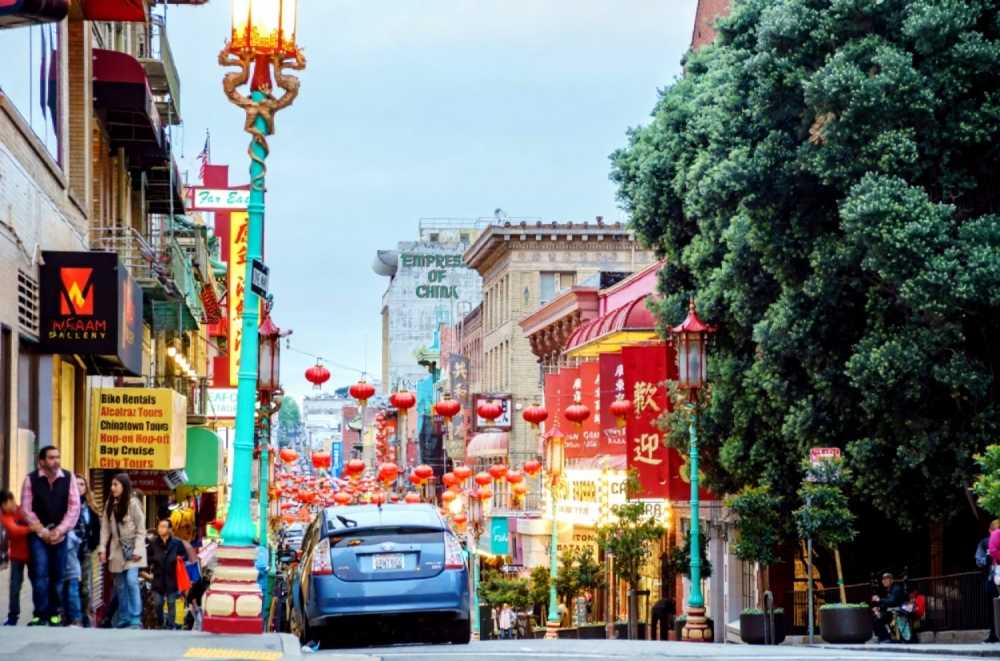
7 Essential Tips for Securing the Perfect Viewing Spot
Arrive Early. No, Earlier. This cannot be overstated. For a prime curbside spot along Geary or Powell, you need to be there hours in advance. Seasoned locals often lay down their blankets by 2:00 PM or even earlier.
Invest in Bleacher Seats. If you want a guaranteed, comfortable, and unobstructed view without a multi-hour wait, purchasing tickets for the bleacher seats is the smartest move you can make. Tickets are sold through the official parade website and are worth every penny for a stress-free experience, especially with family.
Scout the Corners. Intersections where the parade makes a turn—like from Geary onto Powell or Powell onto Post—are strategic goldmines. You get to see the floats approach from one direction and then watch them turn, effectively doubling your viewing time.
Pack for a Marathon, Not a Sprint. You’re in for the long haul. Bring a lightweight folding chair or a thick blanket. Pack snacks and water, but be courteous to your neighbors. This is a communal experience.
Think Vertically. Any slight elevation is an advantage. Look for spots on a small incline or the steps of a building. Some hotels and restaurants along the route host viewing parties, though these are premium, ticketed events.
The Post Street Gambit. The section along Post Street, between Powell and Kearny, is often slightly less chaotic than Union Square proper. It’s a solid choice for those arriving a little later but still hoping for a decent view before the parade plunges into the heart of Chinatown.
Public Transit is Your Only Friend. Do not even think about driving. Road closures begin in the afternoon, and parking is a nightmare of nonexistent spaces and astronomical fees. Use BART or MUNI to get downtown and walk the final blocks.
Pro-Tip: For a less overwhelming experience with kids, consider watching the parade formation near the starting point on Second Street. You'll see the floats and performers up close as they line up, offering a fascinating behind-the-scenes look before the main event's intensity kicks in.
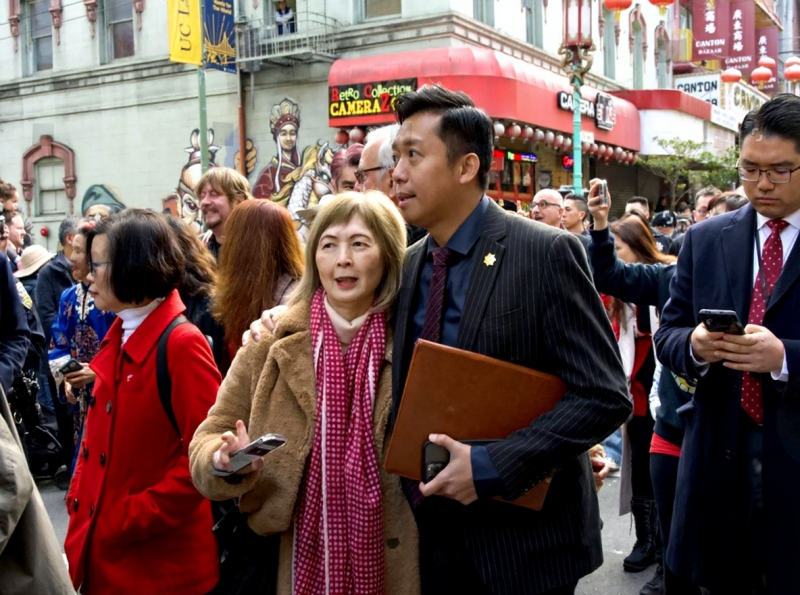
What to Watch For: The Spectacle of the Night Parade
The parade is a rich mix of culture, artistry, and tradition. Knowing what to look for will transform your experience from passive viewing to active appreciation.
The Legendary Golden Dragon (Gum Lung)
The grand finale and undisputed star of the show is the Golden Dragon, or "Gum Lung." This is no ordinary parade float. It's a magnificent, 268-foot-long masterpiece that requires a team of over 100 puppeteers from the Leung's White Crane martial arts association to carry it through the streets. In Chinese culture, the dragon is a benevolent symbol of power, good luck, and prosperity. Watching it weave and dance, illuminated against the night sky, is a core San Francisco memory in the making.
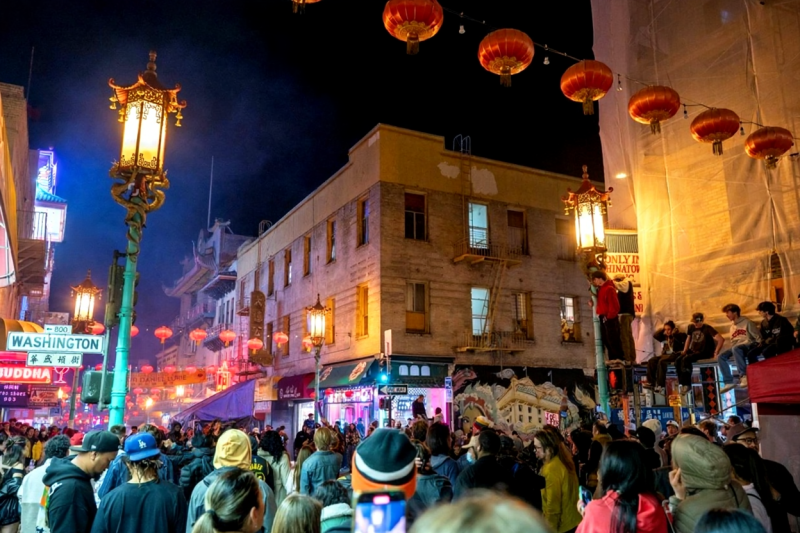
Dazzling Floats and Acrobatic Lion Dancers
This is where the "night-illuminated" aspect truly shines. The floats are breathtaking works of art, depicting scenes from Chinese folklore, the year's zodiac animal, and cultural landmarks, all glowing with thousands of lights. Interspersed between them are the high-energy lion dance troupes. Accompanied by the powerful rhythm of drums, gongs, and cymbals, the lion dancers perform acrobatic feats to scare away evil spirits and usher in a year of good fortune.
A Modern Twist: The Drone Light Show
In a perfect blend of ancient tradition and modern innovation, the parade has incorporated a stunning drone light show. Hundreds of synchronized drones ascend into the night sky, forming complex, glowing patterns—from zodiac animals to Chinese characters—in a display that is uniquely San Franciscan.
Beyond the Parade: Immersing Yourself in the Festivities
To truly capture the spirit of the holiday, you must venture beyond the parade route. The real cultural immersion happens in the days leading up to the main event.
The Chinatown Flower Market Fair
Held on the weekend before the parade, the Flower Market Fair is a sensory explosion. The streets of Chinatown are closed to traffic and filled with vendors selling beautiful flowers, lucky plants, and traditional New Year decorations. It’s a cultural tradition to decorate the home with fresh blooms to symbolize rebirth and new growth. Look for these auspicious items:
Orchids: Symbolizing fertility and abundance.
Tangerines with leaves intact: Representing secure relationships and wealth.
Peach blossoms: Considered sacred and symbolizing romance and prosperity.
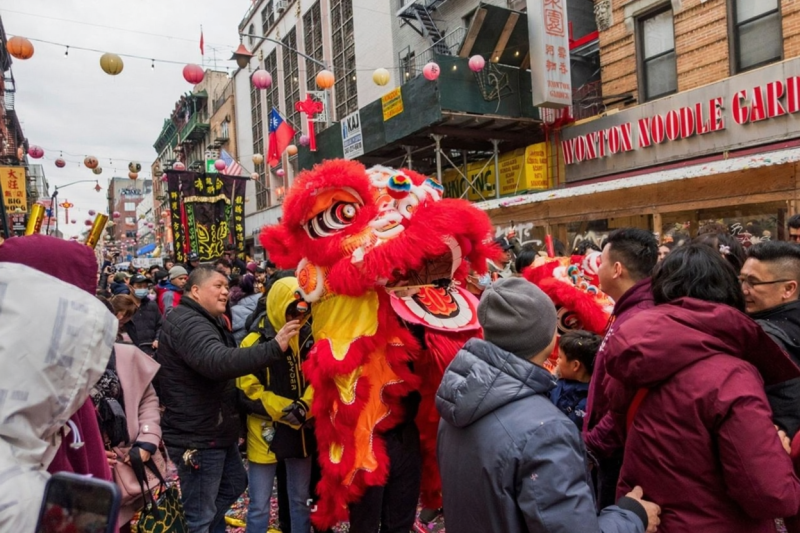
The Chinatown Community Street Fair
Taking place on parade weekend, the Community Street Fair is a massive block party that showcases the best of Chinese culture. You’ll find everything from traditional calligraphy and lantern-making demonstrations to folk dance performances and Chinese opera. It’s a fantastic opportunity to shop for unique souvenirs and, most importantly, to sample authentic festival food.
The Symbolism of the Food
Food is the heart of the Lunar New Year celebration, with many dishes carrying symbolic meanings for a prosperous year. As you explore the street fair or local bakeries, be sure to try:
Long Noodles (ChángshòuMiàn): Eaten uncut, these noodles represent a long and happy life.
Dumplings (Jiǎozi): Shaped like ancient Chinese gold ingots, they symbolize wealth.
Rice Cakes (Niángāo): The name is a homophone for "higher year," signifying progress and improvement in the coming year.
Oranges and Tangerines: Their round shape and golden color symbolize fullness and wealth.

Practical Logistics for a Flawless Experience
A little bit of planning will make all the difference between a stressful outing and a cherished memory.
Getting There: Transportation and Parking
Let's be clear: public transportation is your only sane option.
BART (Bay Area Rapid Transit): The Powell Street and Montgomery Street stations will deposit you right on the Market Street parade route.
MUNI Metro & Buses: Numerous lines serve the downtown area. Check the SFMTA website for parade-day reroutes and schedule changes, which are inevitable.
Rideshare (Uber/Lyft): Expect heavy surge pricing and significant delays due to road closures. A better strategy is to be dropped off several blocks away and enjoy the walk in.
What to Wear and What to Pack
San Francisco weather is notoriously unpredictable. A beautiful sunny afternoon can become a bone-chillingly cold night in an instant.
Dress in Layers: A t-shirt, a fleece or hoodie, and a windproof jacket are your best friends. You’ll be grateful for the options as the temperature drops after sunset.
Comfortable Shoes: This is non-negotiable. You will be standing for hours and walking far more than you expect.
Essential Pack List:
A full water bottle.
Snacks to keep your energy levels high.
A portable phone charger (your battery will drain faster than you think).
A small, secure backpack.
For those traveling from abroad to witness this incredible event, ensuring your documents and plans are in order is crucial. Our International Travel Checklist is an indispensable resource for organizing your packing, paperwork, and preparations for a major cultural festival like this.
Safety and Crowd Management
With hundreds of thousands of spectators, situational awareness is key.
Stay Alert: Keep your valuables, like your phone and wallet, in a secure front pocket or a zipped bag worn on your front.
Use the Buddy System: Stick with your group. It is incredibly easy to get separated in the dense crowds.
Establish a Meeting Point: Before the parade starts, agree on a specific, easy-to-find meeting spot away from the main route in case you get separated. Cell service can be spotty in such large crowds.
Your Ultimate Chinese New Year Experience Awaits
You are now armed with the insider knowledge to experience the magic of the Chinese New Year San Francisco celebration to its absolute fullest. From understanding the cultural significance of the Year of the Snake to securing the perfect spot to watch the 268-foot Golden Dragon dance through the illuminated streets, you are ready to move beyond being a mere spectator. You are prepared to become an active participant in one of the world’s most vibrant and historic cultural traditions. Embrace the energy, savor the flavors, and welcome a year of prosperity and good fortune.
This deep dive into a single, spectacular event is just a glimpse of the expert planning we offer. To master your entire U.S. trip, from San Francisco's iconic festivals to the majestic national parks and bustling cityscapes across the country, our comprehensive Travel Guide provides the ultimate roadmap for your adventure.
Meta Data Suggestions:
SEO Meta Title: Chinese New Year San Francisco: Parade Guide & Tips (2026)
URL Slug: chinese-new-year-san-francisco-parade
SEO Meta Description: Your ultimate guide to the 2026 Chinese New Year San Francisco parade. Get expert tips on viewing spots, times, traditions, and how to navigate the crowds.
Don't Miss Out! Subscribe for Exclusive Content
Subscribe


Comments 0
No comments yet
Be the first to share your experience!
Dont Miss Out! Subscribe for Exclusive Content

San Francisco Cherry Blossoms: A Local's Guide to the Blooms


Halloween SF: Haunts Without Horrors

SF Festivals: 7 Must-See Lineups

Christmas SF: Lights & Wharf Wonders

SF Pride: 6 Route & Party Hacks

San Francisco Holidays: Bay Area Buzz
San Francisco Cherry Blossoms: A Local's Guide to the Blooms
TrekGuider @trekguider
The cherry blossom experience in San Francisco is not a grand, sweeping spectacle. It’s something more intimate, more soulful. It’s about turning a corner in a vibrant, historic neighborhood and finding yourself under a delicate canopy of blossoms, the scent of ramen broth mixing with the faint fragrance of spring. It’s a celebration rooted not in diplomacy, but in the fierce resilience of a community.
This is a concentrated jewel box of culture. But that intimacy comes with its own challenges. The Northern California Cherry Blossom Festival, the largest on the West Coast, packs over 220,000 people into the tight-knit blocks of Japantown. A poorly planned visit can quickly devolve into a frustrating battle with crowds, leaving you with more stress than serenity.
This isn’t just another guide. This is your strategic playbook for experiencing San Francisco’s cherry blossoms like a local. We’ll deconstruct the bloom’s tricky timing, reveal the best viewing spots both in and out of the festival’s epicenter, and provide the transportation hacks you need to navigate the city like a pro. By the end of this, you’ll have a plan to witness one of America’s most meaningful cultural celebrations in all its glory.

A Story of Resilience: The Soul of the Festival
To truly appreciate the blossoms here, you have to understand their story. San Francisco’s are proof of a community’s will to survive. Japantown, or Nihonmachi, is one of only three remaining in the United States, a neighborhood that has weathered unimaginable challenges.
After the forced internment of Japanese Americans during WWII, the community returned to find their homes and businesses lost. In the 1960s, city redevelopment projects displaced thousands more. The Northern California Cherry Blossom Festival was born from this turmoil. First held in 1968, it was a defiant celebration of culture and a powerful statement that the community was here to stay.
So when you stand in the Peace Plaza, you’re standing on historic ground. That iconic, five-tiered structure is the Peace Pagoda, a gift from San Francisco’s sister city of Osaka, designed by the renowned Japanese architect Yoshiro Taniguchi. It’s not just a landmark; it’s the spiritual anchor of the entire festival. Every blossom that blooms here feels more meaningful because of the history it represents.
Decoding the Bloom: Festival Dates vs. Nature’s Whim
The first mistake visitors make is confusing the festival schedule with the flowers’ schedule. They are two separate things.
For your planning purposes, here are the official festival dates, which traditionally span two weekends in April:
2026 Northern California Cherry Blossom Festival: April 12-13 & April 19-20, 2026
But here’s the critical distinction every visitor must understand: the festival dates are not the bloom dates. The festival is a fixed celebration of culture, while the blossoms themselves are a fleeting, unpredictable miracle of nature. Your goal is to find the magic window where the two overlap.

The Nuance of "Peak Bloom" in the Bay Area
In San Francisco, "peak bloom" is a rolling event, not a single moment. It depends on the tree variety and the city’s famously fickle microclimates.
The First Wave (Yoshino): The delicate, pale pink Yoshino cherry trees are typically the first to bloom, usually from late March into early April. These are the classic, ethereal blossoms you see in the Japanese Tea Garden.
The Second Wave (Kwanzan): Following the Yoshino are the Kwanzan cherry trees, which produce much fuller, fluffier, and deeper pink blossoms. These are hardier and their bloom often coincides perfectly with the festival’s second weekend and the Grand Parade, making for a spectacular show in Japantown.
Predicting the bloom is an art, not a science. A warm, dry winter can sometimes delay the bloom, as the trees need a certain number of "chill hours" to properly set their buds. Your best bet is to monitor social media. The official festival website and the Instagram accounts for the Japanese Tea Garden and SF Botanical Garden are invaluable resources for real-time updates.
Your Strategic Viewing Guide
You can experience the blossoms in three distinct ways: embracing the festival’s vibrant chaos, seeking tranquil beauty in a world-class garden, or discovering a hidden gem beloved by locals.
1. The Epicenter: Japantown & The Peace Plaza
During the festival weekends, the blocks around the Peace Plaza transform into a bustling hub of Japanese culture. You’ll find everything from traditional music and martial arts demonstrations to mouth-watering street food.
In Japantown, timing isn’t just important—it’s everything. It’s the difference between a serene morning stroll among the blossoms and being swept up in a shoulder-to-shoulder river of festival-goers.
Pro-Tip for Foodies: The food booths, known as yatai, are a massive draw. Don't miss the Takoyaki (octopus balls) from Kagura or the sweet, red-bean-filled Imagawayaki. To beat the lines, arrive right at 11 AM when the festival opens and eat first. The lines can be an hour long by 1 PM.
Pro-Tip for Photographers: The best shot of the Peace Pagoda framed by blossoms is from the Webster Street Bridge overlooking the plaza. For street scenes, a weekday morning before the festival begins offers beautiful, soft light and empty streets.
Go Deeper: For those who want to go even deeper, this is the perfect opportunity to connect with a local expert. The history of Japantown is complex and deeply moving, and a guided walk can reveal stories you’d never find on your own.
2. The Oasis: Golden Gate Park
If you need a break from the festival energy, a short bus ride will take you to the serene landscapes of Golden Gate Park, home to two premier blossom-viewing locations.
The Japanese Tea Garden: This is the oldest public Japanese garden in the United States, and it is an absolute masterpiece. The cherry trees here are artfully placed around the Drum Bridge, pagodas, and koi ponds. It’s a photographer’s dream. There is an entrance fee, but it’s worth every penny. To avoid crowds, purchase your ticket online in advance and go on a weekday morning.
The San Francisco Botanical Garden: Just a short walk from the Tea Garden, the SFBG offers a more sprawling, less crowded experience. Head to the Temperate Asia collection to find their grove of cherry trees. It’s a perfect spot for a quiet picnic under the petals.
3. The Secret Spot: The Palace of Fine Arts
For a truly local experience, head to the Marina district. Tucked away behind the iconic rotunda of the Palace of Fine Arts is a small, enchanting grove of cherry trees. The blossoms here often peak a bit later, sometimes into early May. The sight of the delicate pink flowers against the Greco-Roman architecture is breathtaking and feels like a hidden secret. It’s the perfect place to escape the crowds and enjoy a quiet moment.
Logistics Masterclass: Getting Around
Rule number one: Do not drive to Japantown during the festival. You will spend your entire day circling for non-existent parking. Here’s how to do it right:
Public Transit (Muni): This is your best friend. The 38-Geary and 38R-Geary Rapid buses run constantly along a major corridor and stop one block from the festival. The 2-Clement and 22-Fillmore are also excellent options. Use a Clipper card or the MuniMobile app to make things seamless.
Parking (If You Absolutely Must): The only sane option is the Japan Center Main Garage. The entrance is on Geary Blvd. On festival weekends, you must arrive before 10 AM, or you will find it full.
Ride-Sharing: A good option, but set your drop-off and pick-up points at least three blocks away from the festival’s core (e.g., at Geary & Laguna or Post & Franklin) to avoid getting stuck in gridlock.
Don't-Miss Festival Highlights
The festival’s crown jewel is the Grand Parade, which closes out the final Sunday of the event. This is a spectacular procession that starts near City Hall and travels up Post Street into the heart of Japantown. You’ll see everything from taiko drummers and dancers to the newly crowned Cherry Blossom Queen and her court—a leadership program for young Japanese American women.
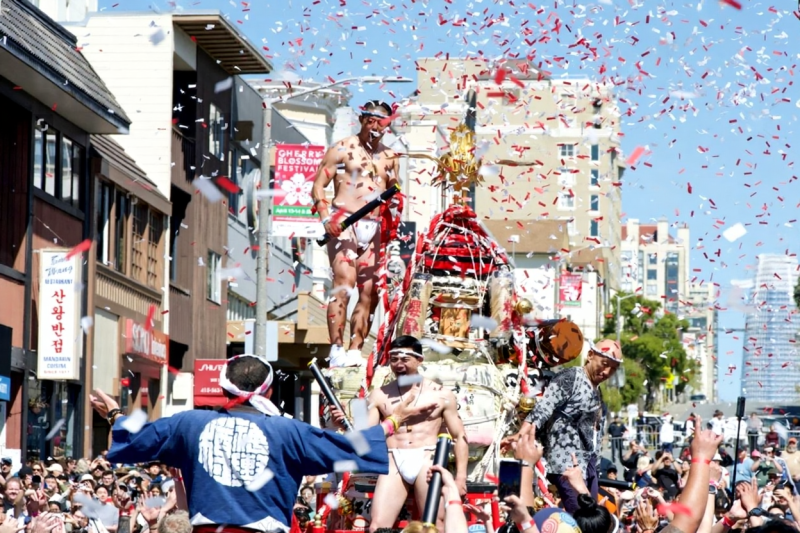
The parade’s incredible finale is the TaruMikoshi. This is a massive, ornate portable shrine weighing over 1,000 pounds, carried on the shoulders of over 100 chanting participants. It’s a powerful, energetic display of community spirit and a must-see spectacle.
Your Pre-Trip Checklist
A little preparation goes a long way in San Francisco.
Dress in Layers: This is the golden rule of SF. A chilly, foggy morning can become a sunny, breezy afternoon in an instant. A fleece or mid-layer under a windbreaker is the standard local uniform for a reason.
Comfortable Shoes: You will be walking. A lot. The hills are no joke. This is not the time to break in new shoes.
Portable Power Bank: Between navigating, taking photos, and using transit apps, your phone battery won’t stand a chance. A power bank is essential.
Cash: While most vendors take cards, the lines for ATMs are long and the smaller food stalls are often cash-only.
The Cherry Blossom Festival is one of the city's signature spring events. For a complete look at what's happening year-round, our complete guide to San Francisco Holidays: Bay Area Buzz is the essential next read for planning a trip around the city's top seasonal events.
An Unforgettable Bloom
San Francisco’s cherry blossom celebration offers something truly special: a world-class cultural event with the heart of a neighborhood block party. It’s a chance to not only witness the stunning beauty of spring but to feel the powerful spirit of a community that has refused to be erased.
By timing your visit strategically, knowing where to find your own quiet corner, and embracing the city’s public transit, you can bypass the stress and create a truly unforgettable memory. You’re no longer just a tourist; you’re an insider, ready to experience this beautiful and meaningful spectacle to its fullest.
Capture the Perfect Bloom
You’re going to take hundreds of photos of the cherry blossoms—don’t let them get lost on your camera roll. Our free collection of Travel Lightroom Presets is designed to make your photos pop with just one click. Transform your shots of the delicate pink petals and vibrant festival scenes into professional-quality images you’ll be proud to share.
Frequently Asked Questions (FAQ)
When is the absolute best time to see the cherry blossoms in San Francisco? While the festival is in mid-to-late April, the "best" time depends on what you want to see. For the most ethereal, classic blossoms in a garden setting, aim for the first week of April at the Japanese Tea Garden. For the full, vibrant festival experience with the fluffy Kwanzan blossoms, the second weekend of the festival is your best bet.
Is the Northern California Cherry Blossom Festival free? Yes, attending the festival in Japantown, including all the stage performances and watching the parade, is completely free. You will need to pay for food, drinks, and any items from craft vendors. Note that visiting the Japanese Tea Garden in Golden Gate Park requires a separate admission fee.
How much time should I budget for the festival? If you plan to eat, watch a few performances, and browse the stalls, give yourself at least 3-4 hours in Japantown. If you want to see the parade, plan for that to take an additional 2 hours of your day.
Is the festival kid-friendly? Absolutely. Kids love the energy, the food, and the parade. There are also often hands-on cultural activities like origami folding. However, the crowds can be overwhelming for small children, so a weekday visit or arriving right at the opening on a weekend is recommended.
Can I see cherry blossoms in San Francisco outside of Japantown and Golden Gate Park? Yes! Besides our "secret spot" at the Palace of Fine Arts, you can often find beautiful blooming trees scattered in residential neighborhoods like the Richmond and Sunset districts. Keep your eyes peeled in late March and April—you’ll be surprised where they pop up.
Recommended: Free Travel Lightroom Presets: The TrekGuider Wanderlust Collection
Recommended: NYC Photo Map: 25 Iconic and Hidden Spots
Don't Miss Out! Subscribe for Exclusive Content
SubscribeComments 0
No comments yet
Be the first to share your experience!
Dont Miss Out! Subscribe for Exclusive Content
Halloween SF: Haunts Without Horrors
SF Festivals: 7 Must-See Lineups
Christmas SF: Lights & Wharf Wonders
SF Pride: 6 Route & Party Hacks

Chinese New Year SF: Parade Essentials
San Francisco Holidays: Bay Area Buzz
6 Proven Models to Make Money Online Blogging
TrekGuider @trekguider
You’ve launched your travel blog, a digital space filled with your passion, expertise, and stunning photography. The problem? It feels more like an expensive hobby than a business. You're caught in a strategic fog, constantly hearing about different ways to monetize but paralyzed by the sheer number of options. Should you chase ad revenue, dive into affiliate marketing, or invest months creating a digital product?
This confusion is more than just frustrating; it's a barrier to growth. Every month spent hesitating is a month of lost income and mounting burnout. You see other creators achieving financial freedom and can't help but wonder what strategic blueprint they're following. You're putting in the work, but without a clear understanding of the fundamental business models, your efforts feel scattered and ineffective, keeping your dream of a profitable blog just out of reach.

It's time to trade that confusion for clarity. This article is your high-level strategy session. We will demystify the process by providing a strategic analysis of the six proven models to make money online blogging. We’ll move beyond tactics ("how") and focus on strategy ("what" and "why"), comparing the pros, cons, and profit potential of each approach. This is the essential framework you need to choose the right path for your blog and your goals. Think of this as your strategic map—for the full, step-by-step expedition, be sure to read our ultimate guide on How to Make Money Online: A Creator's Guide for 2026.
Model 1: Display Advertising (The Traffic Monetizer)
Display advertising is often the first monetization model bloggers think of. It involves placing ads on your website, typically managed through an ad network, and earning revenue based on the number of people who see or click on them. It’s a passive model that directly translates website traffic into income.
Pros:
Truly Passive Income: Once set up, ad networks automatically fill your ad spaces, generating revenue from your existing traffic without requiring any additional action per visitor.
Low Barrier to Entry (Theoretically): While premium networks have high traffic thresholds, the basic concept of placing ads is straightforward and doesn't require direct selling.
Cons:
Requires Massive Traffic: Meaningful revenue is almost entirely dependent on having a large and consistent stream of visitors. For context, our research shows only 4% of global creators earn over $100,000 per year, and those with high ad revenue are traffic powerhouses.
Can Degrade User Experience: Ads can be intrusive, slow down your website's loading speed, and detract from the professional aesthetic you’ve worked hard to create.
Who It's Best For: Established bloggers with high, consistent search engine traffic. This is typically not a lucrative model for beginners, but it becomes a reliable income floor for blogs with over 50,000 monthly sessions.
Pro-Tip: Aspiring bloggers should skip low-paying beginner networks like Google AdSense. Instead, focus 100% of your energy on growing traffic to meet the minimum requirements for premium ad networks like Mediavine (50,000 monthly sessions) or Raptive. The revenue difference is dramatic and can single-handedly take a blog's income past the $1,000/month mark.

Model 2: Affiliate Marketing (The Trusted Recommender)
Affiliate marketing is a performance-based model where you earn a commission for promoting another company’s products or services. You place a unique, trackable link in your content, and when a reader makes a purchase through that link, you receive a percentage of the sale. It allows you to monetize your genuine recommendations.
Pros:
Low Cost of Entry: You don't need to create a product, handle inventory, or manage customer service. You simply recommend products you already use and trust.
Scalable and Passive: A single, high-performing blog post with affiliate links can rank on Google for years, generating commissions long after you’ve hit publish.
Cons:
Dependency on Partners: You are reliant on the affiliate partner's terms. Commission rates can be changed or eliminated with little notice, as seen when Amazon dramatically cut its rates for many categories.
Reputational Risk: Your credibility is on the line. If you recommend a poor-quality product, you risk eroding the trust you've built with your audience, which is your most valuable asset.
Who It's Best For: Bloggers in any niche who have built a foundation of trust with their audience. It's an ideal "next step" after you've started generating traffic, as it allows you to monetize your expertise without the heavy lift of product creation.
Model 3: Digital Products (The Scalable Asset)
This is where you ascend the monetization ladder, transforming your expertise into scalable assets you own completely. This model involves creating and selling your own intangible products that can be distributed repeatedly online. For travel bloggers, this includes eBooks, online courses, itinerary templates, and Lightroom presets.
Pros:
Exceptionally High Profit Margins: With no inventory or shipping costs, digital products offer unparalleled profitability. The "create once, sell forever" model means nearly every sale after you recoup your time investment is pure profit.
Full Ownership and Control: You control the product, the pricing, the marketing, and the customer relationship. This insulates your business from the volatility of ad networks and affiliate partners.
Positions You as an Expert: Selling a high-quality product like a comprehensive Travel Guide solidifies your authority in your niche like nothing else. Once created, a platform like the TrekGuider marketplace gives you an immediate, professional storefront to connect with travelers actively seeking that expertise.
Cons:
Significant Upfront Investment: Creating a high-quality product requires a substantial investment of time, research, and effort before you ever make a dollar.
Requires Marketing and Sales Skills: You are responsible for everything, from building a high-converting sales page to handling customer service inquiries.
Who It's Best For: Established bloggers with a proven, engaged audience that has a specific problem you can solve. With the e-learning market alone projected to reach an incredible $848 billion by 2030, this model has the highest long-term ceiling for growth.
This is the model with the highest ceiling, but it requires the right tools to get started. That's why we built a launchpad for creators ready to build their own assets.

Your Creator Business Launchpad
Feeling inspired to build your own assets but not sure where to begin? The first step is to master the tools of the trade. Our The Travel Creator's Toolkit is a free collection of resources designed to help you streamline your workflow, create stunning content, and build a business that lasts. It includes templates, checklists, and guides to accelerate your journey from blogger to entrepreneur.
Download Your Free Travel Creator's Toolkit Now
Model 4: Services (The Cashflow Generator)
This is the most direct way to make money online blogging: selling your time, skills, or expertise. For a travel creator, this could mean freelance writing for tourism boards, offering social media management for hotels, providing one-on-one trip planning consultation, or offering photography services.
Pros:
Fastest Path to Significant Income: Services are often the quickest way to generate substantial revenue, especially for new creators who have a marketable skill but not yet a large audience.
Premium Pricing Potential: You can charge high rates based on your expertise and the value you deliver to a client.
Cons:
Not Scalable (Active Income): This model involves a direct trade of time for money. There is a hard ceiling on your potential earnings because there are only so many hours in a day. If you stop working, the income stops.
Can Lead to Burnout: Juggling client work with building your own blog can be demanding and can distract from creating the long-term assets that lead to passive income.
Who It's Best For: New bloggers with a professional skill (writing, photography, marketing) who need to generate income quickly. It's also great for experts in a specific field who want to validate their knowledge before packaging it into a more scalable digital product.
Pro-Tip: Frame your services as a strategic launchpad, not a permanent business model. Use the active income from freelance work to pay your bills and fund the time you need to invest in building scalable, passive income streams like affiliate content and digital products.
Model 5: Sponsored Content, the Right Way to Make Money Online Blogging with Brands
Also known as brand partnerships, this model involves collaborating with companies to create content that promotes their products or services in exchange for a fee. This can range from a single sponsored blog post to a long-term brand ambassadorship.
Pros:
Can Be Extremely Lucrative: Sponsored content can be a massive source of revenue. In fact, our 2026 Creator Monetization Report found that 69% of creators cite brand partnerships as their most profitable income stream.
Enhances Credibility: Partnering with respected brands that align with your values can enhance your own credibility and authority in your niche.
Cons:
Requires an Established, Engaged Audience: Brands want to see a strong track record and a clear return on their investment, which typically means you need a substantial and highly engaged following to attract premium partnerships.
Risk of Losing Audience Trust: Income can be inconsistent and dependent on securing new deals. More importantly, if a sponsorship feels inauthentic or is not disclosed transparently, it can permanently damage your relationship with your audience.
Who It's Best For: Influential bloggers with a highly engaged, niche audience. This model works best when you have a strong brand identity that is attractive to companies targeting your specific demographic.
Model 6: Subscriptions & Memberships (The Community Builder)
This model generates predictable, recurring revenue by charging a regular fee (monthly or annually) for access to exclusive content, a private community, or premium features. This could be a paid newsletter, a private Slack or Discord group, or a membership site with exclusive articles and videos.
Pros:
Predictable, Recurring Revenue: Subscriptions provide a stable and forecastable income stream, which is a huge advantage over the fluctuating nature of ad revenue or one-off product sales.
Fosters a Loyal Community: This model is designed to serve your most dedicated fans, creating a loyal and highly engaged community around your brand.
Cons:
Requires Constant Value Delivery: To prevent churn (cancellations), you must consistently deliver high-value, exclusive content. The pressure to "feed the beast" can be intense.
Subscriber Fatigue is Real: In a world saturated with subscriptions, convincing new members to sign up can be challenging.
Who It's Best For: Creators with a highly dedicated and engaged audience who are looking for a deeper connection. It's an advanced model that works best when you've already established significant authority and trust.
Frequently Asked Questions About Monetization Models
1. What's the best model for a brand new blogger?
For immediate income, Services are unmatched if you have a marketable skill like writing or design. However, for long-term, scalable growth, your initial focus should be on creating high-quality content that will eventually support Affiliate Marketing and Display Advertising once your traffic grows.
2. Is it better to focus on one model or do everything at once?
Focus on one, then stack. The most common mistake is trying to do everything and mastering nothing. Follow the "Monetization Ladder" concept. For example, master creating content that drives affiliate revenue. Once that system is working, use your authority to build and sell a Digital Product. Trying to launch a course, a membership, and a freelance business all at once is a recipe for burnout.
3. How much traffic do I really need for display ads to be worthwhile?
Don't even consider it until you can qualify for a premium ad network. The industry standard benchmarks are 50,000 monthly sessions for Mediavine or 100,000 monthly pageviews for Raptive. Anything less than that, and your time is far better spent on content creation and affiliate strategy.
Choosing Your Path
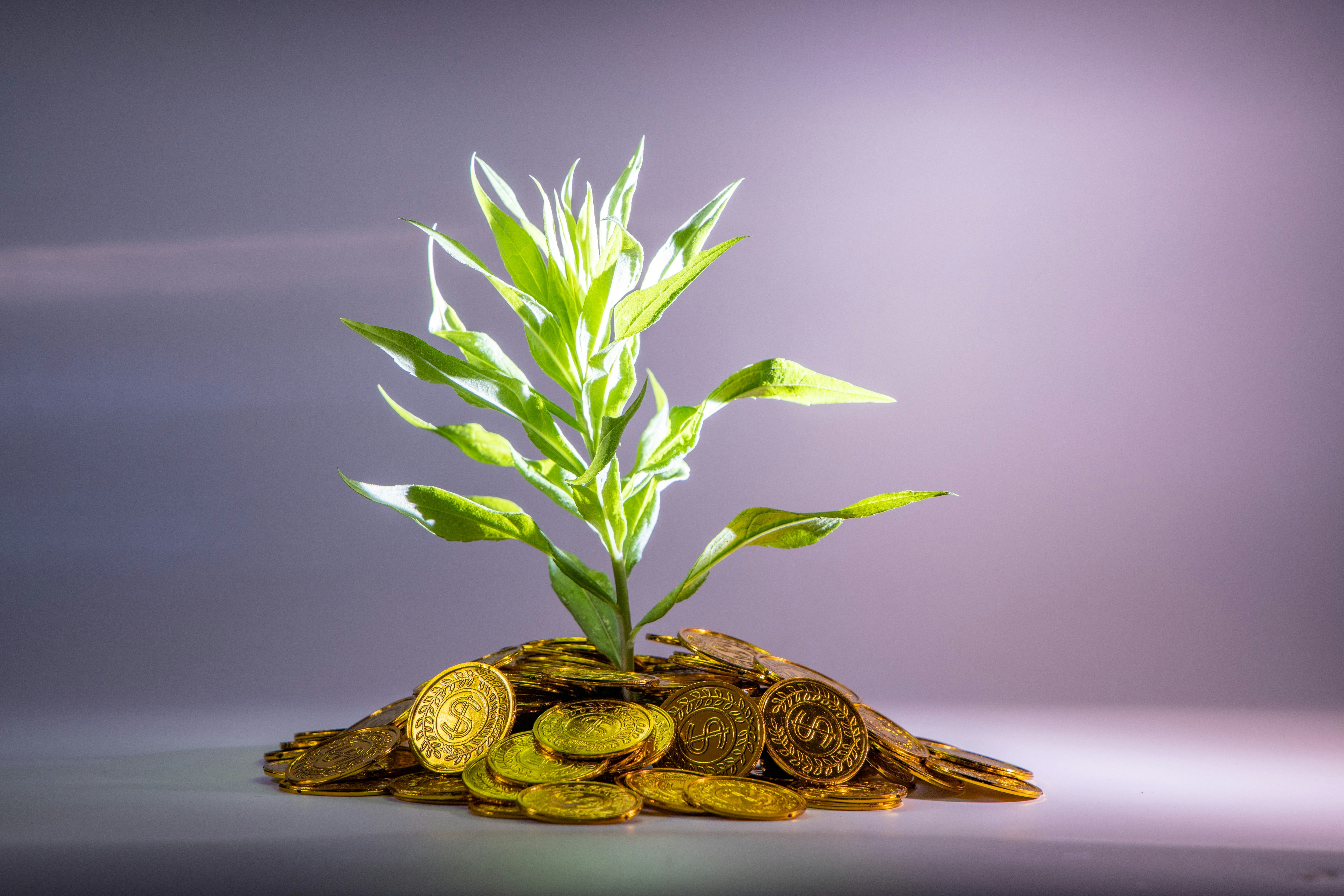
There is no single "best" way to make money online blogging. The most successful creators understand that these models are not mutually exclusive; they are rungs on a "Monetization Ladder." A new blogger might start by offering services to generate immediate cash flow. As their traffic grows, they add display advertising and affiliate marketing. Finally, with an established and trusting audience, they ascend to the highest rung by launching their own digital products and membership communities.
You now have the practical plan to analyze these models and choose the right one for your current stage. Don't fall into the trap of trying to do everything at once. Pick a path, master it, and then climb to the next rung. This is how you build a diversified, resilient, and highly profitable blogging business.
Read the full guide: The Travel Blog Business Plan: How to Make Real Money in 2026
Don't Miss Out! Subscribe for Exclusive Content
SubscribeComments 0
No comments yet
Be the first to share your experience!
Dont Miss Out! Subscribe for Exclusive Content

FTC Affiliate Disclosure: Stay Compliant as a Travel Creator

Essential Affiliate Tools: From Tracking to Full Optimization

Avoid These 5 Affiliate Landing Page Mistakes for Better Conversions

Affiliate Keyword Research Mastery for Travel Blogs

Booking.com Affiliate Review: Pros, Cons & Earnings

Decoding Affiliate Commission Rates: Benchmarks for Travel Creators
Christmas NOLA: Creole Lights & Eats
TrekGuider @trekguider
Are you tired of the same silent, snowy nights? The predictable cycle of generic holiday markets and overplayed carols can leave even the most festive traveler craving something with more soul. You’re searching for a holiday that swaps biting frost for a warm, vibrant cultural immersion—a place where tradition isn't just remembered, but is passionately lived, tasted, and celebrated with a fiery spirit.
Imagine a Christmas Eve where the sky is illuminated not by faint stars, but by towering bonfires blazing along the Mississippi River, a Cajun beacon for Papa Noël. Picture yourself sitting down not to a standard holiday ham, but to a multi-course Creole feast—a Réveillon dinner—so decadent and steeped in history it feels like a culinary sacrament. To miss this is to settle for a cookie-cutter holiday when a deep, unforgettable adventure awaits.
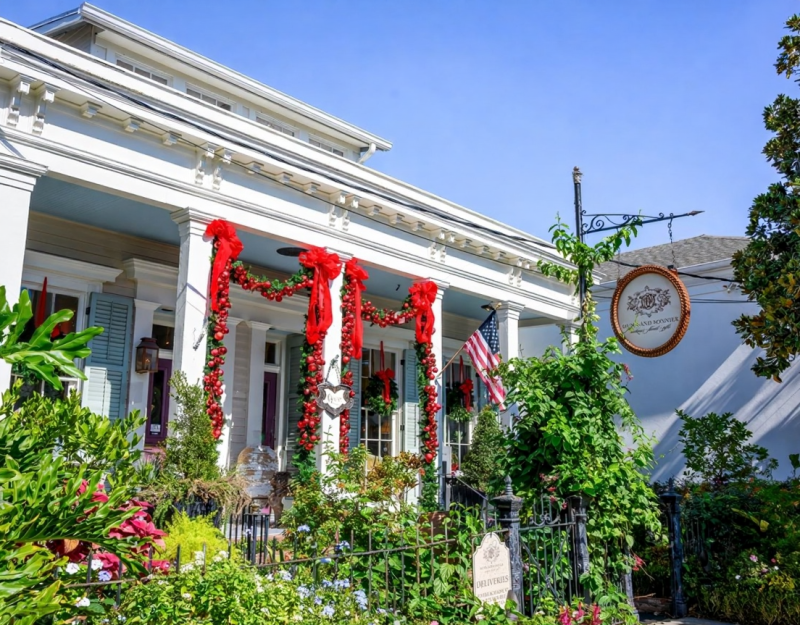
This is your definitive guide to unlocking the magic of a New Orleans Christmas—a celebration so distinct it redefines what Christmas in the USA can be. It’s a key element experience we introduce in our broader guide to New Orleans Holidays: Cultural Feasts, and here, we’re diving deep. Forget sleigh bells; we’re talking jazz trumpets. Forget snow; we’re talking the warm glow of tradition. Let’s explore the one-of-a-kind Creole customs, from legendary dinners to spectacular bonfires, that make this city the ultimate holiday destination.
The Heart of a Creole Christmas: The Réveillon Dinner Tradition
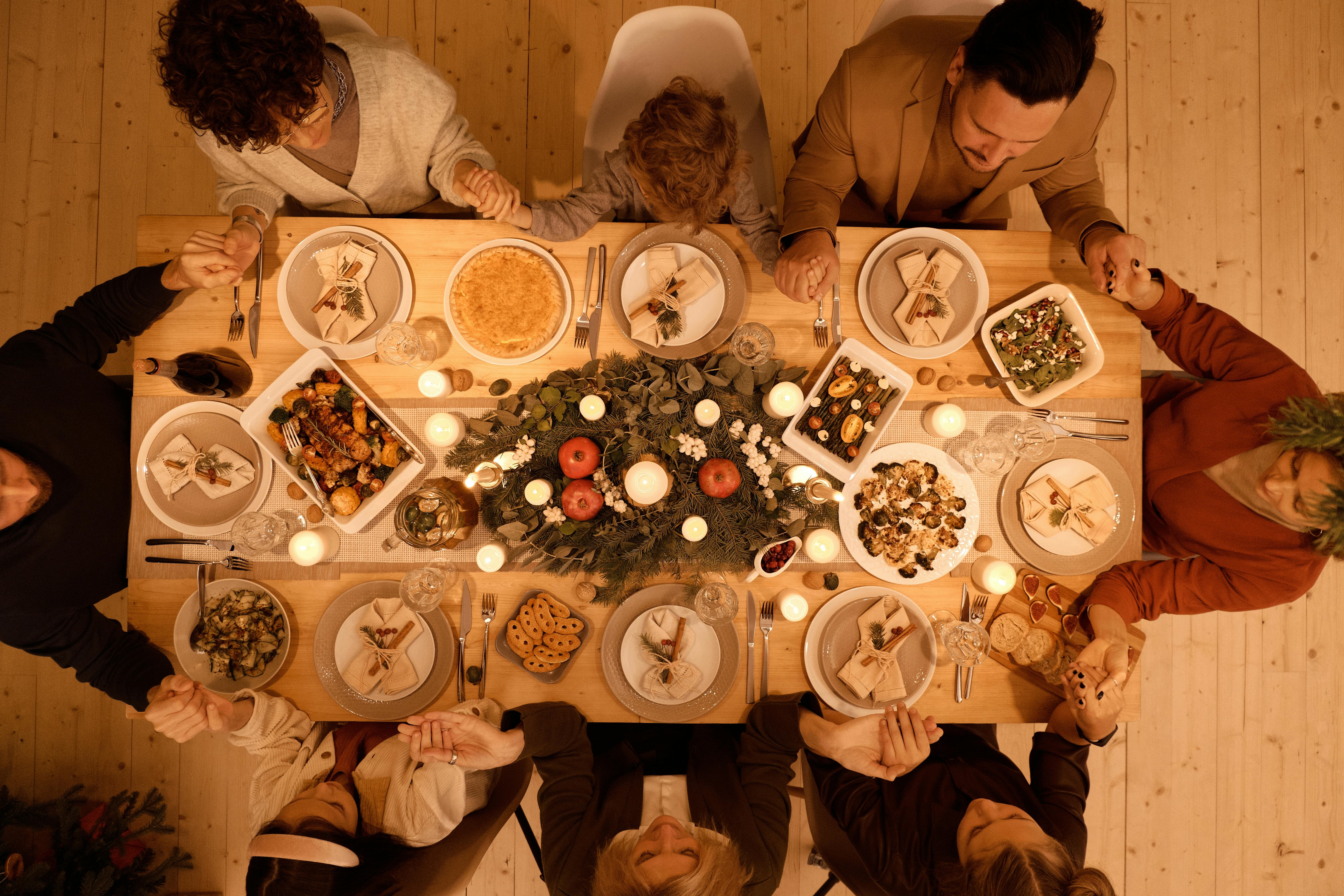
In New Orleans, the absolute pinnacle of holiday dining is the Réveillon dinner. Forget a simple holiday meal; the Réveillon (REV-ee-on) dinner is a cherished Creole ceremony dating back to the early 19th century. It began as an elaborate feast served after midnight mass on Christmas Eve, where families would break their pre-communion fast with a lavish spread that could last for hours, filled with rich food, lively conversation, and holiday cheer.
While the custom has evolved from a purely home-cooked affair, its spirit is more vibrant than ever in the city's world-class restaurants. Throughout December, dozens of New Orleans' finest establishments offer special multi-course Réveillon menus that pay homage to this historic tradition. These are not your typical holiday buffets. These are carefully built culinary journeys featuring decadent dishes that blend French, Spanish, and African influences. Expect to see rich turtle soup, gamey quail, and iconic Louisiana staples like the indispensable oyster gumbo.
Participating in a Réveillon dinner is to take part in a living piece of New Orleans history—a delicious ritual that connects you directly to the soul of a Creole Christmas.
How to Book Your Réveillon Dinner: A Step-by-Step Guide
Securing a table for this beloved tradition requires some foresight, but the reward is an experience you'll talk about for years. Follow these steps to guarantee your spot.
Research Early: Restaurants typically announce their Réveillon menus in late October or early November. The official New Orleans tourism website is an excellent resource, compiling a list of participating establishments so you can browse menus. Look for offerings that excite you, whether it's a modern twist on Creole classics or a faithful recreation of historical dishes.
Book Immediately: These dinners are incredibly popular with locals and visitors alike. Once you've identified your top choices, make reservations without delay. For prime dates like Christmas Eve, booking a month or two in advance is not overkill. While most restaurants use online platforms, a direct phone call can sometimes reveal extra availability.
Understand the Format: Nearly all Réveillon dinners are prix-fixe, meaning you pay a set price for a specific number of courses (usually four to six). Wine or cocktail pairings are often available for an additional charge. We highly recommend them, as they are expertly curated to elevate the rich, complex flavors of the meal.
Dress the Part: New Orleanians embrace any opportunity to dress up, and a Réveillon dinner is the perfect occasion. While a strict black-tie dress code is rare, "holiday festive" or "smart casual" is the standard. Think collared shirts and slacks or a stylish dress. It’s a special event, so lean into the celebratory atmosphere.
Pro-Tip: While the classic, centuries-old restaurants in the French Quarter offer an undeniably historic Réveillon experience, don't overlook the innovative eateries in neighborhoods like the Garden District or the Warehouse District. These spots often provide a contemporary take on the tradition with equally spectacular food and a more local vibe.
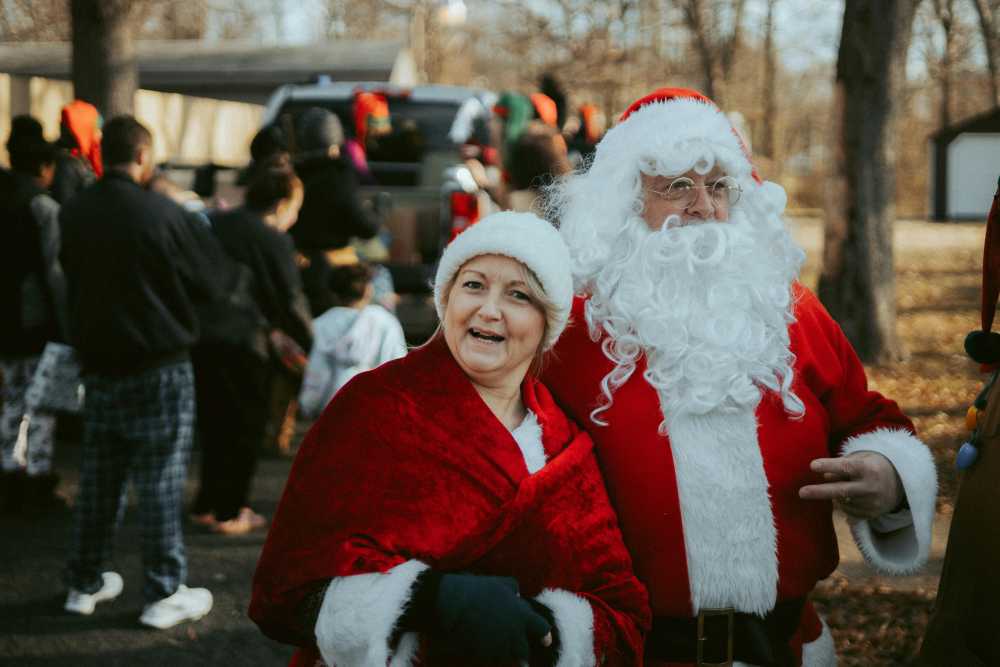
A Unique Take on Christmas in the USA: Lighting Up the Night
New Orleans trades conventional holiday light displays for traditions deeply rooted in its unique landscape and folklore. The city’s two most famous spectacles—the bonfires on the levee and the enchanting Celebration in the Oaks—offer two vastly different but equally magical ways to experience the holiday glow. These events are a core part of what makes Christmas in the USA so special in this corner of the country.
Papa Noël's Fiery Welcome: The Bonfires on the Levee
Perhaps the most dramatic and uniquely Louisiana Christmas tradition is the lighting of massive bonfires along the Mississippi River levees on Christmas Eve. This custom is most prominent in the parishes just upriver from New Orleans, particularly in St. James Parish. According to beloved local lore, the bonfires are built to light the way for "Papa Noël," the Cajun Santa Claus, as he navigates the dark, swampy landscape in his pirogue pulled by alligators.
These are not small campfires. They are colossal wooden structures, often built in the shape of log cabins, steamboats, or other creative designs, that are set ablaze to create a fiery, awe-inspiring pathway along the river. The tradition is a massive community event, with families gathering to enjoy the warmth, share food and drink, and watch the spectacular display unfold.
How to Experience the Bonfires:
Book a Bus Tour: The easiest and most stress-free way to see the bonfires is by booking a spot on a dedicated bus tour departing from New Orleans. These operators handle all the logistics, navigating the intense traffic and securing a prime viewing location, often with commentary on the tradition's history.
Drive Yourself (With Caution): If you have a car, you can drive the "River Road" through the parishes. Be prepared for gridlock traffic and follow the directions of local law enforcement. The spectacle is worth it, but patience is an absolute must.
Arrive Before Dusk: The bonfires are typically lit at dusk on Christmas Eve (around 7 PM). Plan to arrive in the area well beforehand to find parking, claim a spot, and soak in the festive, communal atmosphere.
A Dazzling Urban Oasis: Celebration in the Oaks
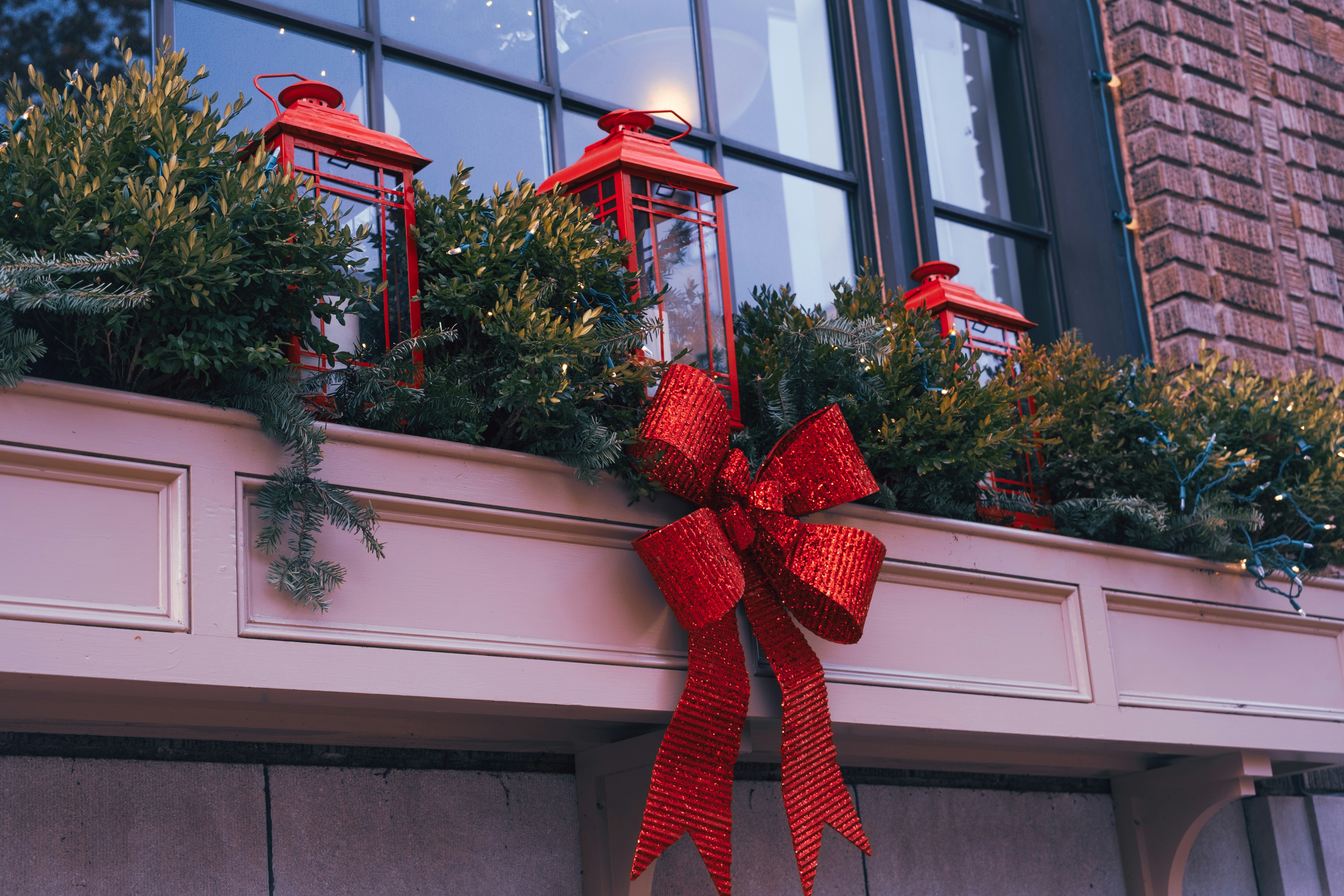
For a more traditional (yet still distinctly New Orleans) light display, Celebration in the Oaks is an absolute must. Held in the city’s sprawling and beautiful City Park, this event transforms the landscape into a breathtaking winter wonderland. With millions of twinkling lights adorning the park's famous ancient oaks—some of which are over 800 years old—the effect is nothing short of spectacular.
This beloved local tradition is perfect for families, couples, and anyone looking to be immersed in pure holiday cheer. Key features include a popular drive-thru light tour, allowing you to experience the magic from your car, as well as walking paths that guide you through themed light exhibits. A ride on the park's historic carousel, beautifully decorated for the season, is an essential part of the experience.
Tips for Visiting Celebration in the Oaks:
Buy Tickets Online in Advance: This event is extremely popular and frequently sells out, especially on weekends. Purchasing your timed-entry tickets online is essential to avoid disappointment.
Visit on a Weekday: To avoid the largest crowds and enjoy a more relaxed experience, plan your visit for a weeknight if your schedule allows.
Consider the Driving Tour: The drive-thru option is perfect for a rainy evening or for those with mobility challenges. It offers a fantastic and comprehensive view of the entire display.
More Than Lights and Food: Other Essential NOLA Christmas Traditions
While Réveillon dinners and fiery bonfires are the headliners, the holiday spirit in New Orleans is woven into the city's fabric through music, community, and history. To fully appreciate the season, immerse yourself in these other cherished local customs.
Caroling in Jackson Square
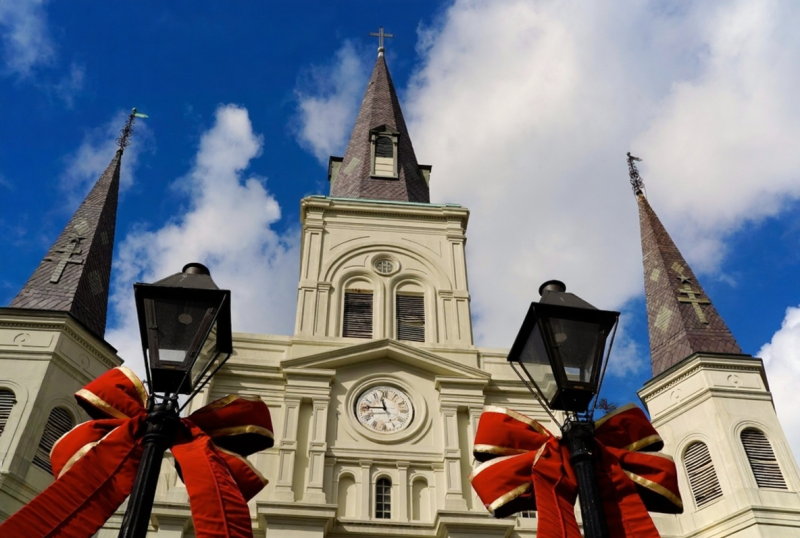
On the Sunday before Christmas, thousands of people gather in Jackson Square, in the heart of the French Quarter, for a truly magical evening of community caroling. With the iconic St. Louis Cathedral as a stunning backdrop, locals and visitors hold candles and sing holiday classics together. The event is free, and the sight of the square illuminated by candlelight and filled with joyful voices is a quintessential New Orleans Christmas experience.
Holiday Concerts and Cathedral Music
Music is the lifeblood of New Orleans, and the holiday season is no exception. Many of the city's historic churches and cathedrals, including the St. Louis Cathedral, host free holiday concerts featuring gospel choirs, classical musicians, and jazz ensembles. These performances, held in beautiful and acoustically rich environments, offer a soulful and moving way to celebrate. Check local listings for schedules.
For our international readers planning to experience this uniquely American holiday, navigating travel during this busy season can be complex. To ensure you have all your documents, bookings, and essentials in order for a smooth journey, download our free International Travel Checklist. It’s the perfect tool to prepare for your Creole Christmas adventure.
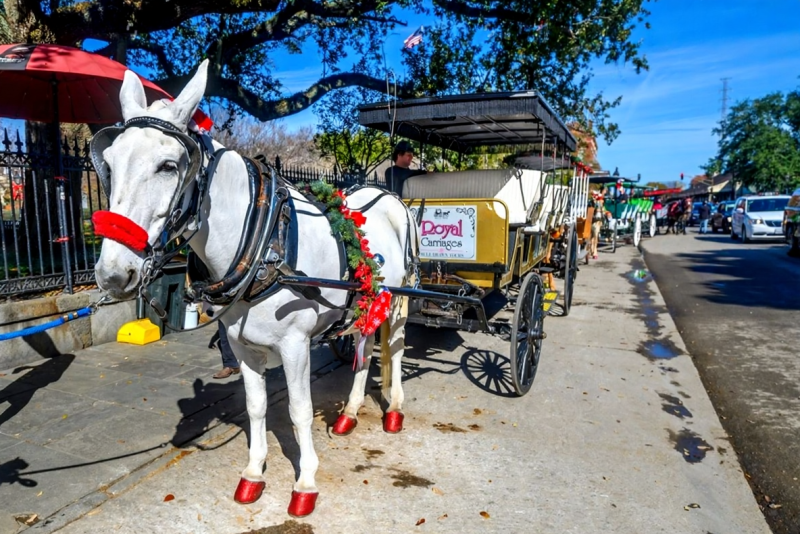
Your Practical Guide to a New Orleans Christmas Vacation
A little planning goes a long way in making your New Orleans holiday trip seamless and spectacular. Here is the essential information you need to navigate the city during this festive season.
When to Visit and What to Pack
To get the full experience, plan to arrive at least a few days before Christmas Eve. This gives you time to enjoy the Réveillon dinners, see the lights, and soak in the festive atmosphere before the main events.
New Orleans weather in December is typically mild but can be unpredictable. Packing is all about layers:
Light Layers: Bring sweaters, long-sleeved shirts, and a medium-weight jacket. Daytime temperatures can be pleasant, but it gets chilly at night, especially near the river.
Comfortable Walking Shoes: The best way to explore the French Quarter and other historic neighborhoods is on foot. You will be doing a lot of walking, so comfortable shoes are non-negotiable.
A Festive Outfit: Pack something a little dressier for your Réveillon dinner or a holiday concert.
Rain Gear: A compact umbrella or a light raincoat is always a smart addition, just in case of a passing shower.
Pro-Tip: The St. Charles Streetcar line offers a magical and incredibly affordable sightseeing tour. For the price of a single fare, you can ride through the stunning Garden District, where grand historic mansions are adorned with elegant and elaborate holiday decorations. It's a low-cost activity with a huge festive payoff.
Getting Around the City
Navigating New Orleans during the holidays is relatively easy.
Walk: The French Quarter is compact and best explored on foot.
Streetcar: The historic streetcar lines are a charming and efficient way to travel between neighborhoods like the French Quarter, the Garden District, and Mid-City (for City Park).
Rideshare: Services like Uber and Lyft are widely available for destinations not easily reached by public transit.
Tours: For experiences like the bonfires on the levee, organized tours are the most convenient option, eliminating the stress of driving and parking in heavy traffic.
To truly master the city's layout, uncover hidden gems, and plan the perfect itinerary beyond the holidays, our comprehensive Travel Guide is an indispensable resource. It's packed with insider knowledge, detailed maps, and neighborhood guides that turn a good trip into an absolutely unforgettable one.
An Unforgettable Holiday Steeped in Creole Soul
A New Orleans Christmas is a feast for all the senses. It’s the smoky scent of bonfires on the cool night air, the rich flavor of a generations-old Réveillon recipe, the sound of a jazz band playing "Silent Night" on a French Quarter corner, and the sight of a historic square glowing with candlelight. It is a celebration that completely redefines what Christmas in the USA can be, trading commercial frenzy for authentic culture, deep-rooted history, and an abundance of soul.
You now have the blueprint to craft a holiday experience filled with fiery spectacle, culinary delights, and traditions you simply won't find anywhere else on earth. You are ready to step away from the ordinary and embrace a Christmas that is as unique, vibrant, and unforgettable as the city itself.
Ready to trade snow for bonfires and bland for bold? Start planning your unforgettable New Orleans holiday adventure today.
Don't Miss Out! Subscribe for Exclusive Content
SubscribeComments 0
No comments yet
Be the first to share your experience!
Dont Miss Out! Subscribe for Exclusive Content
San Francisco Cherry Blossoms: A Local's Guide to the Blooms
Halloween SF: Haunts Without Horrors
SF Festivals: 7 Must-See Lineups
Christmas SF: Lights & Wharf Wonders
SF Pride: 6 Route & Party Hacks