
Chinese New Year SF: Parade Essentials

TrekGuider @trekguider
You can feel it before you see it. The low, resonant thump-thump-thump of the drums echoing off the buildings. The scent of roasted chestnuts and sizzling dumplings hanging in the cool February air. This is the magic of Chinese New Year in San Francisco, a tradition that has pulsed through the city’s veins since the Gold Rush. You’re here to witness the largest Lunar New Year celebration outside of Asia, but a thread of anxiety cuts through the excitement. How do you possibly navigate a crowd of half a million people? Where are the secret spots to actually see the famous 268-foot Golden Dragon?
The fear of missing out is real. You imagine being swallowed by the crowd, your view completely blocked, the vibrant floats and lion dancers reduced to a muffled soundtrack. A once-in-a-lifetime cultural immersion could easily devolve into a stressful, shoulder-to-shoulder shuffle. Without a game plan, you risk leaving with nothing but blurry photos and a sense of frustration.
This is your game plan. Forget the chaos and embrace the spectacle. This guide is your all-access pass, a step-by-step blueprint for conquering the parade like a seasoned local. We’ll give you the insider tips on securing the best viewing spots, a deep dive into the must-see moments, and the cultural context that brings it all to life. You’re about to experience the Chinese New Year San Francisco festival not as a tourist, but as an expert. This incredible event is at the heart of the city's cultural calendar, a vibrant highlight we proudly feature in our broader guide to San Francisco Holidays: Bay Area Buzz.

Understanding the Celebration: More Than Just a Parade
The Chinese New Year, also known as the Lunar New Year or Spring Festival, is the most important holiday in Chinese culture and for many other Asian communities worldwide. It marks the beginning of a new year on the traditional lunisolar calendar—a time for sweeping away the old, honoring ancestors, and gathering with family for lavish feasts.
Each year is associated with one of the twelve animals of the Chinese zodiac. The 2026 celebration, which officially begins on late January or February (the date follows the lunar calendar), will usher in the Year of the Snake—an animal symbolizing wisdom, intuition, and grace.
San Francisco’s celebration is steeped in history. First held in 1851, it has grown from a local community event into the oldest and largest festival of its kind outside of Asia, a powerful proof of the city’s deep-rooted Chinese-American heritage. While the parade is the dazzling finale, the festival is a multi-week affair with several key components you won't want to miss:
The Flower Market Fair: A bustling, fragrant market where families purchase fresh flowers and auspicious plants like orchids and peach blossoms to welcome good fortune into their homes.
The Community Street Fair: A vibrant, weekend-long street party that transforms Chinatown with traditional music, dance performances, artisan vendors, and an incredible array of festival foods.
The Grand Parade: The spectacular culmination of the festivities, featuring stunning floats, complex costumes, acrobatic lion dancers, and the legendary Golden Dragon.
The Main Event: Conquering the Chinese New Year San Francisco Parade
The Southwest Airlines Chinese New Year Parade is an unforgettable spectacle, renowned for being one of the few night-illuminated parades in North America. Its dazzling floats and vibrant performers don't just march; they light up the city streets, creating a truly magical atmosphere that has to be seen to be believed.
Mark Your Calendar: 2026 Parade Date and Time
To ensure you don’t miss a single moment of the magic, lock these details into your calendar now:
Date: Saturday, around mid-February (dates shift each year)
Start Time: 5:15 PM
The parade typically lasts for about two and a half hours, winding its way through the heart of the city as darkness falls, which allows the thousands of lights on the floats and costumes to shine their brightest.
The Parade Route: Where to Be and When
While the Chinese Chamber of Commerce confirms the final route closer to the date, it traditionally follows a path designed for maximum spectacle. The parade kicks off at the intersection of Second and Market Streets, proceeds up Market, turns onto Geary Street through Union Square, continues onto Powell Street, then Post Street, and finally enters Chinatown at Kearny Street before concluding near Columbus Avenue.
Choosing your spot is a strategic decision. Here’s the breakdown:
The Start (Market Street): This area is often slightly less congested than Union Square. It’s a great option if you want to see the performers and floats when they are fresh and full of energy.
The Middle (Union Square): This is the epicenter of the action, with massive crowds and an electric atmosphere. The wide streets provide good sightlines, but you must arrive exceptionally early to claim a spot.
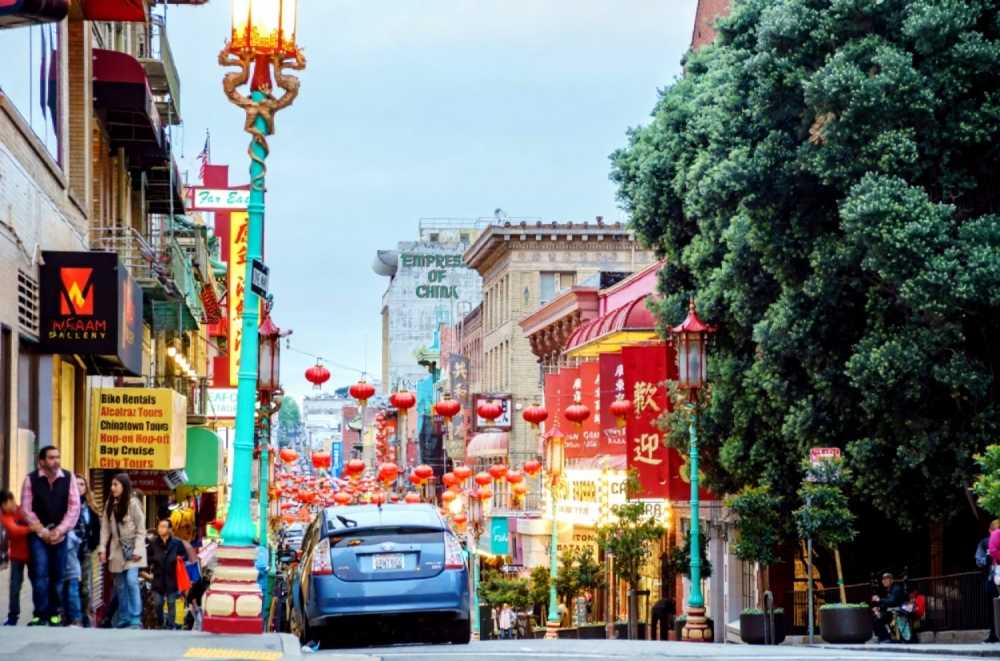
The End (Chinatown & North Beach): As the parade passes through the iconic Dragon Gate on Grant Avenue (via Kearny), the energy is palpable. The narrower streets create an intimate, immersive experience, but this also makes it one of the most densely packed areas.
7 Essential Tips for Securing the Perfect Viewing Spot
Arrive Early. No, Earlier. This cannot be overstated. For a prime curbside spot along Geary or Powell, you need to be there hours in advance. Seasoned locals often lay down their blankets by 2:00 PM or even earlier.
Invest in Bleacher Seats. If you want a guaranteed, comfortable, and unobstructed view without a multi-hour wait, purchasing tickets for the bleacher seats is the smartest move you can make. Tickets are sold through the official parade website and are worth every penny for a stress-free experience, especially with family.
Scout the Corners. Intersections where the parade makes a turn—like from Geary onto Powell or Powell onto Post—are strategic goldmines. You get to see the floats approach from one direction and then watch them turn, effectively doubling your viewing time.
Pack for a Marathon, Not a Sprint. You’re in for the long haul. Bring a lightweight folding chair or a thick blanket. Pack snacks and water, but be courteous to your neighbors. This is a communal experience.
Think Vertically. Any slight elevation is an advantage. Look for spots on a small incline or the steps of a building. Some hotels and restaurants along the route host viewing parties, though these are premium, ticketed events.
The Post Street Gambit. The section along Post Street, between Powell and Kearny, is often slightly less chaotic than Union Square proper. It’s a solid choice for those arriving a little later but still hoping for a decent view before the parade plunges into the heart of Chinatown.
Public Transit is Your Only Friend. Do not even think about driving. Road closures begin in the afternoon, and parking is a nightmare of nonexistent spaces and astronomical fees. Use BART or MUNI to get downtown and walk the final blocks.
Pro-Tip: For a less overwhelming experience with kids, consider watching the parade formation near the starting point on Second Street. You'll see the floats and performers up close as they line up, offering a fascinating behind-the-scenes look before the main event's intensity kicks in.

What to Watch For: The Spectacle of the Night Parade
The parade is a rich mix of culture, artistry, and tradition. Knowing what to look for will transform your experience from passive viewing to active appreciation.
The Legendary Golden Dragon (Gum Lung)
The grand finale and undisputed star of the show is the Golden Dragon, or "Gum Lung." This is no ordinary parade float. It's a magnificent, 268-foot-long masterpiece that requires a team of over 100 puppeteers from the Leung's White Crane martial arts association to carry it through the streets. In Chinese culture, the dragon is a benevolent symbol of power, good luck, and prosperity. Watching it weave and dance, illuminated against the night sky, is a core San Francisco memory in the making.

Dazzling Floats and Acrobatic Lion Dancers
This is where the "night-illuminated" aspect truly shines. The floats are breathtaking works of art, depicting scenes from Chinese folklore, the year's zodiac animal, and cultural landmarks, all glowing with thousands of lights. Interspersed between them are the high-energy lion dance troupes. Accompanied by the powerful rhythm of drums, gongs, and cymbals, the lion dancers perform acrobatic feats to scare away evil spirits and usher in a year of good fortune.
A Modern Twist: The Drone Light Show
In a perfect blend of ancient tradition and modern innovation, the parade has incorporated a stunning drone light show. Hundreds of synchronized drones ascend into the night sky, forming complex, glowing patterns—from zodiac animals to Chinese characters—in a display that is uniquely San Franciscan.
Beyond the Parade: Immersing Yourself in the Festivities
To truly capture the spirit of the holiday, you must venture beyond the parade route. The real cultural immersion happens in the days leading up to the main event.
The Chinatown Flower Market Fair
Held on the weekend before the parade, the Flower Market Fair is a sensory explosion. The streets of Chinatown are closed to traffic and filled with vendors selling beautiful flowers, lucky plants, and traditional New Year decorations. It’s a cultural tradition to decorate the home with fresh blooms to symbolize rebirth and new growth. Look for these auspicious items:
Orchids: Symbolizing fertility and abundance.
Tangerines with leaves intact: Representing secure relationships and wealth.
Peach blossoms: Considered sacred and symbolizing romance and prosperity.

The Chinatown Community Street Fair
Taking place on parade weekend, the Community Street Fair is a massive block party that showcases the best of Chinese culture. You’ll find everything from traditional calligraphy and lantern-making demonstrations to folk dance performances and Chinese opera. It’s a fantastic opportunity to shop for unique souvenirs and, most importantly, to sample authentic festival food.
The Symbolism of the Food
Food is the heart of the Lunar New Year celebration, with many dishes carrying symbolic meanings for a prosperous year. As you explore the street fair or local bakeries, be sure to try:
Long Noodles (Chángshòu Miàn): Eaten uncut, these noodles represent a long and happy life.
Dumplings (Jiǎozi): Shaped like ancient Chinese gold ingots, they symbolize wealth.
Rice Cakes (Niángāo): The name is a homophone for "higher year," signifying progress and improvement in the coming year.
Oranges and Tangerines: Their round shape and golden color symbolize fullness and wealth.

Practical Logistics for a Flawless Experience
A little bit of planning will make all the difference between a stressful outing and a cherished memory.
Getting There: Transportation and Parking
Let's be clear: public transportation is your only sane option.
BART (Bay Area Rapid Transit): The Powell Street and Montgomery Street stations will deposit you right on the Market Street parade route.
MUNI Metro & Buses: Numerous lines serve the downtown area. Check the SFMTA website for parade-day reroutes and schedule changes, which are inevitable.
Rideshare (Uber/Lyft): Expect heavy surge pricing and significant delays due to road closures. A better strategy is to be dropped off several blocks away and enjoy the walk in.
What to Wear and What to Pack
San Francisco weather is notoriously unpredictable. A beautiful sunny afternoon can become a bone-chillingly cold night in an instant.
Dress in Layers: A t-shirt, a fleece or hoodie, and a windproof jacket are your best friends. You’ll be grateful for the options as the temperature drops after sunset.
Comfortable Shoes: This is non-negotiable. You will be standing for hours and walking far more than you expect.
Essential Pack List:
A full water bottle.
Snacks to keep your energy levels high.
A portable phone charger (your battery will drain faster than you think).
A small, secure backpack.
For those traveling from abroad to witness this incredible event, ensuring your documents and plans are in order is crucial. Our International Travel Checklist is an indispensable resource for organizing your packing, paperwork, and preparations for a major cultural festival like this.
Safety and Crowd Management
With hundreds of thousands of spectators, situational awareness is key.
Stay Alert: Keep your valuables, like your phone and wallet, in a secure front pocket or a zipped bag worn on your front.
Use the Buddy System: Stick with your group. It is incredibly easy to get separated in the dense crowds.
Establish a Meeting Point: Before the parade starts, agree on a specific, easy-to-find meeting spot away from the main route in case you get separated. Cell service can be spotty in such large crowds.
Your Ultimate Chinese New Year Experience Awaits
You are now armed with the insider knowledge to experience the magic of the Chinese New Year San Francisco celebration to its absolute fullest. From understanding the cultural significance of the Year of the Snake to securing the perfect spot to watch the 268-foot Golden Dragon dance through the illuminated streets, you are ready to move beyond being a mere spectator. You are prepared to become an active participant in one of the world’s most vibrant and historic cultural traditions. Embrace the energy, savor the flavors, and welcome a year of prosperity and good fortune.
This deep dive into a single, spectacular event is just a glimpse of the expert planning we offer. To master your entire U.S. trip, from San Francisco's iconic festivals to the majestic national parks and bustling cityscapes across the country, our comprehensive Travel Guide provides the ultimate roadmap for your adventure.
Meta Data Suggestions:
SEO Meta Title: Chinese New Year San Francisco: Parade Guide & Tips (2026)
URL Slug: chinese-new-year-san-francisco-parade
SEO Meta Description: Your ultimate guide to the 2026 Chinese New Year San Francisco parade. Get expert tips on viewing spots, times, traditions, and how to navigate the crowds.
Don't Miss Out! Subscribe for Exclusive Content
Subscribe



Comments 0
No comments yet
Be the first to share your experience!
Dont Miss Out! Subscribe for Exclusive Content

San Francisco Cherry Blossoms: A Local's Guide to the Blooms


Halloween SF: Haunts Without Horrors

SF Festivals: 7 Must-See Lineups

Christmas SF: Lights & Wharf Wonders

SF Pride: 6 Route & Party Hacks

San Francisco Holidays: Bay Area Buzz
3 Types of Solo Travel Holidays: Which Is Right For You?
TrekGuider @trekguider
Are you dreaming of a solo trip but find yourself stuck between two conflicting images? On one hand, the exhilarating freedom of a backpack and a map with no agenda. On the other, the comfort and camaraderie of sharing a laugh with new friends on a guided tour. You're not alone in this dilemma. The term solo travel holidays is one of the most misunderstood in travel, causing a frustrating mix of excitement and decision paralysis that stalls too many great adventures before they even begin. This guide is designed to be your compass. For a complete playbook on the fundamental skills and mindset needed for any solo journey, be sure to read . Here, we'll demystify the options, help you discover your unique solo travel style, and give you the confidence to book the adventure that's truly right for you—whether that means forging your own path or joining a pack of like-minded explorers.

Why 2026 is the Year of Going It Alone
If you're feeling the pull to travel by yourself, you're not just following a whim; you're part of a massive global movement. Once considered a niche way to see the world, solo travel has exploded into the mainstream. This isn't a fleeting trend—it's a fundamental shift in how people approach life and exploration.
At its heart, this global movement is fueled by a collective hunger for something beautifully simple: unrestricted freedom and flexibility. In a world of shared schedules and compromises, the ability to create a trip that is 100% yours—your pace, your interests, your budget—is the ultimate form of luxury. A post-pandemic "carpe diem" mindset has only amplified this, with millions re-evaluating their priorities and refusing to wait for a travel partner whose schedule and interests align perfectly with their own.

The rise of remote work has also untethered millions from the traditional office, making longer, more immersive solo journeys more feasible than ever. Technology has transformed the landscape, turning what was once a daunting logistical challenge into a manageable and secure endeavor. Solo travel is no longer about being alone; it's about being empowered, independent, and in complete control of your own adventure.
What Exactly Are Solo Travel Holidays?
The core of the confusion for many aspiring travelers lies in the ambiguity of the term itself. A "solo holiday" isn't a single, rigid concept. It exists on a dynamic spectrum, ranging from absolute, self-reliant independence to fully supported group experiences. Understanding where you feel most comfortable on this spectrum is the essential first step to planning the perfect trip.
At one end, you have Purely Independent Travel. This is the classic vision: you book your own flights, find your own accommodation, craft your own itinerary, and navigate every challenge and triumph of the journey yourself. It offers the greatest freedom but also demands the most planning and self-reliance.
At the other end is the Fully-Escorted Group Tour. Here, you are traveling as an individual, but every detail—from hotels and transport to daily activities and most meals—is expertly arranged by a tour company. You benefit from a professional guide, a built-in safety net, and the instant camaraderie of a shared experience.
In between, a rich variety of options exist, from solo wellness retreats and specialized adventure trips to semi-independent tours that offer a blend of structured activities and ample free time. The beauty of the modern travel landscape is that there are solo travel holidays designed for every personality and comfort level.
Are You an Independent Adventurer or a Social Explorer?
To find your perfect trip, you need to honestly assess your own personality, priorities, and travel goals. Are you energized by the challenge of navigating a new city on your own, or do you thrive on the shared energy of a group discovering a new place together? Neither approach is better—they simply serve different needs.
This framework is your diagnostic tool. Use this table to compare the core trade-offs and identify the travel style that resonates most deeply with you.
For those who see themselves as an Independent Adventurer, the thrill is in the planning and execution. Our digital travel planners and itinerary templates are perfect for the self-reliant traveler who wants expert-level organization without the constraints of a group tour.
For the Social Explorer who thrives on connection, choosing the right tour company matters most. A great small group tour can lead to lifelong friendships and unforgettable shared memories.
Top Solo Travel Holidays for Every Style
Once you’ve identified your travel style, you can choose a destination that plays to its strengths. The perfect location for a rugged independent trip may be a poor choice for a relaxing wellness retreat. Here are our top picks for 2026, categorized by the type of solo traveler you are.

For the Independent Adventurer
These destinations are celebrated for their world-class safety, excellent tourist infrastructure, and sheer joy of discovery, making them a paradise for those forging their own path.
Copenhagen, Denmark: Discover the meaning of hygge in this incredibly safe and bike-friendly capital. Effortless public transport, a friendly English-speaking populace, and a cozy cafe culture make it a dream for first-time solo travelers looking to explore with confidence.
Tokyo, Japan: A mesmerizing city that perfectly blends hyper-modern efficiency with ancient tradition. Japan's legendary safety record, unparalleled public transit, and the cultural acceptance of dining alone make it a uniquely stress-free environment for solo exploration.
Portland, Oregon, USA: With its vibrant food cart scene, quirky independent neighborhoods, and easily accessible nature, Portland offers a welcoming and low-key solo experience. It's a city built for wandering and spontaneous discovery.
For the Social Explorer
These destinations are global hubs for the world's best small group tour companies, offering epic landscapes and cultural experiences that are often richer when shared.
Costa Rica: The ultimate adventure playground. Join a group to zip-line through cloud forests, spot sloths and toucans, and learn to surf on volcanic sand beaches. The country's well-established eco-tourism circuit is perfectly suited for adventure holidays for singles and solo travelers.
Vietnam: A country of breathtaking beauty and profound history. A small group tour expertly handles the logistics of navigating between cities, leaving you free to immerse yourself in the culture, whether you're cycling through rice paddies or taking a cooking class in Hoi An.
Morocco: From the bustling souks of Marrakech to the vast silence of the Sahara Desert, Morocco offers an incredible diversity of experiences. A guided tour provides crucial cultural insight and logistical ease for a truly unforgettable journey.

For the Wellness Seeker
If your goal is to recharge, recenter, and return home renewed, these destinations are global epicenters for solo wellness retreats and profound self-care.
Sedona, Arizona, USA: Known for its stunning red rock landscapes and palpable spiritual energy, Sedona is packed with world-class spas, yoga studios, and wellness centers perfect for a restorative solo escape from the daily grind.
Bali, Indonesia: The undisputed global capital of yoga and wellness. Whether you're in Ubud for a dedicated yoga retreat or in a coastal town for surfing and meditation, Bali is an island designed for nourishing the mind, body, and soul.
Thailand: The "Land of Smiles" combines legendary hospitality with an affordable and accessible wellness scene. From luxury spa resorts to traditional Thai massage schools, it's an ideal place to focus entirely on your own well-being.
Your Action Plan for Solo Travel's Biggest Hurdles
Mastering the practical challenges is the final step to a successful trip. By addressing the biggest pain points head-on—cost, safety, and loneliness—you can move from planning to packing with total confidence.
How to Find Deals and Ditch the Single Supplement
The dreaded "single supplement" can make solo travel feel unfairly expensive. But the industry is adapting, and a savvy traveler can almost always find a way around it.
Hunt for Waivers: Many small group adventure travel companies (like Intrepid Travel and G Adventures) will waive the single supplement if you're willing to share a room with another solo traveler of the same gender—potentially cutting your accommodation costs in half and providing an instant travel companion.
Travel in the Shoulder Season: Traveling just outside of the peak months (e.g., September in Europe instead of July) can lead to massive savings on flights and accommodation while still offering great weather and fewer crowds.
Search Specifically: Use search terms like "no single supplement holidays" or "solo travel deals" to find companies and travel agents who specialize in this market.
Pro-Tip: Sign up for the email newsletters of solo-friendly tour companies. They often announce flash sales and last-minute deals on trips where they need to fill a final spot, offering incredible value for the flexible traveler.
Smart Strategies for Confident Exploration
Your personal safety matters most, and a few smart, proactive strategies can make all the difference, especially when determining the safest place for a woman to travel alone.
Share Your Itinerary: Before you leave, share a cloud document (like Google Docs) with your flight details, hotel reservations, and general itinerary with a trusted friend or family member back home. They'll appreciate the peace of mind.
Vet Your Neighborhoods: Before booking accommodation, use Google Street View to take a virtual walk around the block. Get a feel for the lighting, businesses, and overall vibe. Then, read recent reviews that specifically mention the area's safety at night.
Use Technology as a Safety Net: Apps like GeoSure provide neighborhood-level safety scores, while sharing your live location via Google Maps or WhatsApp with a contact at home provides an extra layer of security.
How to Meet People on the Road (If You Want To)
One of the great benefits of traveling alone is the freedom to be as social or as solitary as you wish. If and when you're in the mood to connect, it's easier than you think.
Join a Day Tour: A free walking tour or a local food tour is the number one hack for meeting people on your first day in a new city. It provides a natural, low-pressure group setting and an easy excuse to suggest grabbing lunch afterward.
Stay in Social Accommodations: Even if you prefer a private room, choosing a high-end hostel or a guesthouse with a welcoming common area, bar, or organized activities is a fantastic way to meet fellow travelers organically.
Leverage Pre-Trip Chats: Many tour companies now create private WhatsApp or Facebook groups for travelers before the trip begins. This allows you to "meet" your future travel companions and break the ice before you even leave home.
Pro-Tip: The easiest and most reliable conversation starter in any travel setting is simply, "Where are you from?" or "What's been your favorite thing you've seen here so far?" Every traveler loves to share their story.

Your Solo Travel Questions, Answered
Is it weird to go on holiday by yourself?
Absolutely not. It is a fulfilling, empowering, and increasingly celebrated experience that allows for total control over your trip. In today's world, choosing to travel solo is rightly seen as a sign of confidence and independence.
What is the best age for solo travel?
There is no "best age." Solo travel is embraced by all demographics, from younger generations who value experiences over possessions to a growing number of travelers on solo travel holidays for over 50s who are finally exploring their bucket-list destinations.
Are solo holidays more expensive?
They can be, but they don't have to be. While single occupancy rates can increase costs for independent travelers, the industry is rapidly adapting with more single rooms, waived supplements on tours, and deals specifically for individuals. With smart planning, solo travel is very affordable.
You now have a complete framework for making an informed and confident decision. You understand the rich spectrum of solo travel holidays, you have a tool to identify your personal travel style, and you have actionable strategies to plan a safe, affordable, and deeply rewarding adventure. The world isn't just for couples or families; it's for the curious, the brave, and the independent. It's for you.
Read the full guide: Anxious to Adventurous: The Ultimate Guide to Solo Travel Confidence
Don't Miss Out! Subscribe for Exclusive Content
SubscribeComments 0
No comments yet
Be the first to share your experience!
Dont Miss Out! Subscribe for Exclusive Content

Ultimate USA Holidays Guide: Top Picks

FTC Affiliate Disclosure Essentials: Stay Compliant as a Travel Creator

Essential Affiliate Tools: From Tracking to Full Optimization

Booking.com Affiliate Program Review: Pros, Cons, and Earnings Potential

Decoding Affiliate Commission Rates: Benchmarks for Travel Creators

Amazon Associates for Travel: Strategies to Maximize Commissions
The Ultimate Solo Travel Packing List: A Modular Checklist
TrekGuider @trekguider
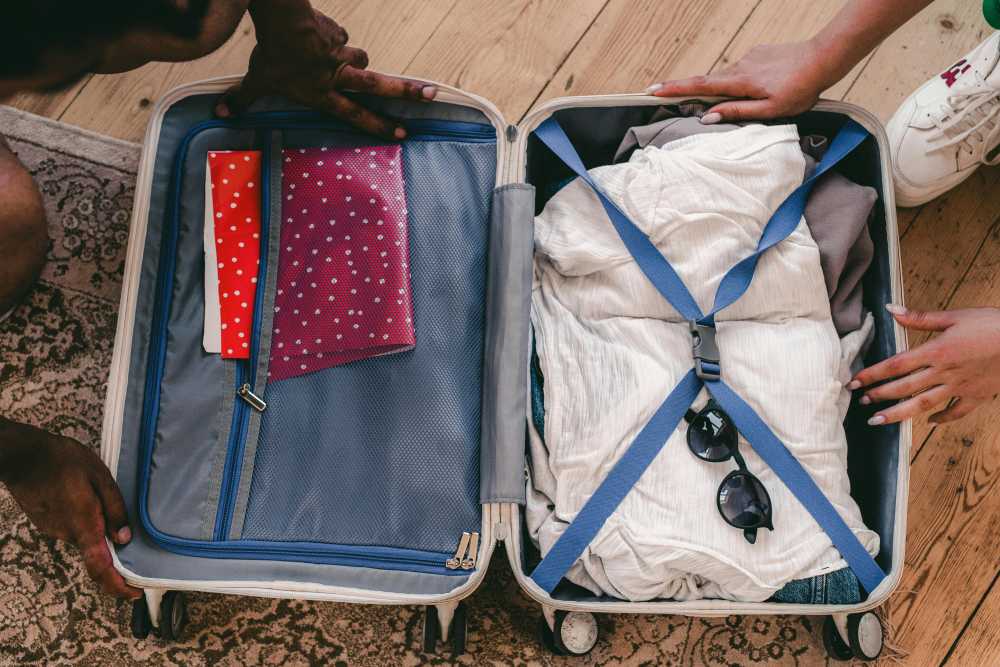
Staring at an empty suitcase can be overwhelming. This is not another generic article; this is your definitive, actionable solo travel packing list. It’s a methodical system designed to transform packing from a chore into an act of empowerment. We’ve built this checklist on a "Core + Modules" framework: a non-negotiable foundation of essentials, plus optional modules you can add for specific types of travel.
This tactical checklist is your "what." Before you dive into the specific items, we highly recommend reading our guide to to understand the minimalist systems and philosophy that make this list so powerful. Understanding the "why" will make packing the "what" intuitive and stress-free.
Your Core Essentials
Every trip, regardless of destination or duration, starts here. These are the non-negotiable items that form the base of any smart solo travel plan. Do not leave home without them.
Your Access to Everything
Your ability to move, transact, and prove your identity matters most. Build redundancy into your document strategy.
Passport/Visa: Check that your passport has at least six months of validity from your planned return date.
Digital & Physical Copies: Store a physical photocopy of your passport and driver's license in a separate bag from the originals. Keep high-quality photos of them in a secure cloud service (Google Drive, Dropbox) and in your email.
Travel Insurance Details: Carry a printed copy of your policy and save a PDF to your phone for offline access.
Multiple Bank Cards: Pack at least two different credit cards and one debit card. Store them in separate locations (e.g., one in your wallet, one in your daypack).
Emergency Cash: Hide $100-$200 USD deep within your main bag as a final safety net.
Bank Travel Notifications: Log into your banking apps and set a travel notice for your specific destinations and dates. This five-minute task prevents your accounts from being frozen for suspected fraud.
Your On-the-Go Wellness Kit
Stay healthy and comfortable on the road. The goal is a compact, leak-proof, and comprehensive kit.
Prescription Medications: Pack enough for your entire trip in their original, labeled containers. Bring a copy of the prescription itself.
Mini First-Aid Kit:
Pain relievers (Ibuprofen/Acetaminophen)
Assorted adhesive bandages
Antiseptic wipes
Blister treatment (e.g., Compeed)
Anti-diarrhea medication (e.g., Imodium)
Solid Toiletries: The ultimate packing hack. Eliminates liquid restrictions, prevents leaks, and lasts longer.
Solid shampoo bar
Solid conditioner bar
Solid soap bar
The Basics:
Toothbrush
Solid toothpaste tablets
Deodorant
Your Digital Lifeline
Your smartphone is your navigator, translator, and connection to the world. Keeping it powered is mission-critical.
Smartphone: Your all-in-one command center. Download offline maps for your destination.
Portable Power Bank: A non-negotiable safety item. Choose a 10,000mAh+ model from a reliable brand like Anker to guarantee 2-3 full phone charges. Keep it charged.
Universal Power Adapter: Invest in one high-quality universal adapter with multiple USB ports. This allows you to charge all your devices from a single outlet.
Noise-Canceling Headphones: Essential for focus and peace on loud flights, trains, or in shared hostel rooms.

Essential Solo Travel Safety Gear
This module proactively addresses the "what-if" scenarios, allowing you to explore with confidence and sleep soundly. The gear here is your first line of defense, but true confidence comes from preparation. For a complete guide to situational awareness and navigating new environments securely, our comprehensive article, Anxious to Adventurous: Solo Travel Tips for Confidence, is required reading.
For Your Accommodation
Portable Door Lock (e.g., Addalock): A small, lightweight device that braces your door from the inside, making it impossible to open even with a key.
Door Stop Alarm: A wedge that slides under your door. If opened, it physically blocks the door while emitting a piercingly loud alarm.
For When You're Out & About
Anti-Theft Daypack (e.g., Pacsafe, Travelon): Choose a crossbody bag or backpack with slash-proof straps, lockable zippers, and RFID-blocking pockets.
Personal Safety Alarm: A keychain device that emits an ear-splitting siren and flashing strobe light to attract attention and disorient an attacker.
RFID-Blocking Wallet: Protects your passport and credit cards from electronic "skimming."
The 5-4-3-2-1 Formula
Pack less and wear more with a strategic, versatile wardrobe built on mix-and-match essentials. Choose a neutral color palette (black, gray, navy) for core items.
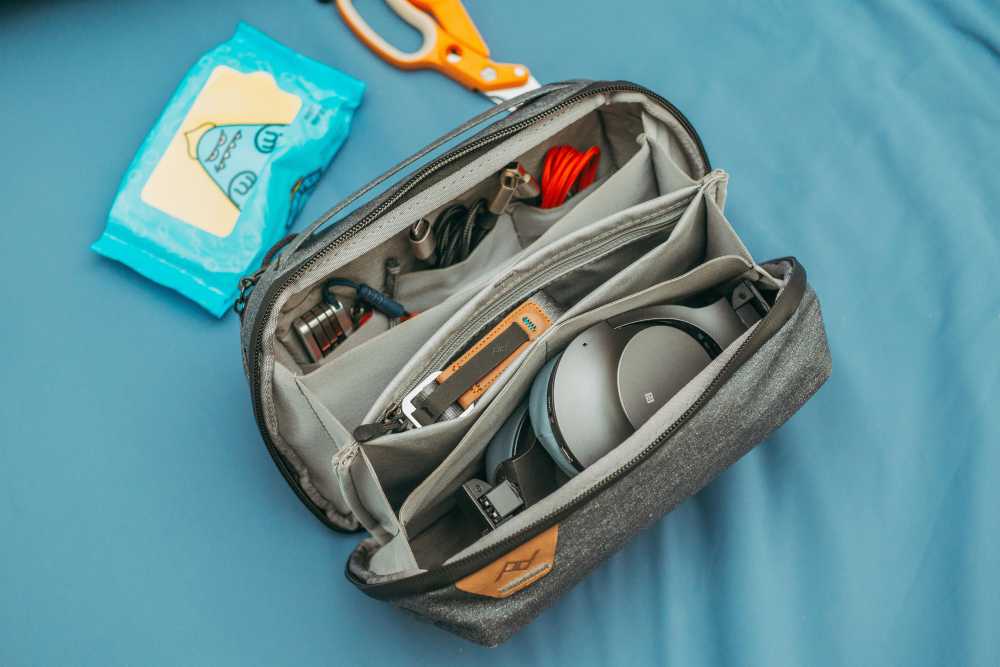
The 5-4-3-2-1 Formula (1-Week Framework)
5 Tops: Focus on wrinkle-resistant, odor-resistant fabrics. At least one should be merino wool—the ultimate travel fabric for temperature regulation and multi-day wear.
4 Bottoms: A typical mix includes one pair of comfortable travel pants, one pair of jeans or chinos, and one skirt or pair of shorts.
3 Accessories: A lightweight scarf or sarong is incredibly versatile (fashion, beach cover-up, towel, head covering).
2 Pairs of Shoes:
Pair 1: Supremely comfortable, broken-in walking shoes.
Pair 2: A versatile, slightly dressier option (flats, loafers, clean leather sneakers).
1 Jacket: A waterproof, windproof outer shell. Layer with a fleece or sweater for warmth as needed.
Climate Sub-Modules (Choose One)
Cold Climate Add-ons: One set of thermal base layers (top and bottom), a warm hat, gloves, and wool socks.
Tropical Climate Add-ons: A swimsuit, a quick-dry microfiber towel, a wide-brimmed sun hat, and sunglasses.
Digital Nomad's Checklist
This module is for anyone working on the road. It focuses on creating an efficient, ergonomic, and connected remote workstation.

Lightweight Laptop: An ultrabook (e.g., MacBook Air) offers the best balance of power and portability.
Portable Laptop Stand (e.g., Roost, Nexstand): The single best way to prevent neck and back pain.
Ergonomic Peripherals: A slim, portable keyboard (e.g., Logitech K380) and a portable mouse (e.g., Logitech MX Anywhere).
High-Quality Headphones with Mic: Essential for calls and focus in noisy environments.
eSIM: Use an app like Airalo to purchase and install a digital SIM card before you leave. Get connected the moment you land.
High-Capacity "PD" Power Bank: Ensure your power bank is "Power Delivery" rated and has enough capacity to charge your laptop, not just your phone.
What NOT to Pack
Knowing what to leave behind is as important as knowing what to bring.

Expensive or Sentimental Jewelry: Don't bring anything you would be devastated to lose.
Full-Sized Towel: Most accommodations provide them. If needed, a quick-dry travel towel is a superior option.
Multiple "Good" Outfits: Stick to versatile pieces that can be dressed up or down.
Physical Books: An e-reader provides an entire library at a fraction of the weight.
"Just in Case" Items: Unless you're traveling to a very remote location, you can buy most basic items at your destination.
Your Questions Answered
What should a solo female traveler add? Many add a versatile sarong (for modesty at religious sites), a silicone doorstop for extra security, and some opt for a fake wedding ring to deter unwanted attention.
How do I pack for a long-term trip in a carry-on? Commit to doing laundry. Pack one week's worth of clothing using the capsule method and plan to do laundry every 7-10 days.
What are the best shoes for solo travel? The ones you can walk in comfortably for 8+ hours. Never bring new, unbroken-in shoes on a trip.

By starting with the Core Essentials and adding modules tailored to your journey, you have now built the perfect solo travel packing list. This system eliminates guesswork, ensures you are prepared for your adventure, and empowers you to travel with the confidence of a pro.
Read the full guide: Anxious to Adventurous: The Ultimate Guide to Solo Travel Confidence
Don't Miss Out! Subscribe for Exclusive Content
SubscribeComments 0
No comments yet
Be the first to share your experience!
Dont Miss Out! Subscribe for Exclusive Content
Ultimate USA Holidays Guide: Top Picks
FTC Affiliate Disclosure Essentials: Stay Compliant as a Travel Creator
Essential Affiliate Tools: From Tracking to Full Optimization
Booking.com Affiliate Program Review: Pros, Cons, and Earnings Potential
Decoding Affiliate Commission Rates: Benchmarks for Travel Creators
Amazon Associates for Travel: Strategies to Maximize Commissions
How to Start Affiliate Marketing as a Travel Creator
TrekGuider @trekguider
You’ve built an audience that hangs on your every word. They trust your travel advice, save your destination guides, and flood your DMs asking for your gear recommendations. You have the passion and the platform, but there’s a frustrating disconnect: your content isn’t generating the income you need to make this a sustainable career. You see other creators seemingly living the dream, funding their travels through their content, and you’re left wondering, “What’s the missing piece?”

The missing piece isn’t a secret; it’s a business model. The global affiliate marketing industry is on a trajectory to surpass $93 billion, and the creator economy is right there with it. For travel creators, this intersection is the single greatest economic opportunity of our time. The average monthly income for affiliates in the travel niche is a reported $13,847—a figure that proves this isn't a side hustle; it's a serious enterprise. But from the outside, it can feel like a complex maze of networks, links, and legal jargon.
This is your way through the maze. This guide is your definitive, zero-to-launch roadmap to start affiliate marketing the right way. We’re cutting through the noise to give you a simple, actionable, step-by-step process for transforming your trusted recommendations into a powerful and predictable revenue stream. This is your blueprint for building a real business. For a complete command of the entire landscape, from program deep-dives to advanced conversion tactics, our comprehensive pillar guide to Travel Affiliate Programs: The 2026 Ultimate Guide is your essential next read.
Building Your Foundation (Before You Touch a Link)
Let’s address the single biggest mistake new creators make: they chase the links first. They see affiliate marketing as a task of finding products and sprinkling links across a page. This is backward. Elite affiliate marketing isn’t about selling; it’s the final, natural step in the process of serving an audience. Before you ever apply to a single program, you must build these three non-negotiable pillars.
Step 1: Define Your Niche (The Most Critical Decision You'll Make)
The travel market is a roaring ocean. Trying to be a general "travel creator" is like trying to boil that ocean. You’ll exhaust yourself and make no impact. Your first and most important task is to specialize. A well-defined niche allows you to become the undisputed expert for a specific group of people, building the kind of deep trust that makes monetization feel effortless.
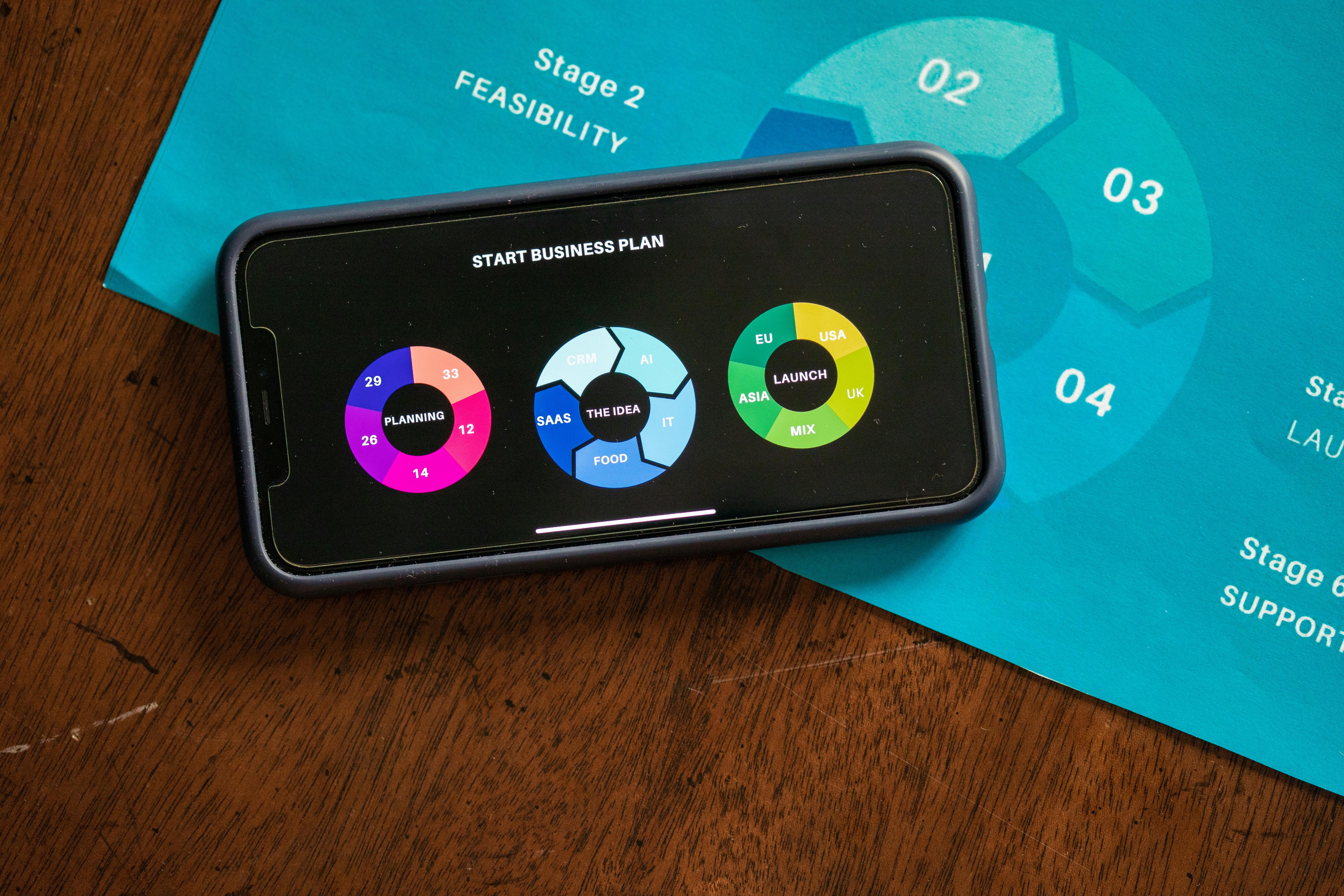
A powerful niche exists at the intersection of three circles:
Your Authentic Passion: What part of travel makes you come alive? Is it the grit of adventure travel, the elegance of luxury hotels, the history of ancient sites, or the thrill of finding the best street food? Your genuine enthusiasm is an un-fakeable asset.
Proven Audience Demand: Are people actively searching for information on this topic? Use free tools like Google Trends or simply type phrases into the Pinterest and TikTok search bars to see what queries autocomplete. That’s your demand signal.
Clear Monetization Potential: Are there high-quality products, services, or experiences within this niche that you can confidently recommend?
Don't be a "travel blogger." Be the go-to resource for:
Budget Family Road Trips in the American Southwest
Luxury Eco-Tourism & Conservation in Costa Rica
Solo Female Backpacking in Southeast Asia
Digital Nomad Life & Co-working in Eastern Europe
A sharp niche makes every subsequent step—from content creation to product selection—infinitely easier and more effective.
Step 2: Build Your Owned Platform (Your Digital Command Center)
Instagram, TikTok, YouTube—these are phenomenal tools for reaching people and building community. But they are rented land. An algorithm change can vaporize your reach overnight. Your single most important business asset is a platform you own and control: your website.
An owned website is your digital home base. It’s where you:
Exercise Full Control: You dictate the content, the user experience, and the monetization strategy.
Build a Long-Term Asset: A well-optimized article can rank on Google for years, becoming an evergreen asset that drives traffic and affiliate sales while you sleep.
Establish Unshakable Credibility: A professional website signals to your audience, brands, and affiliate managers that you are a serious business owner.
This is where you need a digital command center. While a traditional blog is a fine starting point, modern creator platforms are built to accelerate this process. On the TrekGuider Seller Platform, for instance, your articles, bio, social links, and digital products all live in one central hub—instantly establishing you as a multi-faceted expert, not just a blogger.
Step 3: Create a Library of Foundational, High-Value Content
Before you ask for the sale, you must first provide immense value. Affiliate managers are looking to partner with creators who have a proven ability to engage an audience. Your job is to build a small library of 5-10 "pillar" content pieces that are purely focused on helping your audience solve a problem.
This content should not have a single affiliate link. Its sole purpose is to build trust and showcase your expertise. Examples include:
"The Perfect 7-Day Itinerary for First-Timers in Rome"
"The Ultimate Packing List for a Safari in Tanzania"
"10 Costly Mistakes to Avoid When Planning a Trip to Japan"
By creating this content first, you build a portfolio that makes your affiliate applications irresistible. You’re not just another hopeful creator; you’re a valuable partner with a demonstrated track record.

The Launch Sequence (From Application to First Commission)
With your foundation poured and cured, it’s time to start framing the house. This is the launch sequence—the phase where you strategically integrate monetization and work toward that first, exhilarating commission.
Step 4: How to Start Affiliate Marketing Program Selection
The goal here is precision, not volume. Joining dozens of programs leads to overwhelm and inaction. Start by identifying and joining 3-5 core programs that are a perfect fit for your niche. The most resilient strategy is a hybrid one:
Join a Major Network: An affiliate network acts as a marketplace, giving you access to hundreds of brands through a single dashboard. A travel-specific network like Travelpayouts or a broad one like CJ Affiliate is the perfect place to start.
Partner Directly with Core Brands: Identify the handful of brands your audience already knows, uses, and trusts. If you focus on outdoor adventure, a direct partnership with REI is non-negotiable.
Pro-Tip: When evaluating programs, look beyond the commission percentage. A 30-day "cookie duration" (the window in which you get credit for a sale after a click) is far more valuable than a high commission with a 24-hour window, especially for considered purchases like travel.
Step 5: Get Your Unique Links and Weave Them In
Once approved, you’ll gain access to your affiliate dashboard. This is where you’ll find your unique tracking links. Now, revisit your foundational content and look for natural, organic opportunities to place them. The key is to be a helpful guide, not a pushy salesperson.
Contextual In-Text Links: "For our day trips, we booked everything through Viator, which had the best cancellation policies."
Visually Distinct Buttons & Boxes: Use eye-catching design elements for your most important recommendations to make them stand out.
Specific Calls-to-Action (CTAs): Ditch "Click Here." Use compelling, specific language like, "Check Prices & Availability on Booking.com" or "See the Latest Reviews on Tripadvisor."
Pro-Tip: Transparency is the foundation of trust. The U.S. Federal Trade Commission (FTC) legally requires you to disclose your affiliate relationships. Place a clear, simple disclosure at the very top of any post containing affiliate links. A simple, "This post contains affiliate links, which means I may earn a commission if you make a purchase at no extra cost to you," is perfect.

Scaling Your Success (The Path to a Full-Time Income)
Earning your first commission is a monumental milestone. It’s proof of concept. Now, it’s time to build a system for sustainable growth that can transform this into a reliable, full-time income stream.
Step 6: How to Start Affiliate Marketing Traffic Generation
Great content with affiliate links is useless without eyeballs. Your affiliate business lives and dies by its ability to attract the right audience. Focus your energy on two primary channels:
Search Engine Optimization (SEO): This is your long-term wealth-building strategy. Focus your SEO efforts on keywords with commercial investigation intent. These are the phrases people use when they are actively researching a purchase. Think "best carry-on luggage for Europe," "Viator vs. GetYourGuide," or "SafetyWing insurance review." Ranking for these terms attracts an audience that is already primed to buy.
Social Media & Email Promotion: This is your short-term traffic-driving strategy. Every time you publish a new monetized article, promote it across your social channels and to your email list to get an immediate influx of engaged readers.
Step 7: Analyze, Optimize, and Scale
You cannot improve what you do not measure. Your affiliate dashboards are a goldmine of data. Every month, review your analytics and ask:
Which articles are driving the most clicks and commissions?
Which products are resonating most with my audience?
What questions are people asking that I can answer with a new piece of content?
Use this data to double down on what’s working. If your review of a specific hiking boot is generating consistent sales, create a comprehensive guide to "The Best Hiking Gear for the Pacific Crest Trail." This data-driven approach is what separates amateurs from professional affiliate marketers.
Frequently Asked Questions for New Creators
1. How much does it cost to start affiliate marketing? The startup costs are incredibly low. You can start a professional website with a domain name and hosting for less than $100 a year. The primary investment is your time in creating high-quality content.
2. How long does it take to start making money? This depends on your niche and your ability to create helpful content and drive traffic. It's realistic to expect to earn your first commission within 3-6 months if you are consistent. Think of the first six months as building the foundation of a business that will pay you for years to come.
3. Can I do affiliate marketing without a blog or website? While you can share links on social media or in a newsletter, it's highly discouraged as a primary strategy. A website is an asset you own. It builds credibility, allows for long-form content that ranks on Google, and insulates you from the risk of being de-platformed.
Ready to Build Your Travel Content Business?
Download our free resource bundle, The Travel Creator's Toolkit, is packed with the checklists, content templates, and guides you need to put these steps into action and start building your affiliate income today.
Your Business Blueprint is Set
To start affiliate marketing is to start a real business. By following this framework—building a solid foundation, launching with precision, and scaling with data—you have the exact blueprint for success. You are no longer just a creator sharing your passion; you are the CEO of a modern media company.
The path is clear. The opportunity is immense. Your journey from passionate traveler to profitable creator starts now.
Read the full guide: The Travel Blogger's Playbook to Affiliate Marketing Mastery
Don't Miss Out! Subscribe for Exclusive Content
SubscribeComments 0
No comments yet
Be the first to share your experience!
Dont Miss Out! Subscribe for Exclusive Content
FTC Affiliate Disclosure Essentials: Stay Compliant as a Travel Creator
Essential Affiliate Tools: From Tracking to Full Optimization

Avoid These 5 Affiliate Landing Page Mistakes for Better Conversions

Affiliate Keyword Research Mastery for Travel Blogs
Booking.com Affiliate Program Review: Pros, Cons, and Earnings Potential