
Chinese New Year SF: Parade Essentials

TrekGuider @trekguider
You can feel it before you see it. The low, resonant thump-thump-thump of the drums echoing off the buildings. The scent of roasted chestnuts and sizzling dumplings hanging in the cool February air. This is the magic of Chinese New Year in San Francisco, a tradition that has pulsed through the city’s veins since the Gold Rush. You’re here to witness the largest Lunar New Year celebration outside of Asia, but a thread of anxiety cuts through the excitement. How do you possibly navigate a crowd of half a million people? Where are the secret spots to actually see the famous 268-foot Golden Dragon?
The fear of missing out is real. You imagine being swallowed by the crowd, your view completely blocked, the vibrant floats and lion dancers reduced to a muffled soundtrack. A once-in-a-lifetime cultural immersion could easily devolve into a stressful, shoulder-to-shoulder shuffle. Without a game plan, you risk leaving with nothing but blurry photos and a sense of frustration.
This is your game plan. Forget the chaos and embrace the spectacle. This guide is your all-access pass, a step-by-step blueprint for conquering the parade like a seasoned local. We’ll give you the insider tips on securing the best viewing spots, a deep dive into the must-see moments, and the cultural context that brings it all to life. You’re about to experience the Chinese New Year San Francisco festival not as a tourist, but as an expert. This incredible event is at the heart of the city's cultural calendar, a vibrant highlight we proudly feature in our broader guide to San Francisco Holidays: Bay Area Buzz.

Understanding the Celebration: More Than Just a Parade
The Chinese New Year, also known as the Lunar New Year or Spring Festival, is the most important holiday in Chinese culture and for many other Asian communities worldwide. It marks the beginning of a new year on the traditional lunisolar calendar—a time for sweeping away the old, honoring ancestors, and gathering with family for lavish feasts.
Each year is associated with one of the twelve animals of the Chinese zodiac. The 2026 celebration, which officially begins on late January or February (the date follows the lunar calendar), will usher in the Year of the Snake—an animal symbolizing wisdom, intuition, and grace.
San Francisco’s celebration is steeped in history. First held in 1851, it has grown from a local community event into the oldest and largest festival of its kind outside of Asia, a powerful proof of the city’s deep-rooted Chinese-American heritage. While the parade is the dazzling finale, the festival is a multi-week affair with several key components you won't want to miss:
The Flower Market Fair: A bustling, fragrant market where families purchase fresh flowers and auspicious plants like orchids and peach blossoms to welcome good fortune into their homes.
The Community Street Fair: A vibrant, weekend-long street party that transforms Chinatown with traditional music, dance performances, artisan vendors, and an incredible array of festival foods.
The Grand Parade: The spectacular culmination of the festivities, featuring stunning floats, complex costumes, acrobatic lion dancers, and the legendary Golden Dragon.
The Main Event: Conquering the Chinese New Year San Francisco Parade
The Southwest Airlines Chinese New Year Parade is an unforgettable spectacle, renowned for being one of the few night-illuminated parades in North America. Its dazzling floats and vibrant performers don't just march; they light up the city streets, creating a truly magical atmosphere that has to be seen to be believed.
Mark Your Calendar: 2026 Parade Date and Time
To ensure you don’t miss a single moment of the magic, lock these details into your calendar now:
Date: Saturday, around mid-February (dates shift each year)
Start Time: 5:15 PM
The parade typically lasts for about two and a half hours, winding its way through the heart of the city as darkness falls, which allows the thousands of lights on the floats and costumes to shine their brightest.
The Parade Route: Where to Be and When
While the Chinese Chamber of Commerce confirms the final route closer to the date, it traditionally follows a path designed for maximum spectacle. The parade kicks off at the intersection of Second and Market Streets, proceeds up Market, turns onto Geary Street through Union Square, continues onto Powell Street, then Post Street, and finally enters Chinatown at Kearny Street before concluding near Columbus Avenue.
Choosing your spot is a strategic decision. Here’s the breakdown:
The Start (Market Street): This area is often slightly less congested than Union Square. It’s a great option if you want to see the performers and floats when they are fresh and full of energy.
The Middle (Union Square): This is the epicenter of the action, with massive crowds and an electric atmosphere. The wide streets provide good sightlines, but you must arrive exceptionally early to claim a spot.
The End (Chinatown & North Beach): As the parade passes through the iconic Dragon Gate on Grant Avenue (via Kearny), the energy is palpable. The narrower streets create an intimate, immersive experience, but this also makes it one of the most densely packed areas.

7 Essential Tips for Securing the Perfect Viewing Spot
Arrive Early. No, Earlier. This cannot be overstated. For a prime curbside spot along Geary or Powell, you need to be there hours in advance. Seasoned locals often lay down their blankets by 2:00 PM or even earlier.
Invest in Bleacher Seats. If you want a guaranteed, comfortable, and unobstructed view without a multi-hour wait, purchasing tickets for the bleacher seats is the smartest move you can make. Tickets are sold through the official parade website and are worth every penny for a stress-free experience, especially with family.
Scout the Corners. Intersections where the parade makes a turn—like from Geary onto Powell or Powell onto Post—are strategic goldmines. You get to see the floats approach from one direction and then watch them turn, effectively doubling your viewing time.
Pack for a Marathon, Not a Sprint. You’re in for the long haul. Bring a lightweight folding chair or a thick blanket. Pack snacks and water, but be courteous to your neighbors. This is a communal experience.
Think Vertically. Any slight elevation is an advantage. Look for spots on a small incline or the steps of a building. Some hotels and restaurants along the route host viewing parties, though these are premium, ticketed events.
The Post Street Gambit. The section along Post Street, between Powell and Kearny, is often slightly less chaotic than Union Square proper. It’s a solid choice for those arriving a little later but still hoping for a decent view before the parade plunges into the heart of Chinatown.
Public Transit is Your Only Friend. Do not even think about driving. Road closures begin in the afternoon, and parking is a nightmare of nonexistent spaces and astronomical fees. Use BART or MUNI to get downtown and walk the final blocks.
Pro-Tip: For a less overwhelming experience with kids, consider watching the parade formation near the starting point on Second Street. You'll see the floats and performers up close as they line up, offering a fascinating behind-the-scenes look before the main event's intensity kicks in.

What to Watch For: The Spectacle of the Night Parade
The parade is a rich mix of culture, artistry, and tradition. Knowing what to look for will transform your experience from passive viewing to active appreciation.
The Legendary Golden Dragon (Gum Lung)
The grand finale and undisputed star of the show is the Golden Dragon, or "Gum Lung." This is no ordinary parade float. It's a magnificent, 268-foot-long masterpiece that requires a team of over 100 puppeteers from the Leung's White Crane martial arts association to carry it through the streets. In Chinese culture, the dragon is a benevolent symbol of power, good luck, and prosperity. Watching it weave and dance, illuminated against the night sky, is a core San Francisco memory in the making.

Dazzling Floats and Acrobatic Lion Dancers
This is where the "night-illuminated" aspect truly shines. The floats are breathtaking works of art, depicting scenes from Chinese folklore, the year's zodiac animal, and cultural landmarks, all glowing with thousands of lights. Interspersed between them are the high-energy lion dance troupes. Accompanied by the powerful rhythm of drums, gongs, and cymbals, the lion dancers perform acrobatic feats to scare away evil spirits and usher in a year of good fortune.
A Modern Twist: The Drone Light Show
In a perfect blend of ancient tradition and modern innovation, the parade has incorporated a stunning drone light show. Hundreds of synchronized drones ascend into the night sky, forming complex, glowing patterns—from zodiac animals to Chinese characters—in a display that is uniquely San Franciscan.
Beyond the Parade: Immersing Yourself in the Festivities
To truly capture the spirit of the holiday, you must venture beyond the parade route. The real cultural immersion happens in the days leading up to the main event.
The Chinatown Flower Market Fair
Held on the weekend before the parade, the Flower Market Fair is a sensory explosion. The streets of Chinatown are closed to traffic and filled with vendors selling beautiful flowers, lucky plants, and traditional New Year decorations. It’s a cultural tradition to decorate the home with fresh blooms to symbolize rebirth and new growth. Look for these auspicious items:
Orchids: Symbolizing fertility and abundance.
Tangerines with leaves intact: Representing secure relationships and wealth.
Peach blossoms: Considered sacred and symbolizing romance and prosperity.

The Chinatown Community Street Fair
Taking place on parade weekend, the Community Street Fair is a massive block party that showcases the best of Chinese culture. You’ll find everything from traditional calligraphy and lantern-making demonstrations to folk dance performances and Chinese opera. It’s a fantastic opportunity to shop for unique souvenirs and, most importantly, to sample authentic festival food.
The Symbolism of the Food
Food is the heart of the Lunar New Year celebration, with many dishes carrying symbolic meanings for a prosperous year. As you explore the street fair or local bakeries, be sure to try:
Long Noodles (Chángshòu Miàn): Eaten uncut, these noodles represent a long and happy life.
Dumplings (Jiǎozi): Shaped like ancient Chinese gold ingots, they symbolize wealth.
Rice Cakes (Niángāo): The name is a homophone for "higher year," signifying progress and improvement in the coming year.
Oranges and Tangerines: Their round shape and golden color symbolize fullness and wealth.

Practical Logistics for a Flawless Experience
A little bit of planning will make all the difference between a stressful outing and a cherished memory.
Getting There: Transportation and Parking
Let's be clear: public transportation is your only sane option.
BART (Bay Area Rapid Transit): The Powell Street and Montgomery Street stations will deposit you right on the Market Street parade route.
MUNI Metro & Buses: Numerous lines serve the downtown area. Check the SFMTA website for parade-day reroutes and schedule changes, which are inevitable.
Rideshare (Uber/Lyft): Expect heavy surge pricing and significant delays due to road closures. A better strategy is to be dropped off several blocks away and enjoy the walk in.
What to Wear and What to Pack
San Francisco weather is notoriously unpredictable. A beautiful sunny afternoon can become a bone-chillingly cold night in an instant.
Dress in Layers: A t-shirt, a fleece or hoodie, and a windproof jacket are your best friends. You’ll be grateful for the options as the temperature drops after sunset.
Comfortable Shoes: This is non-negotiable. You will be standing for hours and walking far more than you expect.
Essential Pack List:
A full water bottle.
Snacks to keep your energy levels high.
A portable phone charger (your battery will drain faster than you think).
A small, secure backpack.
For those traveling from abroad to witness this incredible event, ensuring your documents and plans are in order is crucial. Our International Travel Checklist is an indispensable resource for organizing your packing, paperwork, and preparations for a major cultural festival like this.
Safety and Crowd Management
With hundreds of thousands of spectators, situational awareness is key.
Stay Alert: Keep your valuables, like your phone and wallet, in a secure front pocket or a zipped bag worn on your front.
Use the Buddy System: Stick with your group. It is incredibly easy to get separated in the dense crowds.
Establish a Meeting Point: Before the parade starts, agree on a specific, easy-to-find meeting spot away from the main route in case you get separated. Cell service can be spotty in such large crowds.
Your Ultimate Chinese New Year Experience Awaits
You are now armed with the insider knowledge to experience the magic of the Chinese New Year San Francisco celebration to its absolute fullest. From understanding the cultural significance of the Year of the Snake to securing the perfect spot to watch the 268-foot Golden Dragon dance through the illuminated streets, you are ready to move beyond being a mere spectator. You are prepared to become an active participant in one of the world’s most vibrant and historic cultural traditions. Embrace the energy, savor the flavors, and welcome a year of prosperity and good fortune.
This deep dive into a single, spectacular event is just a glimpse of the expert planning we offer. To master your entire U.S. trip, from San Francisco's iconic festivals to the majestic national parks and bustling cityscapes across the country, our comprehensive Travel Guide provides the ultimate roadmap for your adventure.
Meta Data Suggestions:
SEO Meta Title: Chinese New Year San Francisco: Parade Guide & Tips (2026)
URL Slug: chinese-new-year-san-francisco-parade
SEO Meta Description: Your ultimate guide to the 2026 Chinese New Year San Francisco parade. Get expert tips on viewing spots, times, traditions, and how to navigate the crowds.
Don't Miss Out! Subscribe for Exclusive Content
Subscribe



Comments 0
No comments yet
Be the first to share your experience!
Dont Miss Out! Subscribe for Exclusive Content

San Francisco Cherry Blossoms: A Local's Guide to the Blooms


Halloween SF: Haunts Without Horrors

SF Festivals: 7 Must-See Lineups

Christmas SF: Lights & Wharf Wonders

SF Pride: 6 Route & Party Hacks

San Francisco Holidays: Bay Area Buzz
15 Travel Blog Niche Ideas with Low Competition
TrekGuider @trekguider
You have a burning passion for travel and a library of stories to tell. The idea of starting a travel blog feels like a natural calling—a potential path to a life with more freedom, adventure, and purpose. But a single, paralyzing question stops you cold: What could I possibly write about that hasn't already been said a thousand times?
Let’s be clear: this fear of competition is not just justified; it's rational. In a creator economy projected to swell from $250 billion to nearly $500 billion by 2027, the digital world is a deafening roar of content. Simply launching a generic "travel blog" today is a recipe for failure, a surefire way to get lost in the noise and join the ranks of abandoned passion projects. You're stuck in a state of "pre-beginner paralysis," putting your dream on hold because you don't have a unique angle.
This guide is your map out of that paralysis. We are going to solve this problem by providing a curated list of 15 low-competition travel blog niche ideas designed to help you stand out and build a dedicated audience from day one. This isn't just a brainstorming list; it's a strategic blueprint for choosing a profitable corner of the travel world you can definitively own. This is the critical first step in building a real business, a foundational move on the path we map out in our ultimate guide to How to Make Money Online: A Creator's Guide for 2026.

Why a Niche Isn't Optional—It's Your Only Strategy
The hard truth of the modern creator economy is that the rewards are not evenly distributed. Our research reveals a stark power-law curve where a tiny fraction of creators captures the vast majority of the revenue. Only about 4% of global creators earn an income exceeding $100,000 per year. These top earners aren't just lucky; they are strategic. They operate as "Creator CEOs," and they understand that the only way to succeed in a crowded market is to be a big fish in a small pond.
Specificity is your single greatest real advantage. By choosing a well-defined niche, you:
Face Less Competition: Instead of competing with giants on broad terms like "Italy travel," you can become the go-to authority for a specific topic, like "accessible travel in the Italian countryside."
Build Authority Faster: It's exponentially easier to be seen as an expert on a narrow subject. This focus allows you to create truly in-depth, valuable content that establishes unshakable trust and credibility.
Attract a Dedicated Audience: A niche blog speaks directly to the needs and passions of a specific group of people, creating a loyal community that is far more engaged—and valuable—than any general audience.
Monetize More Effectively: A targeted audience is a goldmine for advertisers and affiliate partners. Brands will pay a premium to reach a highly engaged, niche demographic that they know is interested in their products.
In 2026, "niching down" isn't a suggestion; it's the foundational business decision that separates thriving creator enterprises from struggling hobbies.

15 Low-Competition Travel Blog Niche Ideas for 2026
This list is designed to spark your imagination and highlight underserved corners of the travel market. As you read, think not just about the topic, but about the specific person you would be serving and the clear monetization paths available.
1. Eco-Friendly & Sustainable Travel
Focus on low-impact tourism, conservation-focused experiences, eco-certified resorts, and ethical travel practices.
Target Audience: Environmentally conscious travelers, from millennials to families, who want their tourism dollars to make a positive impact.
Monetization: Affiliate partnerships with sustainable travel companies, eco-lodges, green-certified gear brands (like Patagonia), and carbon offsetting programs.
2. Remote Work & "Workation" Travel
Become the ultimate resource for the growing army of digital nomads and remote workers. Create guides on finding accommodations with reliable WiFi, the best co-working spaces, and navigating complex visa requirements.
Target Audience: Remote workers, digital nomads, and companies with flexible work policies.
Monetization: Affiliate links for long-term stay platforms (like Agoda or Vrbo), travel insurance for nomads (like SafetyWing), and essential productivity gear.
3. Wellness & Mindfulness Retreats
Center your content around yoga retreats, meditation centers, silent retreats, and health-focused travel experiences.
Target Audience: Individuals seeking rejuvenation, stress relief, and personal growth through travel.
Monetization: High-commission affiliate programs for retreat centers and wellness brands, or selling your own digital products like guided meditation audio tracks.
4. Culinary Tourism (Hyper-Niche)
Don't just be a "food travel" blog. Go deeper. Focus on a specific cuisine (e.g., "Exploring the Regional Cuisines of Southern Italy"), a specific dish (e.g., "The Global Search for the Perfect Ramen"), or a dietary need (e.g., "Gluten-Free Travel in Southeast Asia").
Target Audience: Foodies with specific interests or dietary restrictions who plan their trips around eating.
Monetization: Affiliate links for cooking classes and food tours (like Take Walks or GetYourGuide), and selling your own niche digital cookbooks.
5. Film & TV Location Tourism
Create detailed guides to visiting the real-life filming locations of popular movies and TV shows. Think "A Game of Thrones Fan's Guide to Croatia" or "A Harry Potter Fan's Guide to the UK."
Target Audience: Passionate fans of specific franchises who want to step into the world of their favorite stories.
Monetization: Affiliate links for themed tours, local hotels in filming locations, and official merchandise.

6. Traveling with Pets
Provide practical, in-depth advice on pet-friendly accommodations, airline policies, required documentation, and activities for traveling with dogs or other animals.
Target Audience: Dedicated pet owners who refuse to leave their furry family members behind.
Monetization: Affiliate programs for pet-friendly hotel chains (like Kimpton), pet travel gear, and specialized pet insurance.
7. Off-the-Beaten-Path Destinations
Focus exclusively on underrated cities, remote regions, and hidden gems that are not yet mainstream tourist attractions. Become the expert on places most other bloggers ignore.
Target Audience: Adventurous, independent travelers looking to escape the crowds and discover unique, authentic places.
Monetization: Affiliate links for boutique hotels and local tour operators in these lesser-known areas, who often offer higher commission rates.
8. Multi-Generational Family Travel
Tailor your content to the unique challenges and joys of planning trips for large family groups that include children, parents, and grandparents.
Target Audience: The family "planners" (often moms or grandmas) organizing large group vacations.
Monetization: Affiliate partnerships with villa rentals, all-inclusive resorts, cruise lines, and tour companies that offer family-friendly packages.
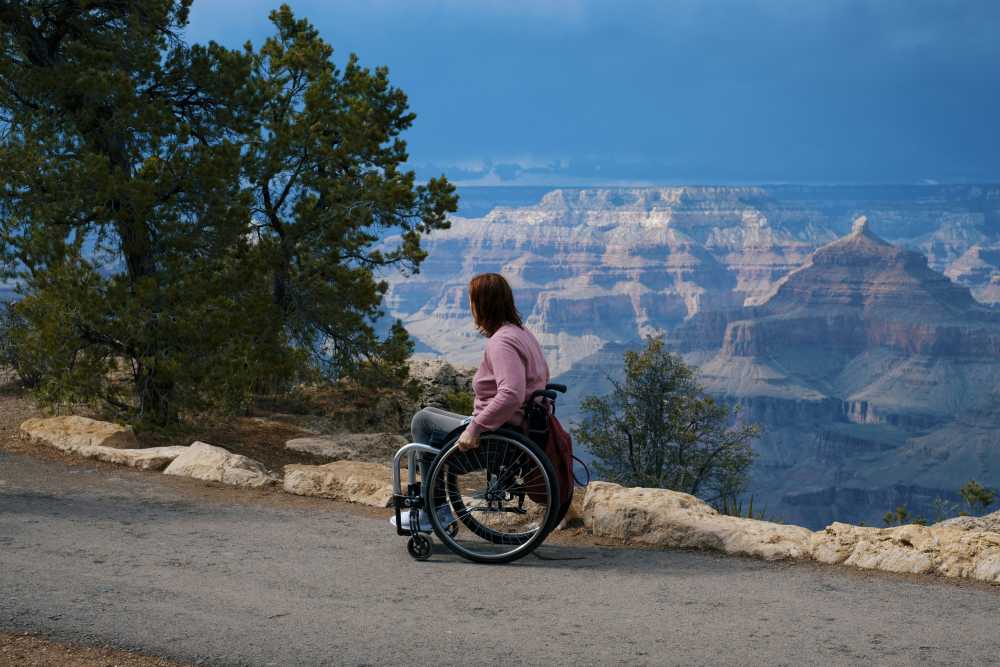
9. Accessible Travel
Create invaluable guides and resources for travelers with disabilities, focusing on wheelchair-accessible hotels, attractions, transportation, and tours.
Target Audience: A critically underserved market of travelers with mobility challenges and their families.
Monetization: Building direct affiliate partnerships with specialized travel agencies, accessible accommodation providers, and mobility equipment rental companies.
10. Seasonal & Event-Driven Travel
Center your blog around traveling for specific annual events. This could be major cultural festivals (Oktoberfest, Dia de los Muertos), sporting events (Olympics, World Cup), or natural phenomena (cherry blossoms in Japan, Northern Lights).
Target Audience: Enthusiasts and fans traveling for a specific, time-sensitive purpose.
Monetization: Affiliate income from event tickets, flights, and hotels, which are often booked far in advance at premium prices.

11. Expat & Moving Abroad Guides
Focus on the complex logistical aspects of moving to another country, including navigating visas, setting up bank accounts, finding housing, and integrating into a new culture.
Target Audience: Individuals and families planning to relocate for work, study, or retirement.
Monetization: Affiliate programs for international moving companies, language learning software (like Babbel), and specialized visa services.
12. Adventure Travel for Beginners
Demystify adventure activities for newcomers. Create content that breaks down how to get started in hiking, scuba diving, rock climbing, or kayaking in a way that is accessible and not intimidating.
Target Audience: Individuals who are curious about adventure travel but don't know where to start and feel overwhelmed.
Monetization: Affiliate links for beginner-friendly tours, introductory courses, and entry-level gear from trusted brands like REI.
13. Historical & Archaeological Travel
Create deep dives into historical sites, ancient ruins, and archaeological tours. Go beyond the surface-level facts and explore the compelling stories behind the world's most significant historical locations.
Target Audience: History buffs, lifelong learners, and travelers who crave intellectual depth in their journeys.
Monetization: Affiliate partnerships with expert-led tour companies and selling your own in-depth historical Travel Guide—a perfect product to list on a specialized marketplace like TrekGuider where travelers are actively searching for expert knowledge.
14. Volunteer & "Travel for a Cause" Tourism
Focus on the world of ethical volunteering opportunities, social impact tours, and ways to support local communities while traveling.
Target Audience: Socially conscious travelers, students, and gap-year participants looking for meaningful, purpose-driven experiences.
Monetization: Partnering directly with vetted non-profit organizations and ethical tour operators.
15. The Micro-Destination Blog
Instead of covering the world, become the single greatest expert on one specific city, region, or small country. Aim to be the undisputed authority on "Everything You Need to Know About Visiting Malta" or "The Ultimate Guide to Portland, Oregon."
Target Audience: Anyone and everyone planning a trip to that one specific destination.
Monetization: Dominate the local market by building direct affiliate partnerships with every relevant hotel, restaurant, and tour operator in that one area.
Brainstorming Your Next Move: From Niche to Product
Feeling inspired? The logical next step after choosing a powerful niche is to brainstorm a digital product that perfectly serves that specific audience. Creating your own asset is the fastest path to profitability. Our free Digital Product Ideas Guide is the perfect tool to help you move from idea to income.
From Inspiration to Viability: The 5-Step Validation Gauntlet for your travel blog niche ideas
Having a great idea is only the first step. Before you invest hundreds of hours into a new blog, you must run your chosen niche through a rigorous validation process. A validated niche has proven audience demand and proven income potential. Use this five-step checklist.
Map the Keyword Landscape: This is your data-driven reality check. Use an SEO tool to analyze search volume. You're not looking for massive, competitive terms. Instead, you're hunting for a healthy ecosystem of "long-tail" keywords (phrases of 3+ words) with lower competition. A high volume of specific questions indicates a hungry and engaged audience.
Reverse-Engineer the Revenue: Competition is validation. Find 3-5 established creators in your potential niche and become a student of their business. Your goal isn’t to analyze their content, but their monetization. Are they running premium ads? Do they have a strong affiliate strategy? Crucially, are they selling their own digital products? If you can clearly see multiple paths to profitability, it validates the niche’s commercial viability.
Listen in on the Community: Go where your target audience gathers online. Search for relevant subreddits (like r/digitalnomad or r/solotravel), dive into niche Facebook Groups, and explore online forums. Pay close attention to the questions people are asking, the problems they are facing, and the recommendations they are seeking. A constant stream of discussion is a powerful sign of a passionate audience.
Confirm Affiliate Availability: This is a straightforward way to test income potential. Search major affiliate networks like CJ Affiliate and ShareASale for brands and products related to your niche. The existence of multiple, high-quality affiliate programs proves that companies are actively spending money to reach customers in that market.
Check the Trend Lines: Use Google Trends to analyze the long-term interest in your niche topic. Is interest stable or growing over time, or is it a declining fad? A niche with sustained or increasing interest over the past five years is a much safer business to build than a topic that saw a brief, fleeting spike in popularity.
Pro-Tip: True validation comes from the intersection of these methods. A niche is a "go" when you find clear evidence of both Audience Interest (from keyword research and social listening) and Commercial Intent (from competitor analysis and affiliate program availability). Don't proceed until you have both.
Frequently Asked Questions (FAQ)
1. Is it okay if other blogs already exist in my chosen niche?
Yes, it's more than okay—it's a good sign! A complete lack of competitors could be a red flag that there is no audience or market for the topic. The presence of a few successful blogs proves that a market exists and that there are viable ways to make money. Your goal isn't to be the first, but to be better, more specific, or to offer a unique perspective.
2. How narrow is too narrow for a travel blog niche?
A niche is too narrow only if there isn't a passionate audience or a clear path to monetization. A blog exclusively about "left-handed rock climbing in northern Chile" might be too specific. A blog about "adventure travel for beginners," however, is a fantastic niche. Use the validation steps above; if you can't find search volume, online communities, or relevant products to promote, you may need to broaden your focus slightly.
3. Do I have to be a world-class expert to start a niche blog?
You don't need to be the world's foremost authority, but you do need to be more knowledgeable than your target reader and intensely curious to learn more. The best niche blogs are often written by "expert learners" who document their journey of mastering a topic, bringing their audience along for the ride. Authenticity and a commitment to providing genuine value are more important than having all the answers from day one.
Your Journey Starts with a Single, Smart Choice
The dream of a successful travel blog is more attainable today than ever before, but only for those who approach it as a business from the very beginning. The days of the generic travelogue are over. Your path to a profitable and sustainable creator business begins with a single, crucial decision: your niche.
You now have a list of promising, low-competition travel blog niche ideas and a proven framework for validating your own. Don't let indecision be the roadblock that keeps you from starting. Use this guide to analyze your passions, research the market, and choose a corner of the travel world you can enthusiastically own. This focused approach is the key to getting noticed, building a loyal audience, and turning your passion for travel into a thriving enterprise.

Meta Data Suggestions
SEO Meta Title (58 characters):
15 Low-Competition Travel Blog Niche Ideas for 2026
URL Slug:
/travel-blog-niche-ideas
SEO Meta Description (154 characters):
Stuck on what to blog about? Discover 15 low-competition travel blog niche ideas to help you stand out, attract a loyal audience, and build a profitable blog.
Read the full guide: The Travel Blog Business Plan: How to Make Real Money in 2026
Don't Miss Out! Subscribe for Exclusive Content
SubscribeComments 0
No comments yet
Be the first to share your experience!
Dont Miss Out! Subscribe for Exclusive Content

Ultimate USA Holidays Guide: Top Picks

FTC Affiliate Disclosure Essentials: Stay Compliant as a Travel Creator

Essential Affiliate Tools: From Tracking to Full Optimization

Avoid These 5 Affiliate Landing Page Mistakes for Better Conversions

Affiliate Keyword Research Mastery for Travel Blogs

Booking.com Affiliate Program Review: Pros, Cons, and Earnings Potential
Solo Travel Europe Without Going Broke: A Realist's Guide
TrekGuider @trekguider
Does the dream of a solo trip through Europe—wandering Rome’s ancient streets, finding the perfect café in Lisbon, or watching the sunset over the Danube in Budapest—feel just out of reach because of one major hurdle? The cost. For years, the myth has persisted that a European adventure requires a massive savings account. You've seen the glamorous photos, but you’re agitated by the nagging fear that traveling alone means paying double for everything and draining your bank account.

Let's put that fear to rest. The fantastic news is that this financial barrier is crumbling. The travel industry is finally waking up to the power of the solo traveler, and a smarter, more affordable way to explore the continent has emerged. This guide is your complete playbook for an incredible solo travel Europe adventure on a budget. We'll show you how to leverage Europe’s incredible network of hostels and trains, not as a sacrifice, but as a real advantage for a richer journey. These are the essential that transform financial anxiety into confident exploration.
The First, Most Important Decision: Mastering Europe's Budget Map
The single most powerful decision you will make for your budget happens before you book a single hostel or train ticket: choosing where to go. The secret to affordable solo travel Europe is understanding that the continent has two distinct economic personalities. Your first strategic move is to divide your map into two zones: the pricier West and North, and the wonderfully affordable East and South.
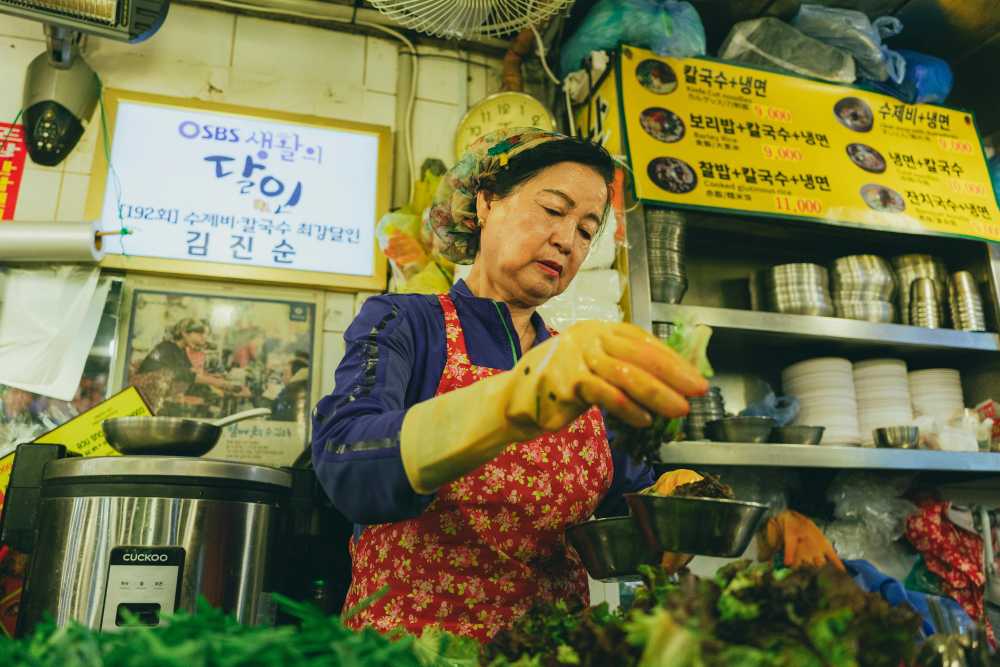
This isn’t about sacrificing iconic experiences; it’s about being smart. A daily backpacker budget in Western Europe (think France, the UK, Switzerland) can easily run you $75-$125. That same travel style in Eastern Europe (Hungary, Poland, Czech Republic) will cost closer to $40-$70. To put it bluntly: a single dinner in Zurich can cost more than your entire day’s budget in Krakow.
Your Budget-Friendly Hubs (East & South): These regions are your financial superpower. They offer world-class history and vibrant culture at a fraction of the cost. Prioritize cities like:
Budapest, Hungary: Famous for its stunning architecture and thermal baths.
Krakow, Poland: A historical gem with a lively, youthful energy.
Prague, Czech Republic: A fairytale city of spires and bridges.
Lisbon, Portugal: Coastal charm, fantastic food, and a laid-back vibe.
Seville, Spain: The heart of Andalusia, with passionate culture and sunny plazas.
Athens, Greece: The cradle of Western civilization, with ancient wonders at every turn.
The Splurge-Worthy Destinations (West & North): This doesn't mean you have to skip London, Paris, or Amsterdam. It just means you visit them strategically.
Pro-Tip: Embrace the "Hybrid Trip" Strategy. Don't think in terms of "either/or." Plan to spend the bulk of your trip—say, two weeks—exploring the more affordable regions. This allows you to "bank" significant savings, which you can then deploy for a shorter, more focused four or five-day splurge in a bucket-list city like Paris without breaking the bank.
Forging Your Financial Compass
A budget isn’t a restriction; it’s a tool of empowerment. It’s what allows you to travel without financial stress. Instead of a single magic number, let's break down the costs so you can build a personalized plan.
Deconstructing the Daily Costs: Where Does the Money Go?
Forget generic advice. Your daily budget is a deeply personal number that hinges on your travel style. To give you a real-world compass, we’ve broken down the three most common approaches we see on the road:
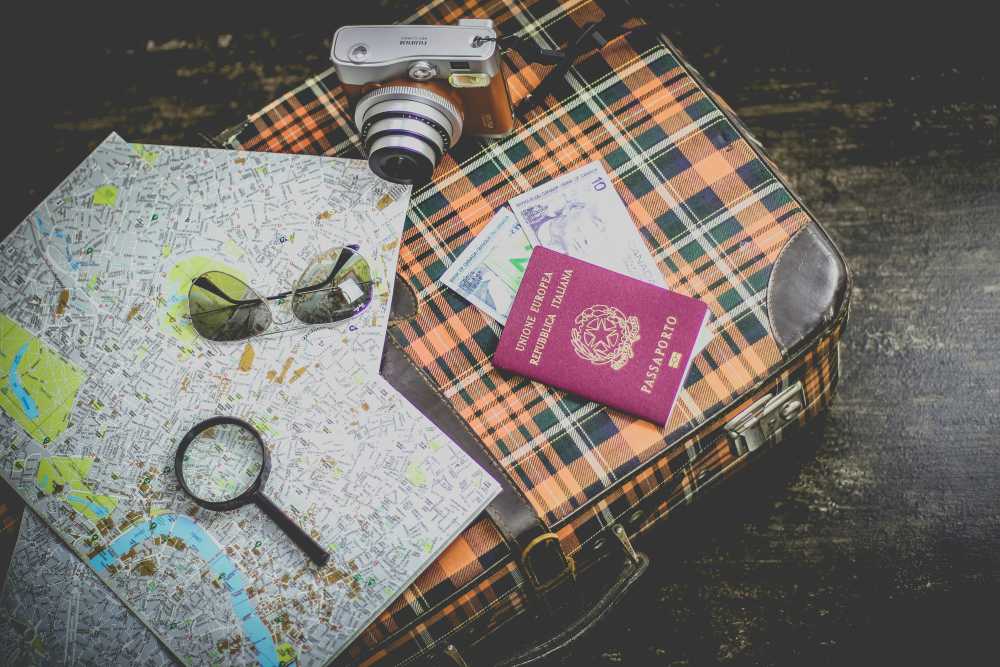
The Bare-Bones Backpacker: $45-$65 per day. This is for the traveler who stays exclusively in hostel dorms, cooks most meals in the hostel kitchen, and focuses on free activities like walking tours and exploring neighborhoods on foot.
The Savvy Mid-Ranger: $75-$130 per day. This is the sweet spot for most. It allows for a mix of hostel dorms with the occasional private room, eating one meal out per day at a casual spot, visiting paid attractions, and enjoying the local nightlife.
The Comfort-Conscious Budgeter: $135+ per day. This budget allows for private rooms in hostels or budget hotels, dining out more frequently, and participating in unique paid experiences or guided tours.
Pre-Trip Savings vs. On-the-Ground Spending
Remember that a significant chunk of your budget will be spent before you even leave home. Factor in these major upfront costs:
International Flights: Use tools like Google Flights and Skyscanner with flexible date searches to find the best deals.
Travel Insurance: This is non-negotiable. It’s your ultimate safety net for medical emergencies or trip cancellations.
Essential Gear: A quality, comfortable backpack and two pairs of versatile shoes are your most important investments.
For your money on the ground, be a financial ninja. Get a credit or debit card with no foreign transaction fees (like the Chase Sapphire Preferred or Capital One Venture). These 2-3% charges on every purchase add up shockingly fast. Crucially, always avoid the bright blue and yellow Euronet ATMs. They are predatory, charging outrageous conversion rates and hidden fees. Stick to official bank ATMs—look for the logos of major national banks like Deutsche Bank, BNP Paribas, or Santander. Your wallet will thank you.
Sleep Smart, Save Big
For solo travelers, where you sleep is more than just a bed—it’s your social hub, your sanctuary, and your savings engine.
Hostels: Your Social Hub and Savings Engine
Hostels are the undisputed key element of budget travel in Europe. A dorm bed will typically cost between $25 and $45, a massive saving compared to a hotel. But their true value lies beyond the price tag.

Built-in Community: Hostels are designed for social interaction. The common areas, shared kitchens, and organized events (like free walking tours or pub crawls) make it incredibly easy to meet other travelers if you choose to.
Safety & Security: Modern hostels are safer than ever. Look for properties with 24-hour reception, secure individual lockers for your valuables (always bring your own padlock), and female-only dorms if that makes you more comfortable.
Amenities that Save: The communal kitchen is a budget game-changer. Cooking just a few meals a week can save you hundreds over a long trip.
When booking on sites like Hostelworld, read recent reviews like a detective. Pay close attention to comments on cleanliness, location, security, and the overall "vibe" to find the perfect fit for you.
Beyond the Dorm: Other Budget-Friendly Options
While hostels are king, they aren't your only choice. The rise of "lifestyle" hotel brands like Moxy offers smaller, stylish single rooms that can be a great value. Renting a private room on Airbnb is another option, though often pricier than a hostel. A key piece of good news: the dreaded "single supplement" fee is slowly dying. The industry has recognized the solo travel boom, and more companies are offering true single-person pricing. Once you've locked in your home base, the next piece of the puzzle is mastering the art of getting from A to B without draining your travel fund.
Mastering the Rails & Roads
Europe’s transport network is a marvel, but choosing the cheapest option requires a strategic trade-off between cost, time, and convenience. This is a critical component of your plan for solo travel Europe on a budget.

Eurail Pass vs. Point-to-Point Tickets
Is a Eurail Pass worth it for a solo traveler? The answer is: it depends.
Get a Eurail Pass if: You crave ultimate flexibility and plan to travel extensively through expensive countries like Germany, Switzerland, and Austria, where last-minute train tickets are costly.
Buy Point-to-Point Tickets if: You have a relatively fixed itinerary and are focusing on Southern or Eastern Europe. Booking individual bus or train tickets in advance on platforms like Omio or Trainline is almost always cheaper.
Pro-Tip: Before you buy a pass, map out your ideal route and price out each individual leg of the journey. Compare that total to the cost of the pass. This simple exercise can save you hundreds of dollars.
Eating Like Royalty on a Pauper's Budget
Forget surviving on instant noodles. Eating affordably in Europe can be one of the most delicious and authentic parts of your journey.
The Holy Trinity of Budget Eating
Supermarkets & Picnics: This is your #1 money-saving tactic. Visit a local grocery store or an outdoor market. Buy a fresh baguette, some regional cheese, local cured meats, fruit, and a bottle of wine for a few euros. Enjoying this feast in a Parisian park or along a Venetian canal is a 5-star experience at a 1-star price.
Hostel Kitchens: Cooking dinner with new friends in the hostel kitchen is a quintessential backpacking experience. It’s social, fun, and incredibly cheap.
Street Food & Local Markets: From gyros in Greece to pierogi in Poland, covered food halls and street food stalls are where you’ll find authentic, delicious local food for just a few dollars.

Smart Restaurant Hacks
When you do dine out, eat smart. Embrace the lunch special. Across Europe, especially the menu del día in Spain (which typically includes a starter, main, dessert, and a drink for a set price), restaurants offer multi-course lunch menus for a fraction of their dinner prices. And always use the Five Block Rule: walk at least five blocks away from any major tourist attraction before choosing a restaurant. You’ll almost always find better food at a lower price.
Two Field-Tested Budget Itineraries
Let's make this real. Here are two sample itineraries showing these principles in action.
The 3-Week Eastern Europe Classic (€50/day)
Route: Prague → Krakow → Budapest → Belgrade
The Vibe: This is the ultimate budget-friendly route through the heart of Central and Eastern Europe. You’ll experience stunning history, incredible nightlife, and delicious food and beer, all while your daily costs stay incredibly low. Transportation between these cities is fast, cheap, and easy via bus or train.
The 3-Week "Best of Both" Hybrid (€85/day)
Route: Lisbon → Seville → (Fly to) Rome → Florence → (Overnight bus to) Ljubljana
The Vibe: This itinerary demonstrates the Hybrid Strategy. You start in affordable and beautiful Portugal and Spain, then take a strategic budget flight to tackle your Italian bucket list. You finish in charming, budget-friendly Slovenia, using an overnight bus from Italy to save on both transport and a night's accommodation.
Your Top Budget Questions, Answered
How much money do I need for 1 month of solo travel in Europe?
A solo traveler can expect to spend between $1,500 (frugal backpacker in the East) and $4,500 (mid-range traveler including the West) for a one-month trip. Your destination choices and travel style are the biggest factors.
Is Europe safe for a first-time solo female traveler?
Absolutely. Europe is generally very safe for solo female travelers. Countries like Iceland, Portugal, and Slovenia are consistently ranked among the safest in the world. Standard precautions—being aware of your surroundings, securing your belongings, and trusting your gut—are key.
What is the absolute cheapest way to travel between countries in Europe?
The bus is almost always the cheapest option. Companies like Flixbus have an extensive network with fares as low as $5, making them a backpacker's best friend.
Should I travel in the summer or the off-season?
For budget travel, the shoulder seasons (April-May, September-October) are perfect. You’ll get pleasant weather with far fewer crowds and significantly lower prices for flights and accommodation compared to the peak summer months.
You now have the framework for an affordable and unforgettable European adventure. The key to a successful solo travel Europe journey on a budget isn't about restriction; it's about smart, strategic planning. By choosing your destinations wisely, embracing the social and economic power of hostels, and mastering the continent's incredible public transport, you transform a dream into an achievable, actionable plan. The freedom of the open road—and the railway—is yours for the taking.
Read the full guide: Anxious to Adventurous: The Ultimate Guide to Solo Travel Confidence
Don't Miss Out! Subscribe for Exclusive Content
SubscribeComments 0
No comments yet
Be the first to share your experience!
Dont Miss Out! Subscribe for Exclusive Content

Top 11 High-Paying Affiliate Programs for Travel Bloggers

High-Paying Affiliate Opportunities for Individual Travel Affiliates

Amazon Associates for Travel: Strategies to Maximize Commissions

How to Avoid Travel Scams: A Global Guide

A Woman's Guide to Safe Travel: 10 Critical Tips

7 Hotel Safety & Security Tips for Peace of Mind
4 Unforgettable National Park Family Travel Ideas
TrekGuider @trekguider
Struggling to find a family vacation that pulls your kids away from screens and creates genuine memories, not just stress? You're not alone. The pressure to plan the perfect, budget-friendly trip often leads to analysis paralysis amid an overwhelming sea of options and the fear of getting it all wrong. This guide cuts through the noise.
This is where the timeless majesty of America’s national parks comes in. They are the ultimate solution—vast playgrounds of natural wonder that offer a powerful antidote to the digital saturation of modern life. Forget generic resort packages; this guide is a strategic playbook for crafting an unforgettable national park adventure. We’ll transform the daunting task of planning into an exciting journey.
As we explore these specific parks, remember they represent just one path to an amazing trip. For a complete overview of destinations for every budget and travel style, our Family Travel Ideas: The 2026 Guide to Unforgettable Trips is your ultimate resource. This article is your specialized map to sun-drenched trails, awe-inspiring wildlife, and the kind of shared experiences that strengthen family bonds for years to come.
Why National Parks are the Ultimate Family Travel Ideas for Summer
In a world of manufactured entertainment, national parks offer something profoundly real. They are living classrooms, natural gymnasiums, and sanctuaries for the soul. For families, they present a unique opportunity to disconnect from daily routines and reconnect with each other in a meaningful way.
Unmatched Educational Value: Where else can your child see the geological forces that shaped our planet firsthand at the Grand Canyon, or watch a bison herd thunder across the plains of Yellowstone? These parks are immersive, multi-sensory learning environments that bring textbook concepts to vivid life.
Built-in Adventure: From gentle, toddler-friendly nature walks to more challenging hikes for teens, the parks are structured for adventure at every skill level. The thrill is in the discovery—spotting a bald eagle, identifying a new wildflower, or conquering a trail together.
Remarkable Affordability: Compared to theme parks or international travel, a national park vacation can be incredibly budget-friendly. An annual "America the Beautiful" pass grants access to all parks for just $80 per vehicle. With options for camping or lodging in nearby towns, you can tailor the trip to your exact financial comfort level.
A Cure for Nature Deficit Disorder: Experts increasingly recognize that time spent in nature is critical for a child's physical and mental development. It reduces stress, improves focus, and fosters creativity. A week in the woods can be the most effective reset button you’ll ever press for your family.
They are, quite simply, America's best idea, and they are waiting to be the backdrop for your family's next great story.
Your National Park Summer Adventure Playbook
Success in the wild begins with careful planning at home. The immense popularity of national parks during the summer means that spontaneity can lead to sold-out signs and disappointment. Following a proven framework is key to a smooth and memorable trip.
Step 1: The 6-12 Month Countdown - Booking Your Basecamp
Let’s start with a non-negotiable truth: if you only get one thing right in your planning, make it your lodging. In-park accommodations and popular campsites are often booked solid the day they become available, sometimes a full year in advance.

Define Your Lodging Style:
In-Park Lodges: Offer unparalleled convenience and historic charm (think the Old Faithful Inn). They are the most expensive option and require the earliest booking.
Campgrounds: Provide the most immersive nature experience. Services range from primitive sites to full RV hookups. Reservations are typically made through Recreation.gov.
Gateway Towns: Towns just outside park entrances (like West Yellowstone, MT, or Springdale, UT) offer a wide range of hotels, motels, and vacation rentals. They provide more flexibility and amenities but require daily travel into the park.
Set Your Alarms: Identify the exact date and time that reservations open for your target dates and lodging. Be online and ready to book the second they become available.
Have Backup Plans: Research and be ready to book your second and third choices immediately if your first is unavailable.
Pro-Tip: How to Actually Win the Campground Lottery
Booking a popular national park campsite on Recreation.gov is a competitive sport. Here’s how to win: a few days before your booking day, log into your account, find your desired campground, and add it to your cart to confirm the exact release time (usually 10 a.m. ET). On the day, log in 10 minutes early, sync your computer clock to the official U.S. time (time.gov), and have all your information ready. Refresh your screen precisely at the release time and complete the booking in seconds.
Step 2: The 2-3 Month Check-In - Crafting Your Itinerary
With your basecamp secured, you can now build your daily plan. The key is to balance iconic sights with downtime to avoid burnout. Our guide on How to Make Family Travel Planning Actually Easy dives even deeper into this process.
Cluster Your Activities: Parks are huge. Study the park map and group your desired activities by geographic area. Dedicate full days to specific regions, like the Yellowstone Lake area or the Tioga Road in Yosemite, to minimize driving time.
Prioritize the "Must-Sees": Identify the 2-3 iconic experiences your family absolutely cannot miss. Plan to visit these popular spots early in the morning (before 9 a.m.) or later in the afternoon (after 4 p.m.) to avoid the worst crowds and midday heat.
Involve the Kids: Give your children, especially older ones, a voice in the planning. Let them research and choose a specific trail they want to hike or a Ranger Program they want to attend. This ownership fosters excitement and cooperation.
Stay Organized from Start to Finish
A great road trip has a lot of moving parts. Our free checklist is designed to help you track everything from reservations to packing lists, ensuring nothing gets missed.
Download the free National Park Road Trip Checklist
Top National Parks for Summer Family Adventures (And What to Do There)
While every park is special, some are exceptionally well-suited for families during the summer months. Here are our top picks for incredible family travel ideas for summer in the national parks.
Yellowstone National Park: The Geothermal Wonderland
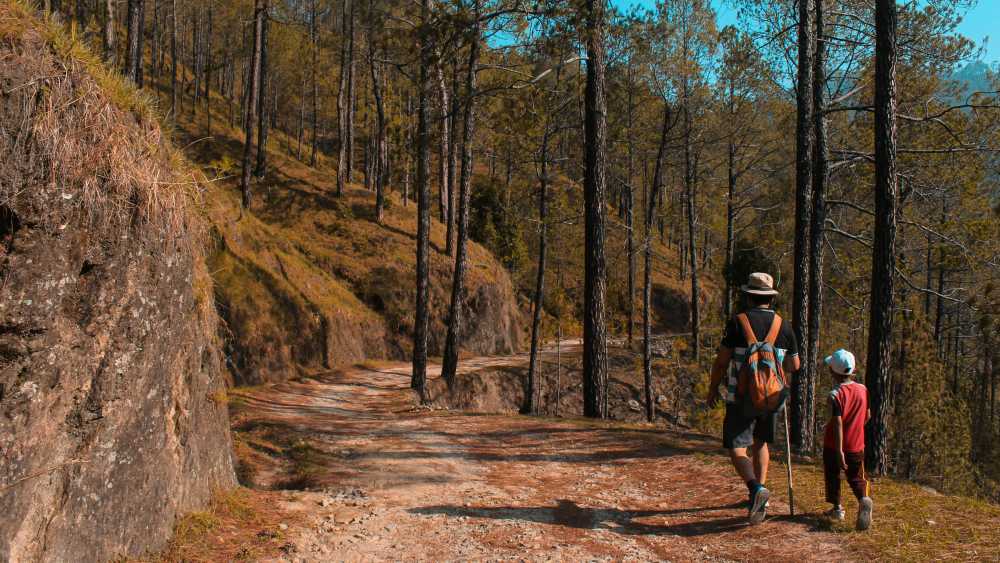
Best For: Ages 6+. The sheer scale and geothermal wonders are captivating for school-aged children and teens.
Can't-Miss Activities:
Watch Old Faithful Erupt: It’s iconic for a reason. Check the posted eruption times and find a spot on the boardwalk.
Explore the Grand Prismatic Spring: The vibrant colors of this massive hot spring are otherworldly. The best view is from the elevated overlook on the Fairy Falls Trail.
Wildlife Safari in Hayden Valley: Drive through this vast, open valley at dawn or dusk for the best chances of spotting bison, elk, grizzly bears, and even wolves.
Kid-Friendly Hike: The Storm Point Loop Trail is a relatively flat 2.3-mile loop that leads through forest to a scenic point on Yellowstone Lake.
Zion National Park: The Majestic Canyon Sanctuary
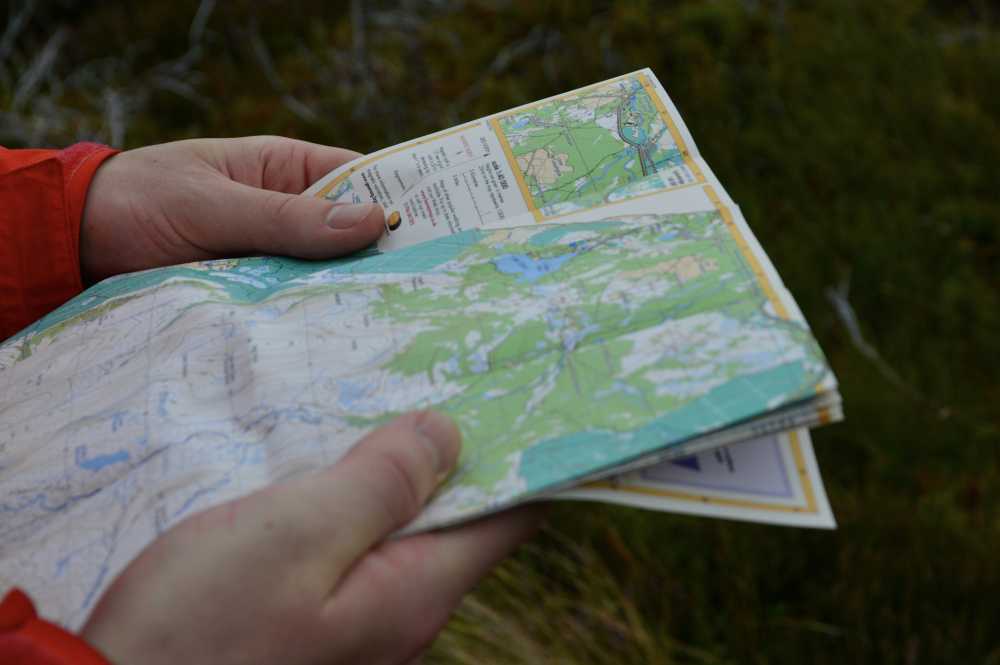
Best For: All ages, but especially families with active kids and teens.
Can't-Miss Activities:
Ride the Park Shuttle: During peak season, the mandatory shuttle is an experience in itself, offering narrated guidance and stunning views.
Walk The Narrows (Bottom-Up): Wading through the Virgin River in a 1,000-foot-deep canyon is the quintessential Zion experience. Rent proper water shoes from an outfitter in Springdale—it's a game-changer.
Hike to Emerald Pools: This series of trails leads to lush, spring-fed pools and waterfalls. The Lower Pool trail is paved and accessible for strollers.
Kid-Friendly Hike: The Pa'rus Trail is a 3.5-mile paved trail that follows the Virgin River. It's perfect for strollers, wheelchairs, and bikes.
Acadia National Park: The Coastal Gem of New England
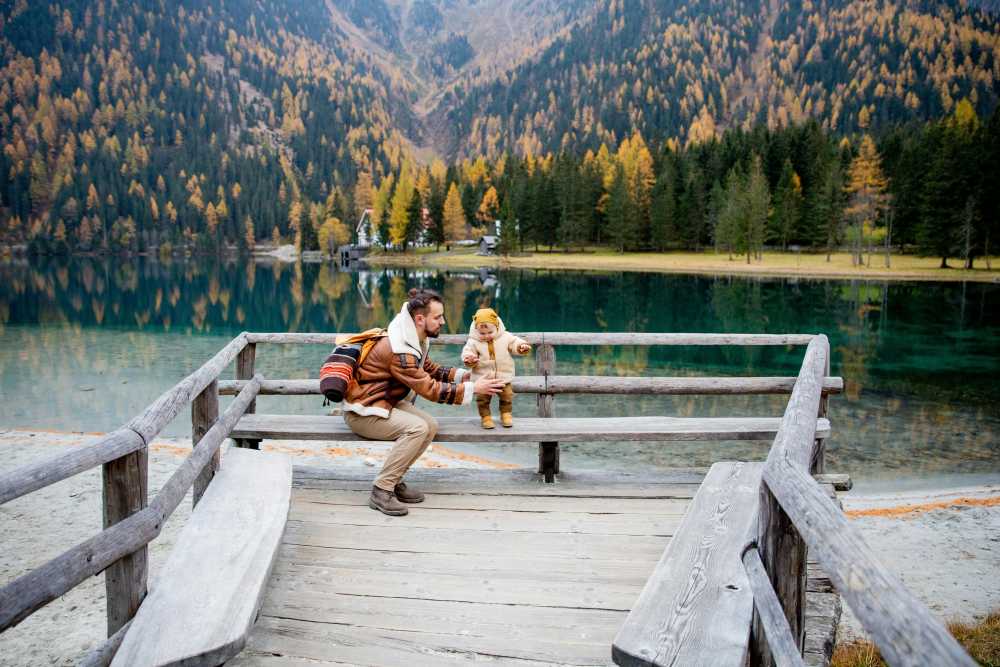
Best For: All ages. The diversity of landscapes makes it a perfect fit for multi-generational trips.
Can't-Miss Activities:
Drive the Park Loop Road: This 27-mile road hits many of the park's highlights, including Sand Beach, Thunder Hole, and Otter Cliff.
Watch the Sunrise from Cadillac Mountain: Be one of the first people in the United States to see the sunrise. Vehicle reservations are now required and must be booked in advance.
Explore the Tide Pools: At low tide, the rocky coastline near Wonderland Trail reveals a fascinating world of sea stars, crabs, and anemones.
Kid-Friendly Hike: The Jordan Pond Path is a 3.3-mile loop around a crystal-clear pond, best capped off with popovers at the Jordan Pond House.
Olympic National Park: A World of Ecosystems

Best For: Families who crave variety and have kids aged 7+. Olympic is like visiting three parks in one.
Can't-Miss Activities:
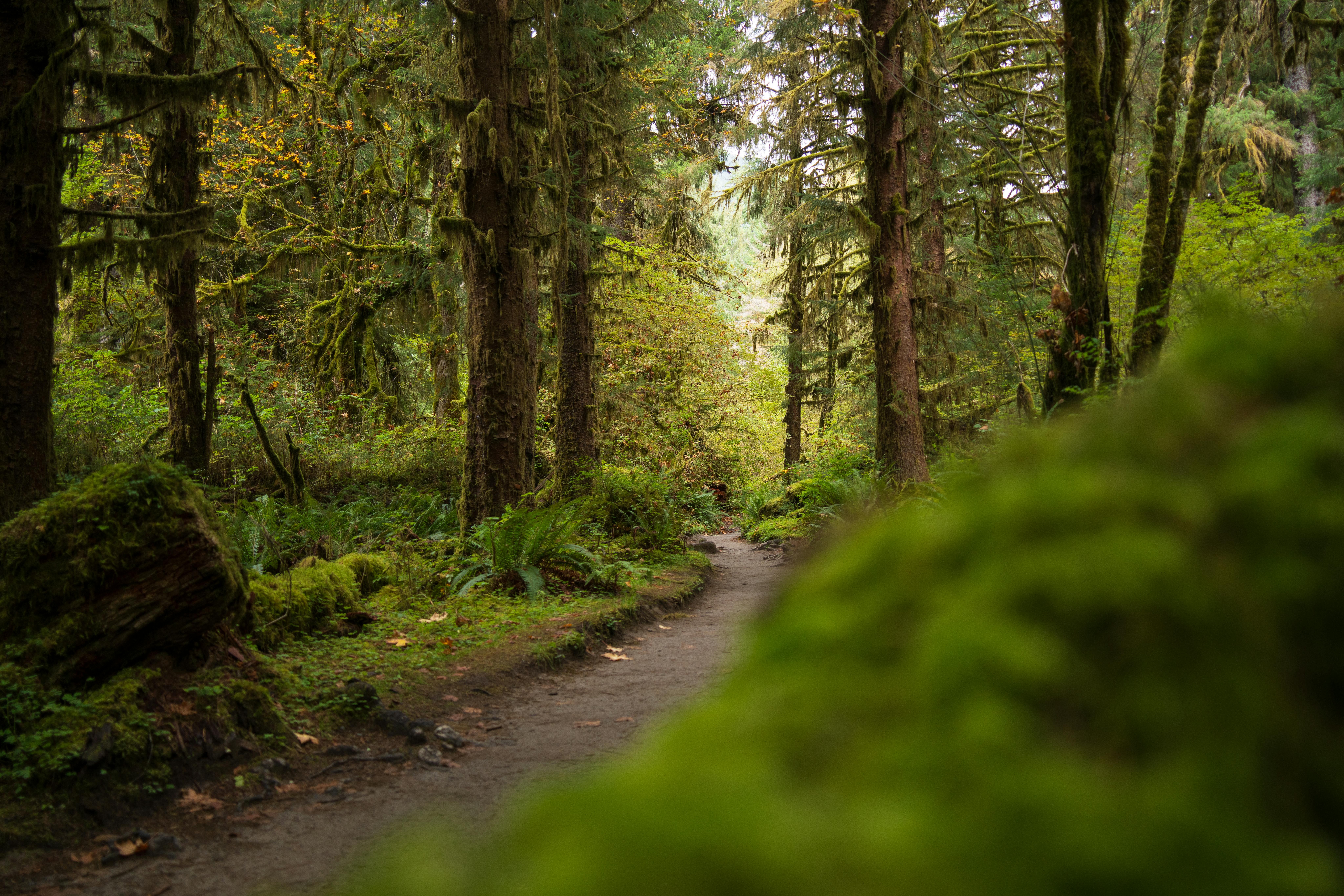
Explore the Hoh Rainforest: Walk the Hall of Mosses Trail (.8 miles), an easy loop that immerses you in a temperate rainforest dripping with green. It’s pure magic.
Discover Rialto Beach: This is the iconic Pacific Northwest coastline. Explore tide pools, admire giant driftwood, and hike to the Hole-in-the-Wall sea arch (check tide charts!).
Drive to Hurricane Ridge: Ascend nearly a mile in elevation for breathtaking panoramic views of the Olympic Mountains.
Kid-Friendly Hike: Sol Duc Falls Nature Trail is a 1.6-mile roundtrip hike through a stunning old-growth forest to a powerful, picturesque waterfall.
Common Pitfalls and How to Avoid Them
The "Too Much, Too Fast" Itinerary: Don't try to see an entire park in two days. You’ll end up with cranky kids and only see the park through a car window. Embrace a slower pace. For more on this, explore The Sanity-Saving System for Your Next Family Road Trip.
Ignoring the Junior Ranger Program: This is a mistake. The free activity booklets available at any visitor center are the single best way to engage kids aged 5-12. It transforms them from passive passengers into active explorers.
Underestimating Wildlife Safety: Seeing a bear or bison is a thrill, but these are powerful wild animals. Know and respect the rules: stay at least 100 yards from bears and wolves, and 25 yards from all other large animals. Never, ever feed wildlife.
Pro-Tip: Download the official NPS (National Park Service) app before your trip. You can save park maps and content for offline use, a lifesaver in areas with no cell service.
Packing and In-Trip Strategies
Your gear and daily approach can make or break the experience. Focus on comfort, preparedness, and flexibility.
The Essential Family Packing List:

Layered Clothing: Summer weather in the mountains is notoriously unpredictable. Pack lightweight layers—t-shirts, fleeces, and a waterproof rain jacket—for everyone.
Sturdy Footwear: Do not attempt hikes in flip-flops. Everyone needs comfortable, broken-in shoes with good traction.
Sun Protection: The sun is more intense at higher elevations. Bring wide-brimmed hats, sunglasses, and high-SPF sunscreen.
Reusable Water Bottles: Staying hydrated is critical. A large water bladder for each adult and a reusable bottle for each child is a must.
A "Go-Bag" for the Car: Keep a small backpack in the car with essentials: a first-aid kit, endless snacks, binoculars, a physical park map, and wet wipes.
Frequently Asked Questions
What is the best time of year for a national park family vacation?
While summer offers the most accessible weather and open facilities, it's also the most crowded. For fewer crowds and beautiful scenery, consider the "shoulder seasons" of late spring (May-June) and early fall (September-October). Always check specific park conditions, as weather varies greatly by region.
How far in advance should I book lodging for a national park trip?
For popular in-park lodges, you should book 12 months in advance—often the day reservations become available. For campsites, the booking window is typically 6 months in advance. Planning this far ahead is crucial for securing the best locations.
Are national parks a good vacation idea for families with toddlers?
Absolutely! Many parks feature paved, stroller-friendly trails like the Pa'rus Trail in Zion or accessible boardwalks around Yellowstone's geysers. The key is to choose the right activities, keep hikes short, and take advantage of the Junior Ranger programs, which have activities for younger children.
What's the most important thing to pack for a national park trip?
Beyond your camera, the most critical items are layered clothing and proper footwear. Mountain weather can change in an instant, so having layers ensures everyone stays comfortable. Sturdy, broken-in shoes are essential for preventing blisters and navigating uneven trails safely.
Conclusion
The beauty of a national park vacation lies in its simplicity and its power. By investing in careful planning, you are not just organizing a trip; you are building a framework for connection and creating a reservoir of shared memories that your family will draw upon for a lifetime. These family travel ideas for summer are more than just a vacation—they are an investment in your family's story.
So, use this guide to book with confidence, pack with purpose, and get ready to discover the incredible wonders waiting in your own backyard.

Read the full guide: Family Travel Ideas: The 2026 Guide to Unforgettable Trips
Don't Miss Out! Subscribe for Exclusive Content
SubscribeComments 0
No comments yet
Be the first to share your experience!
Dont Miss Out! Subscribe for Exclusive Content
San Francisco Cherry Blossoms: A Local's Guide to the Blooms
Halloween SF: Haunts Without Horrors
SF Festivals: 7 Must-See Lineups
Christmas SF: Lights & Wharf Wonders
SF Pride: 6 Route & Party Hacks
