

TrekGuider @trekguider
Chinese New Year SF: Parade Essentials

You can feel it before you see it. The low, resonant thump-thump-thump of the drums echoing off the buildings. The scent of roasted chestnuts and sizzling dumplings hanging in the cool February air. This is the magic of Chinese New Year in San Francisco, a tradition that has pulsed through the city’s veins since the Gold Rush. You’re here to witness the largest Lunar New Year celebration outside of Asia, but a thread of anxiety cuts through the excitement. How do you possibly navigate a crowd of half a million people? Where are the secret spots to actually see the famous 268-foot Golden Dragon?
The fear of missing out is real. You imagine being swallowed by the crowd, your view completely blocked, the vibrant floats and lion dancers reduced to a muffled soundtrack. A once-in-a-lifetime cultural immersion could easily devolve into a stressful, shoulder-to-shoulder shuffle. Without a game plan, you risk leaving with nothing but blurry photos and a sense of frustration.
This is your game plan. Forget the chaos and embrace the spectacle. This guide is your all-access pass, a step-by-step blueprint for conquering the parade like a seasoned local. We’ll give you the insider tips on securing the best viewing spots, a deep dive into the must-see moments, and the cultural context that brings it all to life. You’re about to experience the Chinese New Year San Francisco festival not as a tourist, but as an expert. This incredible event is at the heart of the city's cultural calendar, a vibrant highlight we proudly feature in our broader guide to San Francisco Holidays: Bay Area Buzz.
Understanding the Celebration: More Than Just a Parade
The Chinese New Year, also known as the Lunar New Year or Spring Festival, is the most important holiday in Chinese culture and for many other Asian communities worldwide. It marks the beginning of a new year on the traditional lunisolar calendar—a time for sweeping away the old, honoring ancestors, and gathering with family for lavish feasts.
Each year is associated with one of the twelve animals of the Chinese zodiac. The 2026 celebration, which officially begins on late January or February (the date follows the lunar calendar), will usher in the Year of the Snake—an animal symbolizing wisdom, intuition, and grace.
San Francisco’s celebration is steeped in history. First held in 1851, it has grown from a local community event into the oldest and largest festival of its kind outside of Asia, a powerful proof of the city’s deep-rooted Chinese-American heritage. While the parade is the dazzling finale, the festival is a multi-week affair with several key components you won't want to miss:
The Flower Market Fair: A bustling, fragrant market where families purchase fresh flowers and auspicious plants like orchids and peach blossoms to welcome good fortune into their homes.
The Community Street Fair: A vibrant, weekend-long street party that transforms Chinatown with traditional music, dance performances, artisan vendors, and an incredible array of festival foods.
The Grand Parade: The spectacular culmination of the festivities, featuring stunning floats, complex costumes, acrobatic lion dancers, and the legendary Golden Dragon.
The Main Event: Conquering the Chinese New Year San Francisco Parade
The Southwest Airlines Chinese New Year Parade is an unforgettable spectacle, renowned for being one of the few night-illuminated parades in North America. Its dazzling floats and vibrant performers don't just march; they light up the city streets, creating a truly magical atmosphere that has to be seen to be believed.
Mark Your Calendar: 2026 Parade Date and Time
To ensure you don’t miss a single moment of the magic, lock these details into your calendar now:
Date: Saturday, around mid-February (dates shift each year)
Start Time: 5:15 PM
The parade typically lasts for about two and a half hours, winding its way through the heart of the city as darkness falls, which allows the thousands of lights on the floats and costumes to shine their brightest.
The Parade Route: Where to Be and When
While the Chinese Chamber of Commerce confirms the final route closer to the date, it traditionally follows a path designed for maximum spectacle. The parade kicks off at the intersection of Second and Market Streets, proceeds up Market, turns onto Geary Street through Union Square, continues onto Powell Street, then Post Street, and finally enters Chinatown at Kearny Street before concluding near Columbus Avenue.
Choosing your spot is a strategic decision. Here’s the breakdown:
The Start (Market Street): This area is often slightly less congested than Union Square. It’s a great option if you want to see the performers and floats when they are fresh and full of energy.
The Middle (Union Square): This is the epicenter of the action, with massive crowds and an electric atmosphere. The wide streets provide good sightlines, but you must arrive exceptionally early to claim a spot.
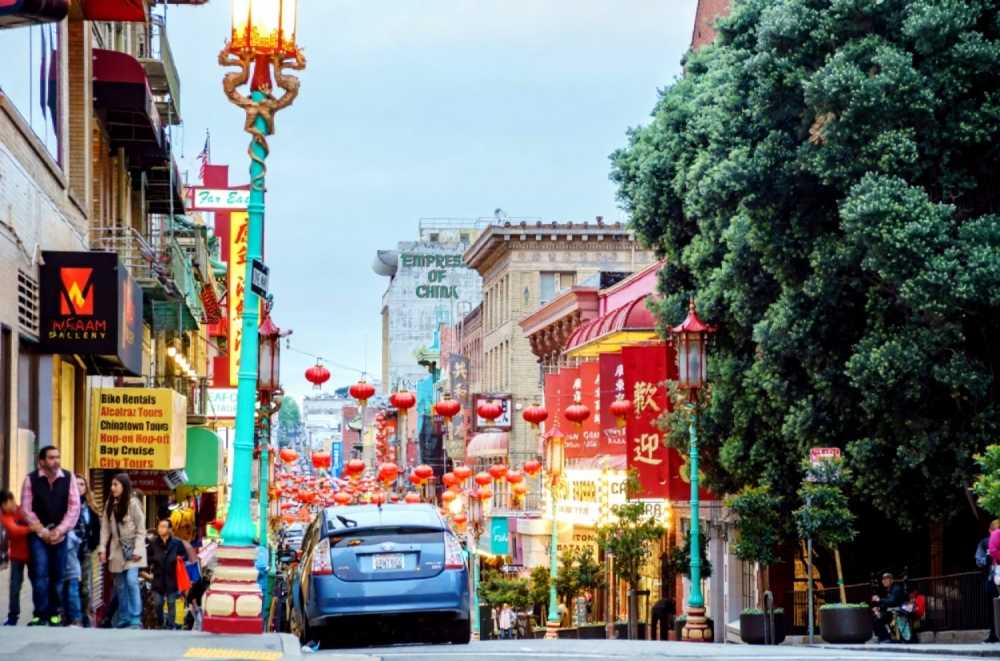
The End (Chinatown & North Beach): As the parade passes through the iconic Dragon Gate on Grant Avenue (via Kearny), the energy is palpable. The narrower streets create an intimate, immersive experience, but this also makes it one of the most densely packed areas.
7 Essential Tips for Securing the Perfect Viewing Spot
Arrive Early. No, Earlier. This cannot be overstated. For a prime curbside spot along Geary or Powell, you need to be there hours in advance. Seasoned locals often lay down their blankets by 2:00 PM or even earlier.
Invest in Bleacher Seats. If you want a guaranteed, comfortable, and unobstructed view without a multi-hour wait, purchasing tickets for the bleacher seats is the smartest move you can make. Tickets are sold through the official parade website and are worth every penny for a stress-free experience, especially with family.
Scout the Corners. Intersections where the parade makes a turn—like from Geary onto Powell or Powell onto Post—are strategic goldmines. You get to see the floats approach from one direction and then watch them turn, effectively doubling your viewing time.
Pack for a Marathon, Not a Sprint. You’re in for the long haul. Bring a lightweight folding chair or a thick blanket. Pack snacks and water, but be courteous to your neighbors. This is a communal experience.
Think Vertically. Any slight elevation is an advantage. Look for spots on a small incline or the steps of a building. Some hotels and restaurants along the route host viewing parties, though these are premium, ticketed events.
The Post Street Gambit. The section along Post Street, between Powell and Kearny, is often slightly less chaotic than Union Square proper. It’s a solid choice for those arriving a little later but still hoping for a decent view before the parade plunges into the heart of Chinatown.
Public Transit is Your Only Friend. Do not even think about driving. Road closures begin in the afternoon, and parking is a nightmare of nonexistent spaces and astronomical fees. Use BART or MUNI to get downtown and walk the final blocks.
Pro-Tip: For a less overwhelming experience with kids, consider watching the parade formation near the starting point on Second Street. You'll see the floats and performers up close as they line up, offering a fascinating behind-the-scenes look before the main event's intensity kicks in.
What to Watch For: The Spectacle of the Night Parade
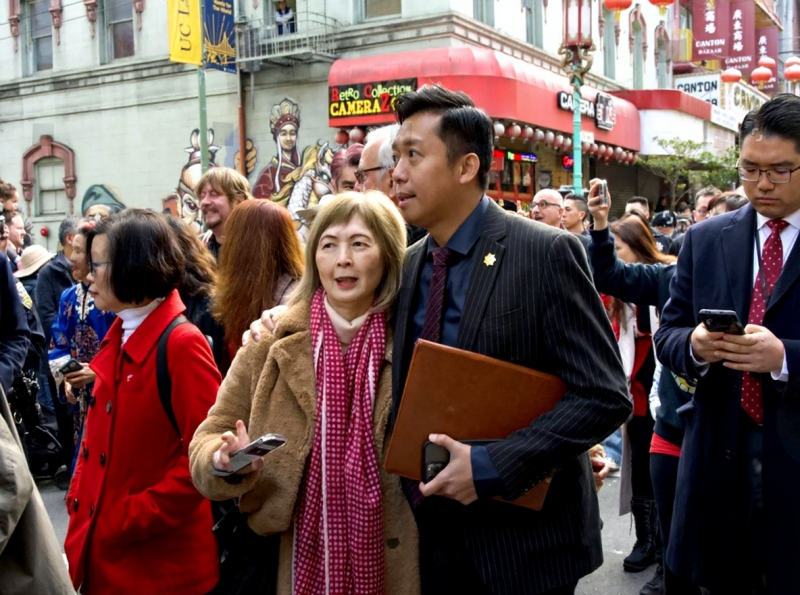
The parade is a rich mix of culture, artistry, and tradition. Knowing what to look for will transform your experience from passive viewing to active appreciation.
The Legendary Golden Dragon (Gum Lung)
The grand finale and undisputed star of the show is the Golden Dragon, or "Gum Lung." This is no ordinary parade float. It's a magnificent, 268-foot-long masterpiece that requires a team of over 100 puppeteers from the Leung's White Crane martial arts association to carry it through the streets. In Chinese culture, the dragon is a benevolent symbol of power, good luck, and prosperity. Watching it weave and dance, illuminated against the night sky, is a core San Francisco memory in the making.

Dazzling Floats and Acrobatic Lion Dancers
This is where the "night-illuminated" aspect truly shines. The floats are breathtaking works of art, depicting scenes from Chinese folklore, the year's zodiac animal, and cultural landmarks, all glowing with thousands of lights. Interspersed between them are the high-energy lion dance troupes. Accompanied by the powerful rhythm of drums, gongs, and cymbals, the lion dancers perform acrobatic feats to scare away evil spirits and usher in a year of good fortune.
A Modern Twist: The Drone Light Show
In a perfect blend of ancient tradition and modern innovation, the parade has incorporated a stunning drone light show. Hundreds of synchronized drones ascend into the night sky, forming complex, glowing patterns—from zodiac animals to Chinese characters—in a display that is uniquely San Franciscan.
Beyond the Parade: Immersing Yourself in the Festivities
To truly capture the spirit of the holiday, you must venture beyond the parade route. The real cultural immersion happens in the days leading up to the main event.
The Chinatown Flower Market Fair
Held on the weekend before the parade, the Flower Market Fair is a sensory explosion. The streets of Chinatown are closed to traffic and filled with vendors selling beautiful flowers, lucky plants, and traditional New Year decorations. It’s a cultural tradition to decorate the home with fresh blooms to symbolize rebirth and new growth. Look for these auspicious items:
Orchids: Symbolizing fertility and abundance.
Tangerines with leaves intact: Representing secure relationships and wealth.
Peach blossoms: Considered sacred and symbolizing romance and prosperity.

The Chinatown Community Street Fair
Taking place on parade weekend, the Community Street Fair is a massive block party that showcases the best of Chinese culture. You’ll find everything from traditional calligraphy and lantern-making demonstrations to folk dance performances and Chinese opera. It’s a fantastic opportunity to shop for unique souvenirs and, most importantly, to sample authentic festival food.
The Symbolism of the Food
Food is the heart of the Lunar New Year celebration, with many dishes carrying symbolic meanings for a prosperous year. As you explore the street fair or local bakeries, be sure to try:
Long Noodles (ChángshòuMiàn): Eaten uncut, these noodles represent a long and happy life.
Dumplings (Jiǎozi): Shaped like ancient Chinese gold ingots, they symbolize wealth.
Rice Cakes (Niángāo): The name is a homophone for "higher year," signifying progress and improvement in the coming year.
Oranges and Tangerines: Their round shape and golden color symbolize fullness and wealth.

Practical Logistics for a Flawless Experience
A little bit of planning will make all the difference between a stressful outing and a cherished memory.
Getting There: Transportation and Parking
Let's be clear: public transportation is your only sane option.
BART (Bay Area Rapid Transit): The Powell Street and Montgomery Street stations will deposit you right on the Market Street parade route.
MUNI Metro & Buses: Numerous lines serve the downtown area. Check the SFMTA website for parade-day reroutes and schedule changes, which are inevitable.
Rideshare (Uber/Lyft): Expect heavy surge pricing and significant delays due to road closures. A better strategy is to be dropped off several blocks away and enjoy the walk in.
What to Wear and What to Pack
San Francisco weather is notoriously unpredictable. A beautiful sunny afternoon can become a bone-chillingly cold night in an instant.
Dress in Layers: A t-shirt, a fleece or hoodie, and a windproof jacket are your best friends. You’ll be grateful for the options as the temperature drops after sunset.
Comfortable Shoes: This is non-negotiable. You will be standing for hours and walking far more than you expect.
Essential Pack List:
A full water bottle.
Snacks to keep your energy levels high.
A portable phone charger (your battery will drain faster than you think).
A small, secure backpack.
For those traveling from abroad to witness this incredible event, ensuring your documents and plans are in order is crucial. Our International Travel Checklist is an indispensable resource for organizing your packing, paperwork, and preparations for a major cultural festival like this.
Safety and Crowd Management
With hundreds of thousands of spectators, situational awareness is key.
Stay Alert: Keep your valuables, like your phone and wallet, in a secure front pocket or a zipped bag worn on your front.
Use the Buddy System: Stick with your group. It is incredibly easy to get separated in the dense crowds.
Establish a Meeting Point: Before the parade starts, agree on a specific, easy-to-find meeting spot away from the main route in case you get separated. Cell service can be spotty in such large crowds.
Your Ultimate Chinese New Year Experience Awaits
You are now armed with the insider knowledge to experience the magic of the Chinese New Year San Francisco celebration to its absolute fullest. From understanding the cultural significance of the Year of the Snake to securing the perfect spot to watch the 268-foot Golden Dragon dance through the illuminated streets, you are ready to move beyond being a mere spectator. You are prepared to become an active participant in one of the world’s most vibrant and historic cultural traditions. Embrace the energy, savor the flavors, and welcome a year of prosperity and good fortune.
This deep dive into a single, spectacular event is just a glimpse of the expert planning we offer. To master your entire U.S. trip, from San Francisco's iconic festivals to the majestic national parks and bustling cityscapes across the country, our comprehensive Travel Guide provides the ultimate roadmap for your adventure.
Meta Data Suggestions:
SEO Meta Title: Chinese New Year San Francisco: Parade Guide & Tips (2026)
URL Slug: chinese-new-year-san-francisco-parade
SEO Meta Description: Your ultimate guide to the 2026 Chinese New Year San Francisco parade. Get expert tips on viewing spots, times, traditions, and how to navigate the crowds.
Travel News


Comments 0
No comments yet
Be the first to share your experience!
You May Also Like

San Francisco Cherry Blossoms: A Local's Guide to the Blooms


Halloween SF: Haunts Without Horrors

SF Festivals: 7 Must-See Lineups

Christmas SF: Lights & Wharf Wonders

SF Pride: 6 Route & Party Hacks

San Francisco Holidays: Bay Area Buzz
TrekGuider @trekguider
How to Plan Your First Solo Trip (and Conquer the Fear)

You’ve seen the photos, heard the stories, and a powerful idea has taken root: traveling the world on your own terms. But right behind that excitement, a wave of doubt probably follows. What if I get lonely? What if it’s not safe? What if I’m just not the kind of person who can do this?
Let’s take a breath. Feeling a mix of excitement and sheer terror is the unofficial rite of passage for every person who has ever considered traveling alone. It’s not a sign you should stop; it’s a sign you’re about to do something brave. This guide is your starting point. We’re not going to overwhelm you with packing lists or complex itineraries. Instead, we're going to focus on the most important first step: turning that anxiety into a quiet confidence and creating a simple, actionable plan to get you started. This is how to plan your first solo trip by conquering the fear first.
For the bigger picture on planning your first independent journey, explore
The Most Important Step: Your Mindset Shift
Before you book a single flight, the real journey begins in your mind. The psychological hurdles are the biggest barriers for most aspiring solo travelers. Let’s dismantle them together.
It's Normal to Feel Anxious. Here's How to Use It.
Feeling nervous before a big adventure is completely normal—it means you’re taking this exciting challenge seriously. The trick is to treat your fears not as stop signs, but as a pre-flight checklist.
Fear thrives on vague, undefined worries. Clarity is its kryptonite. So, grab a notebook and write down your top three concerns. Is it safety? Loneliness? Getting lost? By giving your anxieties a name, you take back control. For every worry, there is a practical solution, and you’ll find that a little preparation makes you feel capable, not scared.
The Antidote to "What If I'm Lonely?"
Recommended: The Solo Female Travel Safety Guide
Recommended: How to Pack Light: The Carry-On Guide
Let's reframe the biggest myth in solo travel. There is a world of difference between being alone and being lonely. Being alone is a superpower. For the first time, your schedule is 100% your own. You can spend three hours in a museum, change your entire plan on a whim, or eat gelato for dinner without a single committee meeting. This isn’t loneliness; it’s absolute freedom.
Remember, traveling solo doesn’t mean you’re isolated. It means you have complete control over your social thermostat. You can turn it up by joining a food tour or staying in a social guesthouse, or turn it down when you just need to recharge. This journey is an incredible chance to get comfortable in your own company—a skill that will empower you for the rest of your life.

How to Handle Naysayers (Even When They Mean Well)
Often, the most discouraging feedback comes from those who love us most. Their own fears, disguised as concern for you, can chip away at your resolve. Navigating these conversations requires a calm, confident strategy.
Present a Plan, Not a Plea: Instead of saying, “I’m thinking of going to Portugal alone,” try this: “I’m so excited—I've started planning a solo trip to Portugal for next year. I've found some amazing, highly-rated places to stay in a really safe neighborhood.” You are not asking for permission; you are sharing your exciting news.
Demonstrate Your Competence: Proactively show them you’re taking this seriously. Talk about the research you’re doing on safe destinations or the simple communication plan you'll have, like a daily WhatsApp check-in. When they see you’ve thought it through, their anxiety will decrease because yours already has.
Your 'First Three Steps' Action Plan
With your mindset fortified, it's time for action. We're going to keep it simple. Here are three manageable, non-intimidating first steps to turn your dream into a reality.

Step 1: Choose a Beginner-Friendly Destination
For your first trip, set yourself up for an overwhelming win. Choosing a destination that is known for being easy to navigate will boost your confidence for all future adventures. Look for places with:
A Welcoming Tourist Infrastructure: Places with reliable public transport, lots of accommodation choices, and readily available information (like Portugal, Japan, or Costa Rica) make logistics a breeze.
A High Safety Ranking: Use resources like the Global Peace Index to find countries known for safety and stability.
Ease of Communication: While you don't need to go somewhere that only speaks English, choosing a destination where it's widely spoken in tourist areas (like the Netherlands or Scandinavia) can reduce a layer of stress.
Ready to explore your options? For a deep dive into the pros and cons of different regions and a list of the top 10 safest countries for solo travelers, check out the ».
Step 2: Book Your First Night's Accommodation
Don't worry about planning the entire trip right now. The single most effective way to make your trip feel real is to commit to Day One. Research and book your accommodation for the first one or two nights. This simple action creates a secure "landing pad," transforming a vague idea into a concrete event with a date and an address. It’s your anchor, giving you a safe, secure base from which to start your adventure.
Step 3: Do a "Low-Stakes" Solo Practice Run
Build your solo muscle at home. Before you fly across the world, take yourself on a solo "date" for a full day in a nearby town or even a different neighborhood in your own city. Go to a museum alone. Navigate to a park you’ve never visited. Eat a meal at a restaurant by yourself. The point is to experience the feeling of navigating, making decisions, and enjoying your own company. This small taste of self-reliance will prove to you that you absolutely can do this.
Your Adventure Is Closer Than You Think
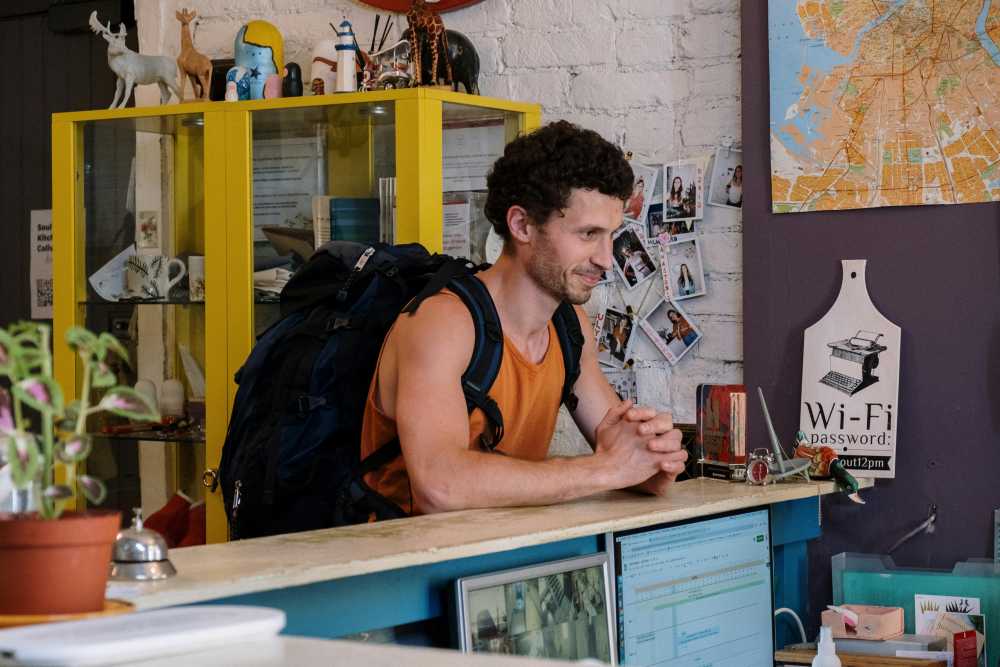
You've already taken the hardest step: deciding to explore this possibility. The fear you feel is not a weakness; it's a gateway to discovering just how capable you are. By shifting your mindset and taking a few small, deliberate planning actions, you are building the foundation for an incredible adventure.
You don't need to have all the answers right now. You just need to be willing to take the next step.
Read the full guide: Anxious to Adventurous: The Ultimate Guide to Solo Travel Confidence
Travel News
Comments 0
No comments yet
Be the first to share your experience!
You May Also Like

Ultimate USA Holidays Guide: Top Picks

FTC Affiliate Disclosure: Stay Compliant as a Travel Creator

Essential Affiliate Tools: From Tracking to Full Optimization

Booking.com Affiliate Review: Pros, Cons & Earnings

Decoding Affiliate Commission Rates: Benchmarks for Travel Creators

Amazon Associates for Travel: Strategies to Maximize Commissions
TrekGuider @trekguider
Affiliate Keyword Research Mastery for Travel Blogs

You’re doing everything right. Your destination guides are insightful, your photos are stunning, and your packing lists are careful. You’ve joined the affiliate programs, placed the links, and then... crickets. It’s the silent frustration that burns out thousands of talented travel creators.
You see the industry reports, like the one stating the average monthly income for travel affiliates is a staggering $13,847, and it feels like it’s happening in another universe. The chasm between the effort you pour into your work and the revenue trickling into your bank account isn't a reflection of your talent—it's a reflection of your strategy.
The solution is to stop writing into the void and start targeting your content with the precision of a sniper. The secret, the absolute bedrock of every successful affiliate business, is mastering affiliate keyword research. This isn't about SEO wizardry or gaming the system; it's about deeply understanding the language of your audience at the exact moment they are ready to buy. This guide is your definitive, step-by-step masterclass in finding the profitable keywords that will transform your travel blog from a passion project into a revenue-generating powerhouse. For a complete command of the entire affiliate landscape, our definitive pillar page, Travel Affiliate Programs: The 2026 Ultimate Guide, is your essential command center.
The Mindset Shift: From "What to Write" to "What to Target"
The most common mistake in content creation is brainstorming ideas in a vacuum. A creator thinks, "I'll write a post about my amazing trip to Rome." They produce a beautiful, engaging travelogue, sprinkle in a few links to hotels and tours, and then wonder why it doesn't make a dime.
But the highest-earning creators? They flip this model on its head. Their entire content strategy starts not with an idea, but with a question: "What are people who are ready to spend money on a trip to Rome searching for on Google?"
This is the critical difference between informational intent and commercial investigation intent.
Informational Intent: The user is in learning mode. They're searching for things like "what to do in Rome," "history of the Colosseum," or "how to pack a carry-on." This content is fantastic for building an audience, but it rarely leads directly to a sale.
Commercial Investigation Intent: The user has their wallet out. They are actively researching a purchase, comparing options, and looking for an expert to validate their final decision. This is where the money is.
Mastering affiliate keyword research is the disciplined process of finding these "commercial investigation" keywords and building your content around them. When you do this, you stop hoping for random sales and start attracting a steady stream of visitors who arrive on your blog primed to convert.

The Anatomy of a Money-Making Keyword
To find these golden-nugget keywords, you first need to know what they look like. Commercial investigation keywords typically fall into three high-value categories. If you build your content calendar around these formats, you are building a business designed for profit.
1. "Best Of" Keywords
Recommended: The Solo Female Travel Safety Guide
Recommended: International Travel Checklist (Printable PDF)
This is the quintessential affiliate keyword. The user is overwhelmed with options and is looking for a trusted expert (you) to curate a list of the top choices.
Travel Examples:
"best carry-on luggage for international travel"
"best travel insurance for digital nomads"
"best hiking boots for rocky trails"
"best all-inclusive resorts in Mexico for families"
2. Comparison & "Vs" Keywords
These keywords are pure gold. The user has already done their initial research and has narrowed their options down to two or three contenders. They are at the final stage of their decision-making process.
Travel Examples:
"Viator vs GetYourGuide"
"SafetyWing vs World Nomads"
"Osprey Farpoint vs Porter"
"Booking.com vs Expedia"
3. Review Keywords
Here, the user is looking for a detailed, real-world verdict on a single product, tour, or service. They are one step away from clicking "buy" and are seeking that final piece of social proof and expert validation.
Travel Examples:
"G Adventures Peru tour review"
"Away Bigger Carry-On review"
"Nomatic travel pack review"
"SafetyWing insurance review"

The Affiliate Keyword Research Workflow: A Step-by-Step Tutorial
Theory is great, but execution is everything. Here is a simple, repeatable process for finding high-value affiliate keywords using a standard SEO tool like Ahrefs or Semrush.
Step 1: Brainstorm Your "Seed" Keywords
Begin by listing the broad topics, products, and services that are central to your niche. Don't filter yourself. If your niche is "luxury eco-tourism in Costa Rica," your seed keywords might include:
eco-lodge
Costa Rica tours
sustainable travel
adventure travel
bird watching gear
waterproof backpack
These terms are too broad to target on their own, but they are the seeds from which your entire profitable content strategy will grow.
Step 2: Use Commercial Modifiers to Find Gold
Now, take your seed keywords and plug them into your SEO tool's "Keywords Explorer." This is where you transform broad topics into specific, monetizable content ideas. Use the tool's filters to find phrases that contain your seed keyword plus a commercial modifier.
Commercial modifiers are the words that signal buying intent. Your core list should include:
best
review
vs
alternative
top
cheap
affordable
comparison
For example, using the seed keyword "eco-lodge," your research might uncover:
"best eco-lodges in Costa Rica"
"Pacuare Lodge Costa Rica review"
"Lapa Rios Lodge vs Pacuare Lodge"
"alternatives to luxury resorts in Costa Rica"
This single step will generate a treasure map of content ideas, each one pointing directly to a user with commercial intent.
Step 3: Analyze the SERP (Search Engine Results Page)
A keyword can look perfect in your SEO tool, but the real test is analyzing the live competition on Google. Before you commit to writing a single word, search for your target keyword and scrutinize the top 10 results.
Confirm the Intent: Are the top-ranking pages other blog posts, reviews, and listicles? That's a green light. If the page is dominated by the homepages of major brands or e-commerce category pages, it's a signal that Google doesn't think a blog post is the right answer, and it will be much harder to rank.
Scope Out the Competition: Are the top spots held by media behemoths like Forbes or Condé Nast Traveler? Or do you see other independent travel blogs like yours? If other creators are ranking, it's definitive proof that you can, too.
Find the "10x Content" Opportunity: Look for weaknesses in the current top-ranking articles. Are they outdated? Thin on detail? Lacking personal experience or high-quality photos? Your mission is to create a piece of content that is so much more thorough, helpful, and engaging that it's undeniably the best result for that search.
Step 4: Balance Keyword Difficulty (KD) and Search Volume
Your SEO tool will give you two final, crucial metrics:
Search Volume: An estimate of how many times a month people search for this term.
Keyword Difficulty (KD): A score (usually from 0-100) that estimates how hard it will be to rank on the first page of Google.
For a newer blog, the sweet spot is a keyword with a KD score under 30. Don't be put off by lower search volumes (e.g., 50-250 searches/month). These keywords are often far less competitive, and the traffic they bring is hyper-targeted and converts at a much higher rate.
Pro-Tip: Don't ignore long-tail keywords. These are longer, highly specific phrases like "best waterproof travel backpack for Southeast Asia monsoon season." They have low search volume, but the user searching for this knows exactly what they need. Ranking for these terms can be incredibly profitable.

Beyond Products: Keyword Research for Next-Level Opportunities
A truly sophisticated affiliate strategy evolves. Once you've mastered promoting products, you can apply the same affiliate keyword research principles to higher-margin opportunities like referral programs. This means shifting your focus from targeting consumers to targeting your peers: other creators.
The goal is to find what other creators are searching for when they're trying to grow their own businesses.
For example, the TrekGuider Seller Platform is built for travel creators to sell their own digital products—itineraries, guides, presets, and more. To attract other creators to the platform using your unique referral link, you would target keywords they are searching for:
"how to sell travel itineraries online"
"best platform for travel creators"
"make money as a travel blogger 2026"
"digital product ideas for travel creators"
"alternatives to Gumroad for travel guides"
By creating genuinely helpful content that solves these business-level problems, you can introduce your peers to a valuable tool and, through a referral program, earn a recurring revenue share from their success. This adds a powerful, diversified income stream that isn't dependent on one-off product sales.
Pro-Tip: The rise of video means your keyword research shouldn't be confined to your blog. According to industry projections, video will account for 55% of all affiliate traffic by 2026. The same keywords you find for your blog posts—"Away Bigger Carry-On review," "Best Hostels in Bangkok"—are the exact titles you should be using for your YouTube videos and TikToks to capture high-intent search traffic on those platforms as well.
The Travel Creator's Toolkit
Feeling ready to build your keyword strategy? Mastering affiliate keyword research is the first step. To help you organize your findings and build a complete, professional affiliate marketing system, we've created the ultimate resource bundle. It includes checklists, content templates, and keyword tracking sheets designed to accelerate your journey from beginner to pro.
Download Your Free Bundle: The Travel Creator's Toolkit

Frequently Asked Questions (FAQ)
1. What if two of my articles start ranking for the same keyword? Is that bad? This is called "keyword cannibalization," and yes, it can be a problem. It confuses Google about which page is the most important, potentially hurting the rankings of both. The best way to avoid this is to assign one primary target keyword to each article and ensure your content is distinct.
2. Should I ignore keywords with very low search volume (e.g., under 50 searches/month)? Absolutely not! These low-volume, long-tail keywords are often a goldmine. The competition is usually non-existent, and the user searching for such a specific phrase is often highly motivated and ready to buy. A page that gets only 20 visits a month but converts at 25% is a huge asset.
3. How long does it take to rank for a new keyword? For a newer blog, it can take 6-12 months for Google to fully trust your site and grant you authoritative rankings for competitive keywords. This is why consistency is key. The work you do on affiliate keyword research today is building a business asset that will pay you dividends for years to come.
Your Blueprint for a Profitable Content Strategy
You now possess the single most valuable skill for building a profitable travel blog. Affiliate keyword research is the foundation upon which every successful affiliate business is built. It elevates your content strategy from a game of chance into a predictable system for generating revenue.
By shifting your focus from simply "creating content" to "targeting commercial intent," you align your hard work directly with an audience that is actively looking for your expert guidance. You are no longer just a travel writer; you are a strategic business owner. You have the knowledge and the step-by-step process to find the keywords that will attract high-value traffic and drive consistent affiliate sales.
The path is clear. Stop writing into the void. Start targeting with precision. Your journey to becoming a top-earning travel creator begins with the very next keyword you choose.
Meta Data Suggestions:
SEO Meta Title (59 characters): Affiliate Keyword Research: A Masterclass for Travel Blogs
URL Slug: /affiliate-keyword-research-travel-blogs
SEO Meta Description (154 characters): Learn how to find profitable keywords with our step-by-step affiliate keyword research tutorial. Drive more sales and grow your travel blog's income today.
Read the full guide: The Travel Blogger's Playbook to Affiliate Marketing Mastery
Travel News
Comments 0
No comments yet
Be the first to share your experience!
You May Also Like
FTC Affiliate Disclosure: Stay Compliant as a Travel Creator
Essential Affiliate Tools: From Tracking to Full Optimization

Avoid These 5 Affiliate Landing Page Mistakes for Better Conversions
Booking.com Affiliate Review: Pros, Cons & Earnings
Decoding Affiliate Commission Rates: Benchmarks for Travel Creators

7 Proven Affiliate Marketing Tips to Skyrocket Travel Income
TrekGuider @trekguider
The 10 Best Countries for a First Solo Trip in 2026
You feel the pull—that deep, undeniable urge to explore the world entirely on your own terms. But as you stand before a world map, the dream of a first solo trip is often shadowed by a paralyzing question: "Where?" The sheer number of choices, the worries about safety, the fear of making the "wrong" decision for your inaugural journey—it's an anchor of anxiety that can keep your dream moored in the harbor of "someday."
This guide is your anchor chain cutter. It is the definitive, data-driven answer to the most critical question every aspiring solo traveler asks. We’ve moved beyond vague suggestions to give you a clear, actionable list of the ten best countries for a first solo trip in 2026. This isn't just about finding great first solo trip ideas; it's about giving you the confidence to turn your dream into a booked ticket. This curated list is based on metrics that matter most to a first-timer: rock-solid safety, excellent tourist infrastructure, and ease of navigation, ensuring your inaugural journey is as empowering as you’ve imagined. For a complete roadmap of your entire journey, start with our comprehensive pillar guide, The Ultimate Guide to Solo Female Travel (15 Essential Tips).
Why These Countries Made the List
Choosing a destination for your first solo adventure is a monumental decision that sets the tone for all your future travels. The countries on this list have been selected not just for their beauty, but for their consistent performance in key areas that reduce stress and build confidence for new independent travelers. Our selection synthesizes data from the Global Peace Index (GPI), which ranks nations by their peacefulness and low rates of conflict, with qualitative reports on crime rates, tourist-friendliness, and cultural accessibility. These are the destinations where you can focus less on navigating difficulties and more on soaking in the magic of the experience.
1. Iceland
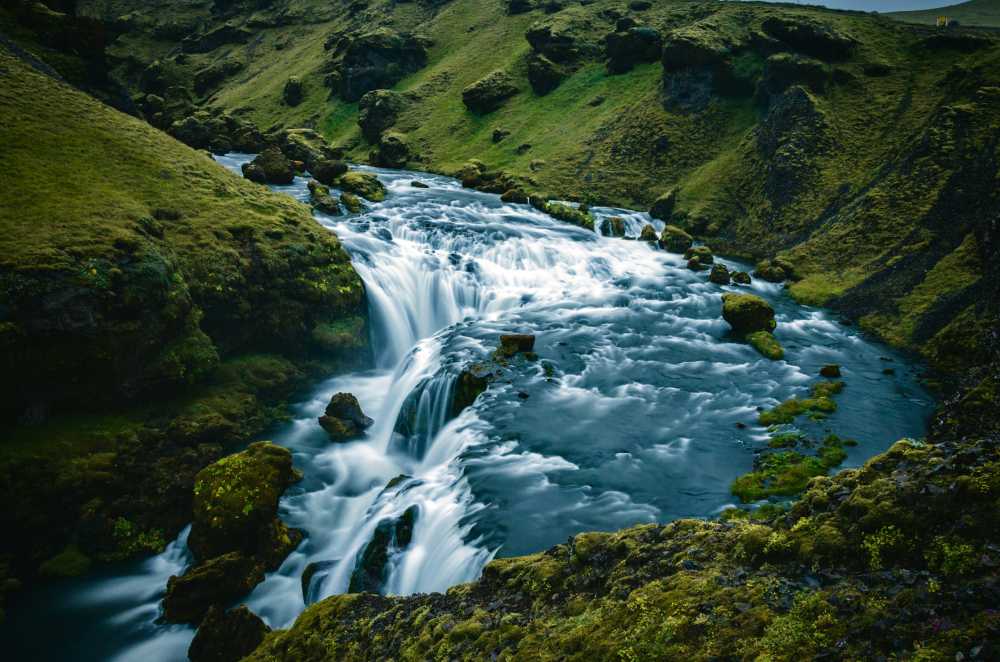
Consistently ranked as the most peaceful country in the world by the Global Peace Index, Iceland is an extraordinary choice for a first-time solo trip. It’s a land of staggering natural beauty, where glaciers grind against volcanoes and the Northern Lights dance across the winter sky. For a solo traveler, its appeal lies in its unparalleled safety and accessibility.
Why It's Perfect for a First-Timer:
Exceptional Safety: With an exceptionally low crime rate and a high degree of gender equality, you can explore with a profound sense of security.
Easy Communication: The majority of Icelanders are fluent in English, which removes the stress of language barriers when navigating, booking tours, or asking for directions.
Strong Tourist Infrastructure: Iceland is built for tourism. The famous Ring Road is easy to navigate, and there are countless reputable tour companies offering everything from glacier hikes to whale watching. This makes it simple to join group activities and meet fellow travelers.
Pro-Tip: While driving the Ring Road solo is an epic adventure, don't underestimate the power of day tours based out of Reykjavik. Joining a small-group tour to see the Golden Circle or the South Coast is a fantastic, low-stress way to see the country's main highlights and connect with other travelers on your very first days.
2. Portugal
A consistent top-ten performer on the Global Peace Index, Portugal offers the quintessential charm and beauty of Western Europe but with a more affordable price tag and a laid-back, welcoming vibe. From the historic, tram-lined hills of Lisbon to the sun-drenched beaches of the Algarve, it’s a country that feels tailor-made for independent exploration.

Why It's Perfect for a First-Timer:
High Safety, Low Cost: Portugal is considered one of the safest countries in Europe, allowing you to enjoy its cities and coastlines without the high price tag of its neighbors.
Vibrant Solo Traveler Scene: It has become a major international hub for solo travelers and digital nomads, particularly in Lisbon and Porto. This means you’ll find a vibrant community of like-minded people and plenty of hostels and events geared toward independent adventurers.
Excellent Infrastructure: The country is well-connected by an efficient and affordable train system, and its cities are compact and highly walkable. For a perfect example of this, look no further than the highly-rated "Picturesque Solo Portugal Tour" offered by operators like Indus Travels, which is notable for its policy of providing a private room with no single supplement fee.
Ready to explore its charming cities and stunning coastlines? Our comprehensive Portugal Guide contains detailed itineraries and local secrets that will make your trip unforgettable.
3. New Zealand
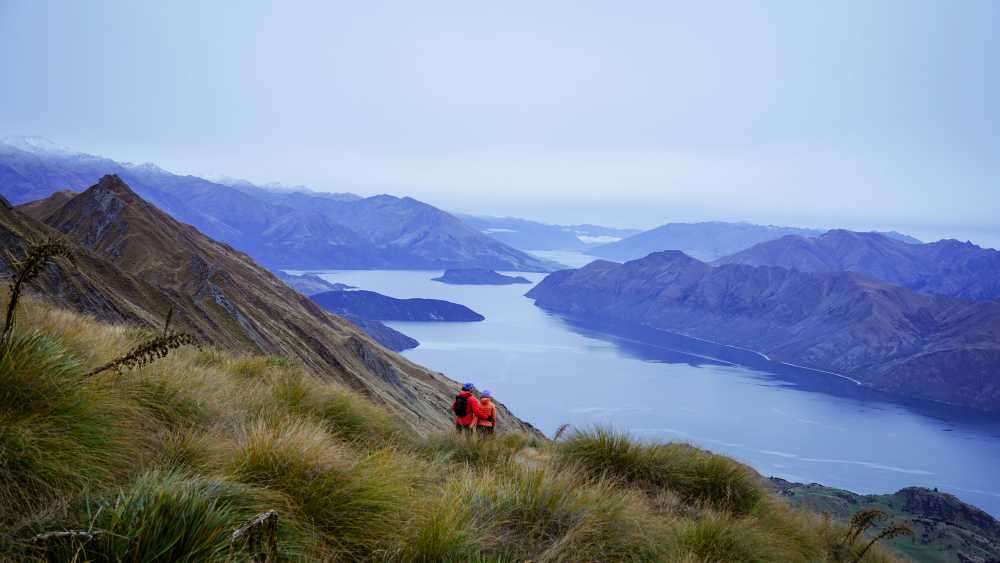
For the nature-loving first-timer, it’s hard to imagine a more perfect destination than New Zealand. Consistently ranked among the top five most peaceful nations on the GPI, it’s a country that combines jaw-dropping landscapes with a world-class reputation for safety and friendliness.

Why It's Perfect for a First-Timer:
Welcoming Culture: New Zealanders, or "Kiwis," are known for their incredibly welcoming and helpful nature, which can be a huge comfort when you're navigating a new country alone.
Established Backpacker Trail: The country has a well-established and safe backpacker bus network and a series of high-quality hostels, making it incredibly easy to meet other travelers and move between destinations.
Adventure at Every Level: Whether you're for gentle hikes through fjordlands or the adrenaline rush of bungee jumping, New Zealand offers accessible adventures for every comfort level.
4. Ireland
Ranking in the top three on the Global Peace Index, the Emerald Isle is celebrated for two things that make it a perfect starting point: its safety and the legendary friendliness of its people. The warm, welcoming atmosphere of a local pub is the perfect antidote to any fears of loneliness.

Why It's Perfect for a First-Timer:
Effortless Navigation: As an English-speaking country with compact, walkable cities like Dublin and Galway, and efficient public transport between them, Ireland is exceptionally easy to navigate.
Social Culture: The culture is inherently social and communal. Striking up a conversation with a local or another traveler over a pint of Guinness is not just possible; it’s practically expected.
Accessible Beauty: You don't need to venture into the remote wilderness to be stunned by Ireland's beauty. Day trips from major cities can take you to the majestic Cliffs of Moher or the ancient hills of Glendalough with ease.
Feeling confident in your destination choice is the first step. The next is ensuring you have the knowledge to navigate it safely. Our free, comprehensive Solo Female Travel Safety Guide is the perfect companion for your first adventure. It's a downloadable checklist and resource guide covering everything from what to pack to what to do in an emergency, giving you total peace of mind.
5. Japan
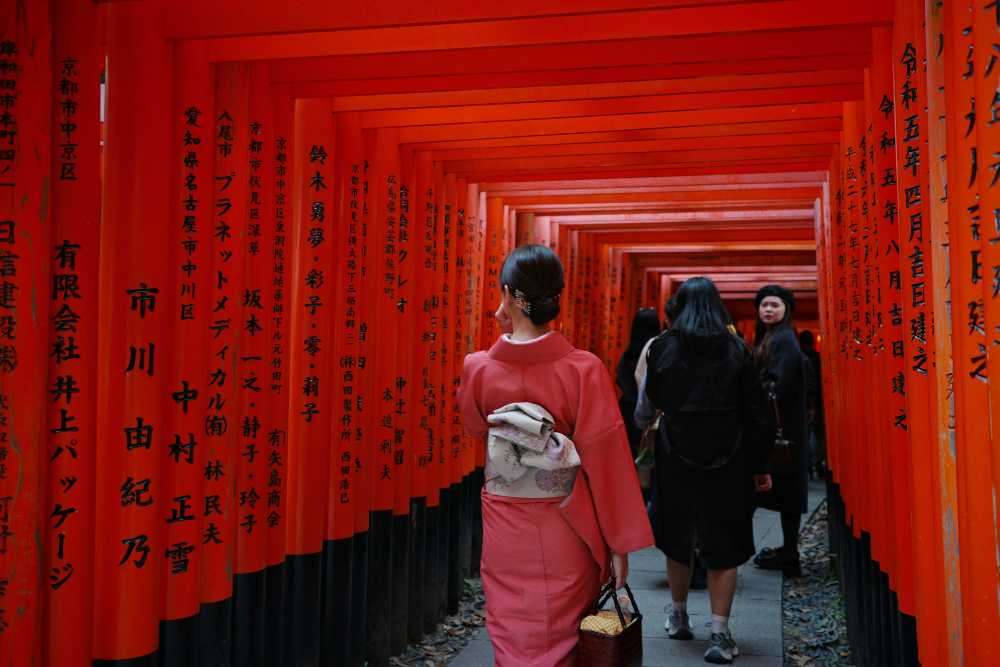
While it doesn't always crack the GPI's top ten due to military metrics, Japan is consistently ranked by travelers as one of the safest countries on earth. It boasts an astonishingly low crime rate and a culture built on deep respect for public order and personal space, making it a place where you can feel secure exploring day or night.

Why It's Perfect for a First-Timer:
Unparalleled Public Safety: The sense of safety in Japan is palpable. It's common to see locals leaving their laptops on a cafe table to reserve a spot or children taking the subway alone.
Legendary Transportation: The public transport system is a marvel of efficiency, punctuality, and cleanliness. It is so reliable that it removes a huge amount of potential travel stress.
Solo-Friendly Culture: From solo dining at ramen counters to the comfort of women-only subway cars during rush hour, the culture is uniquely accommodating to individuals.
Pro-Tip: Don't be intimidated by the language barrier. Download the Google Translate app and use its camera function to instantly translate menus and signs. Most importantly, learn a few key phrases like "Arigato gozaimasu" (thank you very much) and "Sumimasen" (excuse me/sorry). A little effort goes a very long way. For a deeper understanding of the country, check out our guide to Japan.
6. Switzerland
For the traveler who values efficiency, cleanliness, and security above all else, Switzerland is a dream destination. Ranking in the top five on the GPI, it’s a country that runs like a perfectly crafted watch, set against a backdrop of some of the most breathtaking alpine scenery on the planet.

Why It's Perfect for a First-Timer:
World-Class Public Transport: The Swiss Travel System is arguably the best in the world. A single pass can give you access to trains, buses, and boats across the entire country, making travel between majestic mountains, pristine lakes, and charming cities seamless and secure.
Safety and Order: The country is a paragon of safety and cleanliness. This sense of order and reliability can be incredibly reassuring for a nervous first-time traveler.
Nature Made Accessible: You don't have to be a hardcore mountaineer to experience the Alps. A vast network of cable cars, funiculars, and well-marked hiking trails makes the country's stunning natural beauty accessible to everyone.
7. Slovenia
This small Central European nation is a hidden gem that regularly places in the GPI's top ten for peacefulness. It offers the stunning alpine scenery of its more famous neighbors, Austria and Switzerland, but with fewer crowds, a lower price point, and a uniquely charming character.
Why It's Perfect for a First-Timer:
Compact and Manageable: Because of its small size, you can experience a huge amount of diversity—from the alpine beauty of Lake Bled to the vibrant capital of Ljubljana and the charming Adriatic coast—without long or stressful travel days.
A Paradise for Outdoor Lovers: It is extremely safe, clean, and an ideal destination for solo travelers interested in accessible outdoor activities like hiking, kayaking, and exploring the stunning Triglav National Park.
Hidden Gem Status: While growing in popularity, Slovenia still feels less crowded and more "off-the-beaten-path" than many other European destinations, offering a more authentic sense of discovery.
8. Denmark
As a consistent top-ten GPI country, Denmark is a model of social trust, safety, and gender equality. It's a place where the concept of hygge (a feeling of cozy contentment) permeates daily life, creating a comfortable and welcoming atmosphere for visitors.

Why It's Perfect for a First-Timer:
Progressive and Accessible Culture: The country's progressive, English-speaking culture makes it very comfortable for solo women to navigate.
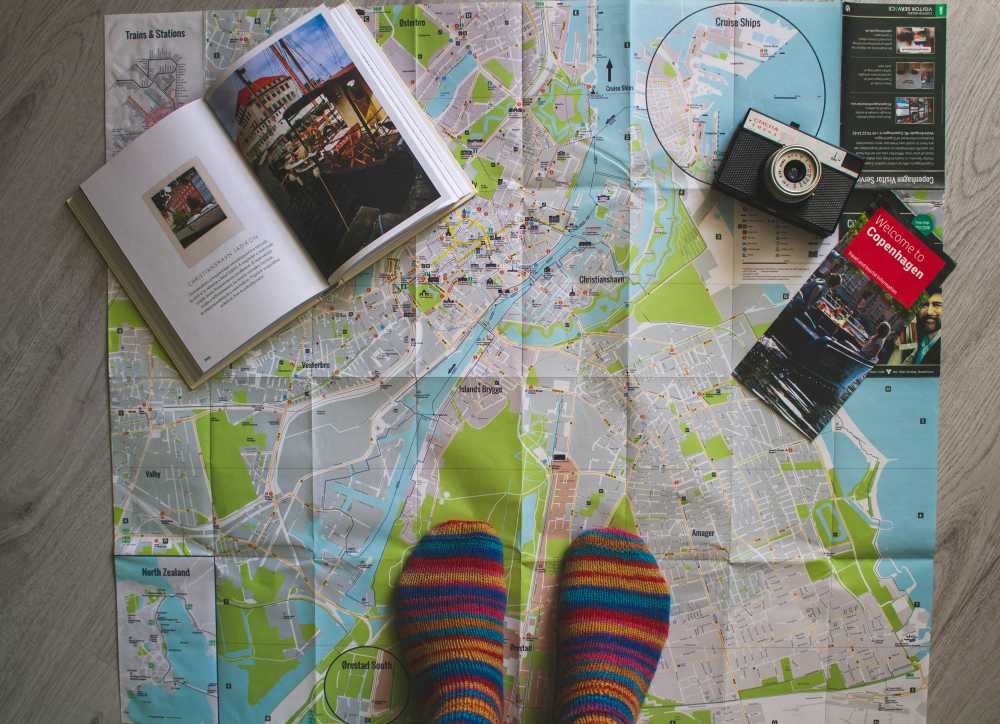
Walkable and Bike-Friendly Cities: The capital, Copenhagen, is famously walkable and is one of the most bike-friendly cities in the world. Renting a bike is a safe, easy, and local way to explore.
High Social Trust: The high level of social trust translates into a very safe-feeling environment, where locals are generally helpful and respectful.
9. Canada
Ranking in the top 15 of the GPI, Canada is an excellent choice for a first international solo trip, especially for Americans, due to its cultural similarity and shared language. It offers vast, breathtaking landscapes and clean, safe cities.

Why It's Perfect for a First-Timer:
Familiarity and Comfort: For North American travelers, Canada offers the thrill of international travel without the culture shock, making it an easy entry point.
Friendly and Polite Populace: The stereotype of friendly Canadians holds true. The general politeness and helpfulness of the populace make for a very pleasant travel experience.
Urban Safety and Natural Wonders: Canadian cities like Vancouver, Montreal, and Toronto are known for being safe and easy to navigate, while also serving as gateways to some of the most spectacular natural scenery in the world, from the Rocky Mountains to the maritime coasts.
10. Costa Rica
While its GPI ranking is lower than its European and Asian counterparts, Costa Rica is consistently regarded as one of the safest and most stable nations in Central America. Its national motto, "Pura Vida" (the pure life), is reflected in its welcoming culture and deep respect for nature.
Why It's Perfect for a First-Timer:
Well-Established Eco-Tourism: The country has a massive and well-developed eco-tourism infrastructure, with countless reputable tour companies, eco-lodges, and shuttle services that make it exceptionally friendly and safe for international visitors.
A Hub for Solo Adventurers: Costa Rica attracts a large number of solo travelers drawn to its lush rainforests, towering volcanoes, and incredible wildlife, so you'll find it easy to connect with others on guided tours or in hostels.
A Focus on Wellness: The "Pura Vida" lifestyle, combined with a focus on yoga, surfing, and connecting with nature, makes it an ideal destination for a trip focused on rejuvenation and self-discovery.
Frequently Asked Questions About Your First Solo Trip
Even with the perfect destination, a few questions are bound to pop up. Here are answers to the most common anxieties.
Is it weird to do activities or eat alone?
Not at all. In most of these destinations, it's completely normal. To feel more comfortable, start with a structured activity. Research shows that 75% of women who have never traveled alone would be more likely to do so on a group tour. Joining a food tour or a day trip on your first day is a great way to ease in and meet people.
How do I handle potential loneliness?
While solitude is a part of solo travel, loneliness doesn't have to be. Stay in a modern hostel (even in a private room) to access social common areas. Pre-book a group activity for your first day to break the ice. Remember, learning to enjoy your own company is one of the most profound rewards of traveling solo.
How much should I budget for one of these trips?
This varies dramatically. A day in Switzerland can cost three times as much as a day in Portugal. The best approach is to find real-world examples. On the TrekGuider marketplace, you can explore detailed itineraries and guides published by seasoned solo travelers, many of whom include specific budget breakdowns from their own trips.
Your Journey Awaits
Choosing a destination is the first, most powerful step in transforming a dream into reality. The fear of the unknown is real, but it can be conquered with knowledge. You are now armed with a curated list of destinations where you can build your confidence, test your wings, and discover the profound joy of navigating the world on your own terms. This list of first solo trip ideas is more than just a collection of places; it's a series of open doors.

The personal growth, resilience, and radical self-reliance you will discover on this journey will become a permanent part of who you are. The only thing left to do is to walk through one of those doors.
Meta Data Suggestions:
SEO Meta Title (59 characters): 10 Best Countries for a First Solo Trip (2026 Safety Guide)
URL Slug: best-countries-first-solo-trip
SEO Meta Description (154 characters): Nervous about your first solo trip? Discover the 10 safest and easiest countries for solo female travelers in 2026, based on data and expert travel advice.
Travel News
Comments 0
No comments yet
Be the first to share your experience!
You May Also Like
Ultimate USA Holidays Guide: Top Picks
FTC Affiliate Disclosure: Stay Compliant as a Travel Creator
Essential Affiliate Tools: From Tracking to Full Optimization
Booking.com Affiliate Review: Pros, Cons & Earnings
Decoding Affiliate Commission Rates: Benchmarks for Travel Creators