
Booking.com Affiliate Program Review: Pros, Cons, and Earnings Potential

TrekGuider @trekguider
As a travel creator, you know accommodations are the bedrock of every trip. Your audience trusts you to recommend the perfect hotel, hostel, or vacation rental. Monetizing that trust is the logical next step, and one name looms larger than any other: Booking.com. With its colossal brand recognition and an inventory of over 28 million listings, joining its affiliate program feels like an obvious, can’t-miss opportunity. After all, with the average monthly income for travel affiliates hitting a reported $13,847, choosing the right partners is a high-stakes game.
But you’ve heard the whispers. In creator communities and private forums, there’s a nagging feeling that behind the slick marketing, something is fundamentally broken. You hear stories of a confusing commission structure, a cookie policy that seems designed to fail, and account issues that leave creators in the lurch. Is the biggest player in the game truly the best partner for your business, or is the booking affiliate program a trap for unwary creators lured in by a big name?
This is the definitive, unbiased review you’ve been searching for. We are cutting through the hype to deliver a clear-eyed analysis of the Booking.com affiliate program. We’ll dissect the legitimate pros, expose the critical, deal-breaking cons, and analyze the true earnings potential so you can make a strategic decision for your business. This deep dive is a crucial part of mastering the affiliate landscape, a topic we cover comprehensively in our pillar guide and essential command center: Travel Affiliate Programs: The 2026 Ultimate Guide.

The Allure: Why the Booking.com Program Is So Tempting
Let's be clear: the pull of the Booking.com affiliate program is undeniable. It’s a household name with the gravitational force of a market giant, and for creators, that brand recognition feels like a shortcut to credibility and conversions. These are the legitimate advantages that make it a top consideration.
Unmatched Brand Recognition and Trust
When you link to Booking.com, you are sending your audience to a platform they already know and trust. This pre-existing brand equity is a powerful conversion tool. You don't have to waste a single word "selling" your audience on the legitimacy of the booking platform itself; you can focus entirely on why that specific hotel is the right choice. This can lead to stronger initial click-through and conversion rates compared to lesser-known platforms.
A Colossal, Unrivaled Inventory
With over 28 million listings that span hotels, apartments, resorts, and even treehouses, Booking.com’s inventory is virtually limitless. No matter how niche your destination—from a major metropolis like Tokyo to a remote village in the Andes—you are almost certain to find a relevant, bookable property for your audience. This vast selection makes it a one-stop shop, simplifying the process of finding accommodation links for your content.

The Potential for High-Volume Conversions
For creators with significant traffic, especially those who attract visitors in the final, decisive stages of trip planning, the sheer volume of bookings processed by the platform can translate into substantial income. The platform's user-friendly interface and powerful search filters make it easy for users to find and book properties quickly, which can be a major asset for high-traffic websites.
The Critical Flaws: The Cons You Absolutely Cannot Ignore
While the pros are appealing, the operational realities of the booking affiliate program contain several severe, structural flaws that can cripple your earnings potential. These are not minor inconveniences; for many creators, they are deal-breakers.
The Achilles' Heel: Why the Session-Based Cookie Is a Deal-Breaker
This is, without question, the single most critical flaw in the Booking.com affiliate program. The program operates on a session-based cookie.
What does this mean? It means you only earn a commission if a user clicks your affiliate link and completes a booking within the exact same browser session. If they click your link, browse a few hotels, close the tab to think about it, and then return to Booking.com an hour later—or the next day—to make their booking, you earn nothing. Your tracking cookie has vanished.
Travel is a high-consideration purchase. People rarely book a multi-hundred or multi-thousand dollar trip on impulse. The typical customer journey looks like this:
They read your inspiring blog post.
They click your link to explore the hotels you recommend.
They compare prices and read a few more reviews.
They discuss options with a spouse or travel partner.
They return the next day, ready and excited to book.
With a session-based cookie, you are only compensated for the rare, impulsive booker. You lose the commission for every single thoughtful, deliberate customer you inspired. This policy is fundamentally misaligned with how real people plan travel, making it a structurally unsafe and potentially unprofitable model for content creators.

Pro-Tip: When evaluating any affiliate program, the cookie duration is often more important than the commission rate. A partner like Expedia Group offers a 7-day cookie, which is vastly superior as it respects the user's decision-making process and ensures you get paid for the value you create.
The "Black Box" Commission: Why 40% Isn't What It Seems
Booking.com often advertises a commission rate of 25-40%, which sounds incredibly high. However, this is deeply misleading. You do not earn a percentage of the total booking value. You earn a percentage of Booking.com's commission.
Here’s how that math actually breaks down:
A customer books a $500 hotel stay through your link.
The hotel pays Booking.com a commission (let's say 15%, which is $75).
You then earn your commission based on that $75, not the original $500.
If your rate is 25%, you earn 25% of $75, which is $18.75. Your effective commission rate on the total booking value is a mere 3.75%. This opaque structure makes it incredibly difficult to forecast your earnings and often results in a much lower payout than creators expect from the flashy headline numbers.
A History of Account Instability and Support Issues
Numerous affiliates have reported frustrating experiences with the program's administration. These complaints often center on sudden account closures without clear explanation, forced migrations to network platforms like Awin or CJ Affiliate, and a history of losing pending commissions during these transitions. While any large program will have some user issues, the volume of these reports suggests a level of instability that should be a major concern for any creator looking to build a reliable, long-term income stream.
The Verdict: Analyzing the True Earnings Potential
So, can you actually make money with the booking affiliate program? The answer is a qualified "yes," but only for a very specific type of publisher.
Who It Might Be Good For:
High-Traffic Deal & Discount Sites: Websites that focus on last-minute deals and attract users who are ready to book immediately can succeed with the session-based model. Their audience is impulsive by nature.
Metasearch Engines: Large-scale travel search engines that operate on a massive volume of clicks may find the program profitable due to sheer scale.
Who Should Avoid It:
Content Creators & Bloggers: If your content strategy is based on inspiration and long-term trip planning—creating itineraries, destination guides, and detailed reviews—this program is fundamentally at odds with your business model. You are inspiring a journey, not a single-session transaction.
Anyone Building a Sustainable, Predictable Income: The combination of a session-based cookie, an opaque commission structure, and reported account instability makes this a high-risk partner for anyone looking to build a reliable business.
Pro-Tip: The most resilient affiliate strategy is built on diversification. Never rely on a single program for your income. A healthy portfolio for a travel creator should include partners for accommodations, tours, insurance, and gear to create multiple, stable revenue streams.
Strategic Alternatives: Safer Bets for Higher Returns
The flaws in the Booking.com program do not mean you should abandon monetizing accommodations. It simply means you should partner with programs structured to favor creator success.
The most direct and superior alternative is the Expedia Group Affiliate Program. It covers major brands like Hotels.com and Vrbo and, most importantly, offers a 7-day cookie duration. This gives your audience a full week to make their decision after clicking your link, ensuring you are properly compensated for your influence.
Ultimately, the most secure path to a stable income is to reduce your reliance on any single affiliate program and start building assets you own. Instead of sending all your traffic to other brands, you can create and sell your own high-value digital products—like detailed itineraries, travel guides, or planning checklists. Platforms like the TrekGuider Seller Platform are designed specifically for this, allowing you to build your own digital storefront and keep a much larger share of the revenue. It's the ultimate strategy for taking control of your financial future.

Build Your Perfect Itinerary (and Monetize It)
Creating high-value, bookable itineraries is one of the best ways to serve your audience and drive affiliate sales. But starting from scratch can be daunting. Our free Travel Itinerary Template gives you the perfect framework to build beautiful, useful guides your readers will love—and a powerful asset you control.
Frequently Asked Questions
1. Is the Booking.com affiliate program free to join? Yes, the program is free to join either directly or through an affiliate network like Awin or CJ Affiliate.
2. What are the payment methods for the Booking.com affiliate program? Payments are typically made via PayPal or bank transfer, but this can depend on the network you join through. There is usually a minimum payout threshold (e.g., €100) that you must reach before you can receive your earnings.
3. Can I use my own affiliate links to make personal bookings? No. Like almost all affiliate programs, using your own links for personal purchases or bookings is a violation of the terms of service and can lead to your account being terminated and commissions being voided.
A Powerful Brand with a Flawed Partnership
The Booking.com affiliate program exists in a paradox. It leverages one of the most powerful and trusted brands in travel, offering a massive inventory that seems perfect for creators. However, its core mechanics—specifically the session-based cookie and the opaque commission structure—are fundamentally anti-creator. They are relics of an older affiliate model that fails to properly value the influence of content creators who build trust and inspire a customer's journey over days or weeks.
While it might work for a small subset of high-traffic, transactional websites, for the vast majority of travel bloggers and content creators, the booking affiliate program represents a significant and unnecessary risk. Your time, effort, and influence are better invested in partners with more favorable, transparent, and creator-friendly terms. By choosing strategic alternatives and diversifying your income streams, you can build a more profitable and resilient business for the long term.
Read the full guide: The Travel Blogger's Playbook to Affiliate Marketing Mastery
Don't Miss Out! Subscribe for Exclusive Content
Subscribe



Comments 0
No comments yet
Be the first to share your experience!
Dont Miss Out! Subscribe for Exclusive Content

Ultimate USA Holidays Guide: Top Picks


FTC Affiliate Disclosure Essentials: Stay Compliant as a Travel Creator

Essential Affiliate Tools: From Tracking to Full Optimization

Avoid These 5 Affiliate Landing Page Mistakes for Better Conversions

Affiliate Keyword Research Mastery for Travel Blogs

Decoding Affiliate Commission Rates: Benchmarks for Travel Creators
4 Unforgettable National Park Family Travel Ideas
TrekGuider @trekguider
Struggling to find a family vacation that pulls your kids away from screens and creates genuine memories, not just stress? You're not alone. The pressure to plan the perfect, budget-friendly trip often leads to analysis paralysis amid an overwhelming sea of options and the fear of getting it all wrong. This guide cuts through the noise.
This is where the timeless majesty of America’s national parks comes in. They are the ultimate solution—vast playgrounds of natural wonder that offer a powerful antidote to the digital saturation of modern life. Forget generic resort packages; this guide is a strategic playbook for crafting an unforgettable national park adventure. We’ll transform the daunting task of planning into an exciting journey.

As we explore these specific parks, remember they represent just one path to an amazing trip. For a complete overview of destinations for every budget and travel style, our Family Travel Ideas: The 2026 Guide to Unforgettable Trips is your ultimate resource. This article is your specialized map to sun-drenched trails, awe-inspiring wildlife, and the kind of shared experiences that strengthen family bonds for years to come.
Why National Parks are the Ultimate Family Travel Ideas for Summer
In a world of manufactured entertainment, national parks offer something profoundly real. They are living classrooms, natural gymnasiums, and sanctuaries for the soul. For families, they present a unique opportunity to disconnect from daily routines and reconnect with each other in a meaningful way.
Unmatched Educational Value: Where else can your child see the geological forces that shaped our planet firsthand at the Grand Canyon, or watch a bison herd thunder across the plains of Yellowstone? These parks are immersive, multi-sensory learning environments that bring textbook concepts to vivid life.
Built-in Adventure: From gentle, toddler-friendly nature walks to more challenging hikes for teens, the parks are structured for adventure at every skill level. The thrill is in the discovery—spotting a bald eagle, identifying a new wildflower, or conquering a trail together.
Remarkable Affordability: Compared to theme parks or international travel, a national park vacation can be incredibly budget-friendly. An annual "America the Beautiful" pass grants access to all parks for just $80 per vehicle. With options for camping or lodging in nearby towns, you can tailor the trip to your exact financial comfort level.
A Cure for Nature Deficit Disorder: Experts increasingly recognize that time spent in nature is critical for a child's physical and mental development. It reduces stress, improves focus, and fosters creativity. A week in the woods can be the most effective reset button you’ll ever press for your family.
They are, quite simply, America's best idea, and they are waiting to be the backdrop for your family's next great story.
Your National Park Summer Adventure Playbook
Success in the wild begins with careful planning at home. The immense popularity of national parks during the summer means that spontaneity can lead to sold-out signs and disappointment. Following a proven framework is key to a smooth and memorable trip.
Step 1: The 6-12 Month Countdown - Booking Your Basecamp
Let’s start with a non-negotiable truth: if you only get one thing right in your planning, make it your lodging. In-park accommodations and popular campsites are often booked solid the day they become available, sometimes a full year in advance.
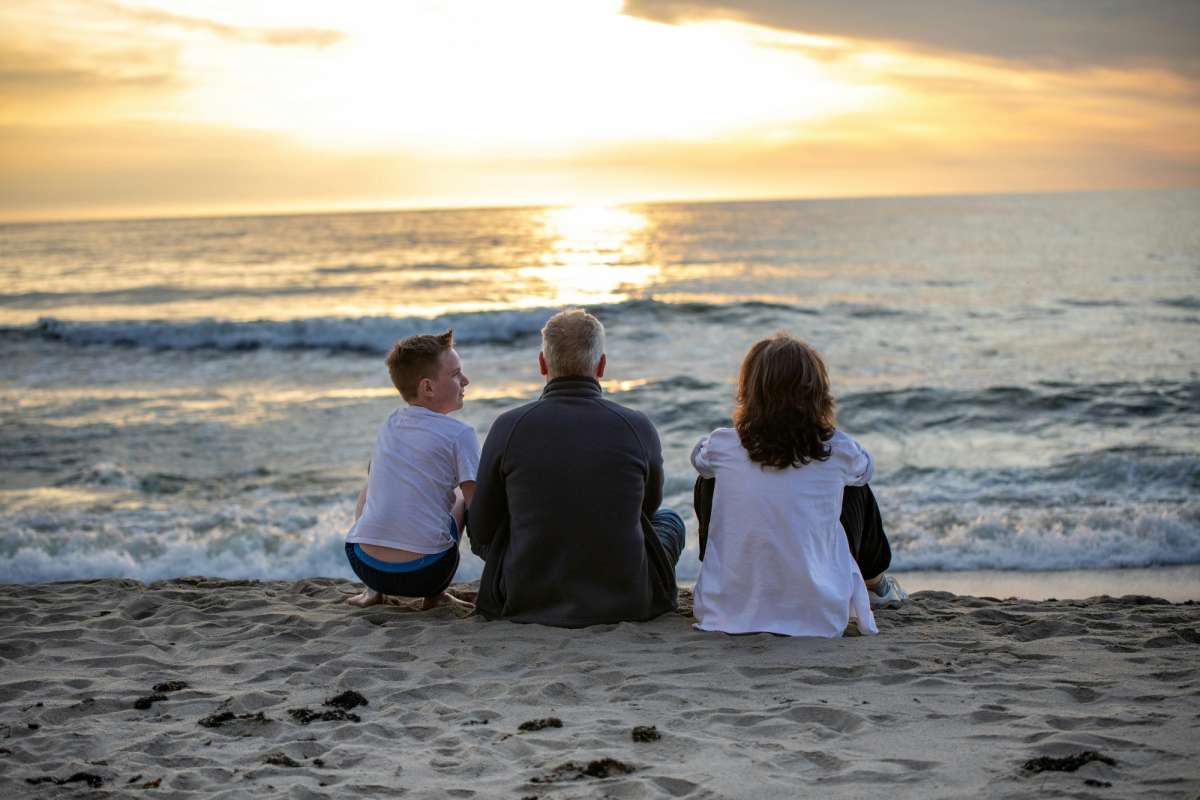
Define Your Lodging Style:
In-Park Lodges: Offer unparalleled convenience and historic charm (think the Old Faithful Inn). They are the most expensive option and require the earliest booking.
Campgrounds: Provide the most immersive nature experience. Services range from primitive sites to full RV hookups. Reservations are typically made through Recreation.gov.
Gateway Towns: Towns just outside park entrances (like West Yellowstone, MT, or Springdale, UT) offer a wide range of hotels, motels, and vacation rentals. They provide more flexibility and amenities but require daily travel into the park.
Set Your Alarms: Identify the exact date and time that reservations open for your target dates and lodging. Be online and ready to book the second they become available.
Have Backup Plans: Research and be ready to book your second and third choices immediately if your first is unavailable.
Pro-Tip: How to Actually Win the Campground Lottery
Booking a popular national park campsite on Recreation.gov is a competitive sport. Here’s how to win: a few days before your booking day, log into your account, find your desired campground, and add it to your cart to confirm the exact release time (usually 10 a.m. ET). On the day, log in 10 minutes early, sync your computer clock to the official U.S. time (time.gov), and have all your information ready. Refresh your screen precisely at the release time and complete the booking in seconds.
Step 2: The 2-3 Month Check-In - Crafting Your Itinerary
With your basecamp secured, you can now build your daily plan. The key is to balance iconic sights with downtime to avoid burnout. Our guide on How to Make Family Travel Planning Actually Easy dives even deeper into this process.
Cluster Your Activities: Parks are huge. Study the park map and group your desired activities by geographic area. Dedicate full days to specific regions, like the Yellowstone Lake area or the Tioga Road in Yosemite, to minimize driving time.
Prioritize the "Must-Sees": Identify the 2-3 iconic experiences your family absolutely cannot miss. Plan to visit these popular spots early in the morning (before 9 a.m.) or later in the afternoon (after 4 p.m.) to avoid the worst crowds and midday heat.
Involve the Kids: Give your children, especially older ones, a voice in the planning. Let them research and choose a specific trail they want to hike or a Ranger Program they want to attend. This ownership fosters excitement and cooperation.
Stay Organized from Start to Finish
A great road trip has a lot of moving parts. Our free checklist is designed to help you track everything from reservations to packing lists, ensuring nothing gets missed.
Download the free National Park Road Trip Checklist
Top National Parks for Summer Family Adventures (And What to Do There)
While every park is special, some are exceptionally well-suited for families during the summer months. Here are our top picks for incredible family travel ideas for summer in the national parks.
Yellowstone National Park: The Geothermal Wonderland
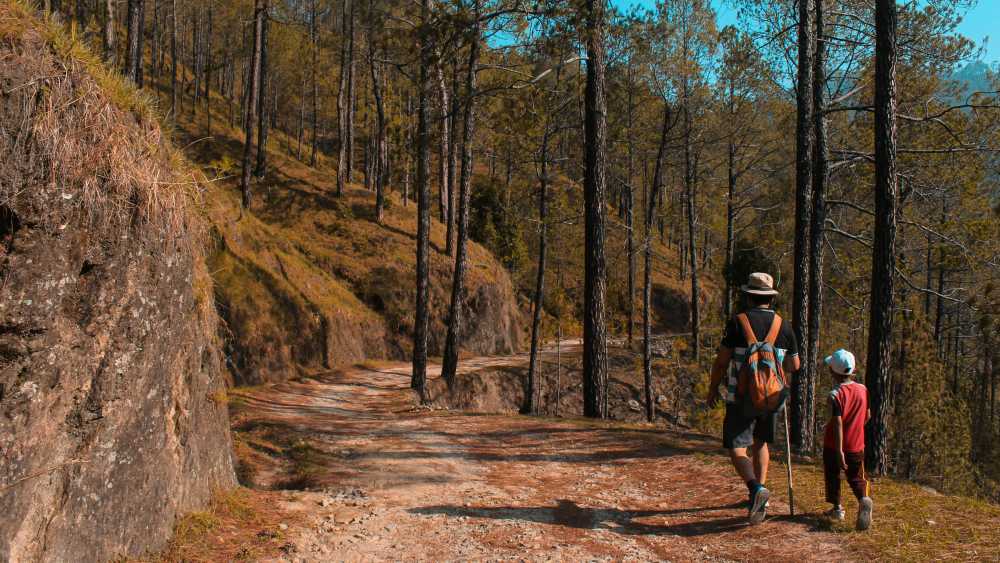
Best For: Ages 6+. The sheer scale and geothermal wonders are captivating for school-aged children and teens.
Can't-Miss Activities:
Watch Old Faithful Erupt: It’s iconic for a reason. Check the posted eruption times and find a spot on the boardwalk.
Explore the Grand Prismatic Spring: The vibrant colors of this massive hot spring are otherworldly. The best view is from the elevated overlook on the Fairy Falls Trail.
Wildlife Safari in Hayden Valley: Drive through this vast, open valley at dawn or dusk for the best chances of spotting bison, elk, grizzly bears, and even wolves.
Kid-Friendly Hike: The Storm Point Loop Trail is a relatively flat 2.3-mile loop that leads through forest to a scenic point on Yellowstone Lake.
Zion National Park: The Majestic Canyon Sanctuary
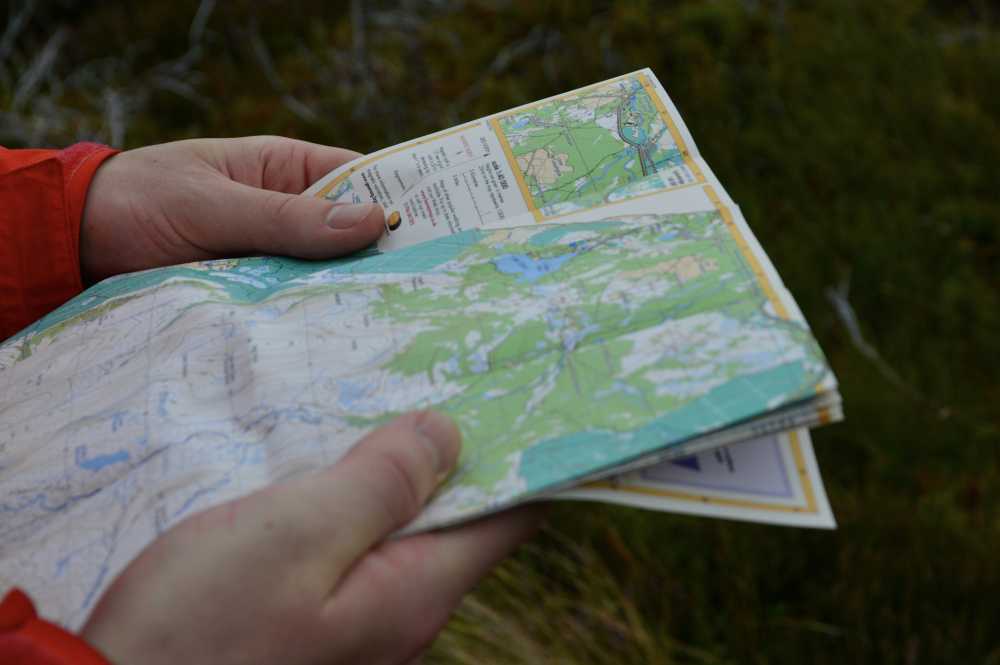
Best For: All ages, but especially families with active kids and teens.
Can't-Miss Activities:
Ride the Park Shuttle: During peak season, the mandatory shuttle is an experience in itself, offering narrated guidance and stunning views.
Walk The Narrows (Bottom-Up): Wading through the Virgin River in a 1,000-foot-deep canyon is the quintessential Zion experience. Rent proper water shoes from an outfitter in Springdale—it's a game-changer.
Hike to Emerald Pools: This series of trails leads to lush, spring-fed pools and waterfalls. The Lower Pool trail is paved and accessible for strollers.
Kid-Friendly Hike: The Pa'rus Trail is a 3.5-mile paved trail that follows the Virgin River. It's perfect for strollers, wheelchairs, and bikes.
Acadia National Park: The Coastal Gem of New England
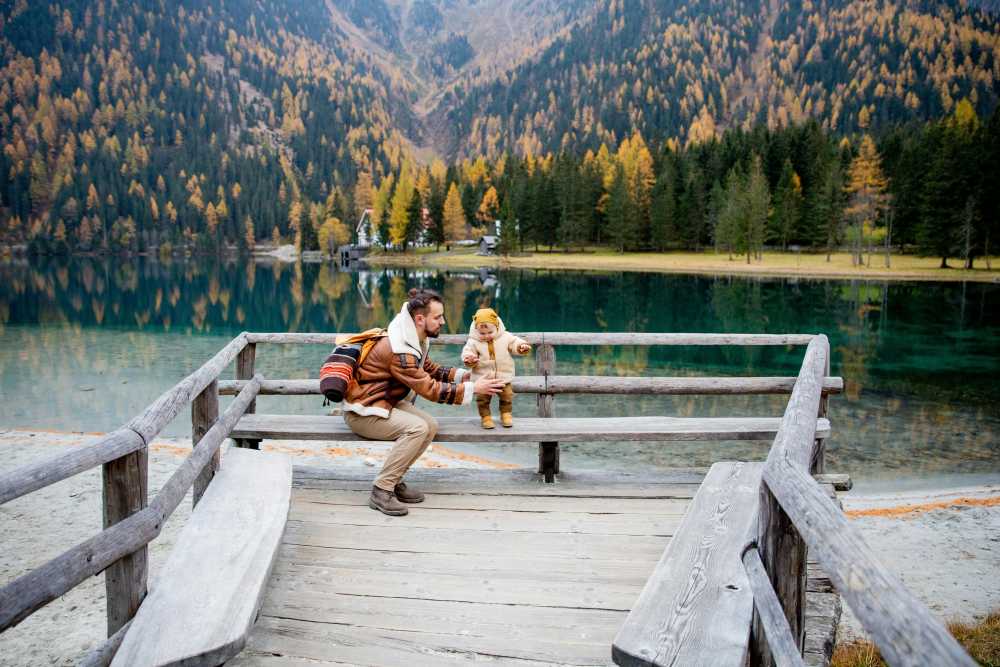
Best For: All ages. The diversity of landscapes makes it a perfect fit for multi-generational trips.
Can't-Miss Activities:
Drive the Park Loop Road: This 27-mile road hits many of the park's highlights, including Sand Beach, Thunder Hole, and Otter Cliff.
Watch the Sunrise from Cadillac Mountain: Be one of the first people in the United States to see the sunrise. Vehicle reservations are now required and must be booked in advance.
Explore the Tide Pools: At low tide, the rocky coastline near Wonderland Trail reveals a fascinating world of sea stars, crabs, and anemones.
Kid-Friendly Hike: The Jordan Pond Path is a 3.3-mile loop around a crystal-clear pond, best capped off with popovers at the Jordan Pond House.
Olympic National Park: A World of Ecosystems

Best For: Families who crave variety and have kids aged 7+. Olympic is like visiting three parks in one.
Can't-Miss Activities:
Explore the Hoh Rainforest: Walk the Hall of Mosses Trail (.8 miles), an easy loop that immerses you in a temperate rainforest dripping with green. It’s pure magic.
Discover Rialto Beach: This is the iconic Pacific Northwest coastline. Explore tide pools, admire giant driftwood, and hike to the Hole-in-the-Wall sea arch (check tide charts!).
Drive to Hurricane Ridge: Ascend nearly a mile in elevation for breathtaking panoramic views of the Olympic Mountains.
Kid-Friendly Hike: Sol Duc Falls Nature Trail is a 1.6-mile roundtrip hike through a stunning old-growth forest to a powerful, picturesque waterfall.
Common Pitfalls and How to Avoid Them
The "Too Much, Too Fast" Itinerary: Don't try to see an entire park in two days. You’ll end up with cranky kids and only see the park through a car window. Embrace a slower pace. For more on this, explore The Sanity-Saving System for Your Next Family Road Trip.
Ignoring the Junior Ranger Program: This is a mistake. The free activity booklets available at any visitor center are the single best way to engage kids aged 5-12. It transforms them from passive passengers into active explorers.
Underestimating Wildlife Safety: Seeing a bear or bison is a thrill, but these are powerful wild animals. Know and respect the rules: stay at least 100 yards from bears and wolves, and 25 yards from all other large animals. Never, ever feed wildlife.
Pro-Tip: Download the official NPS (National Park Service) app before your trip. You can save park maps and content for offline use, a lifesaver in areas with no cell service.
Packing and In-Trip Strategies
Your gear and daily approach can make or break the experience. Focus on comfort, preparedness, and flexibility.
The Essential Family Packing List:

Layered Clothing: Summer weather in the mountains is notoriously unpredictable. Pack lightweight layers—t-shirts, fleeces, and a waterproof rain jacket—for everyone.
Sturdy Footwear: Do not attempt hikes in flip-flops. Everyone needs comfortable, broken-in shoes with good traction.
Sun Protection: The sun is more intense at higher elevations. Bring wide-brimmed hats, sunglasses, and high-SPF sunscreen.
Reusable Water Bottles: Staying hydrated is critical. A large water bladder for each adult and a reusable bottle for each child is a must.
A "Go-Bag" for the Car: Keep a small backpack in the car with essentials: a first-aid kit, endless snacks, binoculars, a physical park map, and wet wipes.
Frequently Asked Questions
What is the best time of year for a national park family vacation?
While summer offers the most accessible weather and open facilities, it's also the most crowded. For fewer crowds and beautiful scenery, consider the "shoulder seasons" of late spring (May-June) and early fall (September-October). Always check specific park conditions, as weather varies greatly by region.
How far in advance should I book lodging for a national park trip?
For popular in-park lodges, you should book 12 months in advance—often the day reservations become available. For campsites, the booking window is typically 6 months in advance. Planning this far ahead is crucial for securing the best locations.
Are national parks a good vacation idea for families with toddlers?
Absolutely! Many parks feature paved, stroller-friendly trails like the Pa'rus Trail in Zion or accessible boardwalks around Yellowstone's geysers. The key is to choose the right activities, keep hikes short, and take advantage of the Junior Ranger programs, which have activities for younger children.
What's the most important thing to pack for a national park trip?
Beyond your camera, the most critical items are layered clothing and proper footwear. Mountain weather can change in an instant, so having layers ensures everyone stays comfortable. Sturdy, broken-in shoes are essential for preventing blisters and navigating uneven trails safely.
Conclusion
The beauty of a national park vacation lies in its simplicity and its power. By investing in careful planning, you are not just organizing a trip; you are building a framework for connection and creating a reservoir of shared memories that your family will draw upon for a lifetime. These family travel ideas for summer are more than just a vacation—they are an investment in your family's story.
So, use this guide to book with confidence, pack with purpose, and get ready to discover the incredible wonders waiting in your own backyard.

Read the full guide: Family Travel Ideas: The 2026 Guide to Unforgettable Trips
Don't Miss Out! Subscribe for Exclusive Content
SubscribeComments 0
No comments yet
Be the first to share your experience!
Dont Miss Out! Subscribe for Exclusive Content

San Francisco Cherry Blossoms: A Local's Guide to the Blooms

Halloween SF: Haunts Without Horrors

SF Festivals: 7 Must-See Lineups

Christmas SF: Lights & Wharf Wonders

SF Pride: 6 Route & Party Hacks

Chinese New Year SF: Parade Essentials
Is Solo Travel Safe? A Data-Driven Look at the Real Risks & How to Mitigate Them
TrekGuider @trekguider
You've pictured it a thousand times: a journey planned entirely for you, by you. The pure, unadulterated freedom of the open road. But then the doubt creeps in, fueled by worried questions and sensational headlines. Is it actually safe to venture out alone? That single question can be paralyzing, trapping you between a deep desire for adventure and a genuine concern for your well-being.
This constant drumbeat of fear can be deafening, causing you to second-guess your ambitions and question whether your dream of independent exploration is just a reckless fantasy.
This guide is your way through that noise. We believe that safe solo travel is not only possible but is one of the most profoundly empowering experiences a person can have. While we offer deep resources on all kinds of journeys, from group adventures detailed in our Family Travel Ideas: The 2026 Guide to Unforgettable Trips to individual quests, this article is dedicated to you, the solo explorer. It’s about replacing vague fears with a clear, data-driven assessment of the real risks and arming yourself with practical, proven strategies to manage them.

The Statistical Truth: Is Solo Travel Safe from a Data Perspective?
First, let's ground ourselves in reality, not headlines. The perception of danger, often amplified by a 24-hour news cycle, is frequently magnified far beyond the statistical truth. While any travel carries inherent risks, data shows that the world is not the uniformly dangerous place it's often made out to be.
Violent crime rates, for instance, have been on a global decline for decades. According to the United Nations Office on Drugs and Crime (UNODC), the global homicide rate has been steadily decreasing. Furthermore, areas popular with tourists are often more heavily policed and protected, simply because tourism is a vital economic engine for many countries.
The most common crimes affecting travelers are not violent assaults, but rather crimes of opportunity—preventable incidents that prey on distraction. These fall into three main categories:
Petty Theft: This is the undisputed champion of tourist troubles. It includes pickpocketing in crowded squares, snatching a phone left on a cafe table, and swiping an unattended bag. Data from cities like Barcelona and Rome consistently shows that this is, by a huge margin, the most reported crime against visitors.
Scams: From the aggressive "friendship bracelet" weavers in Paris to the notoriously creative taxi drivers in Bangkok, scams are designed to trick you out of your money through clever, non-violent deception.
Credit Card Fraud: Sophisticated skimming devices at ATMs or dishonest vendors can capture your card information, leading to fraudulent charges days or weeks later.

Understanding this allows for a critical mindset shift. The goal is not to build a fortress around yourself. It’s to develop smart, consistent habits that make you a "hard target" for these common, low-level threats. The answer to "is solo travel safe?" is overwhelmingly yes, provided you are prepared, aware, and informed.
Building Your Safety Foundation Before You Go
True travel safety isn't something you find; it's something you build. The foundation for a secure and confident solo trip is laid long before you ever start packing a bag. This pre-trip protocol is your blueprint for mitigating risk from the comfort of your own home.
1. Master Your Destination Before You Arrive

Every location has its own unique rhythm and set of unwritten rules. Conducting a deep analysis of your destination with safety as the primary lens is the first and most crucial step.
Consult Official Channels: Start with the U.S. Department of State's travel advisories. They provide detailed, country-specific information on everything from political unrest and health concerns to targeted advice for female or LGBTQ+ travelers. Pay attention to the overall country level, but also look for specific regional warnings.
Dig for Local Nuances: Go beyond official reports. Use travel blogs and forums to understand neighborhood dynamics. Instead of a generic search, use specific, targeted queries like "(City Name) solo female safety" or "scams to watch for in (Country)" on Reddit (r/solotravel) or Facebook groups. This uncovers the subtle, on-the-ground intelligence that guidebooks often miss.
Understand the Cultural Context: Research local customs, dress codes, and social norms. In some countries, what's considered a friendly gesture at home might be interpreted differently. Understanding and respecting the local culture not only enriches your experience but is also a powerful tool for blending in and avoiding unwanted attention.
2. Fortify Your Finances and Documents
The goal here is redundancy. You want to ensure that the loss of a single item—like your wallet or phone—is merely an inconvenience, not a trip-ending catastrophe.
Build a Digital Vault: Scan your passport, driver's license, visa, and the front and back of your credit cards. Save these as encrypted files in a secure cloud service (like Google Drive or Dropbox) and email a copy to yourself and a trusted contact. To ensure you don't miss any critical documents, our International Travel Checklist is an indispensable tool.
Distribute Your Itinerary: Leave a detailed copy of your itinerary—including flight numbers, accommodation names and addresses, and a general daily plan—with a family member or friend back home.
Diversify Your Money: Never depend on a single source of funds. Travel with at least two different credit cards and one debit card, and store them in separate locations. Keep one card in your wallet, one in a hidden pocket of your daypack, and perhaps a third in the safe back at your hotel.
Alert Your Banks: A simple but critical step. Inform your bank and credit card companies of your travel dates and destinations. This prevents their fraud detection systems from freezing your accounts when they see a transaction from a foreign country.
3. Travel Insurance
Think of travel insurance as your ultimate safety net. For a solo traveler, it's not a luxury; it's an absolute necessity. A comprehensive policy is your financial backstop for the unexpected. Look for coverage that includes:
Emergency medical and dental expenses
Emergency medical evacuation (this is critical and can cost tens of thousands of dollars without insurance)
Trip cancellation, delay, or interruption
Lost or stolen luggage and personal effects
A 24/7 emergency assistance hotline
Your On-the-Ground Toolkit for Staying Safe Solo
Once you arrive, your most powerful safety tool is situational awareness. This isn't about being paranoid; it's about being present, perceptive, and engaged with your surroundings.
Mastering the Art of Situational Awareness

This is the skill of observing your environment and making smart, proactive decisions based on what you see.
Walk with Purpose and Confidence: Even when you’re utterly lost, walk like you know exactly where you're going. Keep your head up, your shoulders back, and your pace steady. A confident posture is a natural deterrent.
Minimize Distractions, Maximize Perception: Avoid walking while staring down at your phone or wearing headphones in both ears. These actions scream "distracted tourist" and make you a prime target for pickpockets. Keep your phone in your pocket and one earbud out so you can hear your surroundings.
Blend In, Don't Stand Out: The goal is to look like a savvy local, not a bewildered tourist. Dress in a way that aligns with local styles—if locals don't wear shorts, maybe you shouldn't either. Avoid flashing expensive jewelry, wads of cash, or a high-end camera slung around your neck.
Trust Your Gut Instinct: Your intuition is a highly advanced, subconscious pattern-recognition machine. If a person, a dark alley, or a situation feels "off," it probably is. Don't hesitate or worry about being polite—remove yourself from the situation immediately.
Pro-Tip: Carry a "decoy" wallet. Get a cheap, old wallet and stock it with a small amount of local currency and some expired credit cards or old loyalty cards. Keep this in your pocket or an easily accessible part of your bag. In the unlikely event of a robbery, you can hand this over without losing your primary financial resources.
How to Guarantee Your Accommodation Is Safe for Solo Travel
Your hotel, hostel, or rental is your sanctuary. A few simple checks can ensure it stays that way.
Vet the Location: Before booking, use Google Street View to take a virtual walk around the block. Is it a deserted industrial area or a lively street with open cafes? Read recent reviews, specifically searching for keywords like "safe," "location," and "solo."
Secure Your Room: The moment you check in, test the locks on the door and windows. Always use the deadbolt and security chain when you're inside. For an incredibly effective and cheap extra layer of security, pack a simple rubber doorstop and wedge it under your door at night.
Use the Safe (That's What It's For): Don't leave your passport, extra cash, or spare credit cards lying around. Use the in-room safe. If you're in a hostel, choose one that offers secure individual lockers and bring your own padlock.
Digital Defense: Ensuring Your Solo Travel is Safe Online
In the 21st century, physical safety is only half the battle. Public Wi-Fi networks are notoriously insecure, making them prime hunting grounds for data thieves.
A VPN is Non-Negotiable: A Virtual Private Network (VPN) is an essential tool for any traveler. It encrypts your internet connection, creating a secure, private tunnel for your data that is unreadable to anyone snooping on the network.
Embrace Two-Factor Authentication (2FA): Activate 2FA on all your important accounts (email, banking, social media). This means that even if a thief manages to get your password, they can't access your accounts without a second, time-sensitive code sent to your device.
Be Wary of Public Computers: Avoid logging into sensitive accounts on public computers, like those in an internet cafe or hotel business center. If you absolutely must, use a private/incognito browsing window and be certain to log out of all accounts and clear the browser history before you leave.
Pro-Tip: Adapt the "Morning Photo" protocol for solo use. Each morning, send a quick photo of yourself (showing your outfit) and a brief text outlining your general plans for the day to a trusted contact back home. This creates a simple, timestamped visual record of your appearance and intended whereabouts.
A Crucial Guide for Solo Female Travelers

While the vast majority of safety advice is universal, it's a reality that women traveling alone can face a unique set of concerns and scrutiny. Adhering to the core principles of solo travel safety is therefore doubly important.
Confidence is Your Cloak: Your body language is your first line of defense. Walk tall, be assertive in your interactions, and don't be afraid to be firm or even loud if someone is making you uncomfortable. A simple, sharp "No" is a complete sentence in every language.
Be Mindful of Local Gender Dynamics: Research how men and women typically interact in your destination. In some conservative cultures, direct eye contact or an unsolicited smile from a woman can be misinterpreted as an invitation. Adapting your behavior isn't about submission; it's a sign of cultural respect and a smart safety tactic.
Strategically Handle Unwanted Attention: If you feel you are being followed or persistently harassed, walk directly into a busy shop, restaurant, or hotel lobby. Approach a staff member (especially another woman) and calmly explain the situation. A simple "that person is bothering me" is universally understood.
Use the "Ring" Trick: Many experienced solo female travelers wear a simple, plain band on their left ring finger, regardless of their actual marital status. It can be a simple, non-confrontational way to deter unwanted advances or questions about why you're alone.
Your Essential Toolkit for Confident Exploration
The advice in this section is just the beginning. For a deeper dive into female-specific safety strategies, real-world scenarios, and expert-level preparation, download our free Solo Female Travel Safety Guide. It's the definitive resource for every woman who's ready to see the world on her own terms.
Frequently Asked Questions
What is the most common crime against solo travelers?
The most common risks are crimes of opportunity, not violence. Petty theft, like pickpocketing and bag snatching in crowded tourist areas, is by far the most frequent issue. Being aware and keeping your valuables secure are your best defenses.
Is it safe for a woman to travel alone for the first time?
Absolutely. Thousands of women travel solo safely every day. The key is thorough preparation: choose a destination with a good safety record for solo women, research local customs, and follow the universal safety protocols outlined in this guide.
Should I carry my passport with me while I'm out exploring?
In most cases, it's safer to leave your passport secured in your hotel safe. Carry a photocopy or a digital image on your phone for identification purposes. Some countries legally require you to carry the original, so always verify the local law for your destination.
What is the single most important safety tip for a solo traveler?
Trust your intuition. More than any single gadget or tactic, your gut feeling is your best defense. If a situation or person feels wrong, remove yourself from it immediately without hesitation or apology.
Safety Is the Freedom to Explore
So, after all this, is solo travel safe? The answer is a resounding, confident yes. True safety on the road is not a matter of luck; it is the direct and empowering result of thoughtful preparation, heightened awareness, and a proactive mindset.

By shifting your perspective from a fear of the unknown to a healthy respect for the variables, you transform yourself from a potential target into a capable, worldly explorer. The strategies outlined here are not meant to make you fearful, but to make you free—free from the anxiety that holds you back, and free to embrace the incredible growth, perspective, and pure joy that only solo travel can provide. Armed with this knowledge and a commitment to smart travel practices, you can ensure your journey is not just memorable, but also profoundly safe.
Read the full guide: Family Travel Ideas: The 2026 Guide to Unforgettable Trips
Don't Miss Out! Subscribe for Exclusive Content
SubscribeComments 0
No comments yet
Be the first to share your experience!
Dont Miss Out! Subscribe for Exclusive Content
Ultimate USA Holidays Guide: Top Picks
FTC Affiliate Disclosure Essentials: Stay Compliant as a Travel Creator
Essential Affiliate Tools: From Tracking to Full Optimization

Booking.com Affiliate Program Review: Pros, Cons, and Earnings Potential
Decoding Affiliate Commission Rates: Benchmarks for Travel Creators

Amazon Associates for Travel: Strategies to Maximize Commissions
The Best Travel Blogs to Follow in 2026
TrekGuider @trekguider
The world of travel blogging is in the midst of a profound transformation. The era of the generic, sun-drenched listicle is fading, making way for a sophisticated, multi-billion-dollar ecosystem of niche experts, media entrepreneurs, and deeply authentic storytellers. In this new landscape, the best travel blogs are no longer just digital postcards. They are indispensable masterclasses in specific travel styles, invaluable resources for navigating complex journeys, and thriving communities built on a foundation of hard-won trust. They are the definitive guides that can fundamentally change how you see and experience the world.
Here at TrekGuider, we live at the epicenter of this evolution. We know that finding a truly exceptional travel blog is like being handed a key that unlocks a hidden dimension of a destination. It’s the difference between a good trip and a genuinely life-changing one. That’s why we’ve gone deep, undertaking a comprehensive analysis of the 2026-2026 travel blogosphere to bring you this definitive guide. We’ve looked beyond the vanity metrics to identify the true market leaders—the creators who combine deep, demonstrable expertise with exceptional content that serves, inspires, and empowers their readers.
This isn't just another list. This is your curated portal to the most valuable voices in travel today. Whether you're seeking inspiration for a family adventure, a culinary exploration, or the strategic blueprint to build a travel brand of your own, you’ve come to the right place. Let's explore the creators and resources that are defining the future of travel.
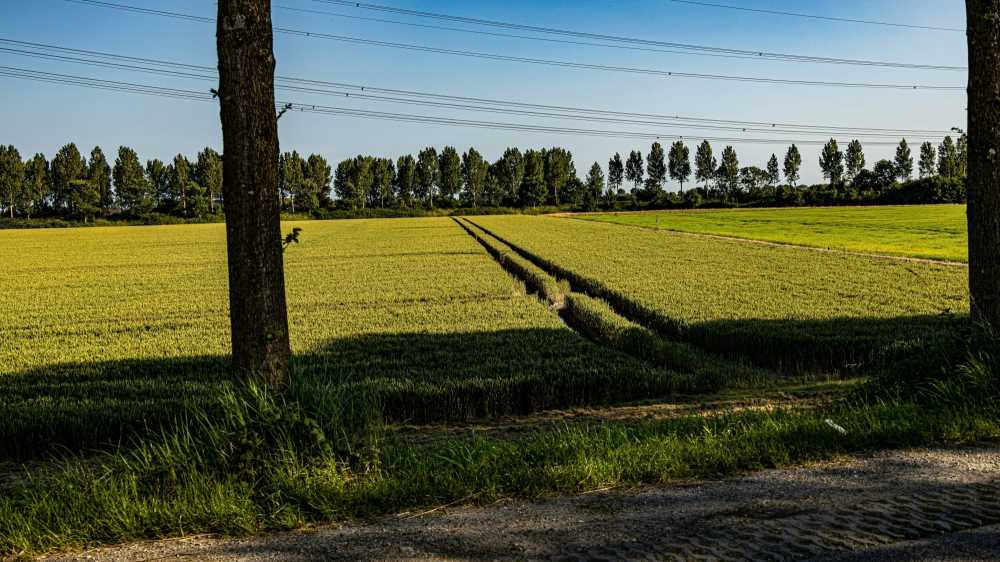
What Makes a Travel Blog "The Best" in 2026?
In a market saturated with content, separating the signal from the noise is everything. Our selection process is not based on whims or follower counts; it is grounded in a rigorous, dual-factor vetting framework that combines empirical data with the essential, human elements of brand excellence. This ensures every blog we recommend is not just popular, but genuinely authoritative, trustworthy, and immensely valuable to its readers.
Beyond Follower Counts: Our Data-Driven Vetting Process
Our analysis begins with a layer of quantitative data to objectively gauge a blog's authority within the digital ecosystem. We look for tangible signals of credibility and influence.
Domain Authority (DA) and Domain Rating (DR): These are the industry’s primary metrics, developed by Moz and Ahrefs respectively, for estimating a website's ranking potential. Calculated on a 100-point logarithmic scale, they primarily measure the quantity and quality of backlinks pointing to a site. A high score is a powerful indicator of a blog's credibility in the eyes of search engines.
Social Media Engagement Rate: Raw follower count is an increasingly misleading metric. We prioritize the quality of an audience over its size. A far more accurate measure of influence is the engagement rate, which reflects the proportion of an audience that actively interacts with content. A common way to calculate it is to add up the total interactions on a post (likes, comments, shares, and saves), divide that sum by the account's total follower count, and then multiply by 100 to get the engagement rate as a percentage.
A high engagement rate is a strong proxy for true brand loyalty and community health.
However, data only provides a snapshot. The soul of a great travel blog is found in its connection with its audience. Our qualitative criteria assess this human layer of excellence:
Quality of Writing & Originality: We seek out a distinct authorial voice, compelling personal storytelling, and a unique perspective that transcends generic travel advice.
Niche Specificity & Expertise: The era of the generalist travel blog is over. The market leaders of 2026 are deep, narrow experts in a specific sub-niche, whether it's vegan food travel, family RV trips, or solo hiking adventures.
User Experience (UX) & Site Design: A professional, clean, and easy-to-navigate website is a non-negotiable signal of credibility and a deep respect for the reader's time and experience.
Authenticity & Transparency: Trust is the ultimate currency of the creator economy. We champion blogs that are unflinchingly honest, sharing both the incredible highs and the inevitable lows of travel, and which provide clear, conspicuous disclosures of sponsored content, adhering strictly to the latest FTC guidelines.
Finally, we look for third-party validation from respected industry bodies. Accolades from organizations like the Travel Media Awards (UK), the North American Travel Journalists Association (NATJA) Awards, and the Inspire Global Media Awards serve as powerful, independent signals of a creator's quality, influence, and professionalism.

The Best Travel Blogs for Your Next Adventure
Consider this your personal launchpad for travel inspiration. We've curated the top blogs by travel style, allowing you to bypass the noise and connect directly with the perfect creator to guide your next journey. Each section below serves as a rich introduction to a specific travel niche, highlighting what makes the leading blogs in that space so exceptional before linking out to our more comprehensive, in-depth guide on the topic.

For the Modern Family: Navigating the World with Kids
Family travel is a delicate art, a complex puzzle of logistics, and, when done right, one of the most rewarding experiences imaginable. The best family travel blogs are indispensable because they understand that advice is never one-size-fits-all. The challenges of traveling with a toddler—managing rigid nap schedules, packing an arsenal of gear, and navigating public tantrums—are an entirely different universe from the psychological and social hurdles of traveling with teenagers, who crave independence, personal space, and a reliable WiFi connection. Top creators in this space are masters of targeted, practical advice. Blogs like the venerable Ytravelblog and the inspiring The Jetsetting Family excel at providing field-tested solutions for specific age groups. They don't justshow you glossy, idealized photos; they deliver real-world strategies and destination guides that address the actual pain points of parents. They offer solutions for everything from surviving long-haul flights with a two-year-old to planning a trip that a sixteen-year-old will actually enjoy. These creators prove that adventure doesn't stop when you have kids—it just evolves into a richer, more meaningful chapter.
For a complete breakdown of the top resources for parents of all ages, see our detailed guide: 11 Best Family Travel Blogs for Real Advice.

For the Culinary Explorer: Tasting the Globe One Dish at a Time
Food is more than sustenance; it’s a culture’s autobiography, a direct line to its history, its people, and its soul. The leading food travel blogs of 2026 have moved far beyond the simple restaurant review. They are culinary ethnographers, telling the rich, subtle stories behind the dishes we love. These creators recognize that modern food travelers are no longer passive consumers; they are active participants seeking immersive, hands-on experiences. Blogs like Mark Wiens's Migrationology and Jodi Ettenberg's Legal Nomads are standard-bearers of this craft. They don’t just tell you what to eat; they explore the history of chili peppers or dive deep into the cultural significance of Nasi Lemak, Malaysia's national food, transforming a meal into a lesson. They guide you through the chaotic beauty of local markets, from Tokyo's Tsukiji Outer Fish Market to Lisbon's Mercado da Ribeira, and inspire you to roll up your sleeves in a hands-on cooking class. This profound approach elevates food from a checklist item to the very heart of the travel experience.
Ready to start a culinary journey? Discover the best guides to lead the way: 9 Food Travel Blogs for Culinary Adventures.

For the Discerning Traveler: A New Definition of Luxury
The very definition of luxury travel has been rewritten. According to industry analysis from leading authorities like Skift and Virtuoso, the market has pivoted sharply from conspicuous consumption toward meaningful, personalized, and conscious experiences. The new luxury is less about material opulence and more about access to unique moments, personal growth, and authentic cultural connections. It’s about what Virtuoso calls "balanced adventuring"—journeys that artfully combine physical exhilaration with deep mental relaxation. This evolution is a direct response to major global shifts, including a post-pandemic re-evaluation of personal values and the tangible effects of climate change. Top-tier luxury blogs like A Luxury Travel Blog and the experiential travel company Black Tomato are chronicling this movement. They spotlight emerging trends like "coolcations" (a surge in travel to cooler climates like Iceland and Antarctica), wellness retreats that go "beyond the spa" to include silent meditation and digital detoxes, and the critical rise of sustainable, eco-luxury hotels. They understand that modern luxury is about transformation, not just transaction.
To discover the blogs that are defining the future of high-end travel, explore our curated list: Top 7 Luxury Travel Blogs Redefining Style.

For the Independent Spirit: Empowering Solo Journeys
Traveling alone is one of the most profoundly empowering and liberating experiences a person can undertake. For the rapidly growing number of solo travelers—a movement largely led by women—access to trusted information is the critical first step in building the confidence to take that first journey. While the rewards are immense, safety remains a primary concern, and the best solo travel blogs address this head-on with practical, expert-backed advice. Creators like the renowned Adventurous Kate and the intrepid Be My Travel Muse have built their brands on providing the essential toolkit for solo adventurers. They offer in-depth guides on everything from mitigating risks like theft and harassment to the vital importance of pre-trip research using official sources like the U.S. State Department. But their value extends far beyond safety checklists. They segment their content to address the specific needs of different solo traveler archetypes, whether you're a woman seeking safety tips for the Amalfi Coast, a budget backpacker navigating Southeast Asia, or a thrill-seeker planning a solo expedition to Patagonia. These blogs are your trusted companions in waiting, offering both inspiration and reassurance in equal measure.
Find the resources and stories to inspire your own solo adventure in our comprehensive guide: 10 Must-Read Solo Travel Blogs for 2026.
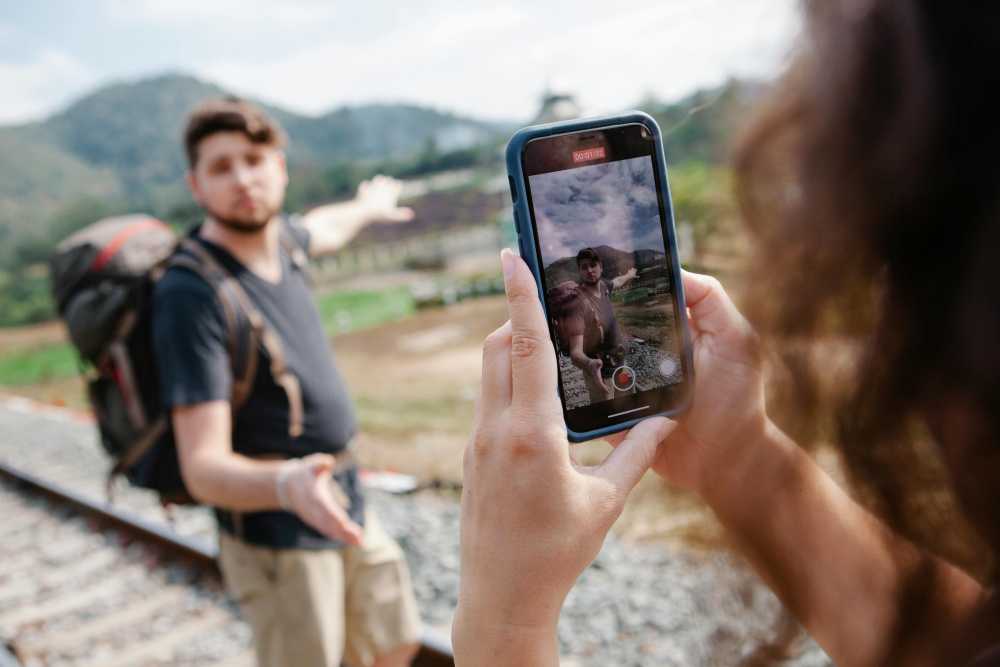
For the Savvy Saver: Making Dream Trips a Reality
Let’s address the single greatest misconception in travel: that it has to be expensive. The most empowering blogs in the budget space are not just about finding cheap hostels; they are masterclasses in financial literacy for a life of adventure, built on the foundational principle that travel is a matter of priority, not privilege. The most valuable content in this niche offers a powerful one-two punch of achievable trip ideas and the actionable financial planning to make them happen. Industry titans like Nomadic Matt and The Broke Backpacker have perfected this formula. They provide an incredible degree of transparency with detailed, line-item budget breakdowns for countries around the world, empowering readers to craft their own realistic spending plans. But just as importantly, they teach the crucial long-term strategies needed to fund these adventures. They cover everything from the "pay yourself first" model of automating savings to the more advanced art of "travel hacking"—the strategic use of credit card rewards points to drastically reduce the cost of flights and hotels. These blogs are your personal finance coaches for a life of travel.
Learn the proven methods for traveling more while spending less in our ultimate guide: How to Travel More: 8 Best Budget Blogs.
For the Thrill-Seeker: From Gentle Hikes to Epic Expeditions
"Adventure travel" is a wonderfully broad term that encompasses a wide spectrum of activities, from a leisurely hike in a national park to a high-stakes mountaineering expedition in the Himalayas. To provide real value, blogs in this space must specialize. The industry makes a clear distinction between "soft" and "hard" adventure, and the best creators typically build their authority in one category, catering to audiences with specific skill levels and risk tolerances. Soft adventure, characterized by low-to-moderate risk and little required experience, is exemplified by blogs like The Planet D, which showcases accessible yet thrilling experiences like kayaking in Antarctica. Hard adventure, defined by high risk and the need for significant technical skill, is the domain of creators like Expert Vagabond, who documents grueling treks across Greenland’s Arctic Circle Trail. By focusing on a specific part of the adventure spectrum, these blogs build deep trust with their audience, providing the right gear reviews, training advice, and destination inspiration for their chosen level of thrill.
Find the perfect blog to fuel your next adrenaline rush right here: Top 9 Adventure Travel Blogs to Follow Now.
From Inspiration to Itinerary: Where to Find the Experts
Discovering these world-class blogs is the first step. But what happens when you’re ready to move from inspiration to planning? Many of the expert creators setting the standard in family, food, and adventure travel are also entrepreneurs. They distill their hard-won knowledge into invaluable digital products—like hyper-detailed itineraries, downloadable maps, and in-depth guides.
The TrekGuider Marketplace is where you find them. It’s a curated platform where you can discover and instantly purchase these high-quality resources directly from the vetted, on-the-ground experts you follow and trust. It’s the bridge that turns their expertise into your next unforgettable trip.
Feeling Inspired? Start Planning Your Next Trip Today!
Seeing what's possible is the first step. The next is making it happen. To help you turn inspiration into action, we've created a comprehensive trip planning resource.
Download our free Travel Itinerary Template to organize your budget, packing lists, flight details, and daily schedules all in one place.
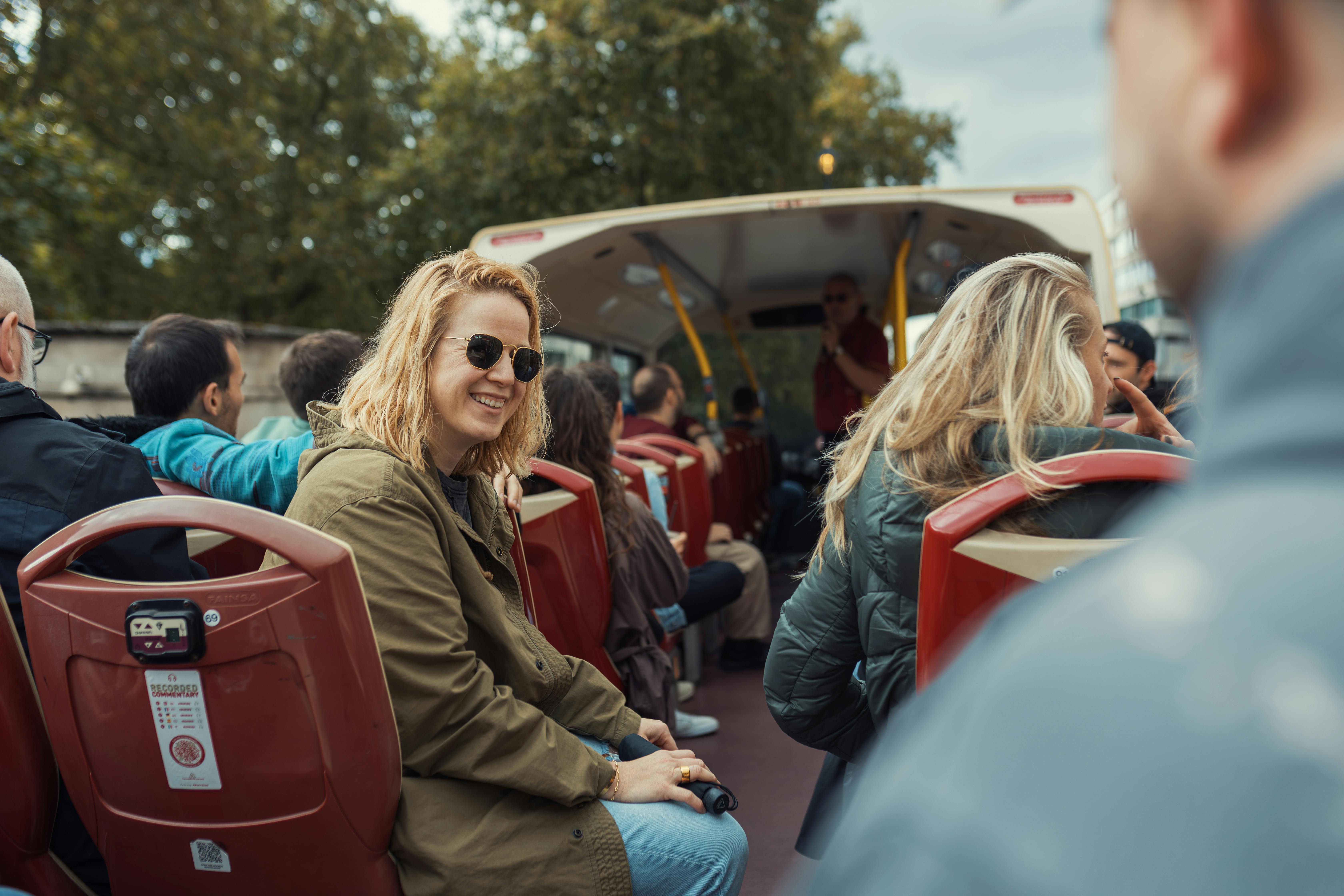
From Traveler to Creator: Building Your Own Travel Blog
Perhaps reading about these incredible creators has sparked a different kind of ambition—not just to travel, but to build something of your own. The technical barriers to launching a blog are lower than ever, but the strategic thinking required for success is significantly higher. This section is for the aspiring media entrepreneurs ready to turn their passion into a profession. Here, we provide a detailed overview of the key strategies you'll need to master, linking out to our in-depth, step-by-step guides.
How to Start a Travel Blog in 2026 (And Actually Succeed)
Launching a successful travel blog today demands a fundamental mindset shift: you are not just starting a website; you are building a media brand. While the technical setup is more accessible than ever, your pre-launch efforts should be overwhelmingly focused on strategy and differentiation. A winning launch can be broken down into three critical phases.
Phase 1 is Strategy & Branding. This is where 90% of your success is determined. It involves the crucial work of identifying a specific, underserved, and potentially profitable sub-niche—like accessible travel or national parks for families—to avoid the trap of being a generalist. It means creating a detailed persona of your ideal reader and developing a unique brand identity, voice, and mission that will resonate with them.
Phase 2 is Technical Setup. This covers the practical steps: choosing a reliable web host (like SiteGround for support or Hostinger for value), installing WordPress (the industry standard), and setting up essential plugins and analytics to track your performance from day one.
Phase 3 is Content & Launch. This final phase involves developing a content strategy for your first 10-20 foundational "pillar" articles, producing that high-quality content with an eye on SEO, and finally, launching your blog to the world. Approaching your launch with this methodical, business-first mindset is the single greatest factor in determining your long-term success in a competitive market.
For a complete, step-by-step business playbook that covers everything from niche selection to your launch day checklist, see our comprehensive guide: How to Start a Travel Blog in 2026 (For Profit).

Finding Your Voice: 50+ Travel Blog Name Ideas
Choosing a name for your blog is a critical, foundational step in building your brand. It needs to be memorable, evocative, and, most importantly, available. This process should be treated as a practical branding workshop, not a frantic search for something that "sounds cool." A systematic framework is the most effective way to land on the perfect name. First, brainstorm a cloud of keywords associated with your specific niche, your target audience, and your desired tone. For a luxury family blog, your list might include: Luxe, Journey, Quest, Collective, Heirloom, Atlas. Next, apply common naming formulas to generate creative combinations. Experiment with alliteration (Roaming Roads), portmanteaus (Foodventure), or simply using your own name to build a personal brand (Adventurous Kate). Don't hesitate to use online blog name generators to spark unexpected ideas. The final, non-negotiable step is to verify availability. This is a two-pronged check: you need an available .com domain—the undisputed professional standard—and you need consistent, matching handles across your key social media platforms (Instagram, TikTok, etc.). A quick Google search and a basic check of the database can also help you avoid obvious brand conflicts before you invest in your new identity.
For a complete framework and dozens of categorized name ideas to spark your creativity, check out our brainstorming guide: 50+ Travel Blog Name Ideas (And How to Choose).
The Business of Blogging: How to Make Money Travel Blogging
The most successful travel blogs are not hobbies; they are diversified media businesses that employ a strategic mix of monetization models. While methods like display advertising, affiliate marketing, and sponsored posts all have a role to play, the most profitable, sustainable, and scalable model by far is selling your own digital products. The data is unequivocal. A blog with 50,000 monthly pageviews might earn $1,000-$2,000 from a premium ad network like Mediavine. In stark contrast, if just 0.2% of those same visitors (a mere 100 people) purchase a $30 digital product—like a detailed itinerary, a packing list bundle, or a Lightroom preset pack—the revenue is $3,000. This simple math illustrates a profound shift in the creator economy. The most successful bloggers are transitioning from being content publishers who serve an algorithm to being media entrepreneurs who use their content to acquire customers for their own products.
This is the future of the creator economy, and TrekGuider is the platform built for it. We provide creators with the tools they need to succeed, including a dedicated publishing platform to build authority, a personal creator page to act as a central hub for their brand, and a full suite of monetization tools to sell their digital products and build a sustainable business.
To dive deep into each revenue stream and learn how to build a profitable creator business, read our full guide: 5 Real Ways to Make Money Travel Blogging.

Never Run Out of Ideas: 75+ Travel Blog Post Prompts
A successful content strategy is not about randomly posting when inspiration strikes. It's about methodically creating a library of content that targets various stages of the user journey, from initial awareness to the final booking decision. This means building a healthy mix of articles designed to serve different user intents. Informational Guides (e.g., "The Ultimate Guide to...") are the foundation of your SEO strategy, capturing top-of-funnel search traffic and establishing your authority. Inspirational Stories (e.g., "How Traveling to Country Changed My Perspective") are crucial for building a deep, personal connection with your audience and fostering a loyal community. Transactional Reviews (e.g., "Is the City Name Pass a Good Value?") target bottom-of-funnel users who are actively in the decision-making phase and ready to make a purchase. How-To Tutorials (e.g., "How to Pack for Two Weeks in a Carry-On") provide immense practical value, building trust and positioning you as a helpful expert. Finally, highly shareable Listicles (e.g., "15 Must-See Places...") are perfect for social media promotion and driving waves of new traffic to your site. By intentionally creating content for each of these categories, you build a strong and resilient content ecosystem.
For a massive bank of strategic content prompts categorized by user intent, explore our ultimate resource: 75+ Travel Blog Post Ideas to Beat Writer's Block.
Mastering the Craft: Essential Skills for Modern Travel Bloggers
To stand out in today's crowded market, you need to be more than just a writer. A professional travel blog is a multimedia platform, and developing a core set of creative skills is absolutely non-negotiable for building a respected brand.
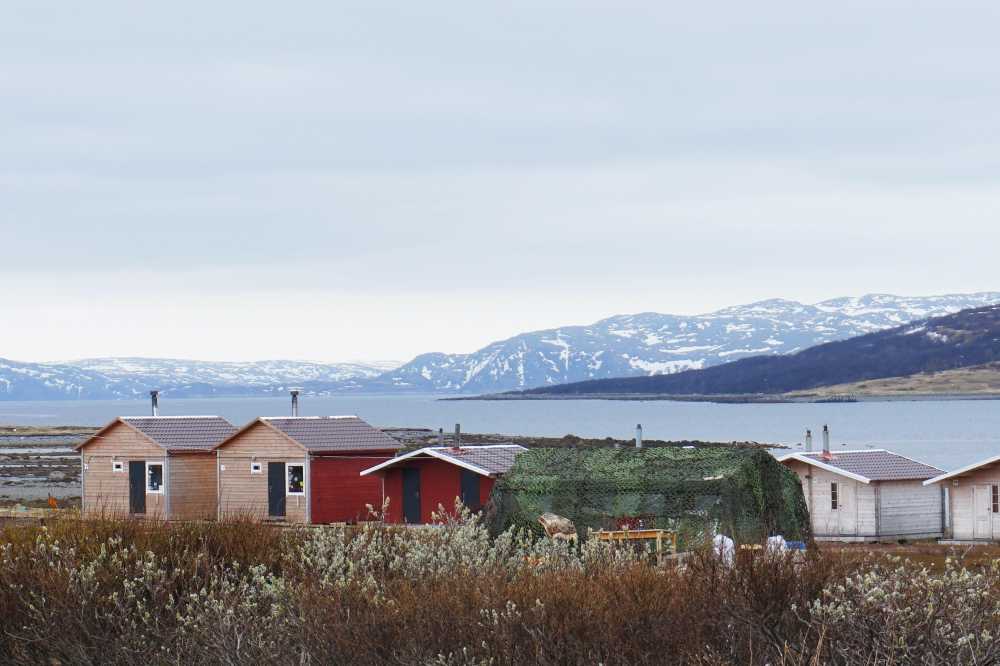
Capturing the Moment: A Guide to Better Travel Photography
High-quality visual storytelling is no longer a differentiator; it is a baseline requirement for any professional travel blog. The good news is that you don't need the most expensive equipment to take stunning photos; you simply need to master a few fundamental principles. The best camera for travel is often the one you're most willing to carry, and today's market offers incredible options at every price point, from the durable and lightweight OM System OM-5 (perfect for hikers and adventurers) to the powerful hybrid Fujifilm X-T5 for creators who need both high-quality stills and professional-grade video. But the gear is only half the equation. Mastering a few essential composition techniques will dramatically improve your images overnight. Practice the Rule of Thirds to create more balanced and visually interesting shots. Use Leading Lines—like a winding road, a river, or a fence—to guide the viewer's eye through the frame and create a sense of depth. Most importantly, learn to see the light. Shooting during the Golden Hour—that magical period just after sunrise and before sunset—will reward you with soft, warm, and vibrant light that makes any scene more beautiful. By combining the right gear with a solid understanding of creative techniques, you can produce compelling photography that captures the essence of your travels and stops readers in their scroll.
To learn about the best gear, editing techniques, and tutorials from the pros, see our complete guide: 7 Best Travel Photography Blogs for Tips.
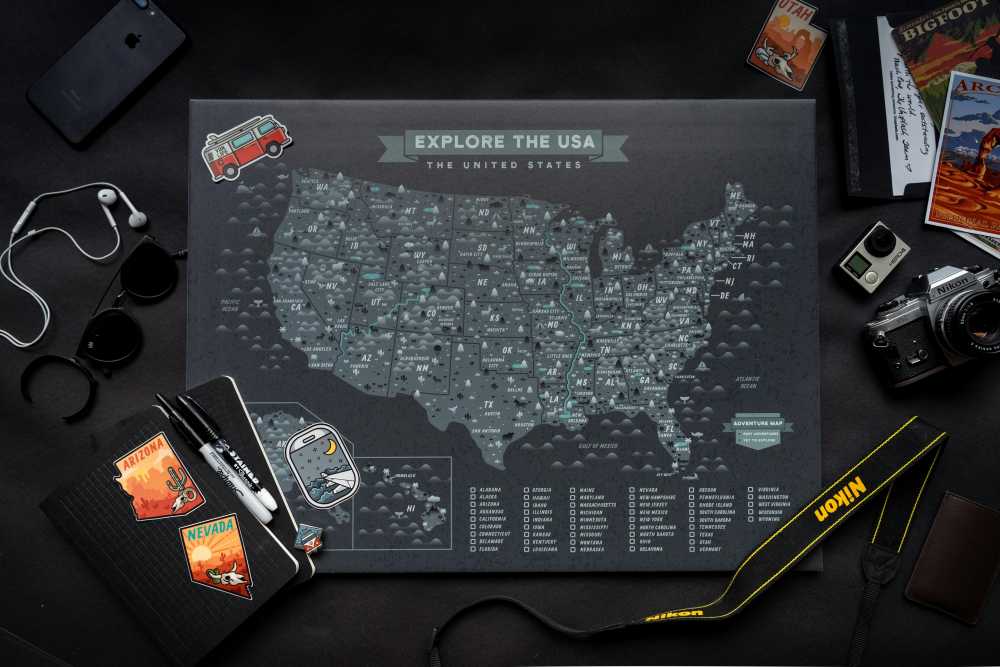
Your Journey Starts Now
The landscape of travel media has never been more dynamic, nor more full of opportunity. The best travel blogs of 2026 are specialized, authentic, and business-savvy. They are your go-to resources for planning deeply personal adventures and your inspiration for building a meaningful, independent career. The common thread that connects the family blogger, the solo adventurer, and the aspiring creator is a deep passion for seeing the world and sharing it in a way that genuinely helps others.
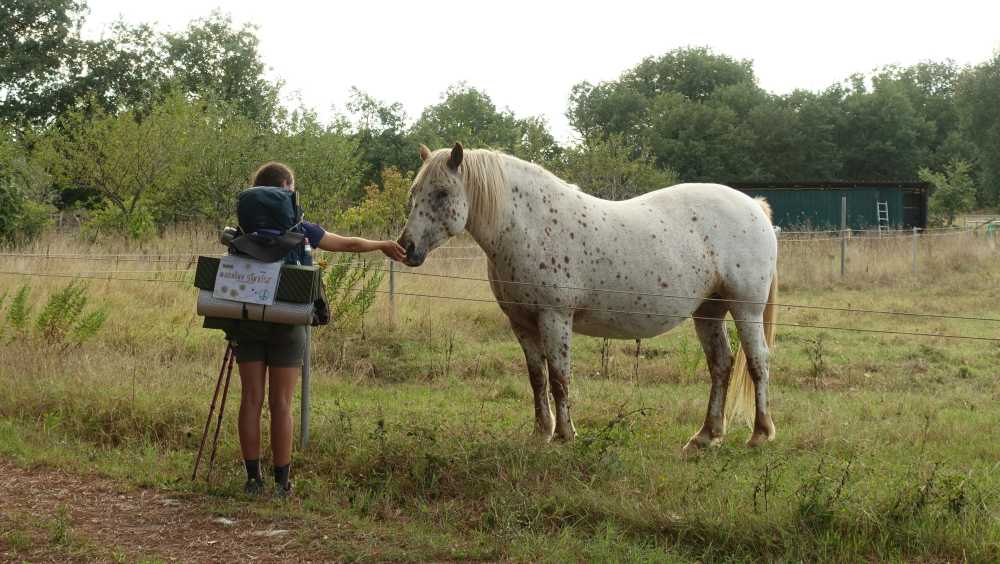
Whether you're here to find the perfect itinerary or to build your own media empire, the journey starts with a single step. Use these blogs as your guides. Let their stories fuel your wanderlust. And if you feel the call to create, use their success as your blueprint. The world is waiting for your unique perspective. And whether you are planning your next trip with one of our Travel Guide products or are ready to start selling your own on our platform, we're here to help you every step of the way.
Don't Miss Out! Subscribe for Exclusive Content
SubscribeComments 0
No comments yet
Be the first to share your experience!
Dont Miss Out! Subscribe for Exclusive Content
Ultimate USA Holidays Guide: Top Picks
FTC Affiliate Disclosure Essentials: Stay Compliant as a Travel Creator
Essential Affiliate Tools: From Tracking to Full Optimization
Avoid These 5 Affiliate Landing Page Mistakes for Better Conversions
Affiliate Keyword Research Mastery for Travel Blogs