
Booking.com Affiliate Program Review: Pros, Cons, and Earnings Potential

TrekGuider @trekguider
As a travel creator, you know accommodations are the bedrock of every trip. Your audience trusts you to recommend the perfect hotel, hostel, or vacation rental. Monetizing that trust is the logical next step, and one name looms larger than any other: Booking.com. With its colossal brand recognition and an inventory of over 28 million listings, joining its affiliate program feels like an obvious, can’t-miss opportunity. After all, with the average monthly income for travel affiliates hitting a reported $13,847, choosing the right partners is a high-stakes game.
But you’ve heard the whispers. In creator communities and private forums, there’s a nagging feeling that behind the slick marketing, something is fundamentally broken. You hear stories of a confusing commission structure, a cookie policy that seems designed to fail, and account issues that leave creators in the lurch. Is the biggest player in the game truly the best partner for your business, or is the booking affiliate program a trap for unwary creators lured in by a big name?
This is the definitive, unbiased review you’ve been searching for. We are cutting through the hype to deliver a clear-eyed analysis of the Booking.com affiliate program. We’ll dissect the legitimate pros, expose the critical, deal-breaking cons, and analyze the true earnings potential so you can make a strategic decision for your business. This deep dive is a crucial part of mastering the affiliate landscape, a topic we cover comprehensively in our pillar guide and essential command center: Travel Affiliate Programs: The 2026 Ultimate Guide.

The Allure: Why the Booking.com Program Is So Tempting
Let's be clear: the pull of the Booking.com affiliate program is undeniable. It’s a household name with the gravitational force of a market giant, and for creators, that brand recognition feels like a shortcut to credibility and conversions. These are the legitimate advantages that make it a top consideration.
Unmatched Brand Recognition and Trust
When you link to Booking.com, you are sending your audience to a platform they already know and trust. This pre-existing brand equity is a powerful conversion tool. You don't have to waste a single word "selling" your audience on the legitimacy of the booking platform itself; you can focus entirely on why that specific hotel is the right choice. This can lead to stronger initial click-through and conversion rates compared to lesser-known platforms.
A Colossal, Unrivaled Inventory
With over 28 million listings that span hotels, apartments, resorts, and even treehouses, Booking.com’s inventory is virtually limitless. No matter how niche your destination—from a major metropolis like Tokyo to a remote village in the Andes—you are almost certain to find a relevant, bookable property for your audience. This vast selection makes it a one-stop shop, simplifying the process of finding accommodation links for your content.

The Potential for High-Volume Conversions
For creators with significant traffic, especially those who attract visitors in the final, decisive stages of trip planning, the sheer volume of bookings processed by the platform can translate into substantial income. The platform's user-friendly interface and powerful search filters make it easy for users to find and book properties quickly, which can be a major asset for high-traffic websites.
The Critical Flaws: The Cons You Absolutely Cannot Ignore
While the pros are appealing, the operational realities of the booking affiliate program contain several severe, structural flaws that can cripple your earnings potential. These are not minor inconveniences; for many creators, they are deal-breakers.
The Achilles' Heel: Why the Session-Based Cookie Is a Deal-Breaker
This is, without question, the single most critical flaw in the Booking.com affiliate program. The program operates on a session-based cookie.
What does this mean? It means you only earn a commission if a user clicks your affiliate link and completes a booking within the exact same browser session. If they click your link, browse a few hotels, close the tab to think about it, and then return to Booking.com an hour later—or the next day—to make their booking, you earn nothing. Your tracking cookie has vanished.
Travel is a high-consideration purchase. People rarely book a multi-hundred or multi-thousand dollar trip on impulse. The typical customer journey looks like this:
They read your inspiring blog post.
They click your link to explore the hotels you recommend.
They compare prices and read a few more reviews.
They discuss options with a spouse or travel partner.
They return the next day, ready and excited to book.
With a session-based cookie, you are only compensated for the rare, impulsive booker. You lose the commission for every single thoughtful, deliberate customer you inspired. This policy is fundamentally misaligned with how real people plan travel, making it a structurally unsafe and potentially unprofitable model for content creators.

Pro-Tip: When evaluating any affiliate program, the cookie duration is often more important than the commission rate. A partner like Expedia Group offers a 7-day cookie, which is vastly superior as it respects the user's decision-making process and ensures you get paid for the value you create.
The "Black Box" Commission: Why 40% Isn't What It Seems
Booking.com often advertises a commission rate of 25-40%, which sounds incredibly high. However, this is deeply misleading. You do not earn a percentage of the total booking value. You earn a percentage of Booking.com's commission.
Here’s how that math actually breaks down:
A customer books a $500 hotel stay through your link.
The hotel pays Booking.com a commission (let's say 15%, which is $75).
You then earn your commission based on that $75, not the original $500.
If your rate is 25%, you earn 25% of $75, which is $18.75. Your effective commission rate on the total booking value is a mere 3.75%. This opaque structure makes it incredibly difficult to forecast your earnings and often results in a much lower payout than creators expect from the flashy headline numbers.
A History of Account Instability and Support Issues
Numerous affiliates have reported frustrating experiences with the program's administration. These complaints often center on sudden account closures without clear explanation, forced migrations to network platforms like Awin or CJ Affiliate, and a history of losing pending commissions during these transitions. While any large program will have some user issues, the volume of these reports suggests a level of instability that should be a major concern for any creator looking to build a reliable, long-term income stream.
The Verdict: Analyzing the True Earnings Potential
So, can you actually make money with the booking affiliate program? The answer is a qualified "yes," but only for a very specific type of publisher.
Who It Might Be Good For:
High-Traffic Deal & Discount Sites: Websites that focus on last-minute deals and attract users who are ready to book immediately can succeed with the session-based model. Their audience is impulsive by nature.
Metasearch Engines: Large-scale travel search engines that operate on a massive volume of clicks may find the program profitable due to sheer scale.
Who Should Avoid It:
Content Creators & Bloggers: If your content strategy is based on inspiration and long-term trip planning—creating itineraries, destination guides, and detailed reviews—this program is fundamentally at odds with your business model. You are inspiring a journey, not a single-session transaction.
Anyone Building a Sustainable, Predictable Income: The combination of a session-based cookie, an opaque commission structure, and reported account instability makes this a high-risk partner for anyone looking to build a reliable business.
Pro-Tip: The most resilient affiliate strategy is built on diversification. Never rely on a single program for your income. A healthy portfolio for a travel creator should include partners for accommodations, tours, insurance, and gear to create multiple, stable revenue streams.
Strategic Alternatives: Safer Bets for Higher Returns
The flaws in the Booking.com program do not mean you should abandon monetizing accommodations. It simply means you should partner with programs structured to favor creator success.
The most direct and superior alternative is the Expedia Group Affiliate Program. It covers major brands like Hotels.com and Vrbo and, most importantly, offers a 7-day cookie duration. This gives your audience a full week to make their decision after clicking your link, ensuring you are properly compensated for your influence.
Ultimately, the most secure path to a stable income is to reduce your reliance on any single affiliate program and start building assets you own. Instead of sending all your traffic to other brands, you can create and sell your own high-value digital products—like detailed itineraries, travel guides, or planning checklists. Platforms like the TrekGuider Seller Platform are designed specifically for this, allowing you to build your own digital storefront and keep a much larger share of the revenue. It's the ultimate strategy for taking control of your financial future.

Build Your Perfect Itinerary (and Monetize It)
Creating high-value, bookable itineraries is one of the best ways to serve your audience and drive affiliate sales. But starting from scratch can be daunting. Our free Travel Itinerary Template gives you the perfect framework to build beautiful, useful guides your readers will love—and a powerful asset you control.
Frequently Asked Questions
1. Is the Booking.com affiliate program free to join? Yes, the program is free to join either directly or through an affiliate network like Awin or CJ Affiliate.
2. What are the payment methods for the Booking.com affiliate program? Payments are typically made via PayPal or bank transfer, but this can depend on the network you join through. There is usually a minimum payout threshold (e.g., €100) that you must reach before you can receive your earnings.
3. Can I use my own affiliate links to make personal bookings? No. Like almost all affiliate programs, using your own links for personal purchases or bookings is a violation of the terms of service and can lead to your account being terminated and commissions being voided.
A Powerful Brand with a Flawed Partnership
The Booking.com affiliate program exists in a paradox. It leverages one of the most powerful and trusted brands in travel, offering a massive inventory that seems perfect for creators. However, its core mechanics—specifically the session-based cookie and the opaque commission structure—are fundamentally anti-creator. They are relics of an older affiliate model that fails to properly value the influence of content creators who build trust and inspire a customer's journey over days or weeks.
While it might work for a small subset of high-traffic, transactional websites, for the vast majority of travel bloggers and content creators, the booking affiliate program represents a significant and unnecessary risk. Your time, effort, and influence are better invested in partners with more favorable, transparent, and creator-friendly terms. By choosing strategic alternatives and diversifying your income streams, you can build a more profitable and resilient business for the long term.
Read the full guide: The Travel Blogger's Playbook to Affiliate Marketing Mastery
Don't Miss Out! Subscribe for Exclusive Content
Subscribe



Comments 0
No comments yet
Be the first to share your experience!
Dont Miss Out! Subscribe for Exclusive Content

Ultimate USA Holidays Guide: Top Picks


FTC Affiliate Disclosure Essentials: Stay Compliant as a Travel Creator

Essential Affiliate Tools: From Tracking to Full Optimization

Avoid These 5 Affiliate Landing Page Mistakes for Better Conversions

Affiliate Keyword Research Mastery for Travel Blogs

Decoding Affiliate Commission Rates: Benchmarks for Travel Creators
Solo Travel Blog Monetization: Turning Stories into Income
TrekGuider @trekguider
You've seen the Instagram posts tagged '#digitalnomad' and wondered if it's actually real. Can a solo travel blog—your solo travel blog—truly become a source of income, or is it just a path to burnout? The truth is, most new bloggers fail because they follow a random list of 'monetization ideas.' They're missing the most critical element: a strategic, time-based plan. This is not a list of ideas. This is your 24-month roadmap, grounded in real data from six-figure bloggers, showing you exactly what to do, when to do it, and the income you can realistically expect at each stage. This is your guide to successful solo travel blog monetization.

Moving from Hobbyist to Business Owner
The first and most critical shift you must make is mental. Your blog is no longer just a personal travel diary; it is the central asset of a new business. Every decision, from the topics you cover to the way you structure your articles, must be made with a clear purpose: to provide immense value to a specific audience. Before you can monetize effectively, you must provide that value, which starts with mastering the fundamentals. For a complete playbook on creating world-class content and navigating your journey, review our comprehensive .
This business-oriented mindset means prioritizing the single most important driver of revenue: Search Engine Optimization (SEO). While social media can provide fleeting traffic spikes, SEO delivers a consistent, sustainable stream of readers who are actively searching for the solutions you provide. These are the people who will click your links, book tours, and buy your products. From this day forward, think of yourself not as a blogger, but as the CEO of a media company whose primary asset is high-ranking, helpful content.
What to Expect and When
Forget the overnight success stories. Building a profitable blog is a marathon, not a sprint. Having a realistic timeline prevents discouragement and keeps you focused on the right tasks at the right time.

Year 1 Expectations: Building Traffic and Earning Your First ~$2,000
The first year is all about laying the foundation. Your primary goal is not to make a full-time income, but to publish a critical mass of high-quality, SEO-optimized content and establish topical authority in your niche. You'll spend the first few months writing and publishing consistently without seeing much traffic, and that's completely normal.
Data from established bloggers shows that you can expect to make your first affiliate sale around month four or five. By the end of the first year, a dedicated blogger can realistically earn between $1,000 and $5,000. This income will come almost exclusively from strategic affiliate marketing.
Year 2 Expectations: Scaling to a Viable Income ($20,000 - $40,000)
Year two is the scaling phase. The content you published in your first year begins to mature and rank higher in Google search results, leading to a significant increase in traffic. This is the year you'll likely cross the critical threshold needed to qualify for premium ad networks. This combination of escalating affiliate commissions and new, high-earning display ad revenue is what transforms your blog from a side hustle into a viable business. It's not uncommon for bloggers who were earning $200/month at the end of year one to be earning $2,000-$4,000/month by the end of year two.
(Months 1-6): Laying the Foundation for Your Solo Travel Blog Monetization
Welcome to the grind. In this foundational phase, you are building the powerful engine of your business long before you see significant fuel (i.e., traffic). Success here isn't measured in dollars; it's measured in discipline and consistent output.
Your Primary Focus: Publishing High-Quality, SEO-Optimized Content
Think of high-quality content as the real estate upon which you'll build your entire business. It's the non-negotiable asset that makes all future income possible. In these first six months, your goal should be to publish 25-40 thoroughly researched, long-form articles that target specific keywords your audience is searching for. Every article should aim to be the single best resource on the internet for its given topic. This early library of content is what Google will eventually reward with traffic.
Method 1: Strategic Affiliate Marketing (The Best First Step)
Affiliate marketing is the practice of earning a commission by promoting another company's products or services. It is the perfect first monetization method because most programs have no minimum traffic requirements. You can, and should, include affiliate links from day one.
The key is to recommend products you genuinely use and trust. Your recommendations must be woven naturally into helpful content. Don't just list products; explain why a certain backpack is perfect for a carry-on-only trip or how a specific travel insurance policy saved you during an emergency. A crucial element of this is transparency. Always include a clear affiliate disclosure at the top of your posts. This isn't just an FTC requirement; it's a critical component of building long-term trust with your audience.
Choosing the Right Affiliate Platforms: A Data-Driven Comparison
Start with a mix of affiliate aggregators and direct programs to maximize your opportunities.
Travelpayouts: An excellent starting point. It's an aggregator that gives you access to dozens of travel brands like Booking.com, GetYourGuide, and Hostelworld through a single platform, making it easy to manage your links and payments.
Stay22: A powerful, map-based tool specifically for accommodations. It often has a higher conversion rate than other hotel affiliate links because it shows users a variety of options on a map, which is incredibly helpful in the travel planning process.
Direct Programs: Many essential travel brands have their own programs. Be sure to sign up for:
Amazon Associates: For all the physical gear you recommend, from packing cubes to portable chargers.
Booking.com / Agoda: The top platforms for hotel bookings worldwide.
GetYourGuide / Viator: The leaders in tours, activities, and attraction tickets.
Pro-Tip: Don't go back and add affiliate links later. Research and include relevant links in every article as you write it. This saves an immense amount of time and ensures your monetization efforts start from the moment you hit "publish."
(Months 7-18): Scaling Traffic and Unlocking Serious Income
With a solid foundation of content beginning to rank, you now shift your focus from pure production to growing the one metric that unlocks the next level of income: monthly sessions.
Your Primary Focus: Reaching 50,000+ Monthly Sessions
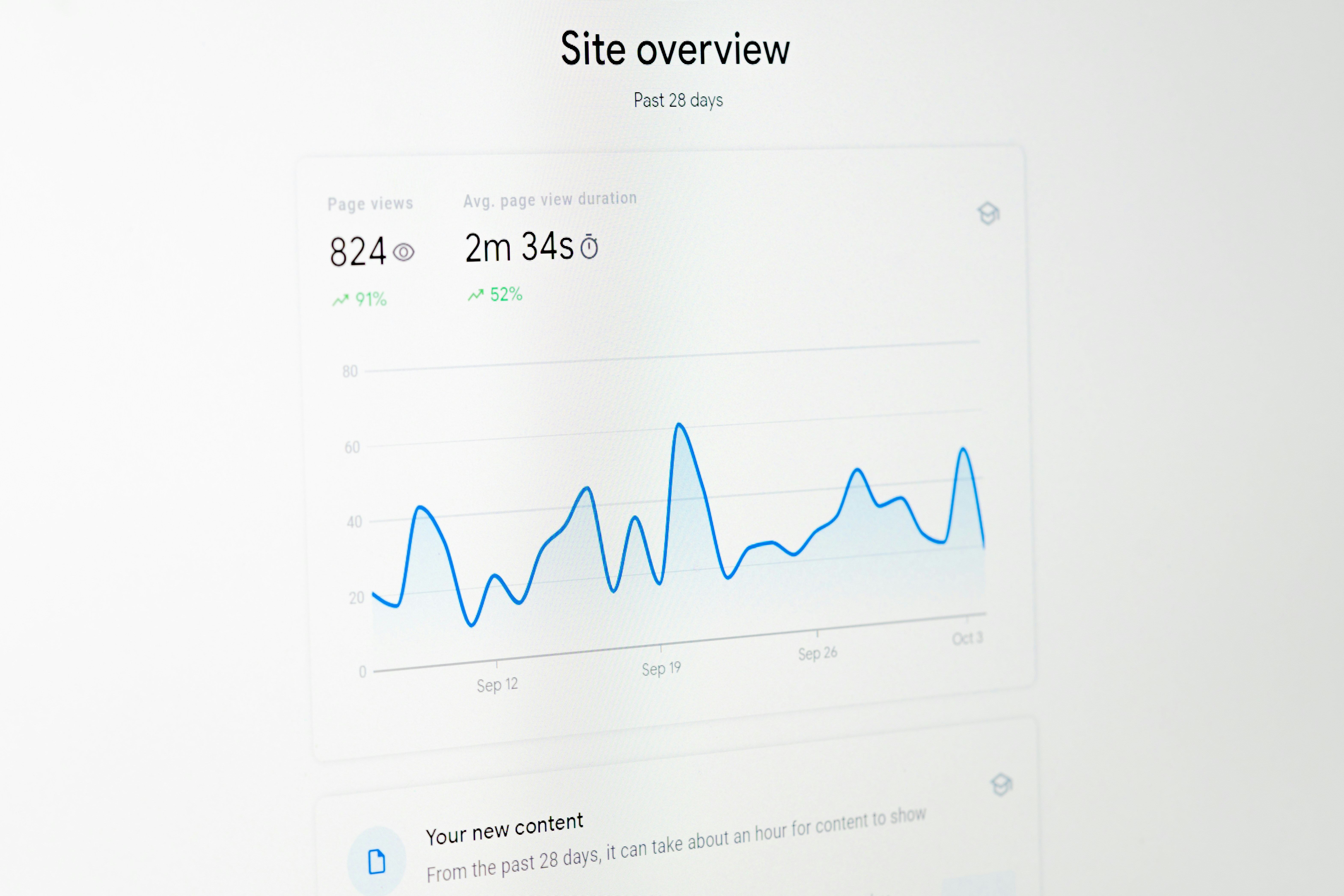
This is the magic number. Crossing the threshold of 50,000 monthly sessions (the number of visits to your site, as measured by Google Analytics) is the key inflection point where your income potential grows exponentially. It signals to premium ad networks that you have a substantial and engaged audience, making you a valuable partner. Reaching this level requires continued content production and a focus on building high-quality backlinks to your articles.

Method 2: Display Advertising (Unlocking Passive Income)
Display ads are the advertisements you see placed within the content of a website. When you have significant traffic, this becomes a powerful and almost entirely passive income stream. The key is to work with the right network.
The Ad Network Ladder: From Beginner to Premium
Not all ad networks are created equal. Your goal is to climb the ladder to a premium network as quickly as possible.
Avoid Google AdSense: Many new bloggers start here, which is a major mistake. AdSense pays extremely low rates, often resulting in an RPM (Revenue Per Mille, or earnings per 1,000 pageviews) of just $1-$3. It clutters your site for pennies.
Starter Networks (The Stepping Stone): Networks like Journey by Mediavine (requires 10,000 monthly sessions) or Ezoic offer a significant step up from AdSense. They are a great intermediate goal.
Premium Networks (The Goal): This is where serious income begins.
Mediavine: The gold standard for many bloggers. They require a minimum of 50,000 monthly sessions. Mediavine is known for its incredible support and high RPMs, often in the $20 - $40+ range. They command higher rates from advertisers because of their high-quality publisher network and direct sales teams.
Raptive (formerly AdThrive): The top tier. Raptive requires 100,000 monthly sessions and is known for having some of the highest RPMs in the industry for the same reasons.
Getting accepted into Mediavine is a major milestone. For a blog with 50,000 sessions, a $25 RPM translates to $1,250 in passive income per month. This is in addition to your growing affiliate revenue.
(Months 19+): The CEO Phase—Building a Diversified Travel Brand
Once you have stable traffic and income from ads and affiliates, you can move into the final phase: maximizing profitability by leveraging your most valuable asset—your audience's trust.
Building Brand Authority and Audience Trust
At this stage, your readers see you as a trusted expert. They've followed your advice, booked hotels you recommended, and bought gear you reviewed. This trust is the asset you will now monetize directly, leading to the highest profit margins possible.
Method 3: Selling Your Own Digital Products (The Highest Profit Margin)
Creating and selling your own products is the holy grail of solo travel blog monetization. You control the price, the product, and you keep nearly 100% of the revenue. This requires a loyal audience that trusts your expertise, which is why it's an advanced strategy.

Examples of high-value digital products for a solo travel audience include:
Comprehensive E-books: A deep dive into a specific topic, like "The Ultimate Guide to Solo Female Travel in Southeast Asia."
Printable Destination Itineraries: Detailed day-by-day plans for cities like Rome, Tokyo, or Lisbon that your readers can purchase and download.
Trip Planning Templates: Customizable spreadsheets or Notion templates that help your readers organize their own trips.
Digital Packing Lists: Niche-specific checklists for different types of travel (e.g., carry-on only, winter travel, hiking).
Pro-Tip: Validate your product idea before you build it. Send a survey to your email list or poll your audience on social media, asking what they struggle with most. If dozens of people say "planning my Italy itinerary is overwhelming," you have a winning product idea.
Method 4: Sponsored Content and Brand Partnerships
Sponsored content, where a brand pays you for a dedicated article or mention, represents a shift from passive to active income. While it can be lucrative, with sponsored posts often fetching $1,000 or more, you shouldn't just wait for opportunities to land in your inbox. As your brand authority grows, you can proactively pitch partnerships. Create a professional media kit—a one-page PDF outlining your website traffic, audience demographics, and core values—and reach out to brands you already use and love with a specific collaboration idea.
Frequently Asked Questions (FAQ Section)
How much money can you make from a travel blog?
In your first year, aim for $1,000-$5,000. By the end of year two, $20,000-$40,000 is a realistic target for dedicated bloggers. Established, six-figure travel bloggers who have diversified into ads, affiliates, and digital products can earn well over $100,000 per year.
How long does it take to make $1000 a month blogging?
For most travel bloggers who consistently publish high-quality, SEO-optimized content, it takes between 12 and 18 months to consistently earn $1,000 per month. This milestone typically occurs after being accepted into a premium ad network like Mediavine.
Do I need a large social media following to make money?
No. This is a common and damaging myth. The most profitable travel blogs focus on SEO. You can make a full-time income from a travel blog with fewer than 1,000 Instagram followers if your website traffic from Google is high and consistent.
What are the initial costs of starting a profitable travel blog?
The essential startup costs are minimal. You'll need a domain name (around $15/year) and web hosting (around $5-$15/month). Investing in a premium WordPress theme ($60 one-time) and an SEO tool like Keysearch ($17/month) are highly recommended but not strictly necessary on day one.
Turning your passion for solo travel into a profitable business is not a dream; it's a project. It requires a strategic plan, immense dedication, and an unwavering focus on providing real value. This roadmap has shown you the what and the when. By following this phased approach to solo travel blog monetization, you move beyond wishful thinking and begin the methodical work of building a business that can fund your travels and your life. The journey is long, but the destination—a life of freedom and financial independence—is worth every step.
Read the full guide: Anxious to Adventurous: The Ultimate Guide to Solo Travel Confidence
Don't Miss Out! Subscribe for Exclusive Content
SubscribeComments 0
No comments yet
Be the first to share your experience!
Dont Miss Out! Subscribe for Exclusive Content
FTC Affiliate Disclosure Essentials: Stay Compliant as a Travel Creator
Essential Affiliate Tools: From Tracking to Full Optimization
Avoid These 5 Affiliate Landing Page Mistakes for Better Conversions
Affiliate Keyword Research Mastery for Travel Blogs

Booking.com Affiliate Program Review: Pros, Cons, and Earnings Potential
Decoding Affiliate Commission Rates: Benchmarks for Travel Creators
High-Paying Affiliate Opportunities for Individual Travel Affiliates
TrekGuider @trekguider
High-Paying Affiliate Opportunities for Individual Travel Affiliates
You’re a talented travel creator, but your affiliate dashboard tells a frustrating story. You spend hours crafting the perfect packing list, linking to dozens of small-ticket items, only to see a few dollars trickle in. It feels like you’re running on a hamster wheel, putting in immense effort for pennies on the dollar—a far cry from the sustainable business you dream of building.
This isn't just a feeling; it's a strategic dead end. You see the industry reports and know the potential is there. You're operating at the intersection of two economic juggernauts: a creator economy forecasted to exceed $1.3 trillion by 2033 and a global affiliate market projected to hit $93 billion. The money is there, but it doesn't flow to those who work the hardest; it flows to those who work the smartest. The reported average of $13,847 a month for travel affiliates isn't a myth, but it’s inaccessible to those stuck in the volume game.

This isn't another sprawling listicle of 50 programs. This is a strategic playbook. We're going to deconstruct the three pillars of a high-income affiliate strategy perfectly suited for the solo creator: high-ticket products, recurring revenue, and the game-changing power of referral affiliate models. This is how you stop thinking like a hobbyist and start getting paid like the professional you are. It’s a critical piece of the puzzle we cover from every angle in our definitive pillar guide, Travel Affiliate Programs: The 2026 Ultimate Guide—your command center for the entire ecosystem.
The Mindset Shift: From Chasing Volume to Creating Value
But before we dive into the specific opportunities, we need to address the single most important factor: your mindset. Most new creators are obsessed with traffic and commission percentages, believing the path to wealth is paved with millions of pageviews. This leads them directly into the low-margin trap.
Professional affiliates, however, focus on a much more powerful metric: Earnings Per Click (EPC). This number tells you the average amount of money you make every single time someone clicks one of your links. It’s the ultimate measure of your influence.
Consider the simple math:
Scenario A (The Volume Trap): You promote a $50 travel gadget with a 4% commission. You earn $2 per sale. To make $200, you need to drive 100 sales.
Scenario B (The Value Strategy): You promote a $3,000 adventure tour with a 6% commission. You earn $180 per sale. To make more than $200, you only need to drive two sales.
Which business would you rather run? By focusing on value over volume, you can build a more profitable and sustainable business with the same—or even less—traffic.

The High-Ticket Strategy—Earn More from a Single Click
The most direct path to a higher income is to promote products and services with a high price tag. A single conversion can generate a commission that would otherwise take hundreds of smaller sales to match. This is the core of a strategy focused on high paying affiliates.
Adventure Tour Operators
Selling a multi-thousand-dollar tour is one of the most effective ways to generate a substantial commission. You aren't just selling a trip; you're selling a life-changing experience.
Prime Example: G Adventures: This adventure travel company specializes in small-group tours that often cost thousands of dollars. With a 6% commission, a single booking for a $4,000 trip to Antarctica nets you a $240 commission. Crucially, they offer a generous 90-day cookie duration, which is perfectly suited for a high-consideration purchase that requires weeks of planning.
Luxury Travel & Premium Accommodations
For creators in the luxury niche, the earning potential is immense. Promoting five-star hotels, premium villas, or business-class flight deals can yield significant returns. While a program like Booking.com has its flaws, partnering directly with luxury hotel groups or high-end booking platforms can be incredibly lucrative.

Premium Travel Gear
While Amazon is the default for many, it's often the least profitable option for expensive gear. Specialty retailers offer higher commission rates on the premium products your audience is looking for.
Prime Example: REI: For creators in the outdoor and adventure space, REI is a premier partner. They offer a 5-8% commission on high-quality gear. Selling a $700 tent or a $400 backpack through REI will yield a much higher commission than the 3-4% offered by Amazon, and you're connecting your audience with a trusted, specialist brand.
Pro-Tip: When promoting high-ticket items, your content must match the price tag. A brief mention won't cut it. You need to create in-depth, comprehensive reviews, case studies, and guides that give your audience the confidence to make a major purchase decision.
The Recurring Revenue Model—Get Paid Month After Month
What’s better than a big commission? A commission that pays you every single month. Recurring revenue is the holy grail for creators seeking stable, predictable income. With this model, you make a sale once, and you continue to earn a commission for as long as that customer remains subscribed.
Travel Insurance Subscriptions
This is the most powerful recurring revenue stream for travel creators. Every long-term traveler and digital nomad needs insurance, and many use subscription-based services.
Prime Example: SafetyWing: A favorite among digital nomads, SafetyWing offers travel medical insurance on a monthly subscription. Their affiliate program is one of the best in the industry, offering a 10% recurring commission for up to 364 days. A single referral can turn into a year-long passive income stream that builds on itself with every new sign-up.
Travel-Tech & Software
Think about the digital tools your audience uses to plan and execute their travels. Many of these are subscription-based and have fantastic affiliate programs. This could include:
VPN Services: Essential for digital nomads and security-conscious travelers.
Photo Editing Software: Like Adobe Lightroom or preset subscriptions.
Booking & Planning Apps: Niche apps that help travelers organize their trips.
Pro-Tip: The key to succeeding with recurring models is to promote products that become an indispensable part of your audience's travel lifestyle. When the product is essential, the customer rarely cancels, and your passive income stream remains stable and grows over time.
The Ultimate High-Paying Opportunity: The Referral Affiliate Model
We've saved the most powerful model for last. This is the strategy that the world's top creators use to build diversified, high-margin businesses. It represents a big change from being a simple affiliate to becoming a true platform partner.
What’s the difference?
Traditional Affiliates earn a one-time commission for selling someone else's product.
Referral Affiliates build a network and earn a long-term, passive income stream from that network's success.
This model is about empowerment. Instead of just selling a product to your audience, you introduce them to a platform or tool that helps them achieve their own goals. It creates a powerful win-win scenario that feels more like a collaboration than a transaction.

The Ultimate Evolution: The TrekGuider Referral Model
This is precisely the model we’ve built to empower creators at TrekGuider. We believe the most valuable product you can ever promote is your own. The TrekGuider Platform is designed for travel creators to sell their own digital products—like itineraries, guides, maps, and presets.
Our referral program is the ultimate high-paying affiliate opportunity because it transforms you into a business builder. When you introduce fellow creators to the platform using your unique referral link, you unlock a powerful, ongoing revenue share.
Here’s how it works:
You Empower Your Peers: You share a platform that can help your fellow creators build their own sustainable businesses and monetize their expertise.
You Earn Passively: When a new seller joins through your link, you receive an ongoing revenue share from the platform's earnings on their sales—a powerful 25% for their first 30 days, and 12.5% for the next 11 months.
You Build a Compounding Asset: This isn't a one-time payment. It's a long-term passive income stream that grows as the creators you refer become more successful. You are building a network and earning from its collective success.
This is the pinnacle of value-based marketing. You succeed by helping others succeed, creating a powerful and ethical engine for high-margin, passive income.
Build Your Own High-Margin Product
The most successful creators know that affiliate income is just one piece of the puzzle. The ultimate strategy for diversifying your income and taking full control of your earnings is to sell your own digital products. But where do you start?
Our free Digital Product Ideas Guide is packed with dozens of proven, profitable ideas specifically for travel creators. Download it today to find the perfect product for your audience and start building your content empire.
Frequently Asked Questions (FAQ)
1. Are high-ticket programs harder to convert? Yes, they can be. A customer will spend more time researching a $3,000 tour than a $30 gadget. This is why your content must be exceptionally thorough and trustworthy. It's a trade-off: more effort per piece of content for a much higher reward per conversion.
2. Is this too complicated for a solo creator to manage? Not at all. The beauty of this strategy is its focus. Instead of managing links for a hundred cheap products, you're focusing on building deep, valuable content around a handful of high-performing partners. It's about working smarter, not harder.
3. How do I find these types of high-paying affiliate opportunities? Start by looking at the premium products and services you already use and love. Visit their websites and look for an "Affiliates" or "Partners" link, usually in the footer. You can also explore major affiliate networks like CJ Affiliate or ShareASale and filter for partners with high average order values or recurring commission structures.
Your Path to a Professional Income
The world of high paying affiliates is not a secret club reserved for the elite. It is accessible to any individual creator who is willing to be strategic. By shifting your focus from volume to value, you can fundamentally transform your earning potential.
Stop chasing pennies. Start building a professional, resilient business by incorporating these three pillars into your strategy:
Promote High-Ticket Products to earn substantial commissions from a single sale.
Leverage Recurring Revenue Models to build a stable, predictable passive income stream.
Embrace Referral Programs like the TrekGuider Platform to become a true partner and build a business asset that pays you for years to come.
As an individual travel affiliate, your expertise and the trust you've built with your audience are your most valuable assets. By aligning your monetization strategy with high-value opportunities, you can ensure you are finally compensated for the immense value you provide.

Meta Data Suggestions:
SEO Meta Title: 5 High-Paying Affiliate Opportunities for Travel Creators
URL Slug: /high-paying-affiliate-opportunities
SEO Meta Description: Stop earning pennies. Discover 5 high-paying affiliate opportunities for travel creators, focusing on high-ticket sales, recurring revenue, and referral programs.
Read the full guide: The Travel Blogger's Playbook to Affiliate Marketing Mastery
Don't Miss Out! Subscribe for Exclusive Content
SubscribeComments 0
No comments yet
Be the first to share your experience!
Dont Miss Out! Subscribe for Exclusive Content
FTC Affiliate Disclosure Essentials: Stay Compliant as a Travel Creator
Essential Affiliate Tools: From Tracking to Full Optimization
Avoid These 5 Affiliate Landing Page Mistakes for Better Conversions
Affiliate Keyword Research Mastery for Travel Blogs
Booking.com Affiliate Program Review: Pros, Cons, and Earnings Potential
Decoding Affiliate Commission Rates: Benchmarks for Travel Creators
Transportation Safety: Staying Safe on Planes & Trains
TrekGuider @trekguider
There's a certain magic to being in transit—that liminal space where you're neither here nor there, just a passenger watching the world blur past your window. It’s the very heart of travel, but it’s also a moment of profound vulnerability. The problem is, amidst the controlled chaos of an airport, the anonymous bustle of a train station, or the quiet confines of a taxi, our focus can drift.
This constant motion agitates a core travel anxiety: the fear that one moment of distraction could lead to a lost passport, a stolen wallet, or a compromised sense of security that sours an entire trip. But it doesn't have to be this way. The solution is to trade that anxiety for a set of simple, repeatable habits—a tactical playbook for navigating every mode of transport with unshakable confidence. This guide delivers the essential transportation safety tips you need, broken down by the unique challenges of air, rail, and ground travel. Mastering these routines is a critical part of any smart travel strategy, a foundation we explore in our comprehensive guide to The Ultimate Guide to Travel Safety: A 2026 Playbook.
Think of your journey in stages, with each mode of transport presenting its own unique playbook. We’ll start where most international trips begin: the controlled chaos of the airport.

Mastering the Airport: Your Guide to Air Travel Security
An airport is a marvel of modern logistics, but for a traveler, it’s a gauntlet of queues, checkpoints, and crowds. Its process-driven environment creates unique security challenges, but a few smart transportation safety tips can make all the difference from the moment you pack your bags to the second you reclaim them.
Before You Leave: Smart Packing & Luggage Security
Your airport safety strategy begins at home. How you pack and secure your luggage is your first and most important line of defense.
Never Pack Valuables in Checked Luggage: This is the cardinal rule of air travel. If it’s valuable or irreplaceable, it belongs with you in the cabin. Your carry-on is the only secure place for:
Passport, IDs, and all travel documents
Cash, credit cards, and debit cards
Electronics (laptops, tablets, cameras, power banks)
Essential medications (plus extra for delays)
Jewelry and any other items of sentimental or high monetary value
Use Globally Recognized Locks: The TSA needs to be able to inspect checked bags. If you use a non-approved lock, they will cut it off. To avoid this, use locks recognized by the TSA. According to their official guidelines, these can be opened by security officers using universal master keys. Look for the Travel Sentry (red diamond) or Safe Skies logo when buying a lock. This isn't just a U.S. system; it's a global standard used by security agencies in Canada, the UK, Germany, Japan, and dozens of other countries.
Make Your Bag Stand Out: In a sea of black roller bags, a little personality is a security feature. Use a colorful luggage strap, a unique tag, or a bright ribbon to make your bag instantly identifiable. This dramatically reduces the chance of an accidental bag swap at the carousel.
Photograph Your Evidence: Before you hand over your bag, take a quick photo of your packed suitcase (both open and closed). If your bag is lost, delayed, or damaged, this provides an indisputable visual record for your airline and insurance claims.

Pack Smarter, Not Harder
A lighter bag is a safer bag. It’s easier to manage, less likely to be checked, and keeps your essentials within arm's reach. Our definitive guide shows you how to fit everything you need into a single carry-on, saving you time, money, and the stress of lost luggage.
Download the Free How to Pack Light Guide
Navigating the Security Checkpoint
The security line is a notorious chokepoint where travelers are distracted, rushed, and temporarily separated from their belongings. This is a time for heightened focus.
Guard Your Bins: As your items slide onto the conveyor belt, keep your eyes on them. Wait to walk through the metal detector until you see your bins beginning to enter the X-ray machine. This minimizes the time your valuables are sitting unattended on the other side.
Consolidate Before the Line: Don't wait until you're at the bins to fumble with loose items. Before you even join the queue, place your phone, wallet, passport, and boarding pass inside a zipped pocket of your jacket or deep within your carry-on.
Beware of Coordinated Distractions: Professional thieves sometimes work in teams at security. One person might create a delay in front of you (e.g., setting off the metal detector repeatedly) while an accomplice on the other side of the scanner quickly grabs your emerging laptop or wallet. Be patient, but stay vigilant and focused on your belongings.
On the Rails: A Playbook for Safe Train Travel
Train travel offers a romantic and scenic way to see the world, but the open nature of stations and the shared spaces on board require a specific approach to security.
General Security on Daytime Trains
During the day, the primary risk is opportunistic theft in crowded stations or on busy carriages.
Maintain Physical Contact: In a chaotic station, your luggage should be in direct physical contact with you at all times. Loop a strap around your foot or keep a hand on the handle. When waiting on a platform, stand with your back to a wall and your bags in front of you.
Position Luggage Strategically: On the train, store your main suitcase on an overhead rack that is across the aisle from you, not directly above. This keeps it constantly within your line of sight. If you must use the large luggage racks at the end of a carriage, use a lightweight cable lock to secure your bag to the rack itself.
Never Let Your Daypack Go: Your small bag containing your valuables should be treated as an extension of your body. Keep it on your lap, on the seat next to you, or in a crossbody position. When you get up to use the restroom or walk to the dining car, it goes with you. No exceptions.

Overnight on the Rails: Your Security Checklist
Sleeping on a train is an unforgettable experience, but it’s also when you are most vulnerable. Follow these three protocols to ensure a safe and restful journey.
Physically Secure Your Main Luggage: A thief can silently walk through a dark train car and lift a bag from an unlocked compartment. Make your bag an inconvenient, noisy target. Use a small cable lock or even your bag’s own strap to attach it to a fixed object like:
The luggage rack frame
The ladder to the top bunk
The metal frame under your seat
Keep Essential Valuables on Your Person: Your most critical items—passport, phone, cash, cards—should never be in your main luggage while you sleep. The only secure place is on your body.
Use a money belt worn under your clothes.
Sleep with your small daypack physically on your bunk. Use it as a pillow or loop a strap around your arm or leg. This ensures your essentials remain safe even if your main bag is compromised.
Secure Your Compartment Door: The door is your primary barrier. As soon as everyone is settled for the night, lock it from the inside. Private sleeper cabins have strong locks. In a shared couchette, have a polite conversation with your cabin mates and agree to keep the door locked. Train staff or border officials will knock loudly enough to wake you if they need entry.
Pro-Tip: When booking a bunk in a shared couchette, the top bunk is often the most secure choice. It is harder for anyone to access your belongings without waking you and keeps you out of the general foot traffic in the compartment.
On the Ground: Staying Safe in Taxis & Ride-Shares
Your journey isn’t over until you’ve reached your hotel. Ground transportation is the final leg, and it’s a critical moment to apply your safety knowledge.

Your Ride-Share Safety Checklist
Ride-sharing apps have built-in safety features, but they only work if you use them. Before you get into any vehicle, run through this non-negotiable verification checklist.
Verify the Vehicle:
Match the License Plate: This is the most important step. The license plate number in the app must match the plate on the car. If it doesn’t, do not get in. Cancel the ride and report the mismatch.
Match the Car Details: Confirm the make, model, and color of the car also match the information in the app.
Verify the Driver:
Check the Driver's Photo: Glance at the driver and ensure they match the photo in the app.
Confirm Your Name: Ask the driver, "Who are you here for?" or "What's my name?" They must be able to say your name. Never volunteer it by asking, "Are you here for Jane?" This gives a fraudulent driver the information they need.
Use PIN Verification: Many apps now offer a PIN verification feature. Enable it. The trip cannot start until you provide the correct PIN to your driver, guaranteeing you are in the right car.
Share Your Trip Details:
As soon as the trip starts, use the app’s built-in "Share Trip Status" function. This sends a live map of your journey, including the car's route and your ETA, to a trusted contact.
Sit in the Back Seat:
Especially when traveling alone, sitting in the back provides personal space and allows you to exit from either side of the vehicle if you feel uncomfortable.
Trust Your Instincts:
If anything feels off—the driver, the vehicle, the situation—do not get in. Cancel the ride, report your concerns, and order another car. Your safety is worth more than a cancellation fee.
Navigating Taxis and Tuk-Tuks Safely
When using traditional taxis, you are more reliant on your own judgment and vigilance.
Insist on the Meter: The "broken meter" is one of the oldest travel scams in the book, designed to lock you into a wildly inflated flat fare. Before getting in, point to the meter and say, "Meter, please." If the driver refuses, simply find another taxi.
Follow Your Route: Have your destination pulled up on a map app on your phone. This helps you ensure the driver is taking a logical route and not an inefficient "scenic" one designed to drive up the fare.
Use Official Taxi Ranks: At airports and train stations, always use the designated, official taxi queue. Avoid the freelance drivers who approach you in the arrivals hall, as they are often unlicensed and operating illegally.
Pro-Tip: Ask your hotel or restaurant to call a taxi for you. They almost always have a relationship with a reputable, trusted local company. Before you get in, take a quick, discreet photo of the taxi's license plate and driver ID card (usually displayed on the dash).

Frequently Asked Questions (FAQ)
Q: What's the safest way to carry my passport and money while in transit? A: The best method is to use multiple locations. Keep your passport, one credit card, and the bulk of your cash in a secure money belt or neck wallet worn under your clothing. Keep a small amount of daily cash and a second credit card in a more accessible wallet in a front pocket or a secure crossbody bag.
Q: Are airport charging stations safe to use? A: Avoid using the public USB ports. Hackers can modify these stations for "juice jacking," which can install malware or steal data from your phone. Always use your own AC power adapter and plug it into a standard electrical outlet, or carry a portable power bank.
Q: Should I use my phone's data plan abroad or rely on public WiFi? A: Using your own cellular data plan (either an international plan or a local SIM card) is always more secure than public WiFi. If you must use public WiFi, you absolutely need to use a VPN (Virtual Private Network) to encrypt your connection and protect your data from hackers.
Travel with Confidence
Transportation is the thread that connects the incredible moments of your journey. By mastering these transportation safety tips, you transform these in-between moments from periods of uncertainty into a seamless and secure part of your adventure. Whether you’re locking your bag before a flight, securing your cabin on an overnight train, or verifying your ride-share before hopping in, these proactive habits build a powerful foundation of security.
This allows you to move through the world not with fear, but with the calm confidence of a prepared and savvy traveler. For a more comprehensive look at planning your entire journey, our all-encompassing Travel Guide is the perfect resource. And for expert advice on navigating the specific transit systems of your next destination—from the Tokyo Metro to the Swiss rail network—be sure to explore the detailed guides from our expert creators on the TrekGuider. You're now equipped to handle the journey, so you can focus on the destination.
Don't Miss Out! Subscribe for Exclusive Content
SubscribeComments 0
No comments yet
Be the first to share your experience!
Dont Miss Out! Subscribe for Exclusive Content
Ultimate USA Holidays Guide: Top Picks
FTC Affiliate Disclosure Essentials: Stay Compliant as a Travel Creator
Essential Affiliate Tools: From Tracking to Full Optimization
Booking.com Affiliate Program Review: Pros, Cons, and Earnings Potential
Decoding Affiliate Commission Rates: Benchmarks for Travel Creators
