
Booking.com Affiliate Program Review: Pros, Cons, and Earnings Potential

TrekGuider @trekguider
As a travel creator, you know accommodations are the bedrock of every trip. Your audience trusts you to recommend the perfect hotel, hostel, or vacation rental. Monetizing that trust is the logical next step, and one name looms larger than any other: Booking.com. With its colossal brand recognition and an inventory of over 28 million listings, joining its affiliate program feels like an obvious, can’t-miss opportunity. After all, with the average monthly income for travel affiliates hitting a reported $13,847, choosing the right partners is a high-stakes game.
But you’ve heard the whispers. In creator communities and private forums, there’s a nagging feeling that behind the slick marketing, something is fundamentally broken. You hear stories of a confusing commission structure, a cookie policy that seems designed to fail, and account issues that leave creators in the lurch. Is the biggest player in the game truly the best partner for your business, or is the booking affiliate program a trap for unwary creators lured in by a big name?
This is the definitive, unbiased review you’ve been searching for. We are cutting through the hype to deliver a clear-eyed analysis of the Booking.com affiliate program. We’ll dissect the legitimate pros, expose the critical, deal-breaking cons, and analyze the true earnings potential so you can make a strategic decision for your business. This deep dive is a crucial part of mastering the affiliate landscape, a topic we cover comprehensively in our pillar guide and essential command center: Travel Affiliate Programs: The 2026 Ultimate Guide.

The Allure: Why the Booking.com Program Is So Tempting
Let's be clear: the pull of the Booking.com affiliate program is undeniable. It’s a household name with the gravitational force of a market giant, and for creators, that brand recognition feels like a shortcut to credibility and conversions. These are the legitimate advantages that make it a top consideration.
Unmatched Brand Recognition and Trust
When you link to Booking.com, you are sending your audience to a platform they already know and trust. This pre-existing brand equity is a powerful conversion tool. You don't have to waste a single word "selling" your audience on the legitimacy of the booking platform itself; you can focus entirely on why that specific hotel is the right choice. This can lead to stronger initial click-through and conversion rates compared to lesser-known platforms.
A Colossal, Unrivaled Inventory
With over 28 million listings that span hotels, apartments, resorts, and even treehouses, Booking.com’s inventory is virtually limitless. No matter how niche your destination—from a major metropolis like Tokyo to a remote village in the Andes—you are almost certain to find a relevant, bookable property for your audience. This vast selection makes it a one-stop shop, simplifying the process of finding accommodation links for your content.

The Potential for High-Volume Conversions
For creators with significant traffic, especially those who attract visitors in the final, decisive stages of trip planning, the sheer volume of bookings processed by the platform can translate into substantial income. The platform's user-friendly interface and powerful search filters make it easy for users to find and book properties quickly, which can be a major asset for high-traffic websites.
The Critical Flaws: The Cons You Absolutely Cannot Ignore
While the pros are appealing, the operational realities of the booking affiliate program contain several severe, structural flaws that can cripple your earnings potential. These are not minor inconveniences; for many creators, they are deal-breakers.
The Achilles' Heel: Why the Session-Based Cookie Is a Deal-Breaker
This is, without question, the single most critical flaw in the Booking.com affiliate program. The program operates on a session-based cookie.
What does this mean? It means you only earn a commission if a user clicks your affiliate link and completes a booking within the exact same browser session. If they click your link, browse a few hotels, close the tab to think about it, and then return to Booking.com an hour later—or the next day—to make their booking, you earn nothing. Your tracking cookie has vanished.
Travel is a high-consideration purchase. People rarely book a multi-hundred or multi-thousand dollar trip on impulse. The typical customer journey looks like this:
They read your inspiring blog post.
They click your link to explore the hotels you recommend.
They compare prices and read a few more reviews.
They discuss options with a spouse or travel partner.
They return the next day, ready and excited to book.
With a session-based cookie, you are only compensated for the rare, impulsive booker. You lose the commission for every single thoughtful, deliberate customer you inspired. This policy is fundamentally misaligned with how real people plan travel, making it a structurally unsafe and potentially unprofitable model for content creators.

Pro-Tip: When evaluating any affiliate program, the cookie duration is often more important than the commission rate. A partner like Expedia Group offers a 7-day cookie, which is vastly superior as it respects the user's decision-making process and ensures you get paid for the value you create.
The "Black Box" Commission: Why 40% Isn't What It Seems
Booking.com often advertises a commission rate of 25-40%, which sounds incredibly high. However, this is deeply misleading. You do not earn a percentage of the total booking value. You earn a percentage of Booking.com's commission.
Here’s how that math actually breaks down:
A customer books a $500 hotel stay through your link.
The hotel pays Booking.com a commission (let's say 15%, which is $75).
You then earn your commission based on that $75, not the original $500.
If your rate is 25%, you earn 25% of $75, which is $18.75. Your effective commission rate on the total booking value is a mere 3.75%. This opaque structure makes it incredibly difficult to forecast your earnings and often results in a much lower payout than creators expect from the flashy headline numbers.
A History of Account Instability and Support Issues
Numerous affiliates have reported frustrating experiences with the program's administration. These complaints often center on sudden account closures without clear explanation, forced migrations to network platforms like Awin or CJ Affiliate, and a history of losing pending commissions during these transitions. While any large program will have some user issues, the volume of these reports suggests a level of instability that should be a major concern for any creator looking to build a reliable, long-term income stream.
The Verdict: Analyzing the True Earnings Potential
So, can you actually make money with the booking affiliate program? The answer is a qualified "yes," but only for a very specific type of publisher.
Who It Might Be Good For:
High-Traffic Deal & Discount Sites: Websites that focus on last-minute deals and attract users who are ready to book immediately can succeed with the session-based model. Their audience is impulsive by nature.
Metasearch Engines: Large-scale travel search engines that operate on a massive volume of clicks may find the program profitable due to sheer scale.
Who Should Avoid It:
Content Creators & Bloggers: If your content strategy is based on inspiration and long-term trip planning—creating itineraries, destination guides, and detailed reviews—this program is fundamentally at odds with your business model. You are inspiring a journey, not a single-session transaction.
Anyone Building a Sustainable, Predictable Income: The combination of a session-based cookie, an opaque commission structure, and reported account instability makes this a high-risk partner for anyone looking to build a reliable business.
Pro-Tip: The most resilient affiliate strategy is built on diversification. Never rely on a single program for your income. A healthy portfolio for a travel creator should include partners for accommodations, tours, insurance, and gear to create multiple, stable revenue streams.
Strategic Alternatives: Safer Bets for Higher Returns
The flaws in the Booking.com program do not mean you should abandon monetizing accommodations. It simply means you should partner with programs structured to favor creator success.
The most direct and superior alternative is the Expedia Group Affiliate Program. It covers major brands like Hotels.com and Vrbo and, most importantly, offers a 7-day cookie duration. This gives your audience a full week to make their decision after clicking your link, ensuring you are properly compensated for your influence.
Ultimately, the most secure path to a stable income is to reduce your reliance on any single affiliate program and start building assets you own. Instead of sending all your traffic to other brands, you can create and sell your own high-value digital products—like detailed itineraries, travel guides, or planning checklists. Platforms like the TrekGuider Seller Platform are designed specifically for this, allowing you to build your own digital storefront and keep a much larger share of the revenue. It's the ultimate strategy for taking control of your financial future.

Build Your Perfect Itinerary (and Monetize It)
Creating high-value, bookable itineraries is one of the best ways to serve your audience and drive affiliate sales. But starting from scratch can be daunting. Our free Travel Itinerary Template gives you the perfect framework to build beautiful, useful guides your readers will love—and a powerful asset you control.
Frequently Asked Questions
1. Is the Booking.com affiliate program free to join? Yes, the program is free to join either directly or through an affiliate network like Awin or CJ Affiliate.
2. What are the payment methods for the Booking.com affiliate program? Payments are typically made via PayPal or bank transfer, but this can depend on the network you join through. There is usually a minimum payout threshold (e.g., €100) that you must reach before you can receive your earnings.
3. Can I use my own affiliate links to make personal bookings? No. Like almost all affiliate programs, using your own links for personal purchases or bookings is a violation of the terms of service and can lead to your account being terminated and commissions being voided.
A Powerful Brand with a Flawed Partnership
The Booking.com affiliate program exists in a paradox. It leverages one of the most powerful and trusted brands in travel, offering a massive inventory that seems perfect for creators. However, its core mechanics—specifically the session-based cookie and the opaque commission structure—are fundamentally anti-creator. They are relics of an older affiliate model that fails to properly value the influence of content creators who build trust and inspire a customer's journey over days or weeks.
While it might work for a small subset of high-traffic, transactional websites, for the vast majority of travel bloggers and content creators, the booking affiliate program represents a significant and unnecessary risk. Your time, effort, and influence are better invested in partners with more favorable, transparent, and creator-friendly terms. By choosing strategic alternatives and diversifying your income streams, you can build a more profitable and resilient business for the long term.
Read the full guide: The Travel Blogger's Playbook to Affiliate Marketing Mastery
Don't Miss Out! Subscribe for Exclusive Content
Subscribe


Comments 0
No comments yet
Be the first to share your experience!
Dont Miss Out! Subscribe for Exclusive Content

Ultimate USA Holidays Guide: Top Picks


FTC Affiliate Disclosure Essentials: Stay Compliant as a Travel Creator

Essential Affiliate Tools: From Tracking to Full Optimization

Avoid These 5 Affiliate Landing Page Mistakes for Better Conversions

Affiliate Keyword Research Mastery for Travel Blogs

Decoding Affiliate Commission Rates: Benchmarks for Travel Creators
Christmas SF: Lights & Wharf Wonders
TrekGuider @trekguider
Are you dreaming of a Christmas getaway filled with postcard-perfect lights and unique holiday cheer, but feel paralyzed by the options in a city as dynamic as San Francisco? You want to soak in the magic, but you’re haunted by the fear of missing the best spots, getting stuck in tourist traps, or wasting your precious vacation time navigating crowds instead of making memories. The anxiety of a poorly planned trip can extinguish the holiday spirit before it even has a chance to ignite.
Imagine the frustration: you’ve spent hours researching, only to end up with a mediocre view of a famous light display, shoulder-to-shoulder with a thousand other people. You risk missing out on the distinctly San Franciscan holiday traditions—the ones that fuse historic charm with stunning coastal beauty—and settling for a generic experience you could have had anywhere. Without a clear strategy, your festive adventure can devolve into a logistical nightmare.
This is your definitive guide to avoiding that fate. We’ve forged the ultimate itinerary, focusing laser-like on the city’s most dazzling illuminations and waterfront spectacles. This deep dive will ensure your Christmas in San Francisco is not just a trip, but a masterfully curated collection of magical moments. Think of this as your specialist mission. After getting the high-level overview of the city's entire festive calendar in our guide to San Francisco Holidays: Bay Area Buzz, you're now ready for the deep dive into the twinkling heart of a Bay Area Christmas.

Union Square: The Epicenter of Christmas in San Francisco
Forget what you think you know about a California Christmas. In San Francisco, the holiday season doesn't just arrive; it makes a grand entrance, and Union Square is its glittering, floodlit stage. The air here crackles with a unique energy, where the city’s high-fashion pulse is supercharged by a symphony of lights, music, and palpable joy. This is the undeniable starting point for any holiday tour, where the city’s most iconic traditions come to life.
The Macy's Great Tree: A Towering Beacon of Holiday Joy
Dominating the square like a festive titan, the Macy's Great Tree is the city's official holiday centerpiece. This colossal tree, soaring over 80 feet, is a spectacle of sustainability and sparkle, adorned with tens of thousands of energy-efficient LED lights and hundreds of shimmering ornaments. Its annual lighting ceremony in late November is a beloved ritual that officially flips the switch on the holiday season in San Francisco, drawing enormous crowds for an evening of live music and celebration.
Pro-Tip: For a truly breathtaking, crowd-free view, head inside the adjacent Macy's. The upper floors offer a panoramic perspective of the entire square. The best-kept secret is the view from the Cheesecake Factory on the 8th floor, where you can gaze down upon the tree and ice rink like a VIP.

Ice Skating Under the Lights: A Classic Winter Tradition
There's a certain magic in gliding across the ice under the watchful gaze of a giant Christmas tree, with the city's skyscrapers twinkling all around you. The Safeway Holiday Ice Rink in Union Square delivers this quintessential winter experience with a distinctly urban flair. Open from early November through mid-January, the rink offers 60-minute sessions that are pure, unadulterated holiday fun.
The atmosphere is electric, fueled by a soundtrack of holiday classics and the collective laughter of skaters. Whether you're executing perfect figure eights or clinging to the wall for dear life, lacing up your skates here is a non-negotiable part of the San Francisco Christmas experience. The evening sessions are especially enchanting, as the city lights create a dazzling, reflective canopy over the ice. Book your tickets online well in advance to secure your spot.
Window Shopping & Festive Displays: A Stroll Through Holiday Artistry
Union Square is San Francisco's luxury shopping heartland, and during Christmas, the storefronts become captivating galleries of festive art. Retailers like Saks Fifth Avenue, Neiman Marcus, and Tiffany & Co. engage in a friendly competition to create the most jaw-dropping holiday window displays. A simple stroll around the square becomes a visual feast of complex designs, whimsical animatronics, and brilliant lights.
The most heartwarming tradition, however, belongs to Macy's. For decades, their partnership with the SF SPCA has filled their windows with adorable, adoptable puppies and kittens playing in festive settings. It’s a guaranteed dose of holiday cheer that also helps countless animals find their forever homes.
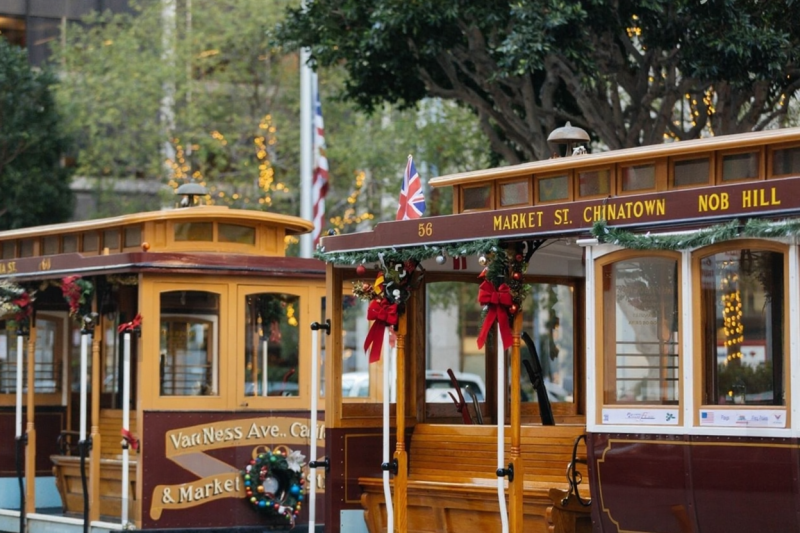
Fisherman's Wharf & The Piers: Coastal Christmas Charm
If Union Square is the city's elegant holiday ballroom, Fisherman's Wharf is the lively waterfront party. Here, the festive spirit is infused with the salty air of the bay, offering a uniquely San Franciscan take on Christmas where twinkling lights meet maritime history.
PIER 39's Dazzling Christmas Tree & Sea Lion Spectacle
Giving the downtown tree a run for its money, PIER 39 erects its own majestic, 60-foot Christmas tree right at the entrance. This tree is the star of a nightly, synchronized light-and-music show that runs every half hour, bathing the pier in a dynamic kaleidoscope of color. It’s a fun, high-energy spectacle perfect for families.
What makes this experience uniquely San Franciscan is the audience: the famous sea lion colony barking from K-Dock, providing a chaotic, natural soundtrack. This quirky juxtaposition of organized holiday cheer and wild nature is pure San Francisco.
Ghirardelli Square: Chocolate, Lights, and Historic Splendor
A short, scenic walk from the main wharf leads you to the historic Ghirardelli Square, which offers a more refined and cozy holiday atmosphere. The beautiful brick architecture of the former chocolate factory is elegantly draped in lights, with a grand Christmas tree anchoring the main plaza. The iconic, glowing Ghirardelli sign serves as a beacon over the bay.
A visit here is an assault on the senses in the best possible way. The aroma of warm chocolate hangs in the air, drawing you into the Ghirardelli Chocolate Marketplace for a world-famous hot fudge sundae or a rich, soul-warming hot cocoa. It’s the perfect place to refuel and pick up beautifully packaged holiday gifts.

The Illuminated Boat Parade: A Floating Festival of Lights
For a truly unforgettable waterfront event, align your visit with the Fisherman's Wharf Lighted Boat Parade. As one of the oldest and largest in the country, this annual tradition is a spectacular display of maritime merriment. A fleet of fishing boats, sailboats, and private yachts, all decked out in elaborate holiday lights, parade along the waterfront from PIER 39 past the Marina Green. The sight of these floating light sculptures against the dark waters of the bay, with the Golden Gate Bridge in the distance, is pure magic. Prime viewing spots can be found at Aquatic Park, PIER 39, and anywhere along the Marina Green.
Beyond the Hubs: More Dazzling Christmas in San Francisco Lights
While the main hubs are essential, some of the city's most enchanting displays are found elsewhere. San Francisco is a city of neighborhoods, and venturing out reveals a more local and often more creative side of the holiday season.

Golden Gate Park's "Entwined": A Forest of Light
For a holiday experience that speaks to San Francisco's identity as a hub of art and technology, you must visit "Entwined" in Golden Gate Park. Each year, Peacock Meadow is transformed into an otherworldly forest of light by artist Charles Gadeken. This immersive, large-scale installation features towering, tree-like sculptures and geometric shapes illuminated by thousands of color-changing LEDs. Wandering through this dreamlike landscape as the lights shift through mesmerizing patterns is a captivating experience that feels a world away from the urban bustle.
The Fairmont Hotel's Giant Gingerbread House: A Sweet Spectacle
Ascend to the top of Nob Hill to witness one of the city's most beloved—and delicious—holiday traditions. The historic Fairmont San Francisco constructs a two-story, life-sized gingerbread house in its grand lobby. Made from thousands of real gingerbread bricks, gallons of royal icing, and a dizzying amount of candy, this edible marvel is a feast for the senses. You can even walk through it, breathing in the sweet, spicy aroma of gingerbread. The hotel's opulent lobby, with its own massive Christmas tree, completes the fairy-tale setting.
Neighborhood Lights: Discovering Local Gems
To truly capture the spirit of Christmas in San Francisco, take a tour of the residential neighborhoods where locals pour their hearts into decorating.
Tom and Jerry's House (3650 21st St.): A legendary, over-the-top display in the Castro featuring a giant tree, massive stockings, and a working ski lift for dolls.
45 Upper Terrace: Another famous private home known for its dazzling, multi-story cascade of lights and festive figures.
Sea Cliff: For a more elegant and professionally curated experience, a drive through this affluent neighborhood offers stunning views of stately homes adorned in sophisticated holiday decor.

Planning Your Perfect San Francisco Christmas Adventure
A little strategic planning will ensure your holiday trip is seamless and stress-free, allowing you to focus on the magic.
Getting Around: Mastering the City's Grid
San Francisco is famously compact, but its hills are no joke. Public transportation is your greatest asset.
Muni System: The city's network of buses and historic streetcars can get you almost anywhere. The F-line streetcar offers a wonderfully scenic route along the waterfront.
Cable Cars: While more of a moving landmark than practical transport, a ride on a festively decorated cable car is an iconic experience. Just be prepared for long lines.
Walking: The best way to soak in the details of Union Square and the Wharf. Wear your most comfortable shoes—you'll thank yourself later.
What to Pack: The Art of Layering
San Francisco's winter weather is a master of disguise. Mild sunshine can give way to bone-chilling wind and fog in an instant. The golden rule is to dress in layers. A base layer, a sweater or fleece, and a windproof/waterproof jacket will serve you well. A hat and gloves are essential for evenings by the bay.
Traveling with family adds another layer of complexity to packing and planning. The journey itself can be the most daunting part of a family vacation. To ensure your trip to the Bay Area starts smoothly, we’ve created the ultimate resource for parents. Make your travel day as joyful as your destination with our Stress-Free Flying with Kids Guide.
Your Unforgettable San Francisco Christmas Awaits
From the colossal, glittering tree in Union Square to the salty, sea-lion-serenaded festivities at Fisherman's Wharf, a Christmas in San Francisco is an experience that engages all the senses. You are now armed with the insider’s map to the city’s most brilliant lights, cherished traditions, and unique coastal wonders. You are empowered to craft a holiday itinerary filled with genuine magic and unforgettable memories, far from the generic tourist trail.
This deep dive into San Francisco's festive glow is just one chapter in the great American holiday story. The entire country is a mix of incredible celebrations, each with its own unique flavor. To continue your journey and plan your next great adventure, explore our comprehensive Travel Guide.
Don't Miss Out! Subscribe for Exclusive Content
SubscribeComments 0
No comments yet
Be the first to share your experience!
Dont Miss Out! Subscribe for Exclusive Content

San Francisco Cherry Blossoms: A Local's Guide to the Blooms

Halloween SF: Haunts Without Horrors

SF Festivals: 7 Must-See Lineups

SF Pride: 6 Route & Party Hacks

Chinese New Year SF: Parade Essentials

San Francisco Holidays: Bay Area Buzz
NYC Pride: Parade Route Essentials
TrekGuider @trekguider
The air crackles with anticipation. You feel the bass from a distant float thumping in your chest, a rhythmic heartbeat for a city ready to explode in a celebration of love, identity, and history. The NYC Pride Parade is one of the most iconic, life-affirming events on the planet. But as you picture the cascade of rainbow flags, a knot of logistical questions tightens in your stomach. With millions of people flooding Manhattan, where do you even begin? How early is early enough? How do you navigate a multi-mile route to actually see the parade without getting swallowed by the crowd?
Without a smart plan, the dream experience can dissolve into a logistical nightmare. You risk being stuck ten-deep behind a wall of people, catching only glimpses of the spectacle. You could spend hours feeling overwhelmed, battling for a sliver of sidewalk instead of immersing yourself in the powerful current of community and celebration. The line between an unforgettable day of joy and a frustrating ordeal is drawn by preparation.
This is your definitive playbook for conquering the chaos. Forget the guesswork. We are breaking down the entire pride parade New York route, section by section, arming you with insider strategies and actionable essentials. From the electric energy of the formation zone to the historic heart of the Village, this guide will help you navigate the day like a seasoned pro. Get ready to transform potential stress into pure, unadulterated Pride.
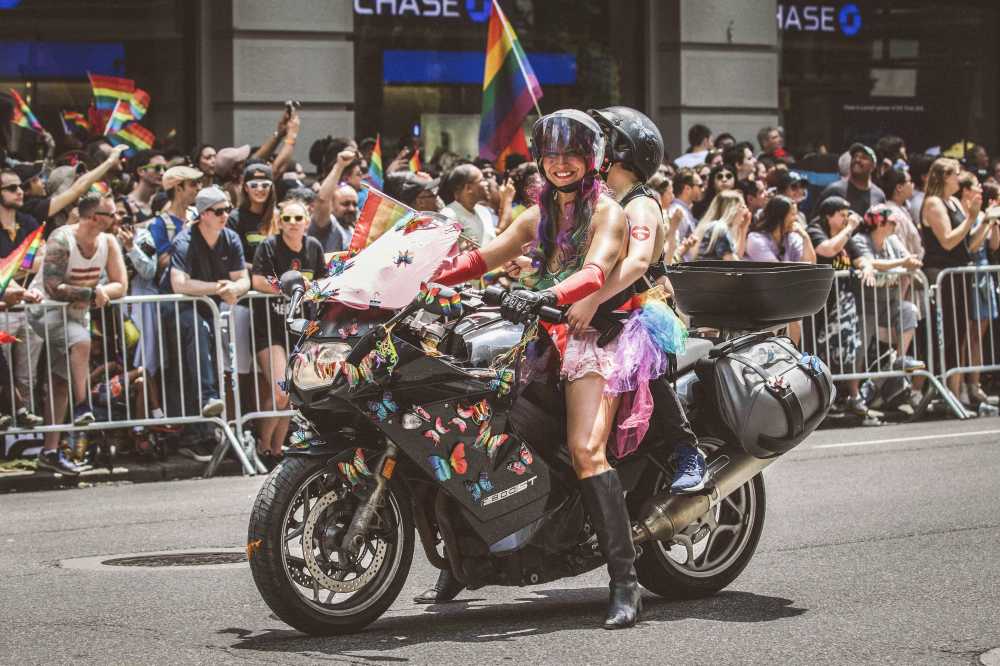
The Heartbeat of Pride: A Journey from Protest to Celebration
But to truly appreciate the river of rainbow flags and joyous noise, you have to understand its source. This isn’t just a party; it’s a pilgrimage. The modern NYC Pride Parade is the direct descendant of the Christopher Street Liberation Day March, first held in 1970, exactly one year after the Stonewall Uprising of 1969. That rebellion, a series of spontaneous and defiant demonstrations against a police raid on the Stonewall Inn, was the flashpoint that ignited the modern gay rights movement.
What began as a protest march has evolved over decades into a powerful dual-purpose event: a joyous celebration of identity and a formidable platform for activism. In the 1980s, as the AIDS crisis devastated the community, the parade became a vital and visible front line for raising awareness and demanding action, cementing its role as the community's conscience and its loudest voice. Its deep historical roots and unwavering commitment to progress make it a key element event—and for good reason, a non-negotiable highlight in our definitive guide to New York Holidays: 10 Must-Do Events. Understanding this legacy enriches the entire experience, transforming you from a spectator into a participant in living history.
Mark Your Calendar: 2026 NYC Pride Parade Date and Time
Precision is your best friend when planning for an event of this magnitude. Get these details locked into your calendar now.
Date: Sunday, the last Sunday of June
Start Time: The parade officially kicks off between 11:00 AM and 12:00 PM.
A word of caution: Do not mistake the start time for your arrival time. The parade route is miles long, and the best viewing spots are claimed hours in advance. For a prime location, especially in the more popular sections, you should be in position no later than 9:00 AM. For the truly iconic spots, even earlier is better.
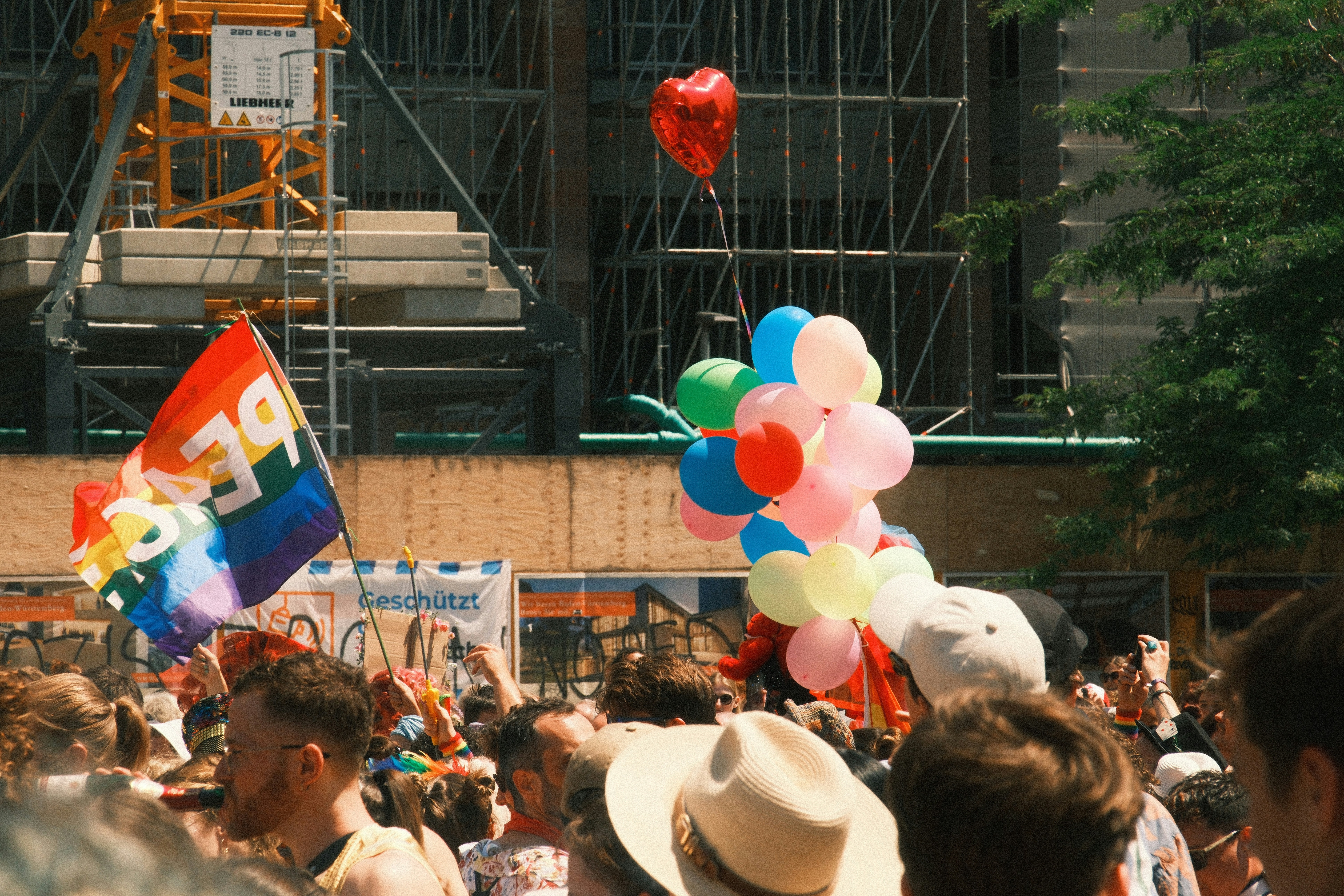
Deconstructing the Route: A Mile-by-Mile Guide to the Pride Parade New York
The official route for the pride parade New York is a journey through the city's cultural and historical soul. Each segment offers a distinct atmosphere and viewing experience. Your perfect spot depends entirely on the vibe you’re seeking.
The Kick-Off: 26th Street and 5th Avenue (The Formation Zone)
The Vibe: This is the epicenter of pure, unharnessed anticipation. The energy here is electric, a fascinating mix of organized chaos and raw excitement. You’ll see floats getting their final sound checks, dance troupes running through their choreography one last time, and thousands of marchers buzzing with adrenaline before they take their first official step. It’s less of a polished performance and more of an authentic, behind-the-scenes look at the massive human effort powering the event.
Viewing Advice: Standing near the start means you see every contingent at its absolute freshest. The costumes are pristine, the energy is at its peak, and the performances are sharp. It’s a fantastic spot for photographers wanting to capture candid moments and fine details. The crowds here are intense as everyone jockeys for that first glimpse.
Logistics: Arrive extra early—think 8:00 AM—to secure a spot with a clear line of sight. Amenities are scarcer here compared to further down the route. Pack what you need for the morning, as ducking into a local shop will be a major, time-consuming undertaking.
The Main Artery: South on 5th Avenue (The Spectator Hub)
The Vibe: As the parade marches down the world-famous 5th Avenue, it hits its full, spectacular stride. This is the quintessential big-city parade experience. The avenue is wide, the crowds are massive, and the backdrop is pure New York City grandeur. The sound of music and cheering reverberates off the tall buildings, creating an immersive wall of sound. You’ll be surrounded by a diverse mix of families, tourists, and locals, all united in a shared celebration.
Viewing Advice: This is the longest stretch of the parade and where most spectators naturally congregate. For a slightly less condensed crowd, try to find a spot further north, perhaps in the high 30s or 40s. The closer you get to the Village, the exponentially denser the crowds become.
Logistics: This section offers the best access to delis, coffee shops, and stores for restrooms and refreshments. However, be prepared for long lines for absolutely everything. Public transportation is your best friend here; the numerous subway stops along 6th Avenue run parallel to the route, making access relatively straightforward.
The Historic Turn: 8th Street to Christopher Street (The Soul of Pride)
The Vibe: This is the emotional and historical heart of the entire parade. As the route makes its key turn off 5th Avenue and winds through the narrower streets of Greenwich Village towards the Stonewall National Monument, the atmosphere shifts. It becomes more intimate, more intense, and deeply resonant. The sense of history is palpable. This is where the cheers often feel the loudest and the connection between the marchers and the crowd feels most profound.
Viewing Advice: This is, without question, the most meaningful and popular place to watch the parade. Consequently, it is the most crowded. To get a spot here, you must be committed. Arrive by 8:00 AM at the absolute latest, and be prepared to hold your ground for hours. The experience, however, is powerful and unparalleled.
Logistics: Once you’re in a spot here, you’re in for the duration. The narrow streets and dense crowds make movement nearly impossible. Pack everything you need for several hours. There are fewer commercial establishments directly on these streets, so plan accordingly.

Pro-Tip: For a less obstructed view, look for spots near intersections on the opposite side of the street from the parade's direction of travel. Crowd density is often slightly lower there as people tend to cluster on the inside of the turns.
The Grand Finale: Finishing Near 15th Street and 7th Avenue (The Dispersal Zone)
The Vibe: The energy at the end of the route is one of joyous exhaustion and collective accomplishment. Marchers, who have been on their feet for hours, are often interacting more freely with the crowd as they complete their long journey. It’s less of a formal procession and more of a massive, mobile street party winding down into its final, celebratory moments.
Viewing Advice: This is by far the least crowded section of the route, making it an excellent choice for families, those with accessibility concerns, or anyone who couldn't arrive at the crack of dawn. You’ll still see every float and group, but with significantly more room to breathe and move.
Logistics: This area offers the easiest exit strategy. With the parade dispersing, streets begin to reopen sooner, and access to multiple subway lines on 7th Avenue (like the 1, 2, and 3 trains) makes for a quicker trip home or to your next destination.
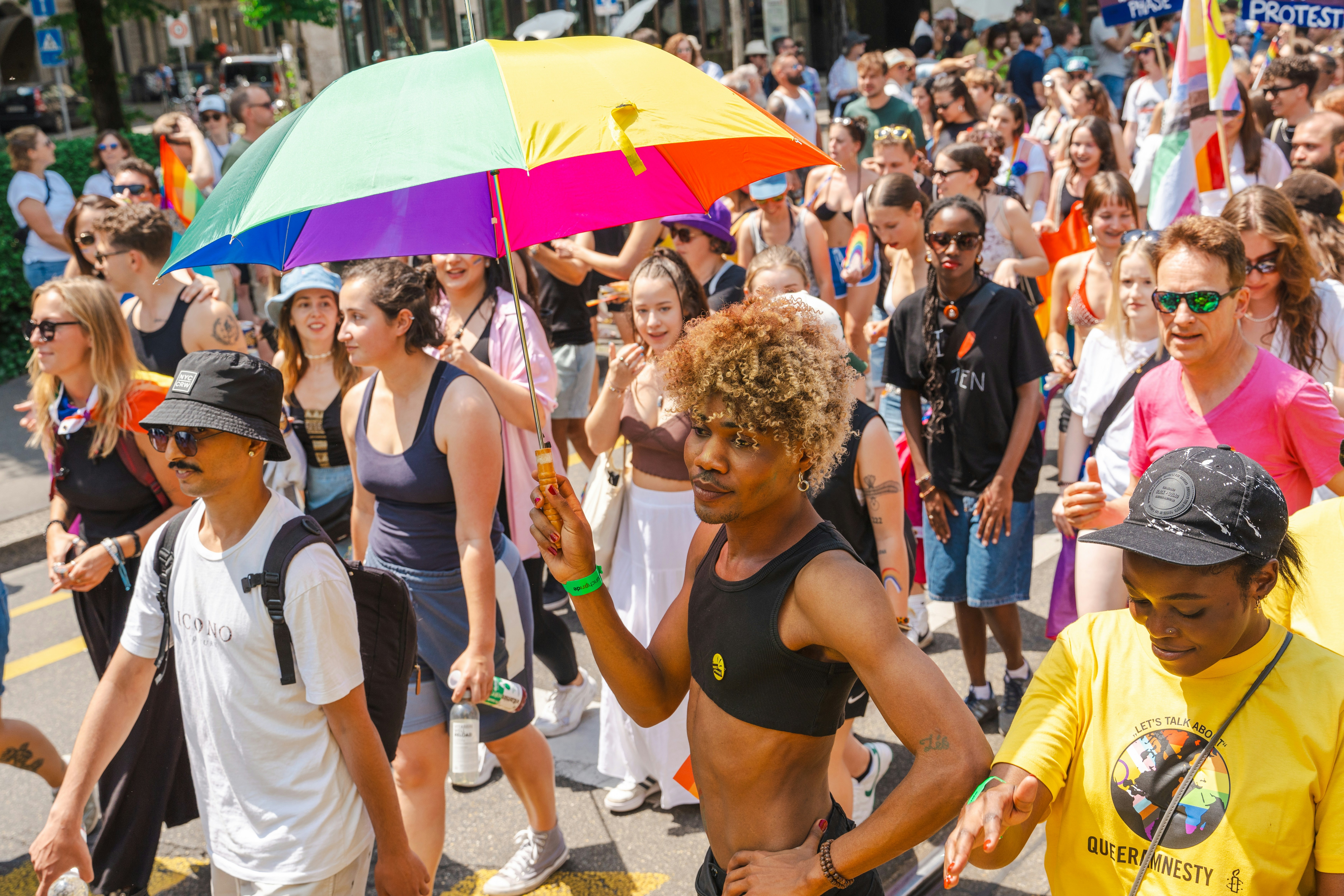
Your Strategic Viewing Plan: 7 Essential Tips for the Best Experience
A little strategy goes a long way in a crowd of millions. Follow these essential tips to ensure your day is smooth, safe, and spectacular.
Arrive Early, Then Arrive Earlier: This cannot be overstated. For a front-row spot anywhere south of 23rd Street, 9:00 AM is a good baseline. For a coveted spot in the West Village or near Christopher Street, you need to be thinking 7:30 AM or 8:00 AM. The most dedicated spectators arrive with breakfast and a blanket.
Pack Your Urban Survival Kit: You are essentially setting up a base camp for the day. Your kit should include: a large, reusable water bottle (staying hydrated is non-negotiable), high-SPF sunscreen, a portable phone charger, and plenty of snacks. Relying on local bodegas is a rookie mistake; they will be overwhelmed and may run out of supplies.
Master Public Transit: Driving is not an option. Street closures are extensive and begin in the early morning. The subway is your only logical choice. Use lines that run along 6th Avenue (B, D, F, M) or Lexington Avenue (4, 5, 6) and walk west. Avoid stations directly on the route, as they will be dangerously crowded.
Choose Your Vibe, Not Just a Spot: Before you pick a location, decide what kind of experience you want. Do you crave the high-energy launch? The massive midtown spectacle? The deeply emotional historic heart? Or the relaxed, celebratory finish? Matching the location to your desired vibe is the secret to a perfect day.
Stay Connected (But Have a Backup): With millions of people in one area, cell service can be notoriously unreliable. While you should keep your phone charged, don’t depend on it for communication. Use a buddy system, and if you’re with a group, establish a clear, physical meeting point and time in case you get separated.
Prioritize Accessibility: Organizers are continually working to make the event more accessible. Check the official NYC Pride website in the weeks leading up to the parade for detailed information on designated viewing areas for people with disabilities. These locations offer better sightlines and a less congested environment.
Embrace the Virtual Experience: If you can't make it in person or prefer to avoid massive crowds, don't worry. The NYC Pride Parade is live-streamed across multiple platforms. You can catch all the action from the comfort of your home, a powerful option for those who want to participate from afar.
Pro-Tip: The blocks just after the parade turns off 5th Avenue onto 8th Street can be a strategic viewing sweet spot. The crowd thins slightly as it navigates the corner, offering a brief window for better photos and a bit more breathing room before it swells again towards Christopher Street.
Beyond the Sidelines: Documenting Your Day
The spirit of Pride is participation. Even as a spectator, you are a vital part of the event. Wear your brightest colors, create a supportive sign, and cheer loudly for the groups that resonate with you. Your energy is what fuels the marchers on their long walk.
For many, capturing the day is part of the experience. The vibrant colors, powerful emotions, and incredible stories of the pride parade New York make it a content creator's dream. If you're looking to capture and share the experience like a pro, preparation is everything. To elevate your storytelling, our The Travel Creator's Toolkit provides the essential checklists and guides to turn your passion into compelling content that does justice to this incredible event.

Planning the Perfect Pride Weekend in NYC
The parade is the magnificent centerpiece of a city-wide, month-long celebration. Pride Month in New York is packed with parties, cultural events, and community gatherings. Don’t limit your experience to just a few hours on a Sunday afternoon. Make it the anchor of an unforgettable weekend or a longer trip to the city.
Navigating the parade is just one piece of an unforgettable trip. To build a complete itinerary—from finding the best LGBTQ+-friendly hotels in Chelsea or Hell's Kitchen to exploring other iconic city sights that have shaped queer history—our comprehensive Travel Guide is the ultimate resource for planning your entire New York adventure. It helps you weave the parade into a broader, richer travel experience.
Your Mission: Experience Pride to the Fullest
You are now armed with the essential knowledge to navigate the pride parade New York not just as a spectator, but as an informed participant in a powerful celebration. You know the history that fuels the march, the unique vibe of each section of the route, and the practical strategies to make your day a resounding success. The parade is more than a route on a map; it's a journey through history, proof of resilience, and an explosion of pure joy.
So pick your spot, pack your survival kit, and get ready to experience the love, history, and unbreakable community of NYC Pride. Go with an open heart, a loud voice, and a solid plan.
Meta Data Suggestions:
SEO Meta Title: NYC Pride Parade Route Guide: Best Viewing Spots & Tips 2026
URL Slug: /nyc-pride-parade-route-essentials
SEO Meta Description: Your ultimate guide to the 2026 NYC Pride Parade. Discover the best viewing spots, route map, start times, and essential tips to navigate the crowds.
Don't Miss Out! Subscribe for Exclusive Content
SubscribeComments 0
No comments yet
Be the first to share your experience!
Dont Miss Out! Subscribe for Exclusive Content
San Francisco Cherry Blossoms: A Local's Guide to the Blooms
Halloween SF: Haunts Without Horrors
SF Festivals: 7 Must-See Lineups

Christmas SF: Lights & Wharf Wonders
SF Pride: 6 Route & Party Hacks
Chinese New Year SF: Parade Essentials
5 Critical Affiliate Marketing Mistakes to Dodge in 2026
TrekGuider @trekguider
Let’s be honest. You’re creating fantastic travel content, but your affiliate dashboard looks like a ghost town. You’re putting in the hours, but the income isn’t following. It’s the single most frustrating part of this business, and it’s a sign that something is fundamentally wrong with your strategy.
You see the industry reports—the affiliate marketing world soaring past 93 billion, with the average travel affiliate earning a reported $13,847 a month—and it feels like it’s happening in another universe. It’s not. The difference is strategy. The highest-earning creators aren't just better at creating content; they're better at avoiding the invisible but critical affiliate marketing mistakes that silently sabotage a business.

This is your definitive "what not to do" playbook. We’re exposing the five most destructive pitfalls that derail even the most talented travel creators. Dodging these errors is the key to plugging the leaks in your strategy, protecting your brand, and finally building the profitable, resilient business you deserve. For a complete command of the entire affiliate ecosystem, from program selection to advanced conversion tactics, our definitive pillar page, Travel Affiliate Programs: The 2026 Ultimate Guide, is your essential command center.
Mistake #1: Ignoring the Law (The FTC Disclosure Fail)
Of all the affiliate marketing mistakes a creator can make, this one is the most dangerous. In the rush to monetize, many either forget to disclose their affiliate relationships or, more commonly, do it incorrectly. They bury a vague statement in the footer, hide it on a separate page, or tuck it into a block of hashtags. They treat it as a legal chore to be minimized.
Why It's Critical: This isn't just bad practice; it's illegal. In the U.S., the Federal Trade Commission (FTC) legally requires a "clear and conspicuous" disclosure of any "material connection" between you and a brand. Failing to comply can get you kicked out of affiliate programs and attract unwanted legal attention. More importantly, it shatters the single most valuable asset you own: your audience's trust. In the creator economy, transparency isn't just a virtue; it's a non-negotiable business strategy.
The Fix: Embrace Radical Transparency.
Your disclosure must be impossible to miss and easy to understand. It’s not a footnote; it’s a badge of honor that signals your professionalism. A compliant disclosure meets four simple criteria:
Placement: It must appear before any affiliate links. For a blog post, this means at the very top of the article.
Prominence: It must be easy to see, in a readable font and color.
Presentation: It must be in plain, simple language that anyone can understand.
Proximity: It must be on the same page as the links themselves.

Pro-Tip: A simple, friendly disclosure at the top of your post is perfect. Something like: (Heads up! This post contains affiliate links. If you book or buy something through one of my links, I may earn a small commission at no extra cost to you. This helps me keep the adventures coming. Thanks for your support!)
Mistake #2: Building Your Business on Rented Land (The "Social-Only" Trap)
You've built a thriving community on Instagram or TikTok. Your engagement is high, and your audience trusts you. So, you decide to run your entire affiliate business from that platform, relying on a "link in bio" tool as your sole monetization engine. This strategy is incredibly common, and it's one of the most fragile business models a creator can adopt.
Why It's Critical: When your business lives exclusively on a social media platform, you are building on rented land. You don't own your audience, you don't control the algorithm, and you don't set the rules. A single algorithm change can vaporize your reach overnight. In the worst-case scenario, your account can be suspended, and your entire business vanishes in an instant.

The Fix: Build Your Empire on an Owned Platform.
Your social media channels are phenomenal for audience engagement, but your website or blog is your single most important strategic asset. An owned platform is your digital home base.
It's an Asset You Control: You dictate the content, user experience, and monetization strategy, insulating your business from volatile algorithms.
It's a Long-Term Traffic Engine: A well-optimized blog post can rank on Google for years, becoming an evergreen asset that drives affiliate sales while you sleep.
It's Your Hub for Deeper Monetization: An owned platform is the perfect place to evolve beyond affiliate links and start selling your own digital products. Modern creator platforms like the TrekGuider Platform are designed specifically for this, giving you a central hub to publish your articles right alongside the premium guides, maps, and itineraries you sell—establishing you as a multi-faceted expert.
Mistake #3: Putting All Your Eggs in One Basket (The Over-Reliance Risk)
For many creators, "affiliate marketing" is synonymous with one program: Amazon Associates. It's easy to join and has an unmatched variety of products, so it's tempting to make it the beginning and end of your affiliate strategy. This hyper-focus on a single program is a ticking time bomb.
Why It's Critical: Relying on one affiliate program for the majority of your income is a high-risk gamble. That program holds all the power. They can—and do—change their terms with little warning. Amazon itself has famously slashed commission rates in key categories overnight, decimating the incomes of creators who were not diversified. If that program shuts down or terminates your account, your business is crippled.
The Fix: Build a Diversified and Resilient Affiliate Portfolio.
A professional affiliate marketer is like a smart investor: they diversify. Aim to build a strong portfolio of 3-5 core affiliate programs that align with your niche. A healthy mix for a travel creator should cover all aspects of a trip:
Accommodations: Expedia Group or Agoda
Tours & Activities: Viator or GetYourGuide
Travel Insurance: SafetyWing or World Nomads
Gear & Apparel: Amazon Associates plus a specialty retailer like REI
This diversification creates multiple, independent income streams. A negative change in one program will be a minor setback, not an existential threat to your business.
Mistake #4: Chasing Commissions, Not Solving Problems
You're researching programs and see two options for a travel backpack. Program A offers a 3% commission, while Program B offers a flashy 10%. You immediately sign up for Program B and start promoting that backpack, even though you know the one from Program A is a slightly better product for your audience. This is the siren song of high commissions, and it leads directly onto the rocks of broken trust.
Why It's Critical: This is the fastest way to destroy your brand. Your audience follows you for your authentic expertise. The moment they sense you are prioritizing your own paycheck over their best interests, that trust evaporates. They can smell a hard sell a mile away. Once trust is gone, your influence is gone, and your ability to earn any income—from any source—is gone with it.

The Fix: Adopt an "Audience-First" Mentality.
Your long-term success is directly proportional to the amount of trust you build. Make it your mission to recommend only the best possible solution for your audience, regardless of the commission.
Promote What You Use and Love: The most powerful reviews come from genuine, personal experience.
Be Radically Honest: If a product has flaws, mention them. This balanced perspective makes your praise exponentially more believable.
Solve the Problem, Don't Push the Product: Frame your content around solving your audience's problems. The product is simply the tool that helps them achieve their goal.
Pro-Tip: Often, the product with the lower commission rate can actually be more profitable if it has a higher conversion rate or a longer cookie duration. Always prioritize the best product for your audience; the trust you build will lead to far more sales in the long run.
Mistake #5: Not Reading the Fine Print (Violating Program Terms)
You've been approved for a new affiliate program and you're excited to get started. You skim the welcome email, grab your links, and start promoting. You don't bother to read the full Terms of Service because it's long, boring, and filled with legalese. This is a simple oversight that gets countless creators kicked out of programs, often with all of their pending commissions forfeited.
Why It's Critical: Every affiliate program has a strict set of rules, and ignorance is not an excuse. Violating these terms—even accidentally—can result in immediate and permanent termination. All the hard work you put into driving sales becomes worthless in an instant.

The Fix: Treat It Like a Business Contract (Because It Is).
Take 15 minutes to carefully read the Terms of Service for every program you join. Pay special attention to the most common violations:
PPC Bidding Restrictions: Most programs forbid you from bidding on their branded keywords (e.g., "G Adventures promo code") in Google Ads.
Self-Referrals: You are almost never allowed to use your own affiliate links to make personal purchases.
Link Cloaking Rules: Some programs have specific rules about how you can present or "cloak" their links.
Referral Program Terms: This applies equally to referral programs. You must understand the specific conditions for a successful conversion. For example, a platform might have bonus terms that require a referred user to make a purchase within a 7-day window for you to earn a commission. Ignoring these details means you do all the work of referring a new user without getting the reward.
Frequently Asked Questions (FAQ)
1. What's the single biggest mistake new affiliates make? The most common error is Mistake #4: chasing high commissions instead of solving their audience's problems. This erodes trust, which is the foundation of any successful creator business. Always recommend the best product, not just the one that pays the most.
2. How quickly can I fix these mistakes? You can start fixing them today. These aren't technical challenges; they are strategic shifts. You can add a proper disclosure to your top posts in minutes, decide to build out your own website this week, and diversify your program portfolio over the next month. It's about changing your approach.
3. Is it better to have a blog or just use social media for affiliate marketing? While you can earn money on social media, it's a high-risk strategy. As we covered in Mistake #2, a blog or website is an asset you own and control. The smartest strategy is to use social media to drive traffic to your owned platform, where you have full control over monetization and your audience relationship.
Build a Bulletproof Business Avoiding these critical affiliate marketing mistakes isn't about being restrictive; it's about being a professional. To build your business the right way from the ground up, with professional systems and a clear strategy, you need the right resources. Our ultimate resource bundle, The Travel Creator's Toolkit, is packed with the checklists, templates, and guides you need to start building a profitable and resilient content empire today. Download it for free and turn your passion into a profession.
Read the full guide: The Travel Blogger's Playbook to Affiliate Marketing Mastery
Don't Miss Out! Subscribe for Exclusive Content
SubscribeComments 0
No comments yet
Be the first to share your experience!
Dont Miss Out! Subscribe for Exclusive Content
Ultimate USA Holidays Guide: Top Picks
FTC Affiliate Disclosure Essentials: Stay Compliant as a Travel Creator
Essential Affiliate Tools: From Tracking to Full Optimization
Avoid These 5 Affiliate Landing Page Mistakes for Better Conversions
Affiliate Keyword Research Mastery for Travel Blogs
