
Booking.com Affiliate Program Review: Pros, Cons, and Earnings Potential

TrekGuider @trekguider
As a travel creator, you know accommodations are the bedrock of every trip. Your audience trusts you to recommend the perfect hotel, hostel, or vacation rental. Monetizing that trust is the logical next step, and one name looms larger than any other: Booking.com. With its colossal brand recognition and an inventory of over 28 million listings, joining its affiliate program feels like an obvious, can’t-miss opportunity. After all, with the average monthly income for travel affiliates hitting a reported $13,847, choosing the right partners is a high-stakes game.
But you’ve heard the whispers. In creator communities and private forums, there’s a nagging feeling that behind the slick marketing, something is fundamentally broken. You hear stories of a confusing commission structure, a cookie policy that seems designed to fail, and account issues that leave creators in the lurch. Is the biggest player in the game truly the best partner for your business, or is the booking affiliate program a trap for unwary creators lured in by a big name?
This is the definitive, unbiased review you’ve been searching for. We are cutting through the hype to deliver a clear-eyed analysis of the Booking.com affiliate program. We’ll dissect the legitimate pros, expose the critical, deal-breaking cons, and analyze the true earnings potential so you can make a strategic decision for your business. This deep dive is a crucial part of mastering the affiliate landscape, a topic we cover comprehensively in our pillar guide and essential command center: Travel Affiliate Programs: The 2026 Ultimate Guide.

The Allure: Why the Booking.com Program Is So Tempting
Let's be clear: the pull of the Booking.com affiliate program is undeniable. It’s a household name with the gravitational force of a market giant, and for creators, that brand recognition feels like a shortcut to credibility and conversions. These are the legitimate advantages that make it a top consideration.
Unmatched Brand Recognition and Trust
When you link to Booking.com, you are sending your audience to a platform they already know and trust. This pre-existing brand equity is a powerful conversion tool. You don't have to waste a single word "selling" your audience on the legitimacy of the booking platform itself; you can focus entirely on why that specific hotel is the right choice. This can lead to stronger initial click-through and conversion rates compared to lesser-known platforms.
A Colossal, Unrivaled Inventory
With over 28 million listings that span hotels, apartments, resorts, and even treehouses, Booking.com’s inventory is virtually limitless. No matter how niche your destination—from a major metropolis like Tokyo to a remote village in the Andes—you are almost certain to find a relevant, bookable property for your audience. This vast selection makes it a one-stop shop, simplifying the process of finding accommodation links for your content.

The Potential for High-Volume Conversions
For creators with significant traffic, especially those who attract visitors in the final, decisive stages of trip planning, the sheer volume of bookings processed by the platform can translate into substantial income. The platform's user-friendly interface and powerful search filters make it easy for users to find and book properties quickly, which can be a major asset for high-traffic websites.
The Critical Flaws: The Cons You Absolutely Cannot Ignore
While the pros are appealing, the operational realities of the booking affiliate program contain several severe, structural flaws that can cripple your earnings potential. These are not minor inconveniences; for many creators, they are deal-breakers.
The Achilles' Heel: Why the Session-Based Cookie Is a Deal-Breaker
This is, without question, the single most critical flaw in the Booking.com affiliate program. The program operates on a session-based cookie.
What does this mean? It means you only earn a commission if a user clicks your affiliate link and completes a booking within the exact same browser session. If they click your link, browse a few hotels, close the tab to think about it, and then return to Booking.com an hour later—or the next day—to make their booking, you earn nothing. Your tracking cookie has vanished.
Travel is a high-consideration purchase. People rarely book a multi-hundred or multi-thousand dollar trip on impulse. The typical customer journey looks like this:
They read your inspiring blog post.
They click your link to explore the hotels you recommend.
They compare prices and read a few more reviews.
They discuss options with a spouse or travel partner.
They return the next day, ready and excited to book.
With a session-based cookie, you are only compensated for the rare, impulsive booker. You lose the commission for every single thoughtful, deliberate customer you inspired. This policy is fundamentally misaligned with how real people plan travel, making it a structurally unsafe and potentially unprofitable model for content creators.

Pro-Tip: When evaluating any affiliate program, the cookie duration is often more important than the commission rate. A partner like Expedia Group offers a 7-day cookie, which is vastly superior as it respects the user's decision-making process and ensures you get paid for the value you create.
The "Black Box" Commission: Why 40% Isn't What It Seems
Booking.com often advertises a commission rate of 25-40%, which sounds incredibly high. However, this is deeply misleading. You do not earn a percentage of the total booking value. You earn a percentage of Booking.com's commission.
Here’s how that math actually breaks down:
A customer books a $500 hotel stay through your link.
The hotel pays Booking.com a commission (let's say 15%, which is $75).
You then earn your commission based on that $75, not the original $500.
If your rate is 25%, you earn 25% of $75, which is $18.75. Your effective commission rate on the total booking value is a mere 3.75%. This opaque structure makes it incredibly difficult to forecast your earnings and often results in a much lower payout than creators expect from the flashy headline numbers.
A History of Account Instability and Support Issues
Numerous affiliates have reported frustrating experiences with the program's administration. These complaints often center on sudden account closures without clear explanation, forced migrations to network platforms like Awin or CJ Affiliate, and a history of losing pending commissions during these transitions. While any large program will have some user issues, the volume of these reports suggests a level of instability that should be a major concern for any creator looking to build a reliable, long-term income stream.
The Verdict: Analyzing the True Earnings Potential
So, can you actually make money with the booking affiliate program? The answer is a qualified "yes," but only for a very specific type of publisher.
Who It Might Be Good For:
High-Traffic Deal & Discount Sites: Websites that focus on last-minute deals and attract users who are ready to book immediately can succeed with the session-based model. Their audience is impulsive by nature.
Metasearch Engines: Large-scale travel search engines that operate on a massive volume of clicks may find the program profitable due to sheer scale.
Who Should Avoid It:
Content Creators & Bloggers: If your content strategy is based on inspiration and long-term trip planning—creating itineraries, destination guides, and detailed reviews—this program is fundamentally at odds with your business model. You are inspiring a journey, not a single-session transaction.
Anyone Building a Sustainable, Predictable Income: The combination of a session-based cookie, an opaque commission structure, and reported account instability makes this a high-risk partner for anyone looking to build a reliable business.
Pro-Tip: The most resilient affiliate strategy is built on diversification. Never rely on a single program for your income. A healthy portfolio for a travel creator should include partners for accommodations, tours, insurance, and gear to create multiple, stable revenue streams.
Strategic Alternatives: Safer Bets for Higher Returns
The flaws in the Booking.com program do not mean you should abandon monetizing accommodations. It simply means you should partner with programs structured to favor creator success.
The most direct and superior alternative is the Expedia Group Affiliate Program. It covers major brands like Hotels.com and Vrbo and, most importantly, offers a 7-day cookie duration. This gives your audience a full week to make their decision after clicking your link, ensuring you are properly compensated for your influence.
Ultimately, the most secure path to a stable income is to reduce your reliance on any single affiliate program and start building assets you own. Instead of sending all your traffic to other brands, you can create and sell your own high-value digital products—like detailed itineraries, travel guides, or planning checklists. Platforms like the TrekGuider Seller Platform are designed specifically for this, allowing you to build your own digital storefront and keep a much larger share of the revenue. It's the ultimate strategy for taking control of your financial future.

Build Your Perfect Itinerary (and Monetize It)
Creating high-value, bookable itineraries is one of the best ways to serve your audience and drive affiliate sales. But starting from scratch can be daunting. Our free Travel Itinerary Template gives you the perfect framework to build beautiful, useful guides your readers will love—and a powerful asset you control.
Frequently Asked Questions
1. Is the Booking.com affiliate program free to join? Yes, the program is free to join either directly or through an affiliate network like Awin or CJ Affiliate.
2. What are the payment methods for the Booking.com affiliate program? Payments are typically made via PayPal or bank transfer, but this can depend on the network you join through. There is usually a minimum payout threshold (e.g., €100) that you must reach before you can receive your earnings.
3. Can I use my own affiliate links to make personal bookings? No. Like almost all affiliate programs, using your own links for personal purchases or bookings is a violation of the terms of service and can lead to your account being terminated and commissions being voided.
A Powerful Brand with a Flawed Partnership
The Booking.com affiliate program exists in a paradox. It leverages one of the most powerful and trusted brands in travel, offering a massive inventory that seems perfect for creators. However, its core mechanics—specifically the session-based cookie and the opaque commission structure—are fundamentally anti-creator. They are relics of an older affiliate model that fails to properly value the influence of content creators who build trust and inspire a customer's journey over days or weeks.
While it might work for a small subset of high-traffic, transactional websites, for the vast majority of travel bloggers and content creators, the booking affiliate program represents a significant and unnecessary risk. Your time, effort, and influence are better invested in partners with more favorable, transparent, and creator-friendly terms. By choosing strategic alternatives and diversifying your income streams, you can build a more profitable and resilient business for the long term.
Read the full guide: The Travel Blogger's Playbook to Affiliate Marketing Mastery
Don't Miss Out! Subscribe for Exclusive Content
Subscribe



Comments 0
No comments yet
Be the first to share your experience!
Dont Miss Out! Subscribe for Exclusive Content

Ultimate USA Holidays Guide: Top Picks


FTC Affiliate Disclosure Essentials: Stay Compliant as a Travel Creator

Essential Affiliate Tools: From Tracking to Full Optimization

Avoid These 5 Affiliate Landing Page Mistakes for Better Conversions

Affiliate Keyword Research Mastery for Travel Blogs

Decoding Affiliate Commission Rates: Benchmarks for Travel Creators
The 7 Solo Female Travel Safety Rules You Can't Ignore
TrekGuider @trekguider
You feel the magnetic pull of the world, a deep-seated desire to explore ancient cities, wander through breathtaking landscapes, and discover it all on your own terms. The dream of solo travel is vibrant and powerful. But for so many women, that dream is shadowed by a persistent and paralyzing question: "But will I be safe?"
This isn't just a fleeting thought; it's a formidable barrier. It’s a shared, valid concern that echoes across the travel community. A staggering 66% of women who travel solo report worrying about their personal safety, and for the 59% of women who have yet to start their first independent journey, these concerns are the second-largest obstacle holding them back. The fear is real, and it is robbing you of what could be the most transformative experience of your life. But what if you could systematically dismantle that fear, replacing it with an unshakable foundation of competence?
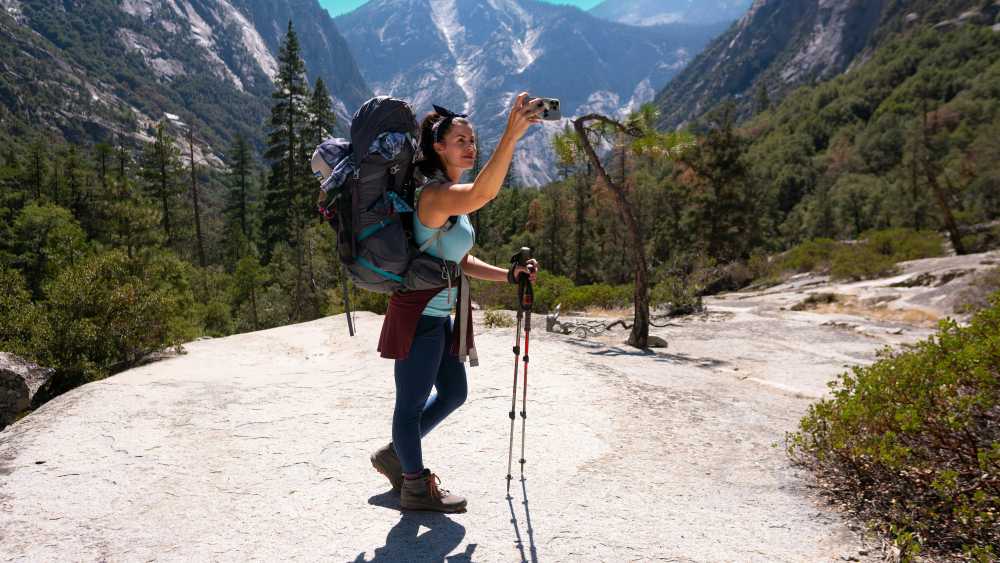
This guide is your tactical blueprint to do exactly that. We are moving beyond vague reassurances and diving into the essential, non-negotiable rules of solo female travel safety. This isn't about seeing the world through a lens of paranoia; it's about equipping yourself with the knowledge to navigate it intelligently. For a complete overview of the journey, start with our comprehensive pillar guide, The Ultimate Guide to Solo Female Travel (15 Essential Tips). These seven rules, however, are the bedrock—the field-tested strategies that will transform you from a worrier into a prepared and confident global explorer.
Rule 1: Build a "Lifeline Home" Before You Leave
The single most important phase of your safety strategy happens before you ever pack a bag. Creating a strong communication and information bridge between you and a trusted emergency contact back home is non-negotiable. This "mission control" is your ultimate safety net, ensuring that if you are ever unreachable, someone you trust has every critical detail needed to help.
Your "lifeline" packet should be a comprehensive dossier containing both physical and digital copies of the following, based on recommendations from the U.S. Department of State:
A Complete Itinerary: Detail your trip on a day-by-day basis, including flight numbers, train schedules, and the names, addresses, and phone numbers of all booked accommodations.
Copies of All Important Documents: Include the photo page of your passport, any necessary visas, your driver's license, and a full copy of your travel insurance policy, complete with the policy number and the 24/7 emergency assistance phone number.
Financial Information: Provide photocopies of the front and back of every credit and debit card you are carrying. The international toll-free numbers on the back are essential for canceling them if they are lost or stolen.
A Pre-Arranged Communication Plan: Establish a clear plan for when you will check in (e.g., a quick text upon arrival in a new city). Crucially, agree on a protocol for what your contact should do if you miss a check-in (e.g., wait 12 hours, then contact your hotel, then contact the nearest embassy).

Pro-Tip: The single most effective safety action you can take in under five minutes is to enroll your trip with the U.S. Department of State’s free Smart Traveler Enrollment Program (STEP). This provides the nearest U.S. Embassy or Consulate with your itinerary, creating a three-way digital bridge connecting you, your emergency contact, and the State Department for a coordinated response in a worst-case scenario.
Rule 2: Master Your Sanctuary with an Unbreakable Arrival Protocol
Think of your accommodation as more than just a place to sleep. It’s your secure base of operations, your private sanctuary to rest and recharge. Ensuring its integrity from the moment you arrive is a critical habit that provides profound peace of mind. Adopt this methodical security check and perform it automatically every single time you enter a new room.
Prop the Door Open. Before you fully enter, use your main piece of luggage to prop the door open. This simple action prevents the door from closing and locking behind you, guaranteeing an immediate escape route should the room not be empty.
Conduct a Full Room Sweep. With the door still open, perform a quick but thorough physical search. Check under the bed, behind all curtains, inside closets, and in the bathroom, including behind the shower curtain.
Verify All Locks. Once the room is confirmed to be empty, close the door and immediately test all locking mechanisms. Engage the deadbolt, chain lock, or security latch. Go to every window and any balcony doors to ensure they lock securely.
Deploy Your Personal Security. Your own devices provide a layer of protection entirely within your control. Immediately place a rubber wedge doorstop alarm under the main door or install a portable door lock like an Addalock. These inexpensive, lightweight devices are highly effective at preventing unauthorized entry, even from someone with a key card.
Locate and Map Emergency Exits. Find the fire exit map on the back of the door. Identify the two nearest exits, then physically walk the route to each one, counting the doors you pass. This mental map is invaluable for navigating in darkness or smoke.
Perform a Hidden Camera Scan. In an age of miniaturized electronics, a quick scan for hidden cameras is a prudent measure. Use your phone's flashlight to look for the tell-tale glint of a tiny lens in unexpected places like smoke detectors, alarm clocks, and USB wall chargers. In the dark, use your phone's front-facing camera (which is more sensitive to infrared light) to scan the space. Look for the small, often blinking, IR lights used by night-vision cameras that are invisible to the naked eye.
Adopt a "Verify, Then Open" Door Policy. Make it your strict policy to never open your door to an unsolicited knock. If someone claims to be from housekeeping, call the front desk using the room phone to verify they sent a staff member to your room.

YOUR ULTIMATE SAFETY TOOLKIT
Mastering your environment is the first step to confident travel. True preparedness means having the right tools for every situation. Our free, downloadable Solo Female Travel Safety Guide is the perfect companion to these rules. It's a comprehensive checklist and resource guide covering everything from what to pack to what to do in an emergency.
Rule 3: Take Absolute Control of Your Ground Transportation
Moving through an unfamiliar city can be a point of high vulnerability. Whether you’re using a ride-sharing app or a local taxi, you must shift from being a passive passenger to an active participant in your own safety. Adhere to this strict set of protocols for every single ride.
The "Match, Name, Share" Protocol for Ride-Shares
Match: Before you get in, carefully match the vehicle's make, model, and license plate number with the information in the app. Check that the driver's appearance matches their profile photo. If anything is off, do not get in the car.
Name: This is a critical verification step. Do not approach a vehicle and ask, "Are you here for Jane?" This gives a potential imposter the information they need. Instead, from a safe position on the curb, ask the driver, "Who are you here for?" A legitimate driver will be able to state your name correctly.
Share: Before your ride begins, use the app's built-in "Share Trip Status" feature. This sends a live map of your journey to a trusted contact, allowing them to track your progress in real-time.
Universal Rules for Every Ride
The Backseat Protocol: As a solo traveler, always sit in the back seat on the side opposite the driver. This creates crucial physical distance and gives you access to two separate exits.
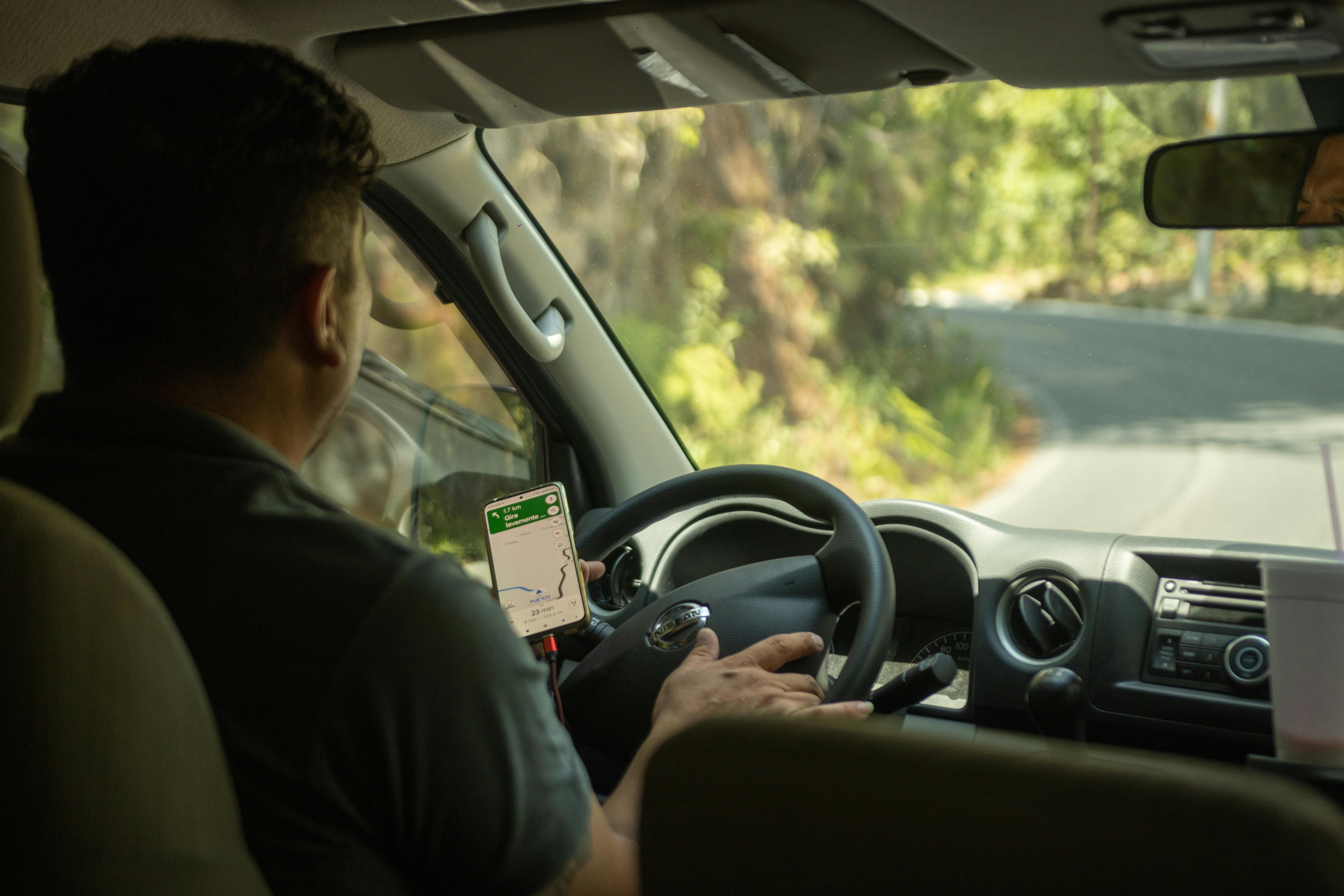
The Route Protocol: Keep your own mapping application, like Google Maps, open on your phone throughout the journey. If the driver takes a significant, unexplained detour, you are empowered to question it. If the response makes you uncomfortable, end the ride in a safe, well-lit public area.

Rule 4: Create Layers of Personal and Digital Security
Your solo female travel safety strategy should be built on layers and redundancy. This means pairing smart practices with an effective toolkit of personal security devices and ensuring your digital lifelines are always active.
Your Personal Security Toolkit
Personal Safety Alarm: This is arguably the most valuable device for a solo traveler. An alarm like the She's Birdie emits an extremely loud siren (130+ decibels) and a flashing strobe light to startle an attacker and attract immediate attention. They are small, legal everywhere, and attach to a keychain for instant access.
Anti-Theft Bag: Invest in a bag with features like RFID-blocking pockets (to protect from electronic skimming), slash-proof fabric, and lockable zippers. A crossbody style worn in front of your body offers the most security.
Portable Door Lock / Alarm: As mentioned in Rule 2, carrying your own lock gives you absolute control over the security of your room, ensuring your sanctuary remains impenetrable.

Your Digital Security Layer
Your phone is your map, translator, and lifeline. A solar-powered power bank adds a critical layer of resilience to a standard one, ensuring you can maintain a charge even during power outages or on multi-day treks.
Rule 5: Project Confidence and Practice Proactive Situational Awareness
How you carry yourself has a profound impact on how you are perceived. Projecting confidence—even when you're feeling uncertain—is a powerful deterrent. Walk with purpose, keep your head up, and make brief eye contact. This signals that you are aware of your surroundings, not an easy target.
This confidence is fueled by situational awareness. It's not about being paranoid; it's about being present.
Understand the Local Landscape: Before arriving, research common tourist scams. A 2024 report noted that 29% of solo female travelers had experienced a theft or attempted scam. Knowing the playbook for ploys like the "friendship bracelet" or "spilled drink" allows you to disengage before you become a victim.
Trust Your Intuition: Your intuition is your most finely tuned security equipment. If a person, place, or situation feels "off," it probably is. You do not need a logical reason. Honor it. Cross the street, leave the bar, get in a different train car. Acting on your intuition is not rude; it is intelligent.
Manage Your Inputs: Be mindful of your alcohol consumption. Your awareness is your primary defense, and anything that dulls it increases your vulnerability.

Rule 6: Embrace That Safety Anxiety Decreases with Experience
It's crucial to understand the psychology of solo travel fear. The data reveals a powerful truth: the act of traveling solo is the most effective antidote to the fear of it.
Among women who have taken fewer than six solo trips, 77% report worrying about safety. That number drops dramatically to just 55% for those who have traveled solo more than ten times. This establishes a direct, negative correlation between experience and anxiety.
Every time you successfully navigate a new city and overcome a challenge, you are collecting real-world evidence of your own competence. This direct experience systematically replaces abstract, media-fueled fear with managed, situational awareness. You learn that while vigilance is essential, you are far more capable than you imagined. The goal of your first trip is to break this cycle of fear and begin the empowering loop of experience.
Rule 7: Never Outsource Your Safety to Chance—The Travel Insurance Mandate
For a solo traveler, travel insurance isn't an optional add-on; it is a foundational pillar of your financial security. A cheap policy is not a good deal if it doesn't have the right coverage. When evaluating policies, ensure the plan includes strong coverage in these key areas:
Emergency Medical Coverage: A policy should offer a minimum of $250,000 in benefits.
Emergency Medical Evacuation: This covers the potentially astronomical cost of transporting you to a hospital with adequate facilities or back home.
Emergency Medical Reunion (Companion Coverage): This is vital for solo travelers. If you are hospitalized, this coverage pays for a family member's transportation and accommodation to be at your bedside, providing invaluable logistical and emotional support.
Trip Interruption and Cancellation: This reimburses your non-refundable trip costs if you have to cancel or cut your trip short for a covered reason.
Frequently Asked Questions About Solo Female Travel Safety
What's the single most important safety device I should buy?
A personal safety alarm. While a doorstop and anti-theft bag are excellent, a loud, attention-grabbing alarm is the most versatile tool for deterring a potential threat in any public situation, day or night.
I'm nervous about nightlife. Should I just avoid going out after dark?
Not at all! The key is to be strategic. Have your transportation planned in advance—know exactly how you're getting home. Nurse your drink and never leave it unattended. Stick to well-lit, reputable areas and consider starting with a structured activity, like a group tour or a show, rather than just wandering.
How do I handle street harassment without escalating the situation?
The most effective strategy is confident disengagement. Do not respond or make prolonged eye contact. Project purpose and keep walking. In many cases, a reaction is what the harasser is seeking. If you feel you are being followed, walk into a busy, open shop or restaurant immediately.
Are group tours a good option for a safety-conscious first-timer?
Absolutely. An estimated 75% of women who have never traveled alone would be more likely to do so on a group tour. They provide a "scaffolded" entry into the world of solo travel. You can find tours vetted and reviewed by other solo female travelers on platforms like TrekGuider, which is a great way to build foundational confidence.
Your Journey to Confident Exploration Starts Now
The narrative around solo female travel safety is too often dominated by fear. But the data tells a different, more empowering story of capability and resilience. These seven rules are your framework—a practical system for managing risk and moving through the world with intelligent confidence. By internalizing these strategies, you build a foundation of competence from which you can freely and bravely explore.
Now that you have the safety blueprint, the truly exciting part can begin. Explore our collection of expert-written Travel Guide resources to find your perfect destination, and remember to download the essential Solo Female Travel Safety Guide. The world is waiting for you to discover it—and yourself.
Meta Data Suggestions:
SEO Meta Title (59 characters): The 7 Essential Solo Female Travel Safety Rules for 2026
URL Slug: solo-female-travel-safety-rules
SEO Meta Description (154 characters): From accommodation security to transport protocols, these 7 non-negotiable solo female travel safety rules will empower you to explore the world with confidence.
Don't Miss Out! Subscribe for Exclusive Content
SubscribeComments 0
No comments yet
Be the first to share your experience!
Dont Miss Out! Subscribe for Exclusive Content

How to Avoid Travel Scams: A Global Guide

Is Public WiFi Safe? How to Protect Your Data Abroad

A Woman's Guide to Safe Travel: 10 Critical Tips

7 Hotel Safety & Security Tips for Peace of Mind

9 Beach Safety Tips That Could Save Your Life

How to Stay Safe While Hiking: A Hiker's Safety Guide
A Woman's Guide to Safe Travel: 10 Critical Tips
TrekGuider @trekguider
The desire to see the world is a powerful, universal calling. It’s a yearning for new horizons, different cultures, and the thrill of discovery. But for women, this excitement is often tangled with a unique and persistent thread of concern. The questions are constant and valid: Will I be safe? How will I be treated? How do I handle unwanted attention? This undercurrent of anxiety is the problem—it threatens to shrink your map, limit your experiences, and steal the spontaneous joy that travel is supposed to ignite.
This fear is agitated by vague warnings from well-meaning friends and family. You’re told to "be careful" but rarely taught how to be confident. You’re handed a list of places to avoid instead of a set of skills to navigate any place on Earth. This narrative can make you feel like a potential victim rather than the powerful, capable explorer you are. It’s time to change that story. This guide is your solution, a definitive playbook for empowerment. It’s not a list of restrictions; it’s a masterclass in preparation, cultural fluency, and unshakeable self-assurance. We’ve synthesized insights from security experts, cultural specialists, and veteran female travelers to bring you 10 critical tips for women's travel safety. These strategies are a vital part of the complete approach to preparedness we champion in our The Ultimate Guide to Travel Safety: A 2026 Playbook. Let’s begin.

The Foundation: Mindset, Research, and Preparation
True safety isn't a reaction; it's a foundation you build long before you leave home. It’s about cultivating a mindset of proactive awareness and arming yourself with knowledge. These foundational principles transform you from a tourist into a savvy, self-assured traveler.
Tip 1: Master the Art of Proactive Research
Going beyond booking flights and hotels is the first step in empowered travel. Your research needs to include a deep dive into the cultural norms and expectations for women in your destination. This isn't about judging a culture; it's about understanding it so you can navigate it respectfully and safely.
Middle East & North Africa: In many conservative countries, modesty matters most. Research the local expectation for dress, which often means covering your shoulders, cleavage, and knees with loose-fitting clothing. Carrying a lightweight scarf is always a smart move, as it's required for entering mosques and can be used to show respect in more traditional areas.
India: While dress codes are relaxing in major cities, modesty is still advisable, especially in rural areas and at religious sites. Public displays of affection are generally frowned upon and can draw unwanted attention.
Japan & parts of Southeast Asia: In cultures that value public harmony, like Japan's, loud conversations on trains or buses are considered rude. In Thailand, the head is sacred; never touch someone's head. Conversely, feet are considered lowly, so avoid pointing them at people or religious icons.
Latin America: Personal space is generally much smaller than in other cultures. People stand closer when talking, and greetings often involve a kiss on the cheek. Knowing this can prevent you from misinterpreting a normal social custom as an invasion of your space.
This research isn't about limiting your freedom. It's about gaining cultural fluency, which allows you to move with more confidence and less friction.
Tip 2: Project Unshakeable Confidence (Even When Faking It)
Your body language is your first and most powerful line of defense. Potential harassers and scammers are opportunistic; they look for people who seem lost, timid, or distracted. Your goal is to project an aura of confidence and awareness that makes you a "hard target."
Walk with Purpose: Move with a steady, determined pace, as if you know exactly where you're going—even if you're just exploring.
Keep Your Head Up: Avoid looking down at your phone or the ground. Keep your head on a swivel, actively scanning your environment and making brief, deliberate eye contact with those around you.
Maintain Assertive Posture: Stand tall with your shoulders back. This non-verbally communicates that you are aware, present, and not an easy target.
Even if you're feeling nervous or lost on the inside, projecting confidence on the outside is a powerful deterrent. If you need to check a map, step into a café or shop to do so discreetly.
Tip 3: Trust Your Intuition—It’s Your Superpower
Psychologists and security experts agree: that "gut feeling" is a legitimate and powerful threat-detection tool. It's your subconscious mind processing thousands of subtle environmental and behavioral cues that something is "off" long before your conscious mind can articulate why.
If a person, a street, or a situation feels wrong, it is wrong for you.
Do not dismiss that feeling. Do not worry about being "rude" or overreacting. Your safety is more important than anyone else's opinion. Treat your intuition as an infallible guide. If a conversation makes you uncomfortable, end it and walk away. If a street looks sketchy, turn around and take a different route. If the friendly stranger inviting you for tea seems too good to be true, he is. Leave immediately, without hesitation or apology.

Your Digital and Social Safety Net for Women's Travel Safety
In today's world, you are never truly alone unless you choose to be. Technology and global communities have created a powerful safety net that you can, and should, leverage on every trip. Setting this up before you go is one of the most important aspects of modern women's travel safety.
Tip 4: Join a Sisterhood: Leverage Female Travel Networks
The beautiful truth of modern travel is that the shared experience of women has forged an incredible global sisterhood. Tapping into this collective wisdom before and during your trip is like having thousands of savvy, experienced friends on speed dial.
The Solo Female Traveler Network (SoFe): One of the largest and most active communities, SoFe's Facebook groups are a treasure trove of real-time advice, support, and meetup opportunities. Its mission is to empower women to travel solo with confidence.
Wanderful: This global "travel sisterhood" connects women through online networks, local chapters with in-person events, and group trips. Their focus is on building an inclusive and supportive ecosystem for all female travelers.
Host A Sister: This highly-engaged Facebook group operates on a principle of cultural exchange, allowing women to find or offer safe accommodation with other women around the world. It's a powerful tool for finding trusted lodging and making authentic connections.
On the TrekGuider platform, you can explore our Catalog of Authors to discover and follow trusted female travel creators, accessing their expert guides and articles all in one place.
Tip 5: Share Your Itinerary and Use Safety Apps
Always leave a copy of your detailed itinerary with a trusted friend or family member back home. This should include flight numbers, accommodation addresses and phone numbers, and a general outline of your plans. Establish a check-in schedule—a quick text or email each morning—so they know when to worry and when not to.
Amplify this with technology. Use a personal safety app like bSafe, which can share your GPS location with "Guardians" in real-time, activate a voice-command SOS alarm, and even live-stream and record video during an emergency. Other highly-rated options include Noonlight, which connects you to professional emergency dispatchers, and Life360, which is excellent for private location sharing with a trusted circle.
Pro-Tip: Before you leave, create a "digital decoy." On a secure cloud drive, keep encrypted copies of your passport, visa, and credit cards. On your phone's notes app, create a fake list of passwords (e.g., "Email: 12345678," "Bank: password123"). In the unlikely event you are ever forced to hand over your phone and passwords, you can provide the useless decoy list while your real information remains secure.
Your Ultimate Solo Travel Playbook
Ready to take your preparedness to the next level? For a deep dive into cultural etiquette, responding to harassment, and strategies for building unshakeable confidence, you need our comprehensive playbook. It's the ultimate resource for any woman dreaming of exploring the world on her own terms.
Download your free Solo Female Travel Safety Guide now!
In the Field: Street Smarts and Cultural Fluency
Once you're on the ground, your preparation meets reality. This is where your research, mindset, and social savviness come together to create a seamless and safe experience.
Tip 6: Dress to Blend, Not to Brand
Your clothing is your most immediate form of non-verbal communication. While you should always express yourself, making strategic wardrobe choices is a key tool for blending in and deterring unwanted attention. Observe what local women are wearing—not just other tourists—and aim for a similar level of modesty and formality. In many cultures, this simple act of respect can dramatically reduce the amount of attention you receive.

Tip 7: Master Your "De-escalation Script" for Harassment
Street harassment is an unfortunate reality in many parts of the world. The key to handling it is to have a pre-planned response so you don't freeze in the moment. Experts recommend a tiered approach:
Ignore First: Often, a harasser's goal is to get a reaction. The safest and most effective initial response is to not engage. Avoid eye contact, do not respond verbally, and continue walking with purpose as if you heard nothing.
Get Loud and Firm: If ignoring doesn't work and the person becomes persistent, use a strong, firm voice and assertive body language. Say a clear, simple command like "Stop," "Go away," or "Leave me alone." Learning this phrase in the local language is incredibly effective.
Move to a Safe Place: Your priority is to remove yourself from the situation. Walk directly into a public, populated place like a shop, a café, or a hotel lobby. If you feel you are being followed, do not lead them back to your own hotel.
Tip 8: Understand Local Interaction Norms
Knowing the local customs for social interaction is critical for avoiding misunderstandings that could compromise your safety. As mentioned in Tip 1, different cultures have vastly different norms. In the Middle East, a woman should typically wait for a man to extend his hand before offering a handshake; a hand over the heart is a respectful alternative. In Latin America, standing very close while talking is normal. Understanding these nuances prevents you from misinterpreting friendliness as aggression or vice-versa.
Smart Choices for Accommodation and Transport
Where you sleep and how you get there are two of the most important safety decisions you'll make every day.
Tip 9: Choose Your Accommodation Wisely
Your hotel or rental is your sanctuary. Protect it. When booking, read reviews specifically from other solo female travelers—they will often highlight safety aspects others might overlook. Consider accommodations with 24-hour reception, interior corridors (rather than motel-style doors that open to the outside), and positive reviews about staff helpfulness. Female-only hostel dorms are also an excellent and secure option.

Tip 10: Be Strategic About Transportation
Arriving in a new city late at night can be disorienting and put you in a vulnerable position. Try to schedule flights that land during the day. Before you arrive, research the safest way to get from the airport to your accommodation and pre-book with a reputable company if possible. When using taxis or ride-shares, always perform a safety check. Match the license plate and driver with the app, and never get in if they don't match.
Pro-Tip: When you get in a taxi or ride-share, start a real or fake phone call. Say loudly and clearly, "Hi, I'm in the car now. The license plate is read the plate number. I'll be there in about 20 minutes, you can track my ride on the app. See you soon!" This immediately informs the driver that you are being monitored, which can be a powerful deterrent to any wrongdoing.
Women's Travel Safety FAQ
A prepared mind is a safe mind. Here are expert answers to common questions.

1. What's the best response if I'm approached by "fake police"?
This is a common scam where criminals impersonate officers to demand an on-the-spot "fine." Real police will not demand cash. Remain calm and never hand over your wallet or passport. State firmly and politely, "I understand. I am happy to go with you to the official police station to handle this." This will almost always cause the scammers to back down.
2. Is it safe to wear jewelry when traveling?
It's generally wise to leave expensive or sentimental jewelry at home. Flashy items can attract unwanted attention and make you a target for theft. A simple wedding band is usually fine, but consider leaving valuable engagement rings or designer watches in a safe place. The goal is to blend in, not to stand out.
3. I'm worried about being scammed. What's a good general rule?
Trust your skepticism. Many scams work by exploiting your politeness or greed. The "found ring" scam, for example, preys on your desire for a deal. A universal rule is to be wary of any unsolicited help or offers from strangers, no matter how friendly they seem. A firm, polite "No, thank you" while walking away is your best defense against most ploys.
Travel with Empowered Confidence
The goal of women's travel safety is not to build a fortress of fear that separates you from the world. It is to build a foundation of knowledge that gives you the freedom to engage with the world fully and fearlessly. By mastering research, cultivating confidence, leveraging your community, and practicing situational awareness, you are not just keeping yourself safe—you are taking control of your journey. You are proving that a woman's place is wherever she wants it to be. The world is waiting. You are capable, you are strong, and now, you are prepared.
For a complete master plan covering every aspect of your journey—from health and financial safety to packing and logistics—our all-encompassing Travel Guide is the only resource you'll ever need.

Meta Data Suggestions:
SEO Meta Title (58 characters): A Woman's Guide to Safe Travel: 10 Critical Tips (2026)
URL Slug: womens-travel-safety-tips
SEO Meta Description (154 characters): Empower your journey with 10 critical women's travel safety tips. Learn how to navigate cultures, respond to harassment, and travel solo with confidence.
Don't Miss Out! Subscribe for Exclusive Content
SubscribeComments 0
No comments yet
Be the first to share your experience!
Dont Miss Out! Subscribe for Exclusive Content
How to Avoid Travel Scams: A Global Guide
Is Public WiFi Safe? How to Protect Your Data Abroad
7 Hotel Safety & Security Tips for Peace of Mind
9 Beach Safety Tips That Could Save Your Life
How to Stay Safe While Hiking: A Hiker's Safety Guide

7 Travel Insurance Red Flags to Spot Before You Buy
10 Best International Destinations for Digital Nomads
TrekGuider @trekguider
The dream of working from anywhere is powerful, but the reality of choosing where to plant your laptop is a daunting, high-stakes decision. You’ve seen the polished photos, but behind that image lies a complex web of visa regulations, tax laws, and the non-negotiable need for blazing-fast internet. The web is flooded with generic listicles that tout beautiful scenery but gloss over the critical details that can make or break your experience. Choosing wrong means legal headaches, financial strain, and a level of frustration that will have you booking a ticket straight back home.
Forget the superficial listicles. This is your definitive, data-driven playbook for the 10 best international destinations for digital nomads in 2026, built for the savvy American remote worker who demands more than just pretty pictures. We cut through the noise to focus on the pillars that truly matter, empowering you to make a strategic, confident decision about your next chapter. After all, succeeding as a nomad isn't just about picking a spot on the map; it requires a foundation of confidence, and our guide on essential is the perfect place to start building it.

The Four Pillars of a Perfect Nomad Base
Before we jet off, let's establish the framework. A world-class nomad destination is a careful balance of four key factors.
Cost of Living: This isn't about surviving; it's about thriving. We analyze the monthly budget for a comfortable lifestyle, including a modern apartment, a mix of dining out and cooking, and co-working space access.
Digital Infrastructure: High-speed, reliable internet is your lifeline. We look at average broadband speeds and the general stability of the connection in key cities.
Visa Accessibility: This is often the biggest hurdle. We assess the ease of securing legal long-term residency through official digital nomad visas, weighing income requirements against long-term benefits.
Quality of Life: This is the magic ingredient. It’s a measure of community, safety, culture, and the overall vibe that makes a place feel like home.
The Gold Standard: 5 Destinations That Get Everything Right
These locations represent the top tier, offering a world-class balance of all four pillars. They boast mature infrastructure, welcoming communities, and clear legal pathways for American remote workers.
1. Lisbon, Portugal: Europe’s Magnetic West Coast Hub

Lisbon has cemented its status as the quintessential European hub for digital nomads. It's a magical blend of old-world charm, with its rattling trams and historic Alfama district, and a buzzing modern tech scene. Its coastal location, incredible food, and established international community make it an almost perfect entry point for living and working in Europe.
The Data Breakdown:
Cost of Living: Expect a monthly budget of $2,500 - $3,900 for a comfortable lifestyle. While it’s one of the more affordable Western European capitals, its popularity has driven up prices.
Internet Speed: Excellent. With widespread fiber-optic coverage, you can expect reliable average speeds of 150 Mbps.
Visa Situation: Portugal offers the D8 Digital Nomad Visa, requiring a monthly income of around $3,480. Critically, this visa provides a clear pathway to permanent residency after five years—a massive long-term benefit.
Quality of Life: Superb. Lisbon is safe, walkable, and packed with world-class restaurants and cafes. The large, active nomad community means you’ll never struggle to find your tribe.
On-the-Ground Intel: Popular neighborhoods include the historic Alfama and the trendy, central Chiado. Co-working spaces like Second Home and LACS are central hubs for networking and deep work.
2. Mexico City, Mexico: The North American Nearshore Favorite
For Americans, Mexico City is an unbeatable combination of affordability, cultural richness, and logistical ease. Its position in a North American time zone is a massive advantage for collaborating with US-based teams. It's a sprawling, dynamic metropolis with a world-class culinary scene and a cost of living that feels like a dream.
The Data Breakdown:
Cost of Living: A fantastic value. A comfortable monthly budget falls between $1,500 - $2,100.
Internet Speed: Good, but diligence is required. Average speeds are around 60 Mbps, which is sufficient for most work, but can be inconsistent. Always confirm the internet speed with your Airbnb host or landlord before committing.
Visa Situation: This is evolving. The reliable, long-term solution is the Temporary Residence Visa, which requires proving financial solvency and should be obtained from a Mexican consulate before you go.
Quality of Life: Exceptional. The energy of CDMX is infectious. The neighborhoods of Condesa and Roma are nomad epicenters, filled with beautiful parks, Art Deco architecture, and some of the best cafes on the planet.
On-the-Ground Intel: Base yourself in Condesa or Roma for the quintessential nomad experience. Public transportation is extensive, and Uber is cheap and reliable for getting around this massive city.
3. Chiang Mai, Thailand: The Original Budget-Friendly Haven

Chiang Mai is the legendary cradle of the digital nomad movement. It continues to offer an almost impossibly low cost of living without sacrificing quality of life. Surrounded by lush mountains, filled with ancient temples, and home to an incredible food culture, it provides a relaxed base with one of the most established nomad communities on the planet.
The Data Breakdown:
Cost of Living: Astonishingly low. You can live a very comfortable life for $1,000 - $1,300 per month.
Internet Speed: Surprisingly fast. Fiber-optic is common, delivering average speeds of 100 Mbps.
Visa Situation: Thailand has recently introduced the Destination Thailand Visa (DTV), a 5-year visa for remote workers that is a game-changer, replacing the old, precarious system of "visa runs."
Quality of Life: Excellent. The pace of life is slower, the people are famously friendly, and the food alone is worth the trip.
On-the-Ground Intel: The Nimman neighborhood is the modern heart of the nomad scene, packed with trendy cafes and co-working spaces like Punspace. Renting a scooter is the most common and enjoyable way to get around.
Pro-Tip: When looking for monthly accommodation, book a hotel or Airbnb for your first 1-2 weeks. Use that time to explore neighborhoods in person and connect with local Facebook groups for digital nomads. The best and most affordable deals are almost always found on the ground, not online.
4. Tbilisi, Georgia: The Undiscovered Gem with an Unbeatable Visa
For those seeking an off-the-beaten-path destination with a stunningly simple visa policy, Tbilisi is a revelation. The capital of Georgia is a city of dramatic contrasts, where ancient churches sit next to futuristic architecture. It's incredibly affordable, with a unique culture and cuisine that will captivate adventurous nomads.
The Data Breakdown:
Cost of Living: Very affordable, ranging from $1,000 - $2,200 a month.
Internet Speed: The main drawback. Speeds average a slower 15 Mbps. It's workable, but not ideal for data-heavy professions.
Visa Situation: Unbeatable. Georgia offers a 1-year visa-free policy for Americans on arrival, making it the easiest place in the world to set up a long-term base with zero bureaucracy.
Quality of Life: High for the price. Tbilisi is a city with deep history, a burgeoning wine scene, and a dramatic landscape. The community is smaller but growing and tight-knit.
On-the-Ground Intel: The Vake and Vera neighborhoods are popular with expats for their green spaces and modern amenities. The city is compact and walkable, and Georgian hospitality is legendary.
5. Budapest, Hungary: Old-World Grandeur, New-World Speeds
Budapest offers the quintessential grand European capital experience at a fraction of the price. Straddling the Danube River, the "Pearl of the Danube" is famous for its stunning architecture, historic thermal baths, and eclectic ruin bars. For nomads, its biggest selling point is world-class internet in a beautiful, central European setting.
The Data Breakdown:
Cost of Living: Very reasonable for a major European city, at $1,100 - $1,300 per month.
Internet Speed: Blazing fast. With average speeds of 220 Mbps, it's one of the most reliable cities on this list.
Visa Situation: Hungary offers a digital nomad visa (called the "White Card") with an income requirement of around €2,000 per month.
Quality of Life: Fantastic. It's a city with endless things to do, from exploring castles to relaxing in centuries-old spas. It’s a great base for exploring the rest of Central Europe.
On-the-Ground Intel: Most nomads live on the bustling Pest side, particularly in the lively Jewish Quarter (District VII), which is the heart of the city's nightlife and creative scene.
5 More World-Class Contenders for Your Shortlist
These locations are fantastic options that excel in specific areas, making them perfect for nomads with particular priorities.
Medellín, Colombia: Known as the "City of Eternal Spring" for its perfect climate, Medellín has become a thriving, innovative hub for nomads.
Bali, Indonesia: The ultimate destination for wellness, surfing, and spirituality. The town of Canggu is the epicenter of a massive and vibrant community.
Buenos Aires, Argentina: Crave a European feel with a Latin American passion? This city of grand boulevards, tango, and incredible steak is for you, though economic instability can be a challenge.
Valencia, Spain: A fantastic quality of life with beautiful beaches, a stunning park, and a more relaxed vibe than Madrid or Barcelona. Its new digital nomad visa is very popular.
Kuala Lumpur, Malaysia: A modern, multicultural Asian metropolis that serves as a fantastic and affordable hub for exploring Southeast Asia with top-notch infrastructure.
The Visa Game: Your Guide to Staying Legal Long-Term

Understanding the legal landscape matters most. The world is shifting away from the gray area of tourist visas towards official international destinations for digital nomads visas.
Tourist Visas: The "old way" involved "visa runs" (leaving and re-entering to reset the clock). This strategy is risky, increasingly unreliable, and provides no legal right to work.
Digital Nomad Visas (DNVs): These are official residency permits designed for remote workers. They provide a legal, long-term basis to live and work in a country, but come with bureaucracy and high minimum income requirements (typically $2,500-$3,500+ per month).
Pro-Tip: Taxes are the most complex part of nomad life. As a US citizen, you are taxed on worldwide income regardless of where you live. Rules like the Foreign Earned Income Exclusion can help, but this is not a DIY situation. Always consult a tax professional specializing in US expat taxes before you leave.
The Nomad Reality Check: Answering Your Toughest Questions

How do you build community and avoid loneliness?
Be proactive. Choose a destination with an established community. Join co-working spaces. Use apps like Meetup.com. Prioritize "slow travel"—staying in one place for 3-6 months to build deeper connections.
What are the essential items to pack?
Less than you think. Aim for carry-on only. Pack versatile clothing (merino wool is king), a solid power bank, a universal travel adapter, and noise-canceling headphones. Almost anything you forget can be bought abroad.
Is the digital nomad lifestyle a permanent vacation?
Absolutely not. This is a common and dangerous myth. A sustainable nomad lifestyle is about living your normal life—with work deadlines, budgets, and chores—in a different location. It requires immense self-discipline.
Choosing from the many amazing international destinations for digital nomads is a deeply personal decision. The "best" place isn't a rank on a list; it's the location where the delicate balance of cost, connectivity, community, and culture aligns perfectly with your personal and professional needs. This guide has given you the data-driven framework and on-the-ground intelligence to make that strategic choice. You have the tools to move beyond the dream and build a real, sustainable life of freedom and adventure abroad. The world is waiting.
Read the full guide: Anxious to Adventurous: The Ultimate Guide to Solo Travel Confidence
Don't Miss Out! Subscribe for Exclusive Content
SubscribeComments 0
No comments yet
Be the first to share your experience!
Dont Miss Out! Subscribe for Exclusive Content
Is Public WiFi Safe? How to Protect Your Data Abroad
A Woman's Guide to Safe Travel: 10 Critical Tips
7 Hotel Safety & Security Tips for Peace of Mind

11 Essential Solo Travel Safety Tips You Need to Know

The Ultimate Guide to Travel Safety: A 2026 Playbook
