
Booking.com Affiliate Program Review: Pros, Cons, and Earnings Potential

TrekGuider @trekguider
As a travel creator, you know accommodations are the bedrock of every trip. Your audience trusts you to recommend the perfect hotel, hostel, or vacation rental. Monetizing that trust is the logical next step, and one name looms larger than any other: Booking.com. With its colossal brand recognition and an inventory of over 28 million listings, joining its affiliate program feels like an obvious, can’t-miss opportunity. After all, with the average monthly income for travel affiliates hitting a reported $13,847, choosing the right partners is a high-stakes game.
But you’ve heard the whispers. In creator communities and private forums, there’s a nagging feeling that behind the slick marketing, something is fundamentally broken. You hear stories of a confusing commission structure, a cookie policy that seems designed to fail, and account issues that leave creators in the lurch. Is the biggest player in the game truly the best partner for your business, or is the booking affiliate program a trap for unwary creators lured in by a big name?
This is the definitive, unbiased review you’ve been searching for. We are cutting through the hype to deliver a clear-eyed analysis of the Booking.com affiliate program. We’ll dissect the legitimate pros, expose the critical, deal-breaking cons, and analyze the true earnings potential so you can make a strategic decision for your business. This deep dive is a crucial part of mastering the affiliate landscape, a topic we cover comprehensively in our pillar guide and essential command center: Travel Affiliate Programs: The 2026 Ultimate Guide.

The Allure: Why the Booking.com Program Is So Tempting
Let's be clear: the pull of the Booking.com affiliate program is undeniable. It’s a household name with the gravitational force of a market giant, and for creators, that brand recognition feels like a shortcut to credibility and conversions. These are the legitimate advantages that make it a top consideration.
Unmatched Brand Recognition and Trust
When you link to Booking.com, you are sending your audience to a platform they already know and trust. This pre-existing brand equity is a powerful conversion tool. You don't have to waste a single word "selling" your audience on the legitimacy of the booking platform itself; you can focus entirely on why that specific hotel is the right choice. This can lead to stronger initial click-through and conversion rates compared to lesser-known platforms.
A Colossal, Unrivaled Inventory
With over 28 million listings that span hotels, apartments, resorts, and even treehouses, Booking.com’s inventory is virtually limitless. No matter how niche your destination—from a major metropolis like Tokyo to a remote village in the Andes—you are almost certain to find a relevant, bookable property for your audience. This vast selection makes it a one-stop shop, simplifying the process of finding accommodation links for your content.

The Potential for High-Volume Conversions
For creators with significant traffic, especially those who attract visitors in the final, decisive stages of trip planning, the sheer volume of bookings processed by the platform can translate into substantial income. The platform's user-friendly interface and powerful search filters make it easy for users to find and book properties quickly, which can be a major asset for high-traffic websites.
The Critical Flaws: The Cons You Absolutely Cannot Ignore
While the pros are appealing, the operational realities of the booking affiliate program contain several severe, structural flaws that can cripple your earnings potential. These are not minor inconveniences; for many creators, they are deal-breakers.
The Achilles' Heel: Why the Session-Based Cookie Is a Deal-Breaker
This is, without question, the single most critical flaw in the Booking.com affiliate program. The program operates on a session-based cookie.
What does this mean? It means you only earn a commission if a user clicks your affiliate link and completes a booking within the exact same browser session. If they click your link, browse a few hotels, close the tab to think about it, and then return to Booking.com an hour later—or the next day—to make their booking, you earn nothing. Your tracking cookie has vanished.
Travel is a high-consideration purchase. People rarely book a multi-hundred or multi-thousand dollar trip on impulse. The typical customer journey looks like this:
They read your inspiring blog post.
They click your link to explore the hotels you recommend.
They compare prices and read a few more reviews.
They discuss options with a spouse or travel partner.
They return the next day, ready and excited to book.
With a session-based cookie, you are only compensated for the rare, impulsive booker. You lose the commission for every single thoughtful, deliberate customer you inspired. This policy is fundamentally misaligned with how real people plan travel, making it a structurally unsafe and potentially unprofitable model for content creators.

Pro-Tip: When evaluating any affiliate program, the cookie duration is often more important than the commission rate. A partner like Expedia Group offers a 7-day cookie, which is vastly superior as it respects the user's decision-making process and ensures you get paid for the value you create.
The "Black Box" Commission: Why 40% Isn't What It Seems
Booking.com often advertises a commission rate of 25-40%, which sounds incredibly high. However, this is deeply misleading. You do not earn a percentage of the total booking value. You earn a percentage of Booking.com's commission.
Here’s how that math actually breaks down:
A customer books a $500 hotel stay through your link.
The hotel pays Booking.com a commission (let's say 15%, which is $75).
You then earn your commission based on that $75, not the original $500.
If your rate is 25%, you earn 25% of $75, which is $18.75. Your effective commission rate on the total booking value is a mere 3.75%. This opaque structure makes it incredibly difficult to forecast your earnings and often results in a much lower payout than creators expect from the flashy headline numbers.
A History of Account Instability and Support Issues
Numerous affiliates have reported frustrating experiences with the program's administration. These complaints often center on sudden account closures without clear explanation, forced migrations to network platforms like Awin or CJ Affiliate, and a history of losing pending commissions during these transitions. While any large program will have some user issues, the volume of these reports suggests a level of instability that should be a major concern for any creator looking to build a reliable, long-term income stream.
The Verdict: Analyzing the True Earnings Potential
So, can you actually make money with the booking affiliate program? The answer is a qualified "yes," but only for a very specific type of publisher.
Who It Might Be Good For:
High-Traffic Deal & Discount Sites: Websites that focus on last-minute deals and attract users who are ready to book immediately can succeed with the session-based model. Their audience is impulsive by nature.
Metasearch Engines: Large-scale travel search engines that operate on a massive volume of clicks may find the program profitable due to sheer scale.
Who Should Avoid It:
Content Creators & Bloggers: If your content strategy is based on inspiration and long-term trip planning—creating itineraries, destination guides, and detailed reviews—this program is fundamentally at odds with your business model. You are inspiring a journey, not a single-session transaction.
Anyone Building a Sustainable, Predictable Income: The combination of a session-based cookie, an opaque commission structure, and reported account instability makes this a high-risk partner for anyone looking to build a reliable business.
Pro-Tip: The most resilient affiliate strategy is built on diversification. Never rely on a single program for your income. A healthy portfolio for a travel creator should include partners for accommodations, tours, insurance, and gear to create multiple, stable revenue streams.
Strategic Alternatives: Safer Bets for Higher Returns
The flaws in the Booking.com program do not mean you should abandon monetizing accommodations. It simply means you should partner with programs structured to favor creator success.
The most direct and superior alternative is the Expedia Group Affiliate Program. It covers major brands like Hotels.com and Vrbo and, most importantly, offers a 7-day cookie duration. This gives your audience a full week to make their decision after clicking your link, ensuring you are properly compensated for your influence.
Ultimately, the most secure path to a stable income is to reduce your reliance on any single affiliate program and start building assets you own. Instead of sending all your traffic to other brands, you can create and sell your own high-value digital products—like detailed itineraries, travel guides, or planning checklists. Platforms like the TrekGuider Seller Platform are designed specifically for this, allowing you to build your own digital storefront and keep a much larger share of the revenue. It's the ultimate strategy for taking control of your financial future.

Build Your Perfect Itinerary (and Monetize It)
Creating high-value, bookable itineraries is one of the best ways to serve your audience and drive affiliate sales. But starting from scratch can be daunting. Our free Travel Itinerary Template gives you the perfect framework to build beautiful, useful guides your readers will love—and a powerful asset you control.
Frequently Asked Questions
1. Is the Booking.com affiliate program free to join? Yes, the program is free to join either directly or through an affiliate network like Awin or CJ Affiliate.
2. What are the payment methods for the Booking.com affiliate program? Payments are typically made via PayPal or bank transfer, but this can depend on the network you join through. There is usually a minimum payout threshold (e.g., €100) that you must reach before you can receive your earnings.
3. Can I use my own affiliate links to make personal bookings? No. Like almost all affiliate programs, using your own links for personal purchases or bookings is a violation of the terms of service and can lead to your account being terminated and commissions being voided.
A Powerful Brand with a Flawed Partnership
The Booking.com affiliate program exists in a paradox. It leverages one of the most powerful and trusted brands in travel, offering a massive inventory that seems perfect for creators. However, its core mechanics—specifically the session-based cookie and the opaque commission structure—are fundamentally anti-creator. They are relics of an older affiliate model that fails to properly value the influence of content creators who build trust and inspire a customer's journey over days or weeks.
While it might work for a small subset of high-traffic, transactional websites, for the vast majority of travel bloggers and content creators, the booking affiliate program represents a significant and unnecessary risk. Your time, effort, and influence are better invested in partners with more favorable, transparent, and creator-friendly terms. By choosing strategic alternatives and diversifying your income streams, you can build a more profitable and resilient business for the long term.
Read the full guide: The Travel Blogger's Playbook to Affiliate Marketing Mastery
Don't Miss Out! Subscribe for Exclusive Content
Subscribe



Comments 0
No comments yet
Be the first to share your experience!
Dont Miss Out! Subscribe for Exclusive Content

Ultimate USA Holidays Guide: Top Picks


FTC Affiliate Disclosure Essentials: Stay Compliant as a Travel Creator

Essential Affiliate Tools: From Tracking to Full Optimization

Avoid These 5 Affiliate Landing Page Mistakes for Better Conversions

Affiliate Keyword Research Mastery for Travel Blogs

Decoding Affiliate Commission Rates: Benchmarks for Travel Creators
Miami Beach Holidays: Festive Escapes
TrekGuider @trekguider
Dreaming of a holiday getaway but utterly bored by the usual cold-weather clichés? You’re craving that festive spirit, but you want it served with a side of sunshine, warm sand, and an energy that feels electric. The problem is, finding a destination that genuinely blends holiday magic with a true beach escape often feels like a fool's errand.
You find yourself stuck in a familiar loop: either bundle up for another chilly winter market or settle for a generic beach trip that’s completely devoid of seasonal sparkle. The agitation builds as you picture navigating icy streets or, just as bad, missing out on that special holiday feeling while lounging on the sand. How do you possibly create a trip that delivers both the deep relaxation of a seaside retreat and the thrilling atmosphere of a major holiday? How do you plan the perfect beach holidays in Miami without falling into tourist traps or feeling like you’ve compromised on either the "beach" or the "holiday"?
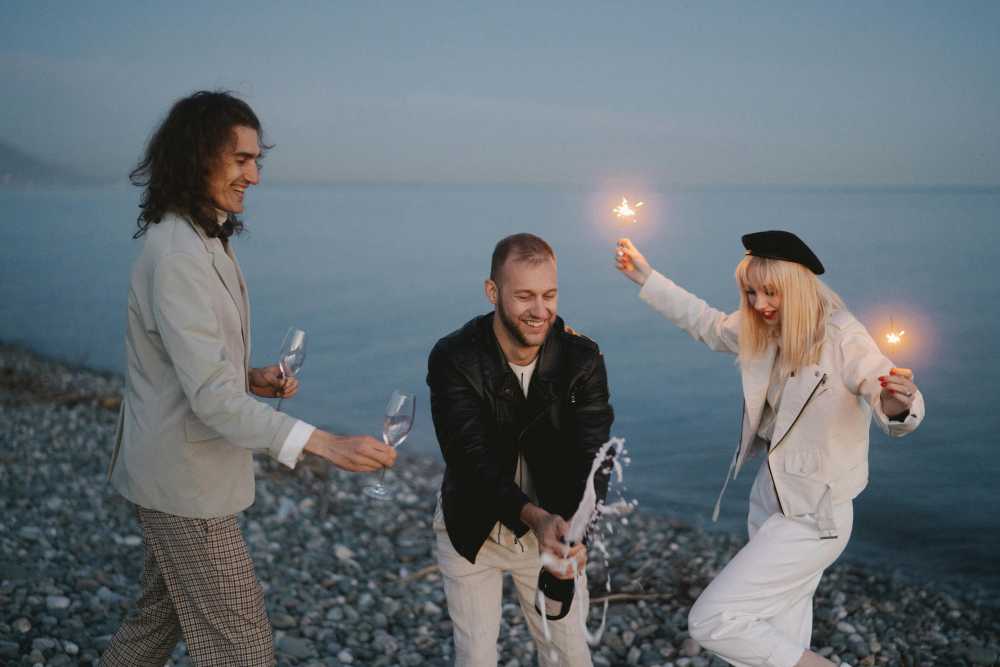
The solution is simpler and far more spectacular than you imagine: Miami Beach. This is where traditional holidays are brilliantly reimagined under sunny skies and among palm trees wrapped in twinkling lights. It’s where the new year is welcomed with world-class fireworks over the ocean and patriotic celebrations happen with your toes buried in the sand. This guide is your definitive blueprint for crafting that ultimate festive escape. We’ll dive deep into how to experience Miami’s most iconic holidays with a unique coastal twist, transforming your vacation from a simple trip into a sun-drenched celebration you’ll never forget.

Why Miami Beach is the Ultimate Holiday Destination
Let's be honest: most holiday destinations force a choice between festive magic and beachside bliss. Miami throws that choice out the window. Here, the holiday season isn't defined by snow and scarves but by endless sunshine and turquoise water, all supercharged with a cultural energy that gives every celebration a unique pulse. This is the core of what makes beach holidays in Miami so magnetic—the ability to swap a white Christmas for a white-sand Christmas without losing an ounce of the magic.
The city’s approach to holidays is a spectacle in itself. Imagine watching a parade of multi-million-dollar yachts, decked out in elaborate Christmas lights, gliding across Biscayne Bay. Picture yourself counting down to midnight on New Year's Eve at a glamorous rooftop party overlooking the Atlantic. This fusion of festive tradition and tropical paradise is the core of Miami's appeal, a theme we explore from a bird's-eye view in our comprehensive guide to Miami Holidays: 8 Beach Fest Vibes. Miami offers a holiday experience that feels both exhilaratingly different and wonderfully familiar, allowing you to create entirely new traditions under the sun.

Mastering the Art of a Tropical Christmas
Forget everything you thought you knew about a traditional Christmas. In Miami, the holiday season is a brilliant, sun-kissed affair that trades snow flurries for gentle sea breezes and roaring fireplaces for the warm, golden glow of a beachside sunset.
Witness the Spectacle of Holiday Boat Parades
The quintessential Miami Christmas experience is, without a doubt, the holiday boat parade. Instead of floats rolling down a street, you’ll see dozens of vessels—from sleek sailboats to jaw-dropping yachts—illuminated with thousands of festive lights as they cruise along Biscayne Bay. These floating spectacles often feature live music, costumed characters, and breathtakingly creative displays that could only happen here. It’s a magical tradition that perfectly captures the city's nautical culture and festive spirit. The best parades can be viewed from several waterfront parks, but arriving early is non-negotiable if you want a good spot.
Discover Dazzling Light Displays with a Coastal Twist
While Miami may lack snow-covered pines, it more than compensates with its stunning and unique light displays. Palm trees lining iconic streets like Ocean Drive and Collins Avenue are wrapped in twinkling lights, creating a surreal and beautiful holiday landscape. For a truly immersive experience that’s perfect for families, a visit to the Christmas Wonderland at Tropical Park is a must. This sprawling event features miles of drive-thru light displays, classic carnival rides, and festive treats, offering a complete holiday experience with a distinctly Miami flavor.
Planning Your Tropical Christmas Experience:
Check Parade Schedules: Boat parade dates and routes are typically announced in early November. Check the official city and county tourism websites for the most up-to-date information to plan your viewing strategy.
Book Waterfront Dining: Many restaurants along the bay and the Intracoastal Waterway offer special holiday menus with prime, front-row views of the boat parades. Reservations are absolutely essential and should be made weeks, if not months, in advance.
Explore Neighborhood Lights: Beyond the main tourist hubs, wander through neighborhoods like Coral Gables and Coconut Grove, which also boast beautiful residential light displays perfect for a festive evening drive or stroll.
Pro-Tip: For a truly unforgettable view of the holiday boat parades, consider booking a spot on a public viewing cruise. You get the full festive atmosphere and an unbeatable vantage point without having to battle the massive crowds in the main parks.

Ringing in the New Year: Miami Beach Style
New Year's Eve in Miami is a world-renowned spectacle, famous for its explosive energy, celebrity sightings, and, of course, spectacular fireworks. Whether you're looking for a free, family-friendly block party or an ultra-exclusive VIP gala, the city offers a countdown for every style and budget.
The Epicenter of the Celebration: Bayfront Park
The heart of Miami's public NYE celebration is at Bayfront Park in Downtown Miami, just a short ride across the causeway from Miami Beach. This massive, free event features live music from chart-topping artists and culminates with the rise of "The Big Orange"—Miami's quirky answer to the Times Square Ball—up the side of the InterContinental Hotel. As the clock strikes midnight, a breathtaking fireworks display erupts over Biscayne Bay, illuminating the entire city skyline.
For a beach-centric view, find a spot on the eastern edge of South Pointe Park. You can see the downtown fireworks from a distance with the soothing sound of the waves as your personal soundtrack.
Glamorous Parties and Exclusive Events
For those seeking a more luxurious and high-octane celebration, South Beach is the undisputed playground.
High-End Clubs: For the ultimate splurge, world-famous nightclubs like LIV and Fontainebleau host legendary parties with A-list performers, though tickets regularly start at $200 and climb steeply.
Accessible Vibes: For a more accessible but still electric vibe, the bars in Coconut Grove offer vibrant street parties with cover charges hovering around a more manageable $50.
Unique Cruises: For a truly unique perspective, book a New-Year's-Eve cruise on Biscayne Bay; for around $150+, you get dinner, drinks, and an unbeatable, crowd-free view of the fireworks.

Patriotic Parties: Your Guide to Beach Holidays in Miami for July 4th
Independence Day in Miami is a classic American celebration with a distinct coastal identity. The day is all about sun, sand, and sizzling barbecues, followed by an evening of spectacular fireworks exploding over the water. It’s the perfect holiday to embrace the laid-back beach lifestyle while enjoying patriotic festivities.
The Main Event: Fireworks Over Biscayne Bay
While many smaller displays happen up and down the coast, the region's premier Independence Day celebration is hosted at Bayfront Park in Downtown Miami. This massive event draws huge crowds for a day of live music, food vendors, and family-friendly activities, all leading up to the main event: a dazzling, high-powered fireworks show over the bay.
The true pro move for experiencing this is to watch from the water. Chartering a boat or joining a group cruise provides an unparalleled, unobstructed view of the fireworks, far from the packed crowds on land. You can feel the boom of the explosions reverberate across the water as the vibrant colors reflect on the surface, creating a 360-degree spectacle you won't soon forget.
A Beach-Goer's Guide to the Fourth:
Claim Your Spot Early: If you plan to spend the day on the sand, arrive no later than mid-morning. The most popular spots on South Beach fill up quickly with families and groups setting up for a full day of fun.
Pack Smart: Bring plenty of water, high-SPF sunscreen, and shade (like an umbrella or tent). A portable grill can elevate your beach barbecue, but be sure to check and follow all local regulations regarding open flames.
Stay for the Local Show: Many local municipalities along the coast, from South Beach to North Beach, host their own smaller fireworks displays. Find a comfortable spot on the sand after sunset and enjoy a more intimate show with the sound of the ocean in the background.
Planning Your Perfect Festive Escape: A Practical Guide
A successful festive escape to Miami Beach is all about smart, proactive planning. Navigating the holiday crowds, packing appropriately for the unique climate, and knowing how to find moments of tranquility are key to a stress-free and memorable trip.
What to Pack for a Festive Beach Holiday
Packing for a Miami holiday requires a strategic blend of beach casual and festive chic. Your suitcase should be a versatile mix that can take you from a sunny day on the sand to a glamorous New Year's Eve party without missing a beat.
Daytime Essentials: Lightweight, breathable clothing is a must. Pack multiple swimsuits, cover-ups, shorts, and tees. A wide-brimmed hat, powerful sunscreen, and polarized sunglasses are non-negotiable.
Evening Attire: Miami's nightlife and holiday events call for something more stylish. Pack a few dressier outfits—a cocktail dress, a sharp jumpsuit, or linen trousers with a crisp shirt.
Footwear: Include comfortable sandals for the beach, good walking shoes for exploring, and a pair of dressier shoes for evenings out.
Festive Touches: Don't forget a fun, festive accessory, like a Santa hat for a Christmas beach day or something sparkly for New Year's Eve.
Mastering the art of packing everything you need without overstuffing your luggage is a traveler's holy grail. For expert strategies on maximizing space and minimizing weight, our How to Pack Light Guide is an indispensable resource, filled with pro tips that will revolutionize how you prepare for any trip.
Navigating Crowds and Transportation
Holiday seasons are peak tourist times in Miami. To navigate the city like a pro:
Use Public Transit & Rideshares: Parking is notoriously difficult and expensive, especially in South Beach. Use the free Miami Beach Trolley to get around the island. For trips to the mainland for events at Bayfront Park, the elevated Metromover is a fantastic and free option. Rideshares are plentiful but expect significant surge pricing during major events.
Book Everything in Advance: This cannot be overstated. Accommodations, flights, rental cars, and tickets for special events should be booked months ahead to secure better prices and guarantee availability.
Embrace the Walk: South Beach is incredibly walkable. Staying in a central location will allow you to explore many attractions on foot, saving you time, money, and transportation headaches.
Pro-Tip: To escape the intense holiday crowds on South Beach, head north to Mid-Beach or North Beach. The vibe is more relaxed, the sands are just as beautiful, and you can still easily access the main event areas via a short rideshare or the free trolley.
Elevate Your Trip from Great to Unforgettable
You now have the insider knowledge to plan an incredible holiday escape to Miami Beach. You know where to find the best views for the fireworks, what to pack for a tropical Christmas, and how to navigate the city like a local. But planning is only half the battle. The real magic happens when every detail of your trip falls perfectly into place, allowing you to immerse yourself fully in the experience without an ounce of stress.
A truly unforgettable journey is built on a foundation of expert planning and deep, local insights. To transform this trip—and all your future travels—from simply great to absolutely seamless, you need a resource that goes beyond a single destination. Our comprehensive Travel Guide is the ultimate toolkit for the serious traveler. It’s packed with detailed U.S. itineraries, insider secrets for every major city, and practical advice that empowers you to travel smarter, not harder. Consider it your master key to unlocking the very best of the USA.

Your Sun-Drenched Holiday Awaits
Miami Beach offers a holiday experience unlike any other—a place where cherished festive traditions are celebrated under the warm embrace of the Florida sun. It’s a destination that proves you don’t have to choose between a relaxing beach vacation and a vibrant holiday celebration. You can, and should, have both. You now have the blueprint to design a trip that perfectly balances serene, sun-soaked days with dazzling, high-energy nights. Your dream of the perfect beach holidays in Miami is no longer just a fantasy; it’s a plan waiting to be executed. So pack your bags, leave the winter coat behind, and get ready to create a whole new set of holiday memories on the sand.
SEO Meta Title (Under 60 characters): Miami Beach Holidays: Your Guide to Festive Sun & Fun
URL Slug: miami-beach-holidays
SEO Meta Description (Under 155 characters): Swap snow for sand! Discover how to celebrate Christmas, NYE, and July 4th in Miami with our guide to tropical lights, beach parties, and festive escapes.
Don't Miss Out! Subscribe for Exclusive Content
SubscribeComments 0
No comments yet
Be the first to share your experience!
Dont Miss Out! Subscribe for Exclusive Content

San Francisco Cherry Blossoms: A Local's Guide to the Blooms

Halloween SF: Haunts Without Horrors

SF Festivals: 7 Must-See Lineups

Christmas SF: Lights & Wharf Wonders

SF Pride: 6 Route & Party Hacks

Chinese New Year SF: Parade Essentials
Christmas in NYC: 7 Magical Markets
TrekGuider @trekguider
Planning a trip for Christmas in New York can feel like trying to direct a Broadway show—exciting, but utterly overwhelming. You’ve seen the twinkling lights and festive cheer in countless movies, and you want that magical, snow-globe experience for yourself. You dream of sipping hot cocoa while browsing charming wooden stalls, finding unique gifts, and soaking in an atmosphere so festive it feels like a warm hug.
But the reality can be a chaotic whirlwind of massive crowds, tourist traps, and paralyzing indecision. You risk spending your precious holiday time stuck in the wrong places, missing out on the authentic, cozy markets that truly define the city's holiday spirit. Instead of feeling the magic, you end up feeling stressed, cold, and disappointed, wondering if you’ve missed the real heart of a New York Christmas.
This guide is your definitive map to festive perfection. We’re cutting through the noise to take you on an insider’s tour of the 7 most magical Christmas markets in NYC. We’ll share pro-tips on what to buy, the best times to visit to avoid the crowds, and how to pair each market with the city’s most stunning light displays for the ultimate holiday adventure. These markets are a key part of the city's festive transformation, a spectacle we explore in full in our complete guide to New York Holidays: 10 Must-Do Events. Get ready to experience the holiday season in NYC the way it was meant to be.
Essential Know-Before-You-Go Tips for a Perfect Market Day
A little strategy goes a long way in a city that never sleeps, especially during the holidays. To make your market-hopping experience more magical and less maddening, keep these core principles in mind. They are the key to unlocking a smoother, more enjoyable Christmas in New York.
Embrace the Weekday Morning: The single best piece of advice for any major NYC attraction is to go early on a weekday. The holiday markets are most pleasant right when they open, typically around 11 AM. You’ll have more space to browse, chat with vendors, and truly appreciate the craftsmanship without being jostled by the shoulder-to-shoulder afternoon crowds.
Master Public Transportation: Driving and parking in Manhattan during the holidays is a recipe for extreme frustration and expense. The subway and buses are your best friends. Plan your market route using a transit app, buy a MetroCard for the duration of your stay, and enjoy the freedom of zipping beneath the traffic-clogged streets.
Dress in Smart Layers: New York’s winter weather is notoriously fickle. You might be freezing while walking between markets but quickly overheat once inside a packed indoor venue like Grand Central. Dress in layers—a thermal base, a sweater or fleece, and a warm, waterproof coat—that you can easily add or remove. A comfortable pair of waterproof boots is non-negotiable.
Carry a Mix of Cash and Cards: While the vast majority of vendors now accept credit cards, some smaller artisans or food stalls may be cash-only or have credit card minimums. Having a mix of both ensures you’ll never miss out on that perfect, one-of-a-kind find or a warm pretzel when you need it most.
1. Bank of America Winter Village at Bryant Park: The Iconic Centerpiece
If you could only visit one holiday market in NYC, this would be it. The Winter Village at Bryant Park is the quintessential New York Christmas experience, a dazzling wonderland set against the iconic backdrop of the New York Public Library and soaring midtown skyscrapers. This isn't just a market; it's a full-blown festive destination.
The entire experience is built around the 17,000-square-foot ice rink, which famously offers free admission (you just pay for skate rentals). Surrounding it are over 180 European-inspired, custom-designed "jewel box" kiosks that glow from within, creating a warm and inviting atmosphere as you wander the park's allées.
Here, you’ll find a truly global selection of goods, from complex ornaments and handmade leather goods to unique jewelry and cozy winter apparel from independent designers. The food options are a major draw. You can find everything from savory Belgian waffles and pierogies to rich hot chocolate and artisanal cheese. The Lodge provides an aprés-skate-themed food hall, offering a cozy spot to refuel and watch the skaters.
Pro-Tip: To truly enjoy the ambiance, visit on a weekday morning right when it opens. You can have a leisurely skate on the near-empty rink and browse the shops in peace. By lunchtime, the crowds swell, and the experience becomes far more hectic.

2. Union Square Holiday Market: The Eclectic European-Style Village
If your gift list demands something with more soul than a department store can offer, make a beeline for the Union Square Holiday Market. It’s less a market and more a sprawling, festive village that erupts in the heart of downtown, its iconic red-and-white striped stalls forming a labyrinth of pure creative energy.
The sheer variety and quality of the vendors are what set this market apart. It’s a juried market, meaning every vendor is carefully selected, ensuring a high standard of craftsmanship and originality. The winding aisles encourage exploration, making you feel like you’re discovering a hidden gem around every corner. This is the place to find gifts you simply won't see anywhere else: hand-blown glass ornaments, screen-printed posters from local artists, gourmet pantry items, and organic bath products. Several booths even offer on-the-spot personalization, whether it’s stamping a leather keychain or engraving a piece of jewelry.
The market can feel overwhelming. Our advice? Grab a map at the entrance and do a quick loop of the perimeter first to get your bearings. Then, dive into the inner aisles to hunt for treasures.
3. Columbus Circle Holiday Market: An Upscale Festive Escape
Perfectly situated at the southwest entrance to Central Park, the Columbus Circle Holiday Market offers a slightly more relaxed and upscale shopping experience. It’s the ideal place to find sophisticated gifts for the most discerning people on your list, with the added bonus of a magical Central Park stroll right next door.
The location is simply unbeatable. The glittering lights of the market stalls, with the stone arches of the park entrance and the Time Warner Center as a backdrop, create a picture-perfect holiday scene. It’s smaller and more manageable than Union Square, allowing for a more leisurely browsing experience focused on quality craftsmanship and gourmet treats. Expect to find elegant jewelry, designer winter wear, complex wooden puzzles, and fine art photography. The food vendors are a delight, selling artisanal chocolates, infused olive oils, and spiced gingerbread.
After shopping, complete your classic NYC holiday afternoon by taking a horse-drawn carriage ride through Central Park or going for a skate at the famous Wollman Rink.
4. Grand Central Holiday Fair: The Warmest Indoor Market
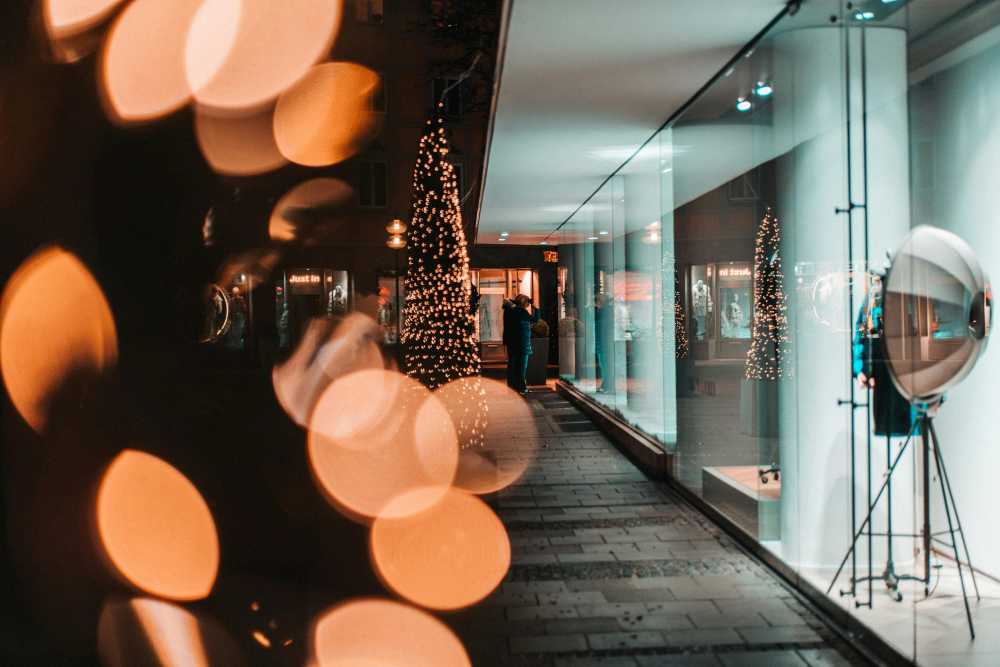
When the winter wind is biting, the Grand Central Holiday Fair offers a warm and dazzling respite. Housed in the magnificent, beaux-arts Vanderbilt Hall, this indoor market is a haven of calm and quality, away from the outdoor chill. Shopping under the grand chandeliers is an experience in itself.
The market is hand-picked, focusing exclusively on American-made and handcrafted products from artisans and small businesses across the USA. You’ll find everything from handmade stationery and children’s clothing to beautiful pottery and eco-friendly accessories. The atmosphere is refined and peaceful, a stark contrast to the joyful chaos of the outdoor markets. Its location within Grand Central Terminal makes it an incredibly convenient stop for commuters and travelers. Because it’s indoors, this is the perfect market to save for a particularly cold or snowy day.
5. The Holiday Market at the Oculus: A Modern Marvel
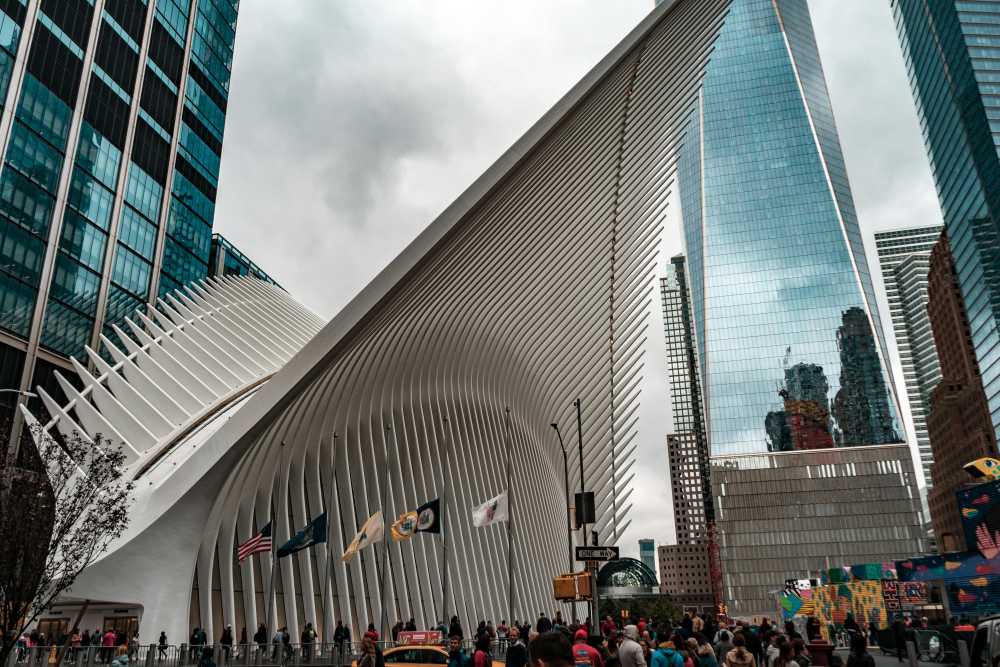
For a Christmas in New York experience that is sleek, modern, and architecturally stunning, head downtown to the Holiday Market at the Oculus. Set inside Santiago Calatrava’s breathtaking transit hub, this market blends high-end shopping with festive pop-ups in a truly unforgettable setting.
The venue is the star. The soaring white ribs of the Oculus create a cathedral-like space that feels both grand and futuristic. During the holidays, the space is filled with elaborate decorations and a cheerful, bustling energy, offering a completely different vibe from the traditional wooden-stall markets. The market is a mix of familiar luxury brands and curated pop-up shops offering everything from gourmet sweets to tech gadgets. It often features live musical performances, adding to the lively atmosphere.
Pair It With: The Oculus is part of the World Trade Center complex, making it easy to combine your shopping with a poignant visit to the 9/11 Memorial & Museum or a trip to the top of One World Observatory for staggering city views.
6. Brooklyn Flea + Smorgasburg Winter Market: The Hipster's Holiday Haul
Escape the Manhattan crowds and discover a treasure trove of unique finds at the Brooklyn Flea + Smorgasburg Winter Market. This is where you’ll find the city’s coolest vintage goods, handmade crafts, and artisanal foods all under one roof, making it the ultimate destination for a one-of-a-kind gift.
The vibe is pure Brooklyn: creative, eclectic, and effortlessly cool. It’s a massive market that combines the best of the Brooklyn Flea (vintage clothing, antique furniture, retro vinyl) with the best of Smorgasburg (dozens of gourmet food vendors). You are guaranteed to find something here that you won’t see anywhere else, shopping directly from Brooklyn-based artists and designers. The Smorgasburg section is a culinary adventure in itself, serving up inventive dishes from around the world.
Pro-Tip: This is the perfect market for finding a truly unique gift that tells a story. To make your trip even smoother, especially if you're visiting from abroad and planning to bring treasures home, download our International Travel Checklist to ensure you have everything you need for a seamless journey.
7. Grand Holiday Bazaar: The Year-Round Market with a Festive Flair
For a shopping experience that feels good and does good, visit the Grand Holiday Bazaar on the Upper West Side. This is the city’s largest curated weekly market, but it pulls out all the stops for the holiday season with special festive themes and vendors.
What makes this market truly magical is its powerful social mission: all profits are donated to four local public schools, benefiting over 2,000 children. Shopping here means you’re directly supporting the local community, making every purchase feel meaningful. The atmosphere is friendly and neighborhood-focused, with a rotating lineup of over 150 independent local artisans, designers, and vintage dealers each week. Be sure to check their website before you go to see the theme for the week.

Beyond the Markets: A Tour of NYC's Legendary Holiday Lights
No trip for Christmas in New York is complete without indulging in the city’s legendary light displays. Many of these are conveniently located near the markets, allowing you to create a perfect festive itinerary.
The Rockefeller Center Christmas Tree: This is the undisputed king of all holiday displays. The single best piece of advice, straight from seasoned locals, is to visit at dawn. The early hour rewards you with a serene, crowd-free view that feels like a private showing.
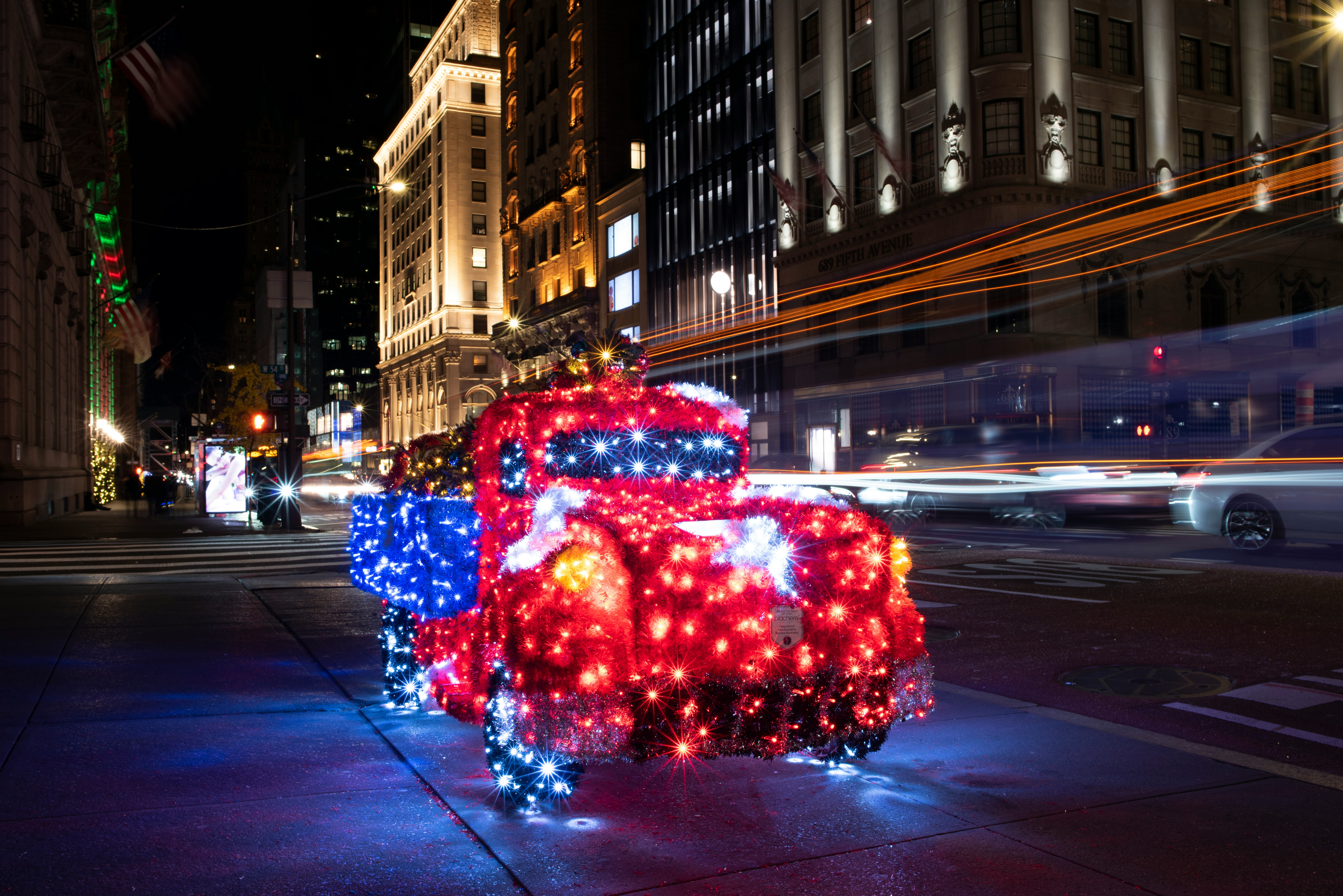
Saks Fifth Avenue Light Show: Directly across from Rockefeller Center, the entire facade of the Saks Fifth Avenue flagship store is transformed into a dazzling musical light show that runs every ten minutes after dusk. It’s a spectacular and unmissable piece of holiday theater.
Dyker Heights, Brooklyn: For a truly over-the-top display, you must take a trip to this Brooklyn neighborhood. The residents engage in a friendly competition to create the most spectacular, professionally-done Christmas light displays imaginable. It’s an unforgettable experience that feels like stepping onto a movie set.
Your Magical New York Christmas Awaits
You now have the insider’s playbook to the very best of festive New York. Armed with this guide, you can navigate the city not as a stressed tourist, but as a savvy traveler ready to soak in the genuine magic of the season. From the iconic grandeur of Bryant Park to the creative buzz of Brooklyn, you have the keys to unlock a holiday trip filled with unique gifts, delicious food, and unforgettable memories. Your perfect Christmas in New York is no longer just a dream—it’s a plan.
Ready to plan your entire U.S. holiday adventure? Our comprehensive Travel Guide is packed with expert advice, detailed itineraries, and local secrets to unlock unforgettable experiences across the country.
Don't Miss Out! Subscribe for Exclusive Content
SubscribeComments 0
No comments yet
Be the first to share your experience!
Dont Miss Out! Subscribe for Exclusive Content
San Francisco Cherry Blossoms: A Local's Guide to the Blooms
Halloween SF: Haunts Without Horrors
SF Festivals: 7 Must-See Lineups
Christmas SF: Lights & Wharf Wonders
SF Pride: 6 Route & Party Hacks
Chinese New Year SF: Parade Essentials
How to Start a Travel Blog (And Get Noticed)
TrekGuider @trekguider
You have a passion for travel that borders on obsession. Your camera roll is a treasure map of untold stories, and your notes app is filled with the kind of hard-won wisdom that could save a fellow traveler time, money, and stress. The idea of starting a travel blog feels like the perfect way to share it all—a potential path to a life with more freedom and adventure.
But there’s a problem. The moment you consider the "how," a wave of technical overwhelm washes over you. Domains, hosting, WordPress, plugins, SEO—it’s a foreign language, a dense fog of conflicting advice that makes the entire project feel intimidating and out of reach. You see other creators living the dream, and you're stuck in analysis paralysis, believing you need to be a web developer just to get started. Every day you wait, you feel the immense opportunity of the creator economy—a market projected to swell from $250 billion to nearly $500 billion by 2027—slipping through your fingers.
Forget the confusion. This is the guide that cuts through the noise. The old way of starting a travel blog is dead. You don't need to build a website from scratch. This is your chronological, step-by-step playbook that will show you how to start a travel blog presence on a powerful marketplace, letting you focus on what you do best: creating. We'll walk you through building a professional home for your brand in minutes, not months. This is your A-to-Z blueprint for building the foundational asset of your future business. Once this home base is built, you can begin the journey of transforming it into a real enterprise, a journey we map out in our ultimate guide to How to Make Money Online: A Creator's Guide for 2026.

Why a Marketplace? The Smarter Foundation for Your Creator Empire
Before we dive in, it's critical to understand why starting on a creator marketplace like TrekGuider is a fundamentally better strategy than building a self-hosted blog from scratch. While owning a website was once the only path, today it's a detour filled with technical headaches, maintenance costs, and the slow, grinding challenge of building traffic from zero.
The most resilient and profitable creators still operate on a "Hub-and-Spoke" model, but the "hub" has evolved.
The Old Hub: A self-hosted blog you have to build, manage, and secure yourself.
The New Hub: Your professional creator page on a marketplace like TrekGuider. This is the core business asset you control, supercharged with a built-in audience, e-commerce tools, and the collective SEO power of the entire platform.
The Spokes: Social media platforms remain your powerful distribution channels, used to capture attention and drive traffic back to your new, high-powered hub.
Starting on a marketplace isn't just about creating a profile; it's about plugging into a pre-built ecosystem designed for your success. You get to skip the entire technical setup and focus day-one on content and commerce.

The Strategic Blueprint – Nailing Your Niche
Even on a powerful platform, the single biggest real advantage you can give yourself is specificity. Trying to be a travel expert for "everyone" is a recipe for getting lost in the noise. Choosing a well-defined niche allows you to build authority faster, attract a dedicated audience, and stand out in a catalog of creators.
How to Find a Profitable Niche
A successful niche sits at the intersection of three circles: your genuine passion, your audience's pressing problems, and its potential for profitability. Before you commit, you must validate your idea.
Keyword & Platform Search: Use keyword research tools to check Google search volume, but also search within the marketplace itself. Are other creators successfully selling products in this niche? Is there a healthy amount of interest? This is your data-driven sign of audience demand.
Competitor & Market Analysis: The presence of a few successful creators in your niche is a good thing; it proves a market exists. Analyze their products, articles, and pricing. If others are generating revenue, it validates the niche's commercial potential.
5 Promising Travel Blog Niche Ideas to Spark Inspiration
To get your brainstorming started, here are five less-saturated niches with huge potential for 2026:
Eco-Friendly & Sustainable Travel: Focus on low-impact tourism, conservation-focused experiences, and green-certified brands. This niche attracts a passionate, value-driven audience.
Remote Work & "Workation" Travel: Become the go-to resource for digital nomads by creating guides on finding reliable WiFi, navigating visa requirements, and discovering the best long-term accommodations.
Culinary Tourism (Hyper-Niche): Don't just be a "food travel" blog. Go deeper. Focus on a specific cuisine (e.g., "Exploring the Regional Cuisines of Southern Italy") or a dietary need (e.g., "A Vegan's Guide to Japan").
Accessible Travel: A critically underserved and deeply important niche. Create practical guides and resources for travelers with disabilities, focusing on wheelchair-accessible hotels, attractions, and transportation.
Micro-Destination Blog: Instead of trying to cover the world, become the undisputed expert on a single city, region, or small country (e.g., "The Ultimate Guide to Visiting Malta"). You can dominate local affiliate partnerships and product sales for that area.
How to Start a Travel Blog on a Marketplace – Your 10-Minute Setup
This is where you leapfrog months of technical work. Instead of wrestling with hosting and code, you'll build a professional home for your brand in less time than it takes to drink a cup of coffee.

Step 1: Claim Your Professional Creator Page
Getting started is simple. Navigate to the TrekGuider marketplace and register. The platform is actively creating pages for established bloggers using public data, so your first step is to search the author catalog to see if a page already exists for you.
If you find your page, you can claim it and gain full control.
If not, you can create a new one from scratch in minutes.
Step 2: Customize Your Digital Home Base
Your creator page is your professional landing page. It's designed to be your central hub, consolidating your entire brand in one place. Fill out every section to build trust and showcase your expertise:
Basic Information: Add a high-quality photo and a compelling bio that tells your story and explains who you help.
Social & External Links: Integrate your social media profiles and link out to any other personal websites or online stores you may have.
Monetization Tools: Enable the donation feature to allow your most loyal fans to support you through one-time payments or recurring subscriptions.
Step 3: Build Your Product Showcase
This is your integrated storefront. You don't need to install any clunky e-commerce plugins. Simply start uploading the digital products you want to sell:
Guides and E-books
Custom Maps and Routes
Itinerary Templates
The platform handles secure payment processing (via Stripe) and instant digital delivery, so you can focus on creating, not logistics.
The Foundational Content – Publishing on the Platform
With your digital home base established, it's time to furnish it with value. On a marketplace, you don't need to worry about building a blog from zero. Your mission is to publish 5-10 high-quality, in-depth articles directly to the platform's article section. This is your primary strategy for getting discovered.

Why Publishing on the Marketplace is a Superpower
Instant Audience: You tap into the marketplace's existing audience of passionate travelers who are already there to read articles and buy products.
Shared SEO Authority: You benefit from the domain authority of the entire platform, giving your articles a better chance to rank on Google much faster than a brand-new website.
Direct Traffic to Your Products: Every article you publish is linked back to your creator page, acting as a powerful, built-in funnel that drives readers directly to your product showcase and donation buttons.
Writing Your First Authority-Building Articles
Your first articles should be "key elements"—long, in-depth, evergreen posts that solve a major problem for your niche audience. Examples include:
A definitive guide to your niche destination (e.g., "The Ultimate First-Timer's Guide to Visiting Bali").
An exhaustive packing list (e.g., "What to Pack for a 2-Week Trip to Italy").
A detailed "how-to" post (e.g., "How to Plan a Trip to Japan on a Budget").
Feeling Overwhelmed by Trip Planning?
Creating a detailed itinerary is one of the most time-consuming parts of travel planning. To help you streamline the process for your own adventures—and to give you an example of a high-value resource you can one day create for your own readers—we've built the ultimate tool. Our comprehensive, plug-and-play itinerary template takes the stress out of organizing your next trip.
Download Your Free Plug-and-Play Itinerary Template Now
This type of high-value resource is exactly what your audience is looking for. Once you've created a helpful freebie, the next step is to package your unique expertise into a premium Travel Guide, which you can sell directly on your TrekGuider creator page to a global audience of passionate travelers.
Getting Noticed – The Basics of Promotion
With your page set up and a foundation of great content published, you can finally shift your focus to promotion.

Master Marketplace SEO From Day One
SEO is still your most critical long-term strategy, but now you apply it to the articles you publish on TrekGuider. For every post you write, you should:
Target a Keyword: Choose a specific phrase your ideal reader would search for.
Use the Keyword: Place your keyword naturally in the article's title, the first paragraph, and at least one subheading.
Optimize Images: Use descriptive file names and add "alt text" to every image.
Use Social Media as Your Amplifier
Your social media channels are your "spokes." Their job is to drive traffic back to your TrekGuider "hub." Share your newly published articles and link directly to your creator page or specific products in your social profiles. This creates a powerful feedback loop, funneling your existing audience to the place where they can best support you and buy your products.
Pro-Tip: Your creator page bio is your elevator pitch. It's the first thing a potential customer will read. Use it to tell a compelling story, clearly state who you serve, and explain the unique value you provide. This builds an instant, human connection that turns a casual browser into a loyal follower.
Frequently Asked Questions About Starting a Travel Blog
1. Is it free to start a travel blog on TrekGuider?
Yes. Creating your personal author page, publishing articles, and listing products is free. The platform makes money by taking a small, transparent commission on the products you sell, so we only succeed when you succeed.
2. Do I need my own website to use the marketplace?
No, and that's the biggest advantage. TrekGuider provides you with your own professional landing page, so you can have a credible, feature-rich home for your brand without any of the costs or technical hassles of building and maintaining your own site.
3. How does the platform help me get discovered?
The marketplace helps in two key ways: First, your articles and products are showcased to the platform's entire audience of travelers. Second, by publishing on a high-authority domain, your content has a much better chance of ranking on search engines like Google, attracting new users to the platform and, ultimately, to your page.
Your Journey Starts Now
The path from a vague dream to a published, professional travel blog presence is no longer a fog. It's a clear, actionable checklist. You now have the complete blueprint that details how to start a travel blog the modern, smarter way—by leveraging the power of a creator marketplace.
The most challenging part of any great journey is taking the first step. You have the map to a faster, more direct route. The only thing left to do is to begin your adventure.
SEO Meta Data Suggestions:
SEO Meta Title (58 characters): How to Start a Travel Blog in 2026 (Beginner's Guide)
URL Slug: how-to-start-a-travel-blog
SEO Meta Description (154 characters): A step-by-step guide for beginners on how to start a travel blog. Learn how to choose a niche, set up your creator page, and publish content that gets noticed.
Read the full guide: The Travel Blog Business Plan: How to Make Real Money in 2026
Don't Miss Out! Subscribe for Exclusive Content
SubscribeComments 0
No comments yet
Be the first to share your experience!
Dont Miss Out! Subscribe for Exclusive Content
FTC Affiliate Disclosure Essentials: Stay Compliant as a Travel Creator
Essential Affiliate Tools: From Tracking to Full Optimization
Avoid These 5 Affiliate Landing Page Mistakes for Better Conversions
Affiliate Keyword Research Mastery for Travel Blogs

Booking.com Affiliate Program Review: Pros, Cons, and Earnings Potential